MENU
Close





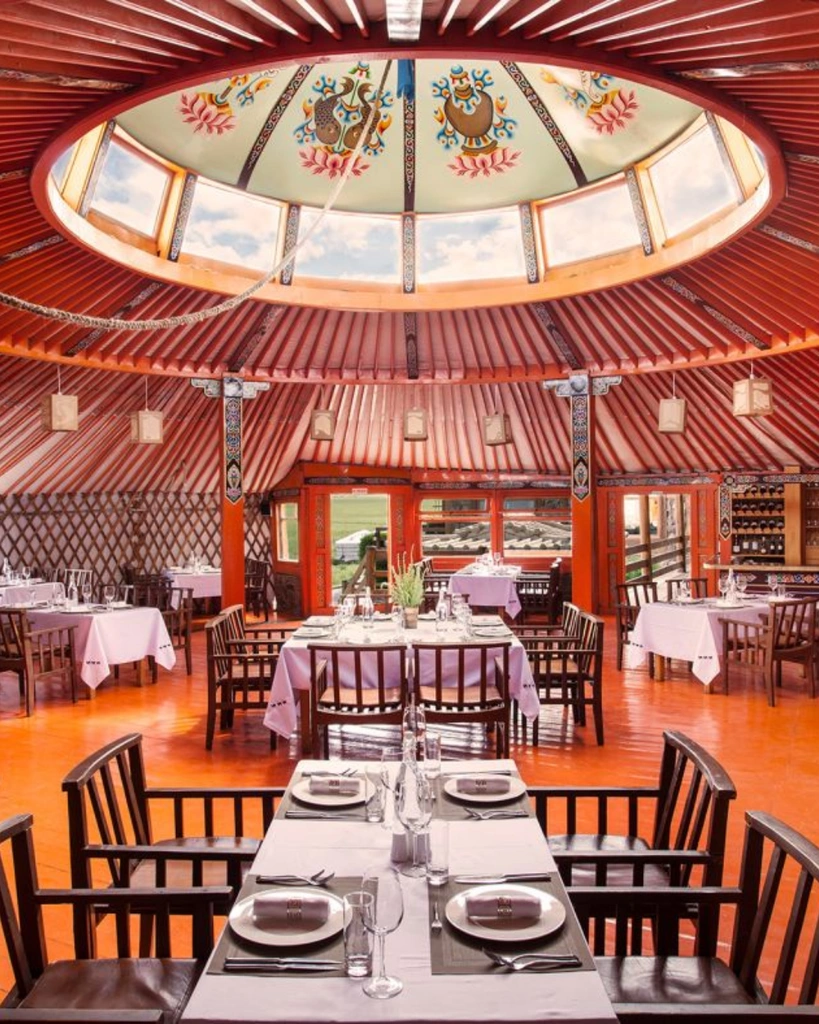
The best luxury stays in the Gobi Desert prove that prestige has grown tired of marble lobbies. In Mongolia’s vast, wind-carved wilderness, luxury arrives under the heritage of gers.
The best luxury stays in the Gobi Desert prove that prestige has grown tired of marble lobbies. In Mongolia’s vast, wind-carved wilderness, luxury arrives under the heritage of gers.
June 24, 2026


The best luxury stays in the Gobi Desert are built around a sharper equation: isolation plus curation. A room means very little unless it can survive distance. A shower becomes impressive when water itself is a logistical decision. A bed becomes decadent when it appears between fossil cliffs, volcanic ridges and dunes that sing under pressure. In this landscape, hospitality is measured less by excess than by intelligence.
This is the new grammar of remote luxury travel in Mongolia: traditional gers re-engineered with private bathrooms, minimalist lodges that disappear into the steppe, and temporary camps that treat zero-trace living as the highest form of taste. The Gobi is harsh, dry, spatially immense and operationally demanding. The hotels that work here are not merely places to sleep. They are philosophies with heating systems.
Three Camel Lodge is the name most often placed at the top of the Gobi luxury conversation, and with reason. Located near Bulagtai Mountain on the edge of Gobi Gurvan Saikhan National Park, it functions as a polished but culturally rooted gateway into the South Gobi. Lightfoot Travel notes that guests typically fly about one hour from Ulaanbaatar to Dalanzadgad, then continue by 4x4 for roughly 1.5 hours to reach the lodge.
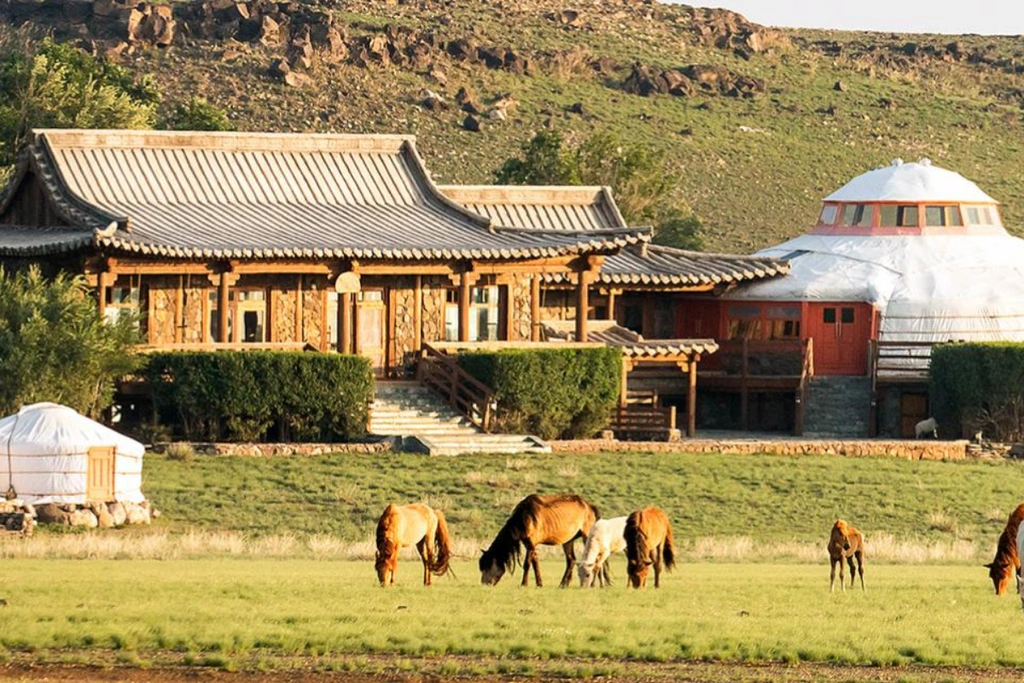
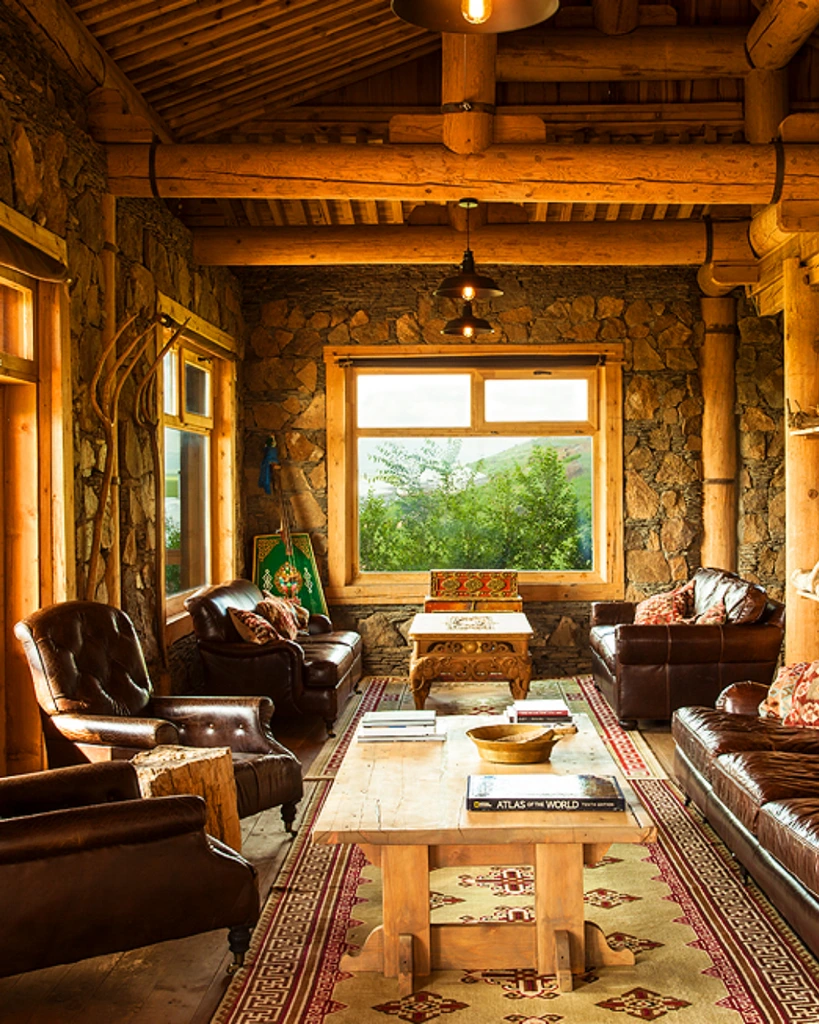
Its power lies in a delicate refusal: it gives comfort without making the desert feel upholstered. The property houses 40 luxury gers, each with a private bathroom, shower, sink and toilet; the ger entrances face south in keeping with Mongolian tradition. Larger specialty gers include the Khubilai Ger for families and the Genghis Ger with a lounge area.
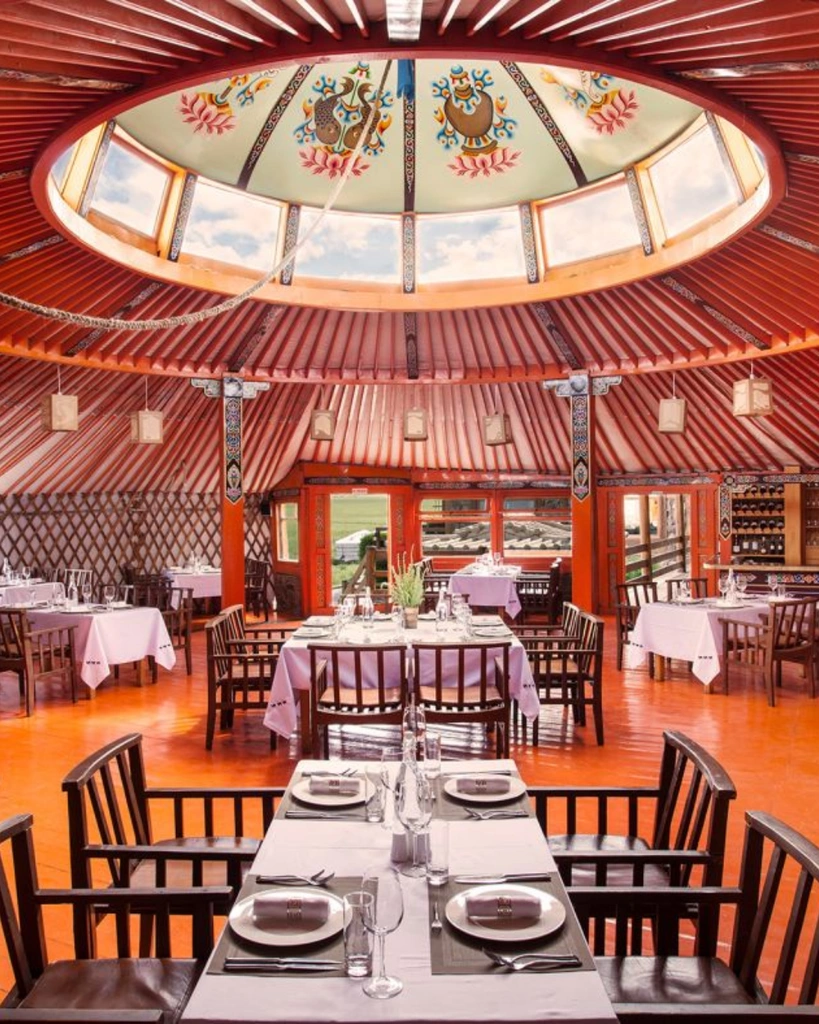
Architecturally, Three Camel Lodge leans into heritage with conviction. Its central Dino House and bar are constructed in the style of a Mongolian Buddhist temple, while the wider lodge experience folds in lectures, documentaries, guided expeditions, music, dance performances and meetings with local nomads. Beyond Green also describes the lodge as employing a 100 percent Mongolian staff, supporting local artisans and small businesses, and contributing to local water wells and winter support for herding communities.
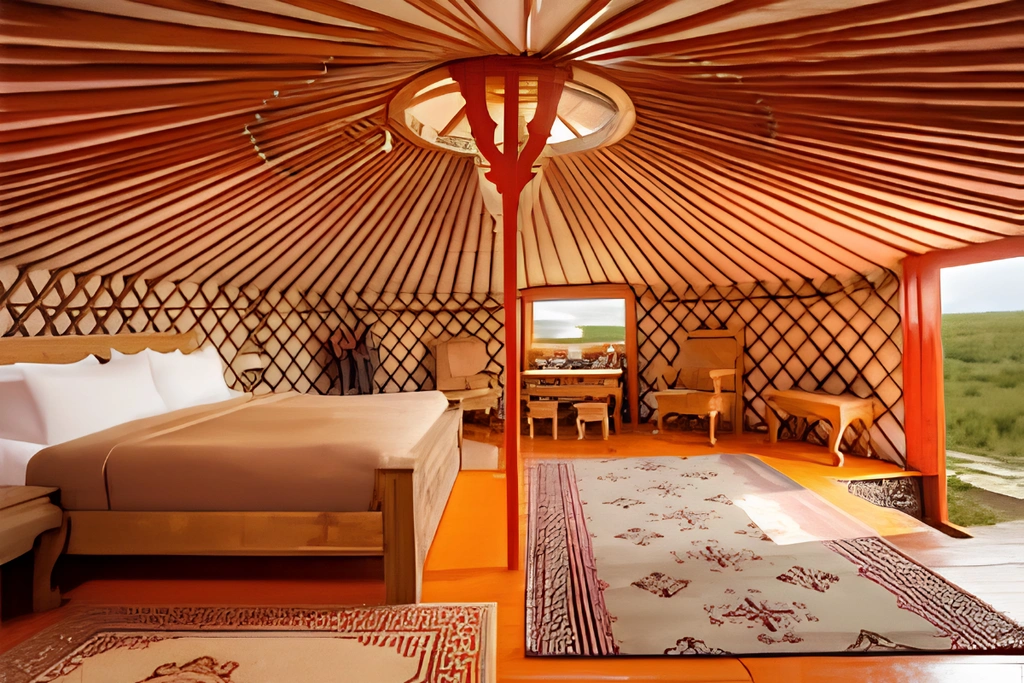
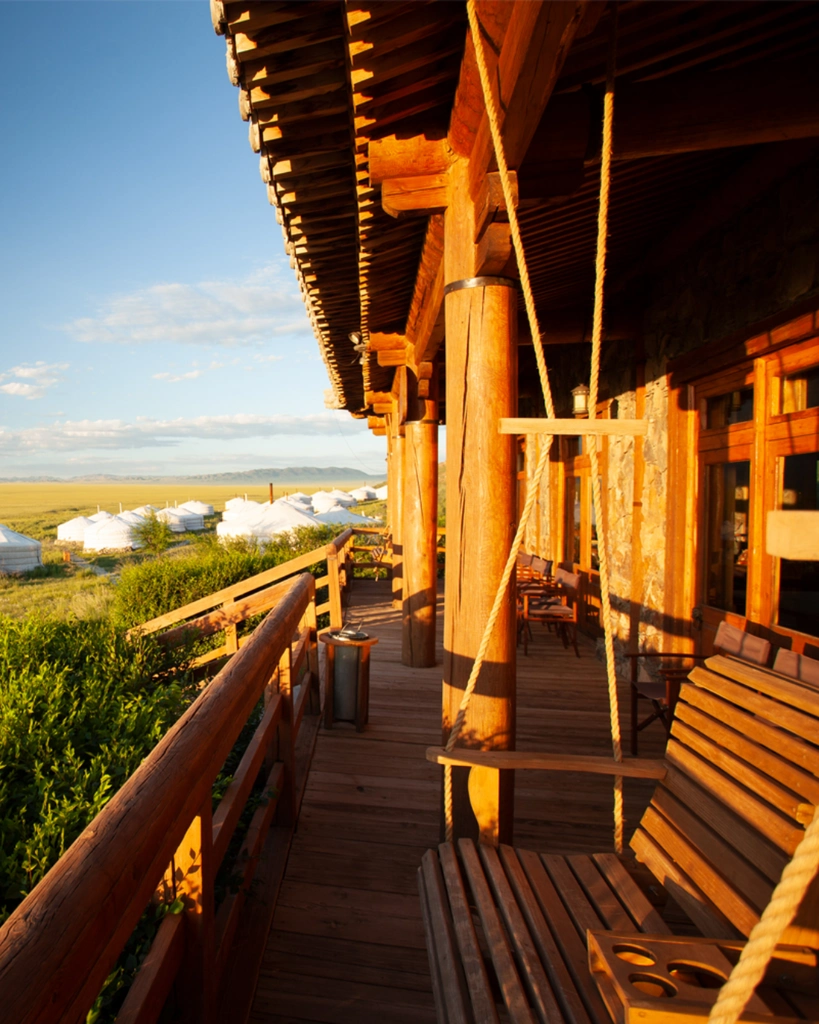
That is what makes Three Camel Lodge feel like the Gobi’s ultra-premium benchmark. The luxury is tangible: proper beds, private bathrooms, desert views, cultural programming, warm interiors, carefully staged excursions. Yet the deeper appeal is psychological. It gives the UHNW traveler the sensation of being far from the world while still held inside a disciplined system of care.
Price-wise, this is the upper tier. Multi-day, all-inclusive expeditions can move into several-thousand-dollar territory depending on season, party size, routing, guide level and suite category. Peak travel around summer and Naadam season can push demand higher. Current rates should always be checked directly with the property or specialist operator, as Gobi pricing is highly itinerary-dependent.
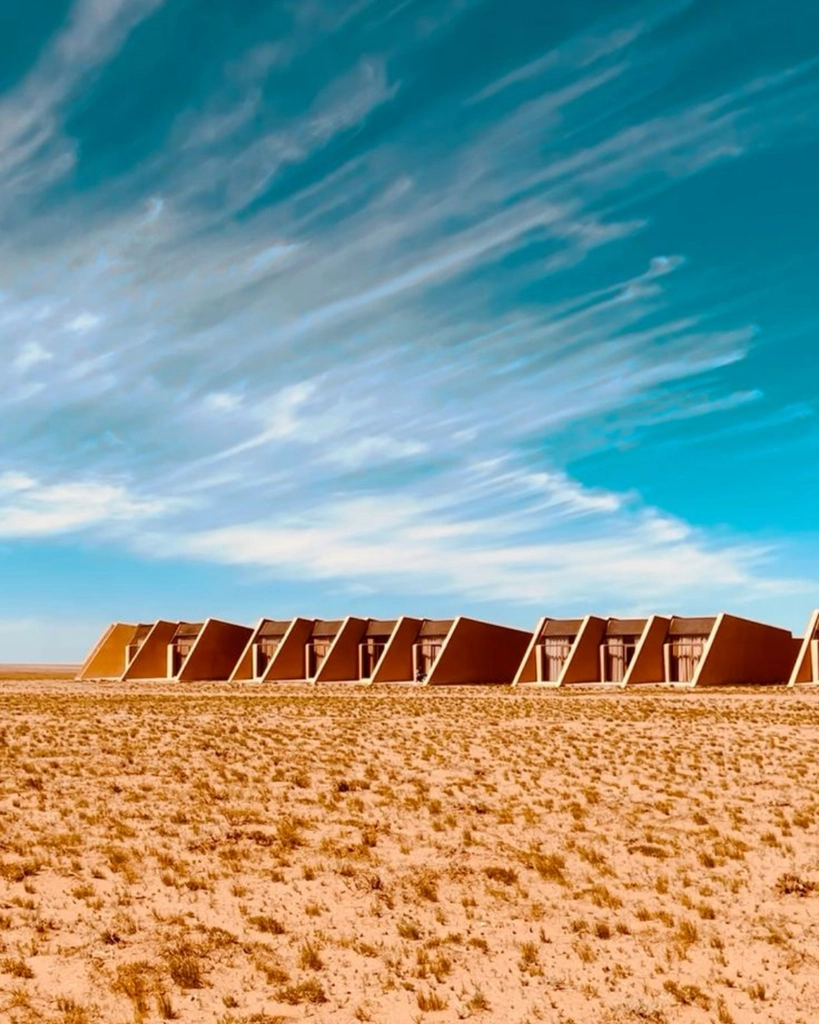
If Three Camel Lodge is the refined classic, Gobi Caravanserai is the more architectural provocation. Located in Dundgobi aimag, Ulziit soum, about 427 kilometers from Ulaanbaatar and near Tsagaan Suvarga, also known as the White Stupa, the lodge positions itself as a minimalist eco-lodge on Gobi discovery routes.
Its name does useful work. A caravanserai was historically a roadside inn for traders, pilgrims and caravans moving across difficult terrain. In the Gobi, that idea becomes newly glamorous. The lodge does not need to imitate palace hospitality. Its appeal comes from the ancient fantasy of shelter in transit, translated through a more contemporary design vocabulary.
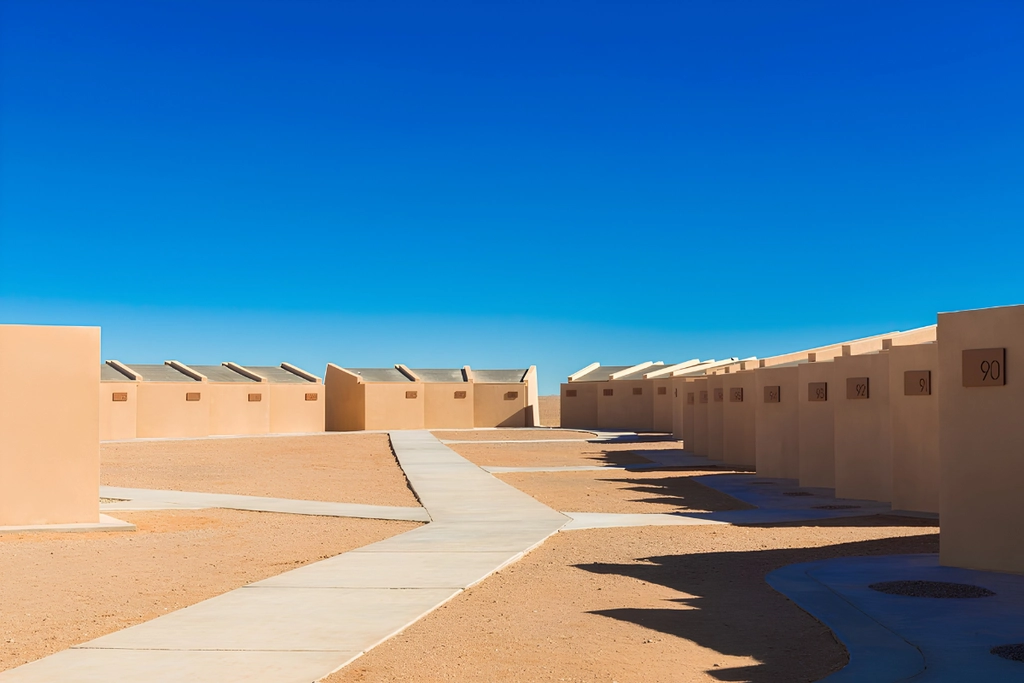
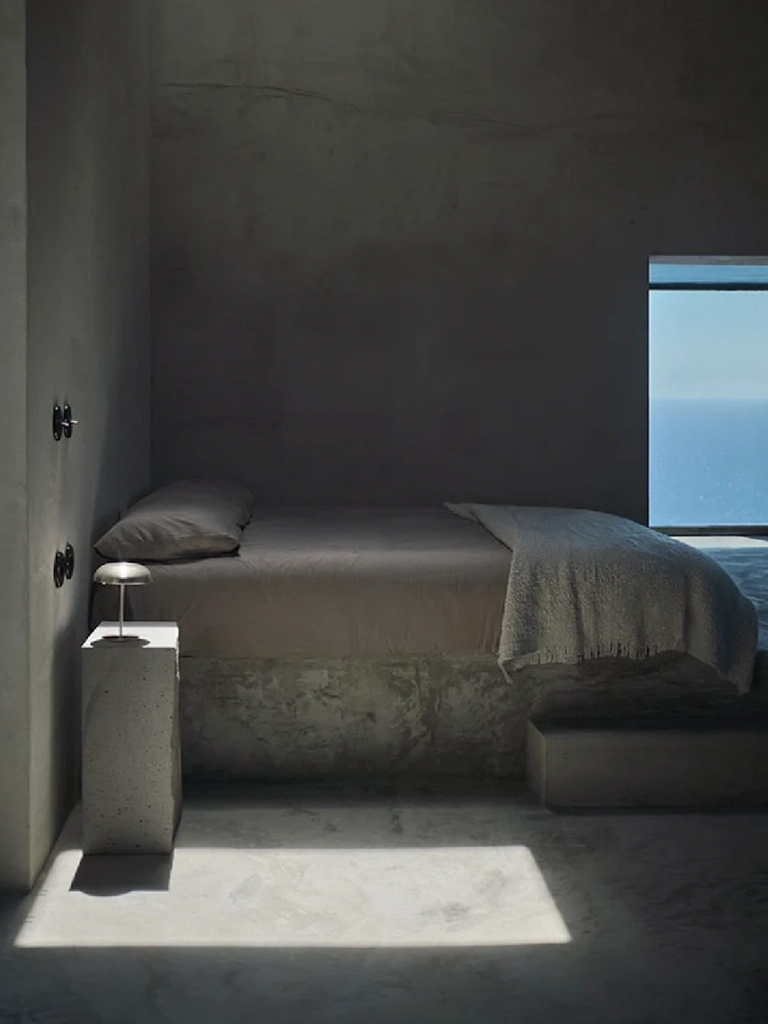
Gobi Caravanserai Escapist Lodge is a minimalist eco-lodge “in the middle of infinite Gobi,” created as a resting point along Gobi routes, with 46 rooms listed on the property page. The visual proposition is different from the ornamental warmth of traditional ger camps. It is lower, cleaner, more horizon-conscious. It asks to be photographed not as folklore, but as desert geometry.
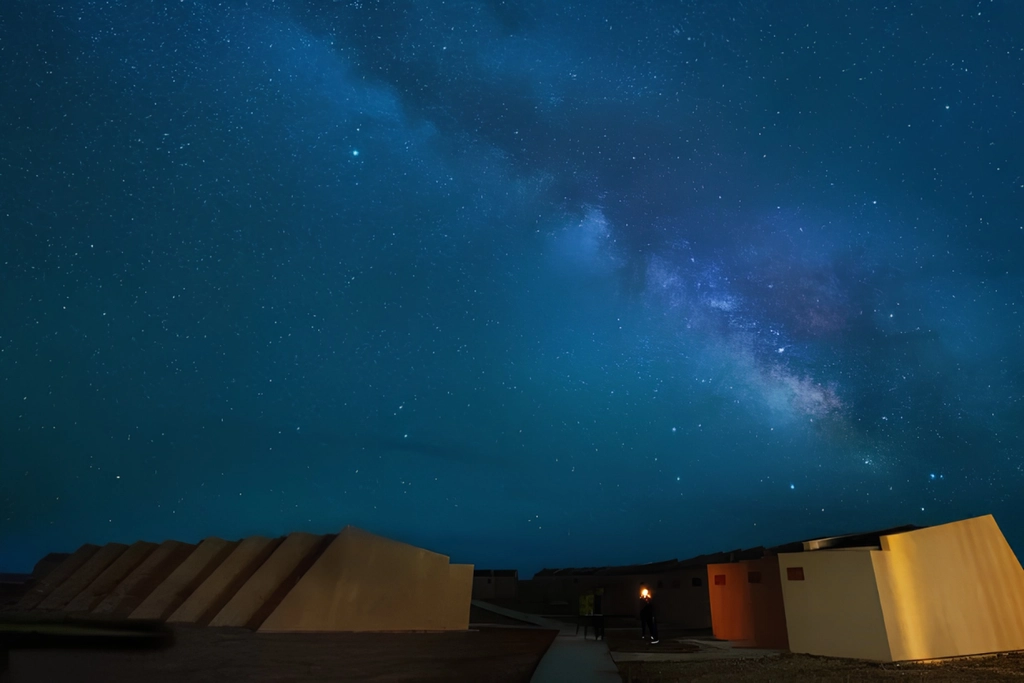
This makes Gobi Caravanserai especially interesting for design, fashion and lifestyle travelers. It has the feeling of a location scout’s secret: severe land, sculptural silence, architecture that wants to disappear and be noticed at the same time. Its luxury is less about indulgence and more about mood. One imagines linen, shadow, pale stone, good sunglasses and a suitcase that has seen Milan.
Its pricing sits more accessibly than the top expedition-lodge bracket, though transport must be considered as part of the real cost. A nightly rate can look manageable on paper, while private transfers, 4x4 routing, guide services and onward Gobi logistics reshape the total. That is the recurring joke of remote hospitality: the room may have a price, but distance sends its own invoice.
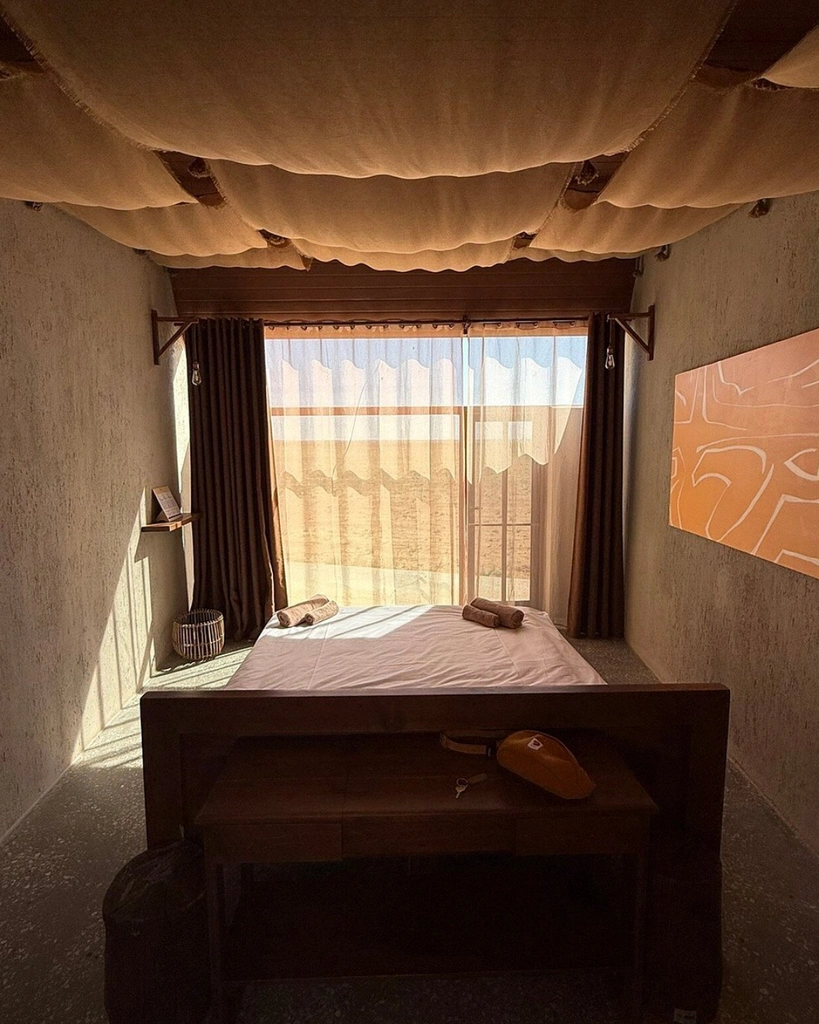
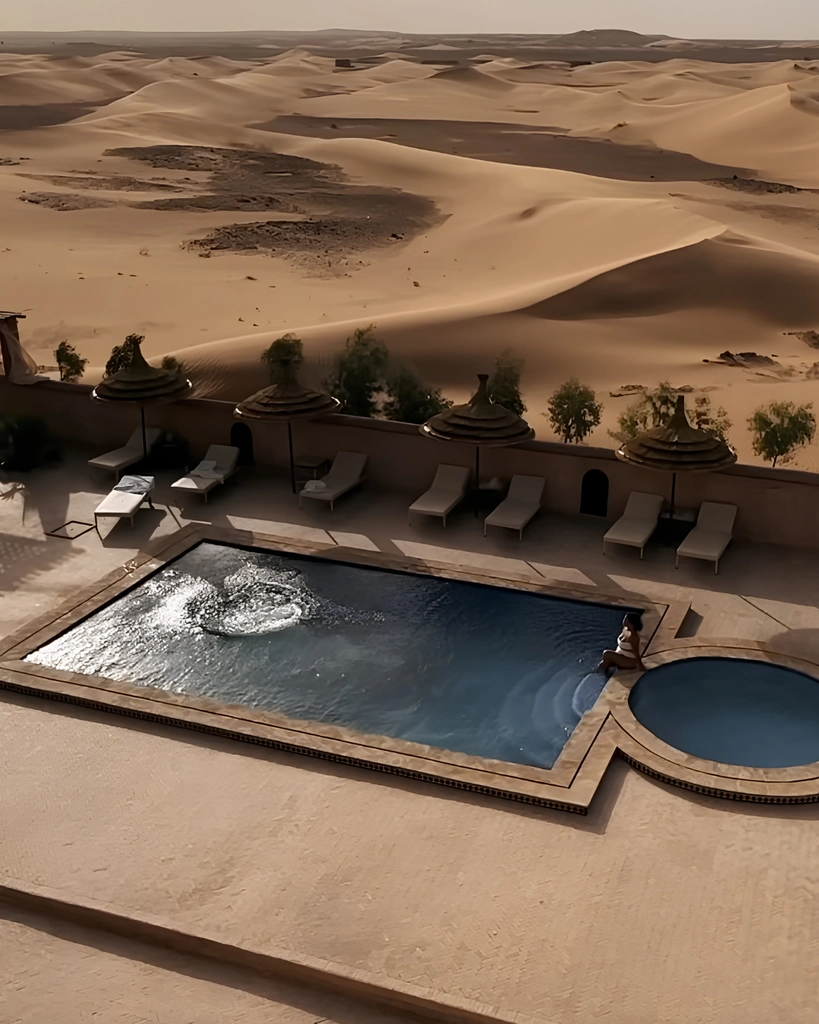
Sweet Gobi Geolodge offers a third and perhaps more philosophical model. Located near the golden sand dunes of Elsen Tasarhai and the sacred Khogno Khan mountains, it sits roughly 260 kilometers from Ulaanbaatar, with access listed as about one hour by private plane, 3.5 hours by 4x4 Land Cruiser or 4.5 hours by minibus.
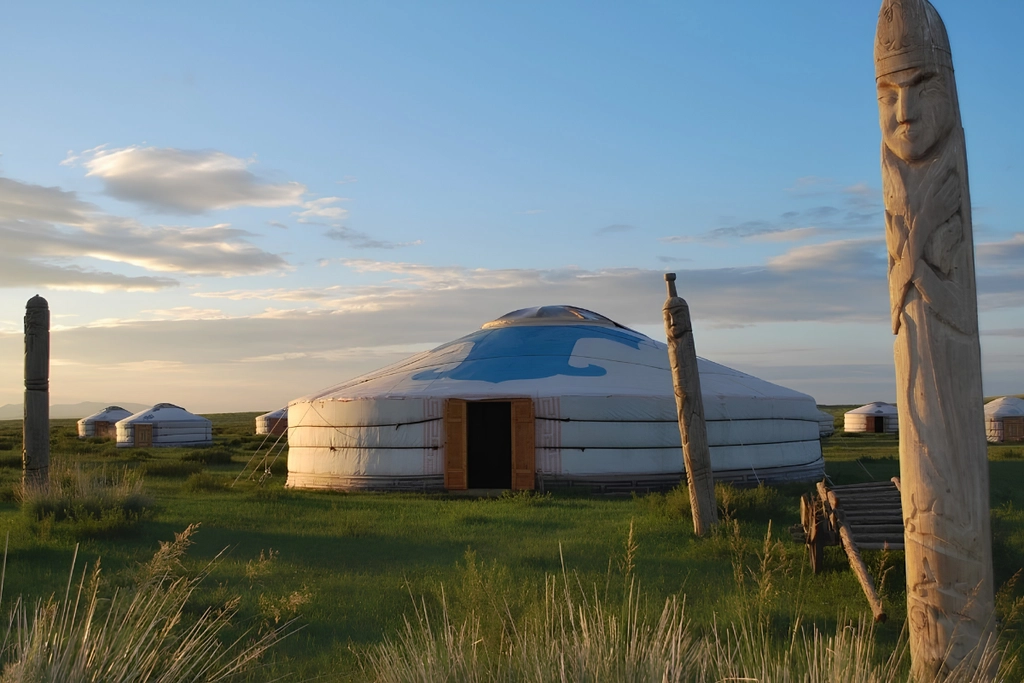
This is luxury stripped down until it becomes almost moral. Sweet Gobi belongs to the Out of Nowhere geolodge model, which prioritizes low-impact presence in the landscape. Lightfoot Travel describes the property as having 20 individual yurts decorated with local furniture and textiles, heated by wood-burning stoves. To minimize environmental impact, there is no electricity or running water in the yurts; guests use dry toilets, hot pine-scented towels and a hair-washing service in a dedicated Hair Cocoon Yurt.
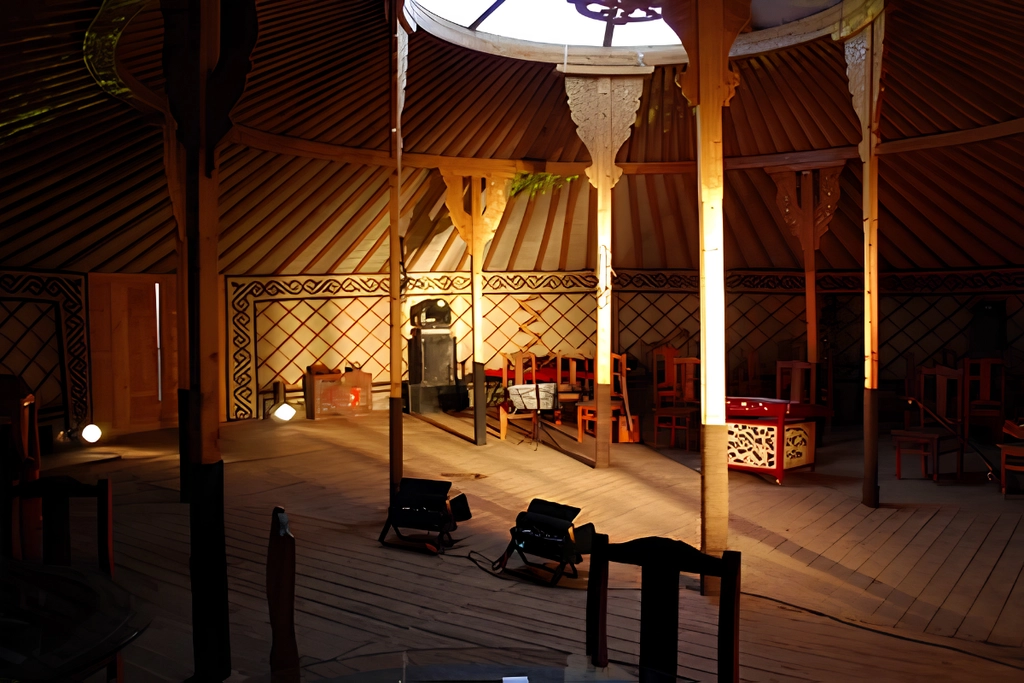
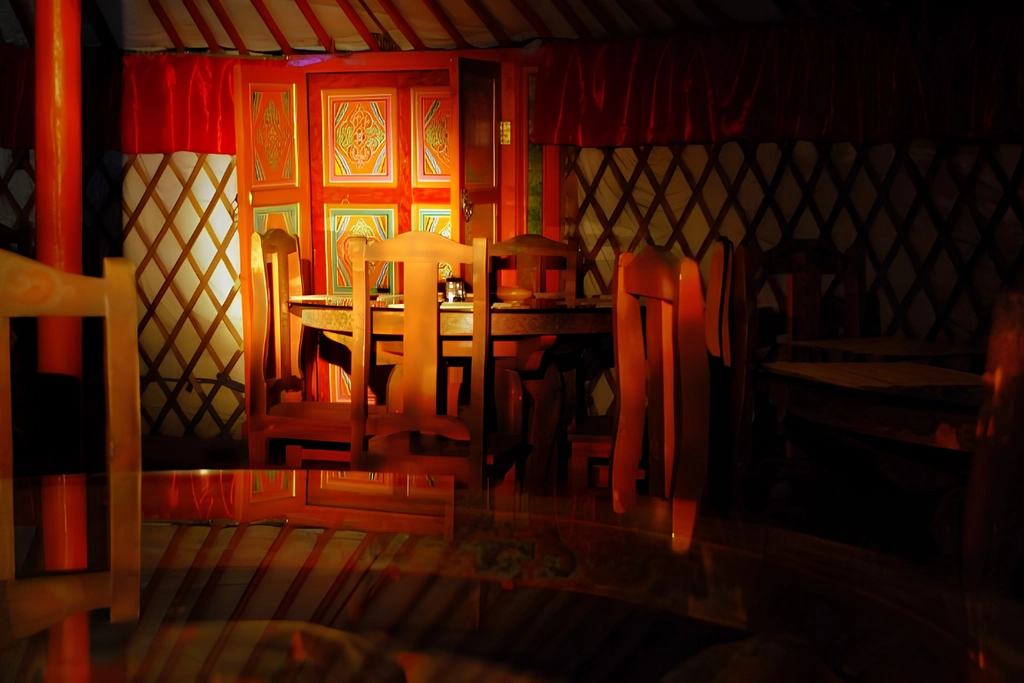
On paper, that might sound like deprivation. In practice, for the right traveler, it is the point. Sweet Gobi understands that modern luxury has become suspicious of convenience. A flush toilet is practical. A hot scented towel delivered in a remote yurt has narrative. A lack of electricity turns the evening into an event. The bar, restaurant, camel rides, horseback riding, birdwatching, visits with nomadic herders and monastery excursions supply the rhythm around that deliberate simplicity.
The paradox is delicious. Sweet Gobi removes certain comforts to protect the land, then replaces them with service gestures that feel more memorable than the missing amenities. It is not rustic because it forgot luxury. It is rustic because it has edited luxury with taste.
For high-end travelers, this is the camp that says: you have already owned enough. Try having less, but better staged.
The best luxury stays in the Gobi Desert are not competing on the same terms. Three Camel Lodge is the heritage benchmark, ideal for travelers who want the most complete luxury ger experience: private bathrooms, strong cultural programming, sustainability credentials and polished expedition logistics. It suits first-time Gobi visitors who want comfort without losing the feeling of remote Mongolia.
Gobi Caravanserai speaks to the design eye. It is for the traveler who loves clean lines, visual restraint and the romance of the Silk Road reimagined through minimalist hospitality. It feels more editorial, less ceremonial, and particularly appealing for those who want the Gobi as a visual landscape.
Sweet Gobi Geolodge is for the purist with a taste for contradiction. It offers fewer conventional amenities, yet delivers one of the most conceptually sophisticated versions of luxury: environmental restraint as refinement. Its back-to-basics model, with local textures, dry facilities, candlelit atmosphere and curated service, makes it less a hotel than a temporary pact with the land.
The Gobi is not an easy luxury destination, which is exactly why it matters. Easy luxury is everywhere. Difficult luxury has become rare. To sleep well in the desert requires planning, fuel, water, labor, craft, cultural sensitivity and ecological self-control. Every beautiful comfort has a hidden backstory of transport, filtration, heating, staffing and restraint.
That is why the best luxury stays in the Gobi Desert feel so current. They answer growing fatigue with overdesigned hospitality. They suggest that the next frontier of high-end travel is not a bigger suite, but a more intelligent relationship with its surrounding.