MENU
Close





From riverside lodges in Taupō to alpine retreats near Queenstown, private helicopter journeys, dark-sky stargazing, Māori cultural encounters, and cellar-door-closed wine experiences, New Zealand defines a quieter, more intimate form of high-end escape.
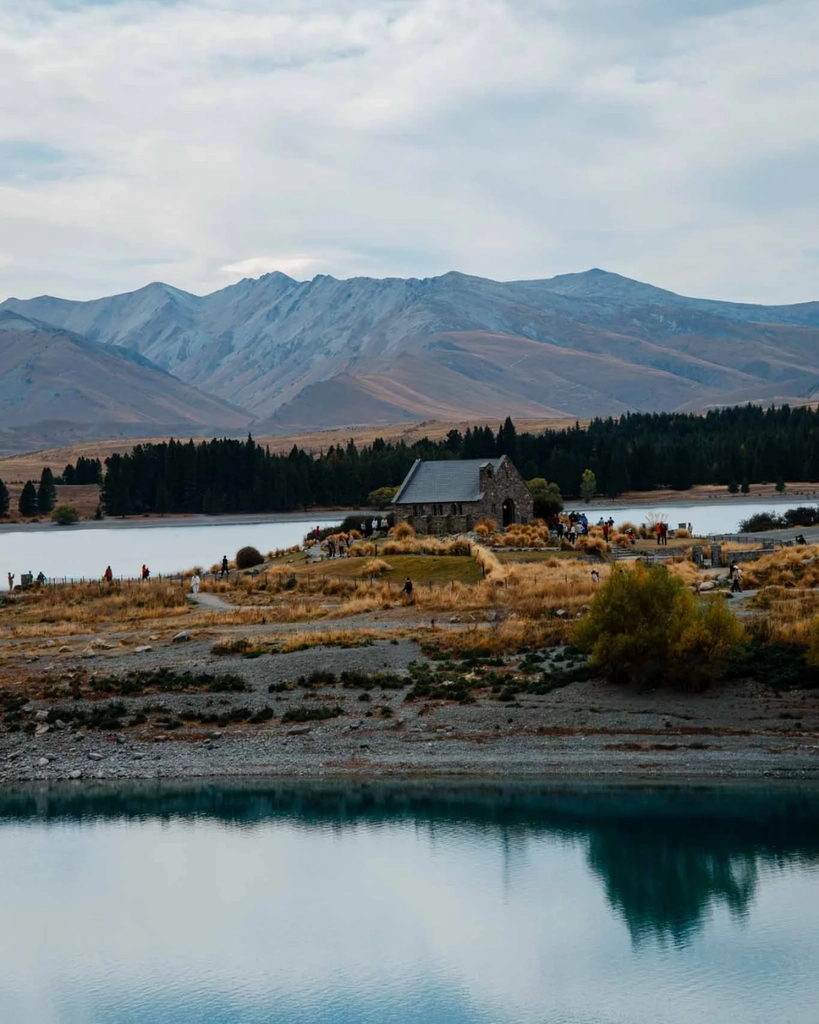
From riverside lodges in Taupō to alpine retreats near Queenstown, private helicopter journeys, dark-sky stargazing, Māori cultural encounters, and cellar-door-closed wine experiences, New Zealand defines a quieter, more intimate form of high-end escape.
June 9, 2026


Luxury travel in New Zealand begins with a different idea of abundance. It is not the abundance of marble lobbies, glittering boutiques, or see-and-be-seen dining rooms. It is the abundance of space, privacy, clean air, native bush, glacial lakes, volcanic plateaus, alpine ridges, dark skies, and service that seems to know what a guest needs before the guest has to ask. In a world where many luxury destinations increasingly resemble one another, New Zealand still feels singular because its finest experiences are inseparable from the land.
This is why the country has become one of the world’s great destinations for quiet luxury. The term can feel overused elsewhere, but in New Zealand it has real meaning.
At the heart of this world is New Zealand’s lodge culture. Unlike larger resort destinations, the country’s most memorable stays are often small, highly personal, and set within exceptional natural environments. Many operate with an all-inclusive or highly curated approach, where dining, wine, guiding, transfers, and tailored excursions become part of a seamless experience. The guest enter a rhythm: breakfast overlooking a river, a guided walk through native forest, a helicopter flight over snowfields, a long dinner built around seasonal produce, then complete silence under the stars.
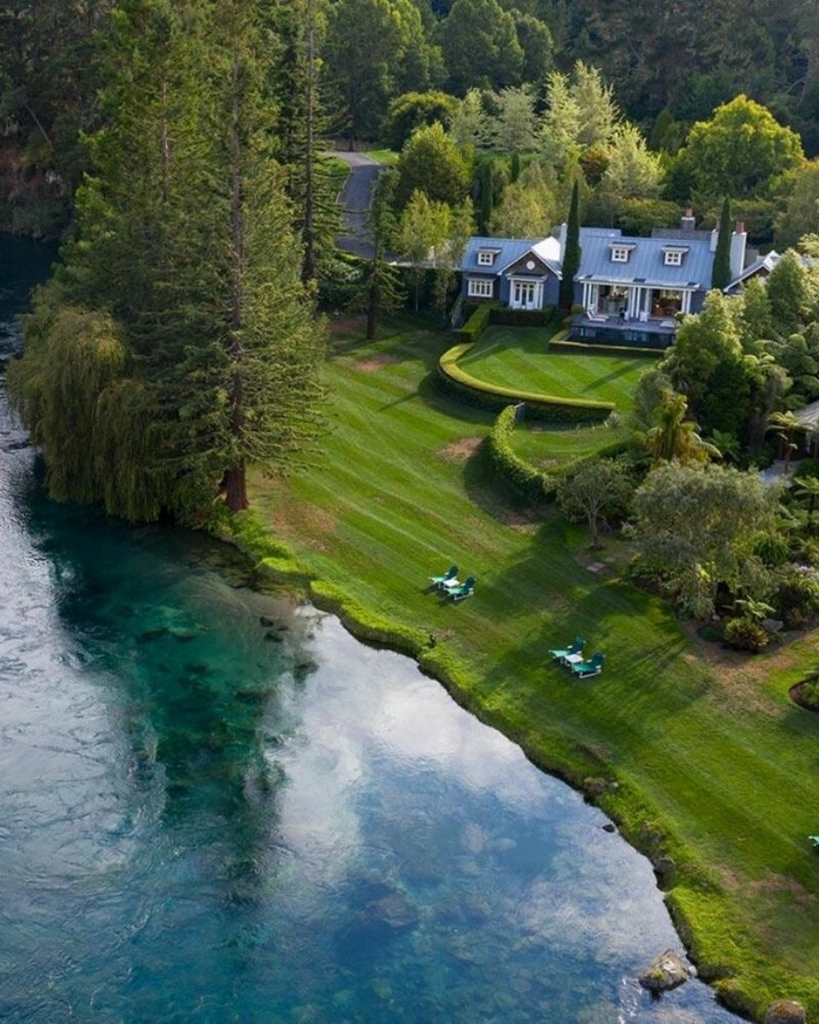
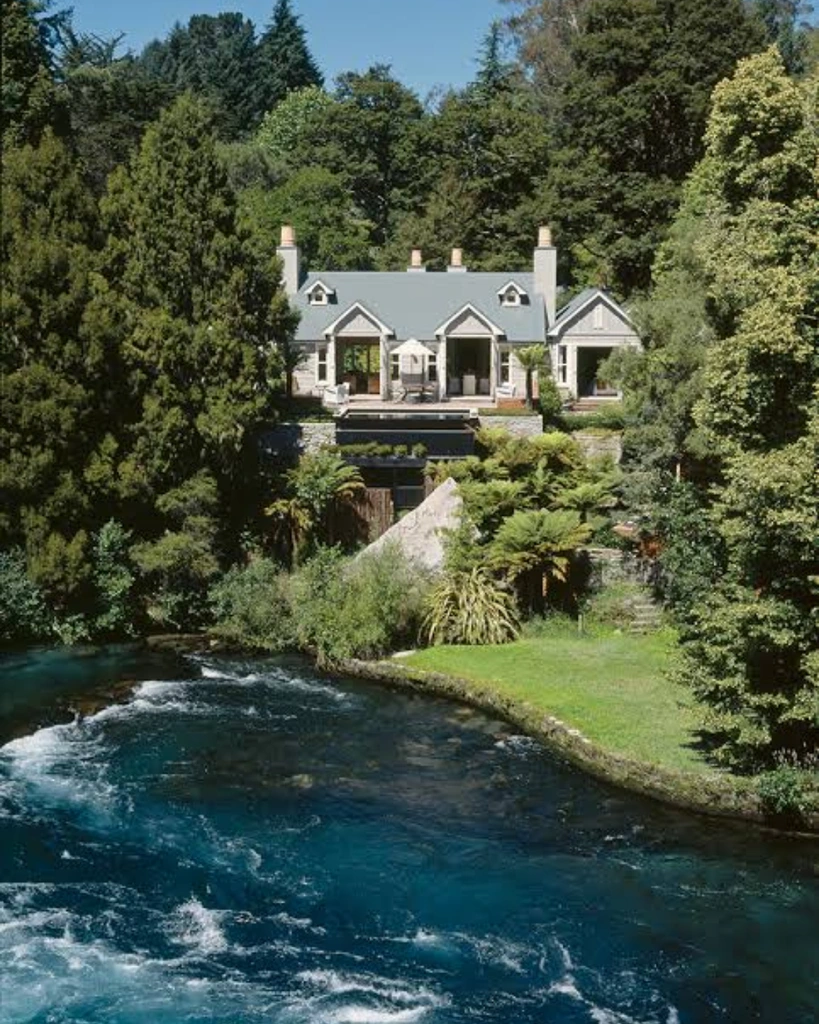
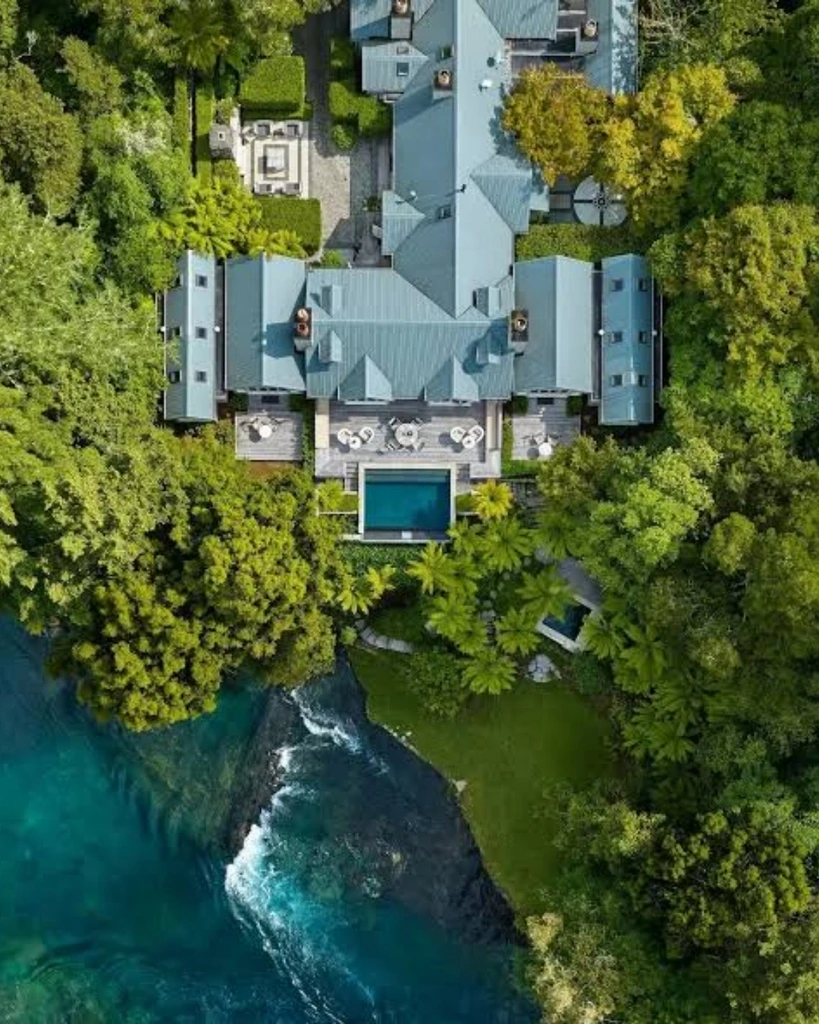
Huka Lodge, near Lake Taupō on the North Island, remains one of the country’s most storied addresses. Set along the emerald-blue Waikato River, it began life as a fishing camp and has evolved into a symbol of discreet New Zealand luxury. Its appeal lies in the marriage of heritage and serenity. The river is always present, sometimes calm, sometimes rushing, giving the lodge a sense of movement even when the guest is doing very little. After its major refurbishment, Huka Lodge feels newly polished without losing the atmosphere that made it famous: intimate, composed, and deeply connected to place.
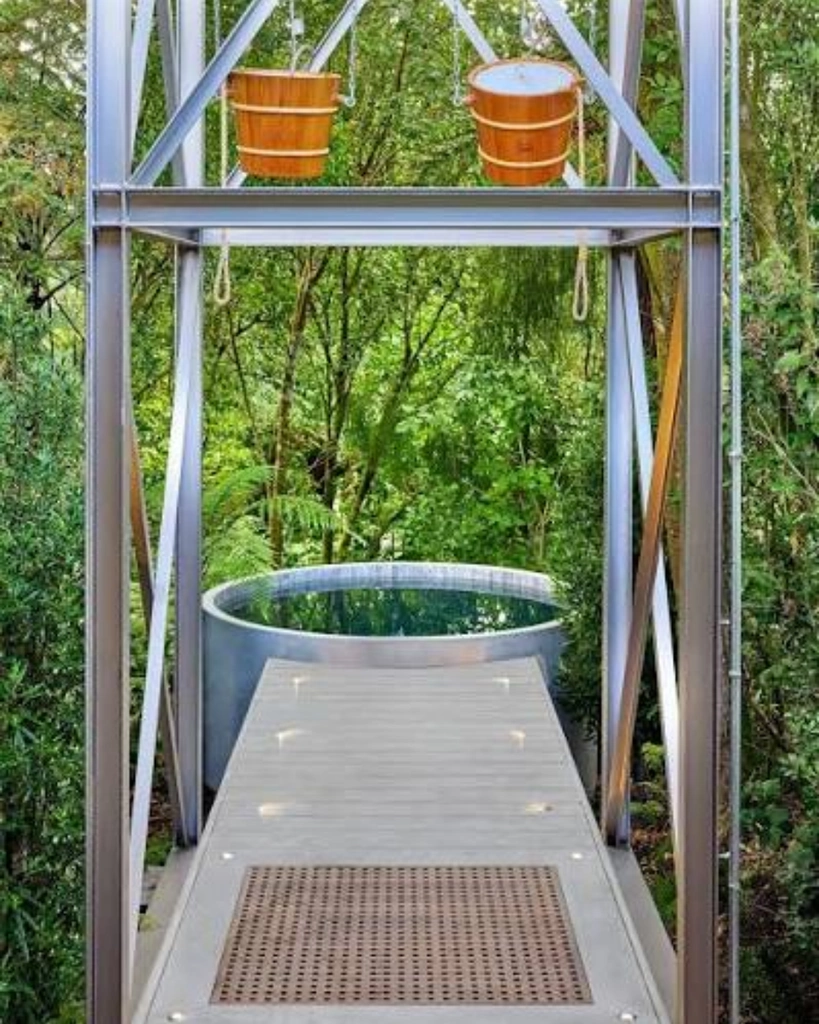
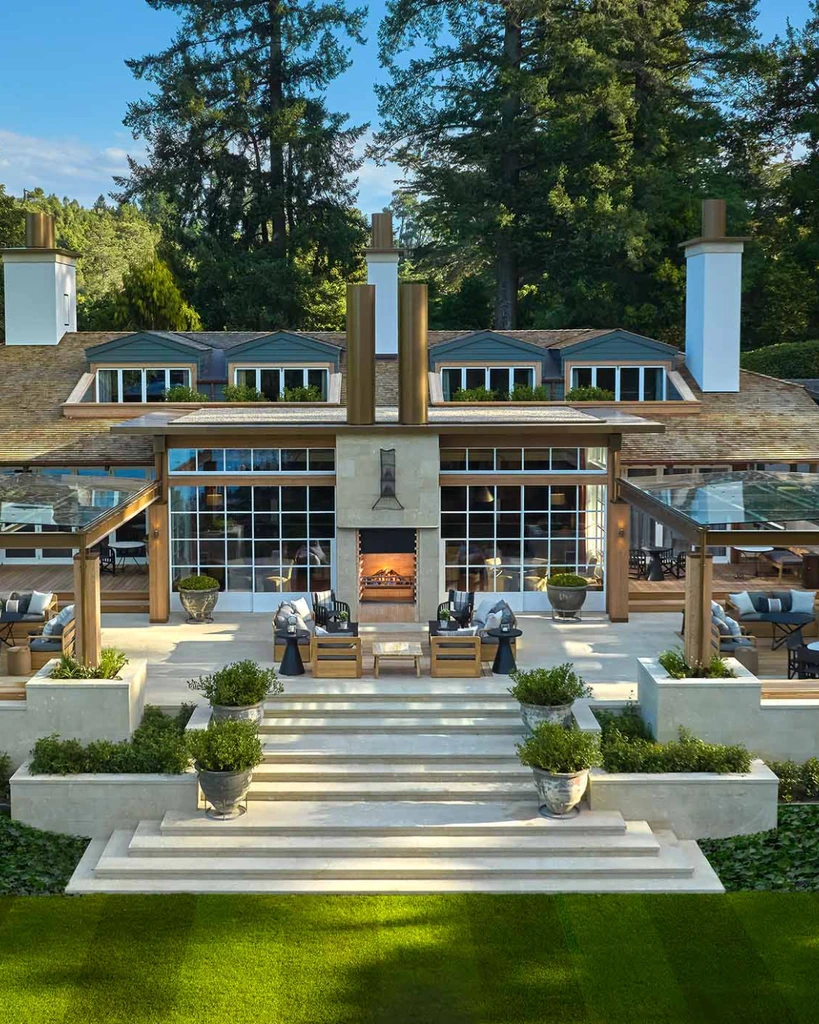
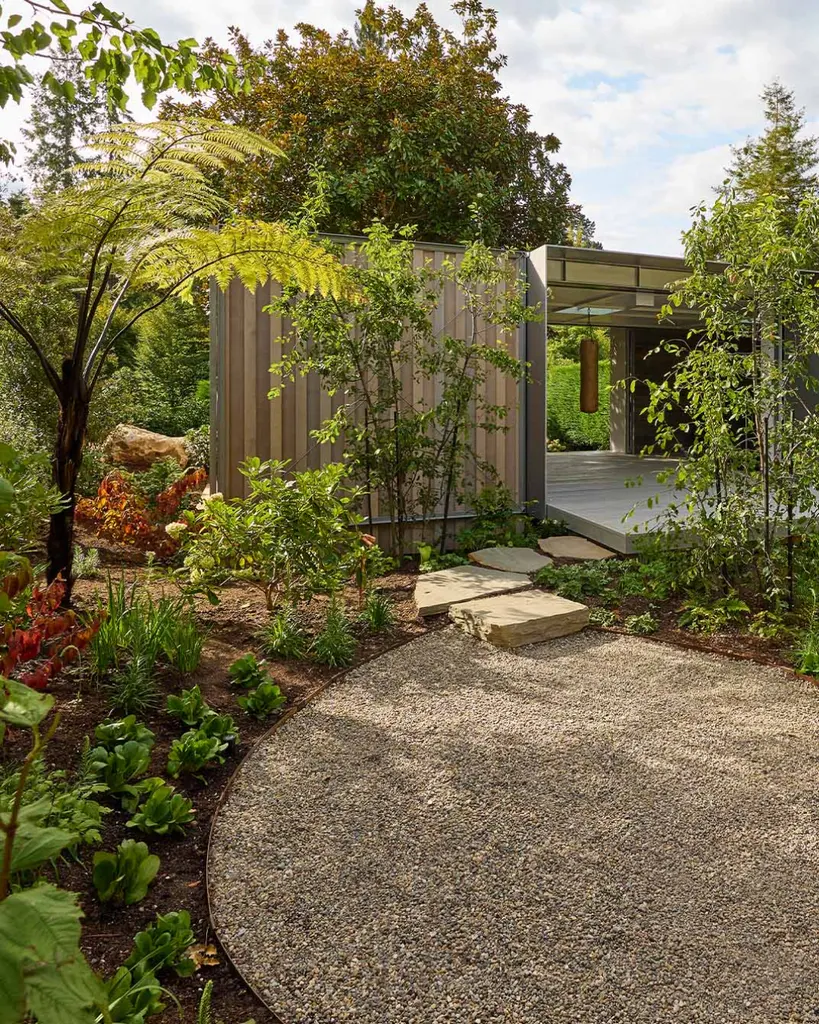
The experience at Huka Lodge is ideal for travelers who want refinement without ostentation. Days can be shaped around private trout fishing, geothermal excursions, riverside leisure, spa rituals, or simply reading beside the water. Dining is central, not as a performance of excess, but as an expression of New Zealand’s produce-led cuisine. Seasonal ingredients, local wines, and calm service create a feeling of being hosted rather than processed. For travelers beginning in Auckland, Huka Lodge also offers a graceful transition from arrival into wilderness, allowing the journey to unfold without rushing immediately to the South Island.
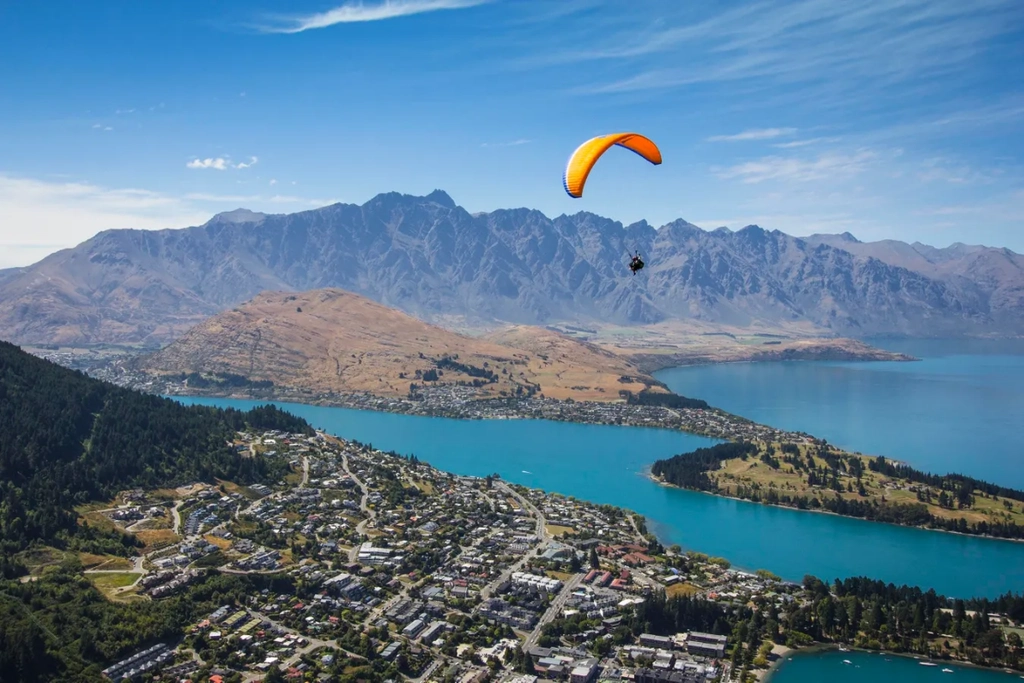
On the South Island, Rosewood Matakauri delivers a very different but equally powerful form of luxury. Located near Queenstown on the shores of Lake Wakatipu, the lodge is defined by its views of the Remarkables, Cecil Peak, and Walter Peak. The architecture understands that the real drama is outside. Floor-to-ceiling windows, lakeside terraces, and understated interiors allow the mountains to dominate the emotional atmosphere of the stay. This is alpine luxury with a cinematic edge: still water, immense peaks, sudden changes in light, and the sense that every hour redraws the landscape.
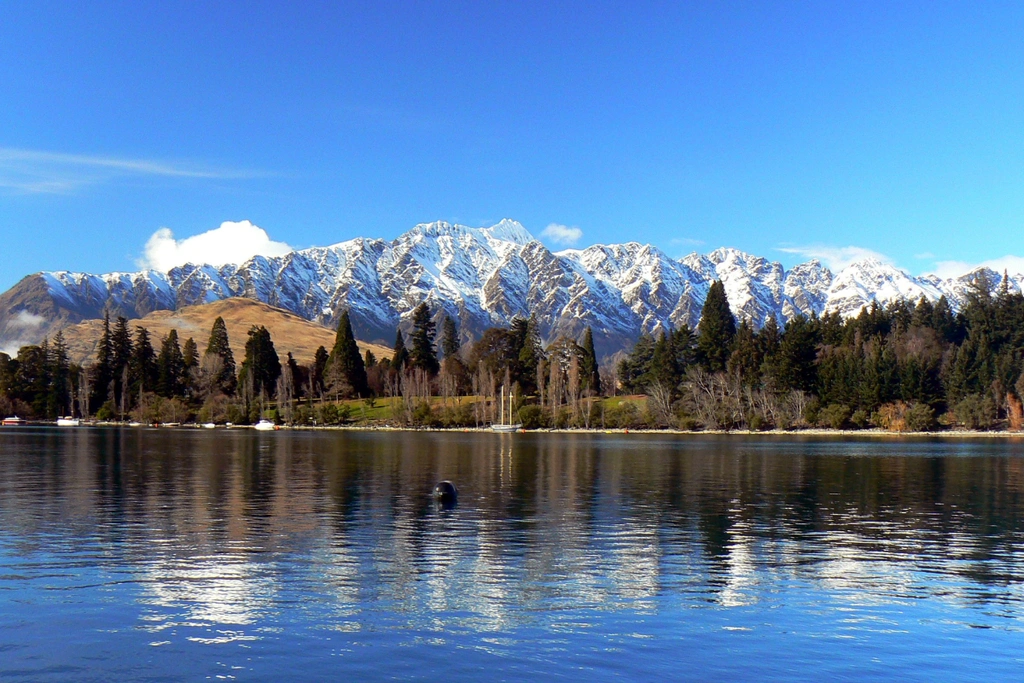
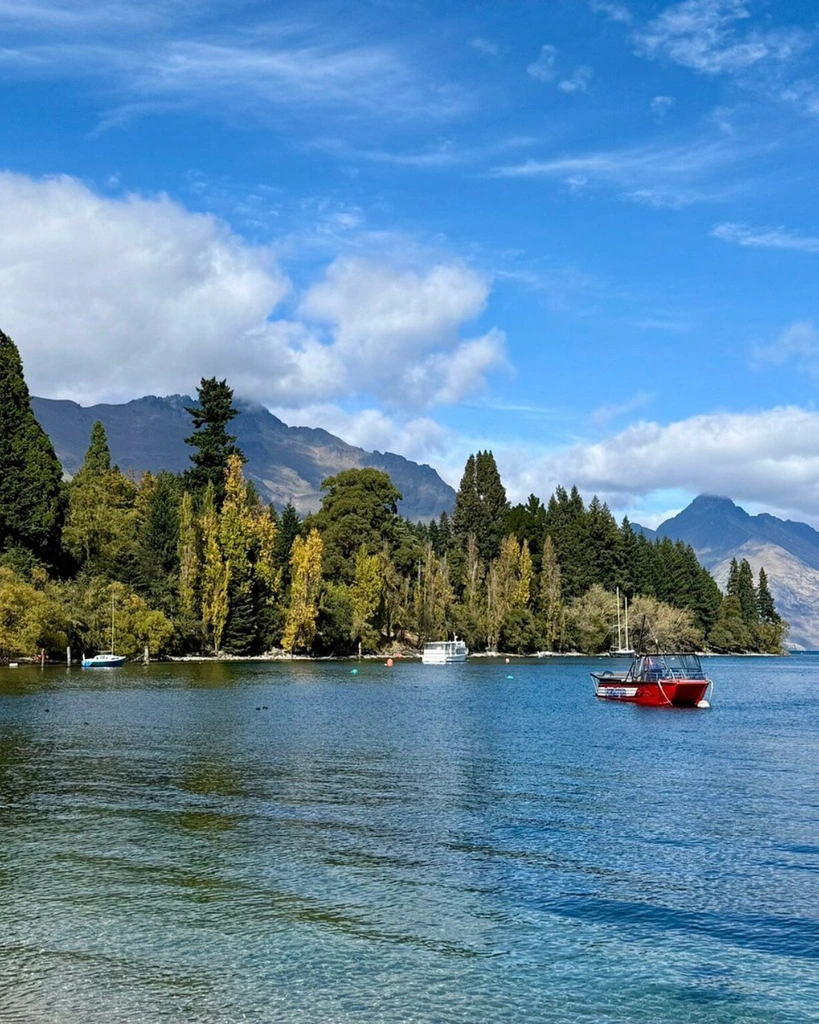
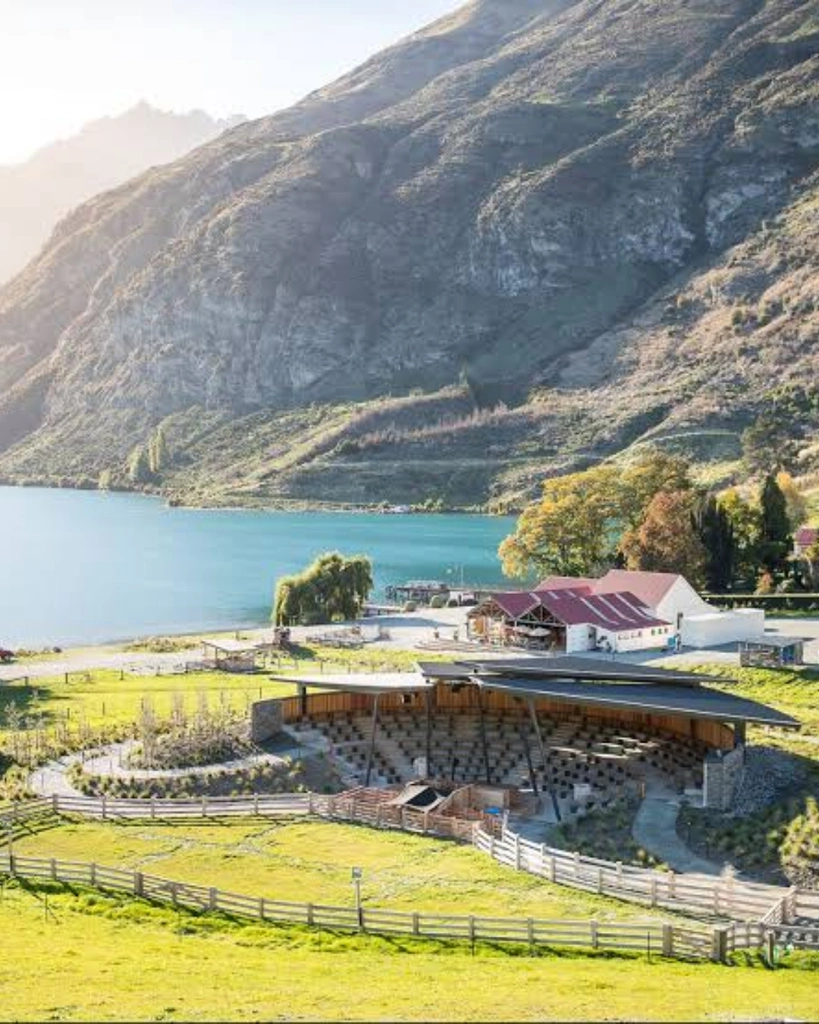
Rosewood Matakauri is also a strategic base for high-end adventure. Queenstown may be known globally for adrenaline, but at this level the experience becomes more private, controlled, and elegant. Helicopter transfers can replace long drives. Glacier landings, alpine picnics, heli-skiing, remote hikes, and scenic flights into Fiordland can be tailored around weather, season, and appetite for intensity. The point is not simply to chase adventure, but to remove friction from it. The guest can move from a soft bed to a mountain ridge, from a private lunch to a lake cruise, from spa treatment to snowline within the same day.
Further into the alpine stillness, Blanket Bay in Glenorchy offers one of New Zealand’s most atmospheric lodge experiences. Set against the snow-capped peaks of the Southern Alps on Lake Whakatipu, it has the feeling of a grand wilderness estate: warm timber, stone, fireplaces, and a sense of shelter from the vastness outside. If Rosewood Matakauri is a polished lakeside lens on Queenstown’s drama, Blanket Bay feels more remote, more elemental, more absorbed into the rugged beauty of Glenorchy.
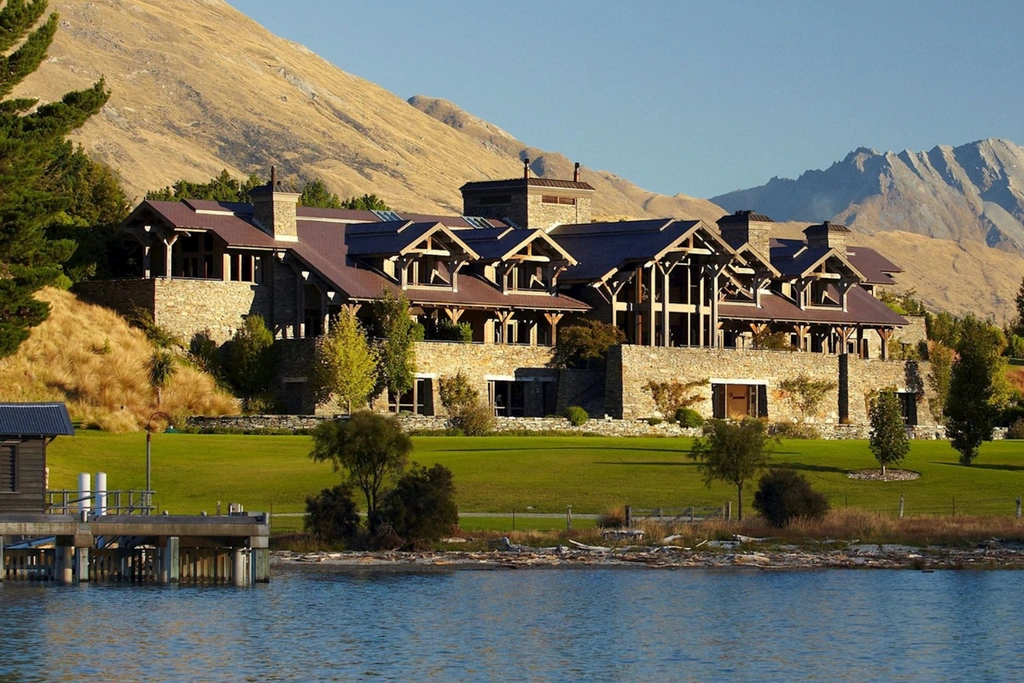
Blanket Bay is especially suited to travelers who want adventure to feel bespoke rather than crowded. From here, guests can access private helicopter routes into Fiordland, Mt. Aspiring National Park, remote rivers, and alpine terrain that would otherwise require significant logistical effort. Fly-fishing, horseback riding, hiking, jet boating, and wilderness picnics can all be shaped into deeply personal itineraries. At night, the mood shifts inward: firelight, Central Otago wine, and dinner menus that turn regional ingredients into something quietly ceremonial.
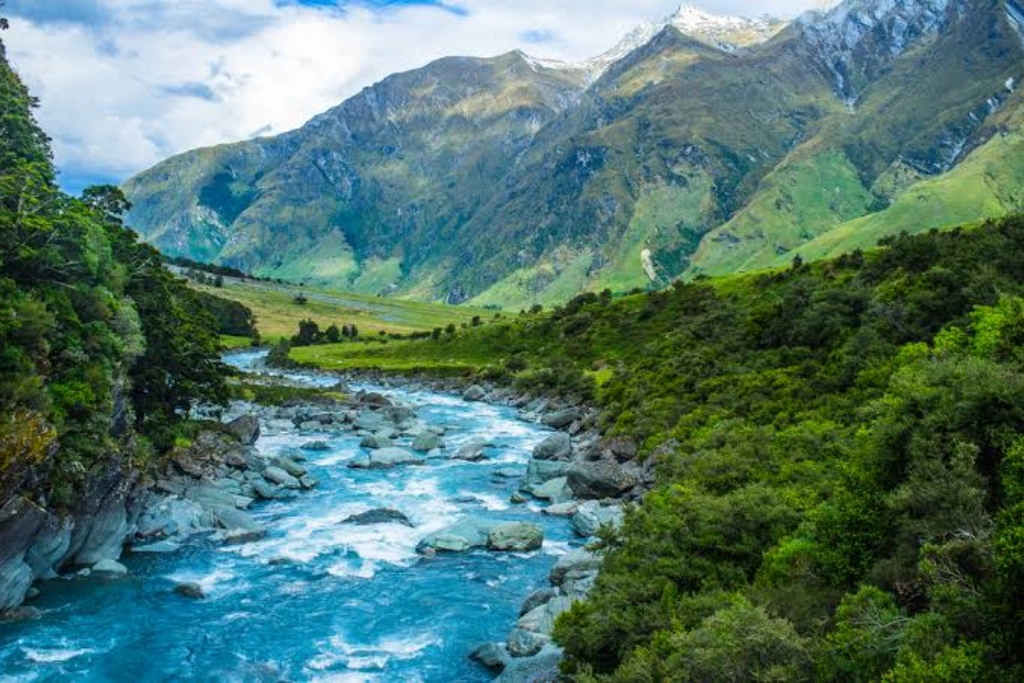
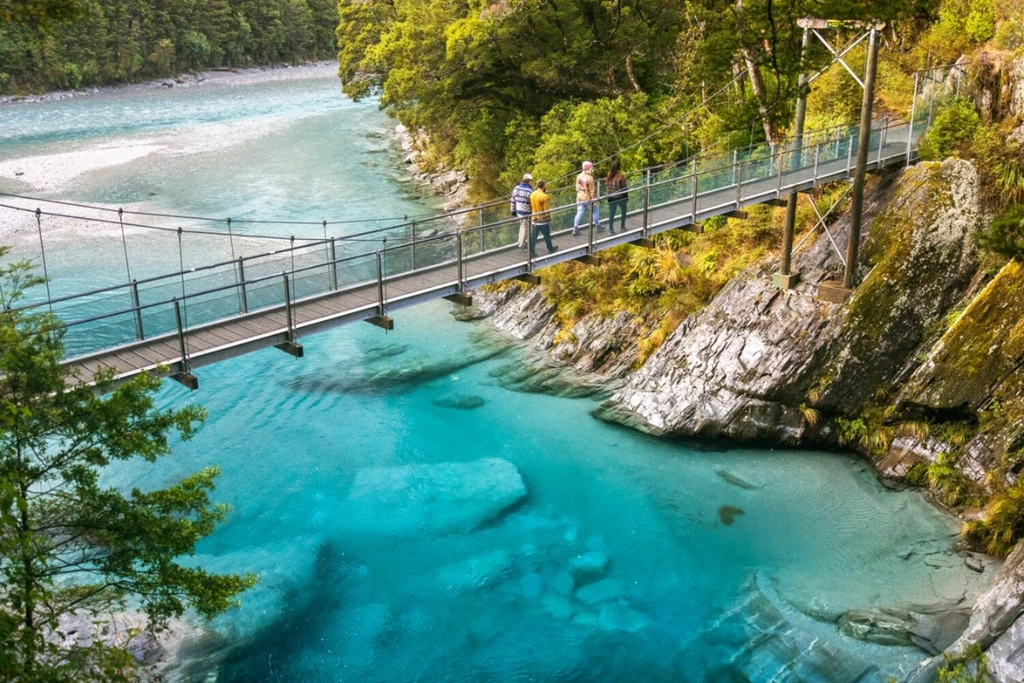
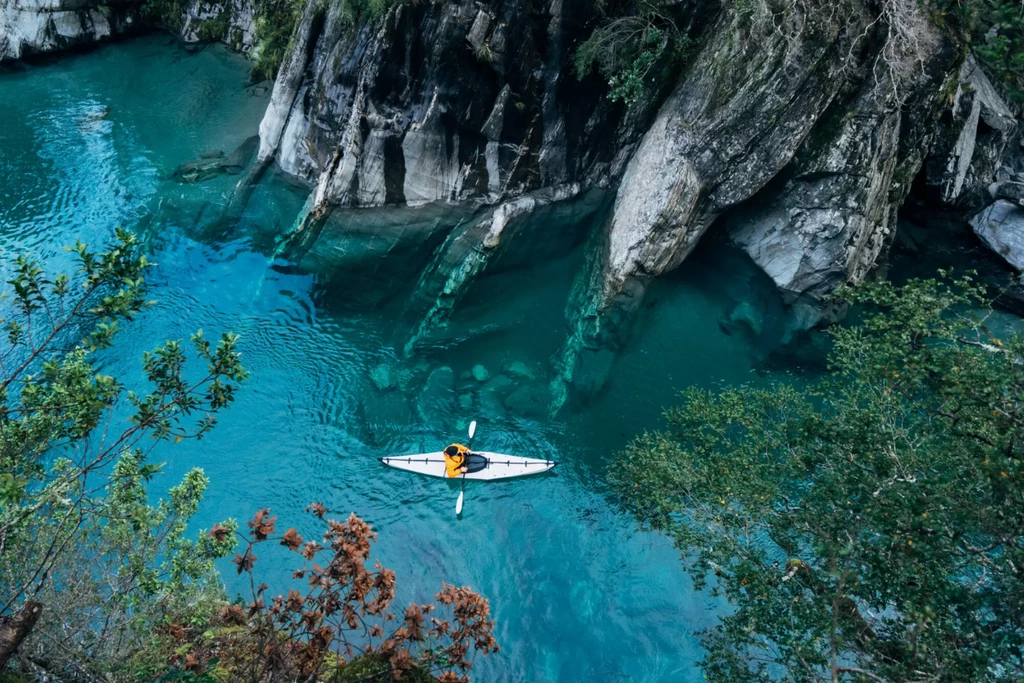
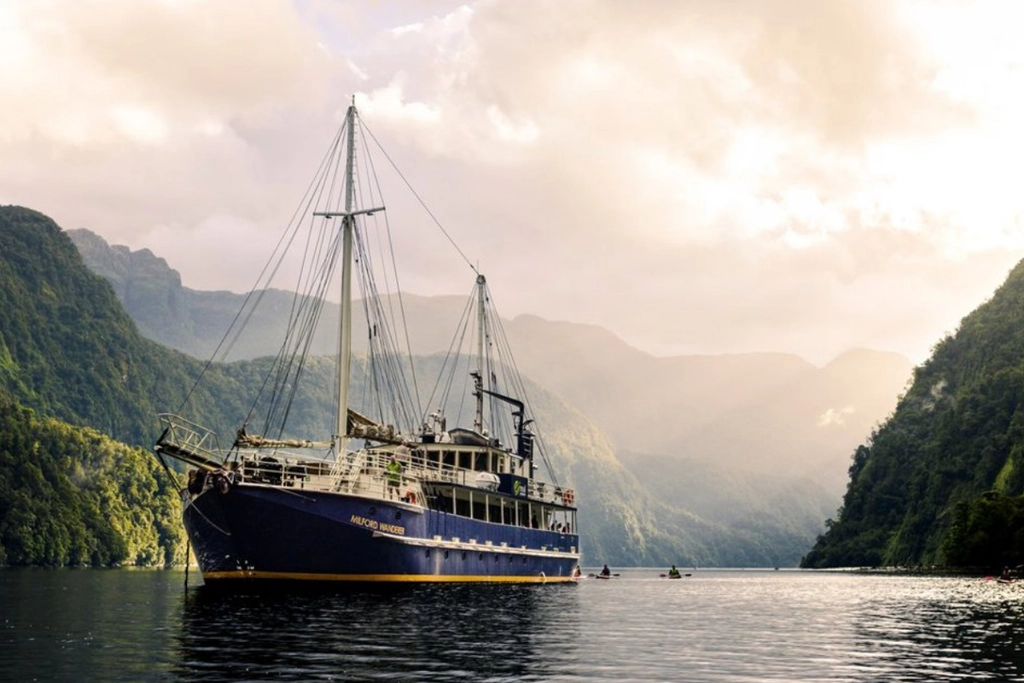
Yet the luxury of New Zealand extends far beyond its famous lodges. Some of the country’s most extraordinary experiences depend on private access to wilderness. In the Bay of Islands, a yacht charter transforms the northern coastline into a personal itinerary of coves, beaches, marine life, and island views. In Fiordland, an overnight cruise through quieter reaches of Milford Sound or Doubtful Sound reveals cliffs, waterfalls, mist, and water in a way that day trips rarely allow. The luxury is not only comfort; it is time. It is the ability to wait for the weather, to listen to the silence, to see a place after the crowds have gone.
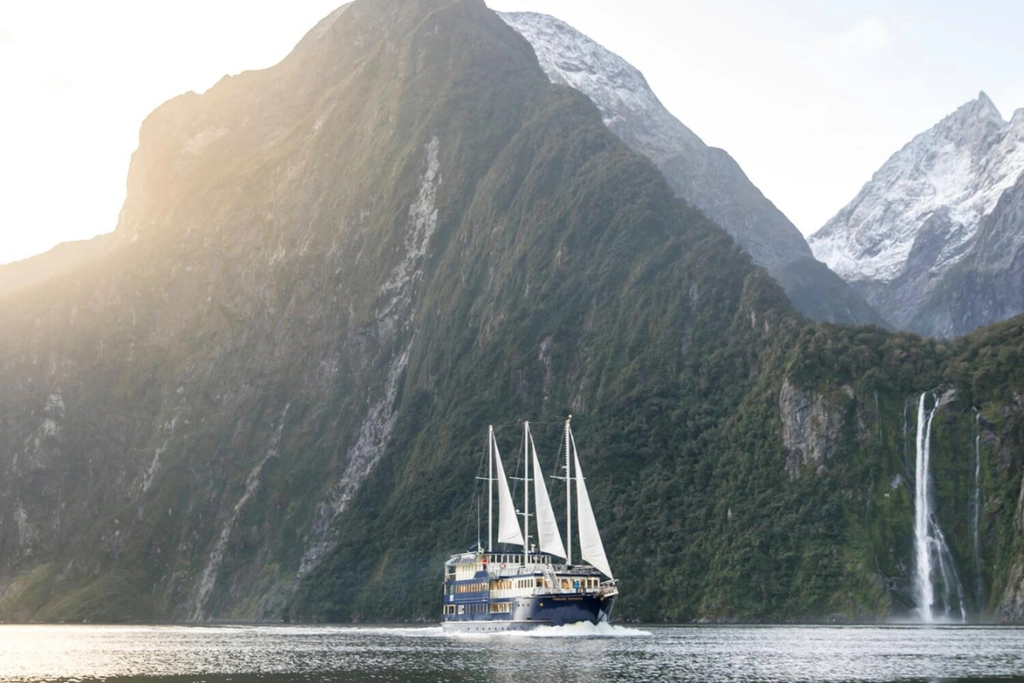
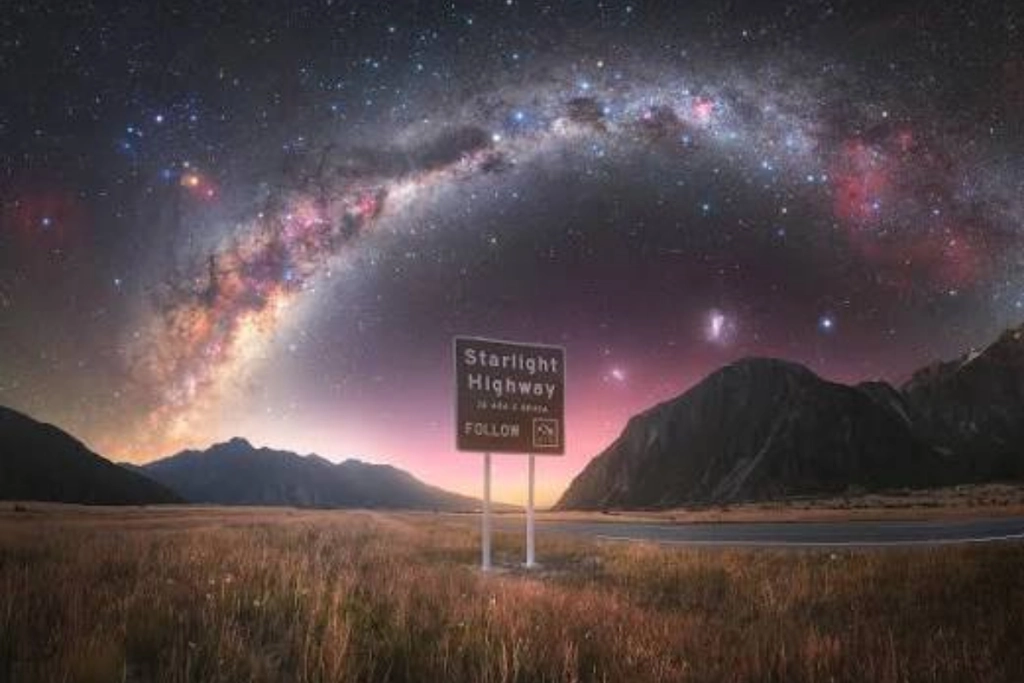
Stargazing has become another essential expression of New Zealand’s quiet luxury. Around Lake Tekapo and the wider Aoraki Mackenzie International Dark Sky Reserve, the night becomes a destination in itself. The darkness is not empty; it is full of stars, galaxies, and ancestral meaning. A private stargazing session can be more profound than any conventional VIP experience because it removes the traveler from noise, artificial light, and urban scale. Under that sky, luxury becomes almost philosophical: the privilege of feeling small in a protected landscape.
Cultural depth is equally important, particularly in the North Island. Around Rotorua and other Māori cultural centers, the most meaningful experiences move beyond surface-level performance. A thoughtfully arranged encounter may include storytelling, learning about whakapapa and land relationships, a hāngī meal cooked using traditional earth-oven methods, or time with guides who can explain the living connection between people, place, and memory. For luxury travelers, authenticity matters. The best cultural itineraries are respectful, well-contextualized, and led by communities themselves, rather than packaged as decorative entertainment.
New Zealand’s artisan scene adds another dimension. In Marlborough, Hawke’s Bay, Waiheke Island, and Central Otago, wine travel can be elevated far beyond the standard tasting room. Private vineyard visits, winemaker-led tastings, cellar-door-closed appointments, garden lunches, and food pairings reveal the country’s range: Sauvignon Blanc in Marlborough, Bordeaux-style blends and Syrah in Hawke’s Bay, elegant island wines on Waiheke, and Pinot Noir in Central Otago. The finest itineraries connect wine to landscape, allowing travelers to understand not just what is in the glass, but why it tastes of that place.
Art, craft, and food increasingly shape the luxury journey as well. Studio visits with local artists, pounamu carving encounters, foraged culinary workshops, private chef dinners, and farmers’ market-led menus allow visitors to meet New Zealand through human hands. This is where the country’s quiet luxury becomes most compelling. It does not isolate the traveler from local life. It creates better, more thoughtful access to it.
The best time to visit depends on the kind of journey desired. Summer brings long days, boating, vineyard lunches, and golden evenings. Autumn is excellent for wine regions and softer light. Winter turns Queenstown, Glenorchy, and the Southern Alps into a snow-framed playground for skiing, fireside dining, and alpine escapes. Spring brings freshness, fewer crowds, and a sense of renewal across gardens, rivers, and walking trails.
To travel through New Zealand well, one should avoid treating it as a checklist. The country rewards fewer stops, longer stays, and deeper immersion. Pair Huka Lodge with Rotorua and Hawke’s Bay for a North Island journey of river, culture, and wine. Combine Rosewood Matakauri or Blanket Bay with Fiordland, Central Otago, and Lake Tekapo for a South Island itinerary built around alpine drama, stargazing, and private adventure. Leave space between experiences. In New Zealand, the pause is often the point.