MENU
Close





Luxury travel in the Atacama Desert is defined by silence, altitude, volcanic drama, and the rare privilege of seeing one of Earth’s most extreme landscapes without sacrificing comfort.
Luxury travel in the Atacama Desert is defined by silence, altitude, volcanic drama, and the rare privilege of seeing one of Earth’s most extreme landscapes without sacrificing comfort.
June 11, 2026


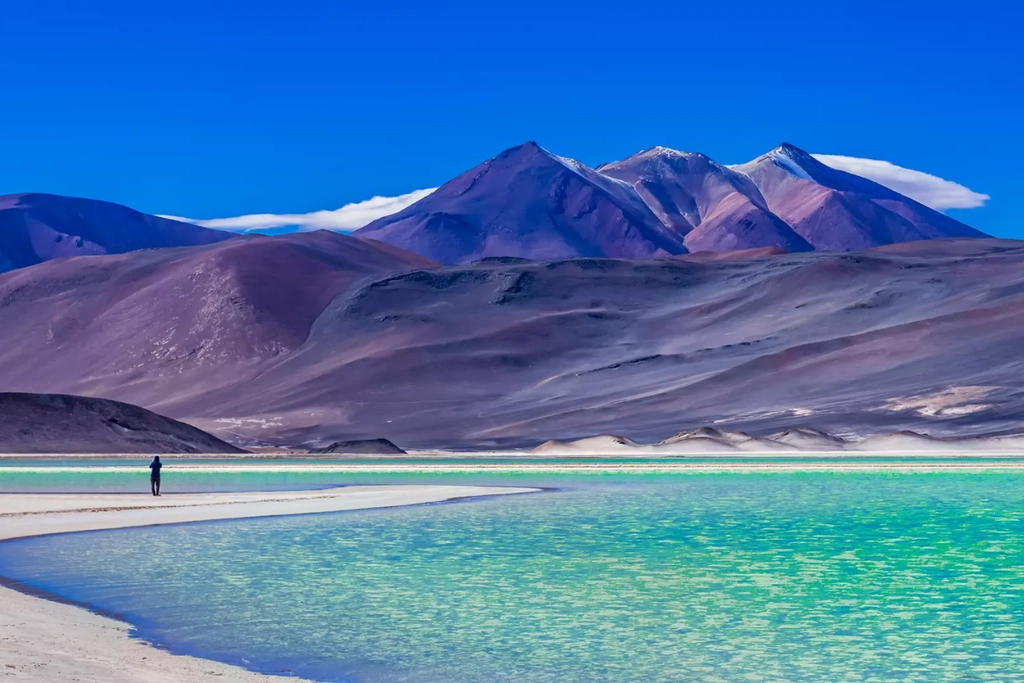
Luxury travel in the Atacama Desert begins with the feeling of being awake inside a landscape that does not quite belong to Earth. Salt flats shimmer like broken mirrors. Volcanoes rise in bare, symmetrical forms. Valleys appear carved by wind, heat, and time rather than human logic. At night, the sky opens with such intensity that stargazing becomes less an activity than a confrontation with scale.
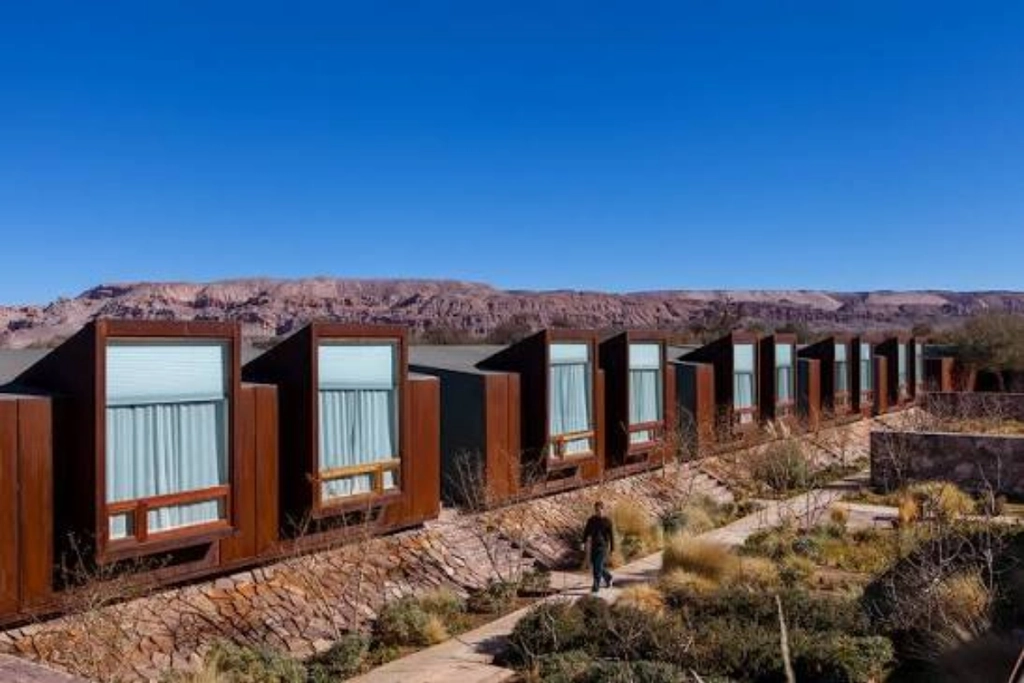
In this part of northern Chile, luxury does not mean escaping the landscape. It means entering it properly. The finest lodges around San Pedro de Atacama understand that the desert is the main event, and everything else exists to deepen the encounter. Architecture is restrained, rooms are designed around views, and expert guides know how to pace the body through altitude, dryness, wind, and distance.
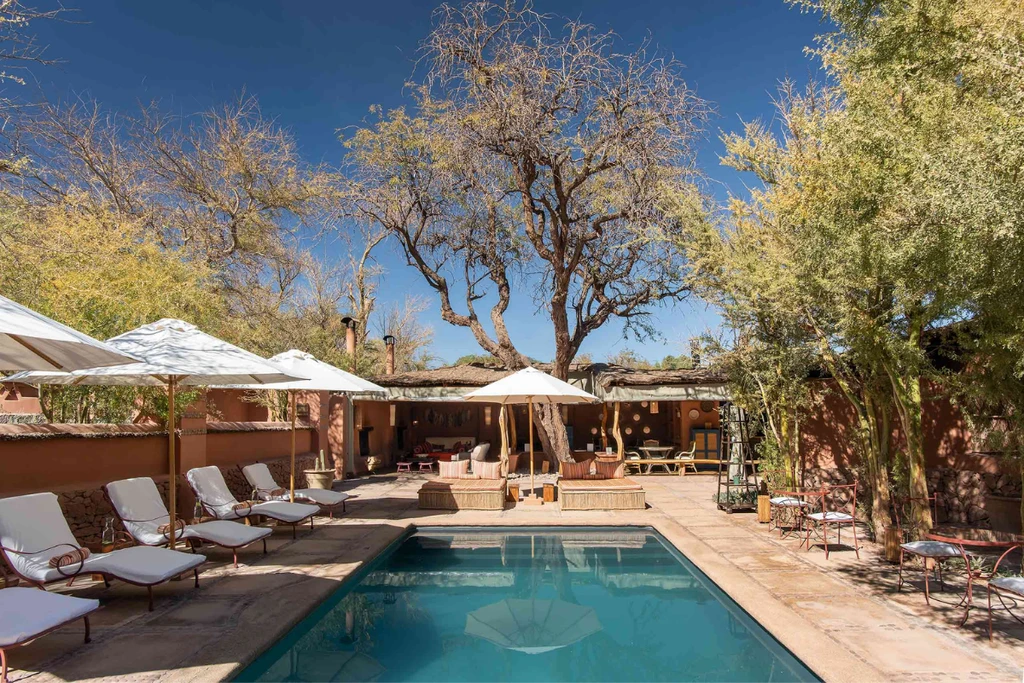
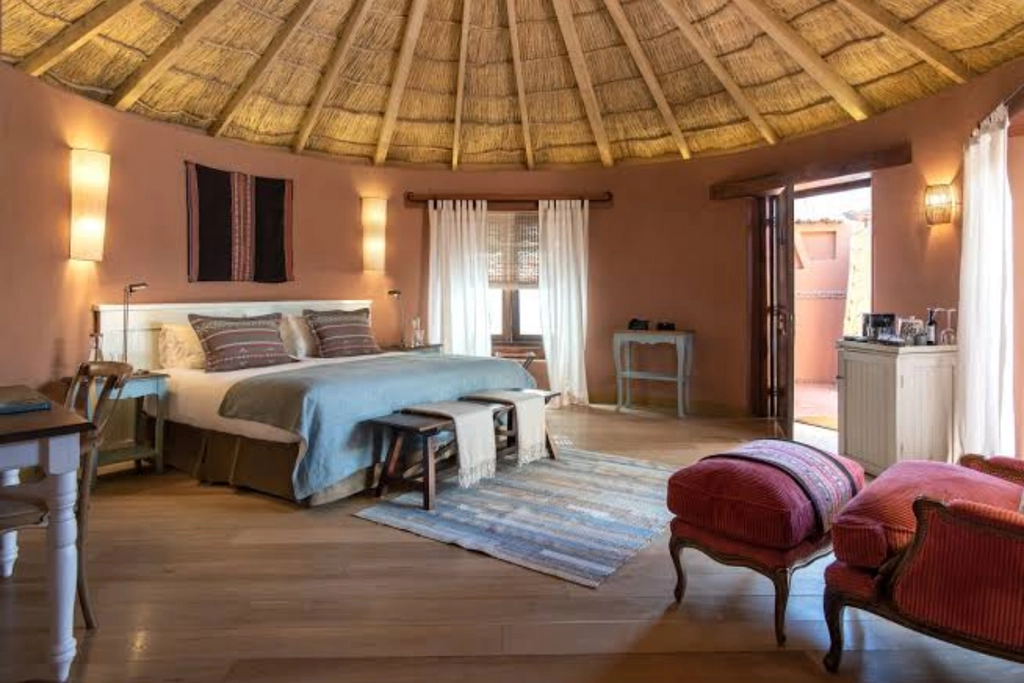
Awasi Atacama offers perhaps the most private version of this philosophy. With only a small number of villas, the Relais & Châteaux property feels closer to a secluded desert residence than a conventional hotel. Its defining luxury is autonomy: every room is assigned a private guide and dedicated 4x4 vehicle, allowing travelers to design their days around curiosity, energy, weather, and mood.
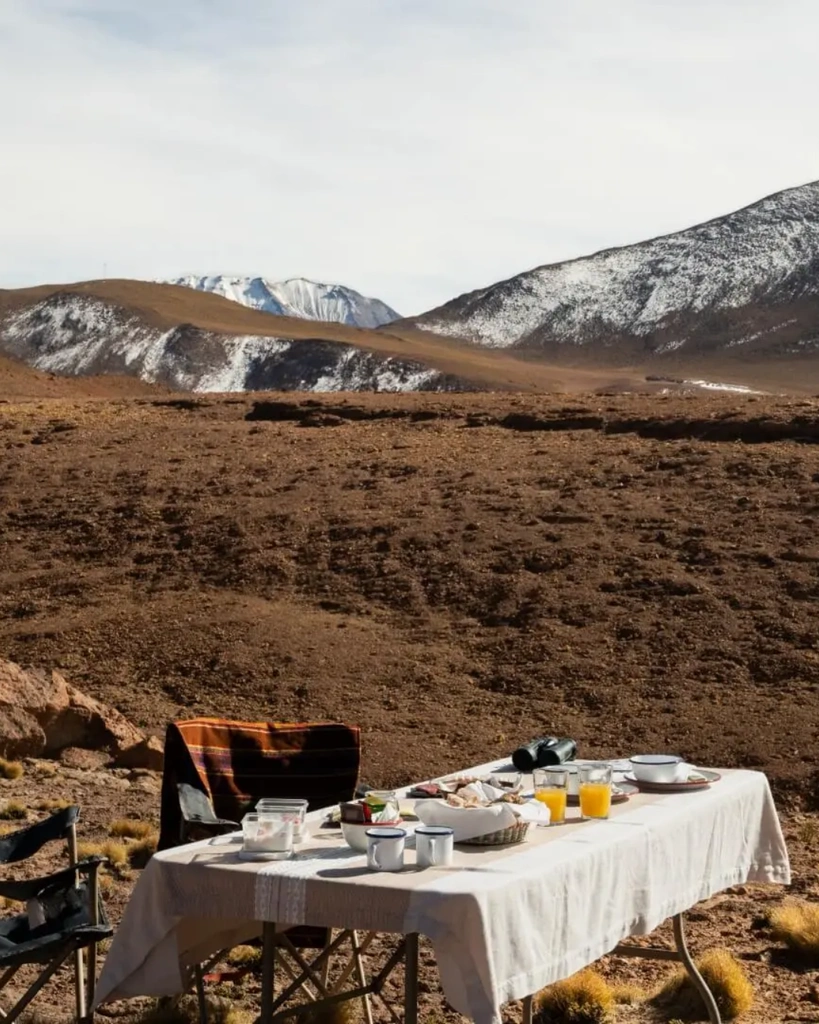
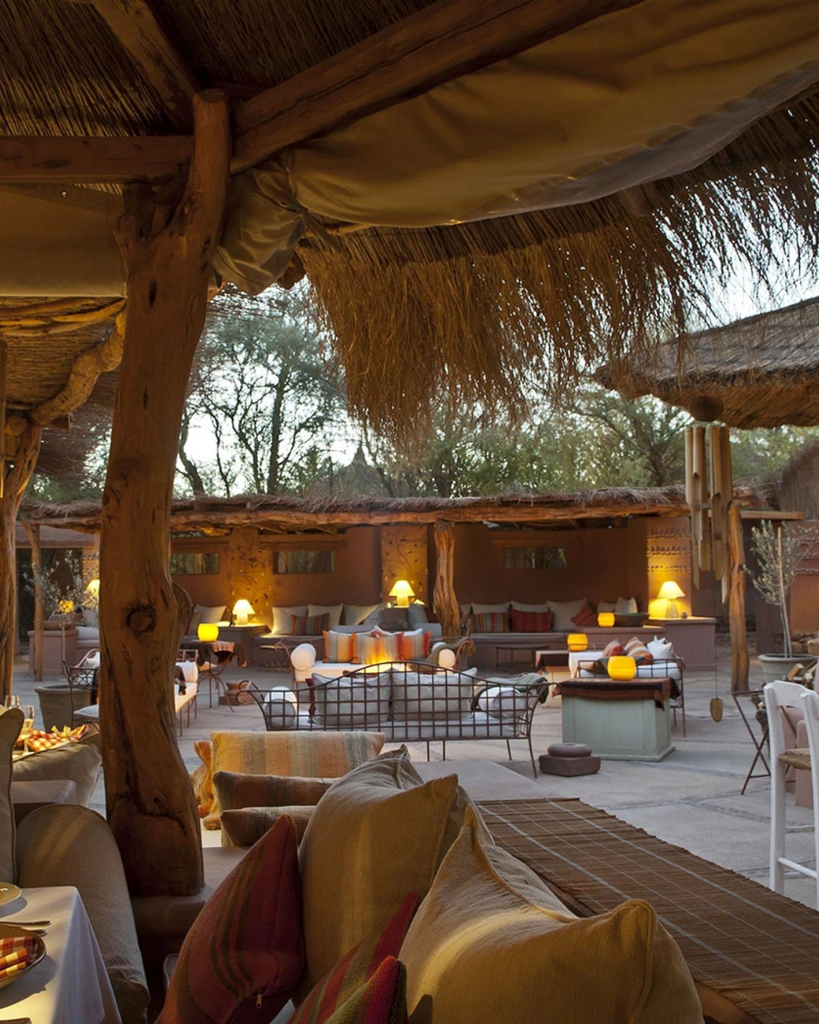
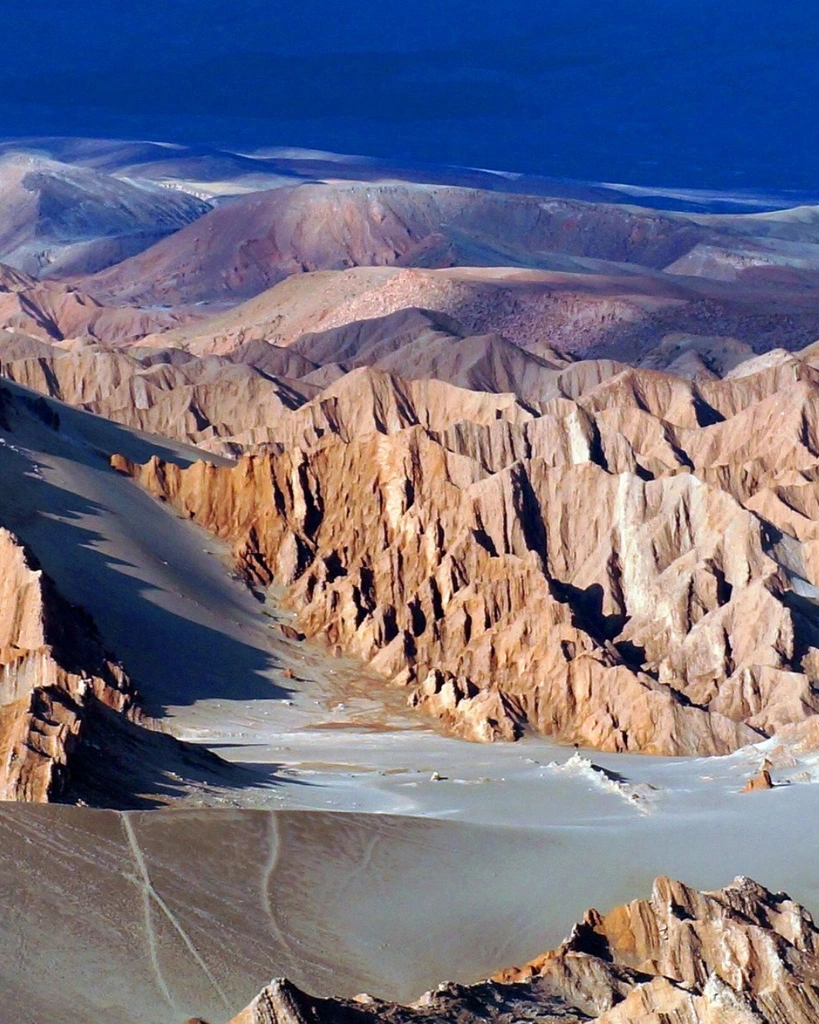
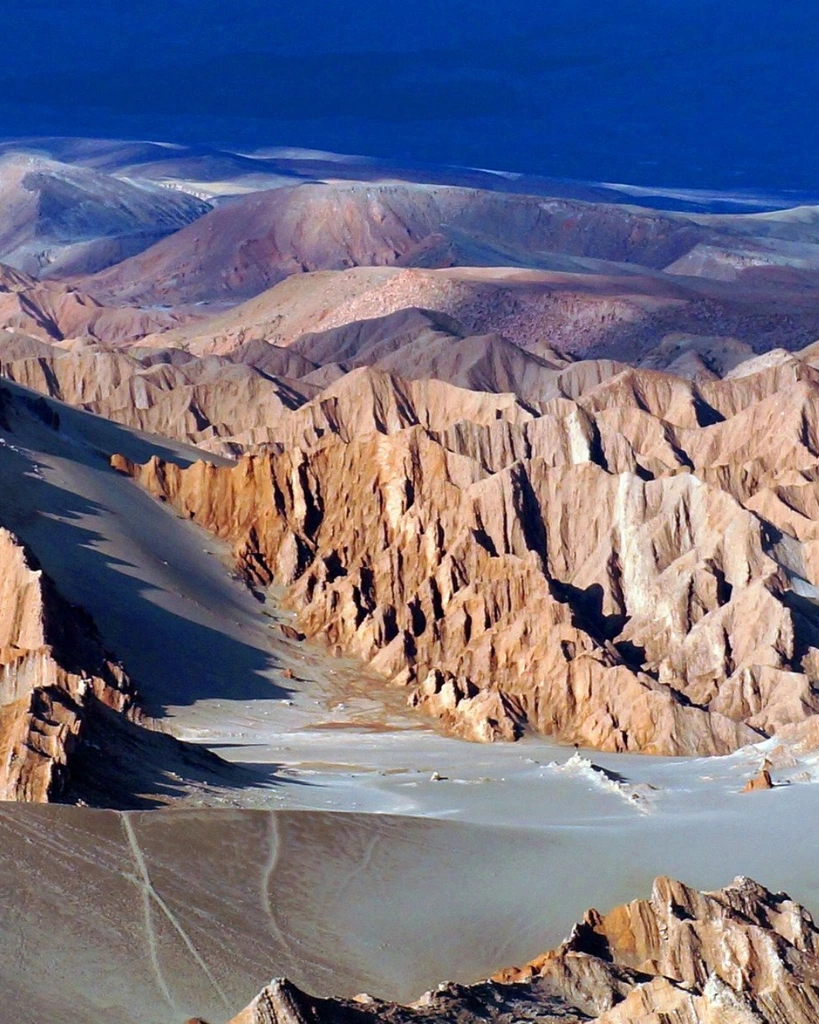
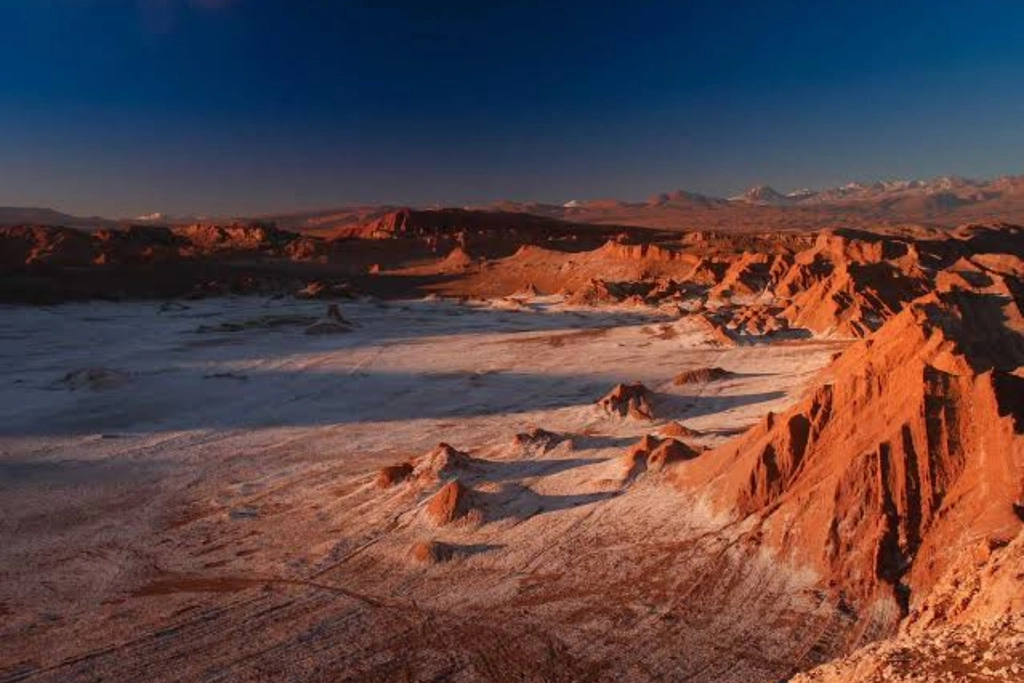
This flexibility is crucial in the Atacama because the region rewards timing. Valle de la Luna is beautiful at any hour, but at sunset its salt formations, ridges, and eroded rock become theatrical, shifting from beige to rose, copper, violet, and ash. A private guide can turn it from a scenic stop into a study of light, geology, and atmosphere.
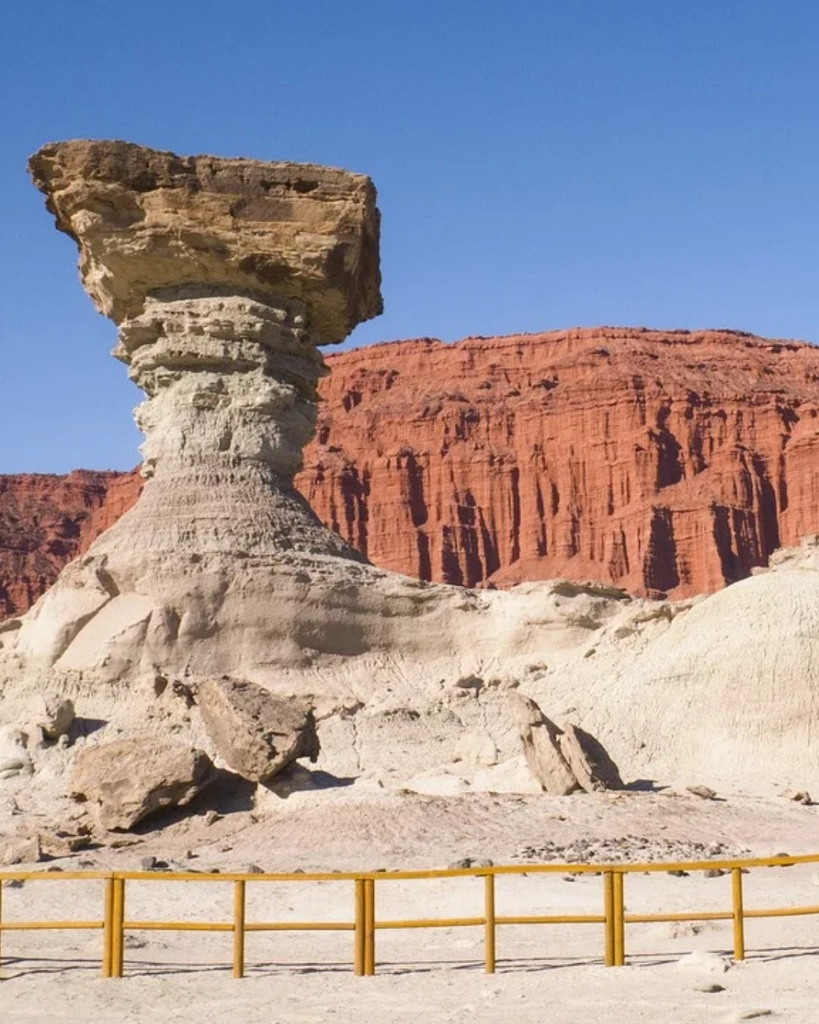
Explora Atacama represents another essential model of desert luxury: active exploration made seamless. The lodge has long been an icon for travelers who want comfort, but refuse to experience nature only from a terrace. Its program is built around hiking, biking, riding, high-altitude excursions, and stargazing, with its own stables, private observatory, and access to Puritama Hot Springs.
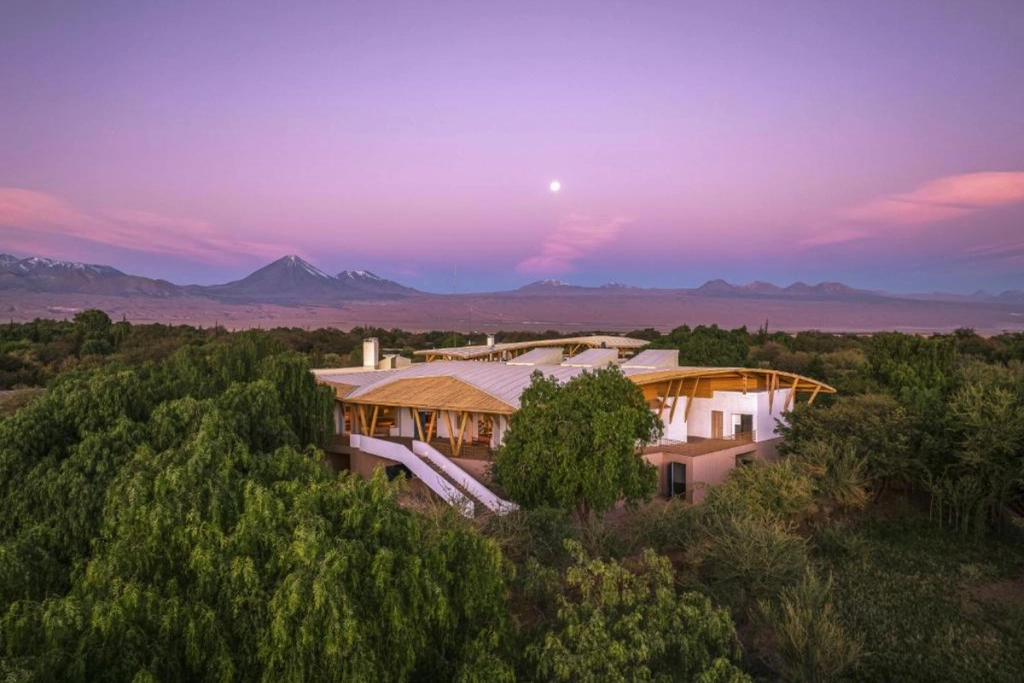
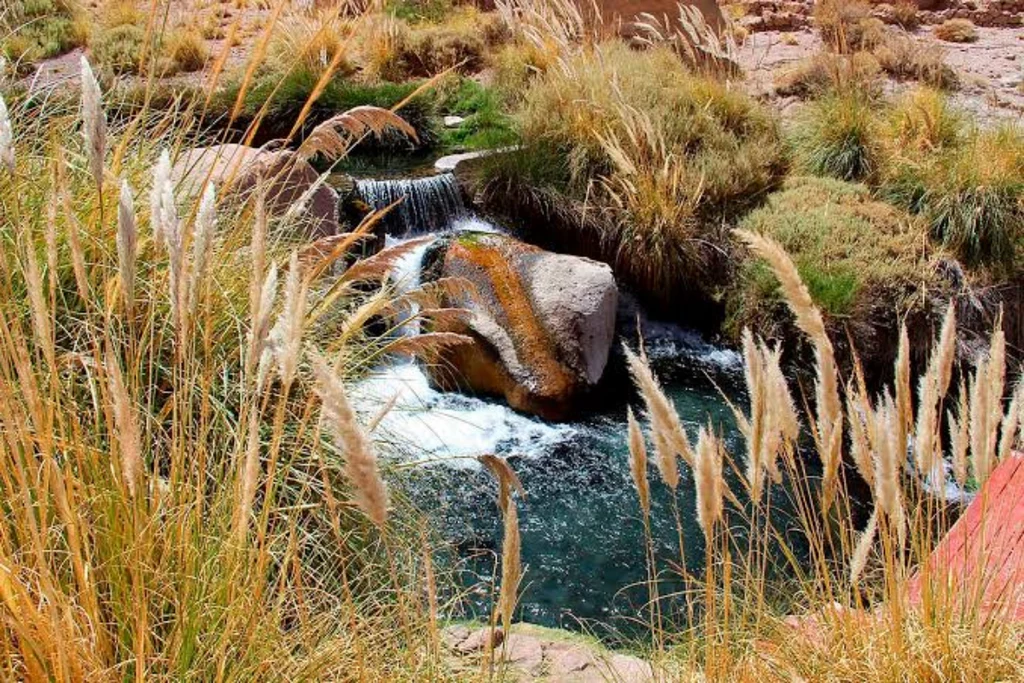
At Explora, luxury feels almost philosophical. The guest is not simply pampered, the guest is prepared. Every route, meal, rest period, vehicle, and guide is considered, so adventure becomes elegant without losing its intensity. The desert remains demanding, but the friction is softened.
Nayara Alto Atacama offers a slower, more oasis-like interpretation. Set near San Pedro de Atacama and surrounded by red-clay terrain, it blends into the desert rather than standing apart from it. Guests may encounter gardens, shaded spaces, an onsite llama corral, and an observatory experience that turns the night sky into a social ritual. Cocktails beneath the stars may sound indulgent, but here, where the heavens feel astonishingly close, even indulgence becomes cosmic.
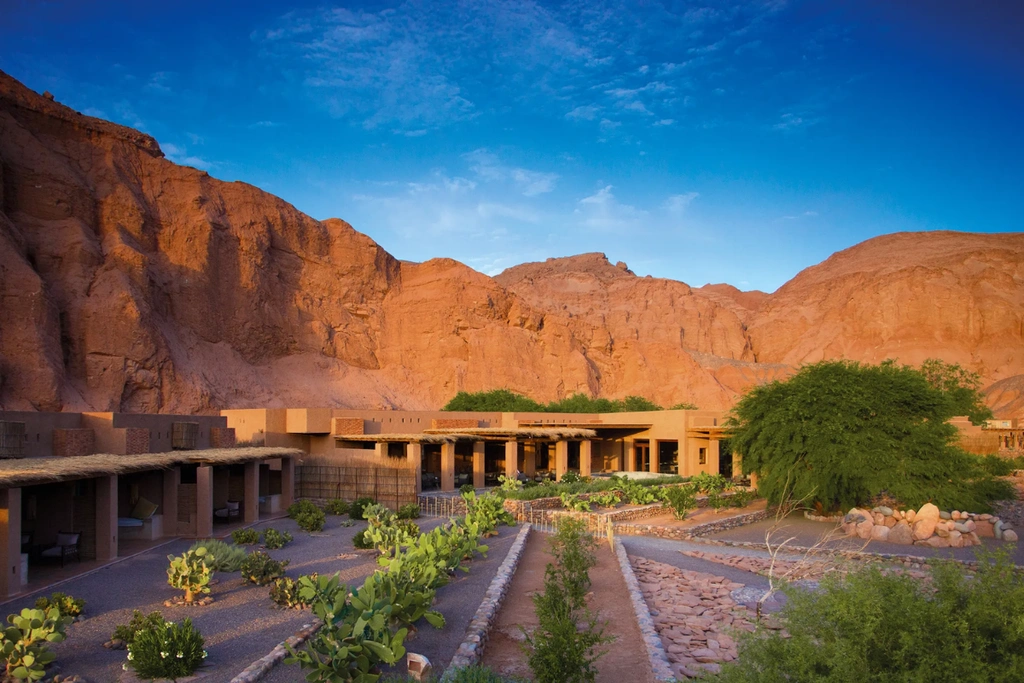
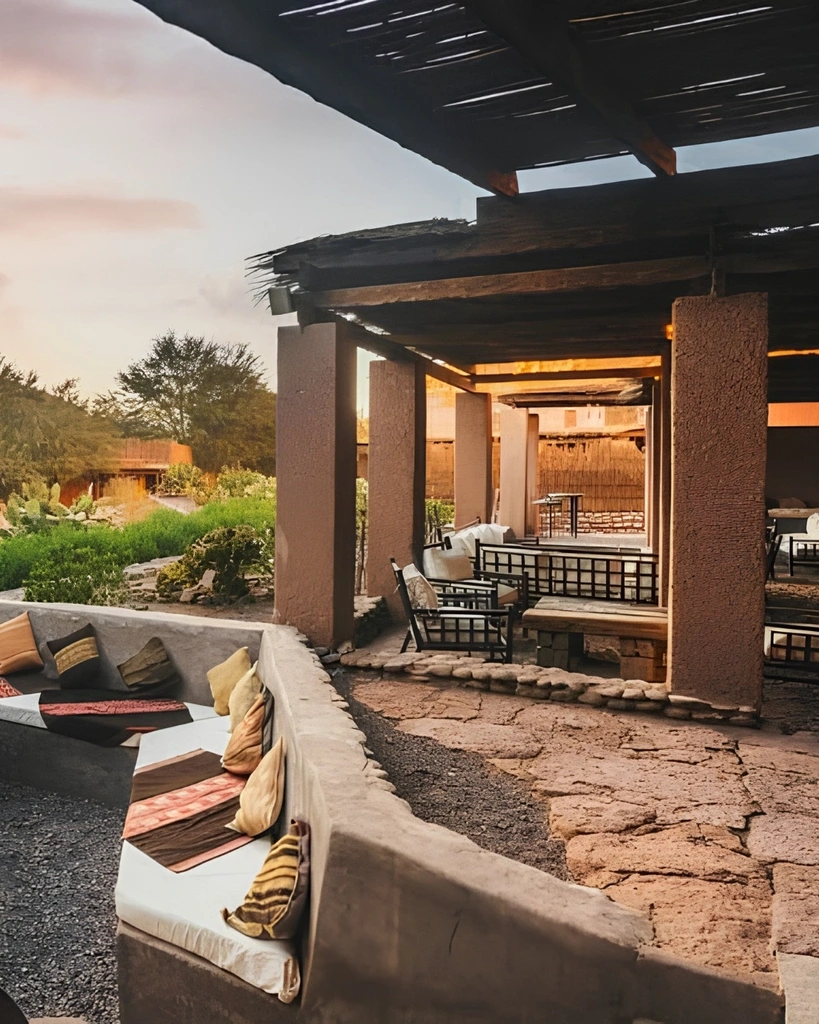
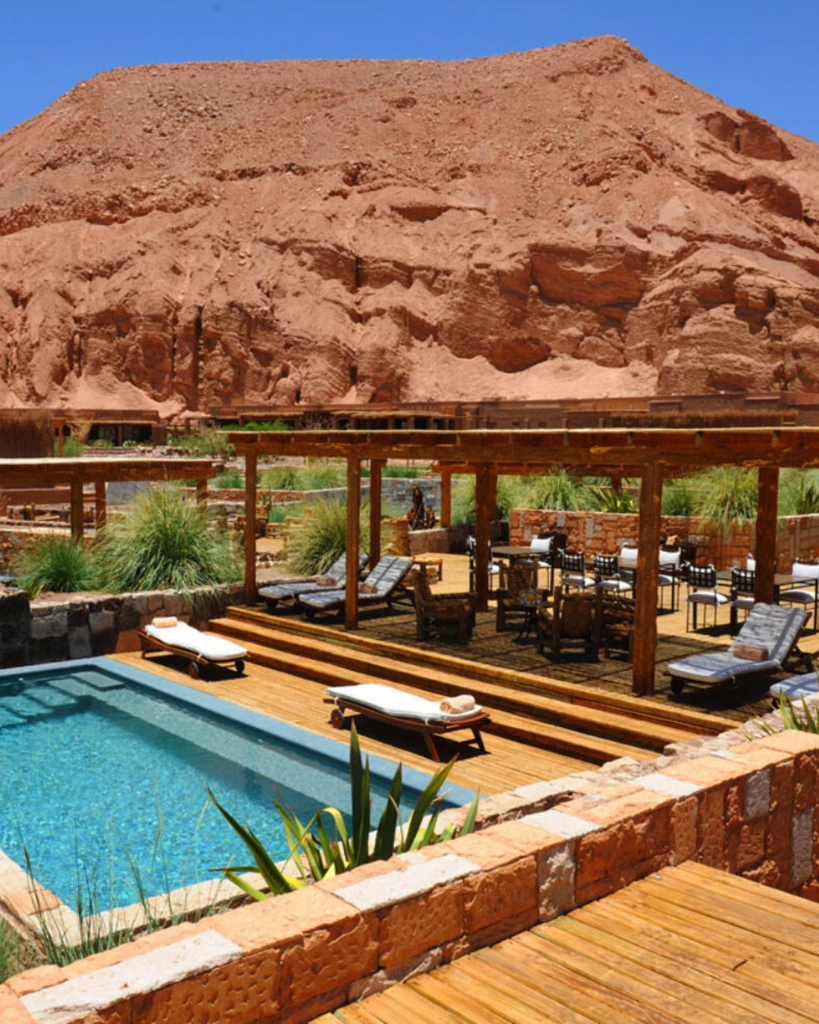
Tierra Atacama is the lodge for travelers who want the desert to feel restorative as much as adventurous. With views toward Licancabur Volcano, outdoor fire pits, protected yoga decks, and a strong spa identity, it creates a dialogue between the harshness of the environment and the softness of interior life. After a day of salt flats, volcanic rock, geysers, or altitude, the return to warmth, water, massage, and stillness feels almost ceremonial.
The region’s essential experiences are as surreal as they are varied. Valle de la Luna, or Moon Valley, is often the first encounter, and it earns its name. Its sculpted salt, sand, and rock formations look closer to science fiction than tourism, especially when the evening light turns the valley into a mineral theatre.
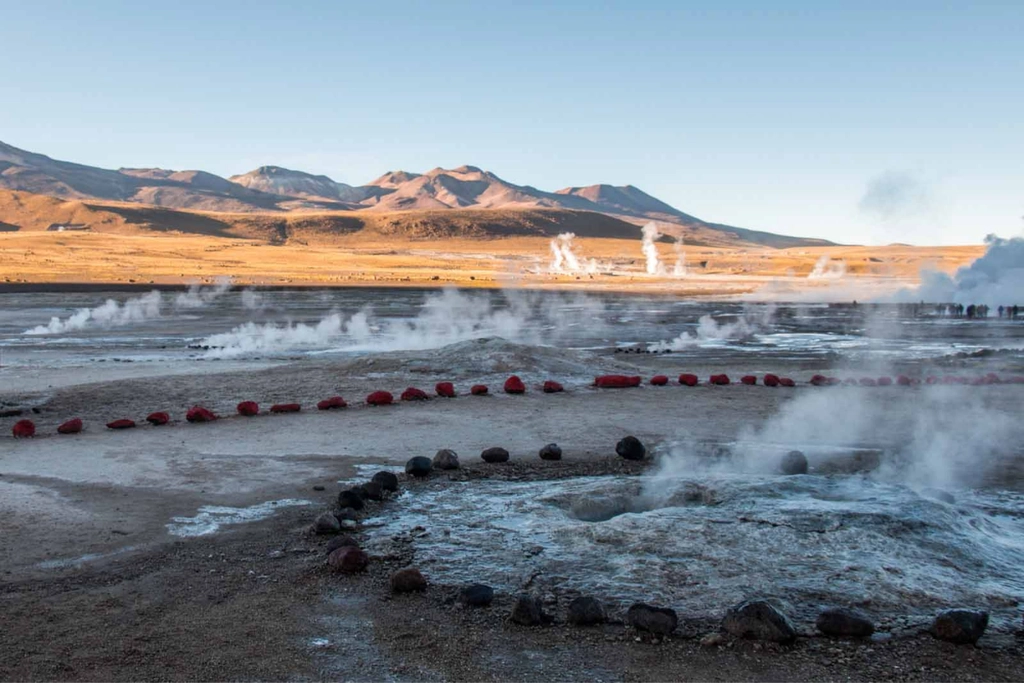
El Tatio Geysers require more discipline. Travelers usually depart in darkness to arrive at more than 4,300 meters above sea level, when dawn cold makes the steam columns rise dramatically from the geothermal field. It is uncomfortable, beautiful, and unforgettable—the kind of spectacle that feels more powerful because it asks something from the body.
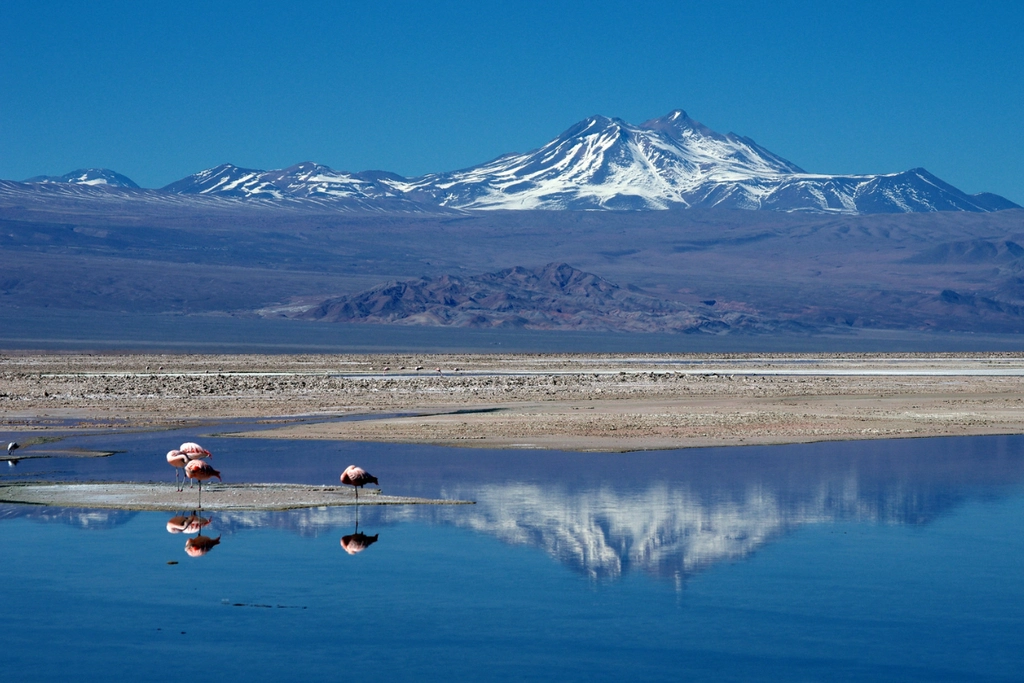
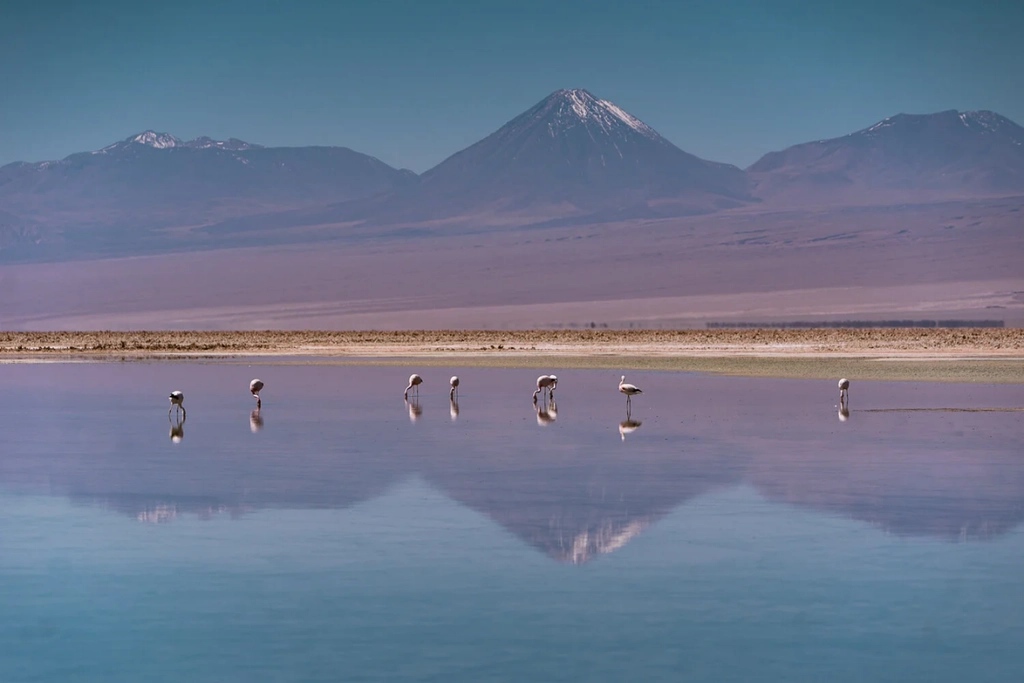
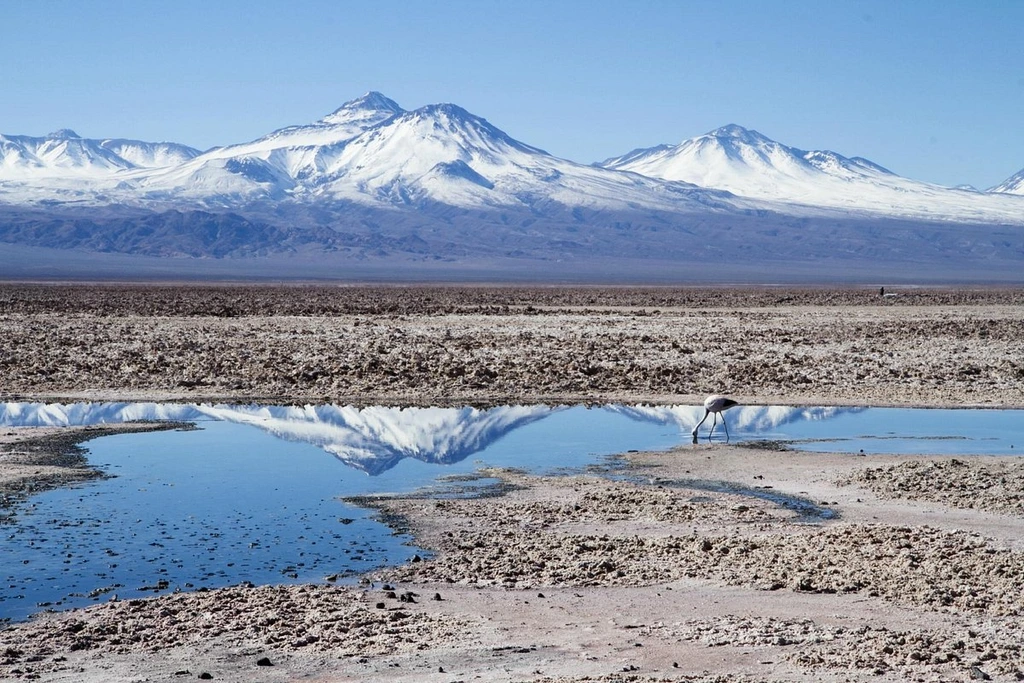
Salar de Atacama and Laguna Chaxa introduce a different mood. Here, the desert becomes reflective and alive. The cracked salt crust stretches toward distant volcanic peaks, while flamingos move through shallow lagoons with an elegance that seems almost improbable in such a severe environment. Miscanti and Miñiques Lagoons, framed by snow-dusted volcanic forms, push the landscape toward abstraction: blue water, pale grass, bare mountains, thin air, and the sudden appearance of vicuñas or other native wildlife.
The Atacama is also one of the world’s great reminders that luxury and science can share the same landscape. Because its soil is so dry, mineral-rich, and extreme, scientists have used it as a Mars analog to test equipment and exploration methods for planetary missions. The desert does not merely look like another planet; it has helped humans imagine how to study one.
The Atacama’s most famous luxury may be above the traveler rather than around them. Stargazing here is exceptional because of altitude, aridity, limited light pollution, and an extraordinary number of clear nights. A private astronomy session with a professional guide, a glass of Chilean wine, and a reclining chair in the cold desert dark can become the emotional center of the trip. The Milky Way appears not as an image, but as a presence.
There is also ancient human history here. Long before luxury lodges and astronomical tourism, Atacameño communities learned how to live with the desert through irrigation, trade, agriculture, craft, and deep environmental knowledge. Petroglyphs, archaeological sites, old pathways, and village traditions reveal that the Atacama is not empty at all. Its silence contains memory.
The best time to visit is generally spring or autumn, when days are more comfortable and nights remain crisp. Packing should reflect contrast: light layers for daytime sun, strong sunglasses, high-SPF protection, a hat, breathable fabrics, and warm clothing for dawn geyser visits or evening stargazing. Luxury does not remove the desert’s extremes; it simply helps travelers meet them well.
A strong Atacama itinerary should not be overloaded. Four nights can offer an elegant introduction, but five to seven nights allow the desert to unfold properly. One day might belong to Valle de la Luna, another to high-altitude lagoons, another to El Tatio, another to the Salar de Atacama, and one to rest, spa, village wandering, or a slower private excursion. The mistake is treating the desert as a checklist. The Atacama is best experienced with pauses.
Luxury travel in the Atacama Desert is ultimately about access to vastness. It gives travelers a bed after the altitude, a guide through the emptiness, a meal after the wind, a telescope beneath the clearest sky, and a quiet place from which to understand one of the planet’s most extreme environments. In the Atacama, the world feels stripped back to salt, stone, stars, and silence—and somehow, that simplicity becomes the most extravagant thing of all.