MENU
Close





As Asia’s new museums turn into laboratories of light, scent, data, and narrative, luxury art collecting is no longer limited to owning rare objects.
As Asia’s new museums turn into laboratories of light, scent, data, and narrative, luxury art collecting is no longer limited to owning rare objects.
June 26, 2026


For decades, luxury art collecting was measured through possession: a painting secured in a private room, a sculpture acquired at auction, a rare object moved from one controlled environment to another. The collector’s world revolved around provenance, scarcity, authorship, and the quiet ritual of ownership. Yet the newest generation of museums in Asia suggests that cultural desire has moved beyond the object itself. Today, the most compelling form of collecting may be the ability to gather atmospheres, technologies, civic myths, sensory memories, and future-facing spaces that cannot be reduced to a frame or pedestal.
The Shenzhen Science and Technology Museum, designed by Zaha Hadid Architects, opened in the city’s Guangming District as a civic landmark dedicated to scientific discovery, research, and future technologies. ZHA describes the museum as a major destination for the Greater Bay Area, with galleries, immersive theatres, laboratories, educational facilities, and innovation spaces arranged around an expansive central atrium. Its form begins as a solid, spherical volume facing the city before stretching westward into cascading terraces that overlook the surrounding park.
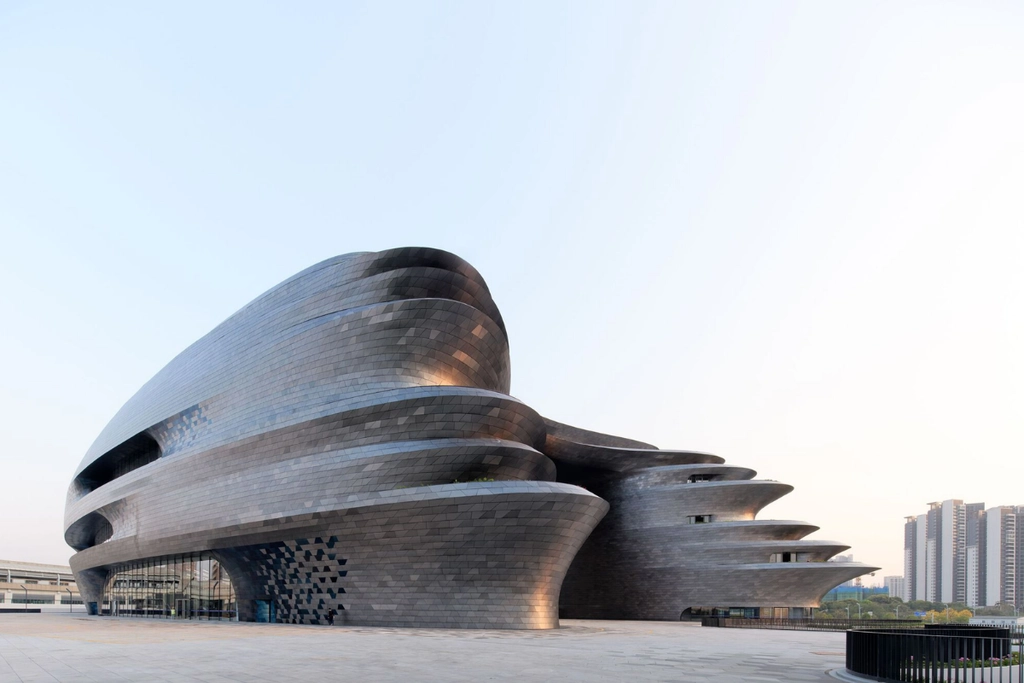
What makes the building powerful is not only its scale, but its attempt to make technology feel atmospheric. The museum’s stainless-steel skin uses China’s first large-scale application of dual-colour INCO technology, creating a nano-scale oxide film that produces a shifting blue-to-grey gradient without paint. Its surface reads like a body under changing weather: sometimes celestial, sometimes industrial, sometimes almost aquatic. For collectors of visual culture, this is architecture behaving like a kinetic object, a facade that gathers light as if light itself were part of the collection.
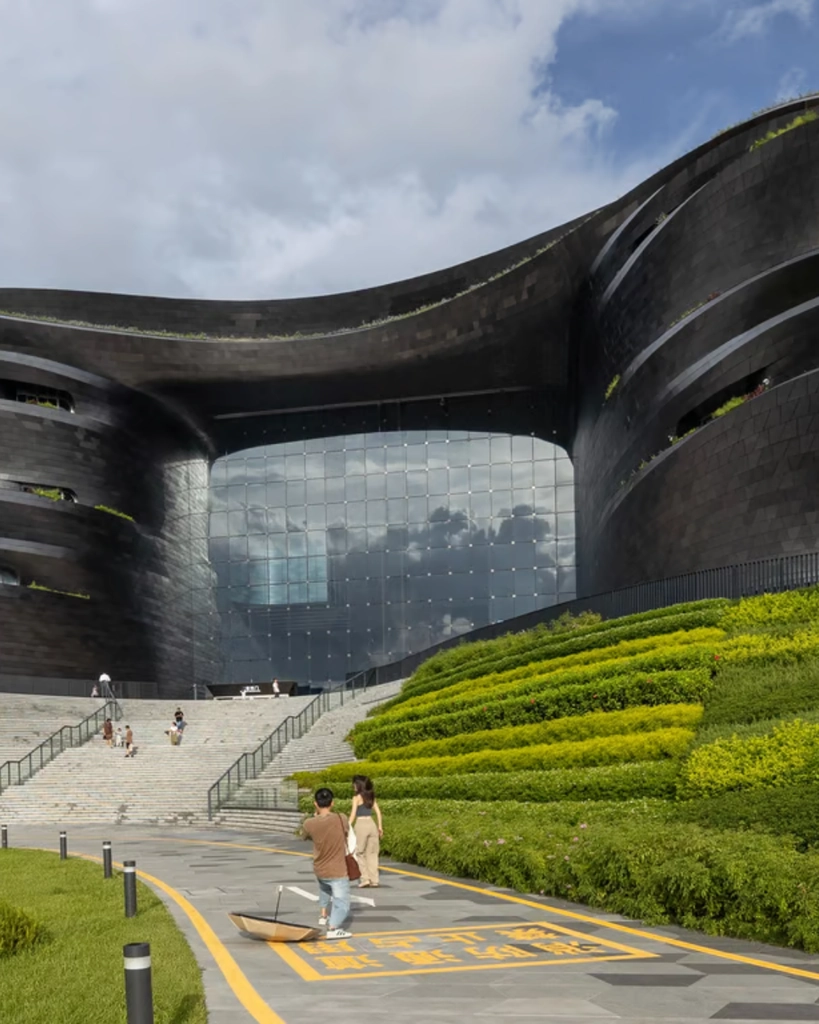
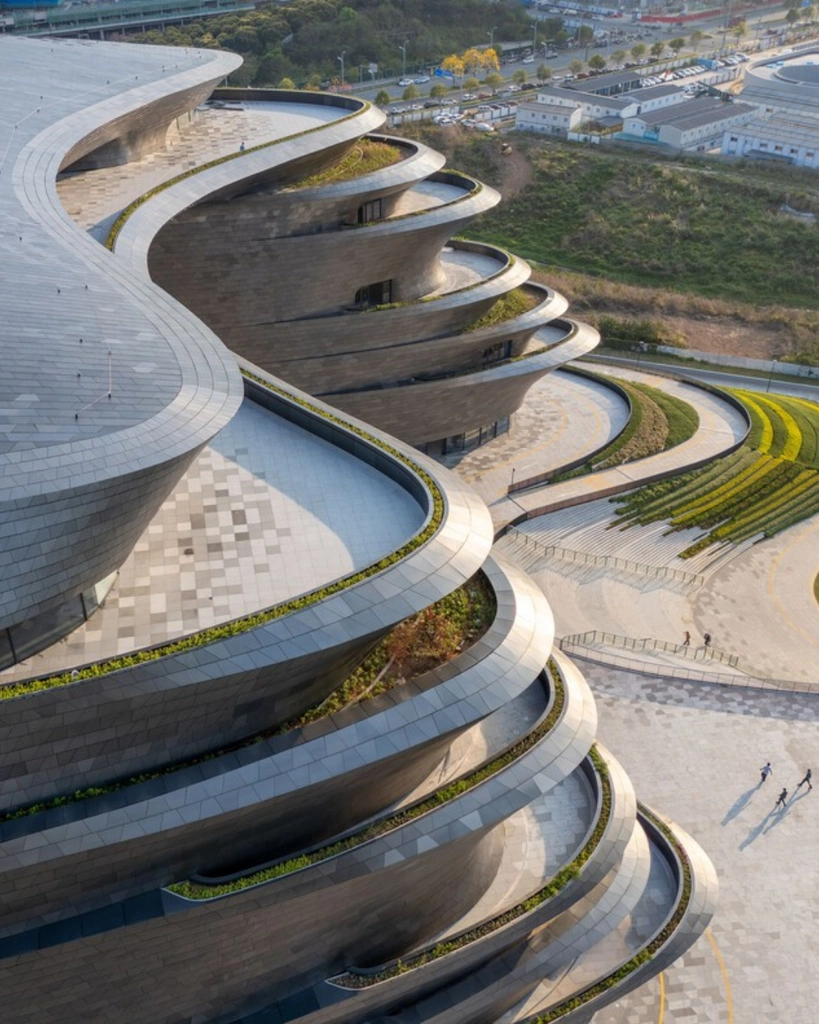
The project also reflects a new standard for cultural prestige: sustainability as spectacle. The museum targets China’s highest Three-Star Green Building rating, uses a ventilated stainless-steel facade cavity to reduce solar exposure, incorporates photovoltaics, and was developed through a digital twin construction process using BIM and 3D scanning to control complex surfaces within millimetres. In older models of museum grandeur, monumentality often meant mass, marble, and permanence. In Shenzhen, grandeur is coded through precision, environmental performance, and a futuristic skin that refuses to stay visually still.
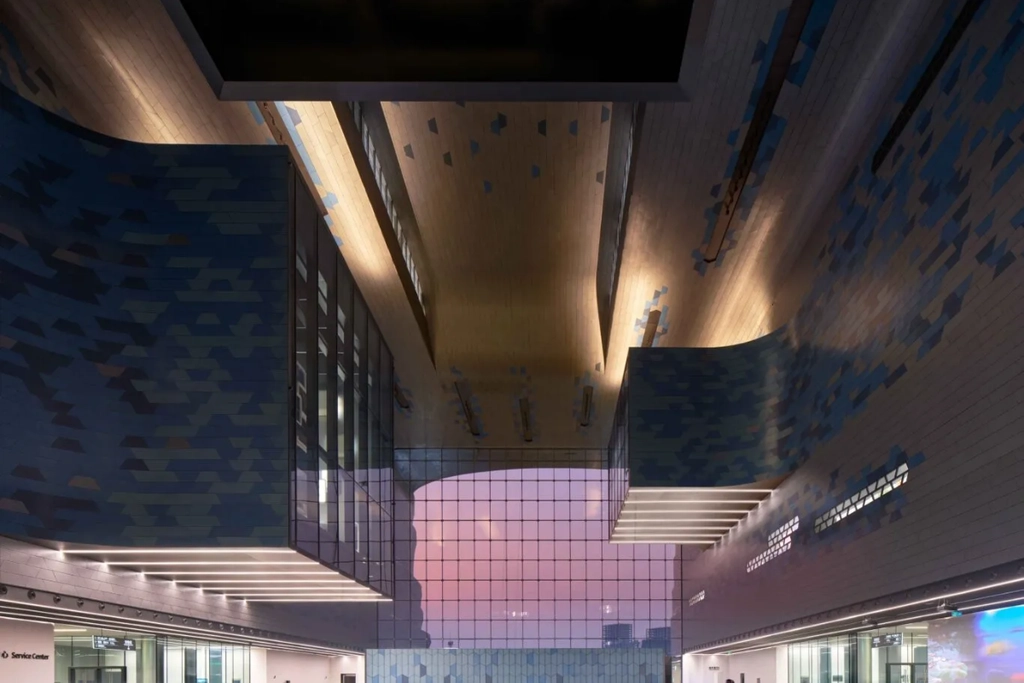
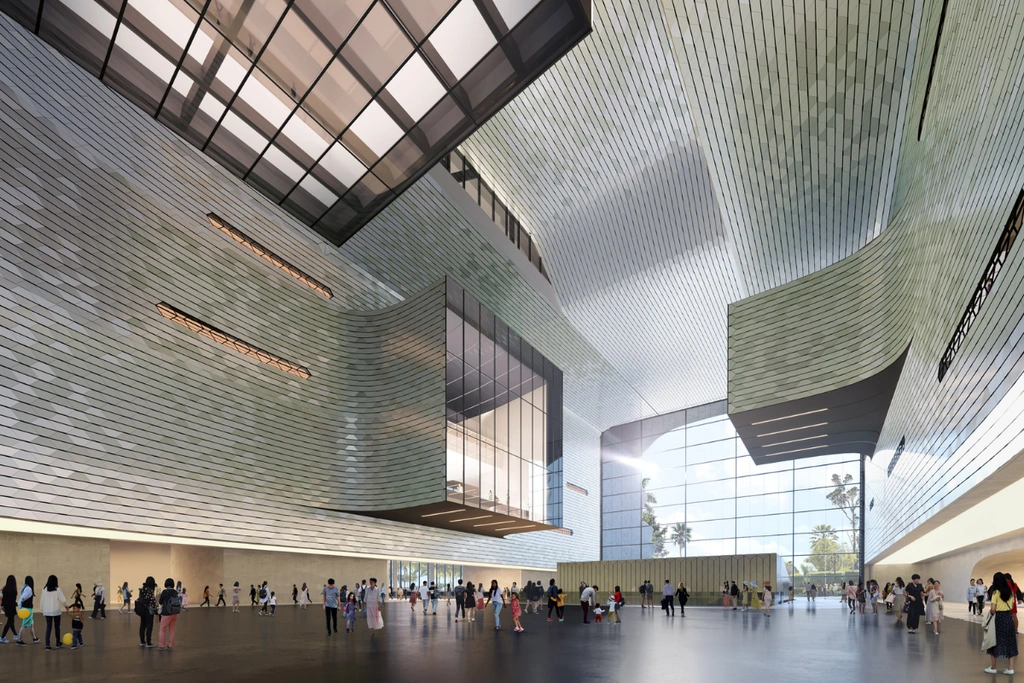
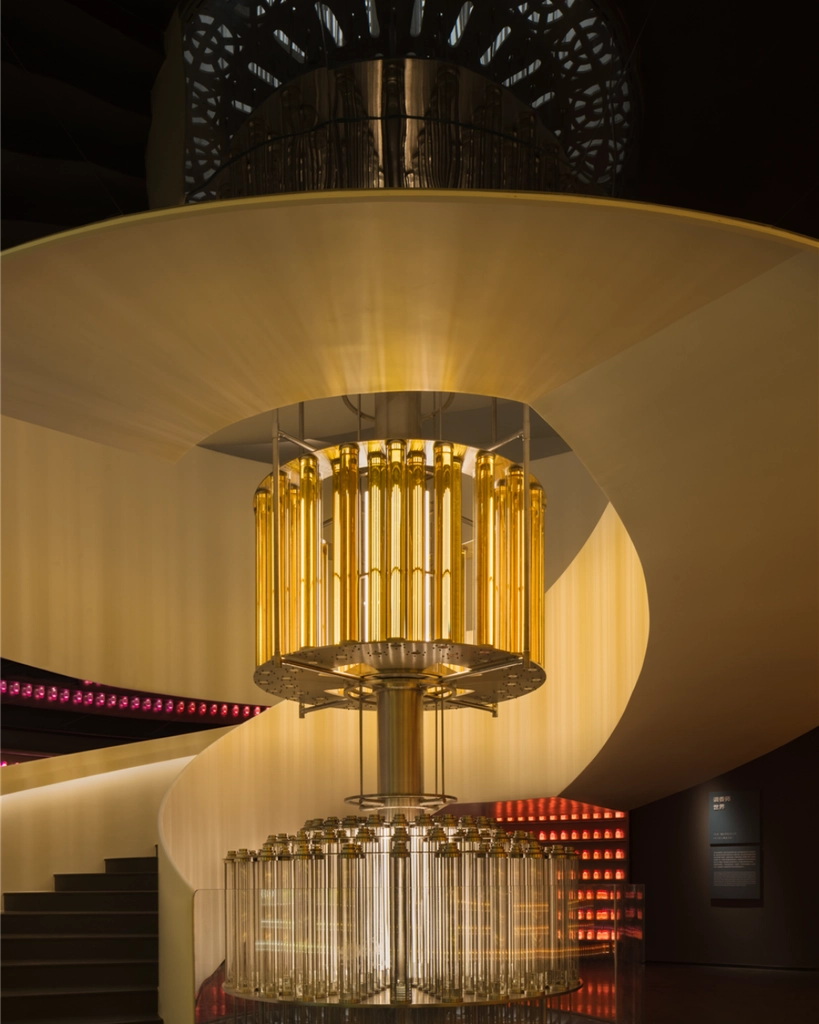
If Shenzhen collects light and technology, Guangzhou’s Xuelei Fragrance Museum collects the invisible. Located in Baiyun District and designed by Shenzhen Huahui Design, the museum transforms scent into architecture, taking fragrance as its starting point and building a spatial language around memory, multisensory perception, and perfumery culture.
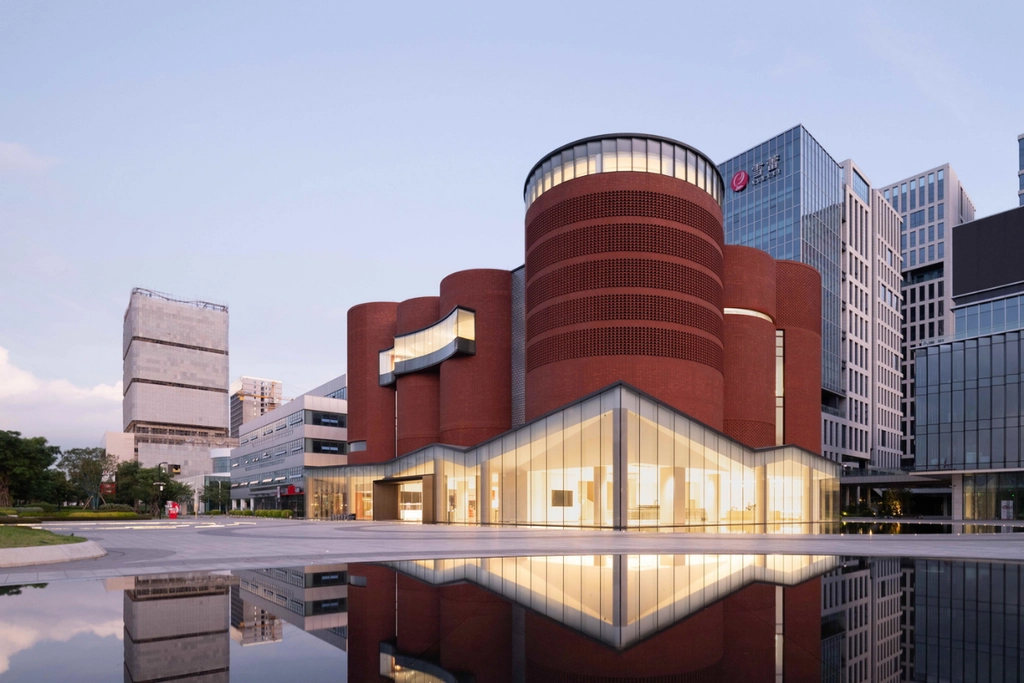
The building’s red-brick cylindrical towers evoke perfume distillation equipment, turning industrial craft into monumental silhouette. Yet the museum’s deeper provocation lies in its subject. Scent is difficult to preserve, difficult to display, and impossible to own in the same way one owns a painting. It disperses, clings, vanishes, returns through memory. By building an entire institution around fragrance, Xuelei places the most unstable of materials at the center of cultural value.
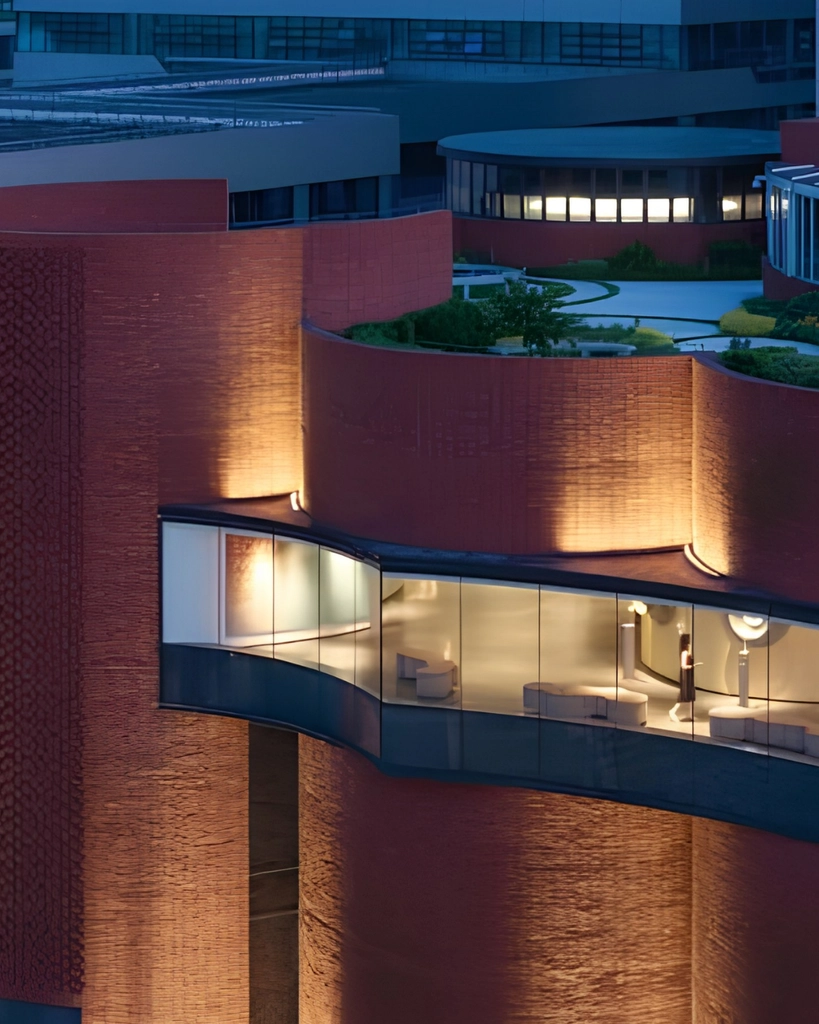
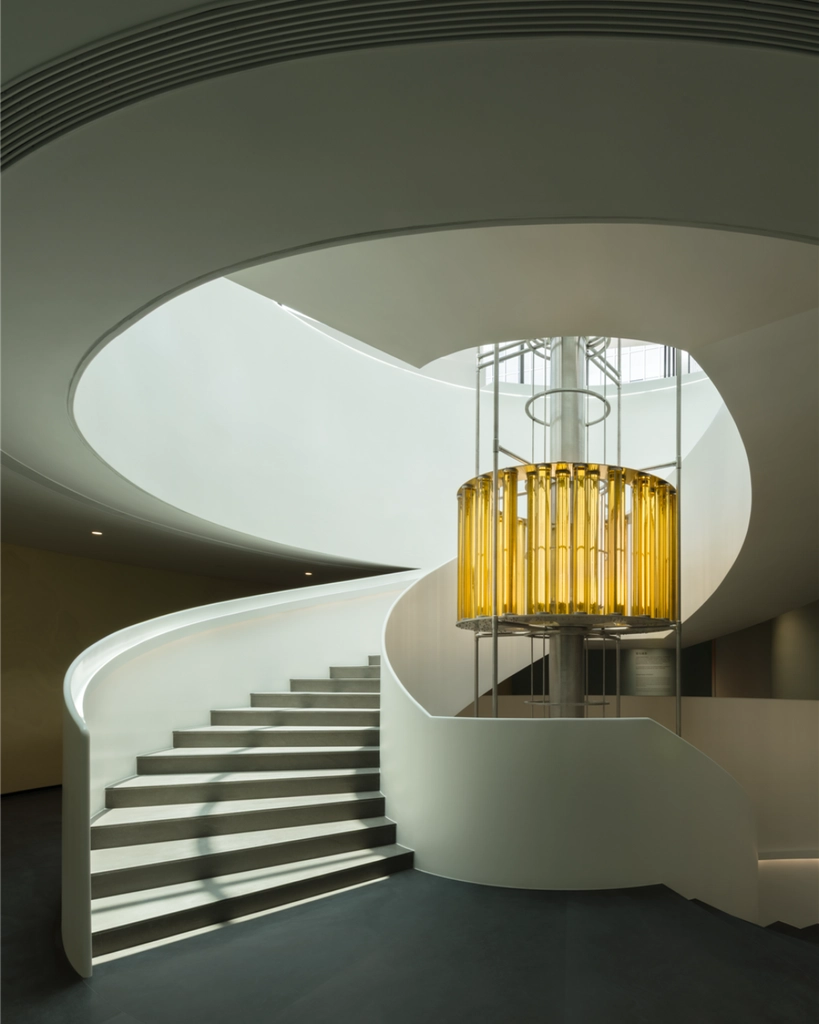
That instability has become part of its luxury. The museum has been certified by Guinness World Records as the world’s largest fragrance museum, measuring 9,500.878 square meters, spanning five floors, and featuring 18 thematic galleries that explore global fragrance history, Eastern incense traditions, and perfumery through more than 300 scent points. Its experience moves beyond passive looking: visitors sample, rate, remember, and participate. Xuelei’s own materials describe how the museum records visitors’ preferences across more than 300 exhibits to generate a personalized scent profile through its “Scent Time Machine.”
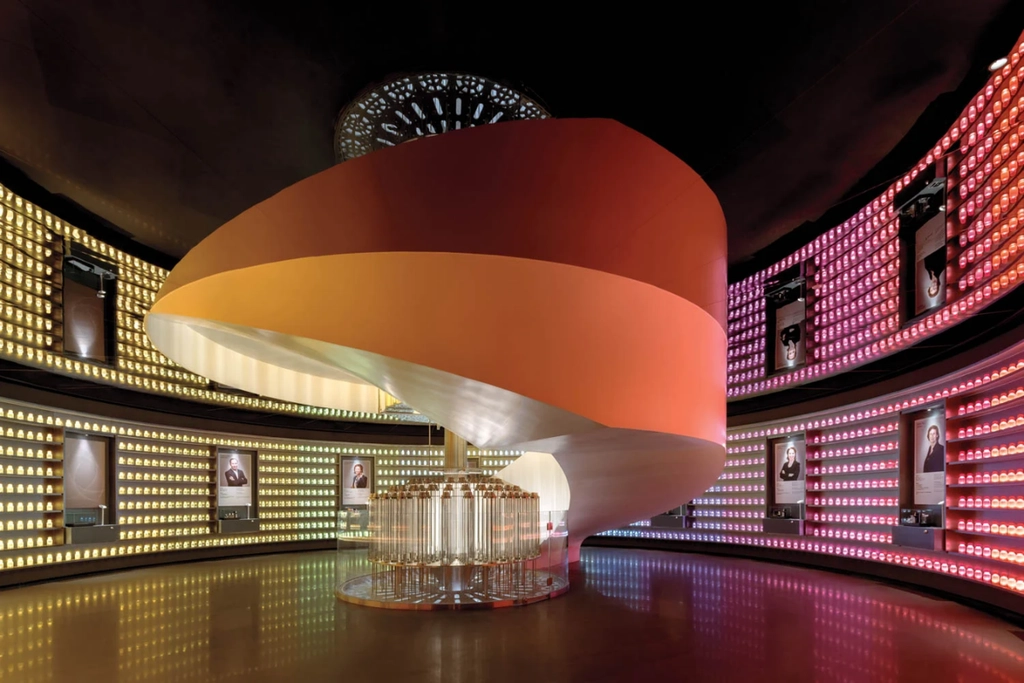
For luxury art collecting, this matters because scent reframes rarity. The rarest thing may not be the bottle, but the personal formula; not the object on display, but the emotional data produced by the visitor’s encounter with it.Xuelei also suggests that the museum of the future may be less about preserving silence and more about designing encounter. Its fragrance garden, interactive scent stations, and technology-driven personalization transform the museum into a sensory laboratory, one in which beauty is not only seen but inhaled.
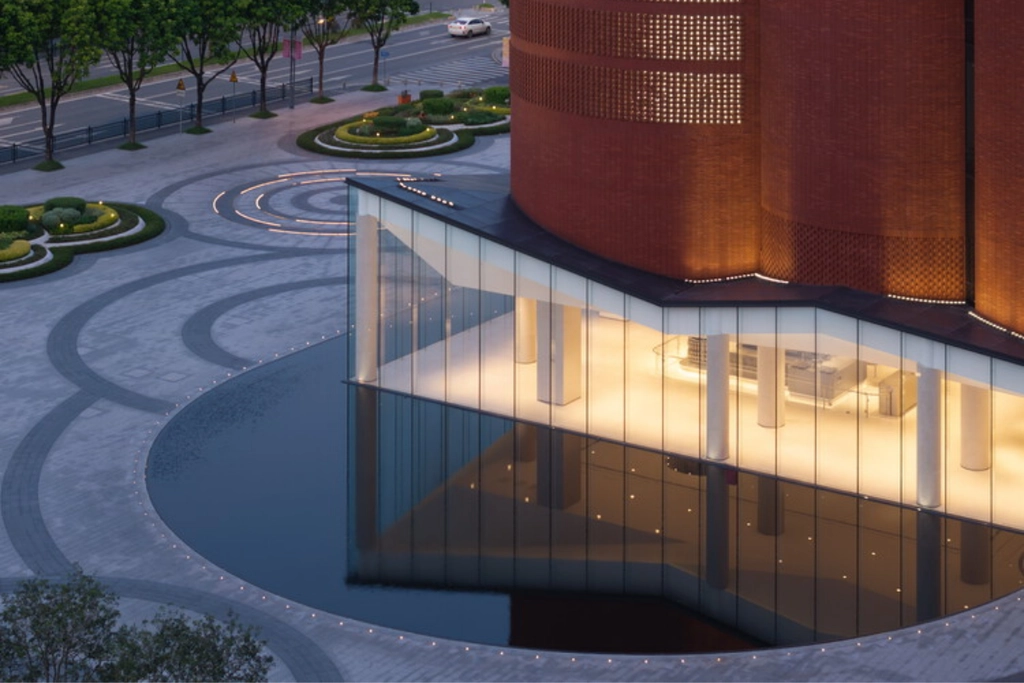
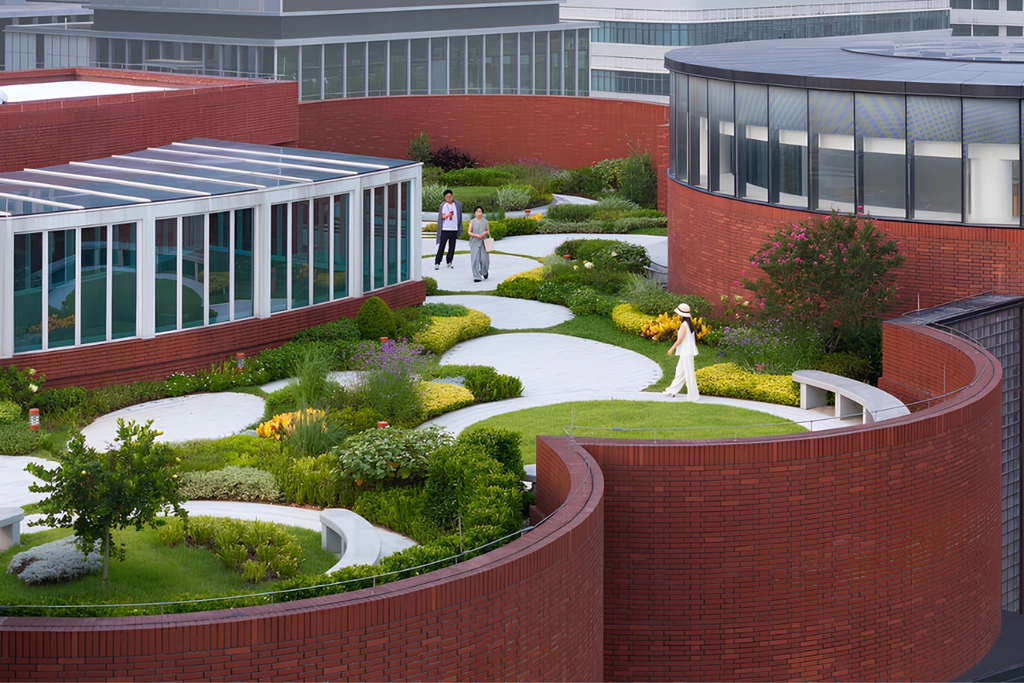
MoN Takanawa takes the transformation further by questioning whether a museum needs to be built around a static collection at all. Opened on March 28, 2026, in Takanawa Gateway City near Shinagawa Station, MoN Takanawa is operated by the East Japan Railway Foundation for Cultural Innovation and features an exterior designed by Kengo Kuma & Associates.
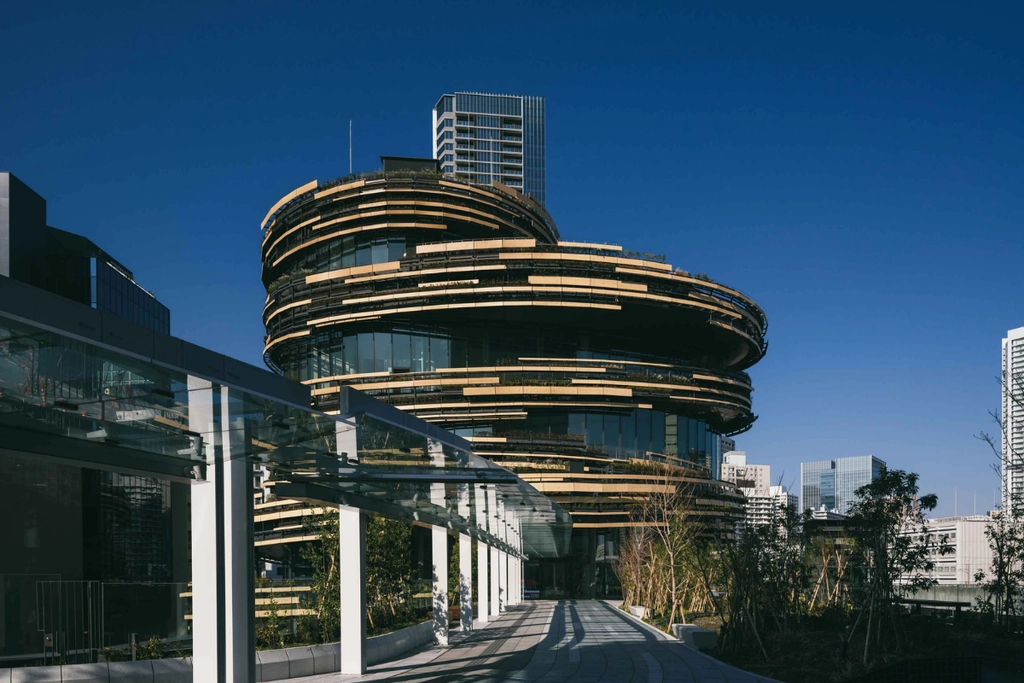
The name “MoN” carries layered meaning: gate and question. This duality is important. A gate suggests entry, passage, and transition; a question suggests uncertainty, thought, and intellectual motion. Instead of presenting culture as something complete, MoN Takanawa presents it as something under construction. It uses a seasonal model, changing themes twice a year and connecting Japanese tradition with contemporary technology, education, entertainment, and international collaboration.
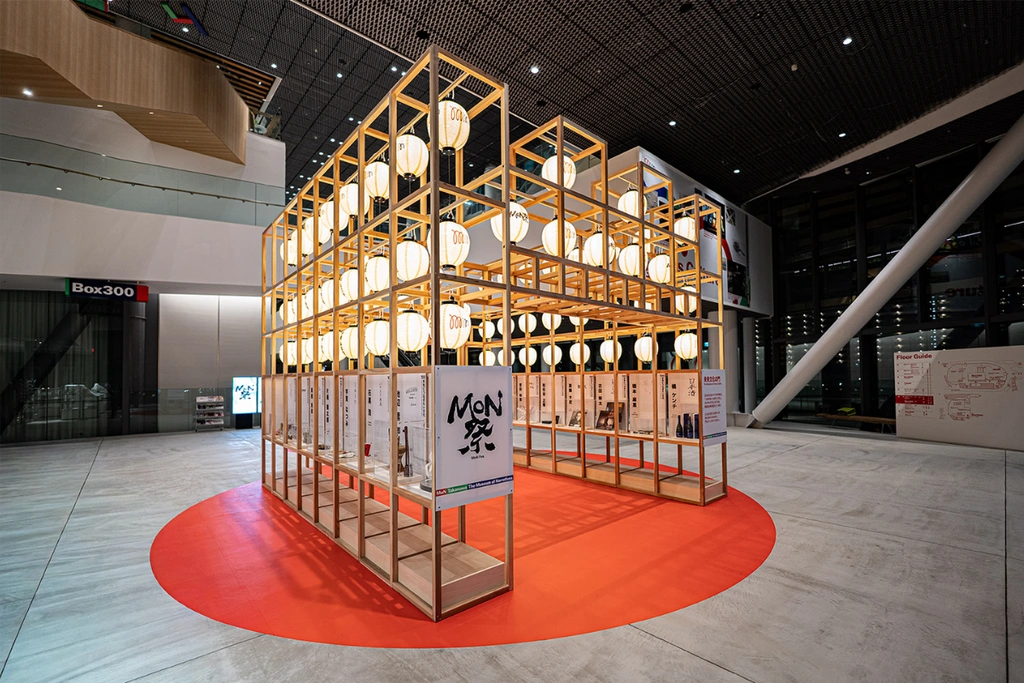
Its opening season, “Life as Culture,” includes programs such as “Spiral, Spiral: Evolving Human Narratives” and “MANGALOGUE: HINOTORI,” an immersive performance based on Osamu Tezuka’s Phoenix. The museum’s spaces include a 1,500-square-meter exhibition area, a full-stage LED theater, a 100-mat tatami hall, terraces for moon-viewing and cherry-blossom-viewing, dining spaces, a café, and a museum shop. Here, the museum is not a container for finished works; it is a machine for producing cultural situations.
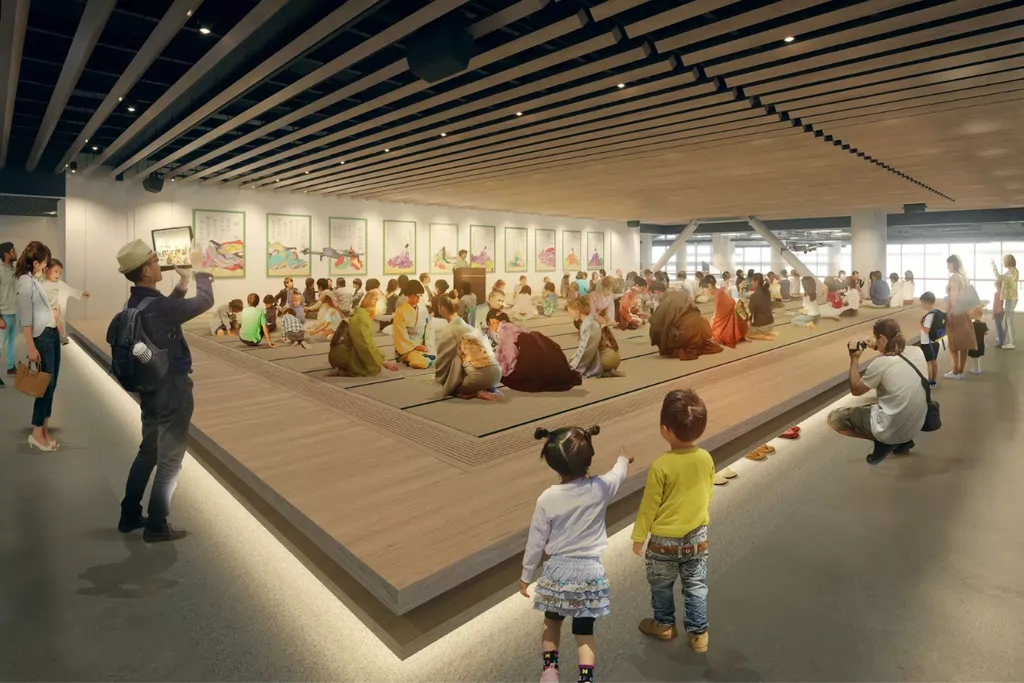
MoN Takanawa is especially revealing because it treats narrative as infrastructure. Like a luxury house that sells heritage through craft, archive, and myth, MoN builds value through stories that visitors enter and help animate. The museum becomes a platform where manga, performance, robotics, science, food, architecture, and traditional forms can coexist without needing to belong to the same category. This is a major evolution in luxury art collecting: culture is no longer collected only through masterpieces, but through frameworks that allow stories to keep changing.
Across Shenzhen, Guangzhou, and Tokyo, a pattern emerges. The new prestige museum is not simply bigger, shinier, or more expensive. It is more immersive, more technologically layered, and more aware of how visitors now measure value. People travel for spaces that produce images, but also for spaces that produce feelings, rituals, and personal evidence of having been there. They want the architectural photograph, the scent profile, the moon-viewing terrace, the performance memory, the sense that culture has briefly reorganized their body and attention.
In this new landscape, the museum itself becomes the collectible. Shenzhen offers the polished futurism of engineered wonder. Guangzhou offers the intimate wealth of scent and personal memory. Tokyo offers the living architecture of stories still being written. Together, they reveal a world in which luxury is not only what can be bought, framed, insured, or inherited. It is also what can be entered, breathed, questioned, and carried away as an experience that refuses to remain still.