MENU
Close





On June 17, 2007, Gianfranco Ferré left fashion with the silence of a building after the lights went out: the structure still standing, the lines still speaking, and the white shirt still holding his name.
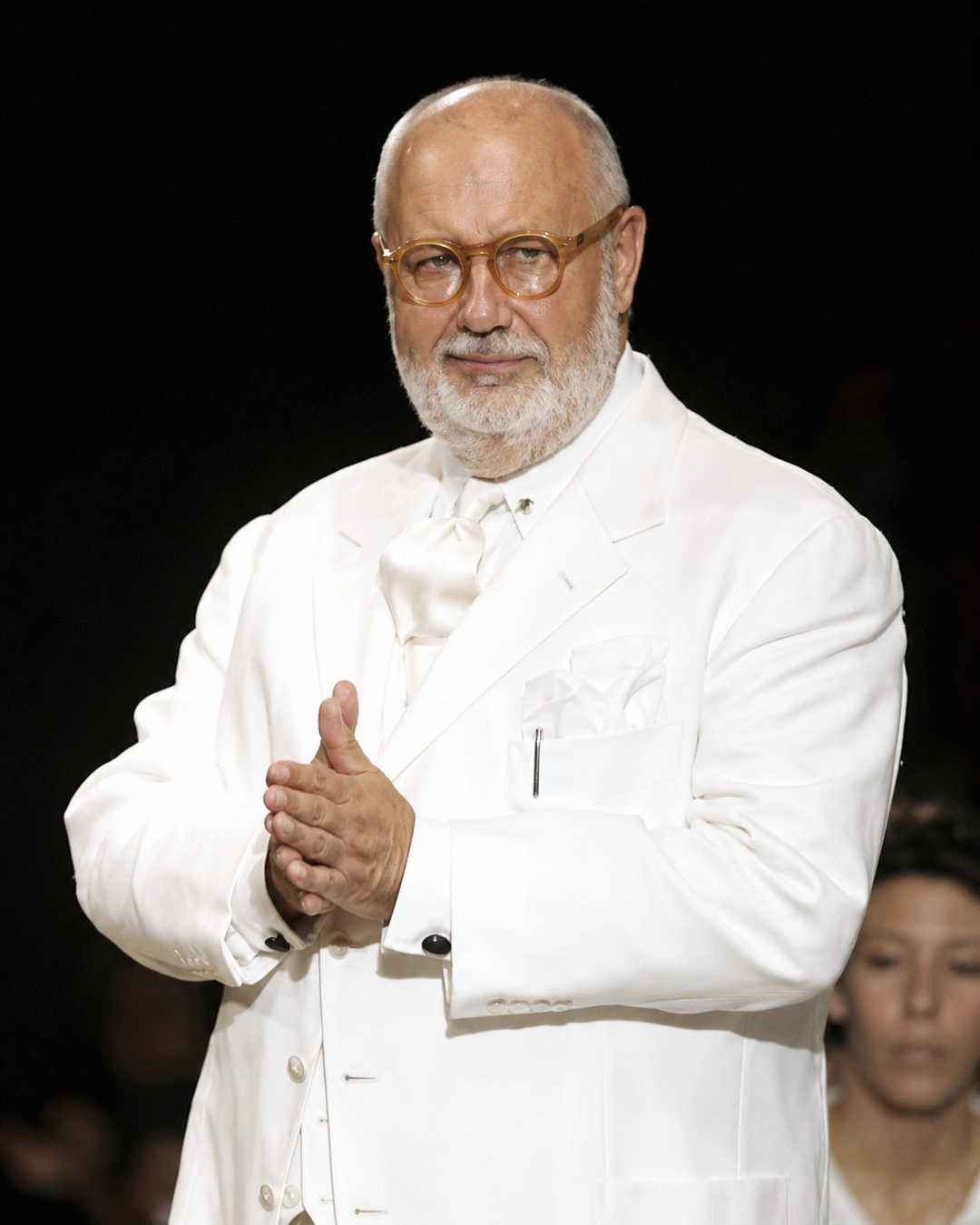
On June 17, 2007, Gianfranco Ferré left fashion with the silence of a building after the lights went out: the structure still standing, the lines still speaking, and the white shirt still holding his name.
June 17, 2026


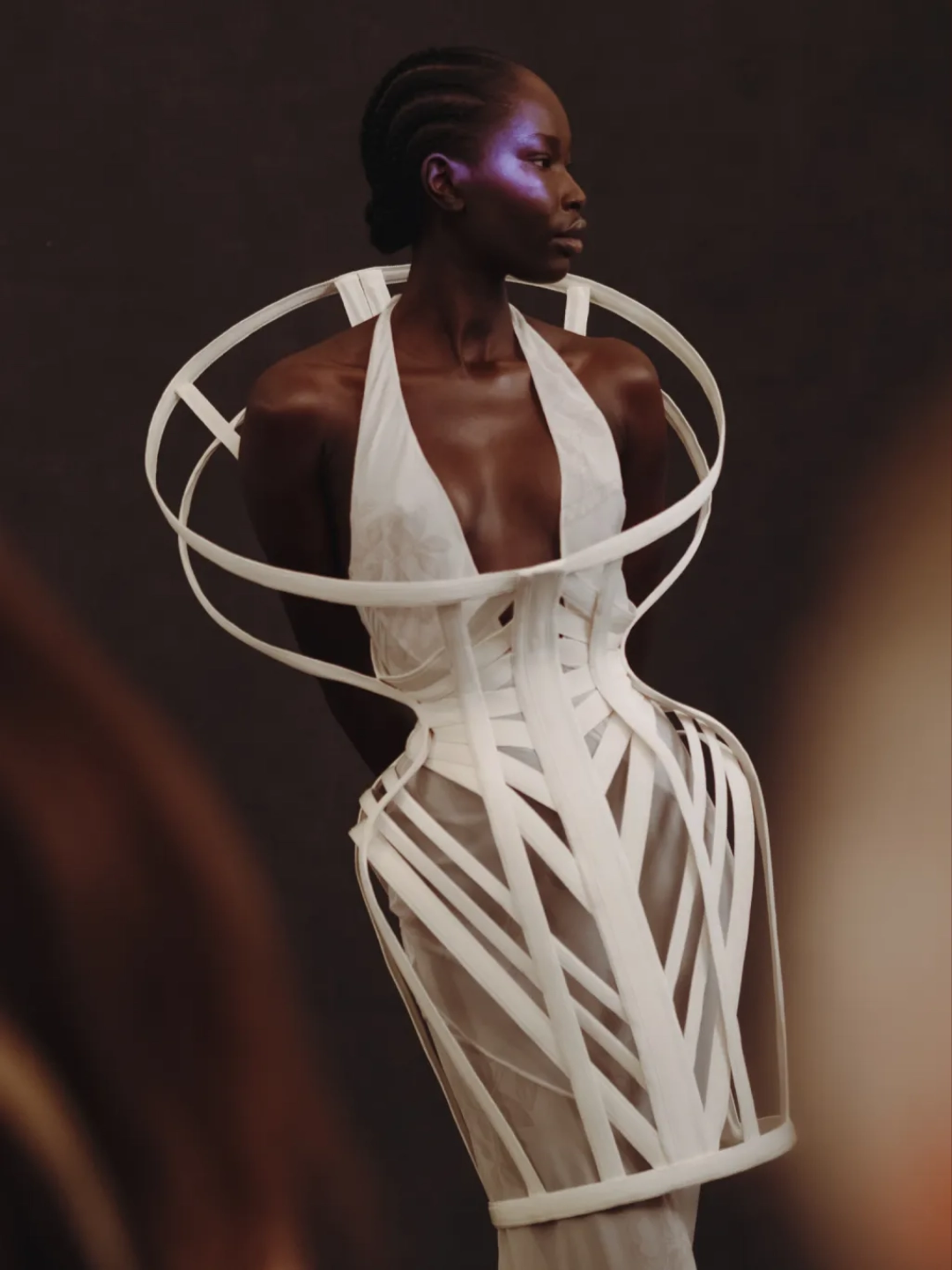
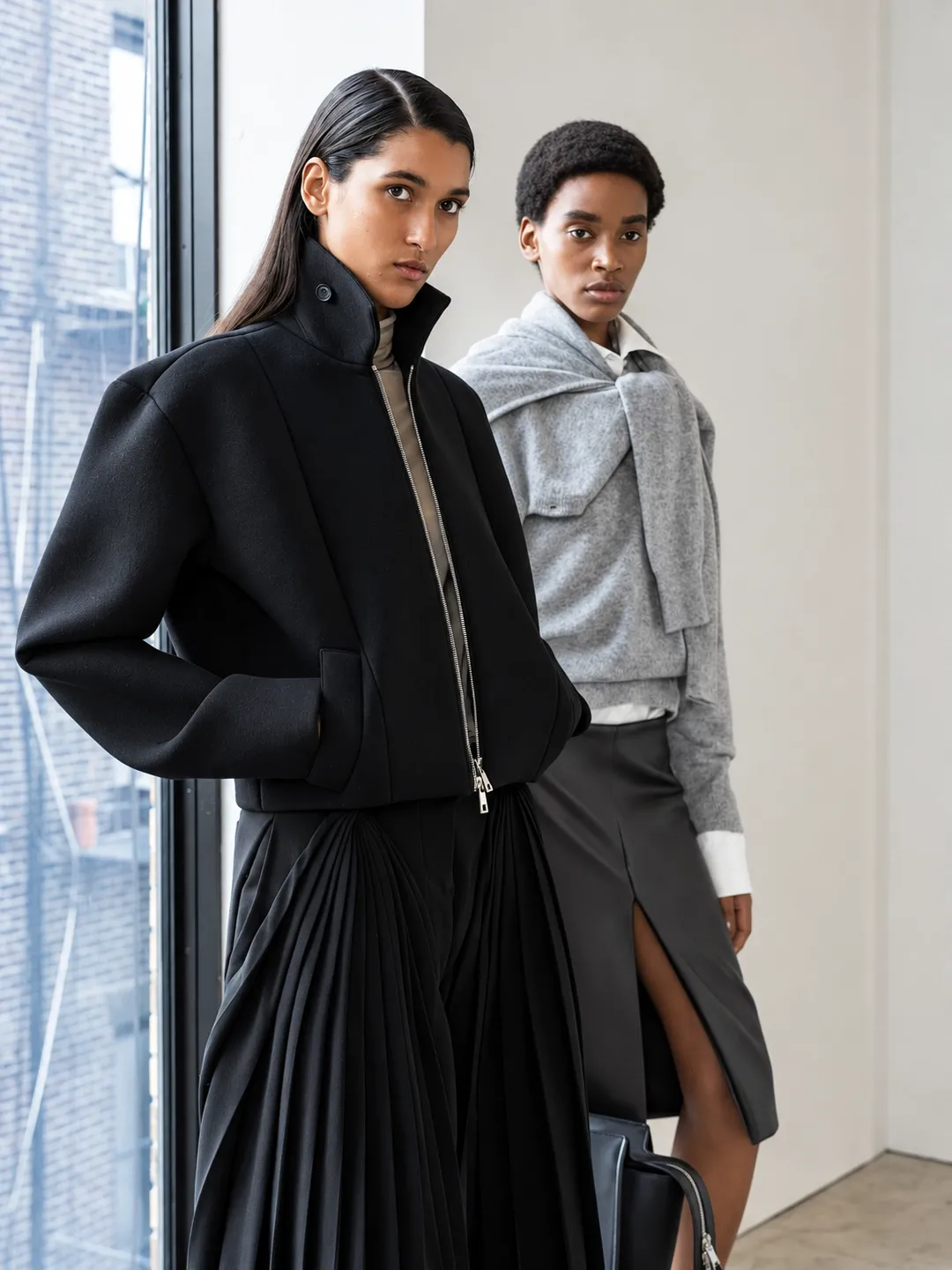
Before Gianfranco Ferré became one of Italian fashion’s most precise minds, he was trained to think like an architect. That education never left his clothes. It appeared in the way a collar rose from the neck, the way a sleeve held volume, the way fabric could be folded, lifted, and disciplined until it behaved almost like stone made soft.
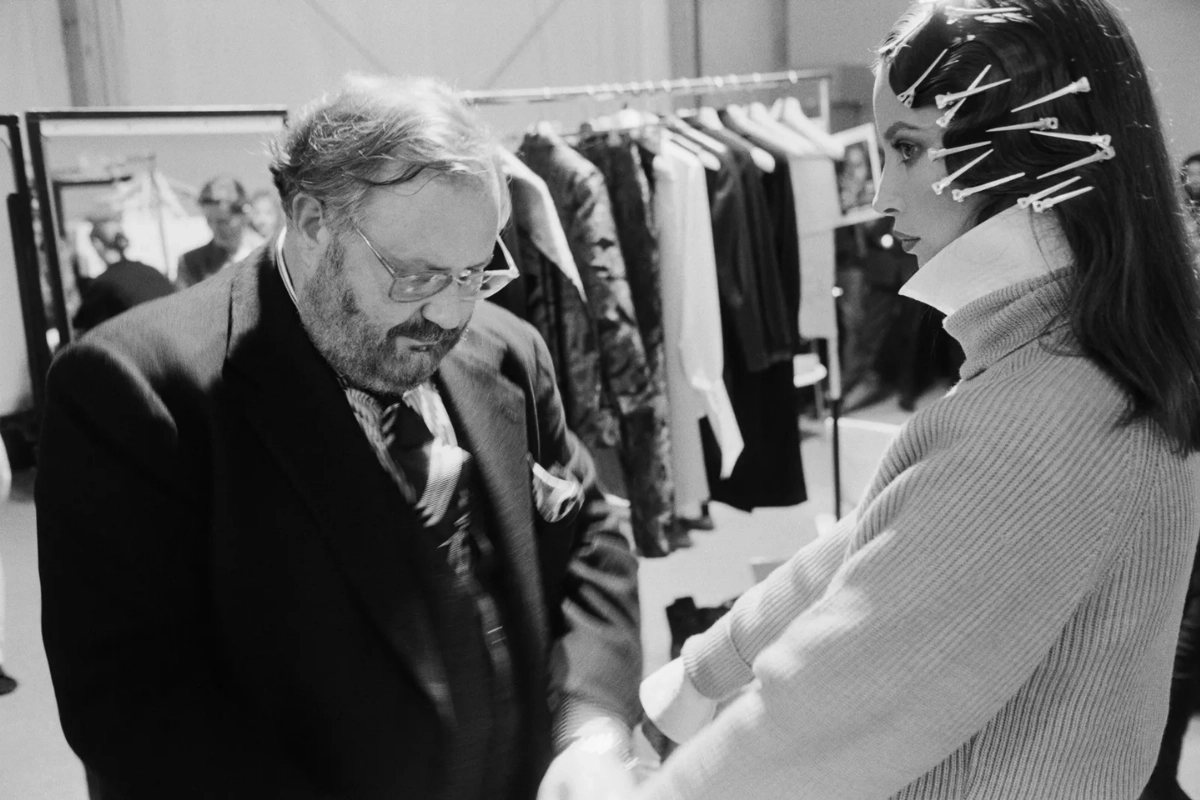
Ferré’s fashion was never fragile, even when it was romantic. He understood the body as a site of construction, where cloth could create authority without losing sensuality. His famous white shirts became the clearest expression of that language. In another designer’s hands, a white shirt might remain a basic. In his world, it became a monument: crisp, expansive, dramatic, and full of tension between purity and excess.
That architectural eye made him one of the defining figures of Made in Italy. Alongside the rise of Milan as a fashion capital, Gianfranco Ferré helped shape an image of Italian style built on polish, intelligence, and technical command. His clothes carried glamour, but the glamour was engineered. Behind every sweep of fabric sat proportion, discipline, and a designer who believed that elegance could be built from structure as much as fantasy.
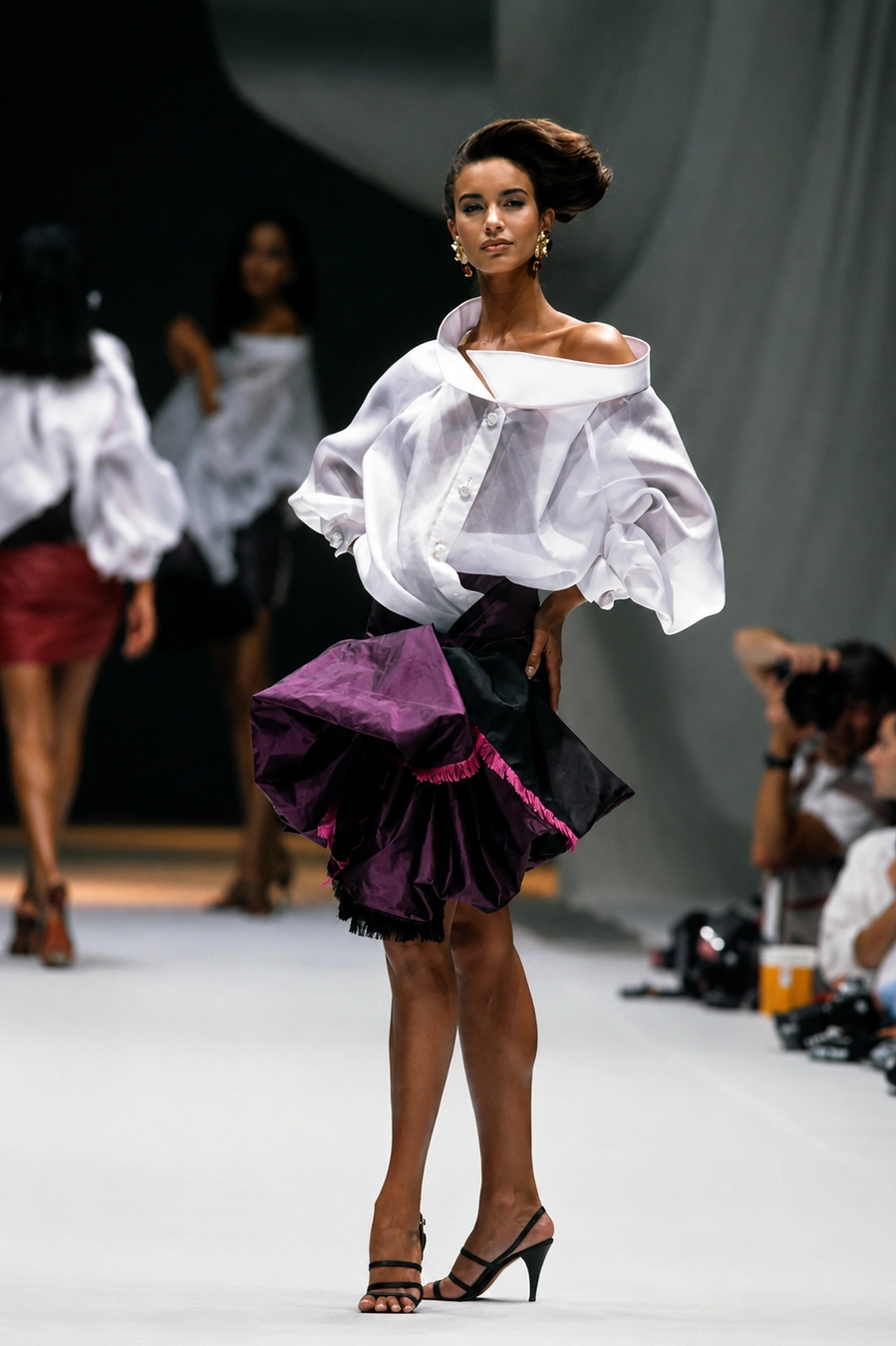
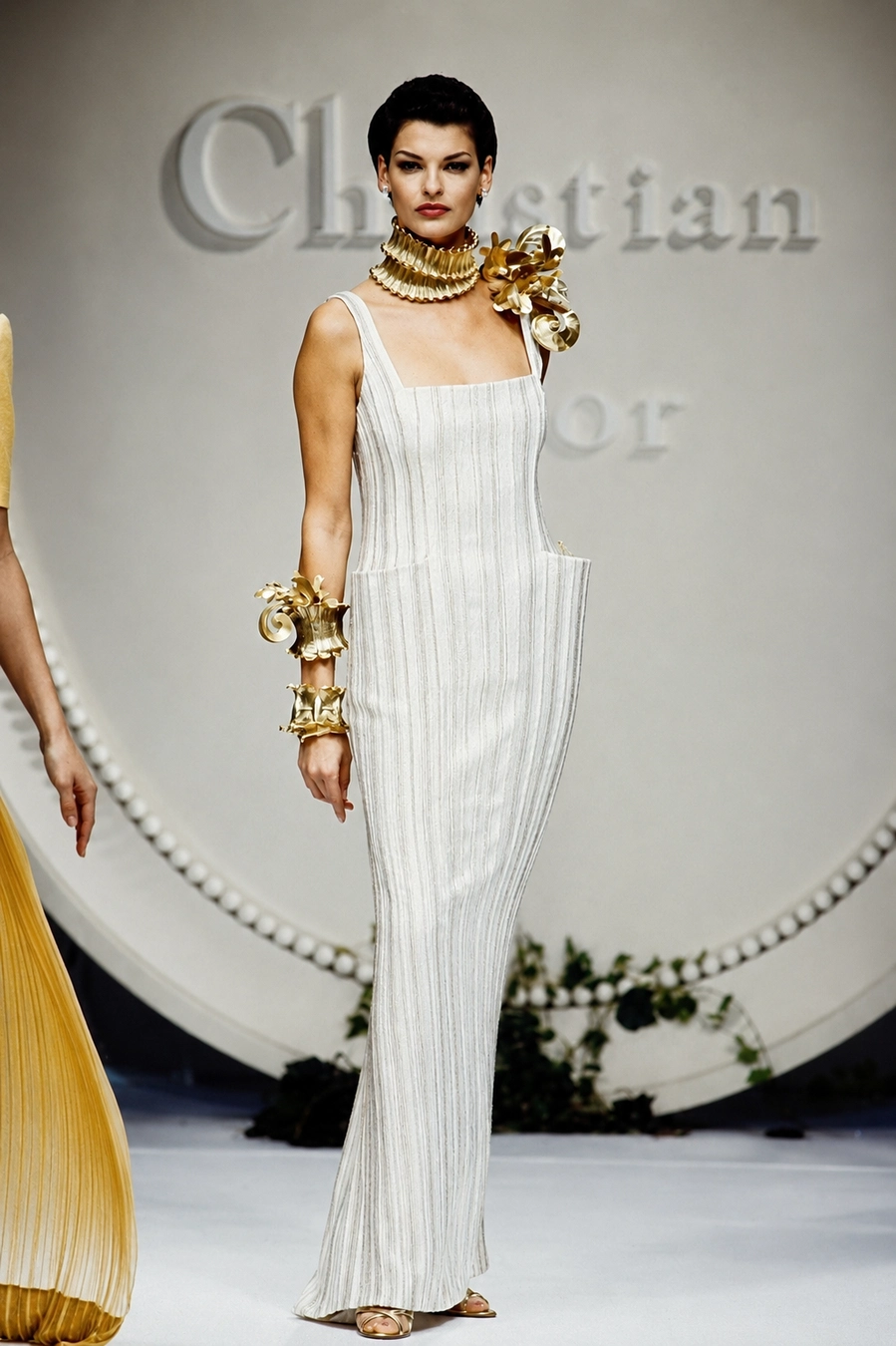
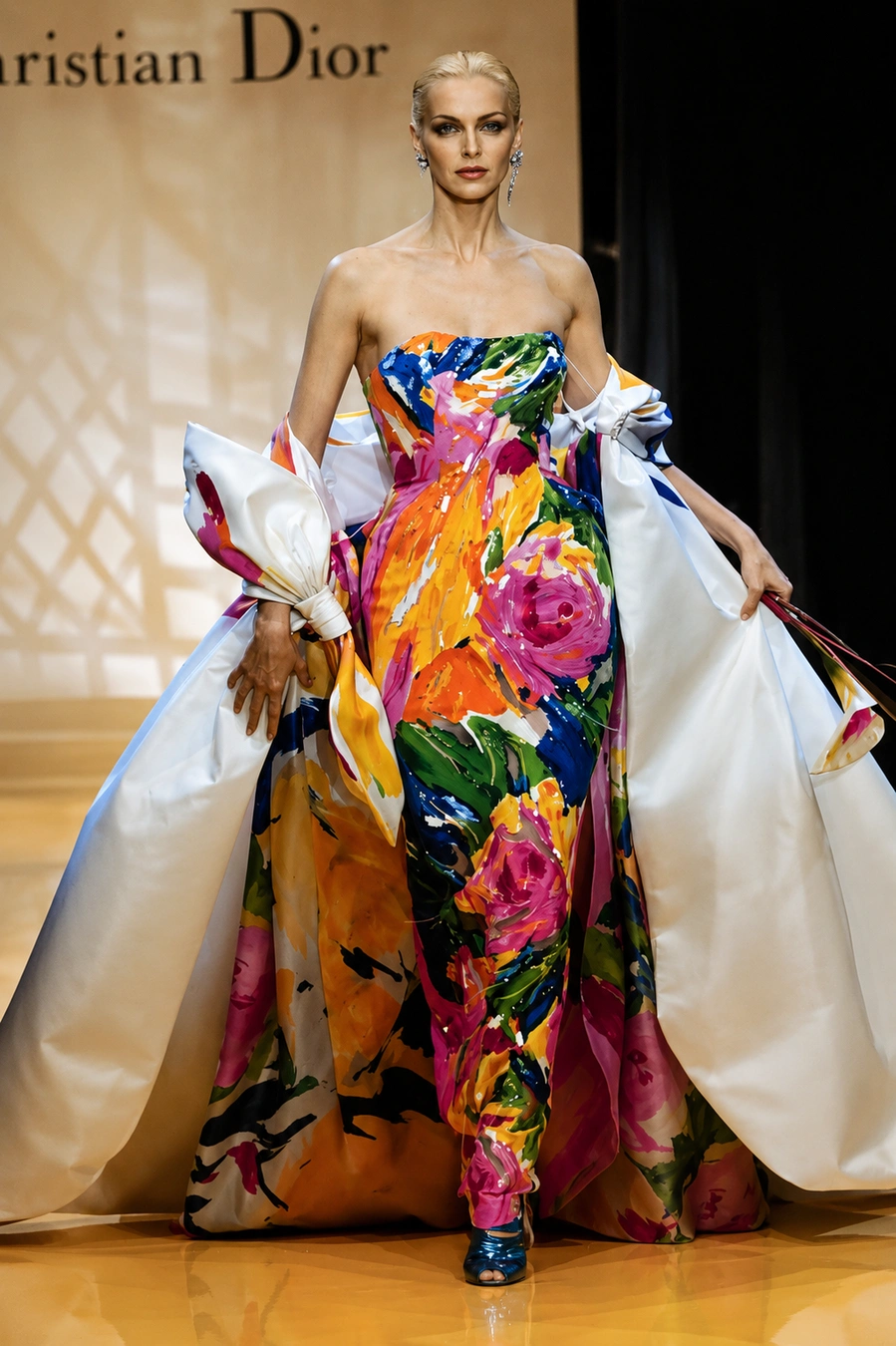
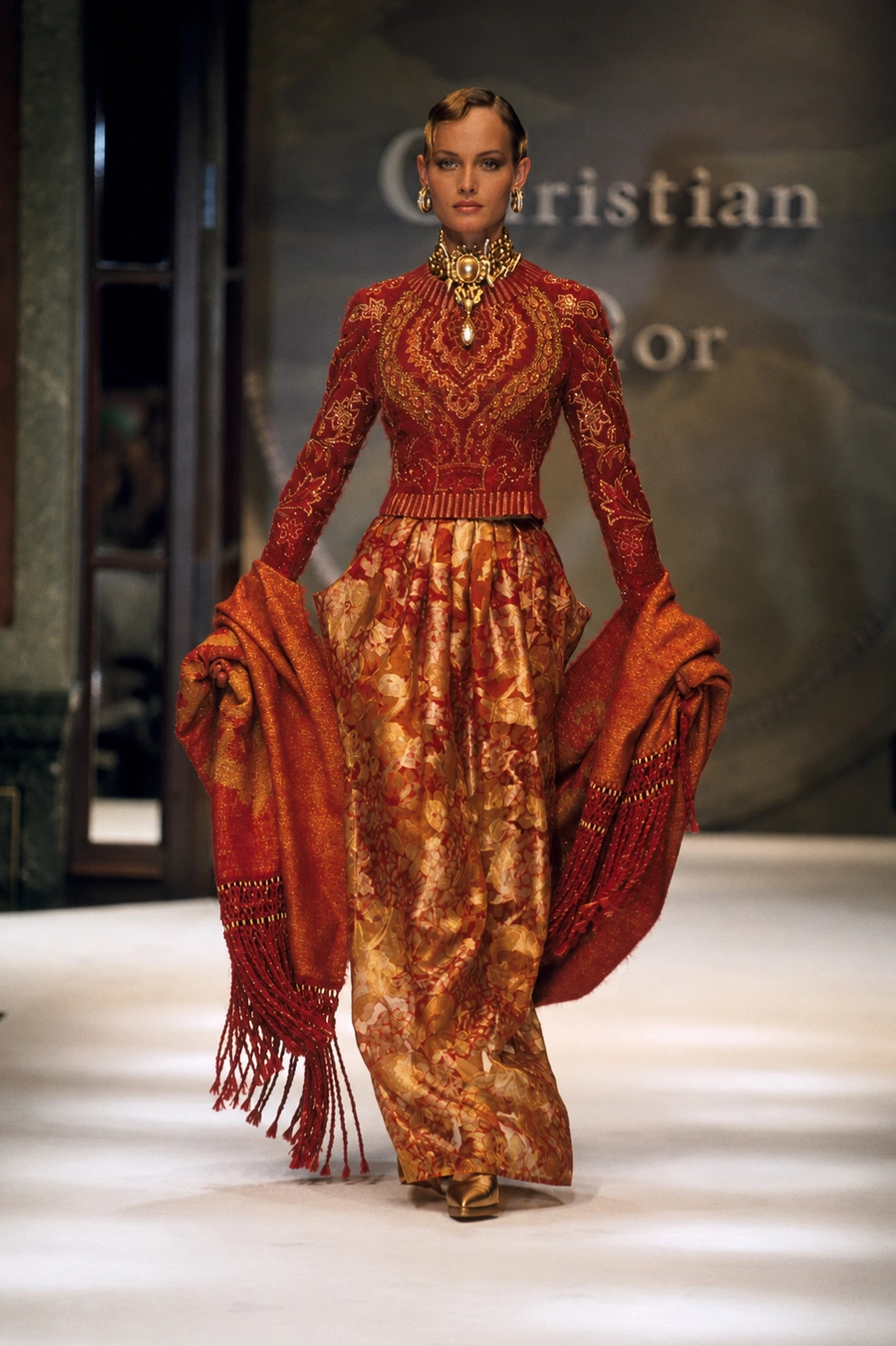
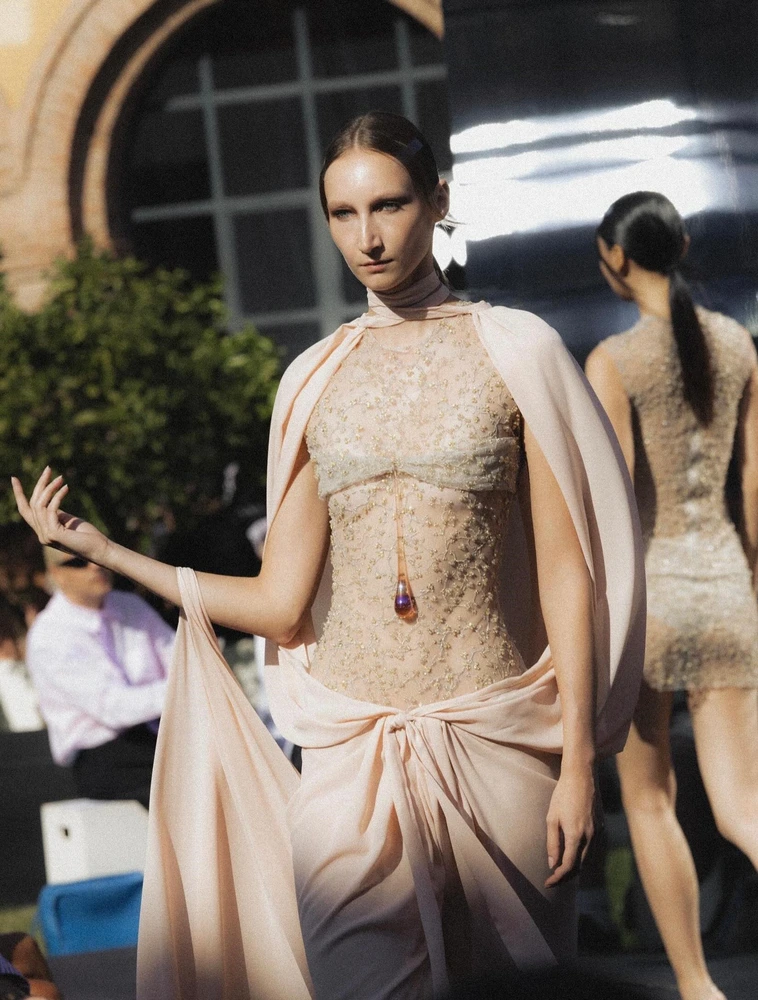
His appointment at Dior gave that vision a different stage. Arriving after Marc Bohan, Gianfranco Ferré entered one of the most mythic houses in Paris and brought with him an Italian sense of grand construction. At Dior, he did not erase the house’s couture memory; he enlarged it through volume, opulence, and architectural drama. The Bar jacket, the bow, the full skirt, and the evening silhouette all passed through his sharper, more monumental hand.
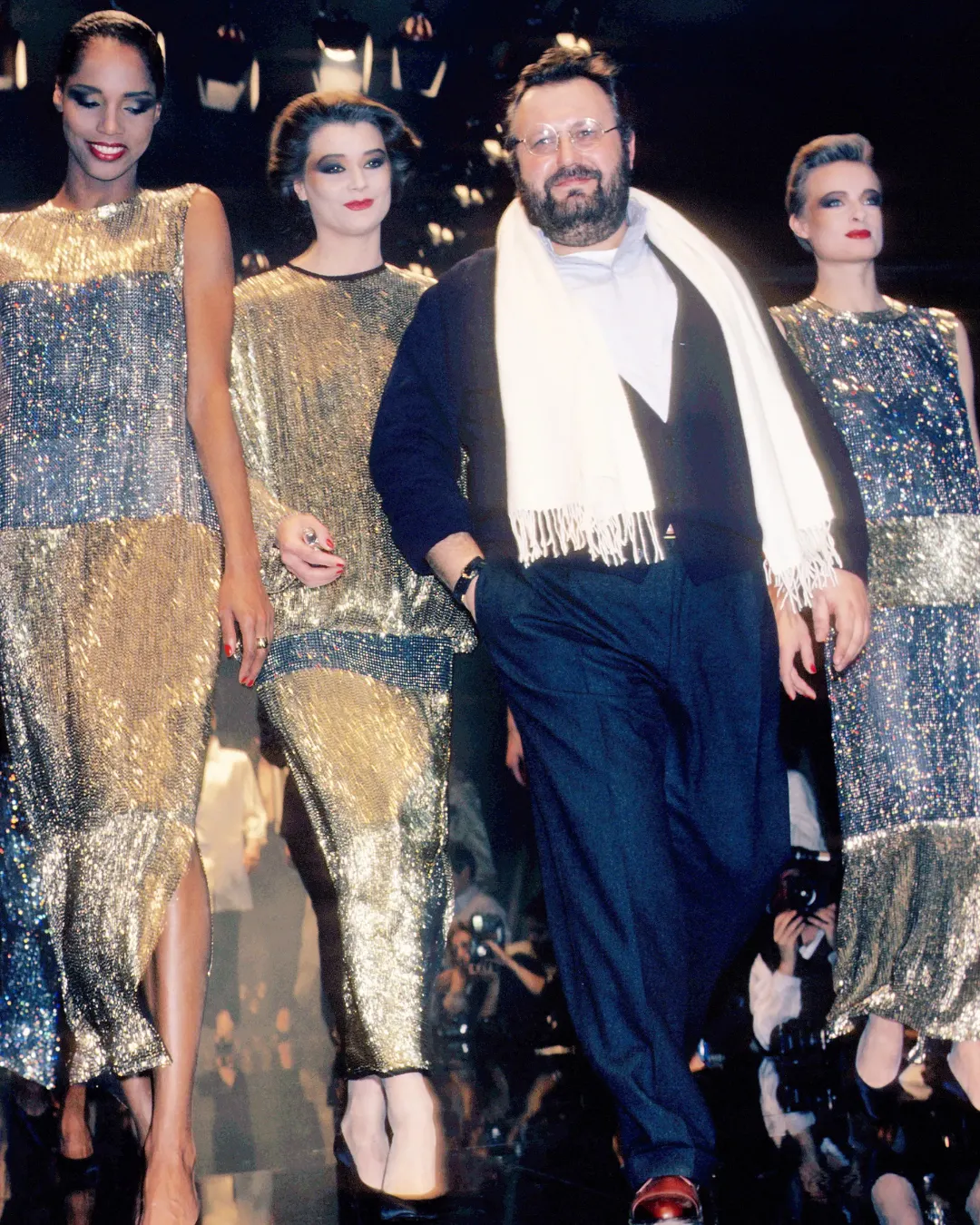
His powerful legacy lies in the way his work resists easy nostalgia. His clothes still look intellectual without becoming cold and decorative without losing discipline. They belong to a world where fashion could be extravagant and exact at once, where a sleeve could carry the logic of a building and a shirt could hold the emotional weight of a gown.
Gianfranco Ferré left behind a fashion language built on line, pressure, and control. In every white shirt that rises beyond utility, and in every Dior memory shaped by architecture and grandeur, Gianfranco Ferré remains one of couture’s most commanding builders.