




An all-black outfit carries its own kind of drama this winter, as fashion embraces the darker pleasures of dressing with severity, mystery and conviction.
Wear Black Until the Sun Comes Back
An all-black outfit carries its own kind of drama this winter, as fashion embraces the darker pleasures of dressing with severity, mystery and conviction.
November 24, 2026


Winter has always given black a certain authority, but Fall/Winter 2026 seems particularly fascinated by the possibility of removing every competing colour from an outfit. Coats dissolve into trousers, dark stockings disappear beneath equally dark skirts, and even the smallest accessories become part of an uninterrupted silhouette. The result carries something of the severity of mourning dress, the glamour of late-night dressing and the deliberate anonymity of an urban uniform.
The distinction matters because wearing black has always been commonplace, whereas the all-black outfit requires a more complete visual commitment. Its impact depends on the relationship between garments rather than the individual pieces themselves, allowing their combined proportions to create a single continuous impression.
The Curious Comfort of Looking Severe
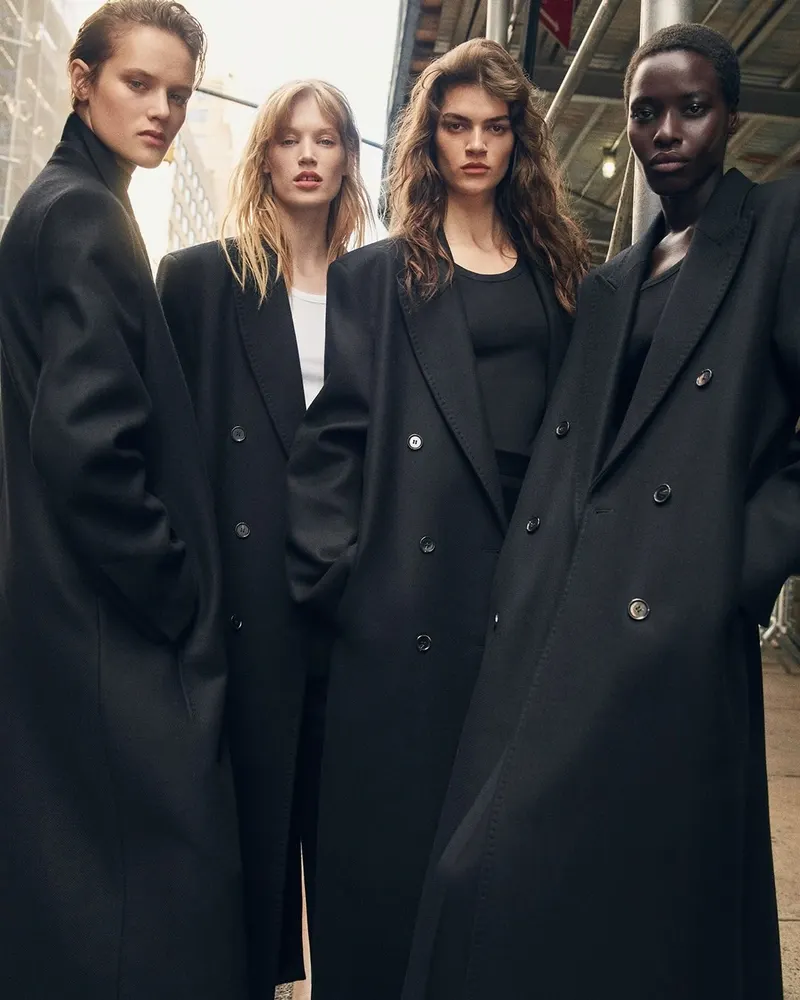
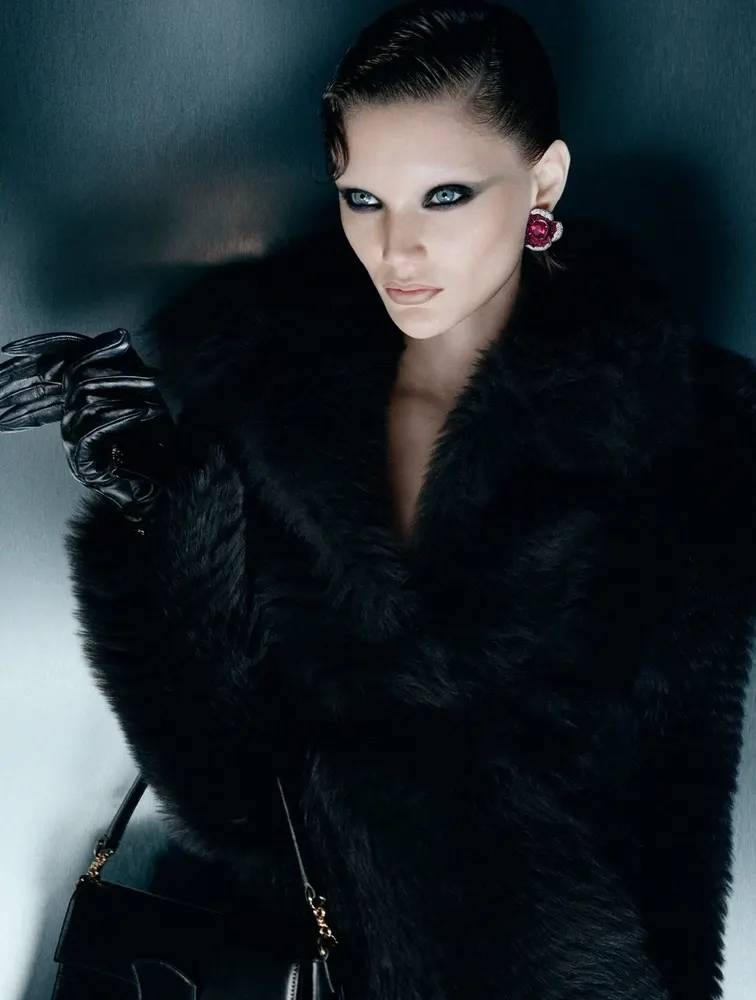
An enormous black coat can make its wearer appear almost untouchable, its shoulders establishing a protective outline while the clothing beneath remains concealed. This fascination with sartorial authority has deep roots in Victorian mourning conventions, nineteenth-century formalwear and the disciplined wardrobes of modern city life, although contemporary designers have become adept at making such references feel unexpectedly desirable.
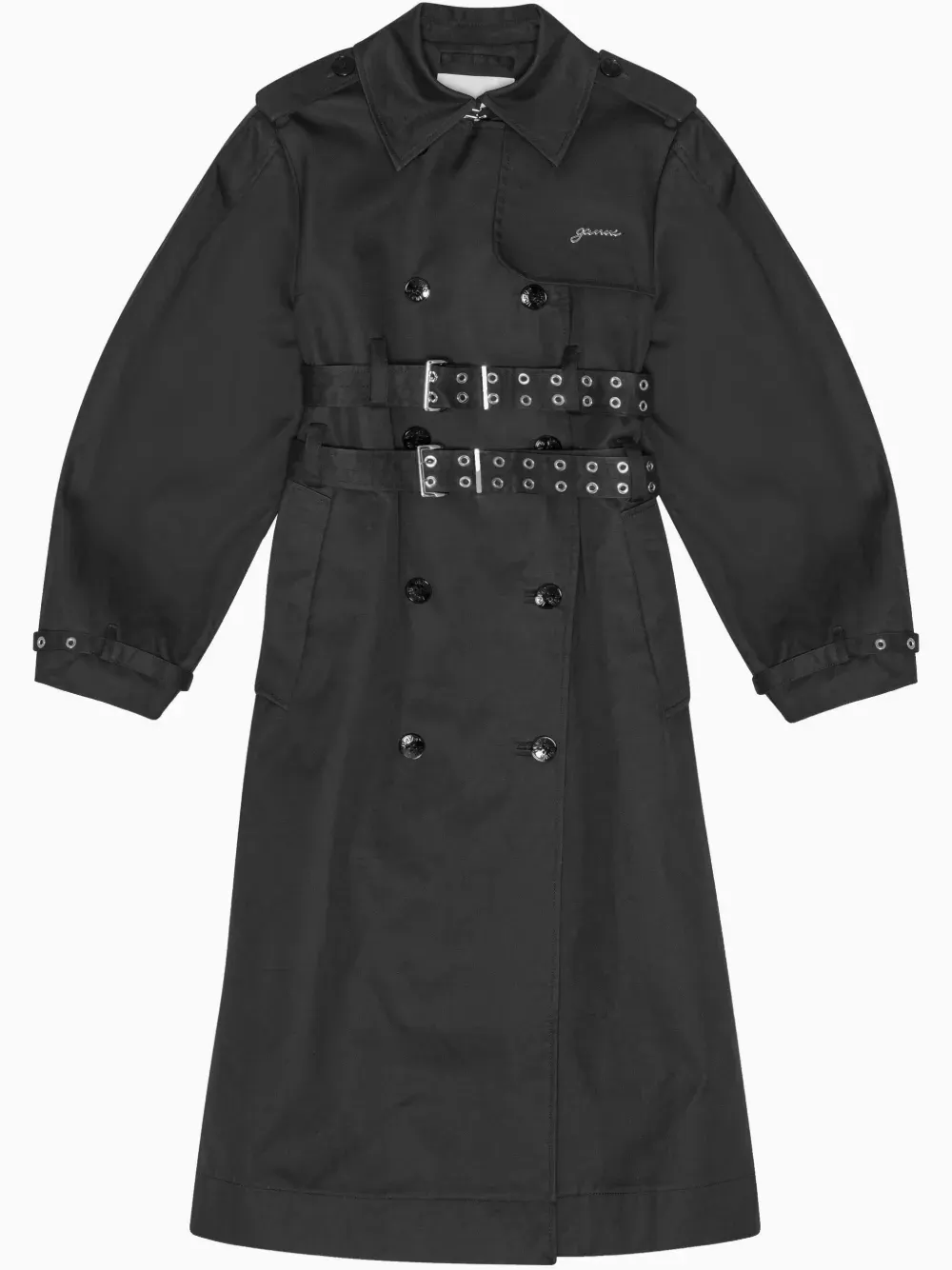
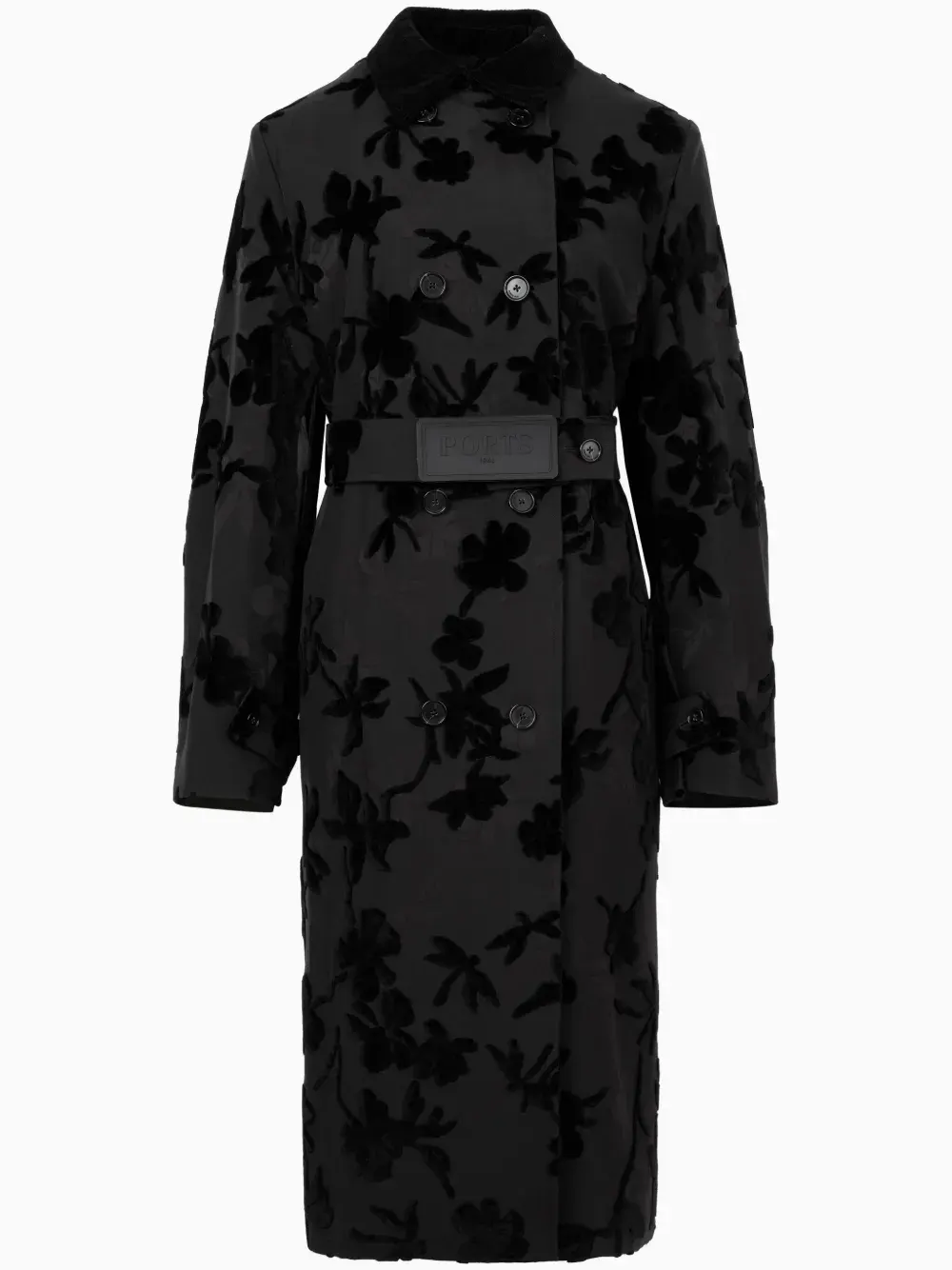
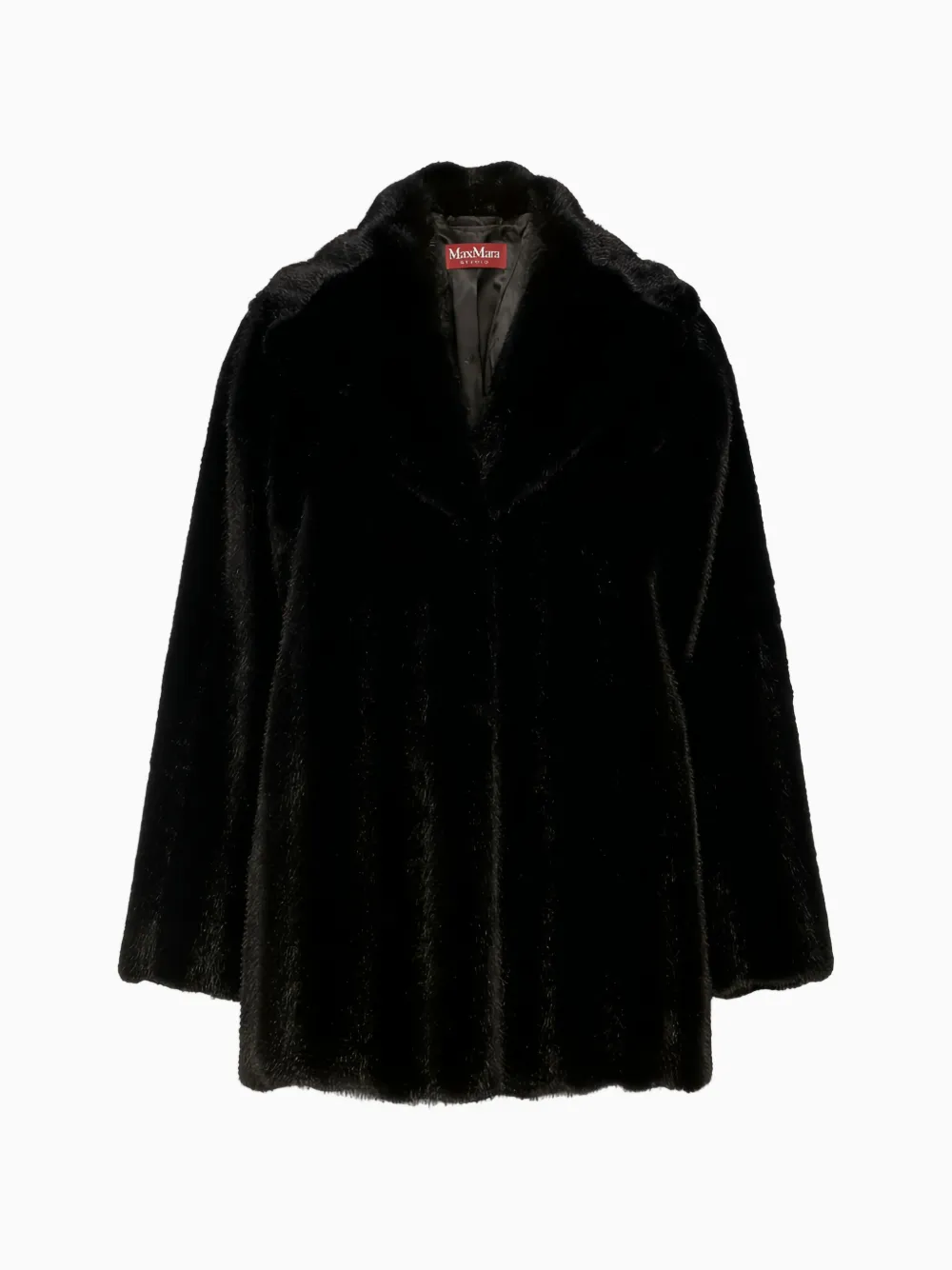
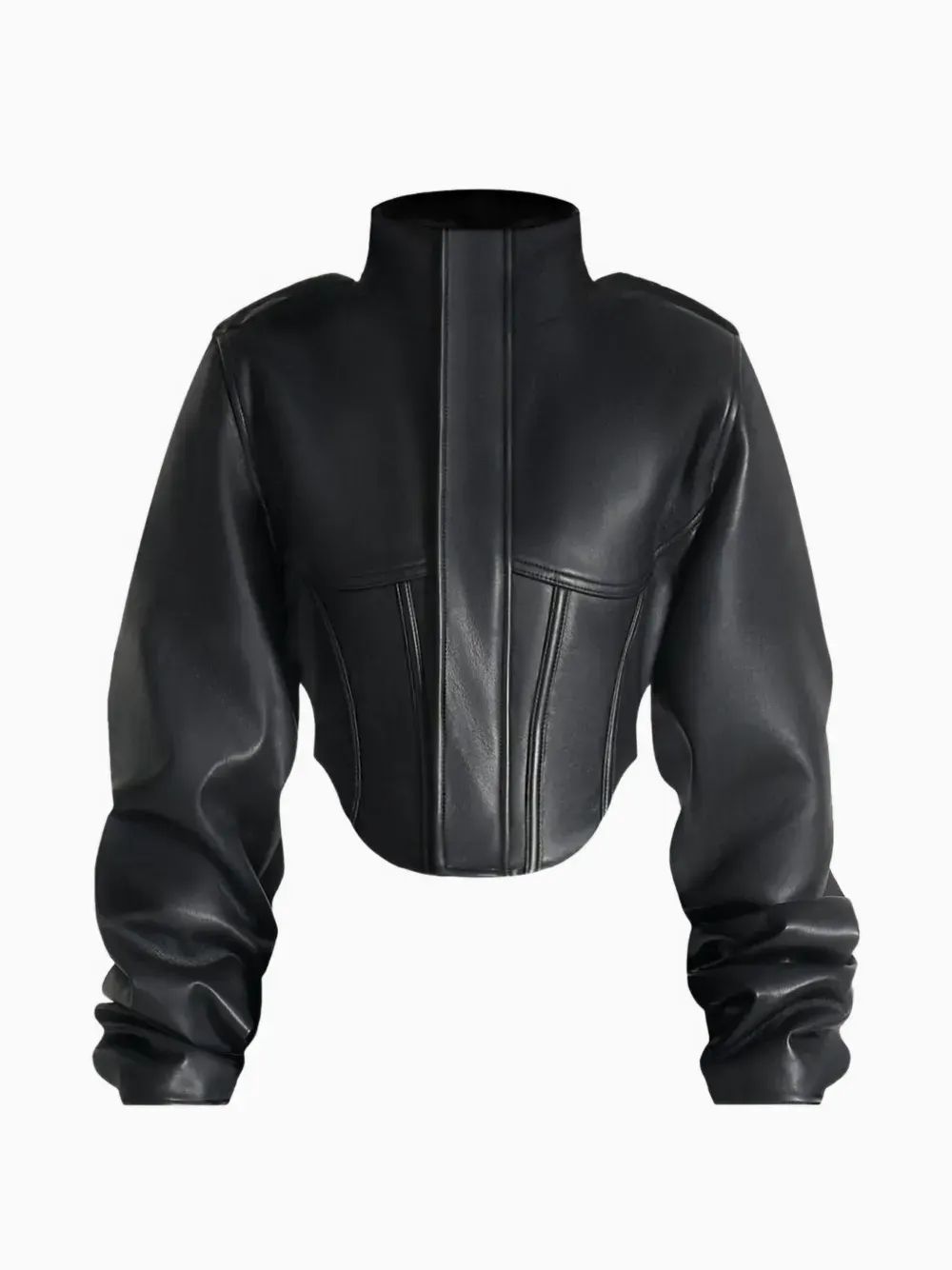
At Fendi Fall/Winter 2026, Maria Grazia Chiuri opened with seventeen consecutive black looks, developing the language of the urban uniform through relaxed tailoring, long skirts and practical separates. The repetition mattered as much as the clothes: black became a consistent visual language through which small adjustments in volume and proportion acquired significance.
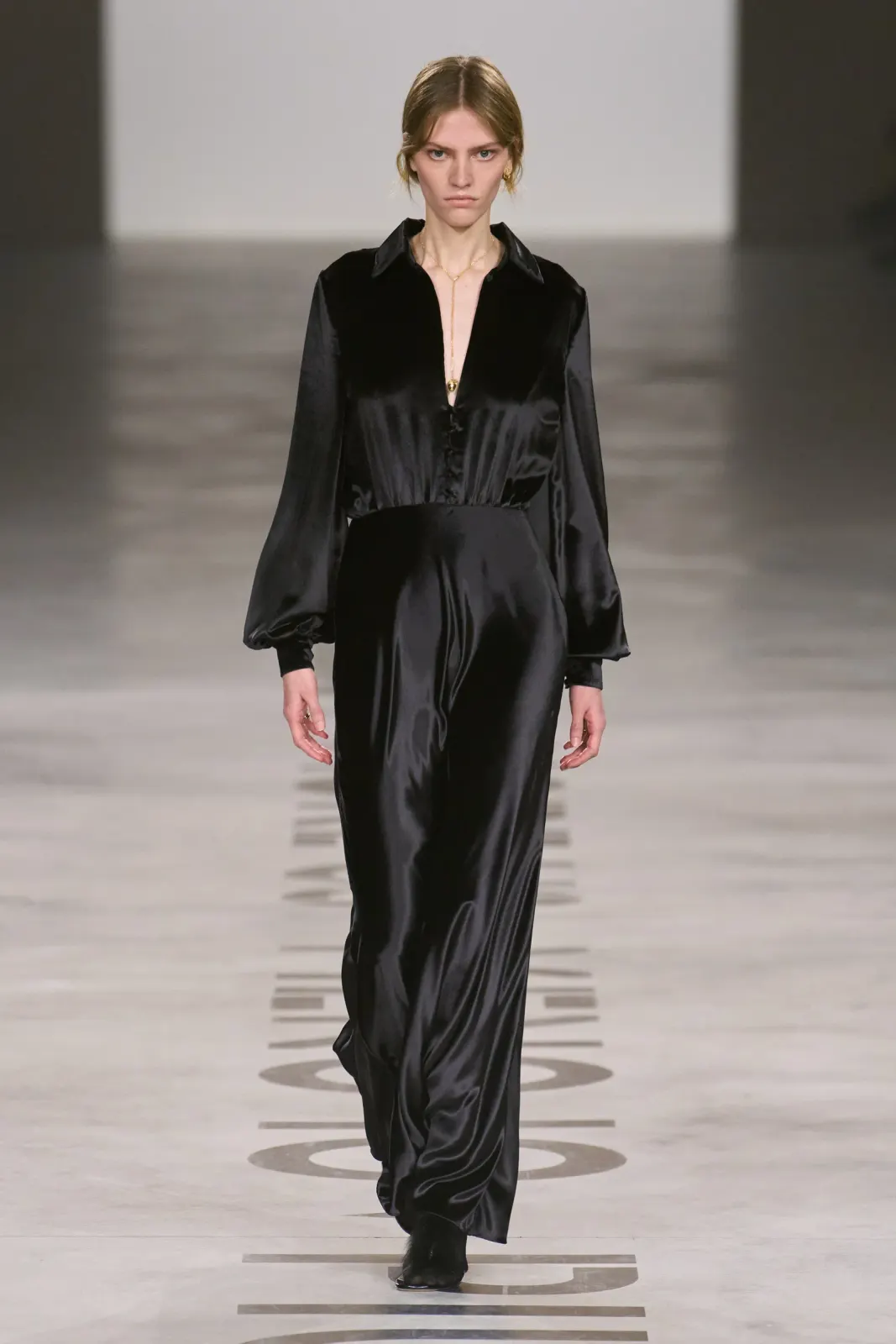
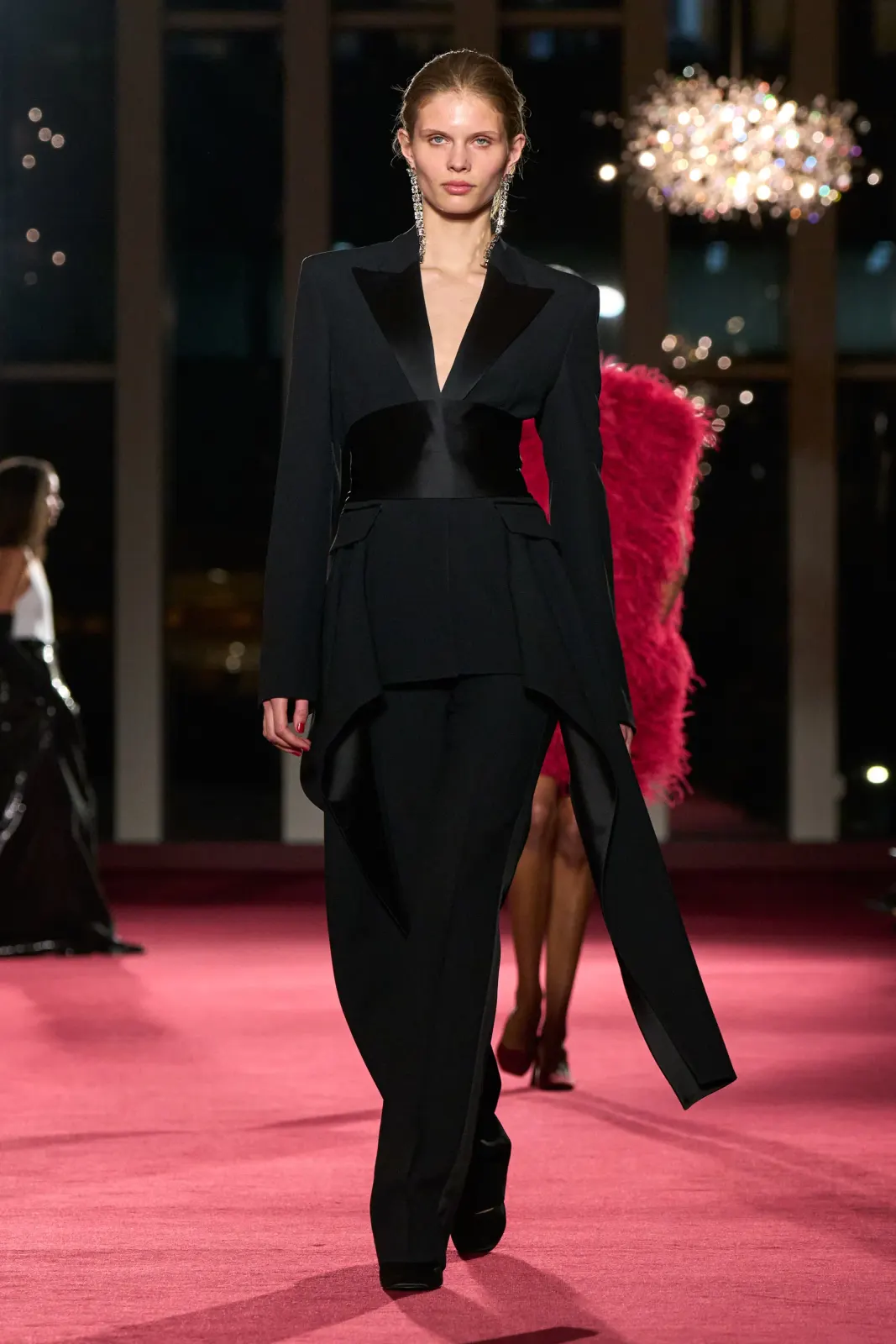
Michael Kors pursued a related sense of metropolitan polish, using monochromatic tailoring and fluid eveningwear to suggest the sophisticated anonymity of New York after dark. Within these wardrobes, an all-black outfit offers a peculiar mixture of self-possession and discretion, commanding attention through its shape while withholding the immediate exuberance of colour.
A Little Darkness, A Lot of Romance
The Victorian imagination remains an especially fertile source for fashion's darker impulses, with mourning veils, tightly controlled silhouettes and delicate lace carrying centuries of associations between romance, restraint and desire.
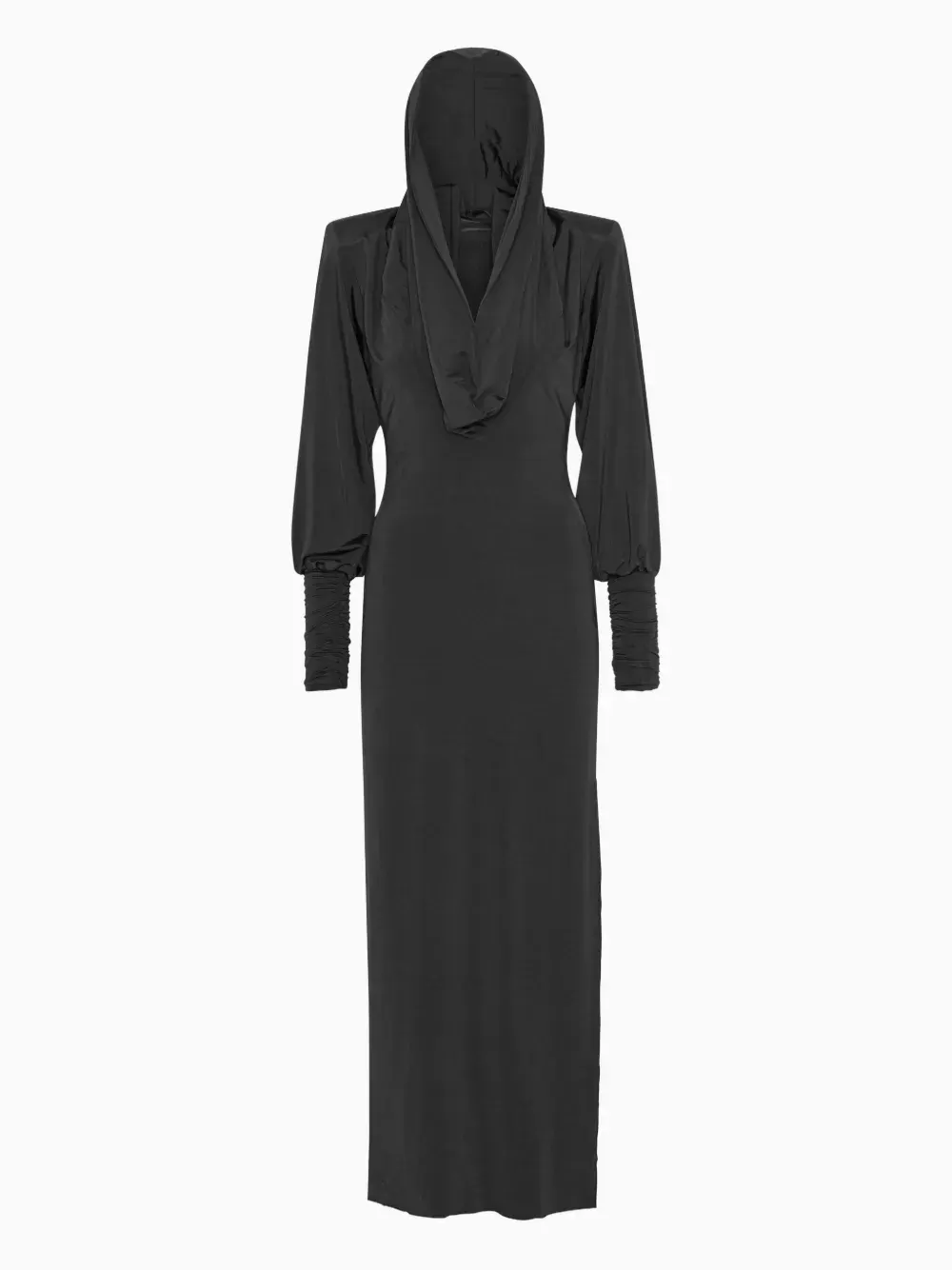
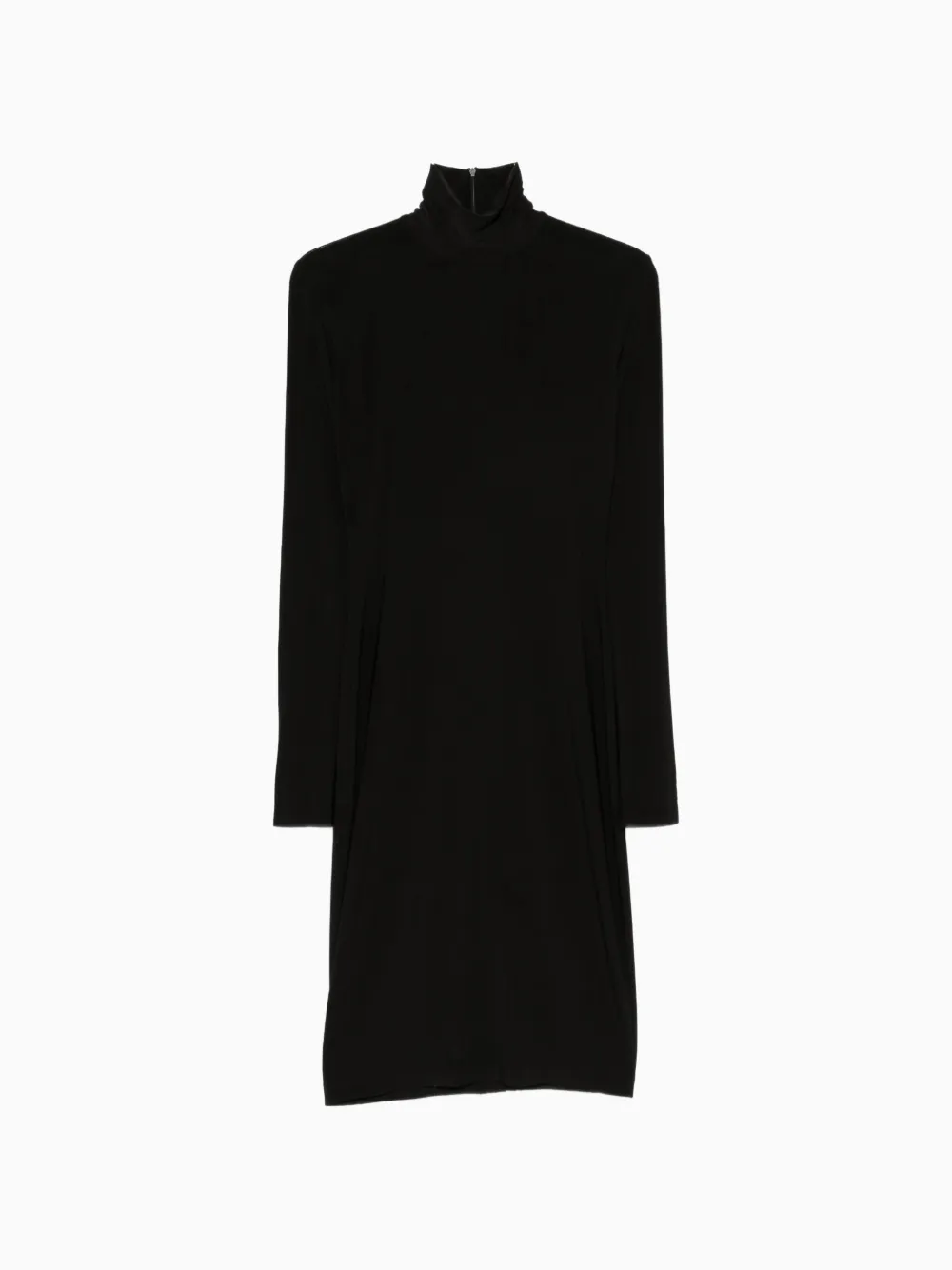
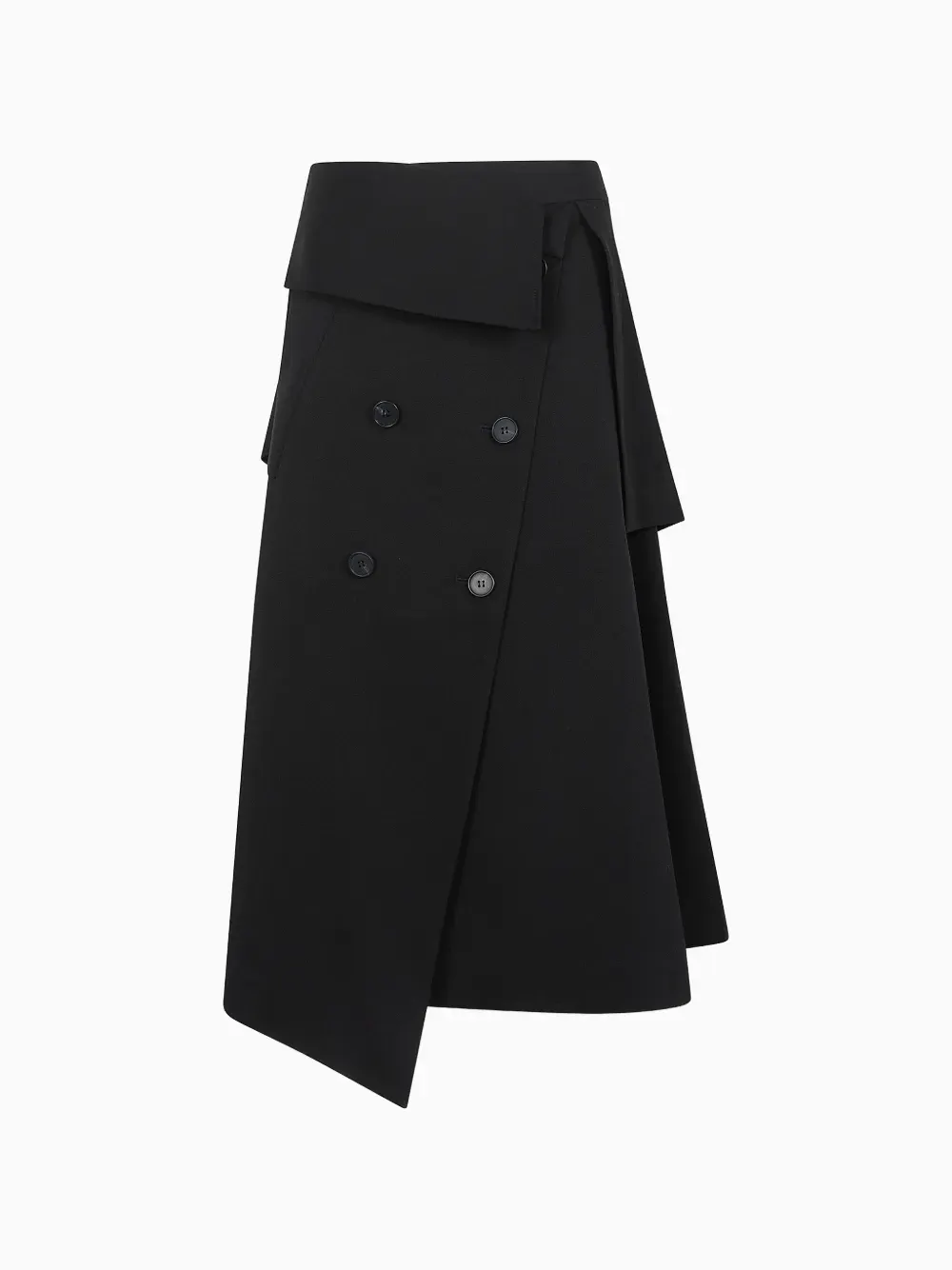
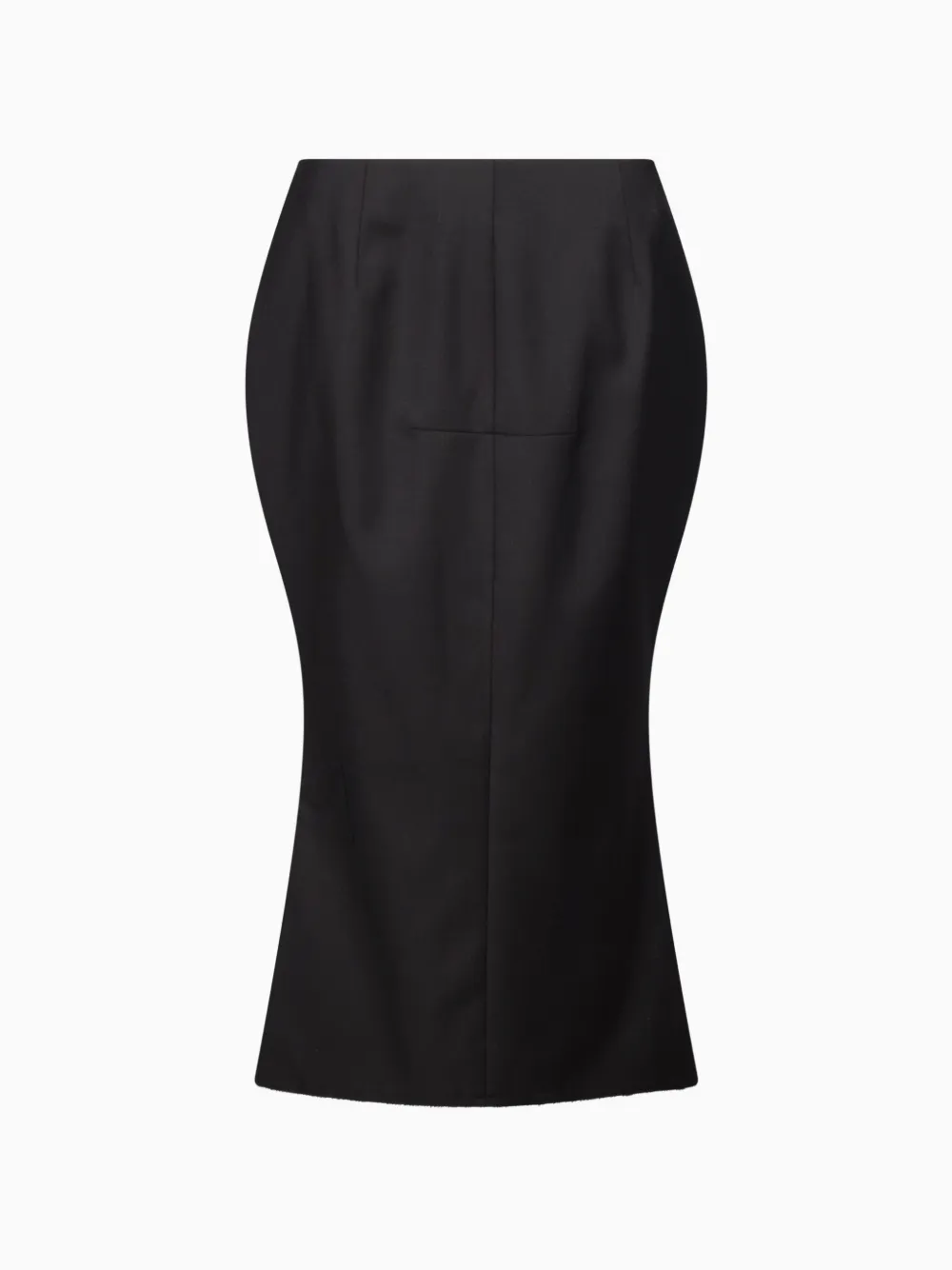
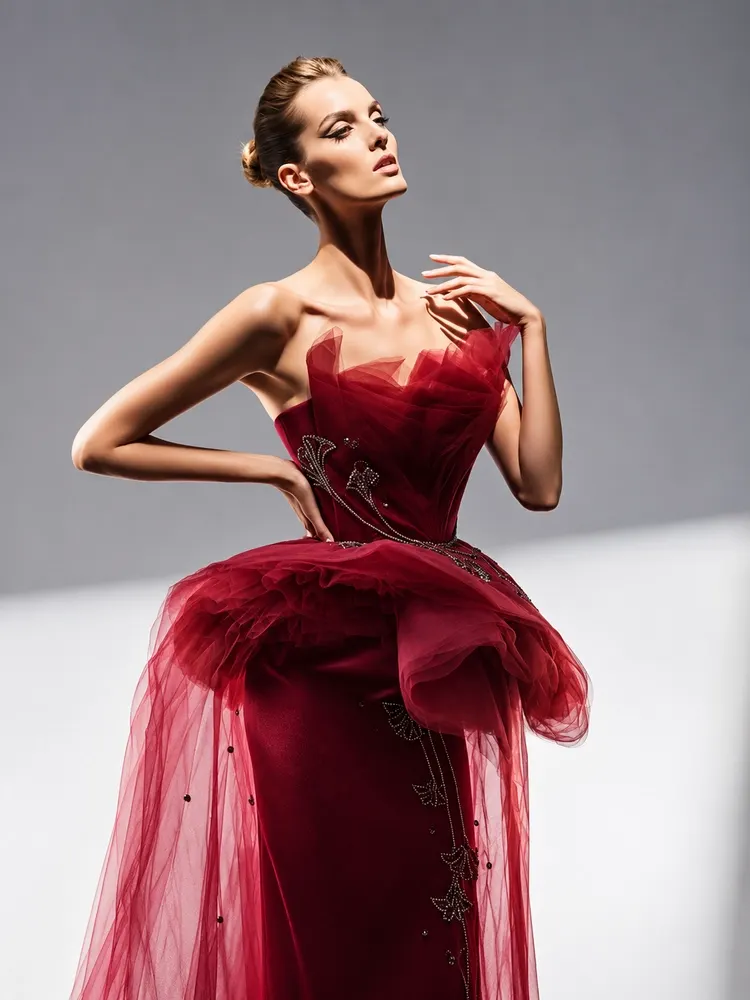
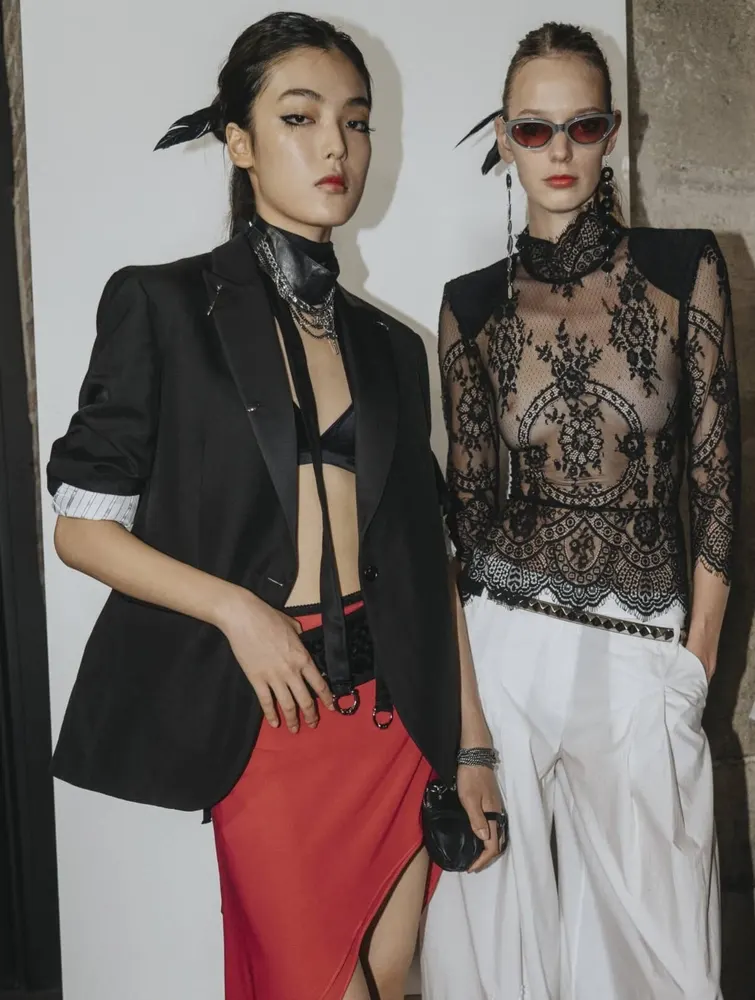
At Ann Demeulemeester, Stefano Gallici brought these associations into Fall 2026 through elongated black tailoring, transparent fabrics and irregular layers whose movement disturbed the severity of an otherwise monochromatic figure. Harris Reed's final Nina Ricci collection approached romantic excess through dramatic proportions, ornate surfaces and dark eveningwear, allowing black to heighten the theatricality of the garments.
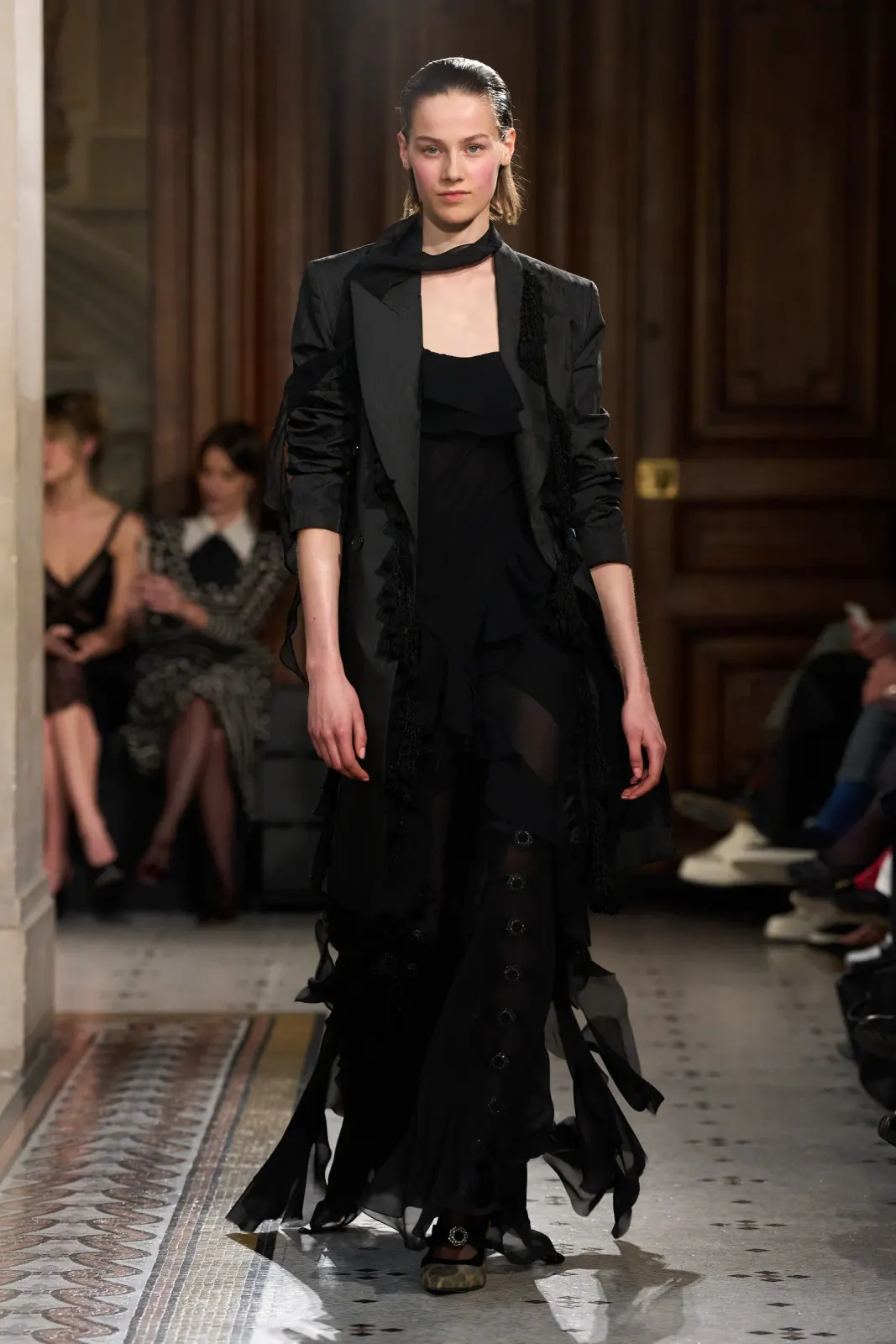
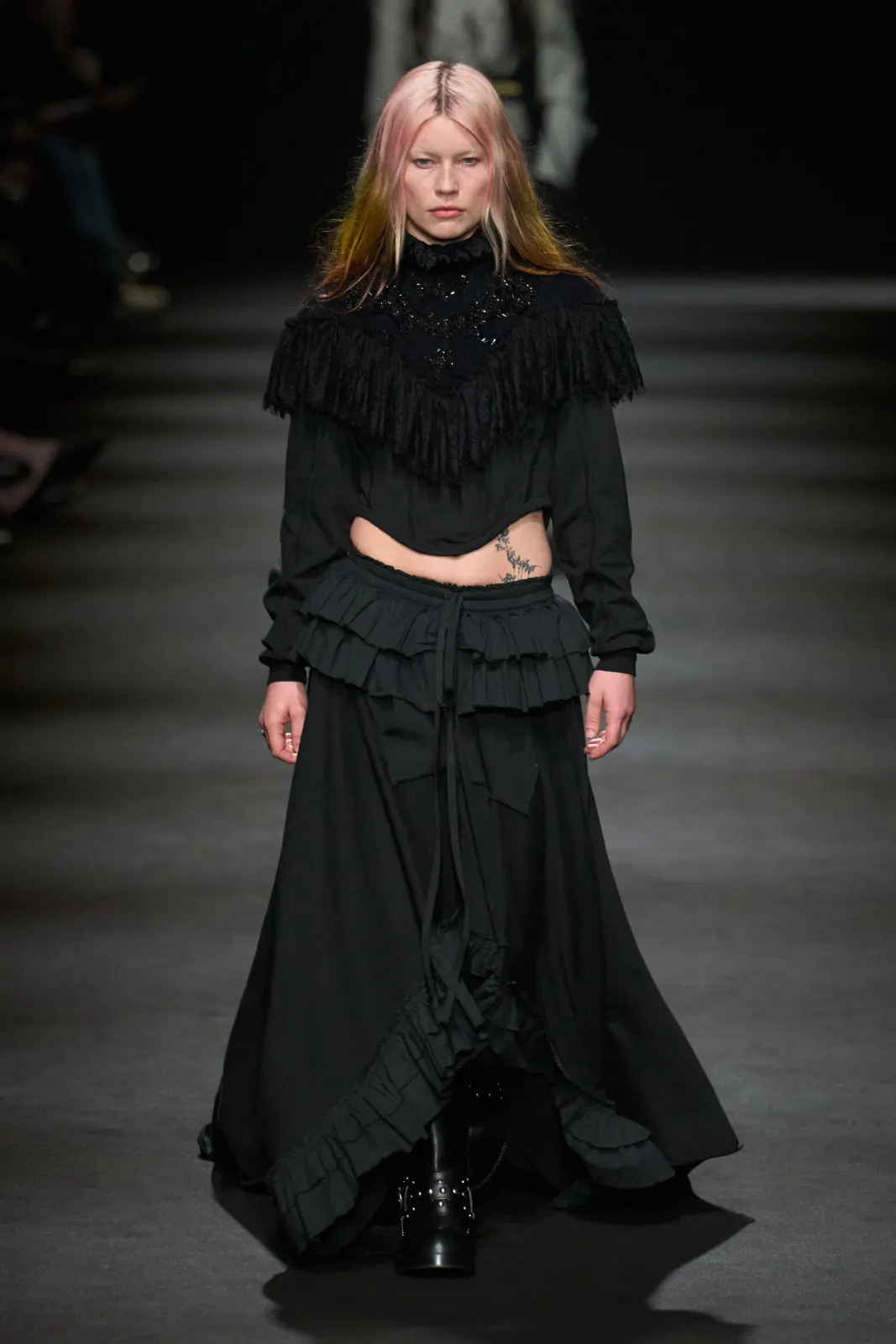
These interpretations reveal how an all-black outfit can accommodate contradictory emotional registers. Lace introduces vulnerability beneath rigid tailoring, sheer layers expose the body within an otherwise covered silhouette, and trailing fabrics give gothic romanticism an unexpectedly contemporary freedom.
Black Is Never Just One Shade
Pierpaolo Piccioli's Balenciaga Fall/Winter 2026 collection, Clairobscur, explored darkness through the painterly relationship between light and shadow, drawing attention to how differently black materials behave under illumination.
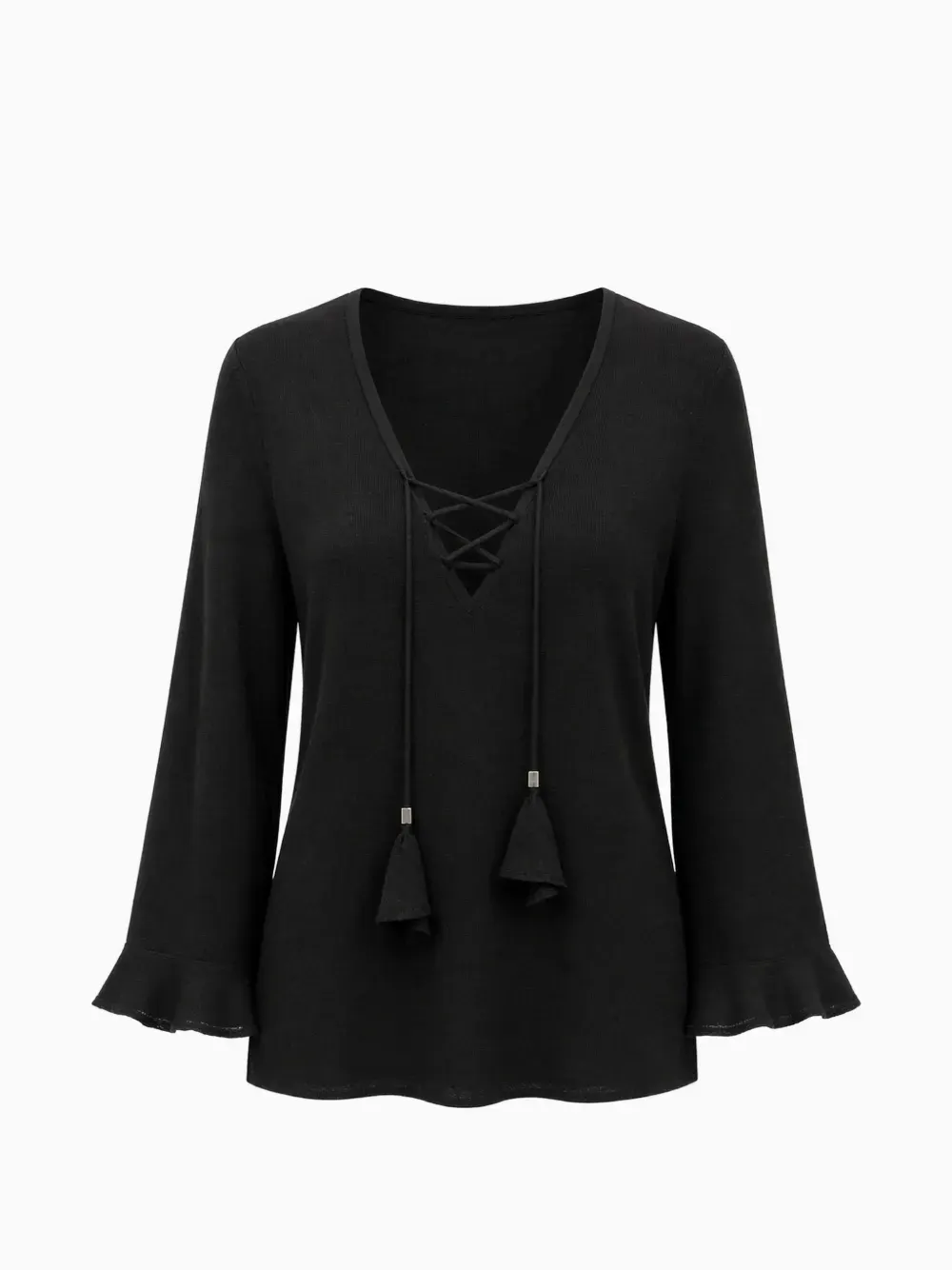
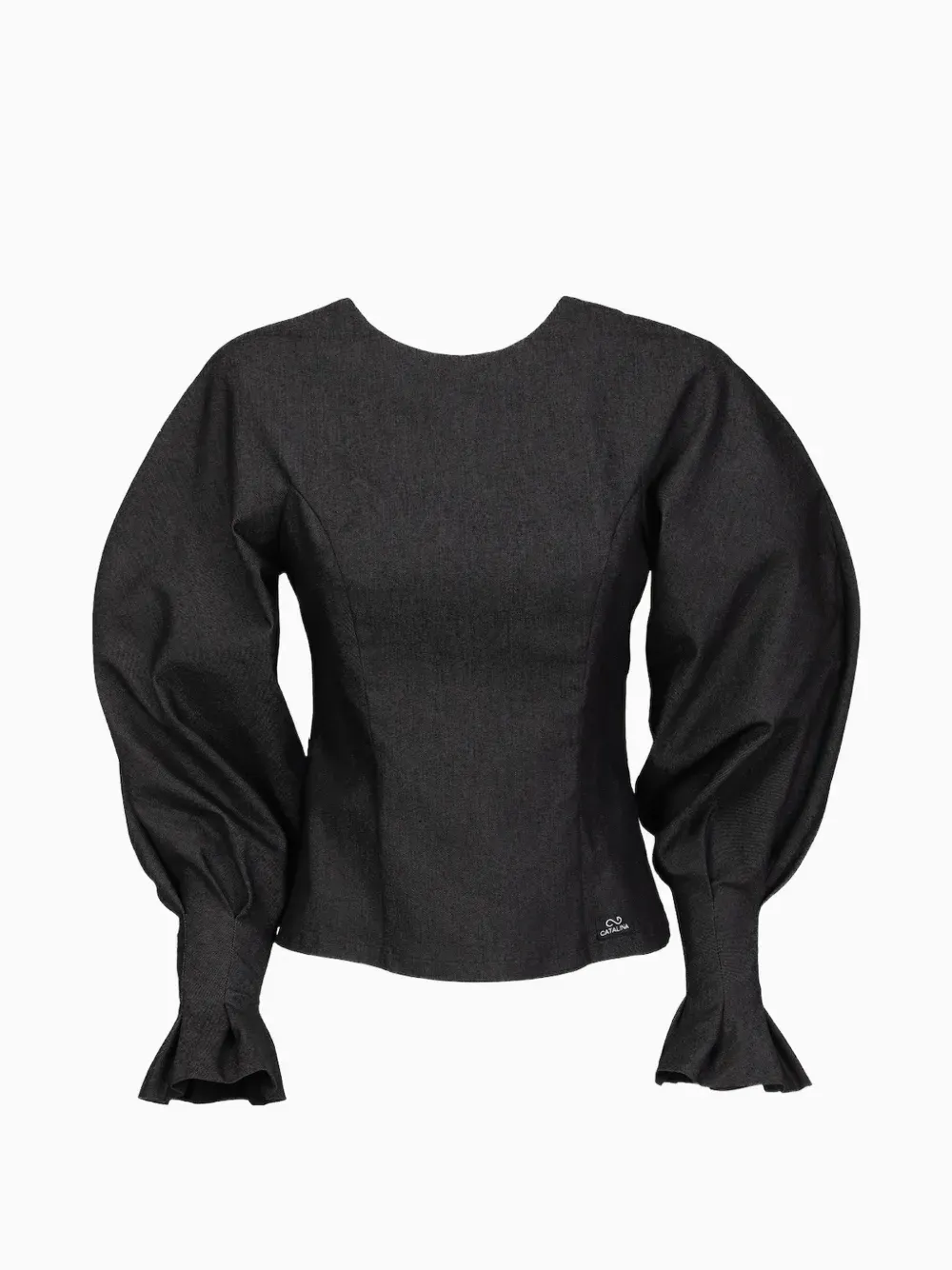
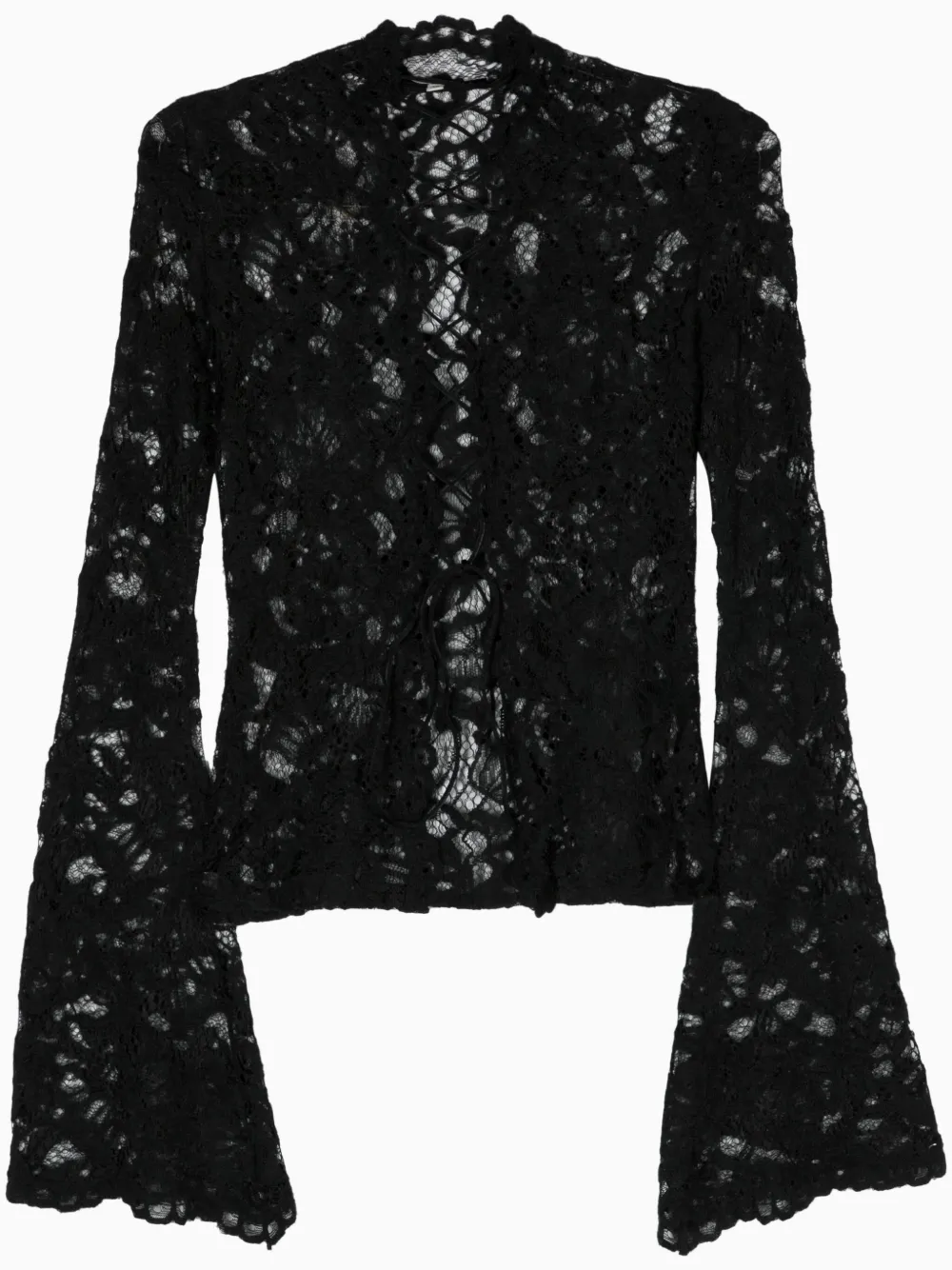
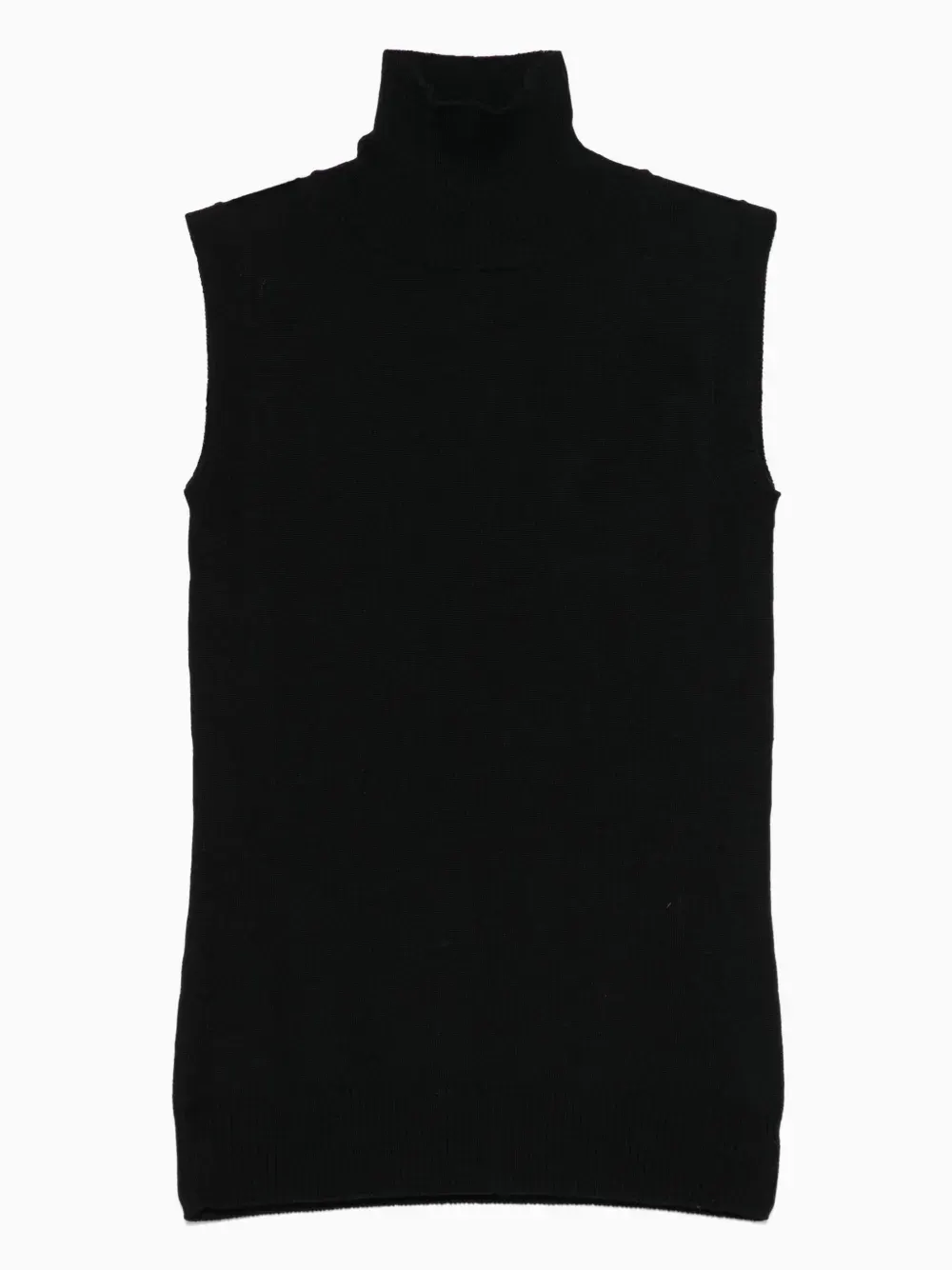
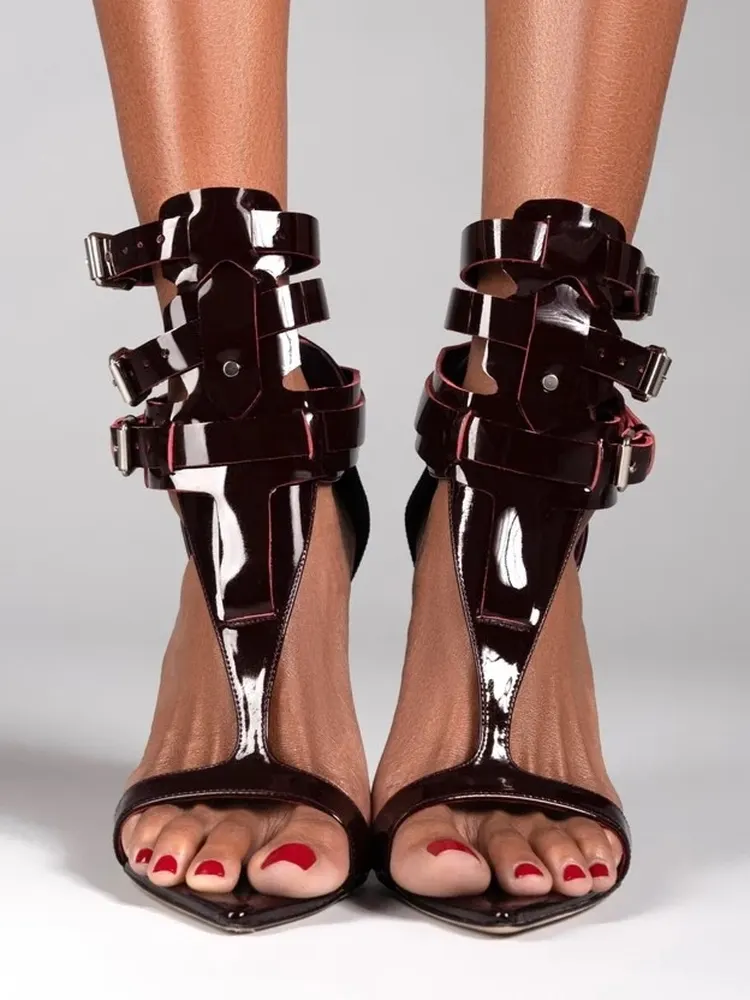
Velvet absorbs light through its dense pile, leather produces sharp reflections, and sheer fabrics introduce subtle variations in opacity. Wool creates a matte, relatively uniform surface, while satin reflects light across folds and curves.
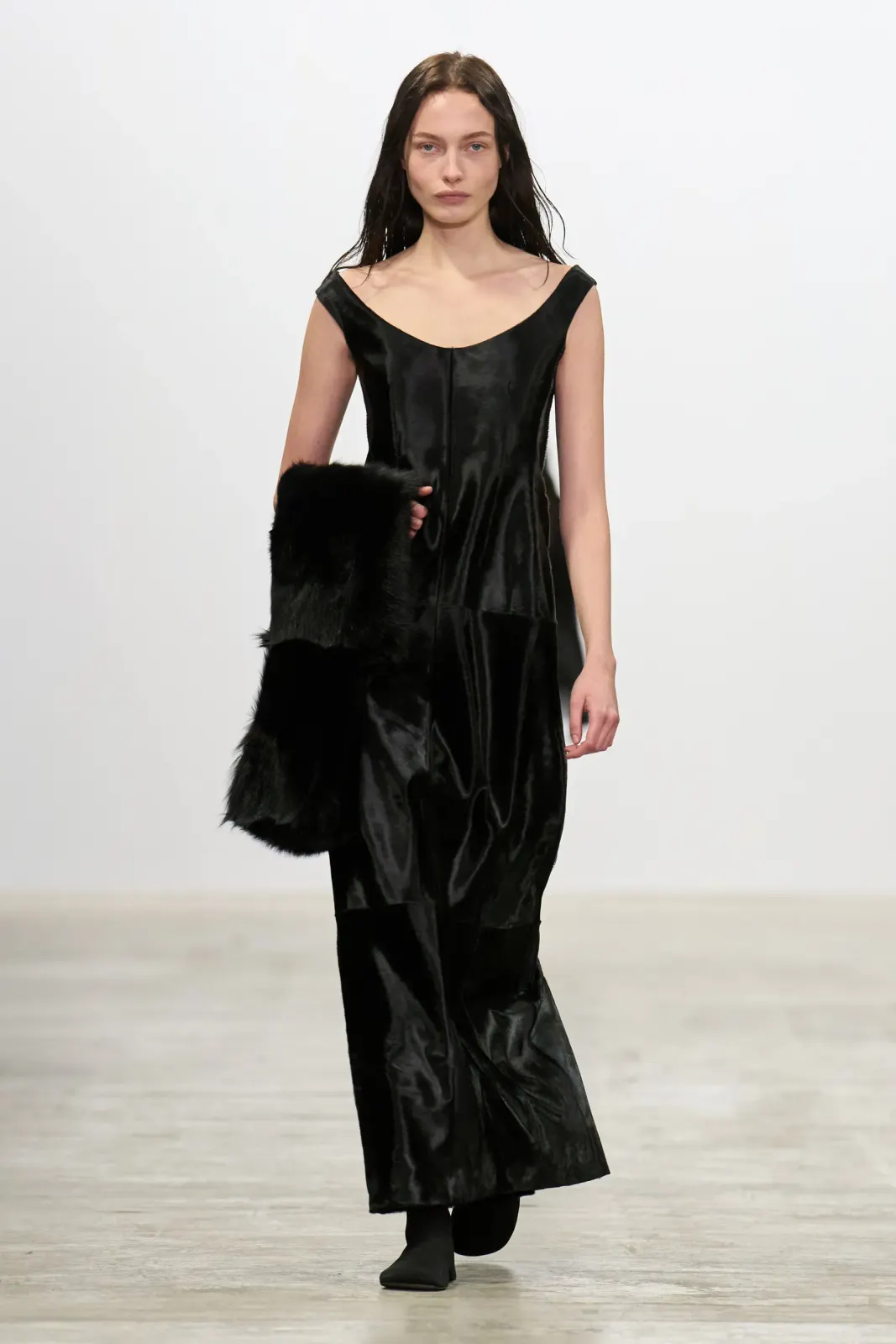
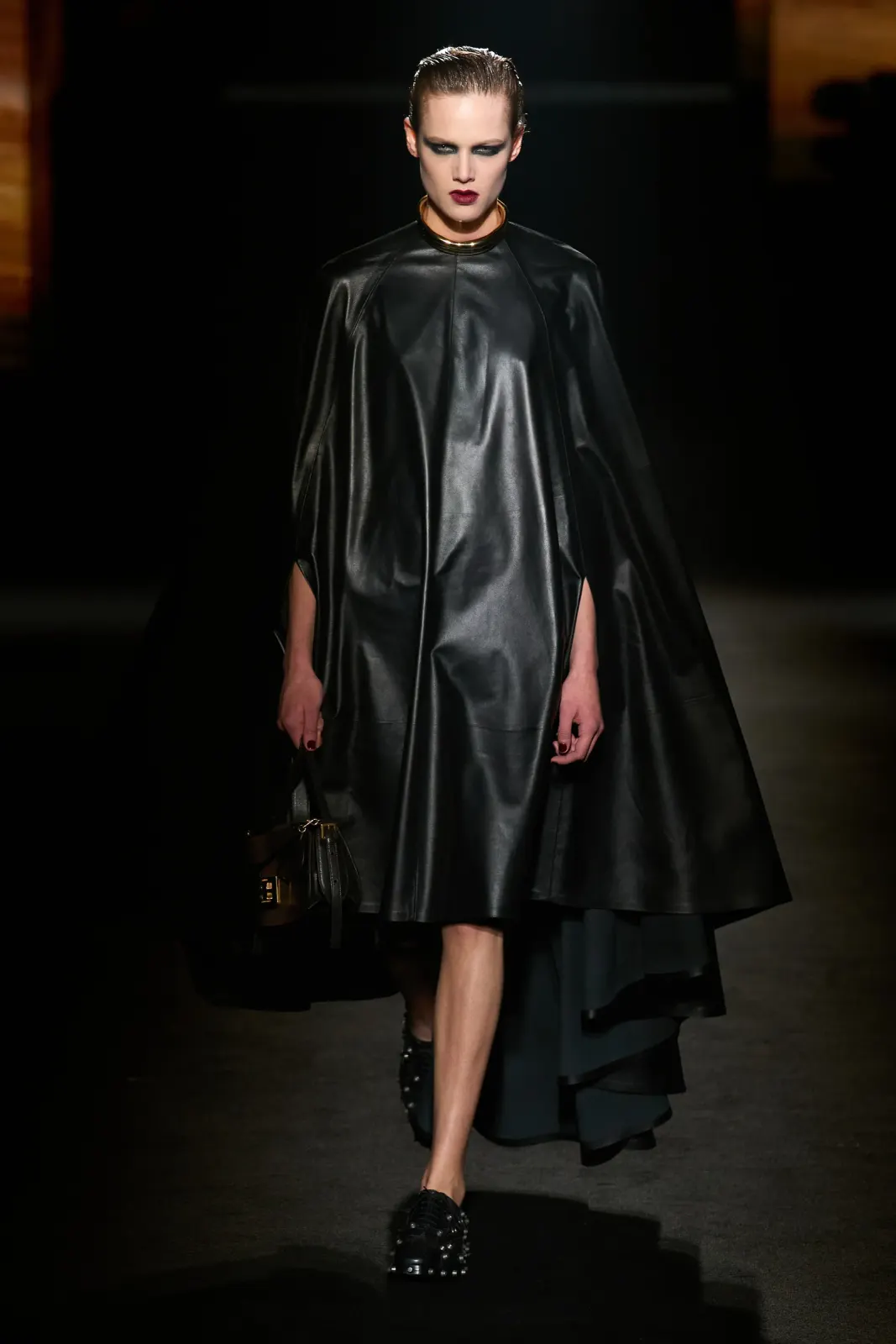
Within an all-black outfit, these differences become exceptionally important. A leather jacket worn over fine knitwear creates contrast through texture, while a velvet skirt beneath a wool coat introduces depth without interrupting the colour.
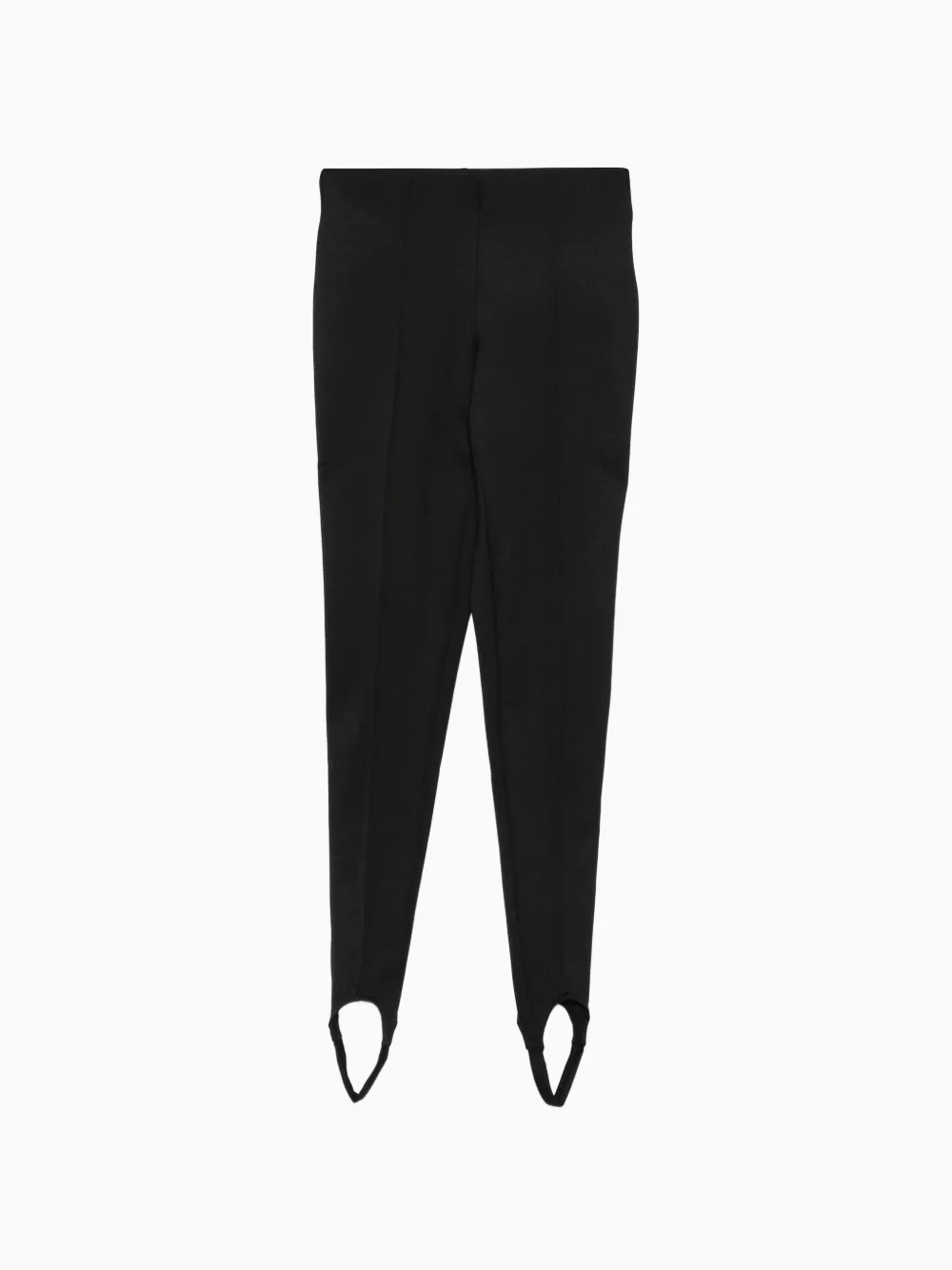
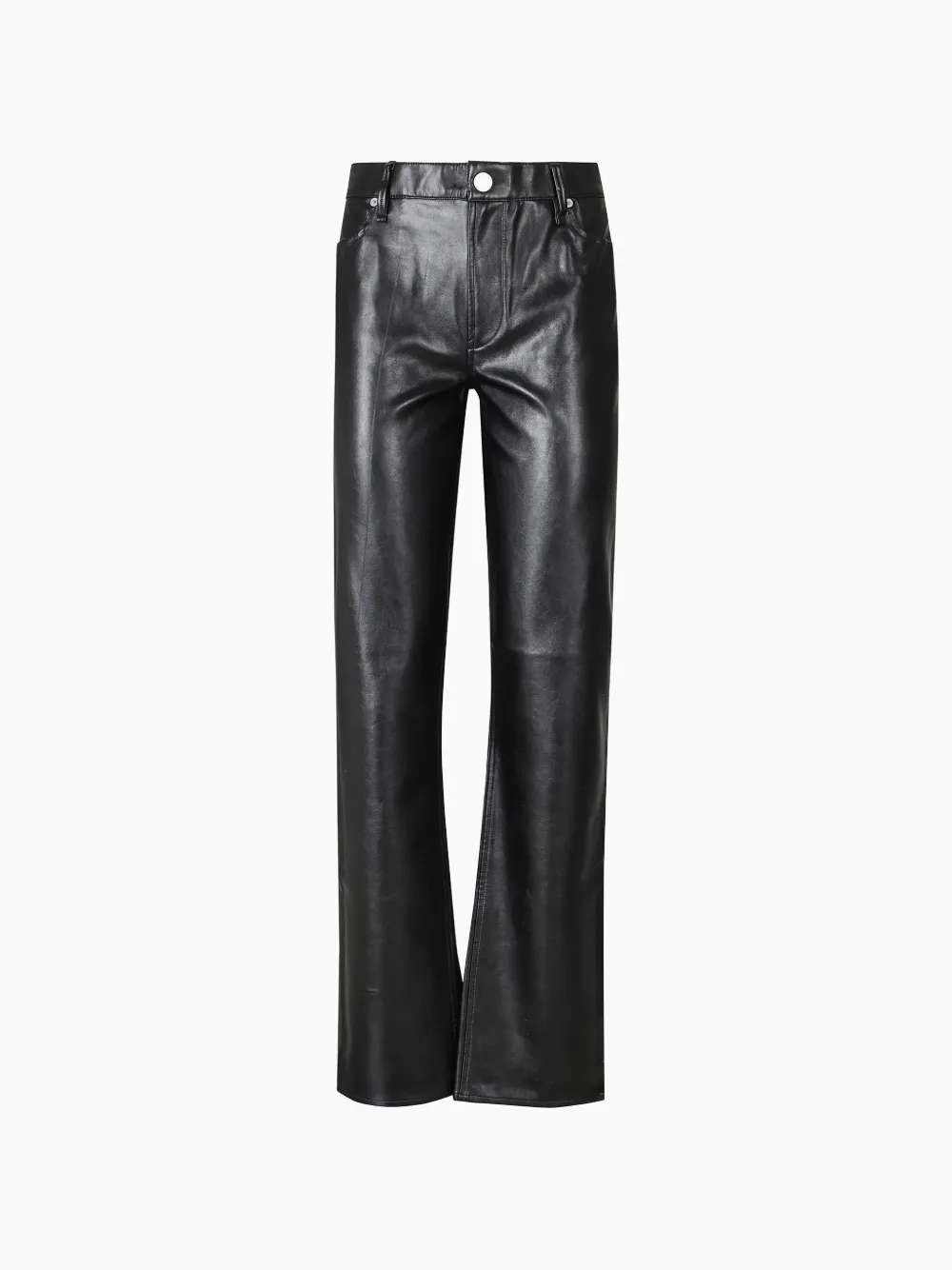
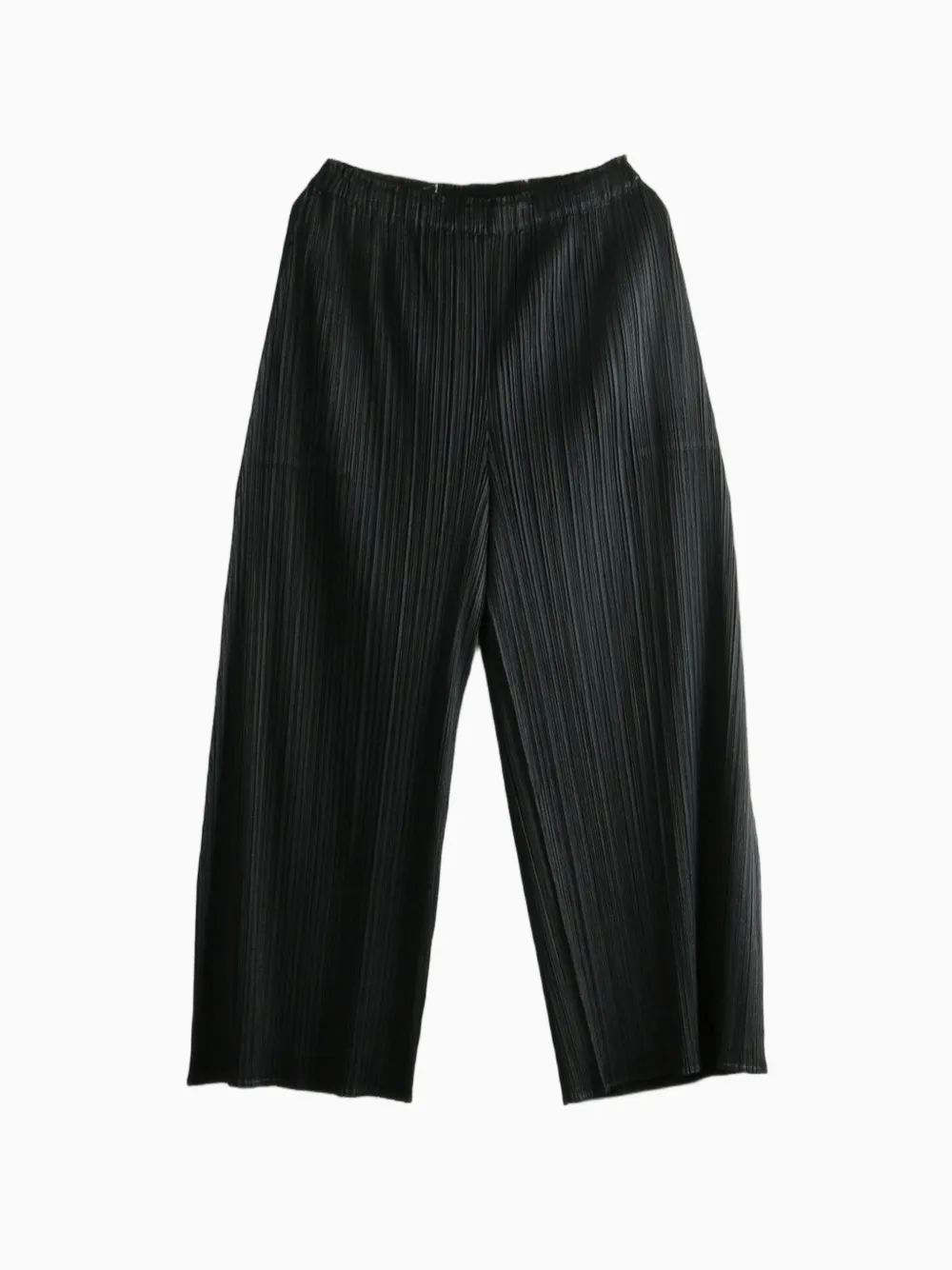
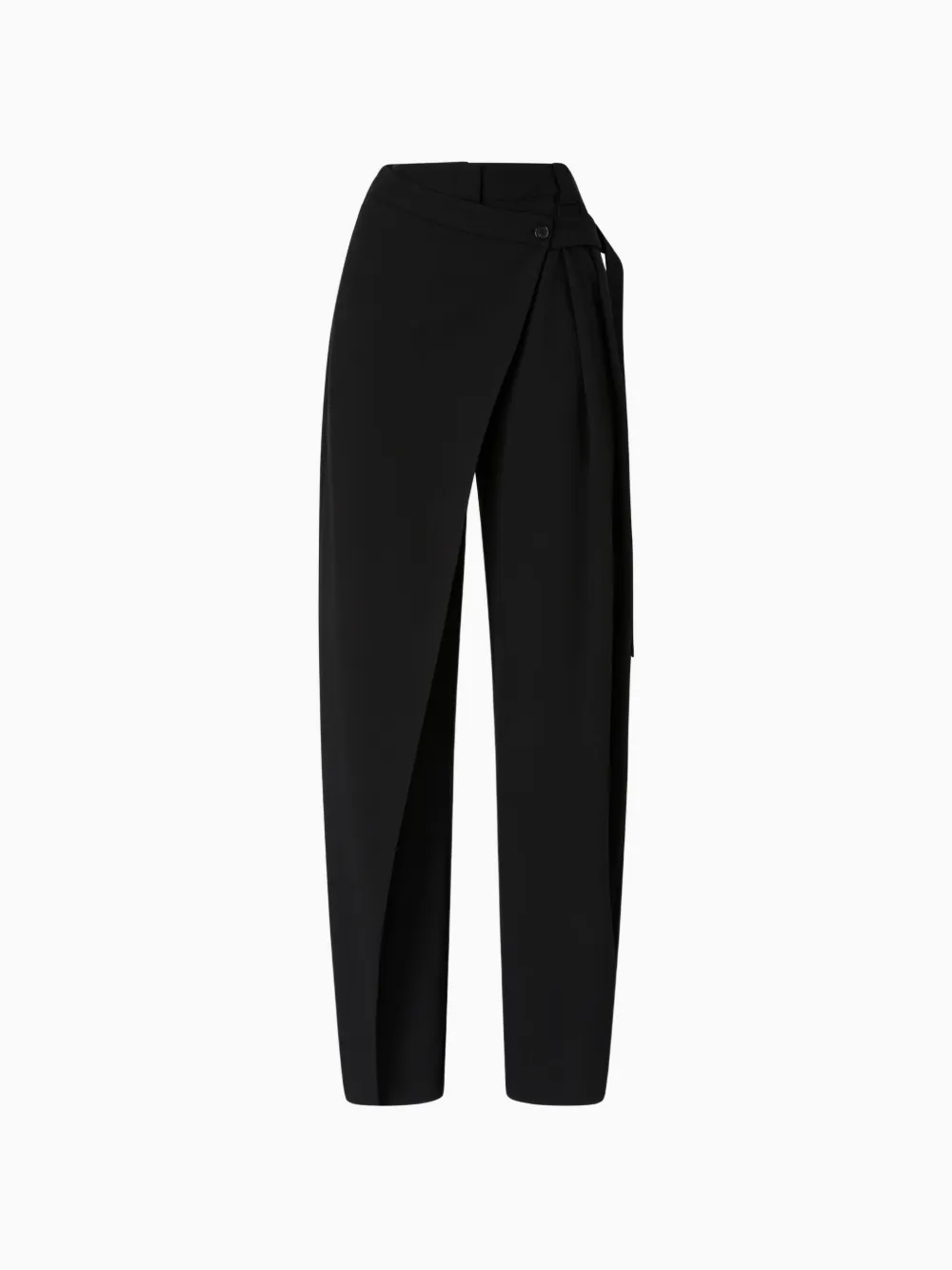
The challenge of dressing entirely in black therefore extends beyond choosing matching shades. Texture, weight, transparency and proportion determine whether the ensemble develops a distinctive visual character, offering an unusually rich vocabulary for the winter wardrobe.