




From aristocratic Chinese rooms to viral Mandarin jackets, Chinamaxxing is selling an old Western fantasy again, with a sharper price tag and selective memory.

Chinamaxxing: Who's Exotic Now?
From aristocratic Chinese rooms to viral Mandarin jackets, Chinamaxxing is selling an old Western fantasy again, with a sharper price tag and selective memory.
November 20, 2026


Chinamaxxing has transformed Chinese cultural practices into an internet obsession, from drinking hot water to adopting Mandarin jackets. A butter-yellow silk coat embroidered with flowers and trimmed in extravagant fur has become one of fashion's most coveted possessions. Kendall Jenner wore it to dinner. Kate Moss, Zoë Kravitz and Hailey Bieber have embraced similar silhouettes. At Conner Ives, these lavish robes have found a deliciously irreverent second life over jeans and T-shirts. Meanwhile, Adidas has turned the traditional Chinese frog closure into a sportswear sensation. Apparently, everybody is having a very Chinese year.
The enthusiasm has commercial weight. According to data from The RealReal, searches for fur-trimmed jackets and coats have risen 33% year on year, while jacquard searches increased 60% and tapestry prints surged 170%. These figures reflect a broader appetite for decorative outerwear, rather than Chinese-inspired garments alone.
The clothes are beautiful, the fascination is understandable, and some of the designs are genuinely excellent. But fashion's enthusiasm for Chinese aesthetics has a rather inconvenient history. The West has been falling in love with its own image of China for centuries, frequently leaving the actual culture outside the fantasy.
Chinamaxxing Has a 300-Year-Old Predecessor
Centuries before an influencer could declare a Chinese era, European aristocrats were furnishing entire rooms with their interpretations of China. During the 18th century, Chinoiserie became a fashionable expression of wealth and cultivated taste. Imported porcelain, lacquerware, silk and hand-painted wallpaper filled elaborate interiors, while British estates developed dedicated Chinese Rooms. The Royal Pavilion at Brighton eventually carried this fascination into spectacular architectural excess.

Much of Chinoiserie represented a European fantasy of East Asia. Chinese motifs mingled with Japanese references, invented landscapes and imaginary figures. Chinese manufacturers also produced goods specifically for European customers, adapting their craftsmanship to foreign tastes. The resulting aesthetic was commercially sophisticated, culturally hybrid and frequently detached from everyday Chinese life.
There is something wonderfully revealing about the parallel with Chinamaxxing. An aristocrat displaying imported porcelain and a TikTok creator displaying cultural sophistication are separated by three centuries, yet both can convert the appearance of foreign cultural knowledge into social prestige.
The Beautiful Art of Erasing Context
New York's Metropolitan Museum of Art offered a lavish demonstration of this fascination in 2015 with China: Through the Looking Glass. Western fashion creations appeared alongside Chinese artworks, historical objects and cinematic imagery. John Galliano's extravagant Dior designs encountered traditional cultural references within an exhibition devoted to China's influence on Western imagination.
The exhibition was visually magnificent. It also exposed the difficulty of separating admiration from interpretation.
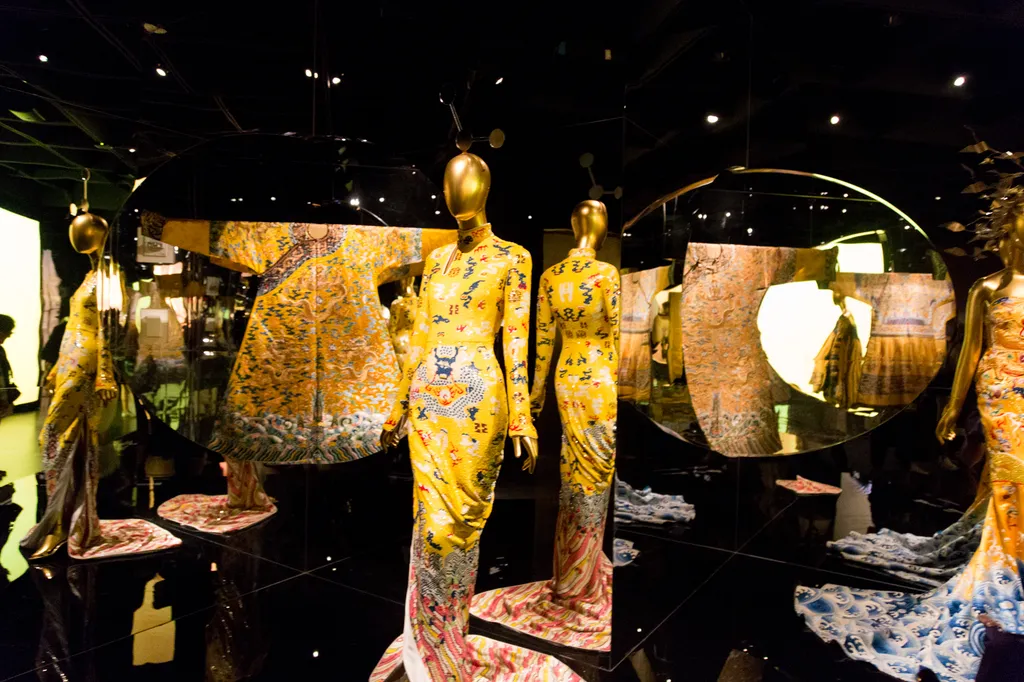
The Met openly acknowledged that designers had constructed an imaginary China. Yet placing Western haute couture within this conversation gave those fantasies considerable institutional prestige. Cultural references became compelling through their transformation into spectacular fashion objects.
The problem lies in who receives the authority to interpret history. China becomes an abundant source of imagery, while the Western designer assumes the prestigious position of creative translator.
That hierarchy becomes especially convenient when the historical context is complicated. Imperial China offers magnificent embroidery, porcelain and silk. Political upheaval, colonial violence and social conflict are considerably harder to turn into glamorous eveningwear.
The Qipao Was Never Just a Sexy Dress
The qipao provides a particularly revealing example of what happens when clothing loses control of its own narrative.
During the Republican era, especially throughout the 1920s and 1930s, the qipao evolved alongside debates about women's emancipation, modernity and national identity. Its changing silhouette reflected a society renegotiating the female body and women's place in public life. The garment could express sophistication, independence and modern Chinese femininity, although its relationship with liberation was never politically straightforward.
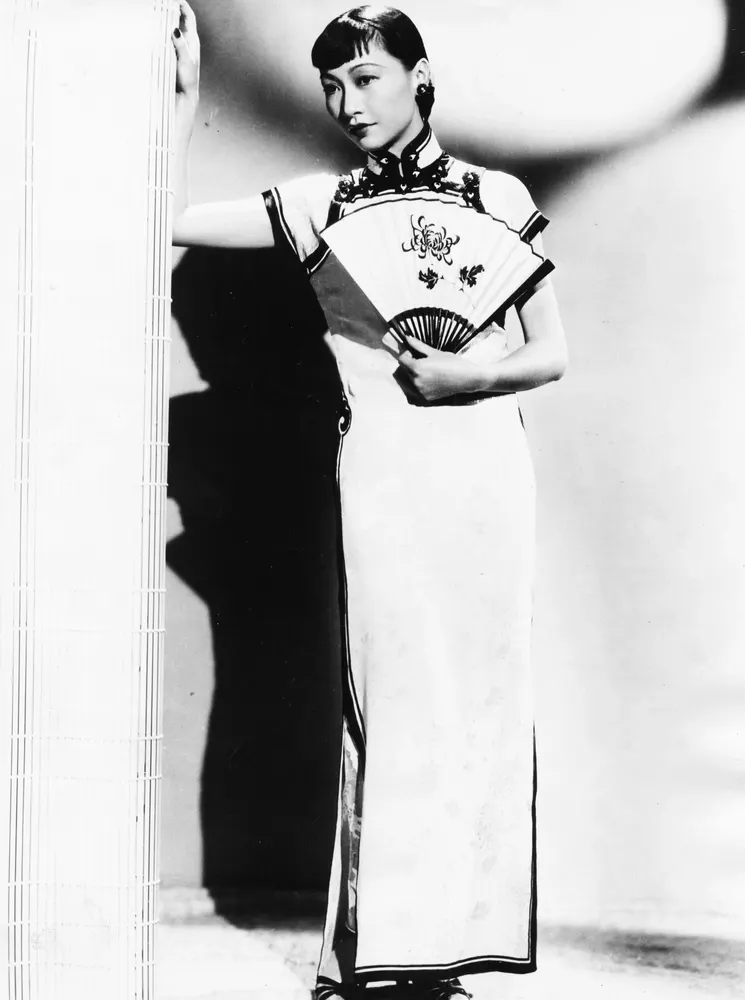
Anna May Wong understood the significance of appearance. As a Chinese American actress navigating Hollywood's racial restrictions, she used carefully constructed personal style, including Chinese-inspired garments, to assert an identity within an industry that routinely reduced Asian women to stereotypes.
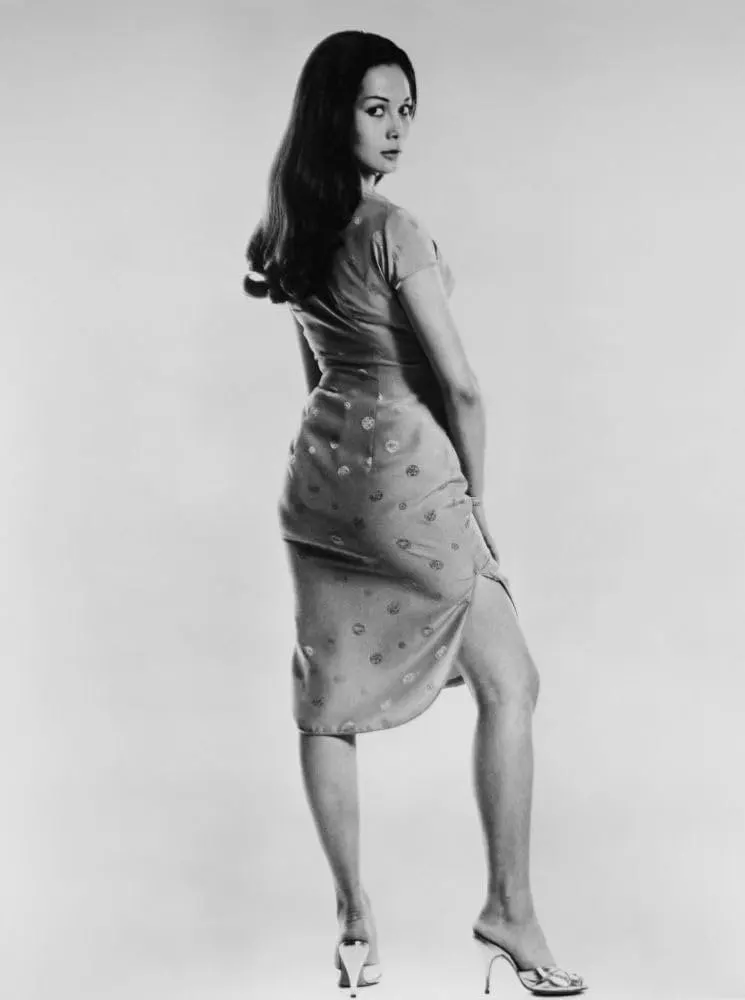
Hollywood, meanwhile, had other ideas. The 1960 film The World of Suzie Wong, starring Nancy Kwan, helped popularize a sensualized image of the cheongsam through its portrayal of a Hong Kong sex worker. The film contributed to a Western visual tradition that associated Chinese femininity with exotic allure and sexual availability.
The irony is vicious. A garment associated with women's changing social agency could become a convenient costume for somebody else's erotic imagination.
Women should be free to wear revealing qipaos. Chinese fashion has its own history of sensuality. The objection concerns an industry that repeatedly reduces complex cultural identities to the particular fantasies it finds commercially attractive.
The Mandarin Jacket Has an Identity Problem
Adidas deserves credit for producing one of 2026's most appealing garments. Its Chinese Track Top combines familiar sportswear construction with an upright collar and traditional pankou fastenings. The design looks convincing because its Chinese references belong to the garment's construction rather than appearing as decorative afterthoughts.
Following its presentation during Shanghai Fashion Week in October 2025, the jacket became an international obsession. Its popularity coincided with the growing Chinamaxxing phenomenon and renewed interest in Chinese heritage clothing.
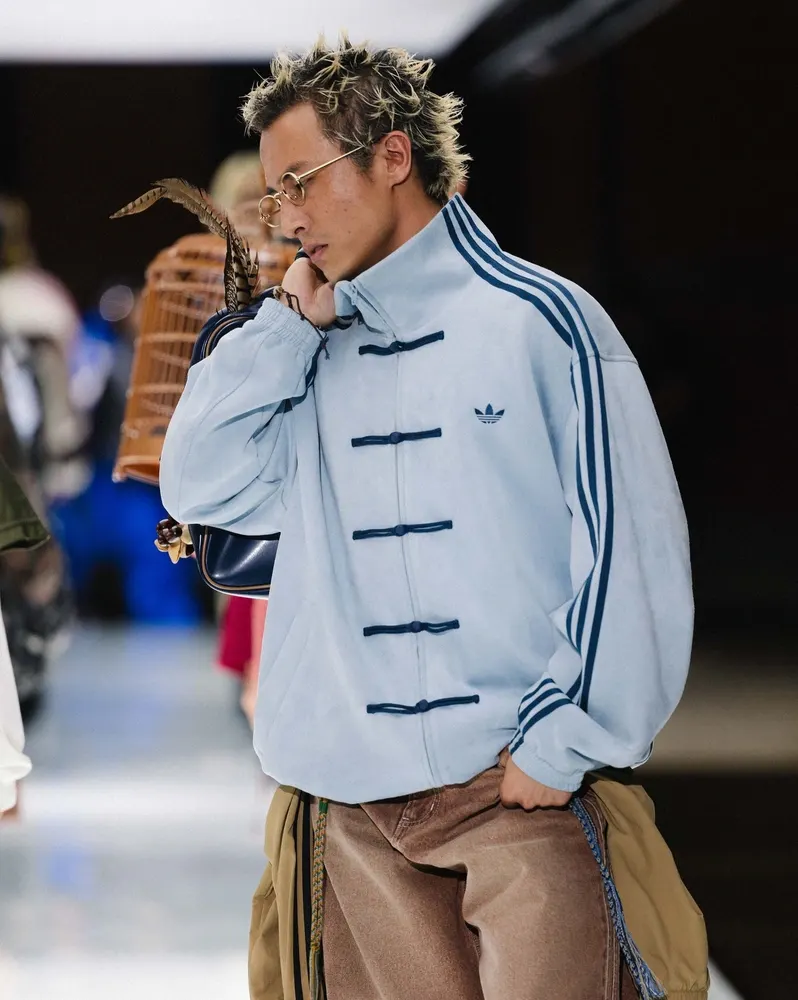
But Chinese designers had already been cultivating xinzhongshi, or New Chinese Style, long before international social media discovered the Mandarin collar. Samuel Guì Yang, for example, has spent years refining Chinese references through contemporary tailoring and understated sophistication.
The more revealing controversy concerns who gets to participate in this revival without discomfort.
British-born Chinese writer Emily Chan described her unease at seeing the Tang jacket celebrated internationally after growing up feeling reluctant to embrace traditional Chinese clothing herself. The garments that once threatened to make someone appear foreign are suddenly desirable expressions of individuality.
Perspectives within China can differ. Traditional clothing experiences and Hanfu tourism often encourage international participation, supported by a cultural environment where Chinese identity occupies the majority position. For some members of the diaspora, similar borrowing recalls histories of discrimination and pressure to assimilate.
Both responses deserve recognition. Cultural appreciation should remain possible without requiring every Chinese person to approve of every interpretation.
The embarrassing part is fashion's selective enthusiasm. Chinese aesthetics can receive immediate applause on Western celebrities while the people who inherited those traditions have spent years negotiating their social acceptance.
Conner Ives Makes Desire a Profitable Business
Conner Ives has produced something genuinely marvelous with his embroidered silk robe coats.
For Fall/Winter 2026, Tish Weinstock opened his show wearing a lavish coat constructed using antique Chinese silk tapestries dating to the Qing Dynasty. The embroidered surface, reclaimed fur and extravagant proportions possessed the richness of historical costume, while jeans and a slogan T-shirt gave the ensemble a wonderful sense of irreverence.
Versions of Ives's robe coats have sold for approximately $9,000, becoming recognizable among celebrity wardrobes. The designer's ability to reconstruct historical textiles into desirable contemporary garments is impressive. His work involves real craftsmanship, creative judgment and an intelligent understanding of luxury.
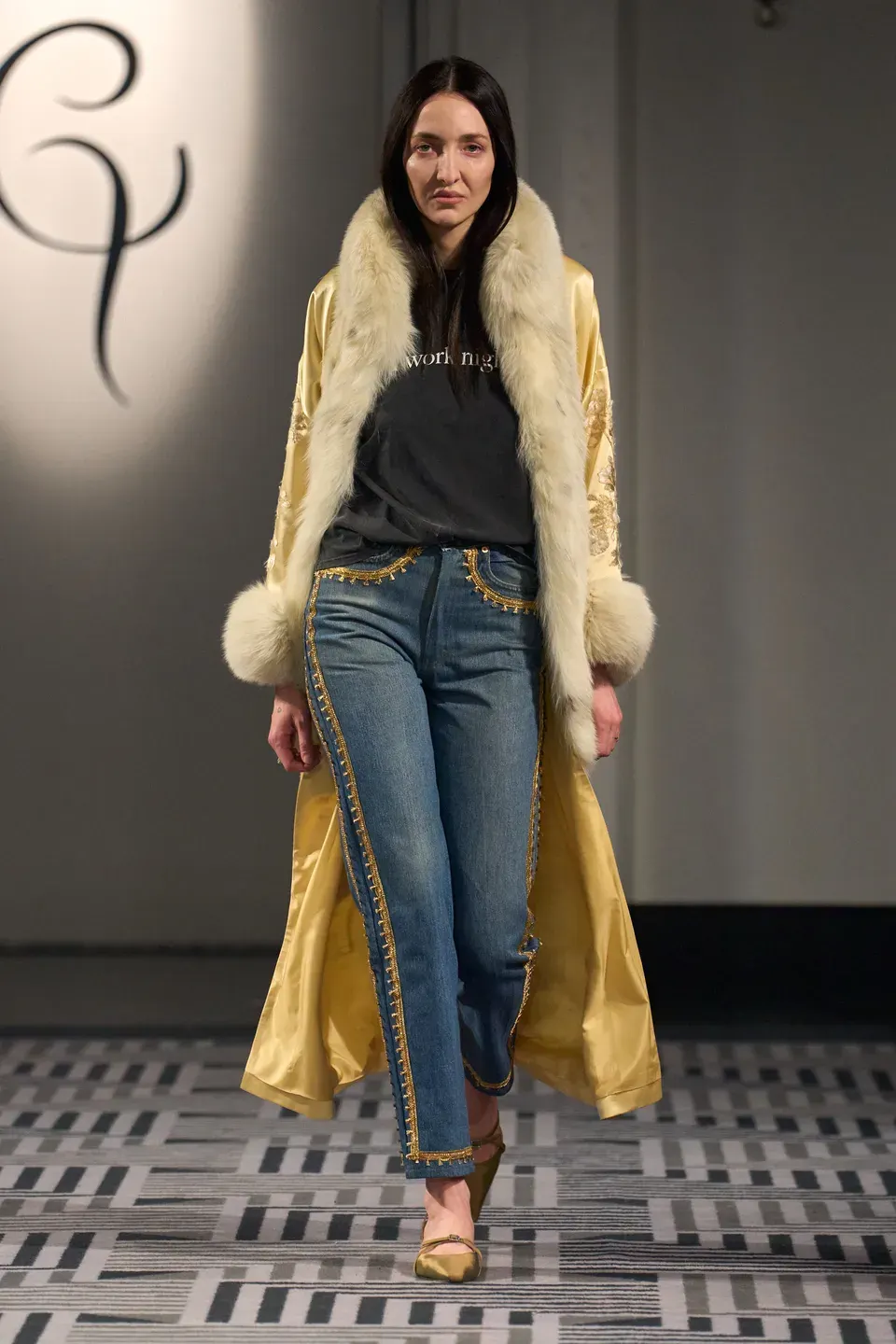
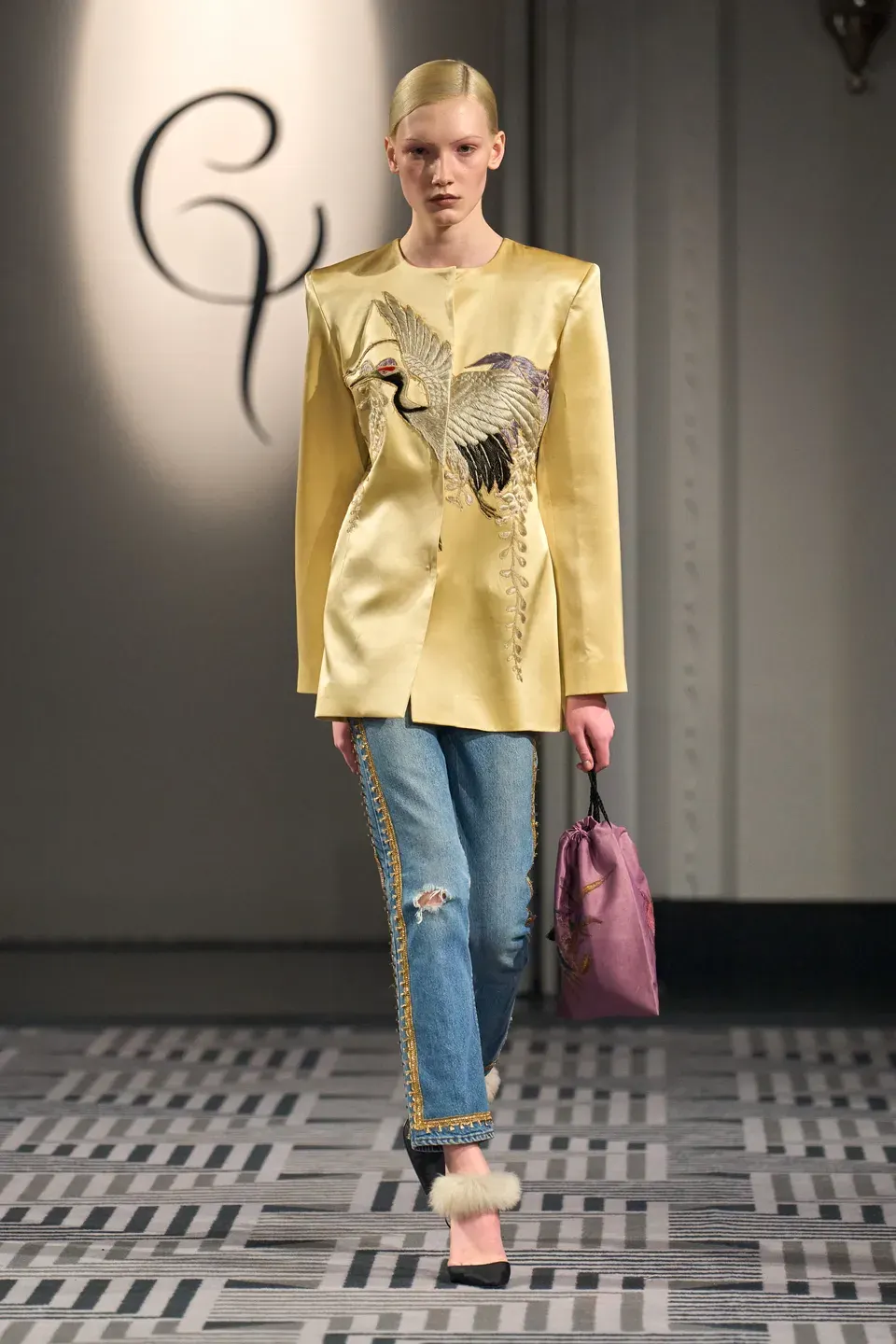
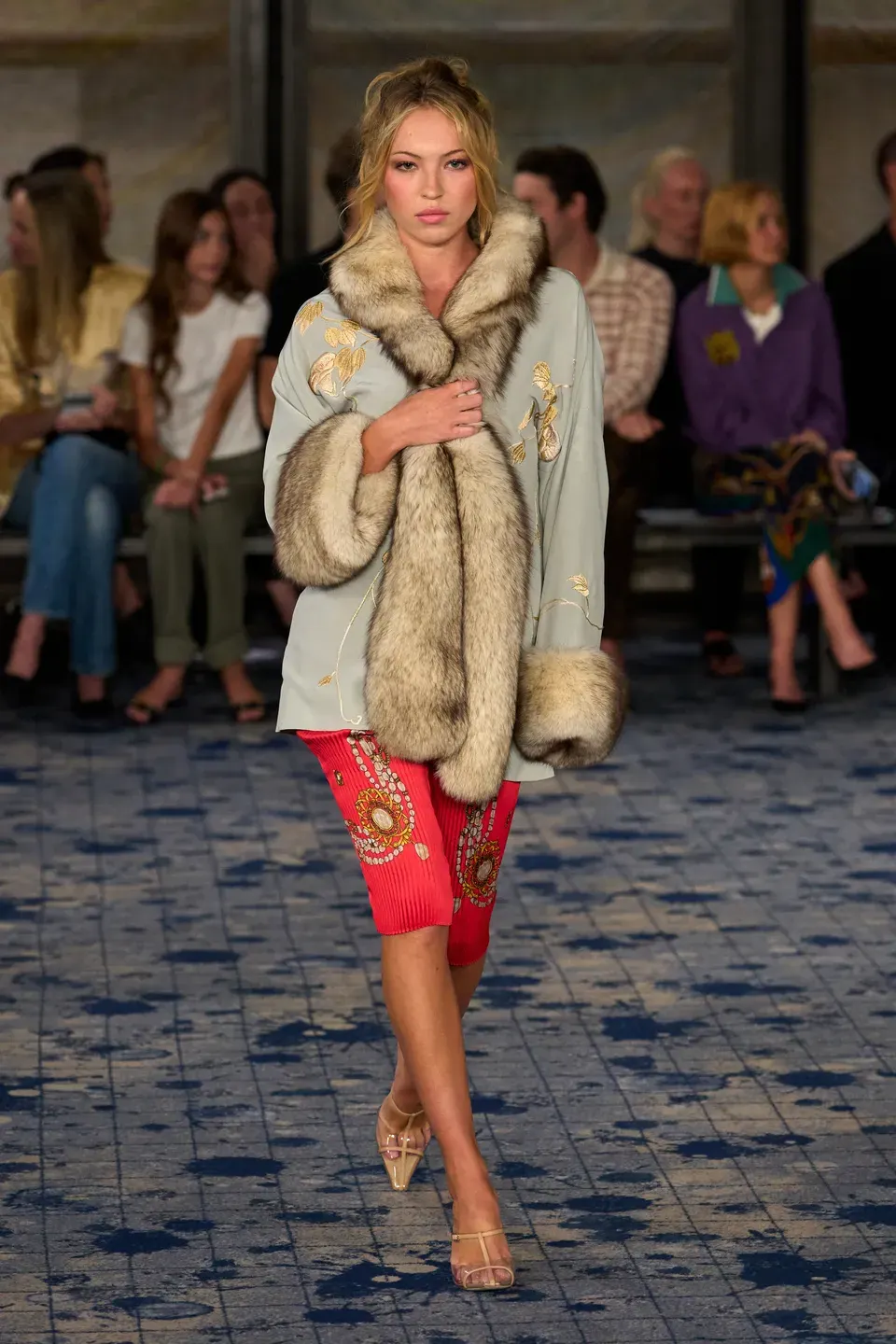
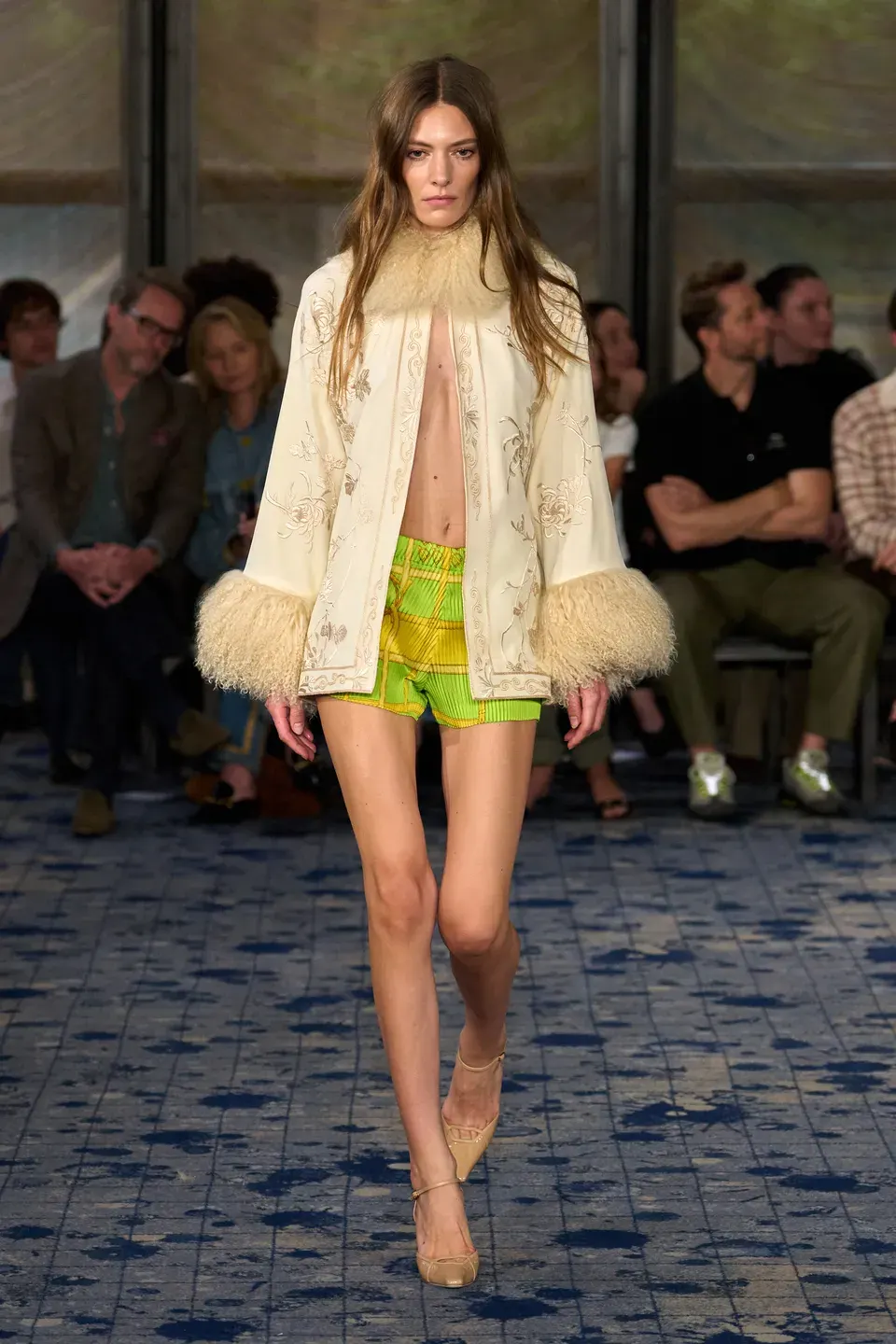
The opera coat also draws upon a broader history of eveningwear, and its current popularity cannot be reduced entirely to Chinese cultural influence. Nevertheless, Ives's use of Qing Dynasty-era materials illustrates how historical Chinese craftsmanship gains new commercial value through contemporary design.
The textile acquires a glamorous second life. The designer acquires prestige. The garment becomes a coveted luxury object.
What remains less visible is the historical network of artisans and textile traditions that made the original material extraordinary.
The criticism belongs to fashion's system of valuation. Contemporary designers deserve compensation for transforming old materials, but cultural heritage should receive recognition as an active source of creativity, rather than a picturesque resource awaiting fashionable reinvention.
Chinamaxxing: China May Have the Last Laugh
The joke may ultimately be on Western luxury. Just as international fashion discovers the irresistible charms of Chinese aesthetics, Chinese consumers are showing signs of losing interest in the European labels that once enjoyed such unquestioned authority.
According to Bain's November 2026 research, Chinese consumers' intentions to purchase local brands are now six times higher than in 2019. Cultural authenticity, domestic creativity and value have become serious competitive advantages. The timing could hardly be more embarrassing for an industry that spent decades treating China primarily as a lucrative customer base.
China, meanwhile, has been building its own fashion economy. In Shandong's Caoxian County, a manufacturing hub for Hanfu, combined sales exceeded 13 billion yuan in 2025. Within a concentrated network of workshops and businesses, designers, embroiderers, patternmakers and online retailers are turning historical clothing into an active commercial industry.

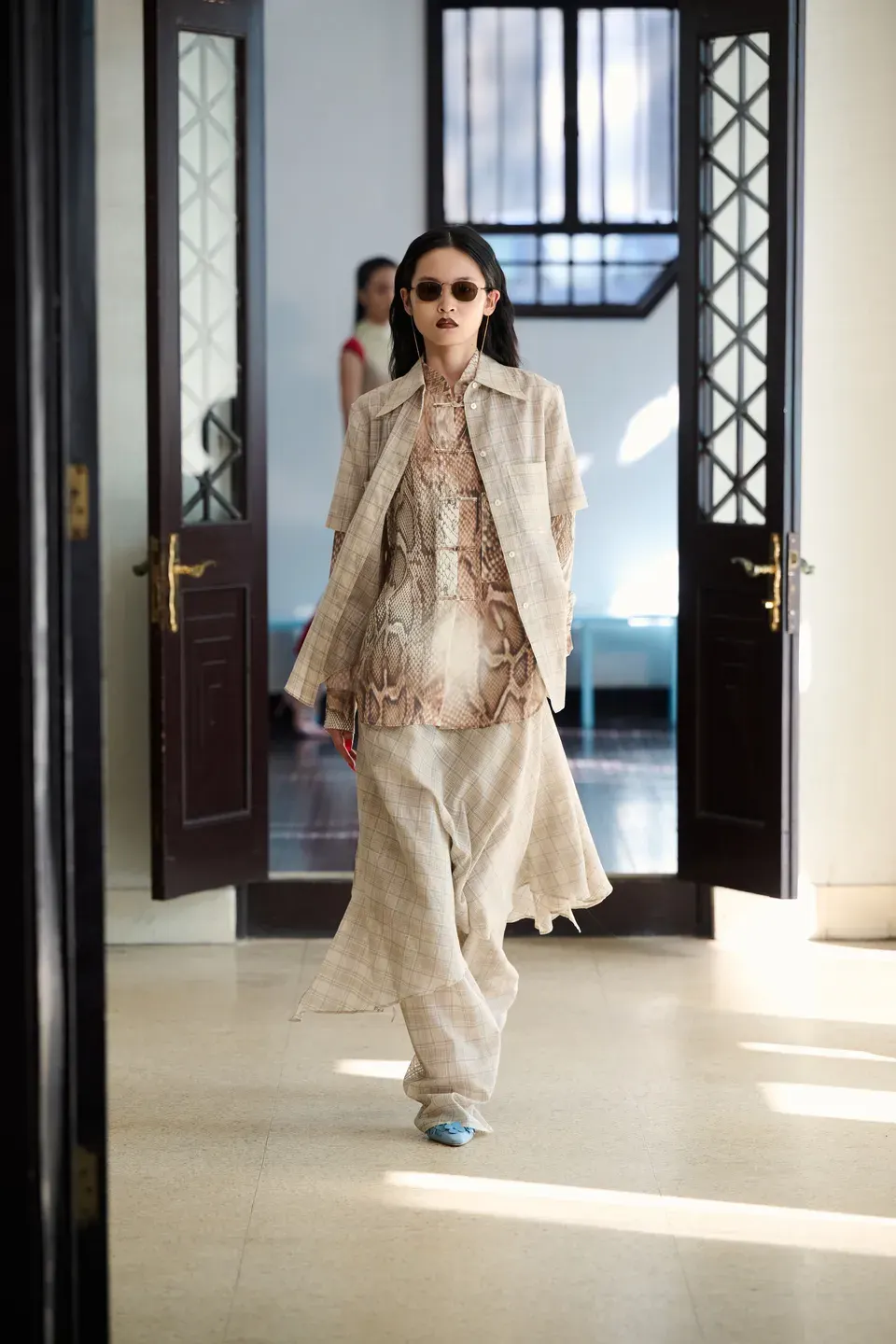
These operations have their own problems, including imitation, homogenized designs and pressure to produce cheaply. But they are also evidence of something international fashion commentary routinely overlooks: Chinese heritage has a flourishing commercial life that exists independently of European approval.
Chinamaxxing also emerged through an unusually direct form of cultural contact. When American users migrated to Xiaohongshu during the TikTok-ban scare in January 2025, they encountered Chinese creators discussing their own daily lives. The cultural exchange unfolded through conversations, jokes and ordinary routines, bypassing some of the institutions that traditionally mediated Western perceptions of China.
There is an irony in the fact that international consumers are now enthusiastically adopting Chinese habits while Chinese companies are becoming increasingly capable of defining and selling their own cultural identity.
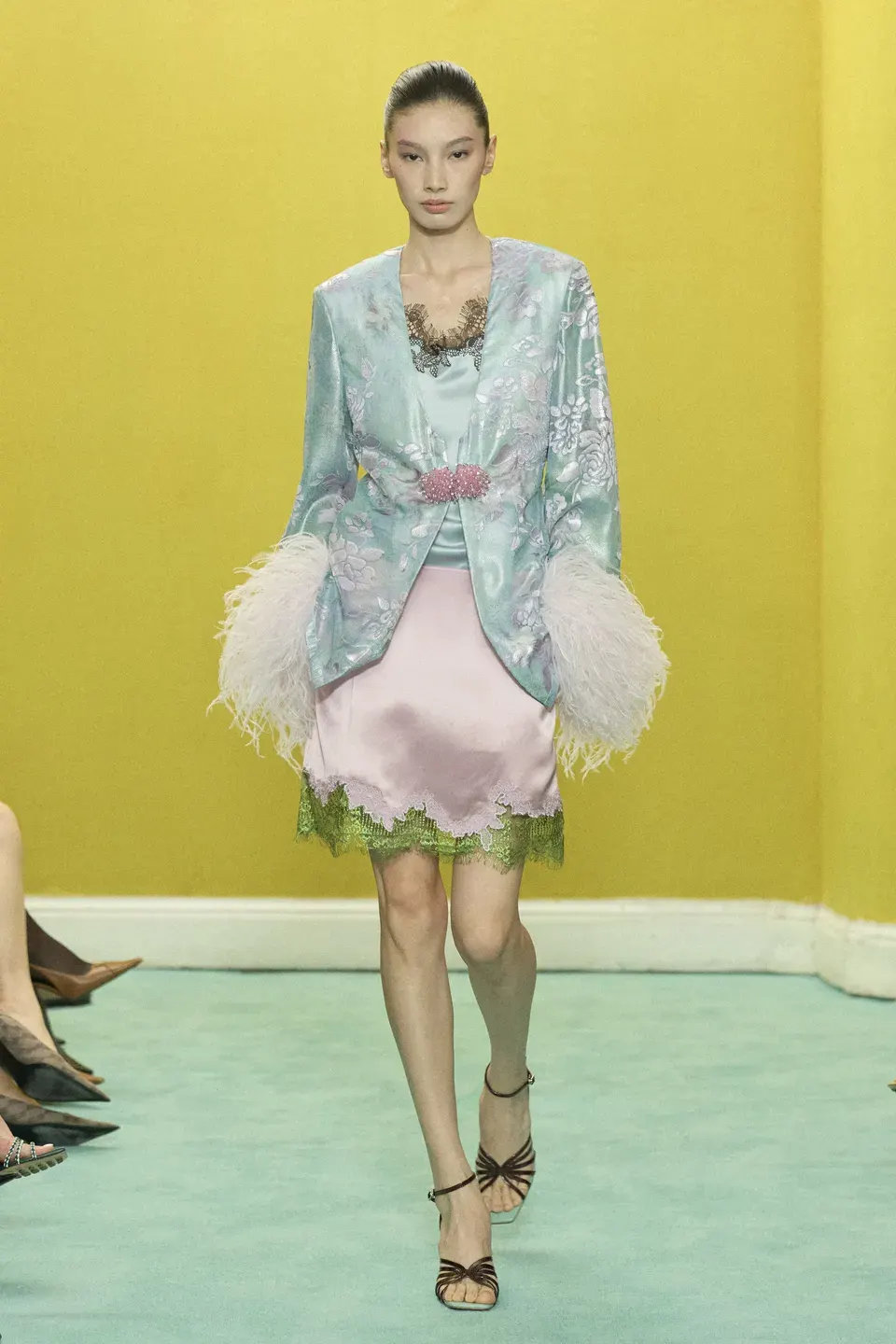
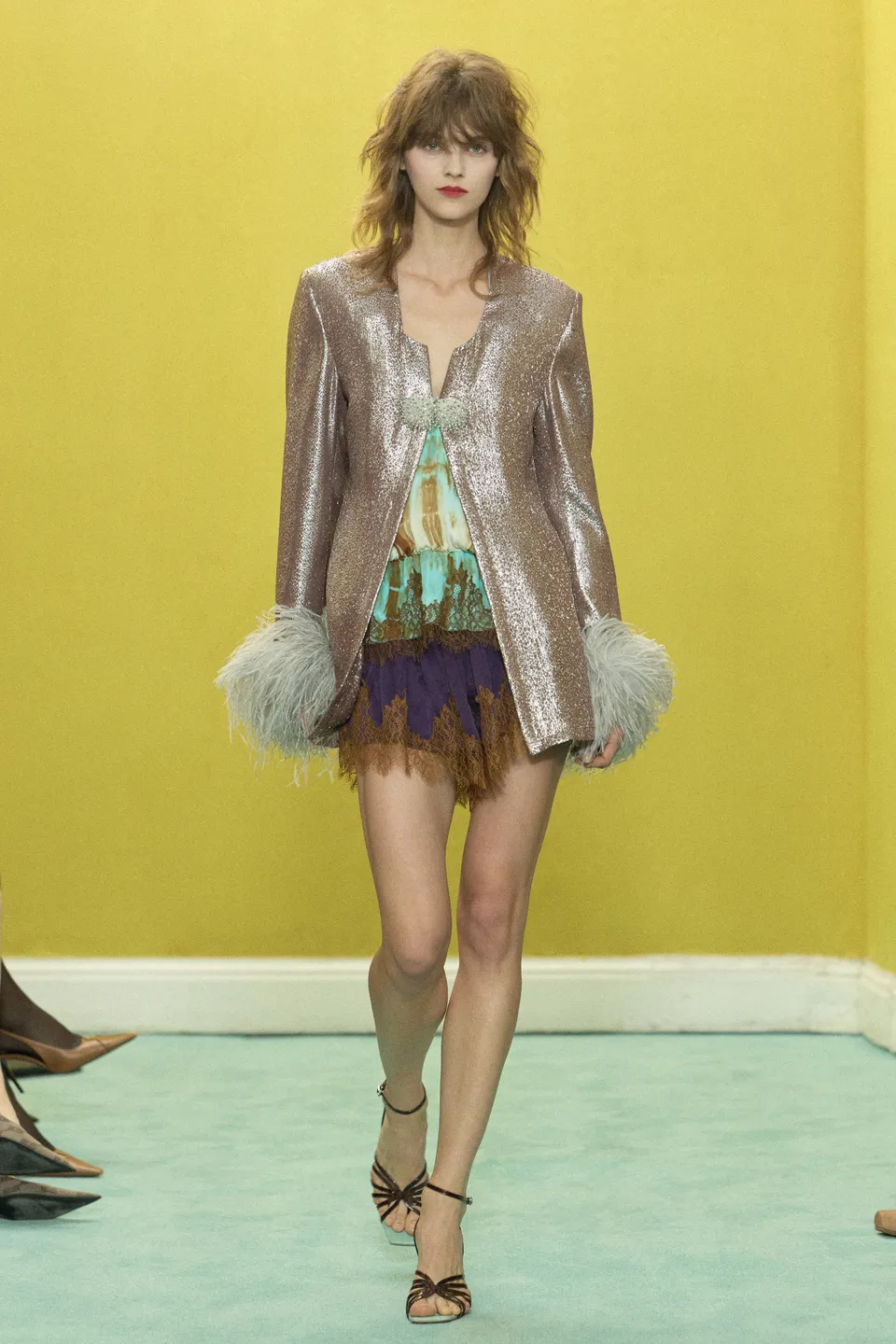
Yet the romanticism deserves suspicion. Artist Astria Suparak's Asian Futures, Without Asians exposed how Western cinema could imagine entire futuristic worlds drenched in Asian imagery while leaving Asian people on the margins. Chinamaxxing risks a related distortion when influencers present China as a peaceful, communal escape from Western alienation.
The fantasy simply changes costume. A society once imagined as mysterious and threatening becomes reassuringly wise, disciplined and harmonious. Actual Chinese people, with their competing ambitions, frustrations and political realities, are once again expected to accommodate somebody else's imagination.
Western fashion is discovering Chinese-inspired glamour at precisely the moment when its historical authority over luxury is being challenged by a confident domestic market. The Mandarin jacket may enjoy a brief career as an international It-piece. China's creative and commercial ambitions have considerably longer horizons.
The most interesting consequence of Chinamaxxing may be that Western fashion finally wants a piece of Chinese culture, while Chinese fashion is becoming increasingly capable of succeeding without its permission.