MENU
Close





What if walk-of-shame dressing was never about shame at all, but about the wicked pleasure of leaving somewhere you were never meant to stay?
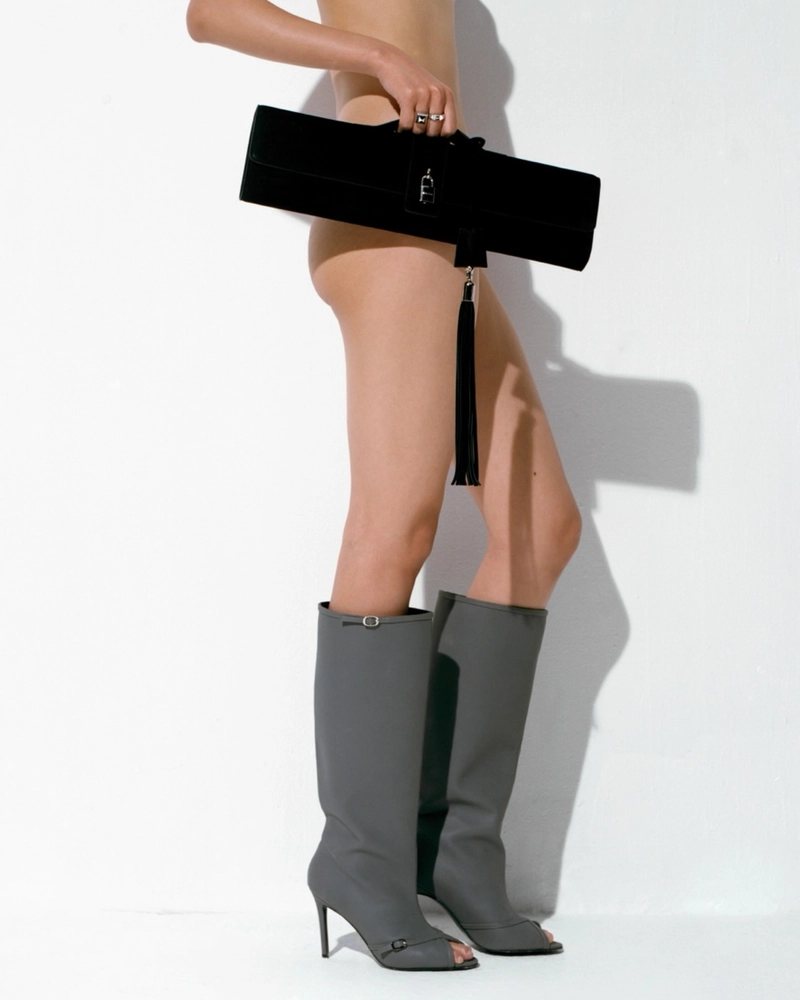
What if walk-of-shame dressing was never about shame at all, but about the wicked pleasure of leaving somewhere you were never meant to stay?
June 23, 2026
Advertisement

Advertisement



There is a distinct, almost cinematic allure to the morning-after departure, that solitary, sunlit journey home often dismissively dubbed the "walk of shame." But to frame this postcoital pilgrimage as something inherently humiliating is to severely misunderstand the sartorial potential of the moment, and the strange elegance now attached to walk-of-shame dressing.
In truth, there is absolutely no reason for this hungover, bleary-eyed strut not to be profoundly chic. The art of looking effortlessly, devastatingly stylish while feeling physically and emotionally spent is not a modern invention; it possesses a long, prestigious lineage rooted in the golden age of cinema. It is a look perfected decades ago by old-school Hollywood divas who understood that a slightly rumpled façade only amplified their intrinsic glamour.
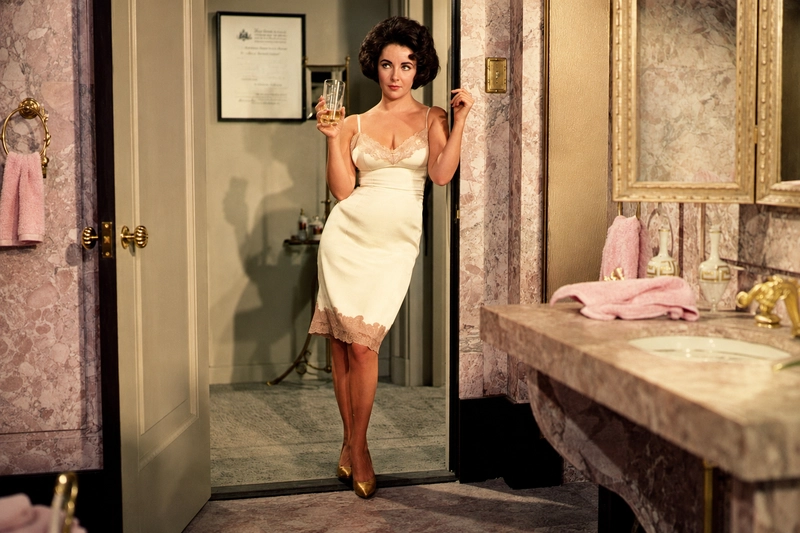
Consider the buxom brilliance of Elizabeth Taylor in the 1960 classic Butterfield 8. As Gloria Wandrous, the flirtatious and unapologetic girl-about-town, Taylor delivers the archetype of morning-after perfection. She awakens in her paramour’s expansive Manhattan apartment, the morning light catching the remnants of shimmering blue eyeshadow still dusted across her lids. With a gentle, luxurious lethargy, she searches for a cigarette, navigates to the sink to brush her teeth, and casually gargles with scotch. When she finally makes her exit, she masterfully throws the fattest, most opulent fur coat in New York over a slinky, lace-trimmed slip dress.
It is a masterclass in high-low dressing before the term even existed: the vulnerability of the bedroom shielded by the heavy, expensive armor of the outside world. This archetype, the woman who wears her nocturnal adventures like a badge of quiet honor, is precisely what modern fashion is currently attempting to resurrect through walk-of-shame dressing.
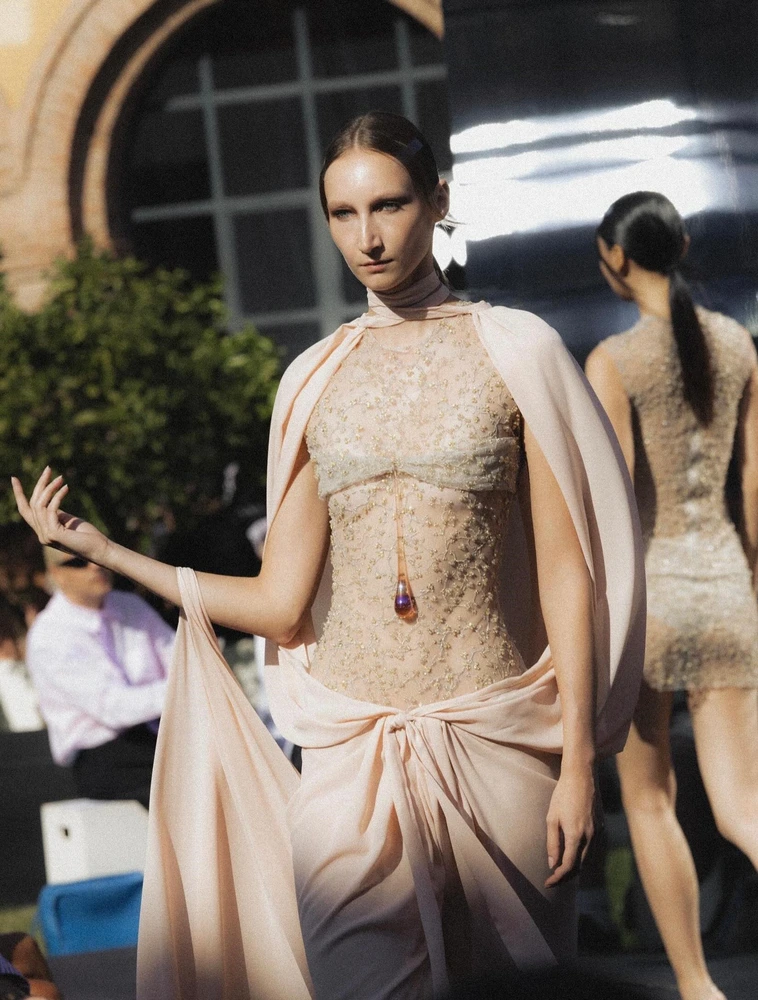
A survey of the recent international runways reveals a collective obsession among designers with this exact liminal space. The industry’s leading creative directors seem captivated by garments that seamlessly transition from a candlelit dinner to the boudoir, and straight onto the morning sidewalks without missing a single, syncopated beat. The message is clear: intentional dishevelment is the new uniform of the global elite, and walk-of-shame dressing has become one of its most seductive codes.
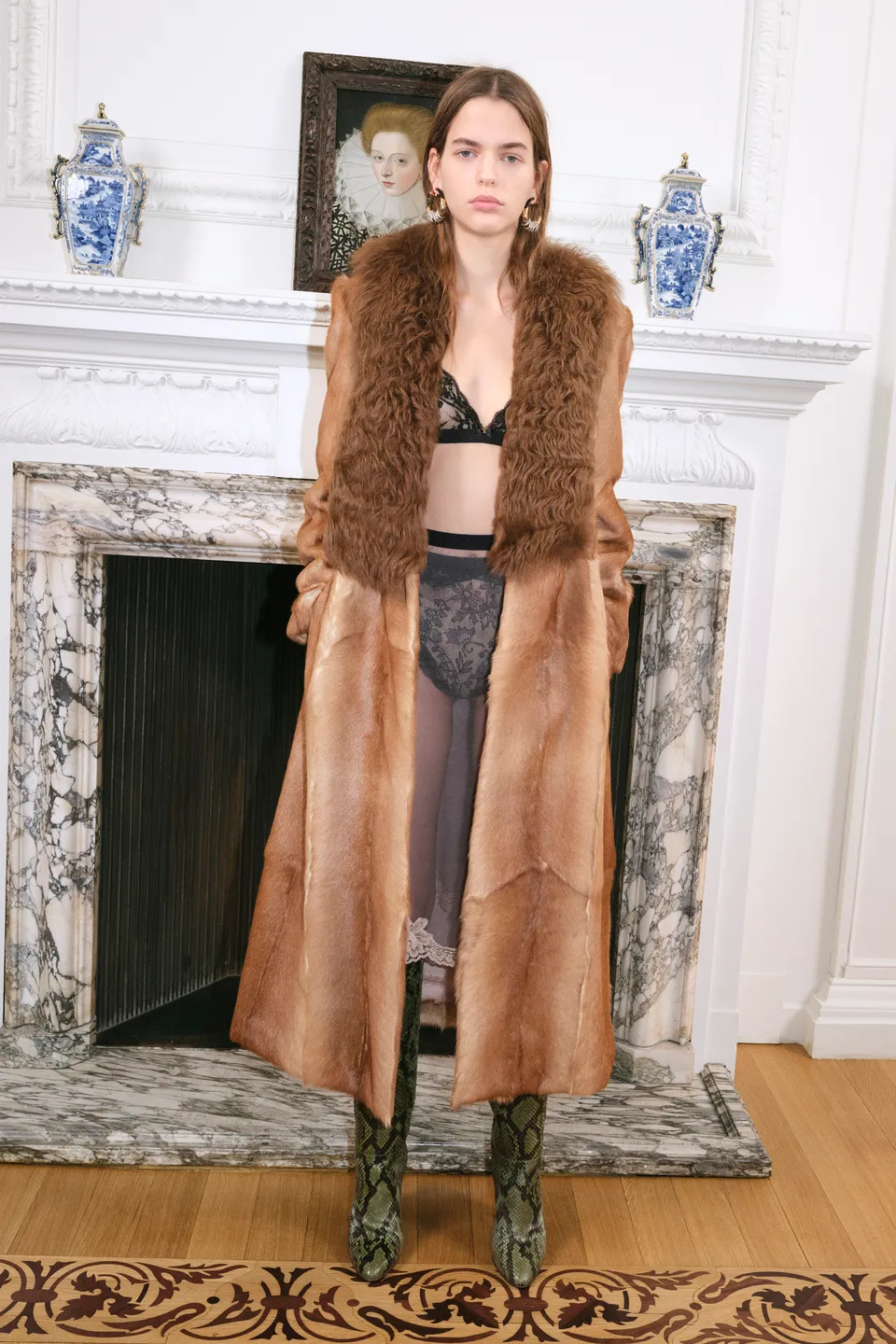
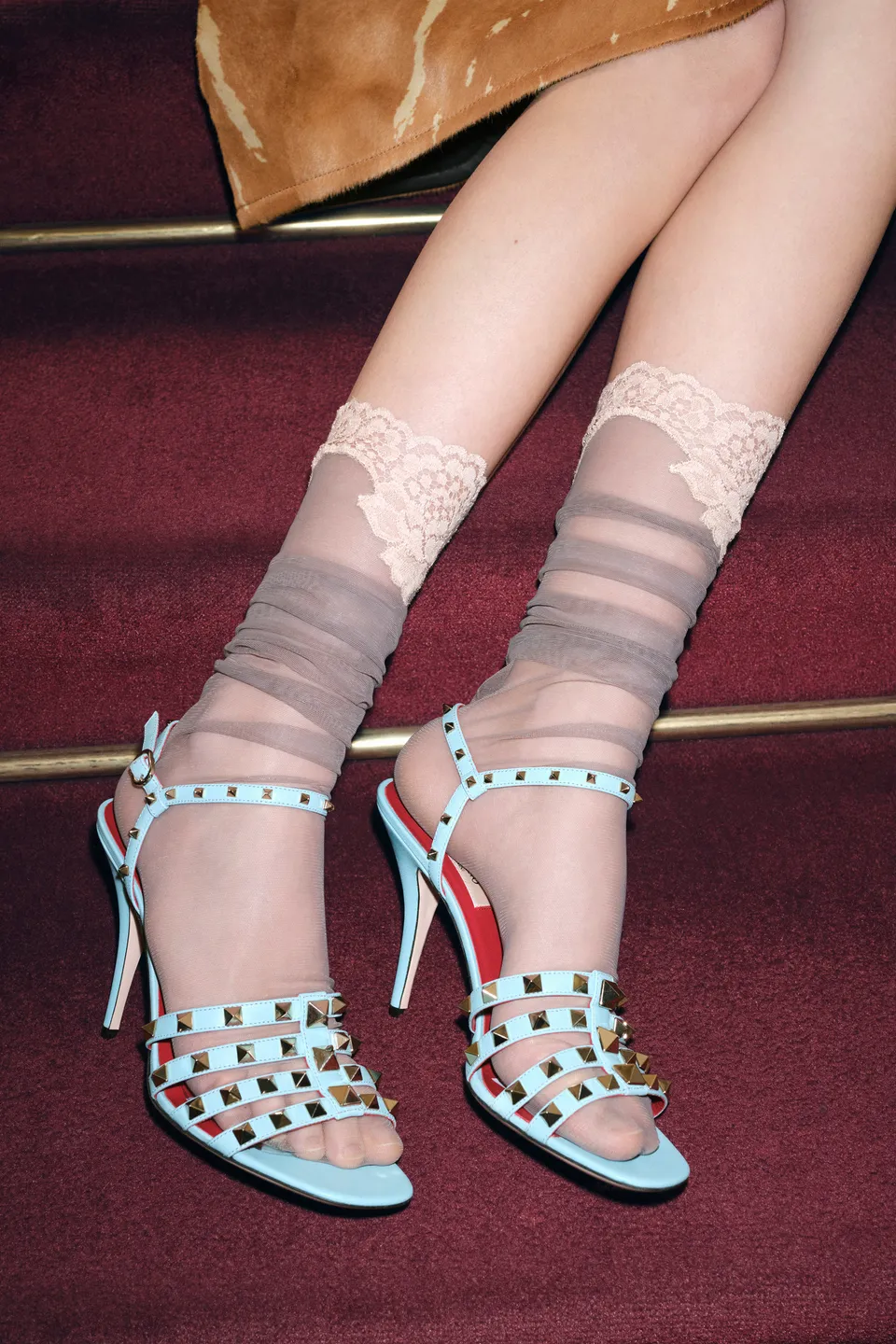
At Valentino, the execution was both gentle and intensely sensual. A sultry vixen glided down the catwalk wearing delicate, whisper-thin lingerie layered beneath a long, slender shearling coat. The juxtaposition was striking, the plush, protective warmth of the outerwear contrasted against the raw intimacy of the undergarments, creating a visual narrative of a woman hastily wrapped up against the morning chill.
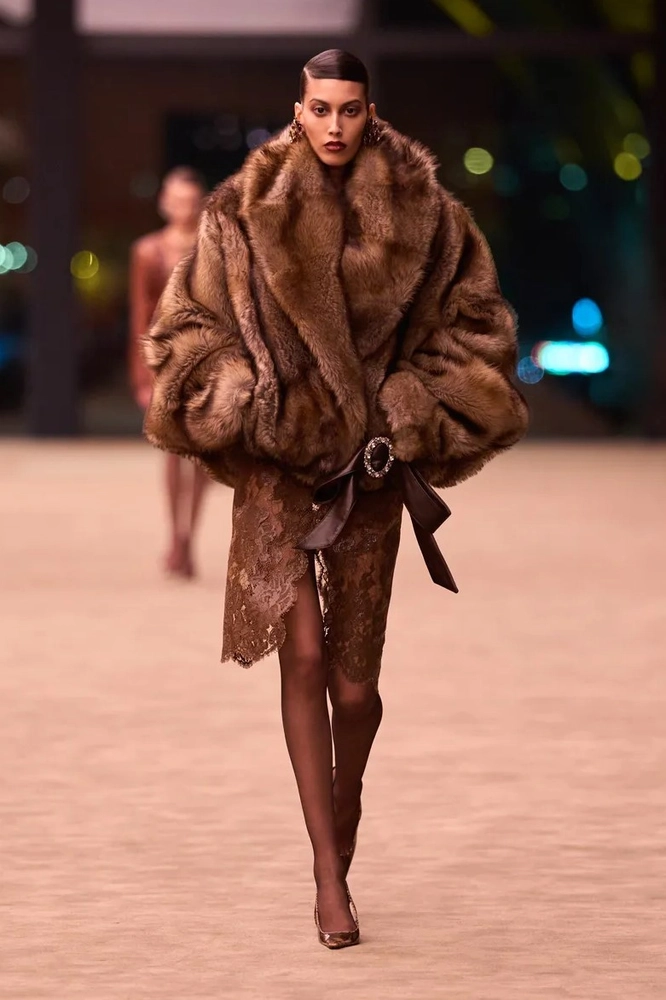
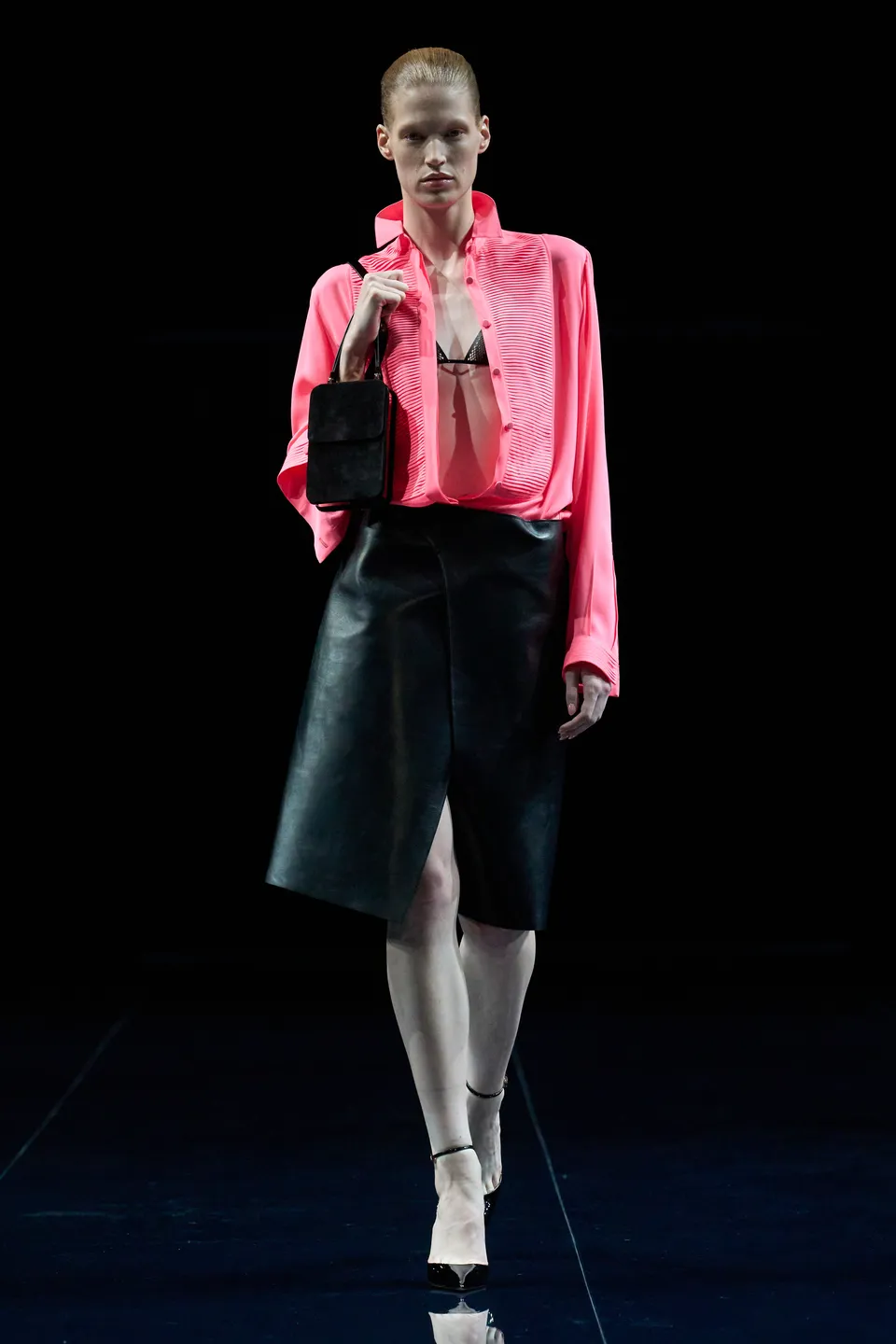
Meanwhile, Saint Laurent leaned into sheer audacity, pairing an engulfing, dramatic fur with sheer tights acting entirely as pants, a nod to the hurried dressing of someone slipping out before the coffee finishes brewing.
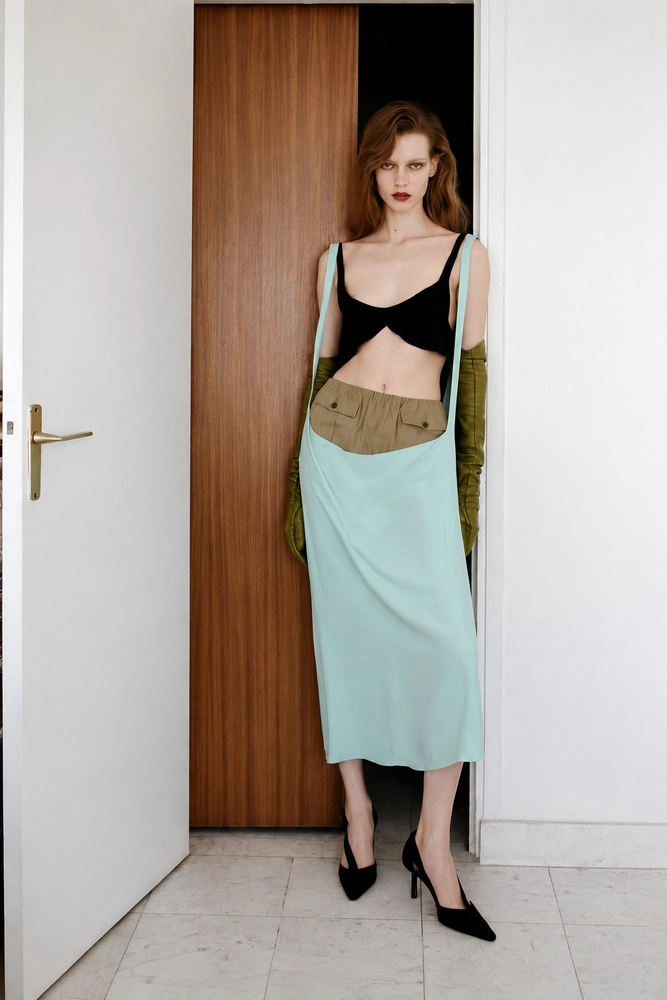
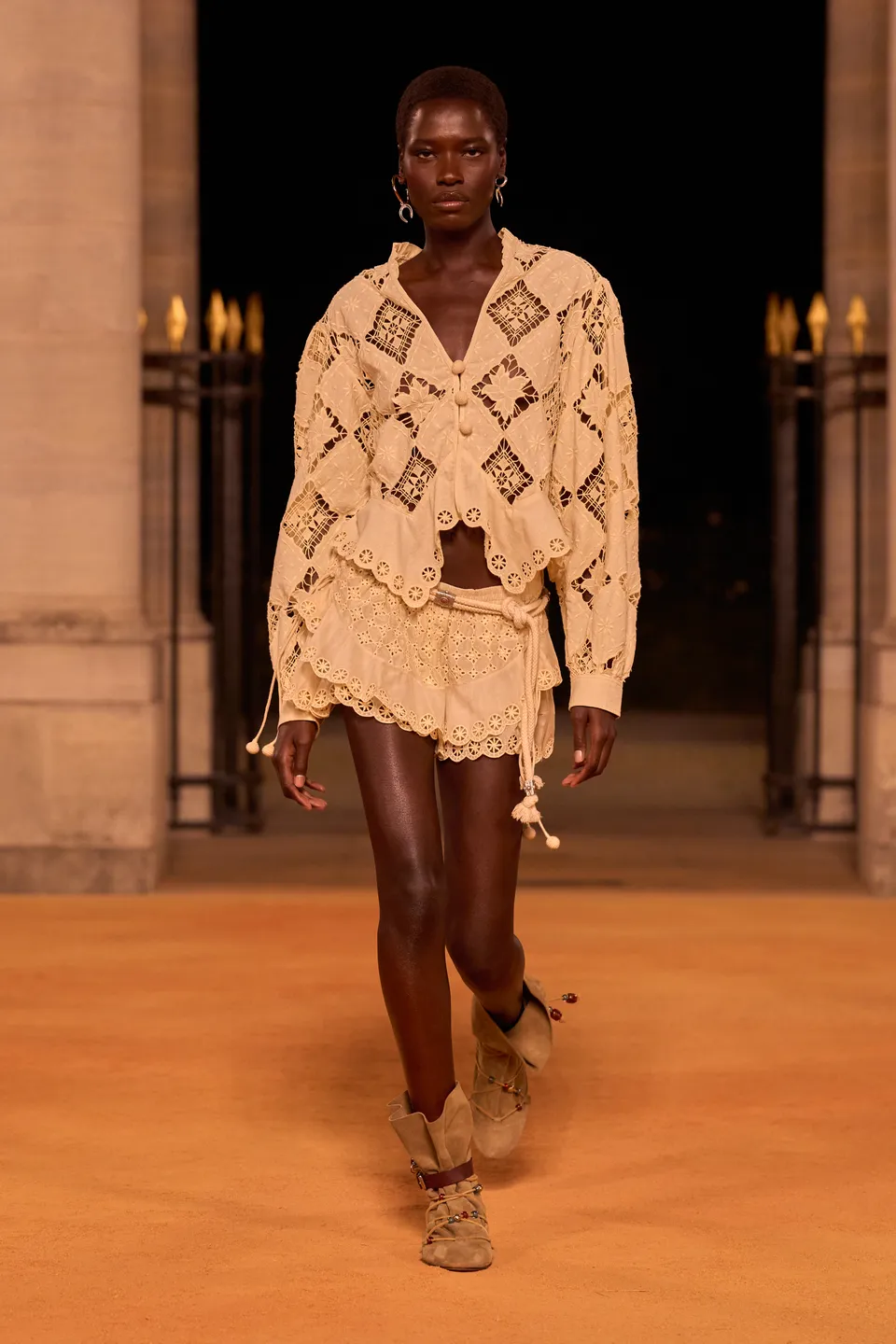
Prada offered its own intellectual take on the trend, showcasing microminis reminiscent of clubbing-till-dawn endurance. This mood also found a sharper denim expression at 7 For All Mankind, where the messy girl made her comeback with low-slung attitude, Y2K nightlife residue, and the particular confidence of someone who has no interest in appearing freshly assembled. Under Nicola Brognano, the label’s return did not treat denim as casual neutrality, but as a charged artifact of early-2000s excess: skinny jeans, layered tops, oversized bags, and the kind of stomp-heavy runway energy that made polish feel almost suspicious. It gave walk-of-shame dressing a more street-level vocabulary, translating the boudoir-to-sidewalk fantasy into denim, attitude, and the triumphant disorder of a girl who has stayed out too late and somehow looks more alive for it.
Across these collections, walk-of-shame dressing becomes less about accident and more about precision: a fantasy of undone glamour built with couture-level control.
Yet, if we are to look at this trend with a truly analytical eye, we must acknowledge a glaring paradox: the reality of the modern "walk of shame" is rarely, if ever, this glamorous. For the average person, these mornings usually involve crusted eyes, coagulated foundation caked into the dehydrated fine lines of the forehead, and the visceral, steamy emanation of cheap vodka from every pore. But more importantly, sociological data suggests that this once-ubiquitous, messy rite of passage is becoming increasingly rare. We are dressing for a lifestyle that fewer and fewer people are actually living.
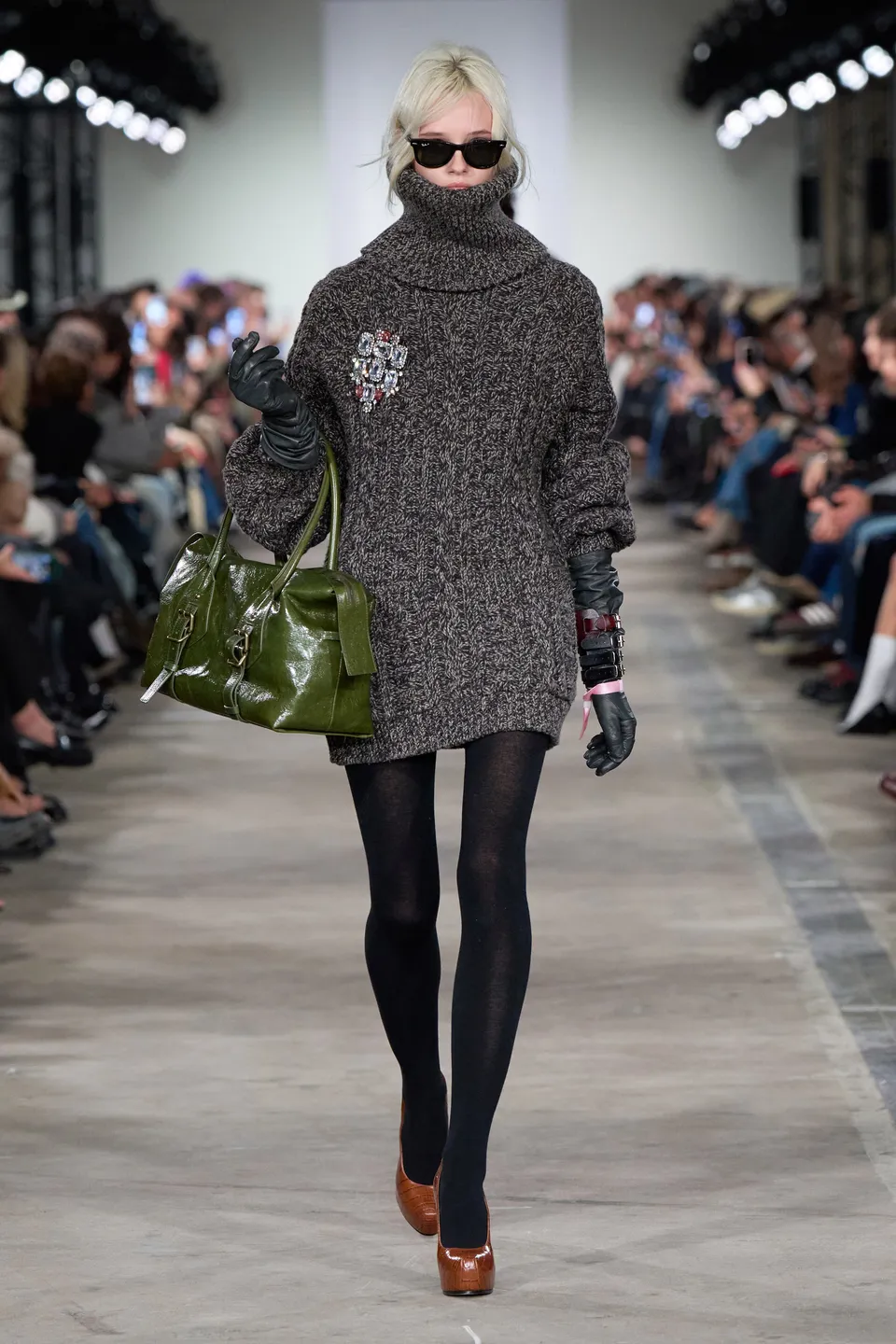
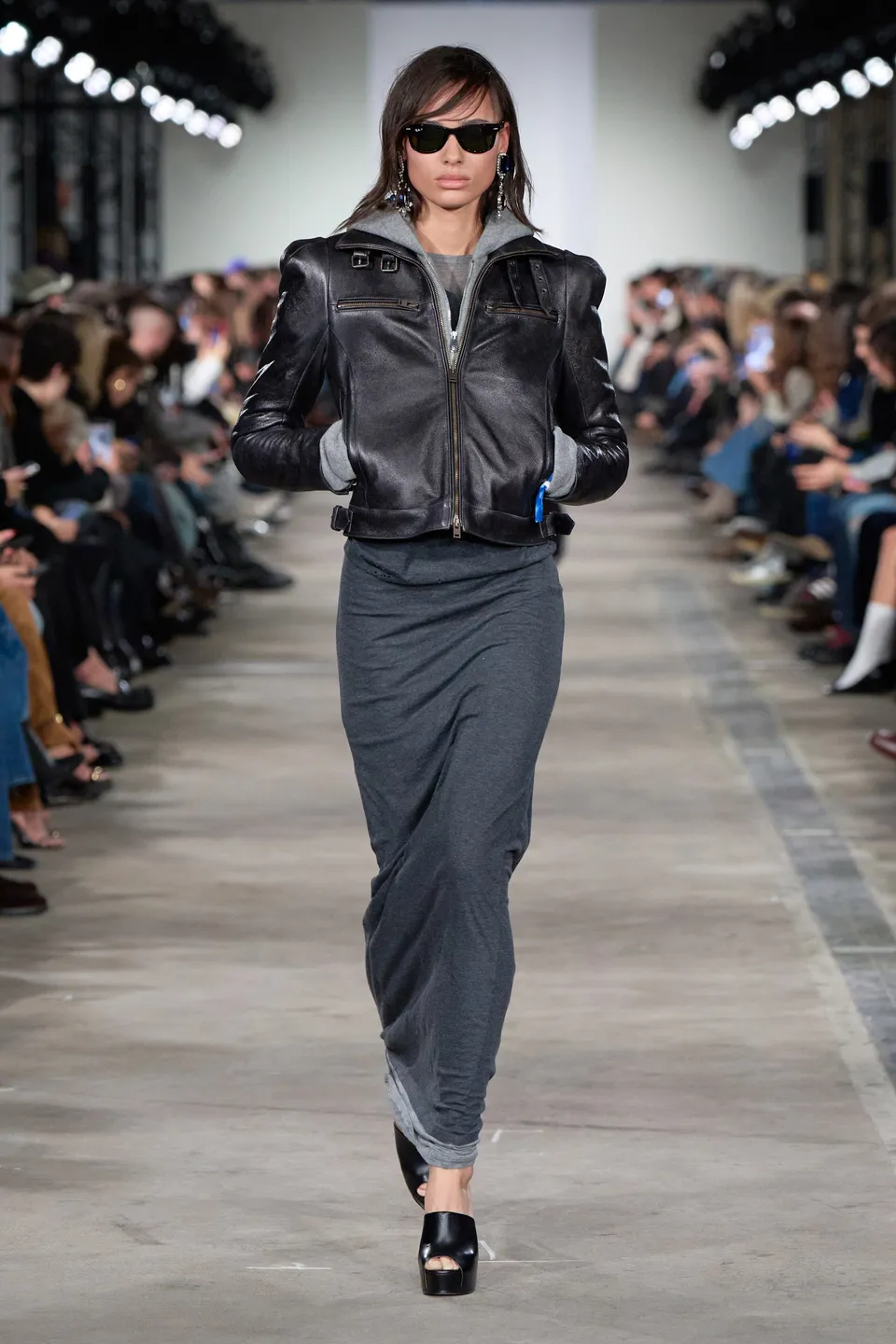
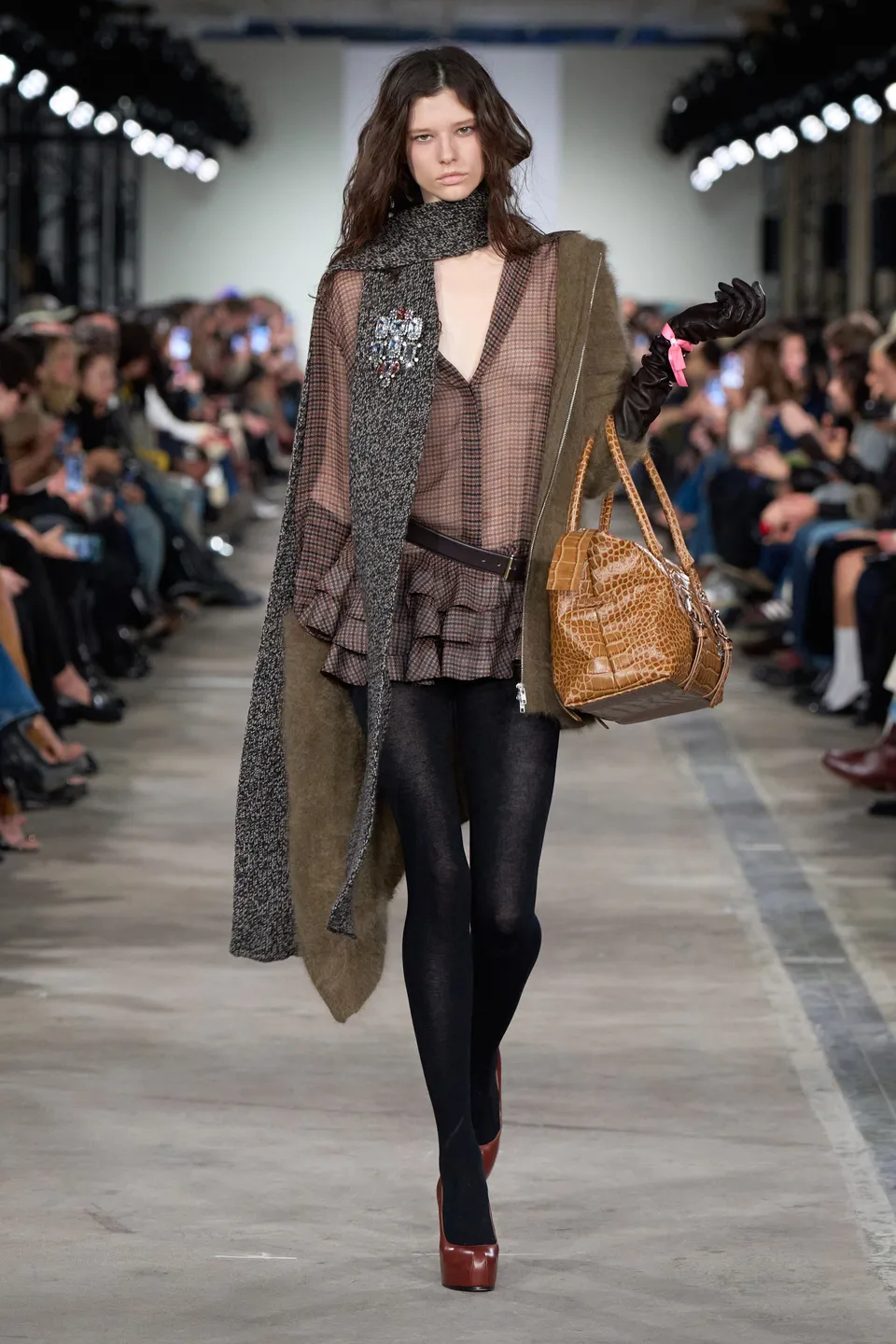
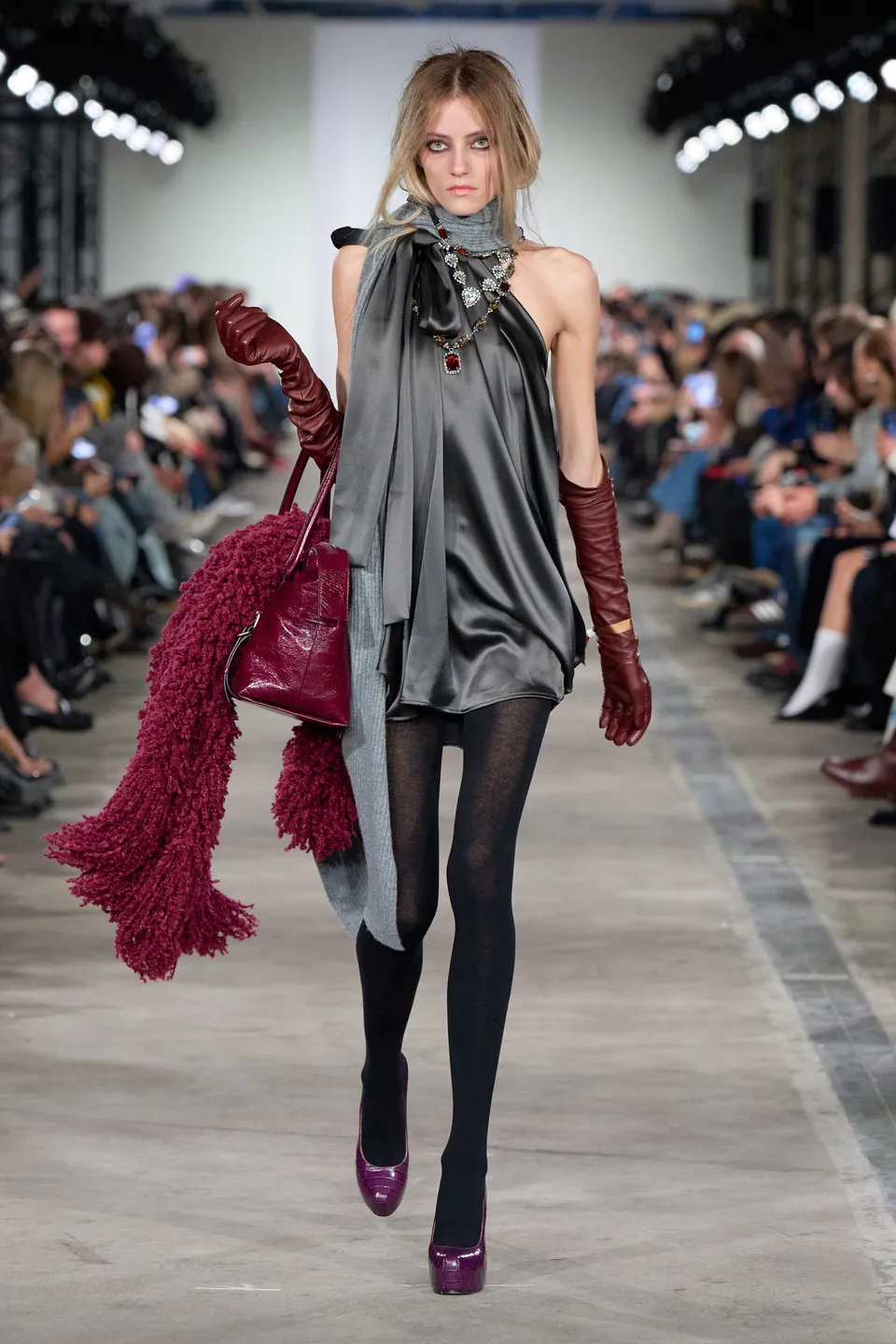
Gen Z, the very demographic driving so much of current fashion consumption, is reportedly engaging in significantly less sexual activity than their predecessors. According to recent surveys, nearly 48 percent of young adults in this cohort are virgins. We are living in an era where dating apps have effectively sterilized the romance and spontaneity of courtship. Getting to know a prospective partner today often feels less like a serendipitous encounter at a crowded dive bar and more like interviewing them for a comprehensive life insurance policy, complete with background checks and algorithmic compatibility scores.
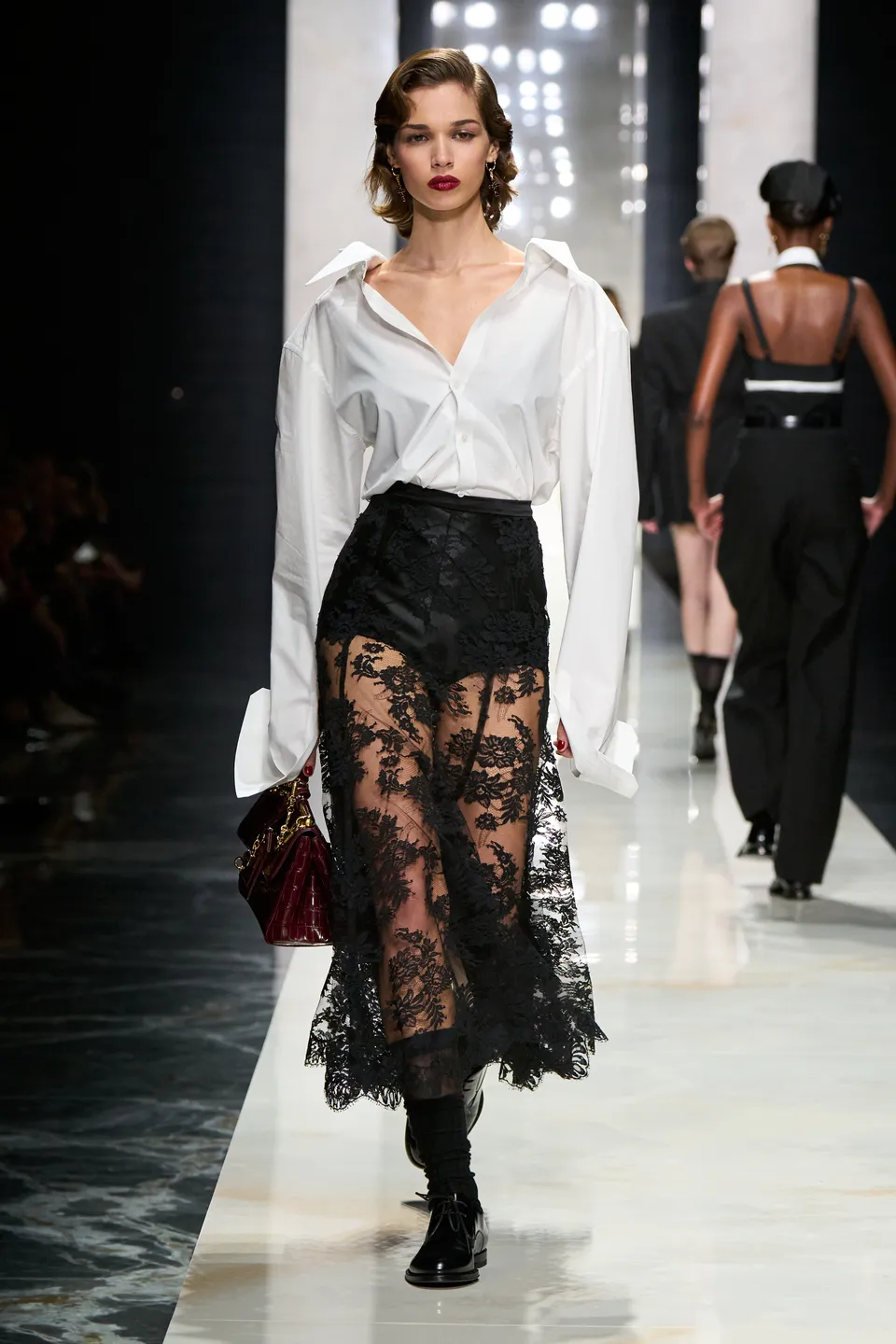
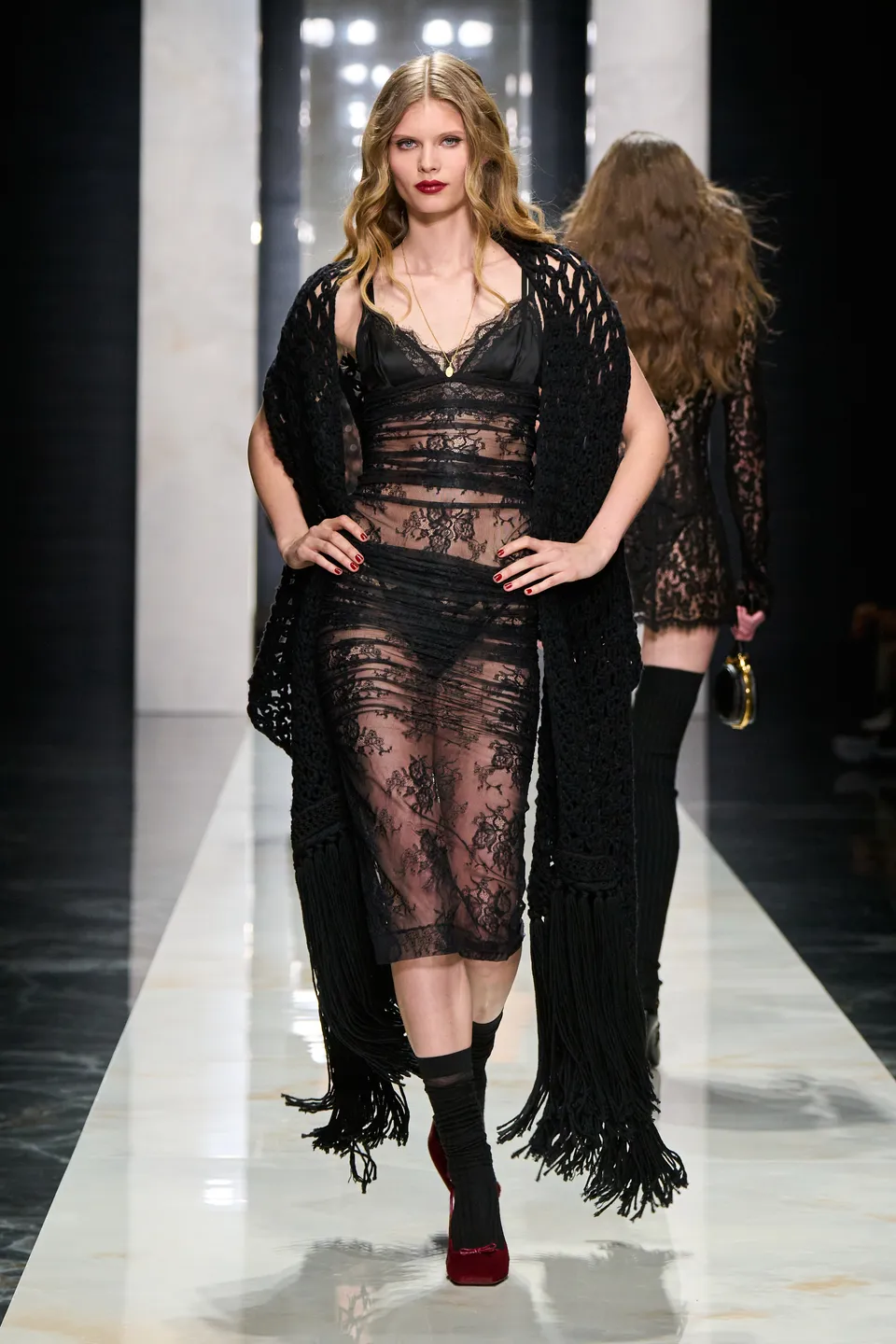
Furthermore, the culture of nocturnal excess has been largely replaced by the altar of wellness. Very few people are genuinely guzzling martinis until 4:00 AM anymore; instead, they are at home meticulously measuring out collagen peptides, tracking their sleep scores on wearable devices, and gulping down mounds of targeted probiotics. The modern evening is curated, controlled, and deeply sanitized.
Therefore, this runway trend of hobbling in heels after a night of under-the-influence, raucous lovemaking is not a reflection of our current reality. Rather, it is a beautifully crafted illusion. It is fashion providing an escapist fantasy for a generation too anxious, too monitored, and too exhausted to actually misbehave. In that sense, walk-of-shame dressing is less a documentary of nightlife than a costume for the kind of chaos contemporary culture has nearly optimized out of existence.
Why, then, does this catwalk version of the morning-after strut feel so incredibly resonant and desirable right now? Why wouldn’t we want to look as if we’ve just emerged from the tangled sheets of a lover’s bed, instead of admitting the truth: that we woke up in matching cashmere sweatpants after a night of swiping endlessly on our phones, entirely alone?
According to sex and dating writer Karley Sciortino, the walk-of-shame aesthetic functions as a potent form of generational nostalgia. It is a sartorial yearning for a bygone era. "The look is romanticizing and being jealous of a period of time that was just inherently more spontaneous and messy," she astutely notes. Sciortino is an authority on this specific brand of chaos; during the heyday of mid-aughts "indie sleaze," she was a fixture of the downtown Manhattan and Williamsburg scenes, living the reality that designers are now attempting to package and sell through walk-of-shame dressing.
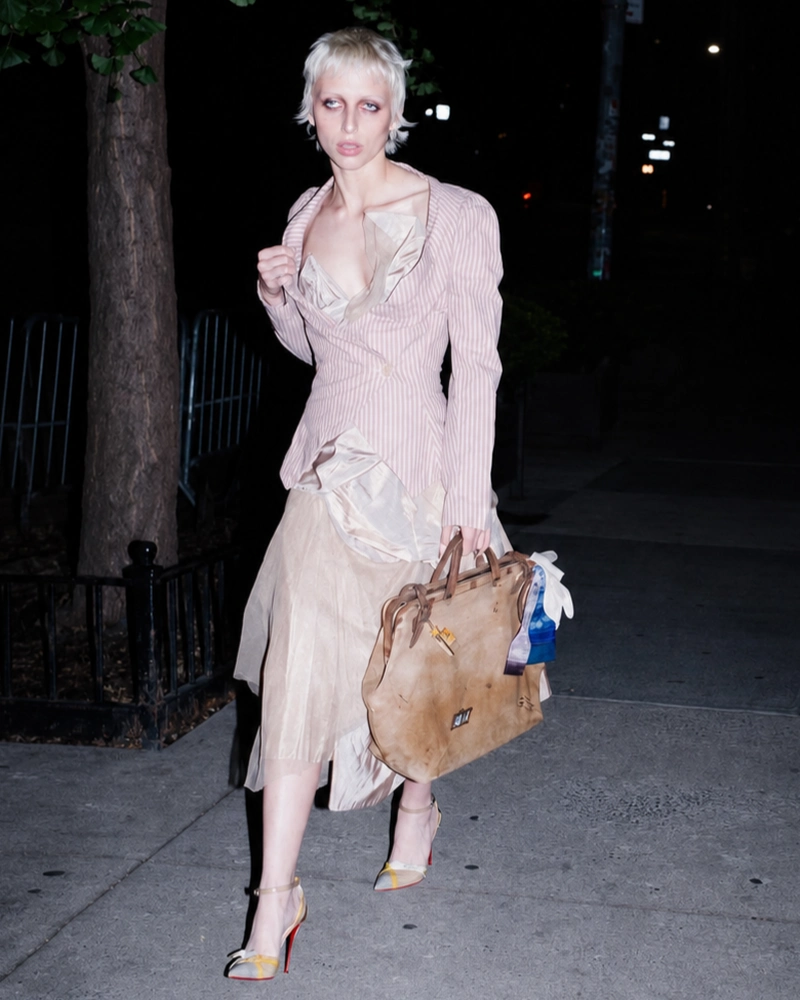
"When I was in my 20s, I had never heard of a skincare routine, and I was using Sharpies as eyeliner," she recalls. "We would go out, get drunk, and not be documenting anything." This is the crux of the matter. We are not just nostalgic for the sex or the parties; we are mourning the loss of the undocumented life. Today, every outfit is a calculated "fit pic," every meal is photographed, and every social misstep runs the risk of becoming immortalized on TikTok.
The idea of waking up in yesterday's clothes represents a time before the panopticon of social media chronicled our every move. The smudged eyeliner and mismatched layers are tangible proof of a life lived in the physical realm, out of sight of the digital eye. This is why walk-of-shame dressing feels oddly radical: it imagines a body that has been somewhere, done something, and returned without needing to provide proof.
Ultimately, the gentle brilliance of this fashion trend lies in its desire for a very specific type of freedom. We are not necessarily asking for a return to Gloria Steinem’s second-wave feminism, but rather seeking an emancipation from the relentless, self-imposed surveillance of modern life. We want freedom from cameras, from ring lights, and from the exhausting pressure of curating a flawless, optimization-driven existence. Looking as if you have been caught proudly slinking home at sunrise is, at the very least, slouching toward that specific, messy liberation.
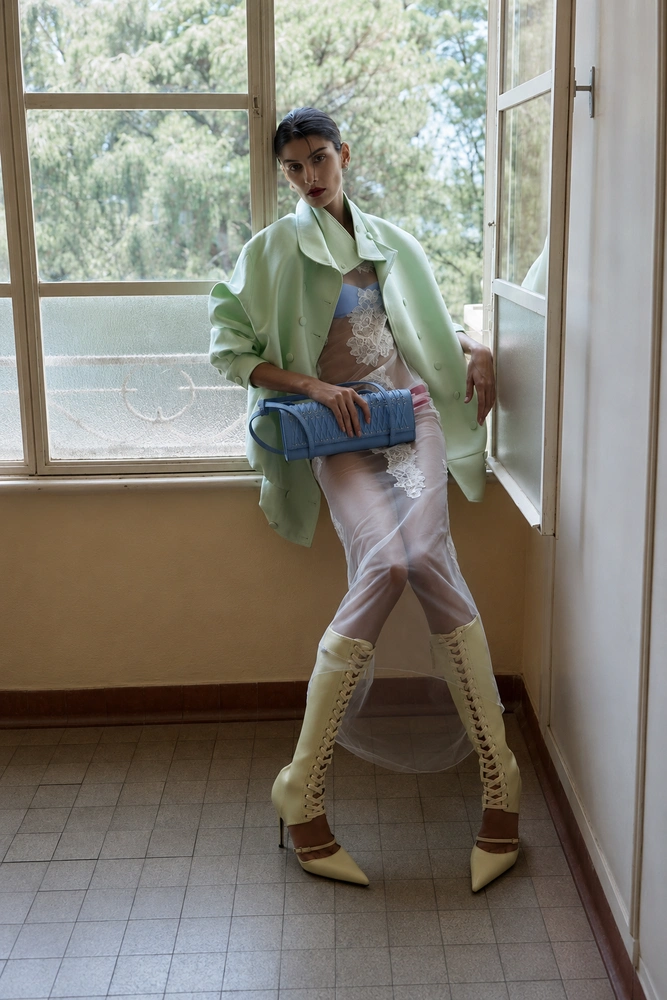
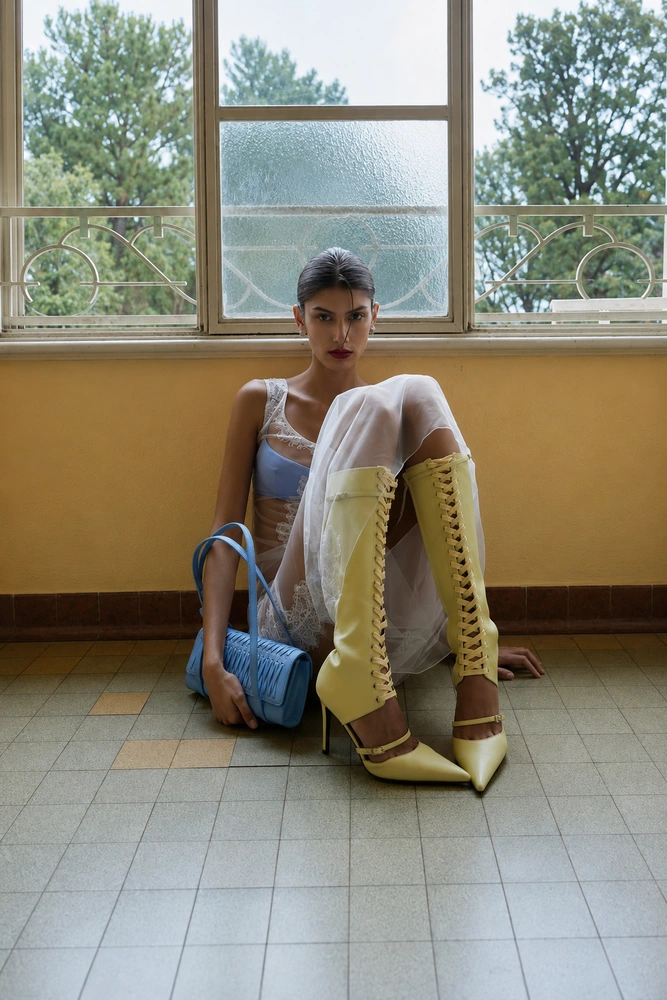
It channels the defiant energy of Madonna in the David Fincher-directed "Bad Girl" music video from 1993. In that cultural touchstone, she plays a high-powered publishing executive who keeps a pristine, nipped-waist Alaïa jacket hanging in her office closet, fresh in a dry-cleaning bag, specifically reserved for those unpredictable mornings after. It is the ultimate power move: preparing for one's own transgressions with impeccable taste.
A look like that completely subverts the narrative. It "transforms what should be, in theory, 'shameful' into something that’s playful," Sciortino observes. "There’s a 'fuck you' to it that is powerful and attractive." And in a cultural landscape obsessed with purity, optimization, and digital perfection, perhaps that is the smartest, most subversive fashion statement one can make.
By wearing our hypothetical indiscretions on our sleeves, or in our sheer tights and oversized borrowed coats, we reclaim the narrative of the morning after. Hey, at least someone is out there getting some, even if it is, for now, only clothes-deep. That is the sly final joke of walk-of-shame dressing: it sells the evidence of a life that may only exist as a fantasy, but still makes the fantasy look irresistible.
Advertisement