Across a bomb-scarred London street, a girl slips her hands into the pockets of an Edwardian coat and meets the camera without ceremony. Teddy Girl style gathers around that gaze, composed and faintly dangerous, as though a generation raised among ruins has already decided who will control the future.
Teddy Girl Style: Edwardian Codes, Streetwise Attitude
Across a bomb-scarred London street, a girl slips her hands into the pockets of an Edwardian coat and meets the camera without ceremony. Teddy Girl style gathers around that gaze, composed and faintly dangerous, as though a generation raised among ruins has already decided who will control the future.
July 27, 2026


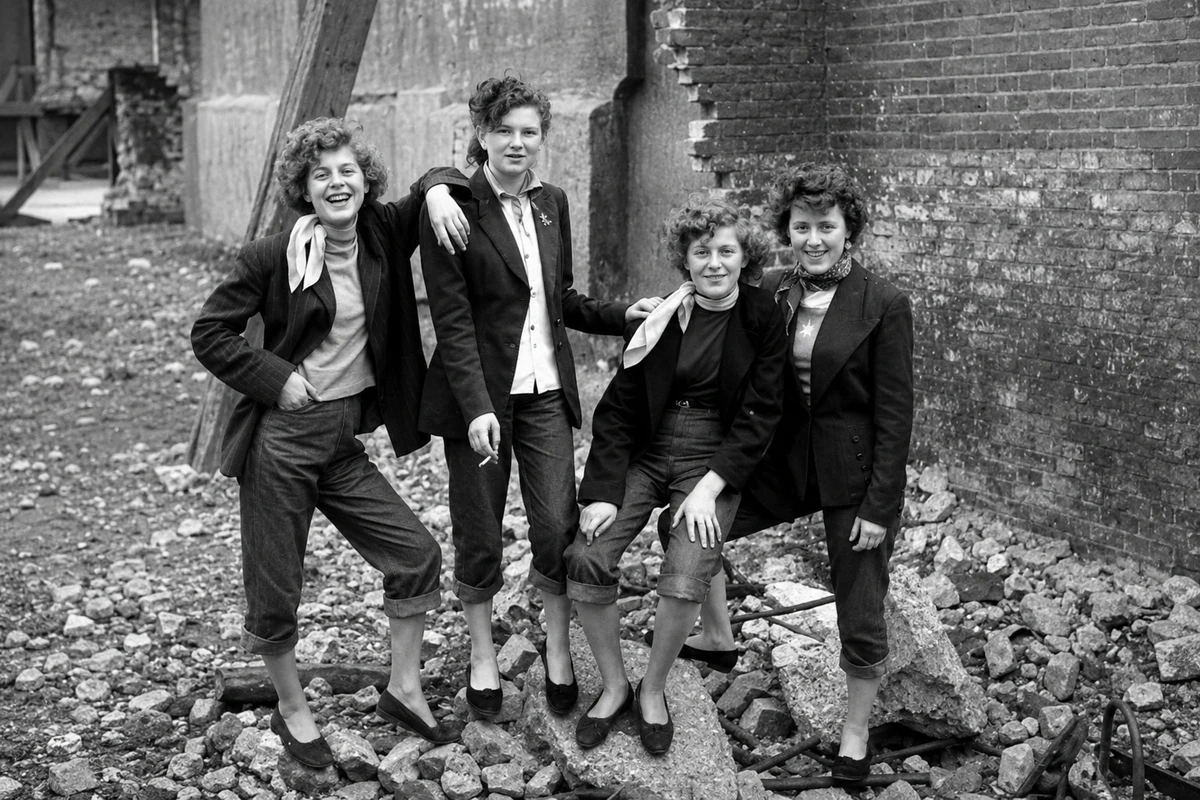
Ken Russell found the Teddy Girls in 1955, standing around fairgrounds, railway arches and the unfinished edges of postwar London. His photographs hold them against a city still rebuilding itself, where formal coats fall over rolled jeans and modest skirts while brogues press firmly into the dirt. Their clothing appears strangely elevated within the landscape, yet their posture strips elegance of every trace of deference.
Known as Judies, these working-class teenagers shared the emerging world of the Teddy Boys while shaping a presence distinctly their own. Neo-Edwardian tailoring gave them an inherited language of status, while boxy jackets and masculine codes carried over from wartime dress lent the image a faint military restraint. Drawn into the orbit of wages, second-hand clothing and friendships formed beyond adult supervision, refinement became something young women could claim through taste and attitude.
Teddy Girl style cuts through the polished femininity commonly associated with 1950s fashion. Its power rests in a quieter kind of confrontation, carried through lowered shoulders, guarded expressions and clothes worn with the ease of personal possession. These girls occupied the frame without performing sweetness for it, turning respectability into an image edged with independence.
Russell’s photographs preserved only a small part of their world, though each image carries the force of a history that nearly passed unseen. The Judies stand before the camera as authors of their own appearance, already fluent in a future that British culture had barely learned to recognise.
London Still Wore the Scars of War
The first Teddy Girls came of age in Britain still marked by wartime austerity. Bomb sites remained part of London’s geography, rationing continued into the early 1950s, and working-class teenagers entered employment early within a society where accent, address and clothing could announce one’s place before a conversation had begun. Against that landscape, youth was slowly becoming visible as a social identity with money, music and tastes distinct from the adult world.
The clothes that gave the movement its name had travelled downward through the class system. After the Second World War, Savile Row tailors revived long Edwardian jackets for wealthy male clients, drawing on an earlier language of elegance shaped by fitted waists, elongated lines and velvet collars. Working-class boys adapted the look through drainpipe trousers, crepe-soled shoes and American influences, carrying aristocratic polish into cafés, dance halls and neighbourhood streets until “Edwardian” shortened into “Teddy.”
Young women entered the same British youth subculture on their own terms. Many spent their weekdays in factories, shops or offices, then used their wages to assemble wardrobes through second-hand discoveries, altered garments and carefully chosen accessories. An expensive-looking jacket could therefore carry a different kind of status, earned through work and personal judgement rather than inherited position.
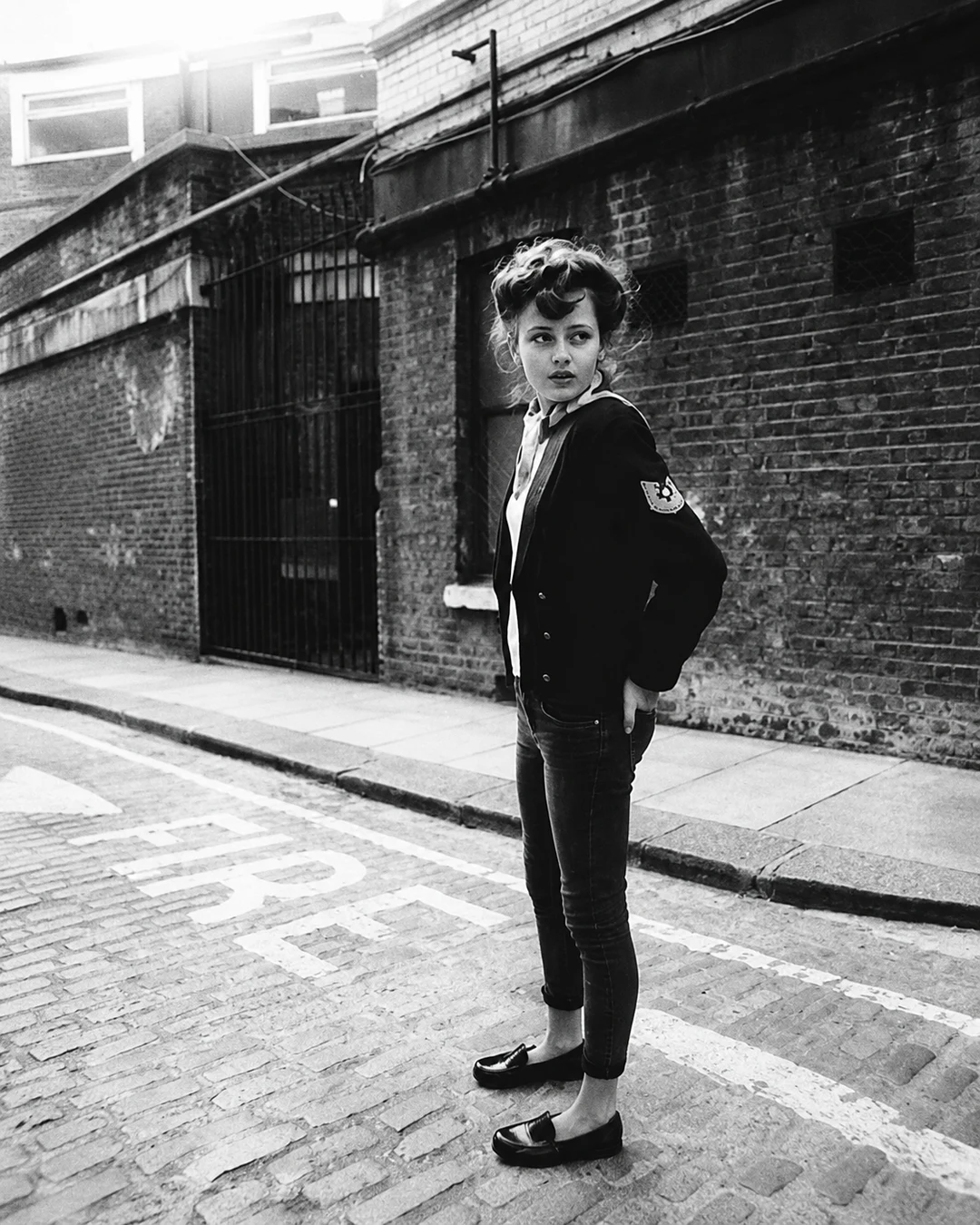

Teddy Girl style gave those clothes a sharper social charge. Tailoring associated with wealthy men now framed the bodies of teenage girls whose futures were expected to remain practical and contained, while denim and flat shoes drew that elegance back toward the realities of working life. Their image held several worlds at once, joining Edwardian refinement to postwar scarcity and the guarded independence of girls learning how far a wage packet and a close circle of friends might carry them.
By the time newspapers noticed the Teds, headlines often concentrated on male violence and moral panic, leaving the Judies at the edge of the story. Yet they had already performed a quiet act of cultural possession, taking a style shaped by privilege and wearing it across the damaged ground of a city that had rarely imagined such elegance belonging to them.
Edwardian Precision Met the Working Street
Teddy Girl style drew its force from the collision between inherited elegance and everyday practicality. Long jackets created the central line, their shaped waists and velvet collars carrying echoes of Edwardian tailoring, while rolled jeans, narrow skirts and plain knits grounded the image of postwar working life. The combination gave refinement a tougher edge, as though the polish of Savile Row had passed through factory floors, second-hand shops and wet London pavements before reaching the girls who made it their own.
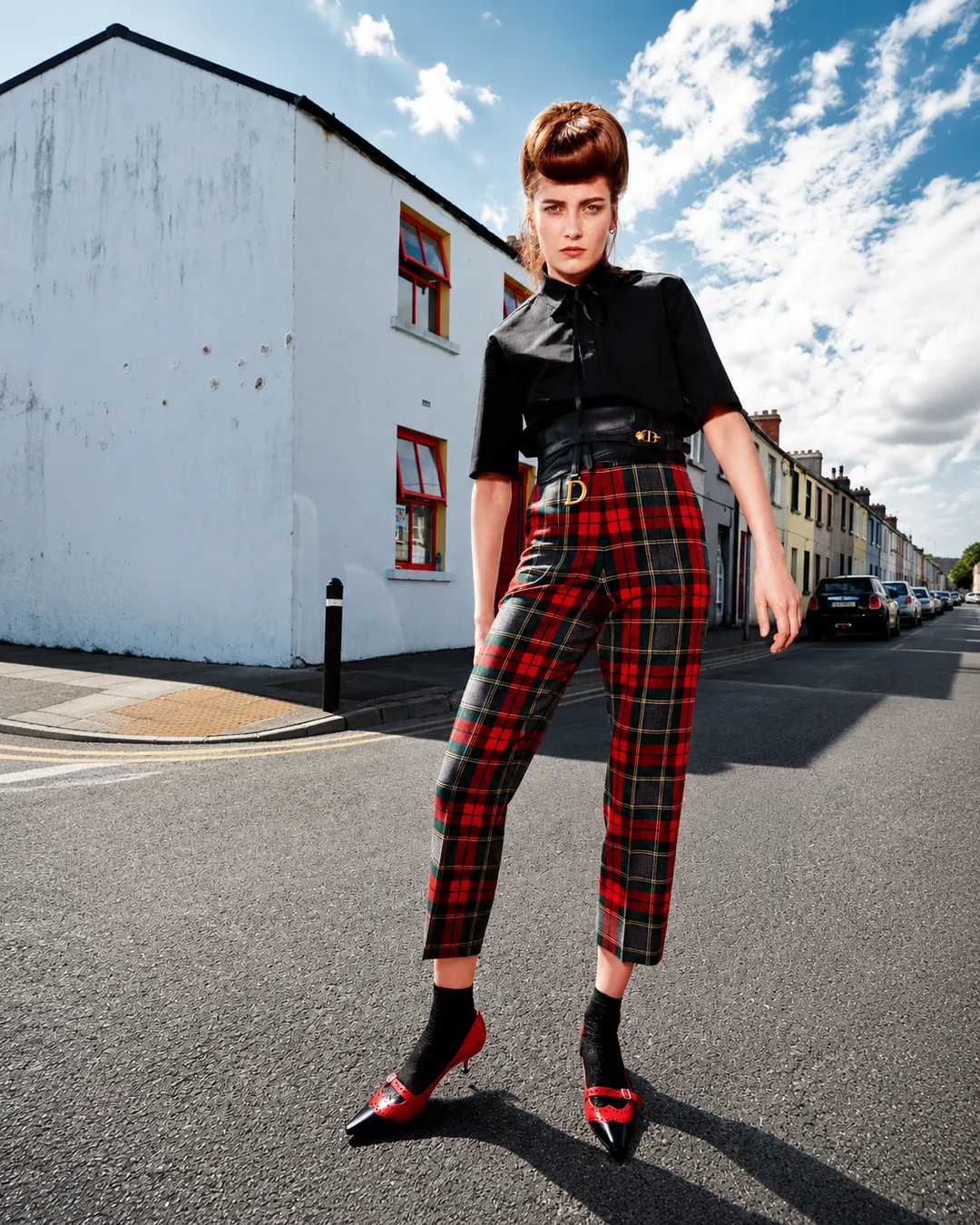
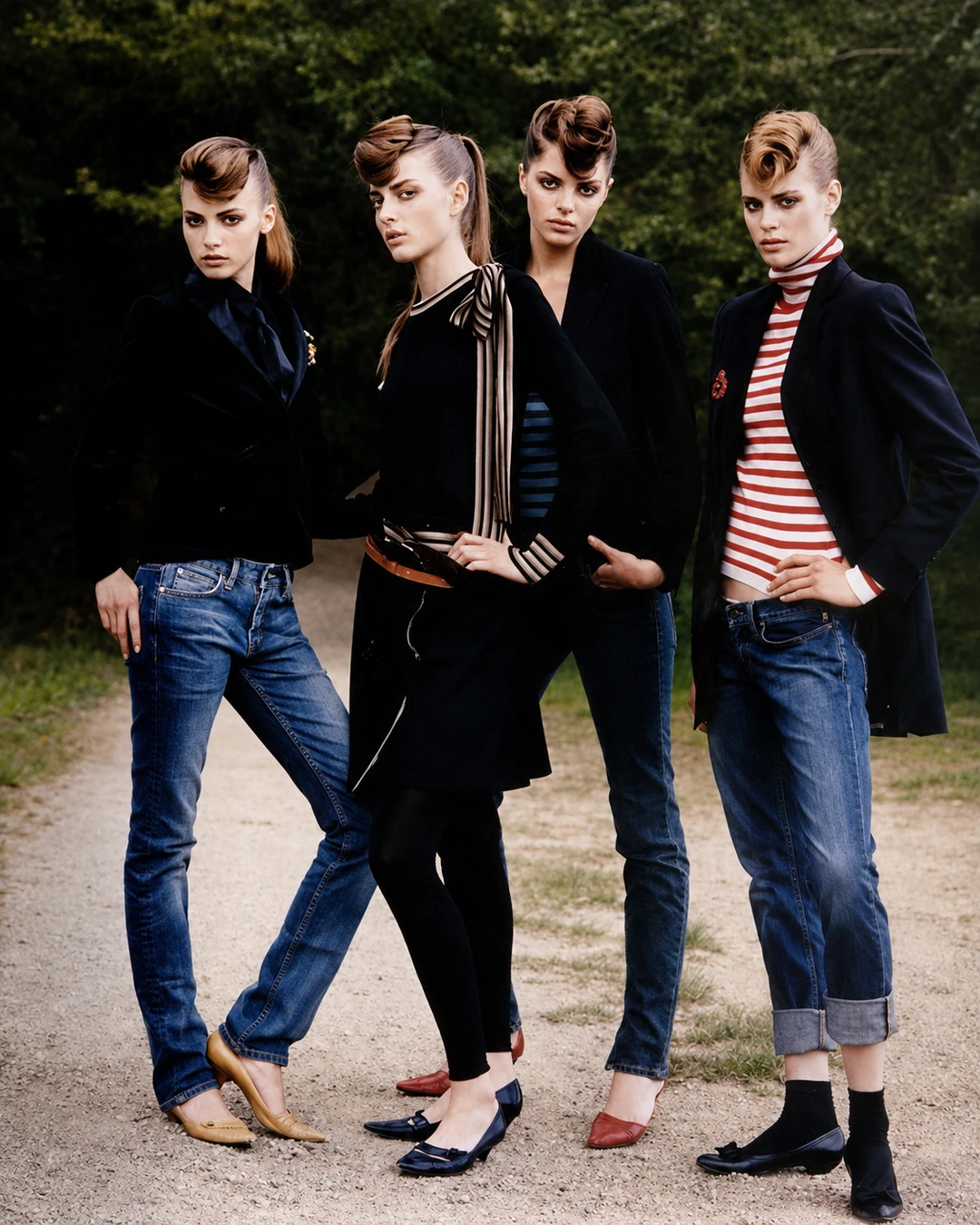
The clothes rarely relied on a perfect, head-to-toe uniform. One carefully chosen coat could hold the entire look together, especially when paired with pieces already worn into the rhythms of daily life. Brogues and loafers kept the step low and steady, while scarves, brooches and small handbags added a quieter femininity that never softened the overall attitude. Each element appeared useful enough for the street, yet deliberate enough to signal that the wearer had chosen every detail with care.
That balance separated the Judies from the polished ideals surrounding mainstream 1950s fashion. While the New Look promoted sculpted waists, full skirts and domestic elegance, Teddy Girls built a more guarded image through tailoring, flat shoes and clothes that allowed them to move with ease. Their femininity came through composure, shaped by posture, self-possession and the confidence of wearing traditionally masculine codes without surrendering individuality.

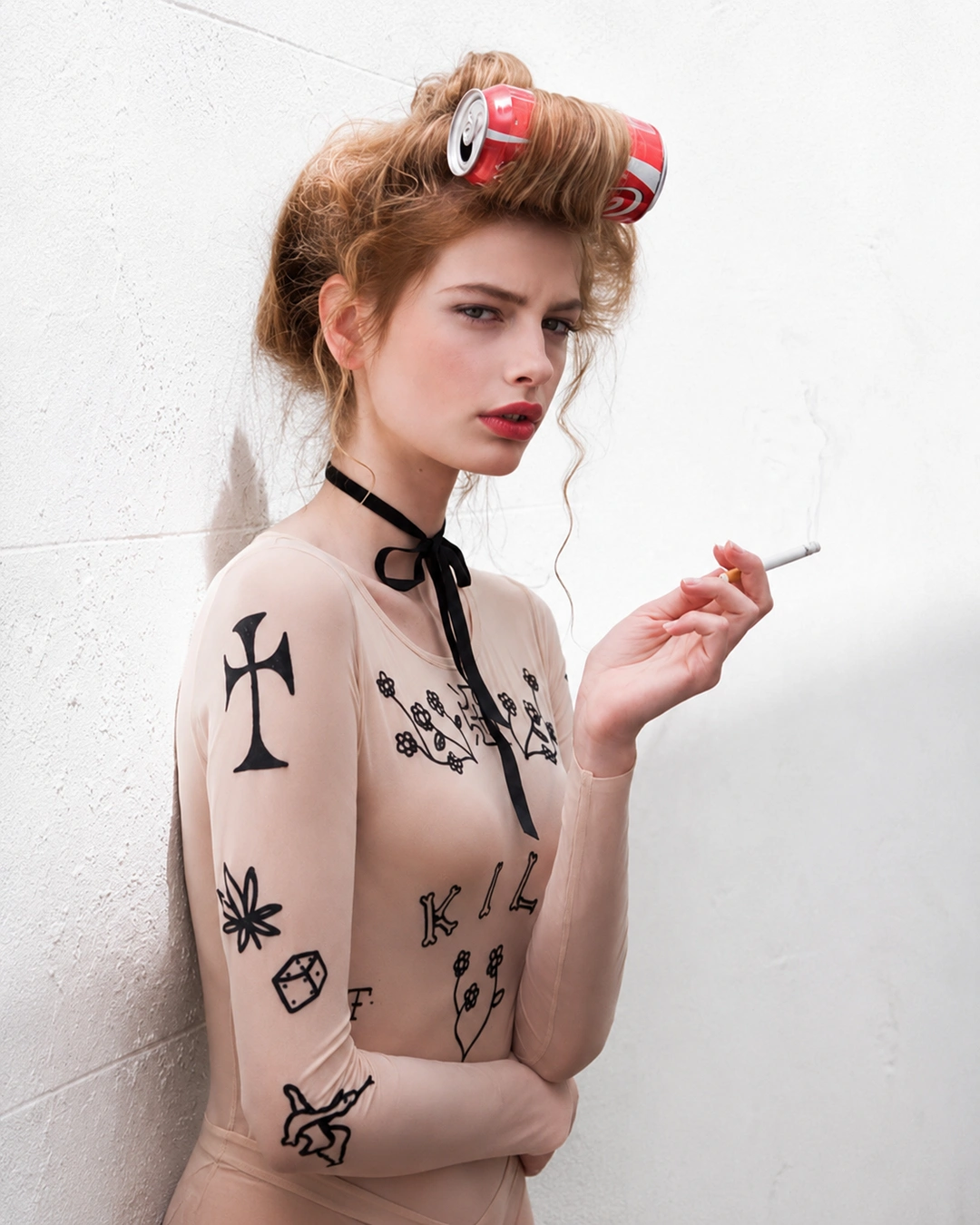
Second-hand clothing and personal alteration deepened the style’s character. A jacket might be reshaped, a collar changed, or a familiar garment paired in a way that shifted its original meaning, allowing limited resources to produce a wardrobe with unmistakable identity. Such choices gave Teddy Girl style its sharpest tension, since clothes associated with privilege and respectability were worn by girls whose social position offered little of either.
Edwardian precision gained a new authority beside worn denim and bomb-scarred streets, where formality no longer belonged exclusively to wealth or tradition. In the hands of the Judies, elegance became something built through taste, resourcefulness and the confidence to wear it as their own.
Respectability Acquires a Dangerous Look
Teddy Girl style carried rebellion through composure. Its girls rarely needed spectacle, since the precision of a long coat, the stillness of a guarded expression and the confidence of occupying public space already unsettled the expectations surrounding working-class femininity. Respectability remained visible on the surface, though it had slipped beyond adult control.
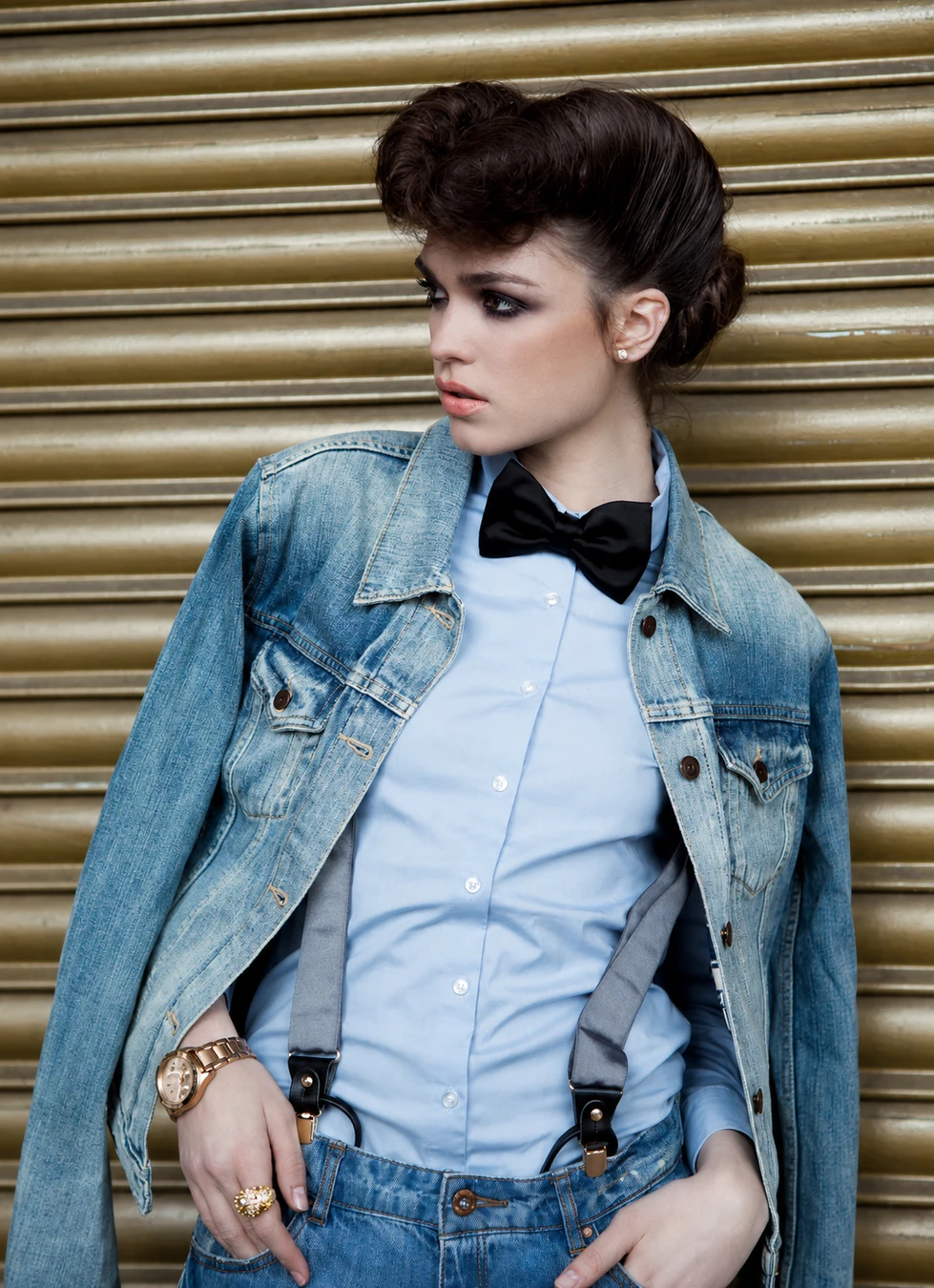
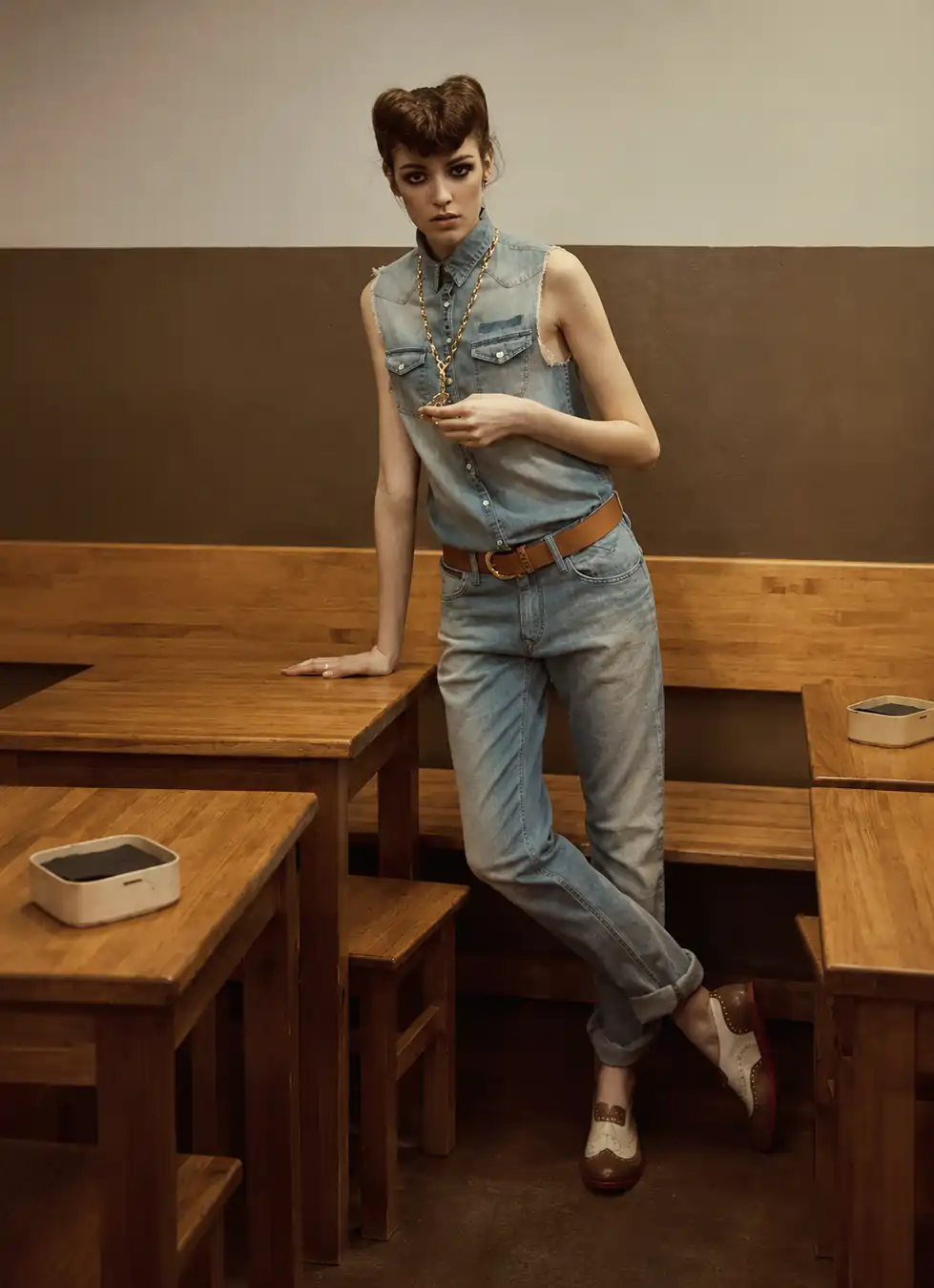
For many Judies, youth arrived alongside wages, factory shifts and the pressure to become practical before adulthood had fully begun. Clothing opened a private territory within that routine. Money earned through work could be turned into a coat, a scarf or a pair of shoes chosen for pleasure and recognition, allowing taste to become one of the few parts of life they could shape without permission. The wardrobe carried effort, loyalty and the exhilaration of belonging to a circle whose codes were shared among friends rather than handed down by family or class.
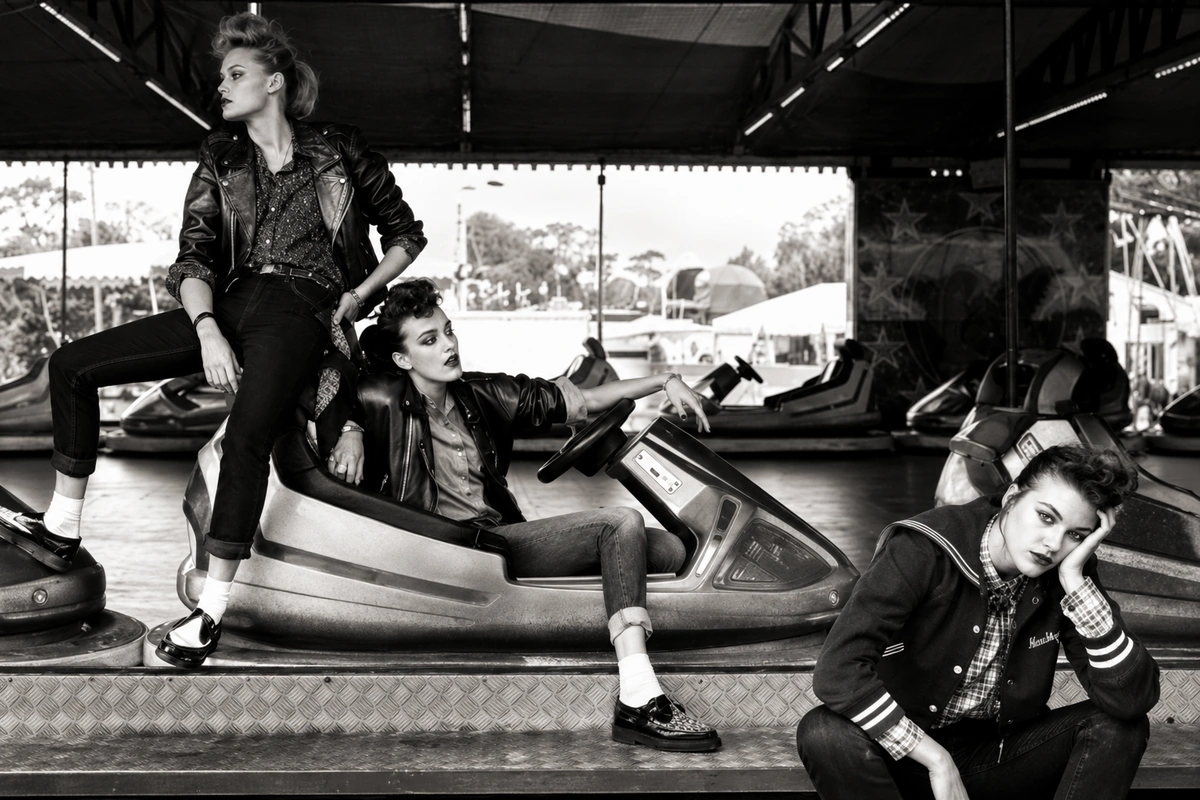
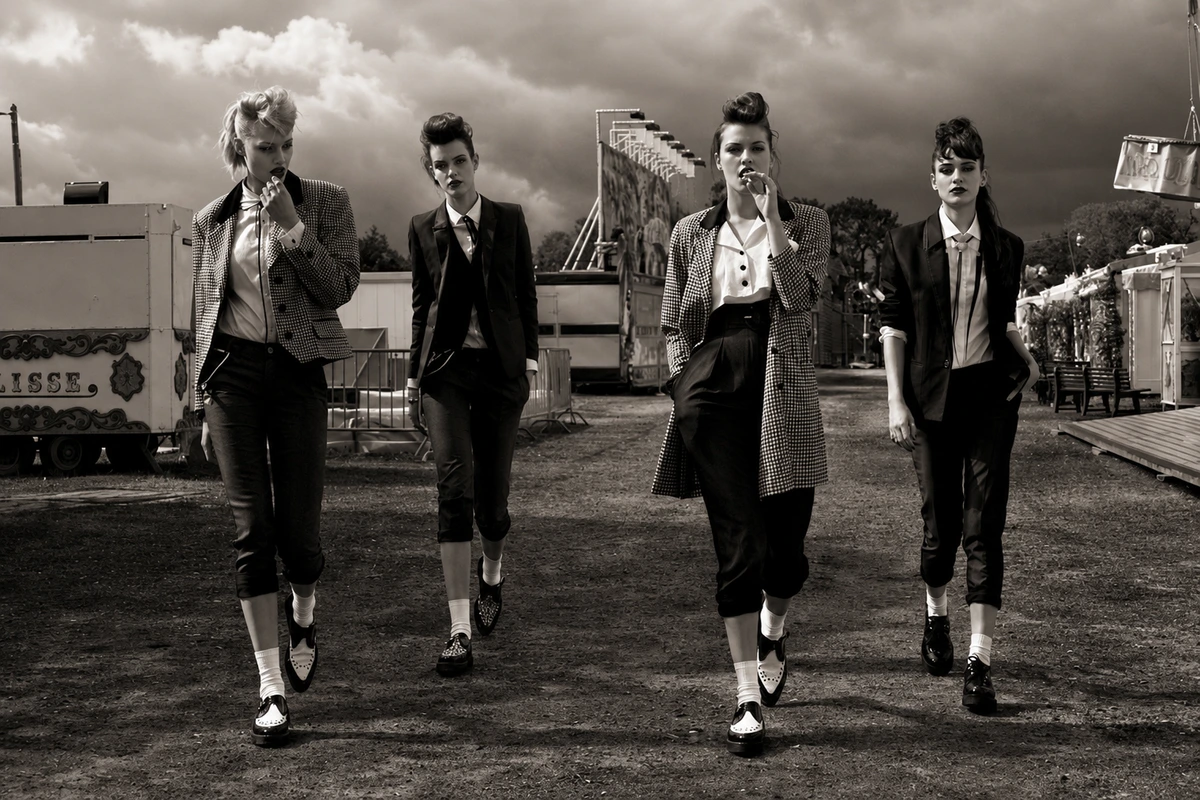
Their femininity lived in the way they stood together, watched one another and moved through streets that offered young women little room for aimlessness. A day spent with friends could become its own declaration, especially in a culture that treated female independence as temporary, suspicious or available for correction. The Judies made leisure visible and turned friendship into a form of protection.
Within this British youth subculture, Teddy Girl style gave elegance a sharper emotional register. Refinement could carry boredom, pride, defiance and the quiet thrill of being seen on one’s own terms. These girls appeared composed because composure itself had become power, holding the world at a careful distance while their lives, ambitions and loyalties remained entirely their own.
Fashion Reclaimed a Forgotten Female Rebellion
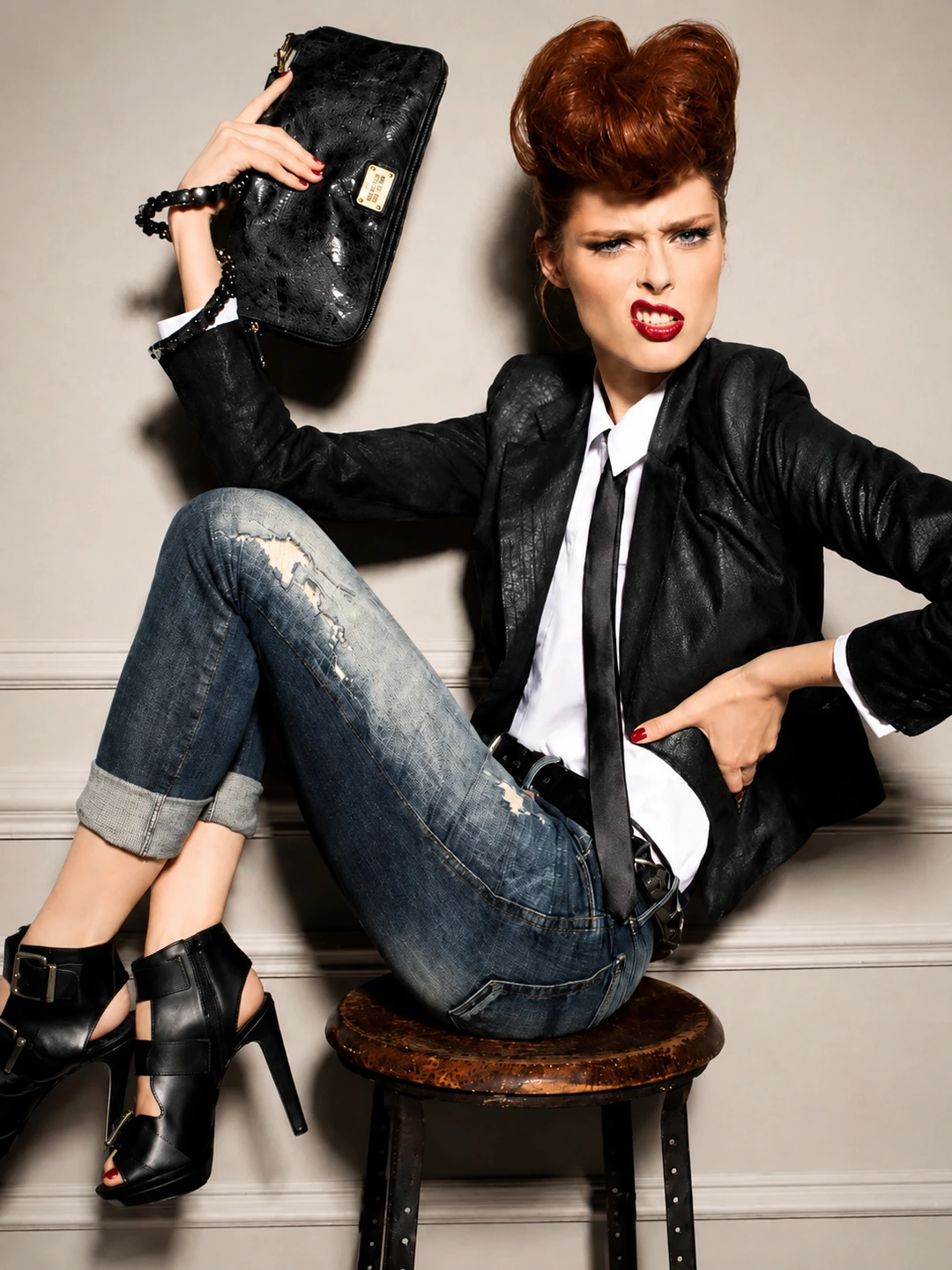
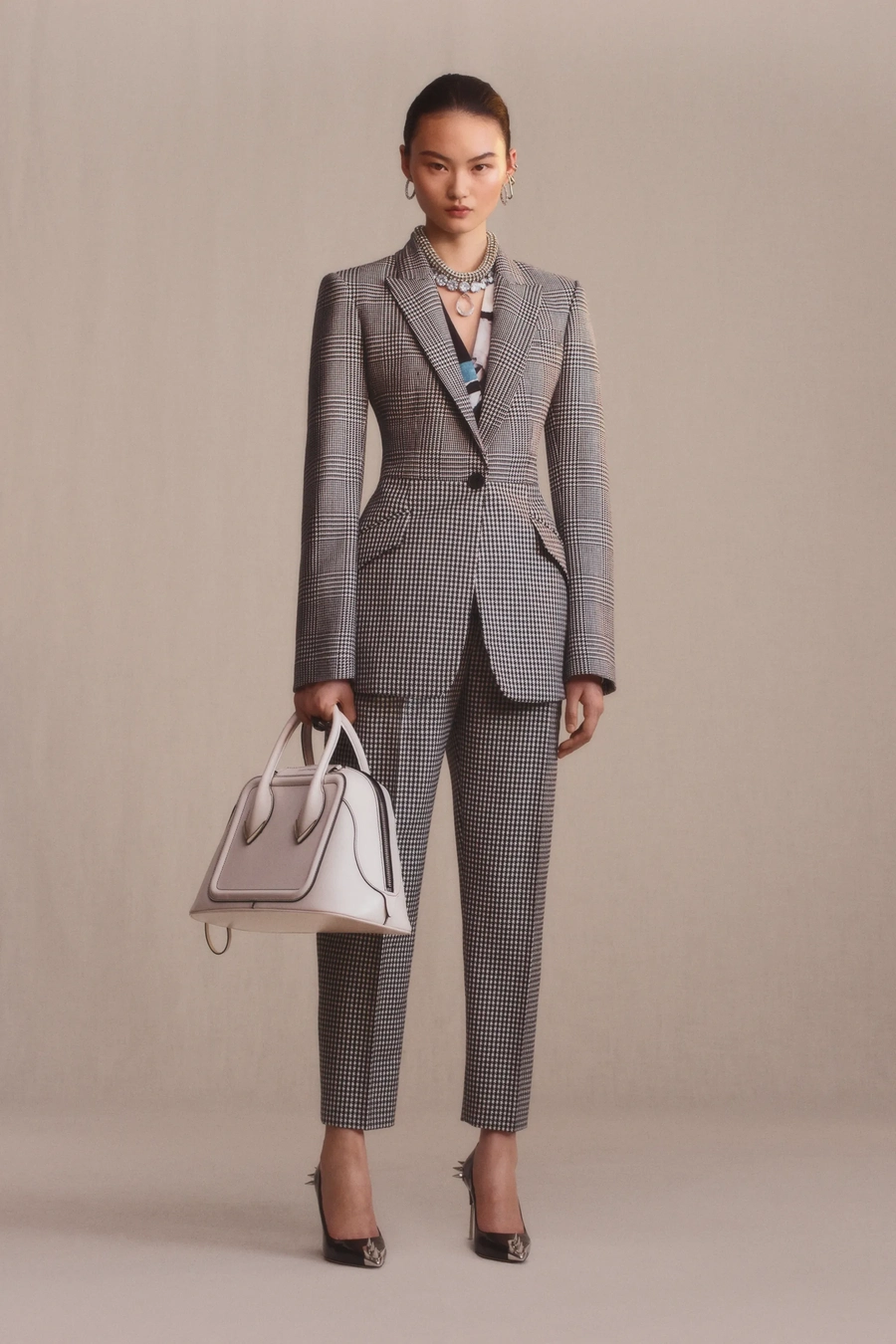
Teddy Girl style enters contemporary fashion through a tension between polish and resistance. Each house holds onto the same postwar attitude while shifting its weight toward couture, streetwear, craft or stripped-back tailoring.
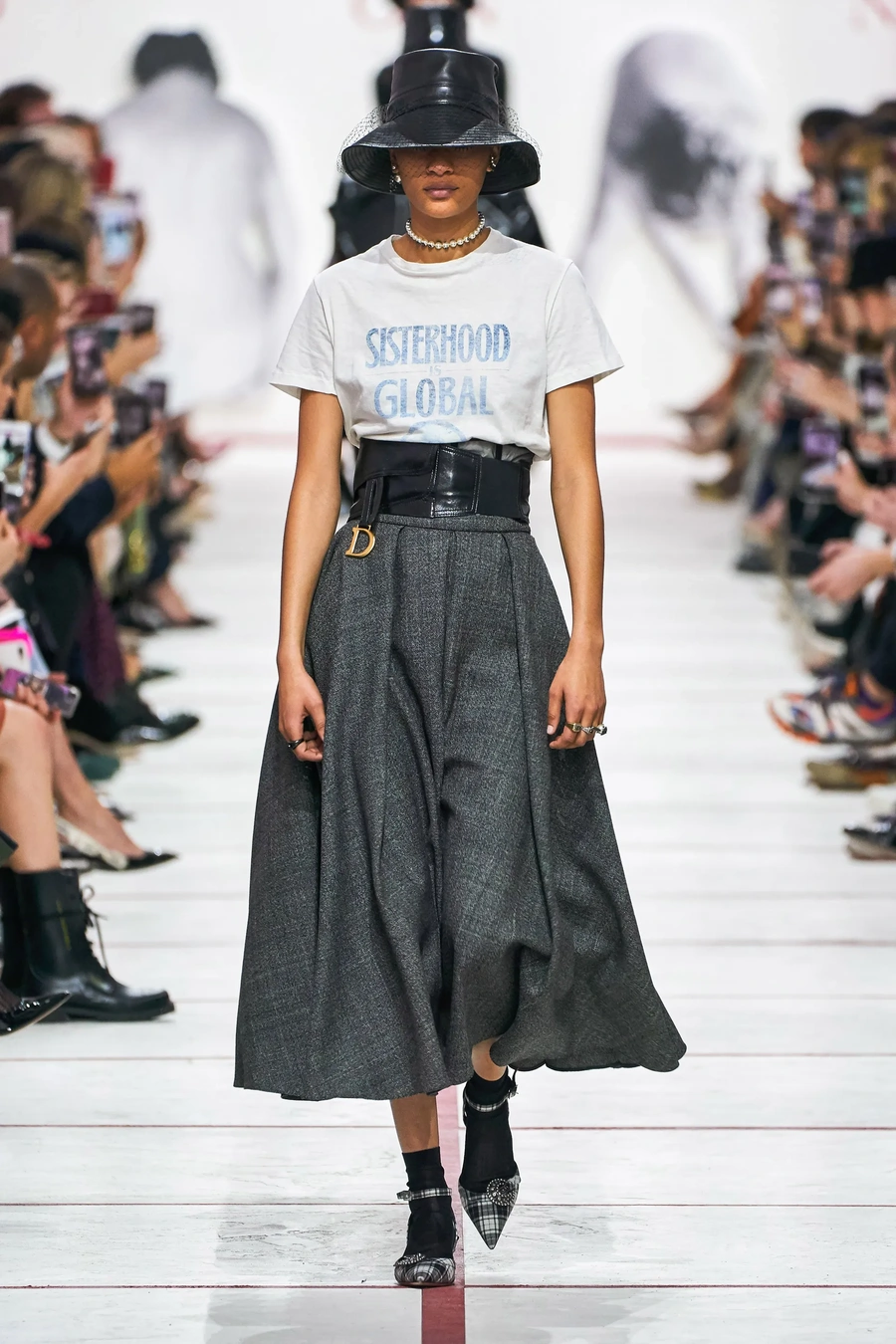
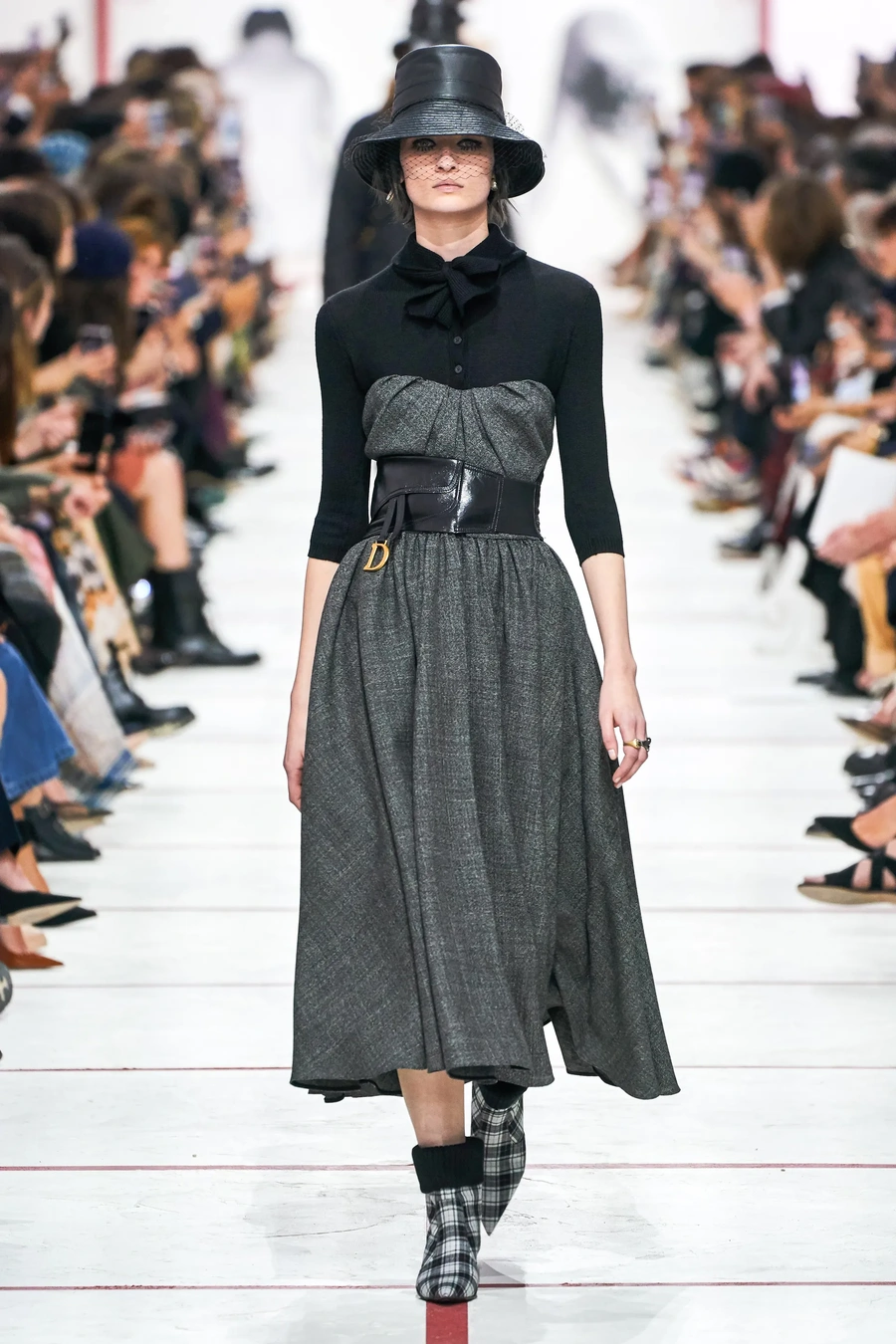
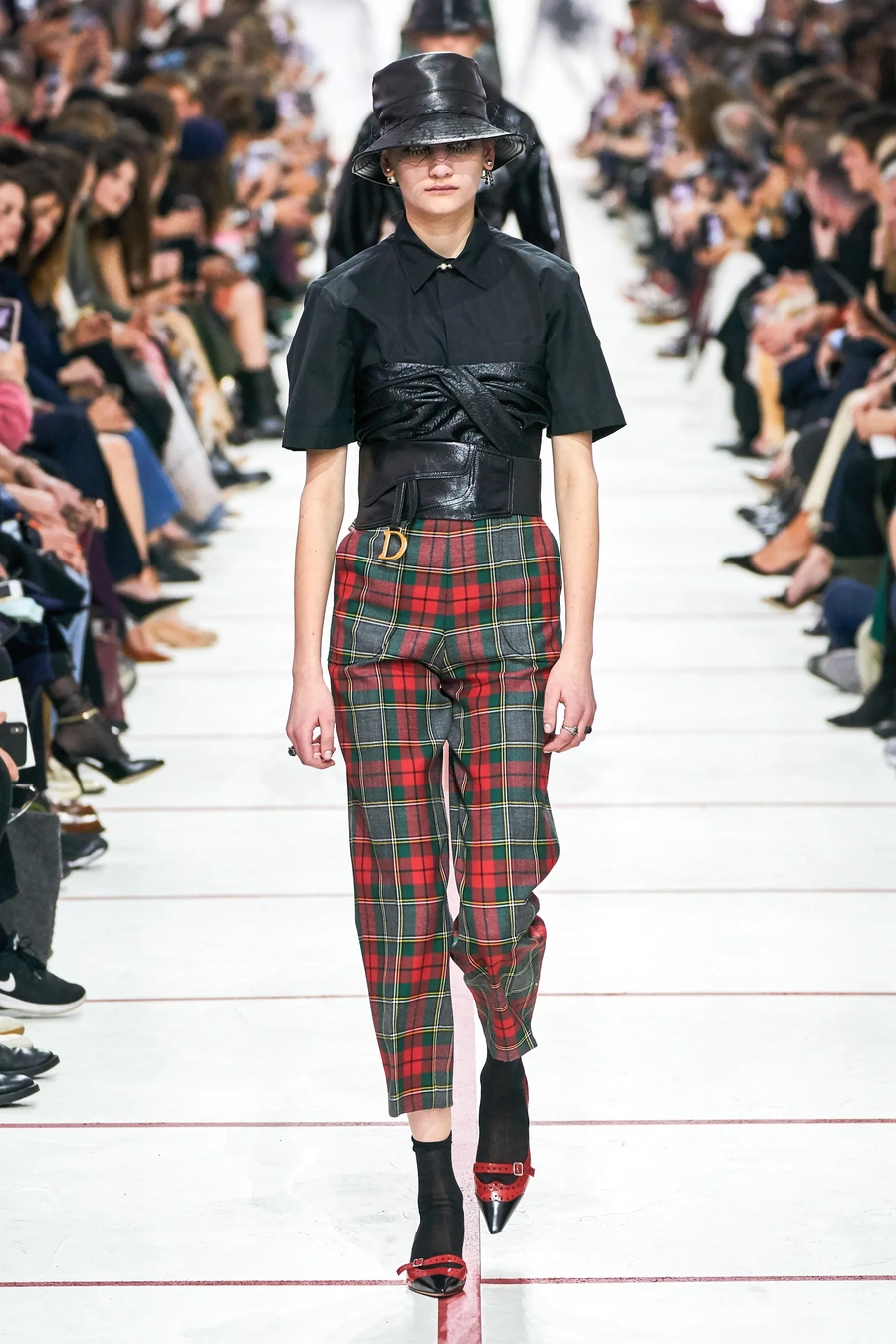
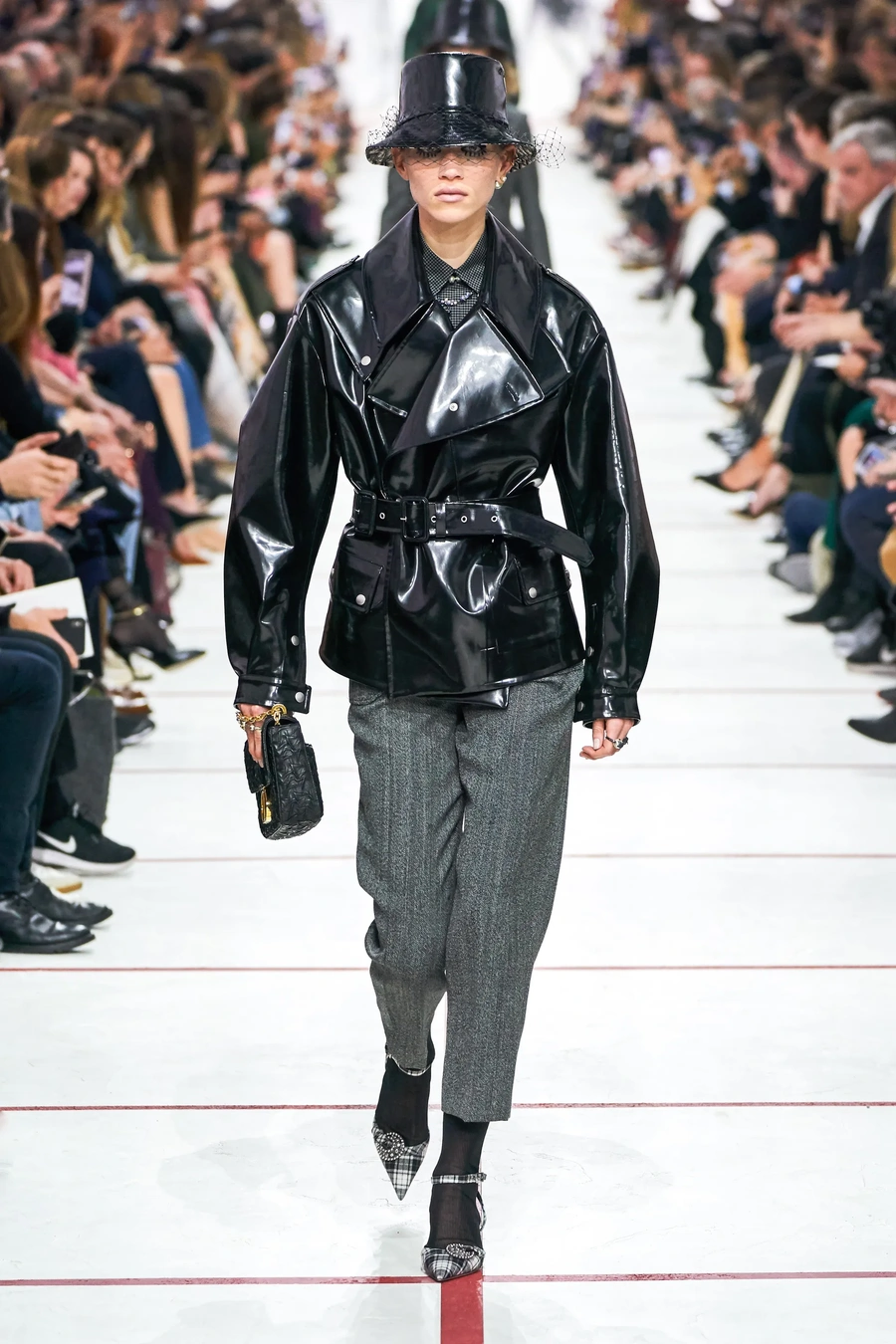
Dior places the Judies inside a grand fashion institution, surrounding their Edwardian coats, tartan and denim with the discipline of couture. The working-class codes remain visible, though their defiance acquires a more ceremonial scale.
Anteprima sharpens the look through urban restraint, using compact tailoring and controlled proportions to bring its rebellion closer to modern city life. The elegance appears cool and self-contained, carrying the guarded confidence found in the original British youth subculture.
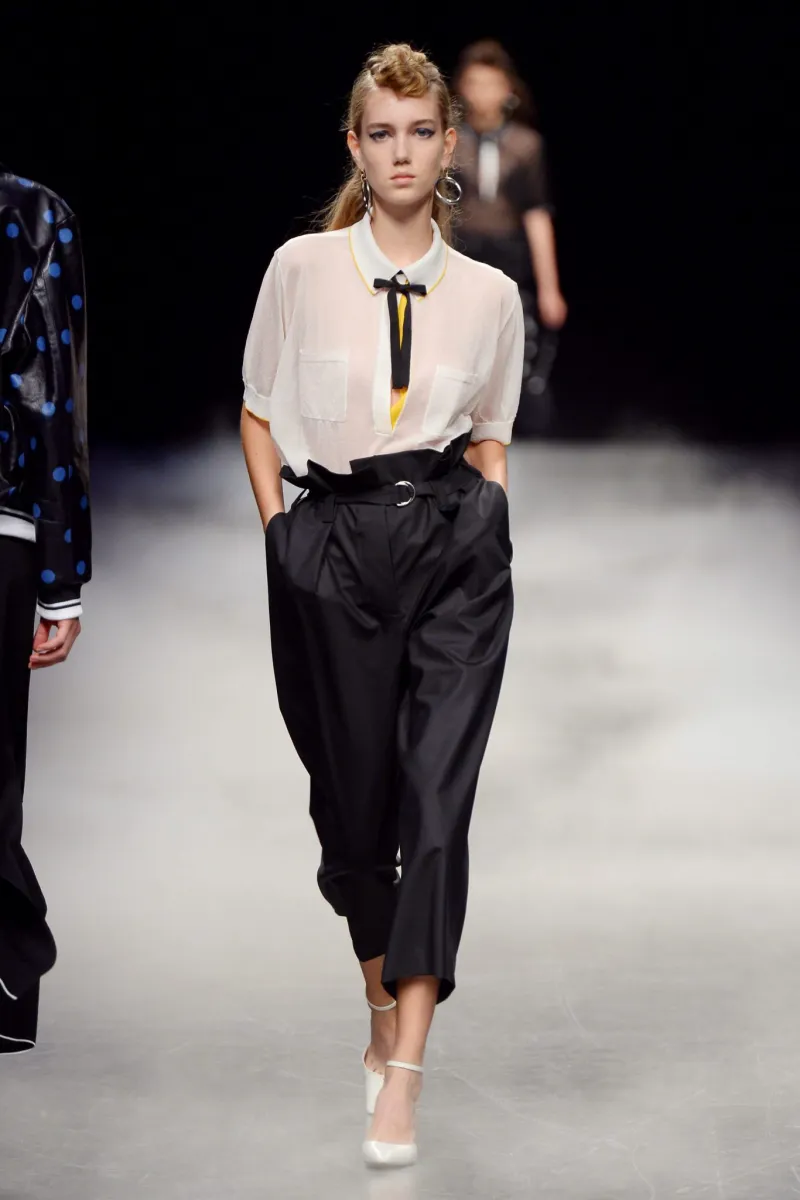
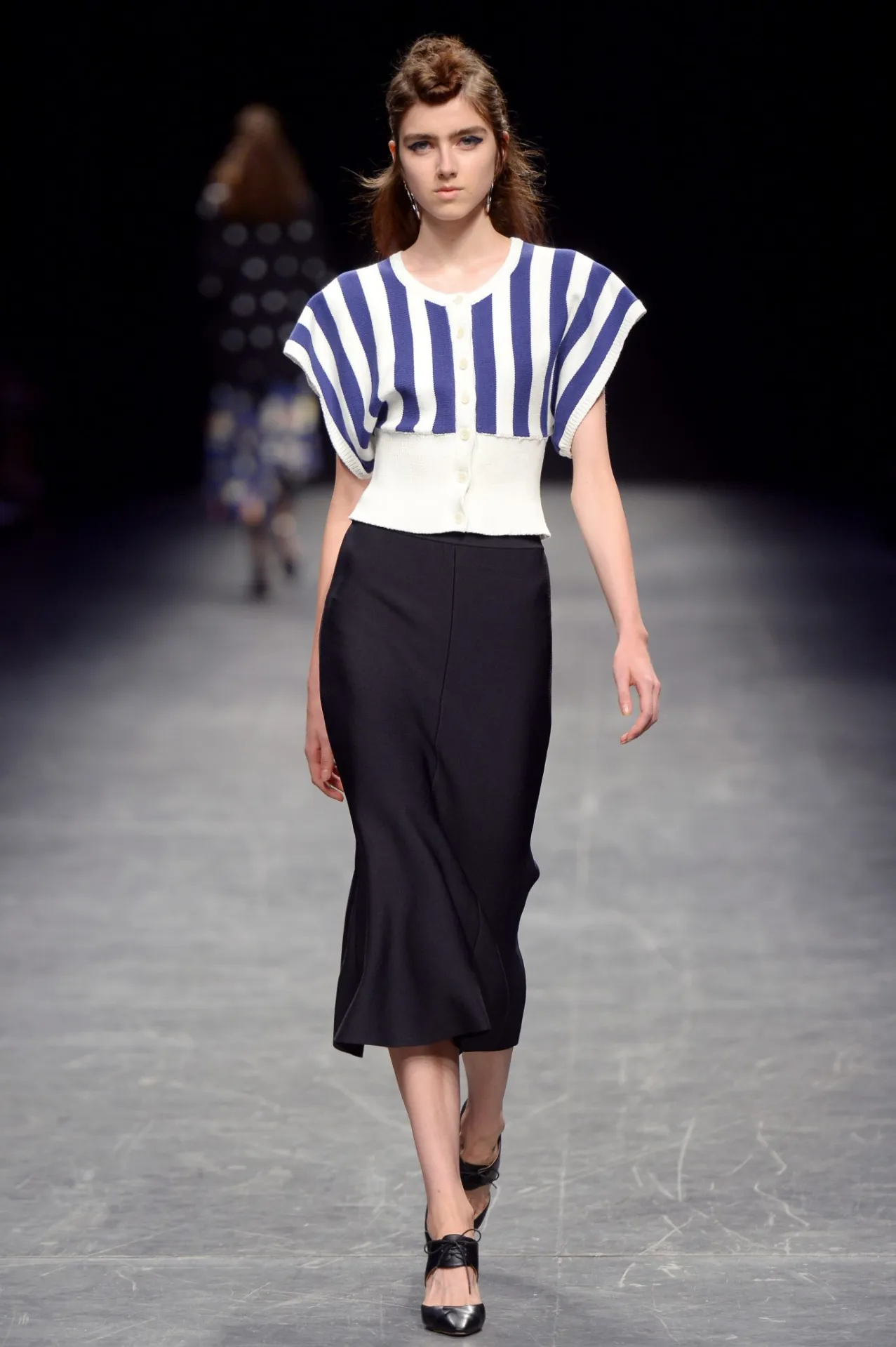
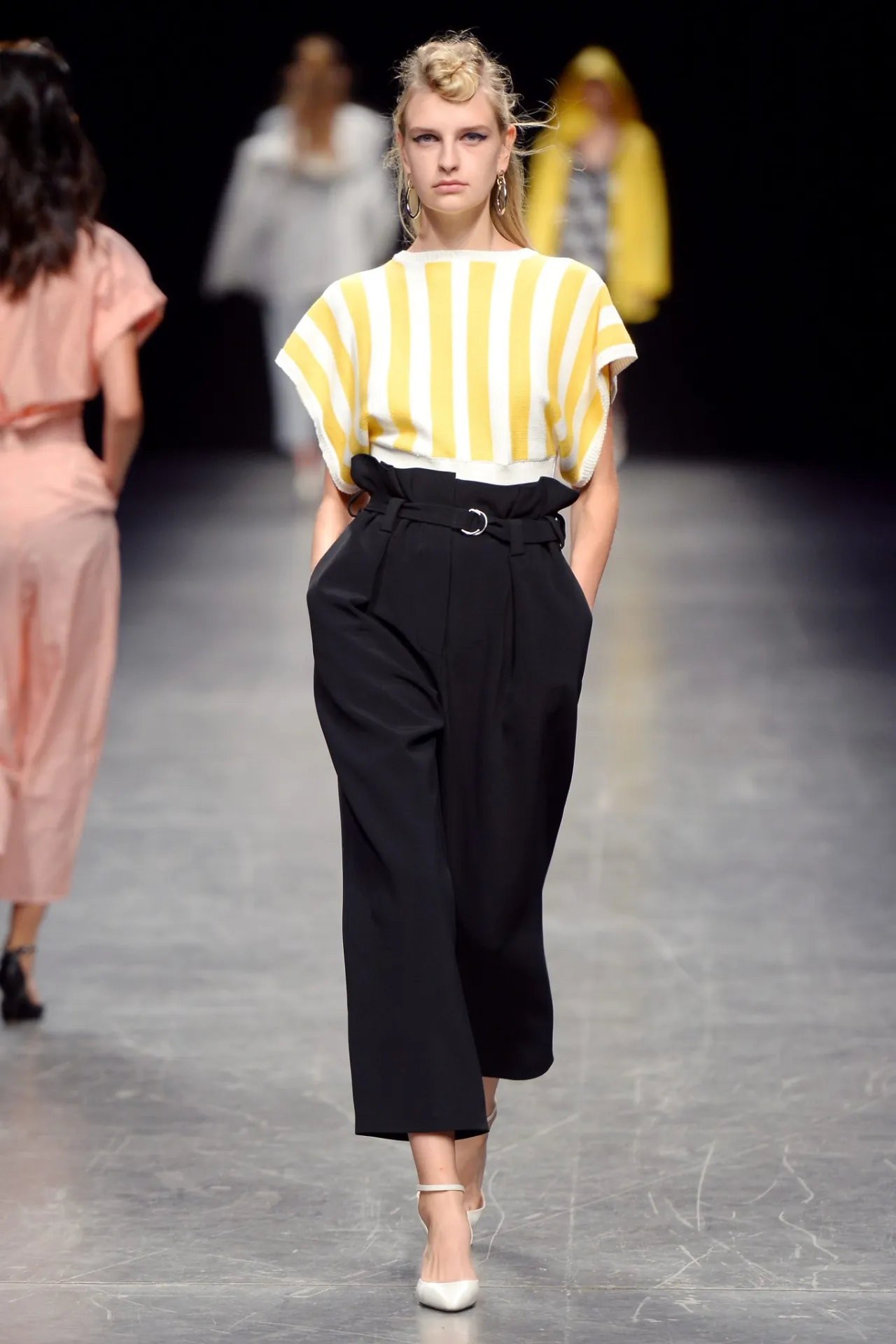
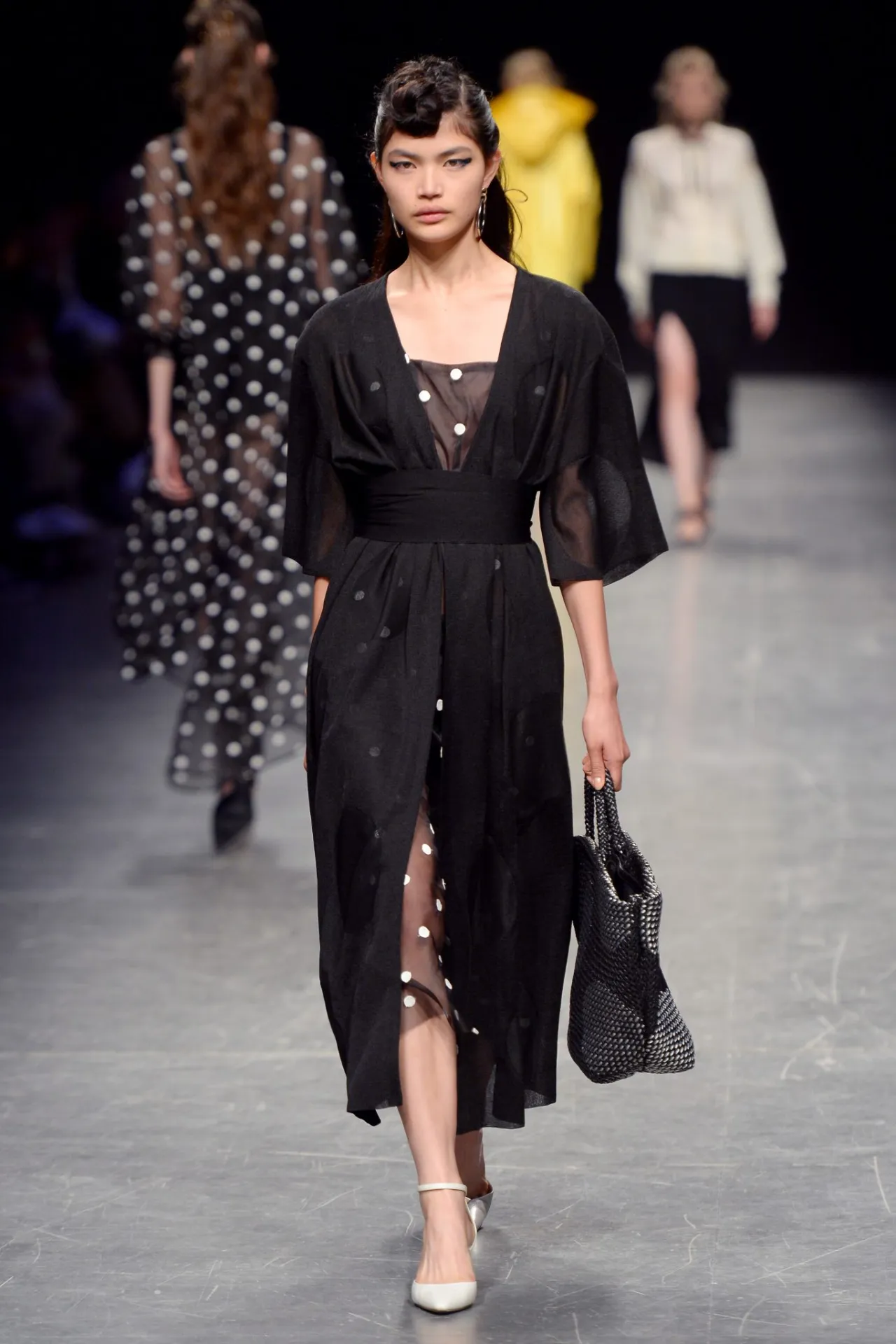
Ace & Jig approaches Teddy Girl style through woven texture, layered pattern and softer dandyism. Handcrafted surfaces give the clothes warmth without dissolving the independence held in their ties, high collars and borrowed menswear proportions.
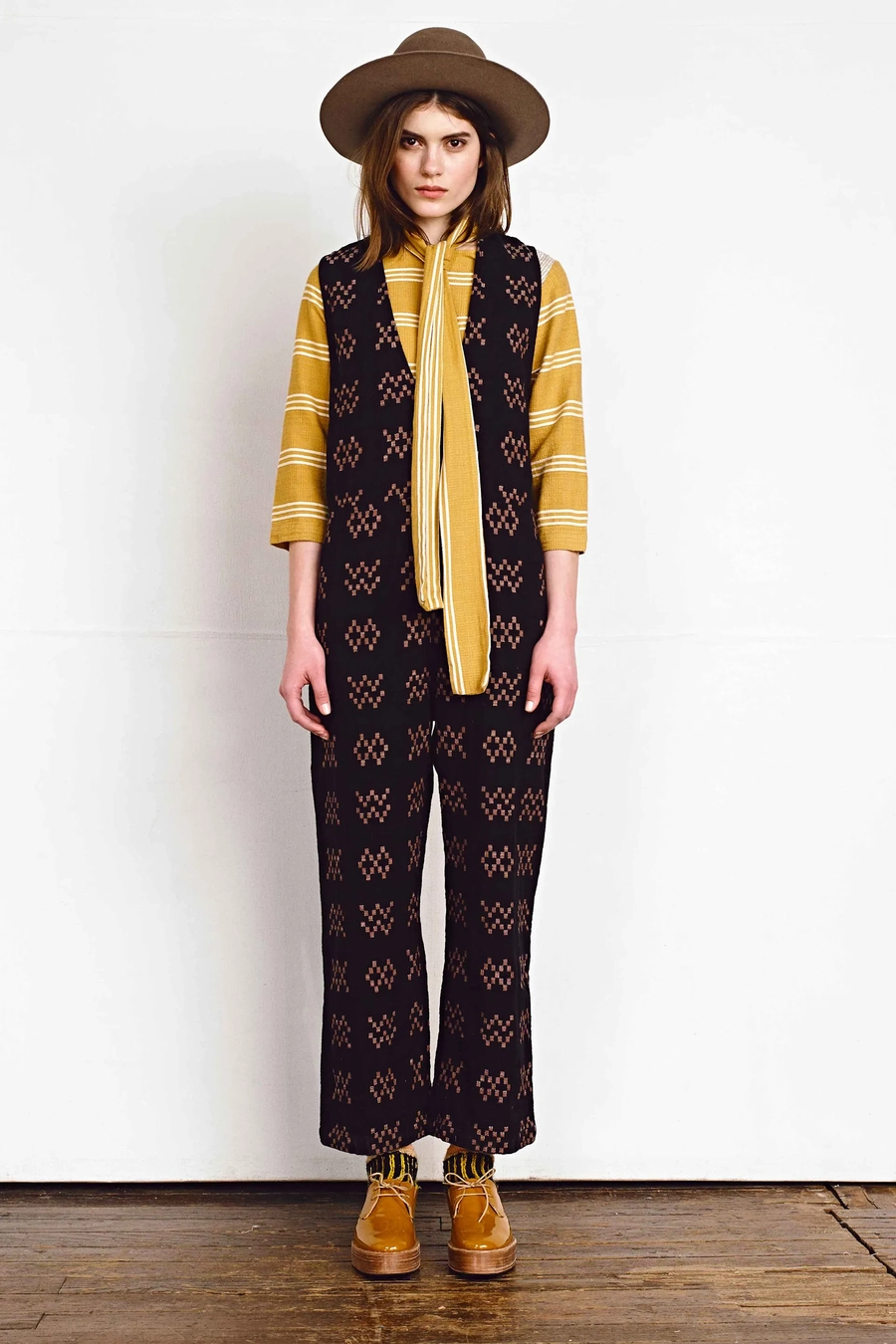
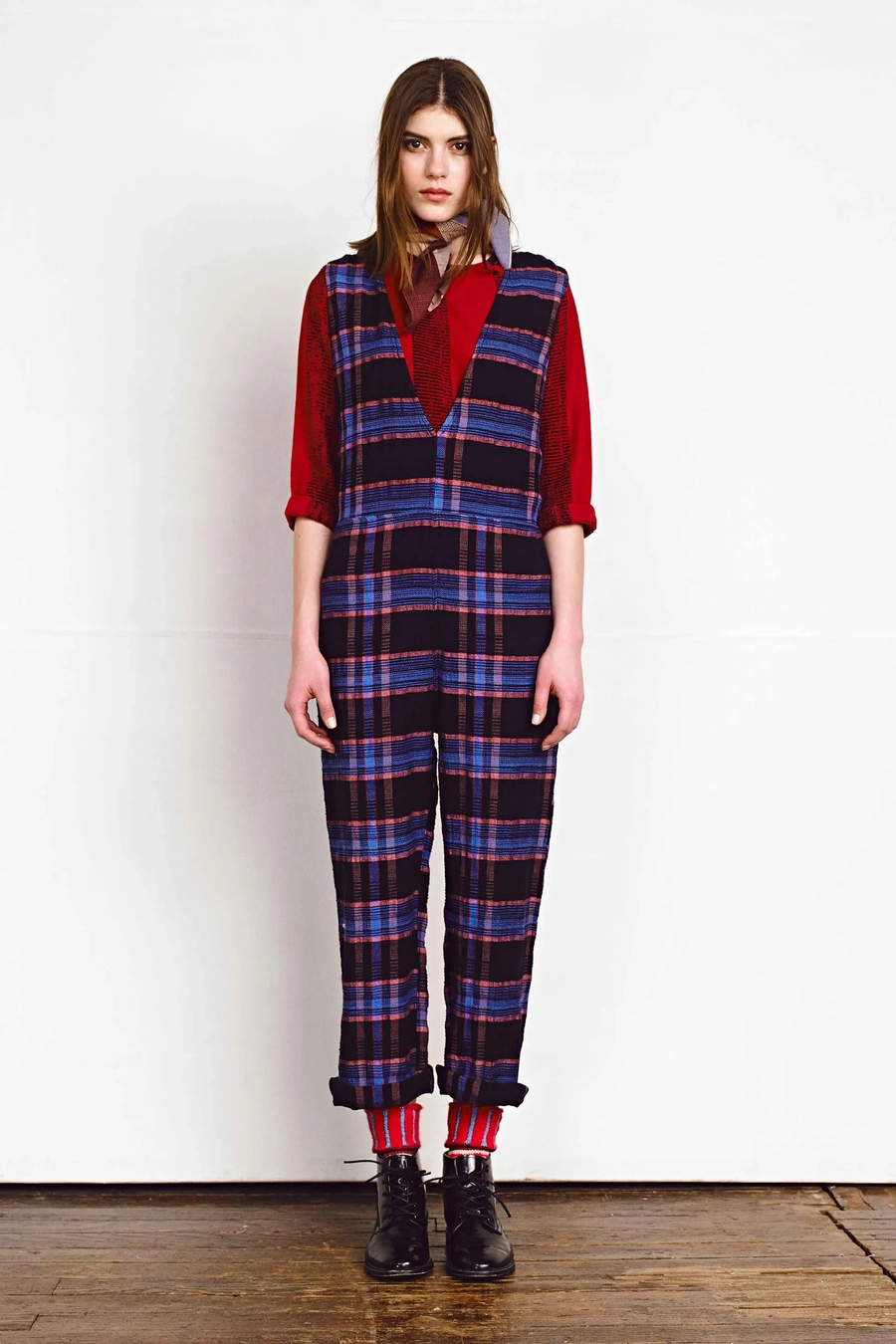
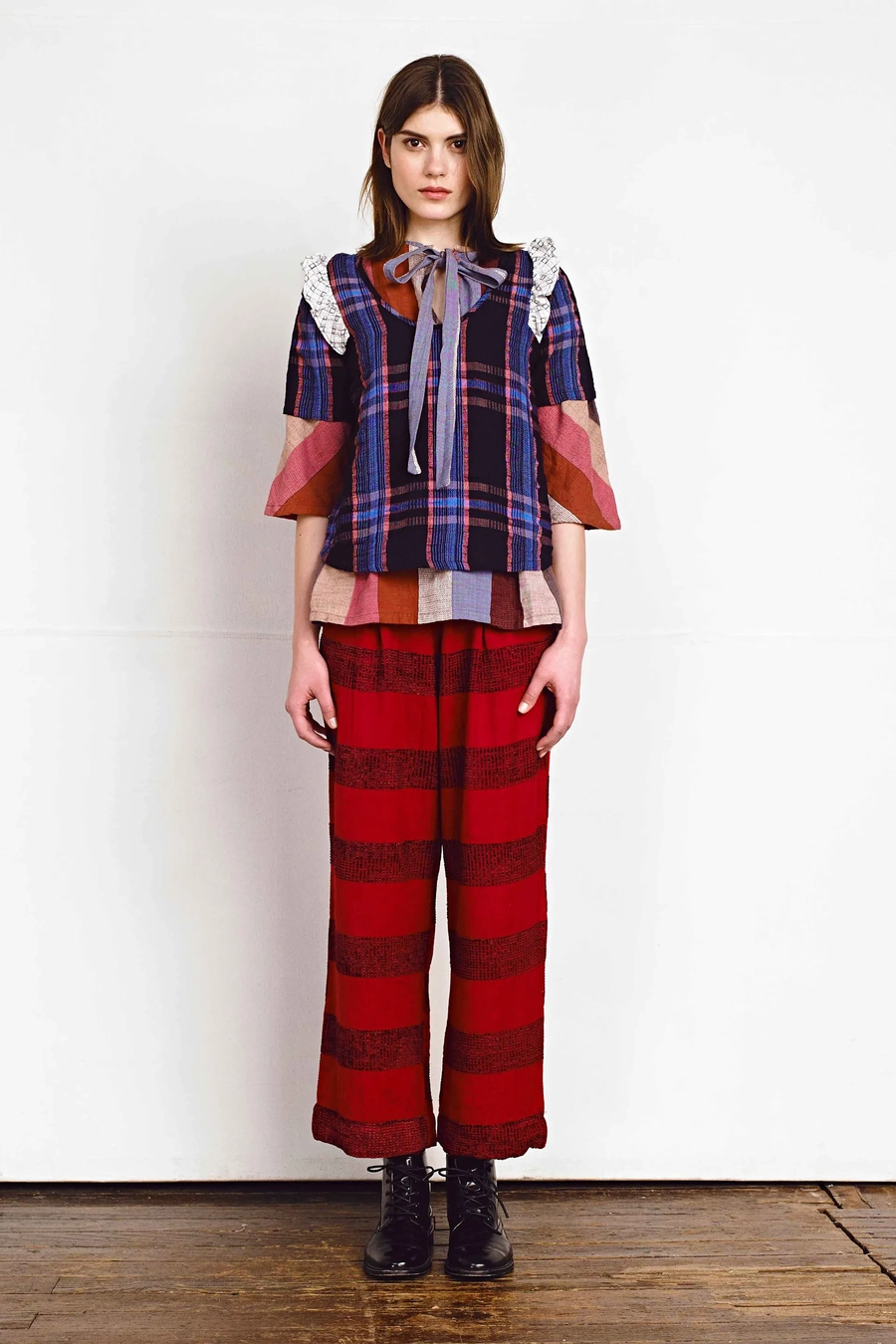
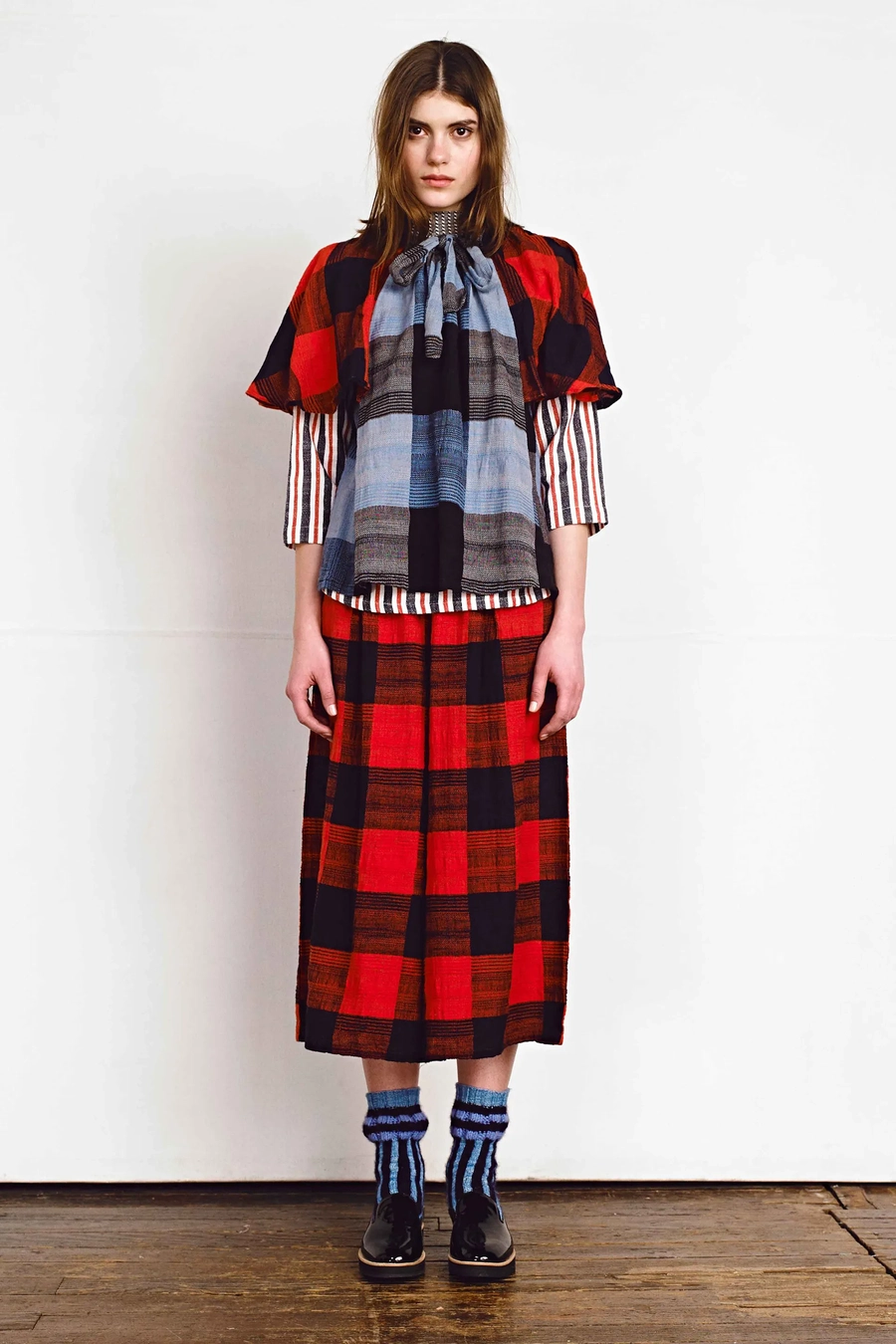
Alexander McQueen intensifies the Neo-Edwardian lineage through exact construction and a darker sense of authority. Tailoring becomes armour, turning the Judies’ street-level composure into something aristocratic, severe and unmistakably female.
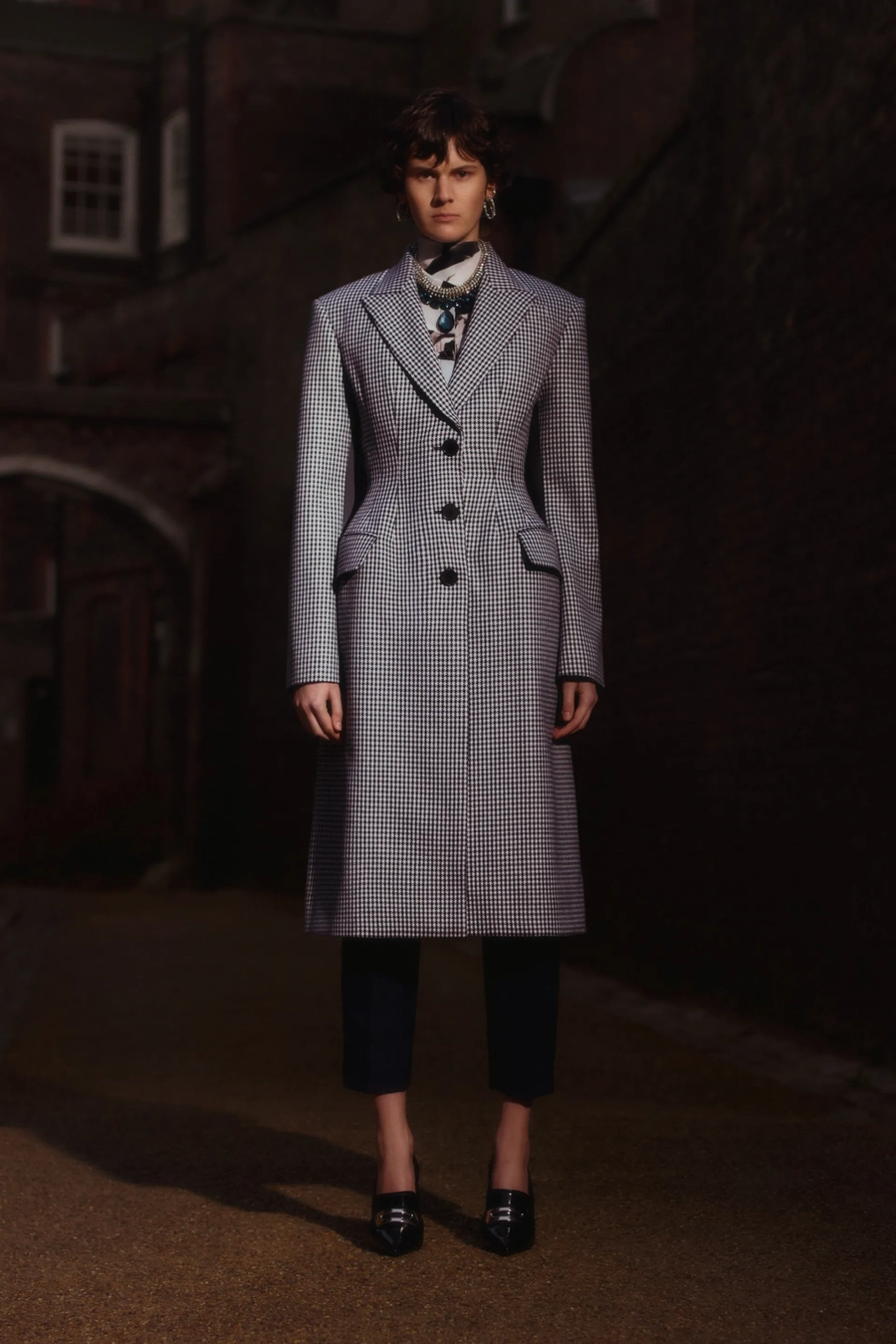
Lucio Vanotti reduces the language to its structural core, allowing checks, elongated jackets and relaxed suits to carry the reference with little theatrical decoration. His restraint reveals how strongly Teddy Girl attitude can survive inside a few precise lines.
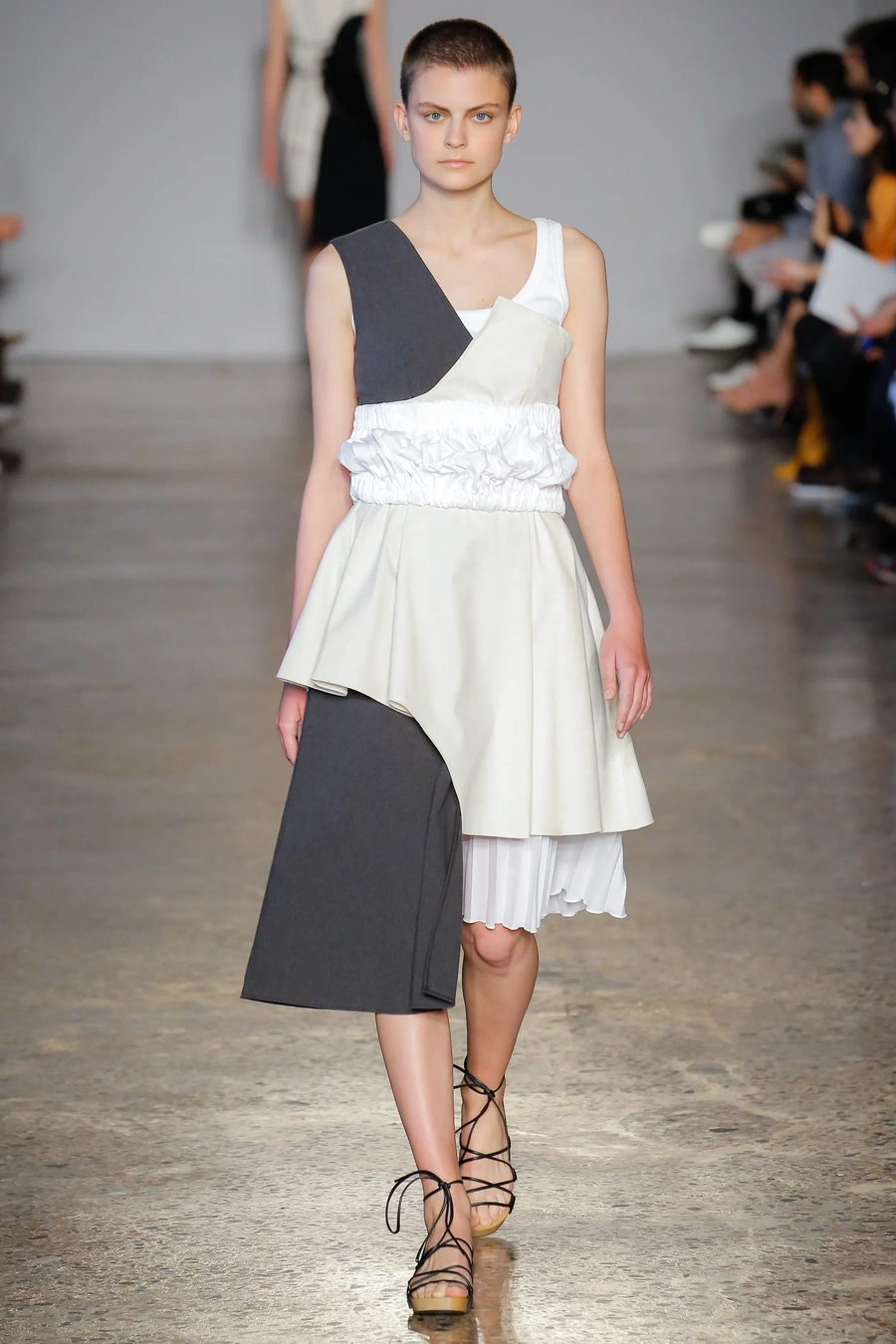
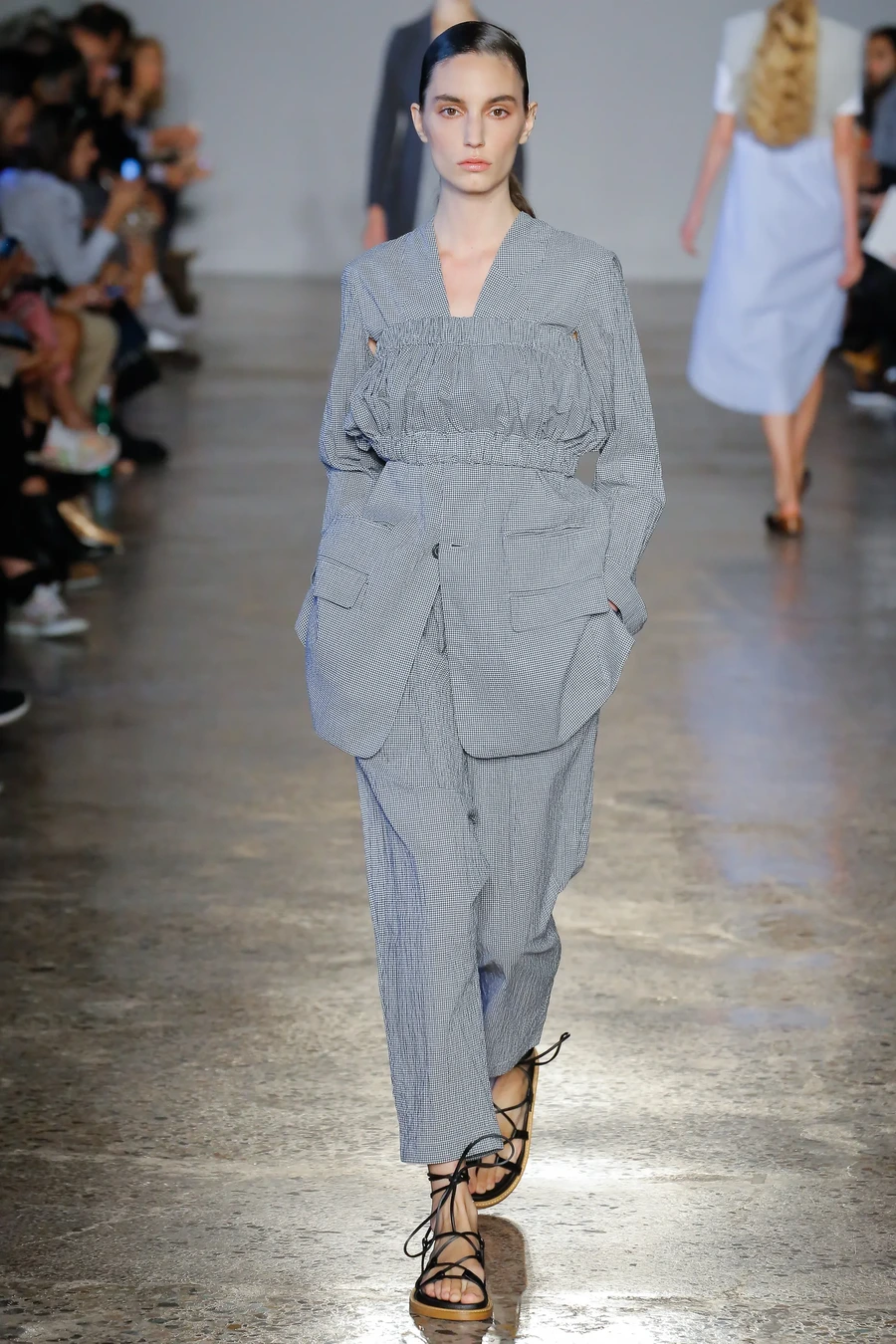
Across these interpretations, 1950s fashion is remembered from the pavement: refinement stays intact, though the women wearing it remain firmly in command.
History Looked Away, Their Style Endured
The city behind them remains unfinished, its walls scarred and its empty ground suspended between ruin and reconstruction. Against that landscape, the Judies appear almost startlingly composed, carrying an elegance assembled from wages, second-hand discoveries and the private certainty that taste could belong to them.



History placed their male counterparts at the centre of Britain’s first youth rebellion, while the girls drifted toward the margins of its record. Ken Russell’s photographs held them there long enough for another story to survive, one in which working-class femininity appeared guarded, self-directed and entirely uninterested in performing gratitude for the camera.
Decades later, traces of Teddy Girl style continue through contemporary fashion whenever severe coats, cropped trousers and borrowed menswear enter the red carpet with a colder, more deliberate poise. Bomb sites have given way to flashbulbs, yet the old composure still passes through the frame.
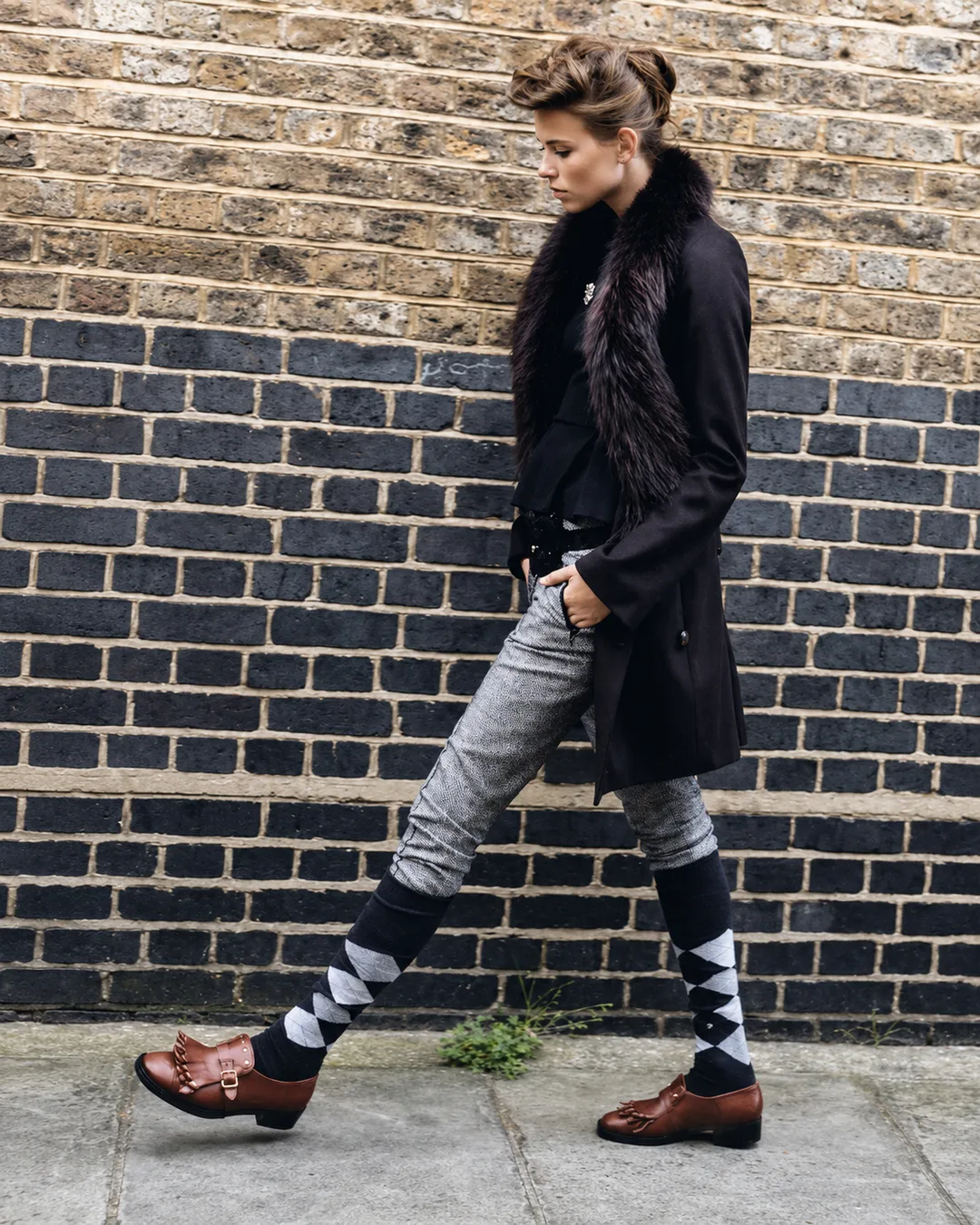
The setting changed, yet Teddy Girl style kept its claim intact: elegance could be shaped without permission, carried with assurance and worn on terms defined by the woman inside it.