MENU
Close





On June 1, 2026, the Martin Margiela personal archive auction entered public view, announcing a rare Paris sale that would bring the designer’s own objects, garments, and working relics to market for the first time.
On June 1, 2026, the Martin Margiela personal archive auction entered public view, announcing a rare Paris sale that would bring the designer’s own objects, garments, and working relics to market for the first time.
June 1, 2026


Martin Margiela has spent decades building one of the most influential bodies of work in modern fashion while protecting his own privacy with unusual discipline, which is exactly why the sale carries such charge. This is not simply an auction of desirable clothes. It is an opening of the interior world of a designer who has long treated distance, anonymity, and withholding as part of the meaning of his work.
The sale is being organized in Paris by Maurice Auction in partnership with Kerry Taylor Auctions, with the live auction set for July 9, 2026 and a public exhibition scheduled for July 4 through 8. The offering brings together more than 150 lots, with some reports describing a broader archive of over 200 pieces spanning roughly 1984 to 2008. That range matters because it frames the project as far more than a collector’s grab for iconic runway fragments. It reads as a self-shaped record of a full creative life.
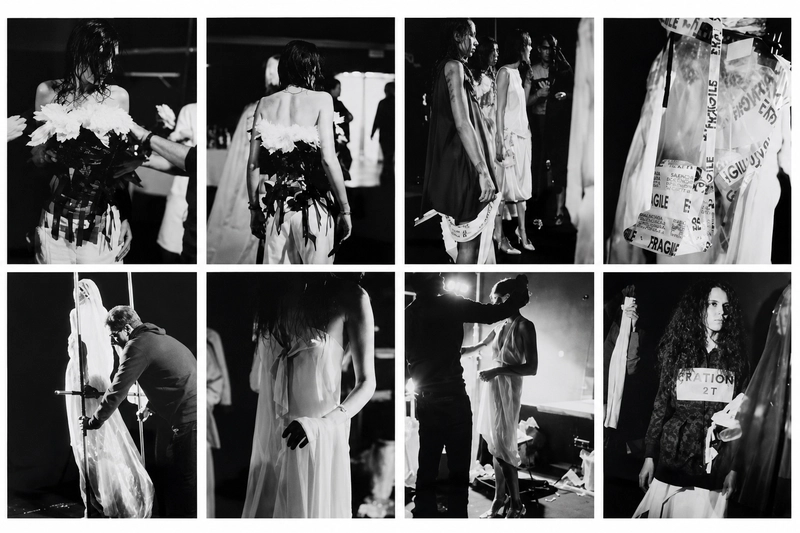
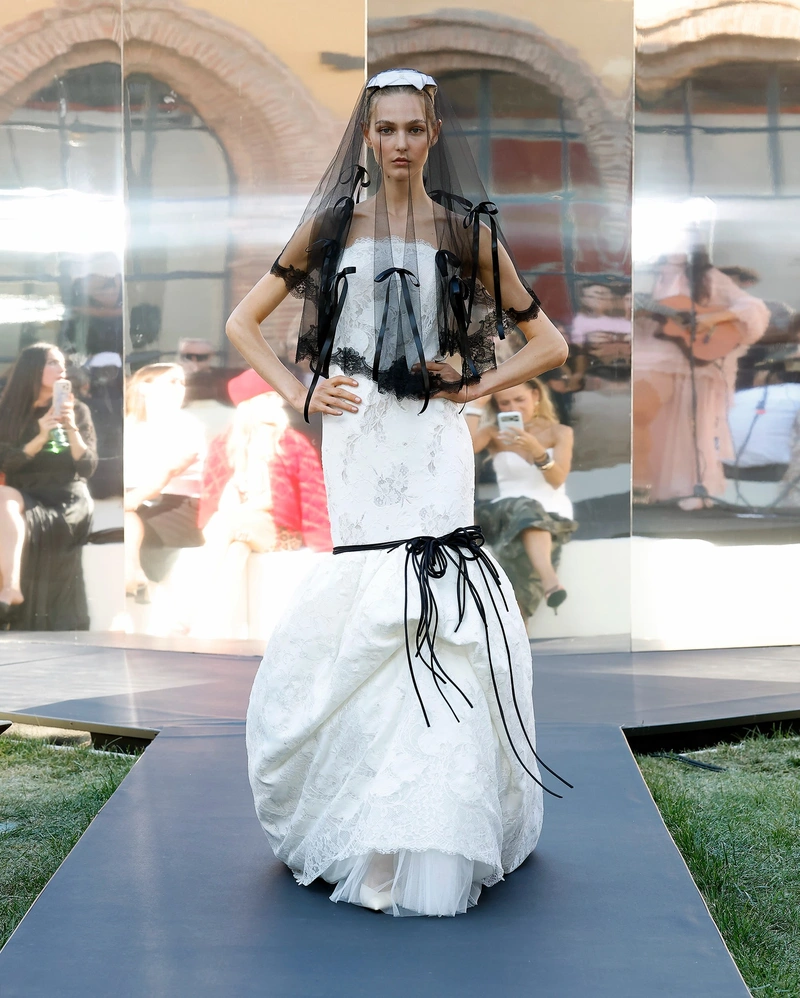
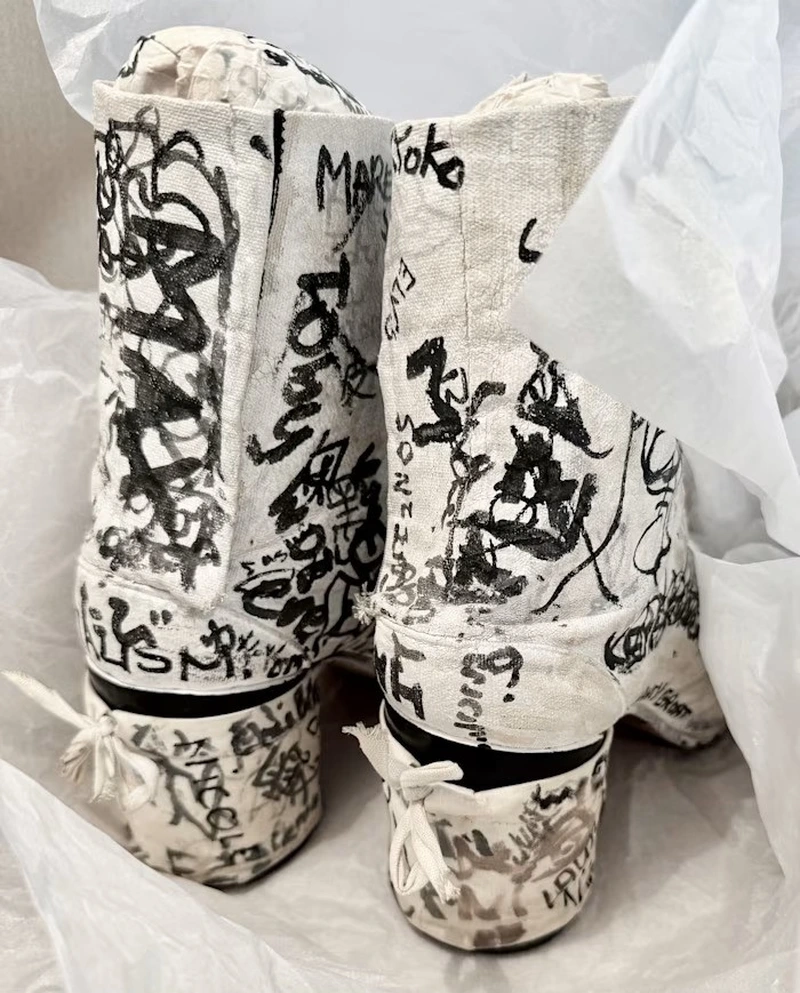
What gives the Martin Margiela personal archive auction its emotional depth is the mix of the legendary and the intimate. Among the highlights are his 1988 desk telephone, his blouse blanche studio coat, graffiti-marked Tabi boots from 1991, runway veil prototypes annotated in his own hand, early sketches, lookbooks, and miniature handmade objects. These are the kinds of things that reveal process rather than polish. They bring the designer closer without making him any less mysterious.
The archive includes garments from Margiela’s years at Hermès, along with pieces from his late mother’s wardrobe, creating a line between the public designer, the private son, and the clothes that moved between those roles. That detail shifts the auction away from pure fashion mythology and toward something more tender. The archive becomes not only a history of authorship, but a history of intimacy, inheritance, and memory.
The significance of the Martin Margiela personal archive auction also sits in its form. This is being described as the first time a living creator has directly collaborated with an auction house to release a personal archive of clothing and designs in this way. For a figure as canonized and as elusive as Margiela, that choice feels unusually potent. It gives him control over how the relics of his own legend circulate, and it turns the archive into one last authored gesture rather than a posthumous sorting of remains.