MENU
Close





On February 12, 1947, Christian Dior presented his first collection at 30 Avenue Montaigne, introducing the world to the New Look and Miss Dior. Behind the fragrance was a deeply personal story: his younger sister Catherine, a French Resistance fighter whose life moved from wartime resistance to flowers, gardens and a quieter kind of renewal.
On February 12, 1947, Christian Dior presented his first collection at 30 Avenue Montaigne, introducing the world to the New Look and Miss Dior. Behind the fragrance was a deeply personal story: his younger sister Catherine, a French Resistance fighter whose life moved from wartime resistance to flowers, gardens and a quieter kind of renewal.
August 12, 2026


February 12, 1947, was the day Christian Dior introduced his first collection to Paris. At 30 Avenue Montaigne, the couturier presented a silhouette that would soon become known as the New Look, bringing a new vision of femininity to a city emerging from the shadow of war. But there was another debut that day, one that would become just as enduring: Miss Dior, Dior’s first fragrance. The scent was sprayed throughout the salon during the presentation, surrounding the collection with an olfactory signature of its own.
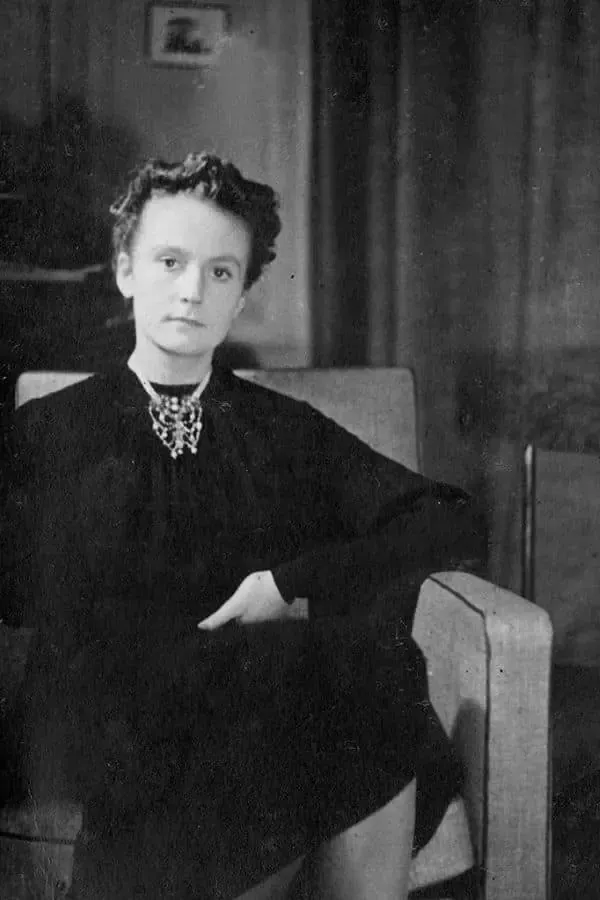
Yet before Miss Dior became a perfume, it was a name connected to a woman. Her name was Catherine Dior.
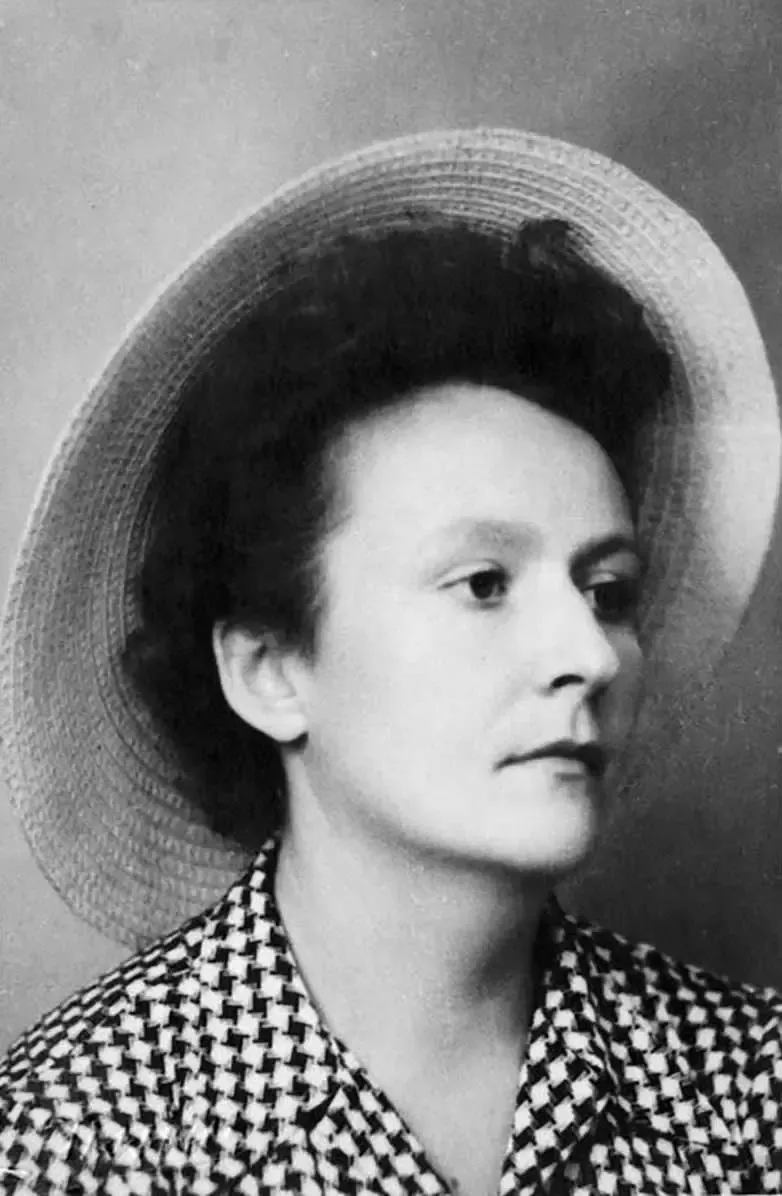
Christian Dior’s youngest sister was born in Granville in 1917, into the same family and landscape that would shape the couturier’s lifelong love of flowers. But Catherine’s path would take her far from the world of fashion.
During the Second World War, she became an active member of the French Resistance. Working with the Franco-Polish F2 network, she took part in clandestine activities against the German occupation. In 1944, Catherine was arrested by the Gestapo, tortured and deported to the Ravensbrück concentration camp. She survived and returned to France in May 1945.
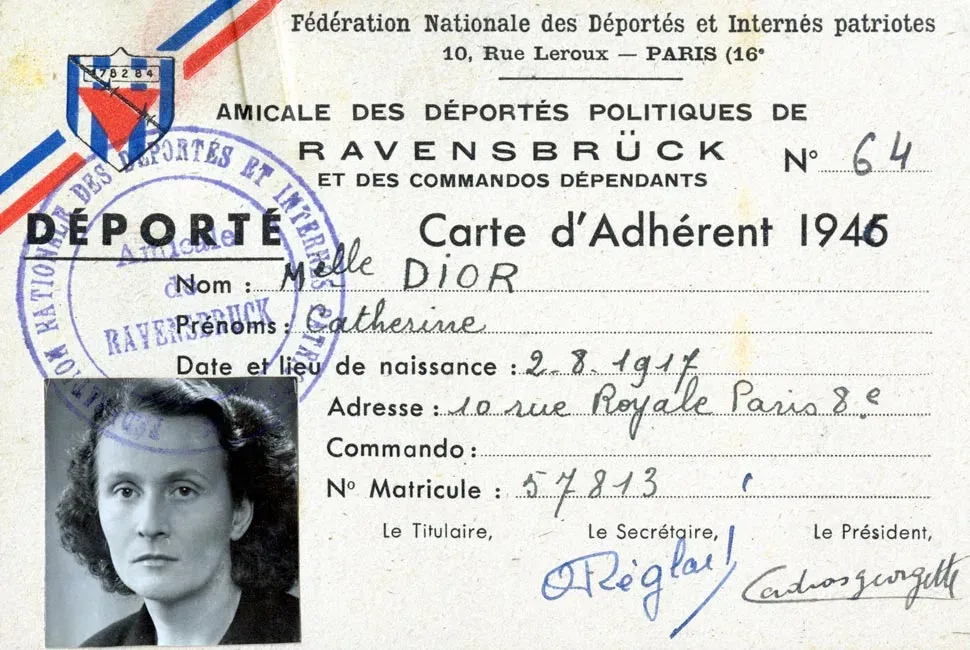
The story could have ended there, with Catherine remembered primarily for the courage of her wartime resistance. Instead, the years that followed brought her somewhere quieter.
After returning from deportation, Catherine settled in Callian, in the South of France, where she devoted herself to gardening and the cultivation and sale of flowers. Dior’s own heritage account describes this period as one in which she regained her vitality through flowers: a detail that gives the history of Miss Dior an unexpected emotional dimension.
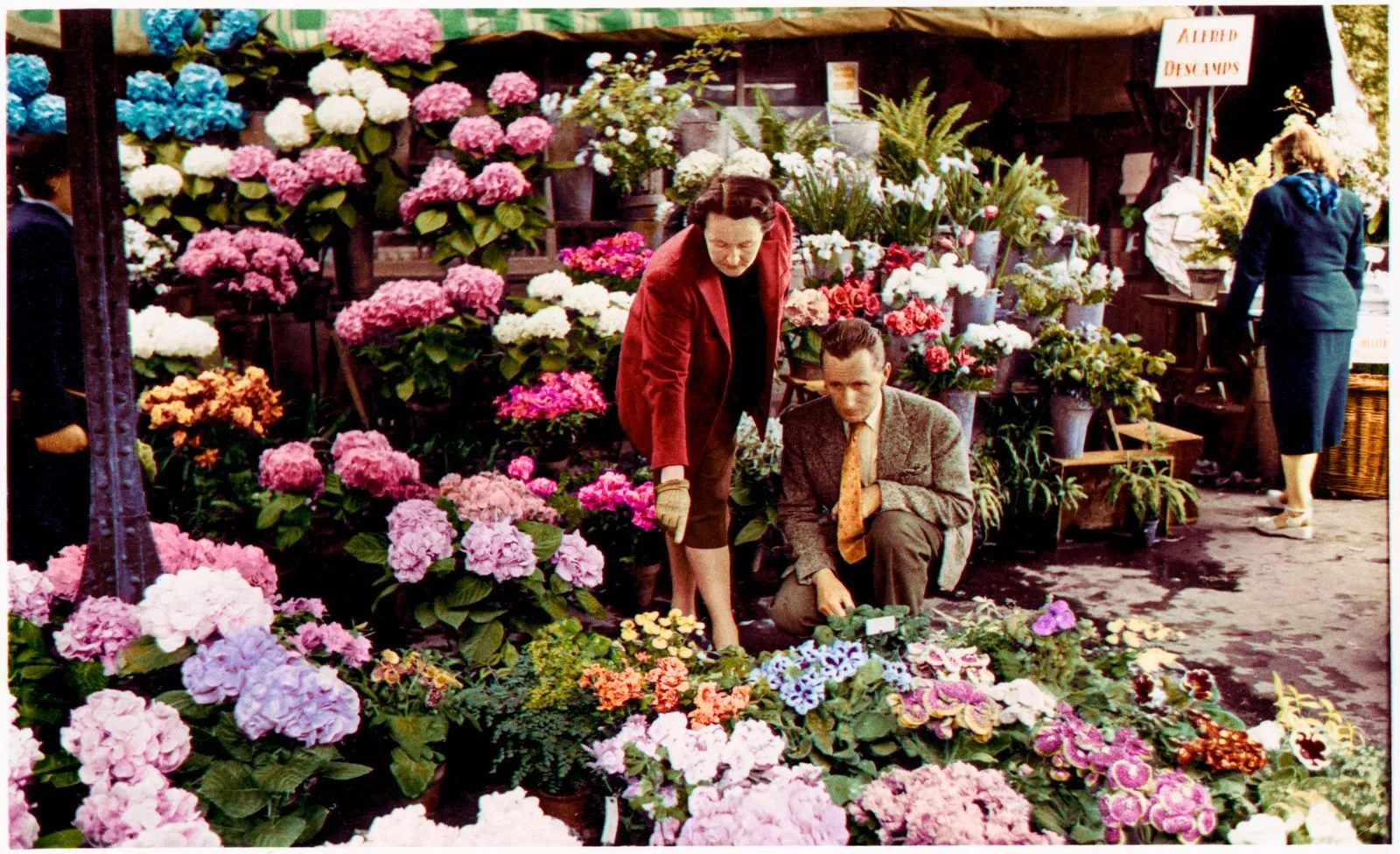
The woman behind the fragrance was therefore not simply a muse imagined inside her brother’s couture world. She had lived through one of the darkest chapters of twentieth-century Europe, survived it, and built a new life around something as fragile as a flower.
Flowers had always occupied a particular place in the Dior family. Christian Dior grew up surrounded by gardens, and his fascination with flowers would eventually become one of the defining codes of his work. But Catherine gave that floral world a deeply personal meaning.
Dior now describes Catherine as Christian’s main source of inspiration in creating and naming his first fragrance. Her story - from Resistance fighter to deportation survivor to flower cultivator - has also become part of the House’s broader understanding of regeneration.


That makes the arrival of Miss Dior in 1947 feel less like a simple extension of Dior’s fashion debut. The fragrance emerged at a moment when France was attempting to rebuild a sense of beauty, pleasure and possibility after years of destruction. Dior himself described Miss Dior as synonymous with renewed happiness, poetry and harmony after a bleak period.
There is something quietly poignant in that choice of language. Catherine knew what it meant to live through darkness. Her life after the war was not about erasing what had happened, but about cultivating something new.
Roses became part of that new life.
And flowers, in turn, became part of the language of Miss Dior.
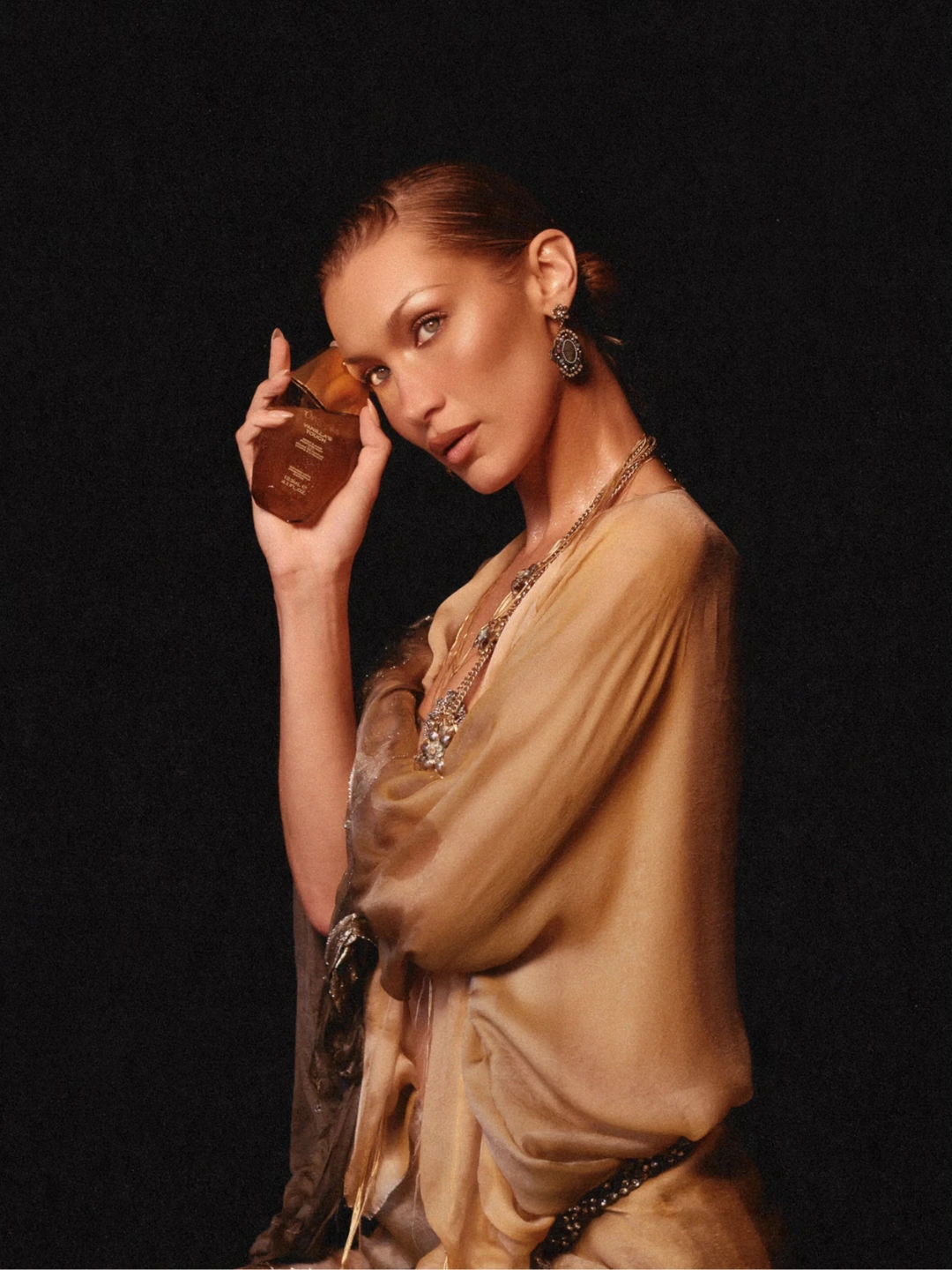
Nearly eight decades after that first February afternoon, Dior is returning to the fragrance with a new Miss Dior Eau de Parfum. The current chapter places the Grasse Rose at its heart, surrounded by the House’s familiar language of flowers, couture and love. Its campaign, built around the idea of “Wake up for Flowers” and “Wake up for Love,” presents Miss Dior as an invitation to rediscover beauty through nature and optimism.

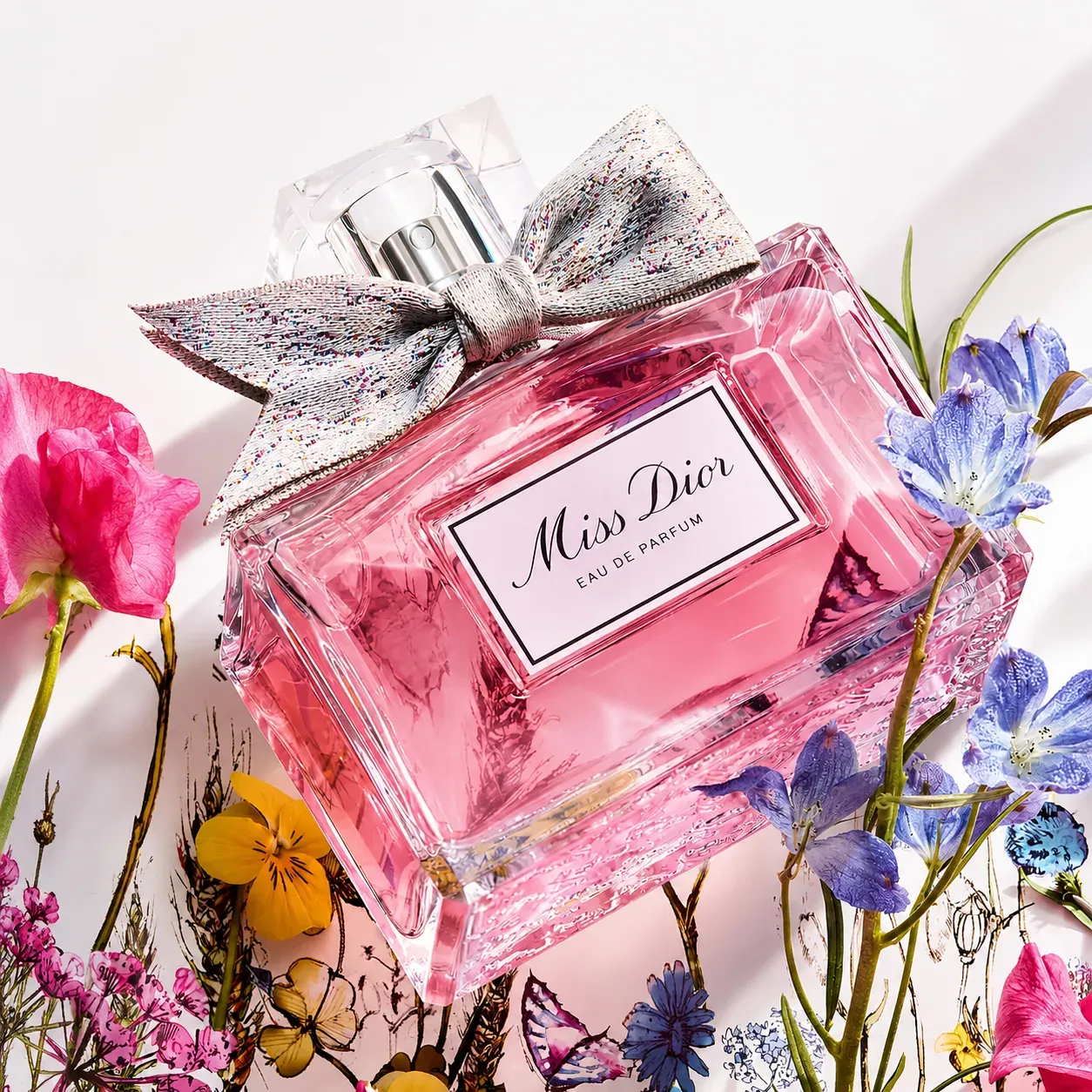
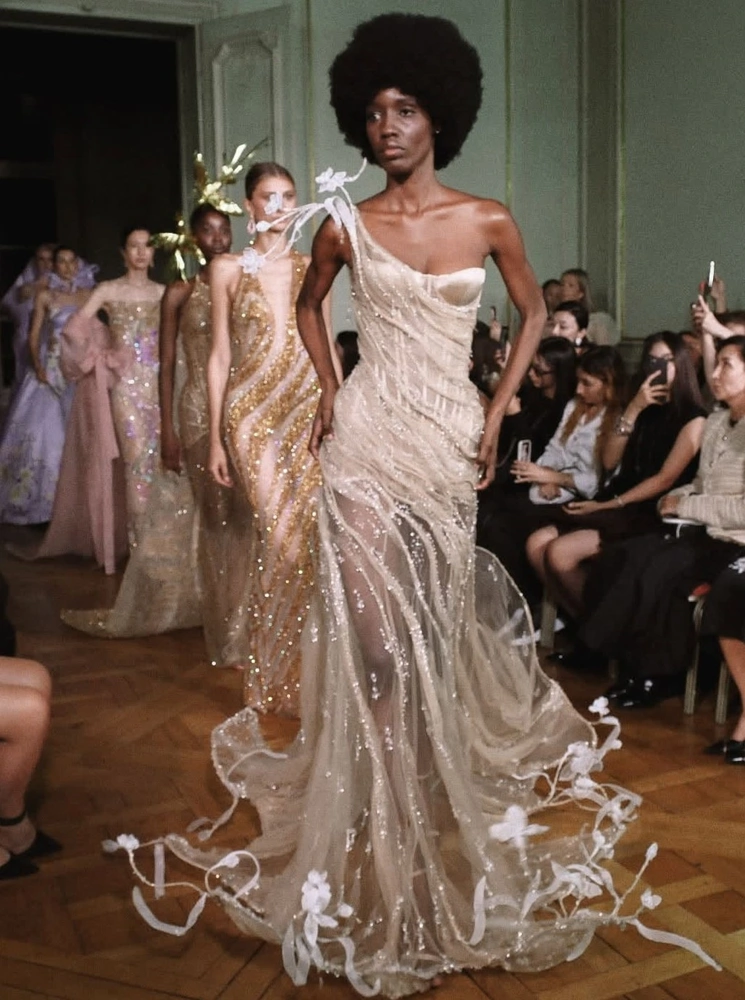
The timing feels almost circular. In 1947, Miss Dior arrived as Christian Dior imagined a way to bring enchantment back into women’s lives after a bleak period. In 2026, the House is once again surrounding the fragrance with flowers - from the Grasse Rose to the millefiori-inspired couture dress - while revisiting the heritage that gave the name its meaning.
It is also a story Dior has increasingly brought back into focus. In its recent heritage storytelling, the House has returned to Catherine not simply as Christian Dior’s sister, but as a woman whose resistance, resilience and relationship with flowers helped shape the identity of Miss Dior.
Perhaps that is why the name still feels more layered than its romantic reputation suggests.
Miss Dior is a fragrance of roses, but its story begins somewhere else: with resistance, survival and the possibility of beginning again. Before she was a perfume, Catherine Dior was a resistance fighter. And before the roses became part of Miss Dior, they were part of her life.