MENU
Close





Skin musk perfumes become addictive when it smells slightly wrong in exactly the right way.
Skin musk perfumes become addictive when it smells slightly wrong in exactly the right way.
September 16, 2026
Advertisement

Advertisement



A good skin musk should make distance feel unnecessary. It sits where perfume meets body heat: behind the ear, beneath a shirt collar, in the damp hollow of a neck after hours outside. Salt stays behind. Hair carries warmth. Fabric absorbs somebody’s shape. A room keeps its smell for a few minutes after they leave.
The strangest niche skin musk perfumes understand that intimacy has texture. Skin can smell slightly metallic, starchy, dusty, animalic, waxy, humid, even faintly stale. These seven perfumes chase those traces until fragrance starts behaving like memory: somebody slept here, somebody hugged you, somebody leaned close enough for you to hear their breathing.
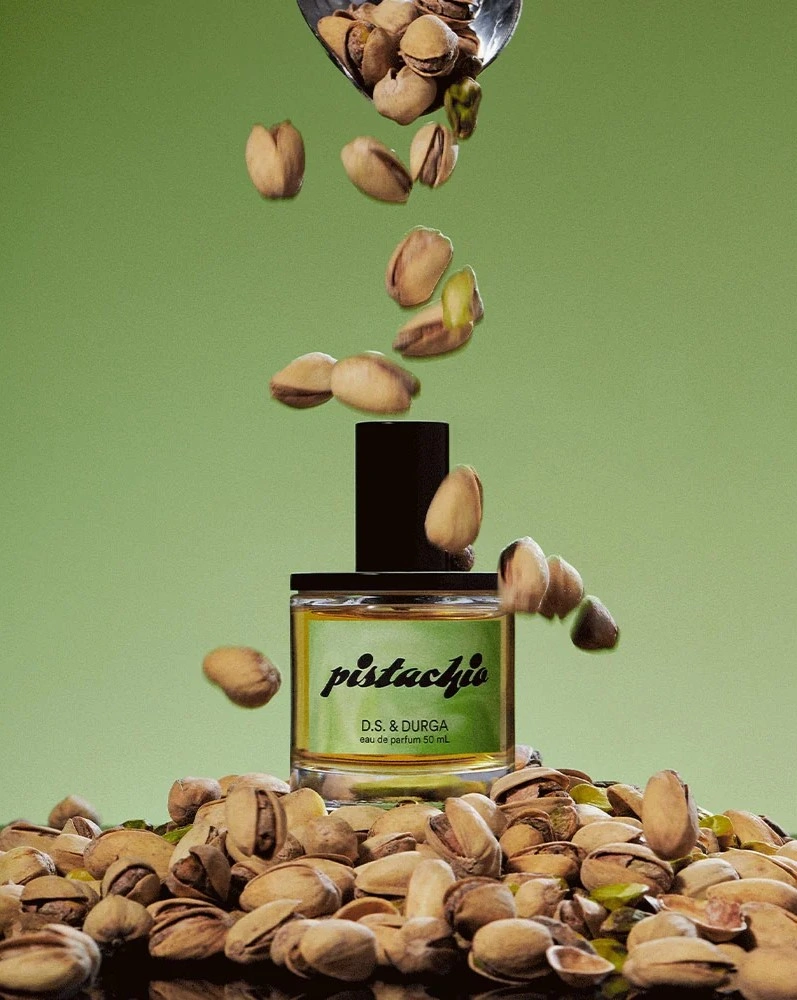
The quietest skin musk bottle here has one of perfumery’s cleverest origin stories. D.S. & Durga co-founder and perfumer David Seth Moltz originally created I Don’t Know What as a fragrance enhancer, a molecular skeleton designed to make another perfume glow. Customers promptly started wearing it alone.
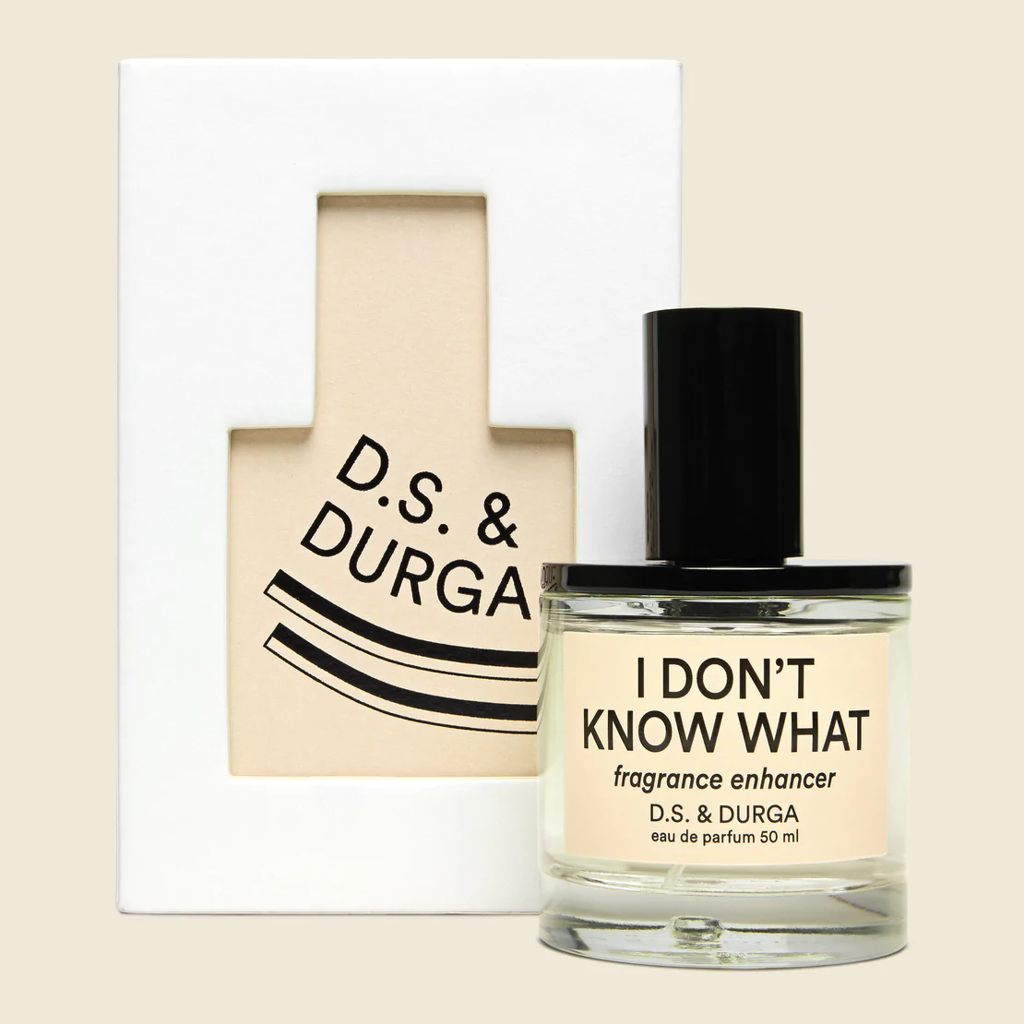
Its architecture reads almost like backstage equipment: bergamot essence, Iso E Super, vetiver acetate, Ambrox Super, Firsantol, and civettone. On skin, those materials create something harder to name. Warmth. Dry wood. Salt. A clean shirt that has been worn for an hour.
Moltz has described the wearer’s own skin as the heart of the formula, which explains its strange intimacy. D.S. & Durga now calls it a best-selling cult hit, and the scent has expanded into body products. The supporting actor quietly stole the entire movie.
Unspoken Gesture smells like closeness before anyone says anything, turning skin musk into something soft, starchy and almost edible.
Scottish perfumer Euan McCall has spoken about the smell of family members’ skin as one of his earliest olfactory memories. His route back to that intimacy eventually passed through something far less sentimental: living koji.
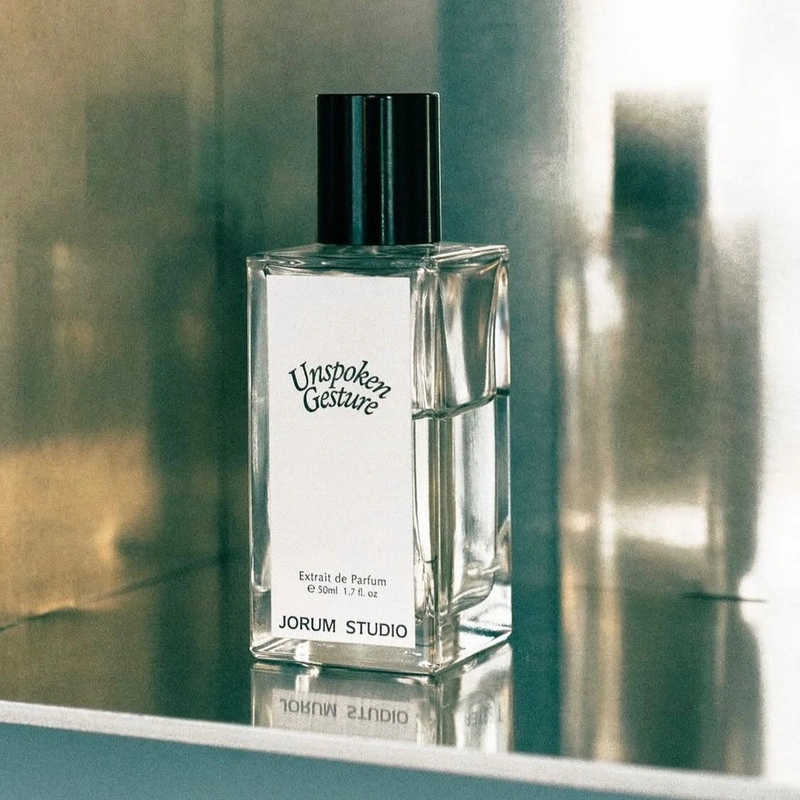
Fresh rice inoculated with Aspergillus oryzae was flown to McCall’s laboratory for a scientific scent project. Because the aroma changes rapidly as the living material develops and dies, he had only a narrow window to study it. That peculiar research fed into a perfume of rice, malt, hay, ambrette and musk.
The effect feels warm and starchy, almost humid. Think rice steam caught in hair, the crook of an arm, scalp warmth against a pillow. McCall framed the fragrance around platonic touch and the lingering sensation of a hug. Somehow, a fungus-covered grain becomes incredibly tender.
Peau asks skin musk to reconstruct a body that disappeared almost two thousand years ago.
Arquiste founder Carlos Huber and perfumer Rodrigo Flores-Roux set the scene at Hadrian’s Villa in AD 134. Emperor Hadrian remembers Antinoüs, his deceased lover, through one microscopic detail: the scent at the nape of his neck.
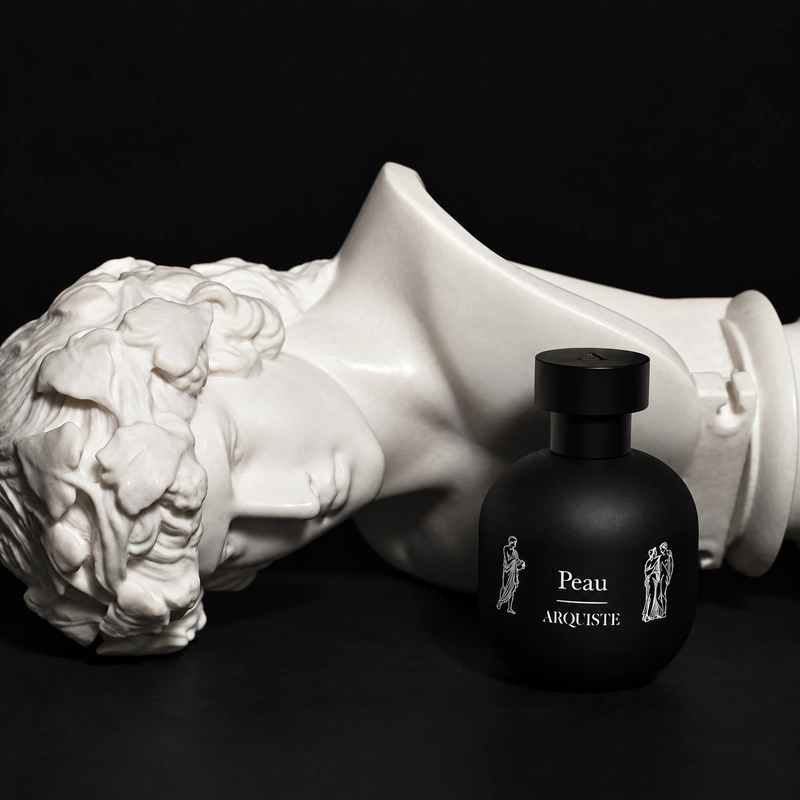
Musk, ambergris accord, white pepper, coriander, seaweed, labdanum and okoumé wood create the illusion. It feels salty and warm, with a faint dampness hovering around the skin. You can imagine a neck after sun, the mineral smell of sweat fading into fabric, breath moving close to an ear.
Peau became a 2022 Indie Fragrance of the Year finalist, yet its most seductive achievement is conceptual. Hadrian commissioned statues to preserve Antinoüs in stone. Arquiste tries to preserve him in air.
Musk has always carried a slightly dangerous mythology, and skin musk inherits much of that history. For centuries, natural musk came from a glandular pod of the male musk deer, an extraordinarily valuable material whose demand contributed to severe hunting pressure.
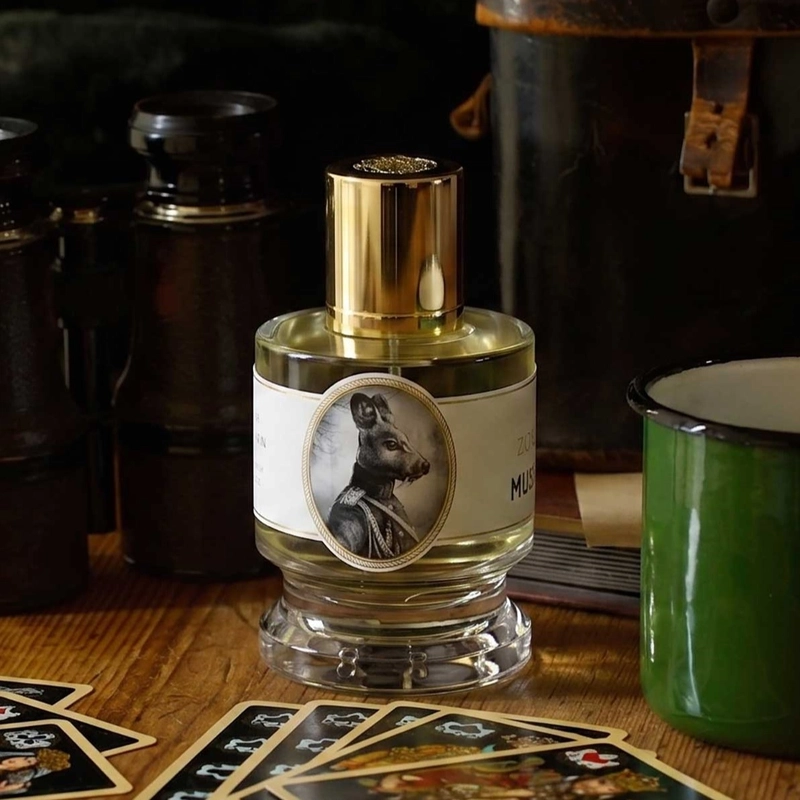
Perfumer Pascal Gaurin reconstructs that history in Zoologist’s Musk Deer without using animal musk. At around 20% concentration, synthetic musks mingle with ambrette, oud, orris, sandalwood, cedar, and patchouli, while cardamom and calamus give the opening a curious spicy, medicinal chill.
The polished forest disappears, and something softer comes forward: fur imagined through chemistry, warm breath in cold air, a musky skin impression hovering just above the wrist. Even the bottle participates in the fantasy, dressing its deer like an aristocrat who has somehow wandered out of a Victorianportrait and into a perfume cabinet.
Musc Tonkin feels almost rusty, pushing skin musk toward something metallic, waxy, and bodily.
Perfumer Marc-Antoine Corticchiato created it as an olfactory ghost of historic Tonkin musk, chasing the power and sensuality of a raw material that modern perfumery has left behind for ethical reasons. Old musk carried legendary potency; accounts associated with the material even describe merchants keeping it away from tea cargo for fear its smell would penetrate everything nearby.
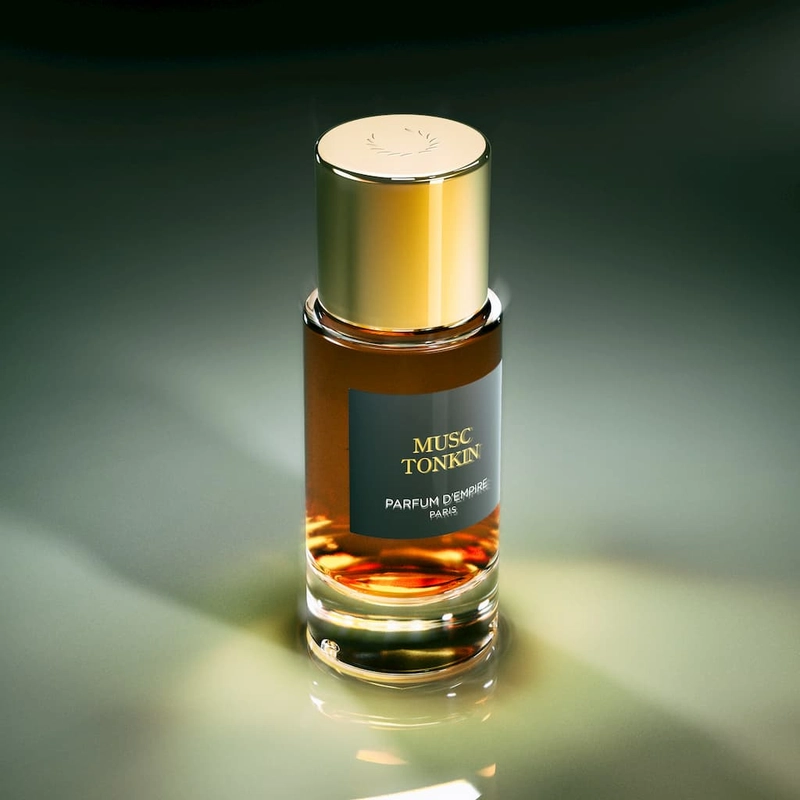
Corticchiato initially offered Musc Tonkin without a conventional pyramid of notes, encouraging people to smell first and identify later. On skin, impressions can move through wax, salt, flowers, leather, honeyed warmth, moss and something strangely mineral.
The original 2012 extrait was issued in only 1,000 bottles, and specialist retailers quickly exhausted allocations. What started as a limited reconstruction developed enough collector demand to live beyond that first release.
Liz Moores found Salome inside an old photograph, then turned that image into a deeply animalic skin musk.
The Papillon founder-perfumer came across an original image of an erotic dancer from the 1920s and became fascinated by the mystery carried in a still body: costume, gaze, posture, everything suggested and everything withheld. From that image came jasmine, Turkish rose, carnation, musk and animalic hyraceum, woven into something the house describes as a second skin.
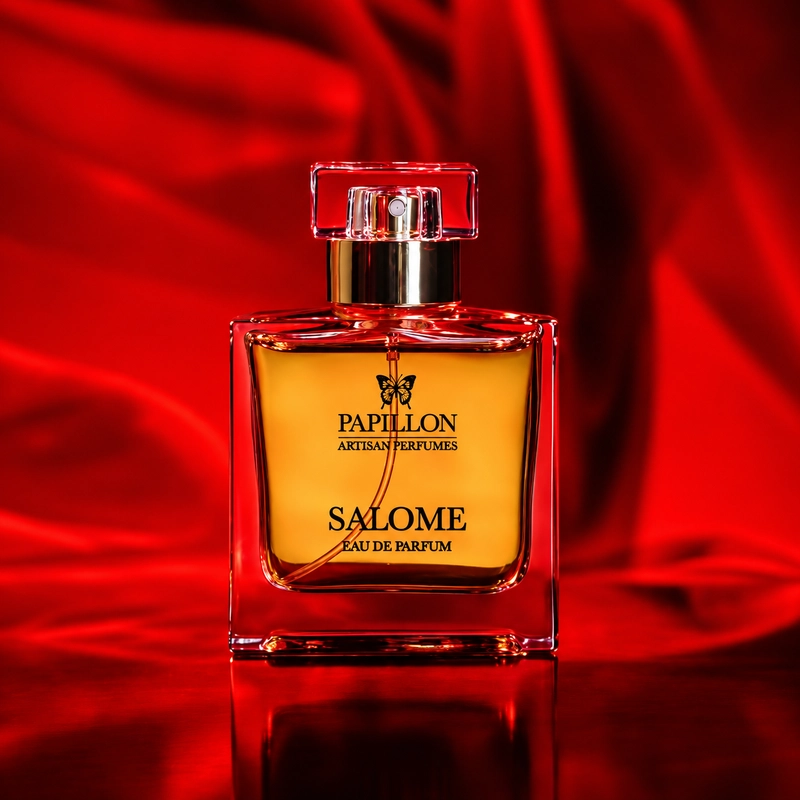
Flowers seem heated by the body beneath them. Honeyed animal warmth gathers closer to the neck. Musk stays in the air after the wearer moves away. Its beauty has earned serious collector affection too: Salome took both Best Feminine Fragrance and Best Niche Fragrance in the 2016 Basenotes Readers Awards and was also recognized by major independent fragrance awards.
Created by perfumer Tristan Rostain under Briac Frocrain’s artistic direction, Carnicure moves through orange blossom, violet, sandalwood, patchouli, labdanum, musk, and civet. Marlou describes its world through wax-finished wood, feline presence, powder, fur, and flesh.
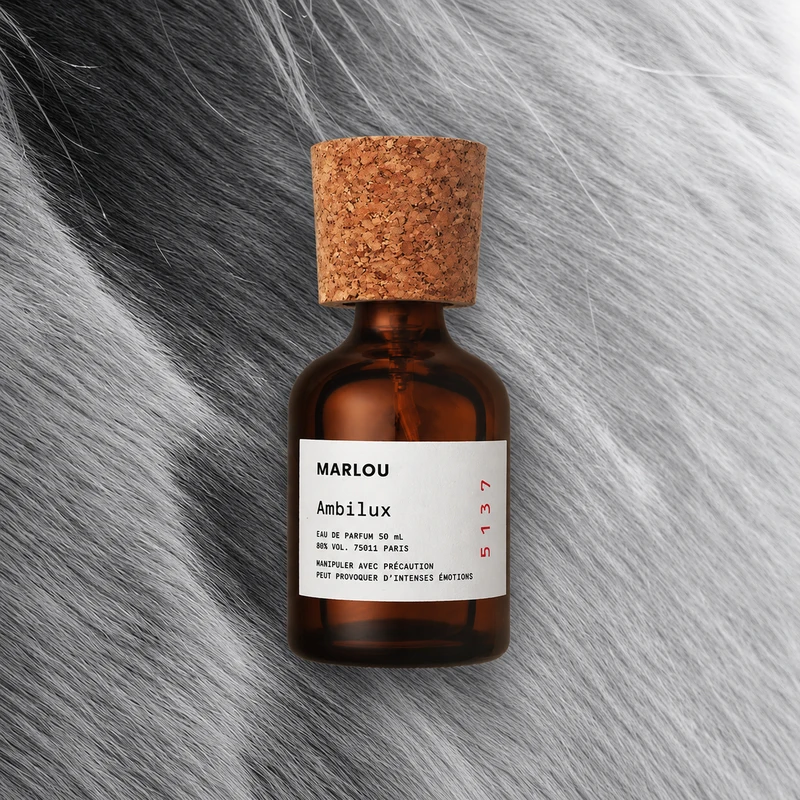
Imagine an old apartment late in the afternoon: wood polished years ago, powder settled around a dressing table, upholstered furniture warmed by sunlight, a cat asleep somewhere nearby. Then somebody has just stood up from the sofa. Their heat remains in the fabric.
The French house openly explores animalic materials and odors that echo compounds naturally associated with human skin. Even its amber bottles, cork closures, and deliberately utilitarian packaging push attention back toward the juice.
Perhaps intimacy has always smelled a little messy. Skin musk simply learned to stop cleaning it up.
Advertisement