To speak of twentieth and twenty-first-century portraiture is to speak of Annie Leibovitz. For over five decades, she has photographed the people who shaped culture: musicians, actors, royalty, athletes, and fashion’s most iconic figures.
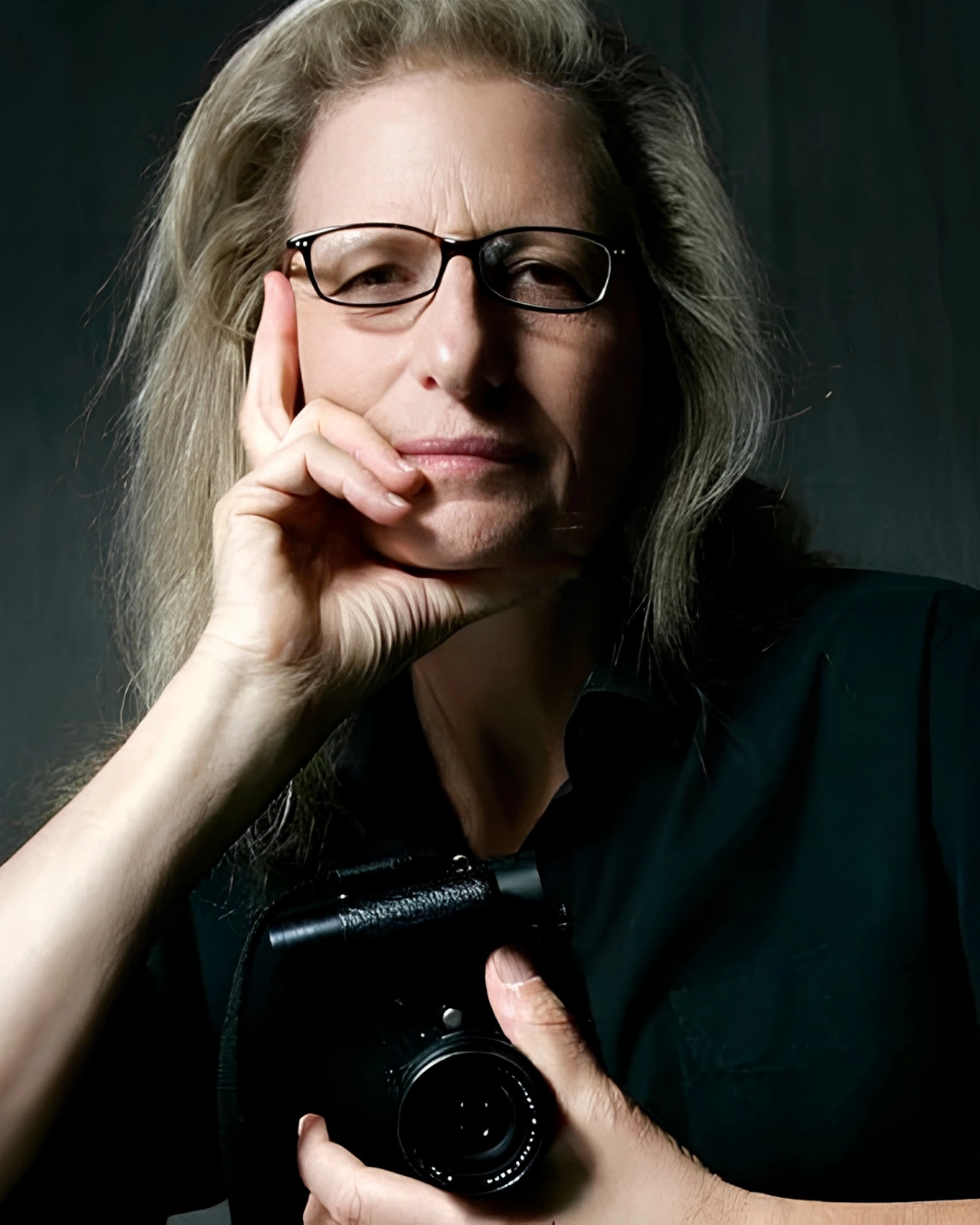
Annie Leibovitz: The Woman Who Bewitched the Camera
To speak of twentieth and twenty-first-century portraiture is to speak of Annie Leibovitz. For over five decades, she has photographed the people who shaped culture: musicians, actors, royalty, athletes, and fashion’s most iconic figures.
June 2, 2026


The Portrait of a Perfectionist
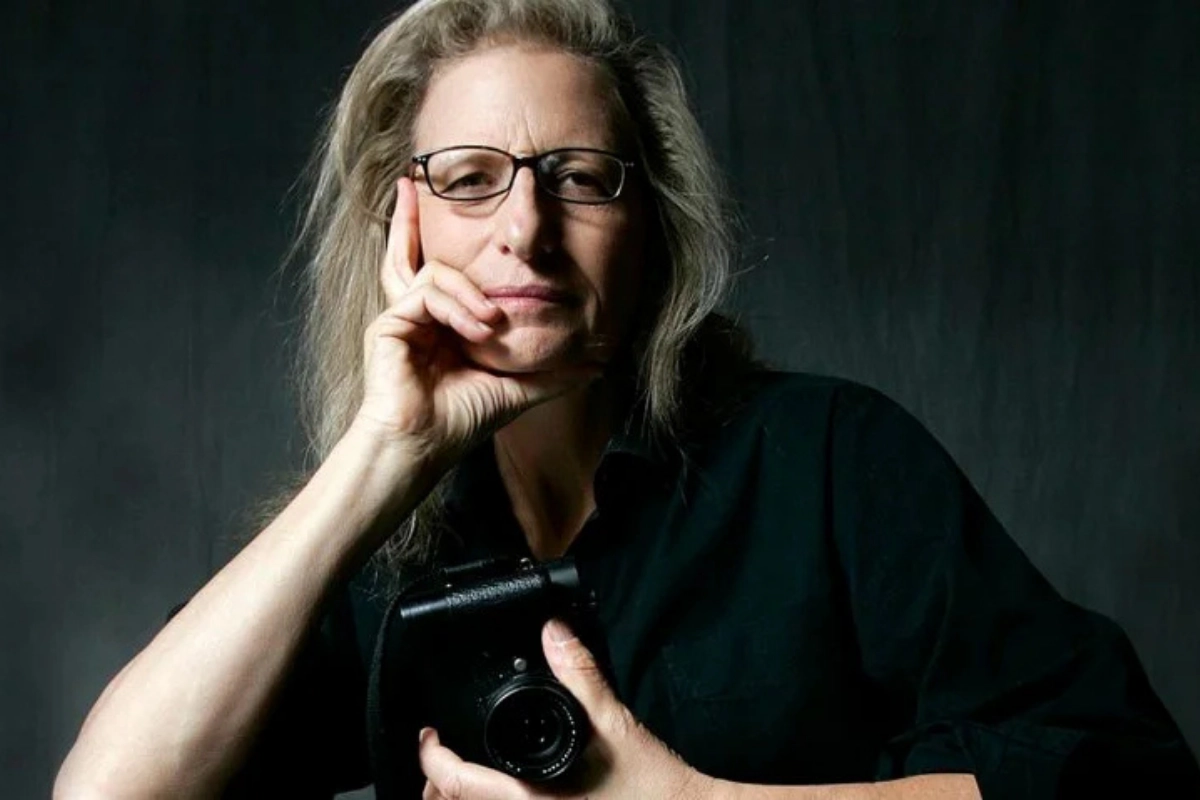
Annie Leibovitz may look like any other New Yorker in a navy shirt and worn-in sneakers, but her eye changed the visual language of our era. She is one of the most defining visual storytellers of the last half-century, a photographer who reshaped how we perceive fame, fashion, and cultural mythology.
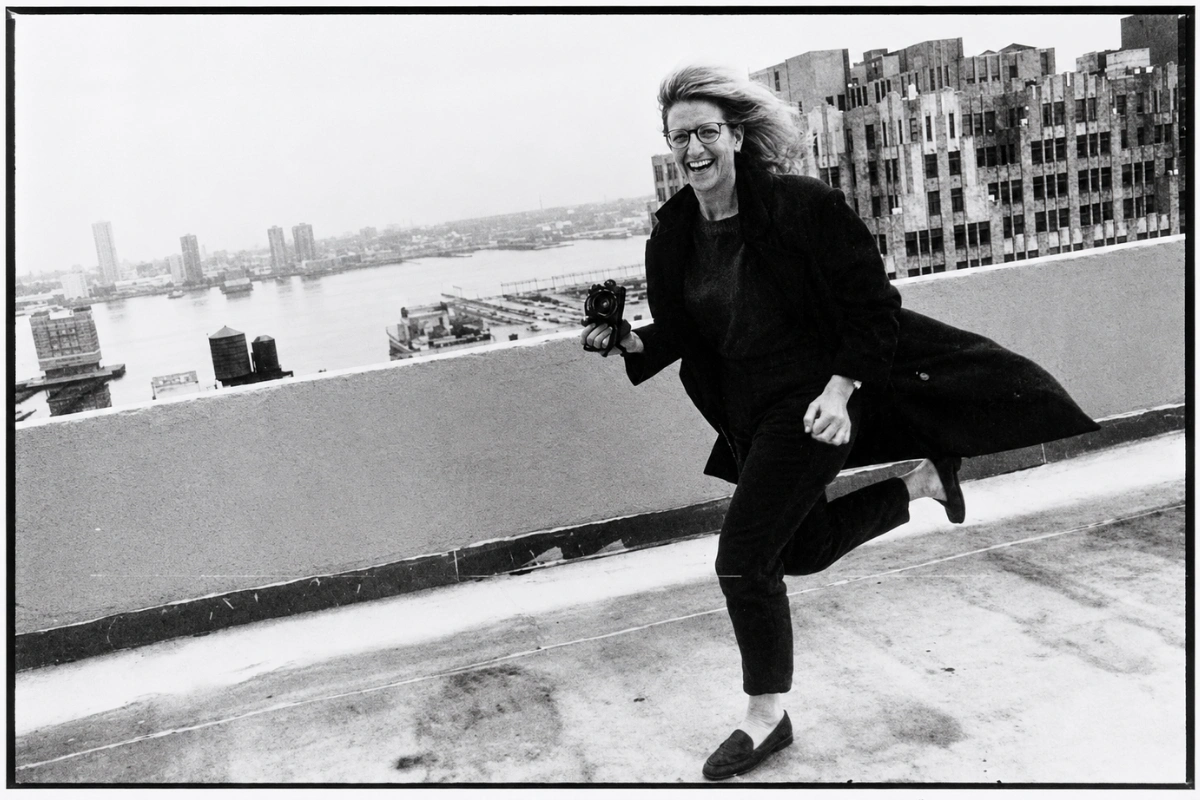
Her perfectionism borders on obsession. Of the many stories surrounding her, one in particular captures her obsession with getting it right: she once shot nearly 400 Polaroids, just to photograph a single Coke bottle in a small museum.
Such extravagance was never about ego. When Vanity Fair asked her to photograph the cover for a book on Princess Diana in 2007, she arrived with two vans: stylists, assistants, a wardrobe, even a wind machine. Dissatisfied after the first day, she extended the shoot at her own expense.
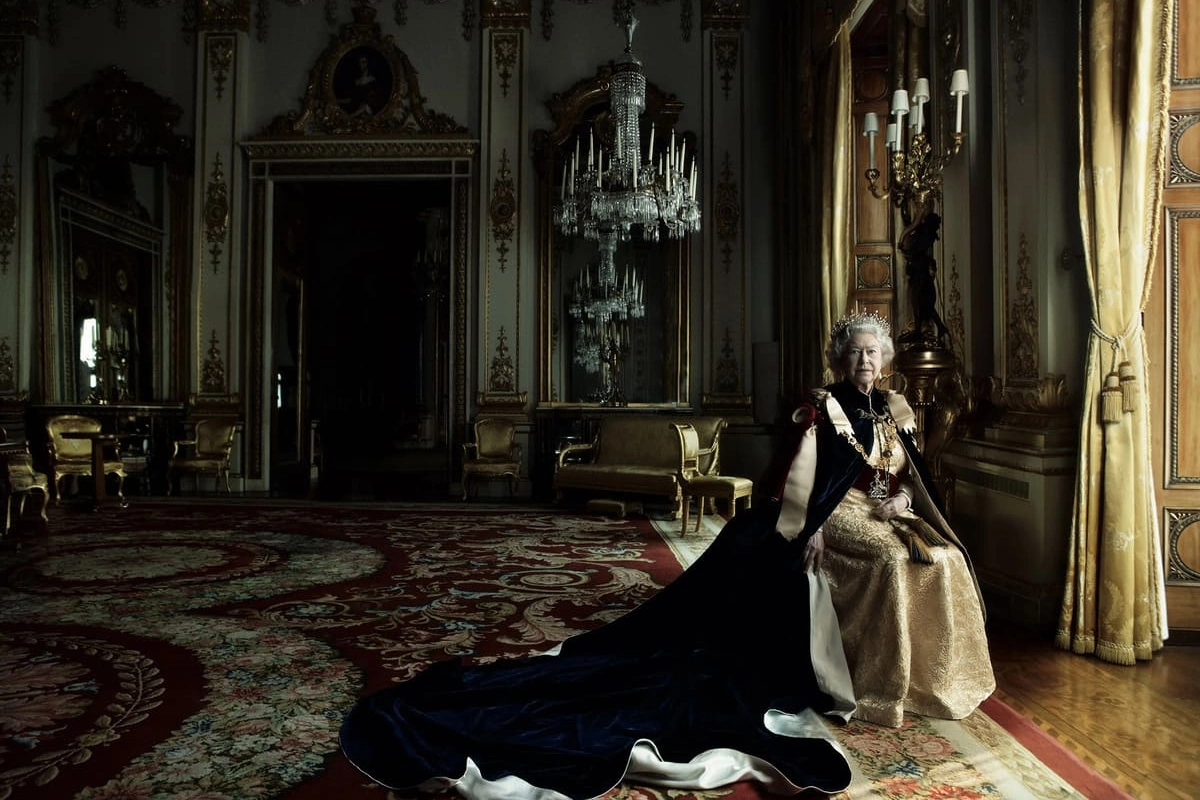
Art, for Annie, was a consuming love affair that demanded everything: time, money, and sometimes, herself. An artist consumed by creation, she was never one for financial caution. Despite working with royalty and icons, she often found herself in... debt - proof that her life’s true currency was always art, not money.
And perhaps that is why her photographs feel so disarmingly honest. Annie never chased fame, she chased truth. “I hate the word ‘celebrity.’ I’ve always been more interested in what people do than who they are,” she once said.
Rolling Stone: The Making of a Legend
Annie Leibovitz stepped into Rolling Stone in 1970 as a young staff photographer, but it didn’t take long for her vision to dominate the magazine. By 1973, she was chief photographer, shaping a look that was raw, intimate, and unmistakably of its era.
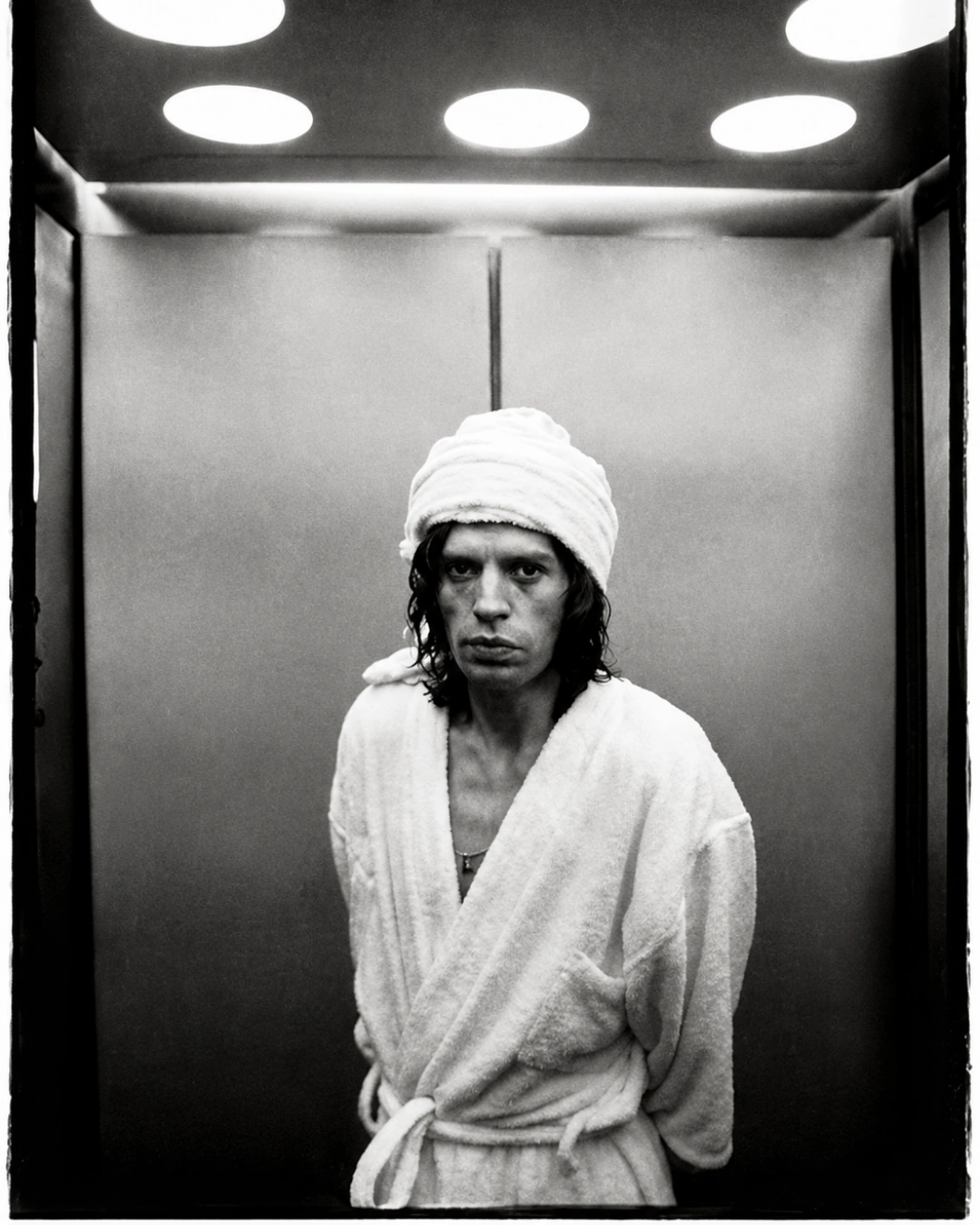
Her early years were defined by the icons of rock ’n’ roll. The Rolling Stones became both her muse and her crucible. She traveled with them, capturing moments most would miss: Mick Jagger slumped in an elevator, exhausted, unvarnished - a fleeting truth that only her lens could make eternal. These tours exposed her to the highs and the dark edges of rock culture, sharpening her eye while testing her limits.
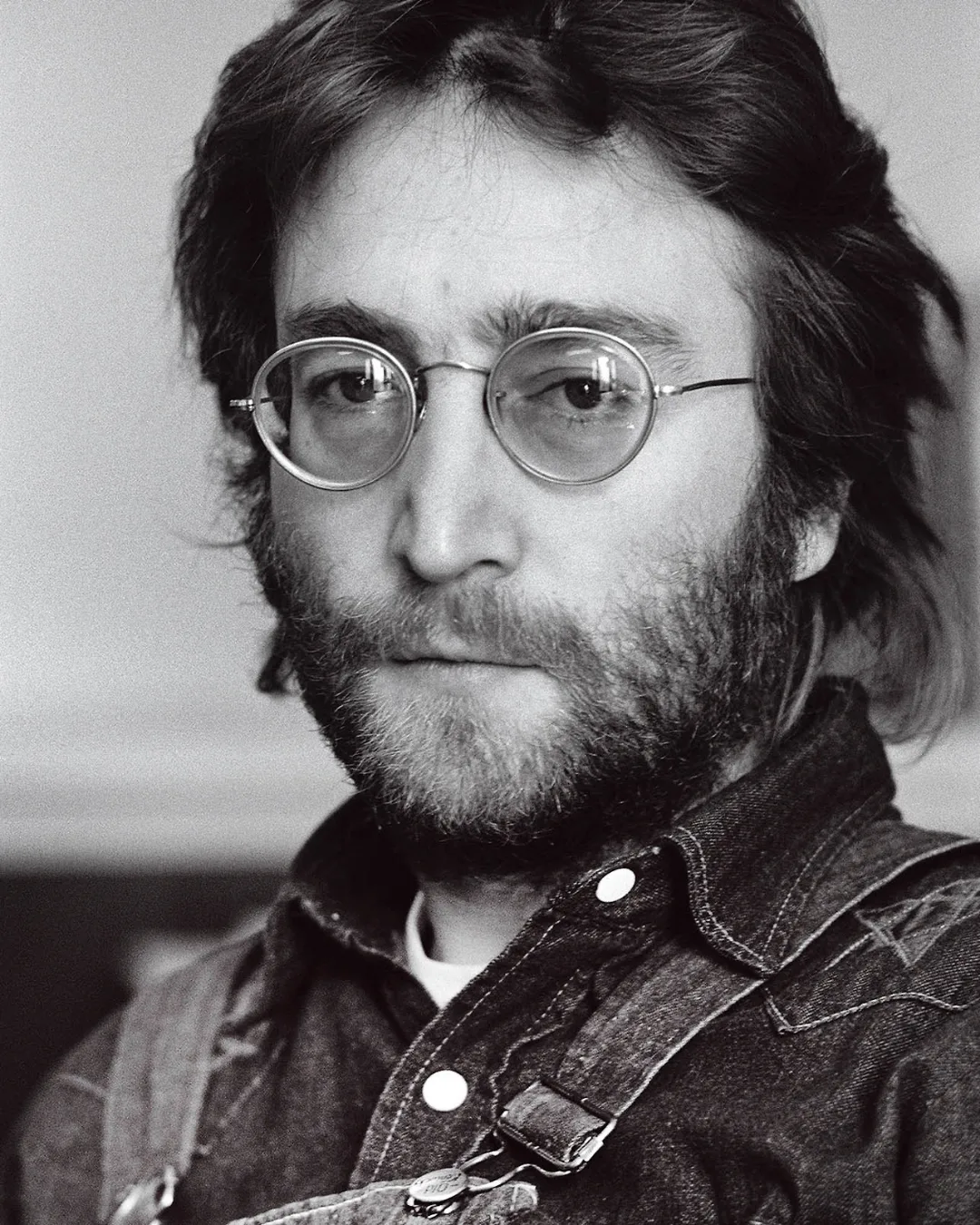
It all came to a haunting climax on December 8, 1980. Tasked with photographing John Lennon for a cover, she was told to shoot him alone, but Lennon insisted Yoko Ono be included. Leibovitz improvised a pose: Lennon nude and curled around Ono, fully clothed, his body reaching toward her with raw vulnerability. When the first Polaroid appeared, Lennon said simply: “You’ve captured our relationship exactly. Promise me it will be the cover.”
They shook hands.
He was killed five hours later.
Published a month afterward, the photograph became his final portrait and one of the most enduring images in modern cultural history, a testament to Leibovitz’s instinct for capturing the human truth beneath celebrity iconography.
Vanity Fair & Vogue: When Fashion Became Cinema
After joining Vogue in 1983, Annie Leibovitz conjured one of her most celebrated fashion editorials: Alice in Wonderland, now hailed as one of the magazine’s all-time iconic portfolios. In the series, 21-year-old Natalia Vodianova steps into the role of Alice - because really, who else could bring to life those wistful blue eyes and that quiet, unshakable grace? Surrounding her is an all-star cast that reads like a fashion dreamscape: Olivier Theyskens as Lewis Carroll, Jean Paul Gaultier as the Cheshire Cat, Stephen Jones as the Mad Hatter, and Christian Lacroix as the March Hare - and the fantasy unfurls, frame after frame.
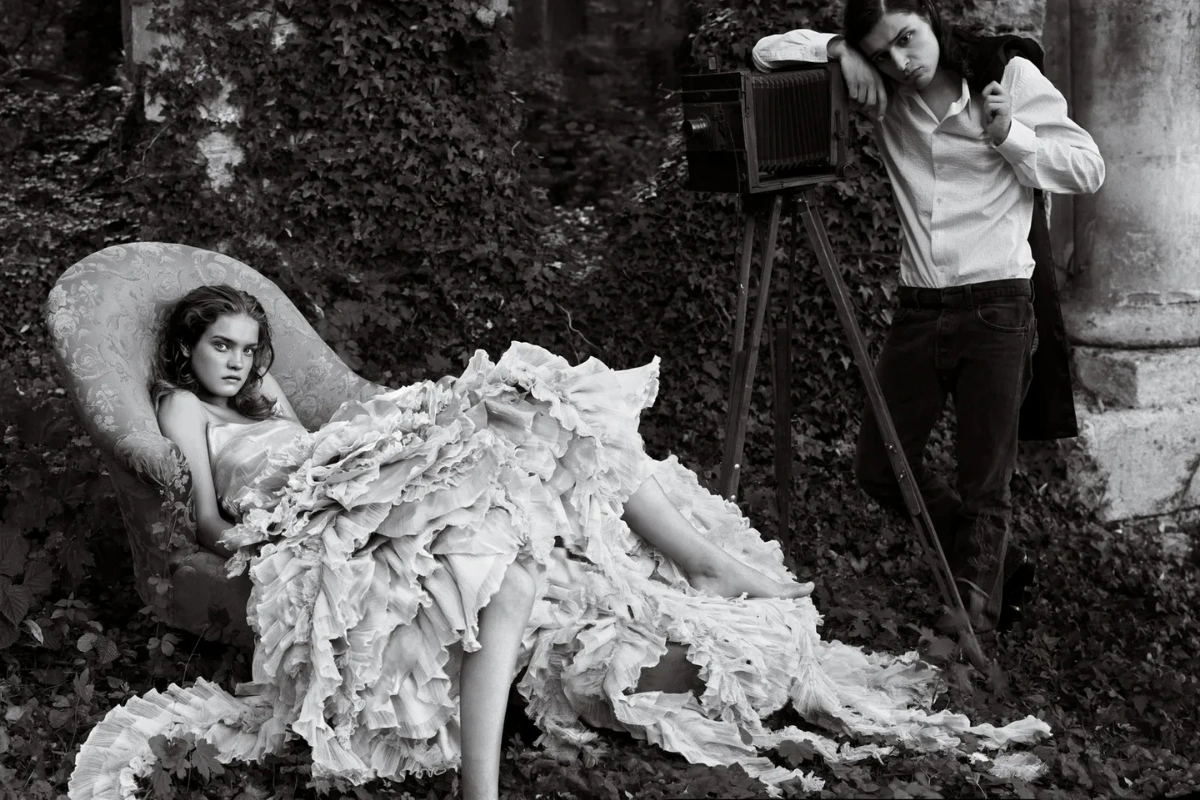
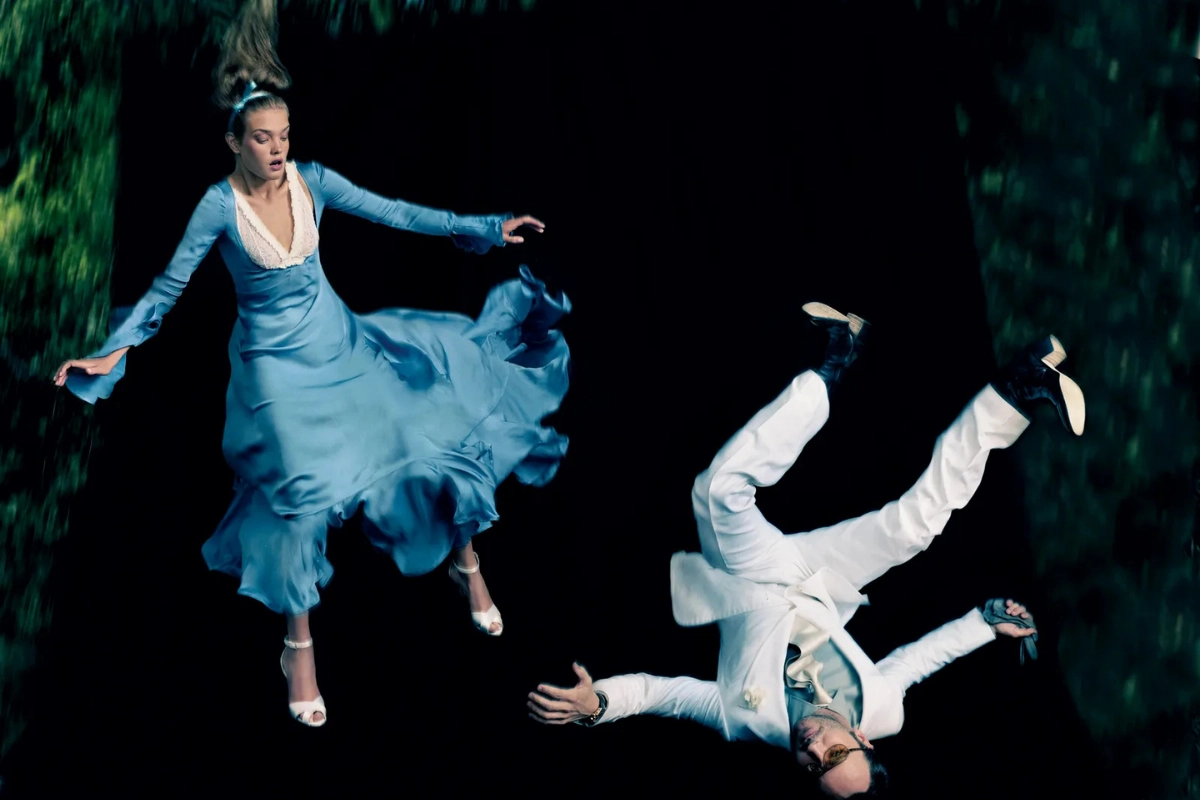
The images are a reverie of fabric and form: from Versace’s sea-foam gown of cascading ruffles, to Karl Lagerfeld’s Chanel couture “dress of a very young girl from the 1870s, in a kind of baby color, with a twenty-first-century mood and the boots,” to Marc Jacobs’s airy, waifish mini. Through her lens, every seam, every fold, every shimmer tells a story. Carroll’s enchantment is resurrected, one photograph at a time.
Beside Alice in Wonderland, Annie Leibovitz opened the door to another realm - the painter’s universe.
Inspired by the love story between Edward Hopper and his muse, Josephine, she reimagined his still canvases as living, windswept scenes, breathing motion into silence. She reimagined his quiet, melancholic worlds as moving tableaux, with Maya Hawke and Harold Ancart stepping into frames of slanted morning light, crisp coats, and Hopper-esque stillness.
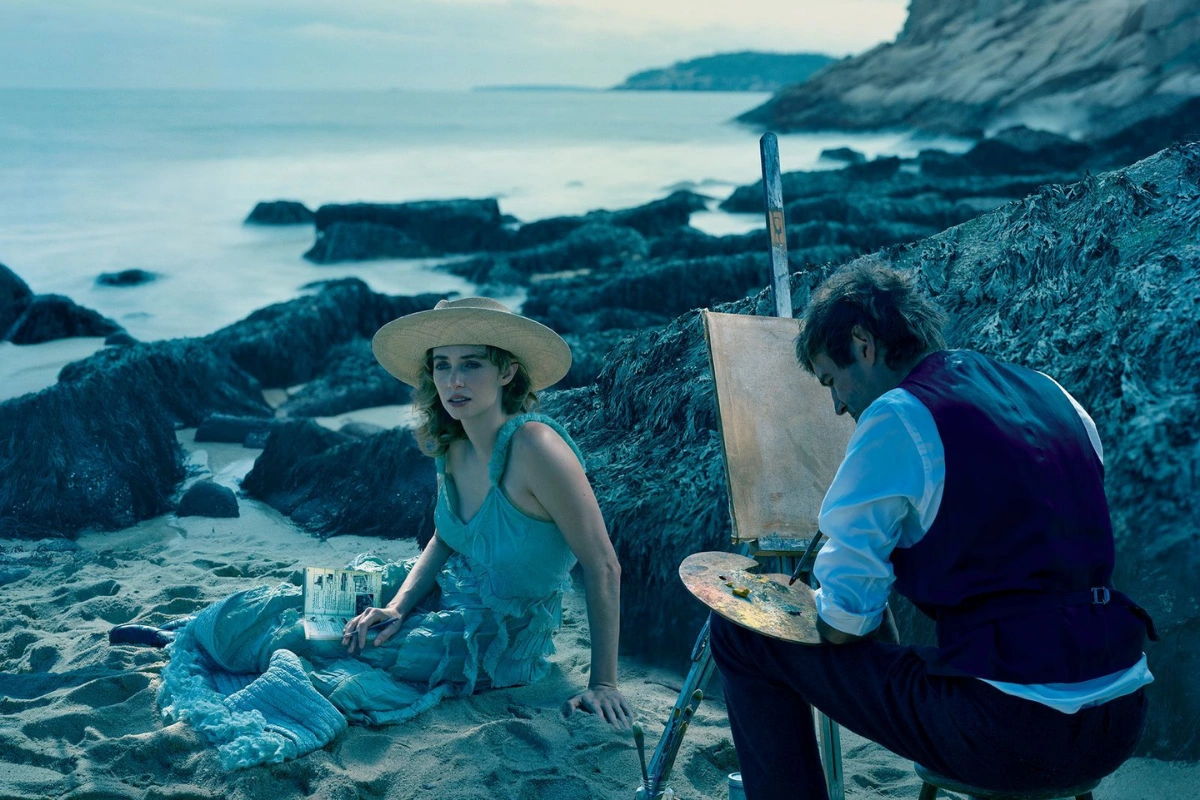
A slant of light falls across Maya Hawke’s cheek like a Hopper sunrise: still, melancholic, and almost unbearably intimate. The crisp lines of tailored coats, the softness of silk against sunlight, the subdued palette of beige and navy - every element feels lifted from Hopper’s universe.
And just as she bridges the worlds of art and photography, Annie Leibovitz continues to blur boundaries elsewhere: between fashion and identity, between fame and humanity.
Icons in the Frame
From Demi Moore’s August 1991 nude silhouette to Keira Knightley and Scarlett Johansson in the 2006 Hollywood Issue, and Marion Cotillard’s 2009 Lady Dior campaign, Annie Leibovitz turns clothing into character and portraits into storytelling.
Moore’s image, perhaps Vanity Fair’s most famous, sparked shock, awe, and heated debate. Many struggled to reconcile pregnancy with glamour; some stores refused the issue, while others hid her radiant form behind packaging usually reserved for adult content. Yet Annie remained unfazed: “It’s a magazine cover. If it were a great portrait, she wouldn’t be covering her breasts,” she later noted.
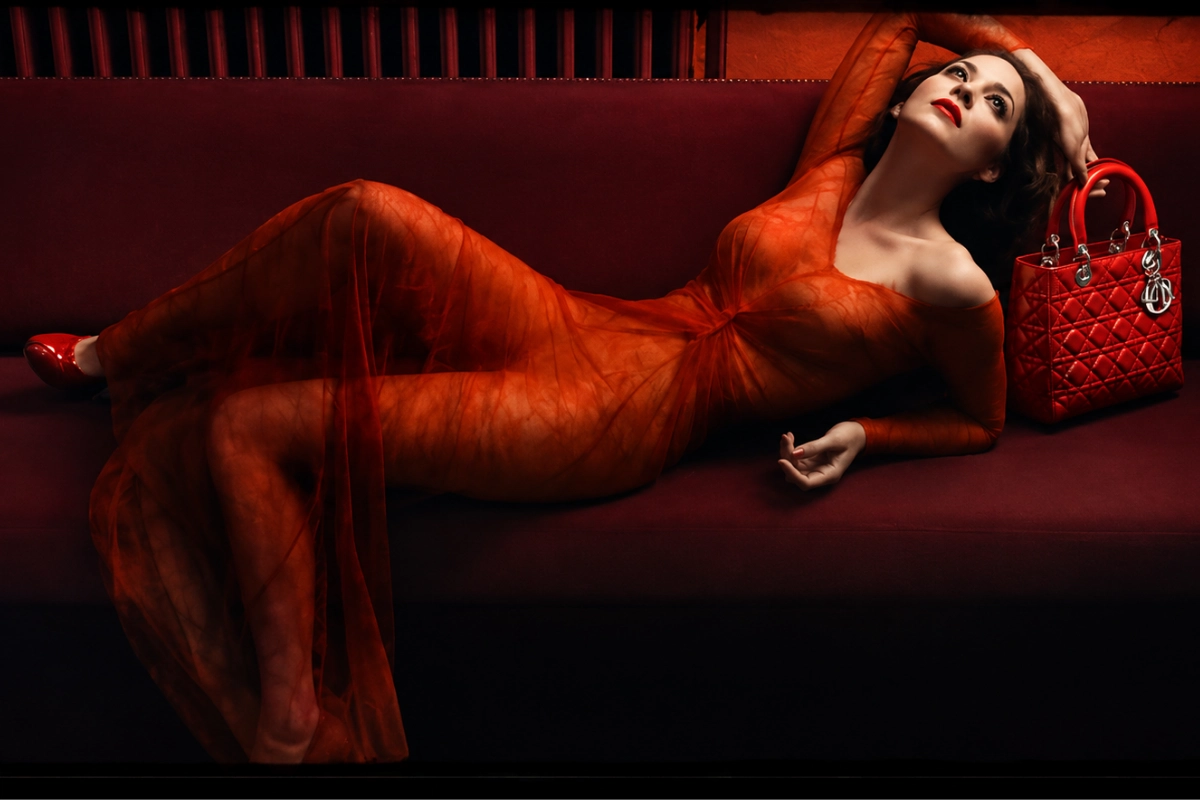
Cotillard’s Lady Dior series, meanwhile, was a masterclass in cinematic couture. Posed atop the Eiffel Tower or adrift in the opulent glow of the Opéra Garnier, Cotillard becomes both muse and myth.
Leibovitz’s Vogue covers continued to define fashion storytelling. Gisele Bündchen paired with LeBron James, Marion Cotillard in Dior - each portrait transforms the subject into a character, with fabrics, light, and color orchestrated to reveal personality as much as glamour.
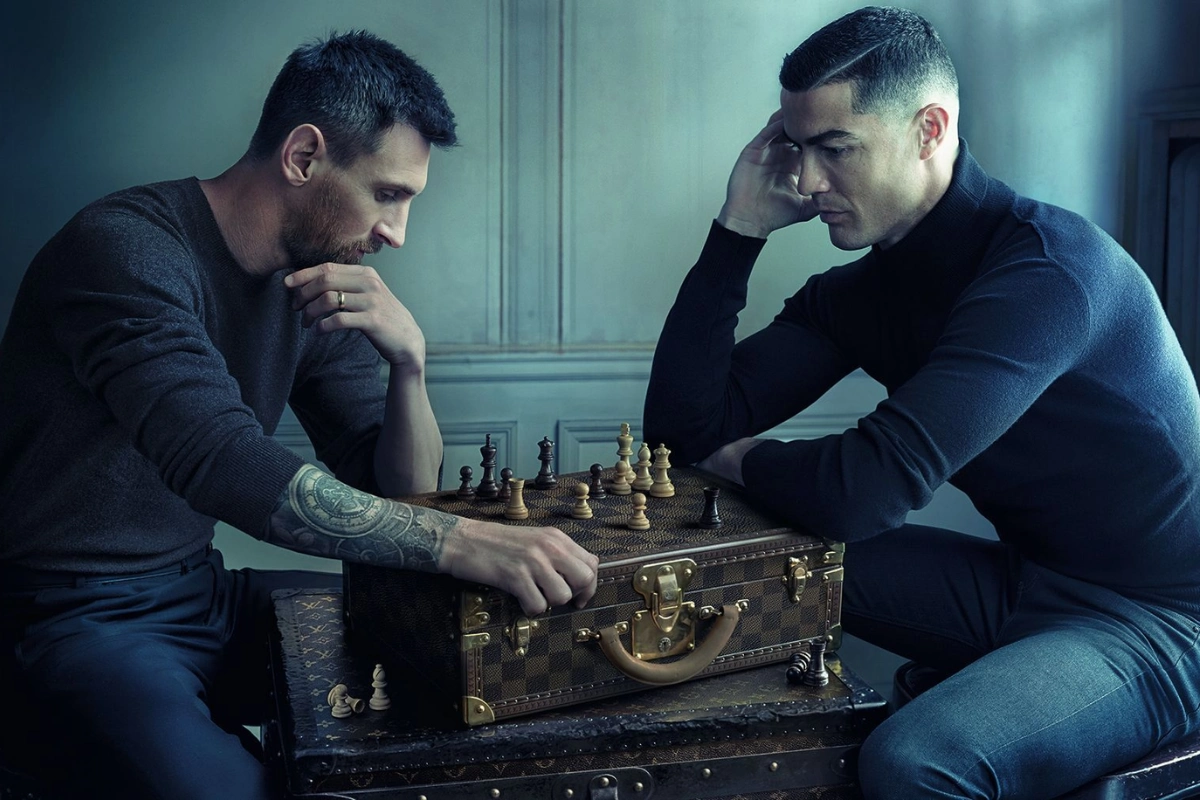
Then came the image that conquered the internet: Messi and Ronaldo, eternal rivals, locked in a silent battle over a Louis Vuitton chessboard. Shot by Annie Leibovitz for Louis Vuitton’s “Victory Is a State of Mind” campaign, the photograph became one of the most viral fashion images of the digital age - a modern fresco of focus, rivalry, legacy, and restraint. Its power came from the illusion itself: the two football legends were never photographed together in the same room. Each was shot separately, then brought into one seamless tableau through digital composition. What could have been a simple luxury campaign became a cultural milestone, proving how Annie Leibovitz could transform strategy into an image the internet could not stop looking at.
Annie Leibovitz, The Woman Who Taught The Camera To Remember
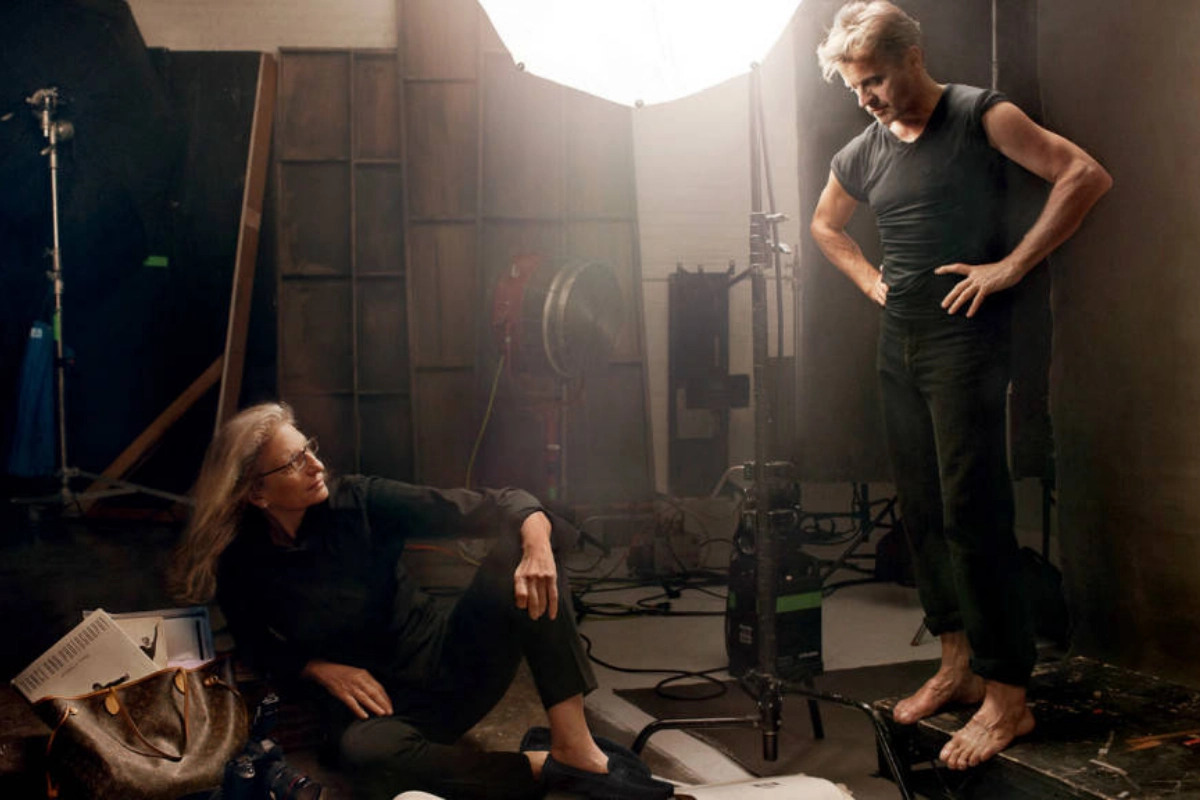
What remains after an Annie Leibovitz photograph is the strange afterglow of recognition: the feeling that someone has been seen with almost impossible clarity. Her portraits carry the grandeur of theatre, yet they never float too far from the pulse of real life. A shoulder turns, a gaze softens, a body leans into silence, and suddenly the image feels less like a photograph than a memory culture has been waiting to claim.
To admire Annie Leibovitz is to admire a photographer who understands that beauty becomes eternal when it is touched by truth. She gave fashion a cinematic soul, gave celebrity a human shadow, and gave modern portraiture its own mythology of intimacy. Her camera never simply captured icons. It transformed them into living symbols: vulnerable, luminous, unreachable, and yet suddenly close enough to haunt us. That is the spell of Annie Leibovitz, she teaches the world how to remember a face.