MENU
Close





Beneath the lights of a K-pop stage, a dress begins travelling before its designer’s name reaches the screen. Look closer at today’s K-pop fashion, and a new origin keeps appearing. Vietnamese fashion has stepped out from behind the factory label, but how far is it preparing to go?

Beneath the lights of a K-pop stage, a dress begins travelling before its designer’s name reaches the screen. Look closer at today’s K-pop fashion, and a new origin keeps appearing. Vietnamese fashion has stepped out from behind the factory label, but how far is it preparing to go?
July 14, 2026
Advertisement

Advertisement



When Katseye stepped onto the Coachella stage in custom La Lune, the candy-colored silhouettes immediately found their way beyond the festival. Beneath the lights, every fluttering surface and exaggerated proportion became part of the performance, then part of the endless stream of images carrying a Vietnamese name across millions of screens.
La Lune had already entered K-pop’s visual world through Aespa and Blackpink, joining a growing circle of Vietnamese labels discovered by the stylists shaping contemporary pop imagery. Soon, the same creative current began appearing beyond Asia, as artists and Hollywood figures arrived in clothes designed and made in Vietnam. What first looked like a series of celebrity moments was beginning to form a pattern.
Behind those images, a country long trusted to manufacture global fashion was quietly claiming another role. Vietnamese fashion was no longer content to remain in the small print beneath an international label. Its designers were stepping forward with names, ideas, and a creative authority the world was finally beginning to recognize.
A conventional runway collection travels through a relatively contained fashion circuit of editors, buyers, guests, and seasonal coverage. A K-pop outfit enters a far more restless ecosystem. It moves from the official performance into fancams, close-up screenshots, styling breakdowns, fan accounts, reaction videos, and shopping searches, gathering new audiences with every repost. One appearance can keep resurfacing long after the music stops.
For young Vietnamese labels without stores or showrooms across major fashion capitals, such repetition creates a form of international presence that would otherwise demand years of expansion. Audiences in Seoul, Bangkok, Los Angeles, or Paris may encounter the same garment through several different channels before learning the name behind it. The outfit begins as a stage costume, becomes a piece of fan culture, and eventually leads viewers back to the brand.

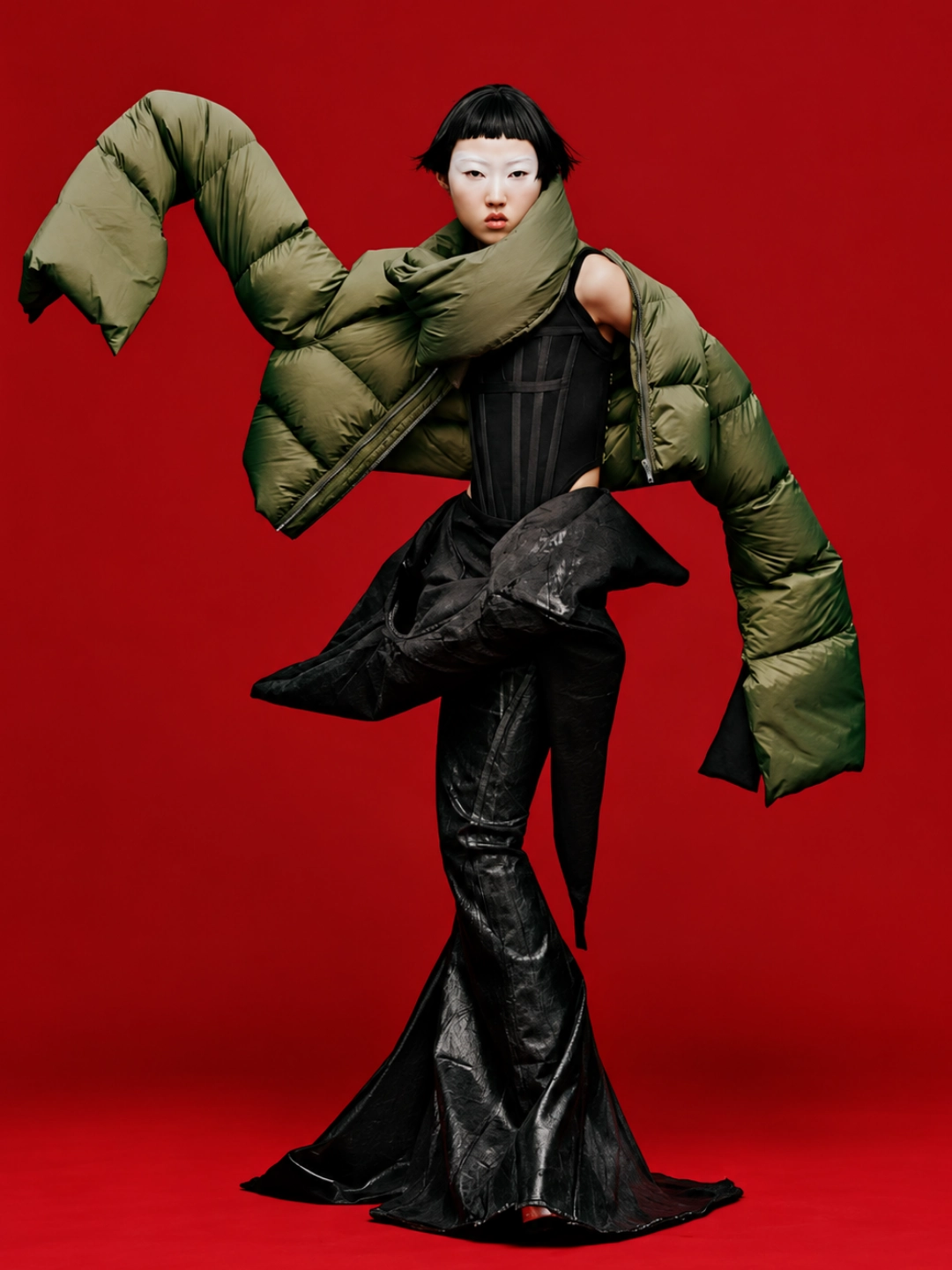
K-pop fashion also favors garments capable of declaring themselves within seconds. Enlarged proportions, fractured ruffles, dramatic cut-outs, glossy surfaces, and hyper-feminine construction remain visible beneath intense lighting and continuous movement. La Lune’s surreal silhouettes and Fancì Club’s sensual Y2K language already possess the theatrical clarity required by this environment. Their designs give an artist a stronger visual character while remaining desirable beyond performance.
Behind every spectacular look sits a far less glamorous race against the clock. Stylists may request an altered sample, a custom colorway, or an entirely new garment shortly before a shoot or performance. Compact Vietnamese studios can communicate directly, revise quickly, and place designers close to the people cutting and constructing each piece. Fewer layers between the initial request and the finished outfit allow ambitious ideas to move from a message thread to the stage at unusual speed.
Vietnamese labels are therefore entering K-pop through more than visual novelty. Their rise has been shaped by the combination of expressive design, responsive production, and an ability to operate at the accelerated rhythm of contemporary celebrity culture.
For decades, Vietnam has been present inside wardrobes across the world while remaining almost invisible to the people wearing them. A jacket could be cut in one of its factories, a sneaker assembled by its workers, or an evening dress finished by hands trained through generations of textile knowledge, yet the story usually ended with another country’s logo stitched above the “Made in Vietnam” label.
The country’s textile and garment exports reached approximately $46 billion in 2025, but the larger figure hides a strangely intimate truth. Vietnam already knows clothes. It knows how fabric behaves beneath a needle, how a pattern must change when translated from paper to body, and how an impossible deadline can still end with a finished garment hanging neatly on a rail. Its international fashion ambitions are growing inside an enormous workshop that has spent decades perfecting the craft while someone else received applause.
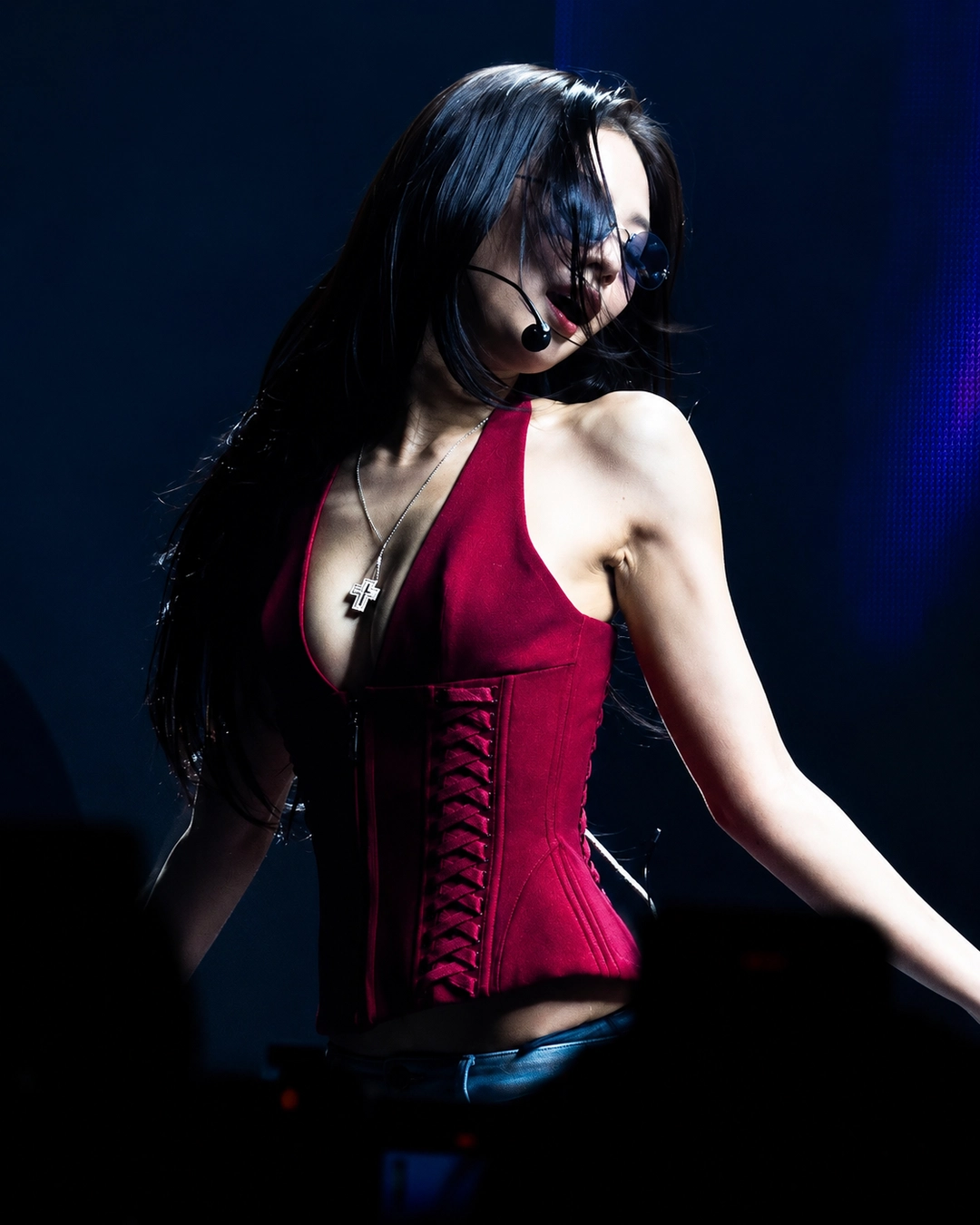
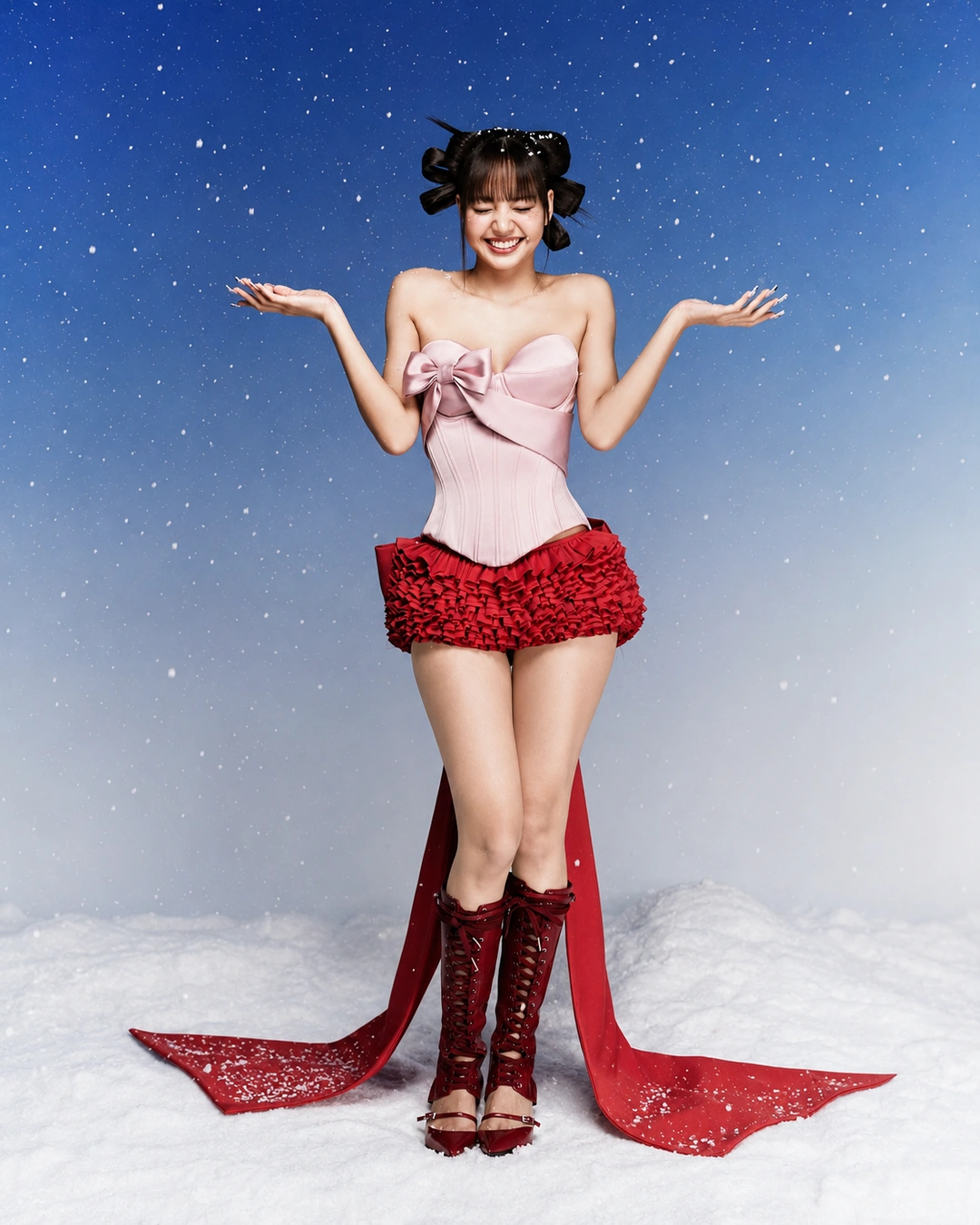
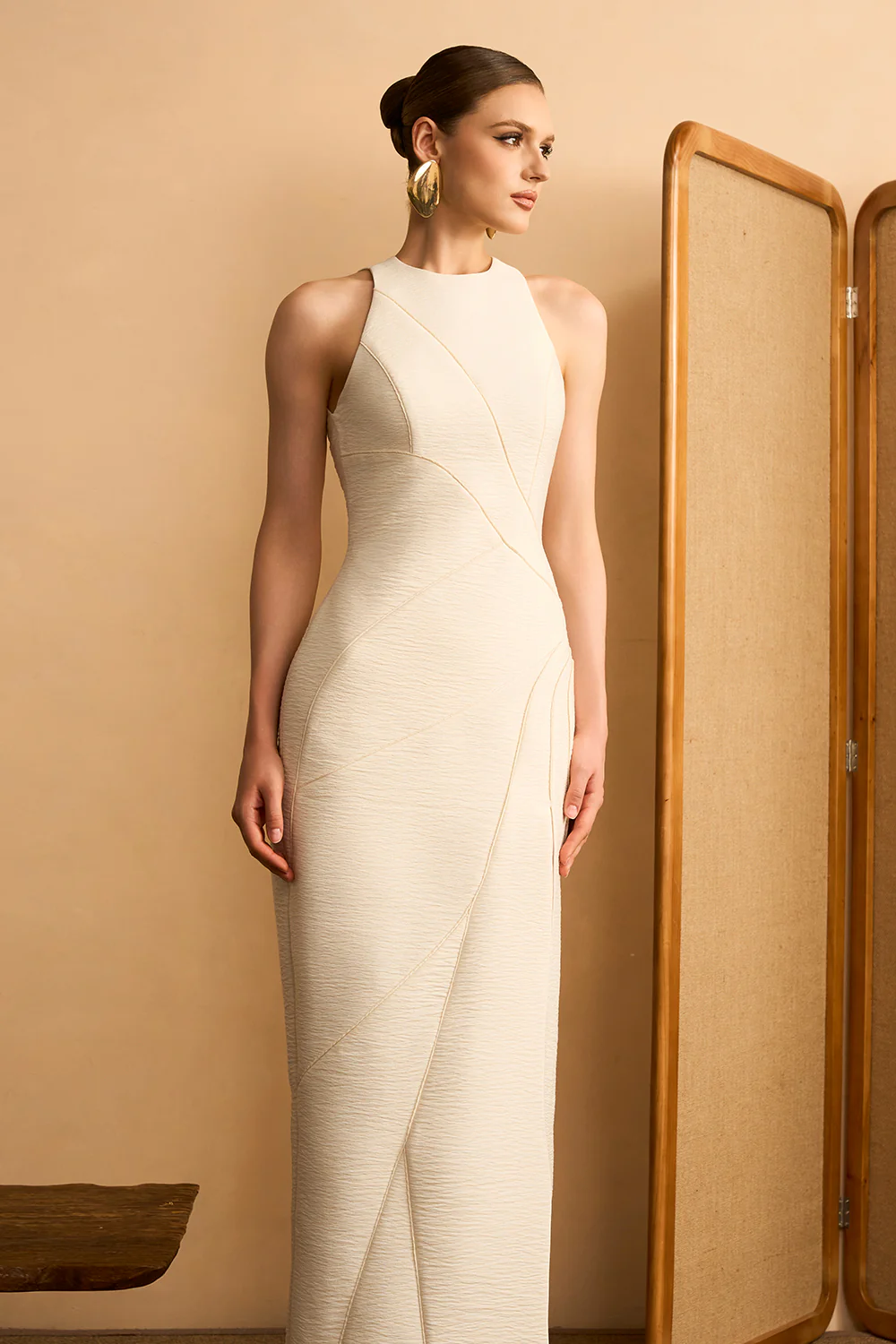
A new generation of designers is beginning to turn that inherited fluency into authorship. La Lune, Fancì Club, L Soul, Gia Studios, Moi Dien, Huelley Huelley, and Công Trí are selling more than products manufactured in Vietnam. Each proposes a world shaped by Vietnamese imagination, whether through sculptural fantasy, sensual disorder, rigorous minimalism, or precise evening glamour.
Their proximity to local production gives experimentation an unusually physical quality, allowing ideas to move fluidly between sketching, fitting, cutting tables, and finished garments without crossing several borders along the way. A sleeve can be reconstructed, a silhouette pushed into stranger territory, and even an urgent custom request kept ambitious when designers and makers work within the same creative orbit.
Manufacturing has long made Vietnam essential to global fashion; design can make it visible. One supplies the garment. The other gives the garment a name, a memory, and a reason to be desired. After years of sewing fashion’s sentences for other houses, Vietnam is finally beginning to write in its own voice.
International audiences often search for heritage through its most recognizable signs. For Vietnam, that expectation can quickly narrow into áo dài collars, silk, lotus motifs, imperial embroidery, and familiar symbols translated into contemporary clothes. These references carry enormous beauty, but Vietnamese creativity stretches far beyond a visual checklist of national identity.
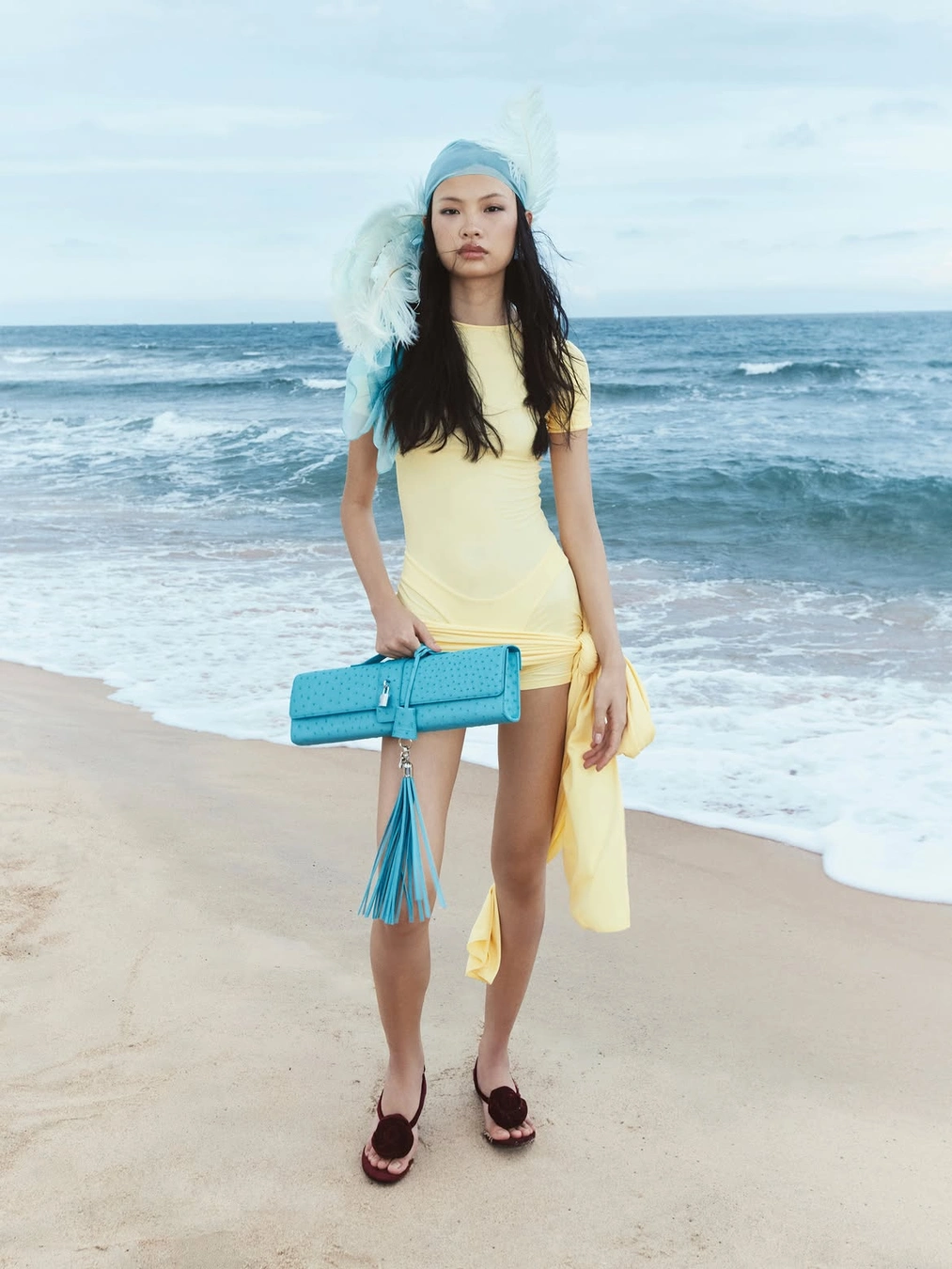
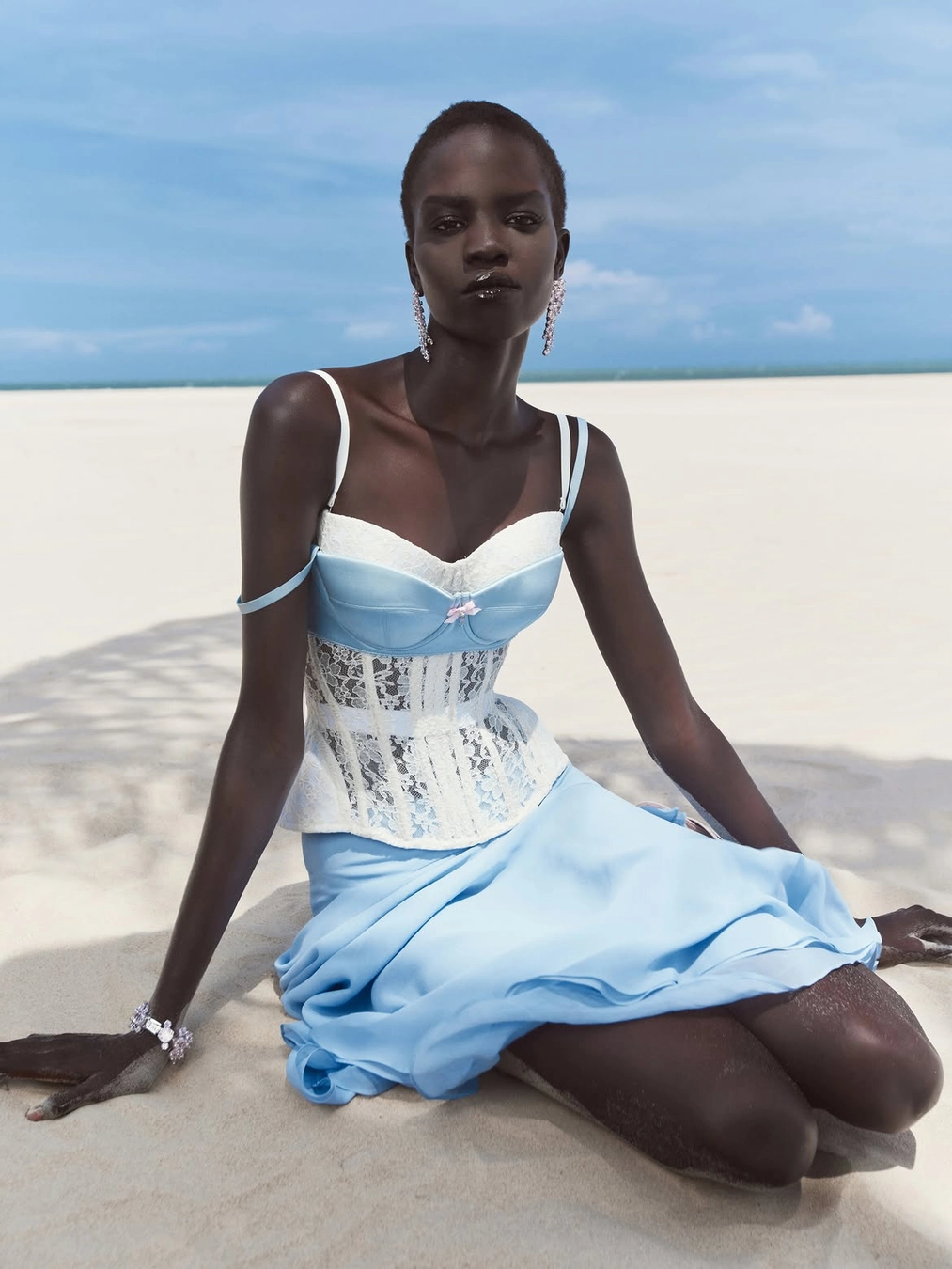
Fancì Club’s dresses can appear deliciously unstable, with ruffles slipping across the body as though the garment has been caught halfway through a transformation. La Lune pushes familiar clothing into fantasy, distorting denim, expanding shapes, and placing almost cartoonish drama against meticulous construction. Gia Studios speaks in a quieter language of disciplined proportion and material restraint. None needs to announce Vietnam through a literal motif. The identity survives in the hands of making clothes, the cultural appetite behind them, and the particular confidence with which each brand approaches beauty.
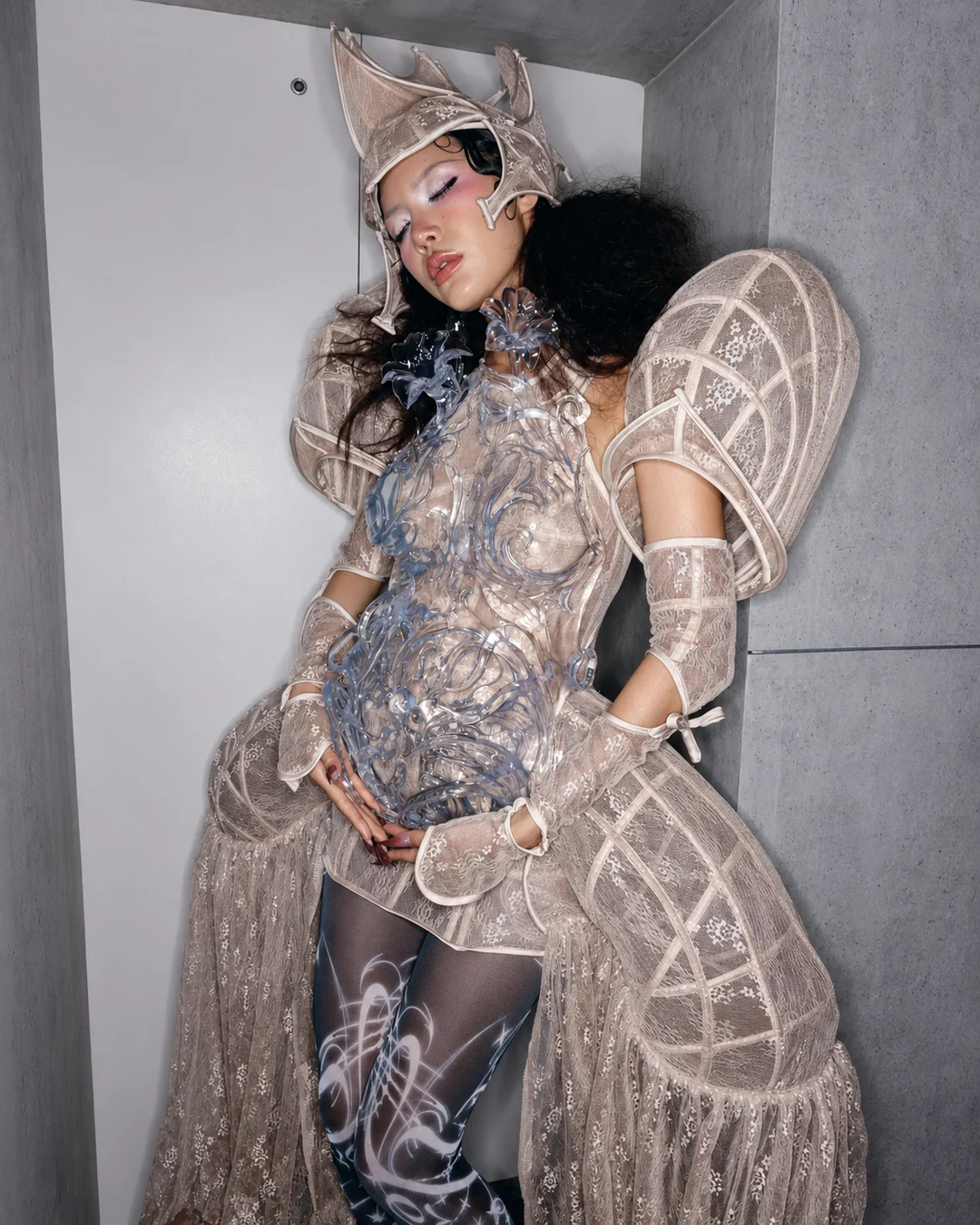
Phan Huy travels in another direction, drawing Vietnamese imperial imagery, childhood memories, traditional forms, and local craftsmanship into couture. His work demonstrates how heritage can enter fashion as living material rather than decorative proof of origin. A reference may appear in the elongated fall of a panel, the delicacy of a surface, or the ceremonial composure of a silhouette. Vietnamese culture remains present without becoming trapped beneath its own symbols.

For a country rising creatively, freedom may be its most valuable inheritance. Vietnamese designers can draw from home without remaining bound to a fixed image of it, allowing memory, instinct, and imagination to shape entirely different expressions. A fashion identity becomes convincing when those voices are given room to unfold, carrying Vietnam forward in more than one form.
Perhaps the most exciting quality in Vietnamese fashion today lies in how many forms it can still become. It can be technically sophisticated and emotionally raw, intimate and theatrical, tender and slightly chaotic. The industry is still young enough to take risks before success hardens into formula. From within Vietnam, that unfinished quality resembles possibility.
By the time a Blackpink performance ends, clothes have already begun another life online. Close-ups travel across fan accounts, designer credits appear beneath reposts, and a Vietnamese label can wake the next morning to an audience scattered around the world. After years of seeing Vietnam’s contribution hidden behind other names, the excitement of such recognition feels deeply earned.

Attention moves on quickly, however, and the path from a viral image to a lasting fashion house remains much longer. Curiosity surrounding one spectacular outfit has to continue into the collection, where the audience can discover a visual world rich enough to outlive its famous wearer. The star may bring people to the door, but clothes must give them a reason to enter.
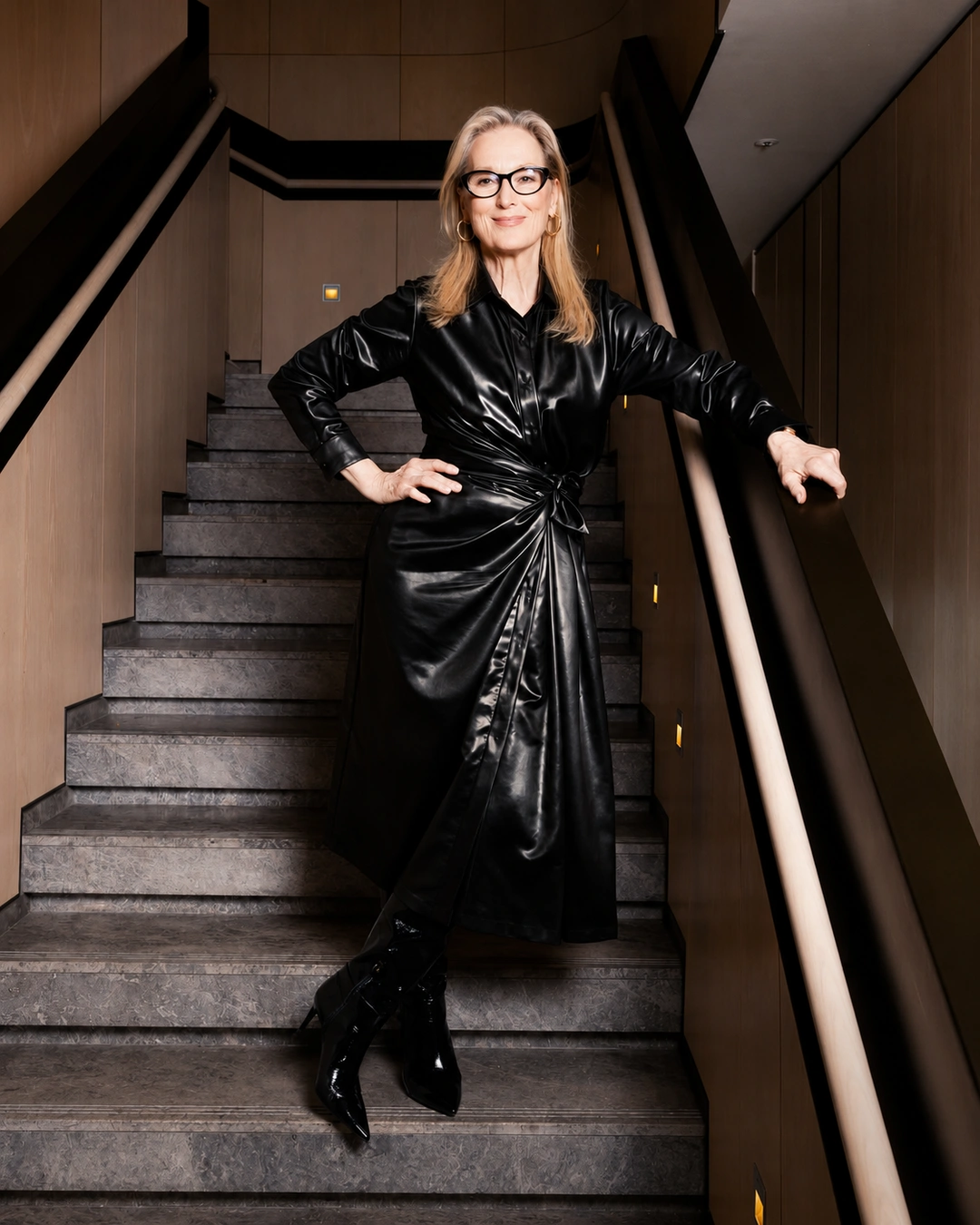
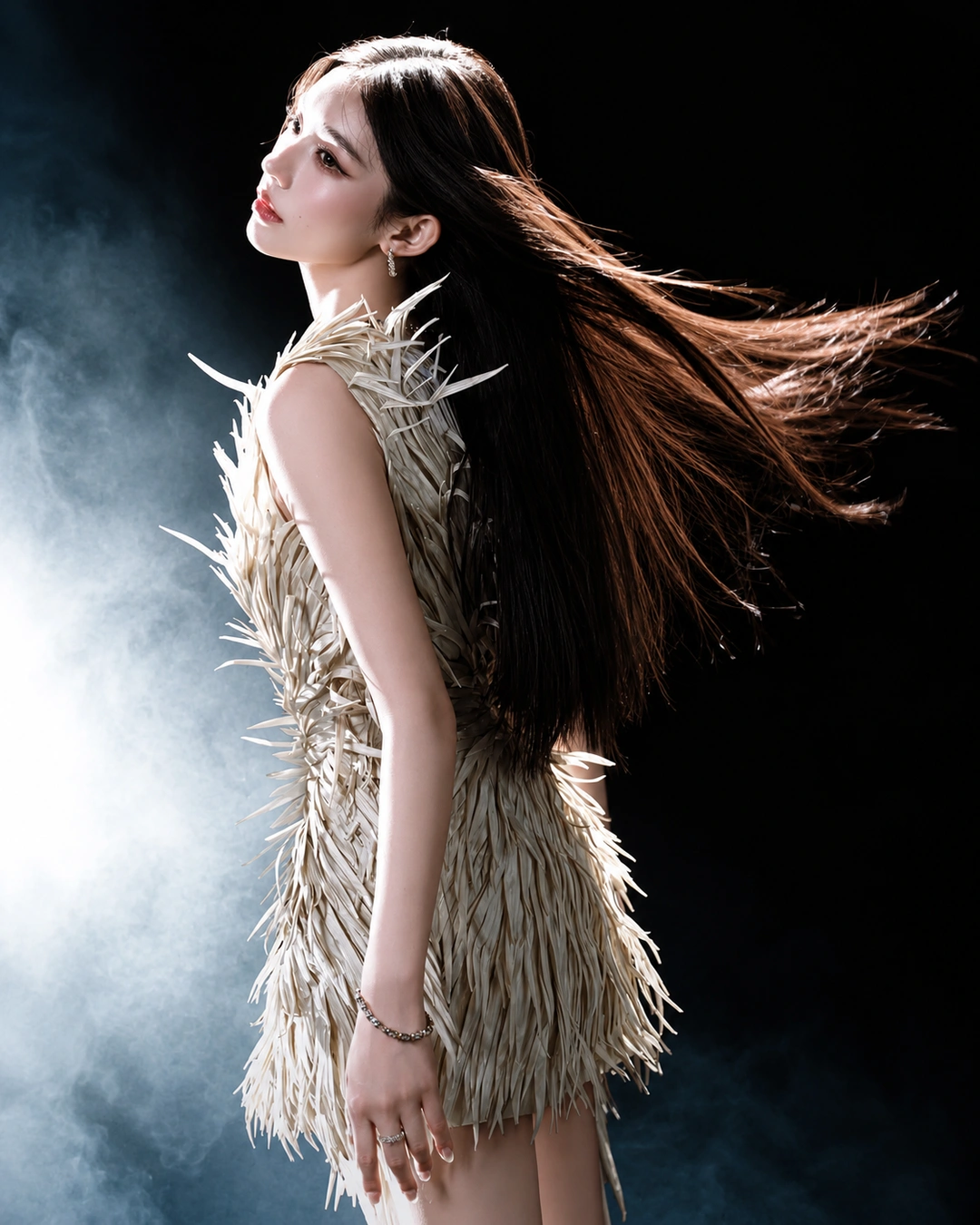
Fancì Club carried that experience beyond the screen when it opened its physical flagship. Visitors who first encountered the brand through a celebrity image could finally see its construction up close and enter the atmosphere from which those clothes emerged. Encounters like these are gradually changing the rhythm of Ho Chi Minh City, where discovering local fashion has become part of how international visitors experience the city itself.

Around that growing curiosity, a wider creative culture is beginning to gather. As more local talent finds the support to develop ideas into enduring businesses, isolated moments of fame can accumulate into something larger. K-pop may have introduced Vietnamese fashion at extraordinary speed; what follows could help Vietnam hold its place on the global fashion map.
When Phan Huy appeared on the official Paris Haute Couture Week calendar in January 2026, the house did so as a Guest House, a status awarded for that particular season rather than a permanent place within French haute couture. His collection carried Vietnamese imperial references, sculptural construction, and meticulous handwork into couture’s most visible institutional setting, but the invitation should be understood as a milestone in the brand’s public narrative rather than evidence that Phan Huy had entered a continuing path towards membership.
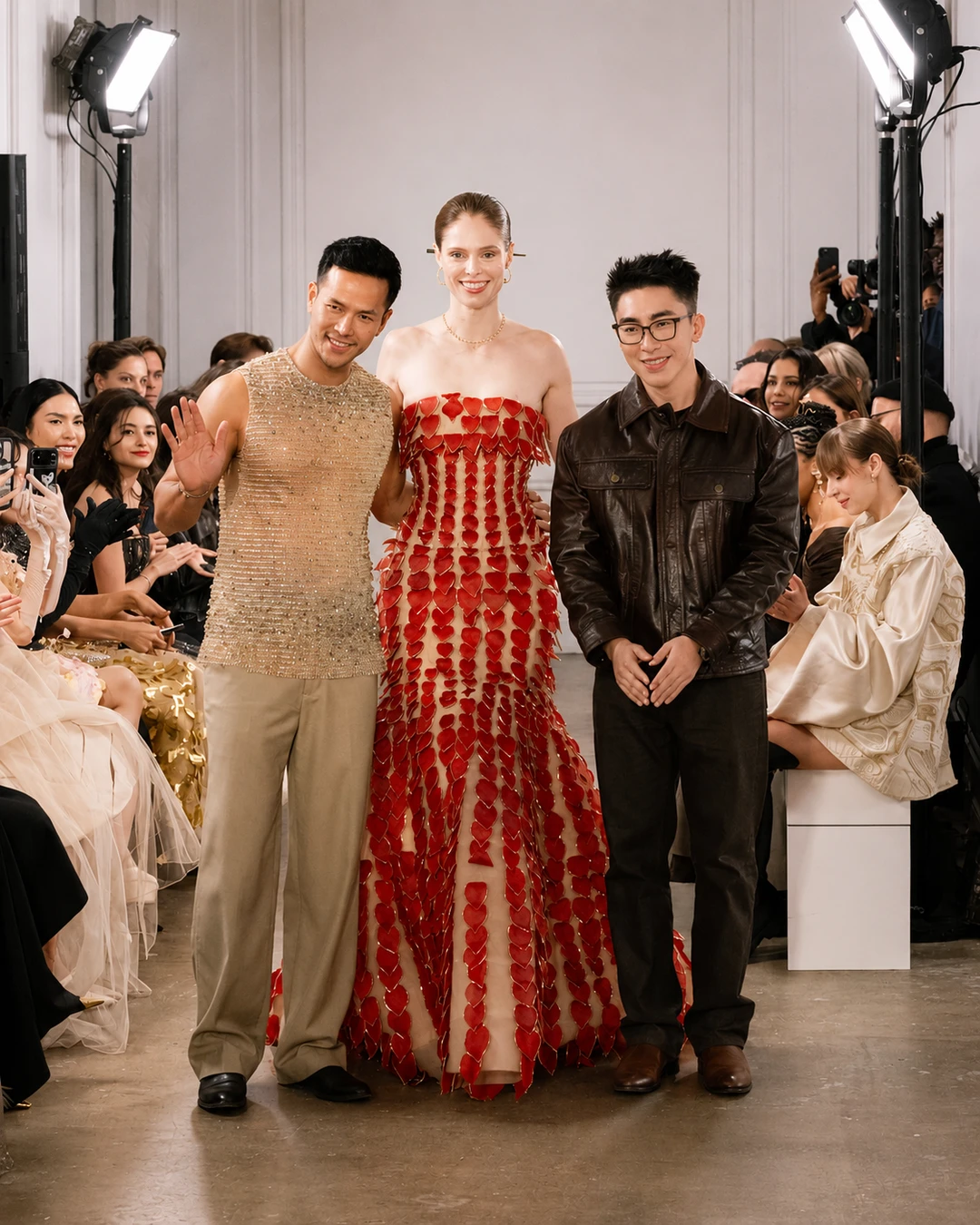
For a young house founded in 2023 and still developing its commercial presence in Paris, one official appearance could already deliver considerable symbolic value. The calendar placed Phan Huy within the same week as houses with far deeper institutional histories, creating a credential that could continue travelling through domestic press, brand profiles, private-client conversations, and future commercial pitches. The house was absent from the Fall/Winter 2026–2027 calendar, although that absence reveals little about what happened behind the application process. There is no public confirmation that Phan Huy intended to return or see Guest House status as the beginning of a longer institutional project.
The debut may therefore be more accurately read as a concentrated act of positioning. A single Paris show could elevate the name, produce international imagery, reinforce the house’s couture identity, and provide a prestigious milestone without requiring the brand to sustain the same expense season after season. Once that symbolic value had been captured, returning would have depended on a new calculation involving budget, production capacity, press impact, private clients, and the broader direction of the business.
This changes the comparison with La Lune and Fancì Club. Their visibility grows through repeated celebrity placements, digital circulation, and products that can re-enter the market across different collections. Phan Huy’s appearance operated differently, compressing prestige into one highly visible Paris moment. One route builds recognition through repetition; the other can create an immediate elevation in status. Both can direct international attention towards Vietnamese design, yet neither automatically produces the buyers, clients, distribution, or operational structure required to build an enduring global house.
Vietnam’s next chapter cannot rest on the symbolism of one invitation. It depends on whether such moments are converted into repeat orders, private clients, stronger showrooms, stable production systems, and sustained relationships with international press and buyers. Paris gave Phan Huy a powerful image of Vietnamese authorship. The more revealing question begins once the calendar moves on: what remains after the prestige of being seen?
Vietnamese fashion is still writing the early chapters of its global ascent, but the world has already begun to look in its direction. After decades spent shaping clothes for others, Vietnam is finally becoming known for the visions carrying its own name.
Advertisement