MENU
Close





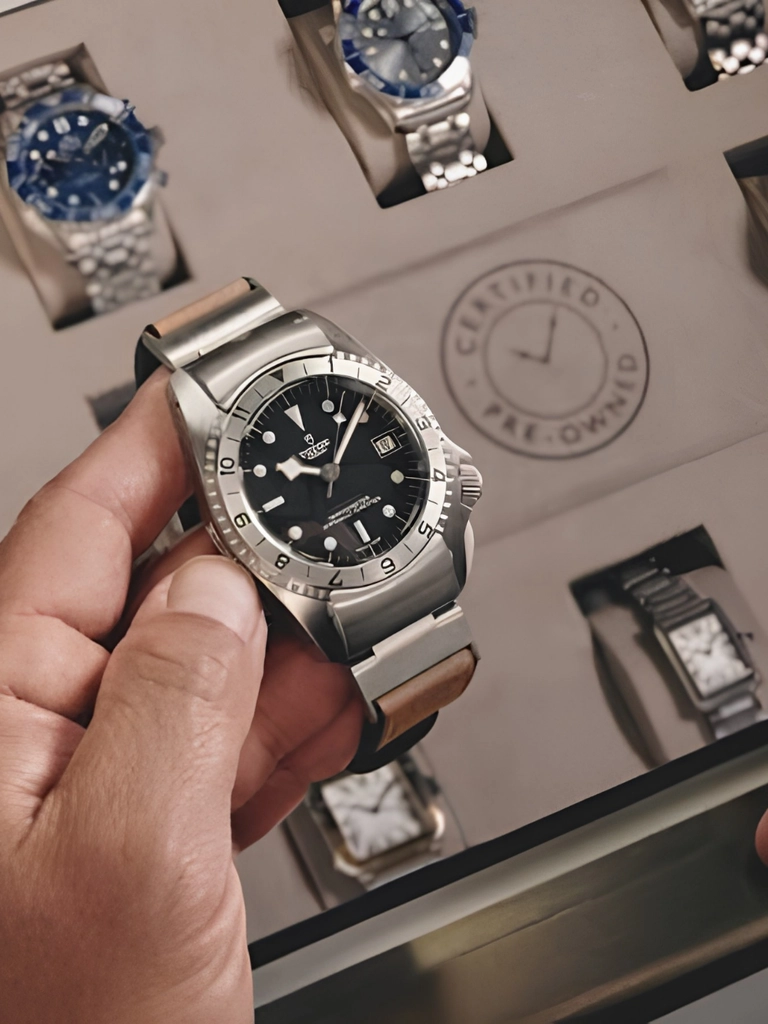
A generation ago, buying a preowned watch suggested compromise. Today, it can mean rarity, provenance and prices above retail. As secondhand sales climb into the tens of billions, the preowned market is reshaping how watch value is created, discovered and preserved.
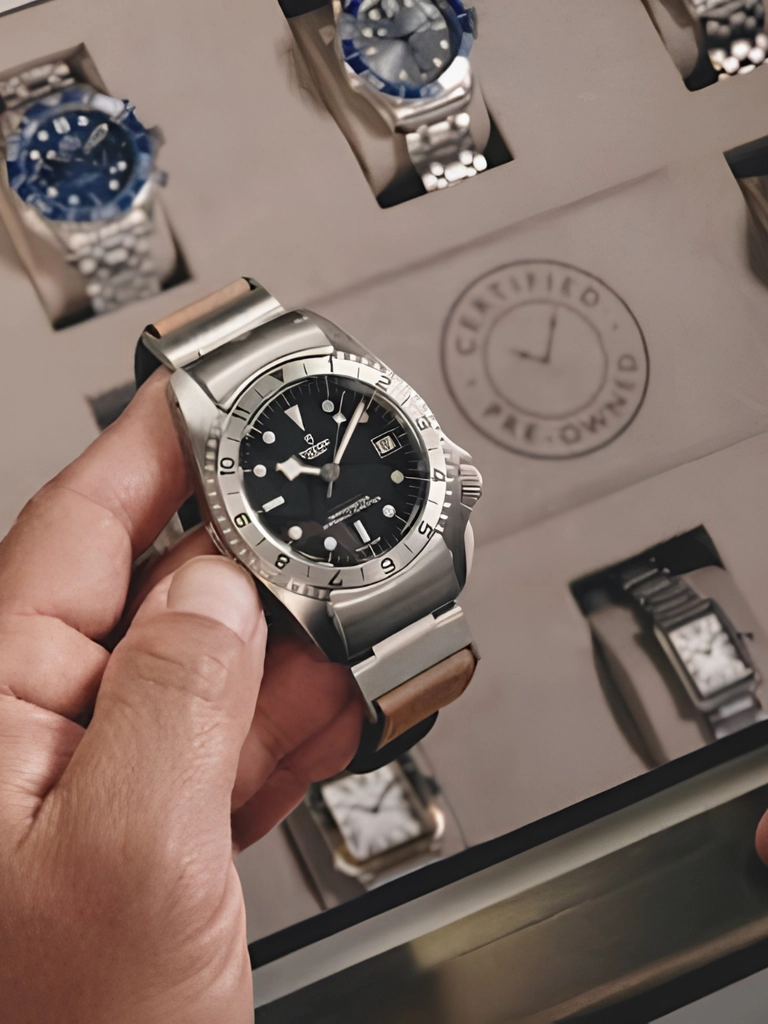
A generation ago, buying a preowned watch suggested compromise. Today, it can mean rarity, provenance and prices above retail. As secondhand sales climb into the tens of billions, the preowned market is reshaping how watch value is created, discovered and preserved.
September 11, 2026


For most consumer goods, the moment of purchase begins a predictable financial decline. Drive a new car out of the dealership and depreciation begins. Wear a pair of shoes and their resale condition changes. Open the packaging around most electronics and part of their commercial value disappears immediately. The luxury watch has developed a considerably stranger economic life.
A buyer can walk into a boutique, purchase a watch and discover that the object may be worth considerably more outside the shop. For the hardest-to-obtain references, leaving the authorised retail network has historically been capable of increasing the market price instead of diminishing it.
That inversion has helped transform the preowned watch from a secondary luxury purchase into an increasingly important part of the watch industry itself.
Boston Consulting Group and WatchBox estimated that preowned watch sales reached $22 billion in 2021, approaching one-third of a total luxury watch market valued at approximately $75 billion. Their research projected the secondhand segment reaching around $35 billion by 2026, compared with $66 billion for firsthand watches.
Behind those numbers is a deeper change in what collectors believe they are buying. A watch now has two prices, two markets and, increasingly, two lives.
Historically, secondhand luxury operated through a fairly intuitive hierarchy. New was desirable. Used was discounted. Scarcity broke that logic.
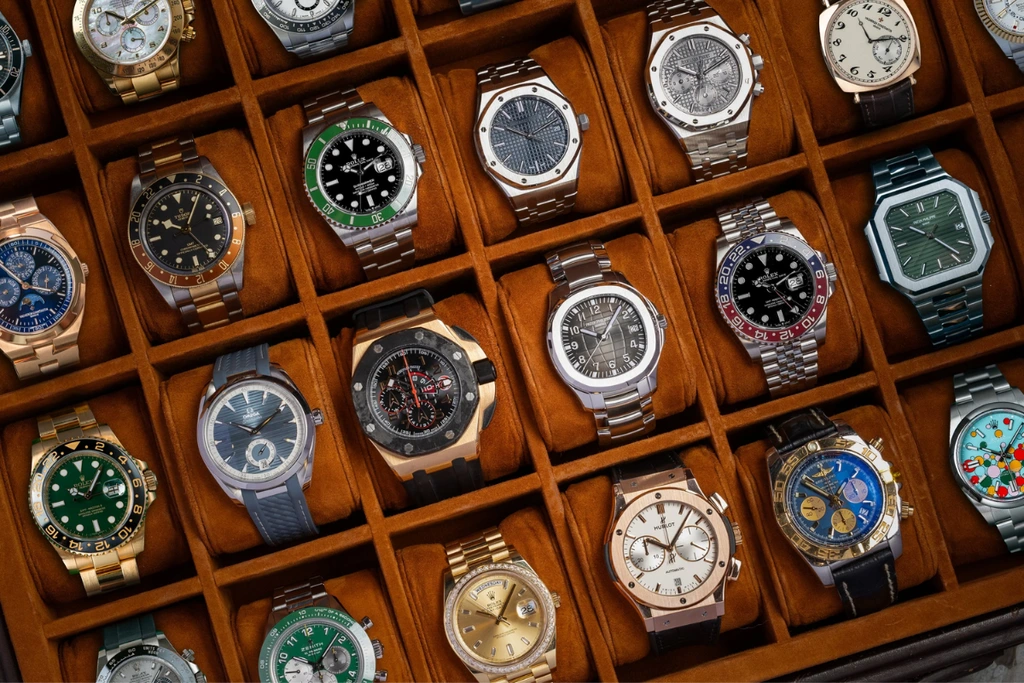
Certain references from Rolex, Patek Phillipe and Audemars Piguet became extraordinarily difficult to purchase through authorised retailers, while waiting lists and allocation systems separated official retail price from what buyers were actually willing to pay.
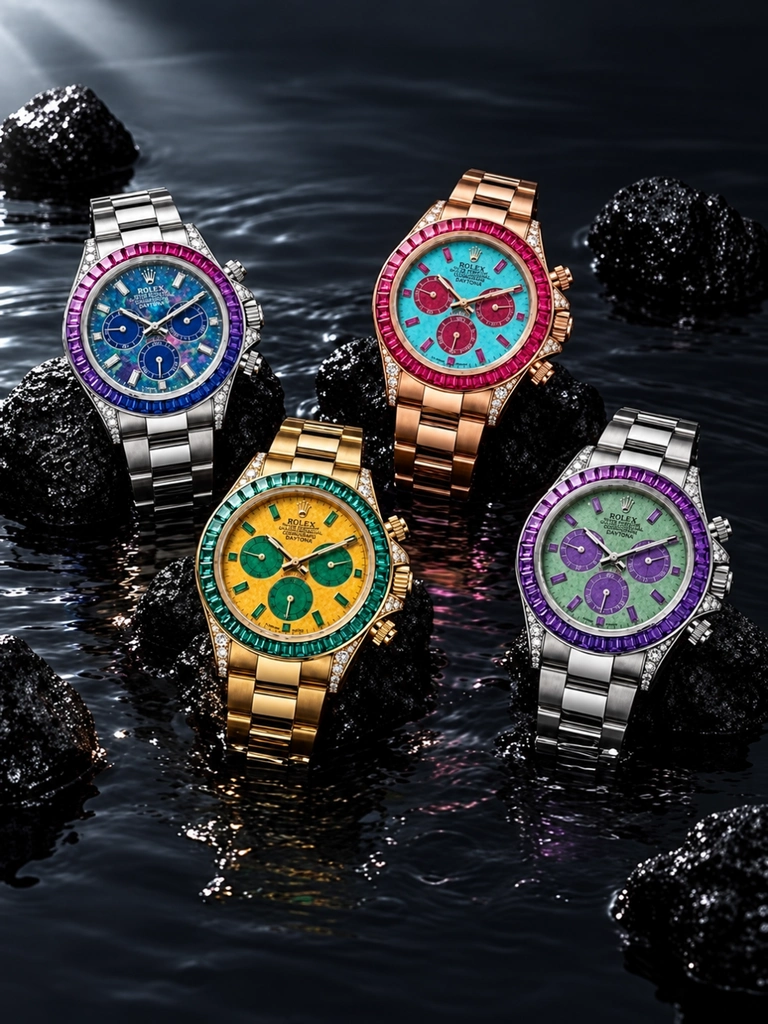
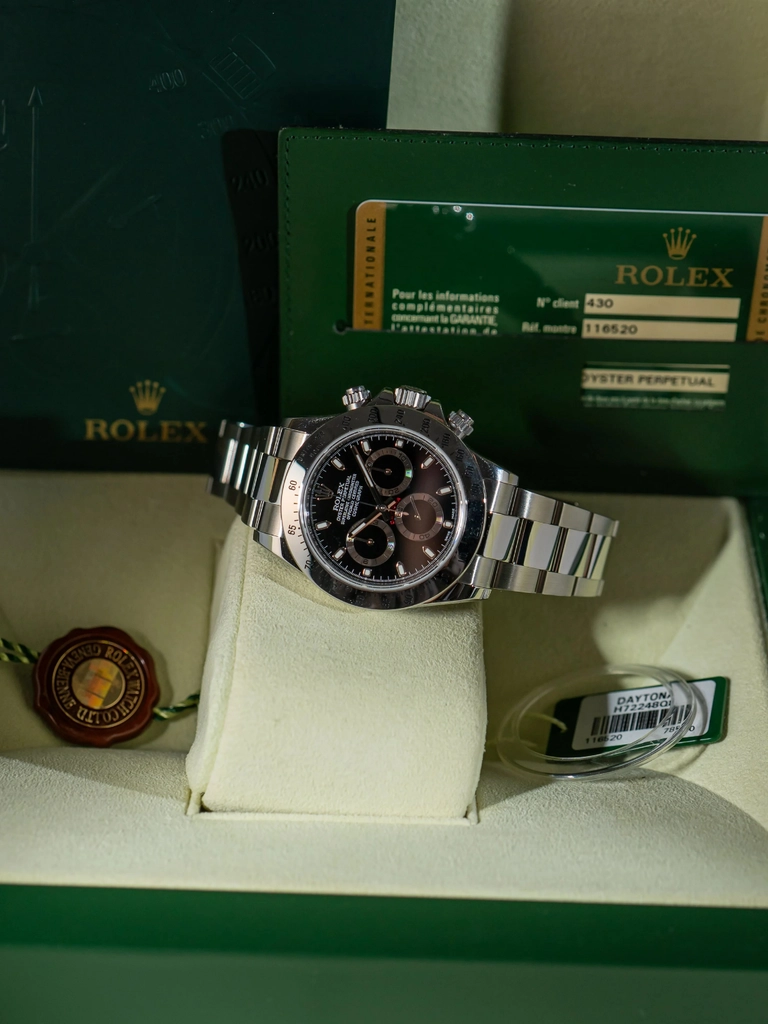
BCG's study found that particularly coveted models could trade at up to 200% of their firsthand market prices. It cited the Rolex Cosmograph Daytona as an especially vivid example: watches carrying a retail price of $14,800 were changing hands on preowned exchanges for roughly $24,250 to $38,500 at the time of the research.
The pandemic exaggerated the imbalance. In 2020, firsthand watch sales declined by 17%, according to the study, while preowned sales increased 3%. During the pandemic period, selected luxury watches traded at approximately 1.5 to two times retail. Suddenly, “used” was a rather inadequate description. The secondary market had become the place where scarcity received a price.
This matters far beyond watches. Luxury companies traditionally exercise enormous control over value. They decide how an object is designed, produced, distributed, displayed and priced. Boutiques provide the architectural stage upon which that value is communicated.
The secondary market introduces another authority: collectors themselves. If a watch retailing for $15,000 consistently changes hands for $30,000, which figure describes its value? Both do, but they describe different things. Retail price expresses the manufacturer’s positioning. Secondary price reveals the amount buyers will pay once supply, desirability and availability collide in an open market.
For watchmakers, the preowned watch has consequently become an unusually visible measurement of brand equity. Collectors can observe which references retain value, which suddenly accelerate, which decline after speculation cools and which older pieces acquire new relevance decades after production ends.
Price discovery is happening publicly. That transparency has fundamentally changed the psychology of buying.
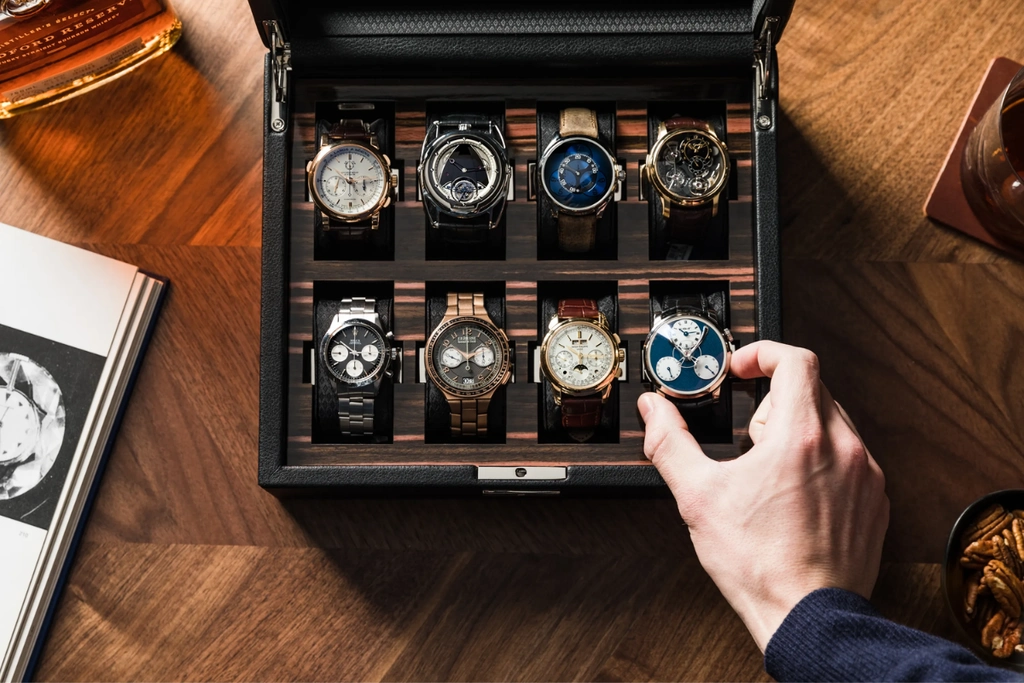
The transformation accelerated when watches began appearing in conversations previously reserved for portfolios.
Between August 2018 and January 2023, BCG found that average secondhand prices for selected models from Rolex, Patek Philippe and Audemars Piguet increased at a compound annual rate of approximately 20%. Over the same period, the S&P 500 delivered roughly 8% annually. Selected independent watchmakers in its analysis recorded approximately 15%.
Extend the horizon and the story remains striking, although considerably less spectacular. From 2013 through 2022, watches appreciated at an average annual rate of approximately 7% according to the alternative-asset indices cited in the report, outperforming several collectible categories over that particular period. From 2020 to 2022 alone, watch values rose approximately 27%.
The distinction between those figures is important. Twenty percent annual growth describes an exceptional period concentrated around highly desirable models. Seven percent over ten years offers a more sober picture.
A watch is still an object, not an interest-bearing security. Its price depends upon reference, condition, originality, provenance, rarity, fashion and the willingness of another collector to buy it. Servicing costs money. Auction commissions and dealer margins matter. Markets can fall.
Indeed, the correction in watch prices during 2022 demonstrated exactly that. The investment narrative nevertheless changed buyer behaviour.
BCG found that 66% of surveyed buyers said anticipated value retention or appreciation influenced their purchase decision. The pleasure of ownership had acquired a financial subplot.
The stereotype of the watch collector once involved an older enthusiast discussing movements, references and escapements over dinner. The contemporary market is much broader and considerably more digital.
BCG's 2022 survey of 1,022 US luxury-watch buyers found that 44% identified as collectors. Its collector/investor segment represented 44% of watch buyers but 58% of the market by value, and nearly three-quarters of this group had purchased a secondhand watch during the previous two years. Pasted markdown
Younger buyers are particularly significant. Among Gen Z and younger millennials surveyed, 54% said they had increased their spending on luxury watches during the previous 24 months. Their collecting behaviour is also taking shape within an information environment radically different from that of earlier generations.
Prices can be compared online. Reference histories circulate through forums. Instagram turns wrist shots into social signals. Reddit discussions dissect authenticity and value. TikTok compresses collecting knowledge into minute-long explanations.
The hunt has become social. And searchable.
There is another statistic that explains why the primary and secondary markets can never truly be separated.
According to BCG, approximately 95% of watches are no longer in production. That means the overwhelming majority of horological history exists, commercially speaking, on the secondary market. Want a discontinued dial? A reference from a particular designer's era? An early independent watch? A model whose proportions changed decades ago?
The boutique cannot help. The preowned watch market functions simultaneously as shop, archive and circulation system. This is especially important for serious collectors because horological desirability frequently develops retrospectively. A reference overlooked during production can become culturally significant later. An independent maker once known to specialists may attract a global following. Design tastes return. The secondary market allows the past to be repriced by the present.
For years, discussion of resale value revolved around a familiar triumvirate: Rolex, Patek Philippe and Audemars Piguet.
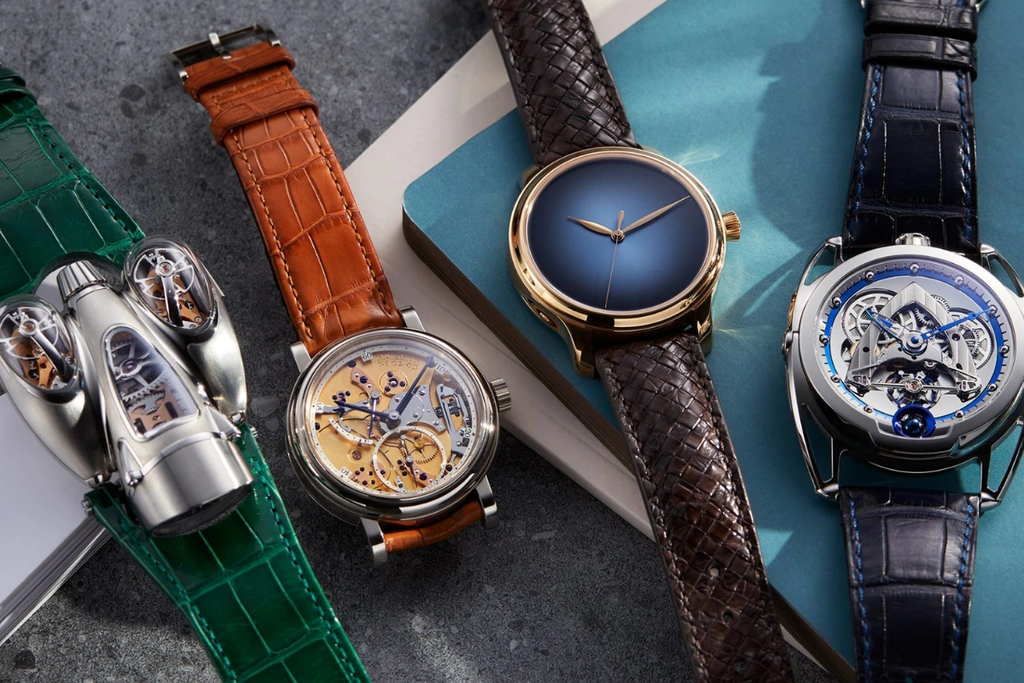
Then independent watchmaking began attracting more attention. BCG's analysis specifically tracked names including F.P.Journe, De Bethune and H. Moser & Cie, finding strong secondary-market interest around selected pieces.
The economics are unusually suited to collecting. Independent manufactures often produce very small numbers of watches because the same artisanal complexity that makes their work desirable also restricts supply. Production cannot necessarily be multiplied without changing the thing collectors value.
Scarcity here can therefore emerge from craftsmanship instead of marketing alone. It introduces a more sophisticated question for collectors.
Not simply: Which brand is famous?
But: Which watchmaking ideas will still matter twenty years from now?
A $20 billion-plus secondary economy inevitably attracts another business: trust. Counterfeits, altered components, questionable provenance and undisclosed servicing once made secondhand watch buying intimidating. Digital marketplaces increased access but also made authentication more important.
The industry responded. Professional dealers developed inspection systems. Online marketplaces improved transparency. Service histories and original components acquired greater importance. Condition reports became increasingly detailed.
Then manufacturers themselves entered the conversation. In late 2022, Rolex announced its Certified Pre-Owned programme, allowing eligible secondhand Rolex watches sold through participating official retailers to receive brand-backed authentication.
Symbolically, the move was enormous. The most powerful watch brand in the world was acknowledging that its responsibility for a watch's commercial life need not end with the first owner. The boundary between “new” and “used” was becoming institutional.
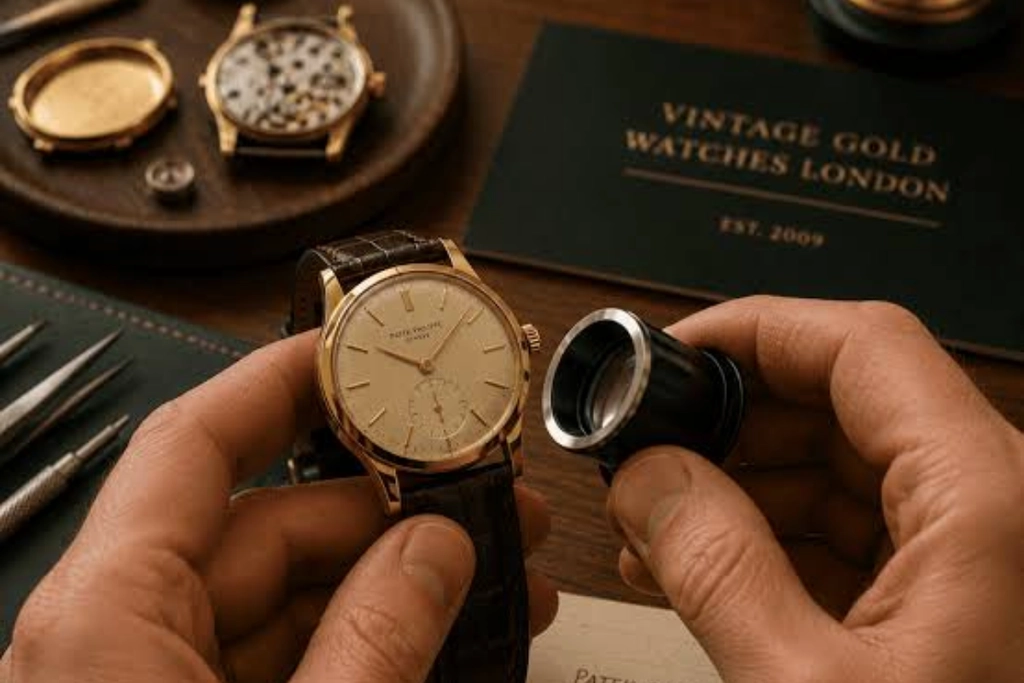
The infrastructure surrounding preowned watches has also migrated rapidly online. BCG projected that digital channels could represent close to 60% of secondhand luxury watch sales by 2026, exceeding the traditional importance of auctions and physical stores. On July 2026, FutureGrail held the Geneva Online Watch Auction, its first sale managed directly from Geneva. This shift marks Future Grail's connection to its Asian foundations with Genava and reduced premium to six per cent of the hammer price.
This does something important to luxury: it reduces information asymmetry. A collector once depended heavily upon dealers, auction specialists or personal networks to know what a watch might be worth. Today, asking prices can be compared internationally within seconds.
That does not make the market perfectly transparent. Asking price is not transaction price, two supposedly identical vintage watches can differ dramatically in condition, and provenance can transform value. But information has become much harder to monopolise. For collectors, knowledge itself has become part of the luxury experience.
Perhaps the most consequential change is that watch brands can no longer treat the secondary market as something happening after the “real” sale. It influences the first sale. A strong resale market can reinforce desirability, reassure buyers about retained value and introduce younger consumers to a brand through discontinued or more accessible references. Secondary prices can expose genuine demand more accurately than a waiting list filled with speculative names.
It can also expose fragility. When market prices collapse, the illusion that every scarce watch is automatically an investment collapses with them. That may ultimately be healthy. The lasting importance of the preowned watch economy is unlikely to be the speculative frenzy of one Rolex reference trading at twice retail. It is the infrastructure being built underneath the frenzy: authentication, digital price discovery, archival knowledge, certified resale and a global collector community capable of assigning value independently.