MENU
Close





On June 9, 2011, Gleb Derujinsky died in Colorado. His passing brought renewed attention to a photographer whose work helped move fashion imagery beyond the studio and into a wider geography of movement, and editorial ambition.
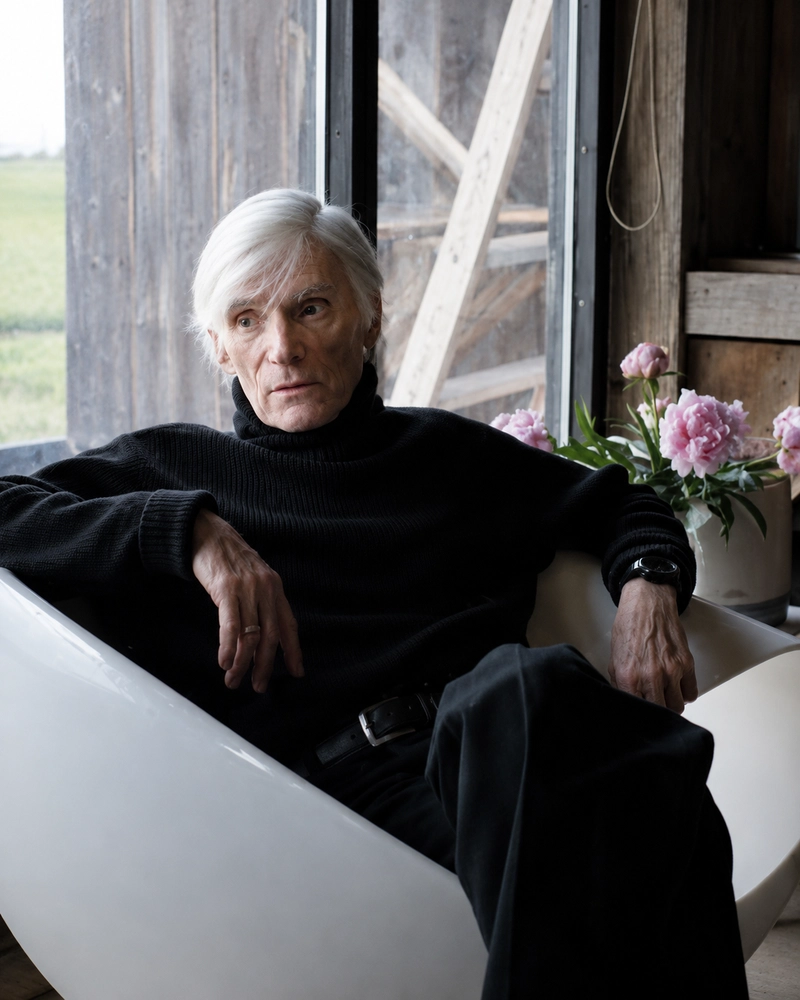
On June 9, 2011, Gleb Derujinsky died in Colorado. His passing brought renewed attention to a photographer whose work helped move fashion imagery beyond the studio and into a wider geography of movement, and editorial ambition.
June 9, 2026


Gleb Derujinsky occupies a specific place in fashion photography because his images came from a period when magazines were building complete visual worlds around clothes. He was active at a time when the fashion editorial was becoming more than a record of garments; it was becoming a form of cultural communication, where photography, styling, travel, page design, and model casting worked together to define aspiration for a modern readership.
Born in New York City, Gleb Derujinsky came from an artistic family and developed a technical interest in photography early in life. After military service and early assignments, he entered the magazine world and became closely associated with Harper’s Bazaar, where he worked within one of the most influential editorial teams in fashion publishing.
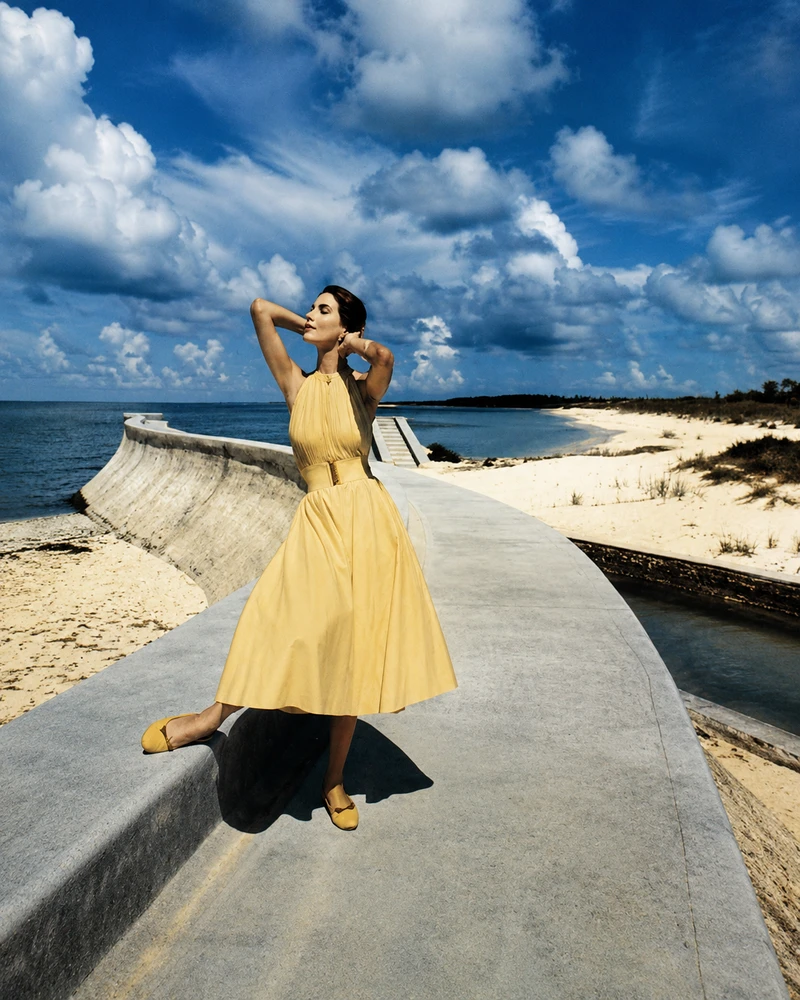
At Harper’s Bazaar, Gleb Derujinsky operated in the orbit of editor Carmel Snow, fashion editor Diana Vreeland, and art director Alexey Brodovitch. The magazine was using fashion photography to construct a new visual language for postwar luxury. The page had to carry information, fantasy, commerce, and modernity at once. Derujinsky’s work answered that demand by treating the model as an active figure inside a setting rather than a static display for clothes.
His best-known contribution was his use of location. Gleb Derujinsky photographed fashion in places that gave the clothes scale, atmosphere, and narrative tension. Airports, deserts, cities, coastlines, markets, and architectural sites allowed couture to appear within the conditions of movement and travel.
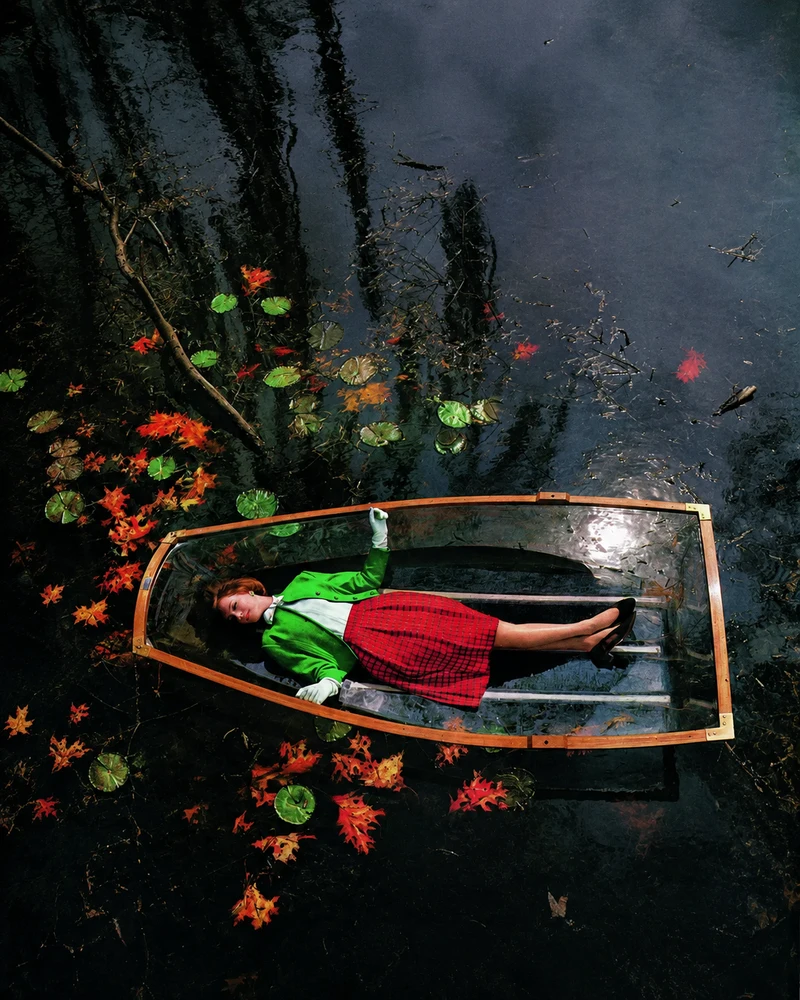
His images promoted garments, yet they also gave fashion a larger social frame. A dress became part of a journey, a city, a landscape, or a woman’s public presence. That shift helped prepare the ground for later fashion photography, where location, personality, and lifestyle became essential parts of the image economy.
His work also depended on collaboration with models who could carry movement and character. Ruth Neumann, Carmen Dell’Orefice, Jean Patchett, Nena von Schlebrügge, and other important figures of the period appeared within a fashion system where models were becoming recognizable professional presences.
Today, Gleb Derujinsky is remembered as one of the photographers who helped expand the editorial possibilities of fashion. His legacy remains tied to the moment when magazines used photography to make couture feel worldly, mobile, and culturally ambitious, turning the fashion image into a record of how modern elegance wanted to be seen.