MENU
Close






The best investment jewelry pieces in Southeast Asia rarely begin with a logo, a diamond or a designer name. They begin with a scale. As gold prices push wealth preservation back into everyday conversation, Southeast Asia offers a radically practical definition of luxury: sometimes the smartest jewel is the one whose beauty can still be calculated by the gram.
The strange rule of investment jewellery is that the less spectacular it looks, the stronger its financial logic can become.
A diamond necklace may contain extraordinary craftsmanship and emotional value, yet its retail price also absorbs design, gemstones, labour, branding and margins. Investment-oriented gold jewellery works differently. The World Gold Council defines gold investment jewellery as high-purity pieces whose value is driven primarily by their gold content, often sold by gram weight and supported by clearly disclosed purity, weight and buyback conditions. Depending on the market, purity can range from above 21K to 999.9 fine gold.
That definition feels almost tailor-made for Southeast Asia.
Gold has long operated across the region as jewellery, inheritance, emergency liquidity and savings simultaneously. In Indonesia, for example, World Gold Council research published in 2025 found that households commonly understand gold both through heirloom jewellery passed between generations and through modern bars and coins.
The investment environment has only intensified. Global gold demand exceeded 5,000 tonnes in 2025 as safe-haven and diversification buying surged, while the gold price recorded 53 all-time highs during the year. By Q1 2026, global bar-and-coin investment had climbed to 474 tonnes, the second-highest quarterly level on record.
So what actually qualifies as one of the best investment jewelry pieces?
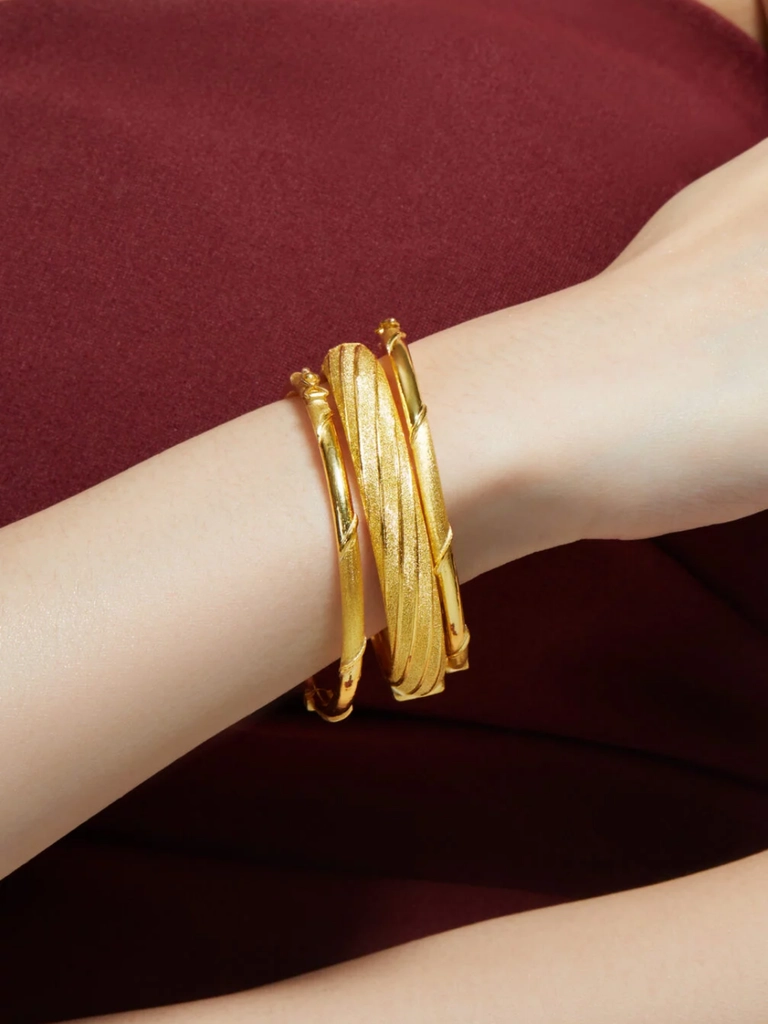
Think plain rings, solid bangles, chains and bracelets with high gold purity, uncomplicated construction, standardized weight and an established resale channel. Every gemstone, elaborate clasp and hour of hand engraving can make an object more desirable while simultaneously moving its purchase price further away from its melt value.
Investment jewellery therefore asks an unusually unromantic luxury question: how much of the price would survive if the design disappeared tomorrow?
Vietnam offers perhaps the clearest example of jewellery behaving like savings.
Plain 9999 or 24K gold rings sold by established retailers occupy a distinctive position between jewellery and bullion. Their strength lies in simplicity. There are few decorative elements to price, gold content is easily understood and the products circulate through familiar domestic retail networks.
For someone specifically seeking the best investment jewelry pieces, this makes a simple 24K ring or solid plain bangle far more financially legible than intricate gemstone jewellery. Buyers can compare gram weight, purity, making charges and published buyback prices almost immediately.
SJC remains deeply associated with Vietnam’s bullion culture, although one major regulatory detail has changed. The description of SJC as holding a government-protected production monopoly is now outdated. Decree 232/2025, effective October 10, 2025, ended Vietnam’s state monopoly over gold-bar production and imports of raw gold for bullion production. Qualified banks and companies can now seek State Bank of Vietnam licences to produce bars.
That reform could gradually reshape how Vietnamese consumers think about brand premiums and liquidity.
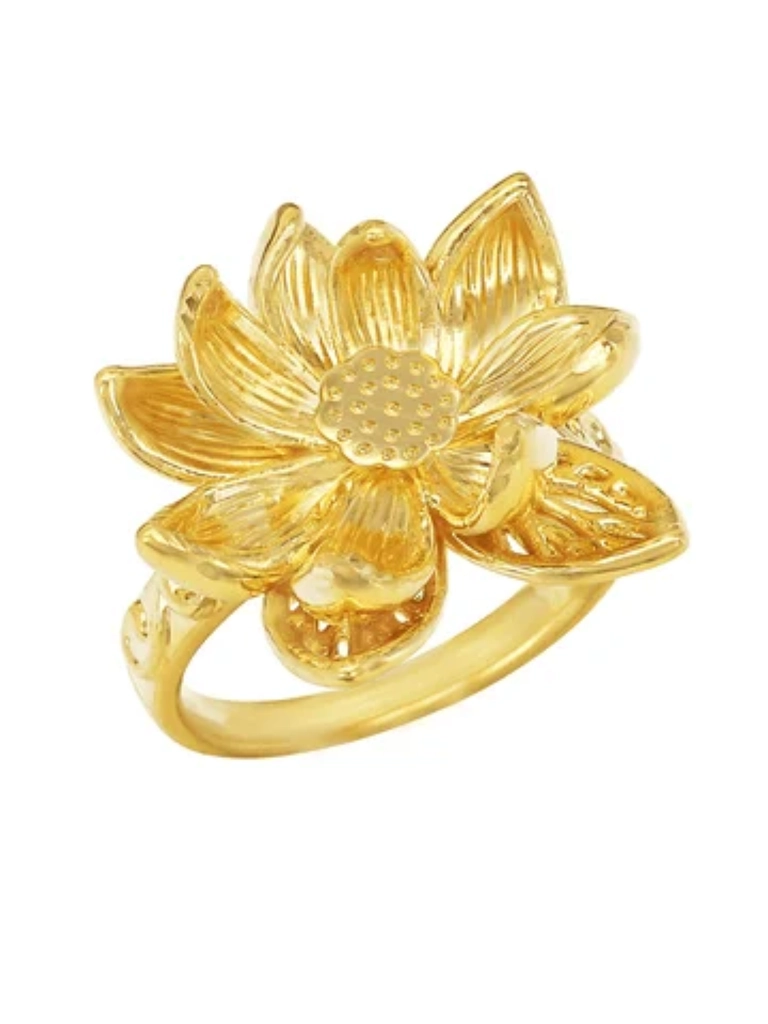
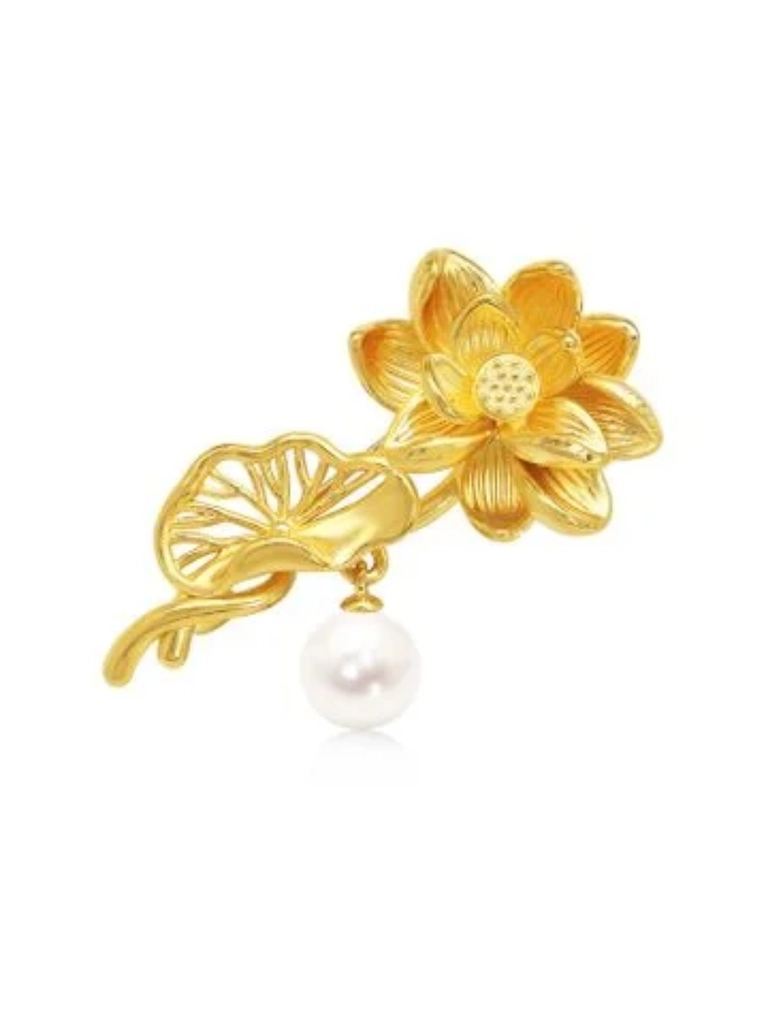
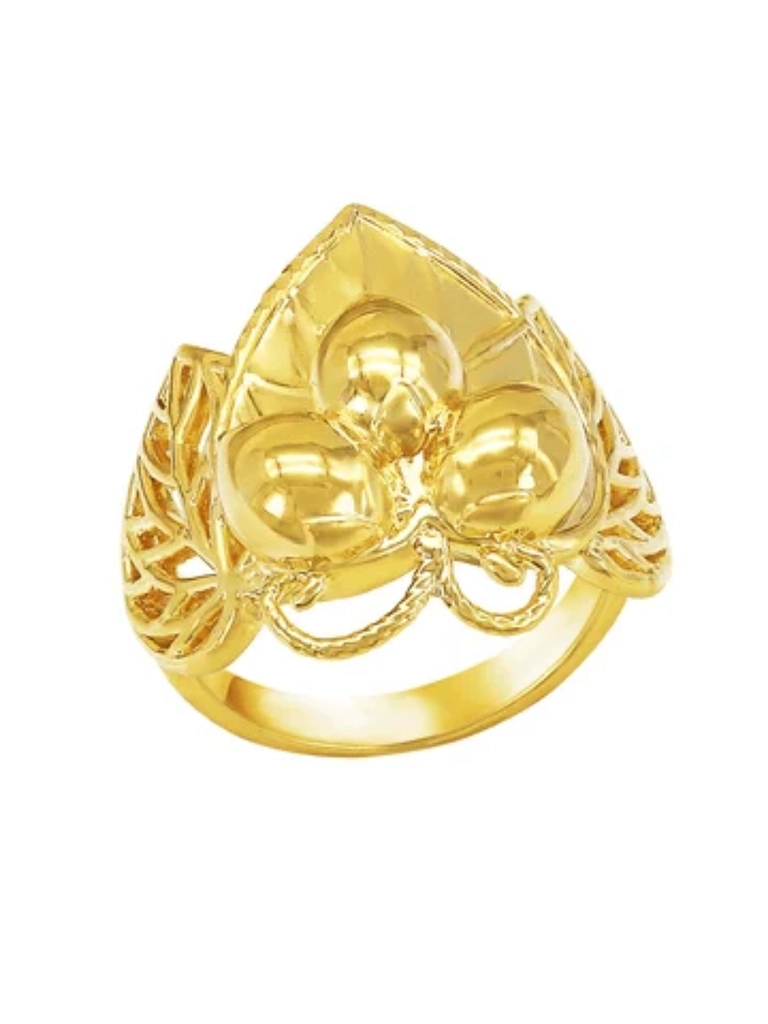
For wearable wealth, established names such as PNJ, DOJI and SJC still benefit from familiarity and retail infrastructure. Yet brand recognition should remain secondary to the arithmetic: purity, weight, fabrication premium and buyback spread.
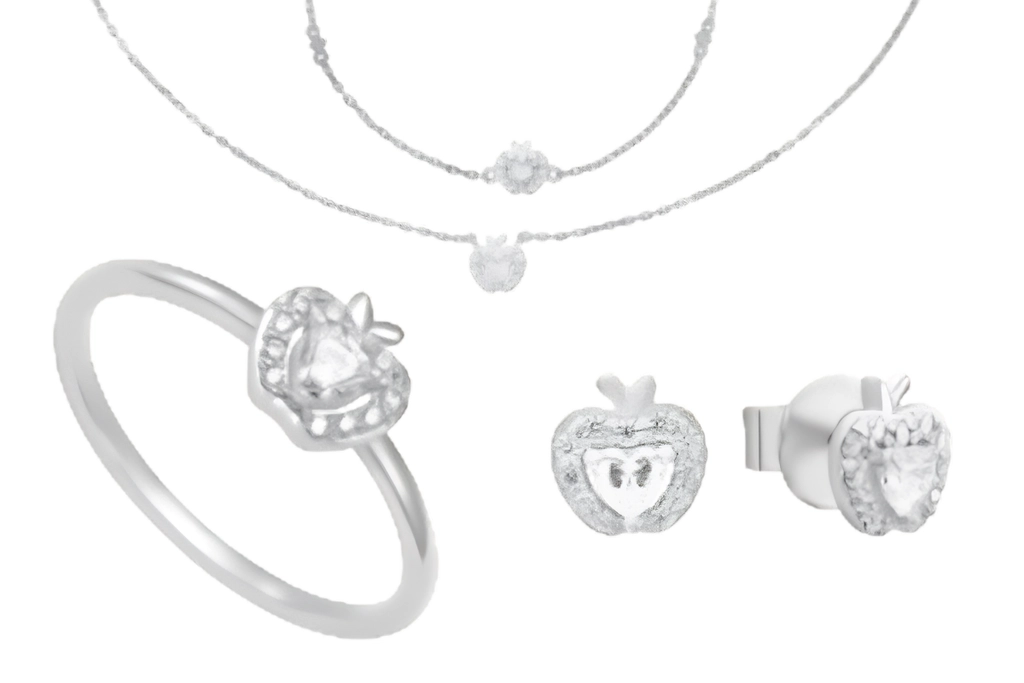
A beautifully simple Vietnamese 24K ring captures the entire logic of investment jewellery. You can wear it to dinner, place it in a safe or sell it back by weight. Very few luxury objects switch identities that efficiently.
Cross the border into Thailand and the definition changes.
Thailand’s domestic gold ecosystem revolves around 96.5% purity, approximately 23K. The Gold Traders Association identifies 96.5% as the general standard for Thai gold ornament jewellery and explicitly describes such jewellery as an asset that can also be traded and saved. Thai bullion, meanwhile, is commonly traded at either 96.5% or 99.99% purity.
That makes a plain 96.5% chain, bracelet or bangle from an established Yaowarat dealer one of the region’s most convincing examples of wearable capital.
Pure 24K sounds superior on paper because it contains more gold. Local liquidity complicates that assumption. In Thailand, 96.5% is deeply embedded in how jewellery is quoted, weighed and repurchased. Hua Seng Heng, one of the country’s major gold dealers, trades both 96.5% and international-standard 99.99% bars and describes 96.5% as the domestic standard set by the Gold Traders Association.
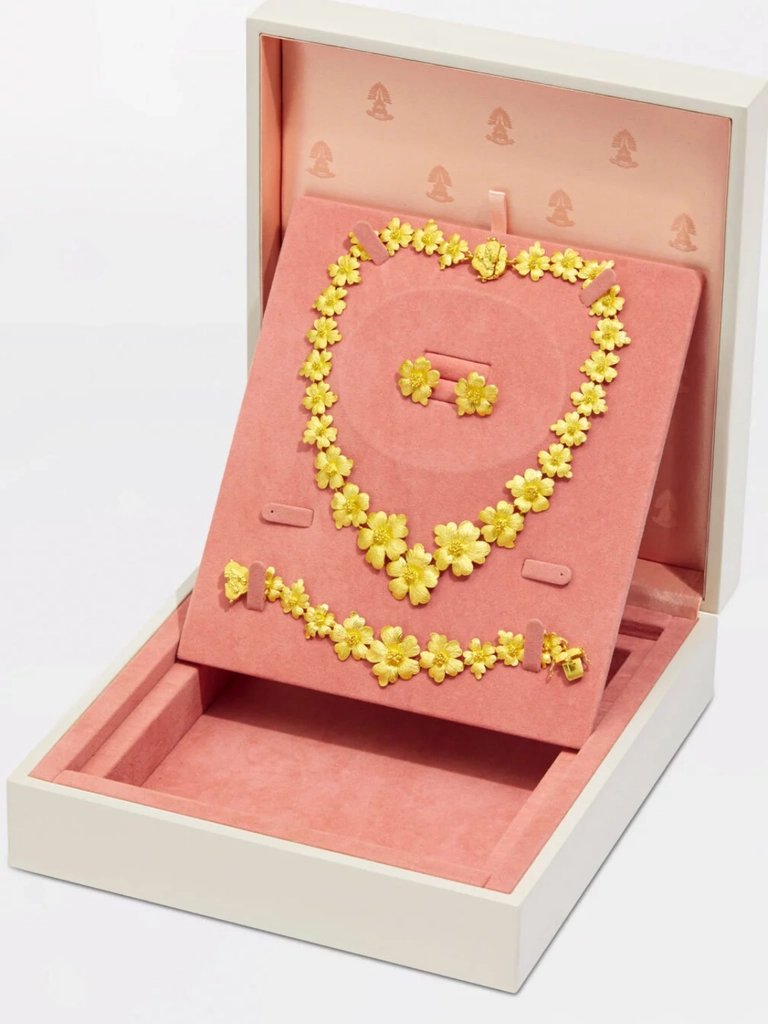
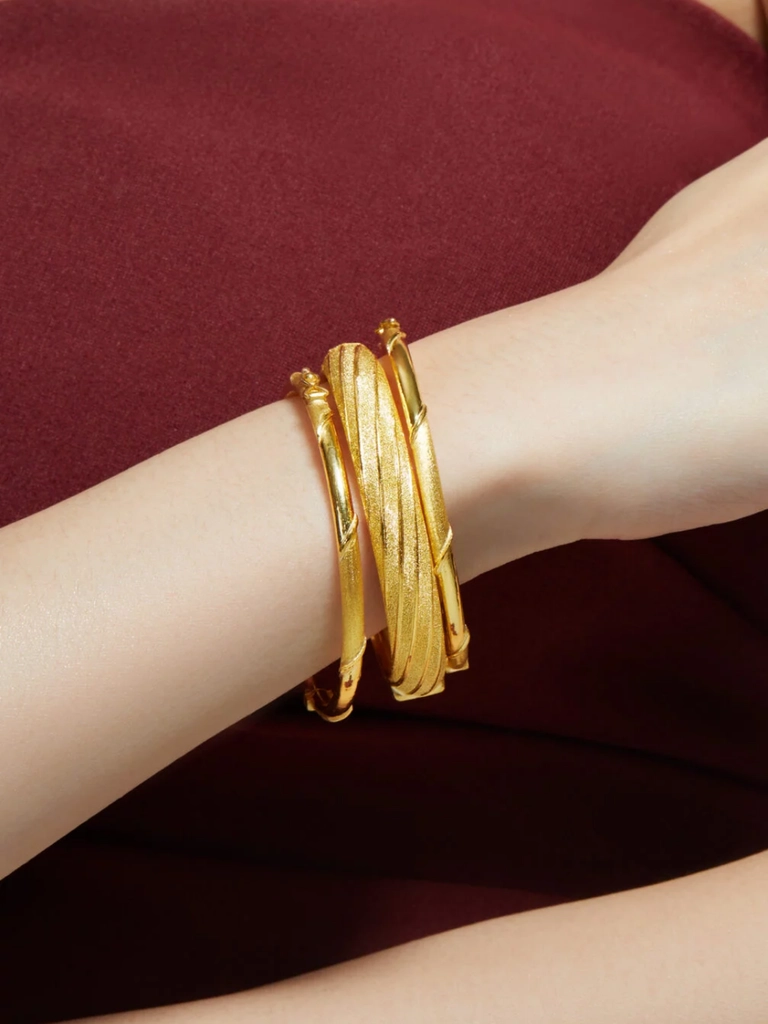
The Thai gold market has also become increasingly digital. Hua Seng Heng’s GOLD NOW platform allows customers to trade gold digitally and redeem holdings for physical 96.5% bars, illustrating how quickly the boundary between an app balance and tangible gold has begun to dissolve.
That development gives traditional gold jewellery an intriguing contemporary context. Grandma’s heavy chain and an app-based fractional gold position belong to different generations, yet both are expressions of the same idea: gold should remain accessible, measurable and convertible.
For Thai investment jewellery, the priority is therefore local convention. The piece that resells effortlessly in Bangkok can be more useful than one selected purely because “24K” sounds mathematically perfect.
Indonesia makes the jewellery-investment connection especially visible.
Gold remains woven into intergenerational wealth, while ANTAM Logam Mulia provides the country’s strongest institutional bullion reference. ANTAM bars are 999.9 fine gold; the company states that its products carry LBMA certification, while smaller denominations use integrated CertiEye authentication technology.
For pure investment exposure, ANTAM bullion therefore establishes a useful benchmark against which jewellery can be judged.
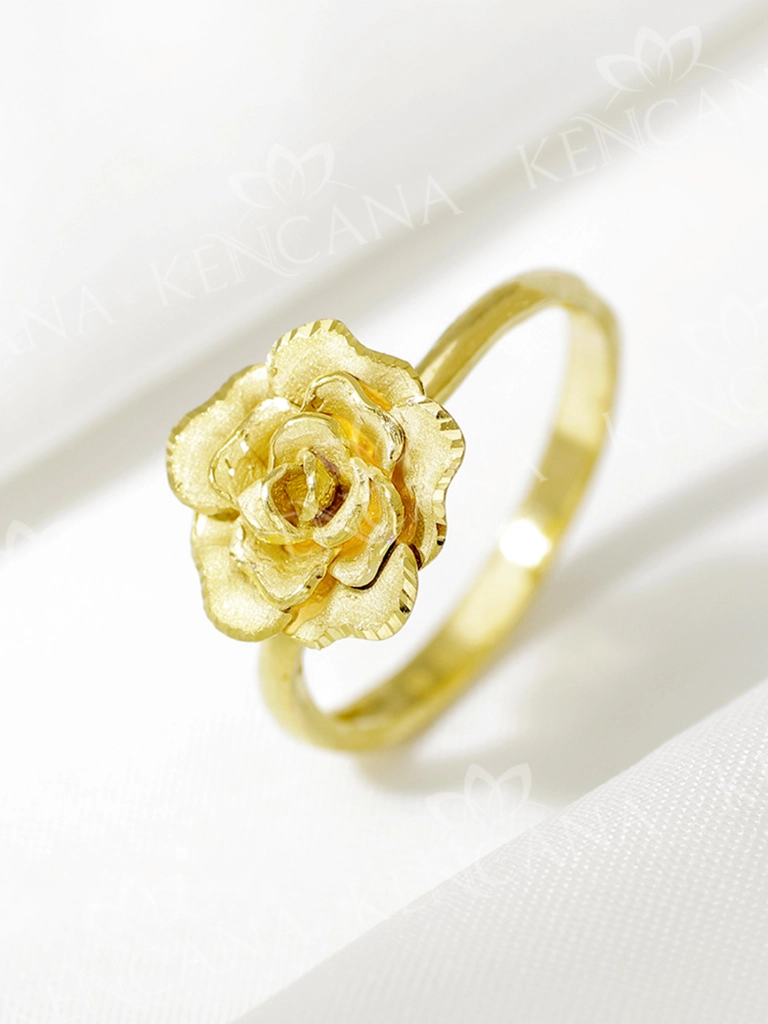
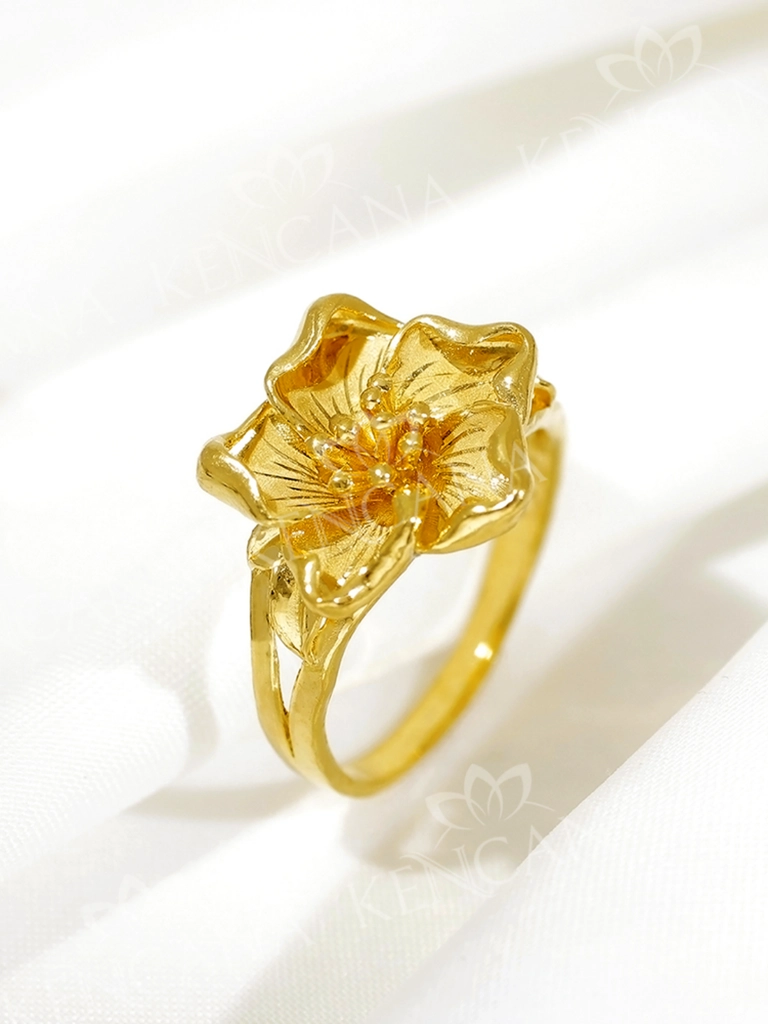
Indonesia’s Kencana offers an unusually literal answer to the idea of wearable investment. Created through a collaboration between PT Emas Antam Indonesia, an ANTAM subsidiary, and PT Hartadinata Abadi, Kencana is marketed as 24K jewellery with 99.99% gold purity — far above the 8K–18K range commonly found in conventional Indonesian gold jewellery. The brand positions this exceptional purity as both aesthetic luxury and financial utility, arguing that higher gold content can support a stronger buyback value while allowing the owner to wear the asset rather than keep it locked away.
There is no universal necklace, bracelet or ring that automatically becomes an investment because it is made of gold.
The best investment jewelry pieces across Southeast Asia share a more practical checklist: high purity, substantial gold weight, modest making charges, clear hallmarks, transparent pricing and a credible repurchase market. Local liquidity matters too. Vietnam favors extremely high-purity plain gold; Thailand’s 96.5% ecosystem makes its own domestic sense; Indonesia brings jewellery into dialogue with ANTAM; Malaysia mixes physical tradition with fractional accumulation.