




A comic-book kiss, a perfectly arranged field of Ben-Day dots, and a mirror that refuses to reflect its viewer. Roy Lichtenstein's images are among the most recognisable in twentieth-century art, yet their apparent simplicity conceals a remarkable investigation into how pictures are constructed and reproduced. Roy Lichtenstein: Like New revisits the Pop Art master's legacy in a landmark art exhibition at the Whitney.
Roy Lichtenstein: Like New — A Landmark Art Exhibition
A comic-book kiss, a perfectly arranged field of Ben-Day dots, and a mirror that refuses to reflect its viewer. Roy Lichtenstein's images are among the most recognisable in twentieth-century art, yet their apparent simplicity conceals a remarkable investigation into how pictures are constructed and reproduced. Roy Lichtenstein: Like New revisits the Pop Art master's legacy in a landmark art exhibition at the Whitney.
October 11, 2026


From October 11, 2026, through May 10, 2027, the Whitney Museum of American Art presents Roy Lichtenstein: Like New, the artist's first major New York retrospective since 1993. This landmark art exhibition brings together approximately 130 works spanning six decades, including paintings, drawings, sculptures, films, and four reconstructed murals.
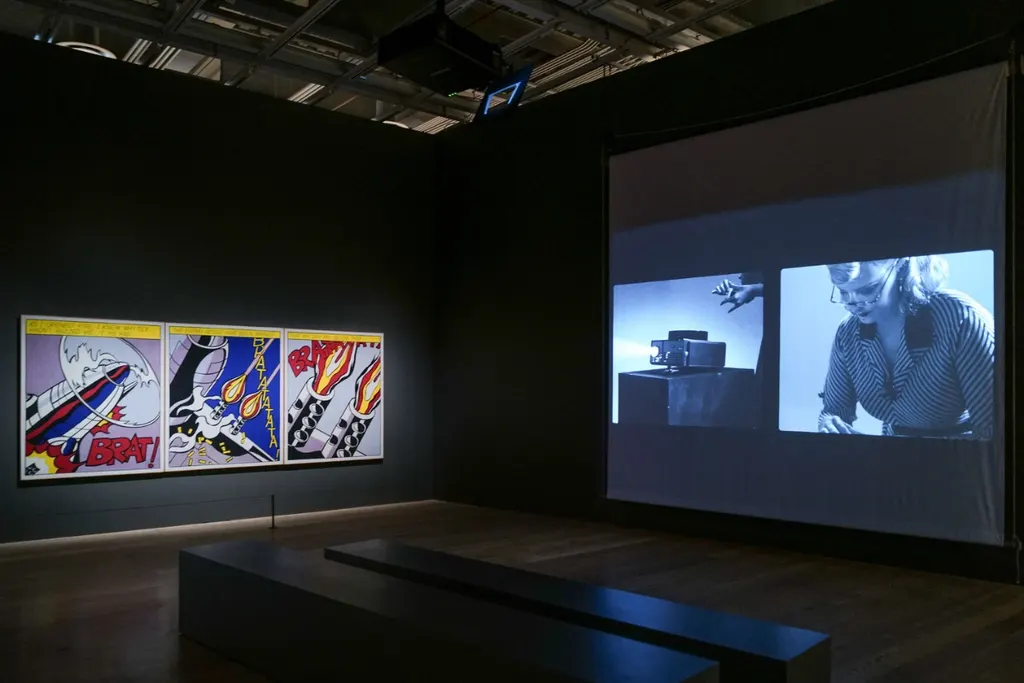
Among its most compelling features is the reunion of eight paintings from Lichtenstein's groundbreaking 1962 exhibition at Leo Castelli Gallery. Works including Washing Machine, The Engagement Ring and The Kiss (click here for more iconic kisses captured in paintings), recall the moment when imagery borrowed from commercial culture challenged the established boundaries of fine art.
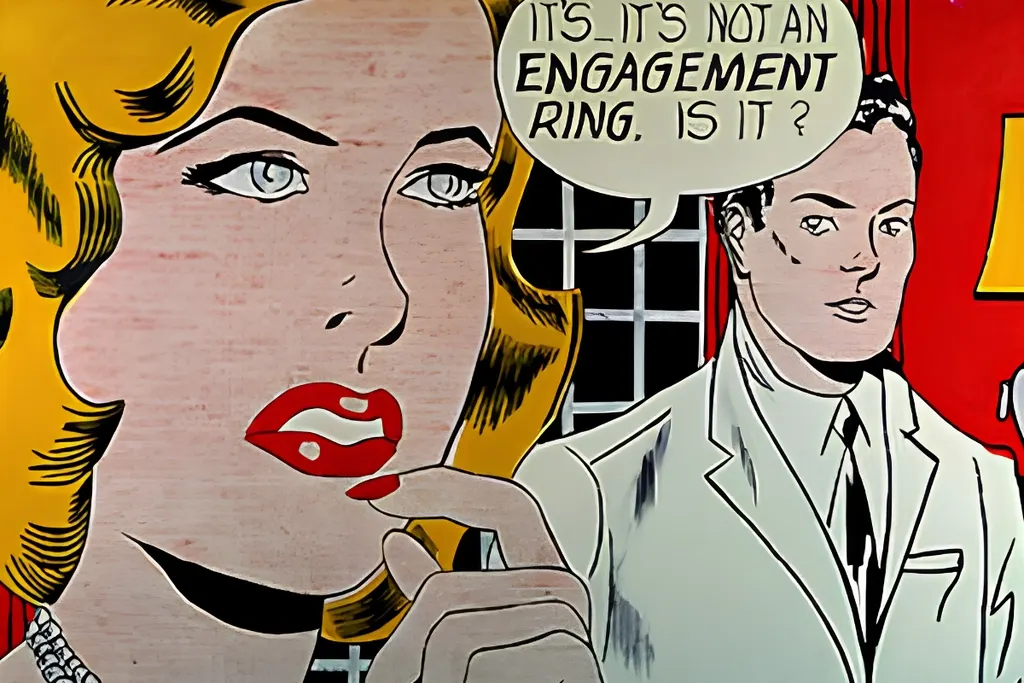
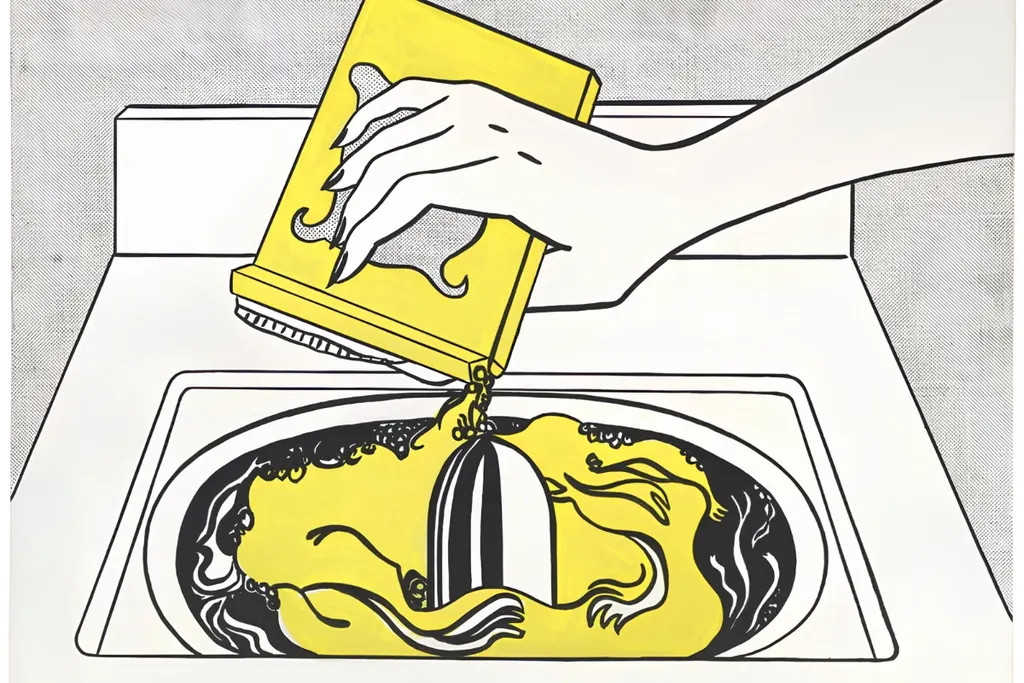
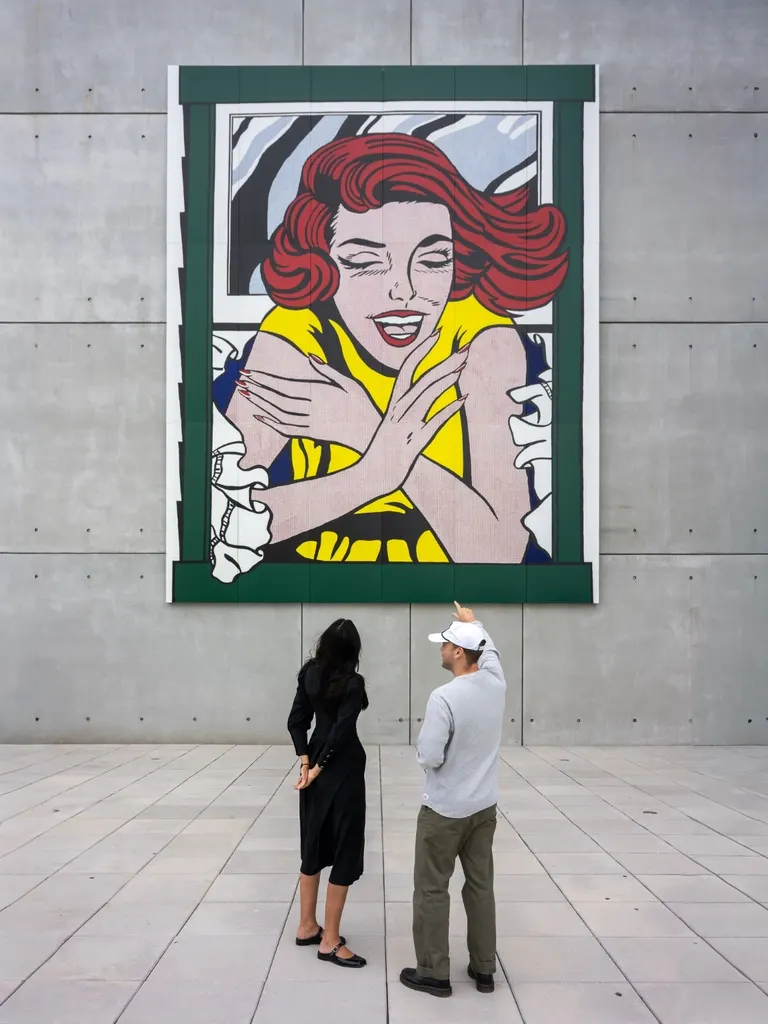
The exhibition also recreates the monumental Greene Street Mural, originally painted in 1983, transforming an entire gallery wall into a spectacular composition of graphic forms and visual quotations.
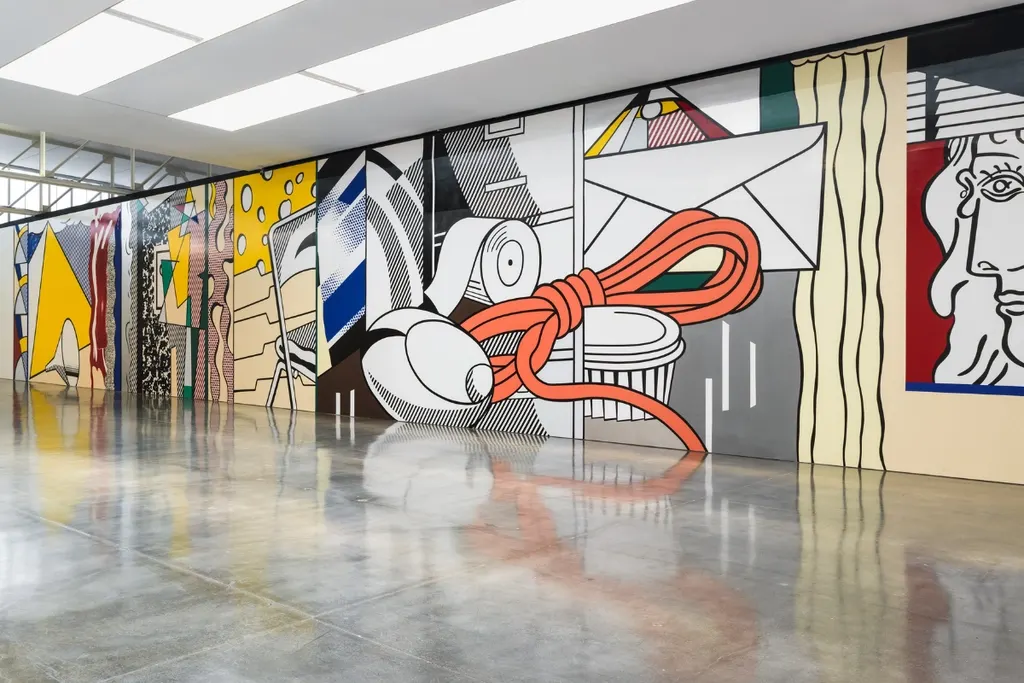
The exhibition's greatest achievement lies in reconsidering Lichtenstein's artistic process. His paintings appear mechanically reproduced, with their crisp outlines, saturated colours, and carefully arranged Ben-Day dots. Yet these seemingly industrial surfaces were painstakingly constructed by hand.

Working from comic strips, advertisements, and existing artworks, Lichtenstein modified compositions through enlargement, simplification, and reorganisation. His practice transformed familiar imagery into carefully calculated investigations of representation.
The Mirror series, created between 1969 and 1972, offers a particularly revealing example. These circular compositions depict reflective surfaces through abstract patterns while withholding any recognisable reflection. They question the relationship between an image, the object it represents, and the viewer's expectation of visual truth.


Through archival materials and preparatory studies, this landmark art exhibition also examines the influence of Lichtenstein's former teacher Hoyt Sherman, whose approach to unified visual perception informed the artist's understanding of composition. The exhibition introduces another provocative dimension through works by Louise Lawler, Richard Pettibone, and Sturtevant, artists whose practices engage with replication and the appropriation of existing imagery. Their inclusion raises questions about authorship and originality. When an artist reproduces an existing image, does the resulting work preserve its original meaning, challenge it, or create an entirely different interpretation?
These questions have acquired renewed urgency in an era of digital reproduction, image manipulation, and artificial intelligence.
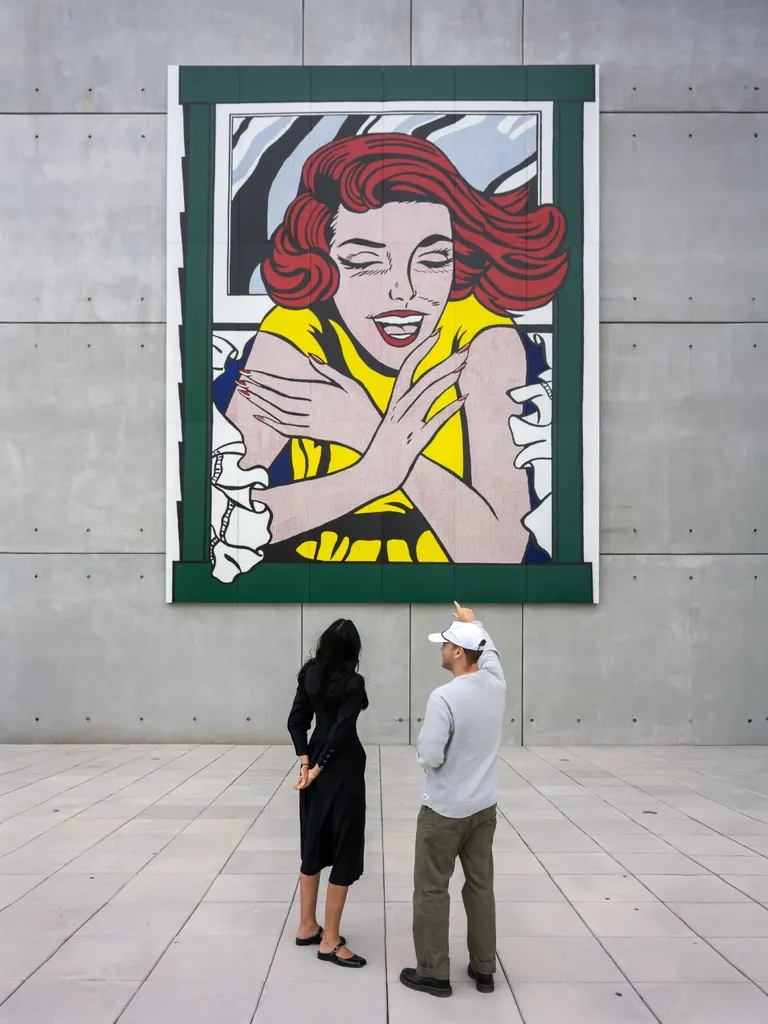

Among the museum exhibitions worth travelling for, this particular landmark art exhibition at the Whitney, one of the biggest galleries in New York's art scene, offers a particularly timely encounter with the history of visual culture. Its significance lies in revealing how an artist associated with comic-book imagery developed a sophisticated artistic language for examining the instability of images themselves.