MENU
Close





Mist settles over the Virunga volcanoes before sunrise, softening the forest into layers of green. In Rwanda, regenerative travel and quietcation can unfold through the same journey, where slowing down also means leaving something meaningful behind.
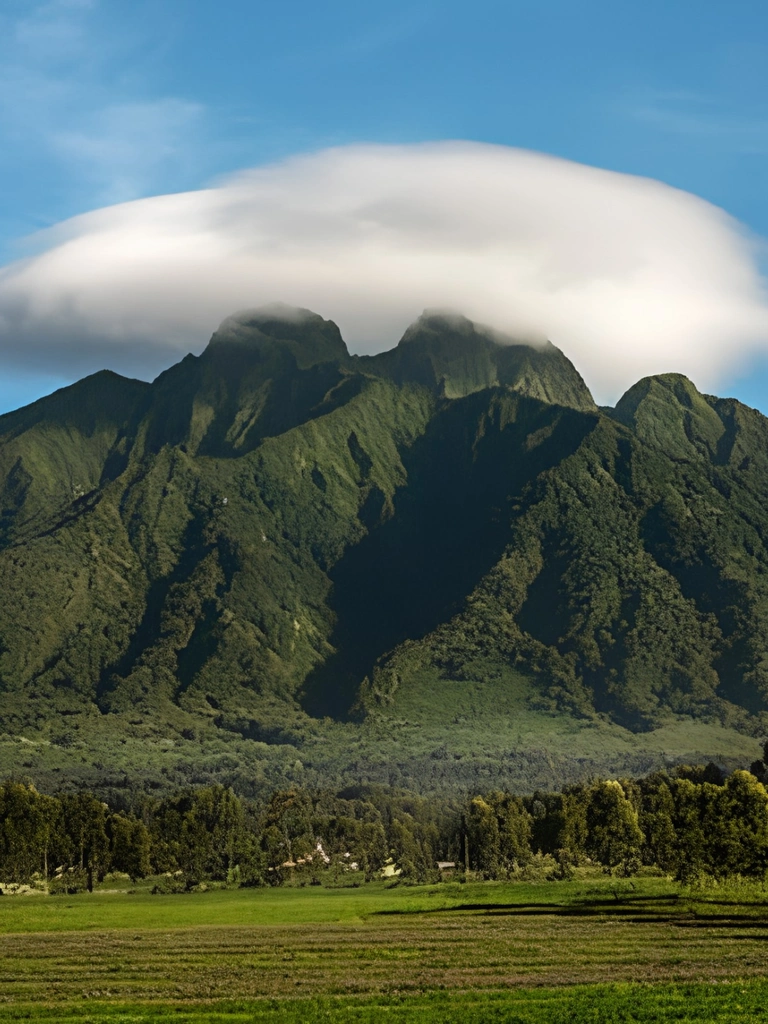
Mist settles over the Virunga volcanoes before sunrise, softening the forest into layers of green. In Rwanda, regenerative travel and quietcation can unfold through the same journey, where slowing down also means leaving something meaningful behind.
August 7, 2026


A five-day journey through Rwanda can cover surprisingly different landscapes without becoming a frantic race between attractions. Kigali gives the trip historical grounding, the Virunga highlands introduce dense cloud forest and mountain gorillas, while Lake Kivu slows the final days into water, coffee and long stretches of quiet
The itinerary works particularly well through the lens of regenerative travel. Rwanda directs 10% of income from tourism permits and park fees toward projects developed with communities surrounding protected areas, linking high-value tourism with livelihoods beyond the park boundaries. Luxury lodges around Volcanoes National Park have added their own reforestation and habitat-restoration programmes, making the choice of where to sleep part of the wider conservation equation.
A quietcation brings another layer. The aim is not to remove experience from the journey. It is to remove the pressure to fill every available hour.
A visit to the Kigali Genocide Memorial requires a very different pace from conventional sightseeing. More than 250,000 victims of the 1994 Genocide against the Tutsi are buried at the memorial, which also serves as a centre for education, remembrance and genocide prevention.
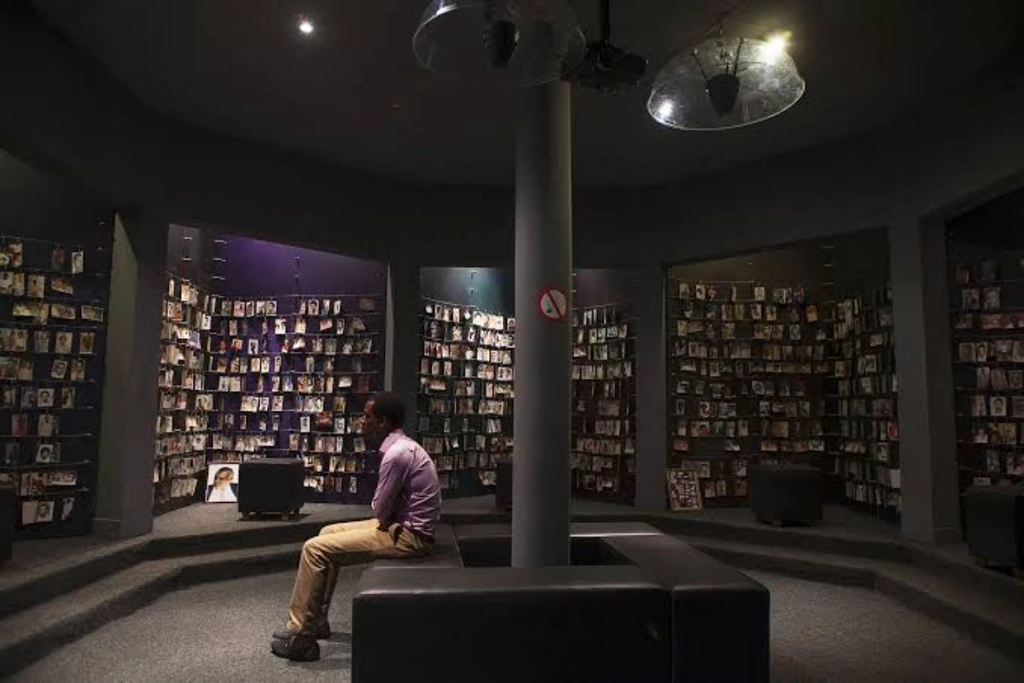
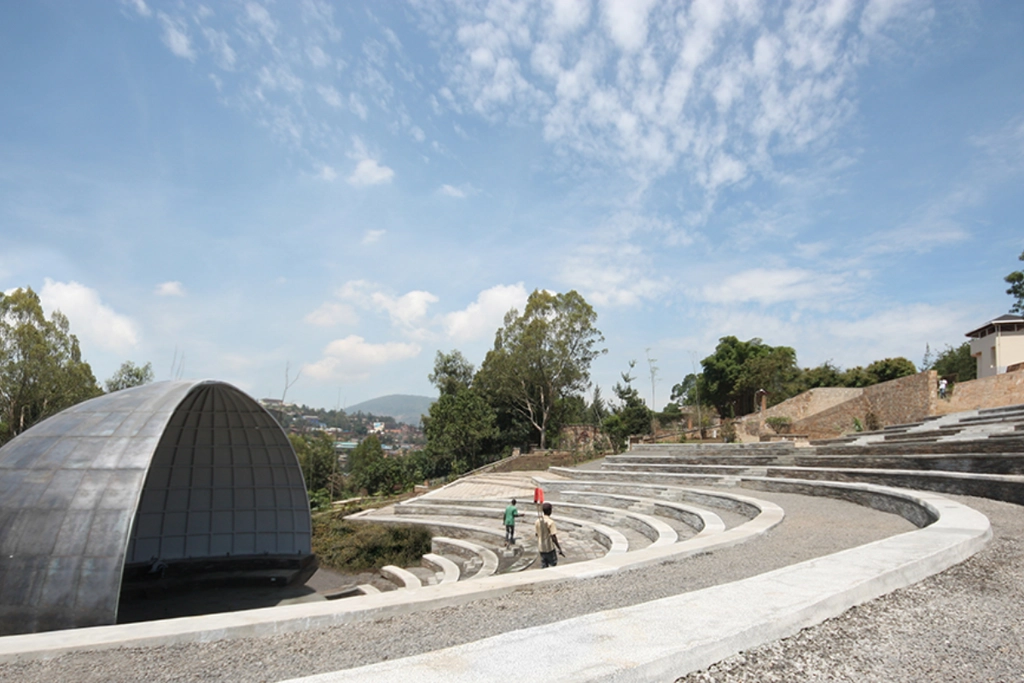
Begin the morning there with sufficient time for the exhibitions and gardens. Guided visits are available, including tours led by staff witnesses, and rushing immediately into another attraction afterwards would work against the gravity of the experience.
After lunch, head north toward Volcanoes National Park. A road transfer takes roughly two and a half hours depending on conditions, while some luxury properties can organise helicopter transfers. One&Only Gorilla’s Nest, for example, currently lists a 2.5-hour drive or approximately 25-minute charter flight from Kigali International Airport.
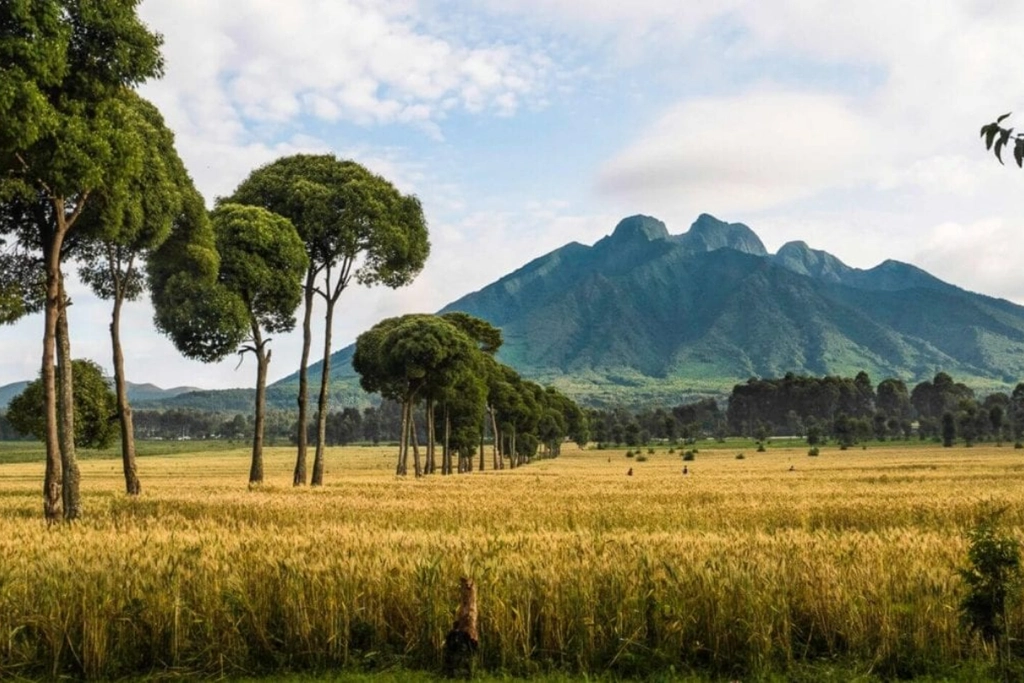
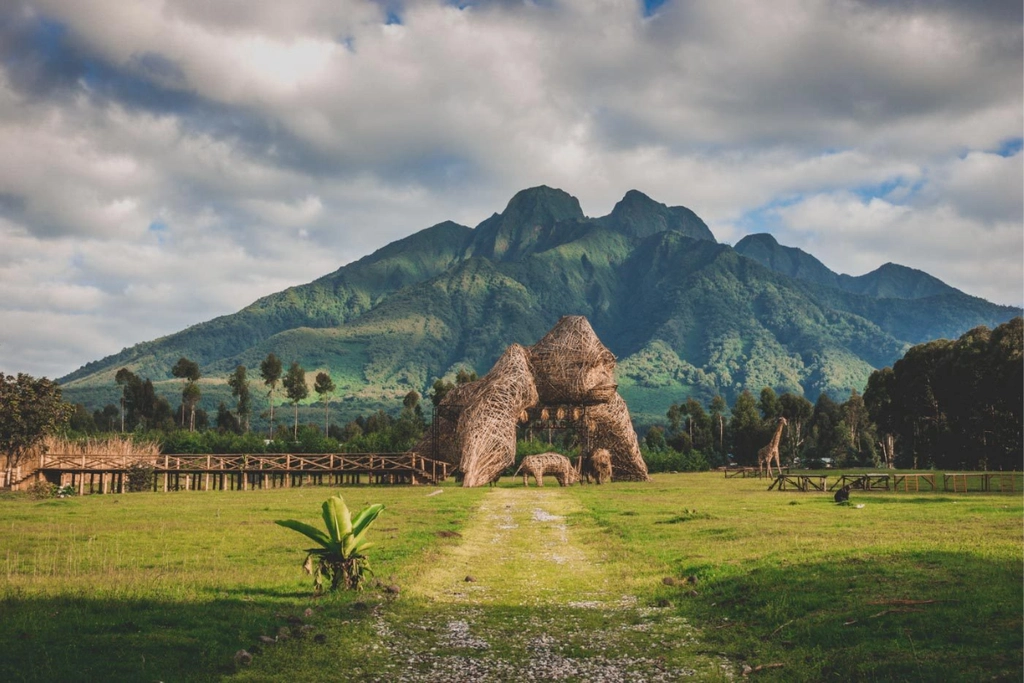
Choose accommodation according to the kind of regenerative travel you want to support.
Singita Kwitonda Lodge: built beside Volcanoes National Park using volcanic rock, river stone, locally made clay bricks and other materials connected to the surrounding landscape. Its wider conservation programme includes habitat restoration and reforestation around the park.
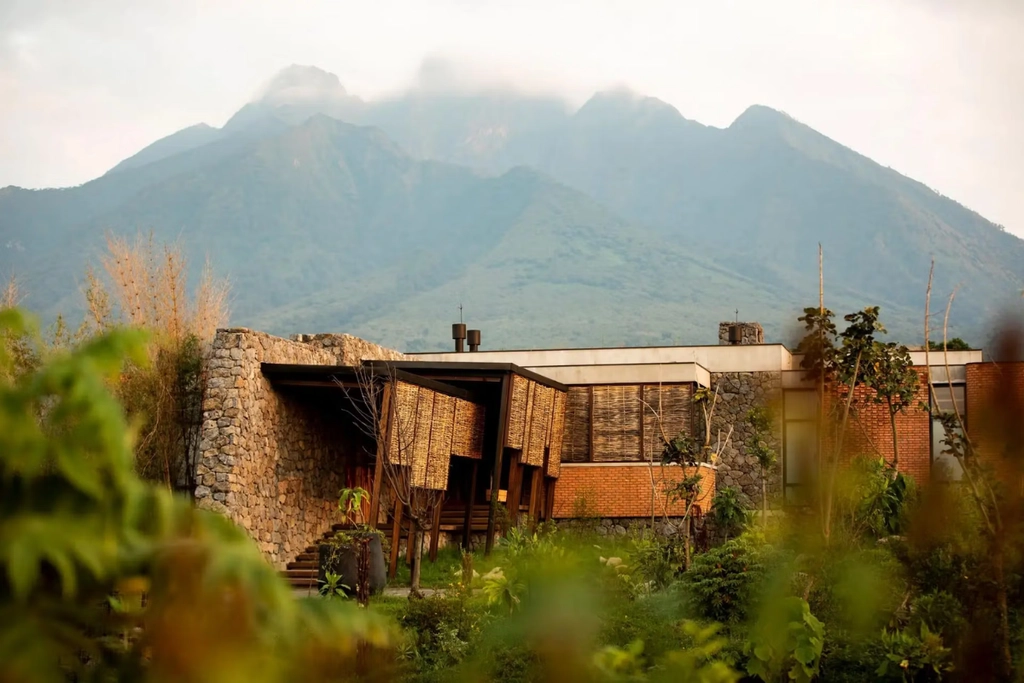
Wilderness Bisate: combines six forest villas with a major indigenous reforestation project. By early 2025, more than 100,000 trees had been planted across the Bisate property.
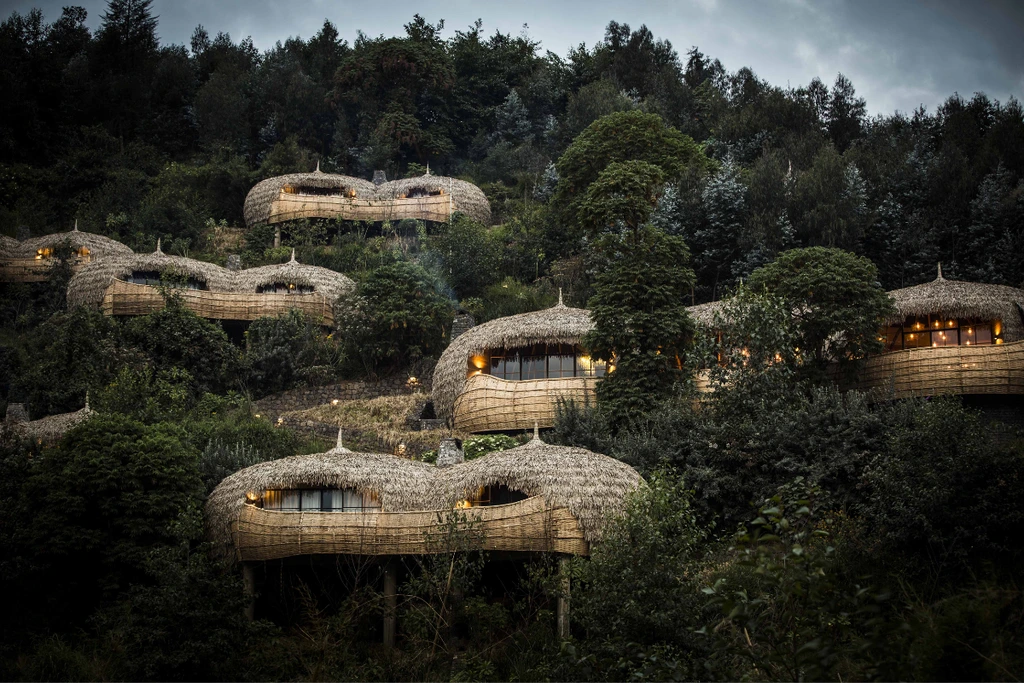
One&Only Gorilla’s Nest: places guests within forest on the edge of the national park, with secluded treehouses and nature-led experiences.
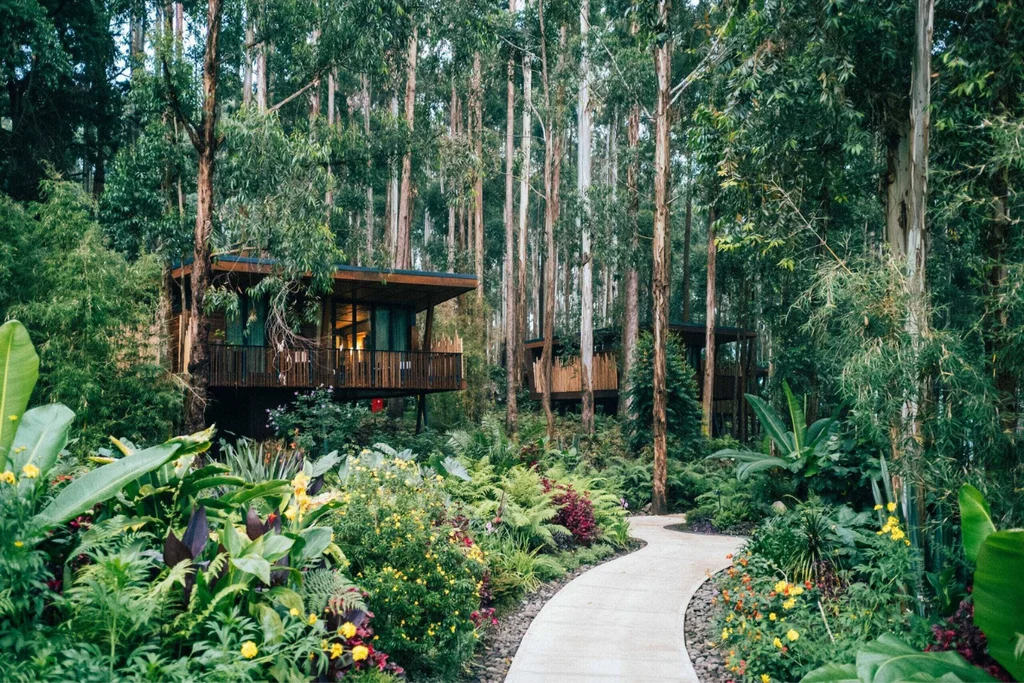
Keep the first evening simple. A fire, dinner and an early night create a better introduction to the volcanic highlands than another scheduled activity.
Mist changes the mood before the trek has even started. Visitors gather at Kinigi for briefing before entering Volcanoes National Park with trained guides to locate habituated mountain gorilla families.
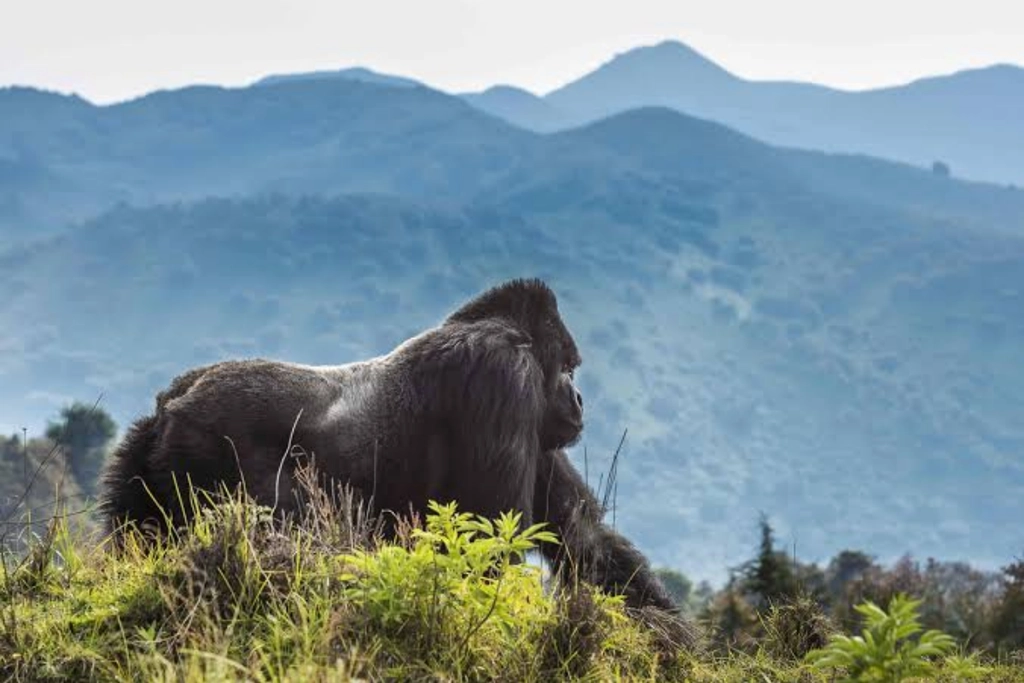
Rwanda carefully regulates the encounter. International visitor permits currently cost US$1,500, the minimum trekking age is 15, and a maximum of eight visitors can be assigned to a gorilla group per day. Once a group is reached, viewing time is limited, helping to control human pressure around the animals.
That controlled access is central to the regenerative travel argument. The experience carries a high financial barrier, yet permit revenue forms part of Rwanda’s conservation and community-funding model. The strongest way to approach the trek is therefore as an encounter governed by wildlife needs, not as a guaranteed photographic performance.
Return to the lodge without adding another major excursion.
At Bisate, travellers can also see how tourism and habitat repair occupy the same piece of land. Its concession transformed former agricultural terrain through indigenous planting, with the restored vegetation creating habitat for returning wildlife and birdlife.
Here, the quietcation becomes useful beyond personal wellness. Moving slowly also means giving one ecosystem your attention for longer.
Bamboo replaces dense forest during an early golden monkey trek. Volcanoes National Park protects these primates alongside its mountain gorillas, while the wider park also supports hiking, cycling and community experiences.
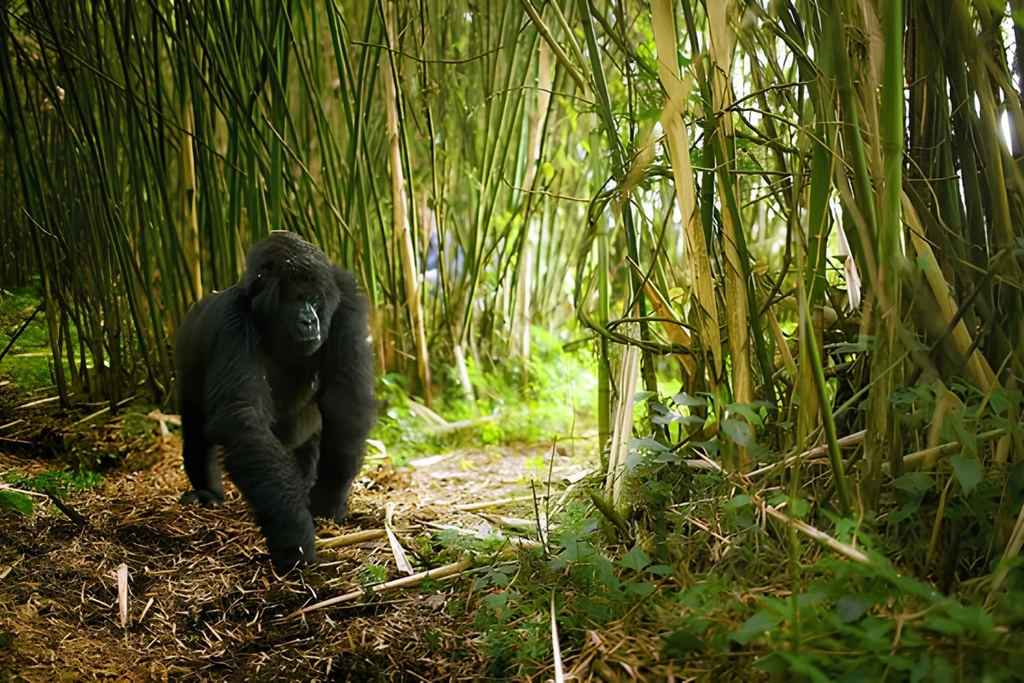
Keep the trek as the morning’s only significant activity.
Afterwards, leave the volcanic highlands for Karongi on the shores of Lake Kivu. The landscape gradually loosens. Steep green hills fall toward a lake broken by islands and inlets, creating a natural transition from active wildlife encounters toward the slower second half of the trip. Lake Kivu is part of the Great Rift Valley and is one of Rwanda’s principal destinations for kayaking, boat journeys and waterside travel.
Once checked into a lakeside property, resist the urge to immediately head back out.
A quietcation works when inactivity has been protected in advance. Otherwise, open hours have a habit of becoming another excursion.
Water changes the scale of Rwanda again. A kayak moves slowly enough for hills, islands and birdlife to remain in view, while the absence of an engine keeps sound to a minimum.
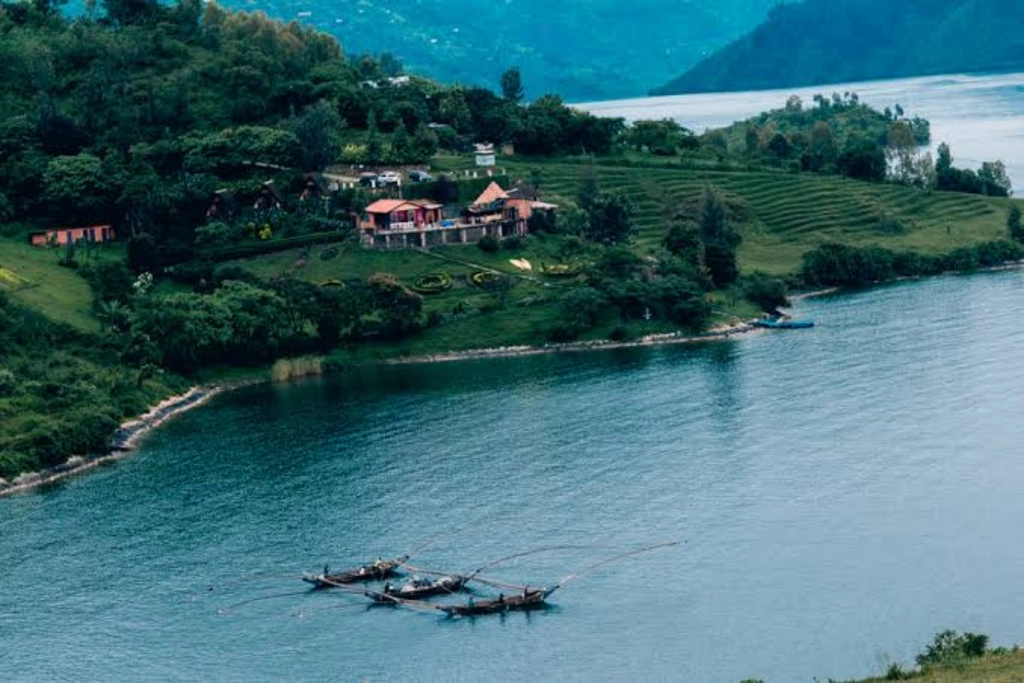
Official tourism itineraries highlight kayaking along Lake Kivu, including sunset paddles associated with the singing fishermen and routes around coffee-growing islands. Around Karongi, a private boat can also provide access to islands and quieter sections of shoreline.
Build the day around only two moments.
Morning: choose kayaking, a small boat excursion or a nature walk.
Afternoon: return to the hotel and stop planning.
The absence of another appointment is the point. Massage, reading and an extended lunch all fit the logic of the quietcation more convincingly than an itinerary attempting to “complete” Lake Kivu in a day.
Dusk offers one of the region’s most atmospheric cultural encounters. Fishing boats head onto the lake for the night, and traditional songs can carry across the water as crews coordinate their work. Travellers can listen from shore or experience the lake with an appropriate local operator without converting working culture into staged entertainment.
Regeneration sometimes requires knowing when observation is enough.
Coffee brings the journey back to human landscapes. Rwanda has hundreds of thousands of small coffee growers, with cultivation and visitor experiences concentrated in several regions including the Lake Kivu area.
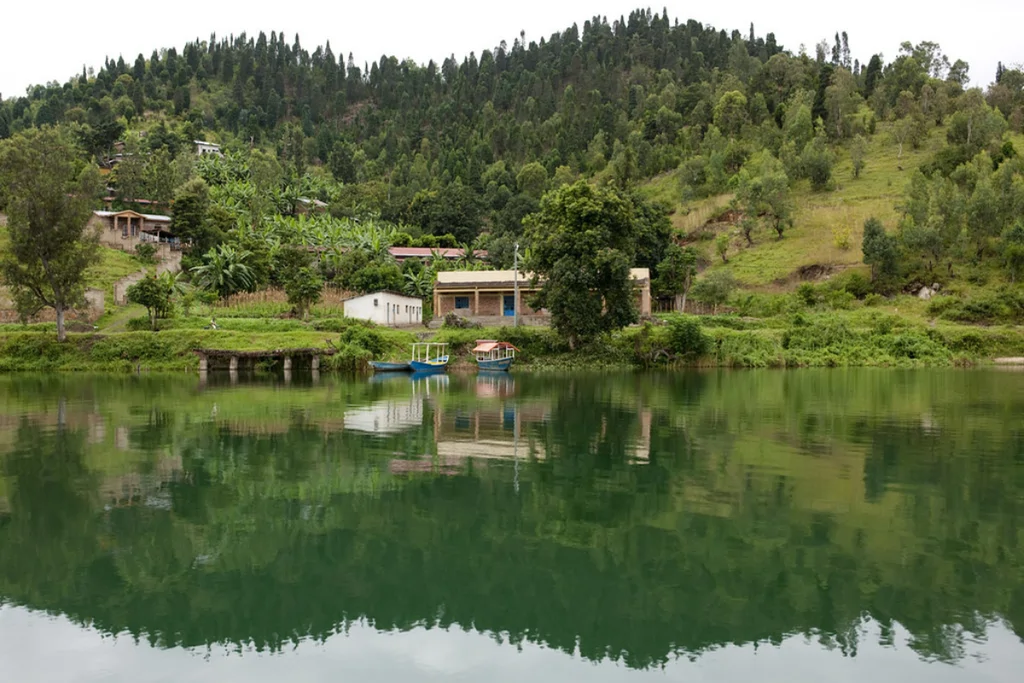
Visit a washing station or coffee farm where the experience genuinely connects visitors with cultivation, processing and local producers. Ask who grows the coffee, how farmers are paid and whether purchases made on site return meaningful value to the people producing it.
Those questions separate regenerative travel from a decorative sustainability label.
Afterwards, return toward Kigali for an evening departure. If time remains, choose locally made craft and design over a final rush through generic souvenir shopping.
Five days will never reveal an entire country. That limitation can improve the trip.
Rwanda suits regenerative travel because wildlife conservation, community revenue, habitat restoration and tourism already intersect visibly across the route. A quietcation adds restraint to that system. Stay longer in fewer places, make room for silence, spend time deliberately and allow encounters with wildlife and culture to happen on their own terms.