MENU
Close





Lanvin SS27 feels secure, sophisticated and carefully resolved, yet the collection only becomes truly compelling once Copping lets more of his own world break through.
Lanvin SS27 feels secure, sophisticated and carefully resolved, yet the collection only becomes truly compelling once Copping lets more of his own world break through.
October 1, 2026
Advertisement
Advertisement


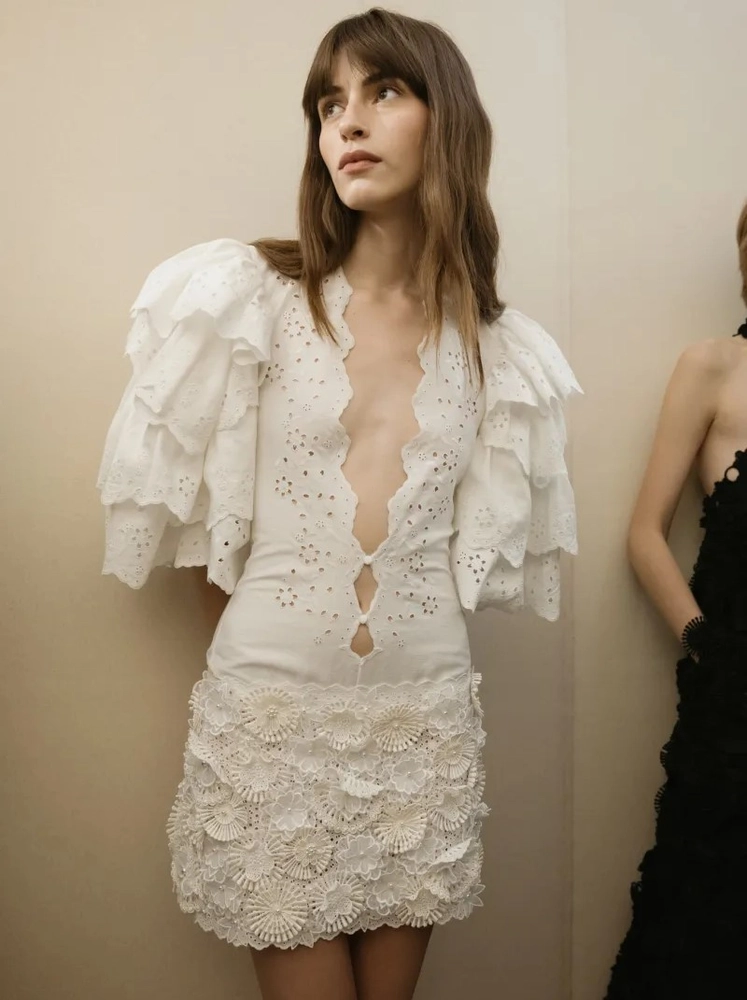
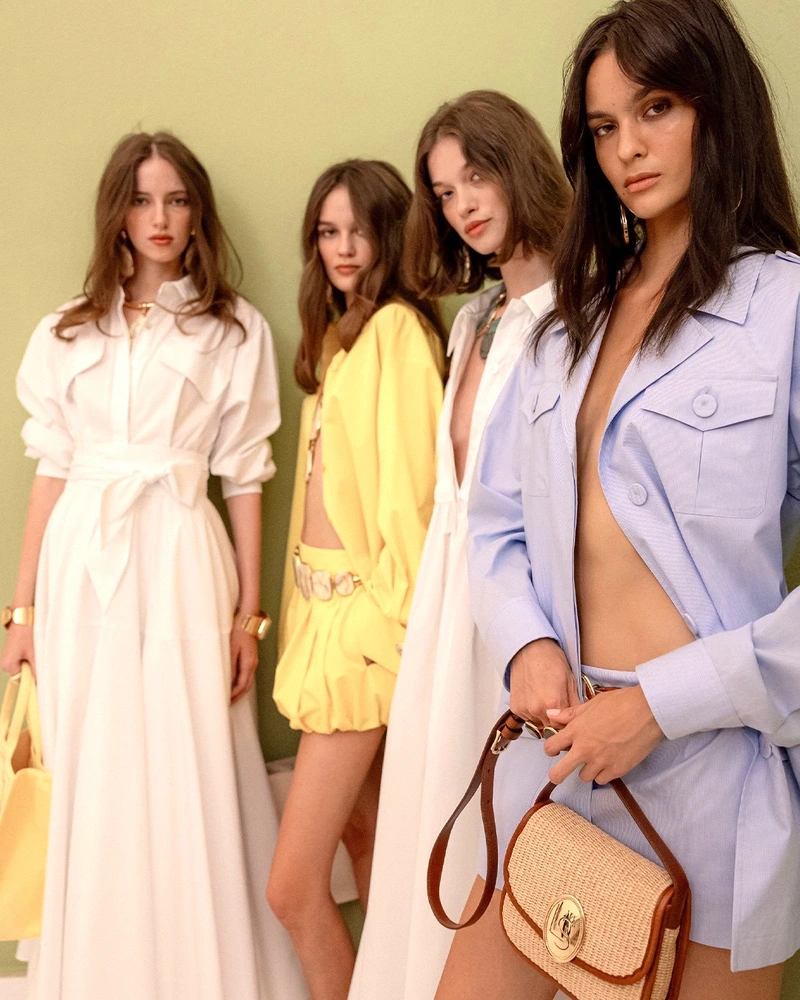
Lanvin SS27 moves with the kind of assurance Peter Copping has been steadily rebuilding into the house: long lines, fluid coats, soft tailoring, polished eveningwear and a measured sense of femininity.
The runway flows beautifully. Its strongest moments arrive when that flow gains structure, ornament and tension, especially through archive-derived details and eveningwear. Those moments also reveal the larger question surrounding Copping’s Lanvin now: after restoring elegance, how quickly can he make that elegance feel unmistakably his?
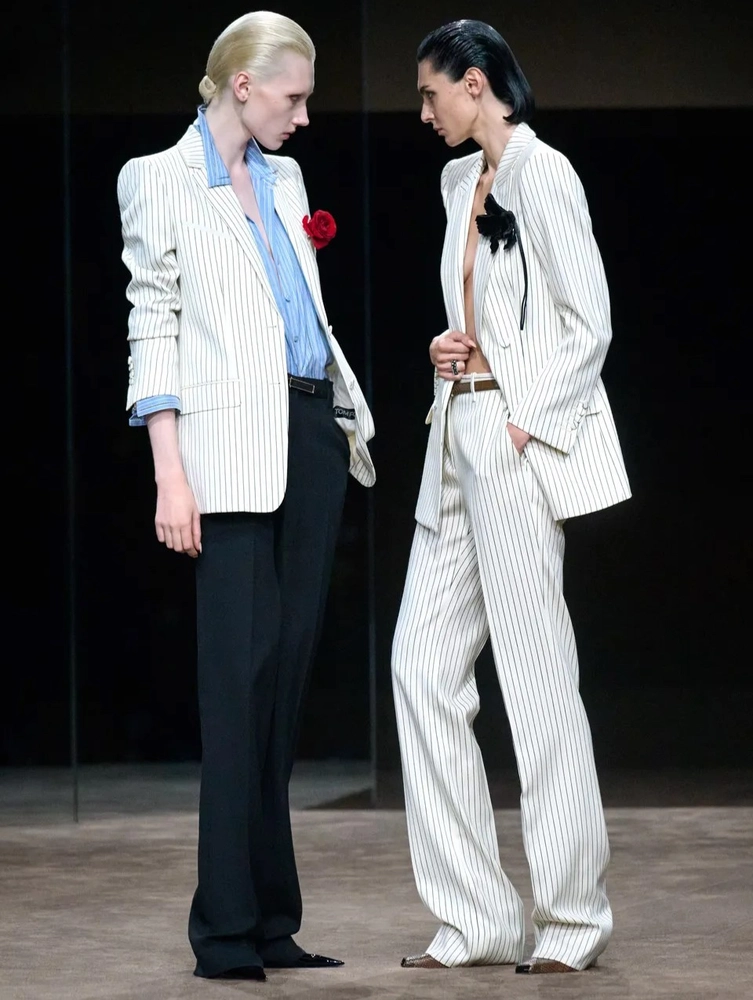
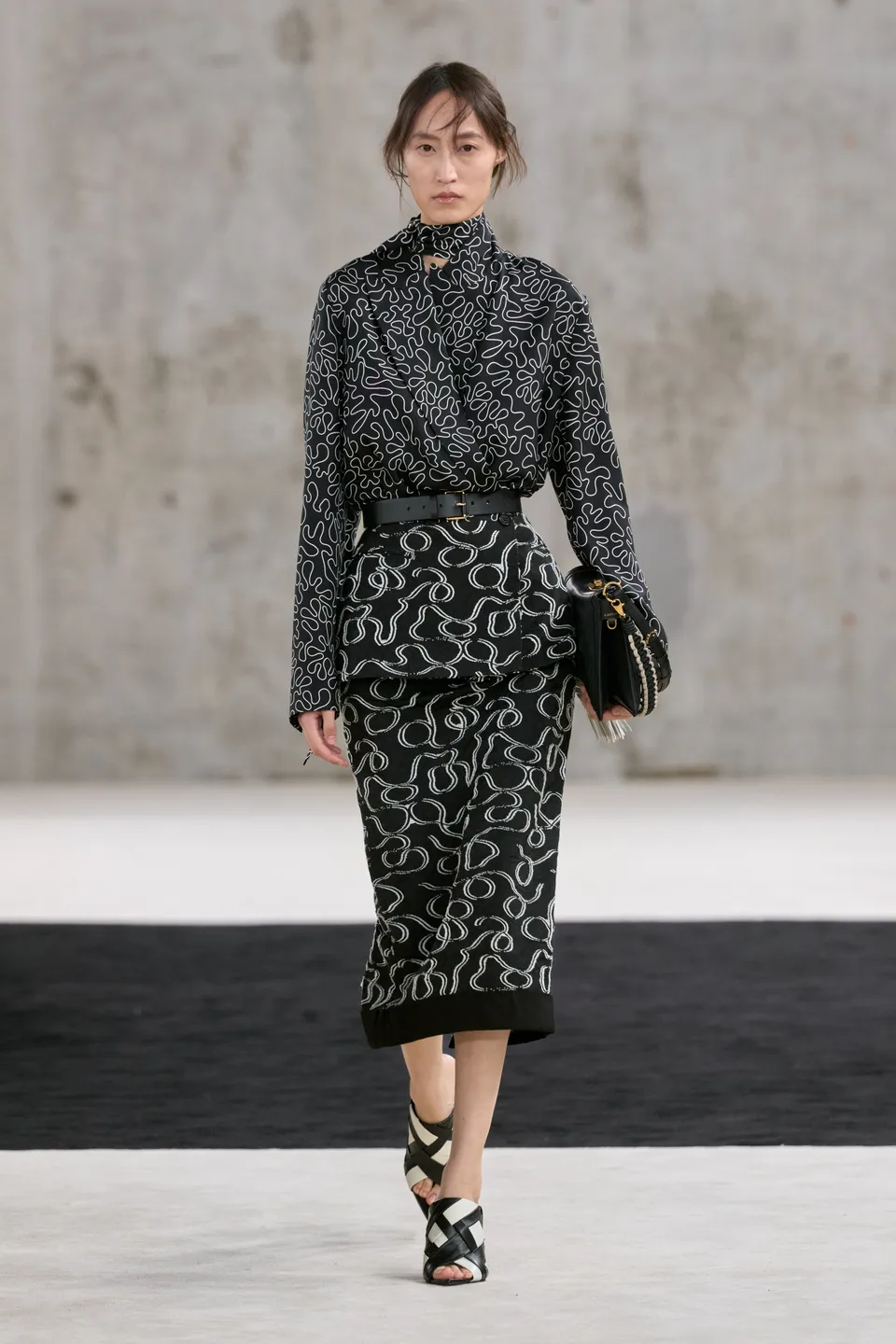
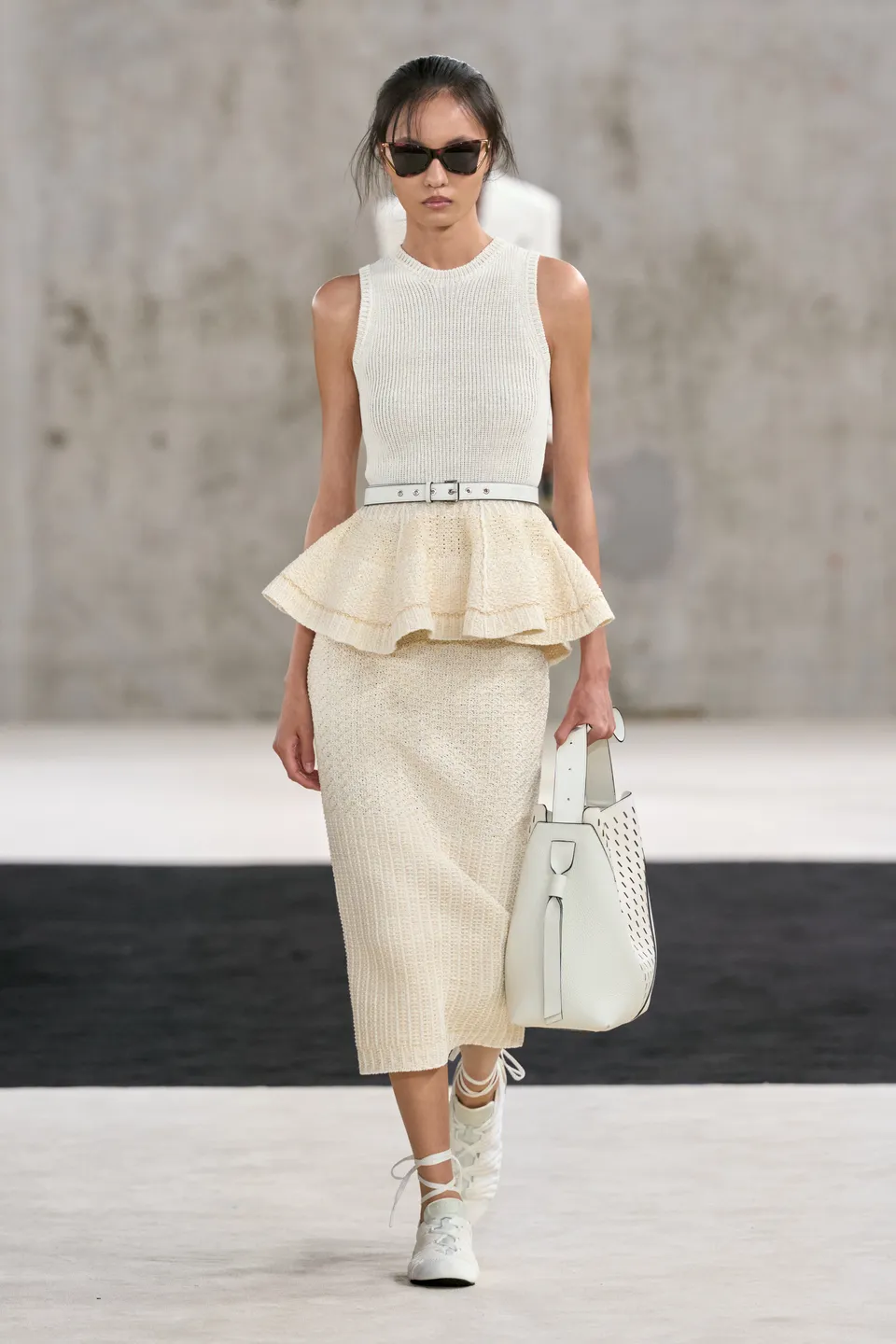
Copping’s “soft power” begins with restraint. Narrow coats fall close to the body. Shawl collars soften the line of tailoring. Long tunics extend the torso. Trousers create continuous vertical movement. Peplums appear with control, while dresses keep their sensuality close to the body.
Andrée Putman remains an important reference within this world. Her graphic severity, architectural clarity and disciplined elegance sit comfortably alongside Copping’s instinct for refined dressmaking.
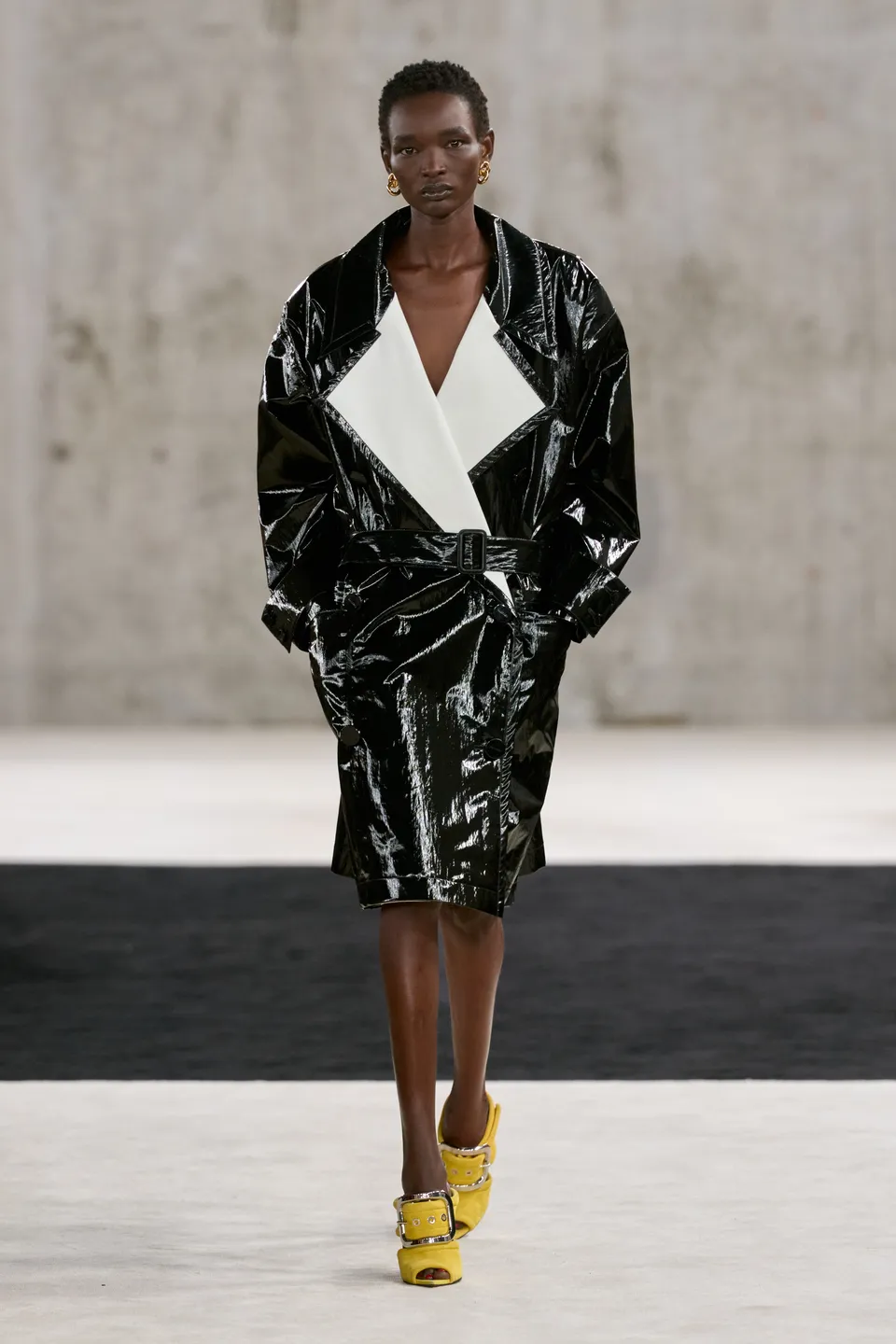
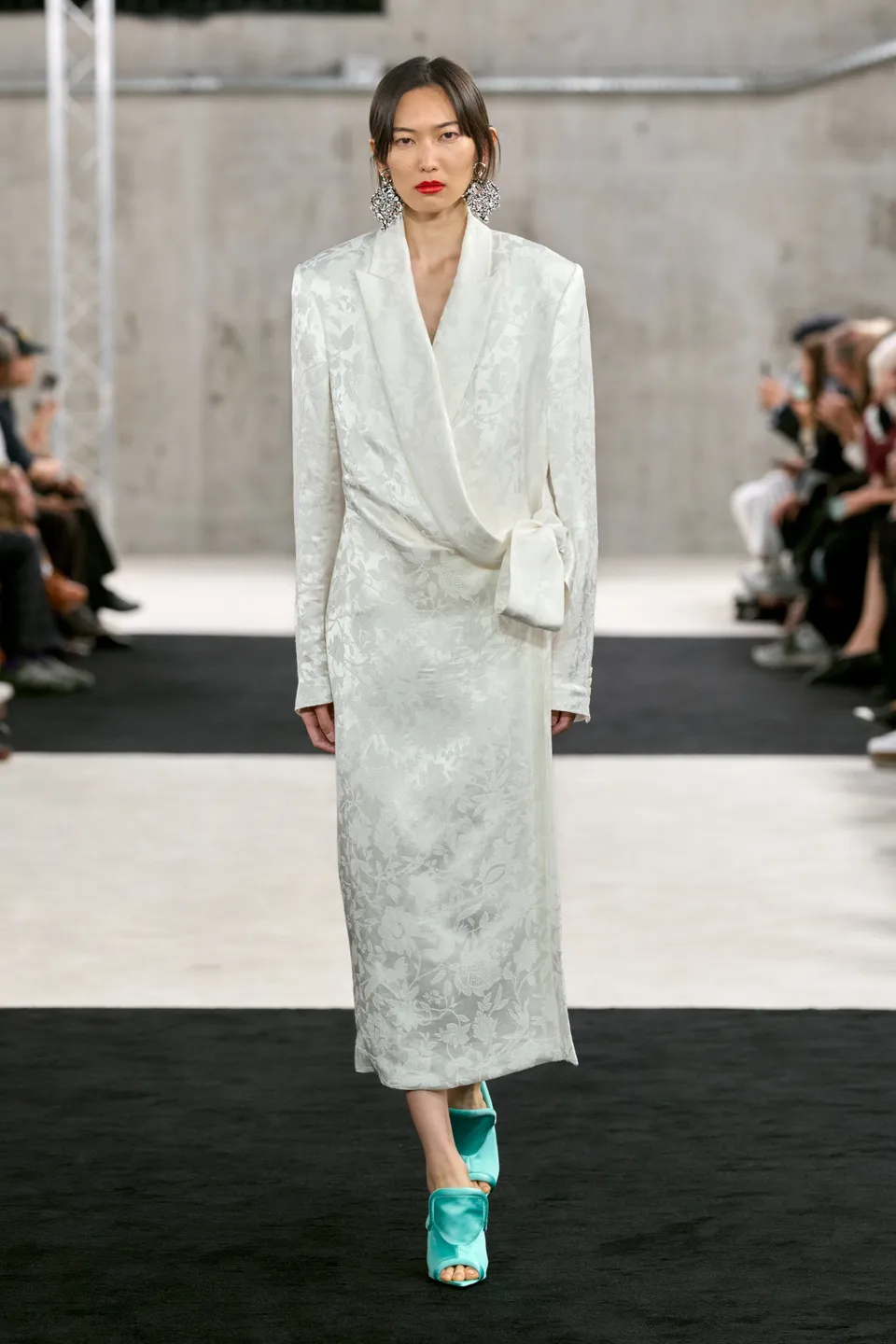
The wider group of female references opens the collection emotionally. Pina Bausch brings movement and physical intensity. Tina Chow contributes a kind of cultivated minimalism. Anjelica Huston carries cinematic presence. Lee Miller brings intellect, glamour and a history already connected to Lanvin. Thelma Golden adds another register of authority entirely.
The silhouette carries a strong sense of verticality throughout Lanvin SS27.
Coats skim the body. Trousers extend the leg. Tunics lengthen the torso. Evening dresses fall in uninterrupted lines. Low-crotch shorts create a more ambiguous shape, hovering between trouser and skirt.
There is an ease to all of this. That fluidity gives the collection its polished rhythm, while subtle peplums and sculpted areas around the waist add enough architecture to keep the line from becoming entirely linear.
One of the most convincing ideas in the collection comes from Indian textiles discovered among Jeanne Lanvin’s archival material.
Copping strips away their original color, isolates the geometry, recomposes the motifs and introduces mirrored elements. Those fragments then become detachable plastrons across evening pieces.
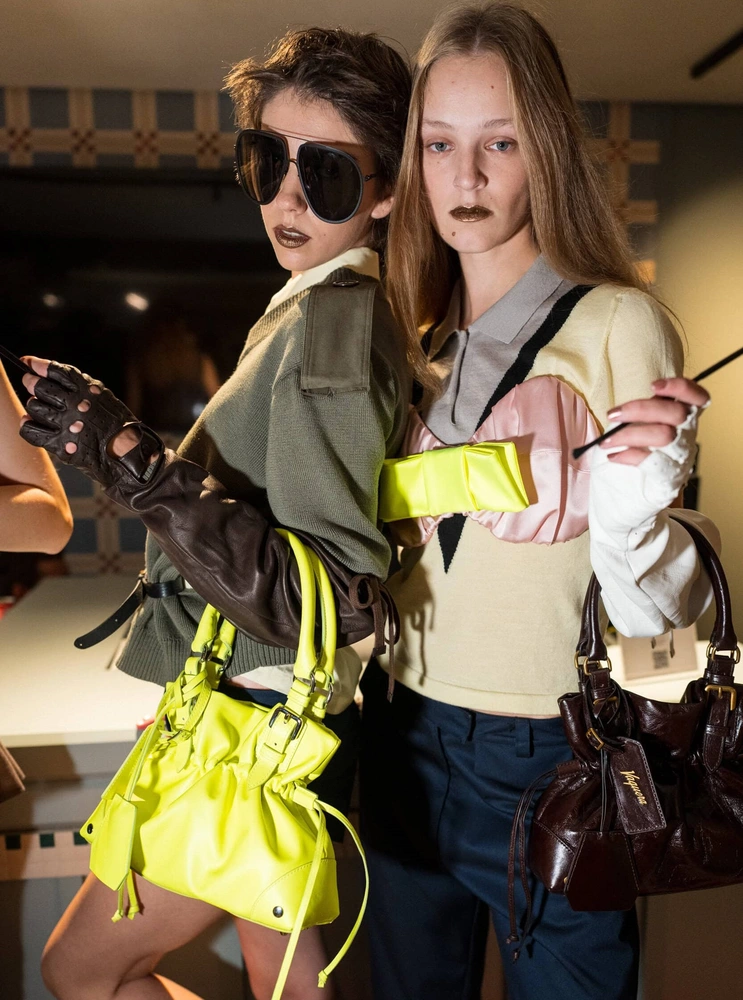
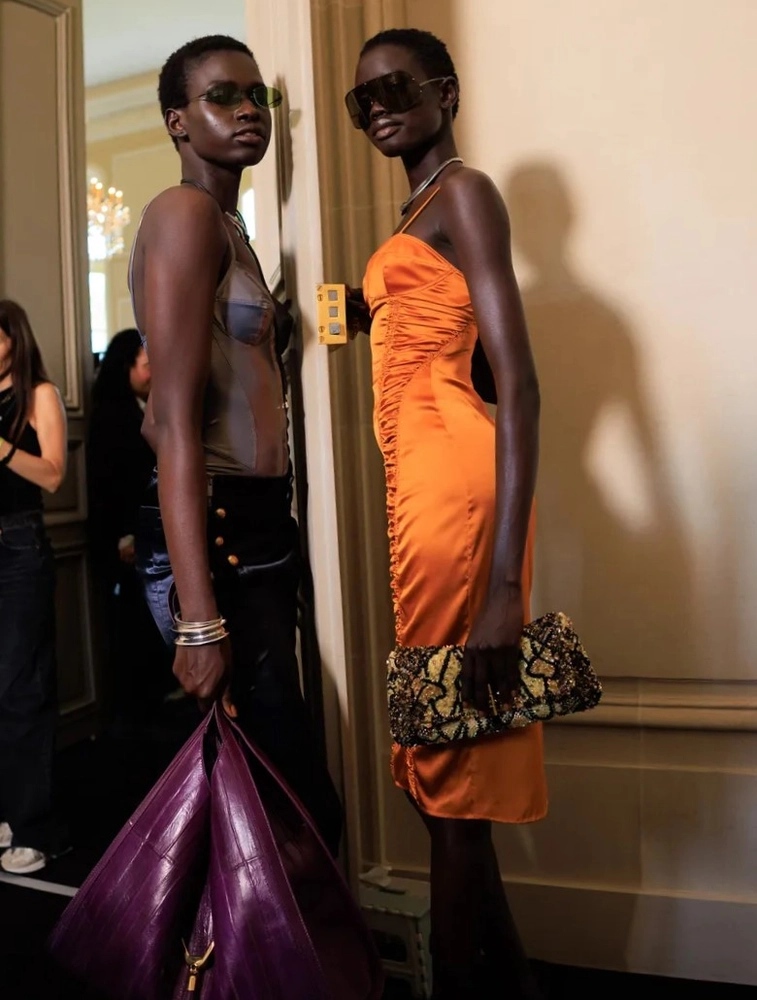
A similar logic appears in the Hobo bag, where a 1936 haute couture button is reworked as a closure.
Copping uses the archive almost like a material library, extracting proportion, motif, hardware and construction ideas, then letting them circulate through contemporary pieces. That approach gives Lanvin a stronger sense of continuity because the past remains physically present while the function changes.
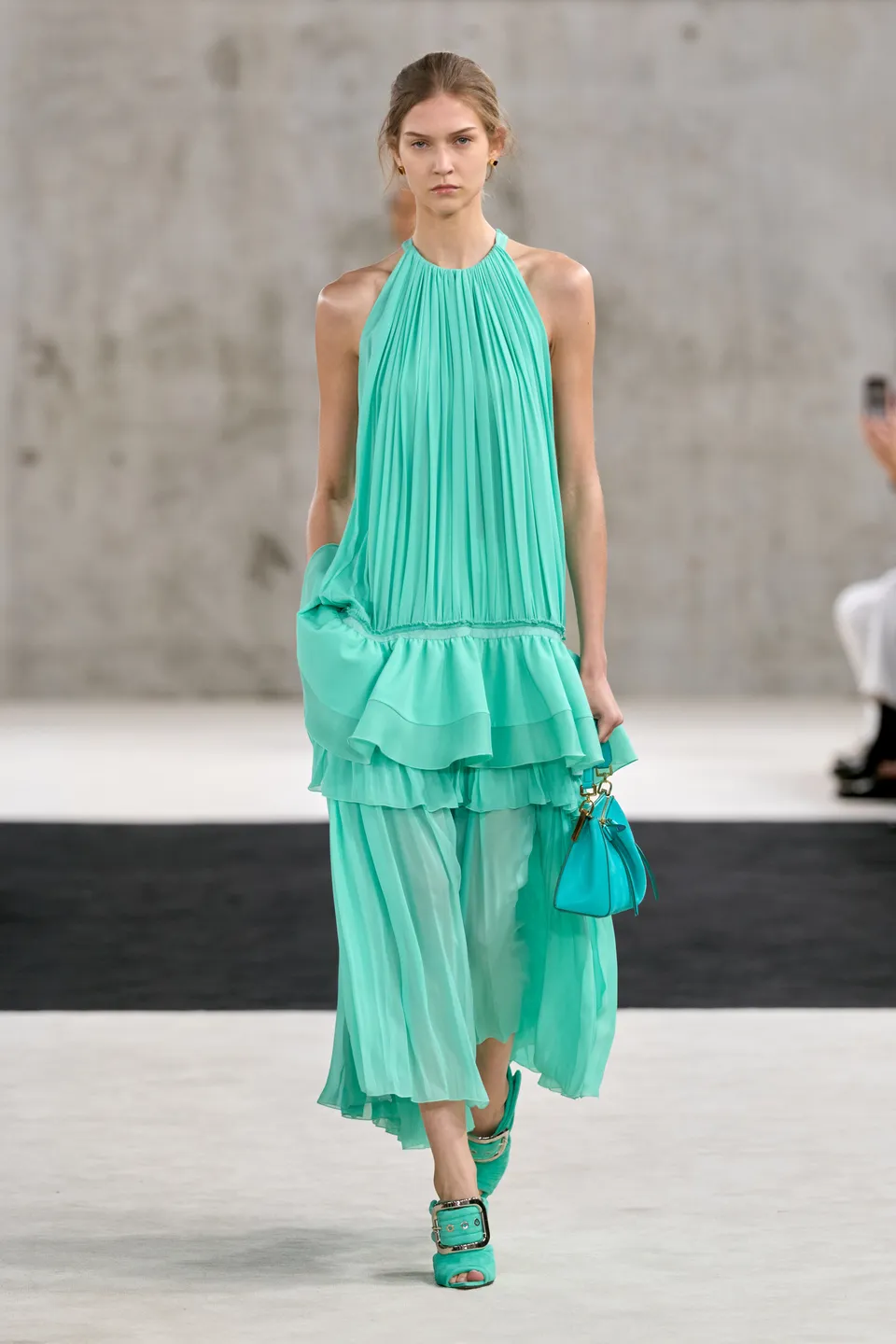
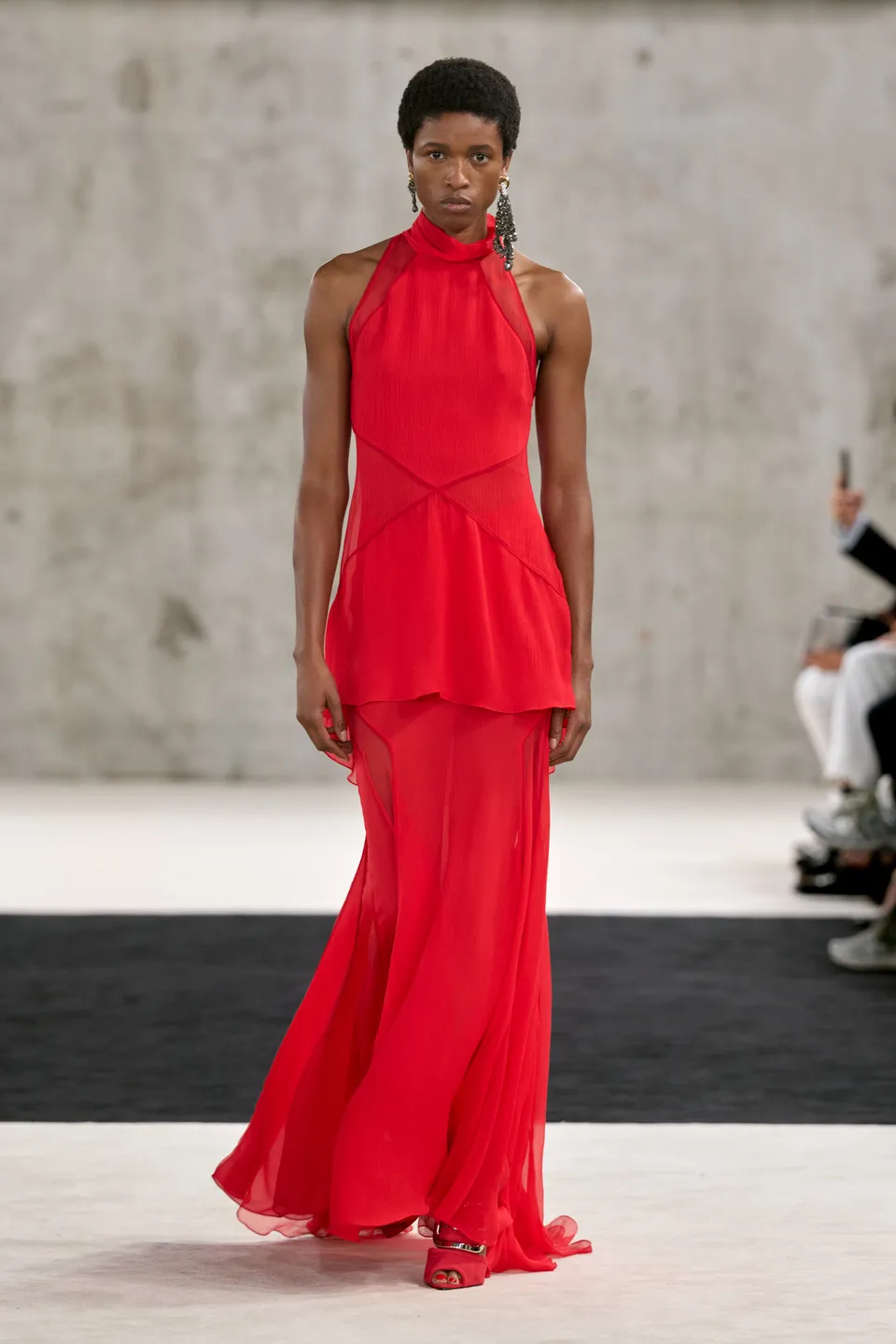
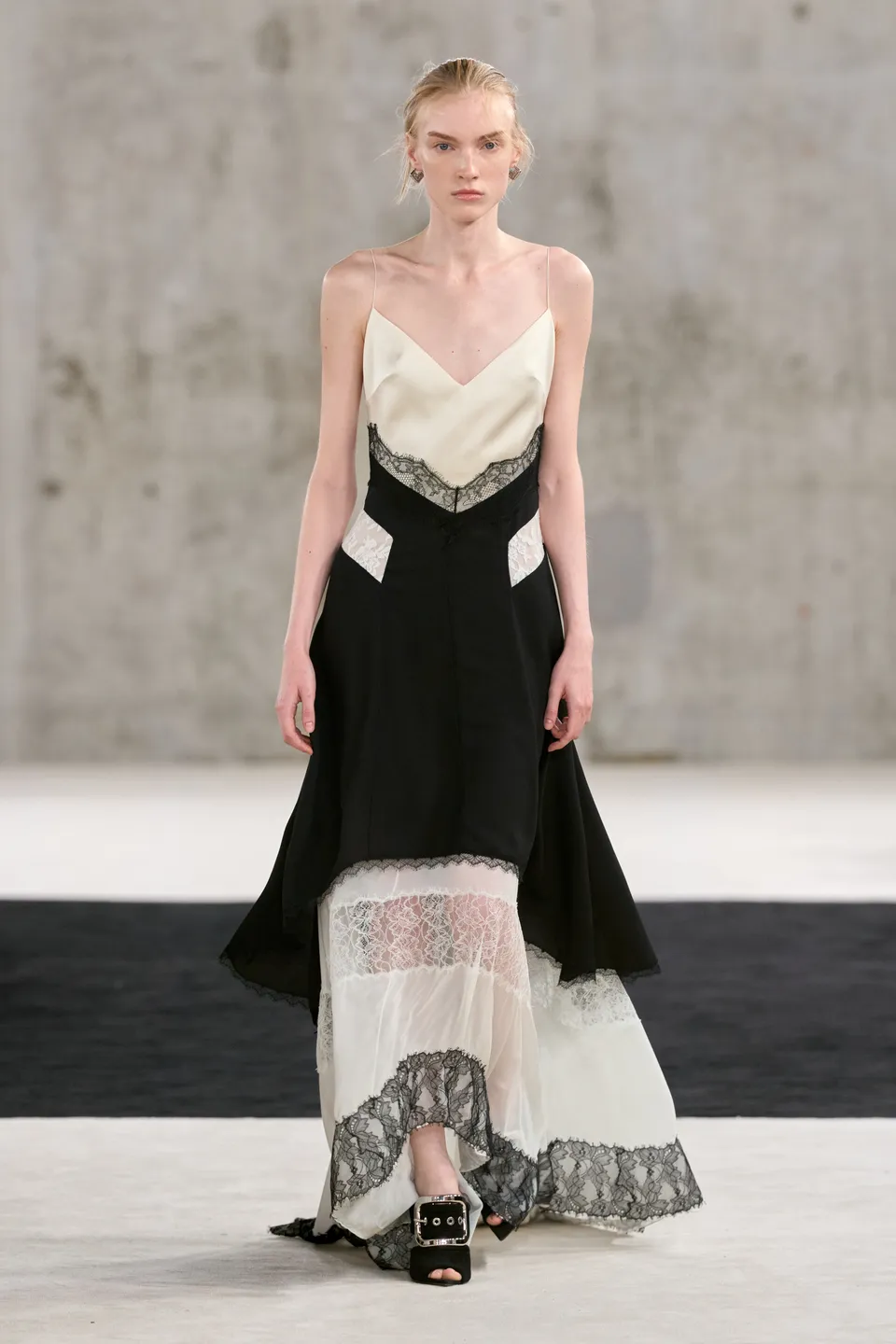
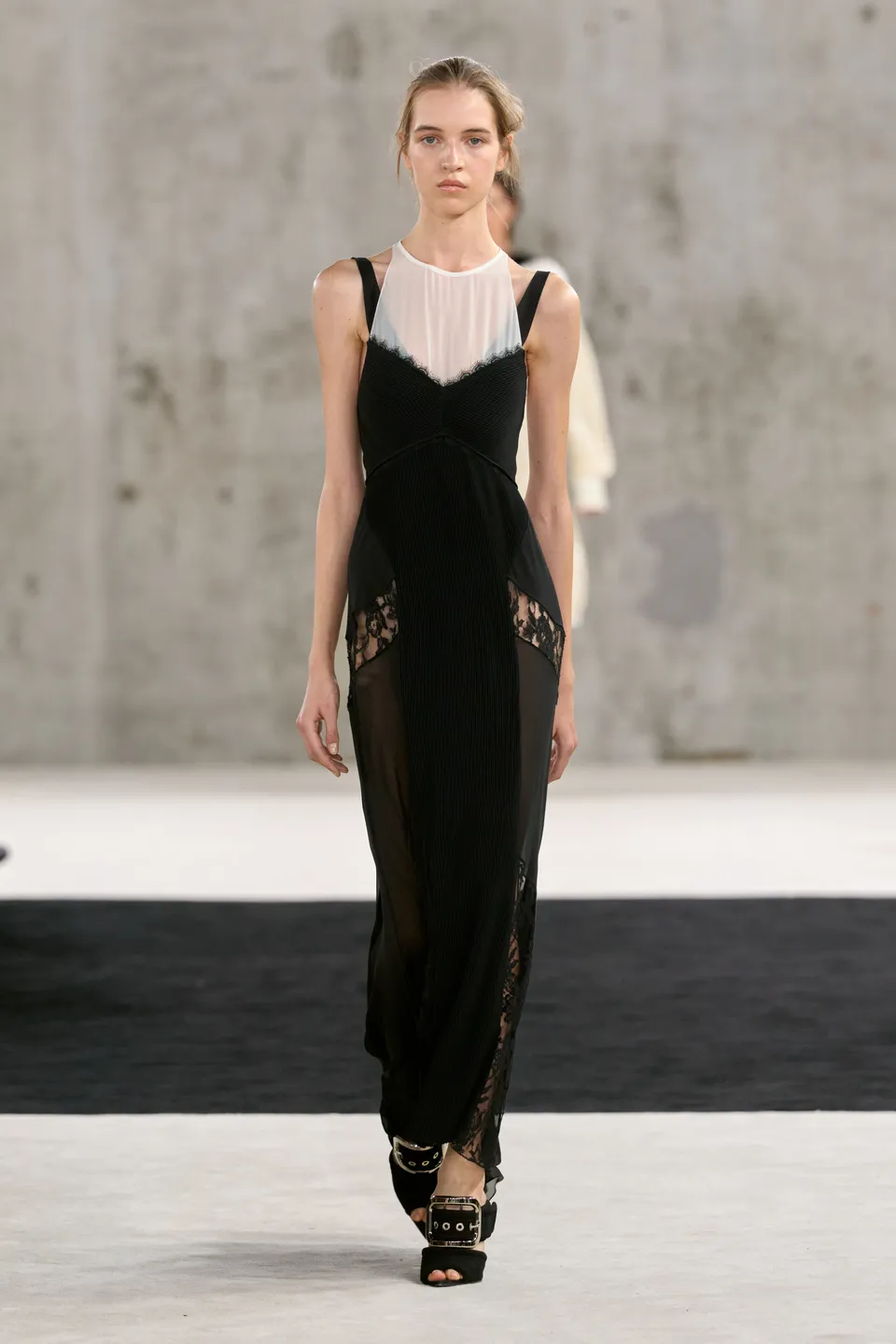
Copping’s dressmaking continues to be one of the clearest strengths of his Lanvin.
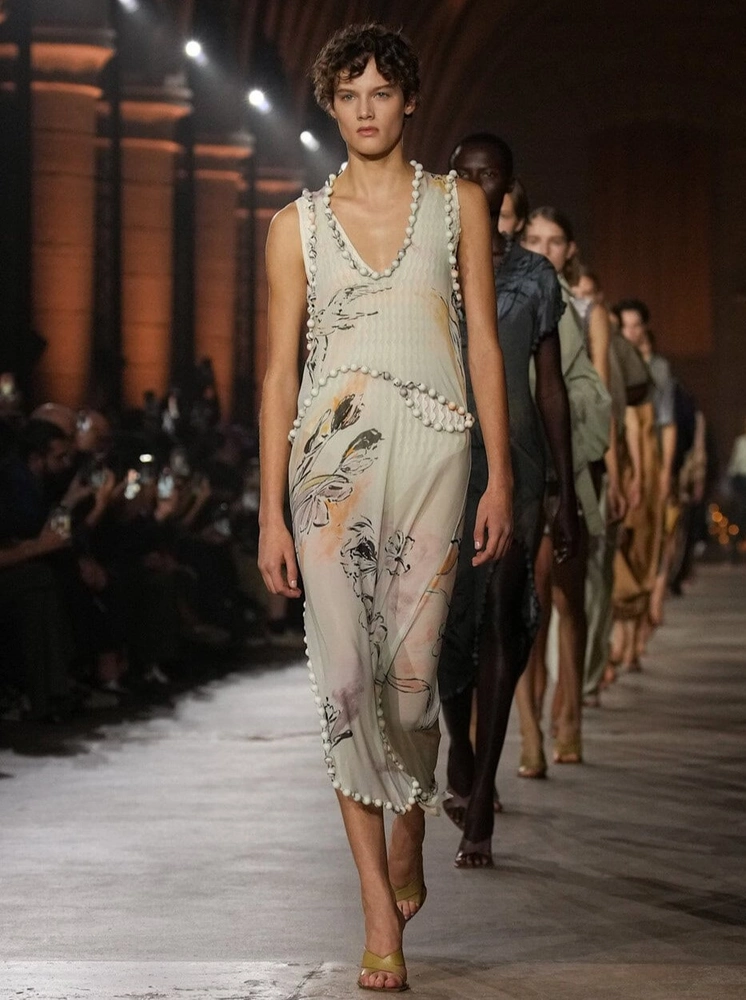
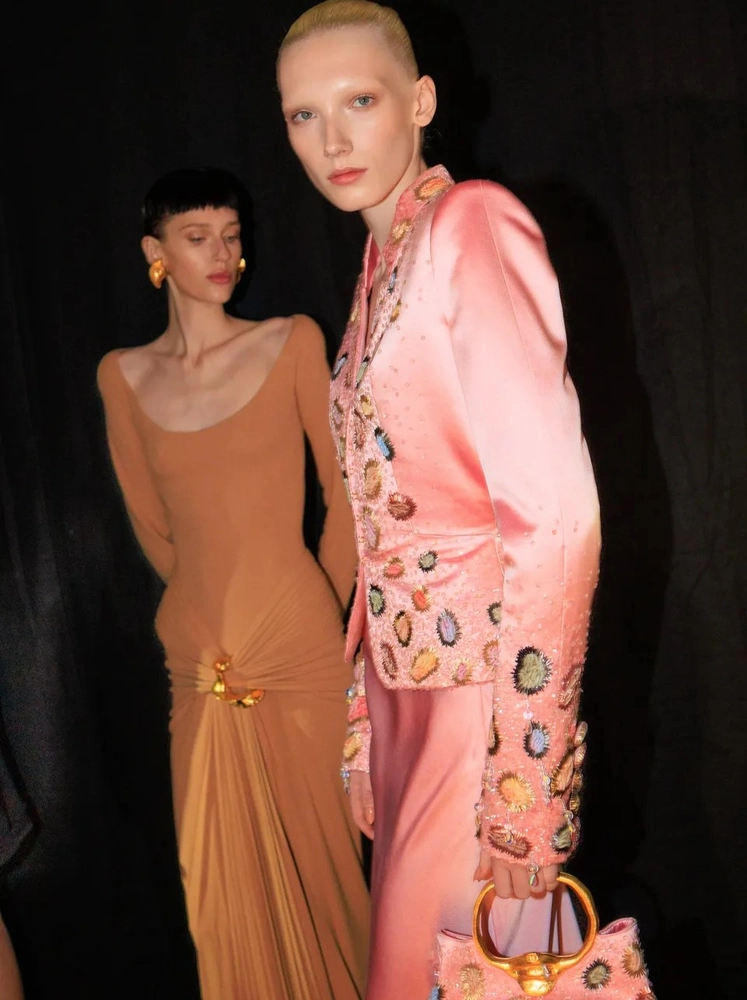
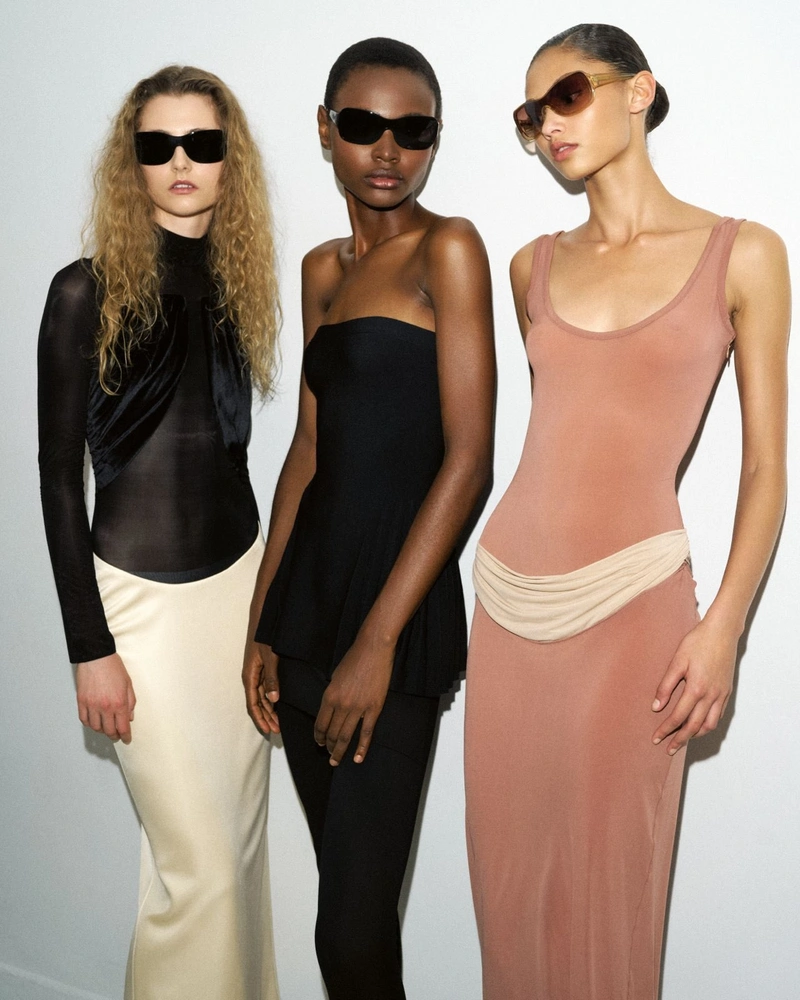
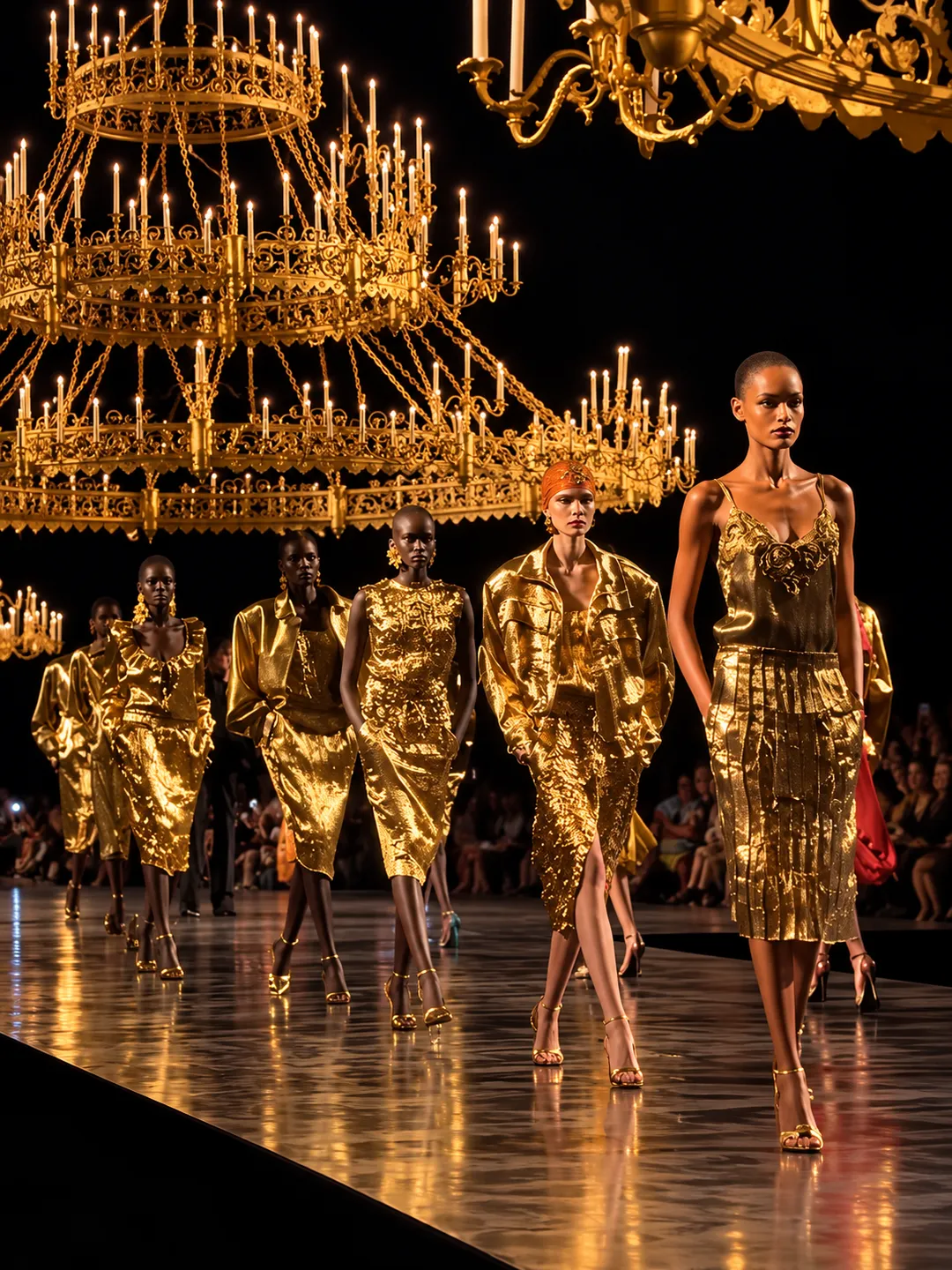
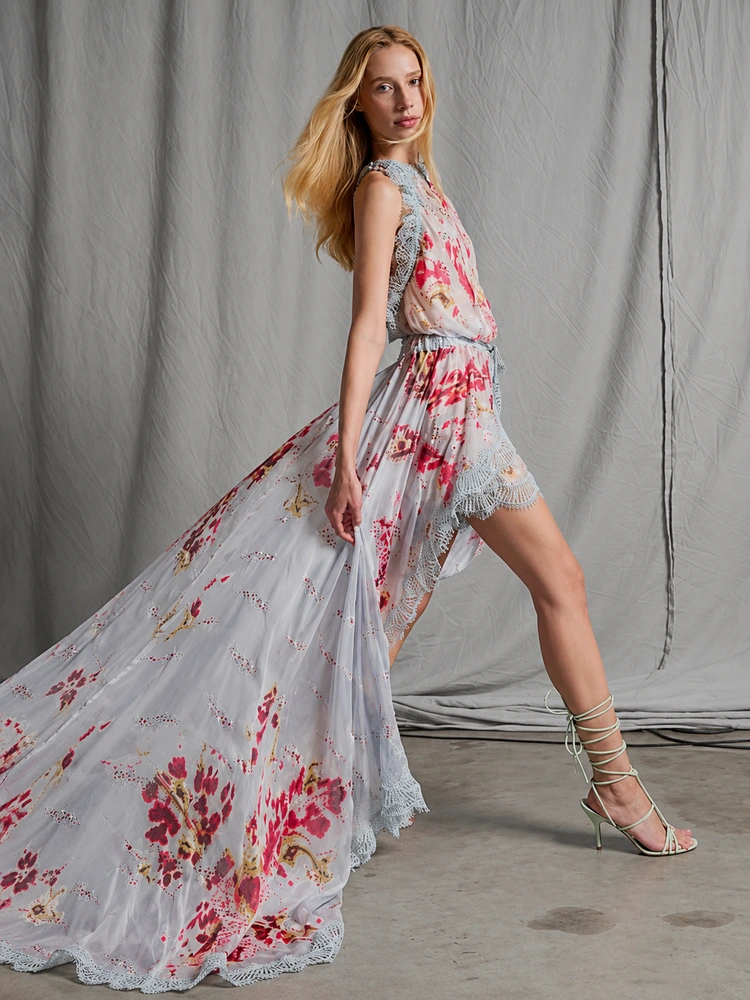
Long evening silhouettes like A-line, I-line, or trumpet carry an easy sophistication. Backs become points of sensual focus. Draping follows the body with precision. Plastrons bring graphic density to otherwise controlled surfaces.
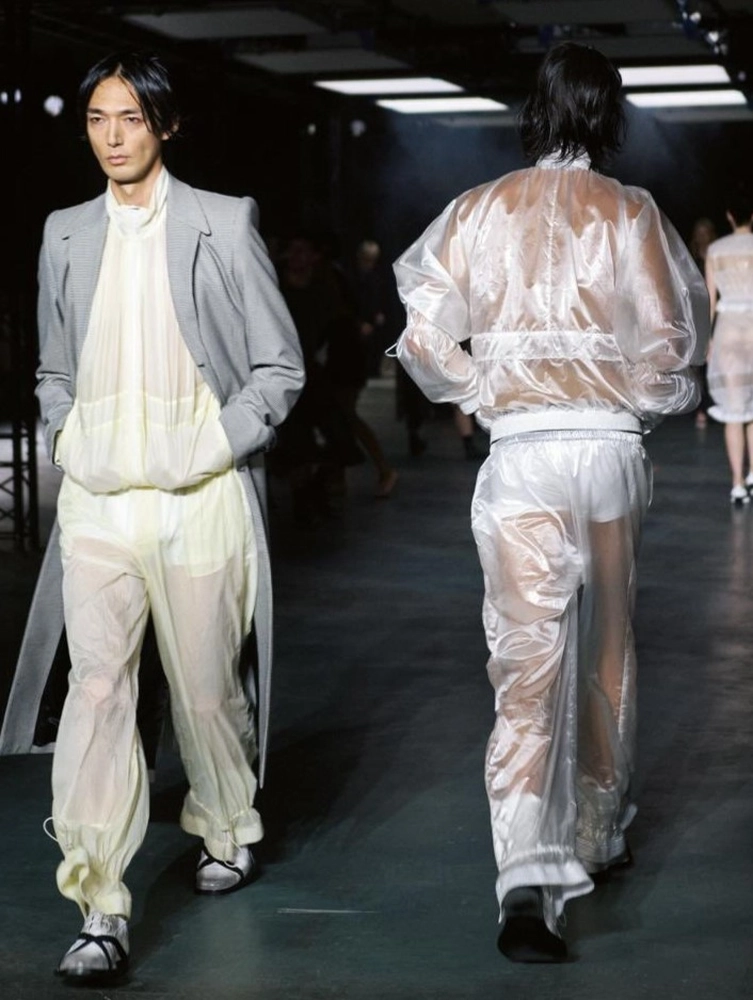
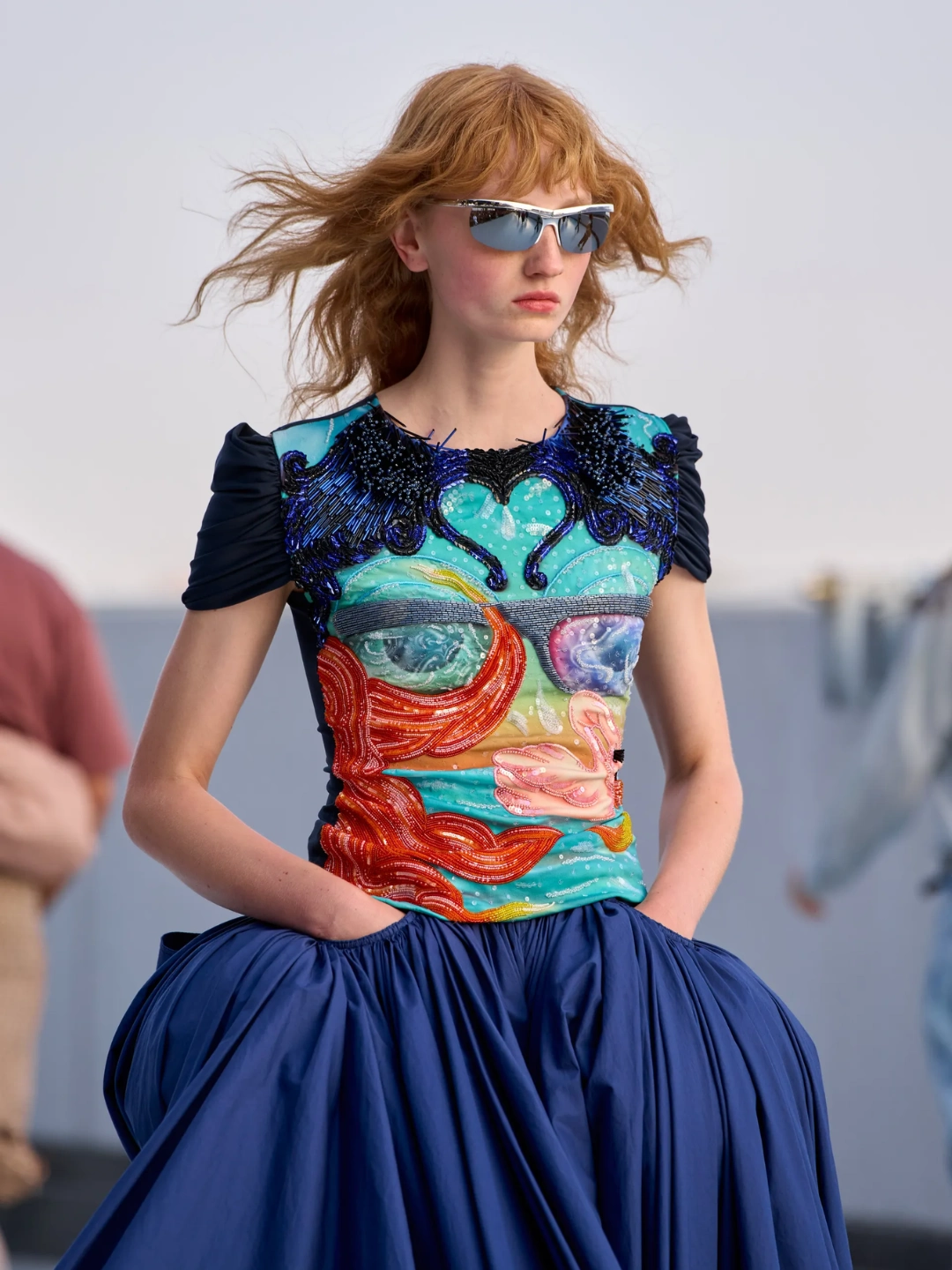
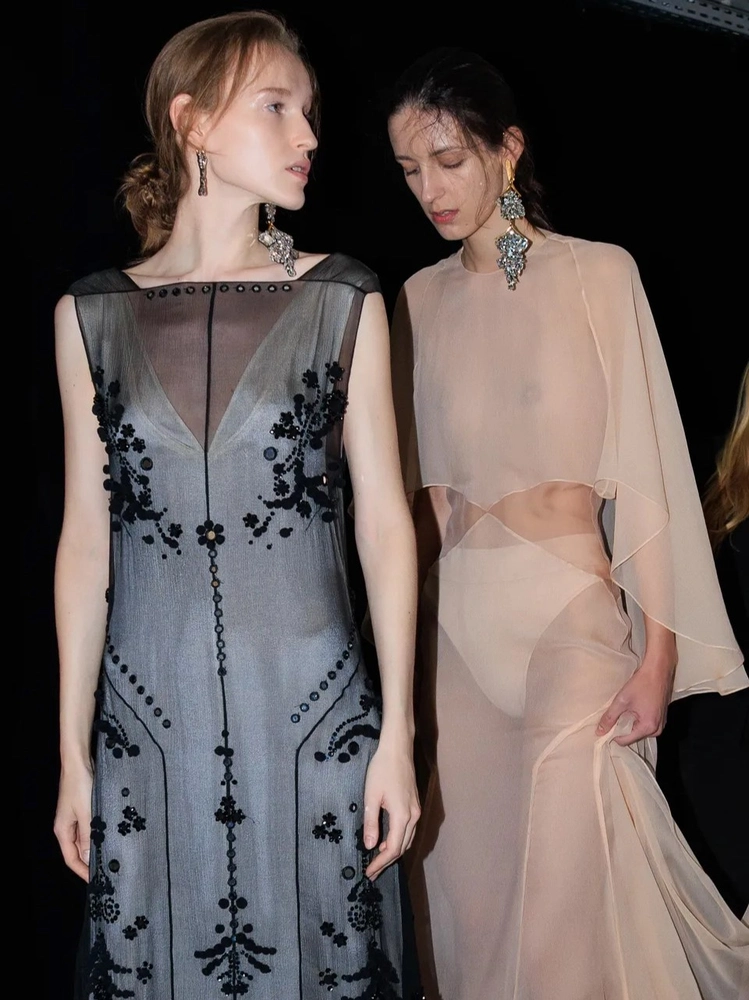
Copping keeps the early looks quiet through fluid wool, crepe de chine and softly structured tailoring, then gradually increases the tactile register. Black satin is cut with geometric lace insets. Pale chiffon is compressed into dense accordion pleats before opening into sheer tiers. Silk appears with enough weight to fall cleanly through the body, while organza is used for transparency and layered contrast. In several evening looks, the cloth seems almost secondary to the surface treatment: reflective mirrors, sequins and graphic appliqué build harder planes across the torso, creating a kind of light armor over fabrics that continue moving underneath.
After Fall 2026 already established dresses as a major strength in his tenure, SS27 deepens that proposition. There is real potential here for Lanvin to rebuild the dress as one of the house’s defining commercial and emotional categories.
Across Copping’s work at Lanvin so far, Art Deco still forms the most recognizable visual thread.
Geometry appears in surface work, elongated proportions, metallic details and graphic ornament. It connects naturally to Jeanne Lanvin’s own history and gives Copping a framework that feels intellectually coherent with the house.
He handles it with confidence. At its best, the reference stays embedded within the garment instead of sitting visibly on top of it. A mirrored plastron can carry the geometry. A line of embellishment can organize the torso. Jewelry can extend the architecture of a dress.
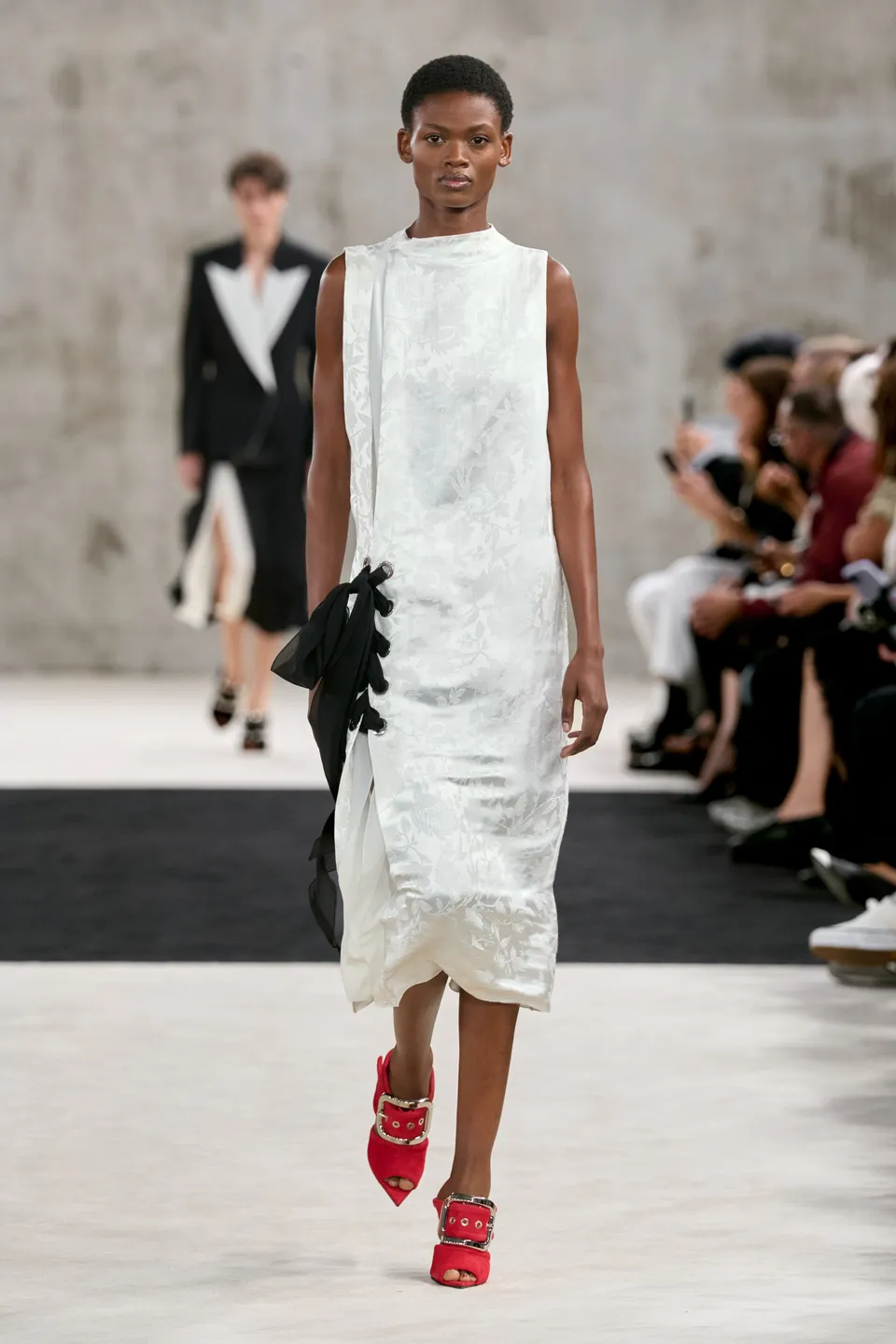
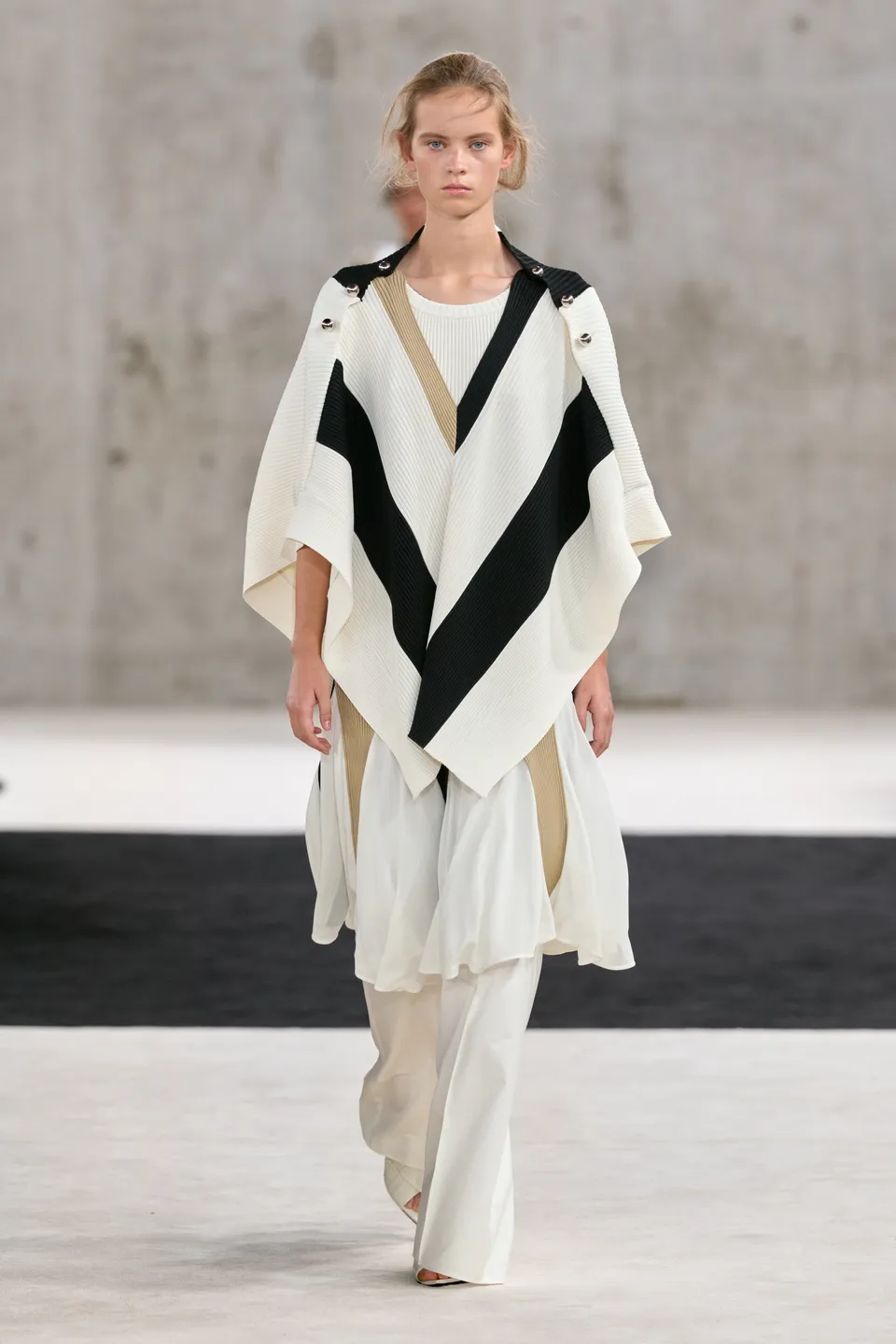
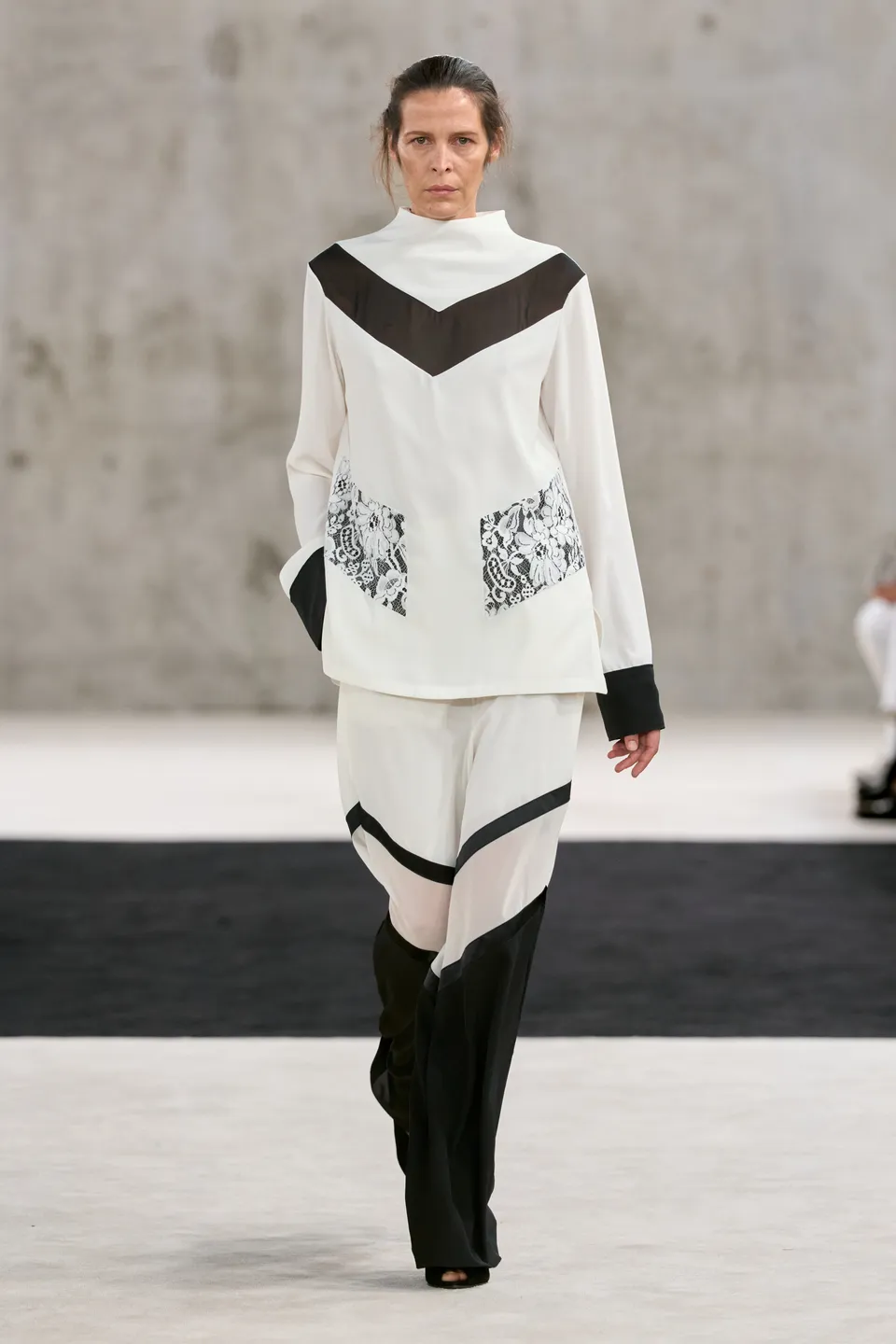
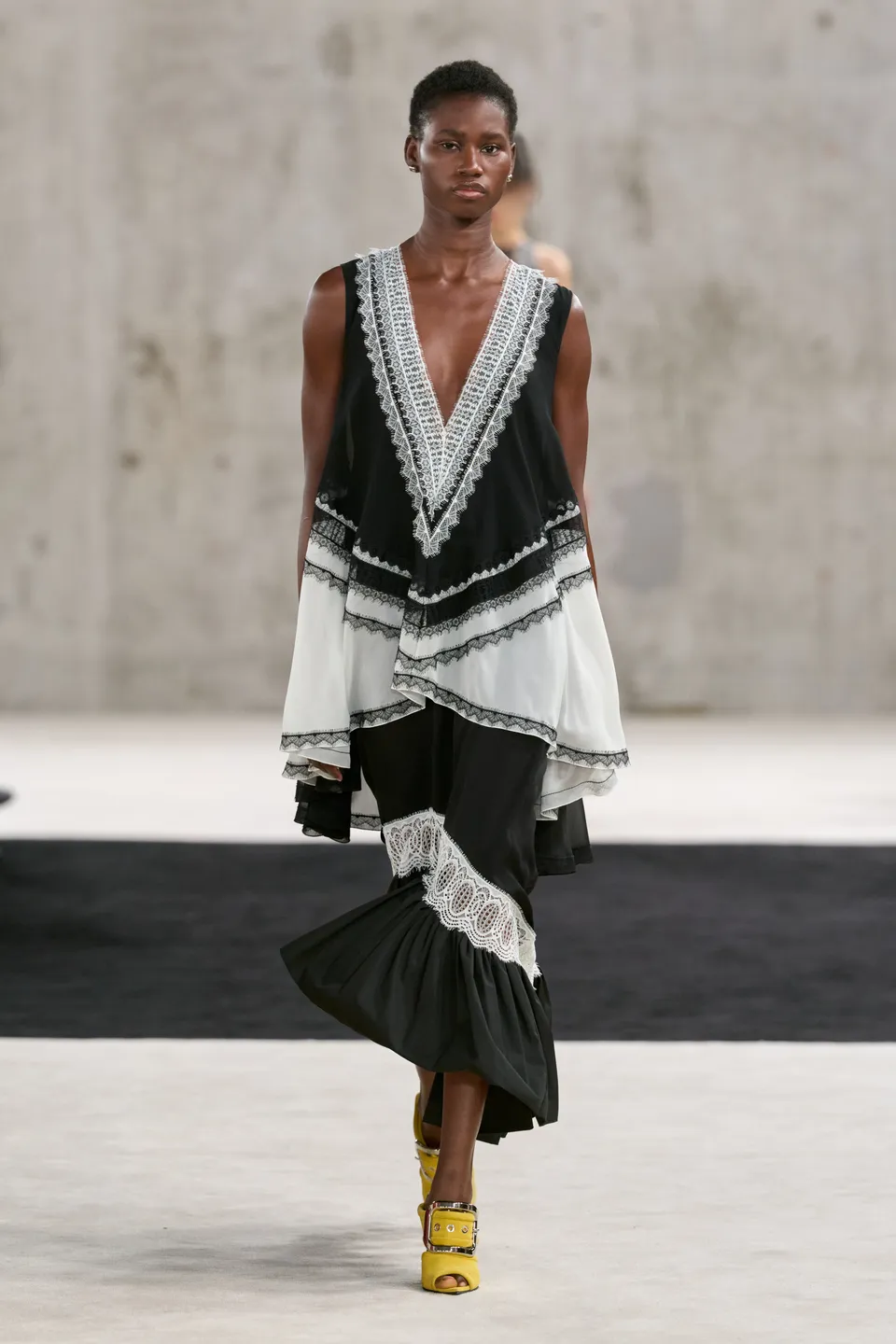
This is where Copping’s Lanvin starts to feel more specific. The next step is allowing that specificity to spread further into tailoring and daywear through construction itself.
Long silhouettes continue without interruption. Accessories stay refined. Shoes support the line. The overall rhythm feels composed and polished.
Pina Bausch’s red shoes provide one of the sharper visual jolts.
That small interruption works because the rest of the collection is so controlled. A collection built around restraint still benefits from rhythm, a flash of color, a sharper proportion, an unexpected surface, something that wakes the eye before returning it to calm.
This is the central problem with Lanvin SS27. The collection eventually arrives somewhere compelling. The runway asks the audience to wait for it.
Fashion currently operates at brutal speed. A show competes with dozens of other shows, celebrity arrivals, campaign drops, viral clips, backstage imagery and immediate commentary during the same hour. Attention arrives fragmented and leaves quickly.
Subtlety still has enormous value. Subtlety also needs clarity. A viewer should understand the designer’s world within the opening movement of the show, then discover its complications as the collection unfolds. SS27 reverses that equation. It asks for faith first and delivers identity later. That is a luxury even Lanvin cannot assume.
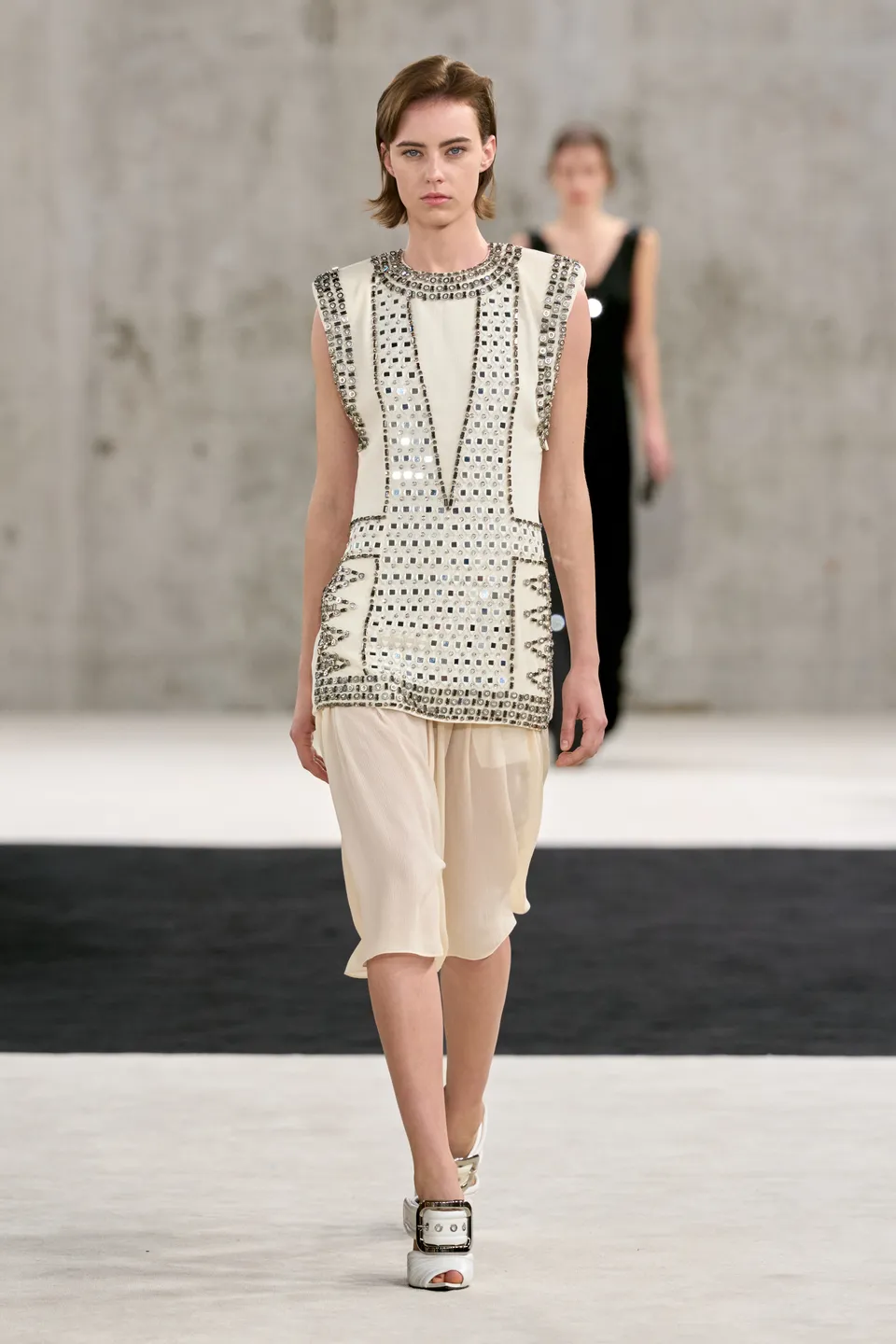
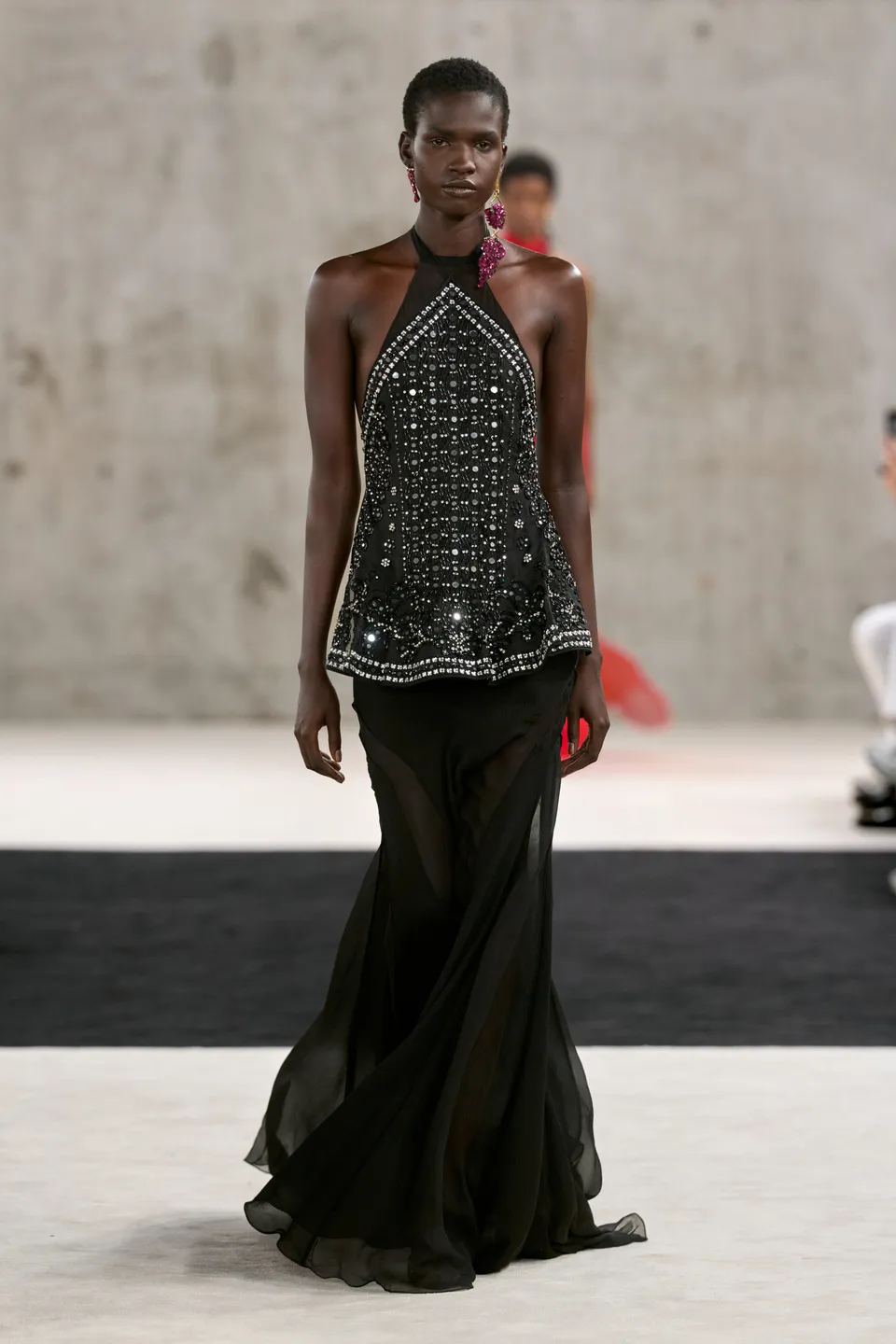
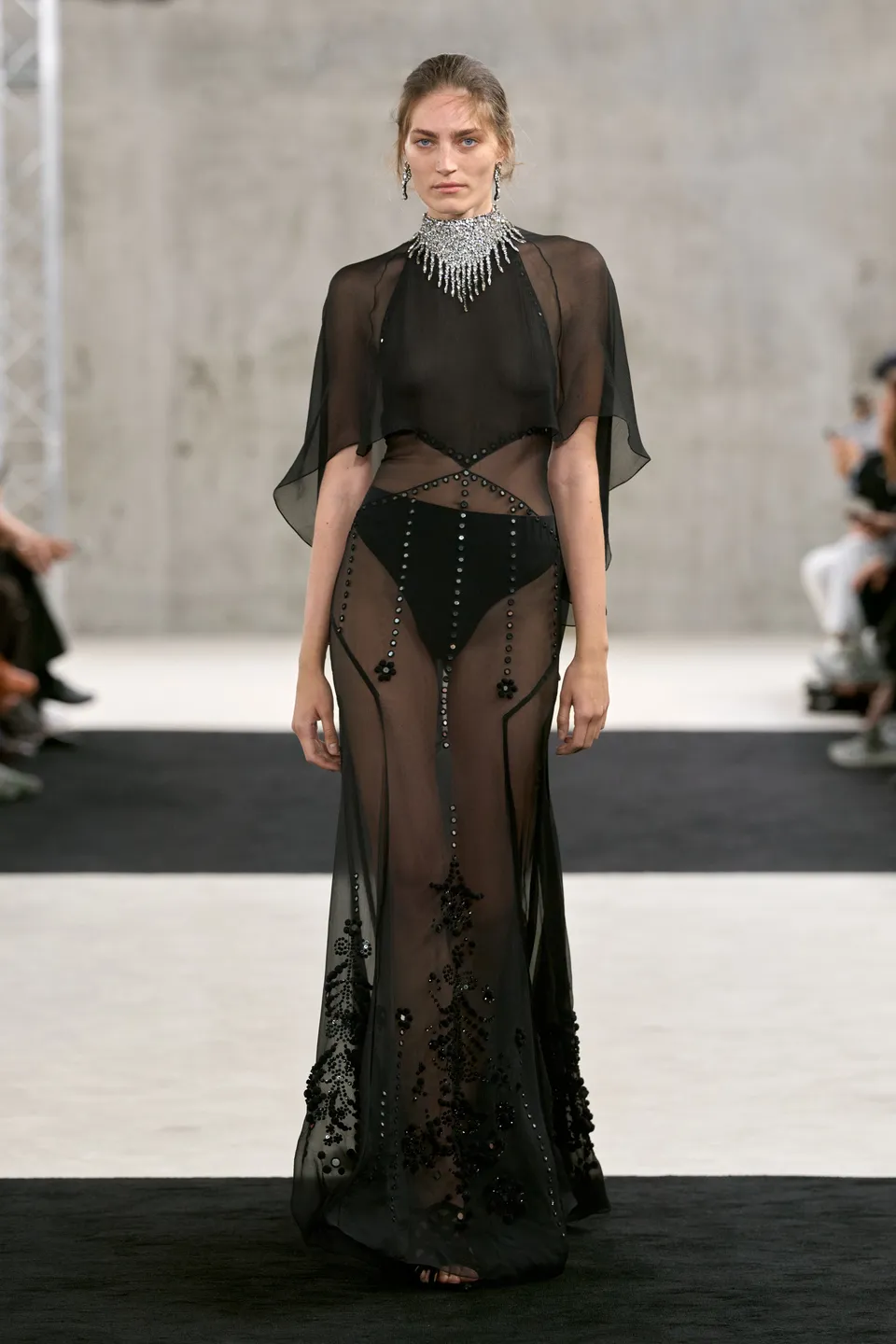
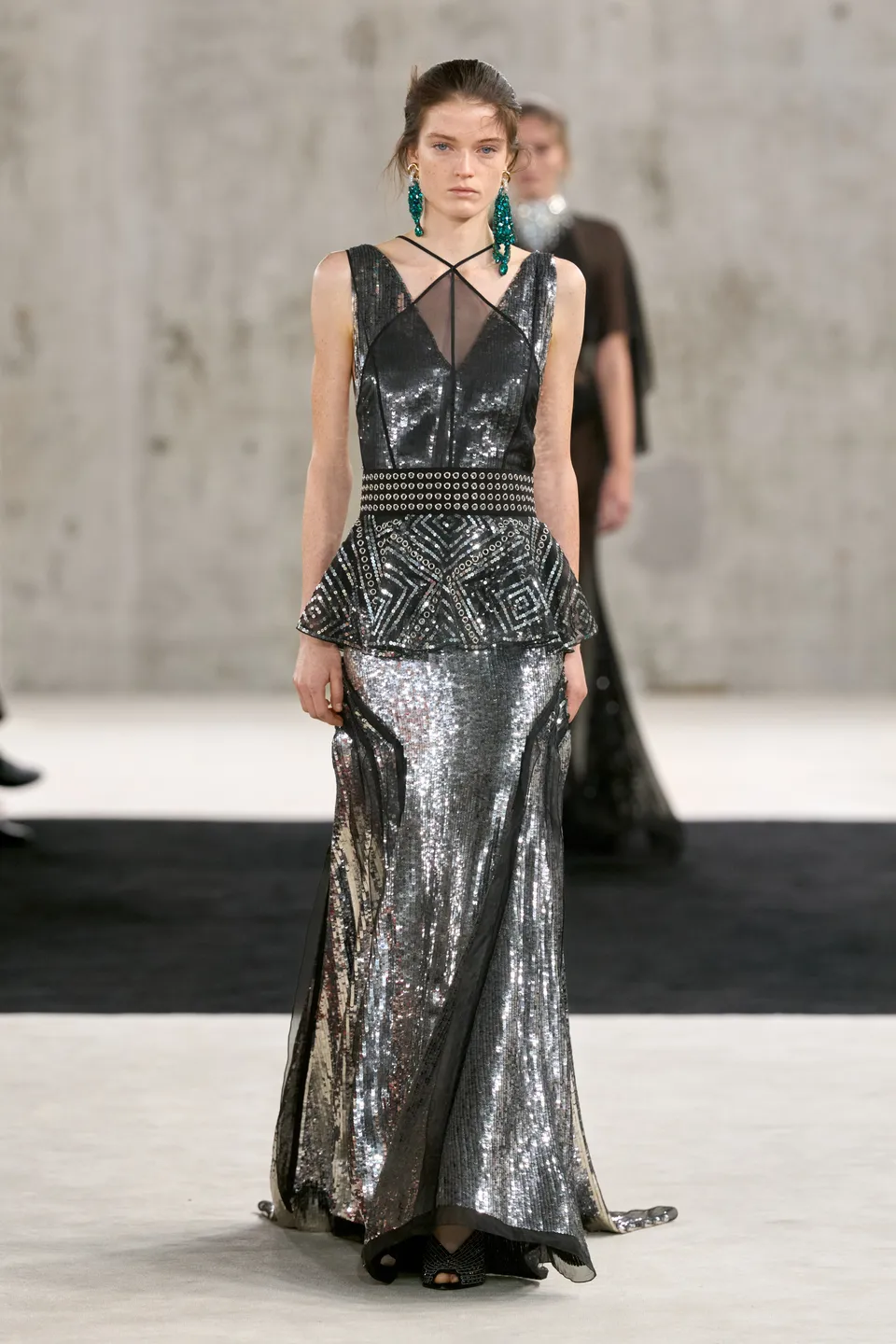
Peter Copping has already accomplished something meaningful at Lanvin. The house feels coherent again. Wholesale reception has shown encouraging momentum while the wider business continues its restructuring.
These are substantial achievements. They also belong to the first phase of his tenure. The restoration phase can end. Lanvin now needs authorship. It needs a coat that could only come from Peter Copping. A dress language that develops season after season. A piece of tailoring with enough character to become recognizable in silhouette. Accessories that convert archival intelligence into desire. Construction that creates drama before embellishment arrives.
Lanvin SS27 proves that Copping’s world exists. The second half of the runway reveals it clearly enough: cultured, historical, feminine, geometric, sensual, exact. Now he has to bring that world forward. Because in 2026, look 20 is far too late to introduce yourself.
Advertisement