MENU
Close





The Barbie fashion doll made its historic debut on March 9, 1959, at the American International Toy Fair in New York, quickly ascending to the status of a global icon.
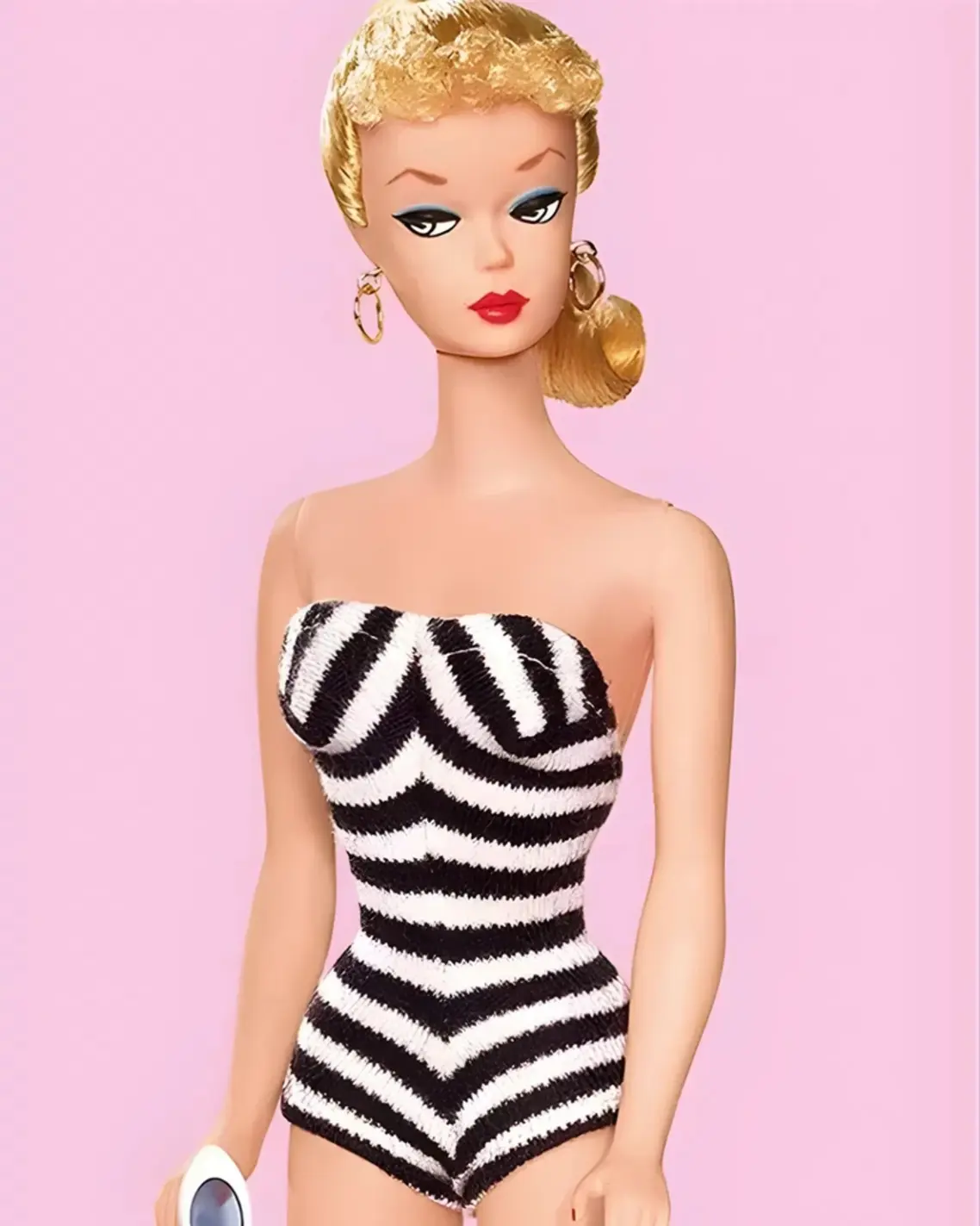
The Barbie fashion doll made its historic debut on March 9, 1959, at the American International Toy Fair in New York, quickly ascending to the status of a global icon.
March 9, 2026


Barbie has been one of the most recognizable toys in the world for decades. Introduced by Ruth Handler and produced by Mattel, the Barbie fashion doll quickly became more than just a toy. With her distinctive style, evolving careers, and ever-changing wardrobe, Barbie reflected shifting ideas about fashion, identity, and aspiration.
Since her debut in 1959, the Barbie fashion doll has influenced generations of children and collectors. From haute couture collaborations to diverse character representations, Barbie continues to evolve alongside culture and the fashion industry, maintaining her place as a global icon.
The Barbie fashion doll was first introduced in 1959 by Mattel and quickly became a revolutionary concept in the toy industry. Unlike traditional baby dolls, Barbie was designed as an adult-figured fashion doll, allowing children to imagine future careers, lifestyles, and identities through play.
Created by Ruth Handler, the idea was inspired by observing how children enjoyed role-playing with paper dolls and imagining adult lives. Barbie’s debut at the American International Toy Fair marked a turning point in toy design. Over time, the Barbie fashion doll expanded beyond a simple toy into a cultural symbol associated with fashion, creativity, and aspirational storytelling.
You can also see this iconic look referenced in modern pop culture, where Margot Robbie recreates the original black-and-white swimsuit worn by the first Barbie doll released by Mattel. The scene visually references the doll’s debut in 1959 and reinforces Barbie’s enduring influence on fashion and pop culture.
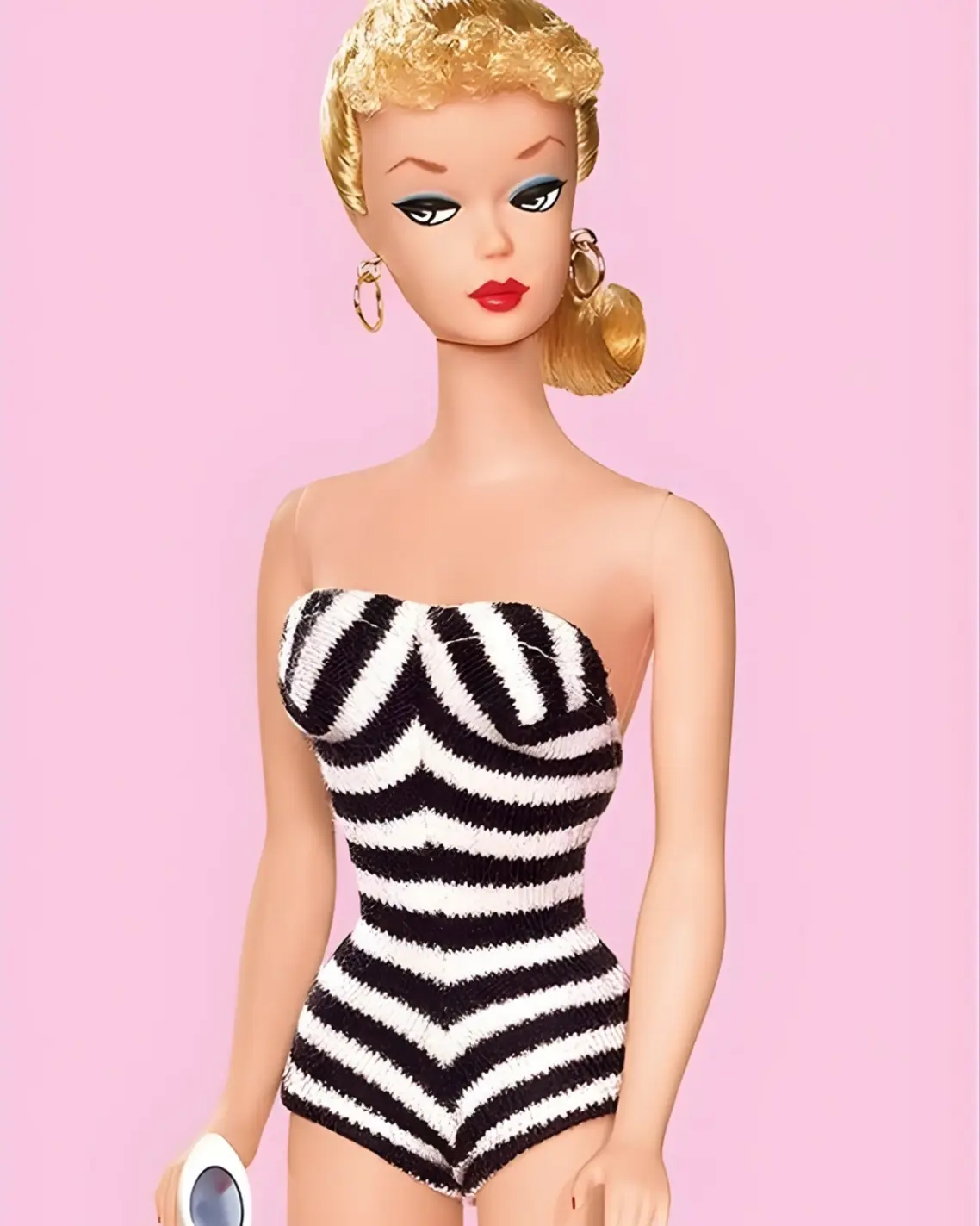
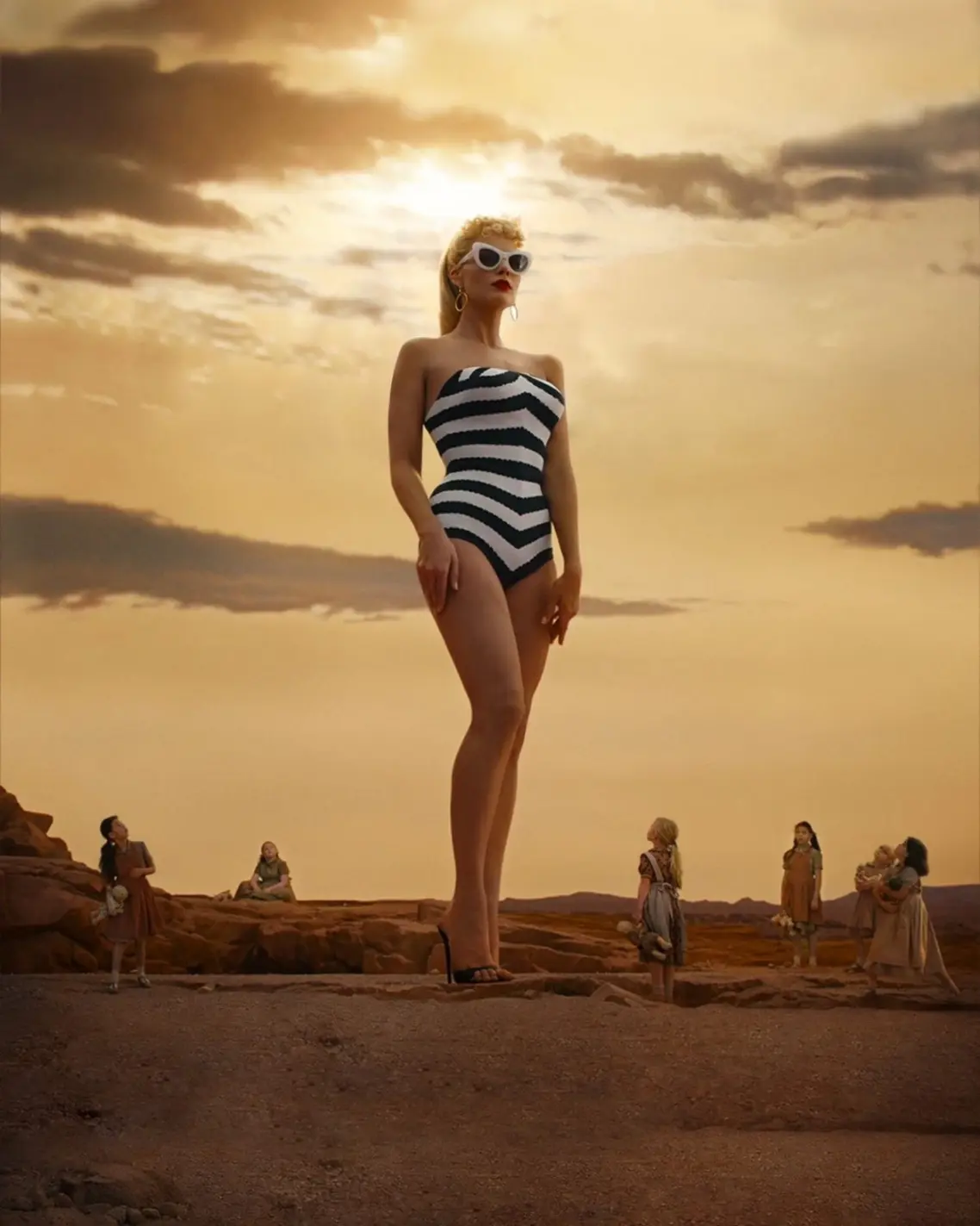
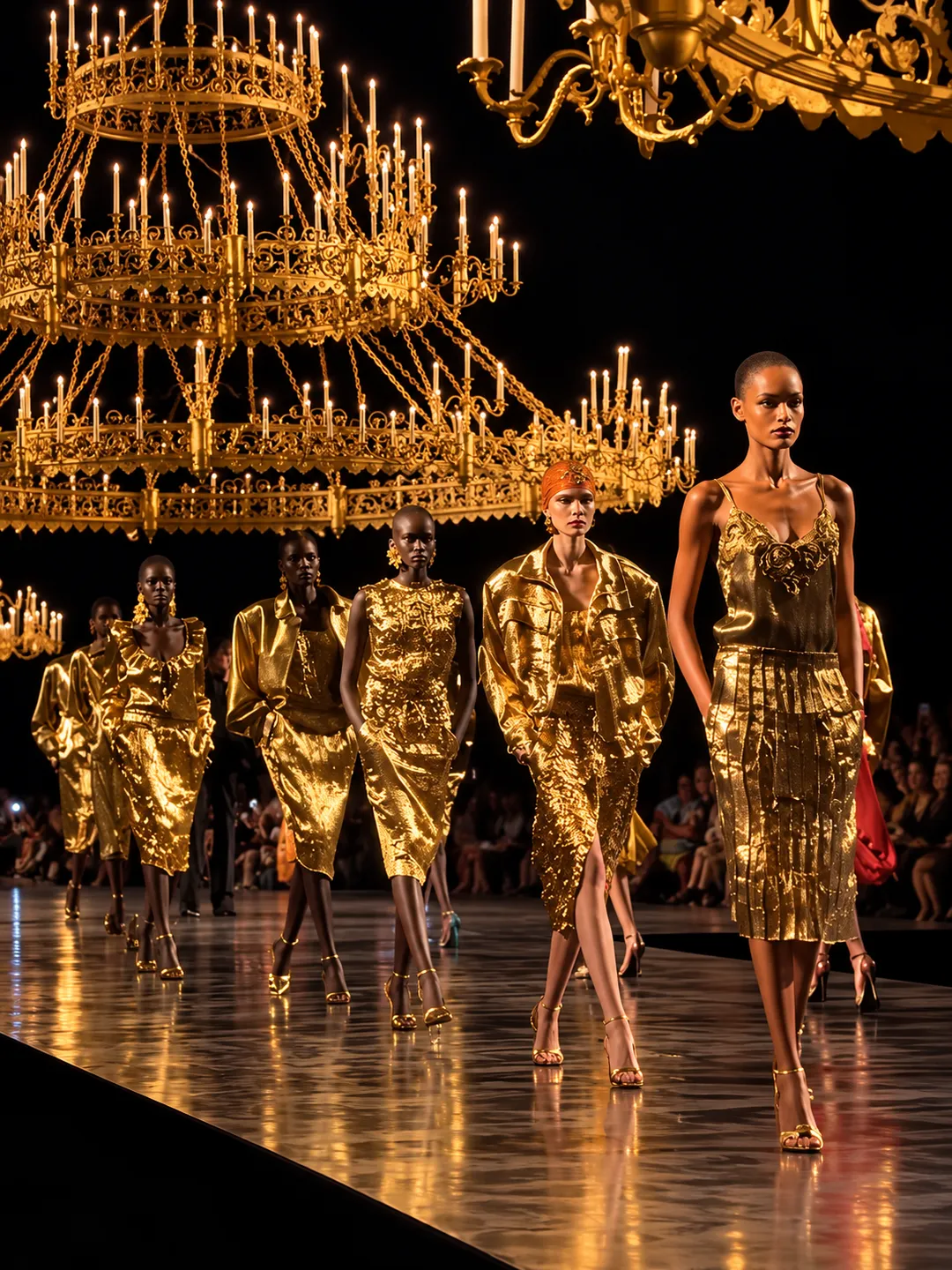
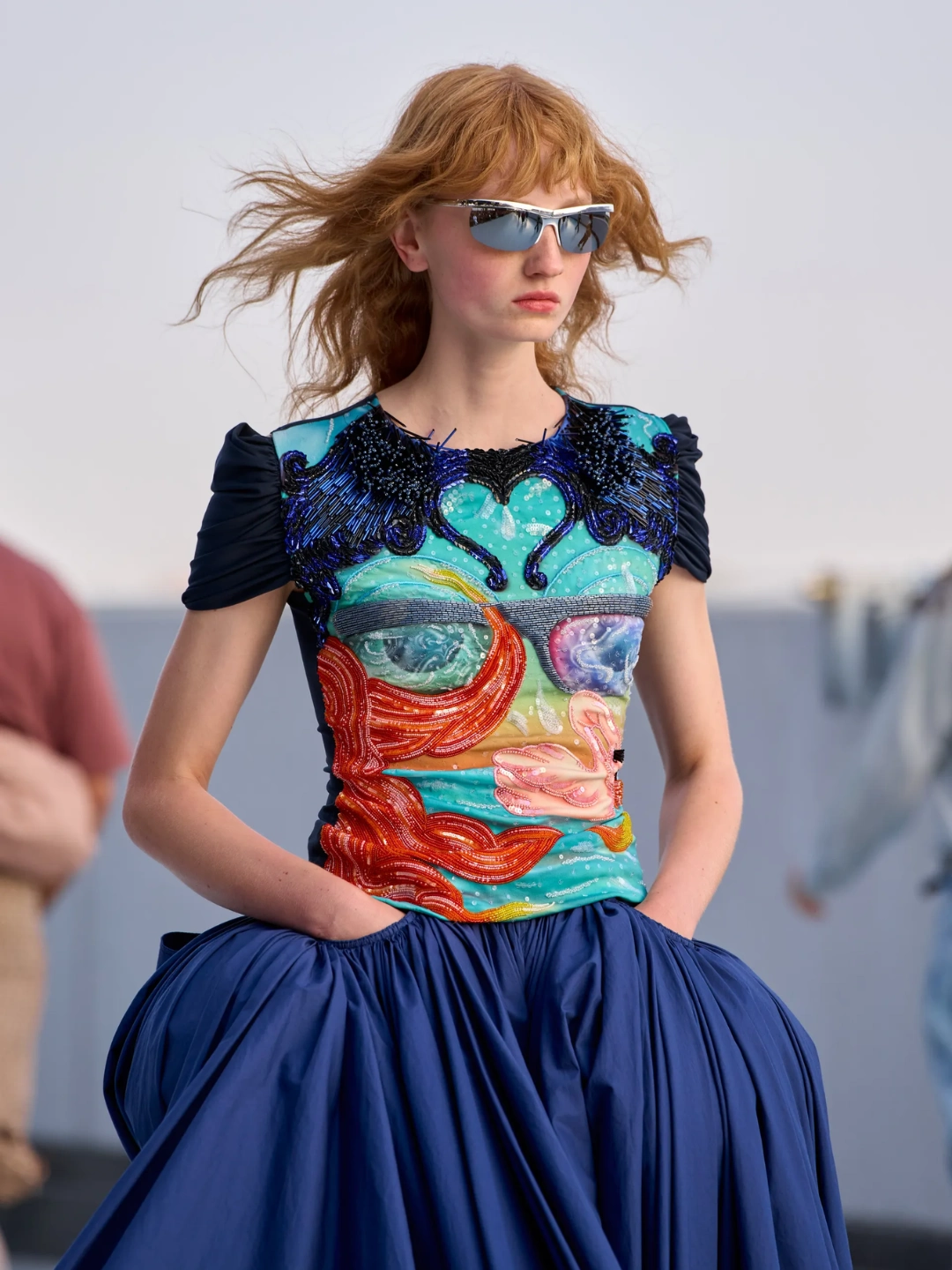
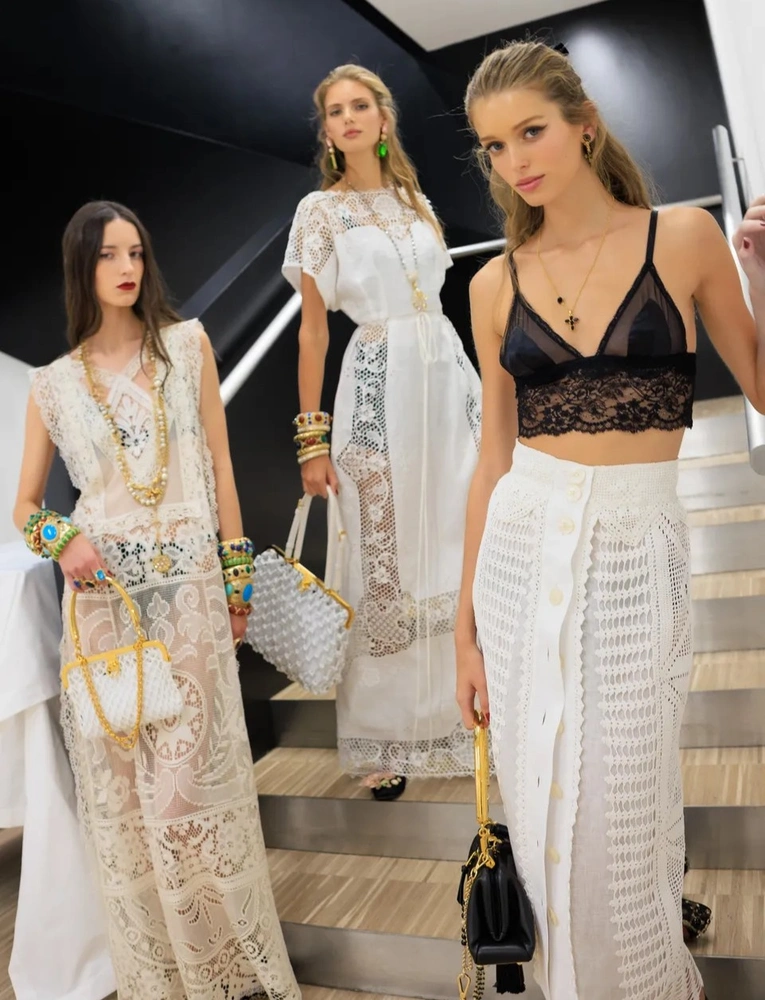
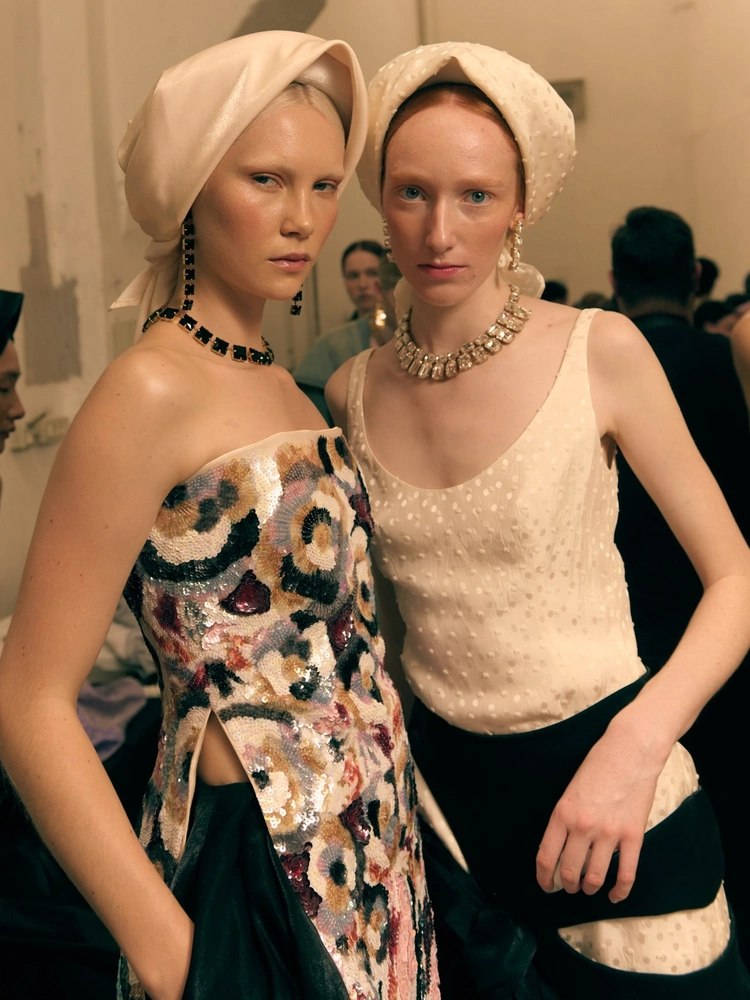
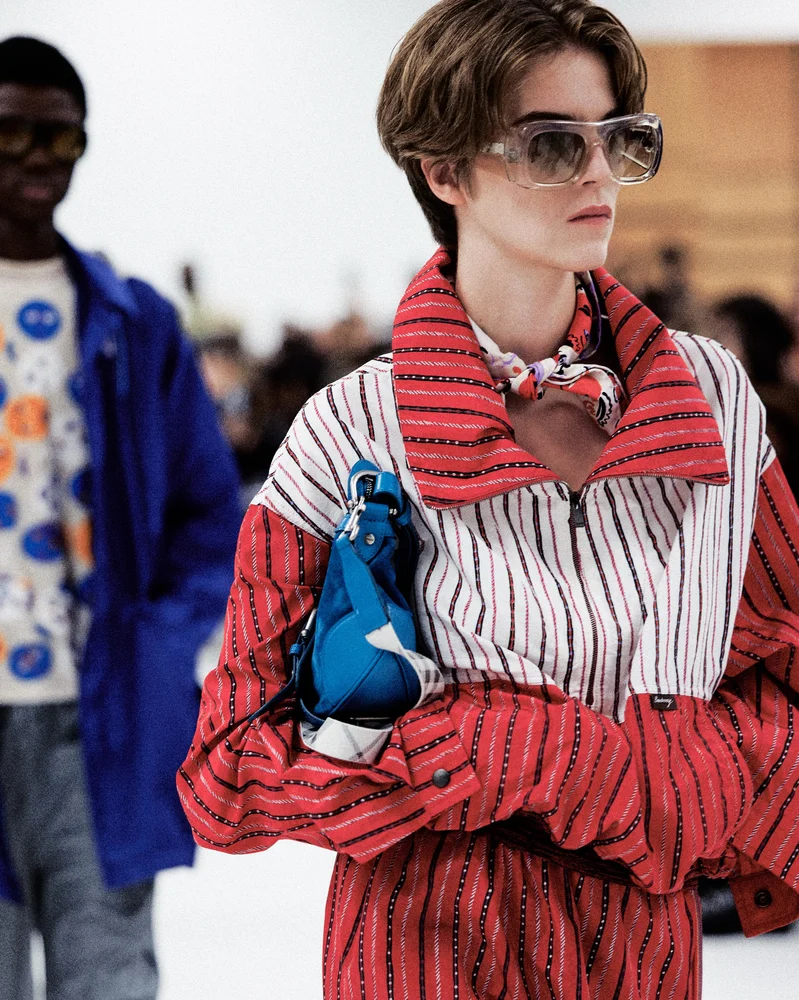
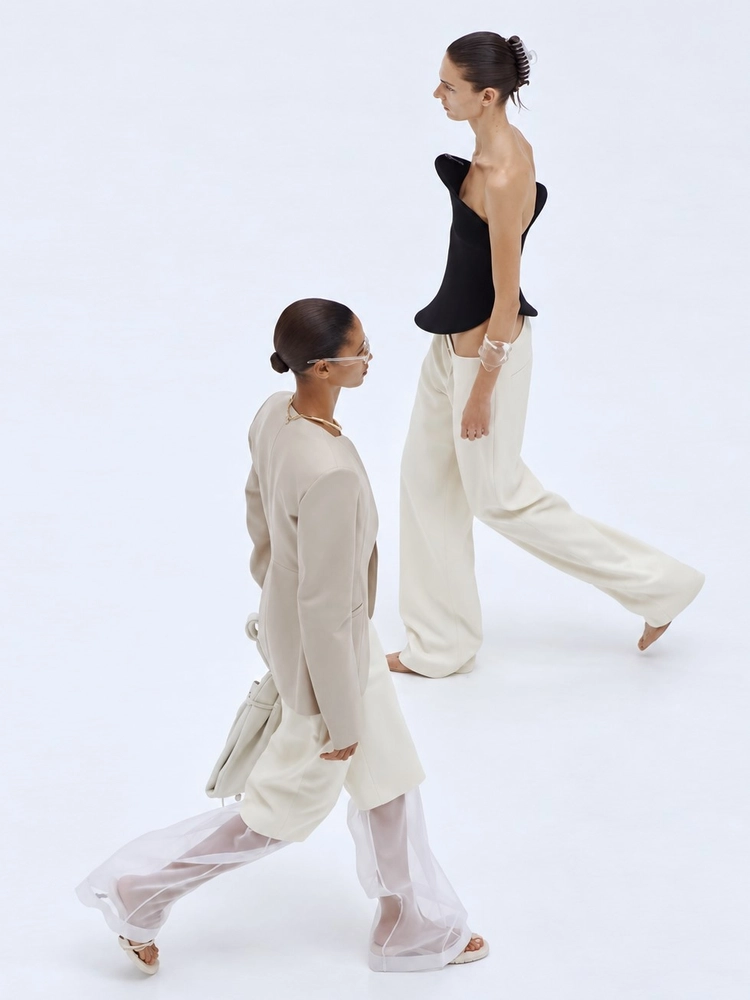
Over the years, Barbie has evolved beyond a children’s toy to become a lasting fashion muse. Designers and fashion houses frequently reinterpret her signature aesthetic, bold colors, playful silhouettes, and a touch of glamour on the runway.
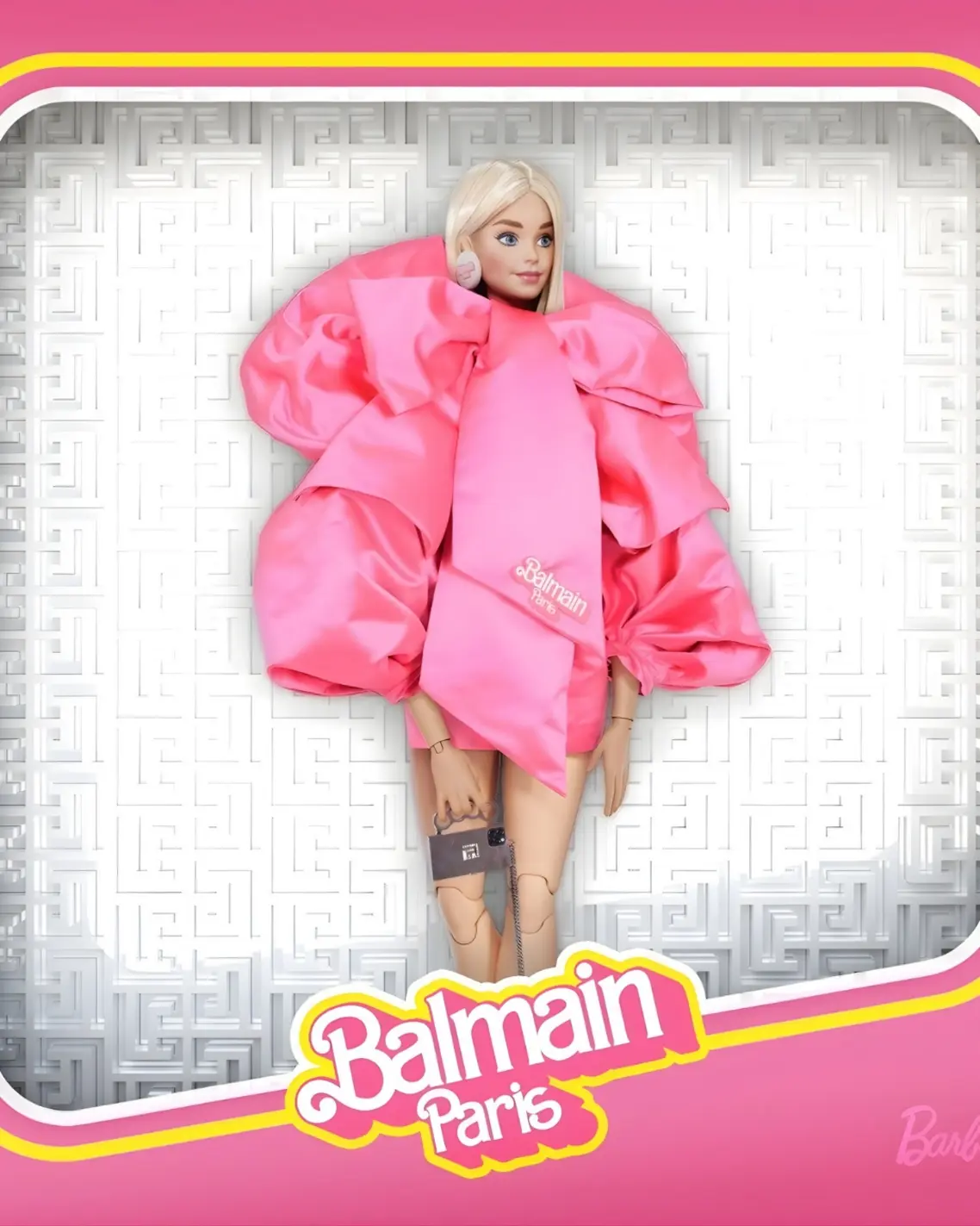
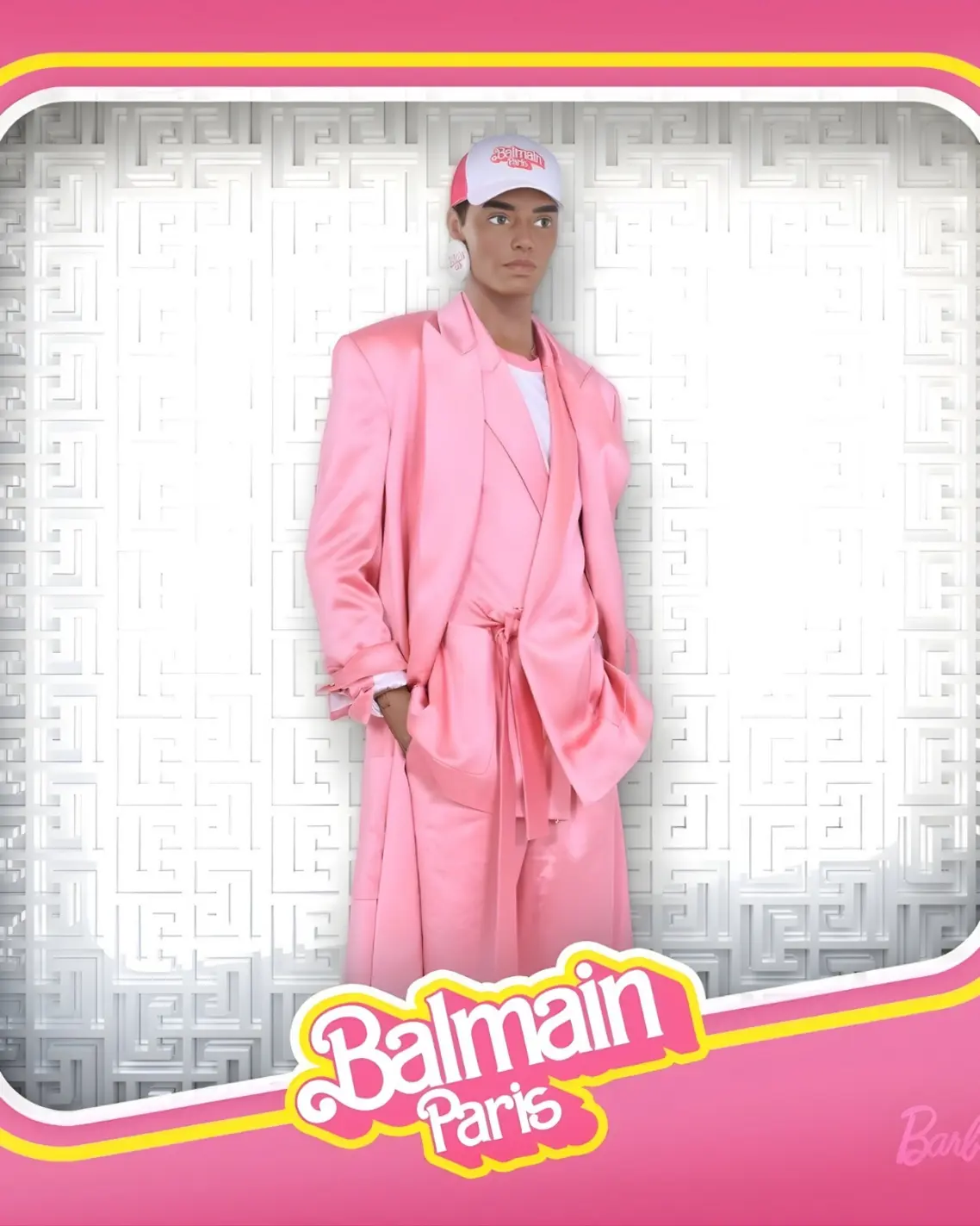
Luxury brands have even translated the doll’s iconic style into full fashion collections. In 2015, Moschino presented a Barbie-inspired runway show filled with hot pink outfits and playful accessories that mirrored the doll’s signature wardrobe. Later, Balmain collaborated with Mattel on a capsule collection that reimagined Barbie’s aesthetic through high fashion. These moments highlight how Barbie continues to inspire designers and shape fashion culture across generations.
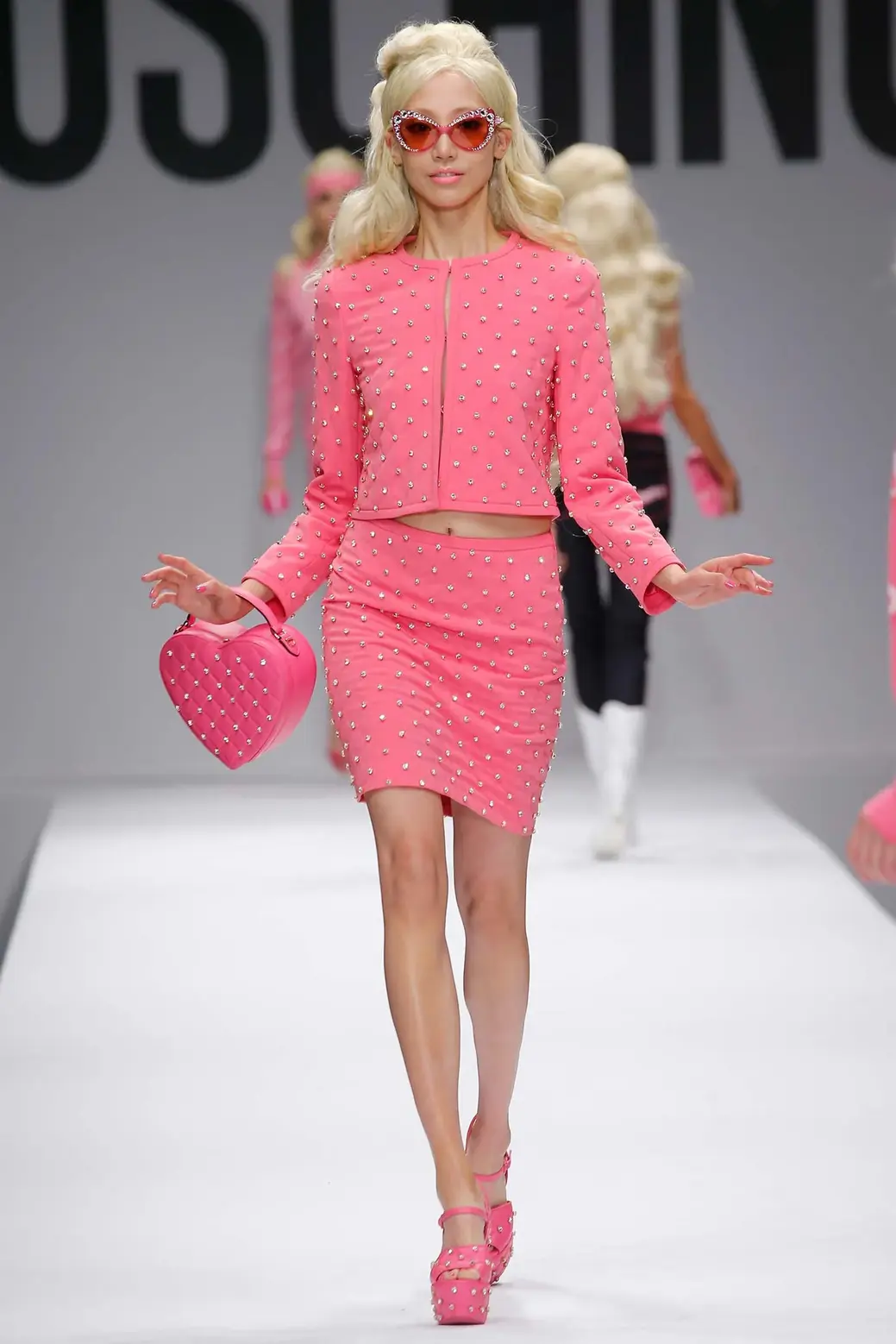
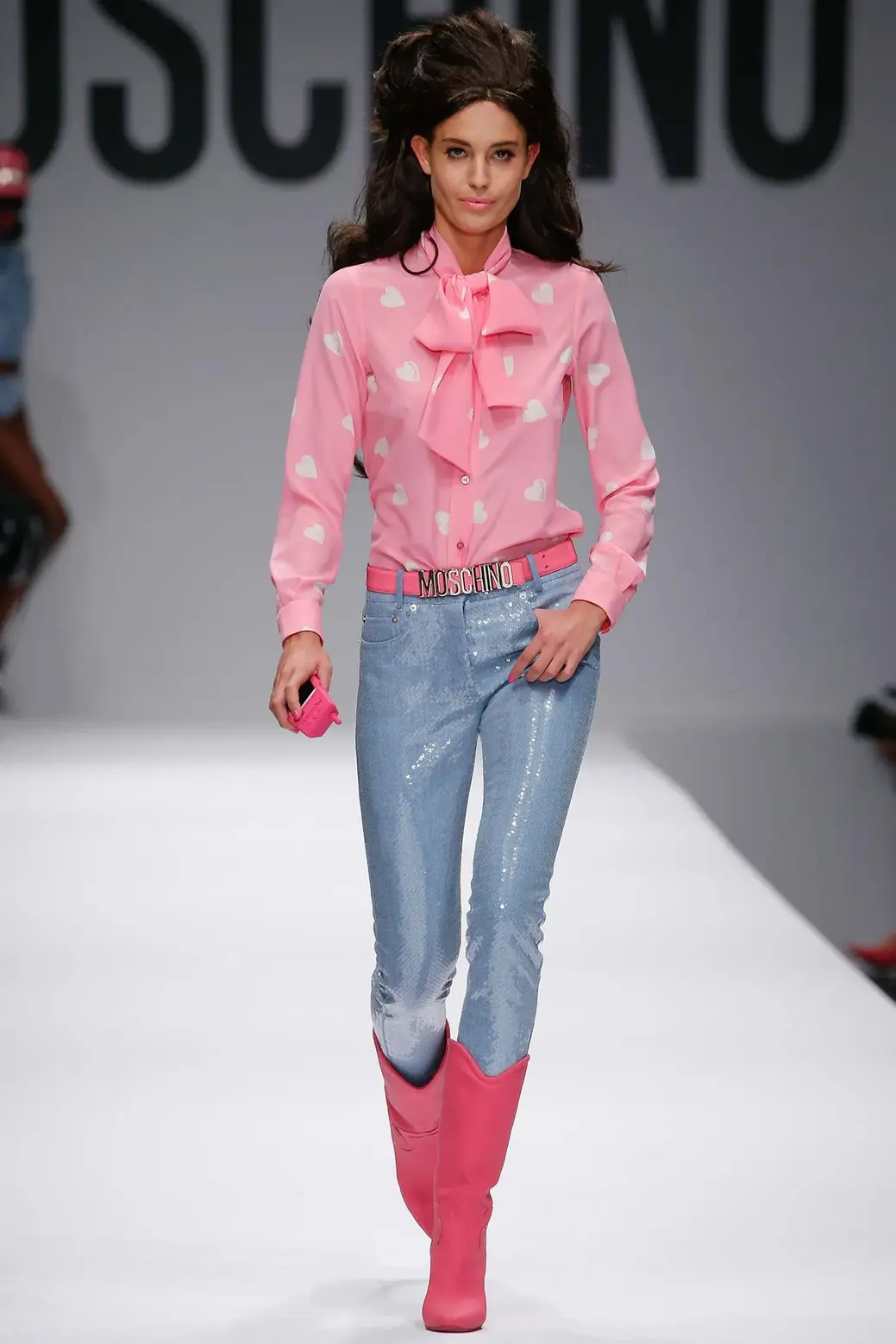
More than six decades after her introduction, the Barbie fashion doll continues to shape conversations about fashion, identity, and culture. What began as a bold idea from Ruth Handler grew into one of the most recognizable figures in pop culture. The Barbie fashion doll remains a symbol of imagination and style, proving that even the smallest icons can leave a lasting mark on fashion history.