MENU
Close





Does hair grow back thicker? Our complete guide to dermaplaning, the ancient exfoliation secret, covers professional treatments, debunks common myths, and reveals the best tools for achieving an at-home glow.
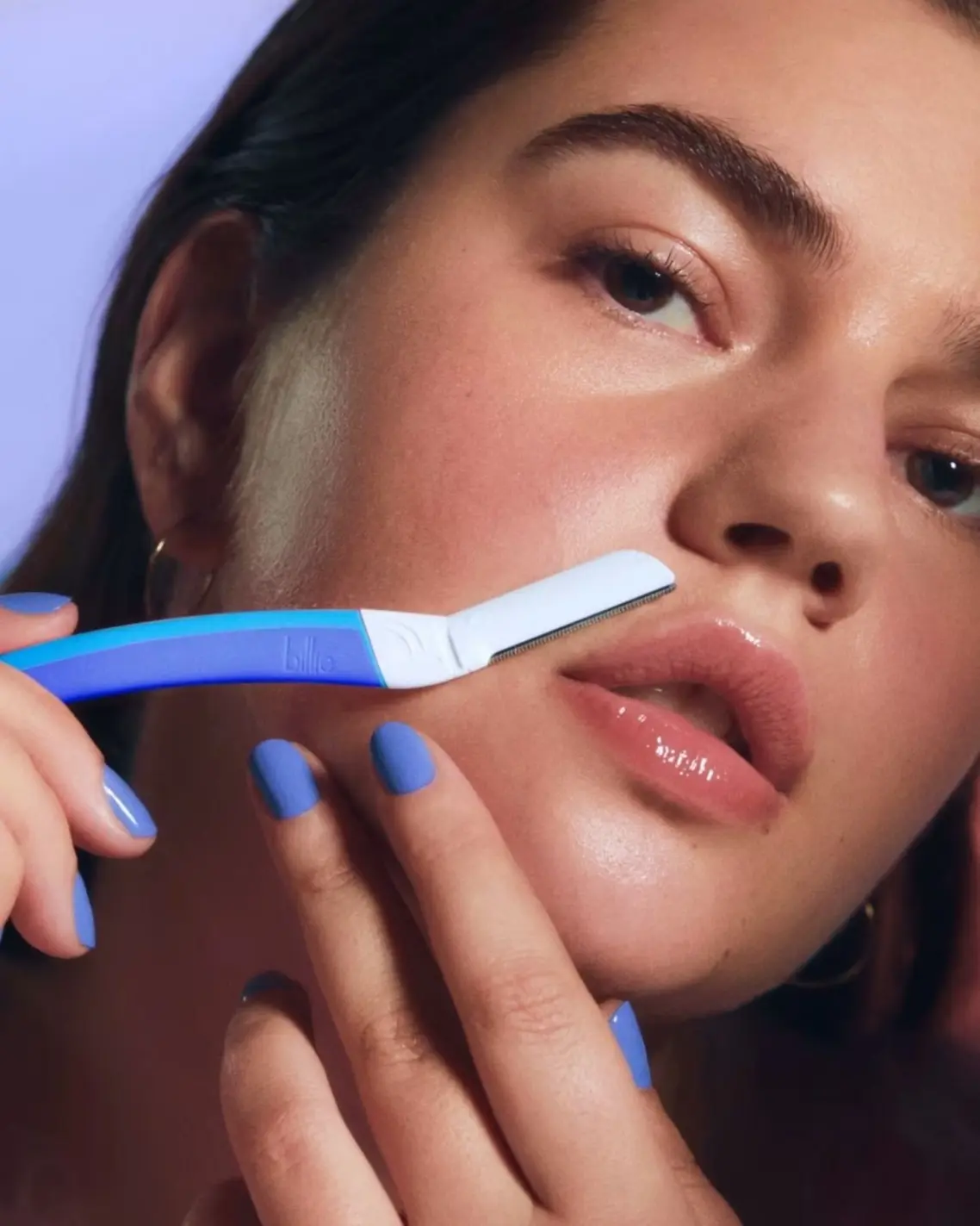
Does hair grow back thicker? Our complete guide to dermaplaning, the ancient exfoliation secret, covers professional treatments, debunks common myths, and reveals the best tools for achieving an at-home glow.
January 5, 2026
Advertisement

Advertisement



Forget everything you think you know about shaving your face. The technique buzzing in dermatology offices, on social feeds, and in the kits of beauty editors isn’t about hair removal in the traditional sense. It’s dermaplaning-a precise, superficial exfoliation method that promises baby-soft skin and a radiant, filter-like finish. And while it feels utterly modern, its roots whisper of an ancient beauty ritual, rumored to have been favored by Cleopatra herself. Today, it’s been refined from a guarded professional treatment into a mainstream must-try, backed by science and accessible for at-home dermaplaning.
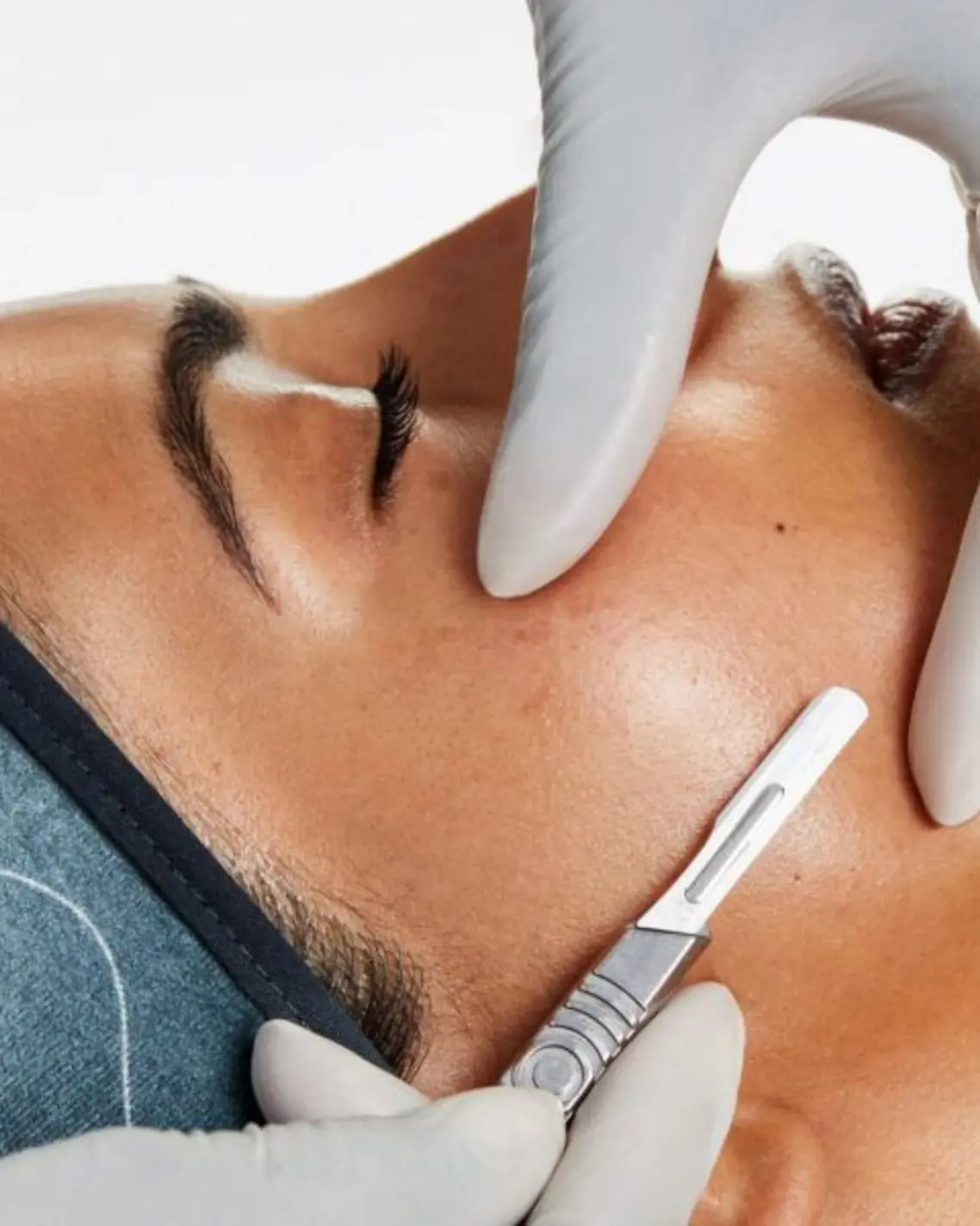
So, what exactly is the magic? A sterile, surgical-grade blade held at a precise 45-degree angle is gently drawn across the skin. It does two things exquisitely well: it removes the entire top layer of dead skin cells and shears off the fine vellus hair (aka "peach fuzz").
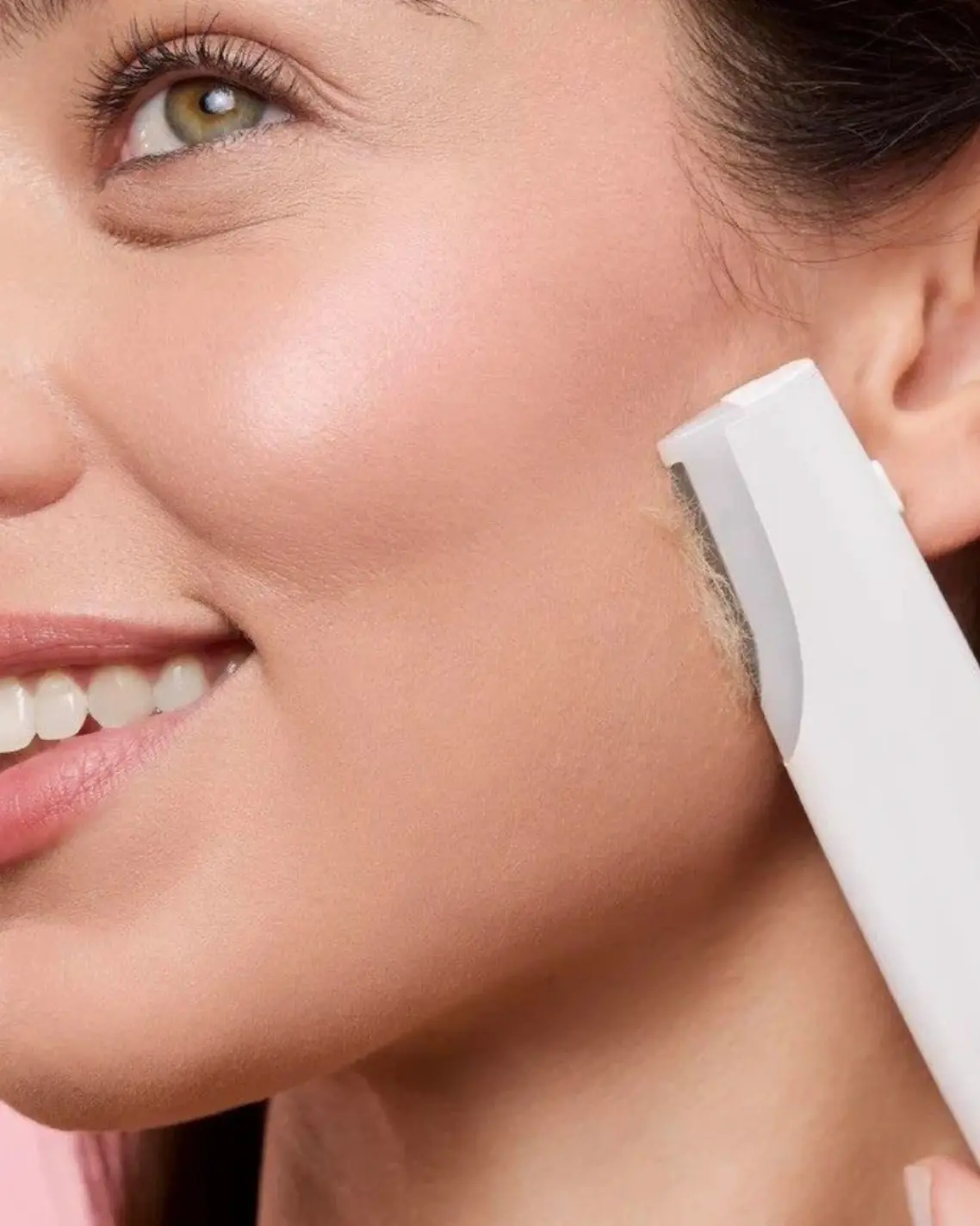
The result is immediate and transformative. Skin feels like silk. It reflects light like a prism, imparting an instant, incandescent glow. Makeup-foundation, cream blush, highlighter-glides on seamlessly, without catching on dry patches or fine hairs. But the real professional secret? This is the ultimate pretreatment. By eliminating that physical barrier, your serums, antioxidants, and moisturizers can penetrate up to 70% more effectively, making your entire skincare routine work harder and smarter. This is the undeniable dermaplaning before and after moment.

Let’s address the elephant in the room, born from outdated fears about shaving other body parts. Does dermaplaning make hair grow back thicker? It’s a resounding, scientifically-proven no. Vellus hair is soft, fine, and genetically programmed. Cutting it at the surface does not alter the follicle’s structure or signaling. It will grow back at its natural rate and texture-neither darker nor coarser. The American Academy of Dermatology has consistently confirmed this fact. The regrowth after about 3-4 weeks is simply your natural cycle, not a punitive one.
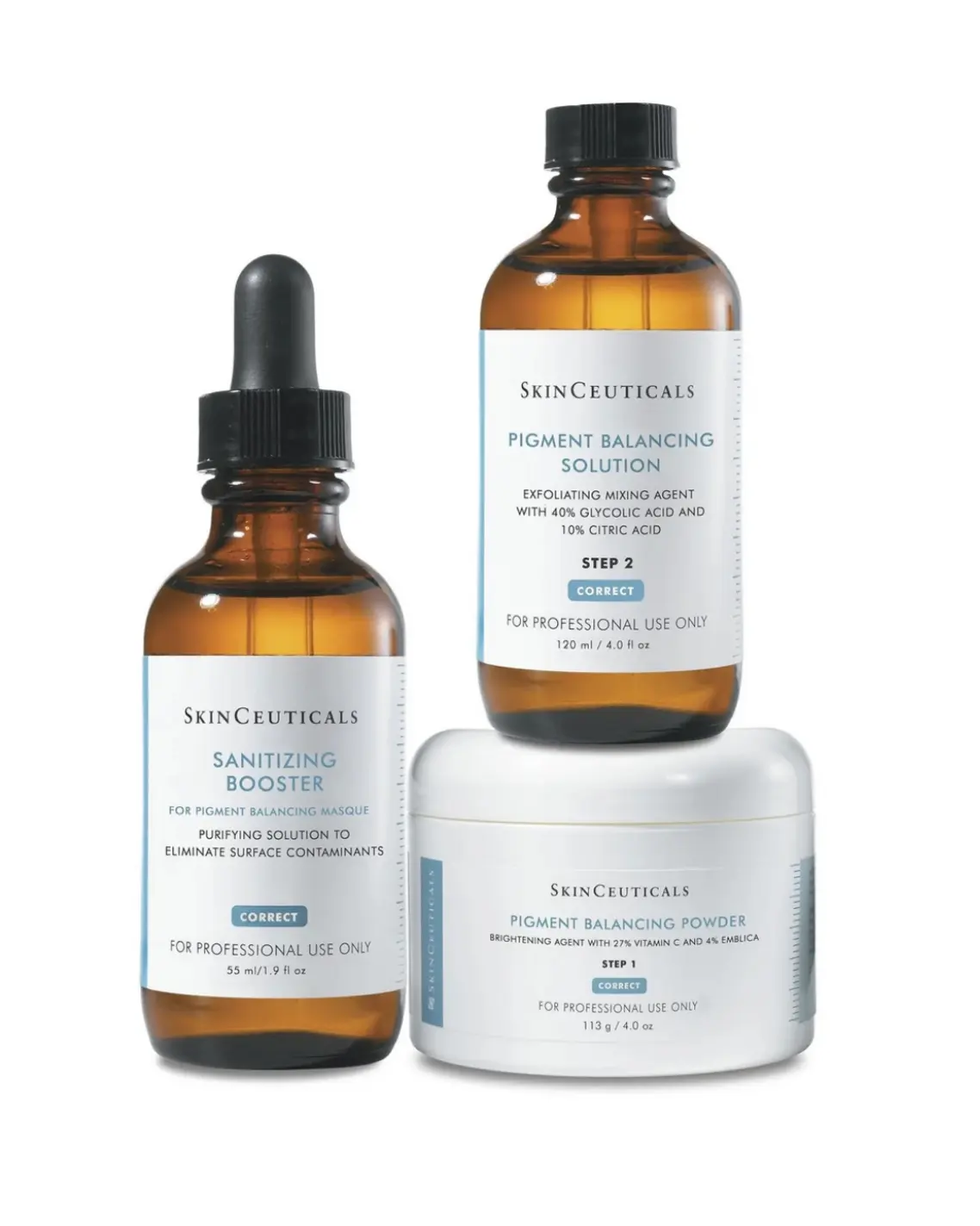
For decades, dermaplaning was the exclusive domain of dermatologists and elite aestheticians. It served as the perfect pre-game for powerful in-office treatments, like the Pigment Balancing Peelfrom science-backed brands such as SkinCeuticals. In these settings, it’s an art form: skin is analyzed (it’s typically contraindicated for active, inflamed acne), meticulously cleansed, and planed with a #10 surgical blade before often being followed by a mild AHA to supercharge the chemical exfoliation.
The democratization came with the at-home dermaplaning boom of the last five years. Brands like Schick, StackedSkincare, and Flawless revolutionized the market with ergonomic, safety-designed tools and disposable blades, putting professional-grade smoothness directly in our hands. It’s a paradigm shift, allowing for easy maintenance of that just-left-the-spa luminosity.
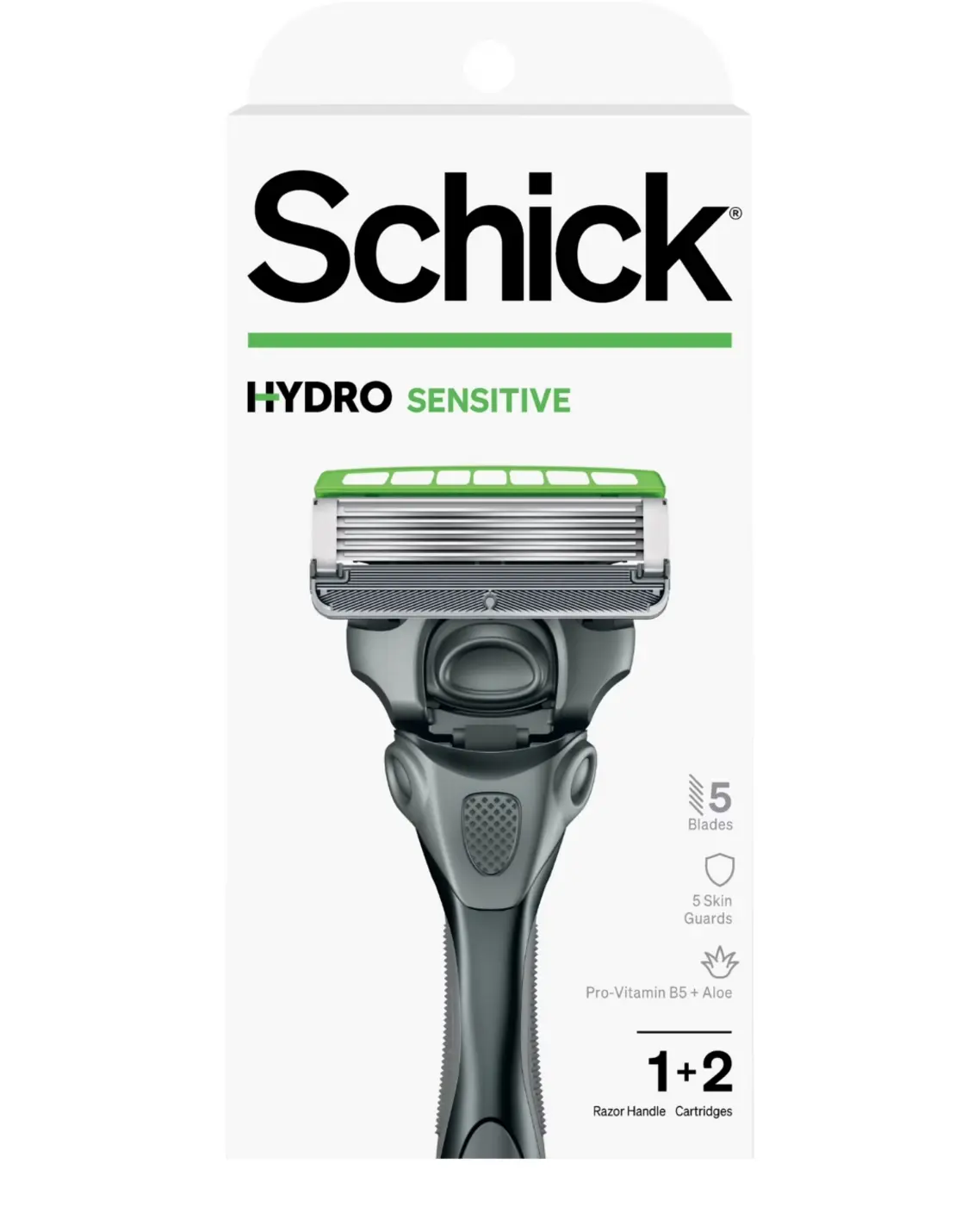
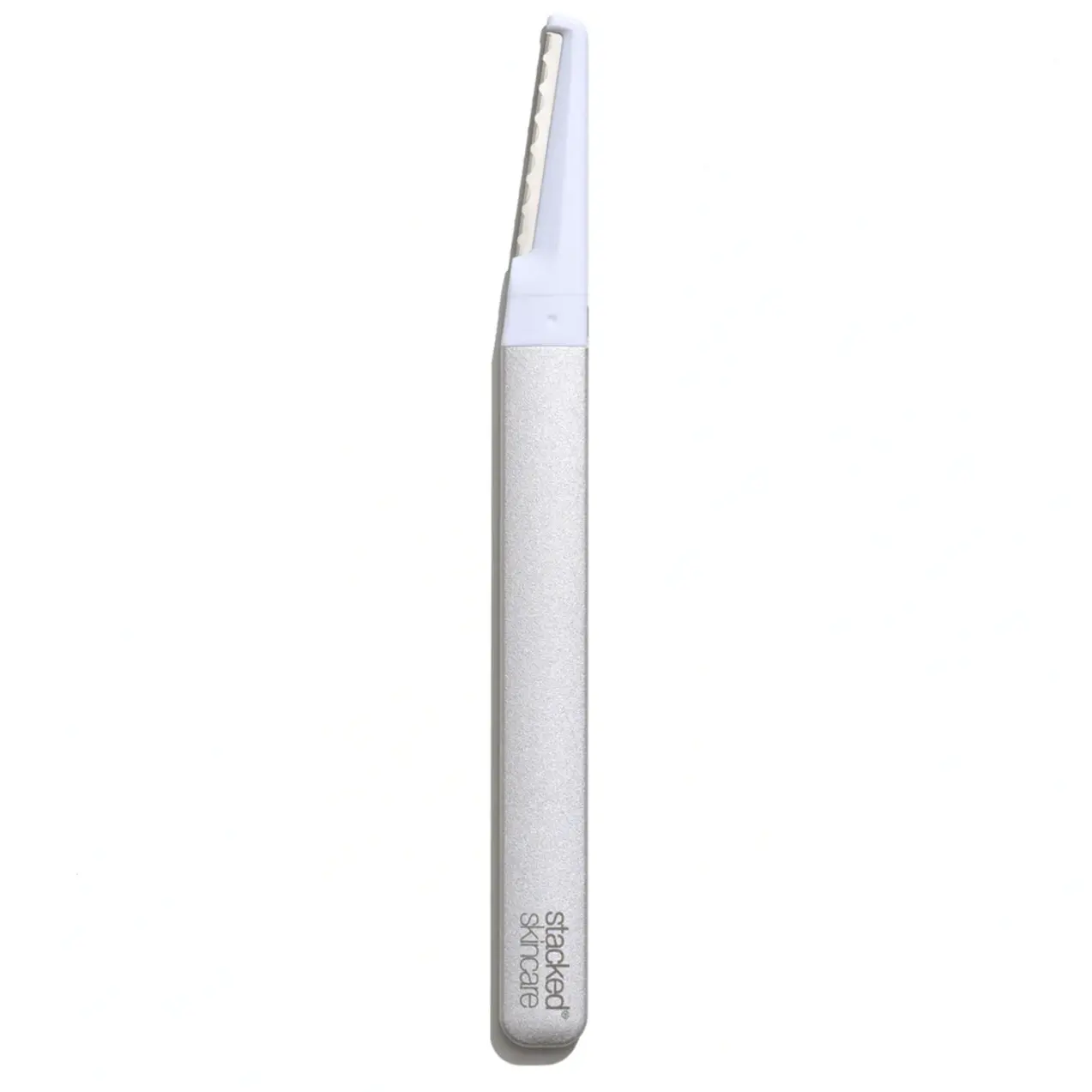
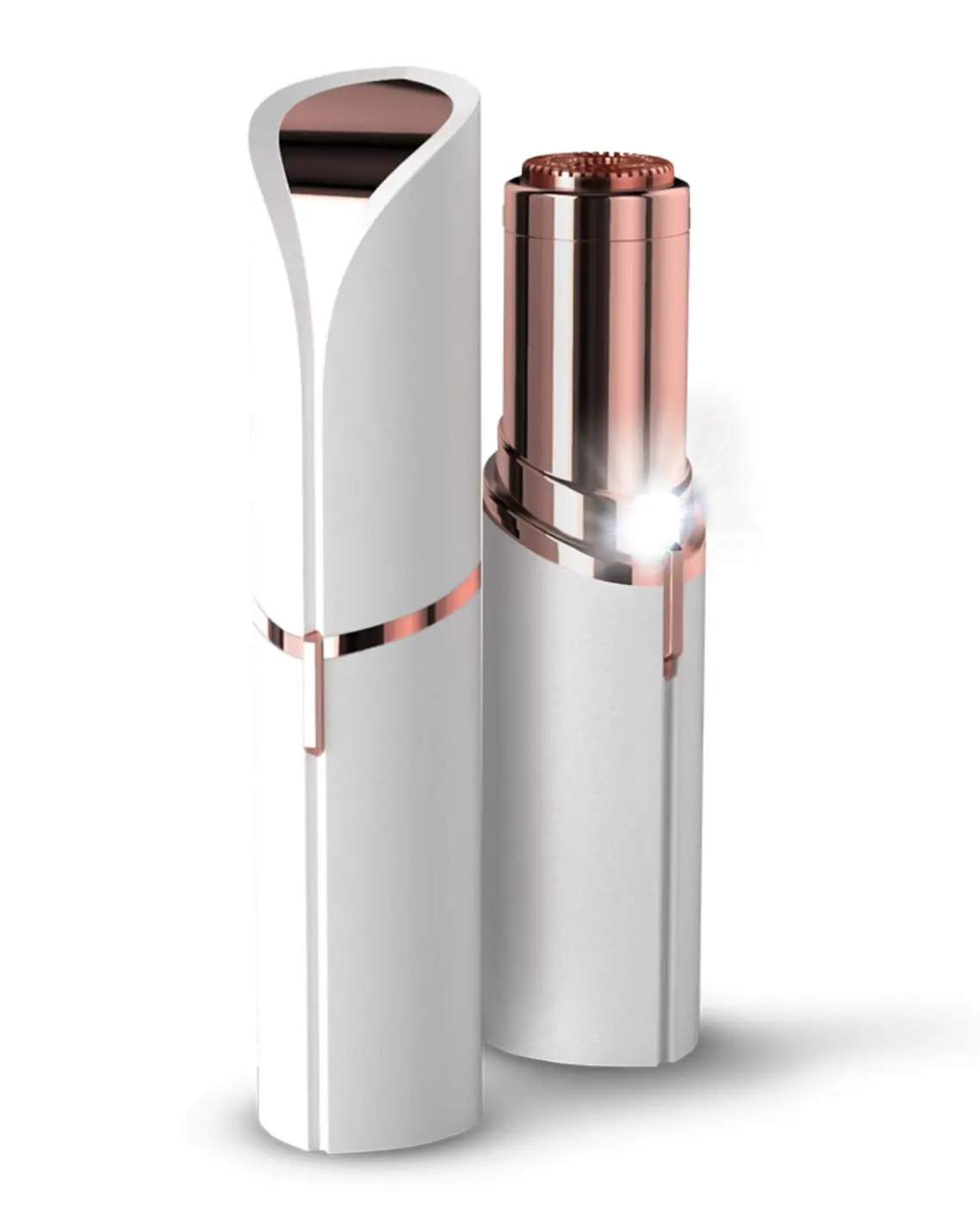
Ready to try it? How to dermaplane at home safely is all about technique. Here’s how to get that professional result.
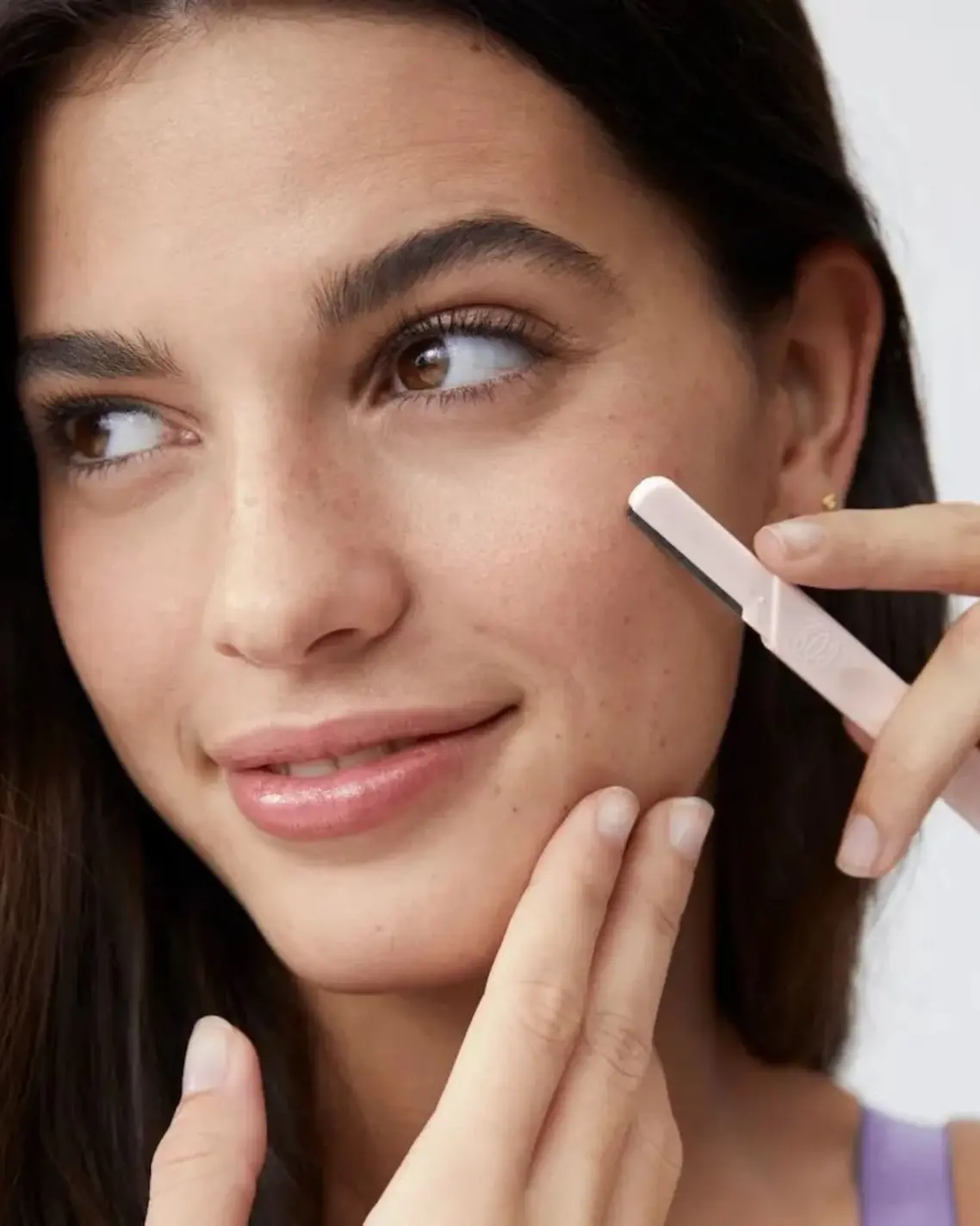
How often should you dermaplane?Every 3-4 weeks, aligning with your skin's natural cellular turnover cycle. Overdoing it can compromise your skin barrier.
Can you dermaplane if you have acne?Avoid dermaplaning over active, inflamed papules or pustules. The blade can spread bacteria and worsen breakouts. Always consult a dermatologist if you have cystic or persistent acne.
What’s the difference: dermaplaning vs. microdermabrasion?Dermaplaning is a physical blade exfoliation that removes hair and dead skin. Microdermabrasionuses a device with a diamond tip or crystals to abrade the surface and suction away debris. Dermaplaning is gentler and provides a smoother surface; microdermabrasion can be more effective for textured scarring.
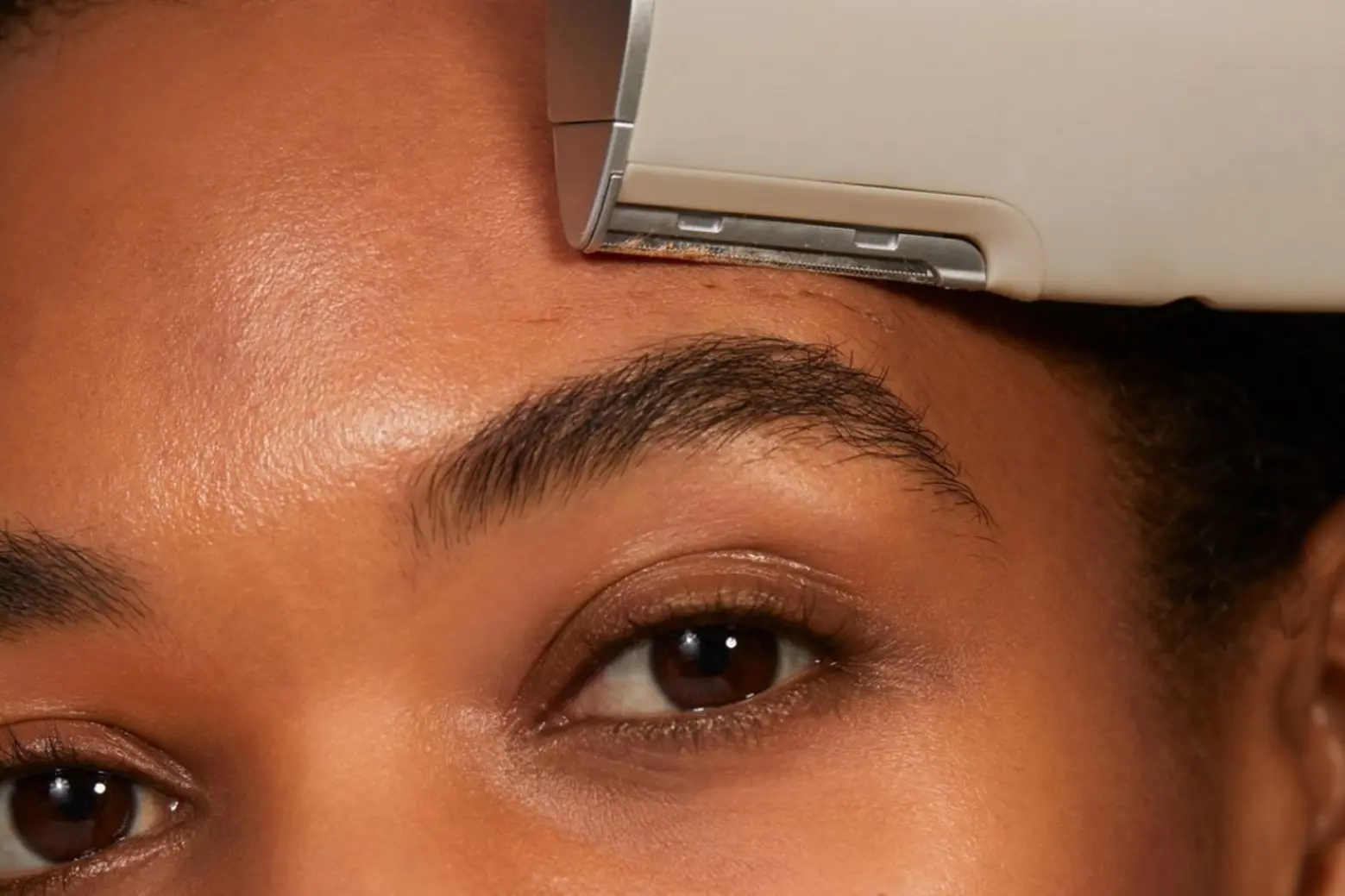
Dermaplaning is more than a trend; it’s a testament to timeless beauty wisdom meeting modern innovation. It delivers undeniable, instant results for smoother, brighter skin. Whether you book the treatment for a special-event glow-up or incorporate the tool into your monthly routine, it clears the path for your skin to look and perform at its most luminous. In the quest for perfect skin, sometimes the sharpest tool is, quite literally, a blade.
Advertisement