MENU
Close





On August 3, 2026, Copenhagen Fashion Week opened its Spring/Summer 2027 edition in a particularly celebratory mood. Twenty years after its founding, the Nordic event entered the week with 34 shows and presentations and a reputation extending far beyond Scandinavia.
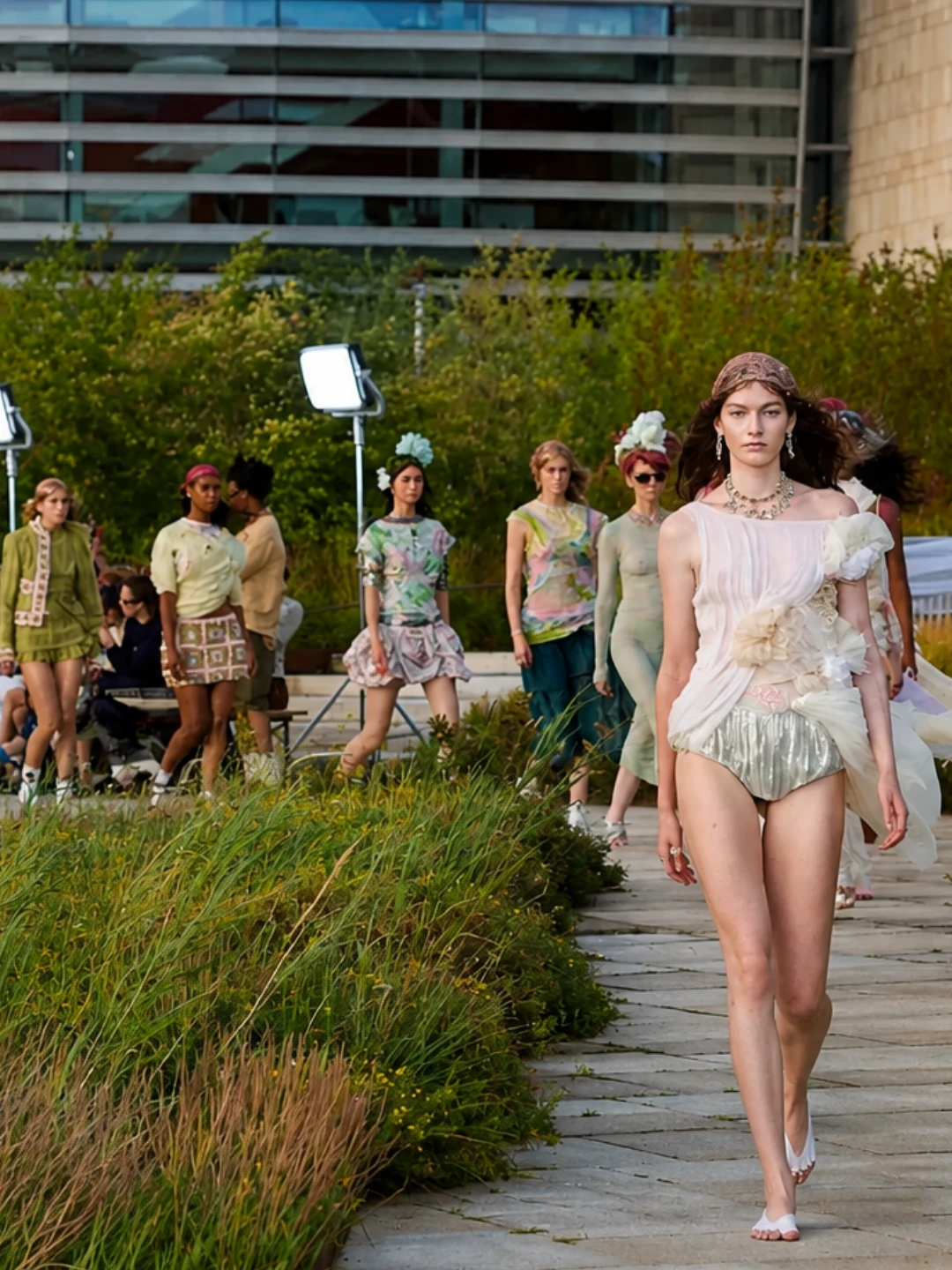
On August 3, 2026, Copenhagen Fashion Week opened its Spring/Summer 2027 edition in a particularly celebratory mood. Twenty years after its founding, the Nordic event entered the week with 34 shows and presentations and a reputation extending far beyond Scandinavia.
August 3, 2026


The ambition was already unusually large in 2006. Founder Eva Kruse wanted Copenhagen and Nordic talent to gain a stronger position on the international fashion map, at a time when the idea of Copenhagen becoming a global fashion destination still faced scepticism.
Two decades changed that scale considerably. Denmark’s fashion exports have grown by 84% since 2006 and now account for two thirds of the industry’s total revenue, while Copenhagen has become a regular destination for international buyers, editors and designers.
Its influence also developed outside the runway. Sustainability Requirements announced in 2020 became mandatory for brands entering the official schedule from 2023, turning participation itself into a framework for environmental and social standards.
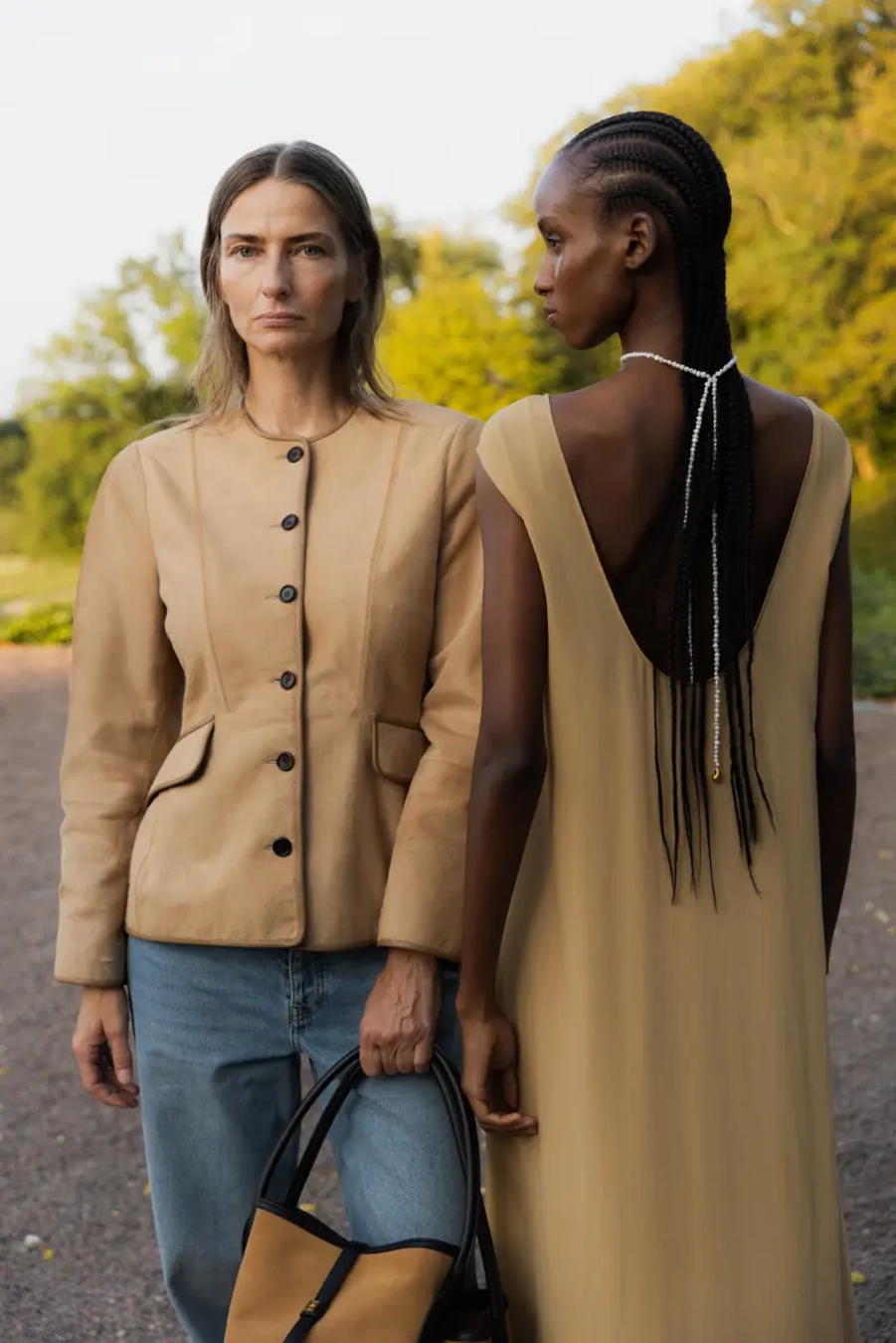
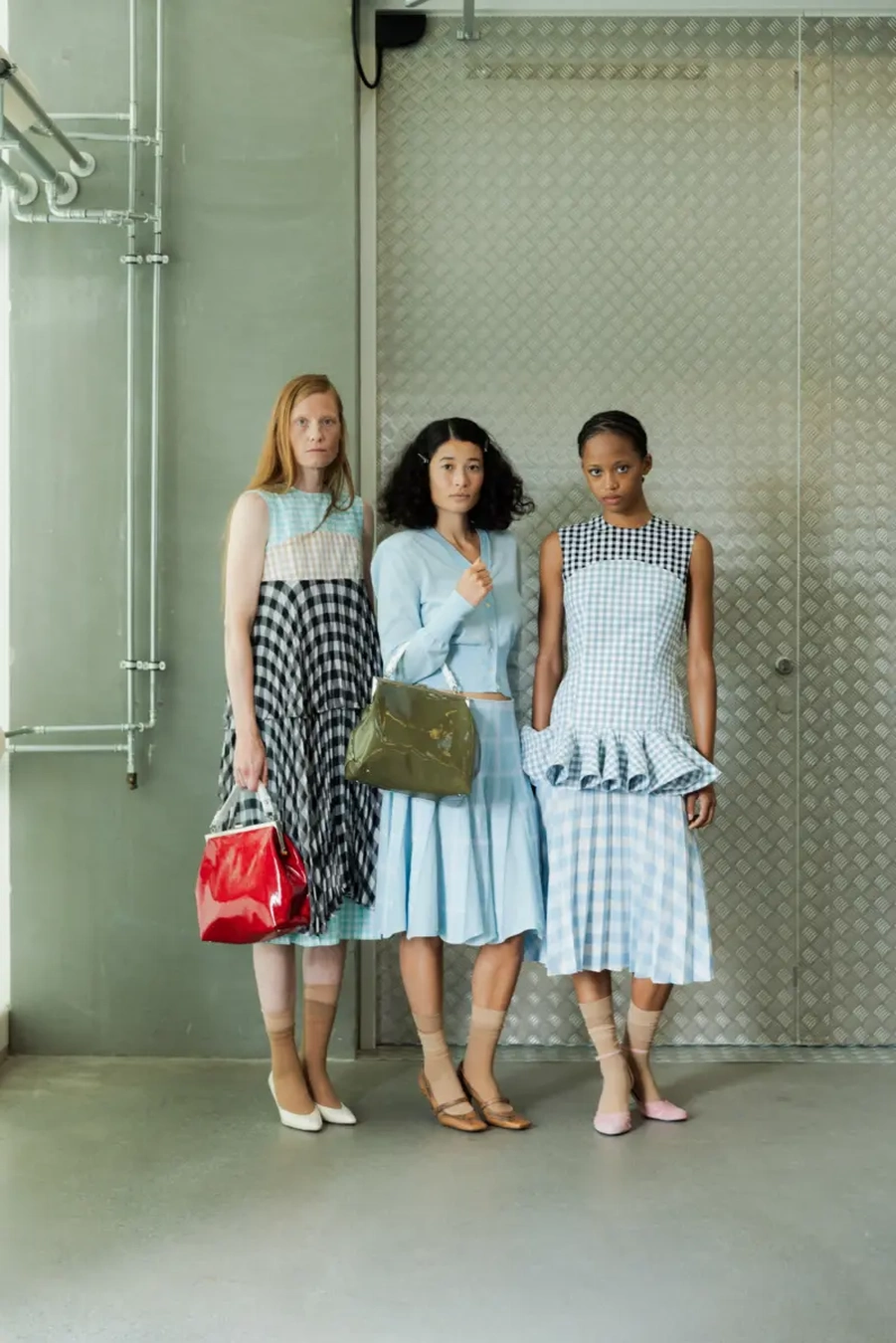
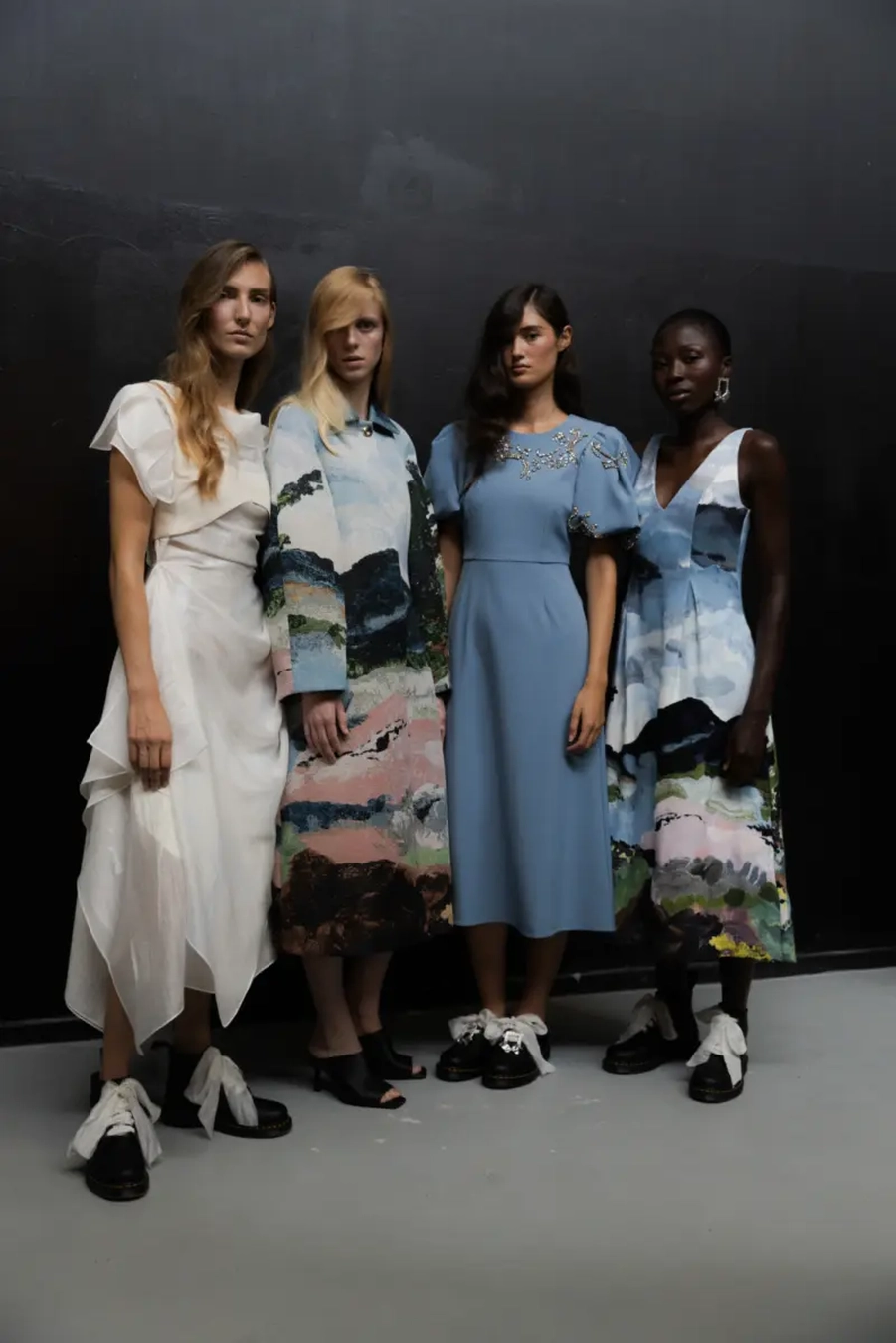
Spring/Summer 2027 showed how far that international ambition has travelled. Marimekko, Stine Goya and By Malene Birger joined emerging Nordic designers, while New York label Collina Strada became the first recipient of a new International Guest Slot.
A 20th birthday could easily invite nostalgia. Copenhagen used its anniversary to expand outward instead, bringing new talent, international guests and its increasingly influential standards into the same programme.
From a regional industry gathering to a city now frequently discussed as fashion’s unofficial fifth capital, those twenty years have given Copenhagen Fashion Week a much larger place on the map.