Your hair has a secret inner life: bonds that snap, stretch, rebuild, and decide whether your strands behave like silk or straw. Bond-building hair treatments invite us into that hidden world with curiosity.
Your hair has a secret inner life: bonds that snap, stretch, rebuild, and decide whether your strands behave like silk or straw. Bond-building hair treatments invite us into that hidden world with curiosity.
June 8, 2026
Advertisement

Advertisement



If you have spent any time scrolling through TikTok, chatting with your stylist, or wandering down the aisles of your favorite beauty retailer lately, you have undoubtedly been bombarded with a new lexicon of hair care. Words like bond repair, bond-building hair treatments, and bond maintenance are suddenly everywhere.
For years, these ultra-reparative treatments were a closely guarded industry secret. They were highly concentrated formulas accessible only to licensed professionals behind the backbar of luxury salons. Today, however, the floodgates have opened. The market is saturated with at-home bond-building hair treatments spanning every imaginable price point, from luxury serums to accessible drugstore staples.
But with this sudden abundance comes a fair share of confusion. When every bottle on the shelf claims to magically reconstruct your hair from the inside out, how do you separate true scientific innovation from clever marketing? Let’s dive deep into the world of hair chemistry together, gently unraveling the science so you can make the smartest, most loving decisions for your tresses.
To understand how these products work, and why your hair might need them, we have to look beneath the surface. Your hair is not just a singular strand; it is a complex architectural marvel made up of microscopic chemical bonds that dictate its strength, elasticity, and texture. When our hair looks dull, brittle, or frizzy, it is a sign that these internal structures are compromised.
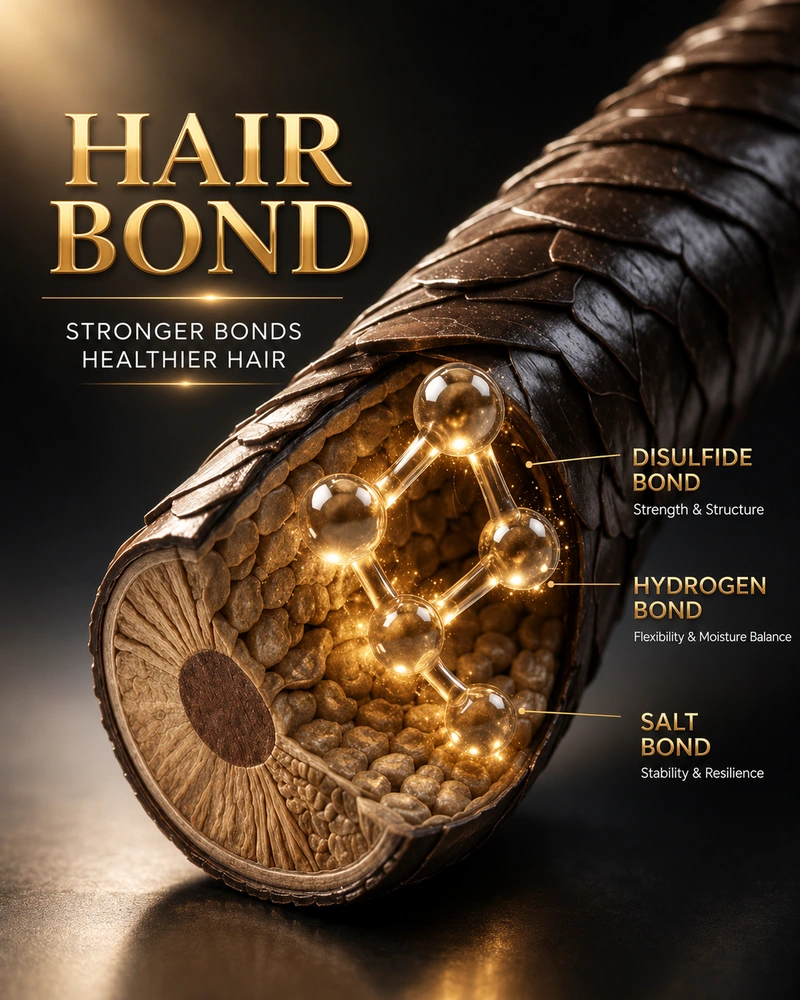
According to professional colorists and hair experts, there are three primary types of bonds responsible for the structural integrity of your hair:
When all three of these bonds are intact and balanced, your hair naturally boasts that coveted, light-reflecting shine and bouncy resilience we all crave.
So, how do bond-building hair treatments actually step in to save the day? The original concept of a bond builder was born out of cosmetic chemistry to specifically target broken disulfide bonds.
"When you undergo heavy chemical processing, like going from brunette to platinum blonde, your natural disulfide bonds are torn apart," notes cosmetic chemist Perry Romanowski. "True bond-building hair treatments work by placing a bridge between the broken sulfur molecules, essentially mimicking the hair's natural structure to restore resilience."
Consider the pioneer of this category, Olaplex. Their globally celebrated success relies on a patented conditioning ingredient called bis-aminopropyl diglycol dimaleate. This compound acts as an artificial bridge, holding the broken sulfur chains together during and after stressful chemical processes to mitigate structural damage.
On the other hand, newer innovations like K18 approach repair through the lens of biomimetics. Instead of just bridging single bonds, they utilize a patented 18-peptide chain. Because peptides are the building blocks of proteins, this technology works to reconnect broken polypeptide chains across the entire hair strand, offering a structural reset that feels incredibly natural.
As your trusted beauty advisor, it is my duty to offer a gentle, candid reality check. Because the beauty industry is not heavily regulated when it comes to the phrase "bond-building hair treatments," many brands have begun using the term loosely.
Many products currently marketed as bond-building hair treatments are, in reality, just excellent deep conditioners. Traditional conditioners work through electrostatic attraction, they coat the outside of the hair shaft to make it feel smooth and slippery. While this is wonderful for manageability, it is not actually rebuilding internal chemical links.
Furthermore, we must remember that hair is technically dead tissue. While bond-building hair treatments are incredible bandages that significantly improve the manageability, look, and feel of damaged hair, they cannot truly breathe life back into a severely fried strand.
If your hair is experiencing extreme split ends or severe breakage from over-processing, the healthiest and smartest first step is always to visit your stylist for a clean trim. Think of bond-building hair treatments as your daily wellness routine to maintain and protect your new growth, rather than a magical eraser for historic damage.
If you are eager to introduce these reparative marvels into your weekly ritual, here is a clear, step-by-step guide to doing so gracefully and safely:
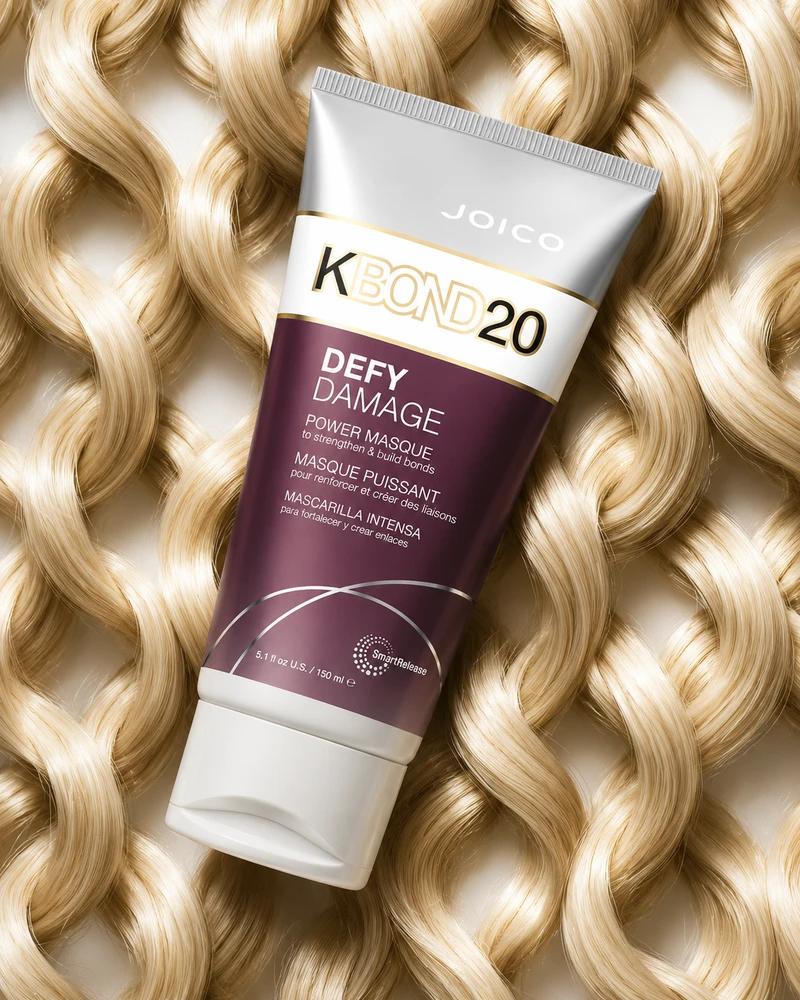
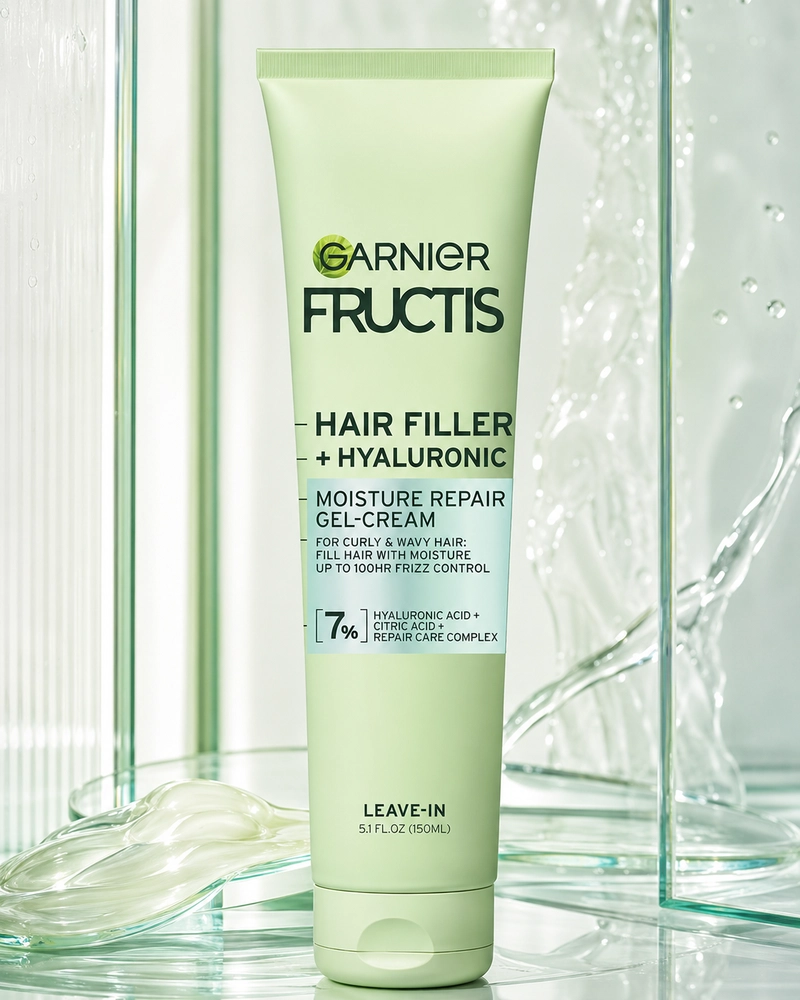
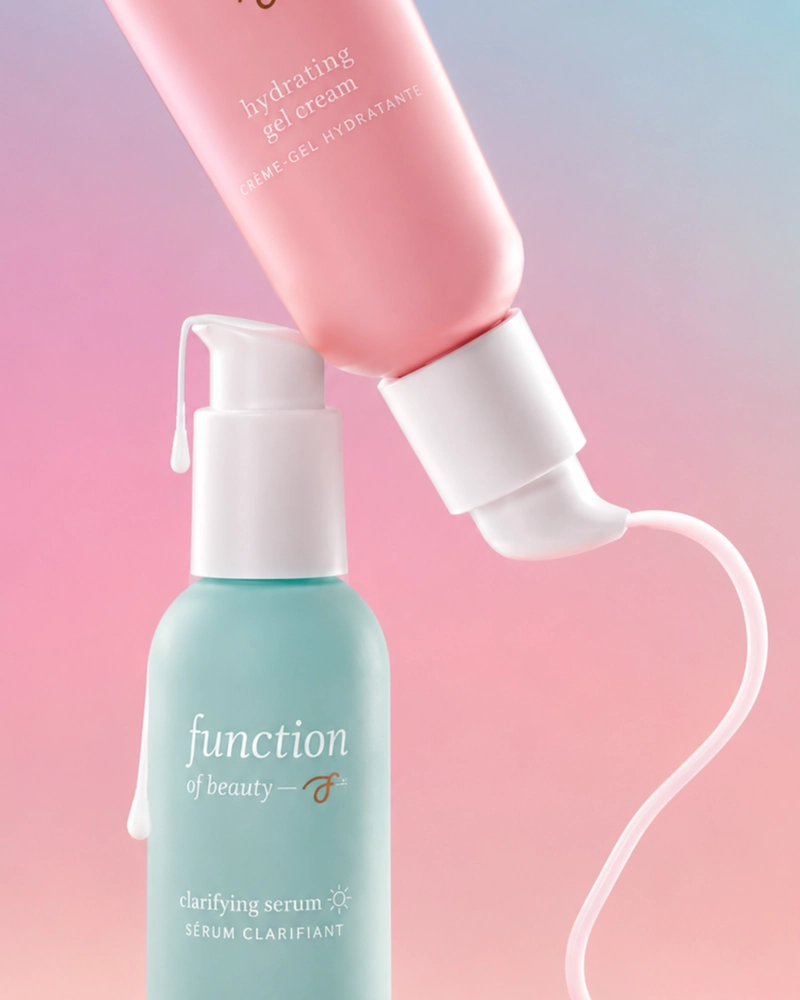
To help you navigate the crowded beauty aisles, I have rounded up some of the most effective, editor-approved bond-building hair treatments currently on the market, categorized by how they fit into your shower ritual.
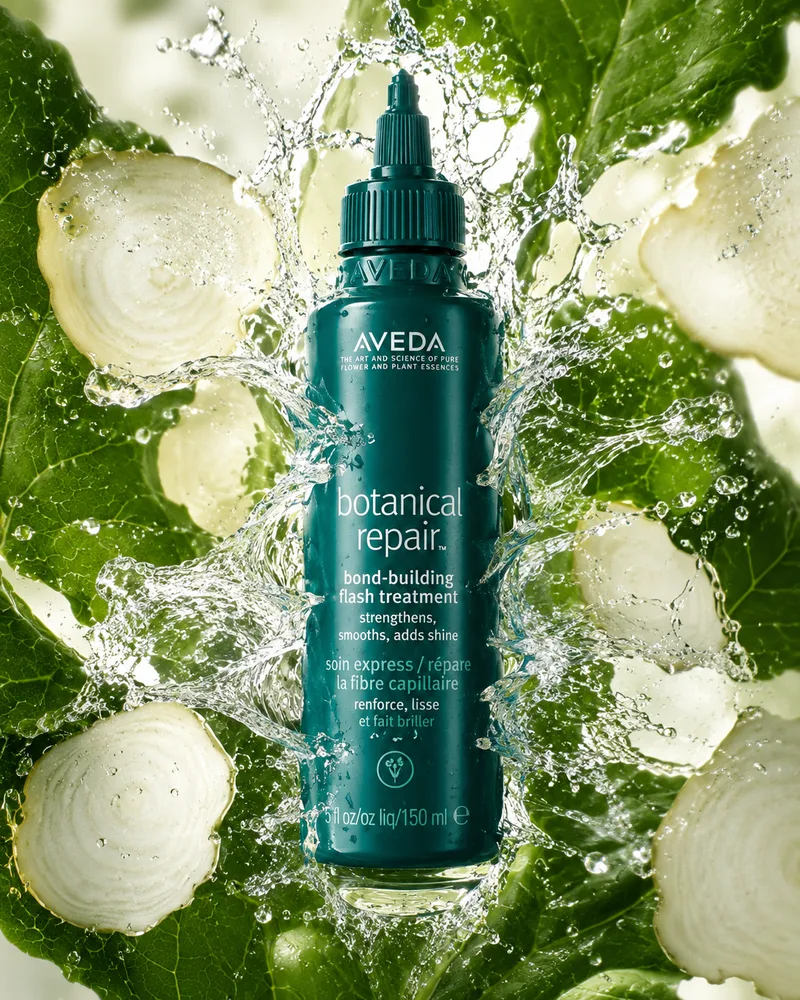
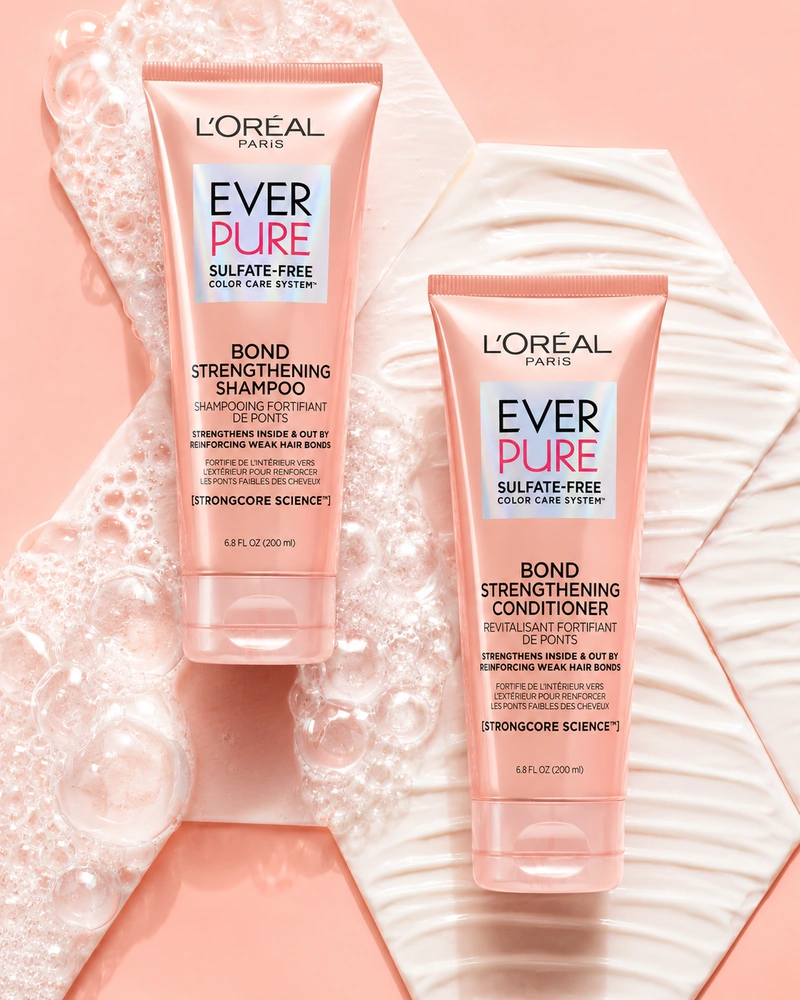
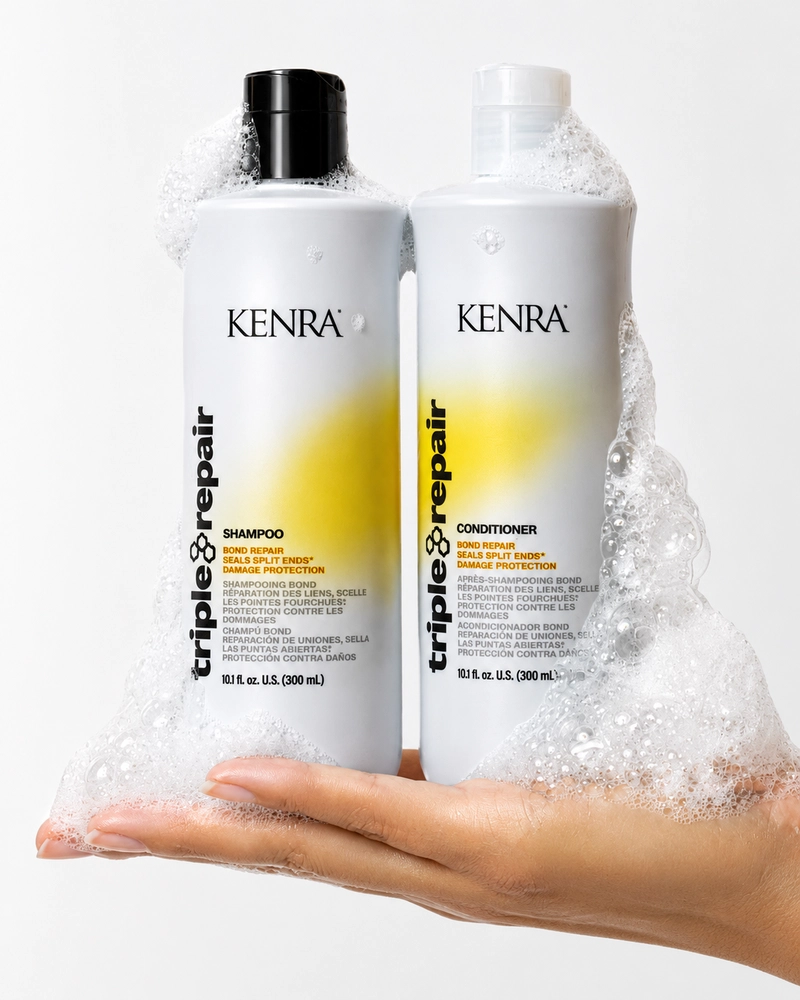
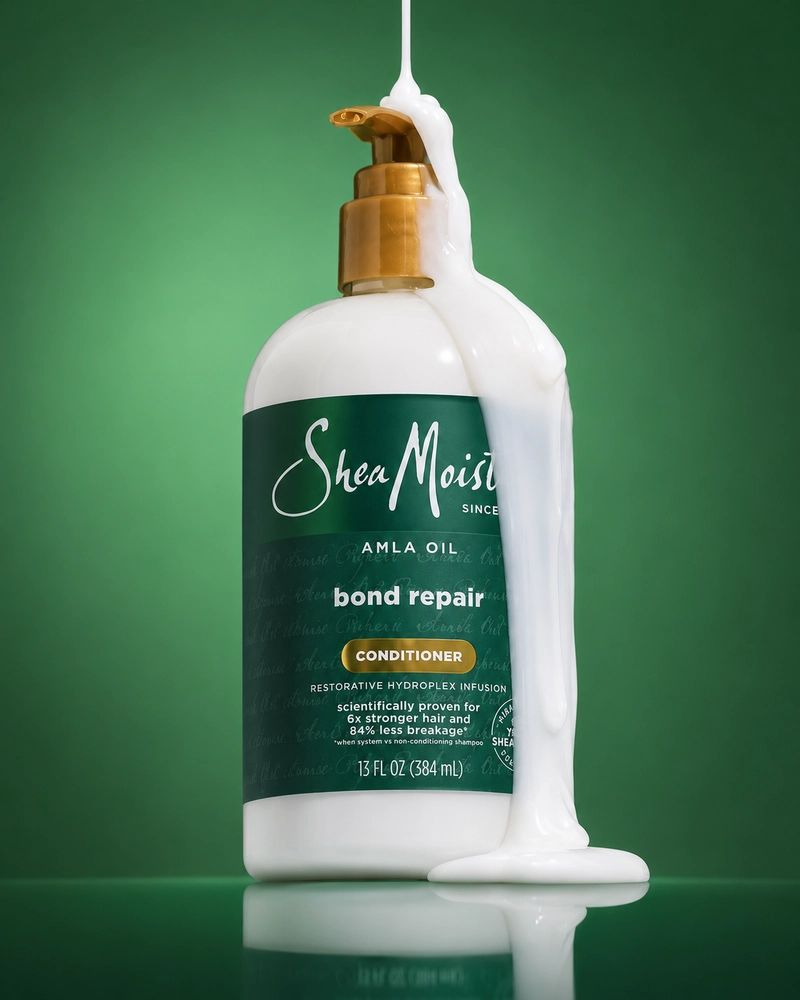
Listen to your hair, treat it with patience, and let bond-building hair treatments support your journey to stronger, healthier strands.
Advertisement