MENU
Close





Is hot divorcee summer an act of liberation, or fashion’s latest way of making women’s pain look beautifully marketable?
Is hot divorcee summer an act of liberation, or fashion’s latest way of making women’s pain look beautifully marketable?
June 22, 2026
Advertisement
Advertisement



Hot divorcee summer seduces the cultural imagination by transforming a deeply private rupture into a vibrantly public style language. This phenomenon expands far beyond the physical experience of women navigating separation, transcending the mere selection of garments. It embodies the ultimate fantasy of a woman surviving the collapse of a long-held script, stepping boldly into an era where she dresses exclusively for her own authority, fierce sovereignty, and total self-approval. This movement carries immense weight; it transmutes the quiet finality of separation into a spectacular aesthetic of appetite.
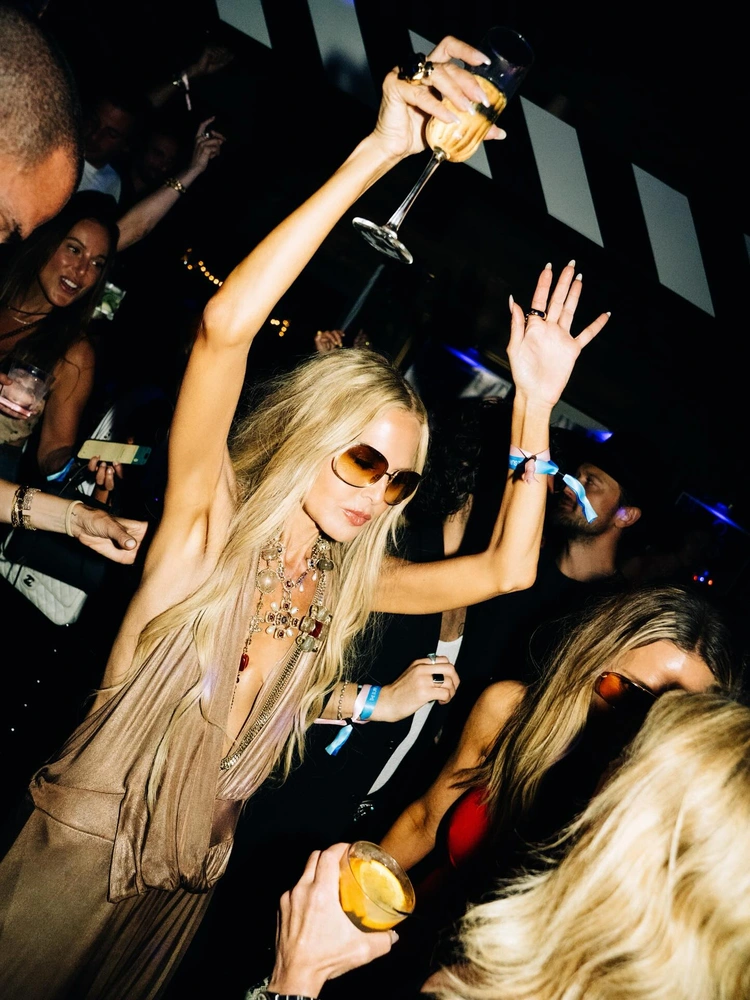
We witness the arrival of oversized tortoiseshell sunglasses, bare shoulders kissed by the afternoon sun, pools of liquid silk, heavy sculptural gold, gossamer sheer fabrics, crimson lipstick applied with deliberate precision, free-flowing hair catching the ocean breeze, and dramatically structured hats. Alongside these sartorial choices emerges the dangerous, beautiful calm of a person who has already released the very prize society instructed her to guard so closely.
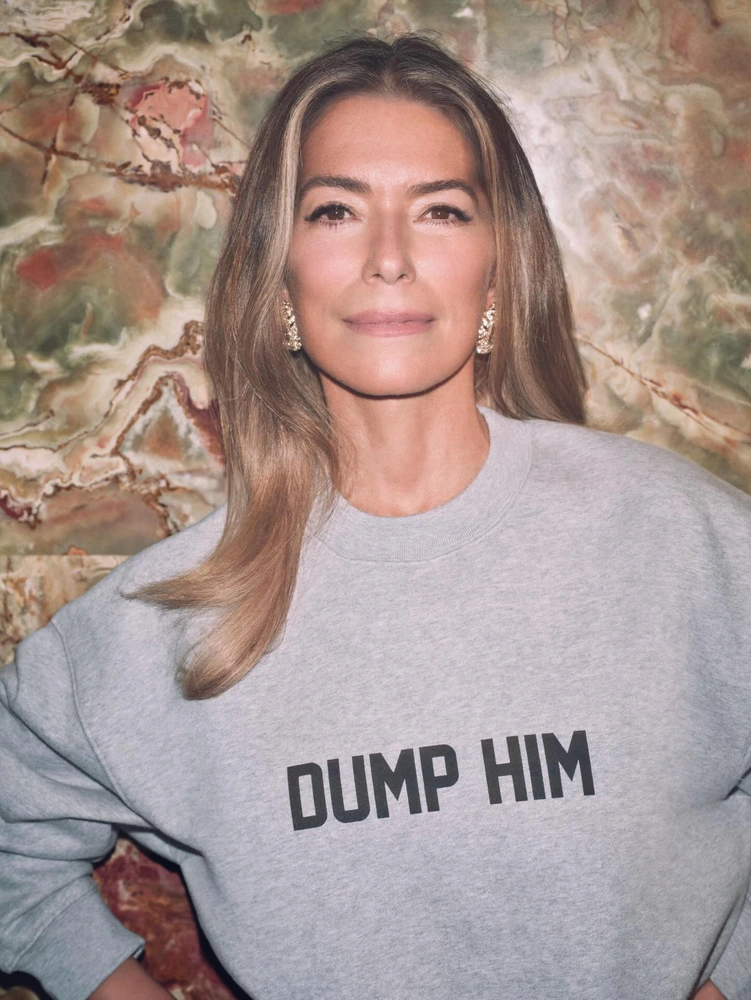
Hot divorcee summer emerges at a specific juncture: the moment the traditional romance machine feels thoroughly exhausted. The wedding-industrial complex continues selling purity, youth, elaborate ceremonies, pristine white dresses, flawless proposals, and photogenic foreverness. Yet, contemporary culture approaches that grand promise with an increasingly critical, interrogative eye. The Reformation Divorce Collection, which featured divorce attorney Laura Wasser and included a sweatshirt emblazoned with “Dump Him” (a portion of the proceeds were donated toward legal services for women leaving marriages), launching immediately following Valentine’s Day, serves as a brilliant cultural touchstone, demonstrating the intense marketability of breakup language. Their core message urged buyers to demand more, encouraging absolute standards of self-worth. That powerful demand forms the exact emotional pivot of this entire fashion trend.
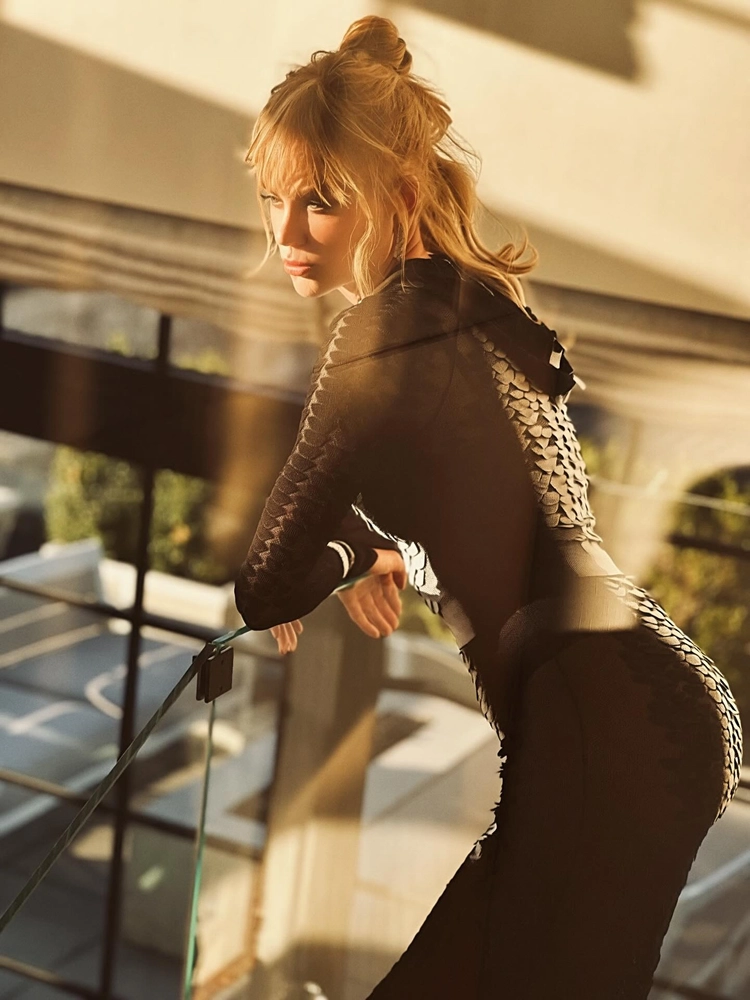
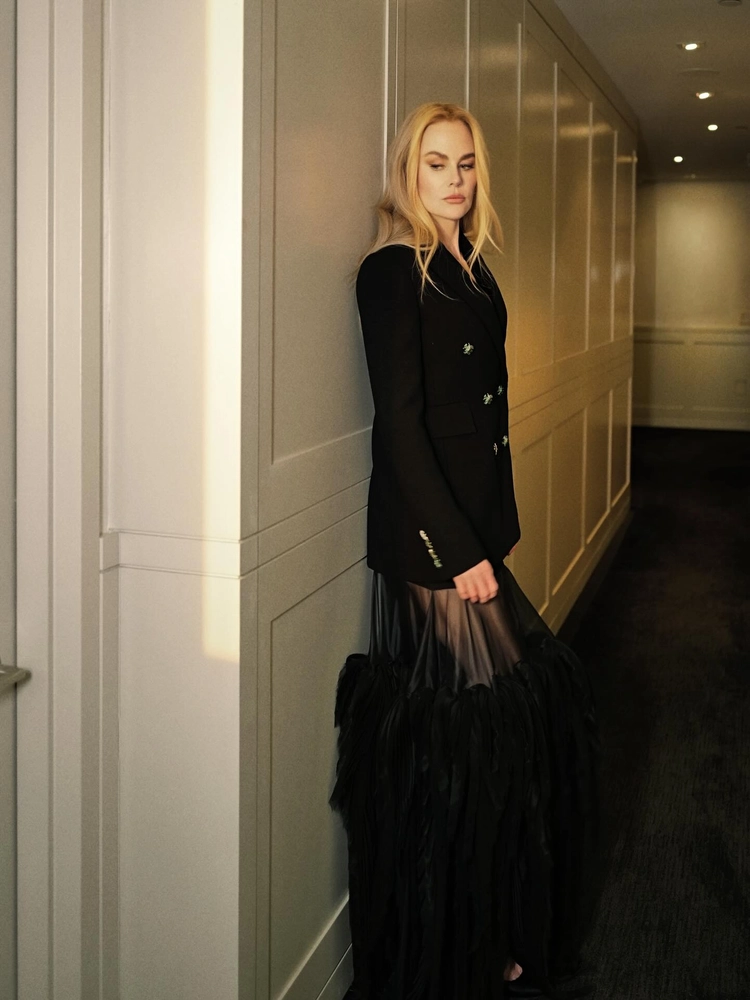
Historically, society cast the separated woman as damaged goods, characterizing her as burdensome, morally suspect, and socially downgraded. Hot divorcee summer completely reverses that historical gaze, redirecting the lens to highlight her absolute sovereignty. It imagines the divorced woman as wholly released, wild, and brilliantly majestic. She appears remarkably expensive, beautifully sun-touched, alluringly dangerous, and completely liberated from the heavy gaze of societal judgment. Her aesthetic screams of a life lived entirely on her own terms, embracing the delicious thrill of newly discovered territory.
Across the United States, divorce represents a highly common, shared experience; over 1.8 million Americans finalized their separations in recent years, while roughly one-third of ever-married adults have navigated this profound life transition. Across England and Wales, divorce rates climbed significantly, influenced heavily by evolving legal frameworks. These staggering numbers elevate the trend from a niche internet joke into a mass emotional category finally locating its perfect costume. The sheer scale of this demographic shift demands a brilliant sartorial response. We are witnessing the birth of a new archetype. The maiden and the mother finally make room for the liberated sovereign, the woman who has walked through the fire of legal dissolution and emerged cloaked in high-end linen.
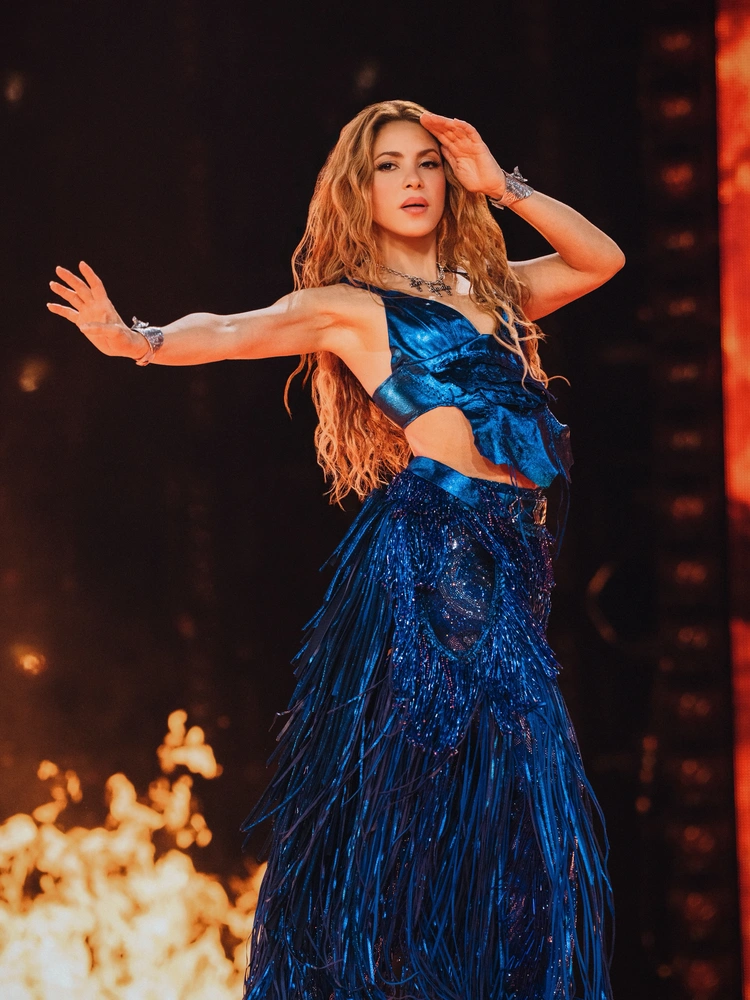

The dissolution of marriage encompasses profound grief, intense financial shifts, deep solitude, sweeping relief, sharp anger, legal exhaustion, and glorious rebirth simultaneously. Hot divorcee summer curates that sweeping emotional landscape into a razor-sharp image. It gives form to the woman who has wept, signed the final papers, changed the locks, booked the transatlantic flight, purchased the breathtaking dress, and concluded that looking magnificent constitutes an act of profound depth. Her glamour stands as absolute proof of her triumphant re-entry into the world.
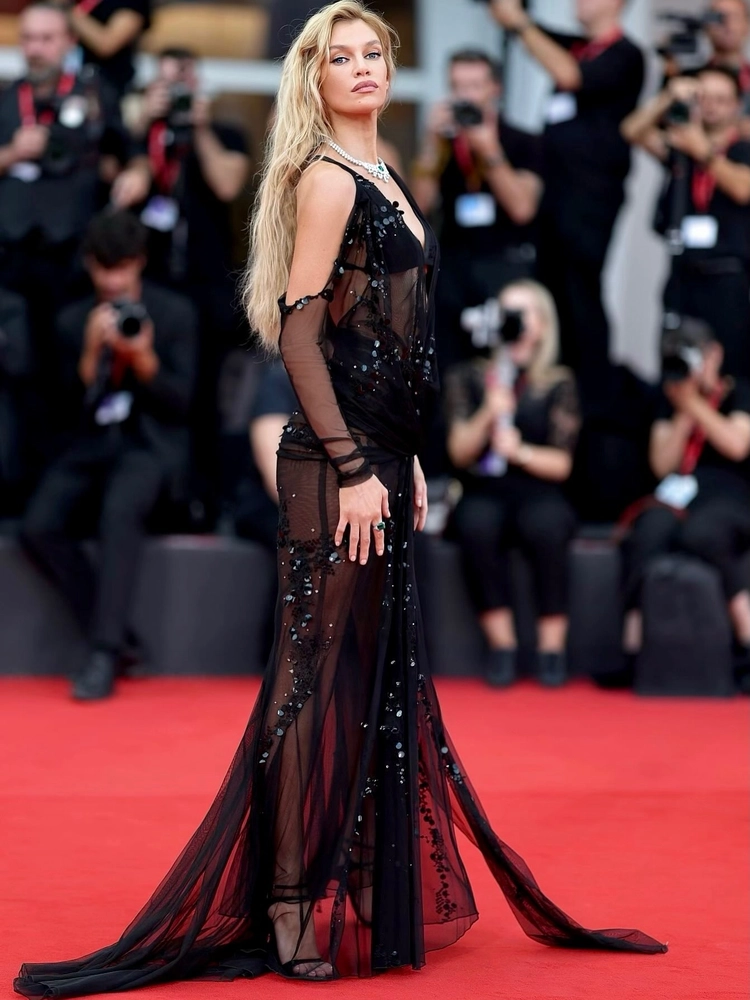
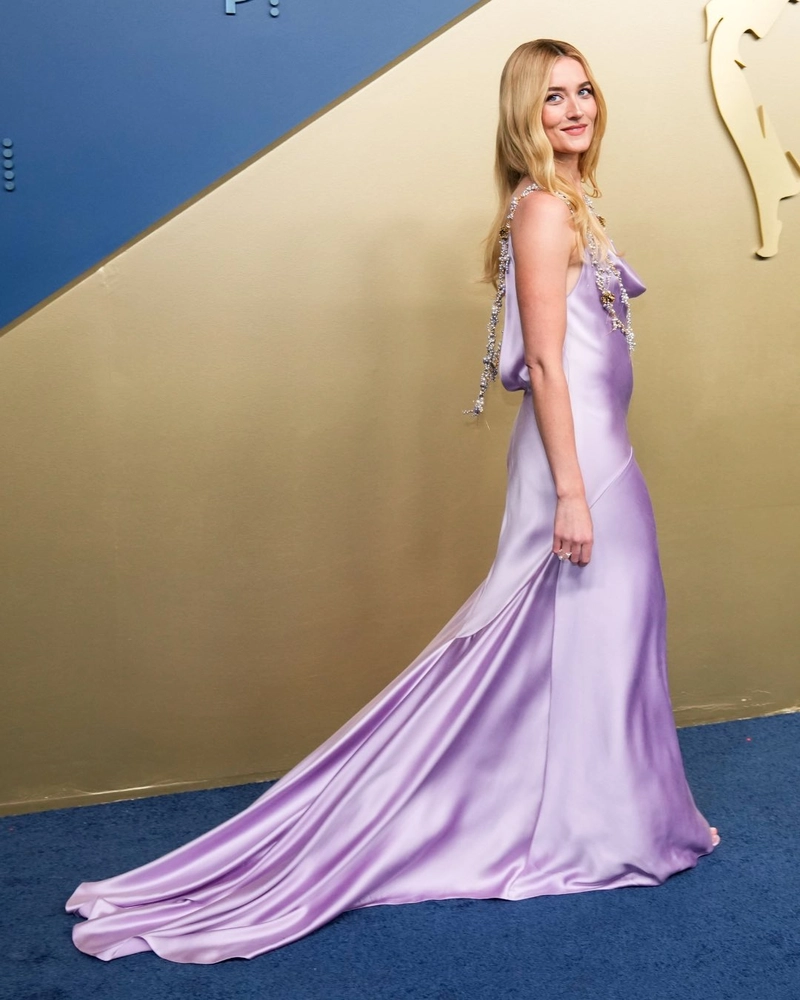
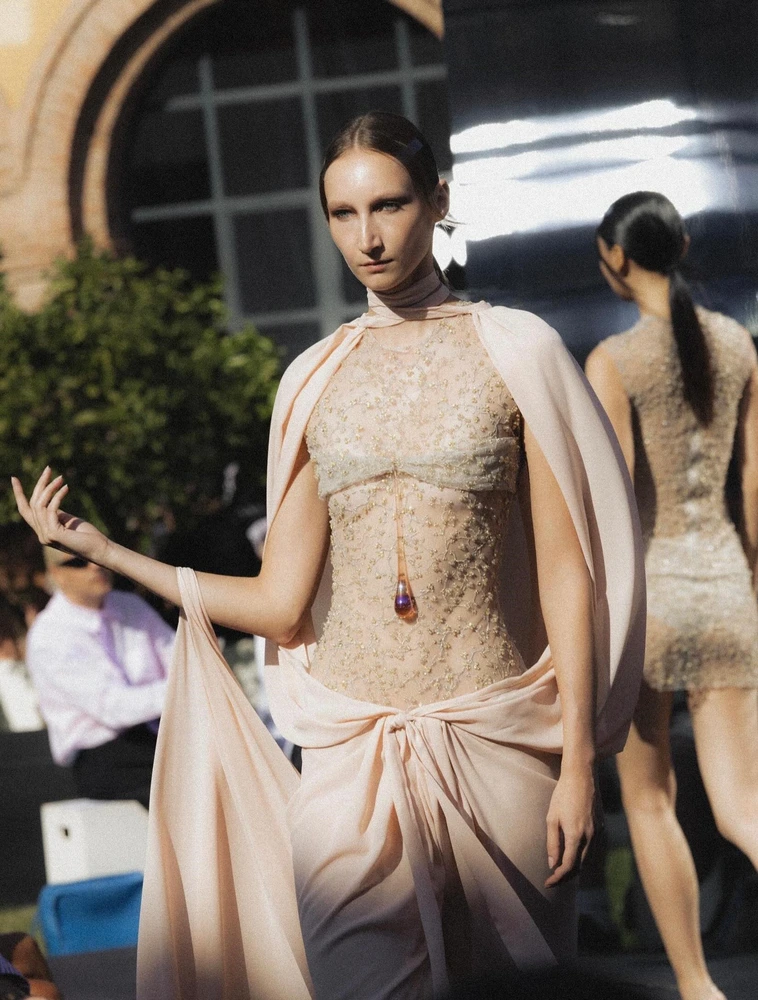
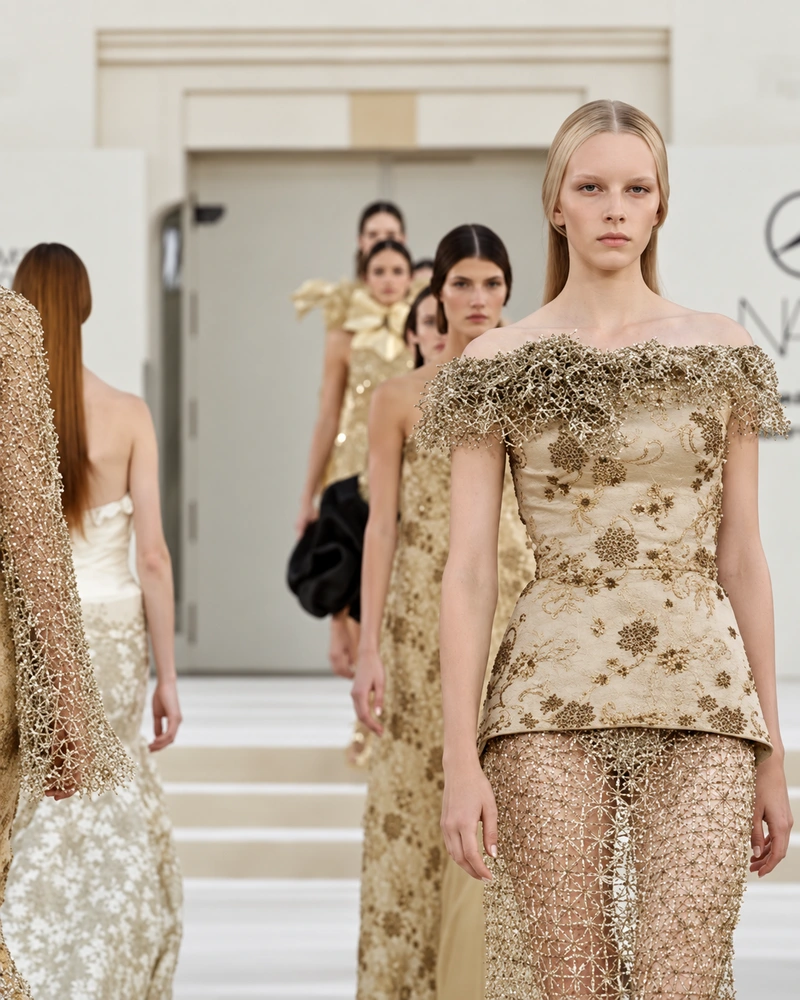
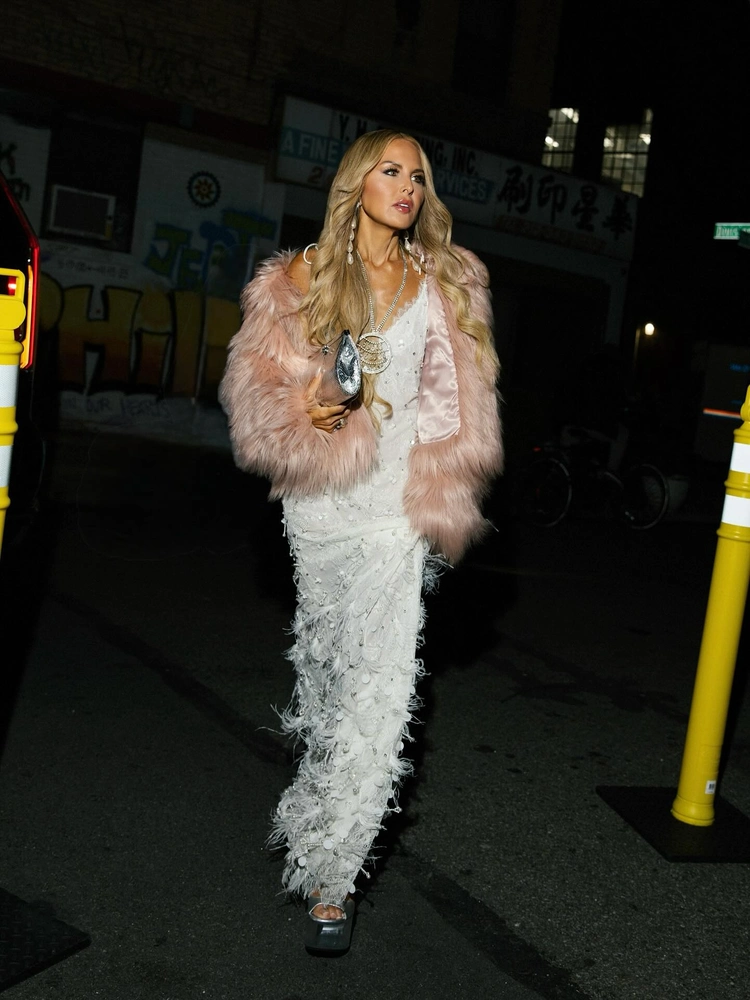
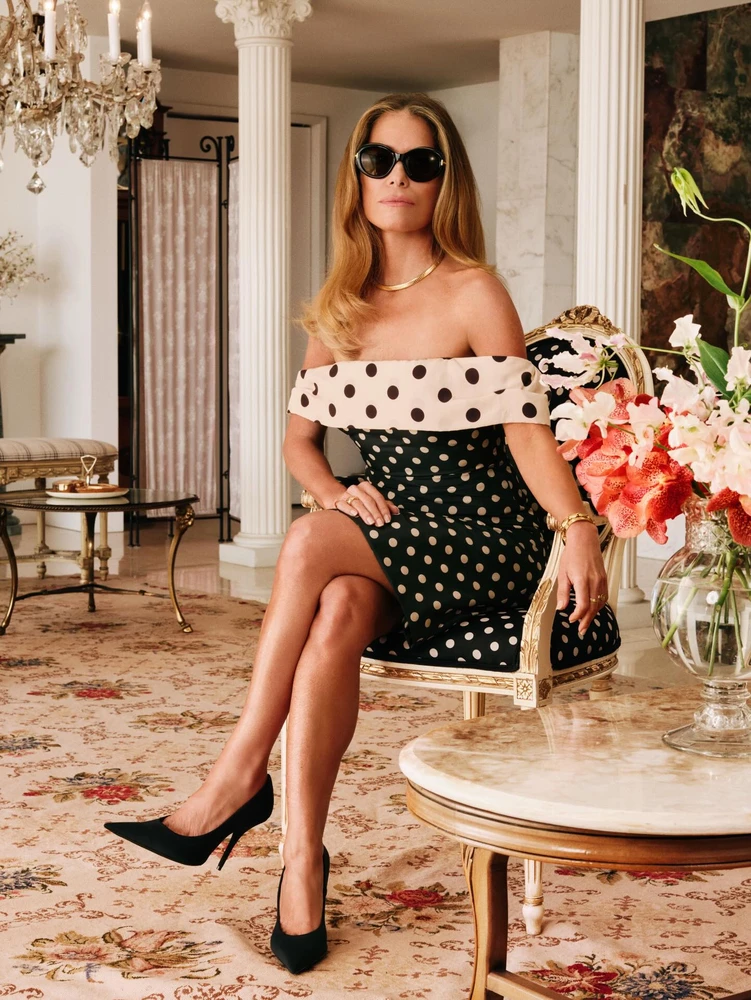
Hot divorcee summer establishes a crystalline visual grammar. The look demands oversized sunglasses, wide-brimmed hats, fluid slip dresses, sheer overlays, substantial gold jewelry, and swimwear that functions beautifully as eveningwear. It embraces breathable linen, cool silk, wildly flowing hair, impossibly expensive sandals, and dramatic, lingering perfume. These clothes broadcast a distinct message: they replace the eager energy of a first date with a fierce declaration of absolute self-ownership.
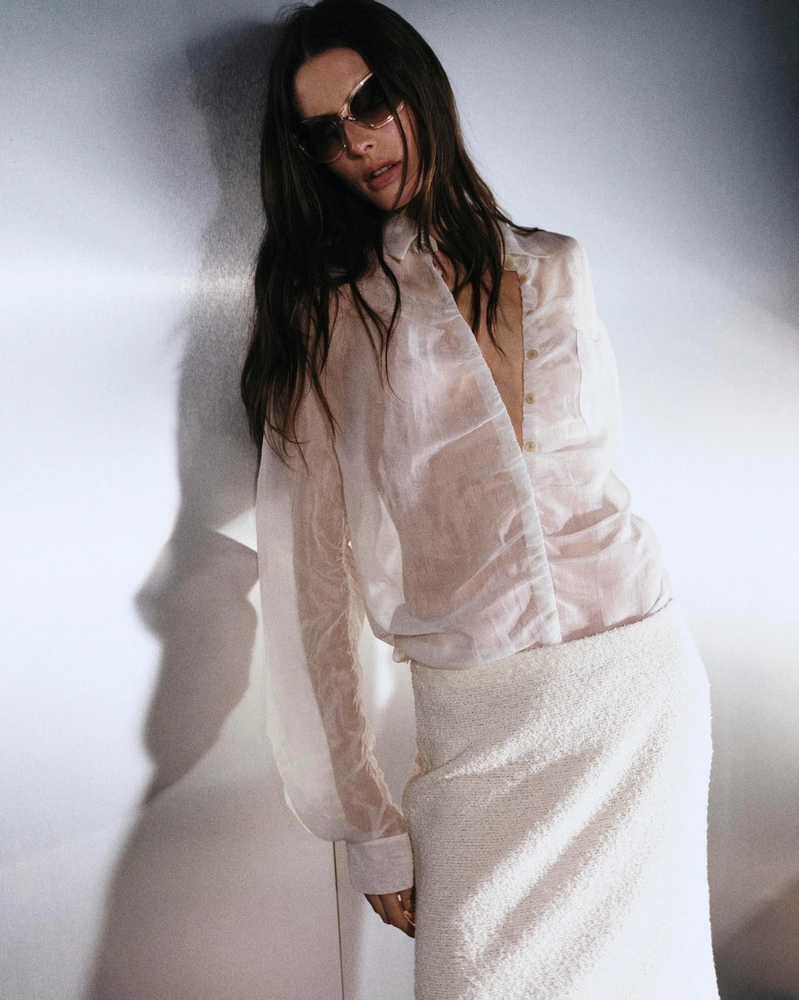
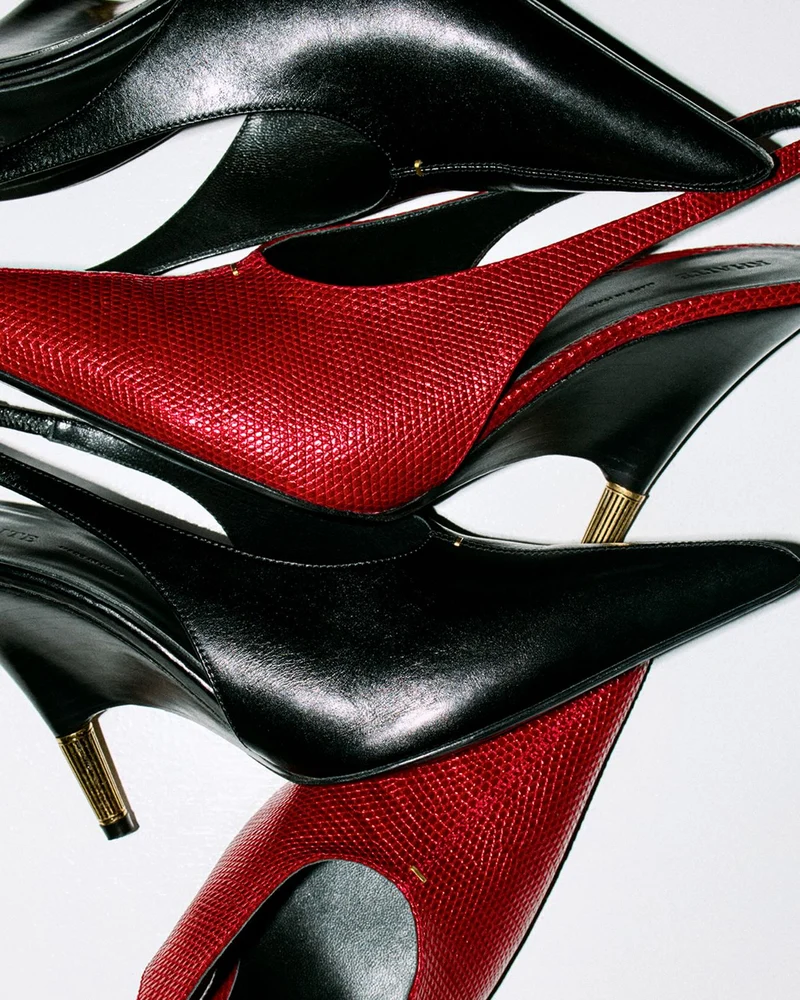
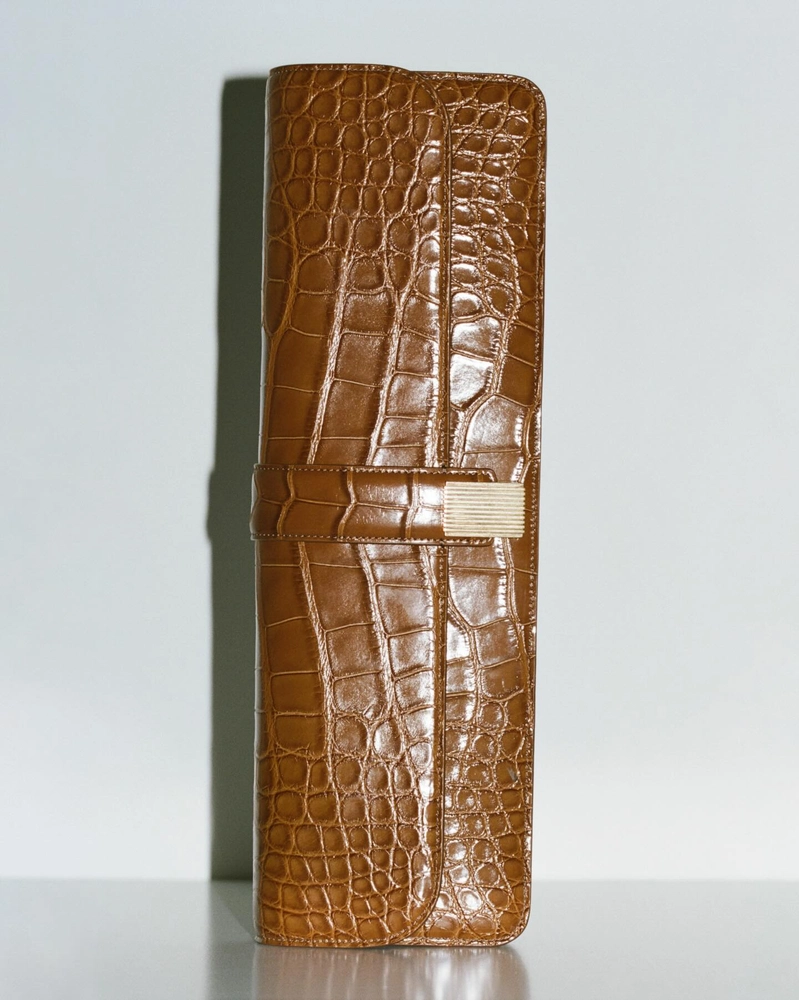
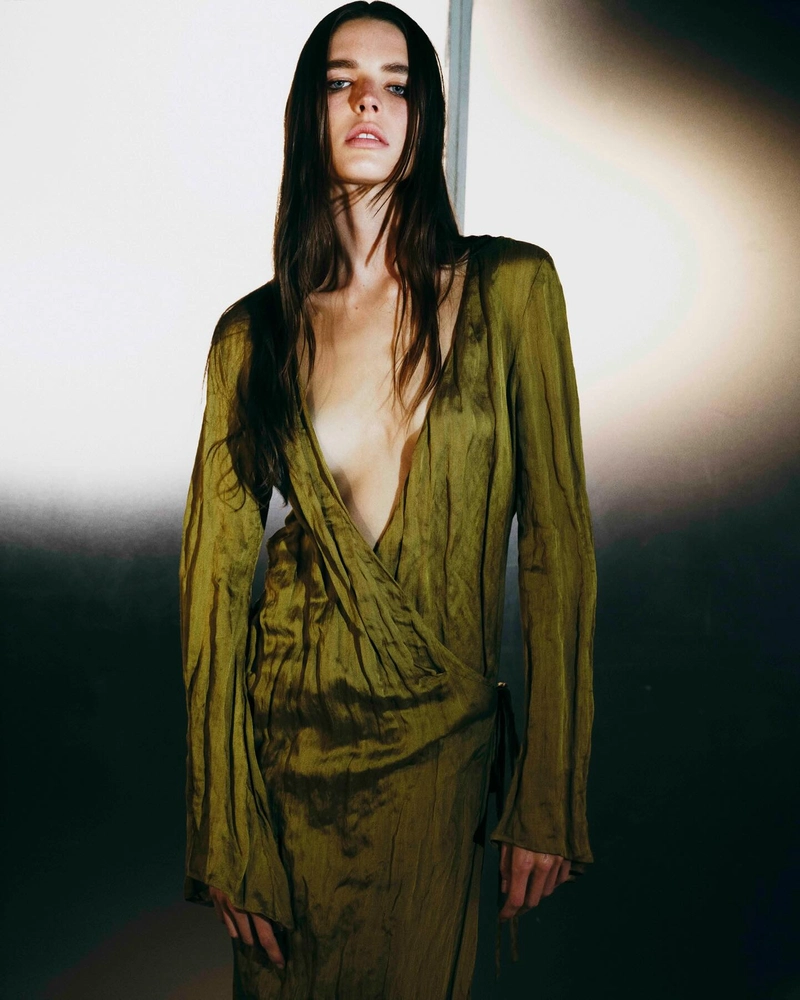
This aesthetic diverges sharply from conventional, expected sexiness. It leaves behind the youthful eagerness of the ingénue hoping to catch an eye. It moves completely past the traditional bachelorette aesthetic, which generally revolves around performing for a future spouse. Hot divorcee summer radiates a far more intoxicating allure by imagining a woman who has officially retired from all auditions. She styles her body as reclaimed property, celebrating her own sovereign territory with joyful decadence.
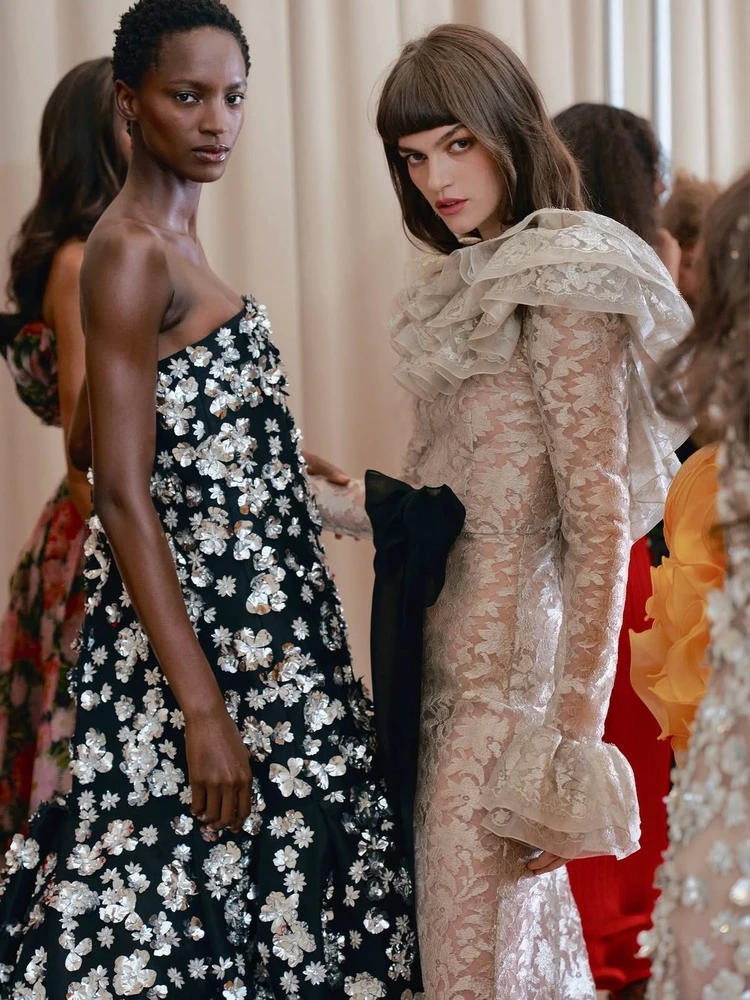
Industry movements validate this exact aesthetic shift. Vogue’s Business framing highlights how luxury brands actively recognize the immense commercial power of this specific woman. She arrives older than the traditional trend muse, considerably wealthier, fiercely decisive, and demanding absolute respect. The aesthetic heavily favors brands possessing a profound understanding of adult glamour. It champions Khaite’s architectural severity, Victoria Beckham’s flawless polish, Gabriela Hearst’s elegant restraint, and Reformation’s sharp, witty edge. It requires statement jewelry and high-drama accessories to complete the narrative.
Crucially, hot divorcee summer is not reserved only for women who have legally ended a marriage. Its power lies in attitude. At its center is a quiet but radical refusal to organize female desire, beauty, and self-presentation around men. The fantasy is not anti-men so much as anti-orbiting: men may exist in the picture, but they are no longer the sun.
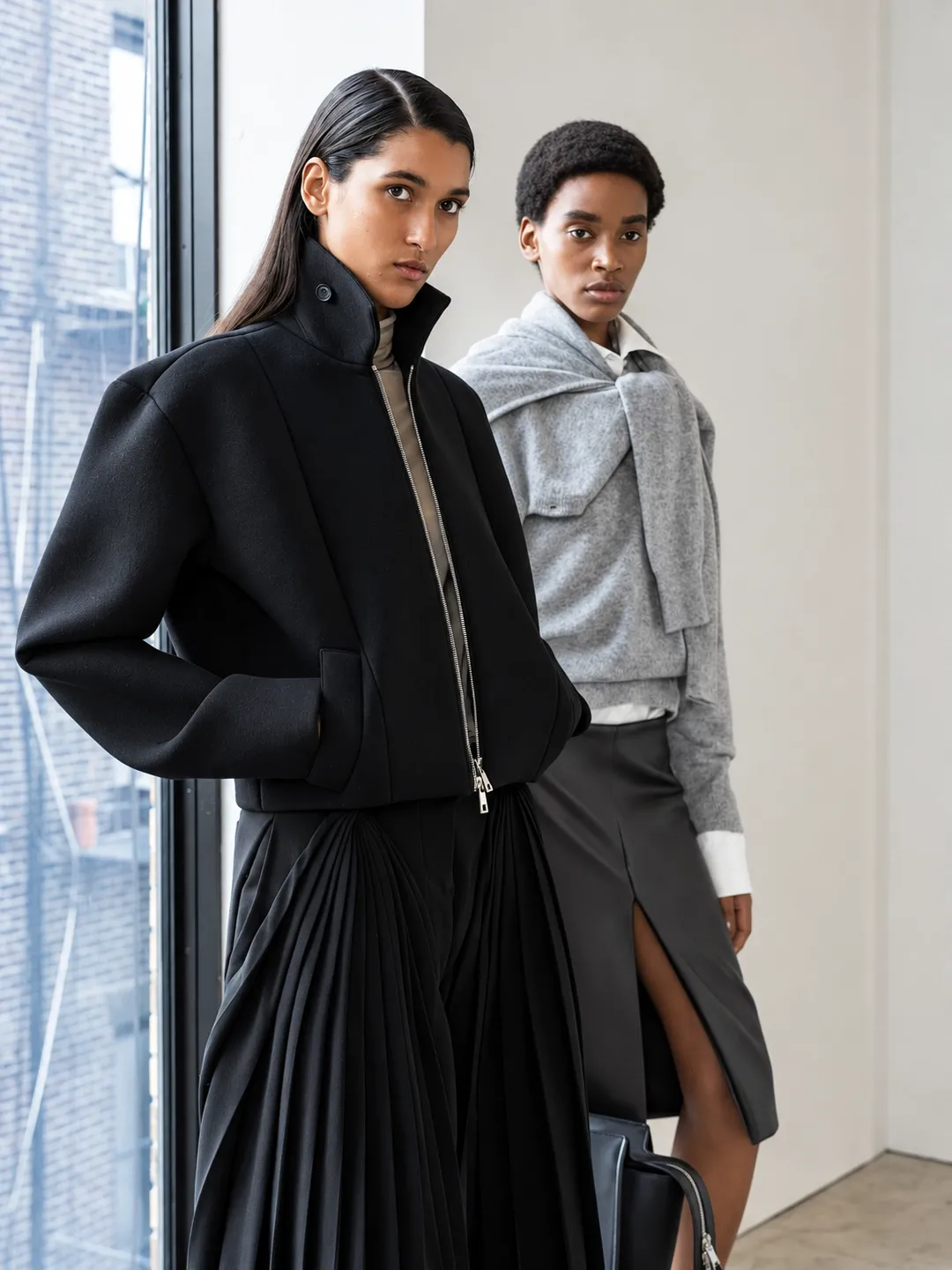
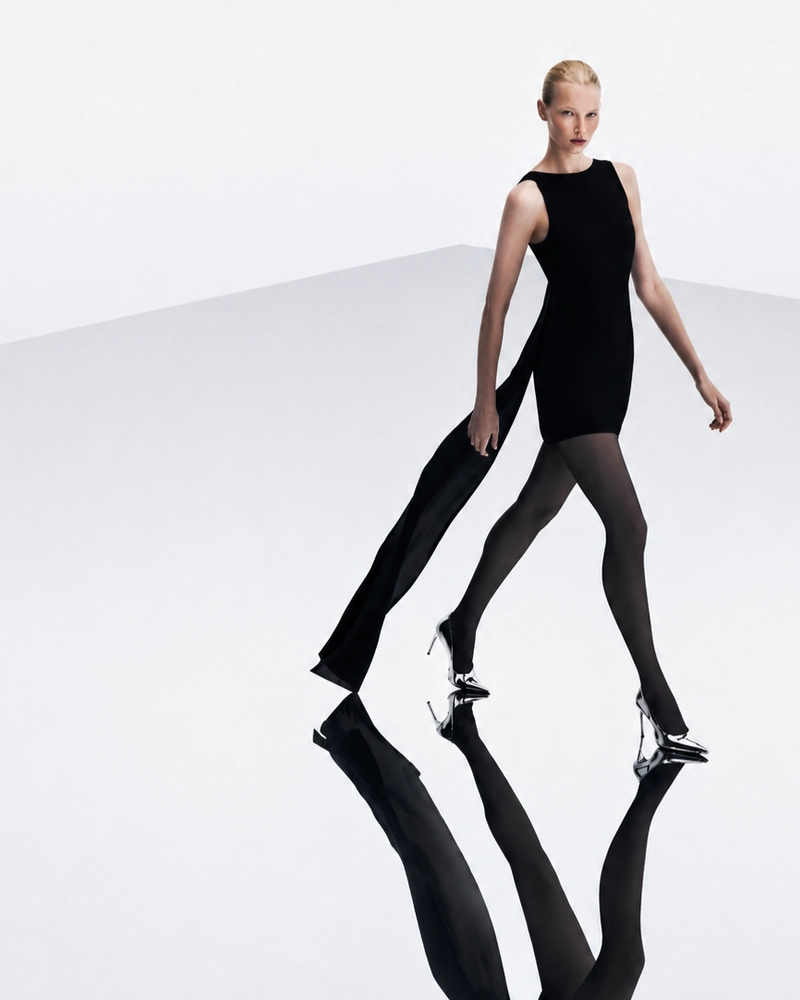
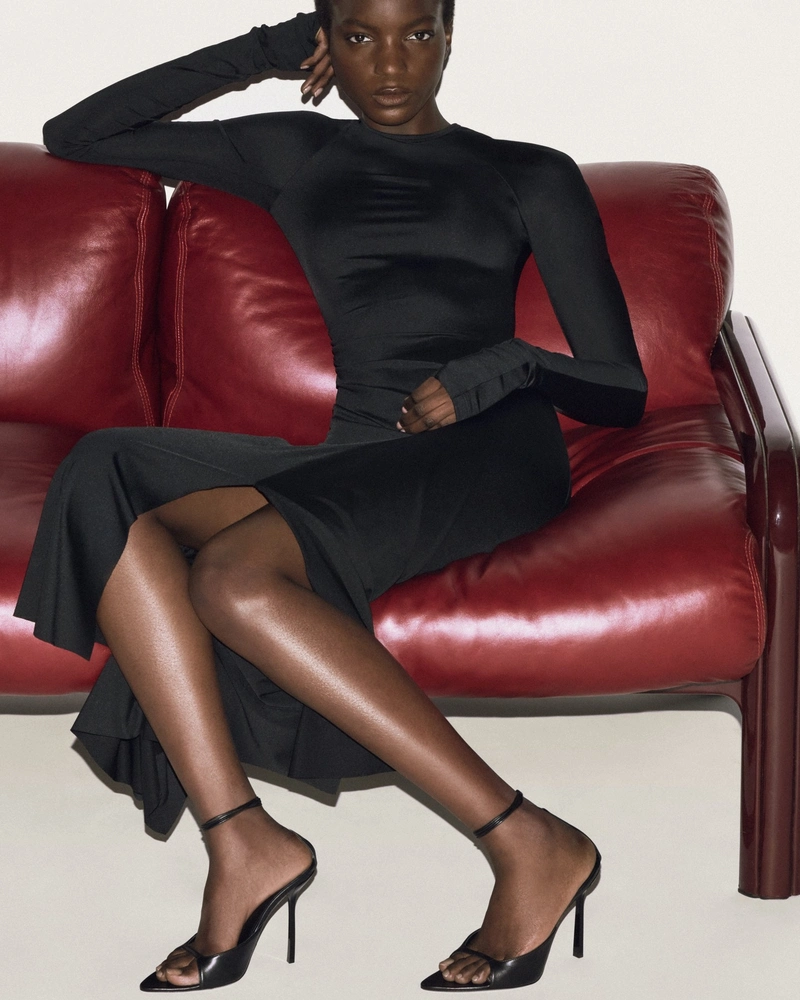
That shift has already begun to shape what women want to wear. Designers and trend analysts are noticing a stronger appetite for mature eveningwear, richer color palettes, seductive wedding guest dresses, and clothes that feel charged with adult confidence rather than bridal innocence. The new muse is not the pristine bride waiting to be chosen, but the mysterious woman in black who has already chosen herself.
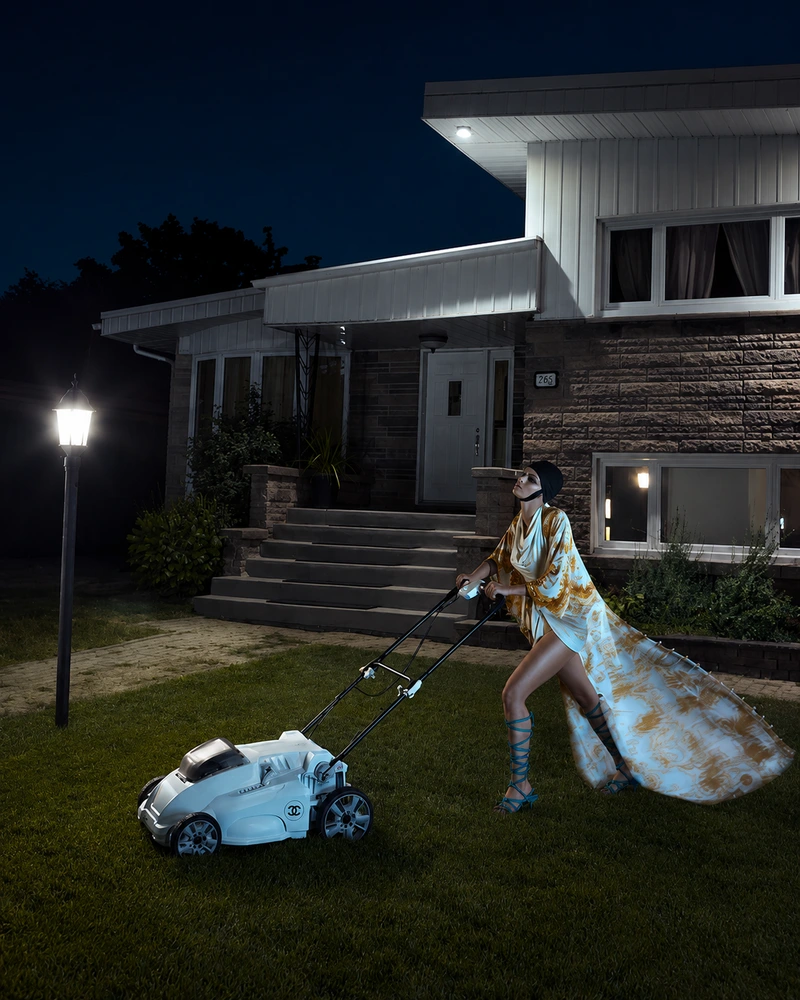
Industry observers increasingly describe separation as a moment of transformation rather than social diminishment. In that sense, hot divorcee summer is less a niche subculture than a broader psychological mood. It belongs to a culture that has started to celebrate singleness not as a waiting room before the next relationship, but as a complete, glamorous, self-directed state.
This is also why the trend feels different from the private wellness rituals that dominated recent years. For a long time, self-investment was framed through optimization: solo walks, Pilates bodies, skincare discipline, clean routines, and quiet self-improvement. Hot divorcee summer turns that inward labor outward. It is not about becoming better in private; it is about entering the world visibly, dressed as if life has become sensuous again.
The fantasy is not girlish. It is adult, intimidating, and deeply curated. She is not the ingénue hoping to be discovered. She is the woman with beautiful taste, a controlled apartment, sharp advice, and the kind of presence that makes a martini glass look like a weapon. Her glamour comes from experience, not innocence.
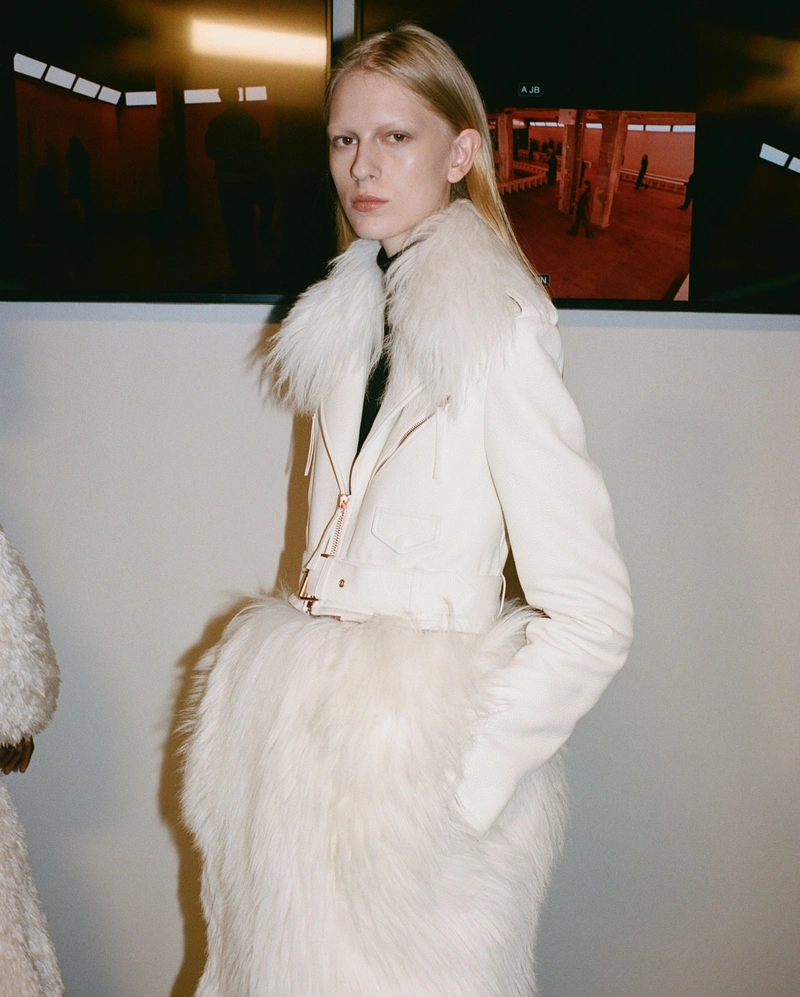
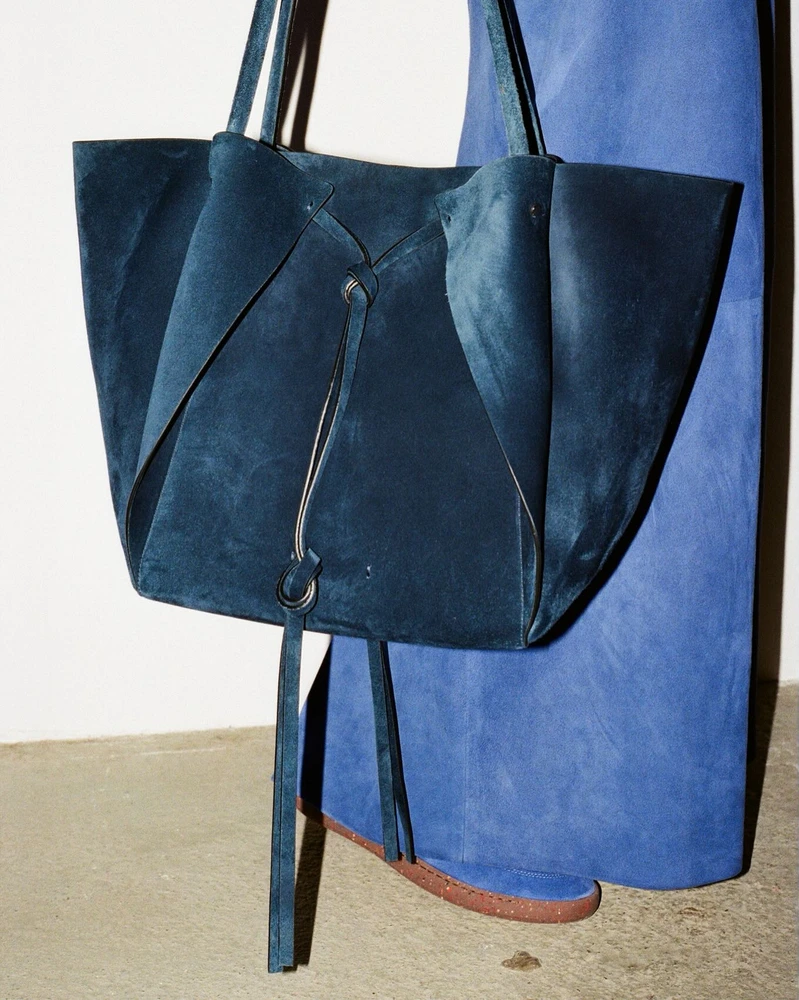
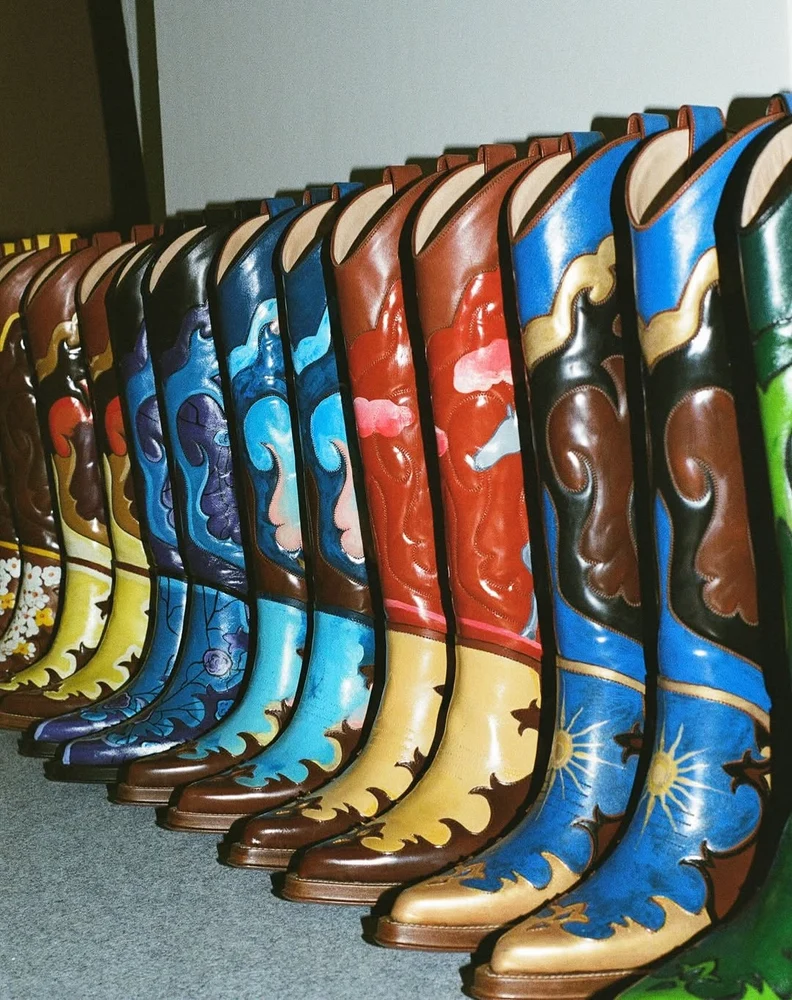
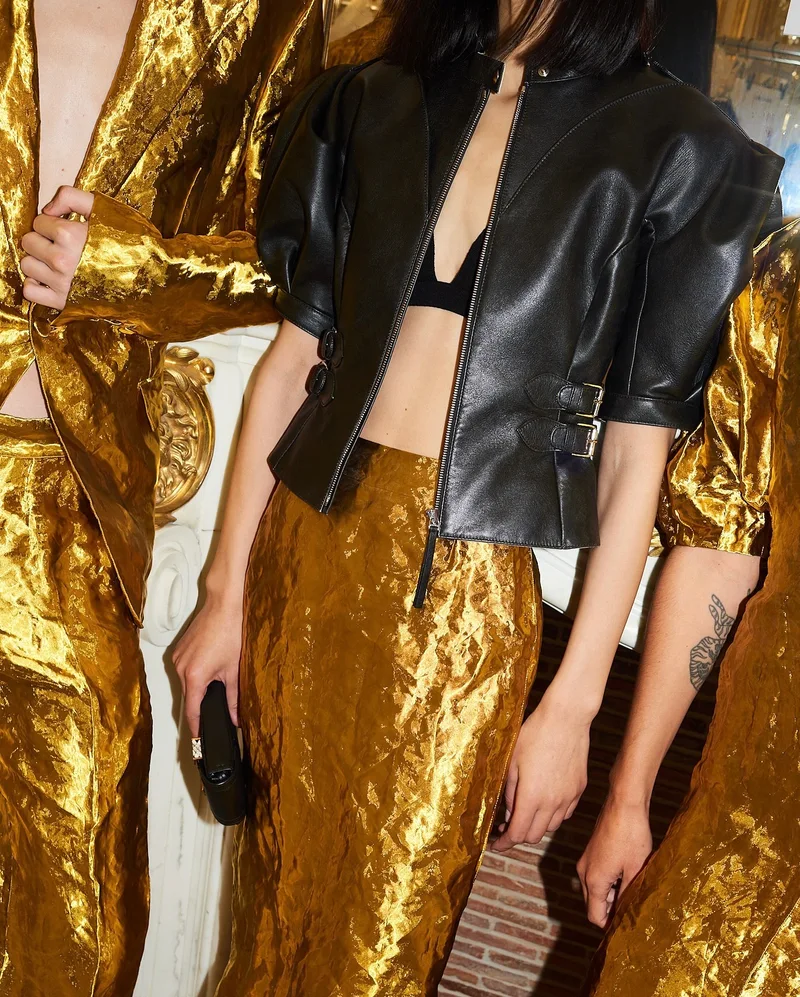
This matters because middle age is no longer being sold only as restraint, concealment, or polite practicality. The new cultural message is far more direct: women past the ingénue stage still want to look desirable, commanding, and alive. With greater financial stability, access to beauty treatments, the rise of body-changing medical trends, and a renewed appetite for visibility, many women are moving toward clothes that acknowledge the body instead of hiding it.
Yet the desire is not necessarily about attracting male attention. Stylists working with women in their 40s, 50s, and 60s describe clients who sometimes feel shy admitting that they want to look sexy. What they often mean is not that they want to dress like someone younger, but that they refuse to disappear inside shapeless clothing. They want texture, ease, softness, suggestion, and clothes that still let the body speak.
That is why sheer fabrics, bralettes under jackets, fluid dresses, silk, velvet, taffeta, and body-aware silhouettes feel so central to the movement. The point is not obvious exposure. The point is liberation from stiffness. A woman can look sensual without surrendering sophistication. She can be covered and still magnetic, relaxed and still expensive, soft and still in control.
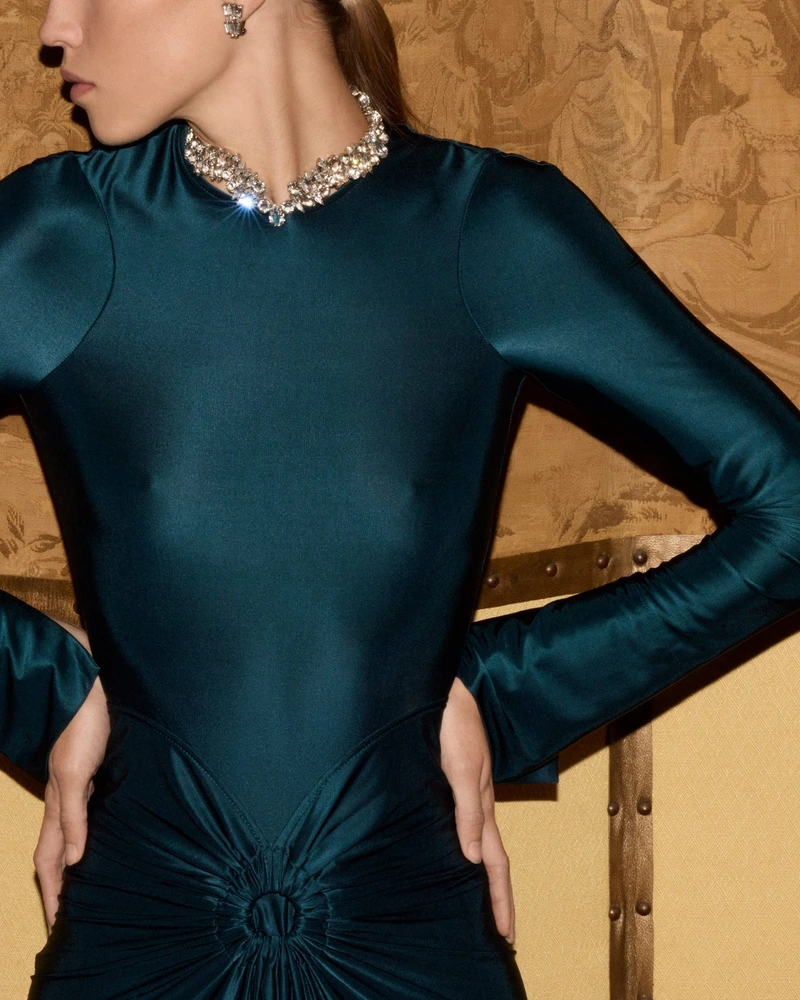
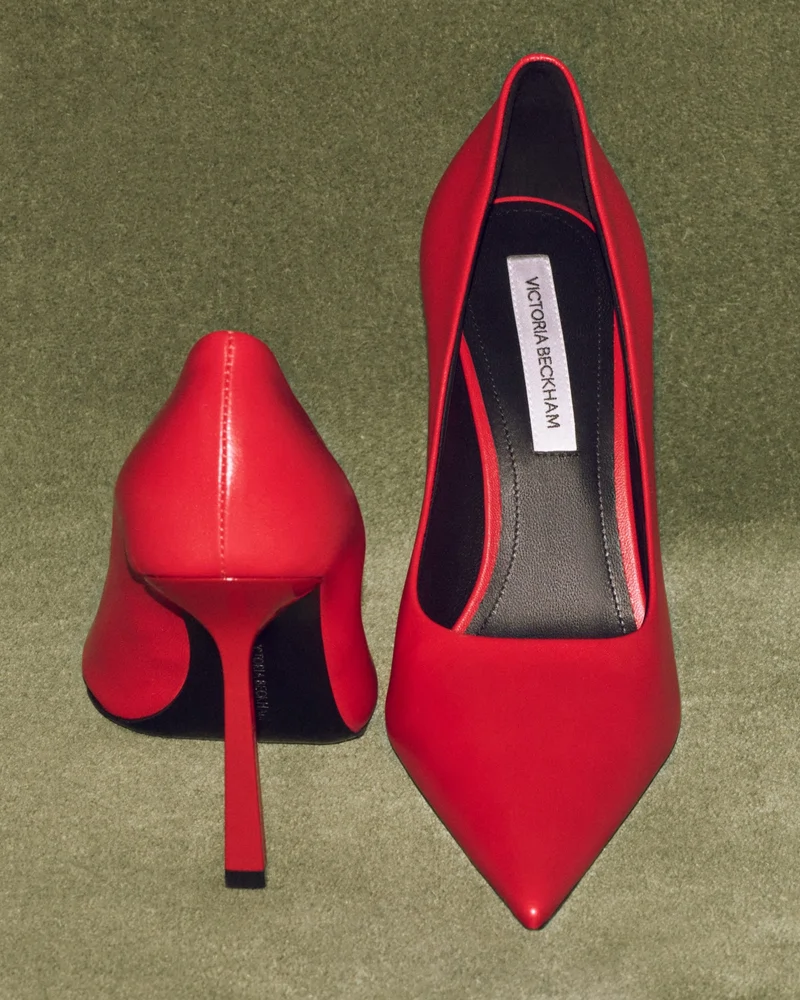
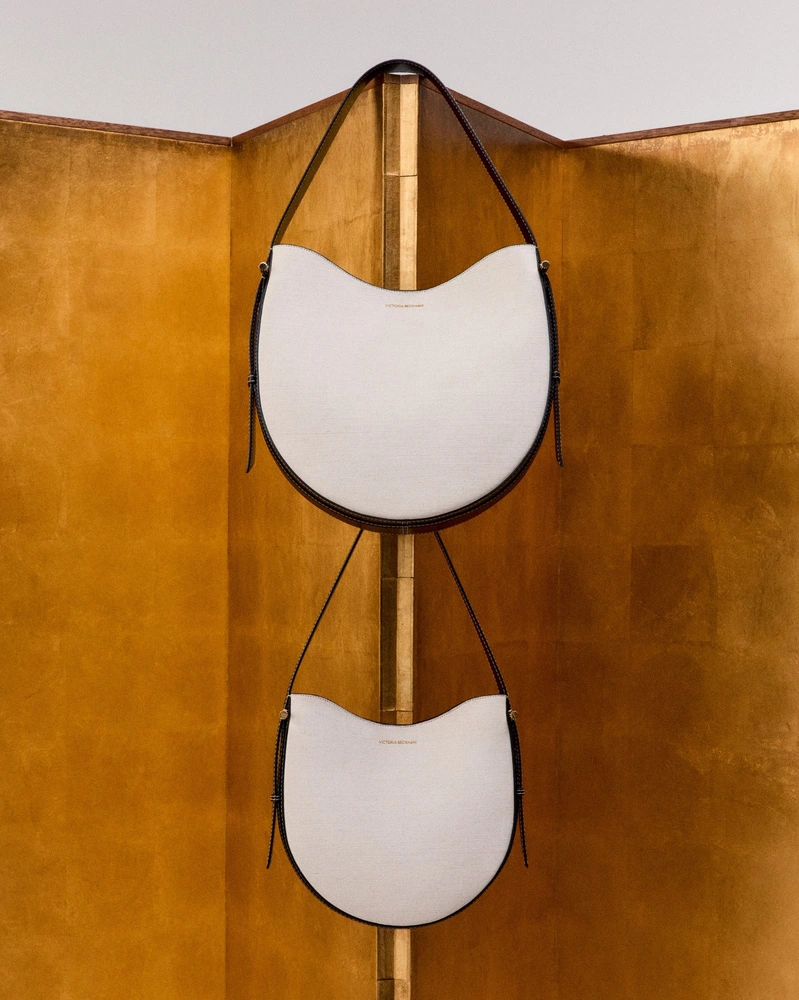
The economic force behind this cannot be ignored. Gen X and older women are powerful luxury consumers, with significant household wealth and strong spending power across fashion and beauty. As this group travels more, dates more, invests more visibly in style, and refuses cultural invisibility, brands are being forced to reconsider who their fantasy customer really is.
The brands that understand this moment are not treating mature women as an afterthought. They are offering polished sensuality, intelligent glamour, rich textures, sharp tailoring, strategic sheerness, sculptural coats, refined eveningwear, and jewelry meant to be worn every day rather than locked away for special occasions. The woman of hot divorcee summer does not need a tight bodysuit to announce herself. She needs clothes that feel luxurious, deliberate, and entirely hers.
At its core, hot divorcee summer releases the desire to attract external validation. It focuses entirely on dressing as if desire has finally, gloriously returned to the self.
Hot divorcee summer wields immense power by making separation vibrantly visible, yet it also risks streamlining a profoundly difficult life event into a simplistic, glamorous shopping mood.
The marketing machine activates immediately. Brands absolutely adore the newly liberated woman, recognizing her emotional clarity and immense commercial viability. She finds herself completely redecorating her home, traveling the globe, re-entering the dating scene, acquiring new jewelry, completely rebuilding her wardrobe, rethinking her beauty routines, and executing purchases that symbolize her emerging life. Reformation’s sold-out breakup apparel instantly proves how swiftly relationship transitions transform into highly desirable product language. The rising divorce ring trend accomplishes a similar feat: it transmutes the conclusion of a marriage into a tangible object meant for wearing, photographing, and celebrating.

Yet, we must ask: who gets to experience this pristine, sun-drenched season? Only certain women possess the financial resources, abundant time, physical safety, legal protection, and social grace to translate their separation into pure, concentrated glamour. For countless individuals, the transition involves mountains of paperwork, intense childcare negotiations, mounting rent, exhausting courtroom battles, accumulating debt, delicate custody arrangements, heavy social stigma, and profound emotional fatigue. The trend’s glittering fantasy offers immense, restorative power, while its actual accessibility remains highly stratified across different lives and economic realities.
This brings us to a fascinating, necessary critique of the industry. Fashion frequently transmutes women’s pain into pure aesthetics, waiting until that pain proves highly marketable. The grieving widow evolved into the icon of gothic romance. The mistress transformed into a symbol of old Hollywood danger. The runaway bride morphed into the ultimate emblem of cinematic freedom. Today, the divorcée becomes the ultimate summer mood board. Fashion consistently aestheticizes rupture; it represents the industry's favorite alchemy. We must ensure this aesthetic grants the woman true, multidimensional complexity, elevating her far above a gilded, prettier enclosure.
Ultimately, curating a new wardrobe after a separation serves as a profound, healing ritual. It honors the body following a massive legal and emotional shift. It declares that the person existing inside that marriage represents only one facet of a deeply complex, ever-evolving identity. Hot divorcee summer operates as a brilliant decision to ensure grief remains only one part of a much larger, triumphant picture. It portrays a woman stepping confidently into the blazing heat, holding onto her history, and deciding with absolute certainty that the newest version of herself deserves the most magnificent lighting imaginable.
Advertisement