MENU
Close





“Taste is a new core skill.” — Greg Brockman, President and co-founder of OpenAI, 2026.
“Taste is a new core skill.” — Greg Brockman, President and co-founder of OpenAI, 2026.
September 8, 2026


Taste is developed through a progression from seeing to looking, from knowing to thinking, and eventually to interpreting.
Seeing gives us exposure, while looking asks for attention, to proportion, material, rhythm, context, detail, and difference.
Knowing builds the references that sharpen perception, whether through exhibitions, archives, conversations, or even thoughtful art book club recommendations that introduce unfamiliar periods, artists, and visual languages.
Thinking pushes those references further by asking why something feels resolved, significant, strange, or memorable.
Interpretation is where these stages become personal, as observation and knowledge are translated into a point of view.
Over time, taste grows through repeated acts of noticing, questioning, comparing, connecting, and revising what we believe is meaningful. Books are one of the easiest places to begin that process. Here are four titles, complex enough to be discussed at book clubs, but also approachable enough for beginners, each offering a different way to understand art history, visual language, color, and the ideas that shape how we look.
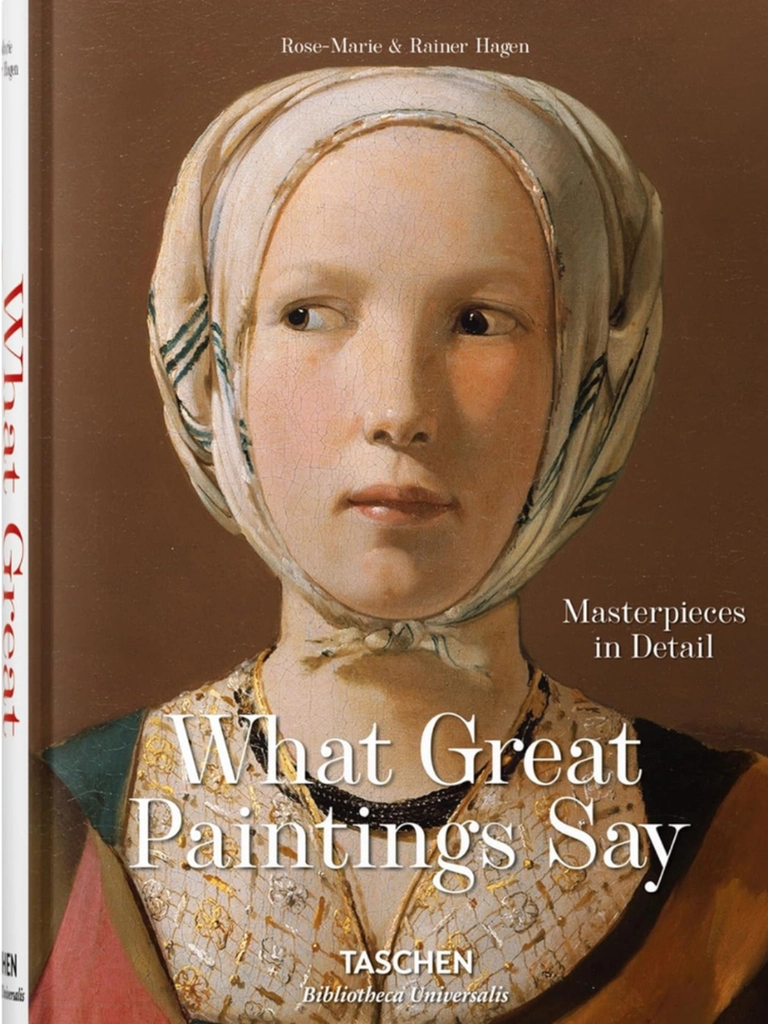
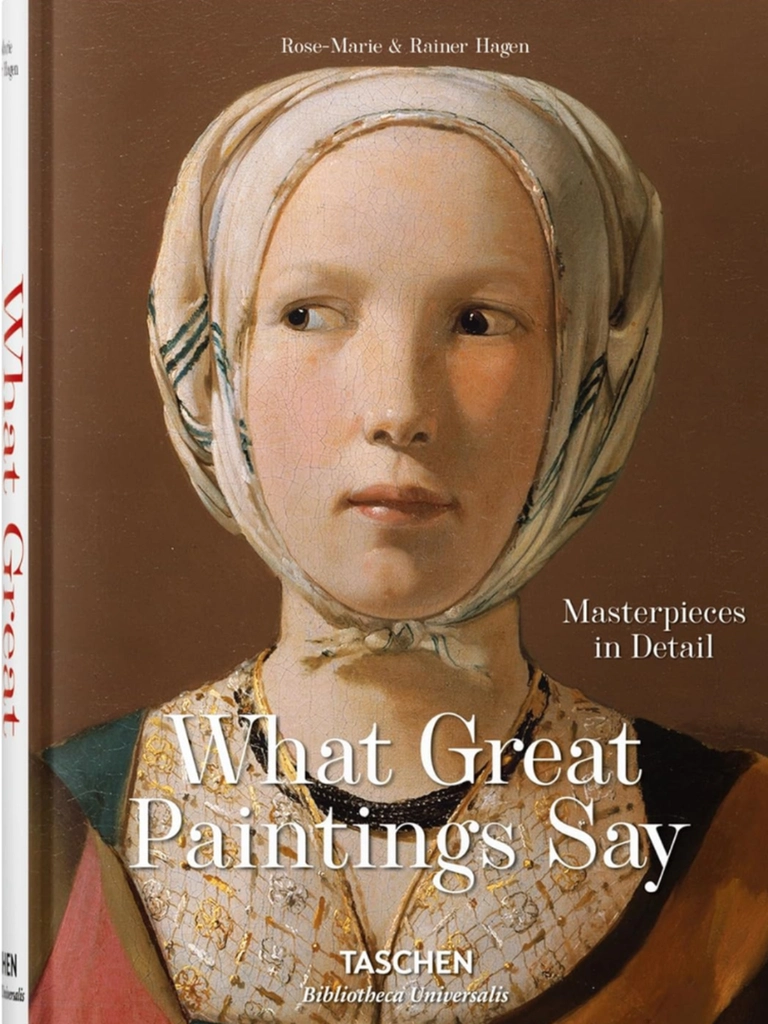
Rose-Marie Hagen and Rainer Hagen approach art history with the eyes of detectives.
Published by Taschen, What Great Paintings Say examines approximately 100 major works through details that can initially seem incidental. Clothing, furniture, architecture, food, gestures and objects scattered through the background all become evidence.
Historical paintings make the perfect case studies to train eyes for details because many visual signals that would have been immediately legible to contemporary audiences have become obscure to modern viewers. A specific textile could indicate wealth. A fruit might carry religious or erotic associations. The arrangement of figures could establish social hierarchy subtly but evidently.
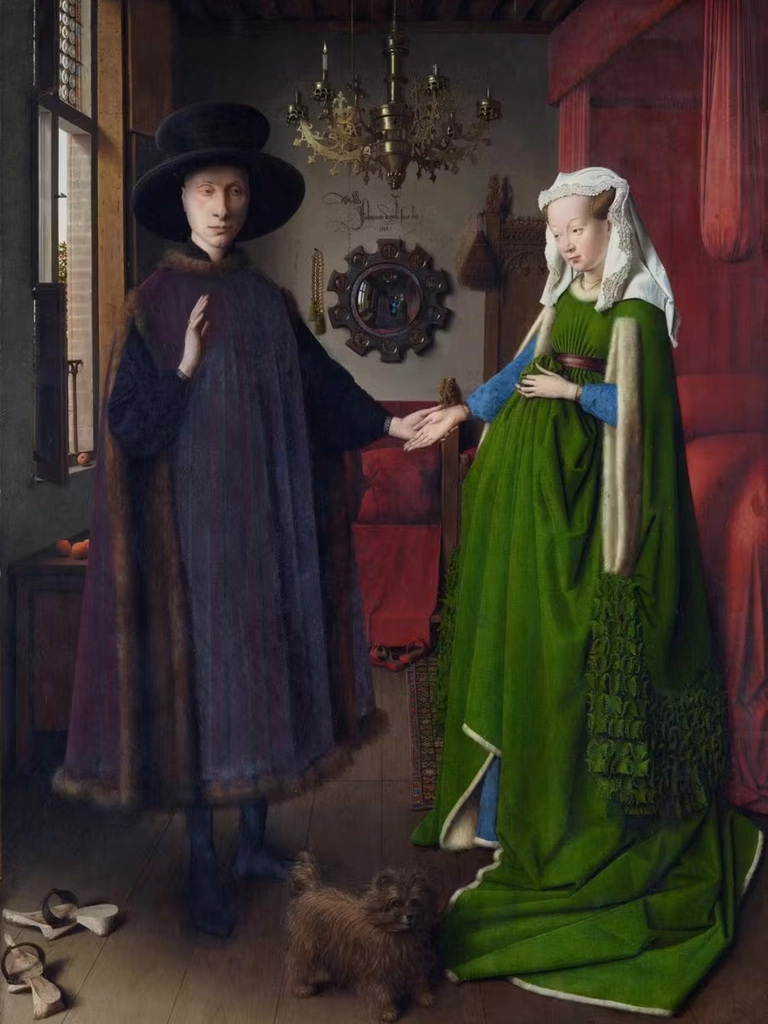
Jan van Eyck's Arnolfini Portrait is my personal favorite. Its celebrated mirrors, luxurious textiles, domestic objects and precisely constructed interior have generated centuries of interpretation. Looking closely turns the painting from a famous image into a dense historical document about status, marriage, trade, material culture and representation.
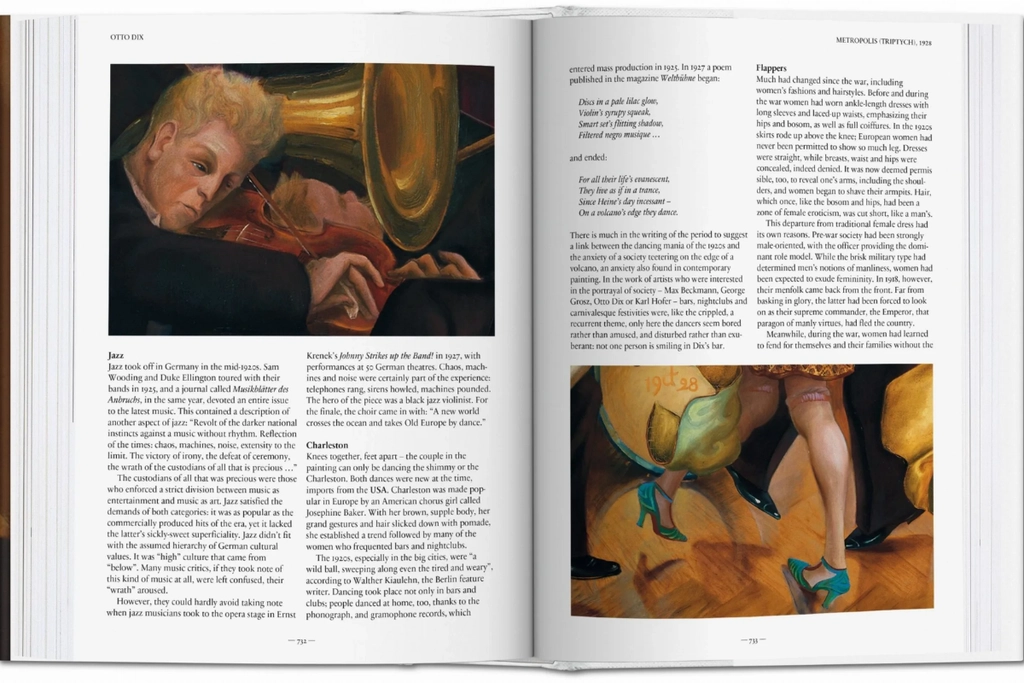
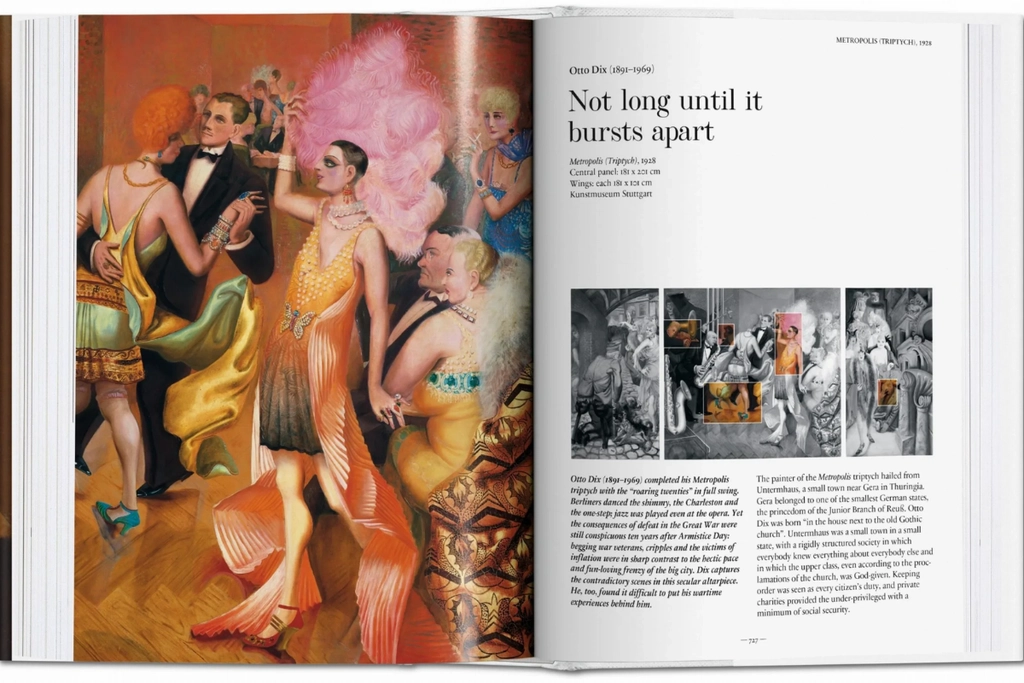
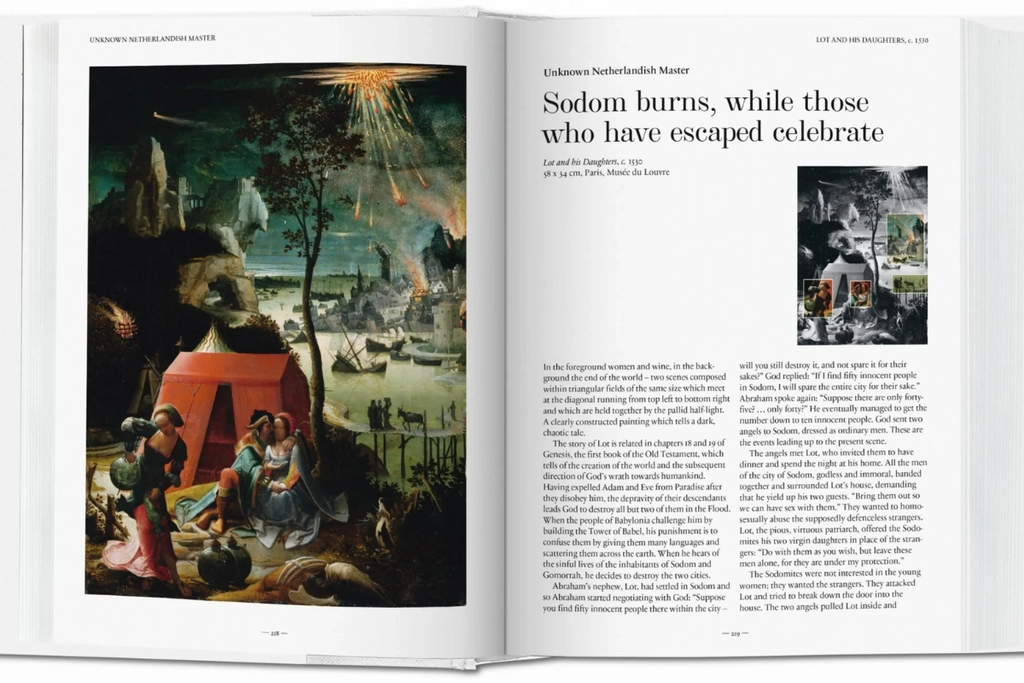
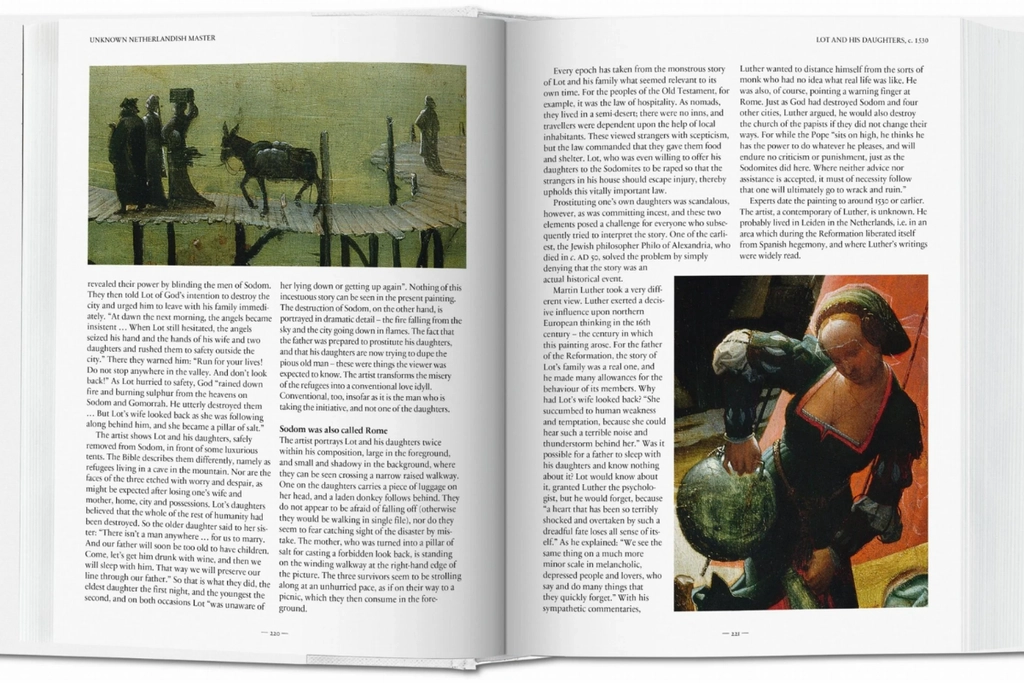
This method makes the book valuable for readers who already recognize major masterpieces yet want to understand what sits beneath their familiarity. Famous paintings often suffer from overexposure. Reproduced across postcards, textbooks and screens, they become visual symbols but not always understood as complex objects.
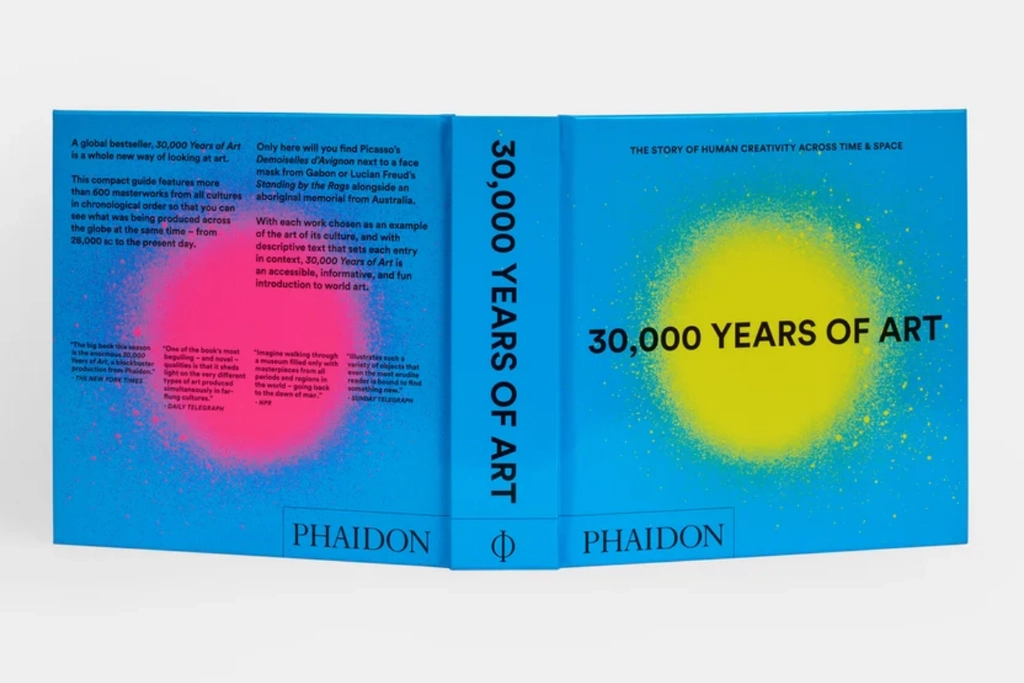
Phaidon's 30,000 Years of Art pulls the lenses dramatically backwards.
Traditional art-history education has frequently organized material through geography, schools and canonical movements. Italian Renaissance paintings occupy one chapter, Chinese art another, while ancient cultures often sit within their own isolated sections. 30,000 Years of Art instead places human creativity along a shared timeline.
That structural decision changes the way history is perceived. Works created in separate regions can appear near one another because they were produced during the same historical period. Readers encounter civilizations developing different solutions to ritual, political authority, portraiture, abstraction, architecture and storytelling simultaneously.
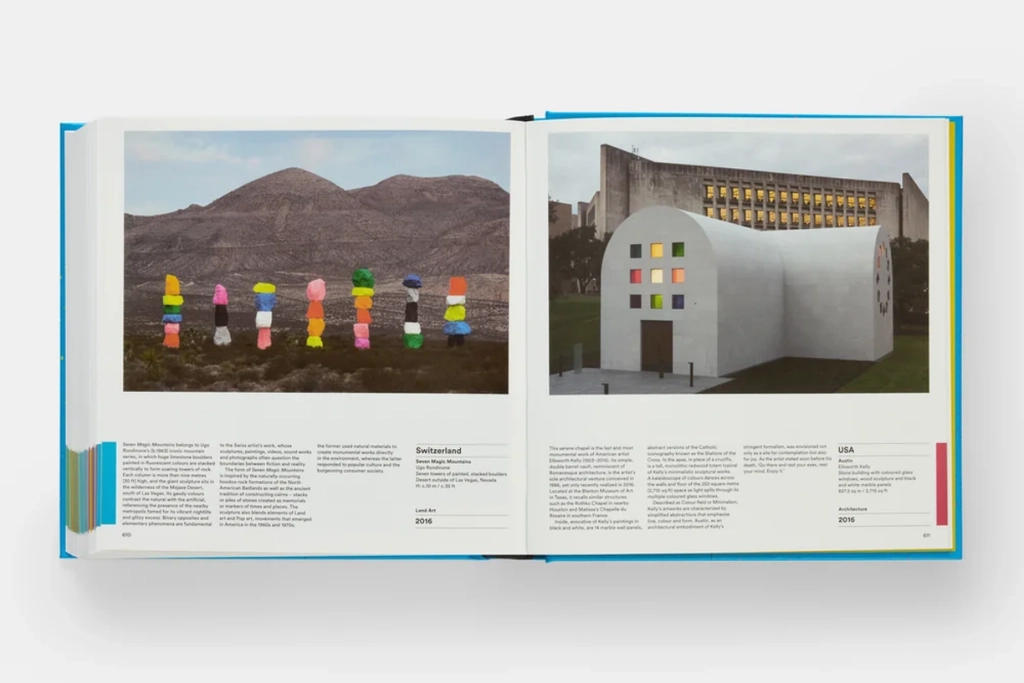
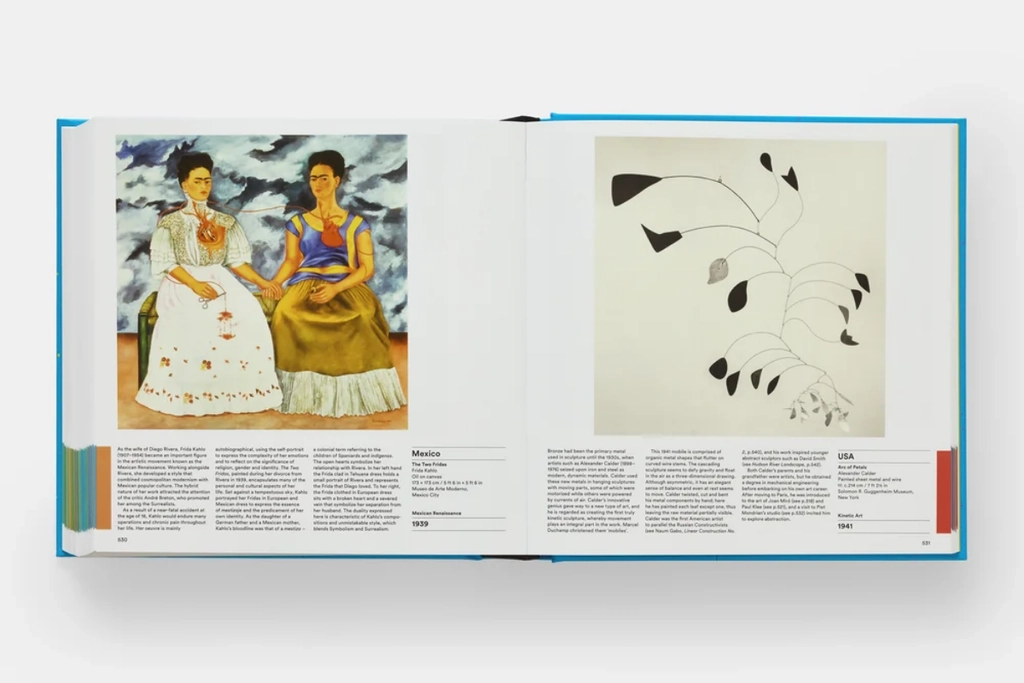
The format makes the book particularly valuable for readers interested in breaking the habit of treating Western European art history as the default chronology around which every other tradition must be arranged.
Ancient Mesopotamia, dynastic China, the pre-Columbian Americas, Africa, Europe and other cultural regions enter one visual sequence. The pages encourage connections across distance while preserving the individual contexts of each work.
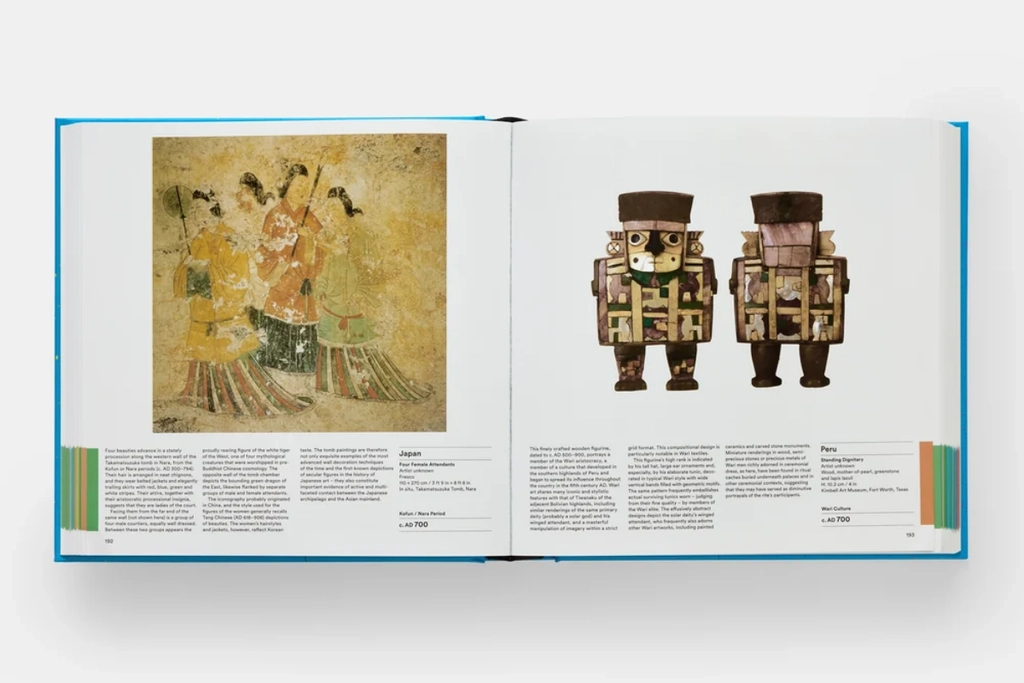
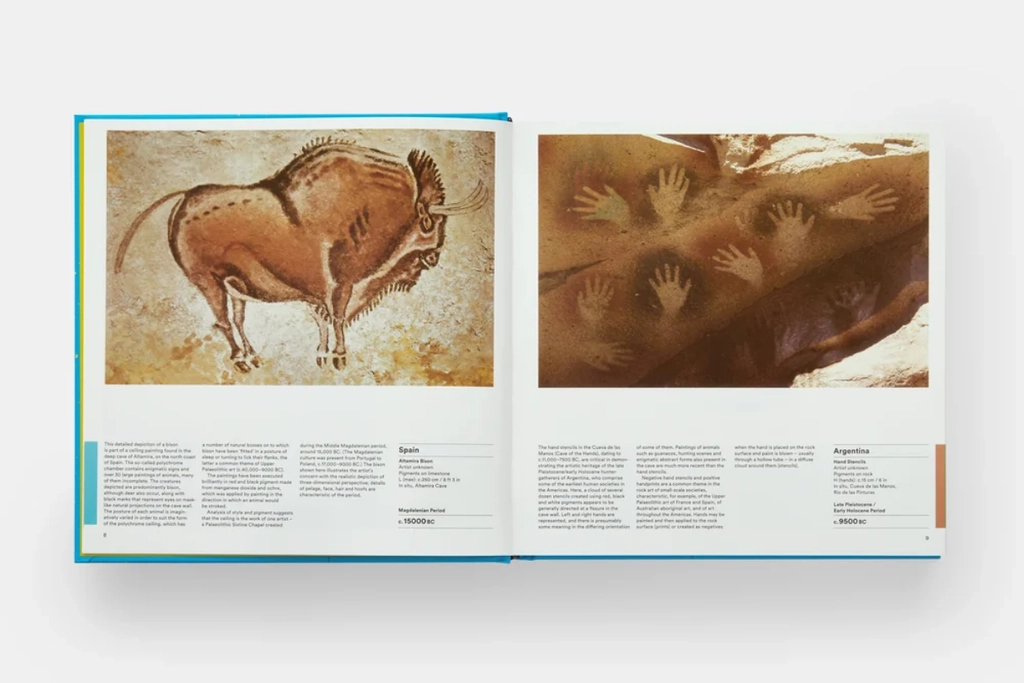
It is also a book built for wandering. You can move thousands of years in minutes, then stop at one unfamiliar object and follow it into further research. That makes 30,000 Years of Art particularly helpful as a reference volume. It functions less like a textbook that demands linear reading and more like a visual map of human production.
Among these art book club recommendations, this is the title that gives a group its broadest shared vocabulary. It places individual artists and movements inside a much larger question: what have humans chosen to make, preserve and value across thirty millennia?
“Seeing comes before words.” — John Berger, Ways of Seeing
Seeing is never entirely neutral.
Published in connection with Berger's influential 1972 BBC television series, the book consists of seven essays, including four text-based essays and three constructed almost entirely from images. Its compact scale disguises the reach of its argument. Berger examines how context shapes visual meaning.
A painting encountered inside a church, palace or museum exists within a particular architectural and social environment. Photography and mass reproduction allow the same work to appear in advertisements, books, television programmes and now digital feeds. Once detached from its original setting, its meaning can be rearranged through cropping, sequencing, captions and surrounding images.
I find this book a necessary read in a contemporary visual culture dominated by screens.
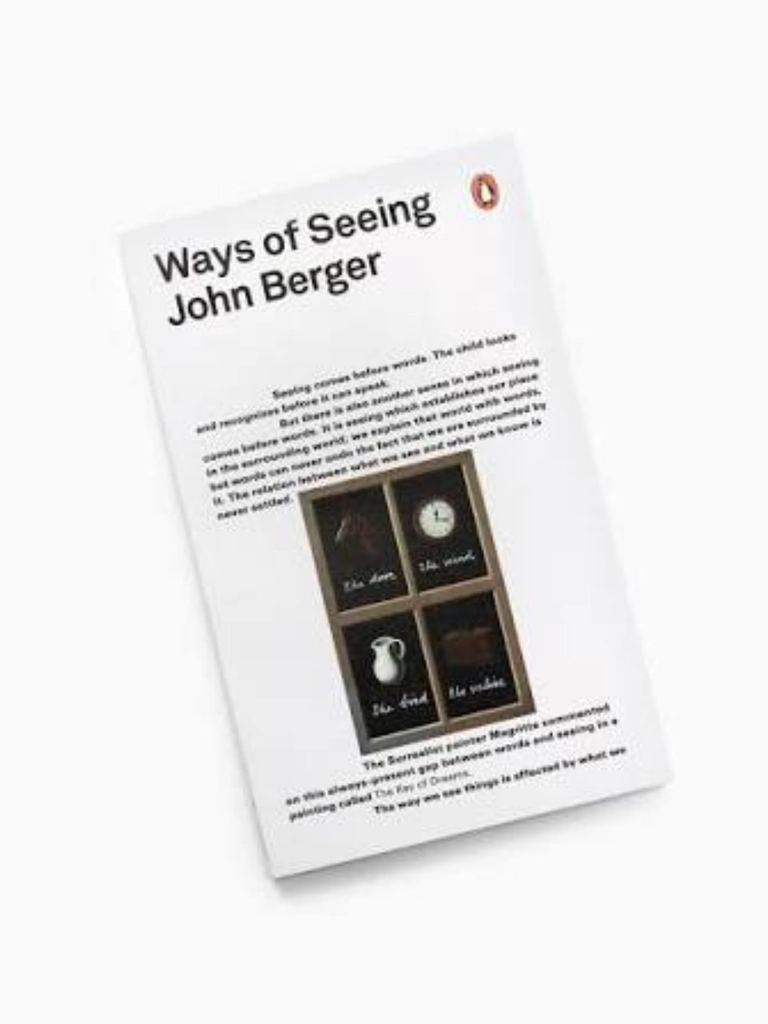
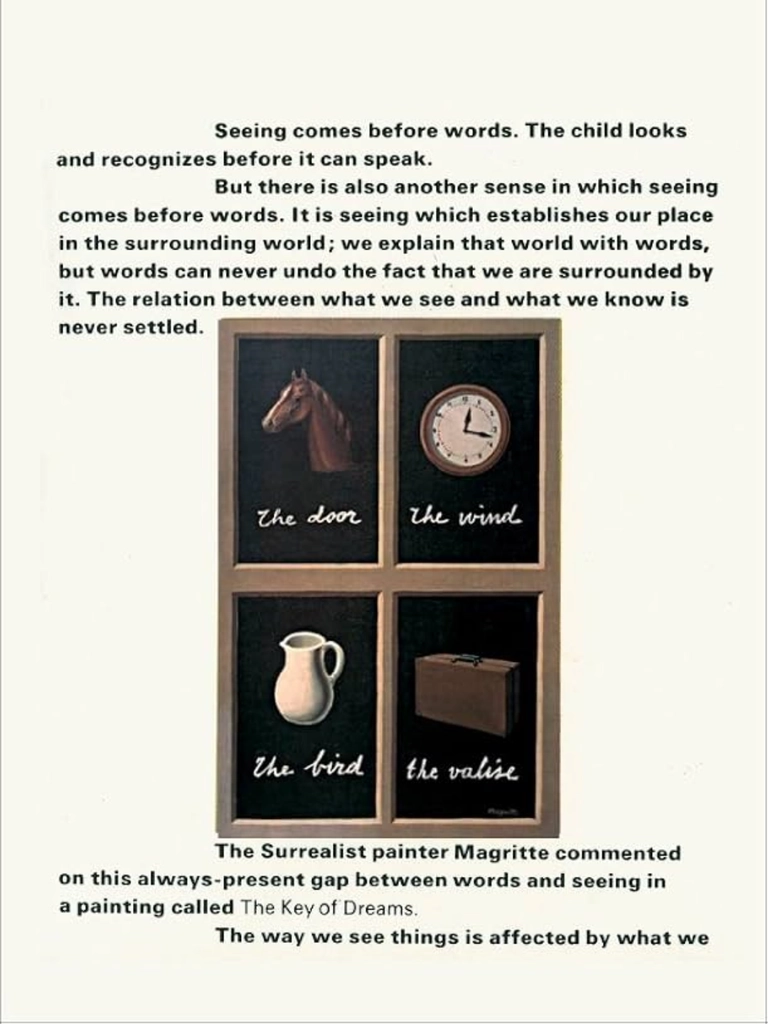
Berger also examines how European oil painting became connected to ownership. Land, valuable objects, textiles, food, animals and even people could be depicted with astonishing material precision. Painting became capable of turning possession into an image of possession.
His discussion of women and spectatorship remains another major point of debate. Berger asks readers to examine how women have historically been represented for viewing and how those conventions influence both the subject and spectator. The book consequently became foundational to later conversations around visual power, gender and representation.
For contemporary readers, Ways of Seeing works as an intellectual toolkit. It encourages questions that can be carried into museums, fashion campaigns, cinema, social media and advertising: Who made this image? Who was expected to see it? What has been excluded? How does its meaning change when it appears somewhere else?
Once those questions become habitual, visual culture becomes much harder to consume passively.
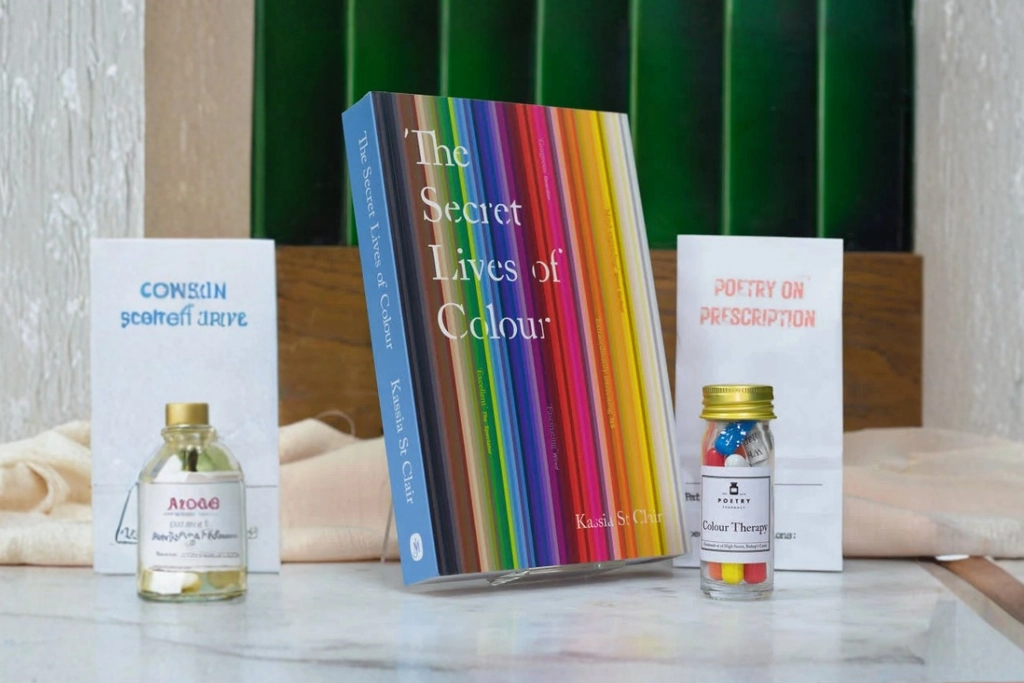
Kassia St. Clair begins where many art-history books stop: with the substance of color itself.
The Secret Lives of Color is organized through 75 shades, dyes and pigments, each receiving its own compact cultural biography. Colors become entry points into chemistry, trade, fashion, technology, politics and occasionally some remarkably strange human decisions.
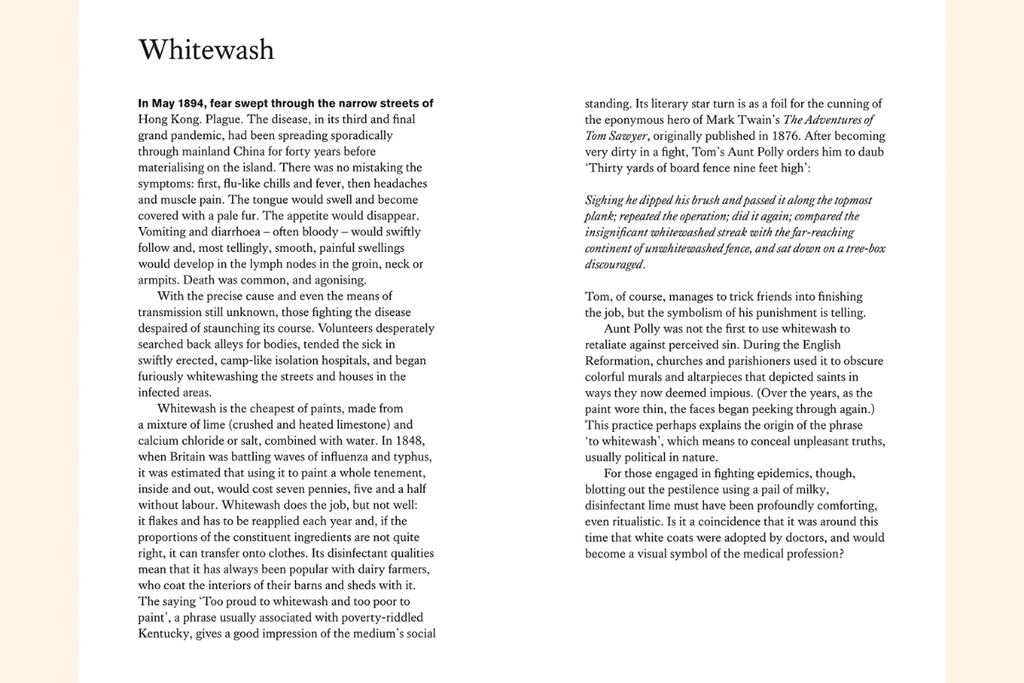
Mummy Brown carries perhaps the most macabre history. The pigment became associated with the use of material derived from Egyptian mummies, placing the nineteenth-century appetite for exotic color within the much darker history of Europe's treatment of ancient remains.
Scheele's Green reveals another side of material progress. Brilliant greens became desirable across decorative culture even while arsenic compounds made certain pigments dangerously toxic.
Indian Yellow carries stories involving trade, artistic technique and disputed accounts of its production. Picasso's Blue leads toward an entirely different territory, where a color becomes connected to an artist's psychological and stylistic period.
These stories demonstrate that art has never existed purely as an aesthetic decision.
Before synthetic chemistry transformed the palette, specific pigments depended on minerals, plants, insects, complicated manufacturing methods and long-distance trade networks. Access determined possibility. A painter's palette was partly an artistic choice and partly the product of economics, geography and technology.
This makes St. Clair's book particularly useful for designers, fashion readers and writers. Color names frequently circulate as abstract trends: cobalt, vermilion, ultramarine, emerald. Their histories reveal substances shaped by craftsmanship, scarcity, discovery and occasionally danger.
It is also the easiest title here to read in fragments. One color can occupy a coffee break; several can become the basis for an entire discussion about material culture.
What Great Paintings Say teaches you to slow down and notice details; 30,000 Years of Art expands your references across cultures and centuries; Ways of Seeing sharpens your awareness of context, power and interpretation; and The Secret Lives of Color reveals how materials, trade, science and history shape what we perceive as beauty. None of them asks you to become an art historian overnight. Their value lies in making you more attentive, more curious and more capable of forming your own judgments. If taste is built through exposure, knowledge and interpretation, these four book club recommendations are a great place to start.