MENU
Close





In 2026, luxury spa treatments are entering a new era where neuroscience, sleep science, and regenerative beauty shape the language of indulgence.
In 2026, luxury spa treatments are entering a new era where neuroscience, sleep science, and regenerative beauty shape the language of indulgence.
March 18, 2026


In 2026, luxury wellness has become one of the clearest places where hospitality, medicine-adjacent technology, and sensory design meet. The wellness economy reached $6.8 trillion in 2024, while wellness tourism expenditures hit $894 billion, and the tone of the market has shifted as well: the new ideal feels less like punishing self-optimization and more like measured recovery, nervous-system regulation, better sleep, and environment-led restoration. That shift explains why the most ambitious luxury resorts, luxury wellness retreats, and next-generation luxury spa treatments now blend diagnostics, thermal bathing, sleep engineering, and atmosphere with the language of neuroscience and longevity.
The most interesting change in the current cycle is that wellness is being packaged less as pure indulgence and more as physiological support. In practical terms, that means the best luxury spa treatments increasingly target a few measurable systems: autonomic balance, inflammation, sleep quality, skin repair, and perceived stress. For luxury resorts, this approach is commercially powerful because it gives guests a clearer story: a treatment is framed as helping the parasympathetic nervous system settle, sleep latency improve, or post-travel recovery accelerate. For luxury wellness retreats, the scientific sheen also helps bridge the gap between traditional spa culture and the rising consumer appetite for metrics, wearables, and personalized protocols.
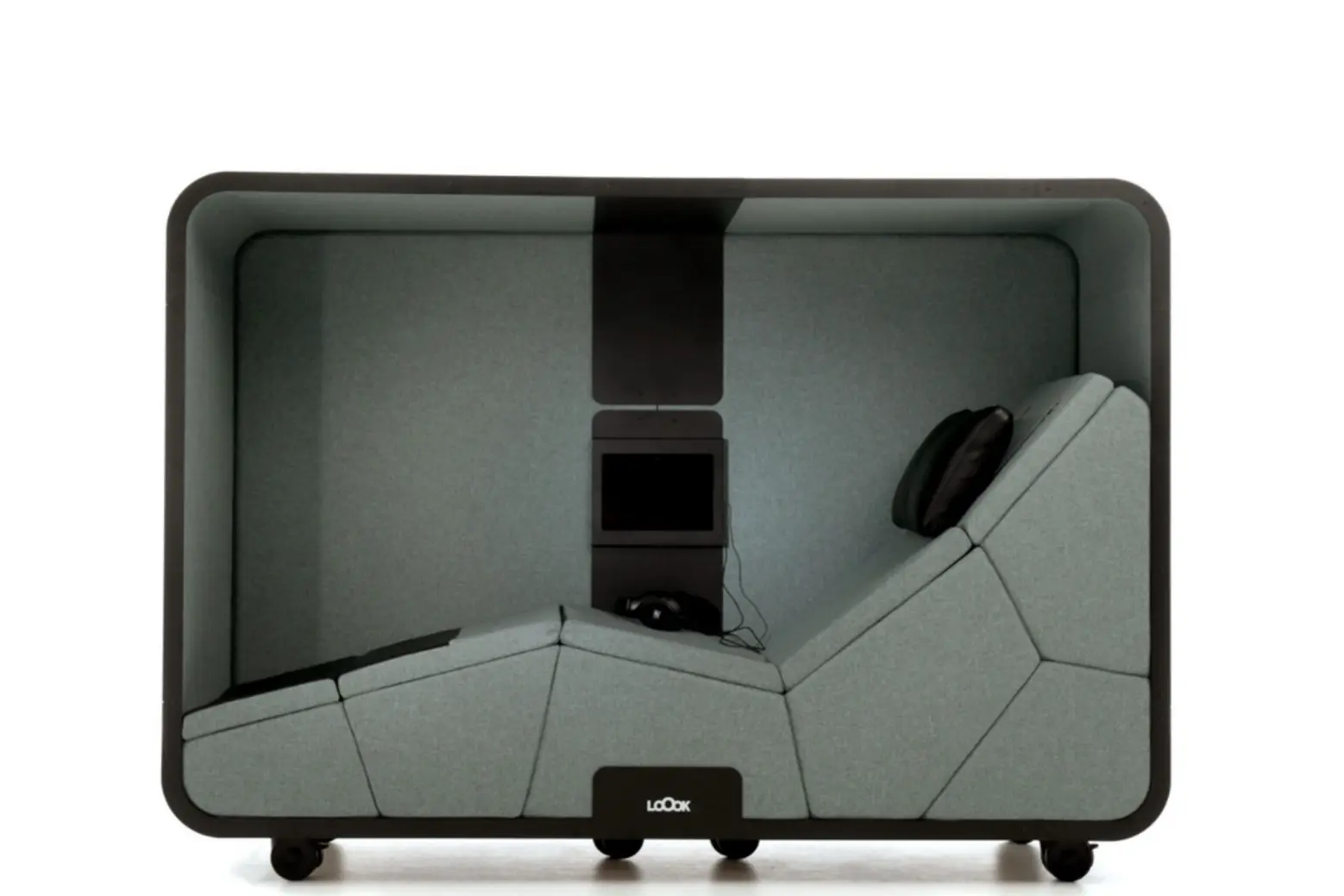
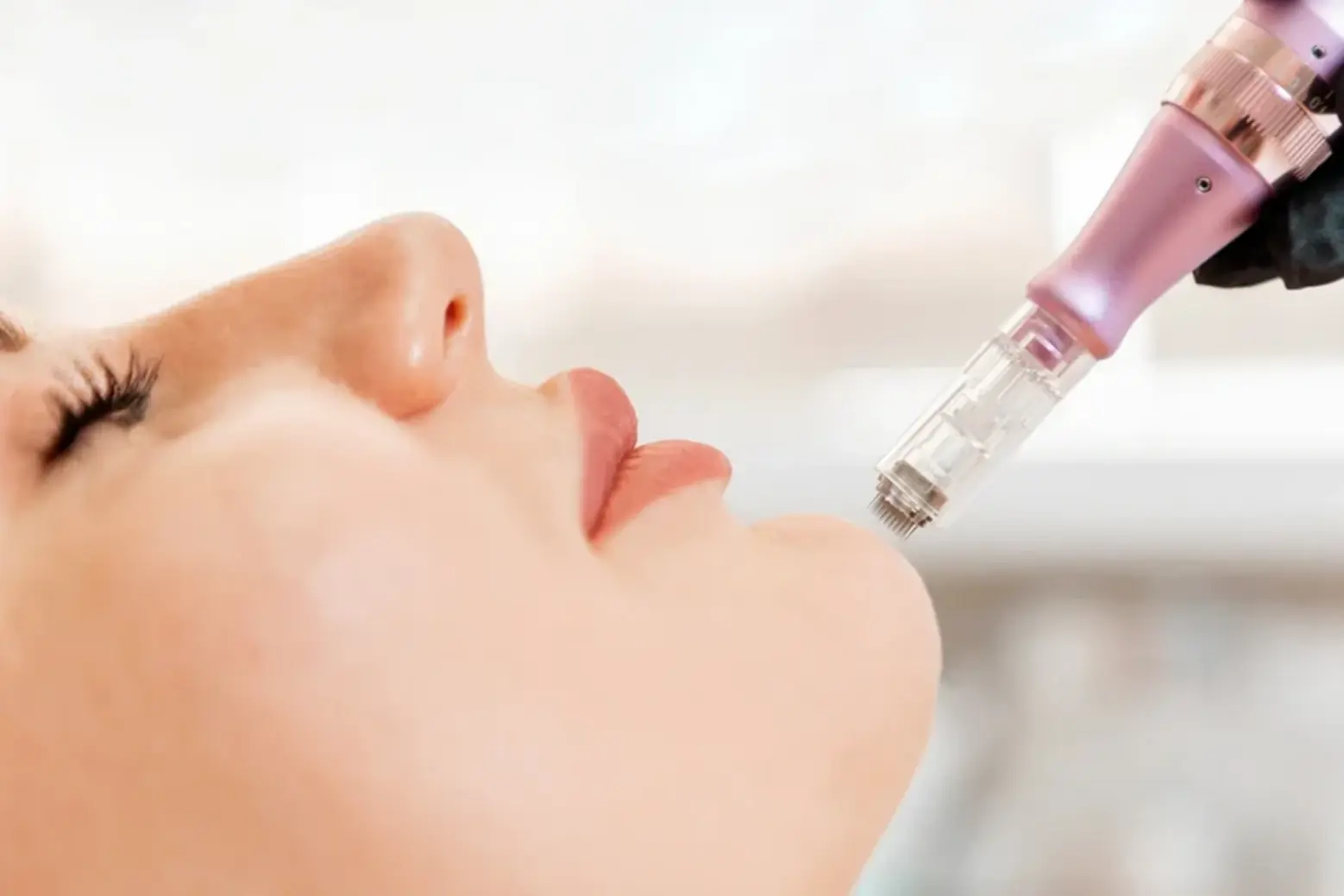
Among the most visible luxury spa treatments in 2026 are neuro-performance pods, NAD+ infusions, magnesium pools, exosome facials, and biometric sleep turndown rituals. Each sits at a different point on the spectrum between strong biological plausibility and early-stage evidence.

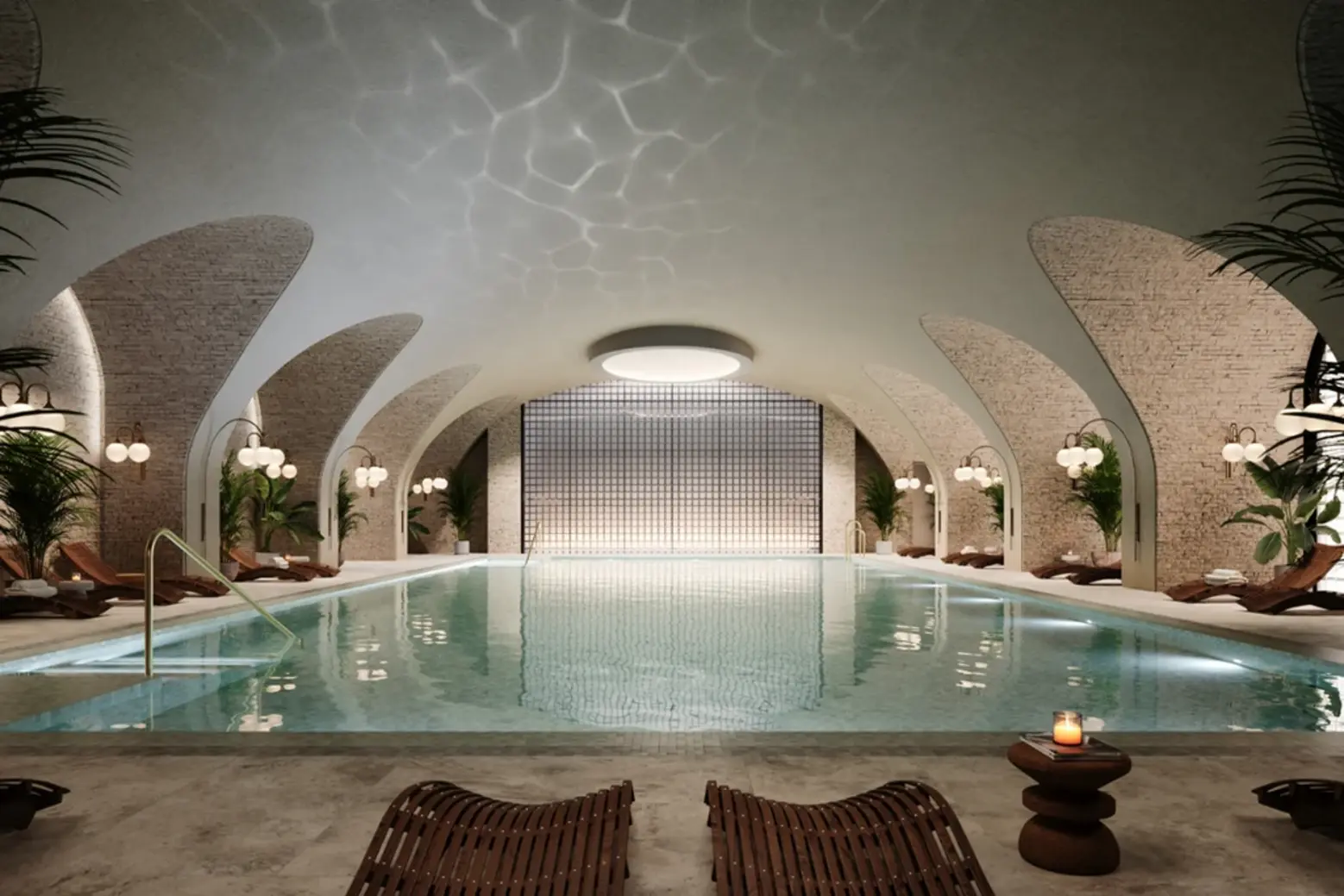
The geography of luxury wellness in 2026 is equally revealing. Six Senses London opened on March 1, 2026, at The Whiteley in Bayswater, bringing London’s first hotel magnesium pool, plus cryotherapy, flotation, recovery spaces, and an Alchemy Bar into one of the year’s most closely watched urban luxury resorts.
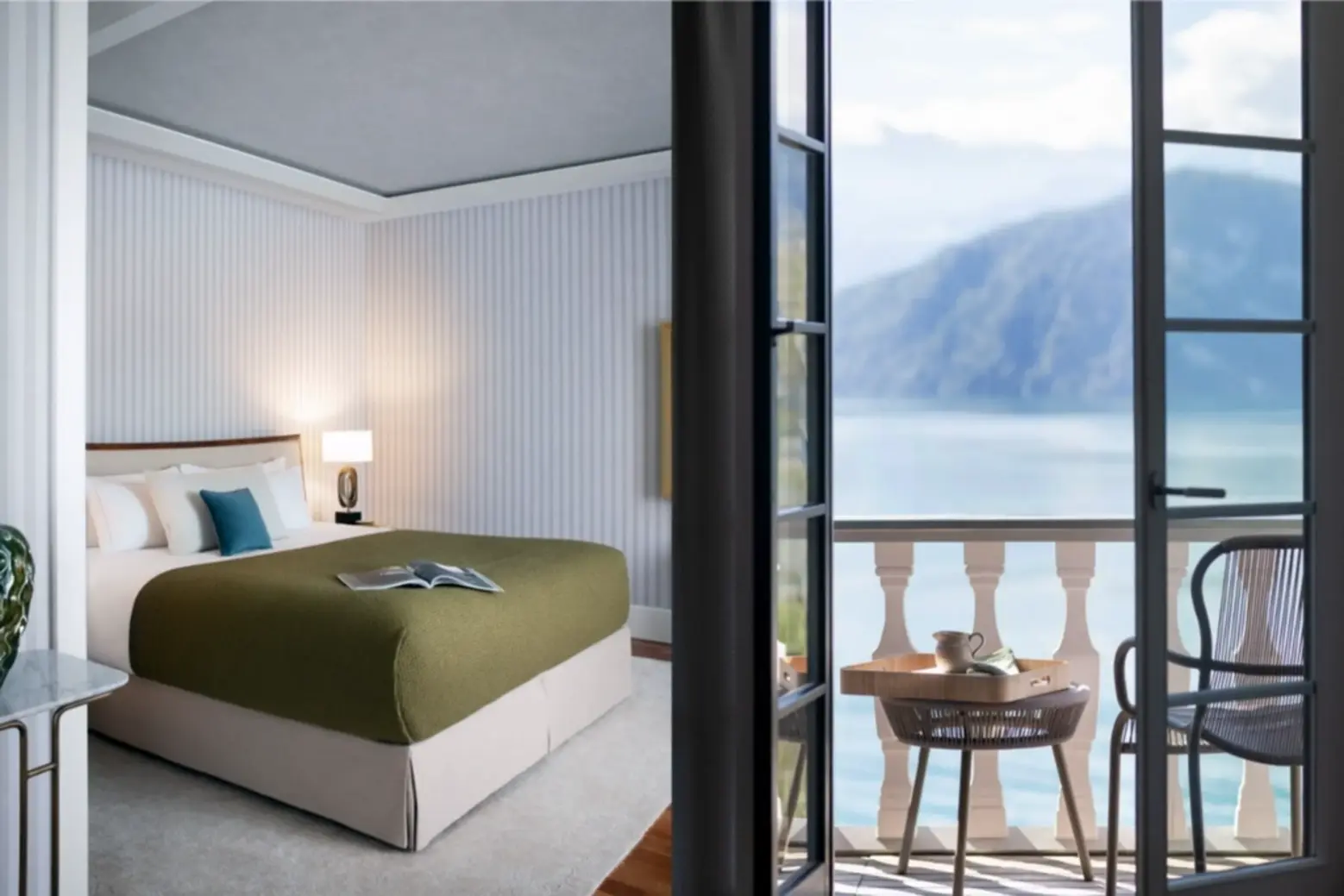
In Rome, Corinthia Rome opened on March 9, 2026, inside a restored former Bank of Italy palazzo, with its spa set within the old bank vault and treatments featuring 111Skin. The Lake Como EDITION, opening in March 2026, extends the same movement in a different register: historic shell, contemporary luxury, and wellness positioned as part of the hotel identity rather than an afterthought.
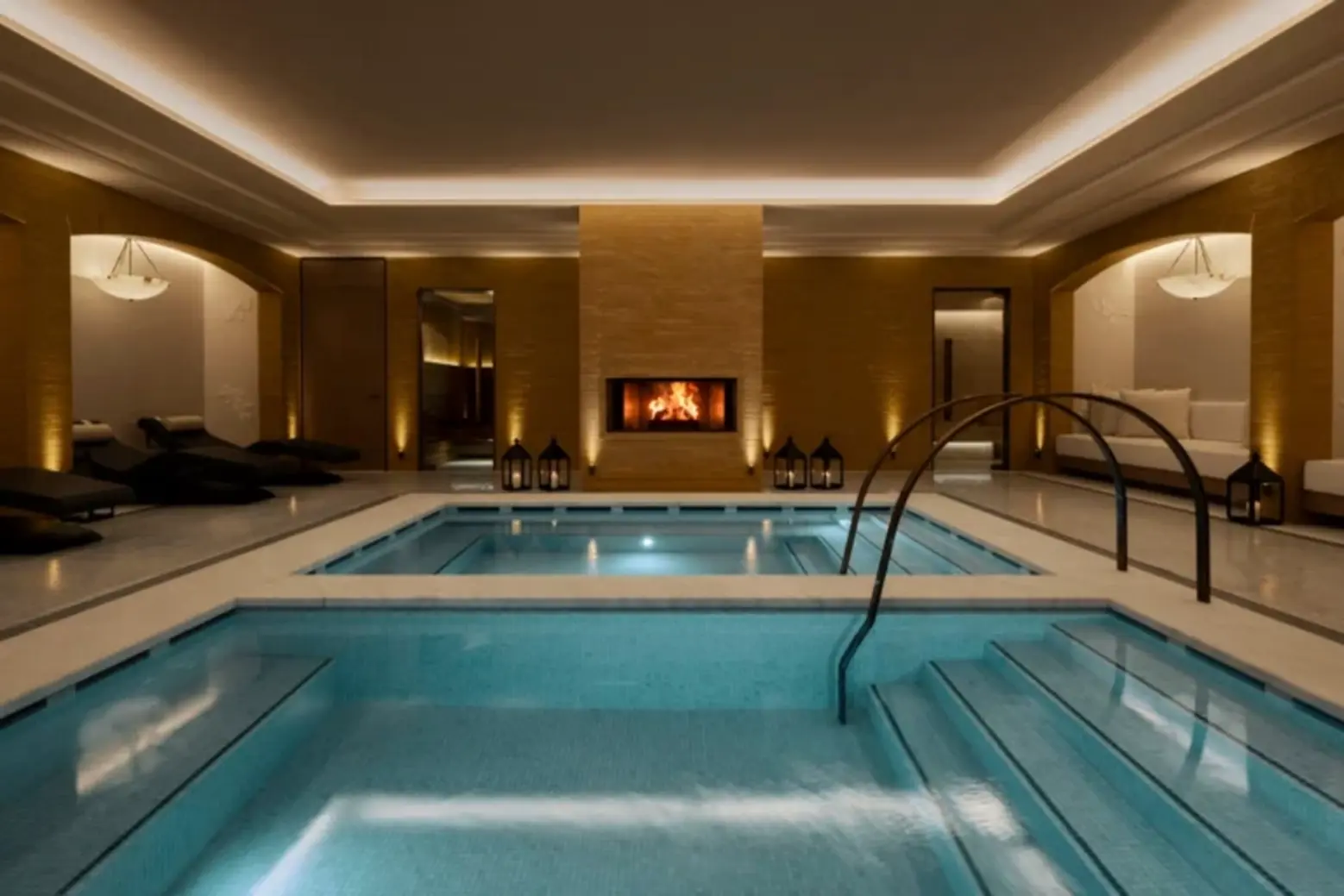
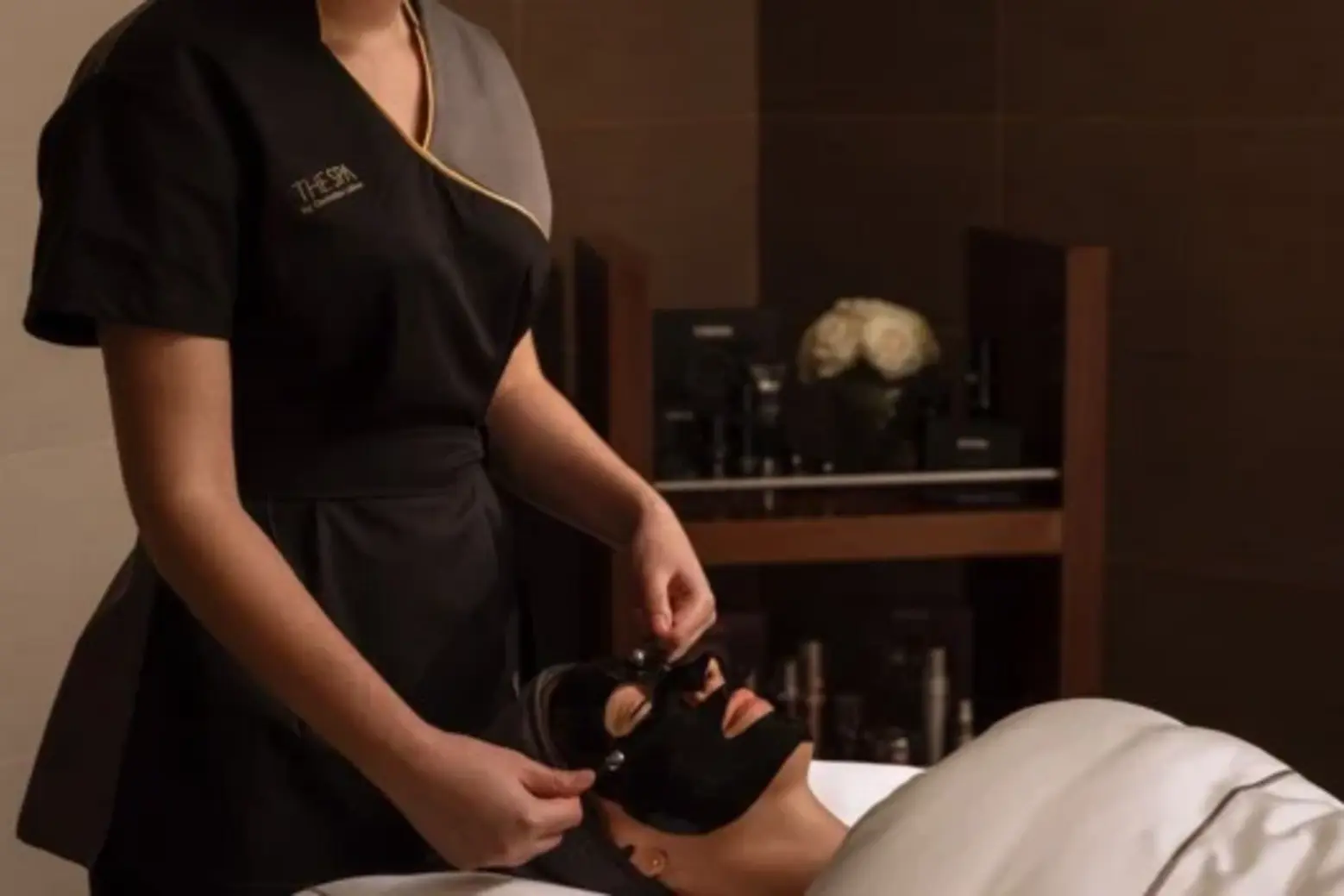
Beyond Europe, the center of gravity keeps expanding. AMAALA on Saudi Arabia’s Red Sea coast is opening in phases as a large-scale coastal wellness destination, with initial resorts, a marina, and a dedicated Wellness Route, while Six Senses AMAALA is also slated for 2026.
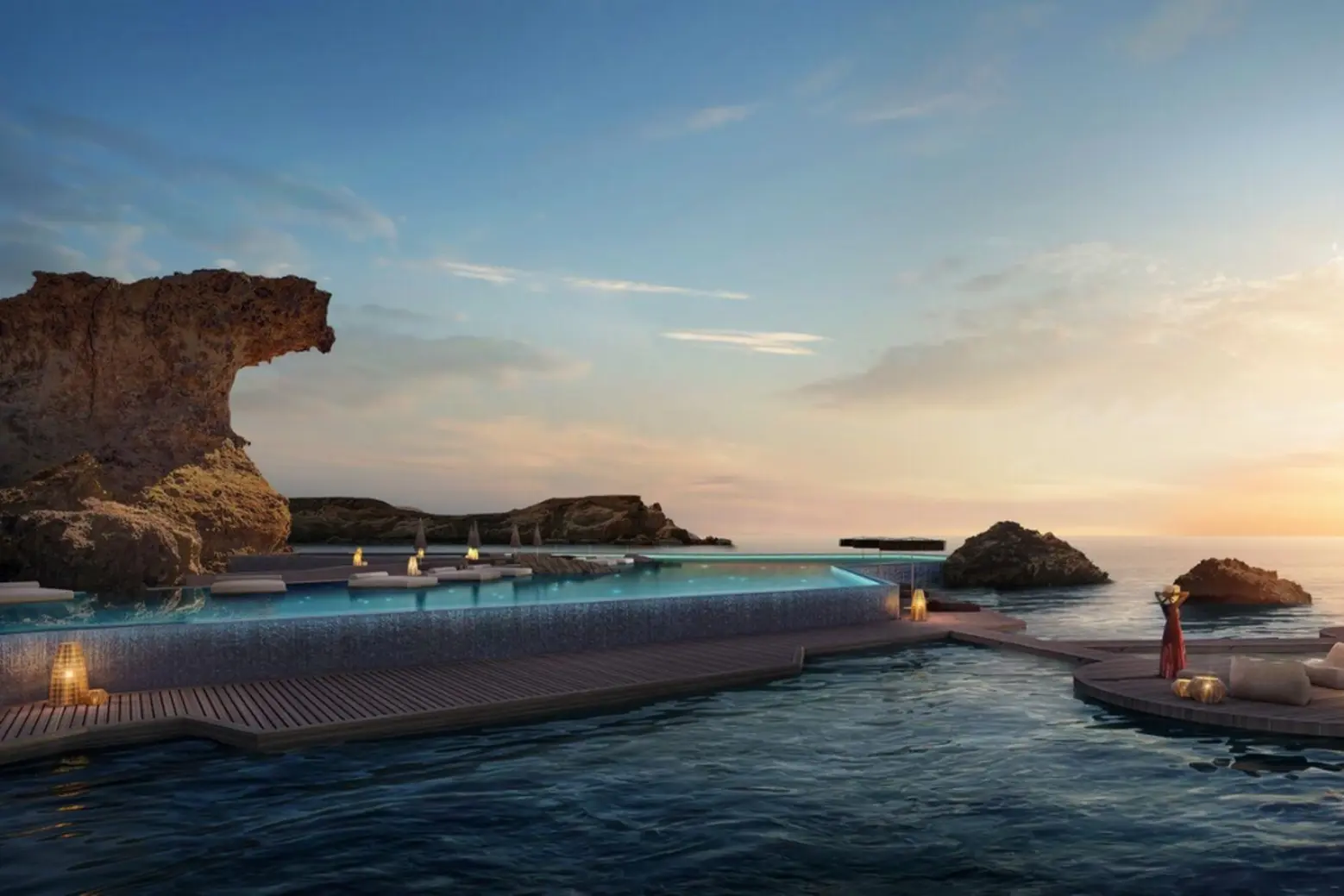
The luxury wellness retreat is an ever-growing scene. Check out these exclusive holistic resorts.
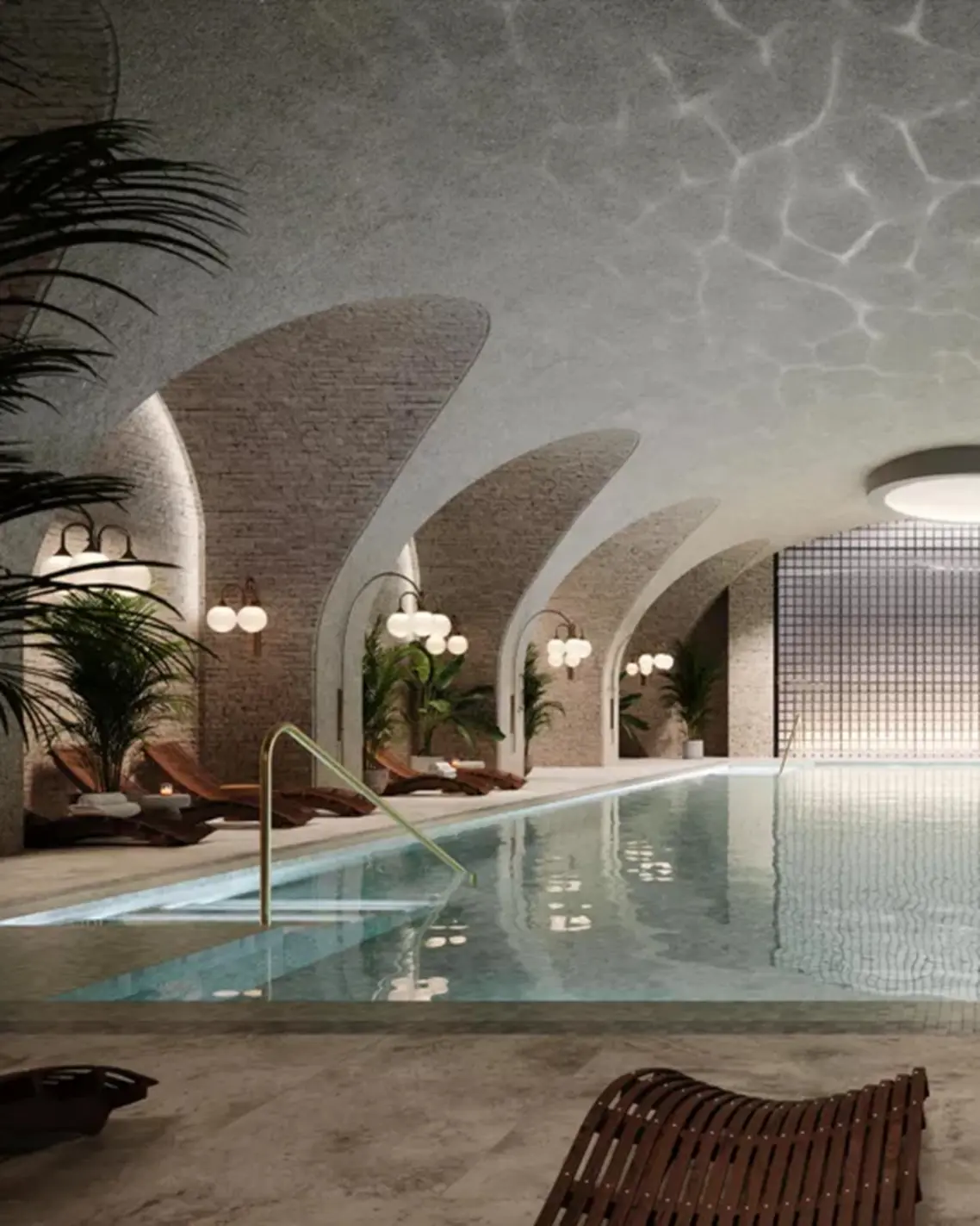
The visual language of wellness has become almost as important as the treatment menu. In 2026, high-end spas are treating water, sound, light, and spatial quiet as therapeutic materials. Trade reporting on spa design points to rising interest in sound-absorbing architecture, natural soundscapes, and cocooned interiors that help regulate sensory load. At the same time, suppliers and designers are experimenting with projected imagery and water choreography to create immersive scenography around hydrotherapy and relaxation. Even digital detox is becoming architectural, with some luxury concepts exploring RF-shielded or signal-muted rooms as a premium form of enforced quiet. For luxury resorts, that means the environment itself becomes one of the most advanced luxury spa treatments on offer.
The deeper meaning of 2026’s wellness boom is that luxury is moving from spectacle toward regulation. The most persuasive luxury spa treatments now promise a calmer nervous system, better skin recovery, deeper sleep, and more intelligent pacing. The most successful luxury resorts are designing wellness into rooms, thermal circuits, and architecture. And the most desirable luxury wellness retreats are learning that credibility matters: guests increasingly want both beauty and evidence, both ritual and data, both fantasy and physiology. In that sense, the future of luxury wellness looks less like escape alone and more like highly designed recovery.