MENU
Close





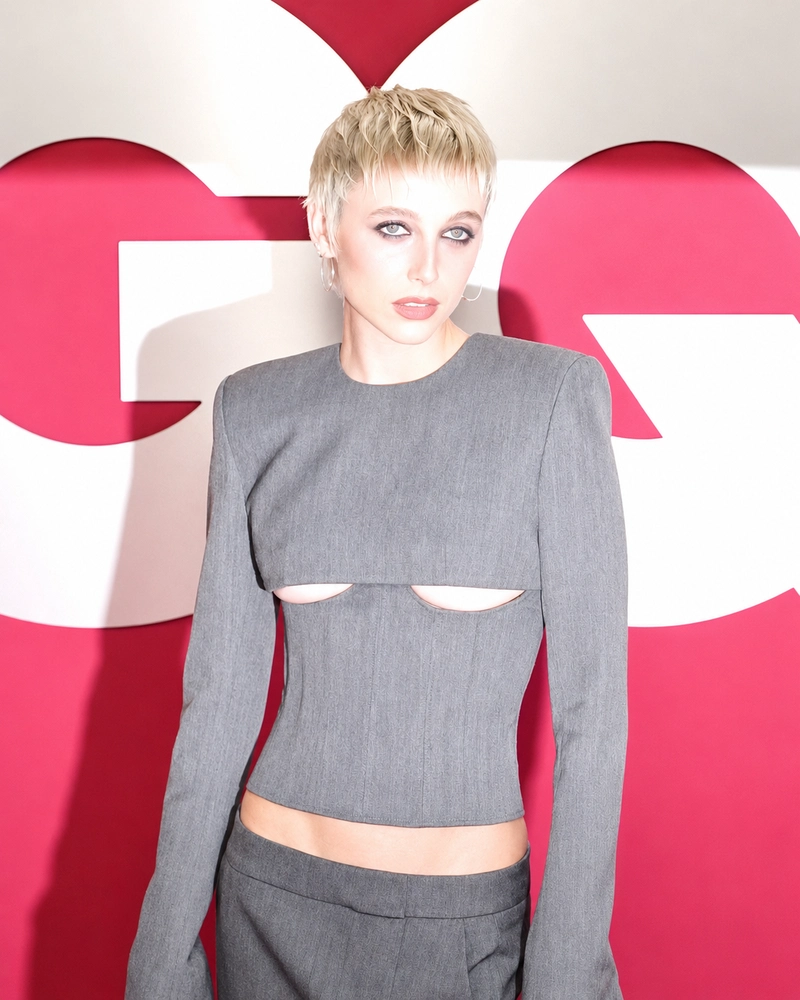
In the age of luxury influencer marketing, can a single creator still be called a guest when their audience arrives with them?
In the age of luxury influencer marketing, can a single creator still be called a guest when their audience arrives with them?
June 15, 2026
Advertisement

Advertisement



For decades, the relationship between luxury fashion houses and their chosen muses was defined by a strict, top-down hierarchy. The brand acted as the ultimate arbiter of taste, bestowing the golden halo of relevance upon actors, musicians, and, eventually, digital creators. The transaction was simple: the house provided the institutional prestige, and the ambassador provided their audience. Yet, as we observe the landscape of 2026, this once-asymmetrical dynamic has fundamentally ruptured and reformed. We are no longer witnessing a simple exchange of goods for visibility. Instead, the influencer economy has matured into a deeply negotiated business system, governed by a new set of rules where cultural fit, community mobilization, and decentralized storytelling hold unprecedented value. This is the new architecture of luxury influencer marketing.
The modern creator is no longer just a human billboard draped in the season’s latest ready-to-wear. They are stakeholders, cultural translators, and architects of vast, mobilized communities.
There was a time, not so long ago, when a creator’s value to a luxury brand could be neatly summarized by a single metric: their follower count. Today, the luxury influencer economy has firmly moved into a performance phase where that number is largely secondary to a creator’s capacity for strategic resonance. We are witnessing the death of the passive broadcast and the rise of the network effect. The true commercial asset for a luxury house now lies in social proof, cultural interpretation, and the immense power of third-party repetition.
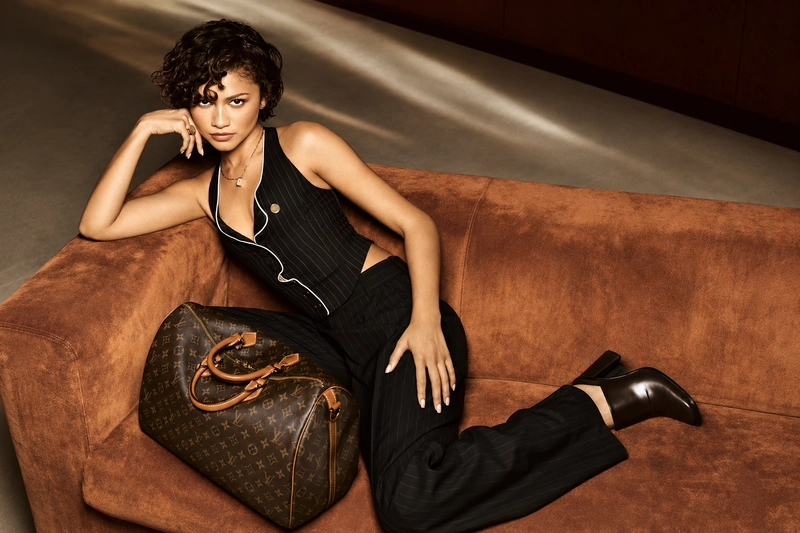
Launchmetrics recently introduced the framework of “Voice Echo,” a sophisticated measurement model designed for modern ambassador marketing. Rather than merely tallying up the likes on a sponsored post, Voice Echo tracks the entire ripple effect of a partnership: direct posts, resulting media coverage, partner content, fan-driven buzz, and the wider cultural conversation it generates. The data reveals a staggering reality. In a recent case study examining Zendaya’s partnership with Louis Vuitton, Launchmetrics reported a colossal $81 million in Media Impact Value (MIV). Yet, the most fascinating detail of this success story is the origin of that value: 97 percent of the MIV was generated through Indirect Echo, while exactly 0 percent originated from Zendaya’s own direct posts.
This statistic perfectly encapsulates the new evaluation angle for luxury influencer marketing. Zendaya did not need to post a meticulously curated, hashtag-laden image to drive value for Louis Vuitton; her mere presence, dressed by the house, acted as a cultural catalyst that mobilized the entire fashion ecosystem to speak on her behalf. This is the zenith of strategic resonance. With the influencer marketing sector having more than tripled since 2020, projected to reach a staggering US$33 billion by the end of 2025, according to Launchmetrics, brands are no longer paying for direct visibility alone. They are investing in the individual capable of activating press, fans, commentary accounts, and cultural discourse around a single, highly curated brand moment.
If we accept that influence is now measured by resonance rather than passive reach, then Fashion Week itself must be recontextualized. It is no longer just an industry trade show or a gathering of elite editors; it has transformed into a high-stakes, live data laboratory. The front row has evolved into a fiercely competitive media marketplace, where the most effective talent generates measurable visibility across varying territories, platforms, and fan systems.
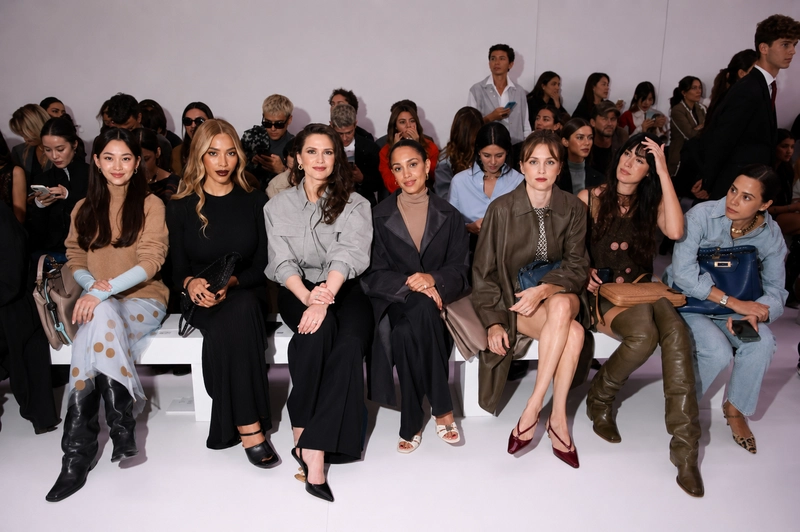
The data emerging from the Spring/Summer 2026 (SS26) and Fall/Winter 2026 (FW26) seasons paints a vivid picture of this new reality. Vogue Business reported that SS26 Fashion Month generated an astonishing $881.2 million in Earned Media Value (EMV), representing a 15 percent increase from the previous Autumn/Winter season. At the center of this explosion was Dior, which led the season with $90.5 million in EMV. However, the geographic and cultural source of this value marks a decisive shift in global fashion power. Nearly half of Dior’s massive EMV total was driven by two rising Thai actresses: Orm Kornnaphat and Lingling Kwong. Orm generated $23.4 million, while Lingling generated $21.5 million.
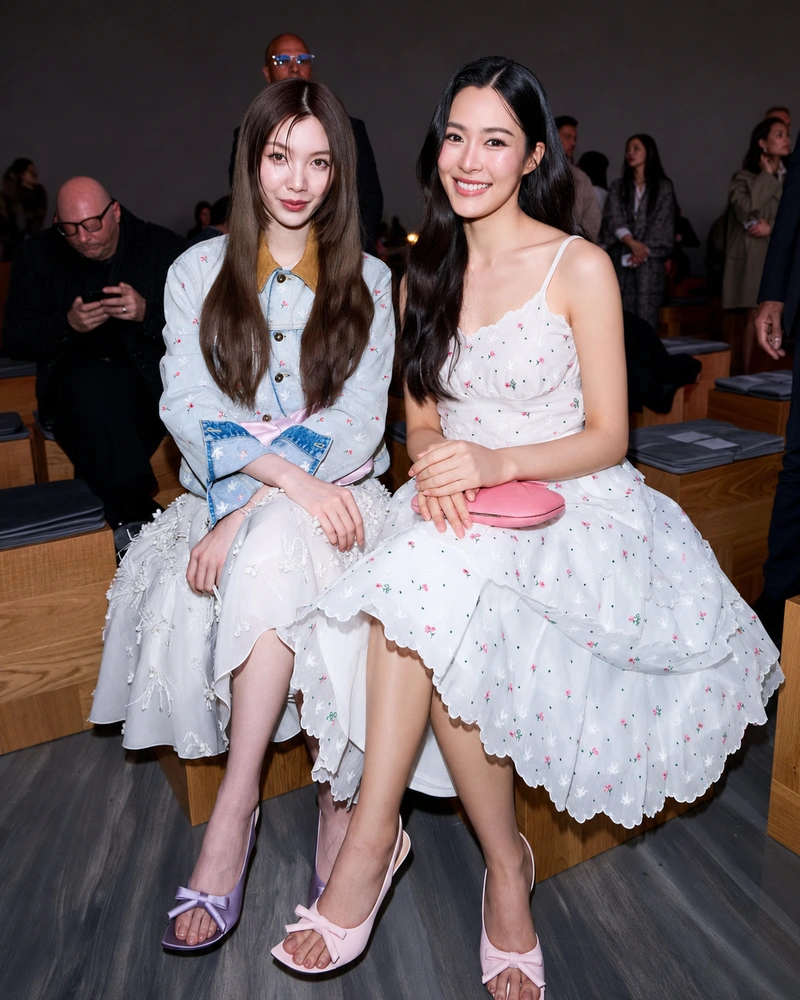
This regional dominance continued into FW26. While the month generated a total of $755 million in EMV, with Paris maintaining its crown at $403.6 million, Dior once again led the charge across major global cities, generating $88 million in Instagram EMV and $51.6 million on Weibo, per Vogue Business. The evaluation angle here is unmistakable: luxury power now operates entirely through global alliance-building. The European heritage brand provides the historical weight, the tailoring, and the symbolic capital. In return, the talent, often sourced from the rapidly expanding APAC entertainment sector, provides the velocity, the volume, and the immediate, passionate regional reach. The front row is no longer just about who looks good sitting next to the CEO; it is about which creator holds the key to the most lucrative, borderless digital territories.
To fully comprehend the sheer volume generated by stars like Lingling Kwong and Orm Kornnaphat, one must look beyond the creators themselves and focus on the engine behind them. The strongest, most commercially viable partnerships in luxury fashion today do not rely merely on a creator’s aesthetic appeal; they depend on highly organized, systemic fan behavior. Specifically, APAC entertainment communities have proven that they can systematically outperform official brand channels in speed, volume, and coordinated digital action.
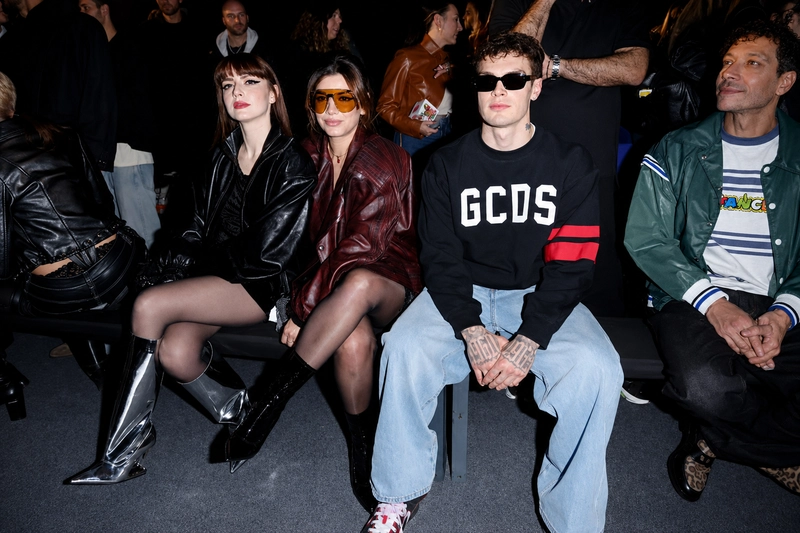
We must begin treating creator power not as a singular phenomenon, but as an infrastructural one. The influencer is the visible node, the face of the operation, but their fan community functions as the actual distribution network. This shift is clearly outlined in Onclusive’s Paris Fashion Week FW26 report, which found that Dior captured an overwhelming 56.05 percent share of voice (SOV) among the 100 brands analyzed. To put this in perspective, Chanel sat at a distant 9.01 percent, and Louis Vuitton at 5.52 percent. The driving force behind this statistical anomaly? The report notes that Lingling Kwong and Orm Kornnaphat together generated more than 50 percent of all celebrity SOV at the Dior show.
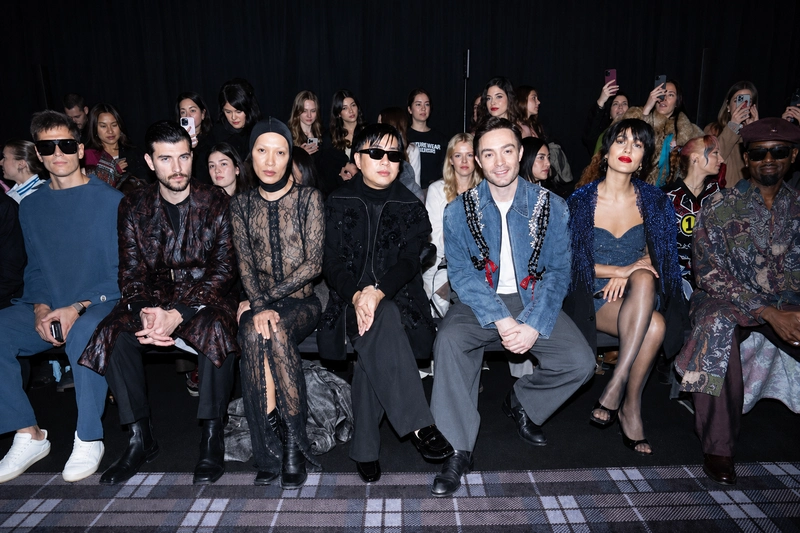
For luxury brands, this radically alters the foundational logic of luxury influencer marketing. The real, tangible asset is no longer the celebrity’s face on a billboard; it is the brand’s access to a mobilized, deeply invested cultural community. Brands are fundamentally choosing to partner with a built-in algorithmic army that can manipulate trending topics and dominate global timelines at will.
As creators have evolved into infrastructural powerhouses, their self-perception, and their willingness to leverage that power, has fundamentally changed. Creators now hold enough cultural authority and audience trust to challenge luxury brands publicly. This represents a significant departure from the historical dynamic where exclusion by a luxury house meant professional exile for a fashion critic or muse. Today, unpaid advocacy, consistent purchasing behavior, and years of community labor create measurable value, and when creators feel that value is disrespected, they are not afraid to leverage their platforms for accountability.
A defining moment in this shift occurred with content creator Neelam Ahooja and the ultra-quiet luxury brand, The Row. Ahooja’s decision to publish an open letter to the brand signals a watershed moment wherein influencers are increasingly willing to voice grievances against the very houses they support. Ahooja, who had spent years cultivating an audience deeply invested in The Row’s aesthetic, utilized her Substack to frame the conflict around creator autonomy versus brand control.
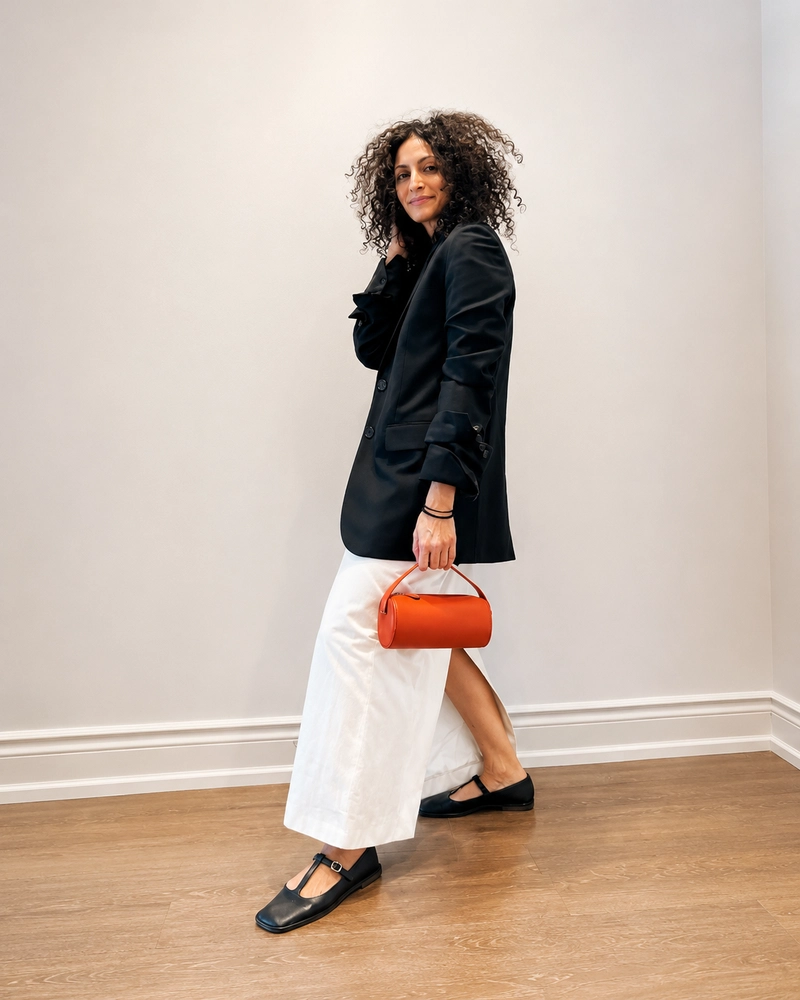
Ahooja claimed that The Row had cancelled a scheduled showroom appointment, objected to her use of affiliate links, and expressed concern over how she discussed the brand online. The Row’s spokesperson offered no comment, adhering to the brand’s famously silent communication strategy. However, in the modern digital economy, silence no longer equals control. Ahooja’s open letter promised her community that her commentary would remain “free and unfiltered,” asserting the value of her long-term, organic advocacy as both a creator and a paying client.
This case study is vital for understanding the modern creator as an active stakeholder within luxury influencer marketing. It demonstrates how unpaid influence, born from genuine passion, can seamlessly transform into a potent source of bargaining power. Ahooja had contributed taste leadership, product education, and buyer confidence to her audience, all of which translated to immense value for the brand. The evaluation angle here is clear: the balance of power has become intrinsically relational. While luxury brands still hold the power to curate physical access, creators hold the ultimate power to shape the public’s interpretation of that access. A brand can close its showroom doors, but the creator owns the digital printing press outside of it.
Faced with this increasingly vocal and empowered class of creators, luxury houses have had to adapt their communication strategies. The cold, highly polished global broadcast is no longer sufficient to court the modern influencer. Instead, we are witnessing a pivot toward "managed intimacy." Luxury houses are adopting private, creator-facing communication tools because they recognize that modern influence depends heavily on perceived intimacy, exclusive access, and shareable insider signals.
According to Vogue Business, major luxury players including Louis Vuitton, Bally, Maison Margiela, and Dior have completely integrated direct messages (DMs) and Instagram’s "Close Friends" stories into their influencer relations. Instead of a formal press release, fashion voices and key creators are receiving previews, show locations, and selective access through platforms historically reserved for personal, private conversation. Jonathan Anderson, a designer known for his acute understanding of modern digital culture, described Dior’s Close Friends strategy as a method to speak to the community in a profoundly personal way, offering selected voices a highly exclusive look into the brand's inner workings.
Vogue Business noted that viewers on Dior’s Close Friends list were treated to product sneak peeks and intimate show information. But the true genius of this strategy lies in its secondary effect. As the article points out, creators rarely keep these private exchanges private. The goal of placing a creator on a "Close Friends" list is the anticipation that the creator will immediately screenshot the interaction and share it publicly with their audience. It generates organic, highly coveted buzz derived directly from a personalized brand touchpoint.
This is the brilliant redesign of luxury exclusivity for the social media age. By utilizing DMs and private story features, brands are manufacturing a sense of elite inner-circle access. Private access is willfully handed over with the implicit understanding that it will become public content. Consequently, creator intimacy becomes a highly scalable communication asset. The new balance of power sits squarely in this concept of controlled openness: the brands meticulously design the parameters of access, the creators translate that access into cultural currency, and the audiences ultimately validate the entire exchange through their engagement.
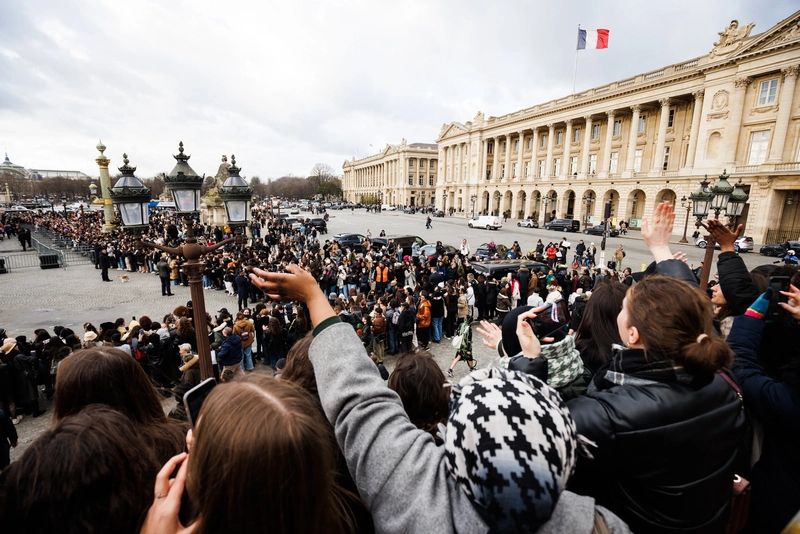
The conclusion is unavoidable: the era of the passive ambassador is over. The relationship between luxury fashion brands and influencers has matured into a complex, highly negotiated business system. The hierarchy has flattened, replaced by a web of mutual reliance. This new balance of power represents a beautiful, if occasionally tense, symbiosis. Luxury brands desperately need creators to translate their historic codes into living, breathing culture. Conversely, creators need the heritage houses to serve as ultimate symbols of authority, taste, and aspiration. It is a new era of luxury influencer marketing, one where power is no longer simply dictated from the runway, but negotiated, shared, and echoed across the digital globe.
Advertisement