Across ancient streets, churches and repurposed cultural spaces, Les Rencontres d’Arles turns an entire French city into a restless visual archive. This defining art exhibition 2026 asks how photographs preserve history, conceal absences and teach each generation to see the world anew.
Across ancient streets, churches and repurposed cultural spaces, Les Rencontres d’Arles turns an entire French city into a restless visual archive. This defining art exhibition 2026 asks how photographs preserve history, conceal absences and teach each generation to see the world anew.
July 6, 2026


Arles has always known how to make history visible. This summer, its historic architecture becomes a sequence of frames for images questioning whose stories survive, whose disappear and how photography continues to rewrite the world.
Running from July 6 to October 4, the 57th Les Rencontres d’Arles unfolds under the title Worlds in View. Directed by Christoph Wiesner alongside deputy director Aurélie de Lanlay, the festival gathers narratives rooted in Africa, the Mediterranean and wider global histories, moving between archives, major retrospectives and emerging practices. Rather than presenting photography as a frozen record, this art exhibition 2026 treats the medium as an active force capable of reopening memory and shifting perspective.
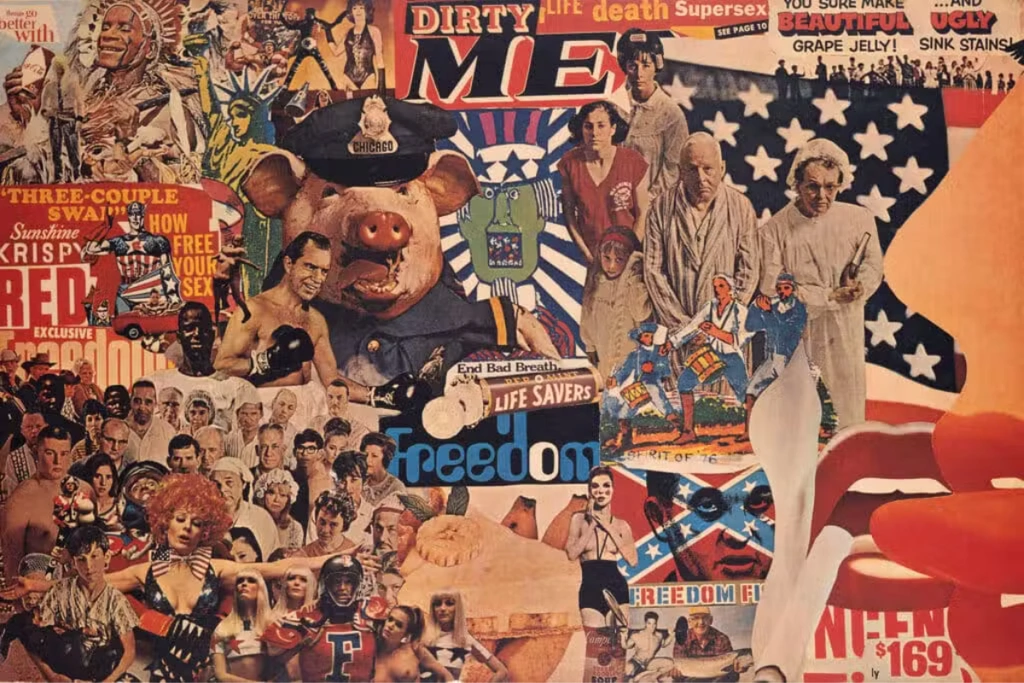
William Klein receives a centenary tribute returning to his restless collision of street photography, graphic design and cinema. His images rarely observe urban life from a polite distance; they enter its noise, speed and social friction. Elsewhere, Ghana! Dreaming Independence 1957–1976 examines the visual optimism and complexity surrounding the country’s first post-independence decades through books, print culture and contemporary responses.
Paul Kodjo: Photoromance introduces a wider audience to the Ivorian photographer who transformed 1970s Abidjan into sequences of popular storytelling. Photography, prose and cinematic framing converge, giving nightlife, fashion and urban society the drama of film. Sammy Baloji’s Landscape Lens: A Katangese Crossing brings colonial histories and personal archives into a layered meditation on Katanga and its extractive past.
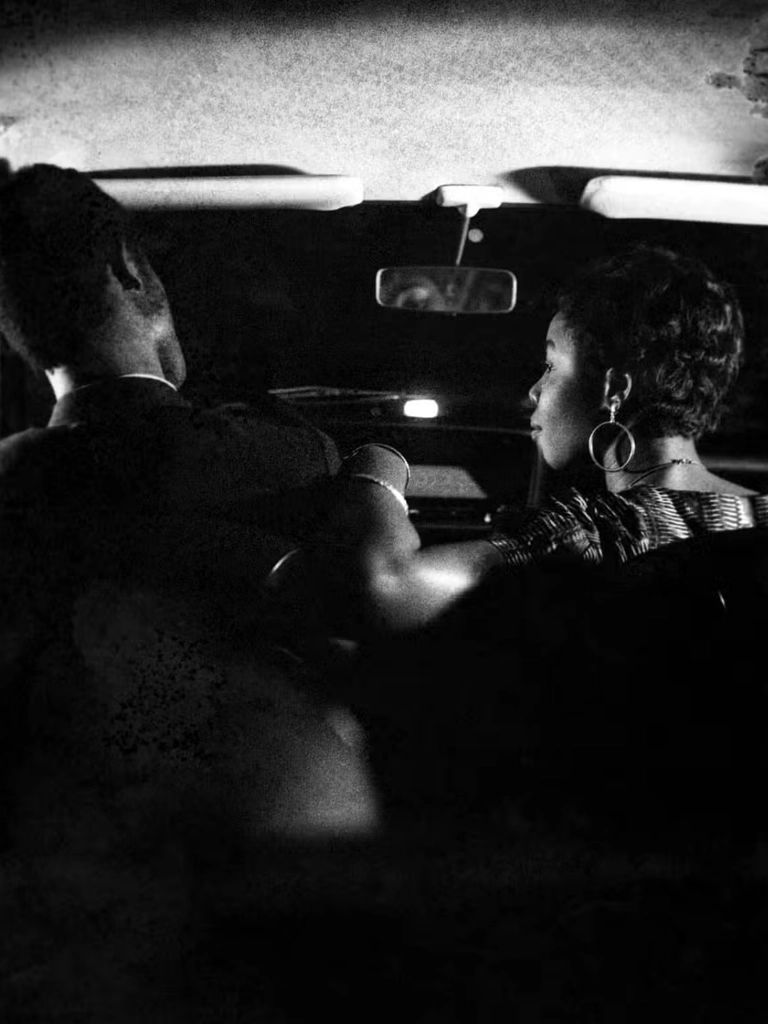
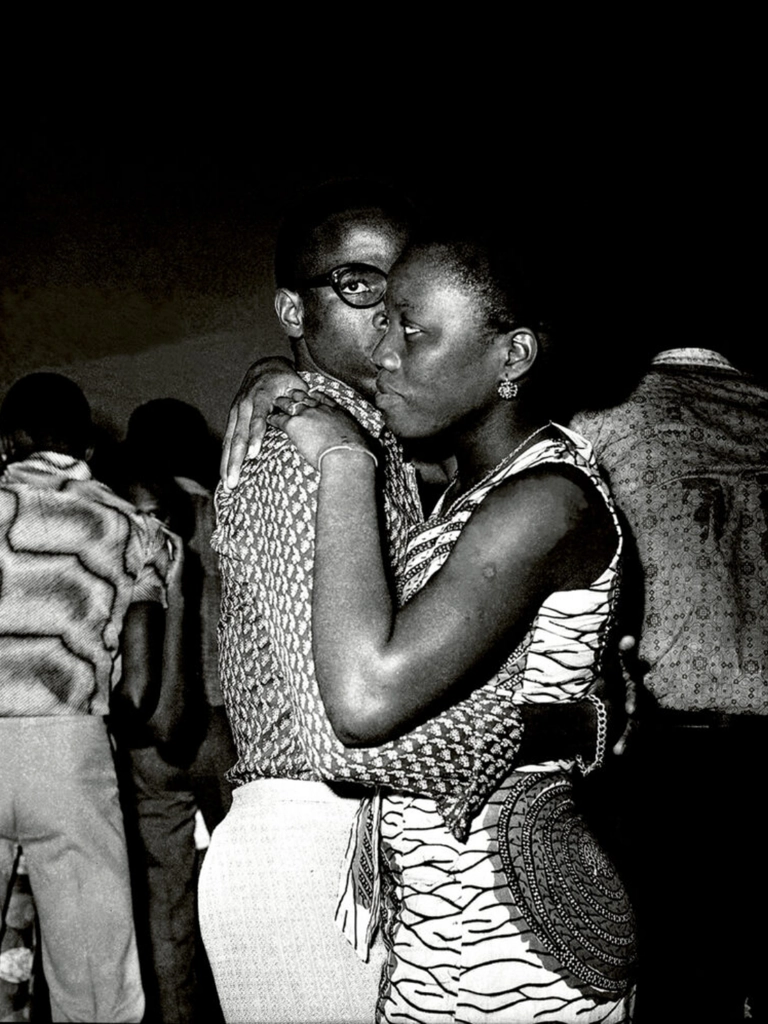
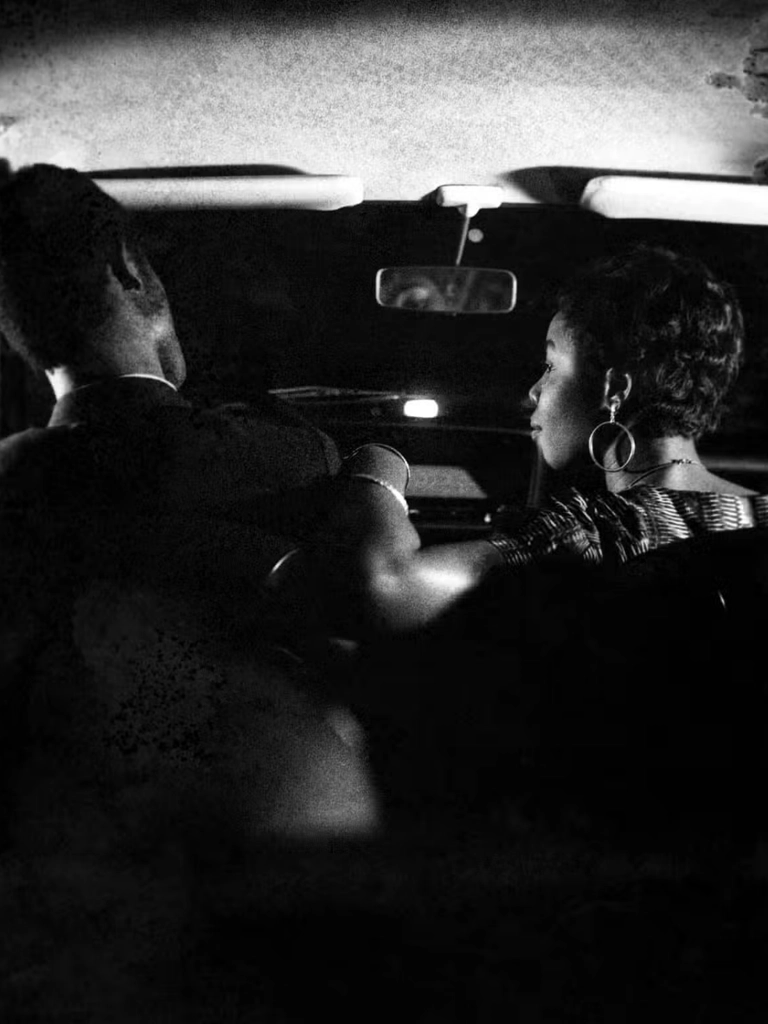
Other exhibitions widen the programme’s emotional register. Ming Smith’s Wandering Light moves through decades of work shaped by blur, movement, colour and the experience of seeing Europe as a Black American woman. Flower Power turns towards plants surviving pollution, extractivism and damaged landscapes, replacing sentimental botanical imagery with a more unsettled vision of the living world.
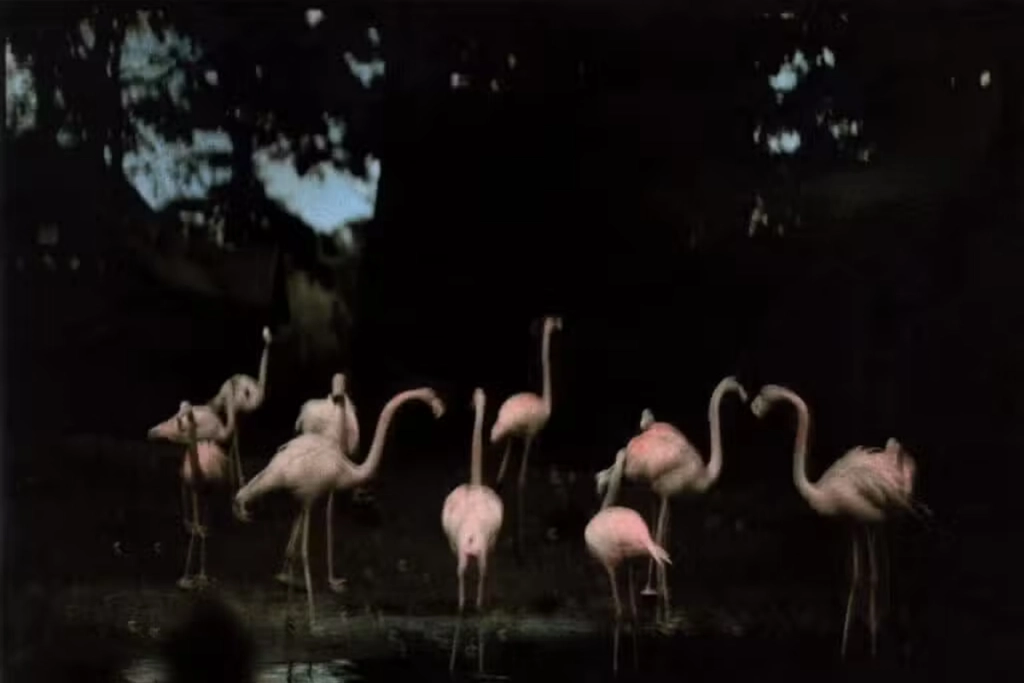
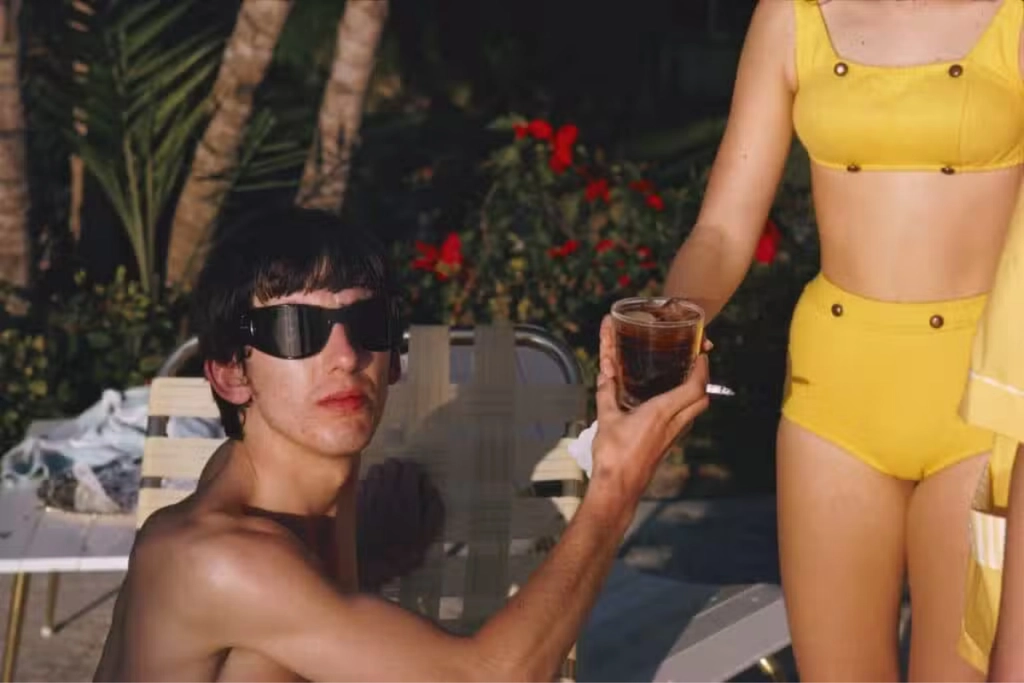
The wider regional programme reaches Aix-en-Provence, where Paul McCartney’s 1963–64: Eyes of the Storm presents photographs made as the Beatles crossed into global fame. Captured from inside the phenomenon, the images carry an intimacy unavailable to the watching crowd.
Arles itself remains the festival’s most persuasive curatorial gesture. This art exhibition 2026 ultimately asks visitors to look twice: first at the photograph, then at the history that taught them how to see it.