MENU
Close





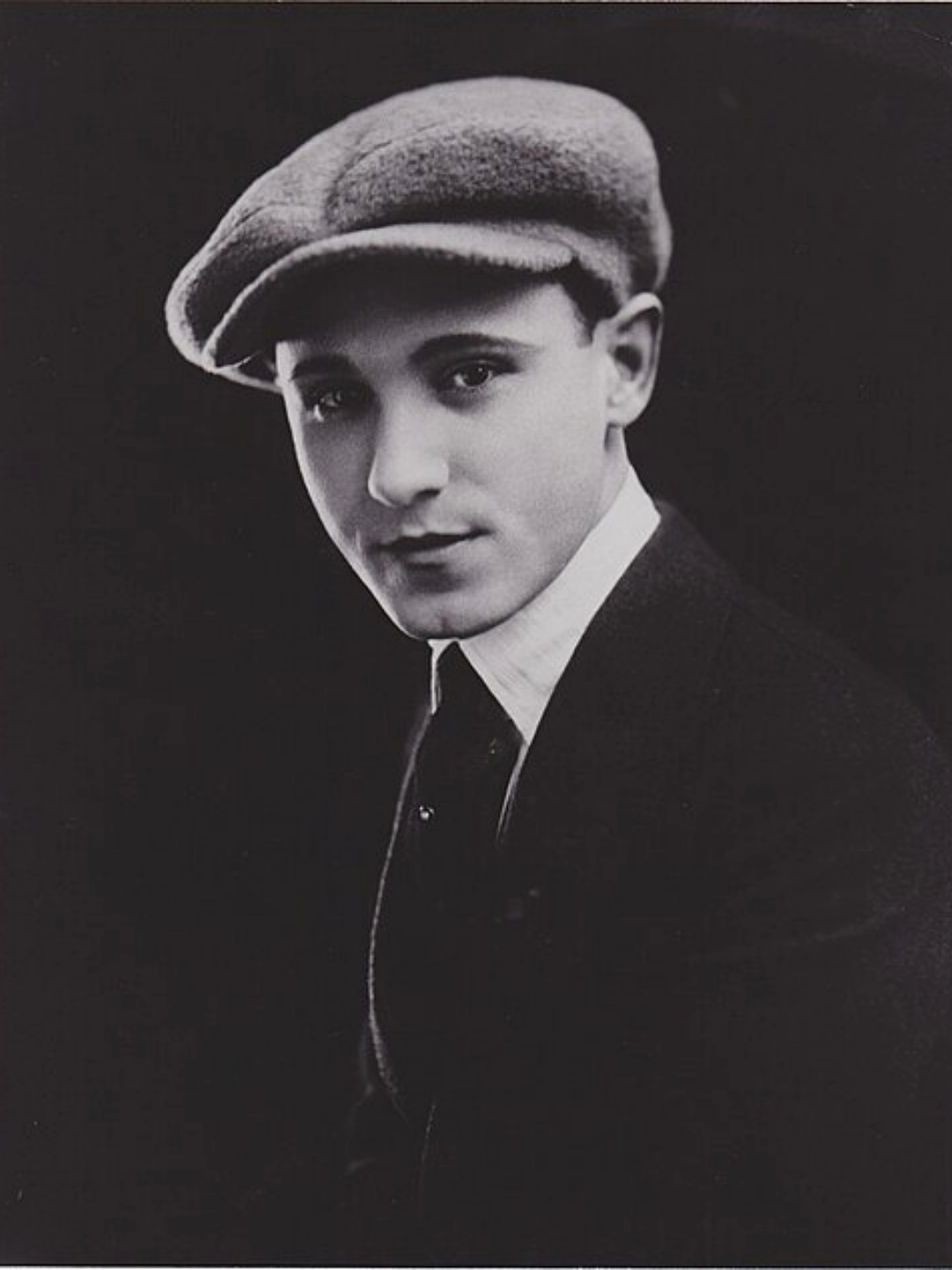
On June 8, 1979, Norman Hartnell died in Windsor, closing the life of the royal couturier whose embroidery, ceremony, and theatrical polish helped dress some of the most enduring images in British fashion history.
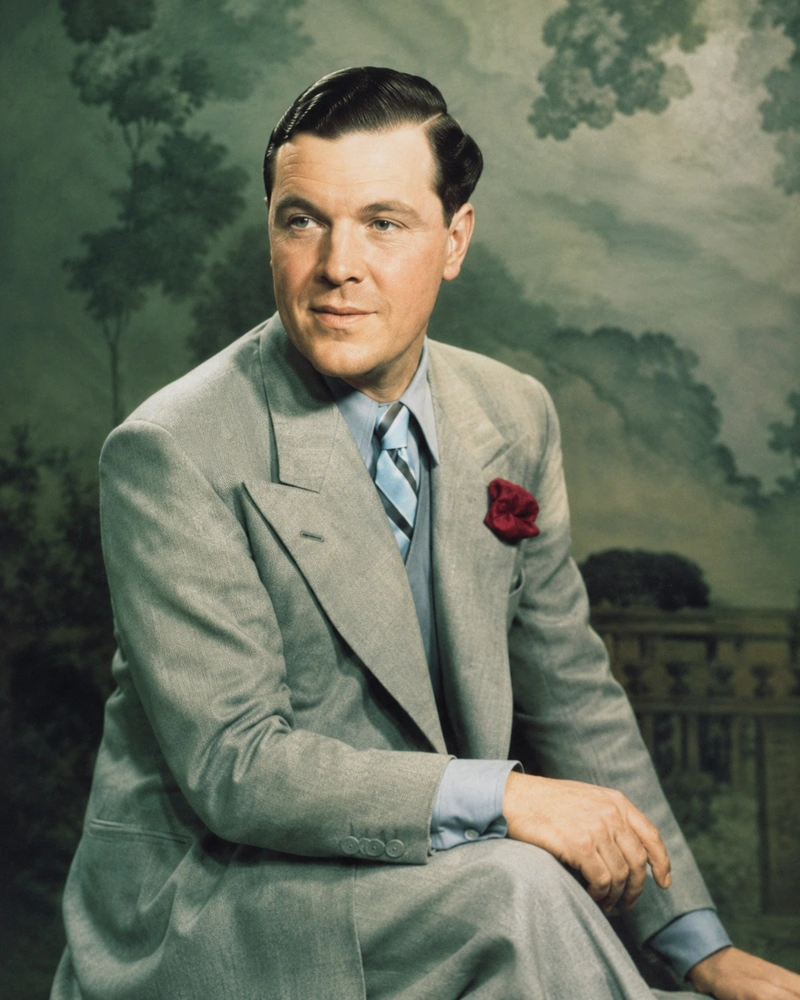
On June 8, 1979, Norman Hartnell died in Windsor, closing the life of the royal couturier whose embroidery, ceremony, and theatrical polish helped dress some of the most enduring images in British fashion history.
June 8, 2026


His name still carries a particular brightness because his work sat at the meeting point of couture, ceremony, and national imagination. Hartnell did not simply make beautiful clothes. He made garments for entrances, for portraits, for state occasions, for the exact kind of moments that ask fashion to hold memory in place.
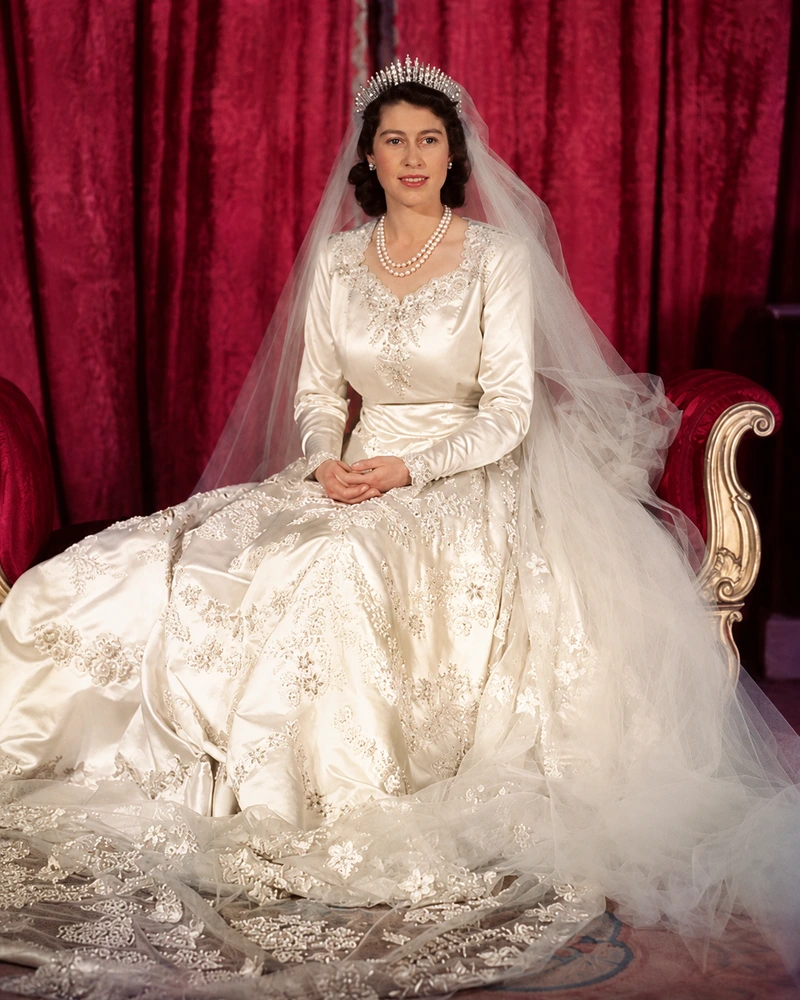
What keeps Norman Hartnell so central to fashion history is the scale of his royal legacy. He designed Princess Elizabeth’s wedding dress in 1947 and Queen Elizabeth II’s Coronation dress in 1953, two garments that remain among the clearest visual symbols of modern British monarchy. Those commissions did not arrive by accident. Hartnell had already become dressmaker to Queen Elizabeth, later the Queen Mother, in 1940, and he would later hold a Royal Warrant as dressmaker to Queen Elizabeth II as well.
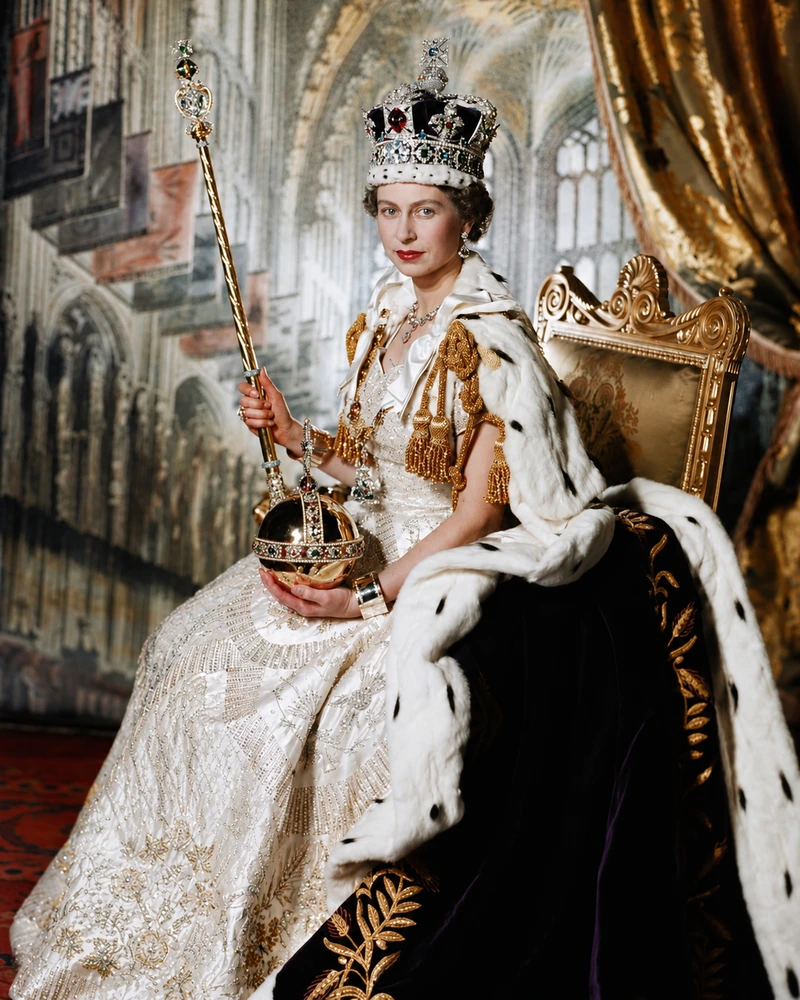
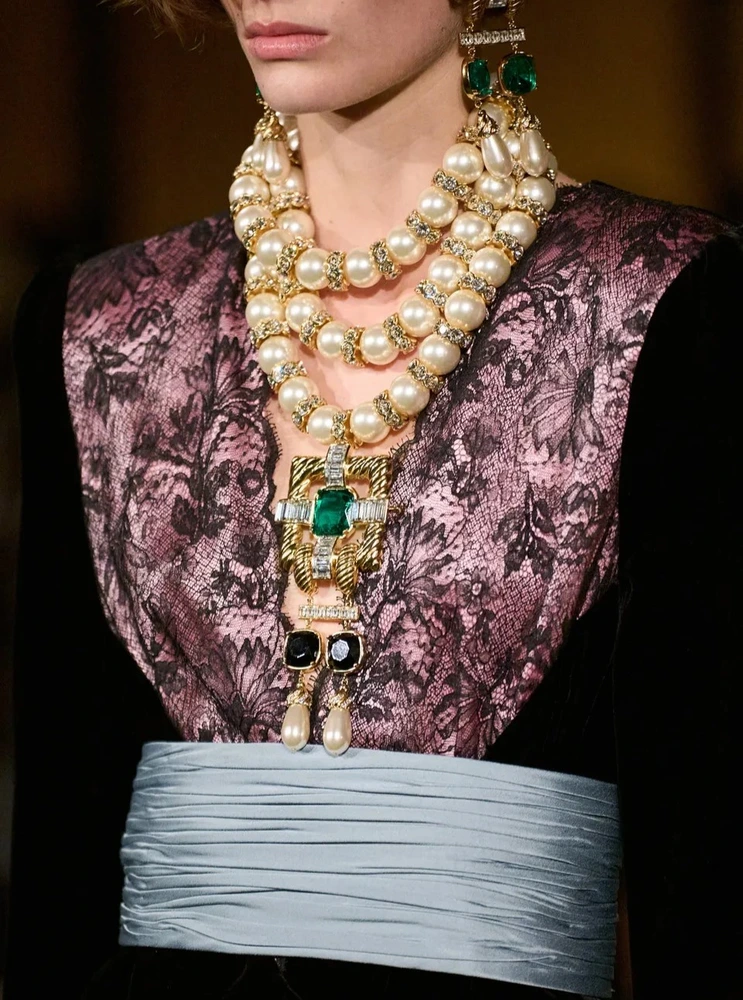
Yet the force of his work reaches beyond royal association. Hartnell built a couture language of lavish embroidery, disciplined construction, and full theatrical flourish, giving British fashion a grandeur that could rival Paris while still feeling unmistakably its own. His atelier became known for intricate surface work on an extraordinary scale, and his designs gave aristocratic dress, society weddings, and court presentation a kind of radiance that felt both ceremonial and deeply modern for its time.
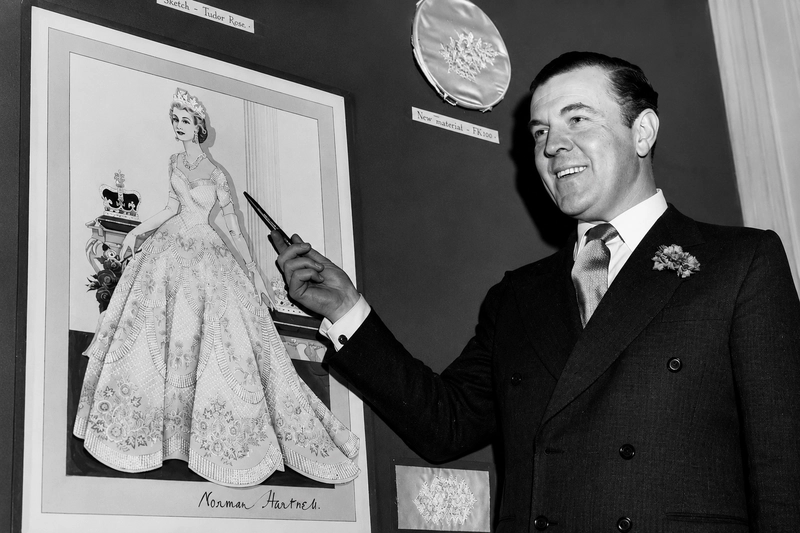
There was also a very specific intelligence in the way Norman Hartnell handled glamour. Hartnell understood that splendor depends on control. Beneath the beading, silk, and brilliance sat rigorous structure, balance, and line. That is why his clothes endure so strongly in the imagination: they were never only decorative. They were engineered for impact. They knew how to move through a doorway, how to catch light, how to register on camera, how to transform a public figure into an event.