MENU
Close





The DR Congo leopard suit arrives like a roar held in the chest for fifty-two years, elegant enough to seduce the world and proud enough to answer history with bravery.
The DR Congo leopard suit arrives like a roar held in the chest for fifty-two years, elegant enough to seduce the world and proud enough to answer history with bravery.
June 22, 2026
Advertisement

Advertisement



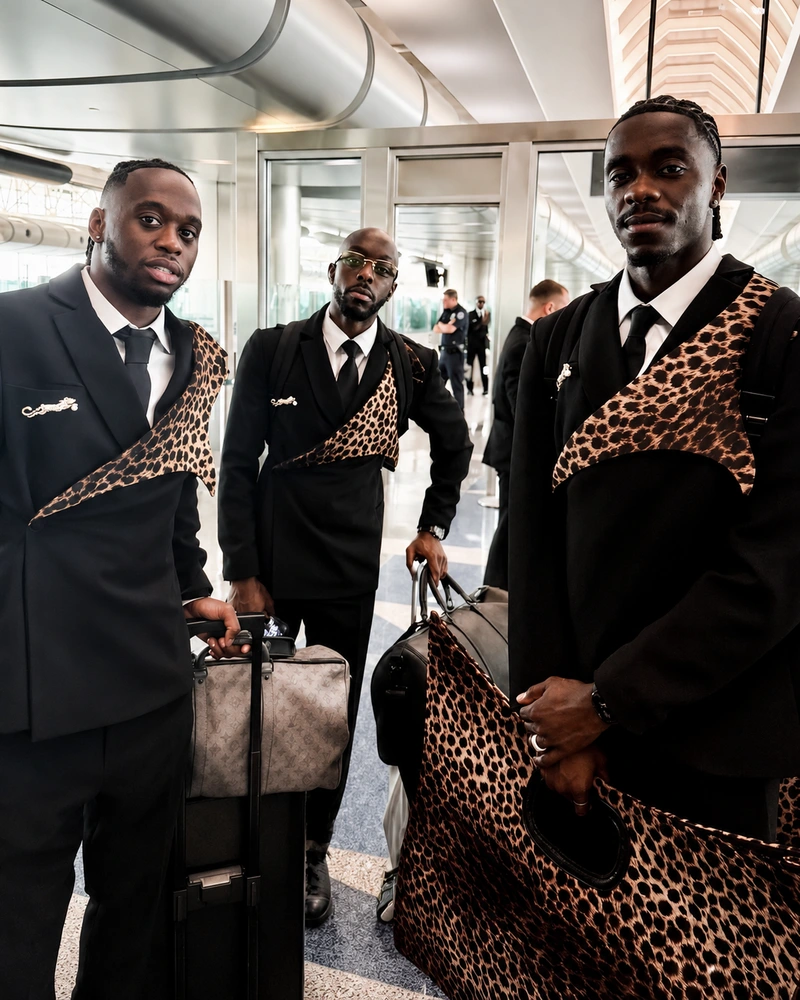
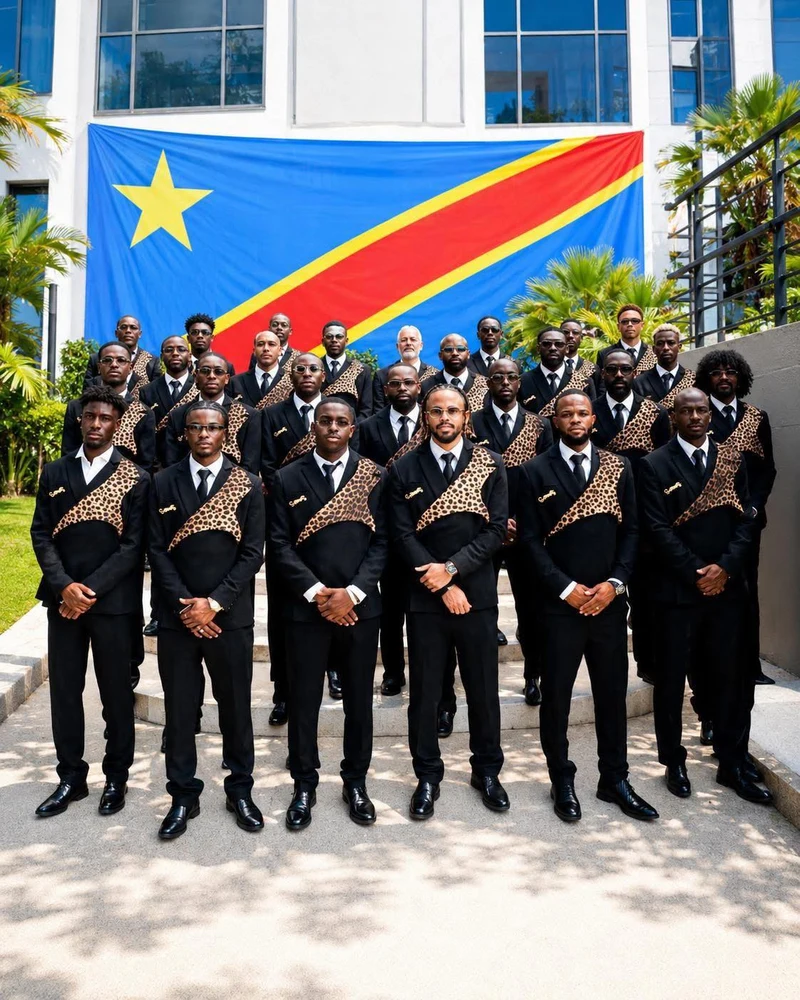
When the Congolese national team arrived in Houston last week, marking their first return to the tournament since their difficult 1974 campaign, their entrance carried a very different kind of statement. They were not dressed by a major luxury house, nor styled around the usual parade of new-season status accessories. Instead, the squad wore custom designs by Alvin Mak, the 30-year-old Congo-born, Paris-based designer. Photographs of the players landing in Texas quickly swept across social media: sharply cut black suits, silver leopard brooches, flashes of animal print across the tailoring, and matching star-shaped bags creating an arrival look that felt both disciplined and wildly symbolic.
The team’s arrival delivered an immediate, electrifying visual shock. Immaculate black tailoring, fierce leopard motifs boldly traversing the chest, matching physical presence, and cinematic confidence created a monumental entrance. To fully appreciate this moment requires examining why a tailored suit feels deeply politically charged in Congo. The suit entered Congo alongside colonial power. It operated as a strict uniform of administration, rigid hierarchy, proximity to European authority, and intense social aspiration. In colonial life, European tailoring clearly marked who was considered civilized, employable, modern, respectable, and sufficiently close to power. The suit carries a profound dual resonance: it represents the colonizer’s structural grammar, and it simultaneously becomes the colonized subject’s most sophisticated weapon of visual reclamation.
A suit functions as a complex architectural structure. It teaches specific, disciplined postures. It meticulously molds the body. It creates a silhouette universally associated with bureaucracy, masculinity, capitalism, diplomacy, and elite respectability. For Congo, the suit arrived heavily loaded with Belgium’s colonial gaze. Yet, it quickly morphed into a distinctly Congolese medium once local men began wearing it with their own unique swagger, vivid color palettes, elaborate ritual, and elevated social performance.
The DR Congo leopard suit powerfully activates this entire history by placing formal European tailoring directly on Congolese bodies at the World Cup, then boldly interrupting that tailoring with vivid animal symbolism, blazing national pride, and theatrical confidence. The suit becomes a fiercely contested historical object: inherited, imposed, intensely desired, vehemently rejected, beautifully reclaimed, and finally globalized. When a former colony wears the colonizer’s garment better, louder, and with overwhelming cultural authorship, the garment changes fundamental ownership and belongs entirely to the new wearer.
In their opening World Cup match, DR Congo turned the moment into history. Yoane Wissa scored the country’s first-ever goal at the tournament, pulling the team level with Portugal in a 1–1 draw. Their next challenge comes against Colombia.
Alvin Mak was present for the milestone, watching from a small but fervent pocket of Congolese supporters, many of them members of the diaspora. Travel from Congo had been heavily restricted by the country’s ongoing Ebola outbreak, which required quarantine measures for visitors, including members of the squad and staff. For Mak, it was also a personal first: his first time in the United States. He arrived dressed in his own language of pride, wearing a leopard-print shirt and feline brooches from his designs.
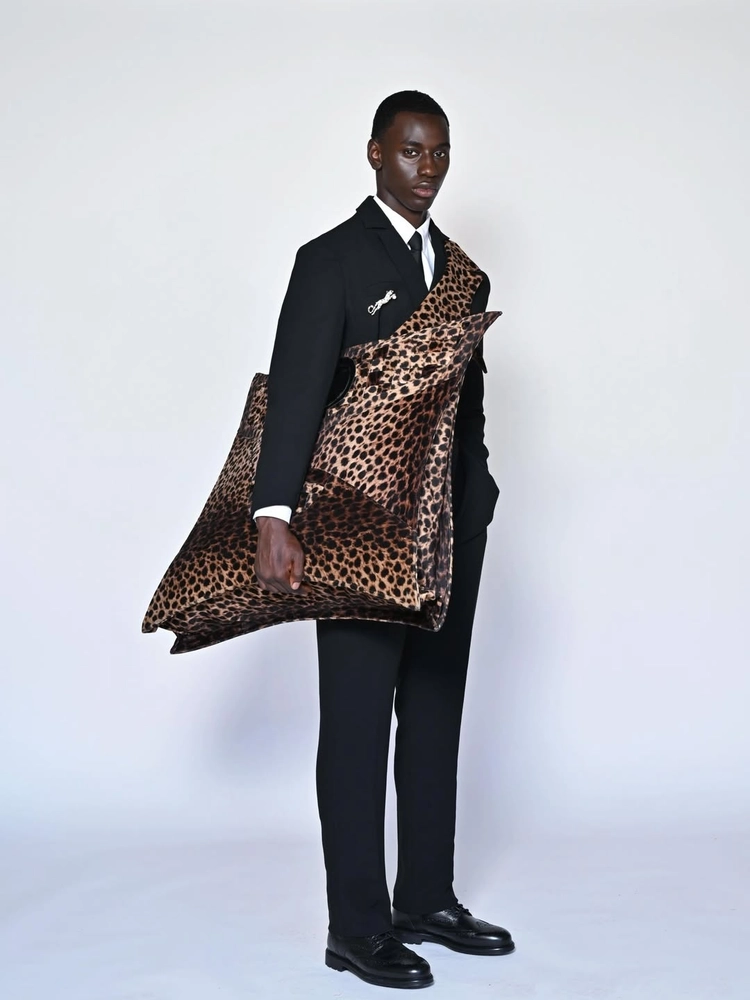
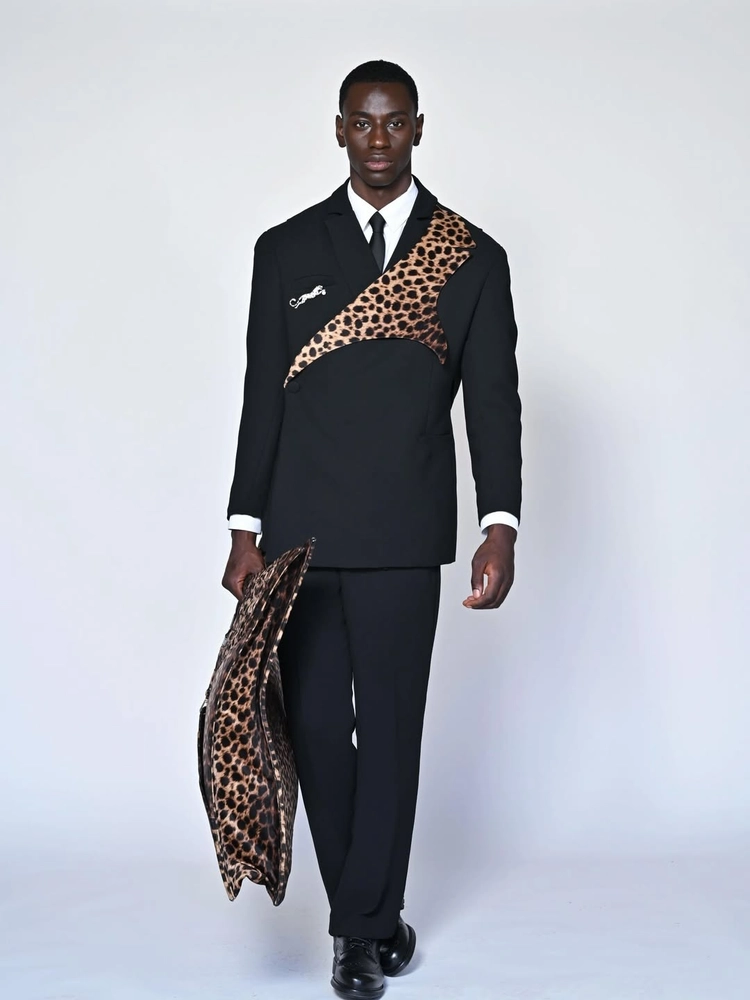
Even amid the celebration, Congo’s wider realities remained close to him. Mak, who moved from Congo to Paris at age 11, has spoken about his desire to shift the way his country is seen. Too often, Congo is reduced in global conversation to war, violence, and disease, yet those conditions do not define the fullness of Congolese culture. Through his work, he wanted to offer another image: one rooted in artistry, craft, cultural pride, and the creative labor of Congolese hands.
Producing 55 suits for the players and coaching staff was an ambitious undertaking for Mak’s small Paris-based team of three. To complete the project, he worked with artisans and craftspeople in Congo, turning the World Cup arrival look into both a fashion statement and a gesture of cultural collaboration.
Mobutu’s abacost policy serves as the fascinating historical core of this narrative. This policy functioned as a crucial part of a larger postcolonial project of authenticity: deliberate renaming, cultural purification, and the systematic attempt to separate Zaire from Belgian colonial identity. The abacost, derived from the French phrase “à bas le costume” meaning to abolish the Western suit, emerged as a legally mandated alternative to European formalwear. Mobutu’s ban reveals the intense psychological power the suit had accumulated. A government outlaws clothing only when that clothing carries immense symbolic danger. Banning the suit and tie openly declared that the old colonial silhouette still possessed tremendous authority over the imagination of the new nation.
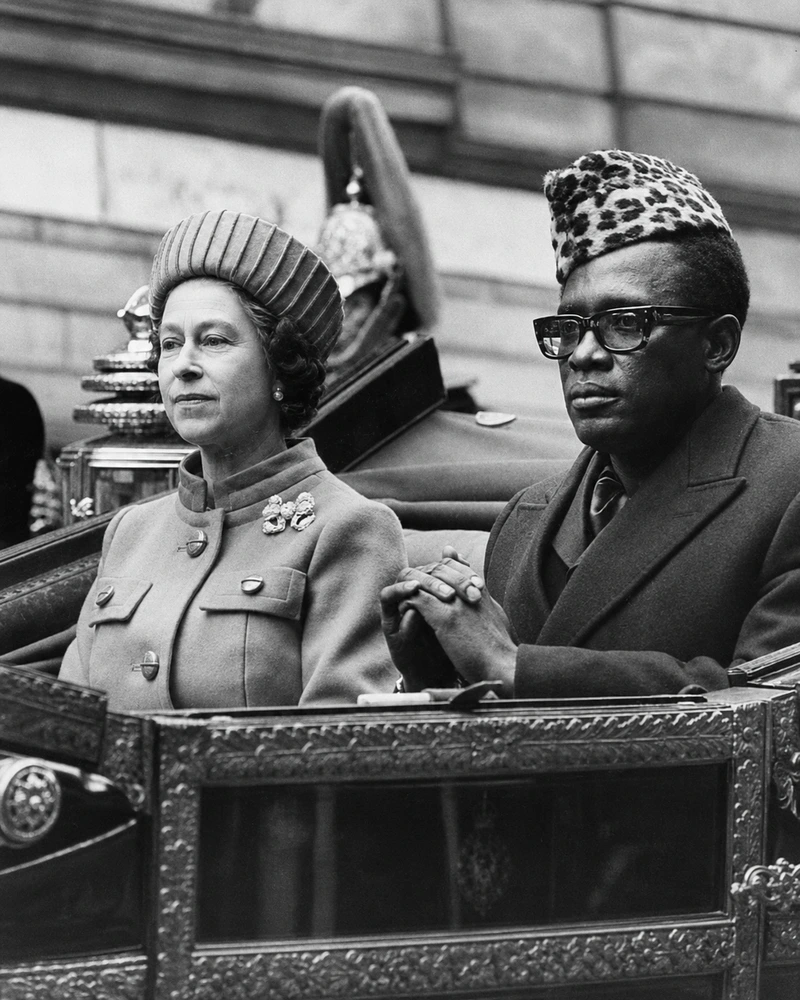
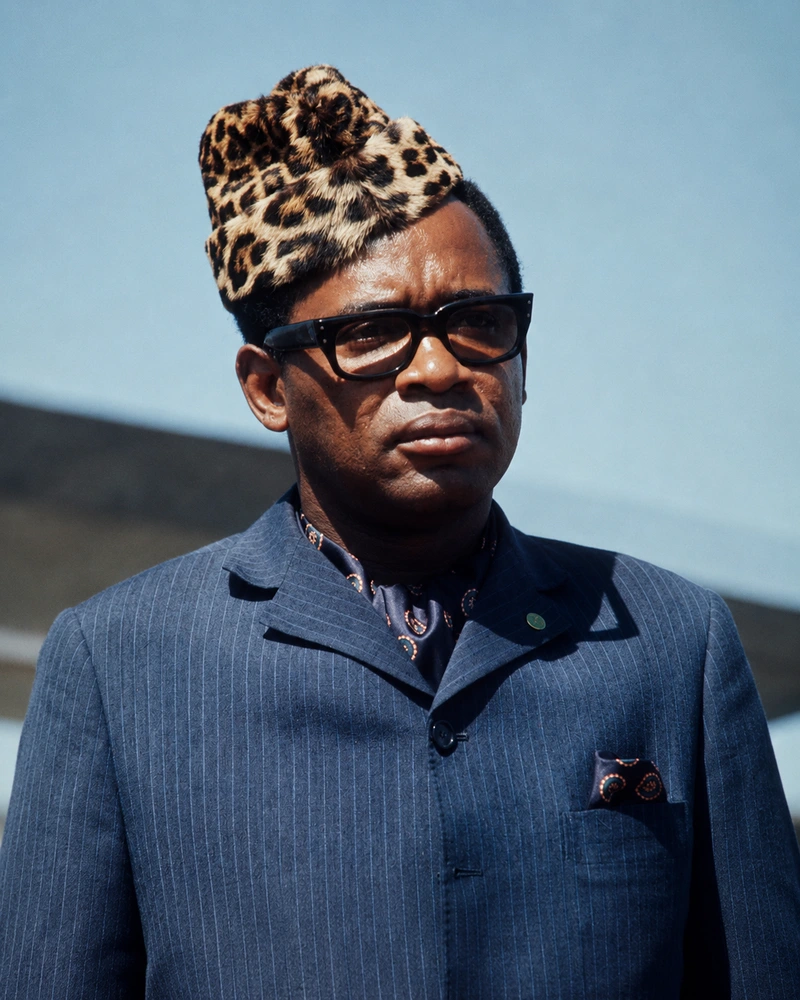
Mobutu himself embodied a highly visible contradiction. He suppressed the European suit as a toxic colonial residue, yet built his own monumental image through exceptionally theatrical power dressing: the sharp abacost, dark glasses, a distinctive wooden cane, and the famously iconic leopard-skin hat. The leopard served a profound psychological purpose. It helped him perform divine kingship, supreme masculinity, ancestral authority, and absolute political dominance. Mobutu rejected one imported symbol while simultaneously weaponizing another deeply resonant visual code of power.
Meanwhile, everyday Congolese men continued to desire incredibly fine tailoring. The emotional economy of elegance thrived vividly in the shadows. A high-quality suit demanded vast financial sacrifice, exacting a steep cost against the challenging backdrop of impoverished streets and wildly unstable conditions. Precisely because of that steep cost, it became a fiercely proud possession. It announced boldly that human dignity operates entirely apart from poverty, empire, or the state. The radical beauty of over-dressing shines exceptionally brightly in a world that expects you to appear diminished. When Congolese men wore immaculate tailoring despite intense social and political pressure, they transcended mere imitation of Europe. They claimed total, uncompromising authorship of elegance. The people turned the forbidden garment into something far too socially alive to erase. This is the cultural ground from which the DR Congo leopard suit draws its deeper force.
La Sape, short for Société des Ambianceurs et des Personnes Élégantes (Society of Ambiance-Makers and Elegant People), the Congolese fashion movement celebrated for its impeccable tailoring and vibrant palette, provides the deep philosophical heart of this sartorial journey. This vibrant cultural movement is essential because it explains beautifully how a European-coded suit becomes distinctly Congolese while fully absorbing its complex colonial history. La Sape exaggerates, stylizes, and re-signifies the garment. The sapeur turns dressing into complex choreography, poetic self-naming, grand social theater, and rigorous aesthetic discipline. The human body becomes a vibrant, moving stage where rigid colonial codes are creatively distorted until they obey only their new masters.
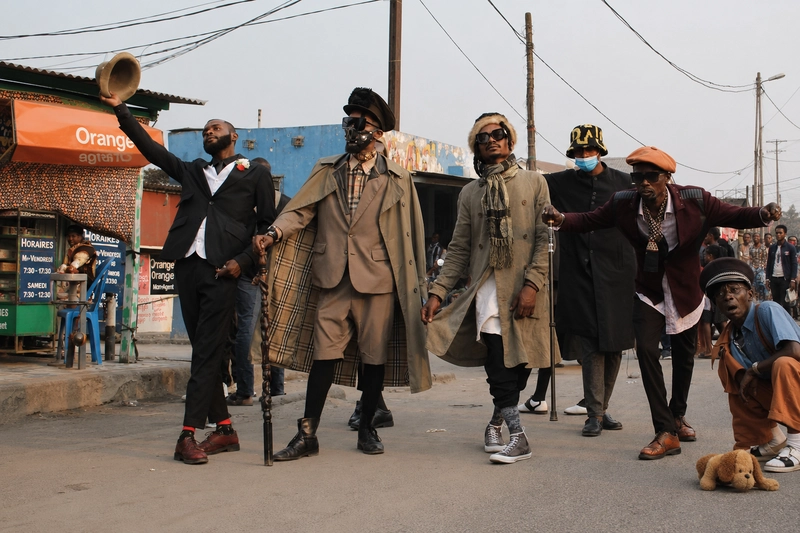
The act of outdressing colonialism requires absolute, undeniable mastery. The sapeur takes the imported symbols of high status, wool suits, brilliantly polished shoes, tilted hats, exquisite color coordination, exclusive designer labels, heavy perfume, deliberate gestures, and makes them beautifully excessive, deeply personal, and highly performative. In this profound transformation, the suit transcends its original function as a quiet sign of European civility. It blooms spectacularly into a loud Congolese language of pure charisma.
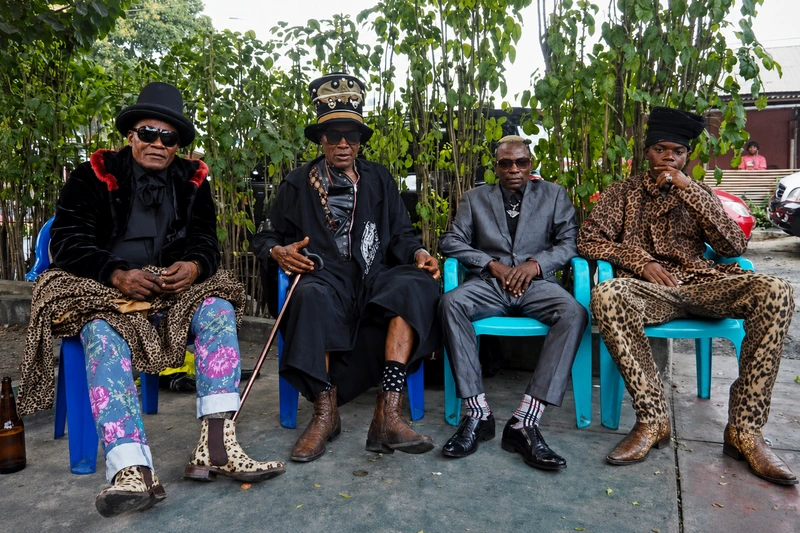
This evaluation requires honest engagement with inherent social tension. Observers frequently criticize La Sape because it involves prohibitively expensive clothing in societies marked by profound economic inequality. This specific criticism remains shallow if it overlooks the crucial psychological function of elegance. In La Sape, dressing well serves as a vital, uncompromising claim to visibility.
This philosophy connects directly back to football. Football teams usually arrive in comfortable tracksuits, branded travel gear, or mundane neutral tailoring. DR Congo arrived delivering a complete masterclass of sartorial performance through the DR Congo leopard suit. The players looked completely authored. Their monumental entrance borrowed the foundational confidence of La Sape: the absolute belief that style operates forcefully as national speech. La Sape elegantly bridges the gap between the historically banned suit and the modern World Cup suit, explaining precisely how the garment moved gracefully from colonial imposition to total Congolese possession.
The DR Congo leopard suit wields immense cultural power because it wears every single historical contradiction on one glorious body. The suit itself carries the deep memory of Belgium, colonial modernity, and Mobutu’s strict sartorial rules. The vibrant leopard pattern carries pure national football identity because the team is famously known as Les Léopards. The bold motif also echoes Mobutu’s own spectacular, intimidating leopard imagery. The players are wearing two incredibly charged symbols at once: the historically complex colonial garment and the wild animal of authoritarian spectacle.
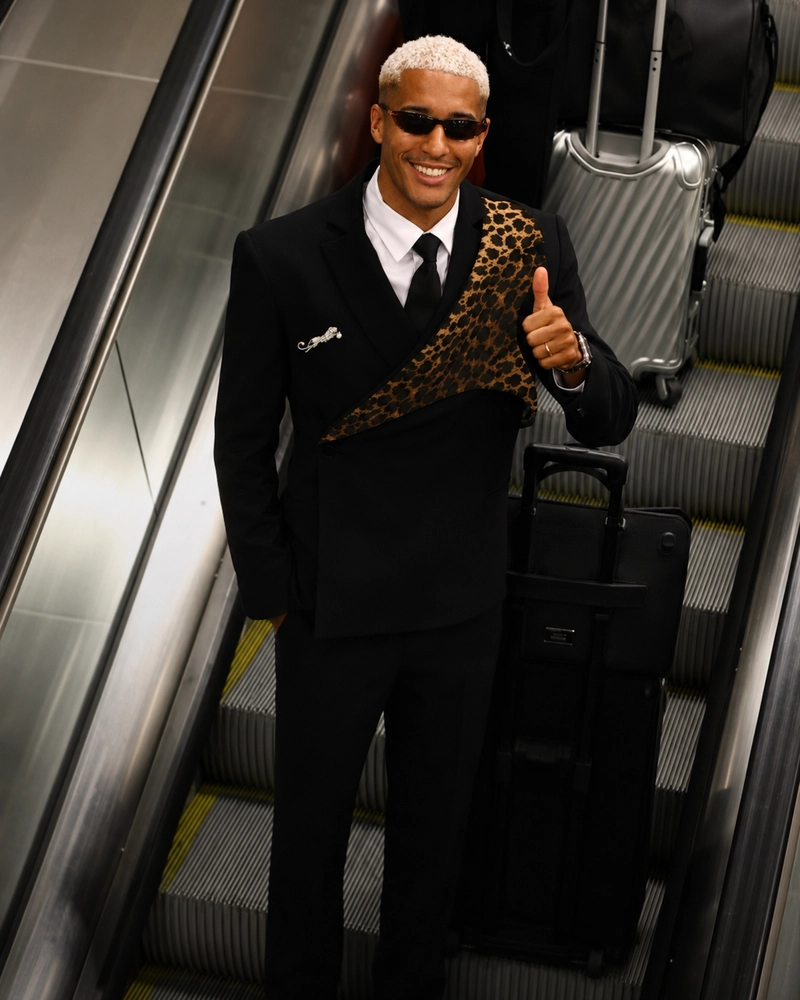
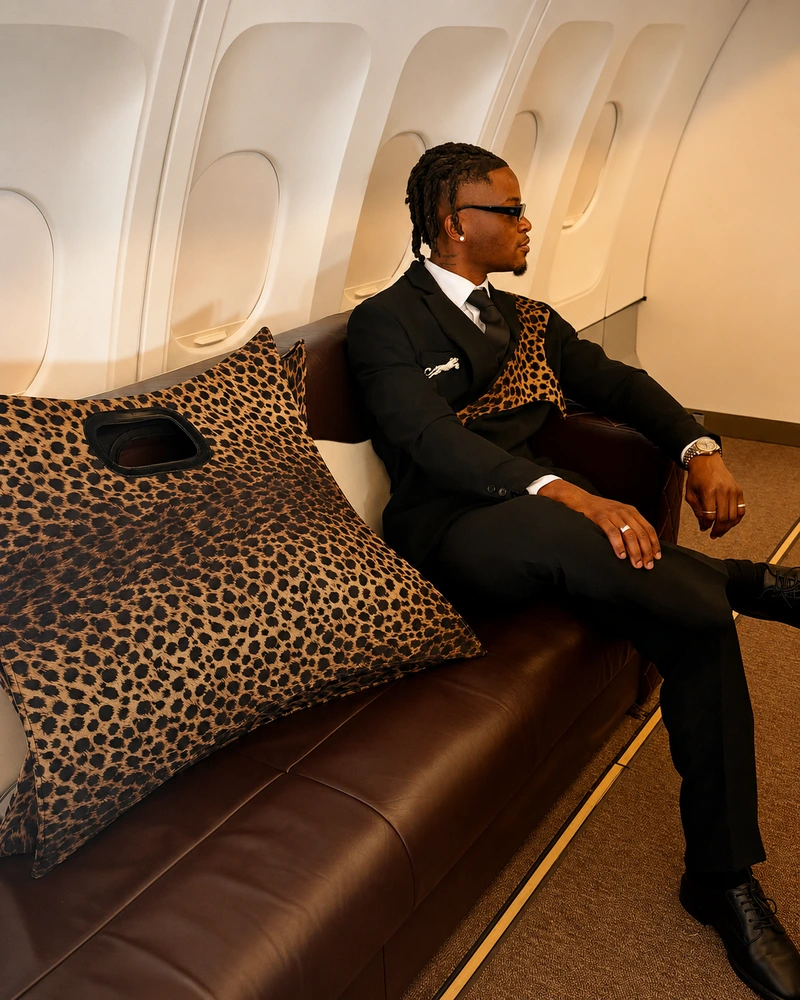
The sheer genius of this design lies in placing fierce leopard details directly across formal tailoring. The animal beautifully disrupts the suit’s rigid European discipline. It spectacularly breaks the clean, expected surface. It declares this a uniquely, loudly Congolese suit. The bold animal print turns the suit from a quiet diplomatic uniform into a roaring cultural signal. The player's chest becomes a dynamic, breathing space where national history, global sport, triumphant style, and deep political memory collide.
The World Cup stands as one of the biggest, brightest stages of global culture. For a team returning triumphantly after fifty-two years, the entrance becomes a majestic, undeniable image of national reappearance. The athletes are arriving into undeniable, blazing visibility. Their clothing speaks incredibly loudly before the anthem, before the first pass, before the final score.
DR Congo made complex history walk vibrantly inside this suit. The DR Congo leopard suit serves as glorious, absolute proof that clothing changes ownership when a resilient people force it to speak in their own accent, carry their complex stories, and move gracefully through the world with their towering pride.
Advertisement