MENU
Close





A lamp switched on at dusk can become one of the smallest rituals through which a home remembers what time it is. In the contemporary interior design landscape, statement lamps, especially ceramic ones, make favorable centerpieces for their whimsical, earthly charm.
A lamp switched on at dusk can become one of the smallest rituals through which a home remembers what time it is. In the contemporary interior design landscape, statement lamps, especially ceramic ones, make favorable centerpieces for their whimsical, earthly charm.
August 7, 2026


“Good lighting can, and does, make or break the ambiance of a room.” - Kelly Wearstler.
Lamps and lighting fixtures are often described as the jewelry of an interior because they do far more than illuminate a room. They highlight materials, direct attention, establish hierarchy and determine whether a space feels intimate, theatrical, calm or alive. This is why lighting operates as both function and atmosphere, or even, as the visual anchor of the room.
The lighting that deserves the spotlight in the room nowadays are not necessarily chandeliers. They can be a statement table lamp, small in size but not in style, or a tall floor lamp that starts the conversation. With this newfound duty, lighting design has to experiment with new materials to make convincing centerpieces.
Enter ceramic, an earthly material that behave like engineering material and sculpture at the same time. Once fired, clay becomes heat-resistant, electrically non-conductive and structurally dense, giving table lamps a stable base while accommodating the warmth generated by their light source. Yet those practical qualities tell only half the story. Before firing, clay can be thrown, coiled, carved, molded or slip-cast into almost any silhouette, allowing designers working in luxury home decor to move easily between pristine geometric forms and expressive, visibly handmade surfaces.
Unglazed stoneware, terracotta and biscuit porcelain bring their own tactile character, while glazing opens an entirely different field of colour and reflection. Reactive glazes can melt into unpredictable pools and tonal variations during firing, ensuring that two seemingly identical lamps emerge with subtly different surfaces. Matte finishes absorb and soften surrounding light; glossy ones catch it, creating small flashes and shifts of colour as the room changes throughout the day. High-temperature firing also fuses many ceramic pigments deeply into the surface, helping colour retain its richness over years of use.
These qualities make ceramic especially relevant to the emerging return-to-rhythm lifestyle, where interiors are increasingly valued for tactility, permanence and the visible traces of making.
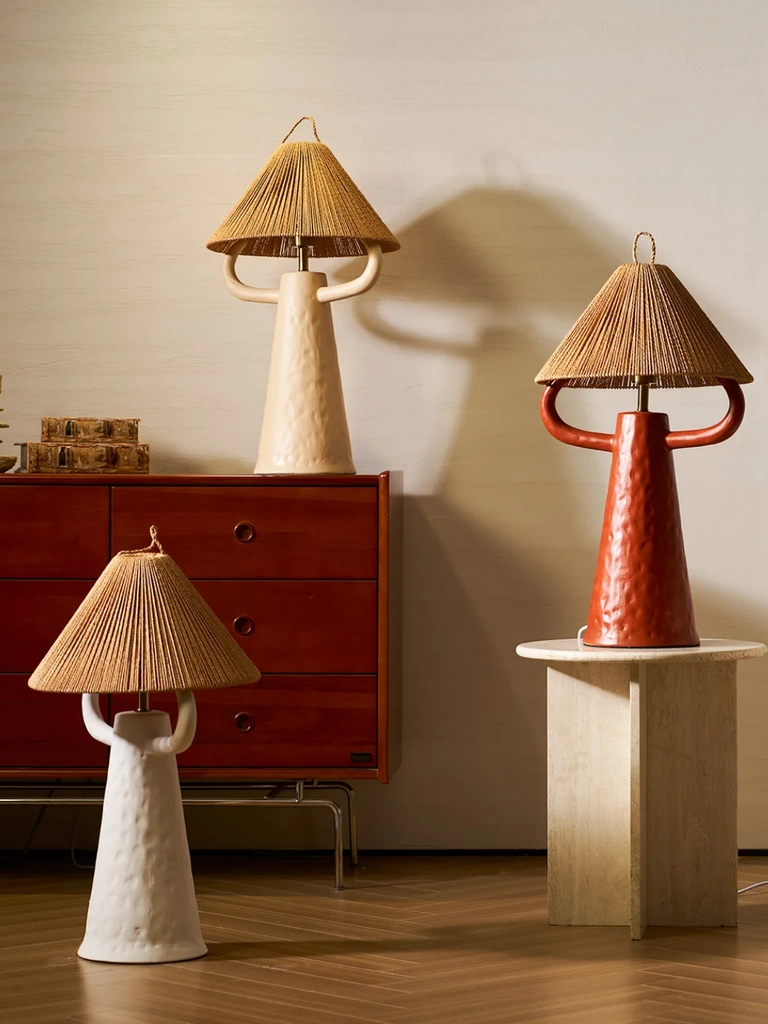
Designed by Spanish ceramic sculptor Marta Bonilla, the Dona Ceramic Table Light sits somewhere between functional object and figurative sculpture, making it especially suited to contemporary luxury home decor.
Its name, Dona, meaning “woman” in Catalan, becomes visible in the silhouette: a flared ceramic base rises into two upturned arms, giving the impression of a small figure lifting the shade above its shoulders.
Handmade in Bonilla’s Barcelona workshop using traditional coiling techniques, each body retains slight asymmetries, fingerprints and surface variations that preserve the presence of the maker. The chamotte stoneware gives the lamp a grainy, earthy texture, while its off-white enamel softens that ruggedness without erasing it completely. Above, a hand-woven natural raffia shade introduces another tactile register. Fired earth meets plant fibre, one dense and grounded, the other light and porous.
When illuminated, the raffia filters light into a warm, softly broken glow, allowing subtle shadows to move across nearby surfaces and giving luxury home decor a more intimate, lived-in atmosphere. When switched off, the same piece attracts the eye with its imaginative figure, strong enough to hold its own on a sideboard, bedside table or quiet corner of a living room.
Price: $299.00 USD
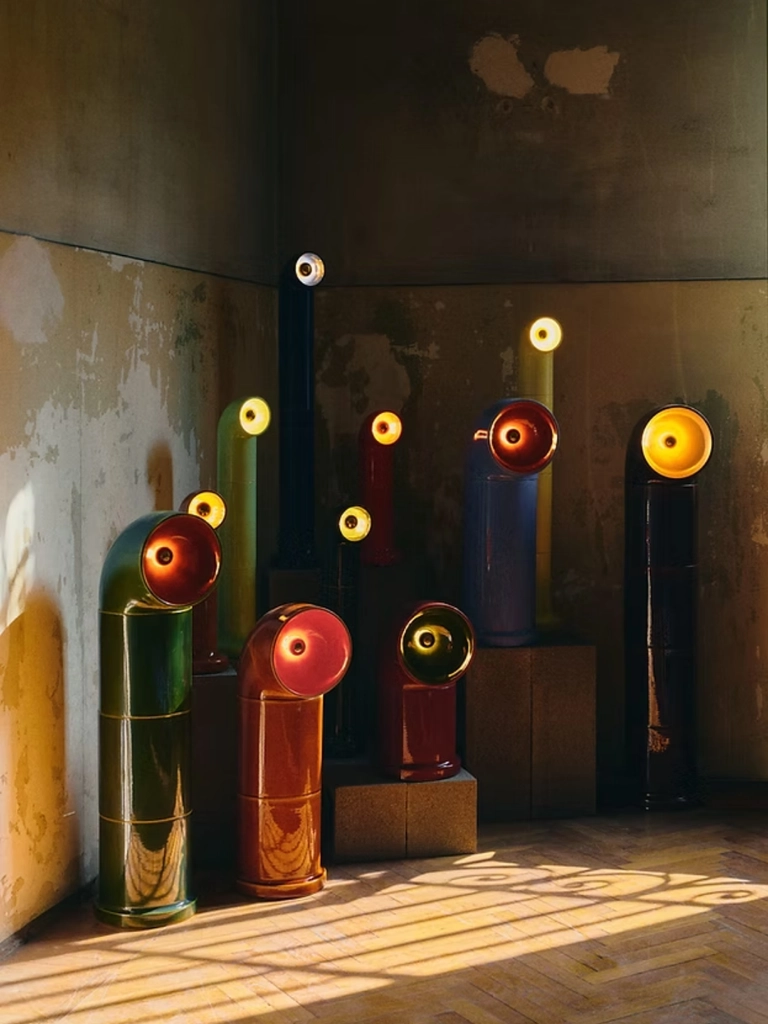
Pani Jurek's OP Collection moves toward a far more expressive interpretation of ceramic lighting. Its body is assembled from modular glazed ceramic sections that can be stacked in different configurations. This modularity gives the lamps a sense of movement even when they remain still. Their biomorphic bodies are punctuated by concave illuminated openings that resemble colored eyes. Light emerges from within these recesses and falls back across the surrounding glaze. The ceramic effectively becomes both fixture and illuminated artwork. Within luxury home decor, this moves the lamp closer to collectible design.
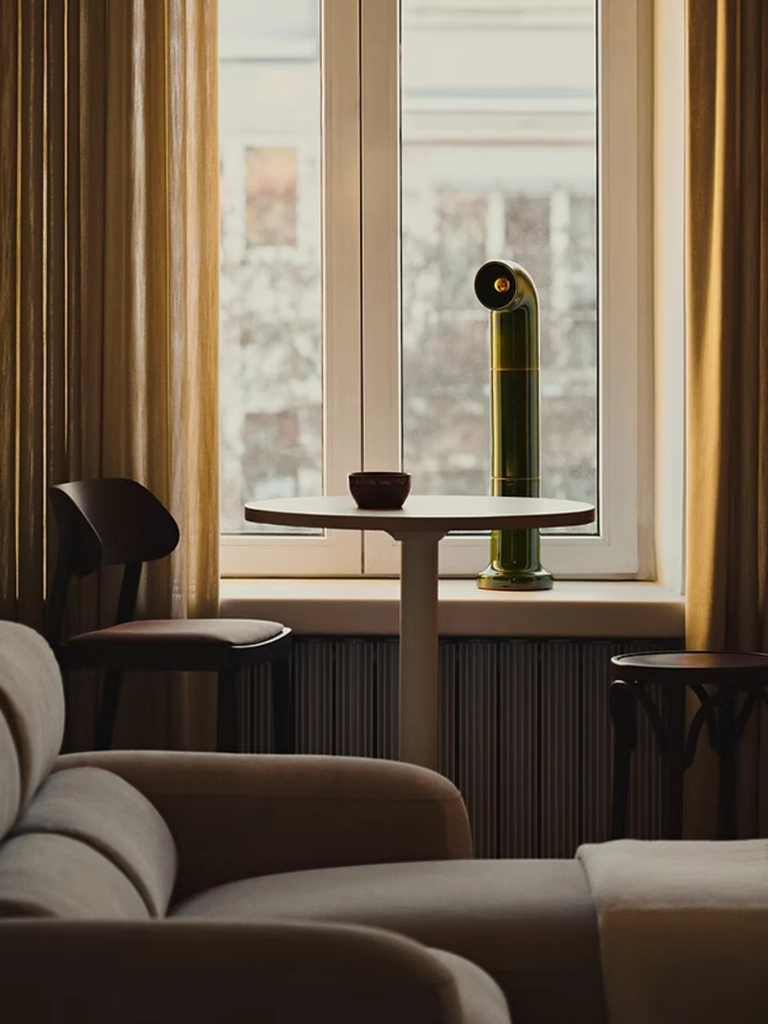
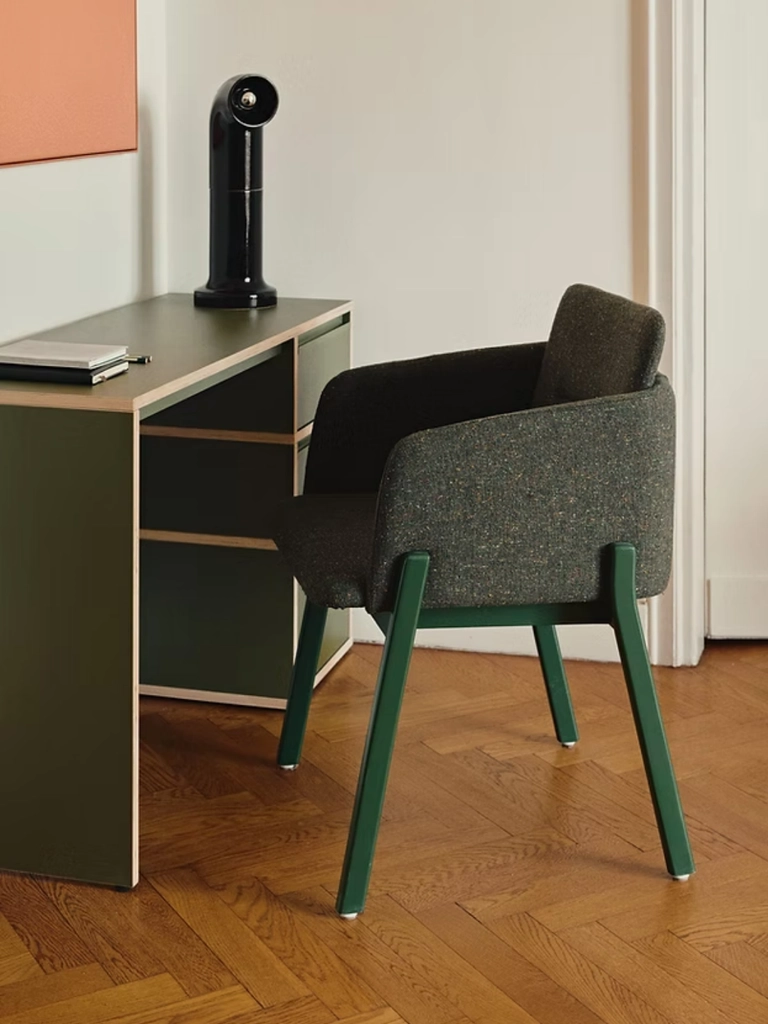
FAT OP is the most substantial expression: a standing lamp built from stackable modules whose height can be adjusted to the user’s needs. Its heavy, almost biological body culminates in a contrasting concave eye that fills with light when illuminated, revealing hidden colour as the glow is directed inward across the ceramic surface.
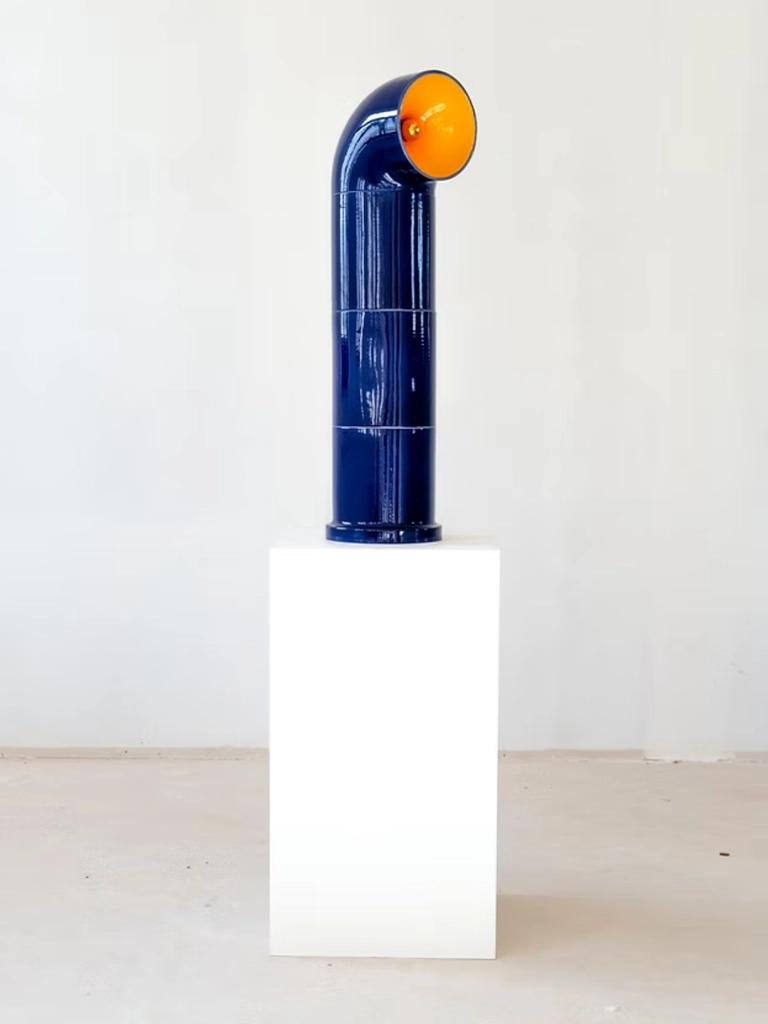
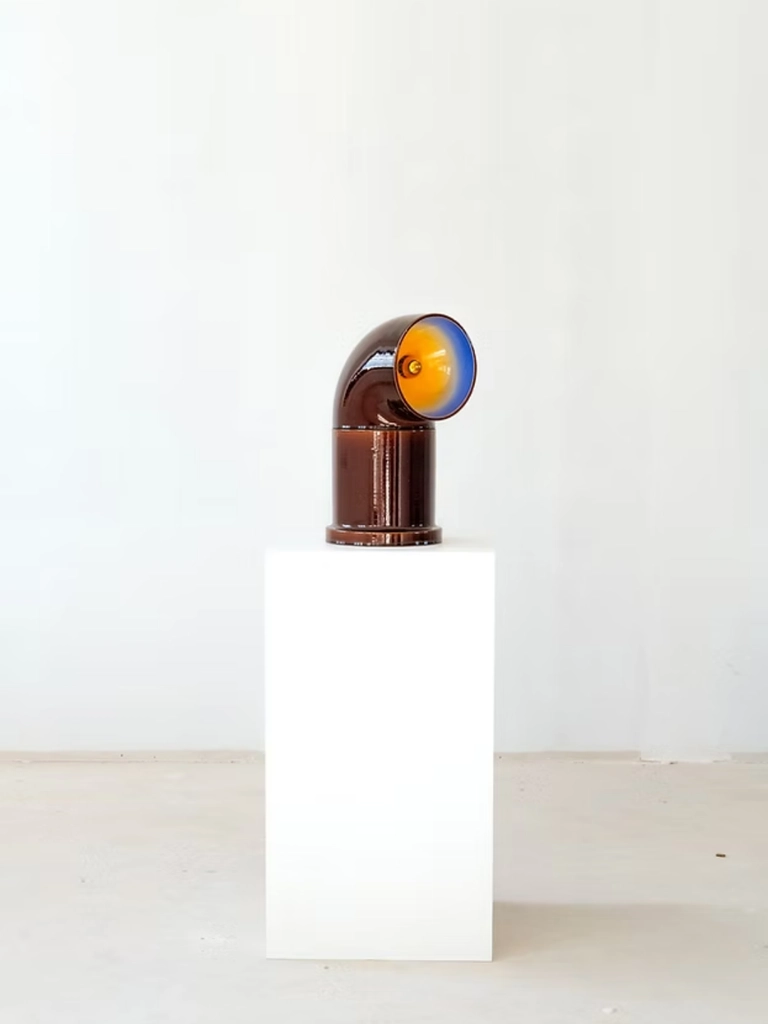
SLIM OP follows the same modular logic in a more elongated silhouette. A two-module version works as a table lamp, while taller compositions create atmospheric floor lighting. Each piece is handmade from white clay and glazed in one of fourteen colours, ensuring slight variations that make every lamp unique.
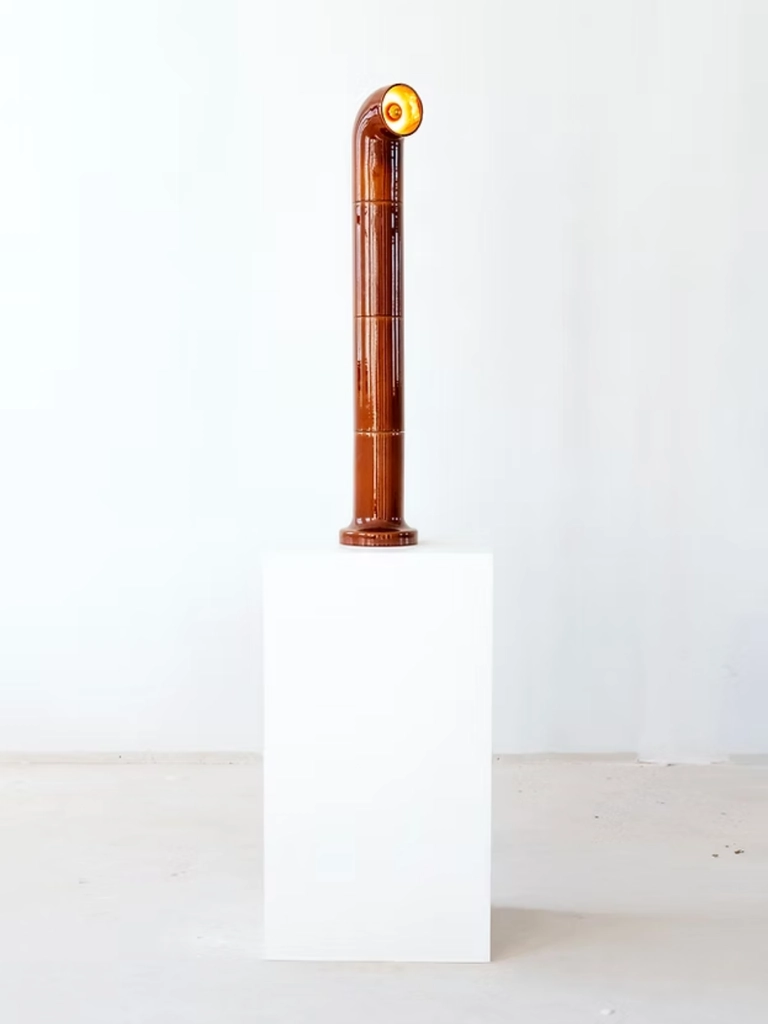
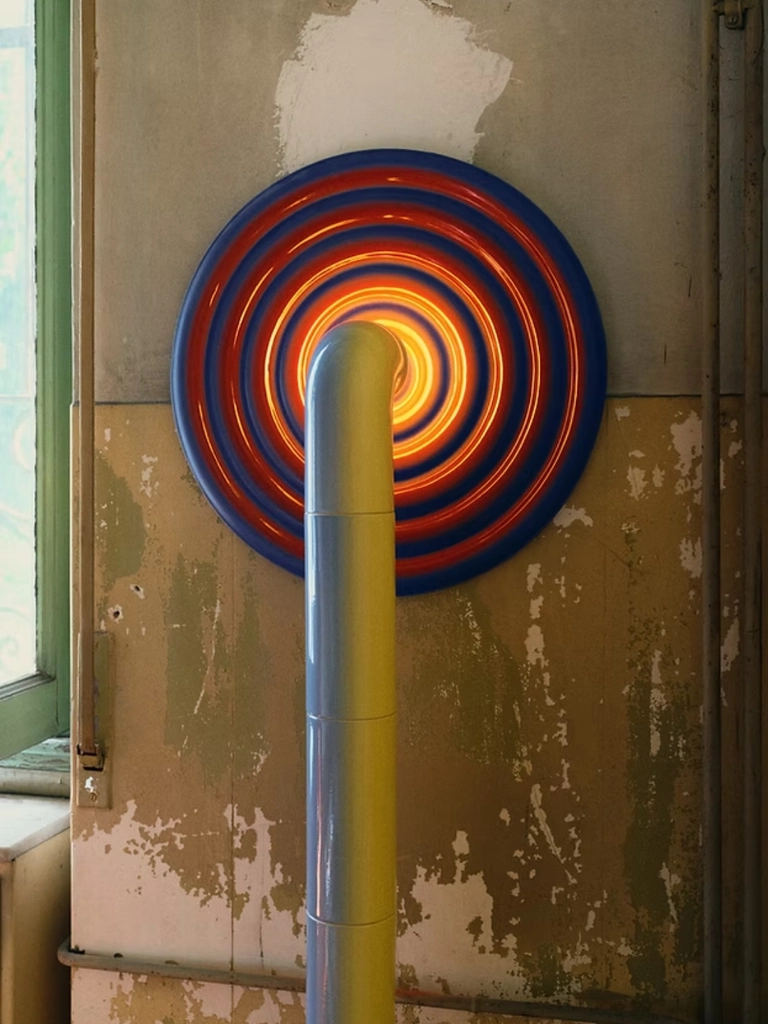
The most spatially theatrical version, SLIM OP + DISC, extends the composition onto the wall through a ceramic reflector. Its undulating relief catches and loses light across different areas, creating a shifting dialogue between highlight and shadow; the illuminated rim glows intensely while light diffuses softly across the waves of the surface.
Adjustable colour temperature and intensity allow its mood to evolve further. Within luxury home decor, the OP series transforms ceramic from a static material into something responsive and almost alive. Its adaptability also suits a return-to-rhythm lifestyle, where lighting can change with daily routines, from focused evening intimacy to slower, ambient illumination.
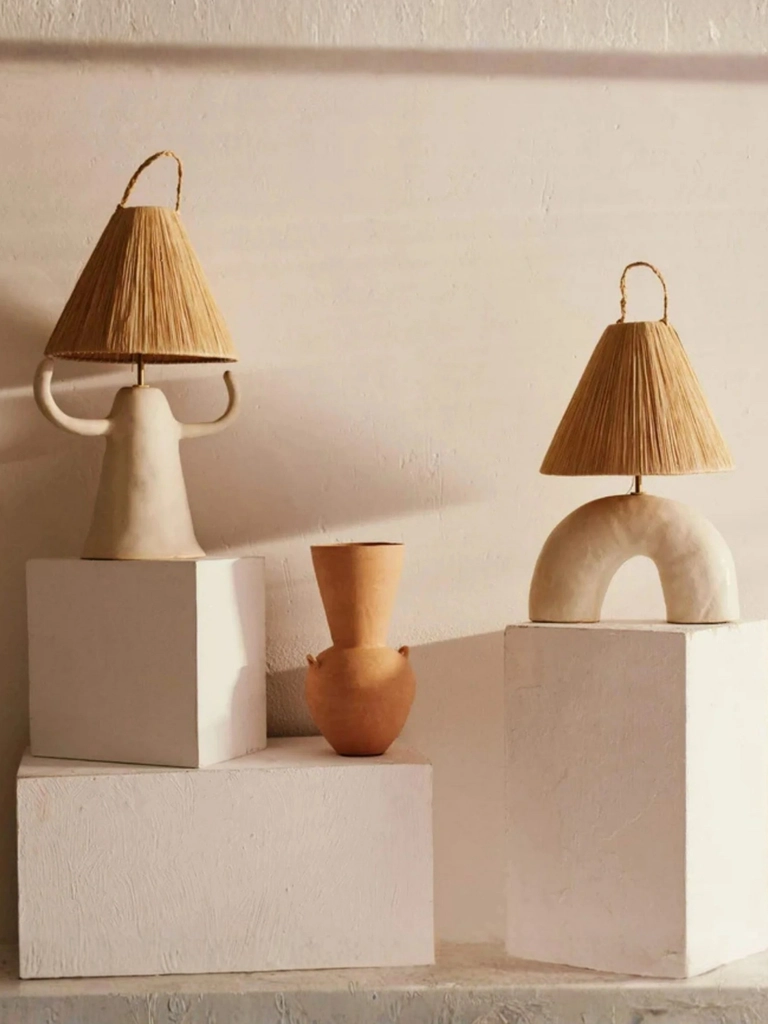
Unger Ceramica brings a distinctly Mediterranean sensibility to ceramic lighting, combining hand-built stoneware, biomorphic silhouettes and tactile surface work with the polished restraint associated with contemporary luxury home decor.
Based on Spain’s Costa Blanca, the studio moves comfortably between Neo Art Deco curves, coastal softness and organic modernism. The Mushroom Table Lamp Candra captures that language through a rounded dome shade, sculptural pedestal and hand-applied “bubble” details that catch the light across their relief. Melissa takes a more botanical direction, layering petals, leaves and floral forms directly into the ceramic body so that the lamp reads as sculpture by day and becomes a field of highlights and shadows once illuminated.
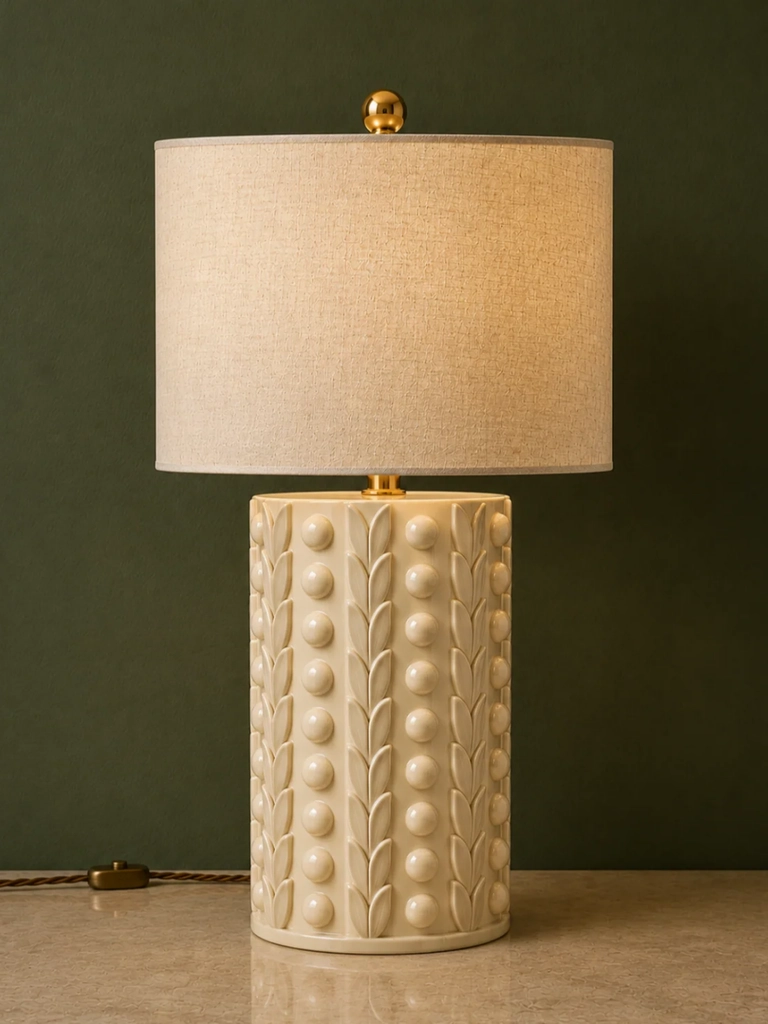
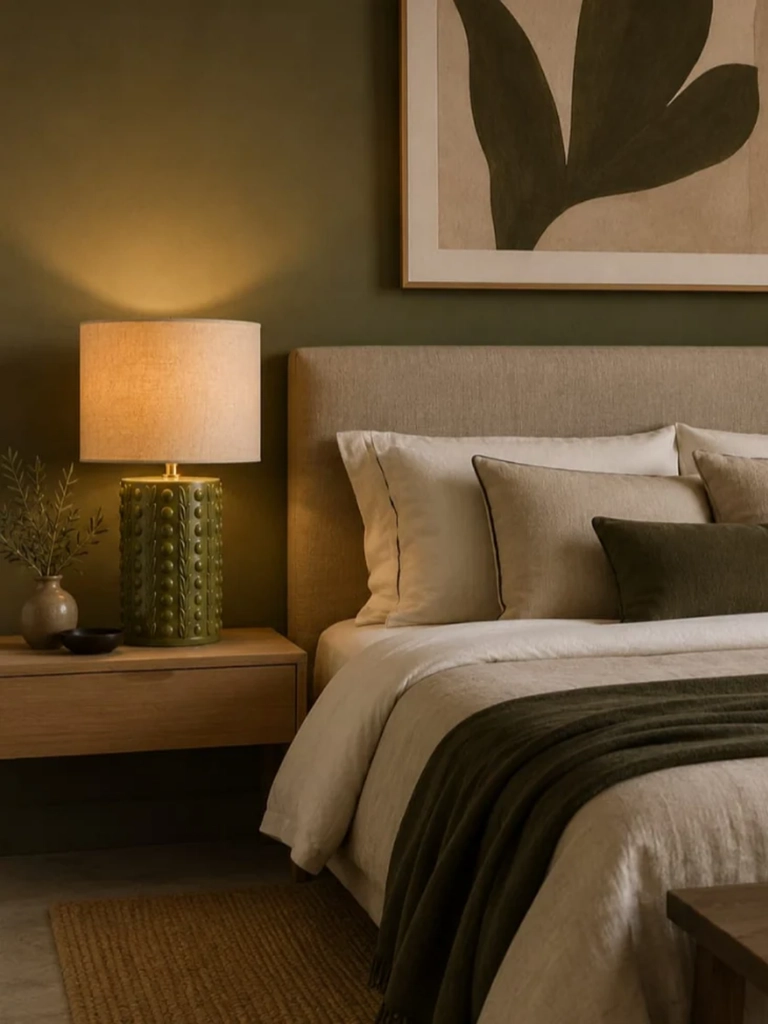
Melissa - Elegant floral table lamp: H 65 cm, width approx. 30 cm
Price: €499,00 EUR
The studio’s Contemporary Table Lamp is quieter, relying on architectural proportions, natural white clay and subtle glaze textures to suit minimalist, Japandi and pared-back interiors. At the opposite end of the scale, the Large Mushroom Table Lamp amplifies the studio’s retro-futuristic vocabulary with an oversized shade and weighty hand-formed base, creating a strong visual anchor for larger rooms.
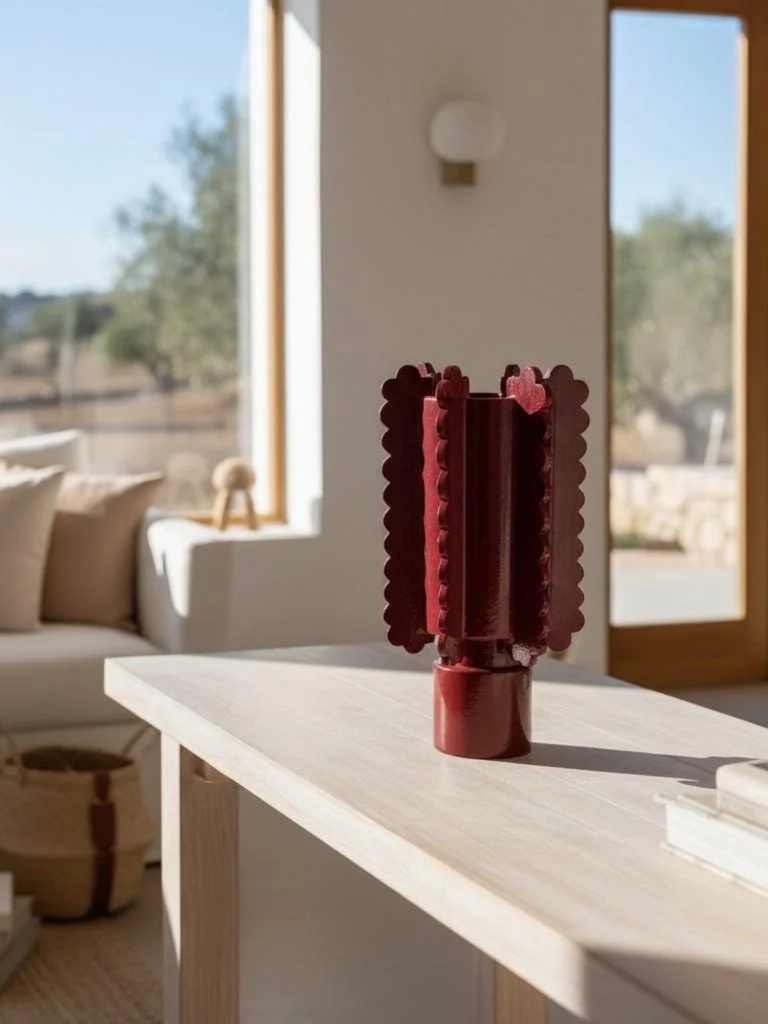
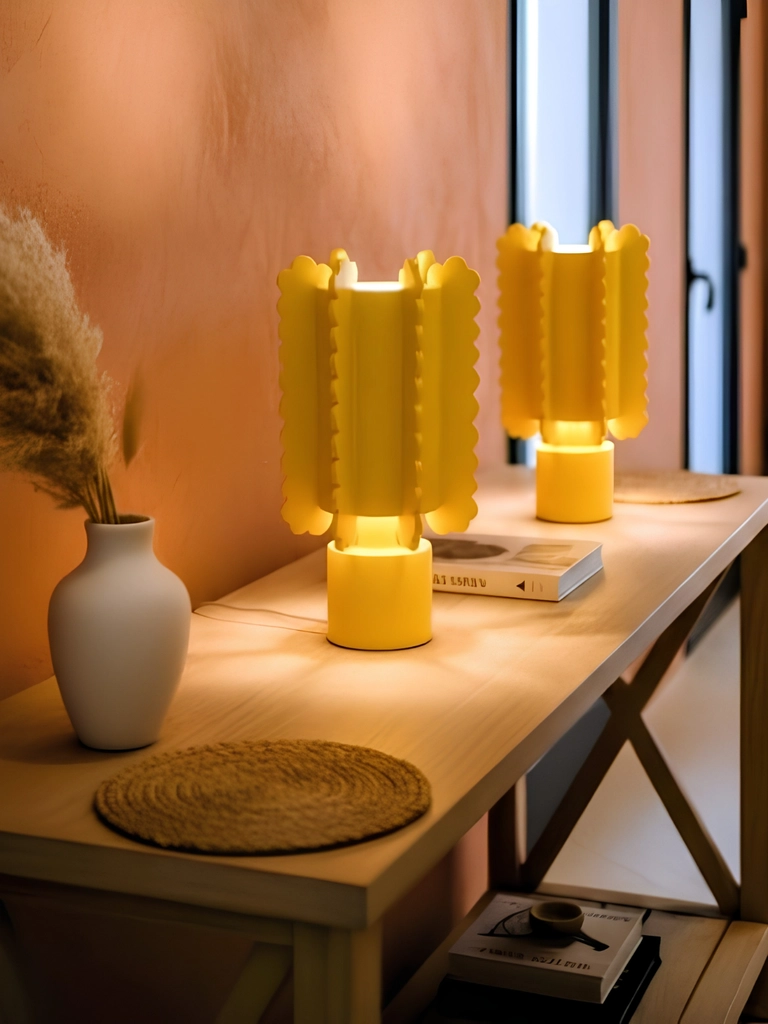
Contemporary Table Lamp
Across the collection, light is treated as a way to reveal craftsmanship: glaze variation, coiling marks, hand-built irregularities and sculpted relief all become more pronounced after dark. That balance of utility and handmade character gives Unger Ceramica a natural place within luxury home decor, where a lamp can function simultaneously as ambient lighting, tactile object and expressive ceramic sculpture.
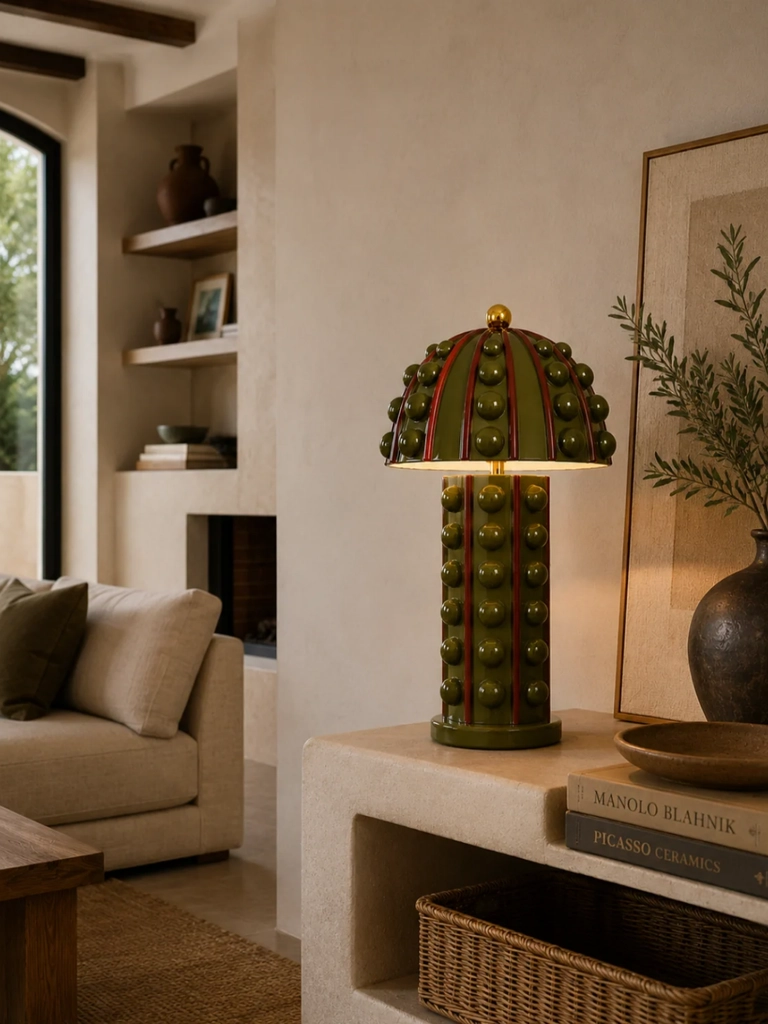
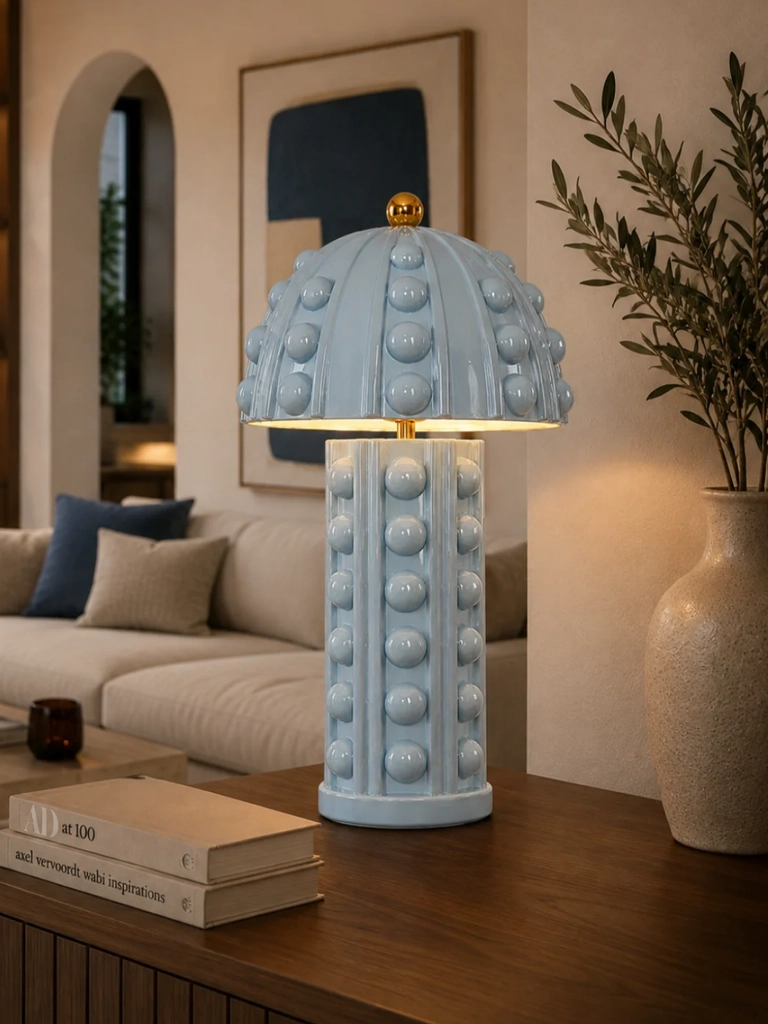
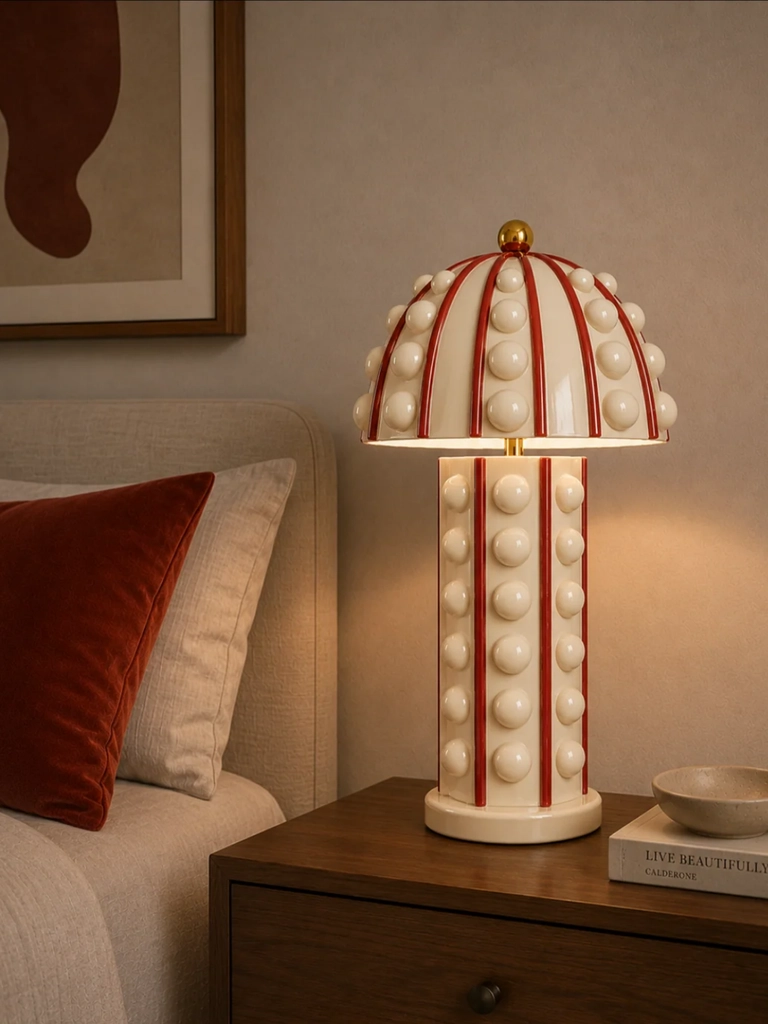
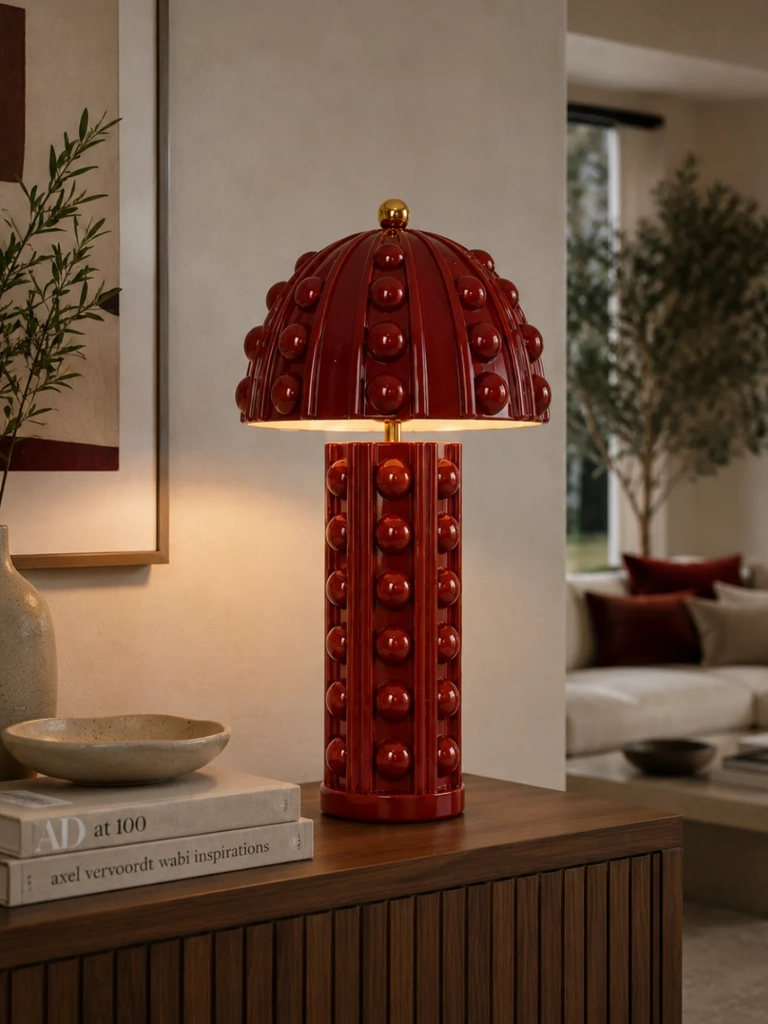
Mushroom Table Lamp
Price: €429,00 EUR
French ceramicist Adélie Ducasse approaches ceramic lighting as a form of graphic architecture, building lamps that operate as illuminated sculptures as much as functional objects. Designed in Paris and handcrafted in Italy and her Basque Country studio, works such as Milano, Harlem, Dallas, Tokyo, Manhattan and Brooklyn are assembled from stacked earthenware modules including cylinders, spheres, cones, discs and truncated pyramids.
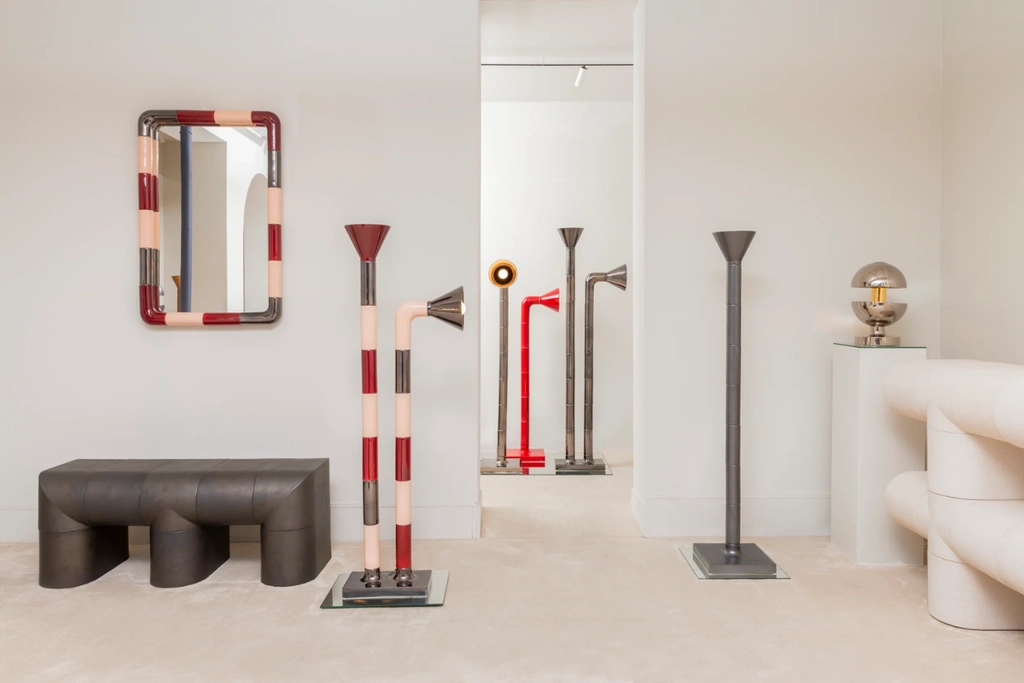
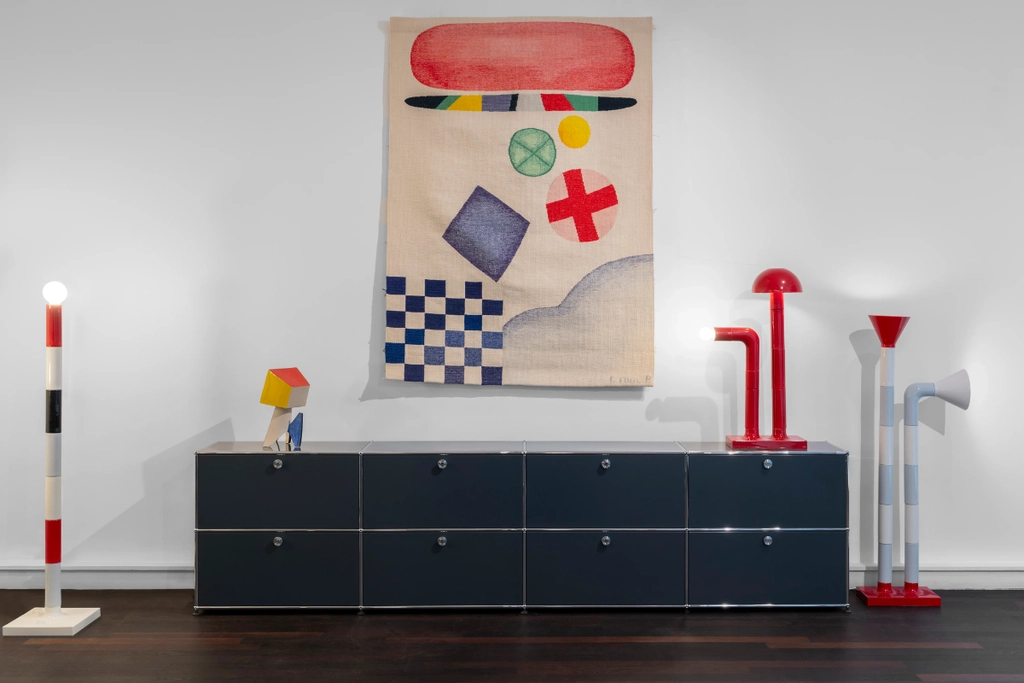
The resulting silhouettes resemble abstract urban totems, with a disciplined geometry that reflects Ducasse’s background in mathematics and a vivid colour language shaped by her childhood between New Caledonia and Réunion. References to the Memphis Group and Radical Italian design appear through bold colour blocking, stripes and playful proportions, while the modular construction gives each lamp a strong architectural rhythm.
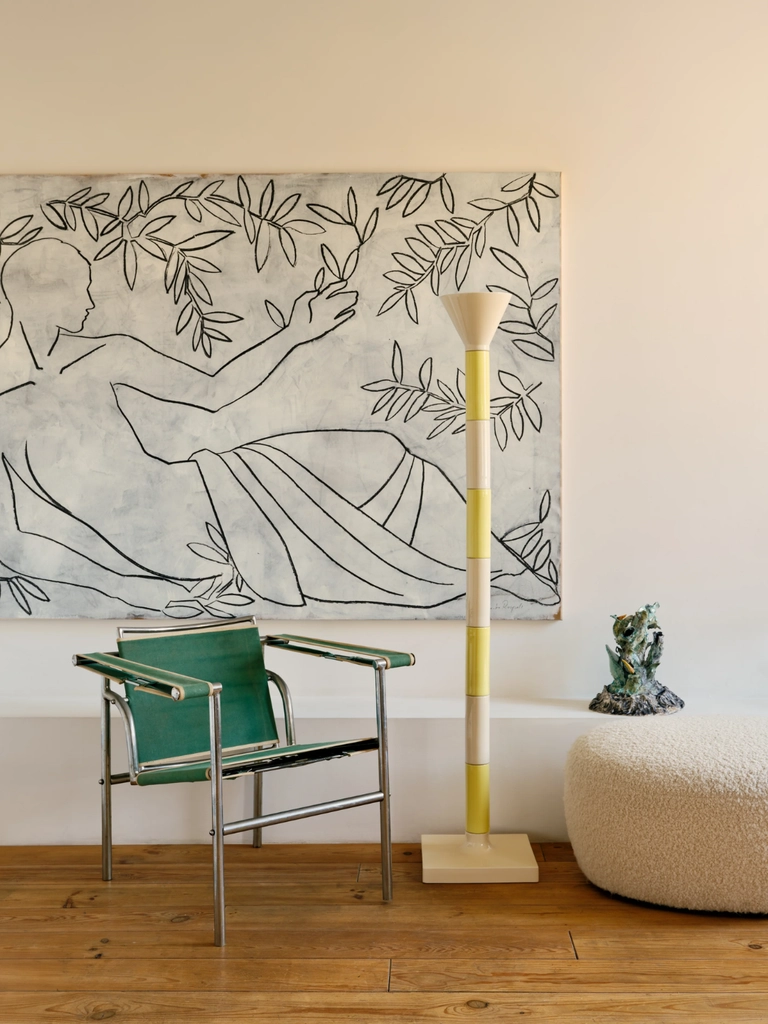
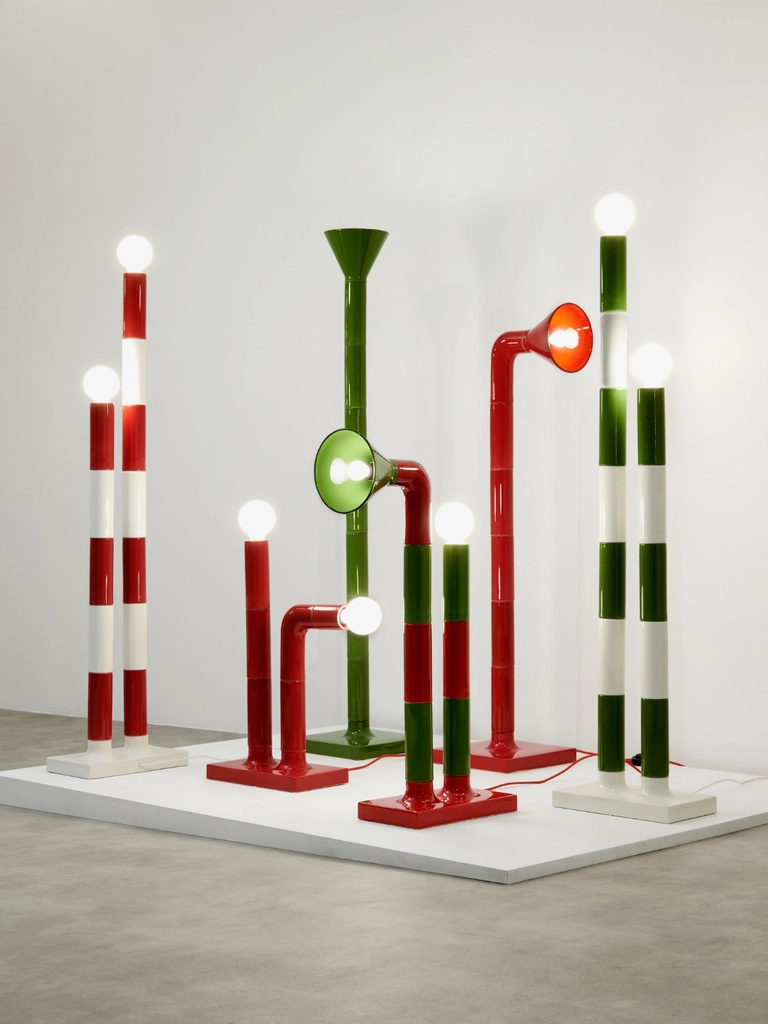
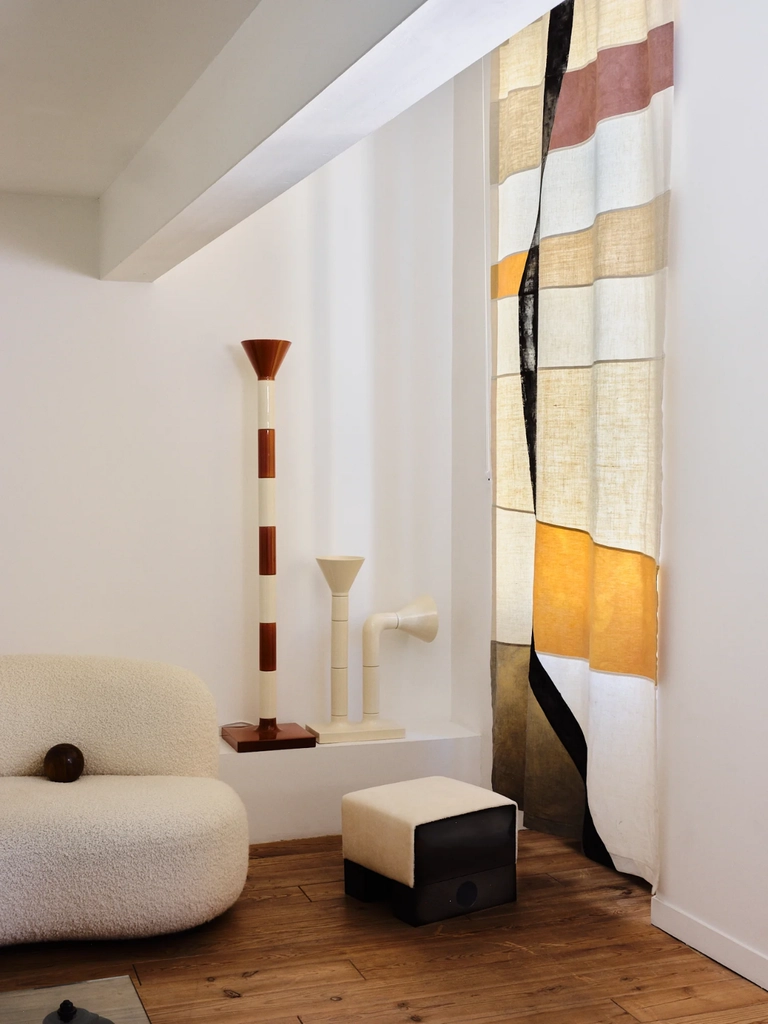
In pieces like Milano, alternating glazed sections read almost like a visual jazz score, moving between cobalt blue, primary yellow, chilli red, black and white. The ceramic surfaces shift between glossy and matte finishes, allowing light to bounce across certain sections while others remain visually grounded. Because the components are handmade, subtle variations in glaze and surface keep the geometry from feeling overly mechanical.
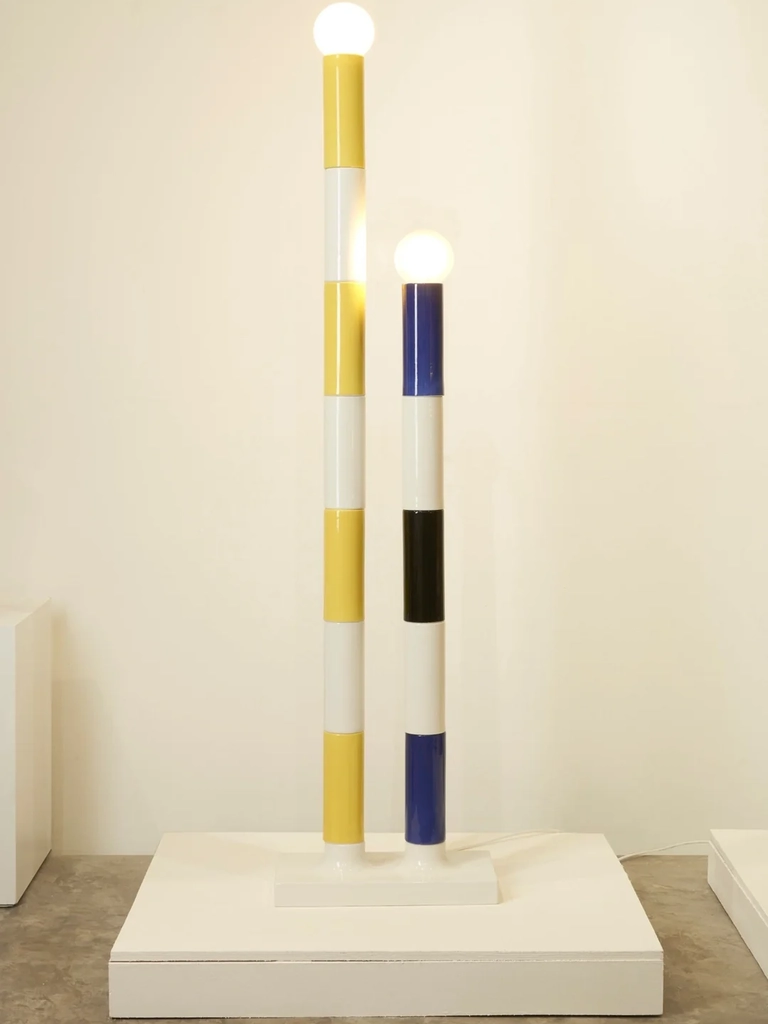
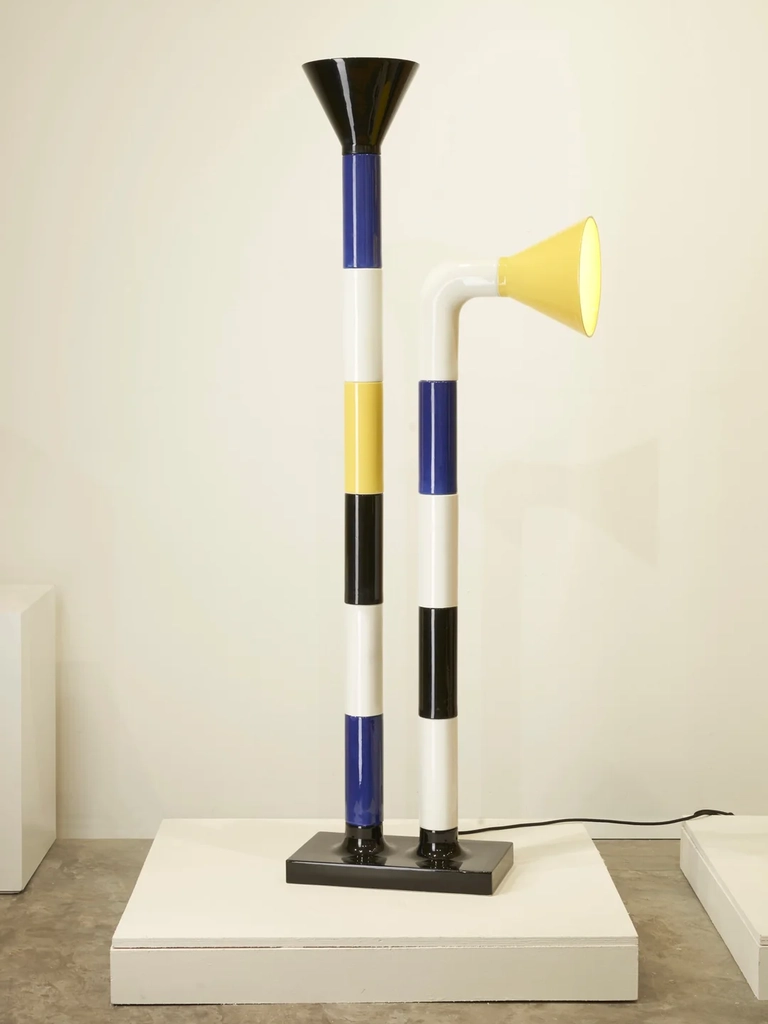
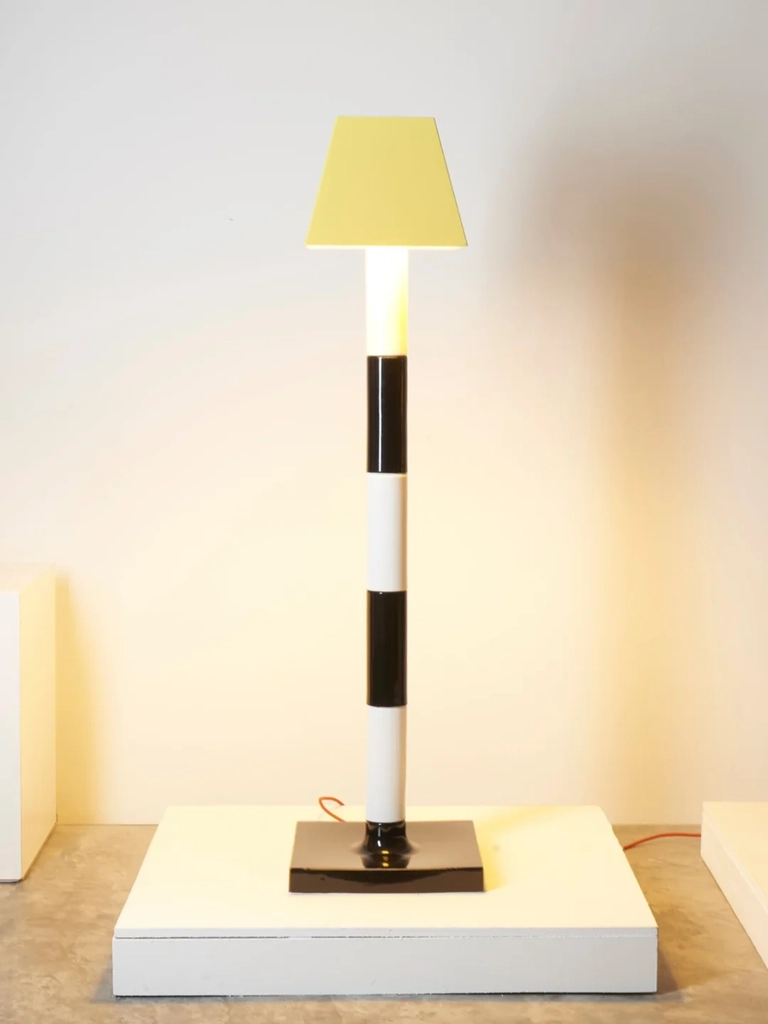
Within luxury home decor, Ducasse’s lamps work best as focal points: unlit, they stand as graphic sculptures; illuminated, they become radiant colour structures that animate the surrounding space. Their appeal lies in this tension between order and exuberance, where artisanal ceramic craftsmanship gives bold modernist geometry a tactile, human presence.
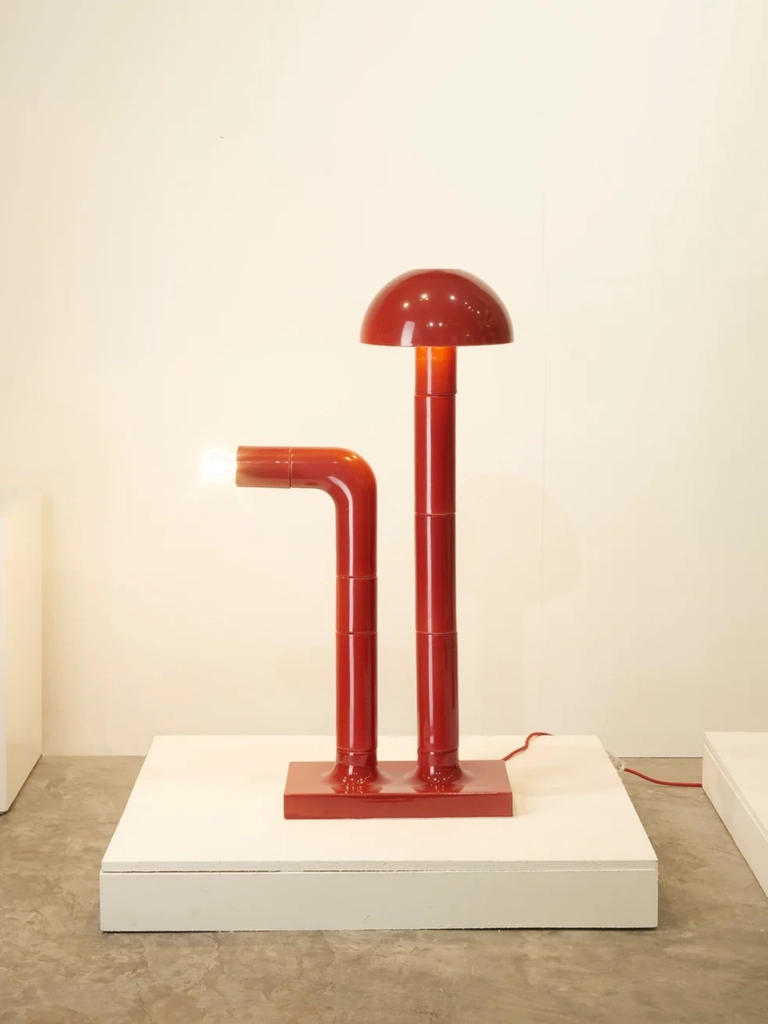
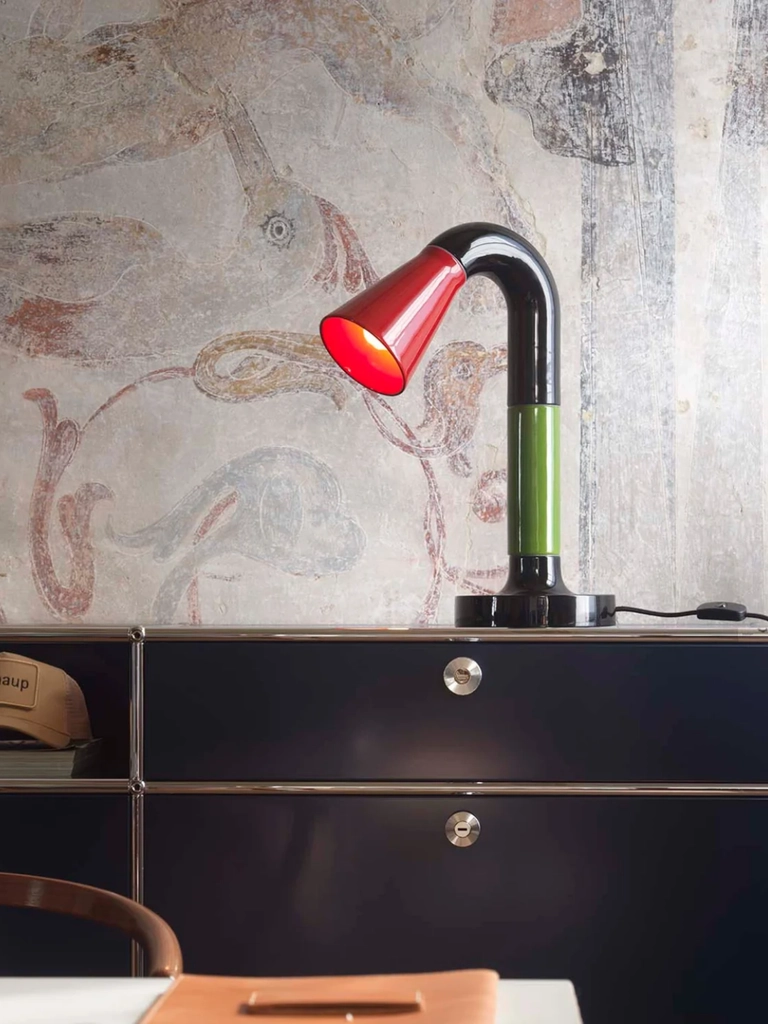
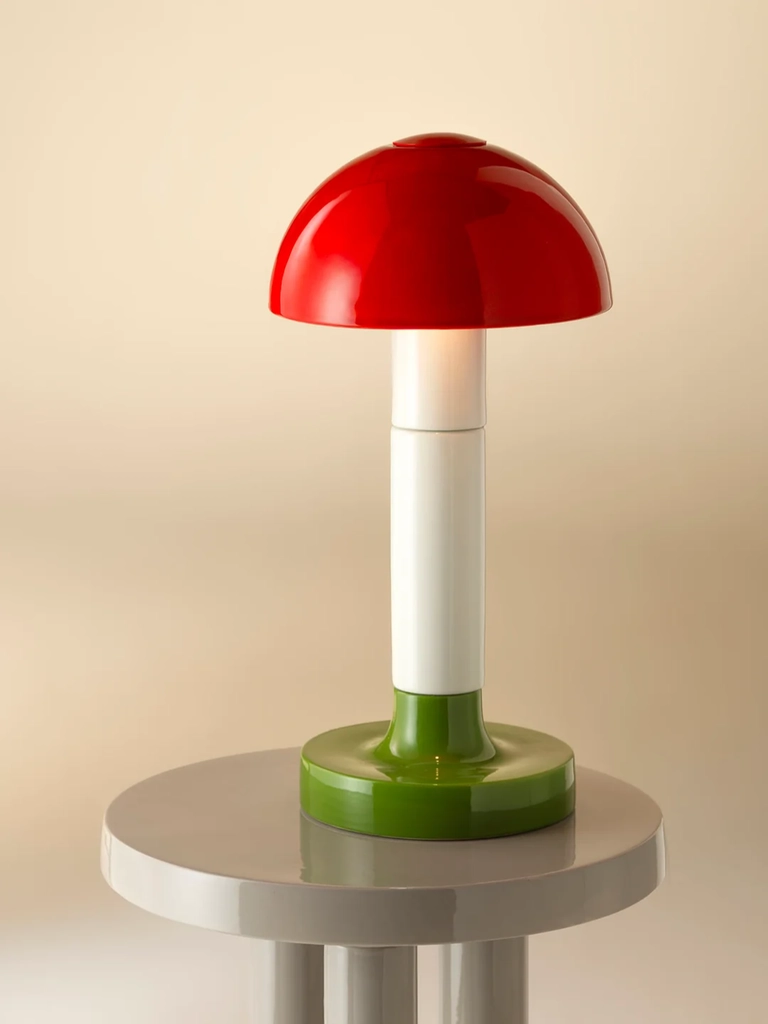
For sophisticated luxury home decor, place one piece within an intentionally sparse composition and allow the surrounding negative space to amplify its silhouette. After dusk, the ceramic begins performing differently as shadows settle into folds and openings, turning the object into a small-scale light installation. Ducasse’s work is particularly compelling for interiors where lighting is expected to contribute to the architecture itself, giving a room an art-led focal point that remains visually powerful whether illuminated or switched off.
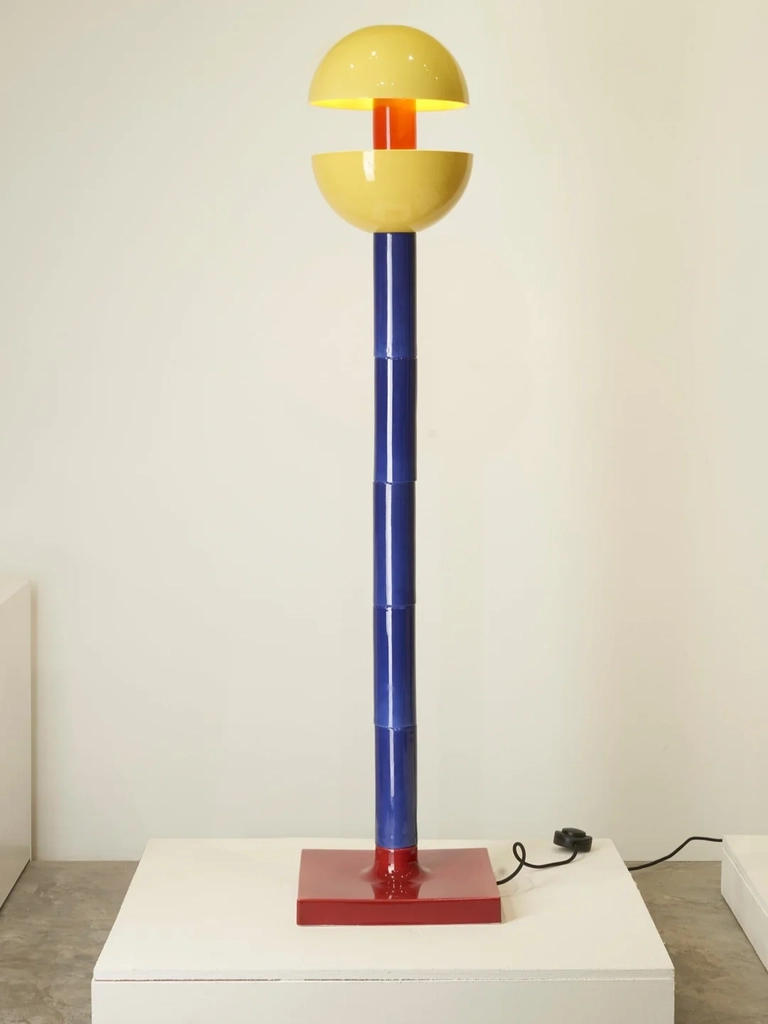
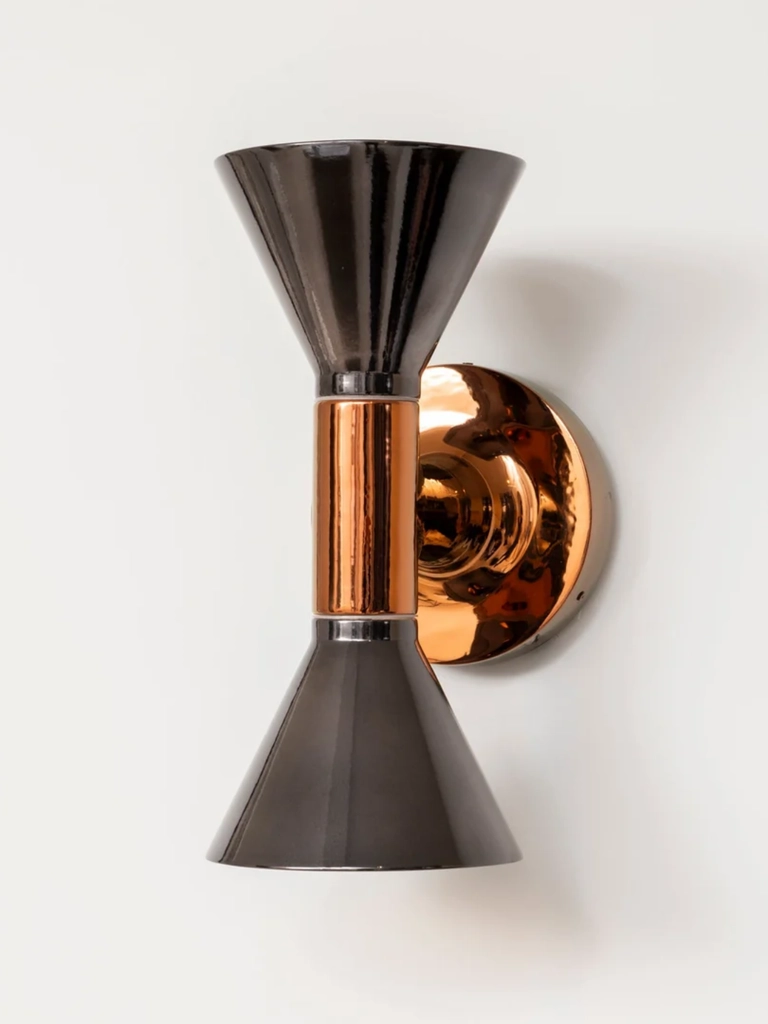
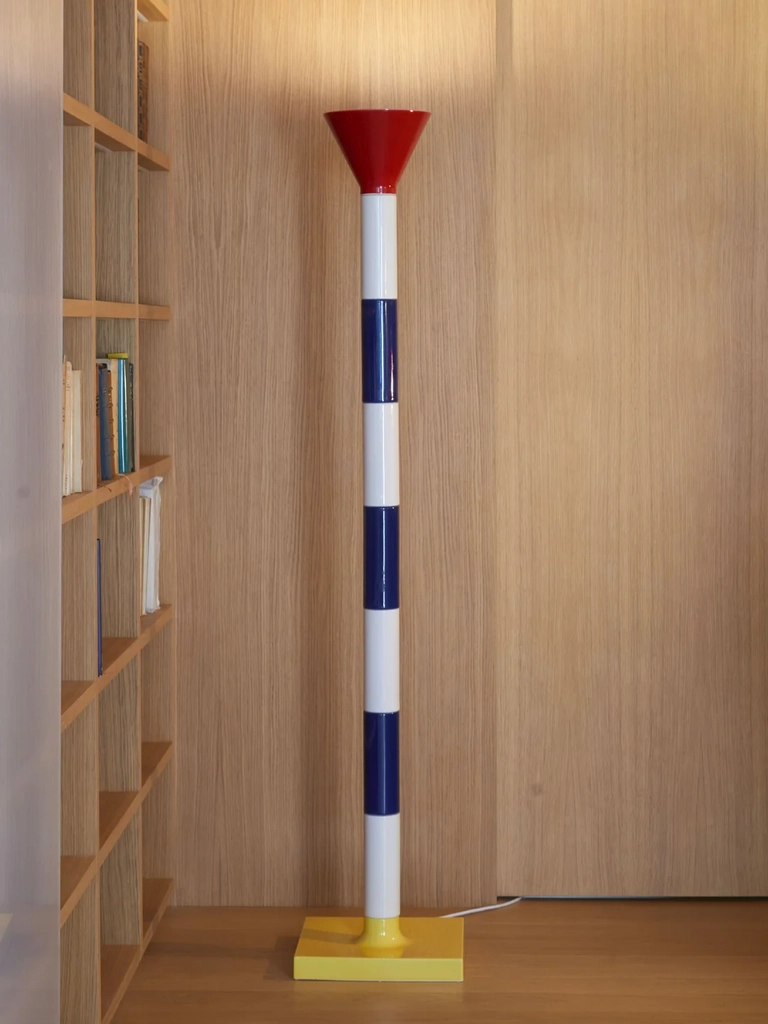
Bridging ancient craftsmanship and contemporary design, luxury ceramic lighting elevates everyday illumination into functional sculpture, bringing tactile grounding and organic warmth to modern interiors.
The strongest ceramic lamps in this new wave make time visible. Their glazes change with daylight, their reliefs deepen after dusk, and their proportions alter the way a room settles around them. Ceramic carries the memory of the hand that shaped it, the heat that fired it and the slight irregularities that keep it visually alive. Whether quiet and chalky, glossy and optical, floral, modular or brightly geometric, these lamps bring a sense of permanence to rooms built around changing routines. In that sense, ceramic lighting does something beautifully simple: it gives the day a softer ending, one pool of light at a time.