Touch brocade fabric and history rises beneath your fingers. Gold flashes through woven blooms, while every raised curve reveals a beauty born entirely on the loom.
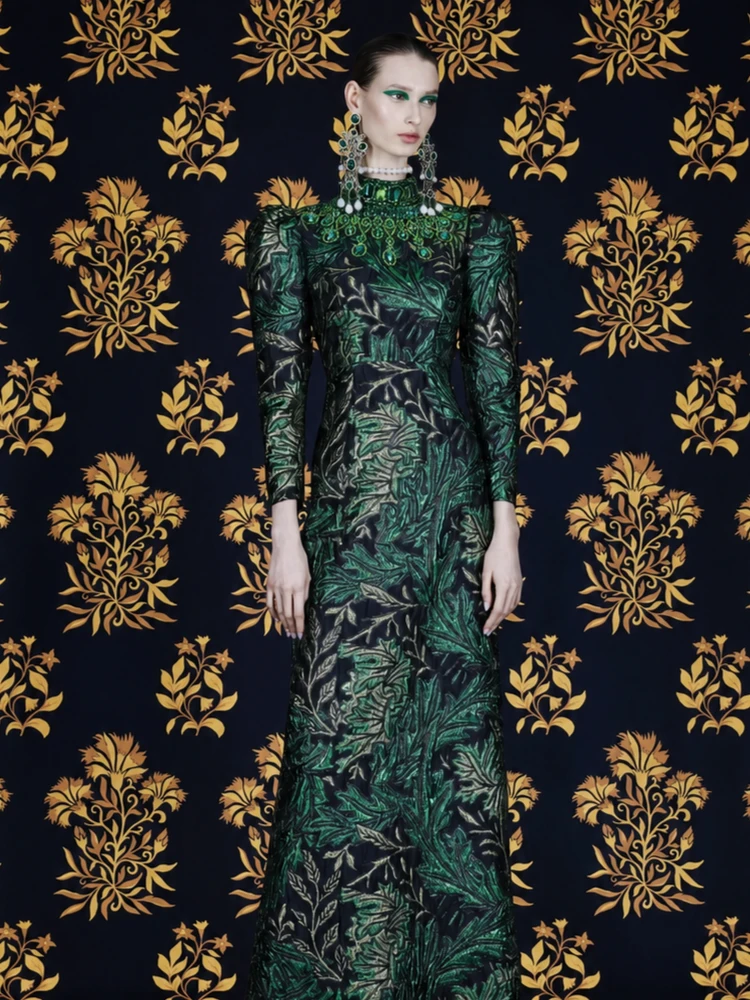
Brocade Fabric: A Regal Tapestry of Power and Tradition
Touch brocade fabric and history rises beneath your fingers. Gold flashes through woven blooms, while every raised curve reveals a beauty born entirely on the loom.
July 23, 2026
Advertisement

Advertisement



Step into an atelier where textile art reaches its absolute zenith. Brocade fabric immediately commands reverence through its architectural relief, gilded threads, jewel-like colors, and inherent sense of ceremony. One beholds a textile that feels like pure wearable majesty.
A fundamental question frequently emerges among textile connoisseurs and style archivists: Does brocade fabric represent a raw fiber, a visual motif, a specific fabric class, or an intricate weaving technique?
Brocade fabric exists as a magnificent decorative woven textile defined by its structural creation. Artisans construct its ornate patterns directly upon the loom using supplementary threads while the base fabric comes into being.
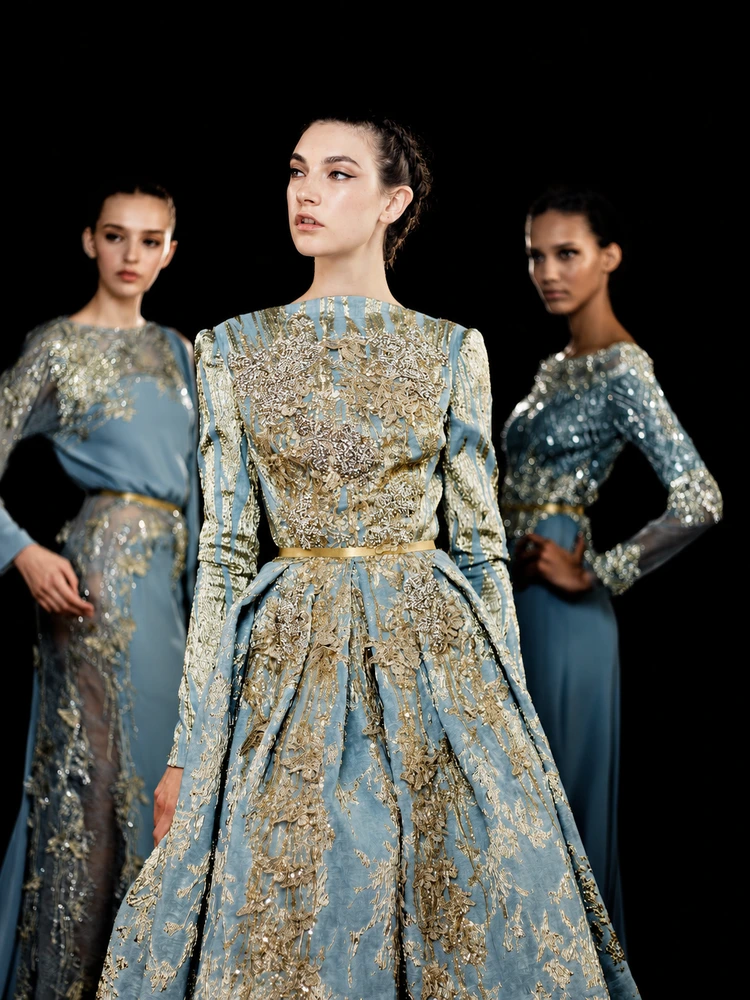
This sacred textile holds an extraordinary dual identity. Historically, brocade fabric wrapped monarchs, religious leaders, and aristocratic courts in divine splendor, serving as a primary symbol of sovereign wealth and spiritual authority.
Within contemporary fashion, this traditional luxury graces haute couture, ethereal eveningwear, tailored suiting, bespoke bridal garments, and elevated ready-to-wear. The following analysis explores how brocade fabric comes to life, how it distinguishes itself from related weaves, its primary varieties, and how to select, tailor, and preserve this monumental textile.
What Is Brocade Fabric? Understanding Its Definition
Three foundational principles govern the definition.
Brocade fabric belongs strictly to the family of woven textiles. Its ornate visual imagery emerges through the mechanical interlacing of threads during production. The pattern exists within the very DNA of the cloth, contrasting with surface-printed textiles where pigments rest upon a finished plane.
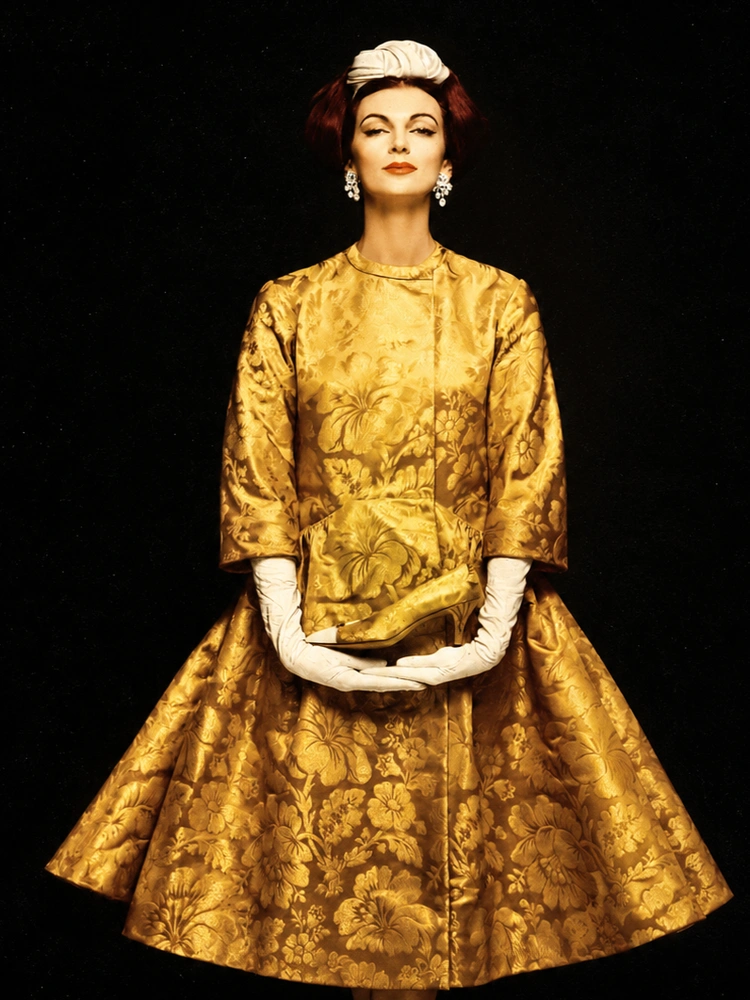
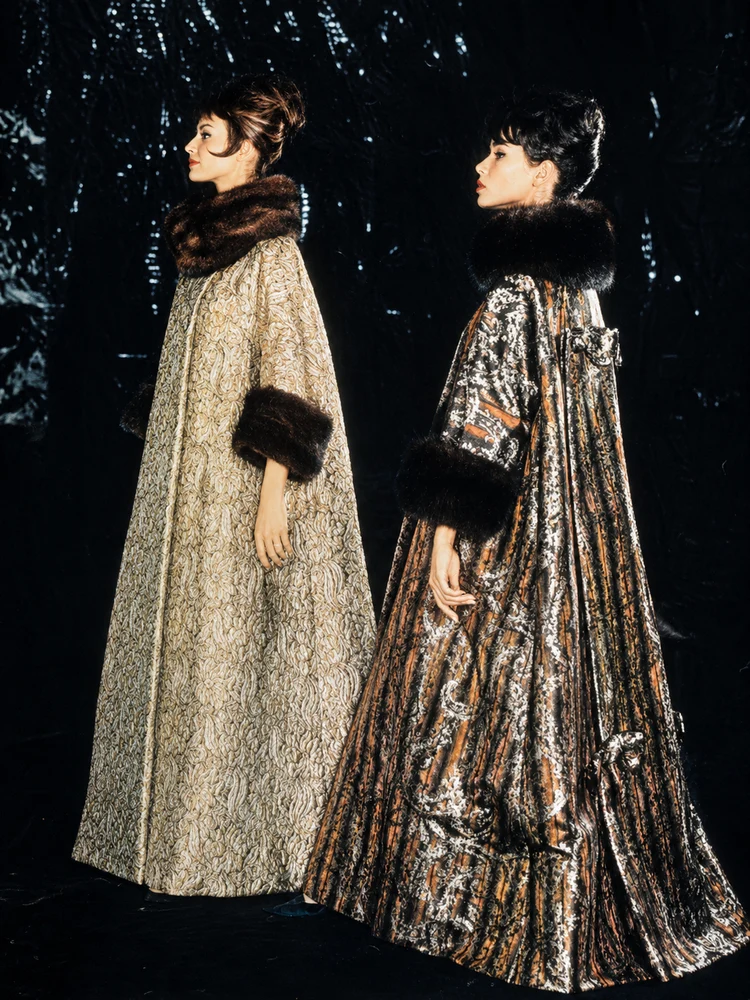
The designation describes structural weaving methods rather than fiber content. Master weavers execute brocades utilizing raw silk, organic cotton, fluid viscose, durable polyester, fine wool, glistening metallic yarns, or complex fiber blends. Fashion archivists identify these specific compositions as silk brocade, cotton brocade, or metallic brocade to clarify their exact tactile qualities.
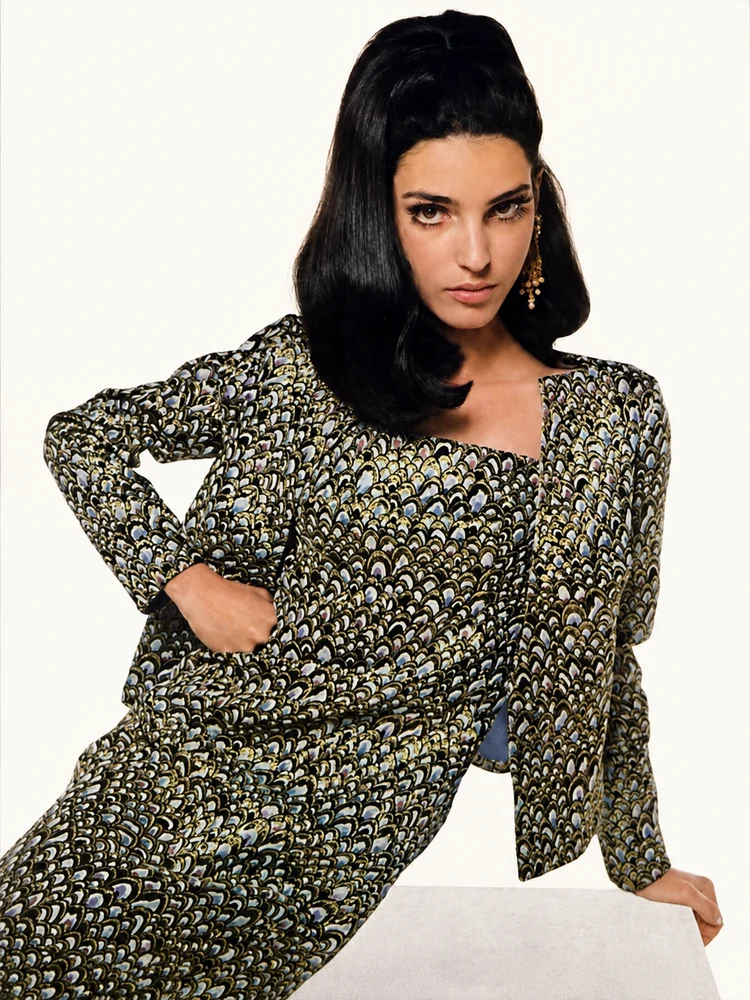
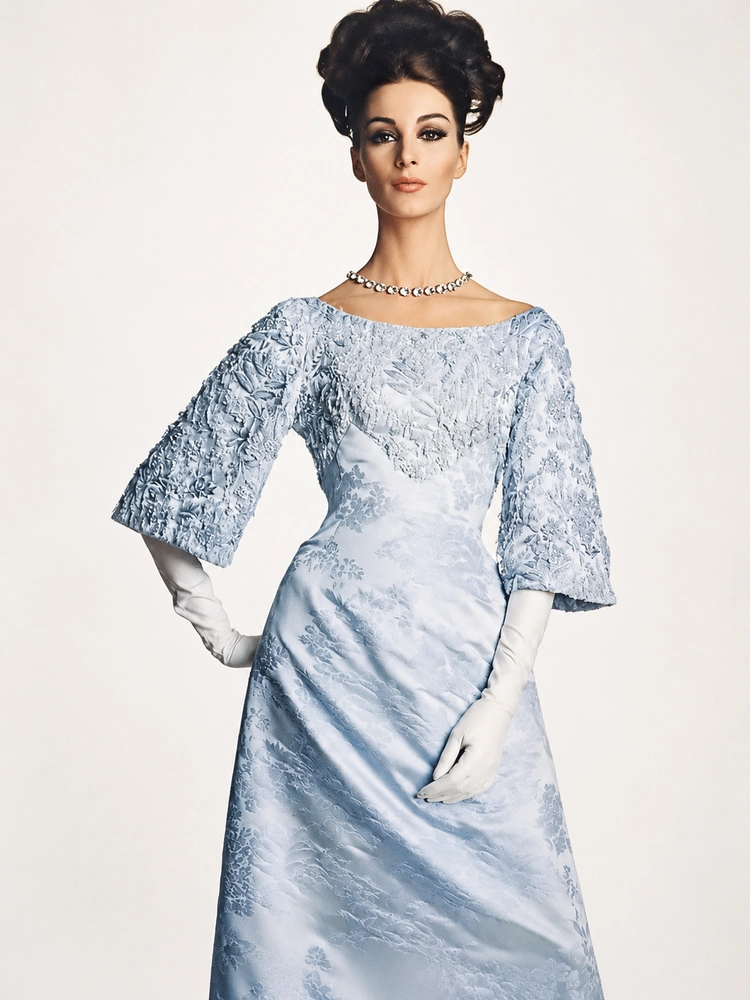
Authentic brocade fabric demonstrates a clear structural duality between its face and reverse. The primary side displays a fully realized, pristine motif radiant with intentional polish. The reverse side reveals floating threads, carried yarns, or a reversed shadow version of the principal design.
Brocade fabric establishes a distinct identity alongside other decorative textiles. Embroidery requires stitching decorative threads onto pre-existing cloth, whereas brocade constructs the ground cloth and decoration simultaneously. Furthermore, while contemporary brocade relies heavily on Jacquard looms, the Jacquard weaving mechanism encompasses a much wider universe of fabrics beyond specialized brocade.
How Brocade Fabric Is Made
Deciphering the creation of brocade fabric requires an appreciation for textile architecture. Warp threads run vertically under immense tension across the loom, establishing the structural foundation. Weft threads traverse horizontally, weaving through the warp to build the ground cloth.
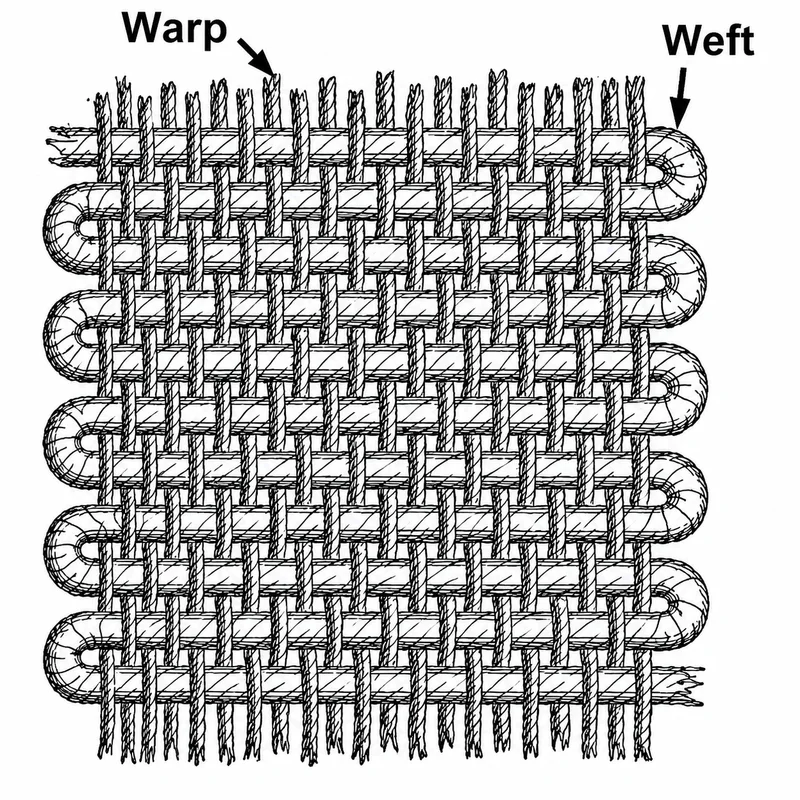
Brocade fabric elevates this basic structure by integrating supplementary weft threads. These extra decorative yarns operate alongside the primary structural yarns to sculpt intricate surface art. Artisans deploy these supplementary threads to form blooming florals, sweeping acanthus scrolls, sacred symbols, heraldic animals, and gleaming metallic accents.
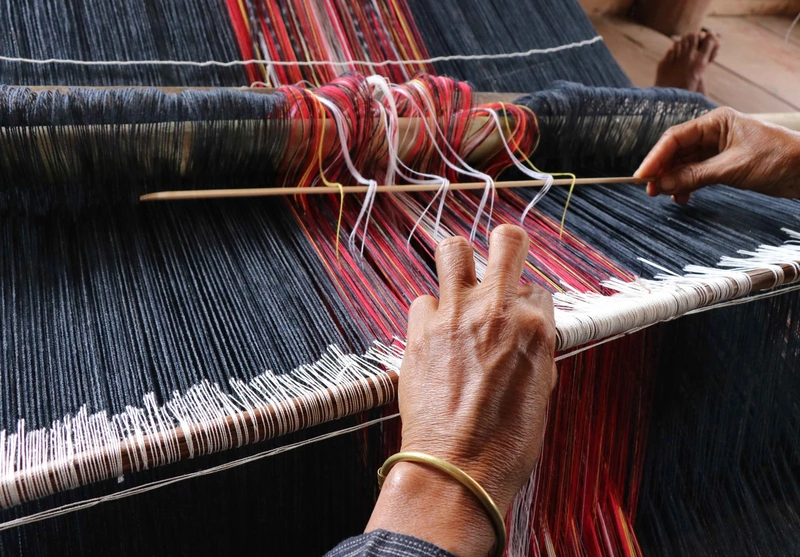
In continuous brocade construction, decorative supplementary yarns travel across the complete width of the loom. Where the pattern pauses on the front face, these extra threads float across the reverse side or undergo delicate hand-shearing during final finishing. This technique creates a substantial weight, giving the fabric an architectural body suitable for dramatic silhouettes.
Selective weft construction, historically referenced in archives as sectional weft weaving, introduces decorative yarns exclusively where specific motifs reside. This meticulous approach conserves precious metallic threads, reduces reverse-side floats, and allows precise color placement across localized areas of the textile.
Historically, master craftspeople produced elaborate brocade fabric utilizing drawlooms that required multiple artisans working in perfect harmony over endless months. The invention of the Jacquard loom revolutionized this process, granting individual control over warp threads via mechanical controls and punched cards.
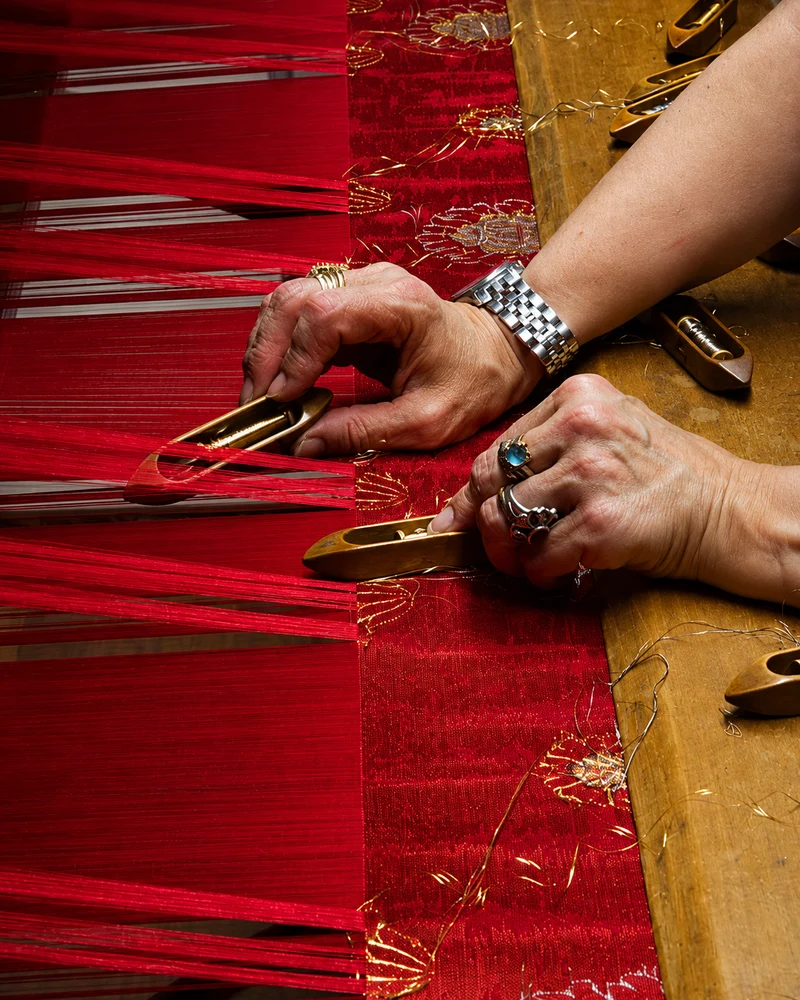
Modern ateliers produce brocade fabric utilizing handlooms, automated Jacquard systems, and computerized industrial looms. The choice of fiber, weave density, motif scale, and finishing treatments dictates whether the resulting textile exhibits a crisp structure, a fluid drape, a matte surface, or a blinding metallic sheen.
What Are the Main Characteristics of Brocade Fabric?
Brocade fabric displays distinct physical traits that elevate it to legendary status within fashion archives.
A distinctly dimensional surface defines the textile. Supplementary yarns sit elevated above the base weave, creating a tactile relief that captures light across every movement of the body.
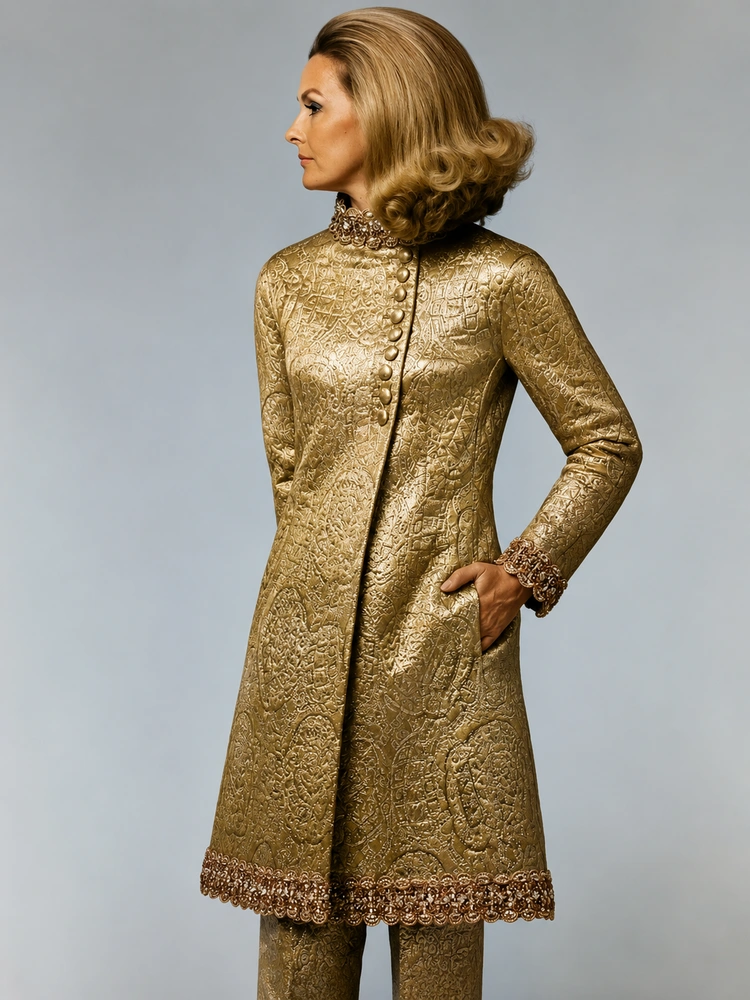
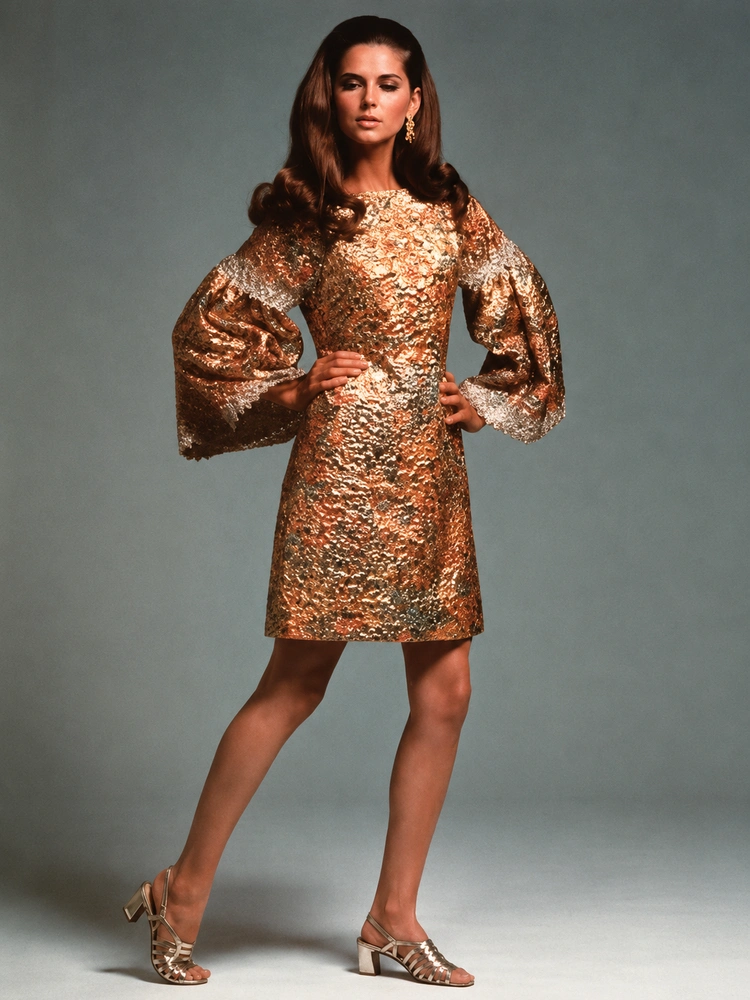
The fabric interacts magnificently with surrounding light. Natural silk fibers, satin ground structures, and metallic filaments catch ambient rays, transforming simple movement into a dynamic visual performance.
Intrinsic visual density permits brocade fabric to transform modest garment patterns into opulent masterpieces. The textile brings its own ornate narrative to the design, minimizing the need for additional surface embellishments.
Substantial structural body allows brocade fabric to hold dramatic shapes effortlessly. The cloth supports sculpted corsetry, architectural pleats, and sweeping hemlines while maintaining geometric integrity.
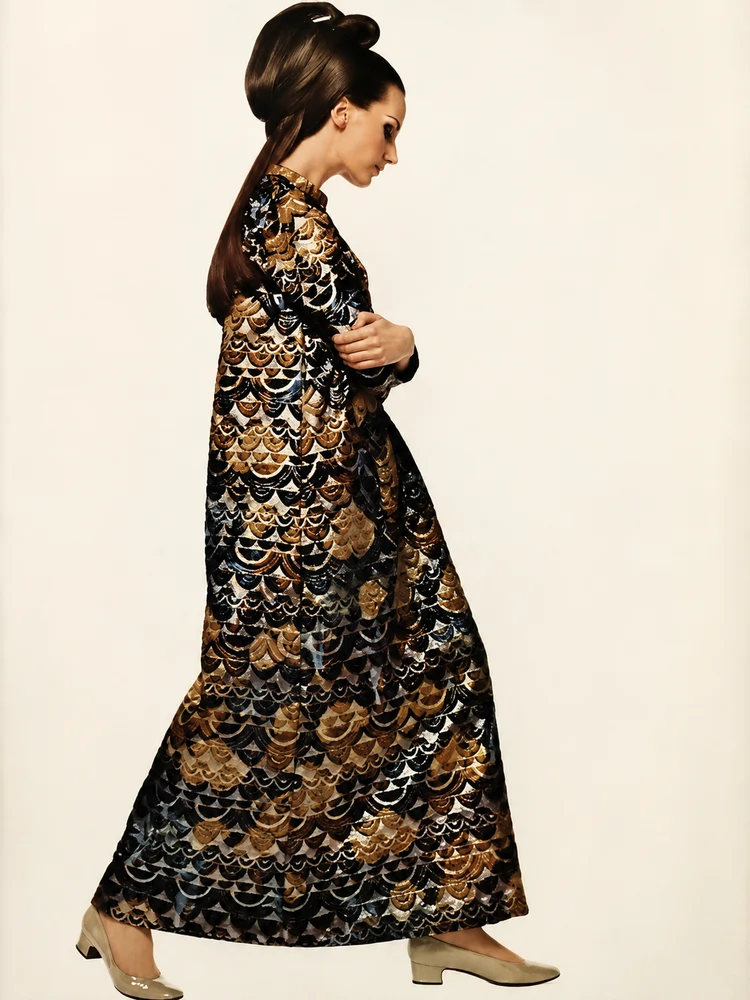
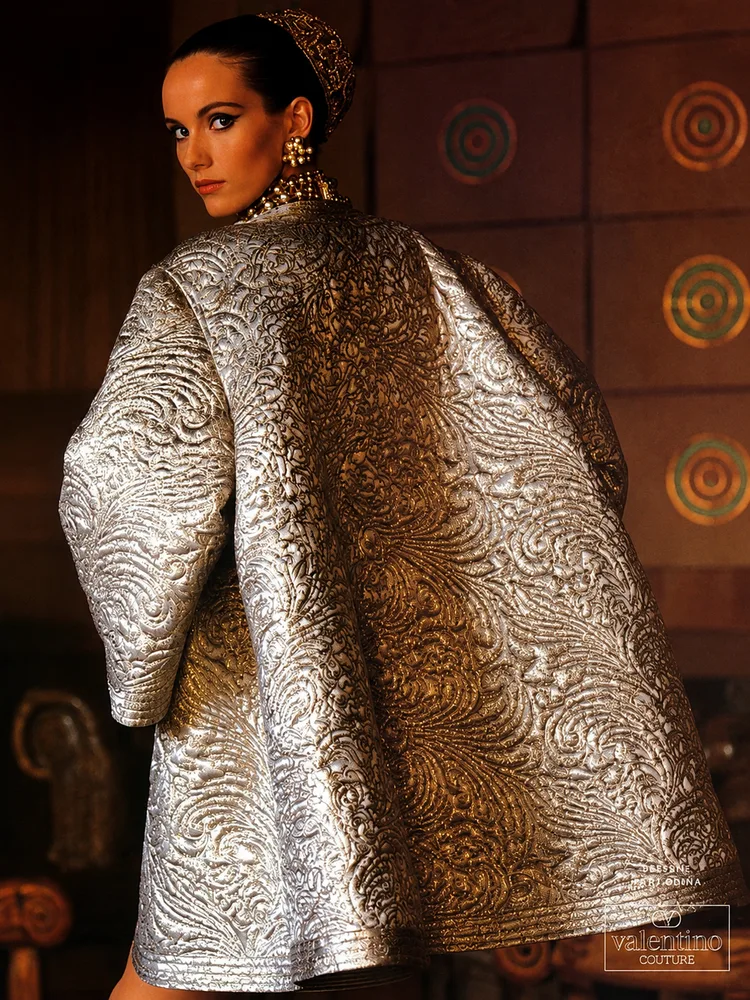
Natural stability characterizes traditional brocades. The intricate interlacing of multiple yarn systems creates a firm weave that preserves its shape through decades of wear.
Structural duality separates the polished face from the functional reverse. The front presents artistic perfection, while the reverse side showcases the raw, intriguing mechanics of the supplementary weave.
Practical considerations accompany this luxury material. Cut edges show a tendency to fray, while exposed floats on the reverse side require smooth linings to shield against friction.
Where Did Brocade Fabric Come From? Its History and Evolution
The global origin story of brocade fabric remains a collective masterpiece across human civilization, as multiple ancient cultures independently mastered complex pattern weaving. The earliest physical proof of pattern-loom technology survives from a second-century BCE Western Han tomb at Laoguanshan in Chengdu, where artisans crafted vibrant jin silk brocade fabric for Silk Road trade routes.
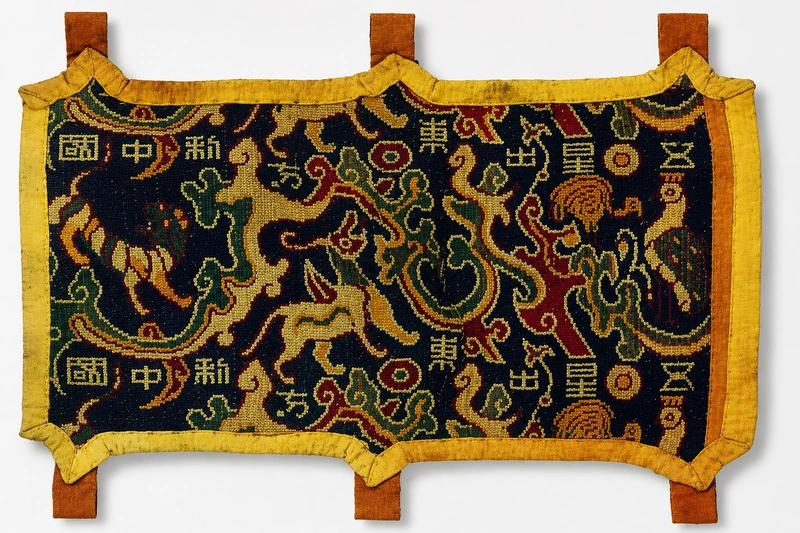
Between the sixth and fifteenth centuries, throughout the medieval period, specialized weaving methods traveled across Eurasia, enriching textile traditions throughout Central Asia, Persia, India, Byzantium, and Europe with exquisite brocade fabric techniques.
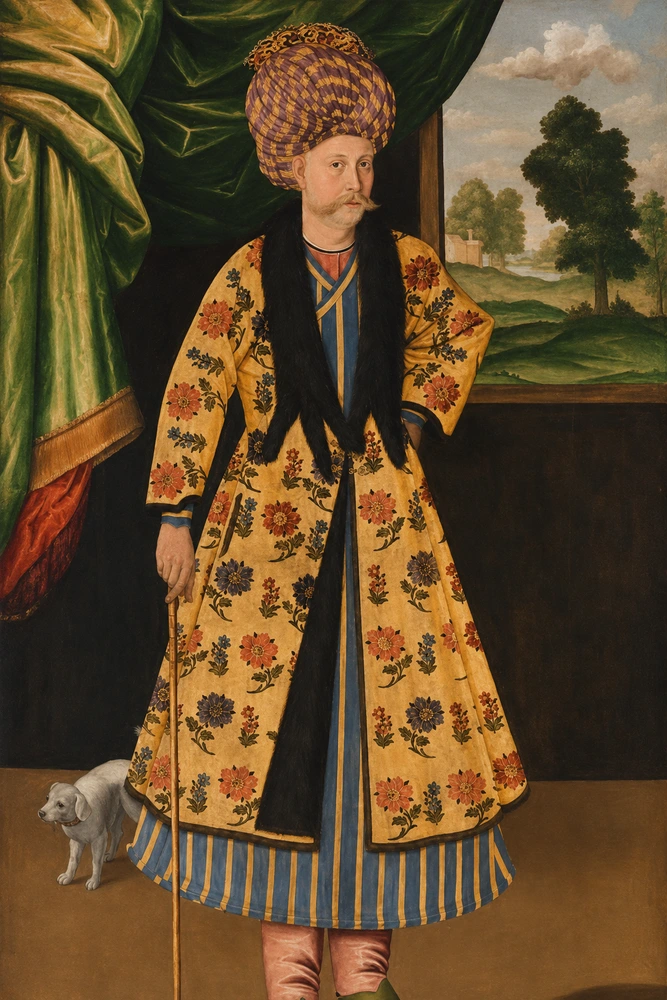
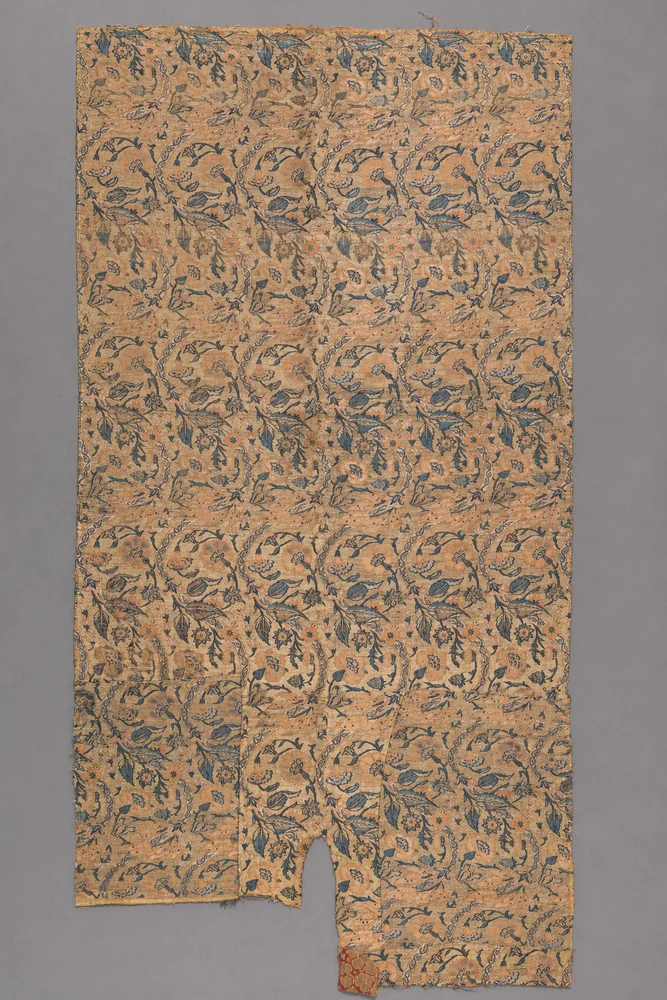
Safavid Iran experienced a triumphant golden age of brocade fabric between 1501 and 1722, as royal workshops expanded under Shah Tahmasp from 1524 to 1576 and Shah Abbas I centralized silk trade from 1587 to 1629.
European royal courts simultaneously embraced this regal luxury, transitioning leadership from Italian Renaissance guilds to Lyon, France, where Louis XIV fostered a booming luxury-silk industry employing 15,000 artisans by the late eighteenth century.
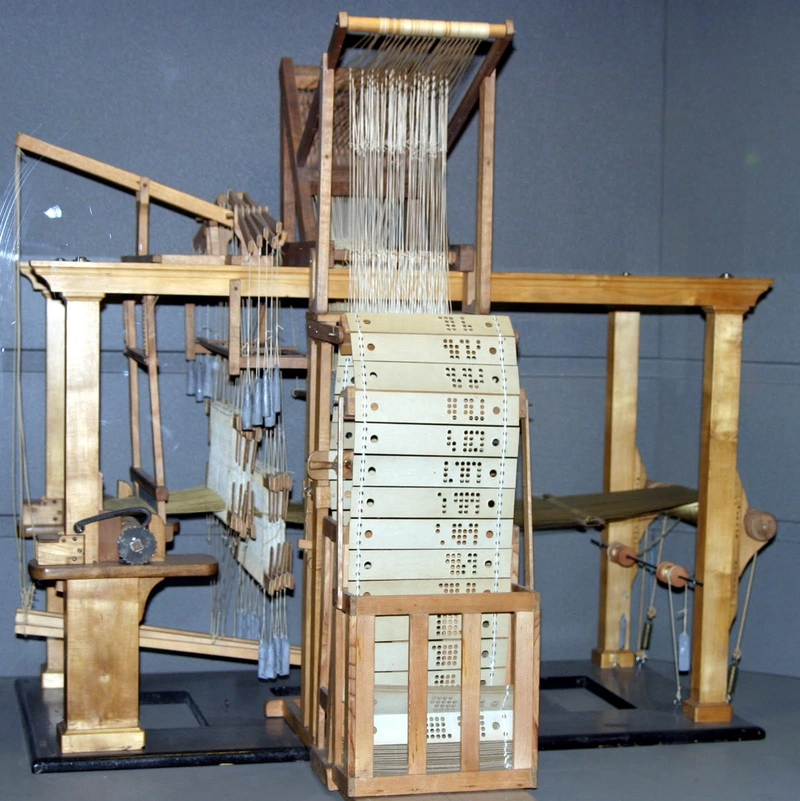
Innovation accelerated when Philippe de Lasalle introduced removable pattern controls in 1774, laying the foundation for Joseph Marie Jacquard’s 1801 mechanized loom that revolutionized brocade fabric production.
The Main Types of Brocade Fabric
Textile scholars classify brocade fabric through fiber origin, ground structure, surface treatments, and regional traditions.
Silk brocade represents the absolute pinnacle of luxury textiles. Renowned for its natural luster, rich color saturation, and sacred history, silk brocade balances structural crispness with fluid grace. It remains the preferred choice for couture gowns, royal ceremonial garments, and sacred bridal vestments.
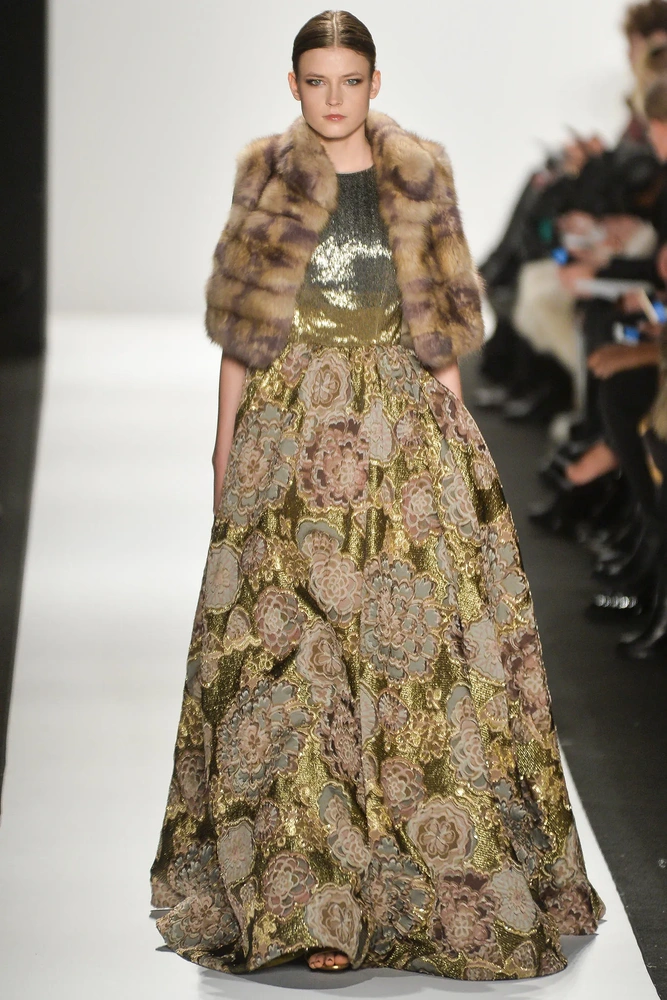
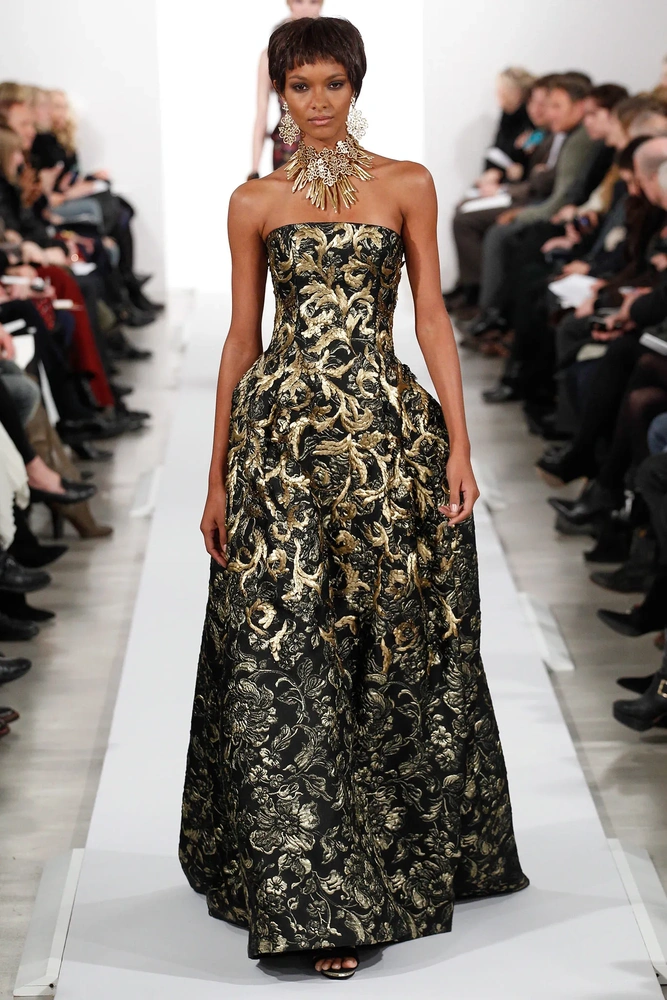
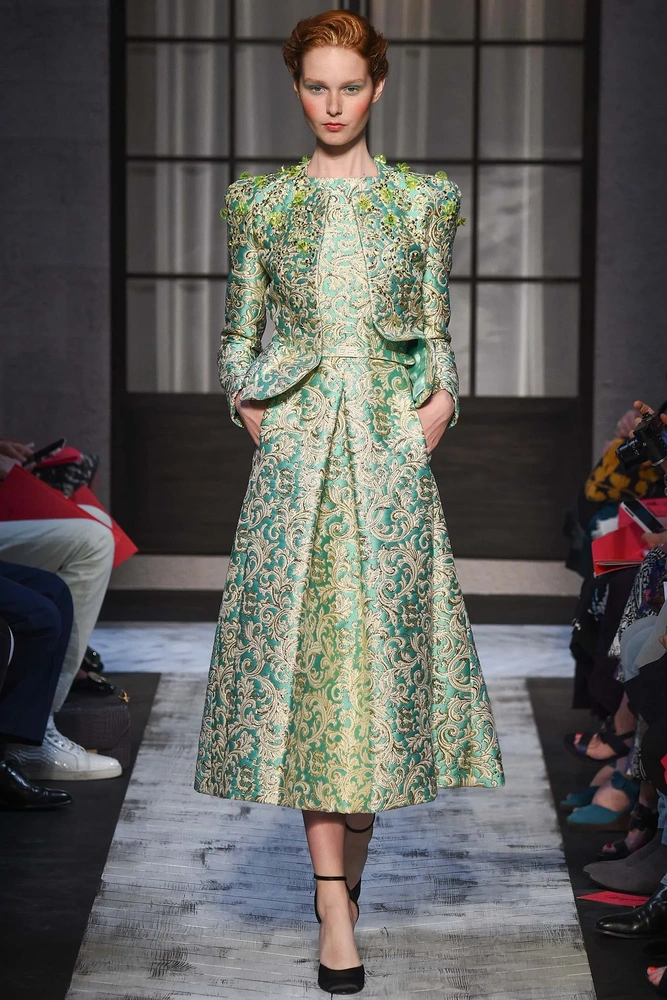
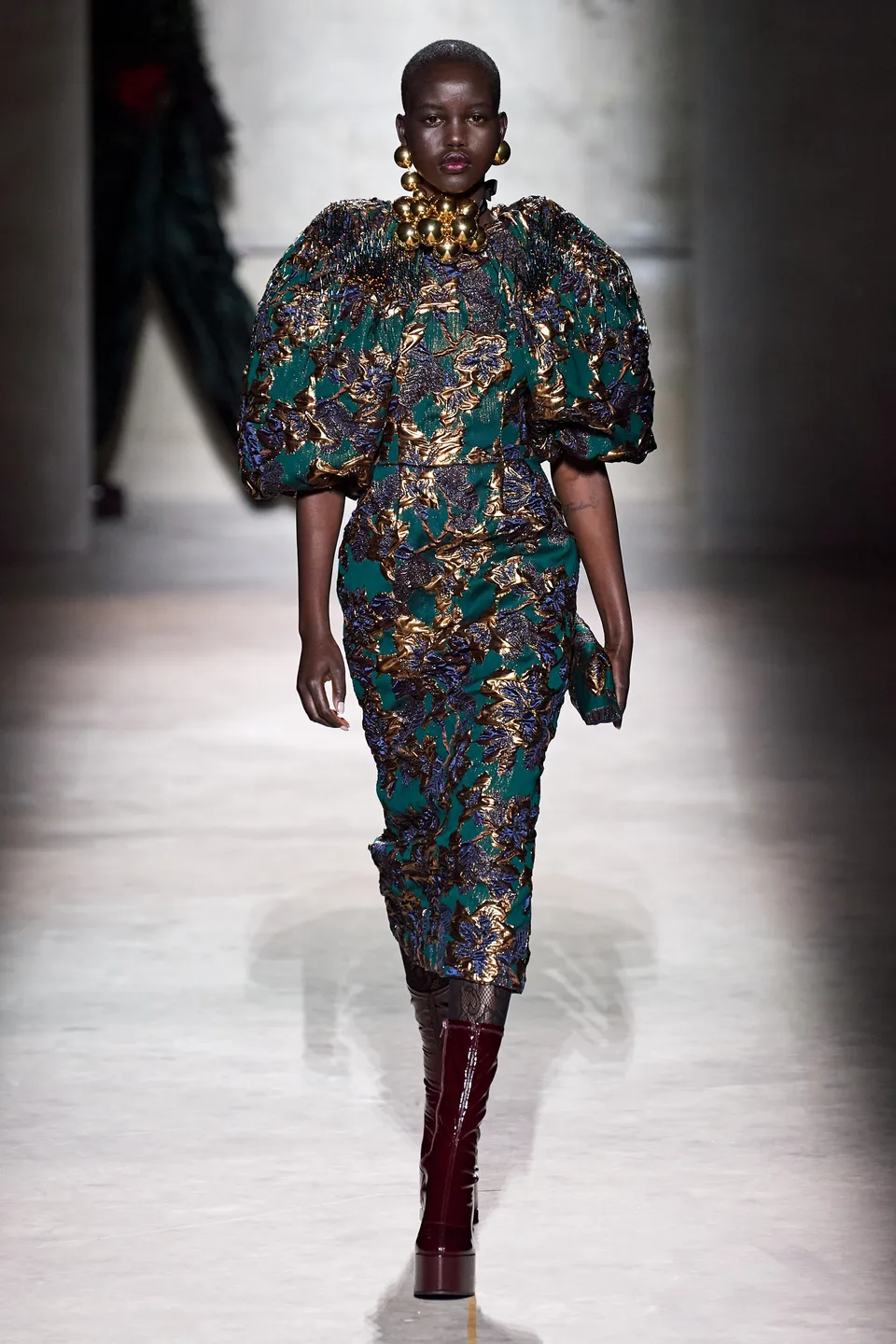
Cotton brocade delivers a refined, matte aesthetic coupled with exceptional breathability. Its tactile comfort and subtle relief render it ideal for tailored spring jackets, structured day dresses, and bespoke upholstery.
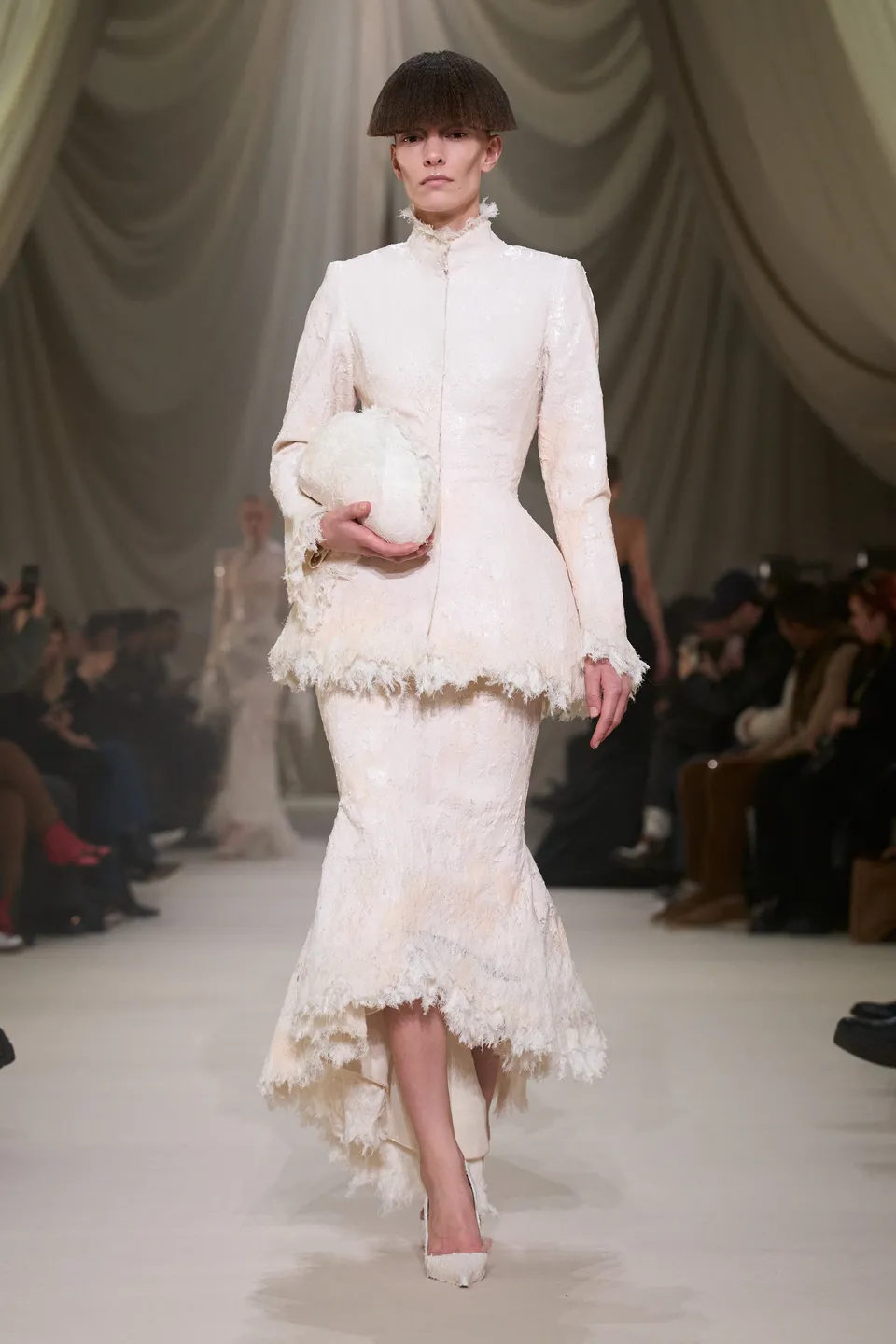
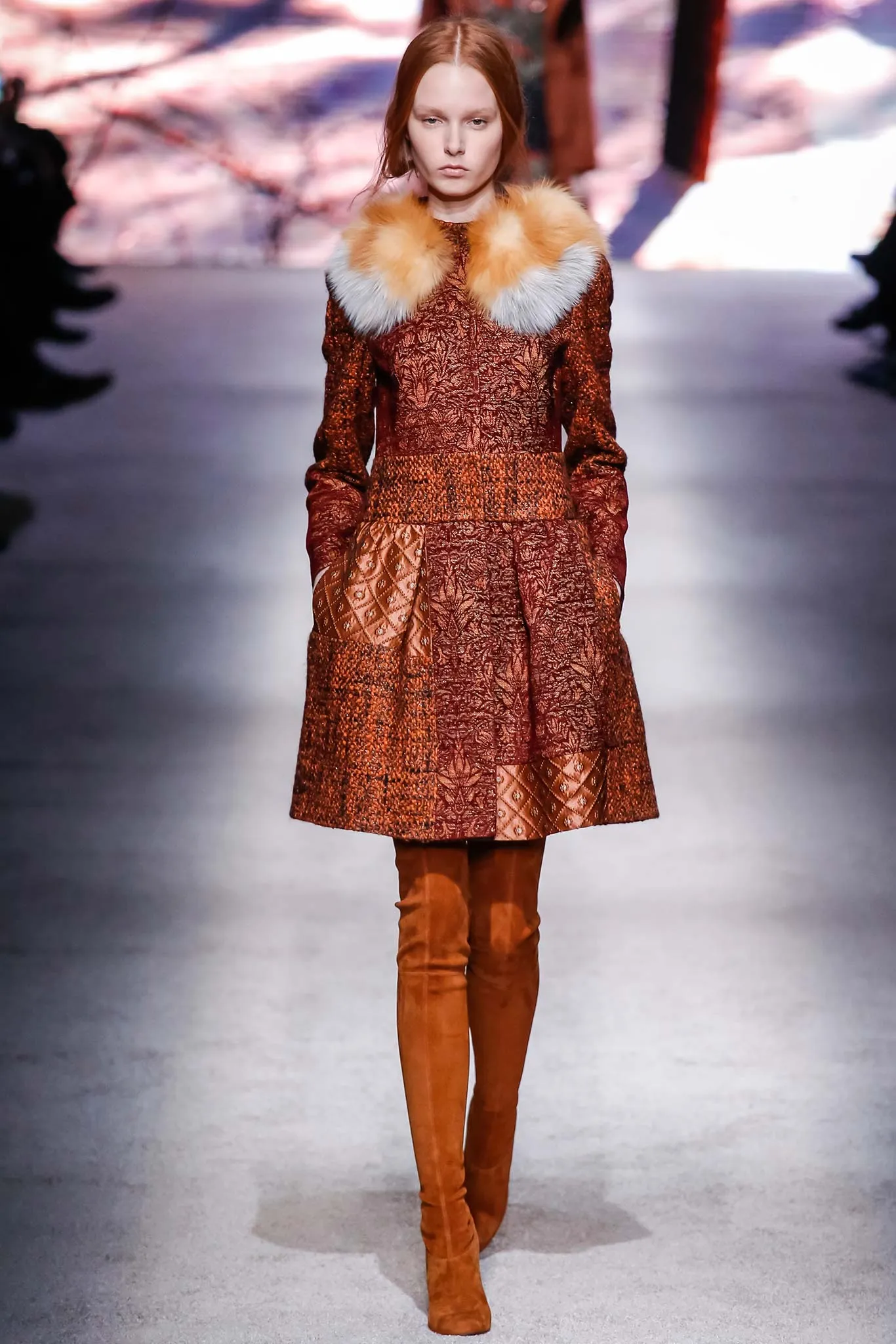
Viscose and rayon brocades offer a fluid, liquid drape alongside radiant color absorption. These varieties provide an accessible alternative to pure silk, exhibiting a graceful fall across evening skirts and blouses.
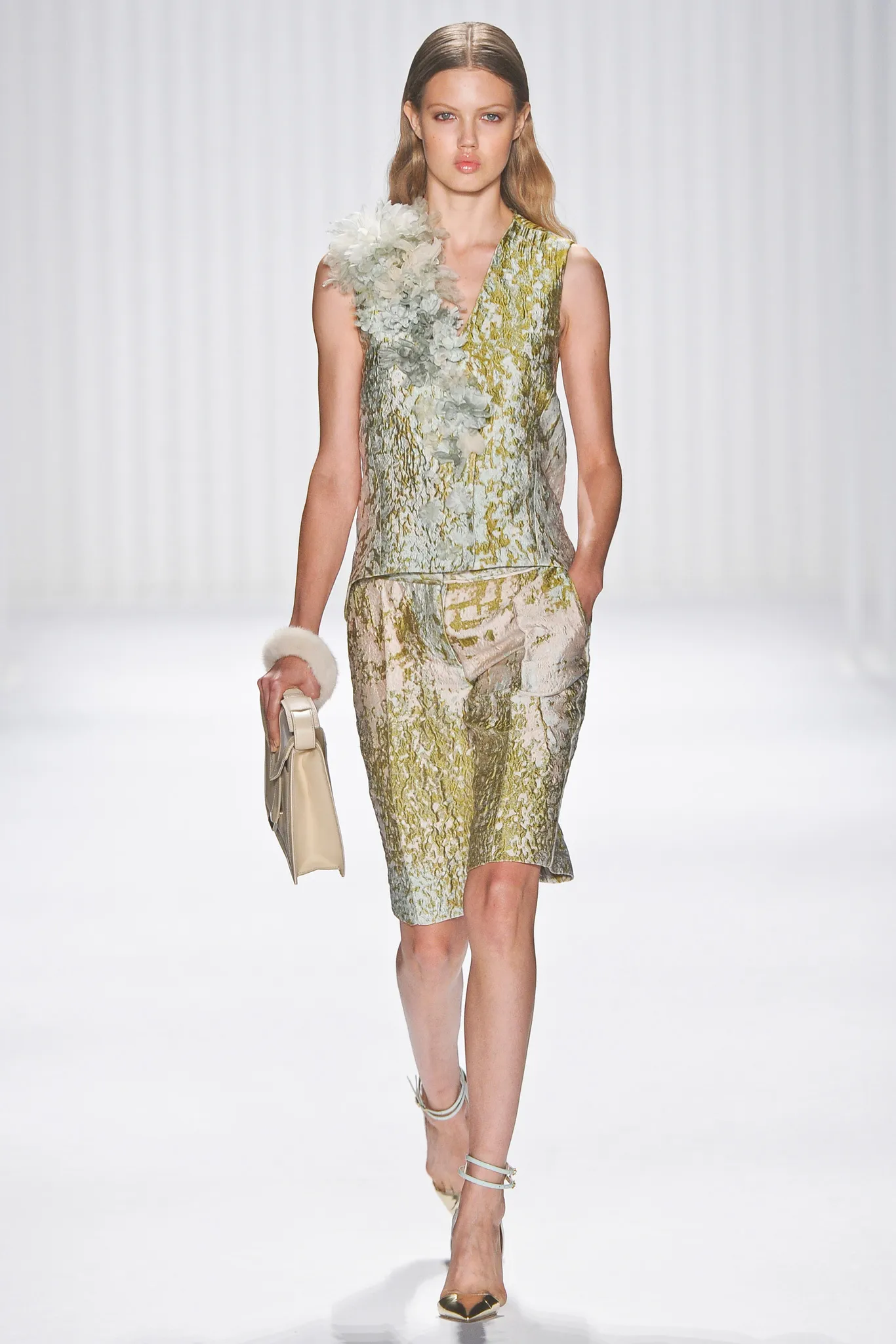
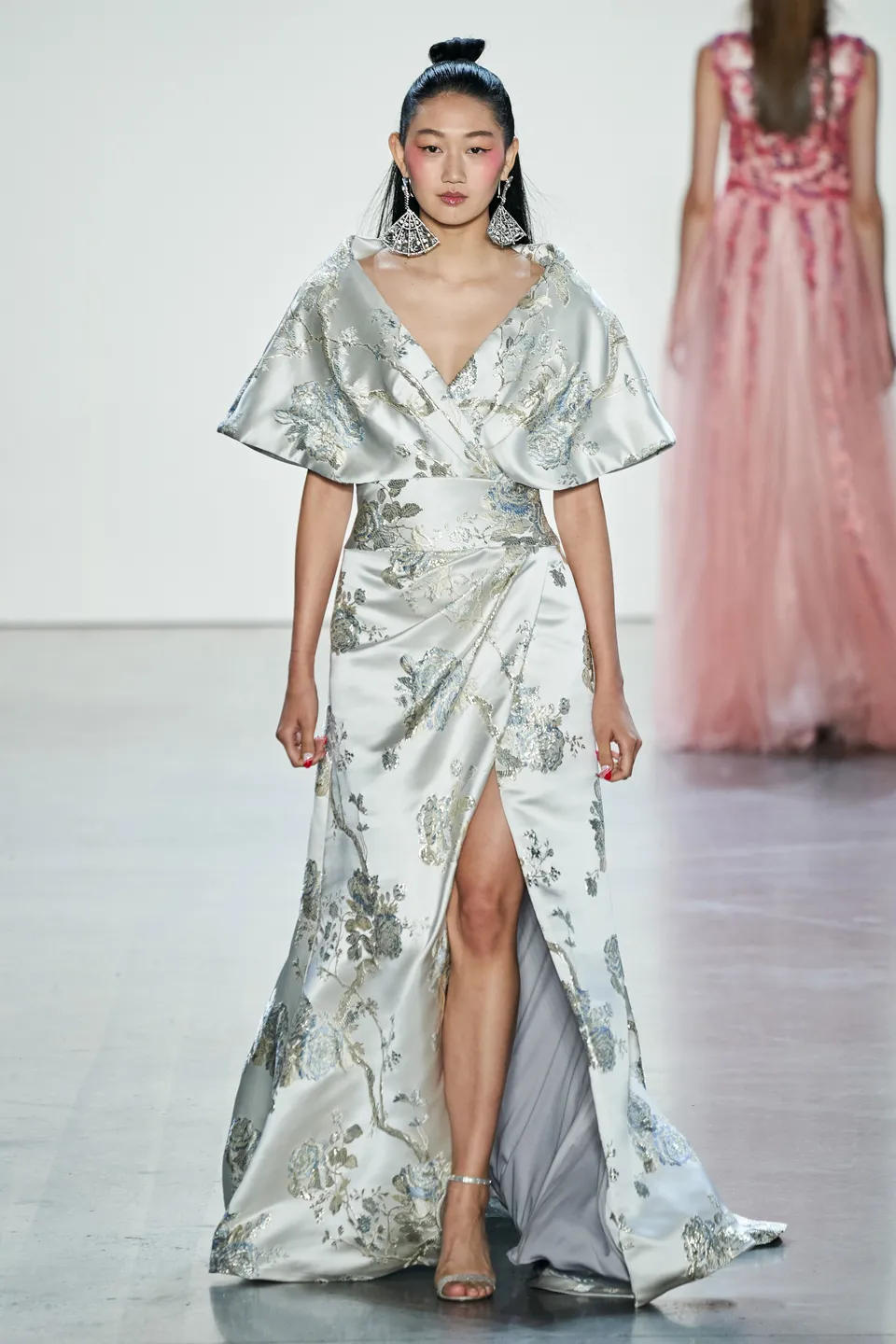
Polyester brocade fabric delivers impressive structural durability, color vibrancy, and wrinkle resistance. Modern mills weave polyester brocade with high precision, creating accessible textiles that hold sharp pleats and dramatic shapes.
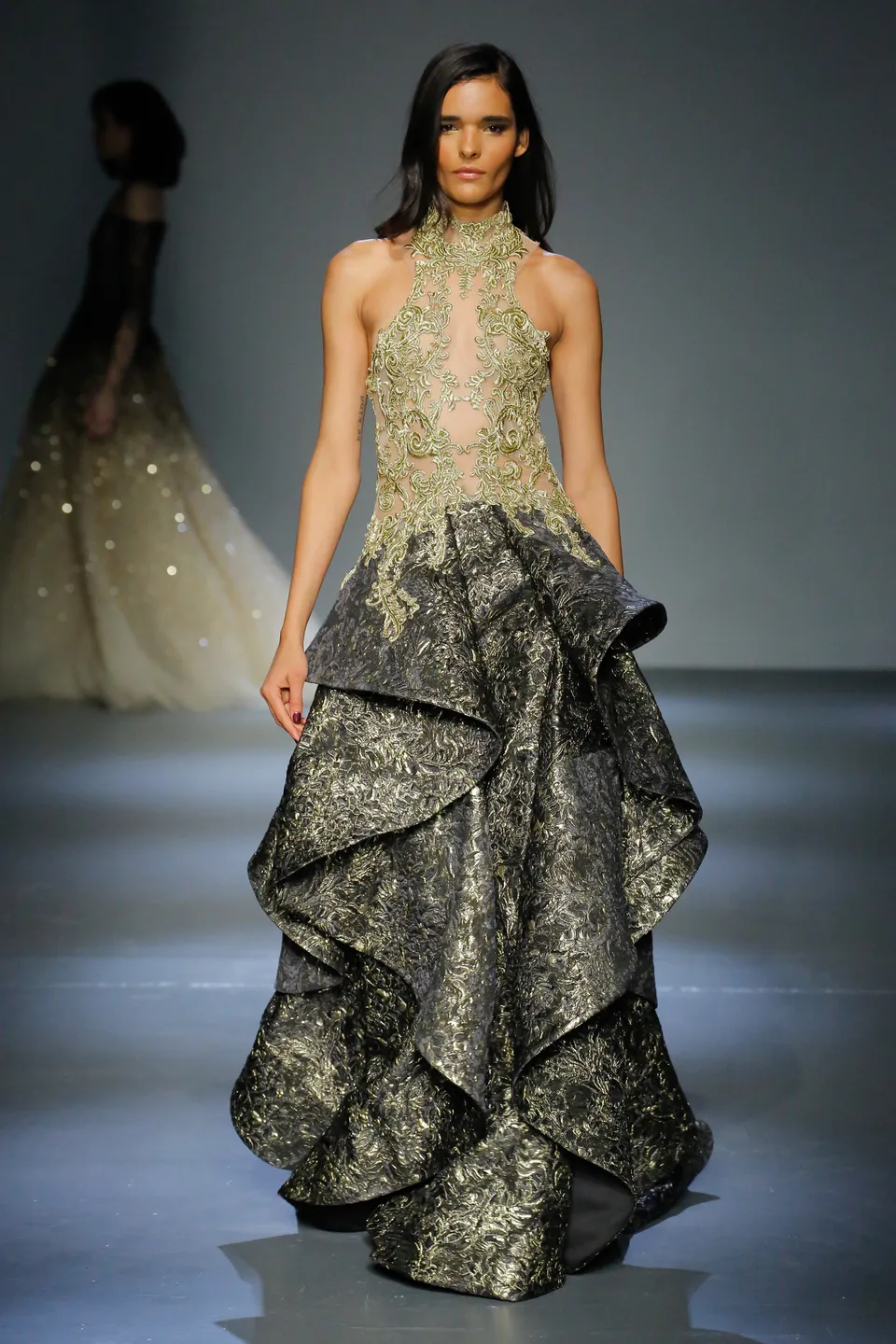
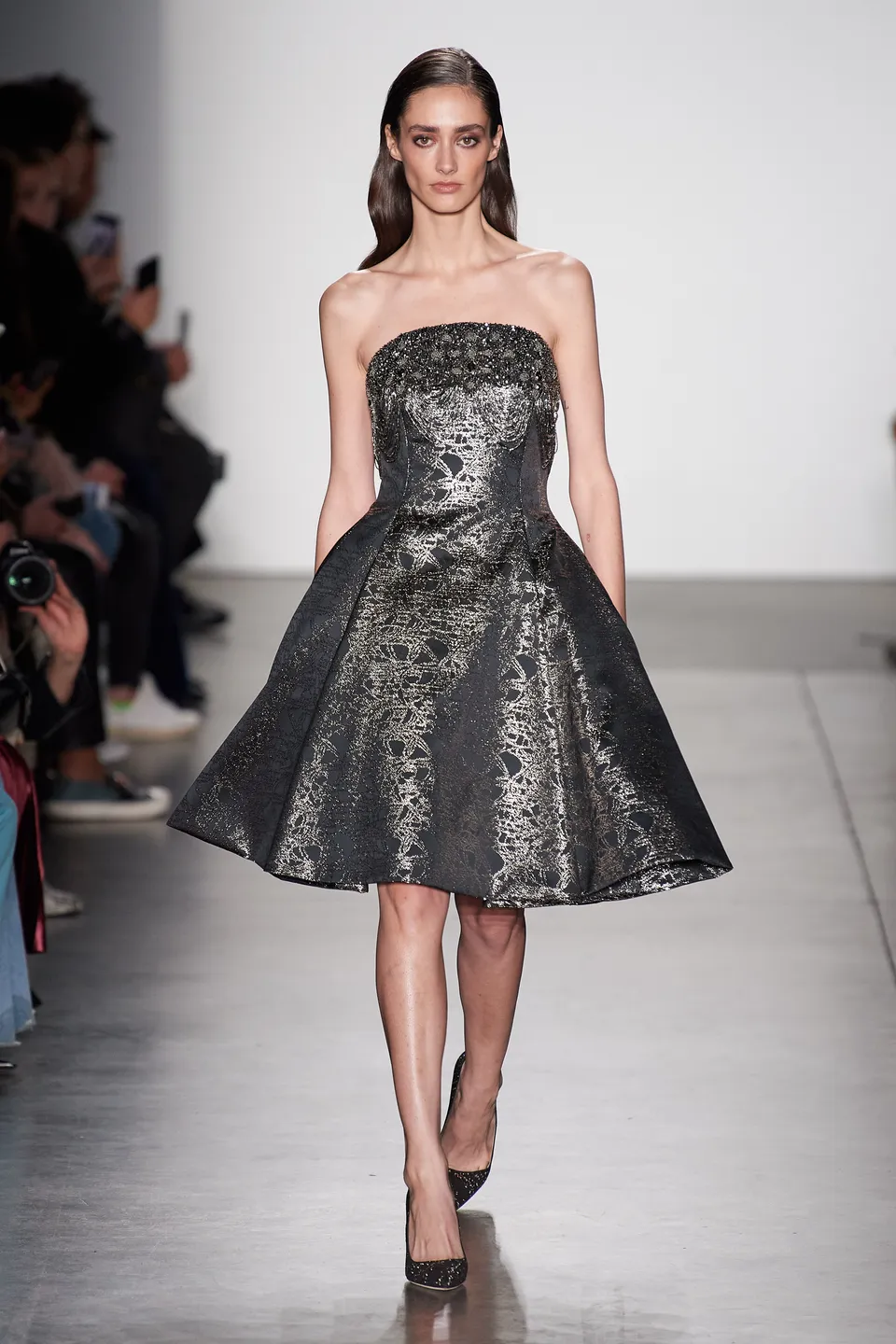
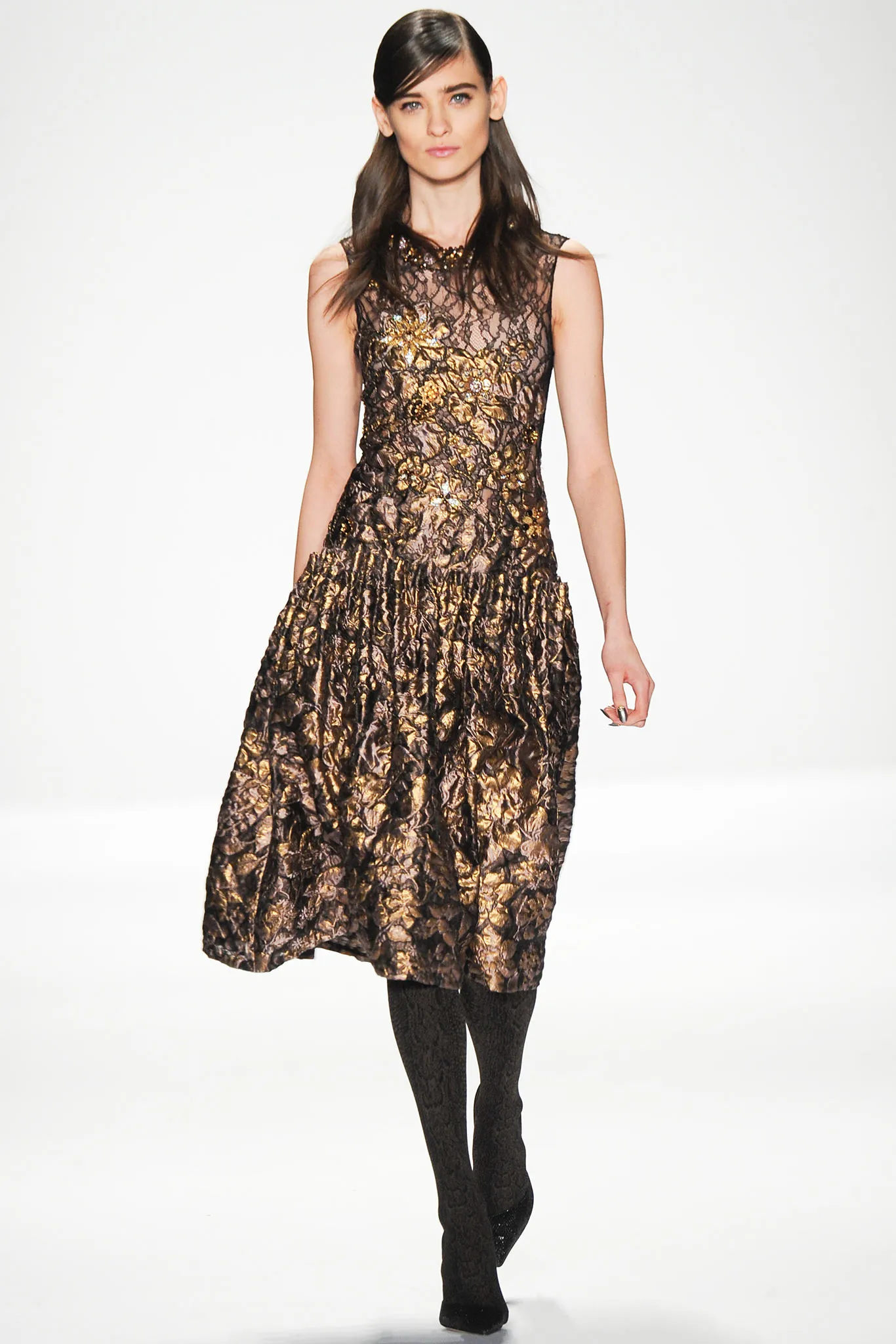
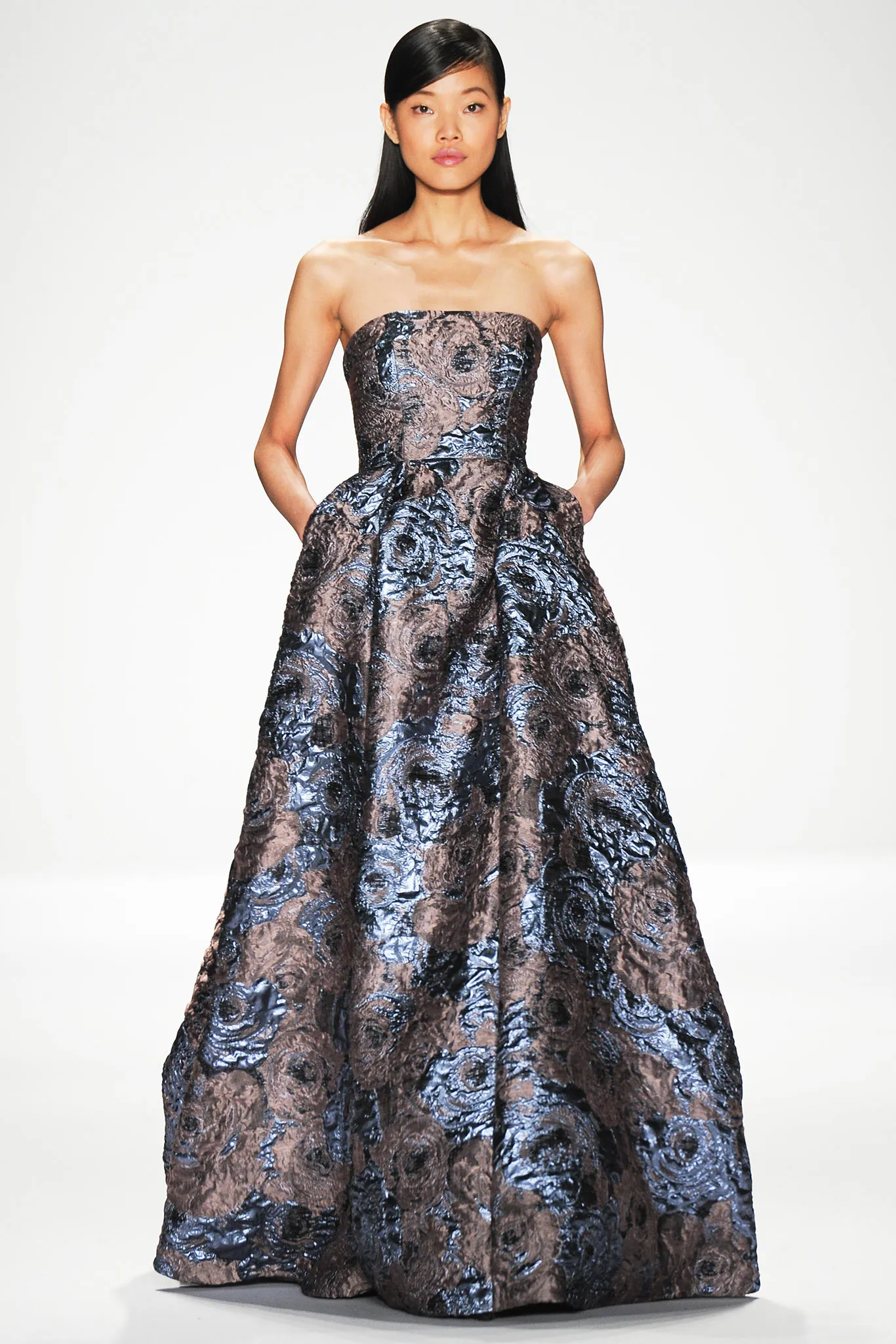
Metallic brocade integrates real gold, silver, copper, or modern synthetic lurex yarns. These luminous threads infuse the fabric with sovereign brilliance, adding a firm structure that captures light brilliantly.
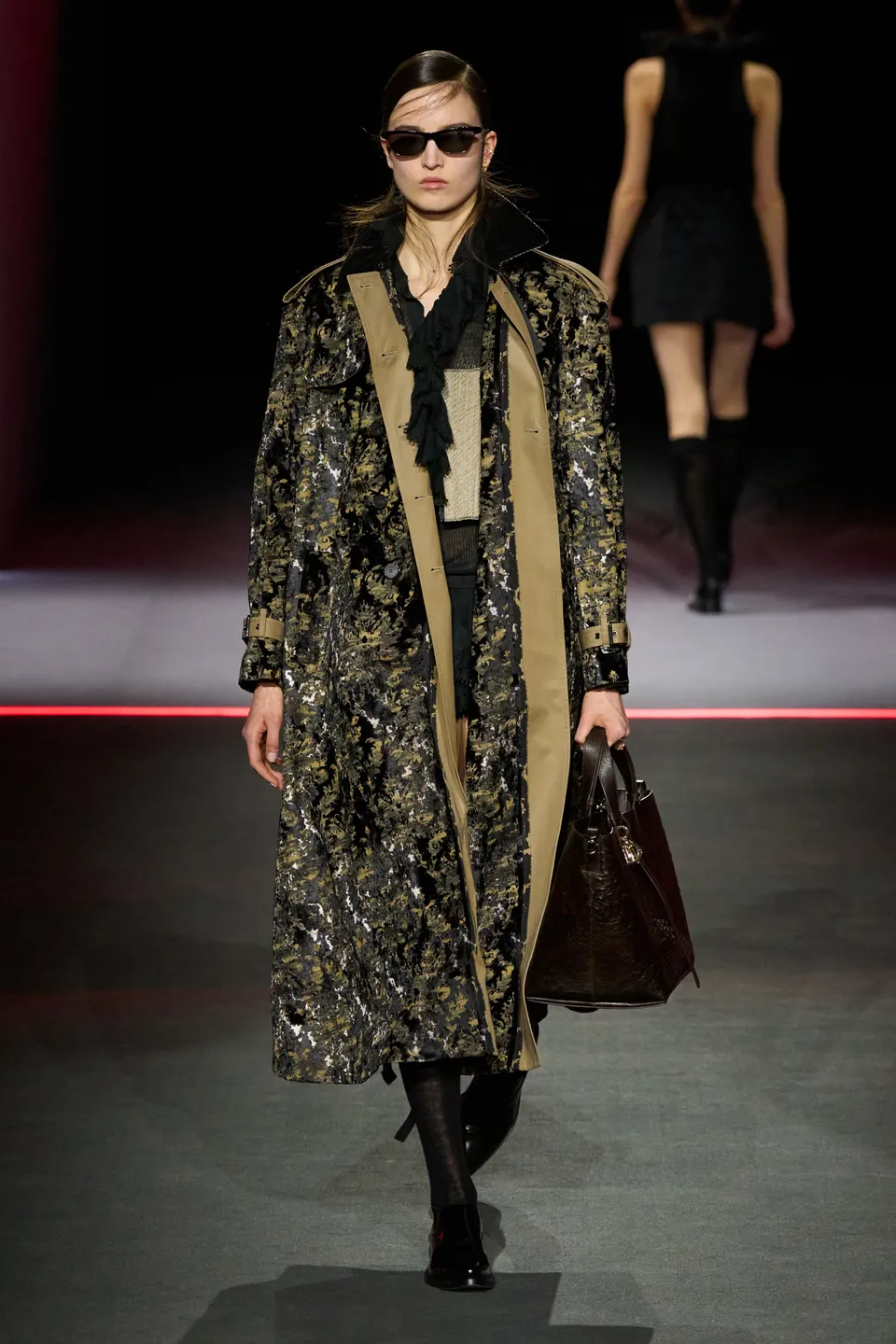
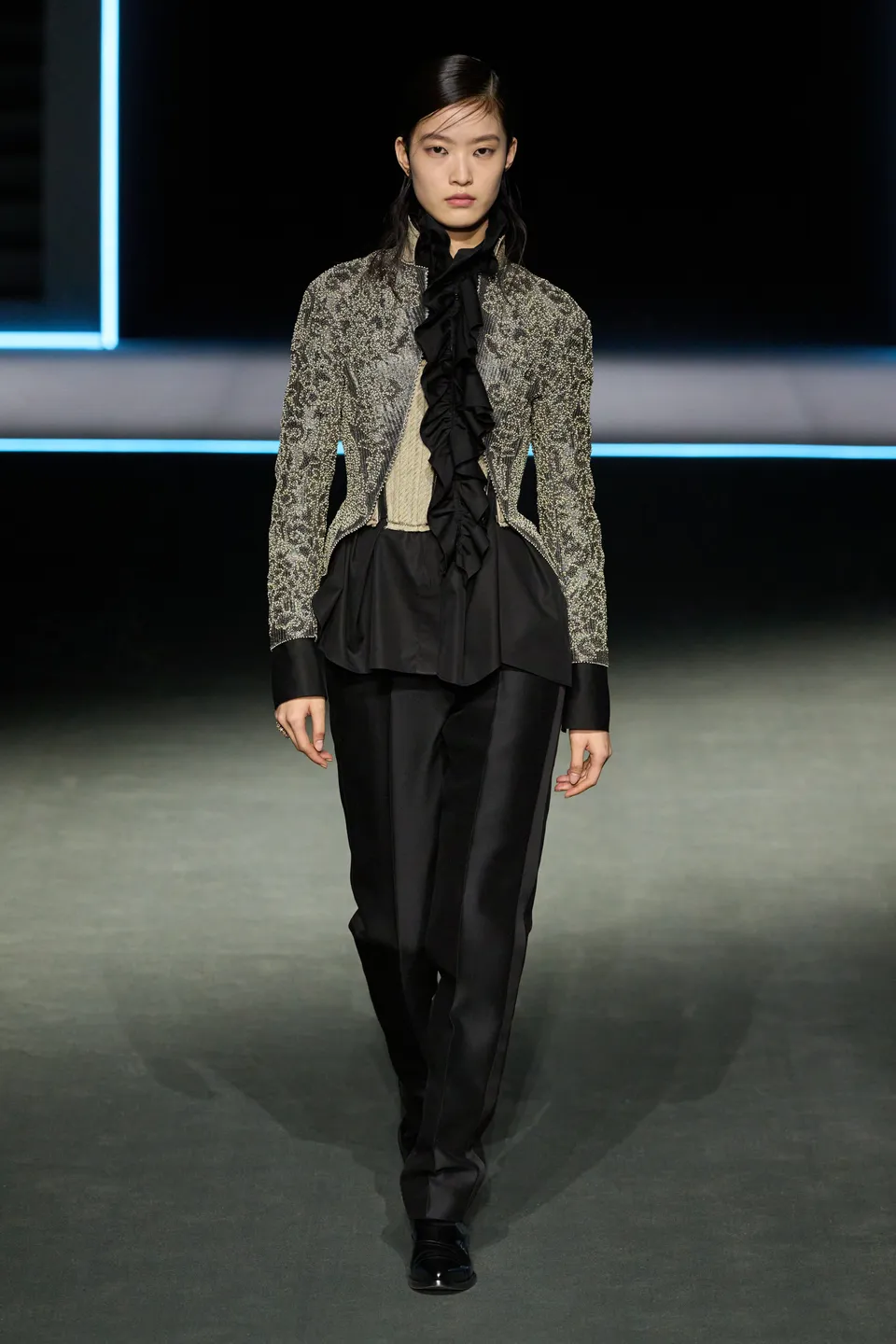
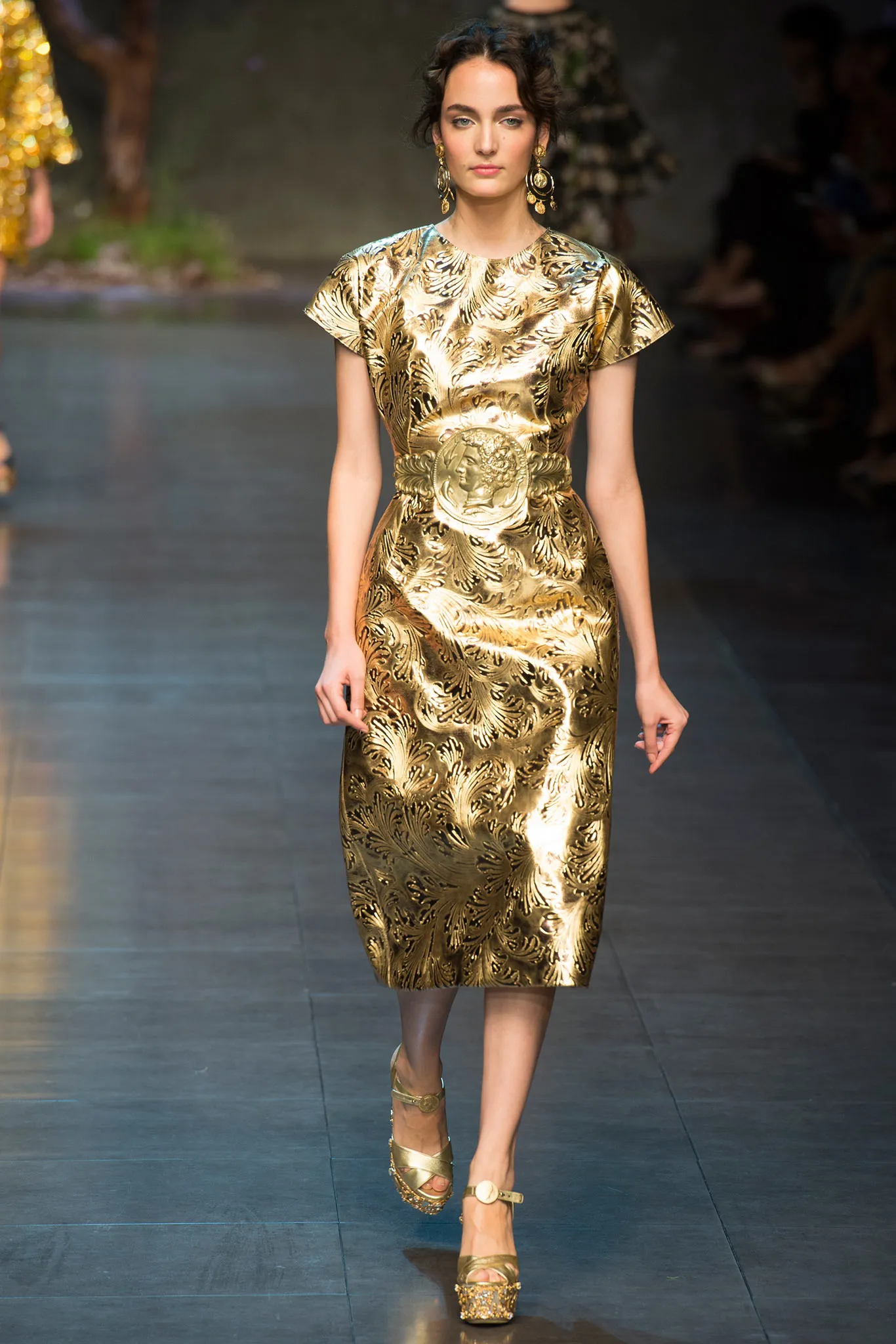
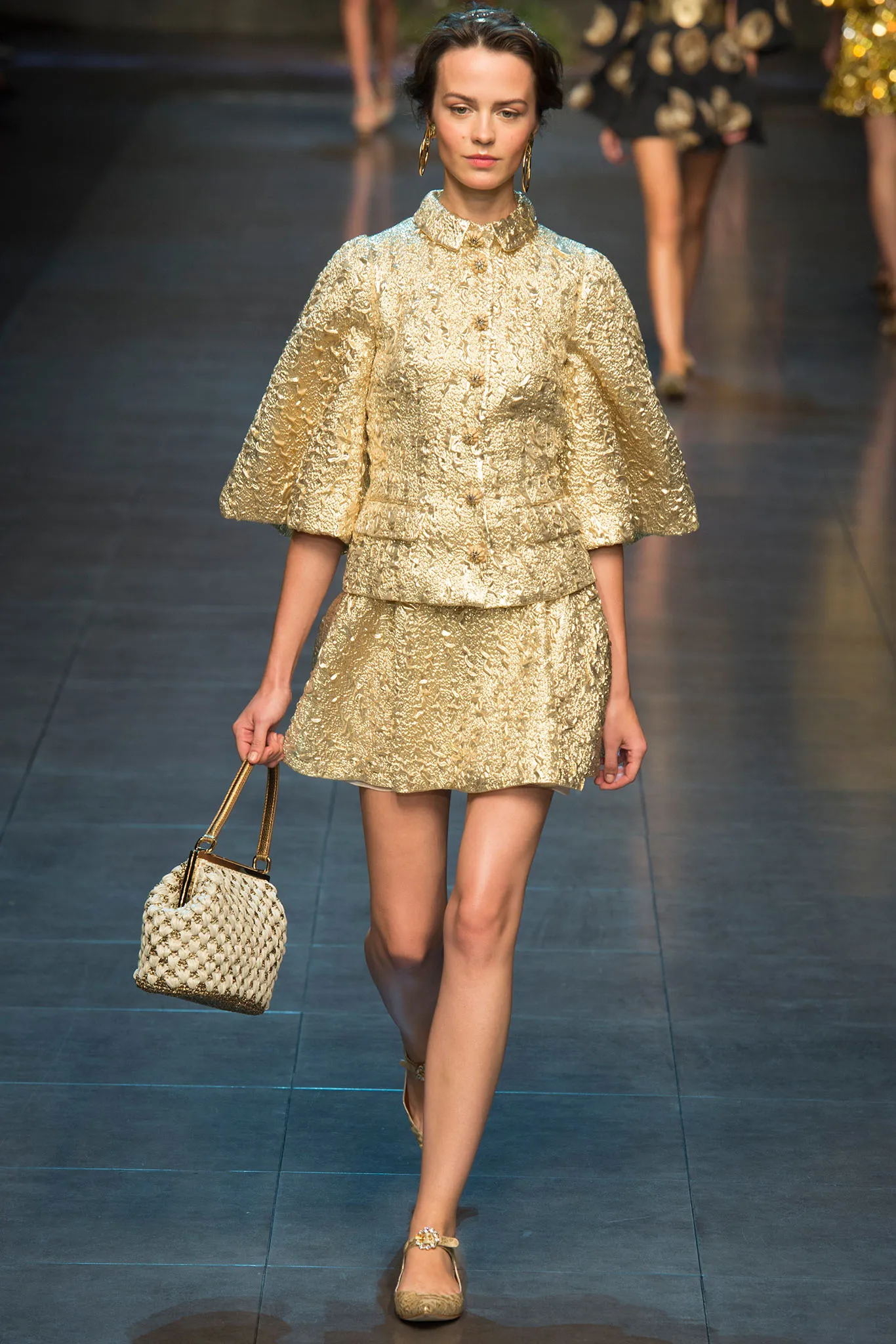
Other forms are better understood as variations rather than separate types. Floral and polychrome brocades describe pattern and color treatments, while lightweight and heavyweight brocades refer to fabric weight. Brocaded damask is a hybrid construction combining two weaving traditions, whereas Chinese, Indian, Japanese, and European brocades are more appropriately explored within the history and cultural heritage of brocade fabric.
How Brocade Fabric Is Used in Fashion and Garment Construction
Designers turn to brocade fabric when a garment requires inherent grandeur and structural presence. The fabric operates as both medium and ornament.
In haute couture and eveningwear, brocade fabric transforms classic silhouettes into monumental art. Designers fashion sweeping ball gowns, sculptural column dresses, dramatic opera capes, and corseted bodices from this opulent cloth. Under evening lighting, the raised motifs and metallic filaments create breathtaking dimensional presence.
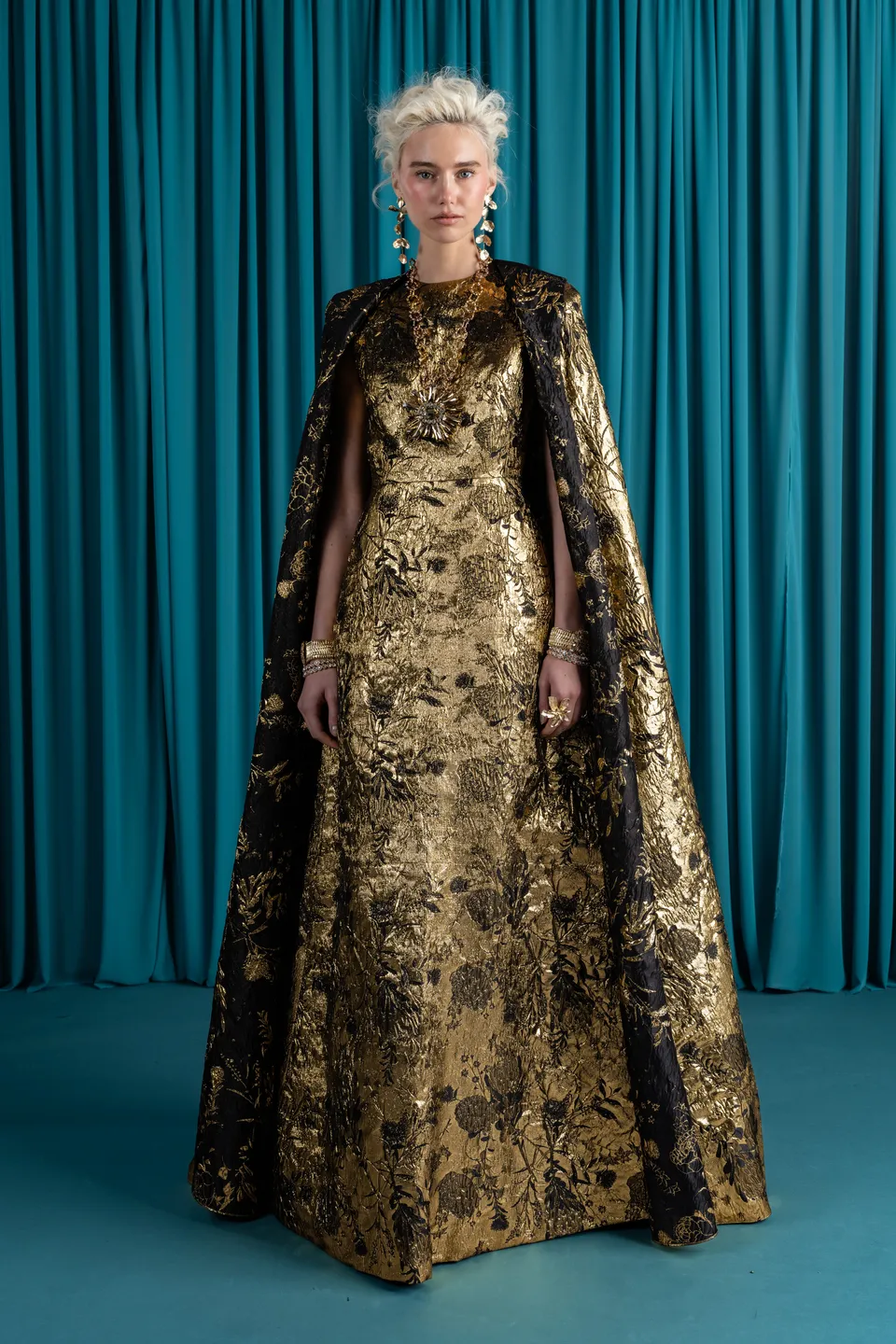
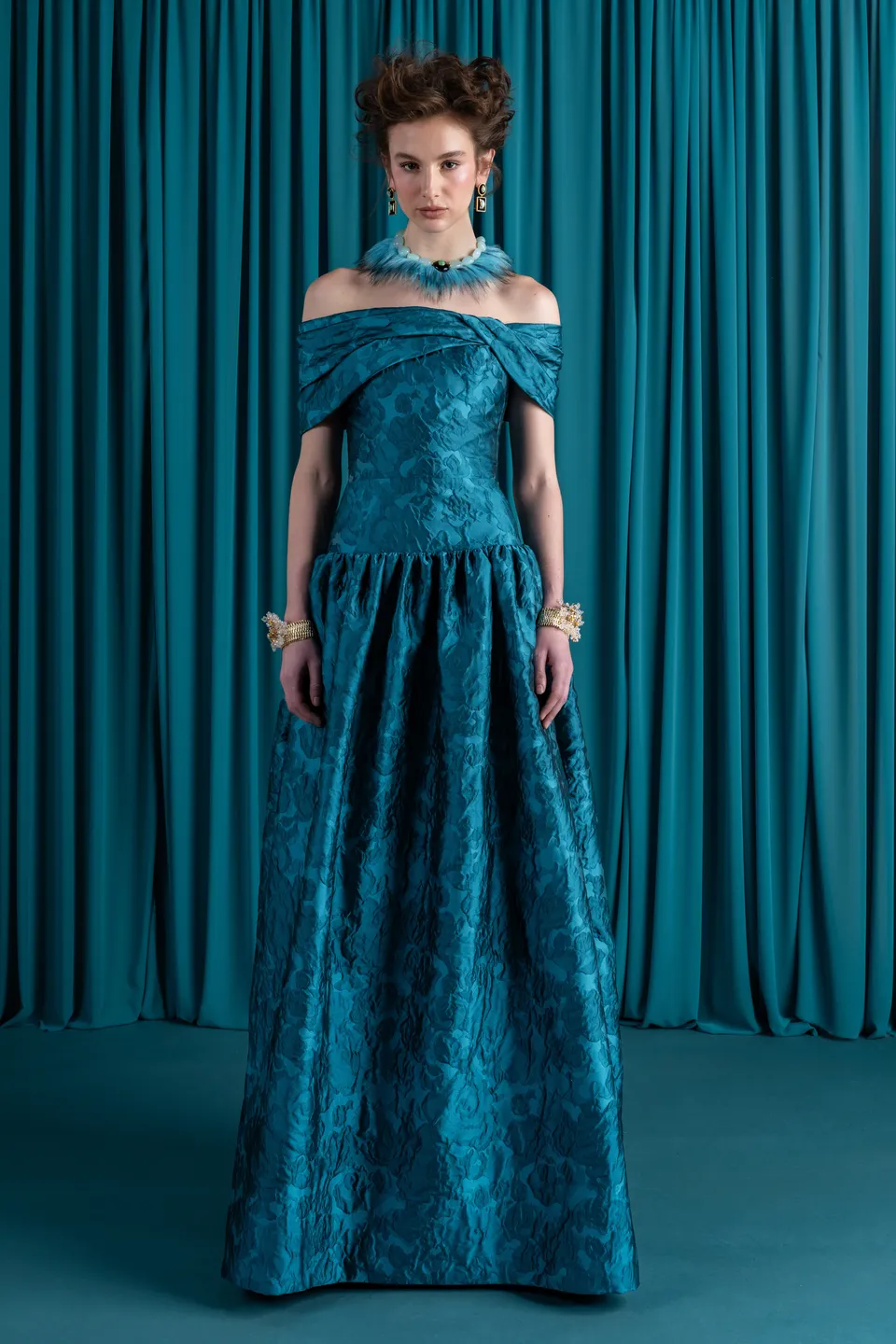
Bridalwear cherishes brocade fabric for its regal dignity. White-on-white, ivory, champagne, and gilded silver brocades offer magnificent ornament independently of lace or heavy beadwork, conferring a sovereign grace upon the wearer.
Tailoring and outerwear benefit immensely from the inherent body of brocade fabric. Structured dinner jackets, sharp blazers, formal waistcoats, and dramatic coats maintain clean architectural lines, defined shoulders, and sculpted waists due to the textile's natural firmness.
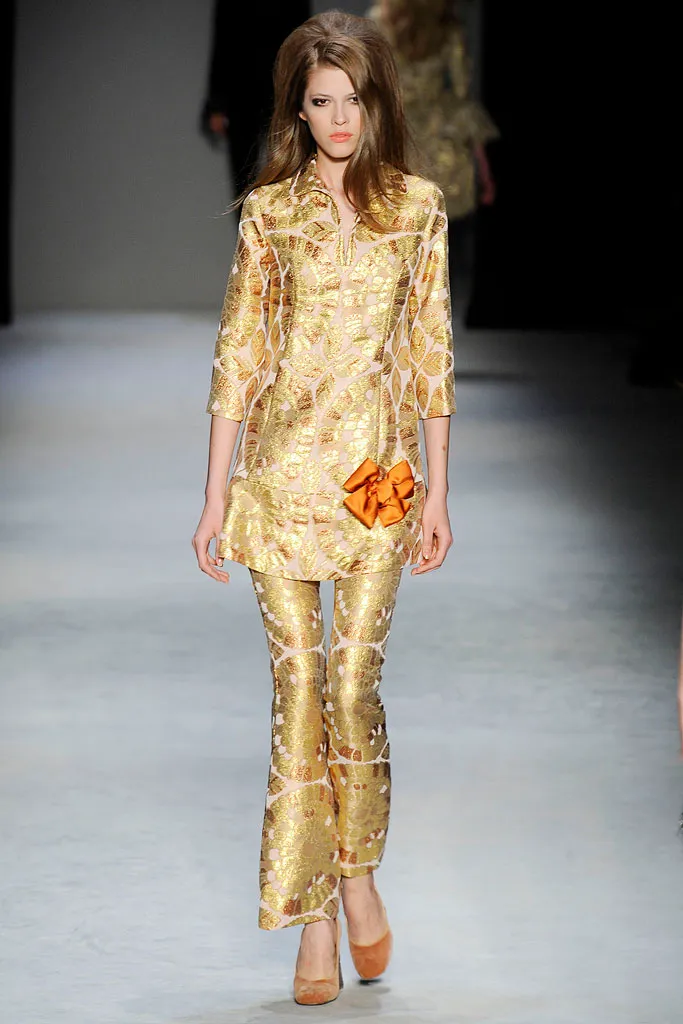

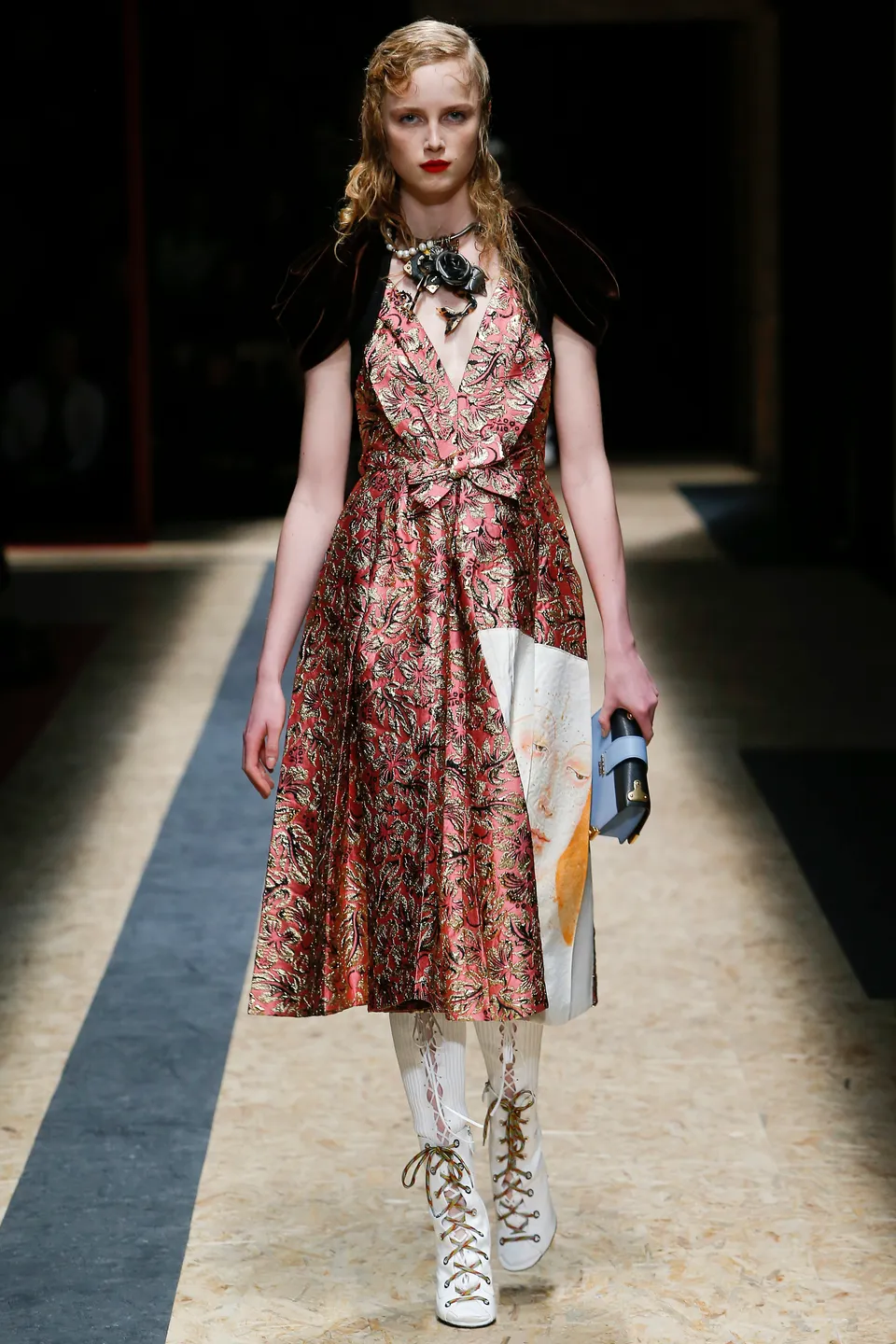
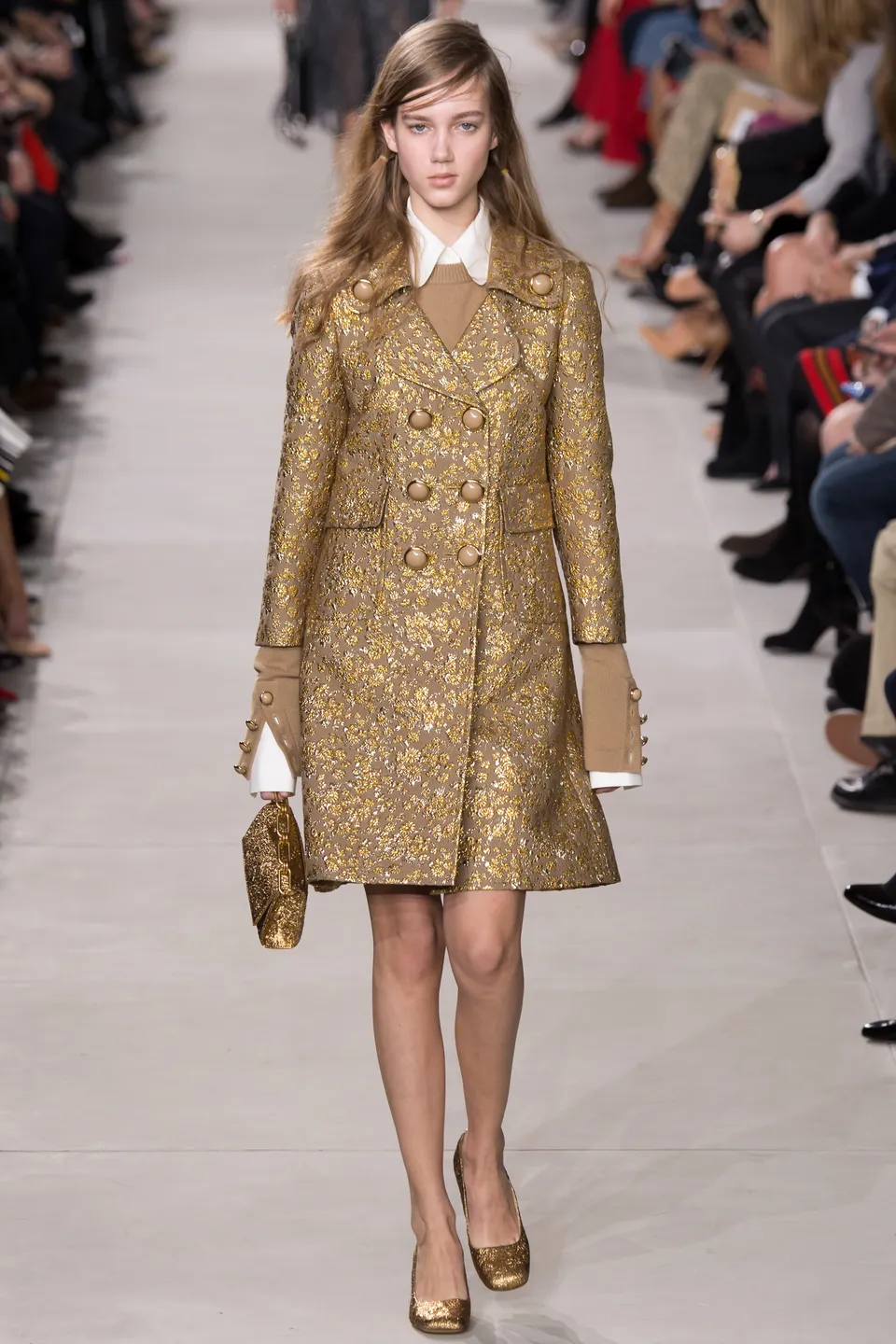
Ceremonial and traditional garments across the globe rely on brocade fabric to convey spiritual authority and cultural heritage. Religious vestments, royal coronation robes, traditional kimono obis, and ceremonial wedding attires utilize brocade to embody sacred traditions.
Luxury accessories showcase brocade fabric in concentrated form. Master craftspeople select brocade for evening clutches, opulent footwear, decorative headbands, formal bow ties, and structural belts, creating accent pieces that command immediate attention.
Tailoring brocade fabric requires precise technical discipline. Artisans cut pattern pieces in a single layer to ensure symmetry across prominent motifs. Seam stress points require immediate stabilization to manage fraying. Designers select smooth, high-grade silk or viscose linings to enclose floating reverse threads, ensuring complete comfort against the skin.
How to Choose and Care for Brocade Fabric
Selecting and preserving brocade fabric demands an analytical eye and a gentle approach to garment maintenance.
Evaluating fiber content guides the selection process. Natural silk brocades deliver peerless prestige and breathability, requiring professional care. Cotton brocades offer durable comfort for structured tailoring. Synthetic blends provide resilience and shape retention for theatrical or high-wear pieces.
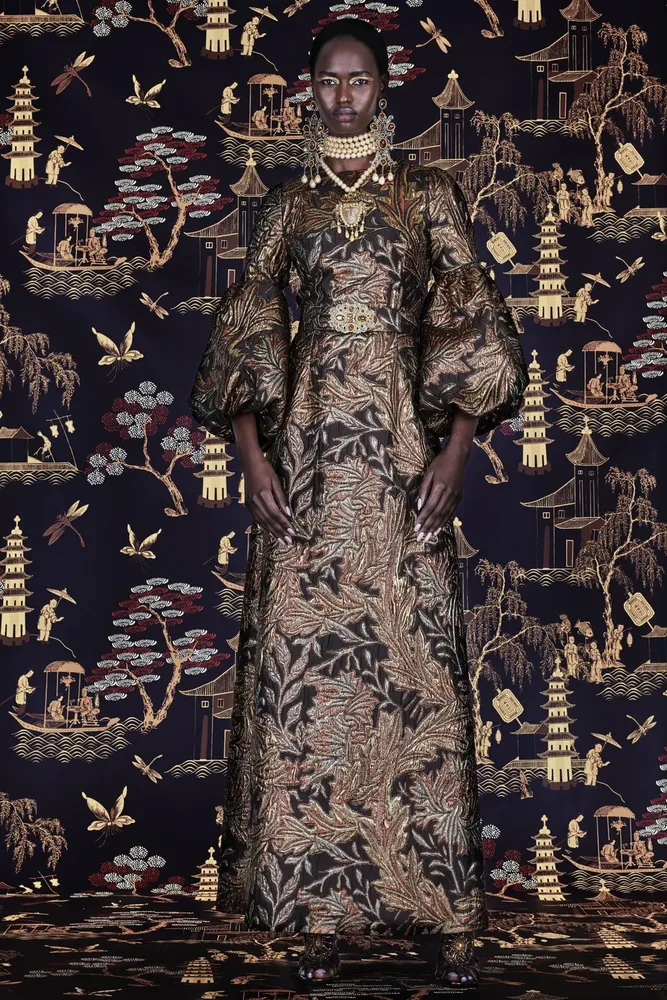
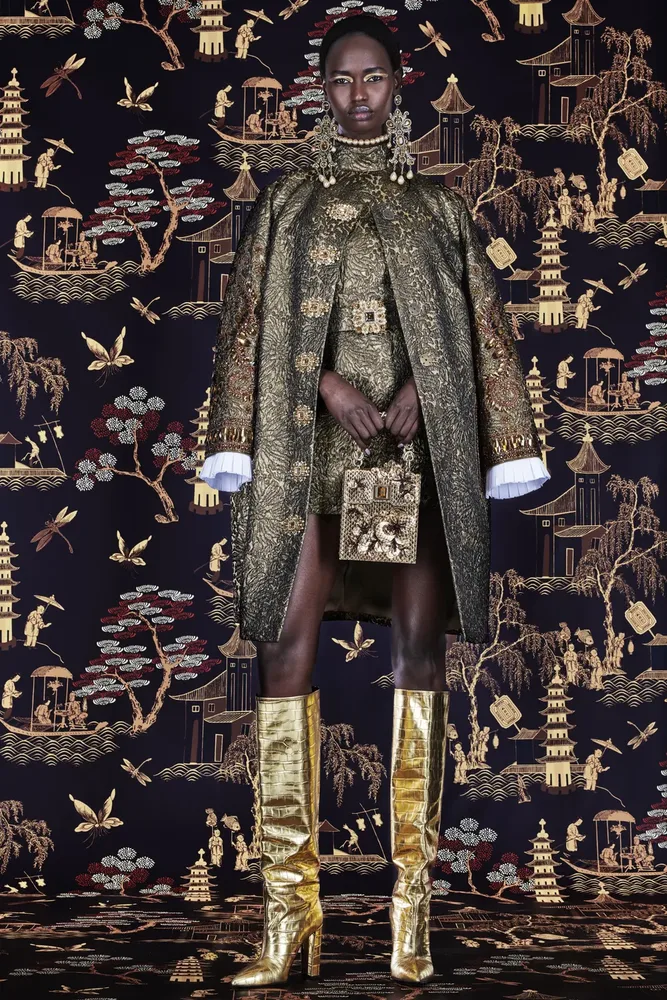
Matching brocade fabric weight to garment design ensures aesthetic success. Lightweight brocades flourish in fluid dresses and romantic tops. Medium-weight options suit tailored skirts and structured bodices. Heavyweight brocades excel in dramatic coats and rigid corsetry.
Examining motif scale preserves visual proportion. Large-scale botanical or heraldic motifs require expansive pattern pieces to reveal their full splendor, whereas delicate micro-brocades suit petite silhouettes and intricate tailoring.
Inspecting the reverse side reveals crucial structural information. High-quality brocade fabric displays neat thread floats, balanced tension, and secure yarn crossings, indicating exceptional longevity.
Assessing drape by pinning the fabric vertically clarifies how the finished piece will respond to gravity, revealing whether the garment calls for underlining or structural interfacing.
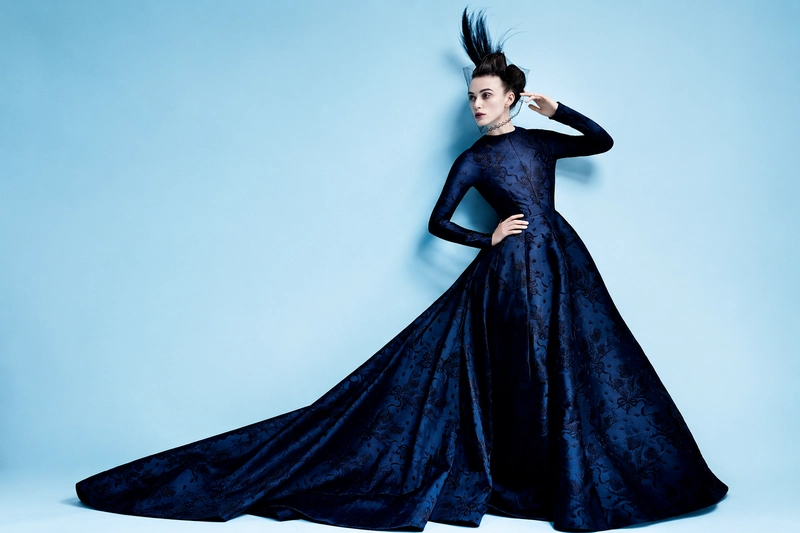
Care and preservation require thoughtful reverence. Professional dry cleaning remains the safest method for preserving silk, metallic, or antique brocades. Direct heat from irons flattens raised motifs; craftspeople press brocade fabric exclusively from the reverse side using a protective press cloth and gentle steam.
Garments require storage upon padded hangers to preserve shoulder structures, or flat storage inside breathable cotton garment bags to shield metallic yarns from friction, moisture, and ambient light.
Why Brocade Fabric Holds a Unique Place in Fashion
Brocade fabric holds an irreplaceable status within the global textile lexicon because it fuses image, material, and structure into a singular unity. A printed motif rests upon a fabric, whereas a brocade motif is the fabric itself.
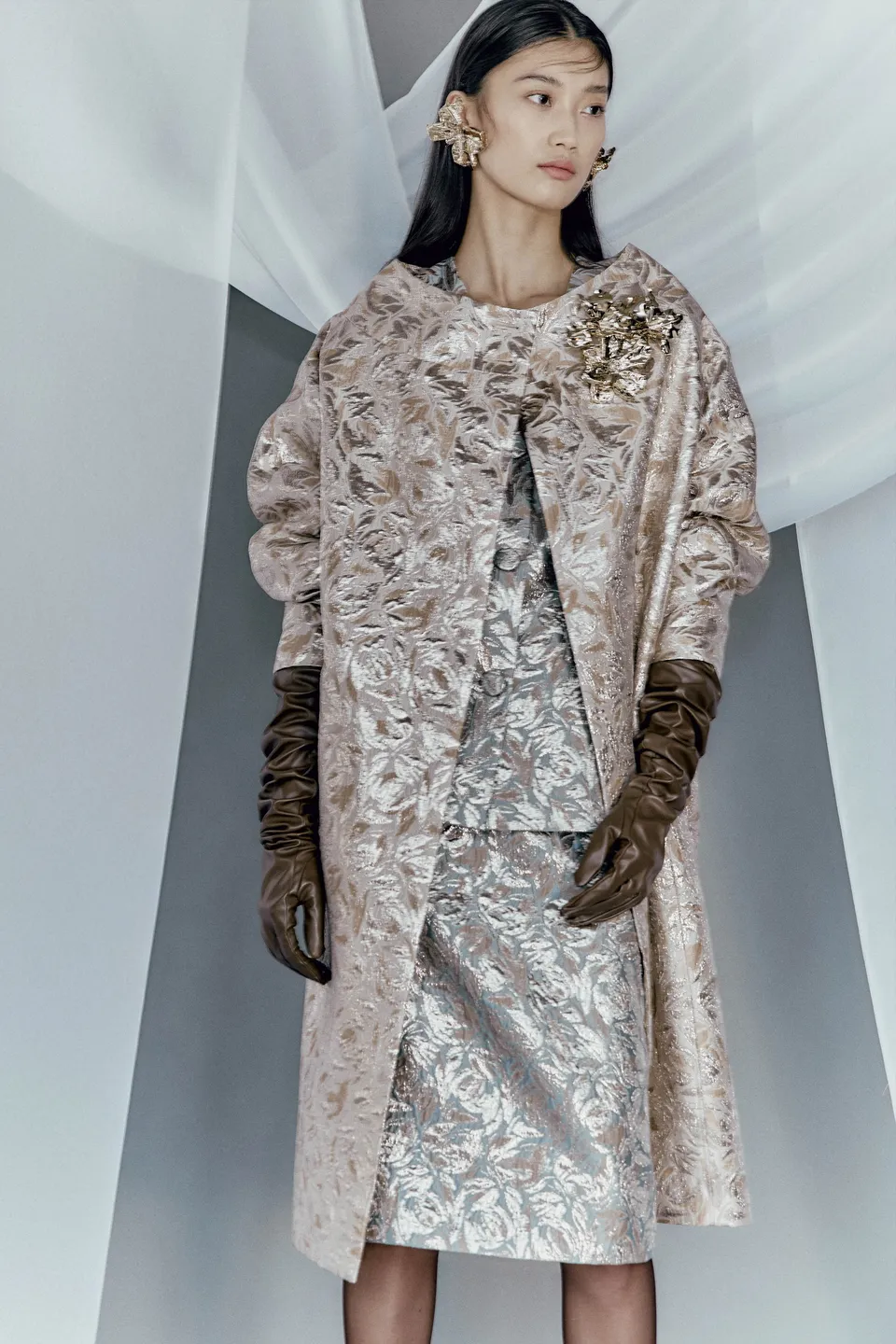
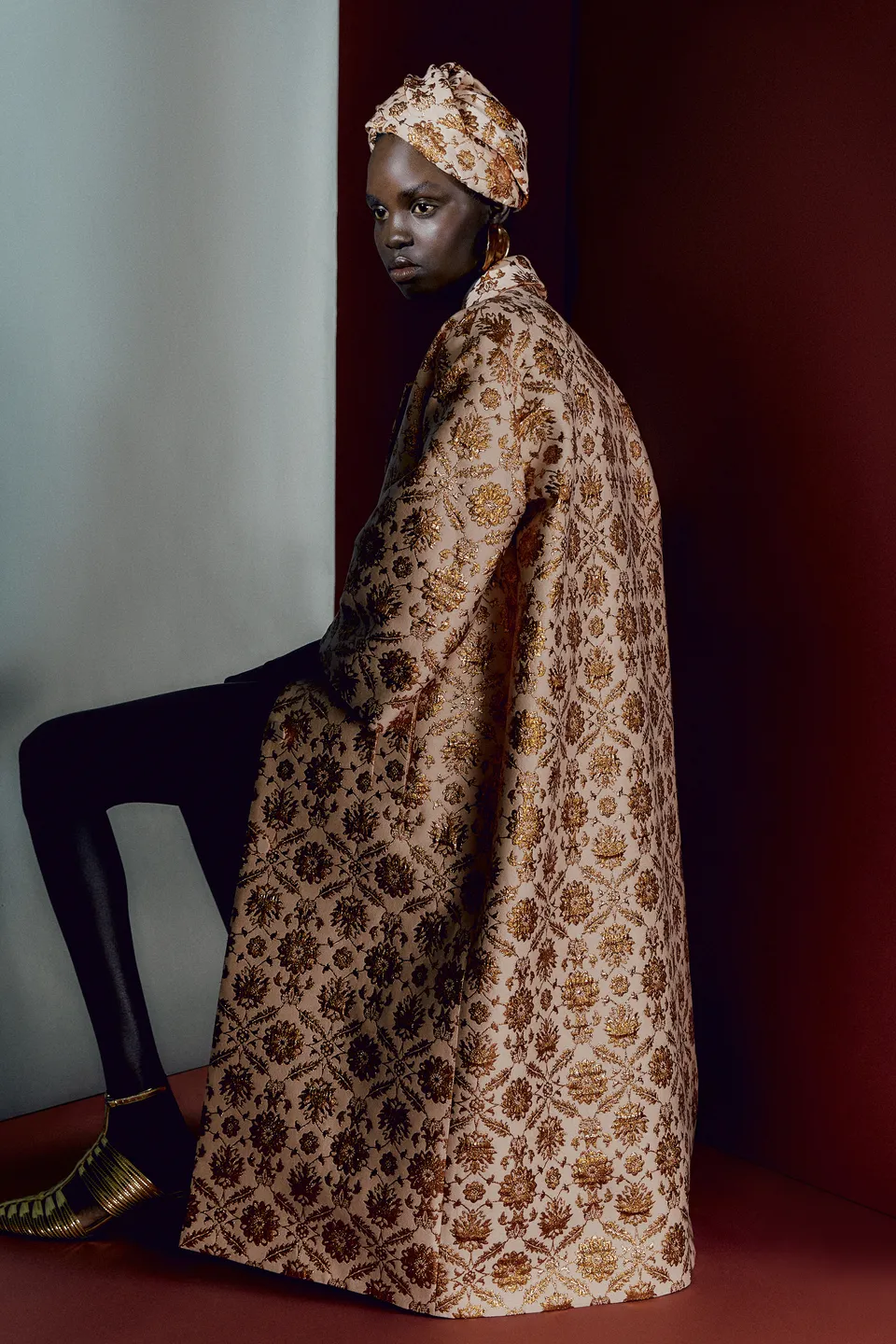
This extraordinary textile remains forever linked to ceremony, power, and sacred expression. Throughout centuries, brocade fabric has clothed royalty, spiritual leaders, and cultural triumphs, carrying an emotional resonance that transcends fleeting trends.
Furthermore, brocade fabric serves as a living bridge between ancient artisan craftsmanship and advanced technological innovation. From hand-operated drawlooms to modern computerized Jacquard systems, brocade demonstrates how technological progress preserves and expands complex artistic heritage.
Brocade fabric acts as an active participant in garment design. Its body, luster, and raised dimensions dictate the cut, inviting designers to collaborate directly with the material. The ornamentation is born upon the loom, creating a sacred, opulent textile that continues to captivate the human imagination.
Advertisement