MENU
Close





More than a master of macabre cinema, Tim Burton is fashion’s most influential unseen designer.
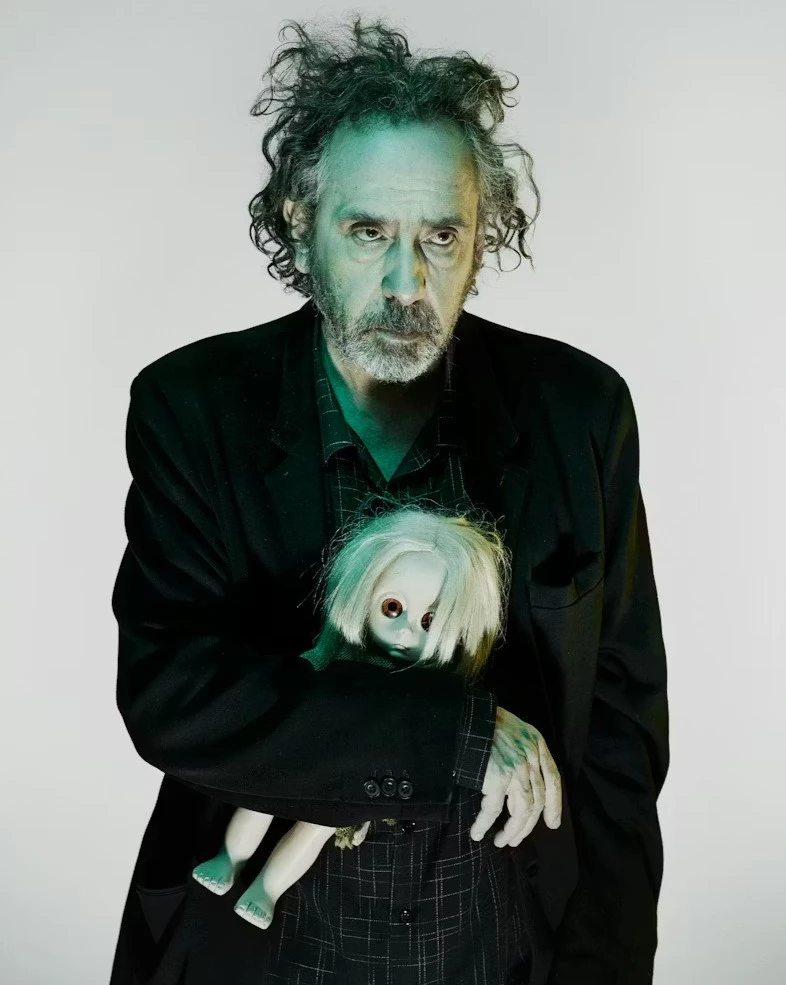
More than a master of macabre cinema, Tim Burton is fashion’s most influential unseen designer.
June 2, 2026
Advertisement
Advertisement



From the sculpted leather of Edward Scissorhands to the stark uniform of Wednesday Addams, his iconic silhouettes have escaped the screen to define a generation’s aesthetic, melancholy, poetic, and forever stylish. This is how a lonely boy from Burbank became the unlikely godfather of “Burtoncore” and rewrote the rules of dark glamour.
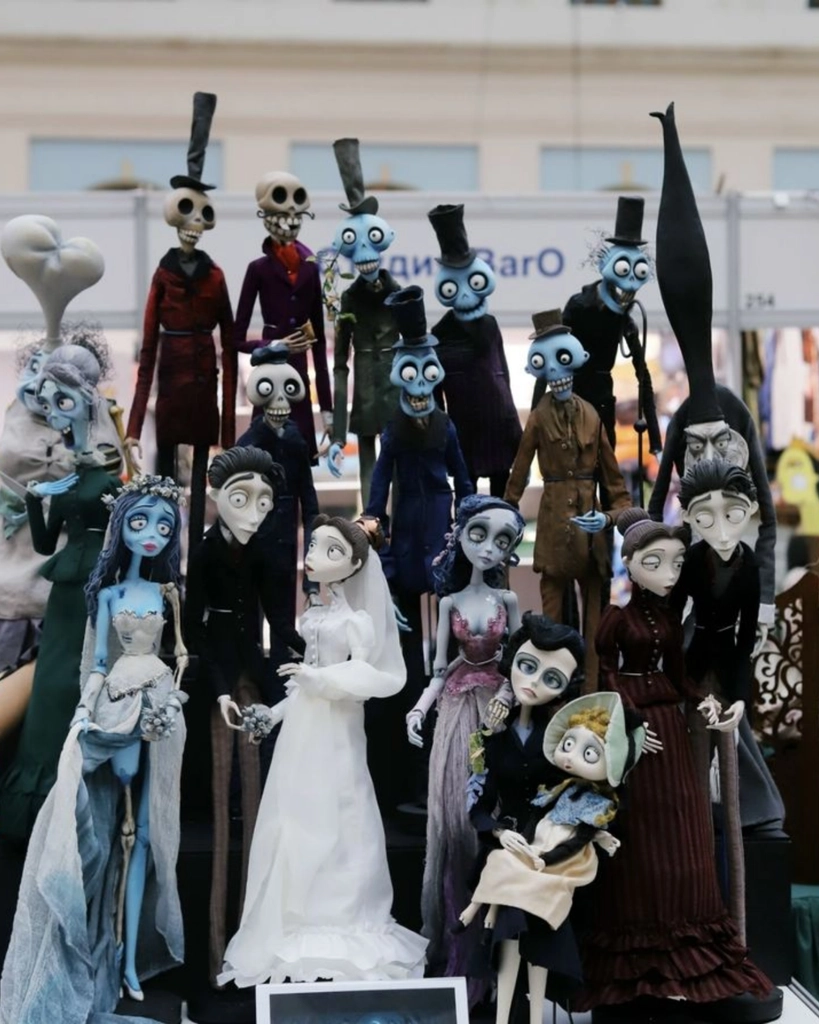
If your style icons include a man with scissors for hands, a teenager in a monochrome uniform, and a ghost with a thing for striped suits, then you already speak the language.
Tim Burton occupies a permanent position as a foundational architect of the global fashion psyche. His cinematic oeuvre constitutes a vast, living archive of style, providing a definitive vocabulary for designers seeking to articulate the complex relationship between internal solitude and external adornment. His work transcends the boundaries of film, existing to provide a profound, continuous exploration of garment structure, textile history, and bodily distortion.
To understand the Burton wardrobe, one must begin in the unlikeliest of ateliers: the sun-drenched suburb of Burbank, California. Here, a boy with an imagination tilting toward the crooked found his muses not in glossy magazines, but in the flickering ghosts of old horror films, the angular shadows of German Expressionism, the tragic grandeur of Vincent Price. His childhood sketches were not mere doodles; they were early blueprints for a silhouette yet to be born: thin, mournful figures in garments that seemed to weep and sigh. This was the origin story of a unique sartorial vision, where beauty was always fused with a touch of the macabre.
When Disney deemed his early work “too dark,” they inadvertently liberated a radical aesthetic force. Burton didn’t just leave to make movies; he left to build wearable worlds. Edward Scissorhands was his first full collection. The leather suit, scavenged and hand-stitched, was more than a costume; it was an exoskeleton of vulnerability. Winona Ryder’s pale, floating dresses were its ethereal counterpoint. In Burton’s hands, a film set became a fashion show where every outfit delivered a profound emotional keynote.
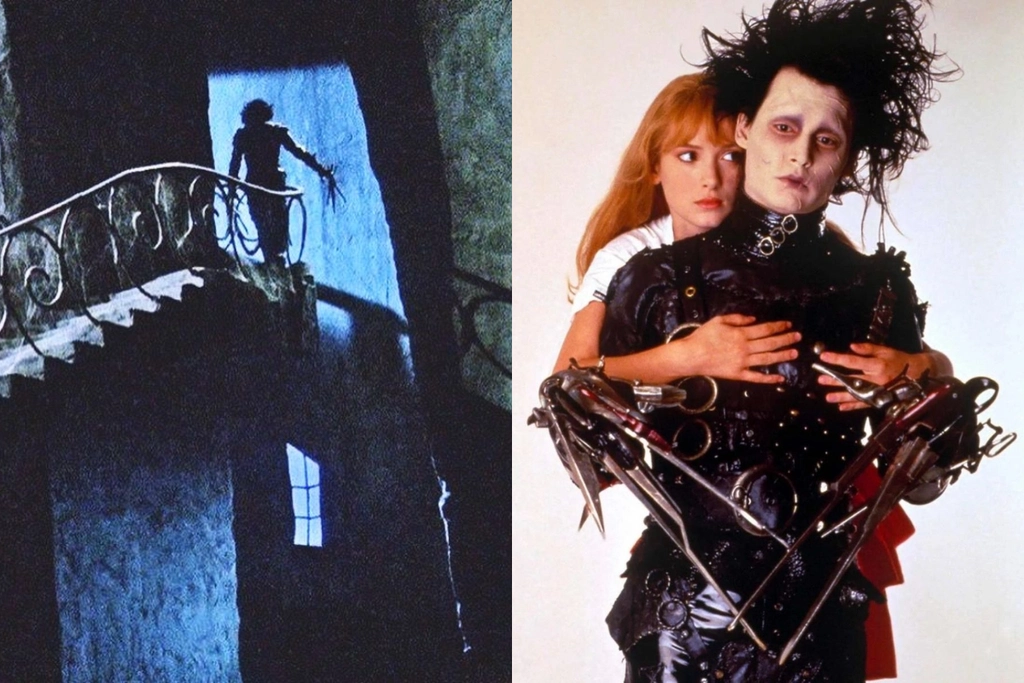
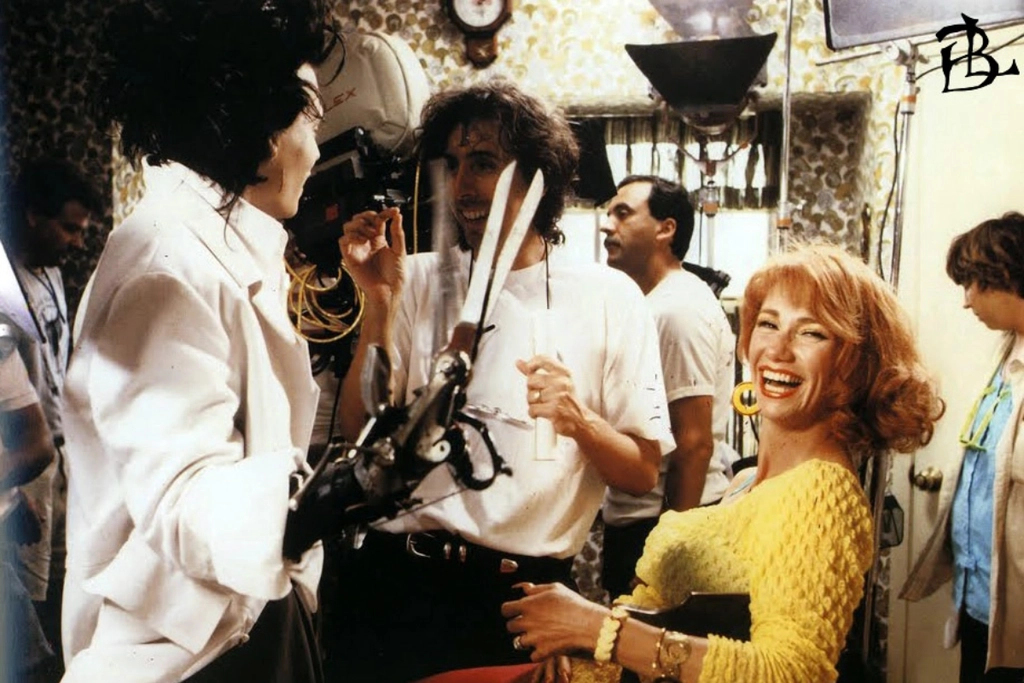
The magic became systematic, and utterly transcendent, in his legendary partnership with costume designer Colleen Atwood. Theirs is fashion’s most compelling story of creative symbiosis. “Tim speaks in shapes and shadows,” Atwood has noted. “My job is to answer in texture.” This dialogue of sketch and fabric became the soul of Burton’s universe.
Consider their iconic collaborations: Edward’s armor, constructed from found leather scraps, forged a new punk-goth romanticism: sharp, bruised, and heartbreakingly human. Alice’s reformation followed, the classic blue dress reimagined through a gothic lens, trimmed in black and warped into surreal proportions, like Dior filtered through a nightmare. Then came Wednesday’s uniform, a study in minimalist severity that turned a schoolgirl’s outfit into a weapon of stark, self-possessed identity. Together, these creations proved one thing: the most powerful garment is the one that tells a story without uttering a single word.
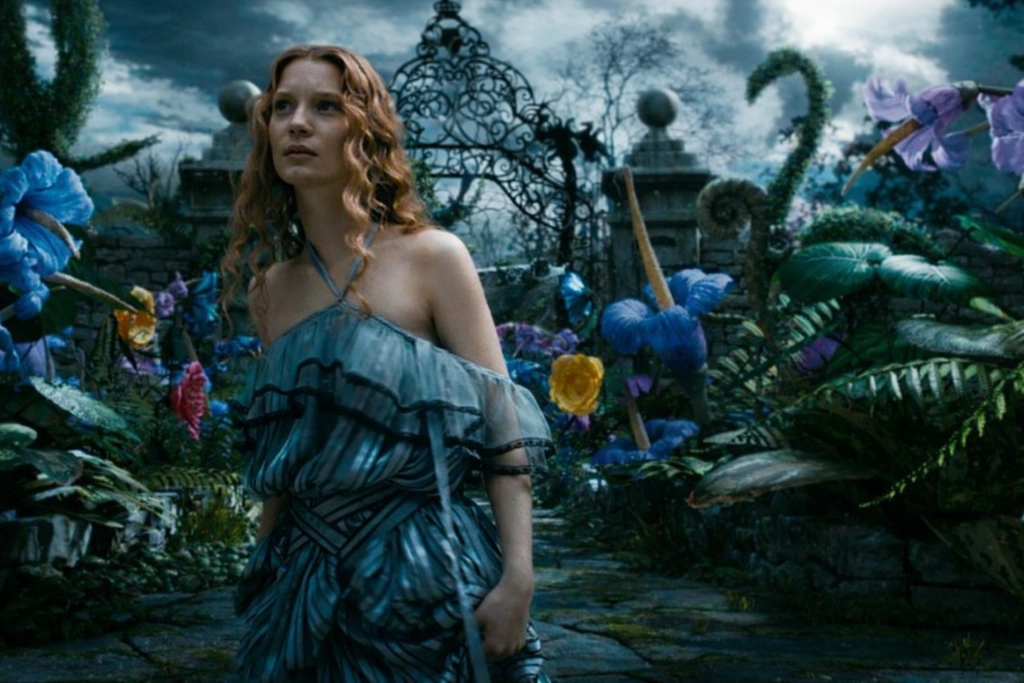
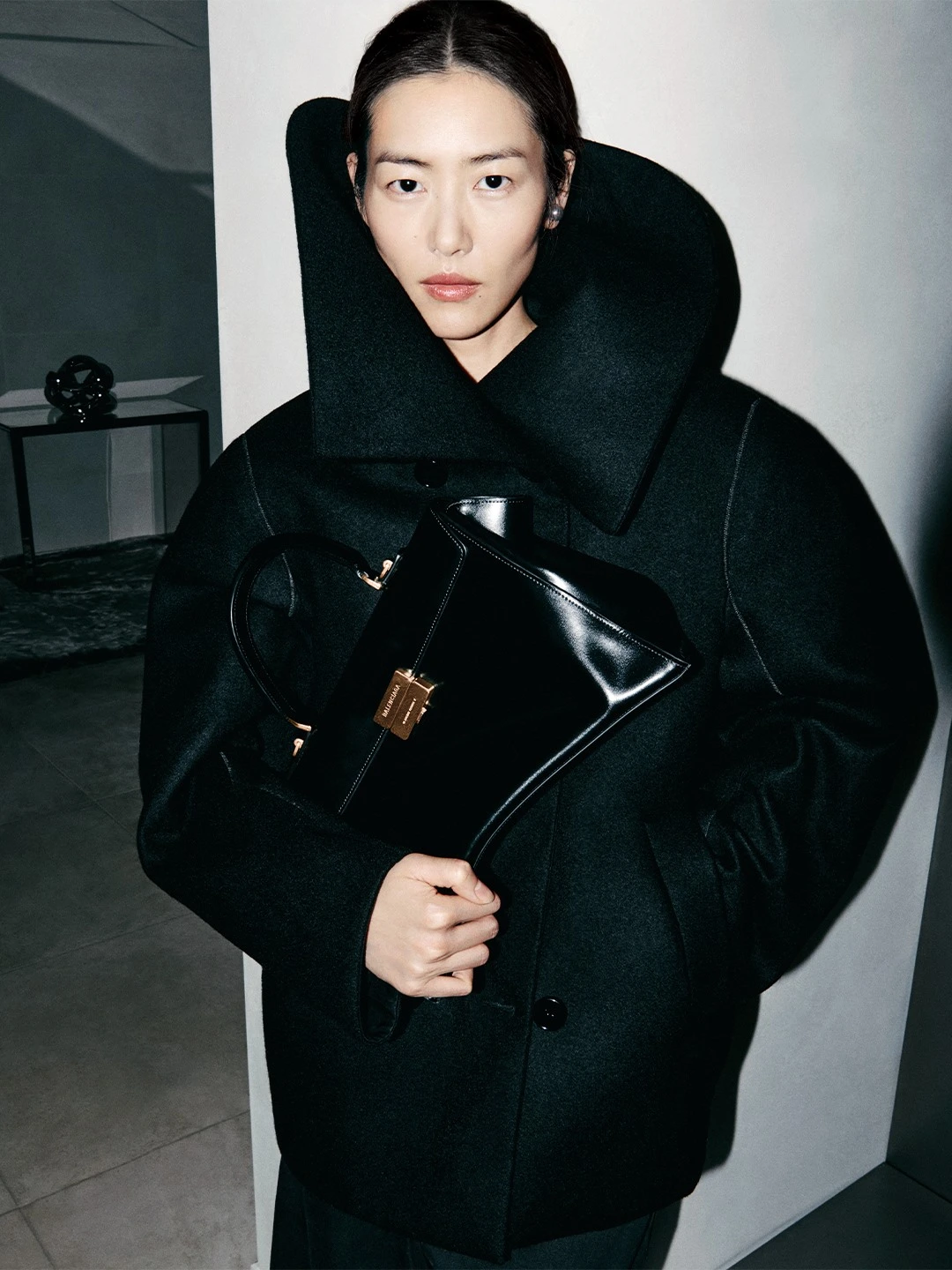
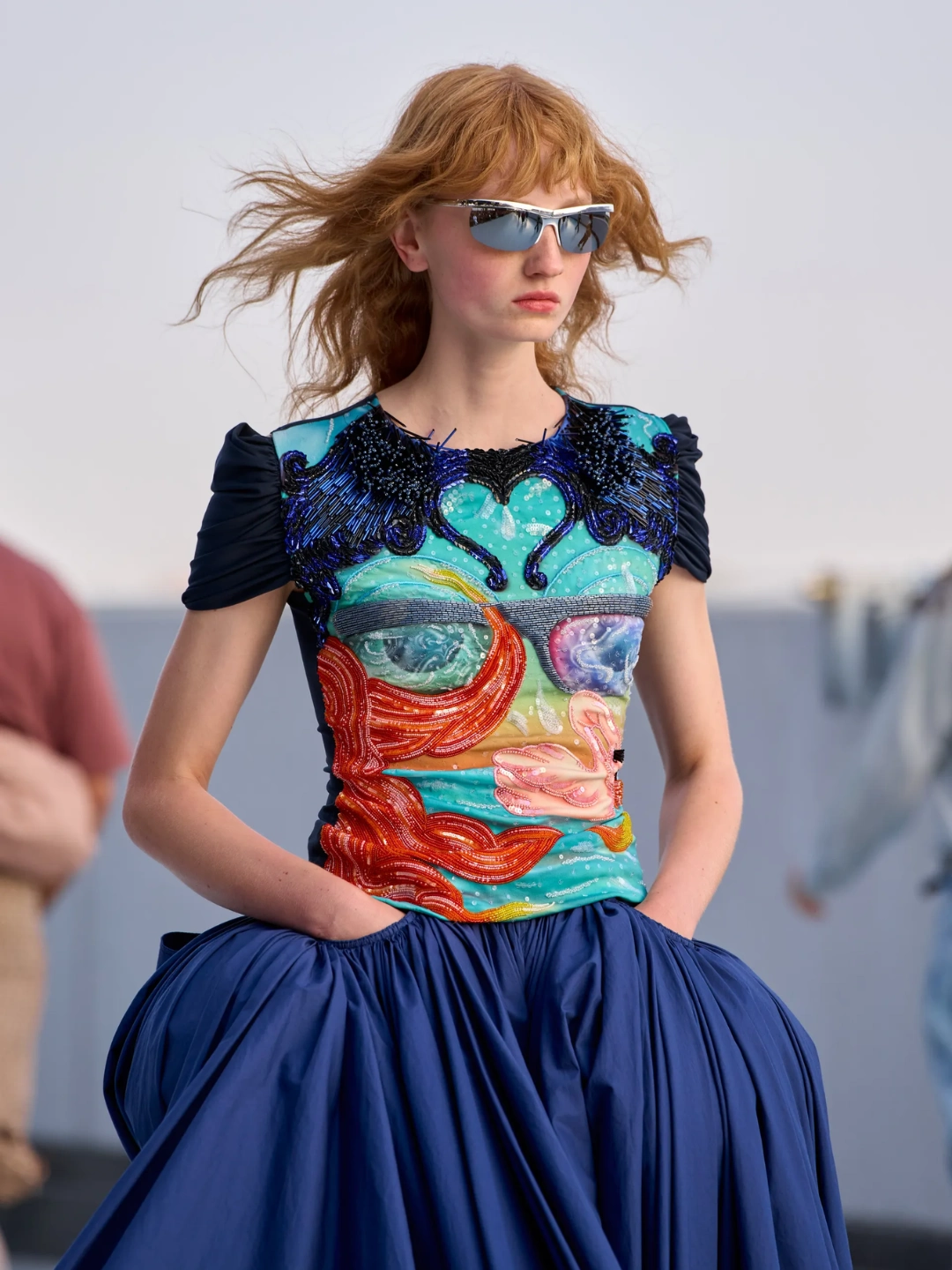
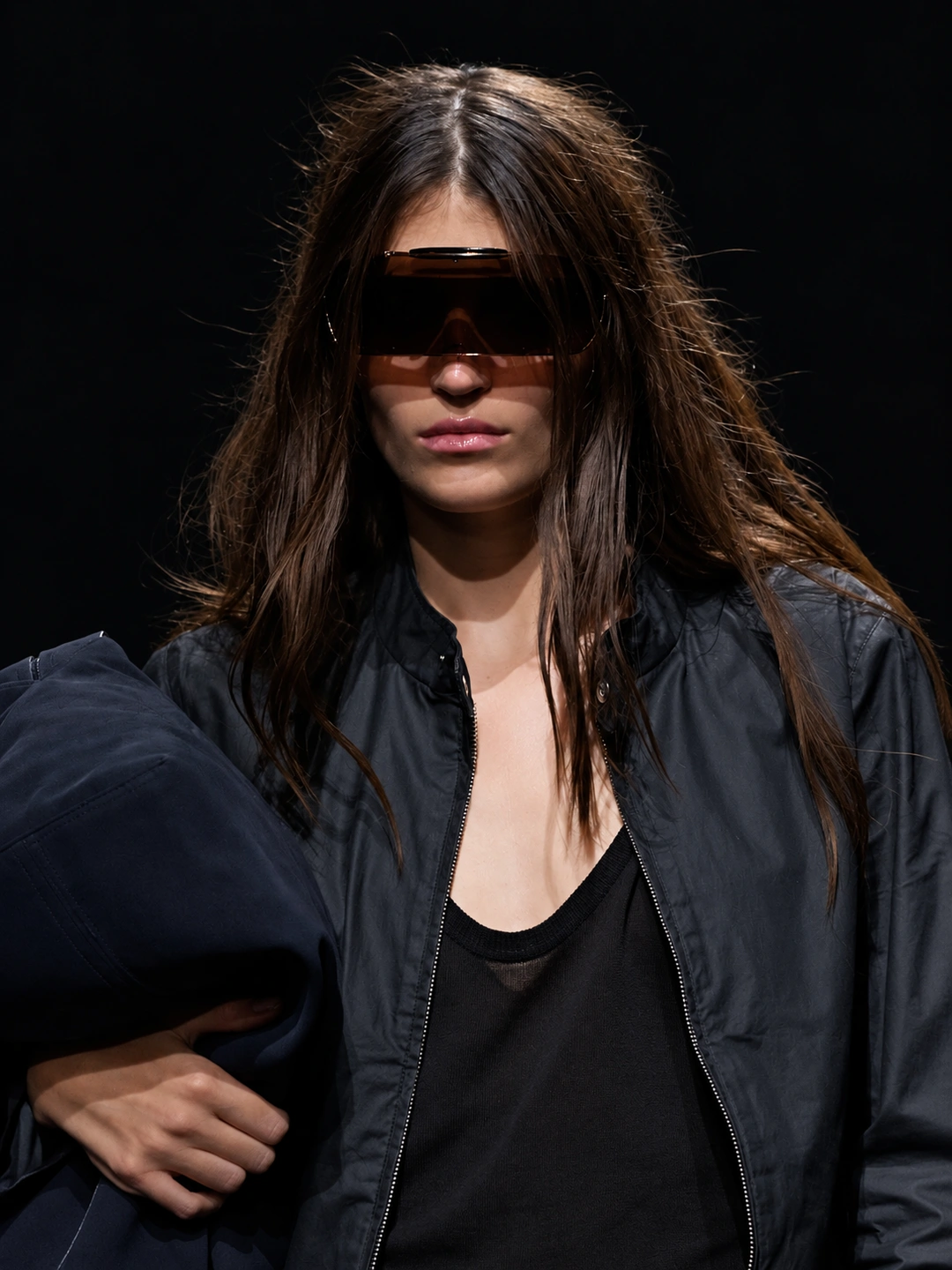
What began on screen has irrevocably colonized our reality. The phenomenon dubbed “Burtoncore” is not a passing trend but the codification of a complete visual language. It is the embrace of velvet against vinyl, of lace that hints at decay, of a silhouette that is both restrictive and profoundly expressive. You see it in the architectural severity of a Demna coat (a direct descendant of Corpse Bride’s cinched agony), in the surreal wit of Schiaparelli’s adornments (echoing the Mad Hatter’s distorted poetry), and in the raven-haired, sharp-browed looks dominating editorial spreads.
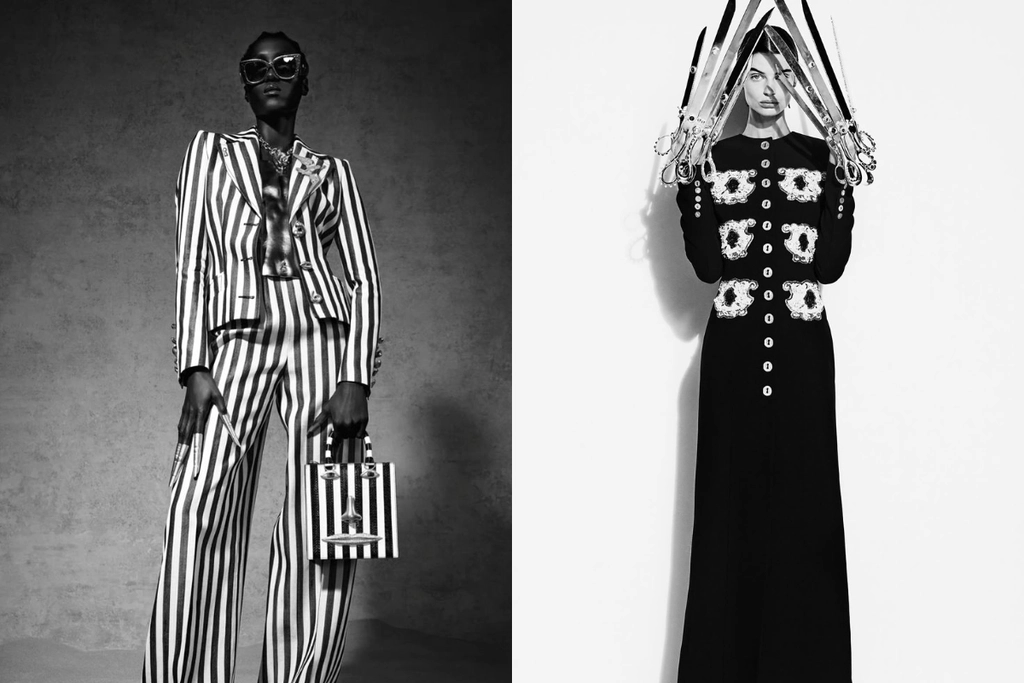
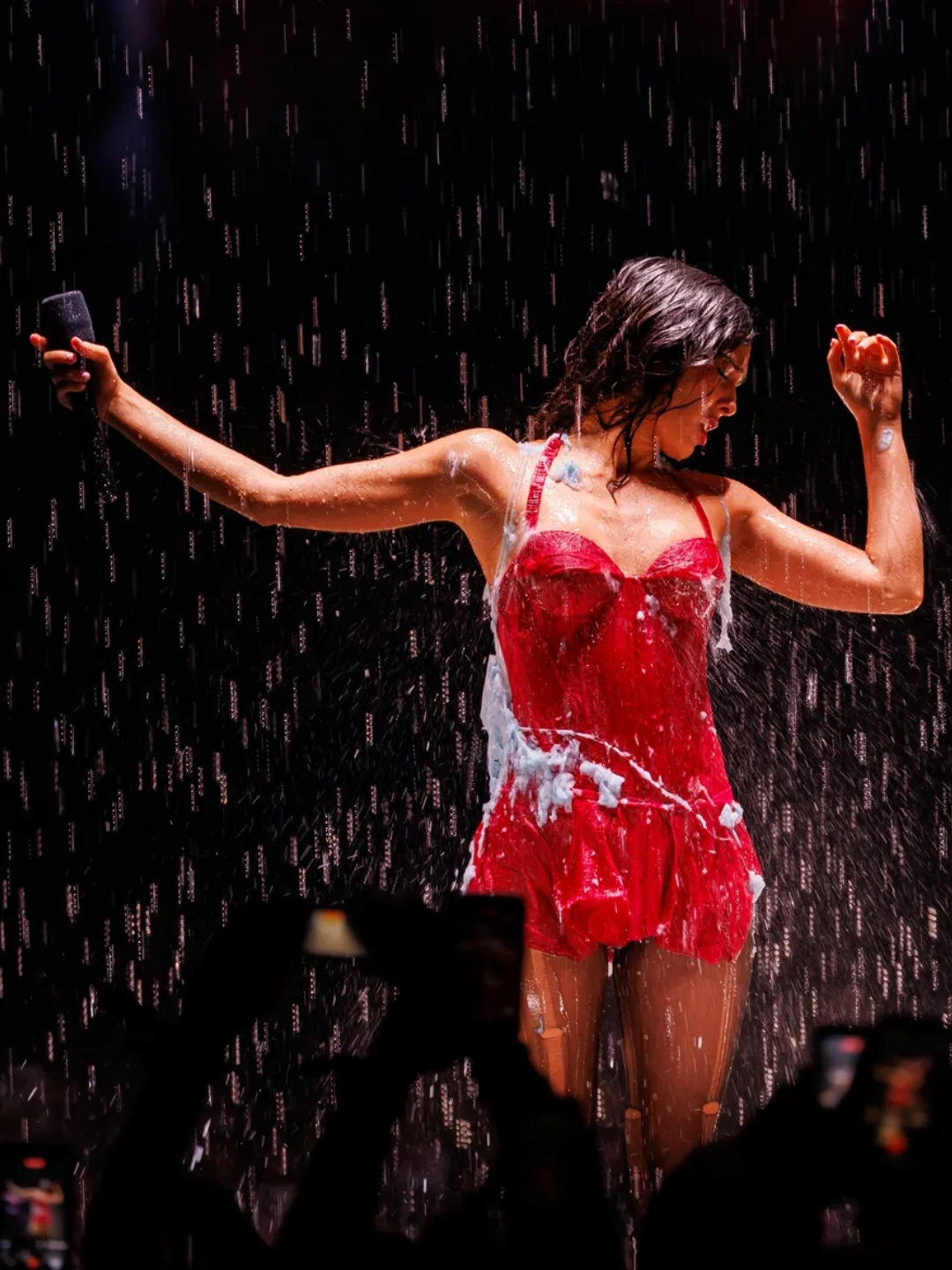
Modern muses have fully embodied the brief. Jenna Ortega’s Wednesday is a masterclass in deadpan as the ultimate power stance, a lesson in how stillness and a perfect collar can be more dramatic than any flourish. Bella Hadid’s off-duty arsenal of sharp-tailored coats and harnesses looks sourced directly from Lydia Deetz’s downtown wardrobe. They don’t wear the look; they inhabit the ethos.
The true testament to Burton’s influence is that it feels elemental, not referential. Designers from Alexander McQueen (for his haunted romanticism) to Vivienne Westwood (for her punk-goth aristocracy) to Rei Kawakubo (for her beautiful deformities) have all conducted dialogues with his work. He taught fashion that darkness is not a mere mood, but a rich and versatile palette; that a crooked seam can be more honest than a perfect one.
His ongoing exhibition, The World of Tim Burton, reveals the stunning truth: he has always been a designer. The hundreds of sketches, sculptures, and storyboards are not just film concepts; they are the unseen portfolio of a visionary stylist, a man building entire wardrobes for galaxies in his mind.
Tim Burton didn’t bring cinema to couture. He proved they have always been one and the same, if only we have the courage to look through the crooked, tender, and utterly beguiling lens of his ghosts.
Advertisement