




Mustard yellow has found an unlikely companion this season, and acid yellow is making the whole palette considerably less polite.
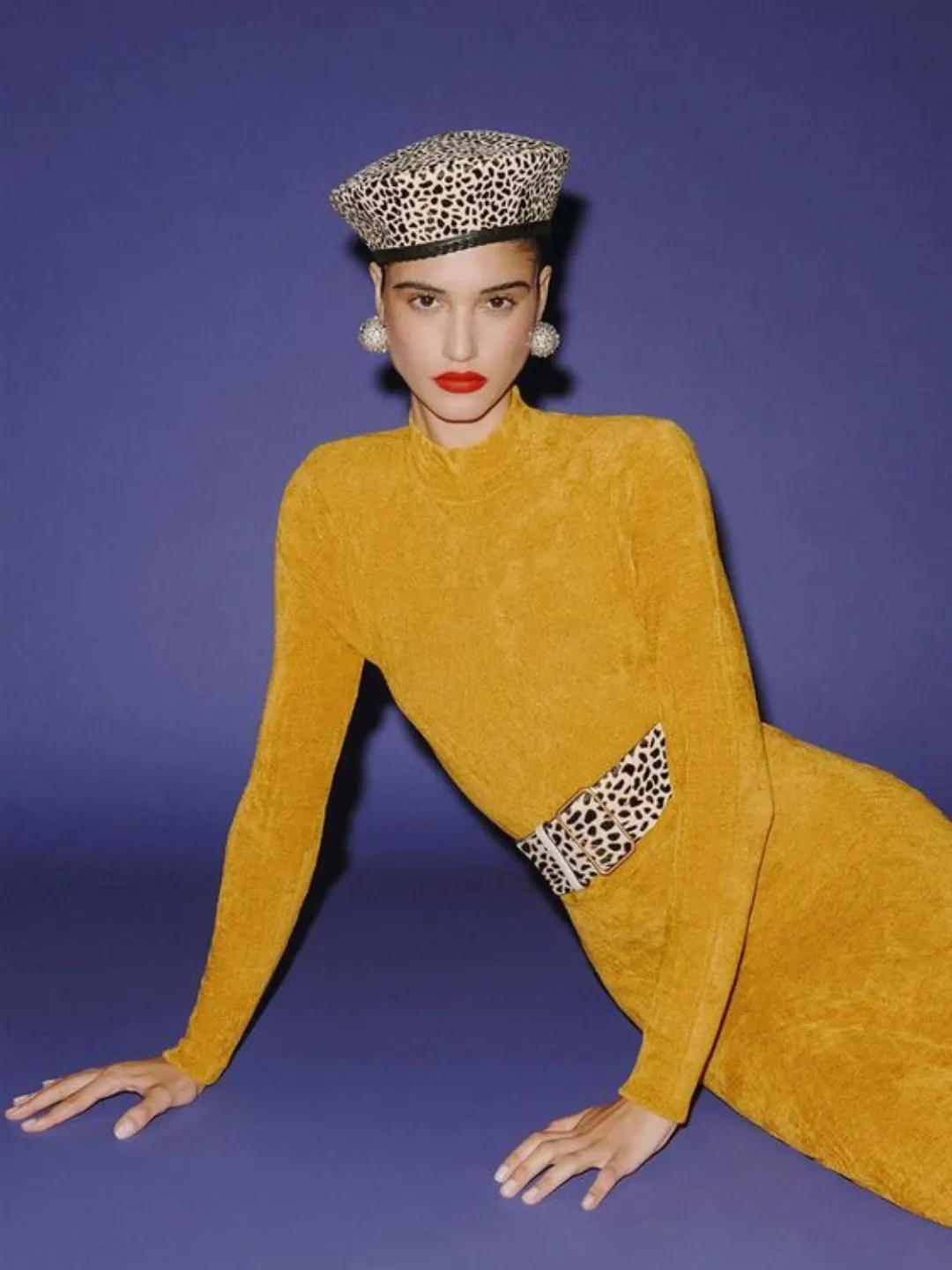
Mustard Yellow Meets Its Acid Side
Mustard yellow has found an unlikely companion this season, and acid yellow is making the whole palette considerably less polite.
November 26, 2026


Yellow spent enough time being sweet.
Butter tones dominated wardrobes through their softness, slipping easily beside cream, beige and pale denim. Fall 2026 has moved the color somewhere less agreeable. Mustard arrives muddied with ochre and brown, while acid yellow pushes in the opposite direction toward chartreuse, lime and almost-neon brightness. Both have surfaced strongly across the current season, with mustard appearing through Alaïa, Tod’s, Loewe and Tory Burch, while brighter acidic yellows emerged through Dior and Issey Miyake.
Put them together and yellow stops behaving like a single color.
Mustard Yellow Meets the Highlighter
Two shades from the same family should theoretically be easy company. These two are not.
Mustard carries weight. Brown and ochre undertones pull it toward suede, wool, corduroy and the earthy palette that already belongs naturally to autumn. Acid yellow does the opposite. A greenish undertone makes it appear almost illuminated, particularly against darker surroundings. Chartreuse and similarly acidic tones had already established themselves across Fall 2026 at Prada, Saint Laurent, Erdem, Valentino, Issey Miyake and others before continuing into the broader 2026 color conversation.
Their collision works precisely because they refuse to merge.
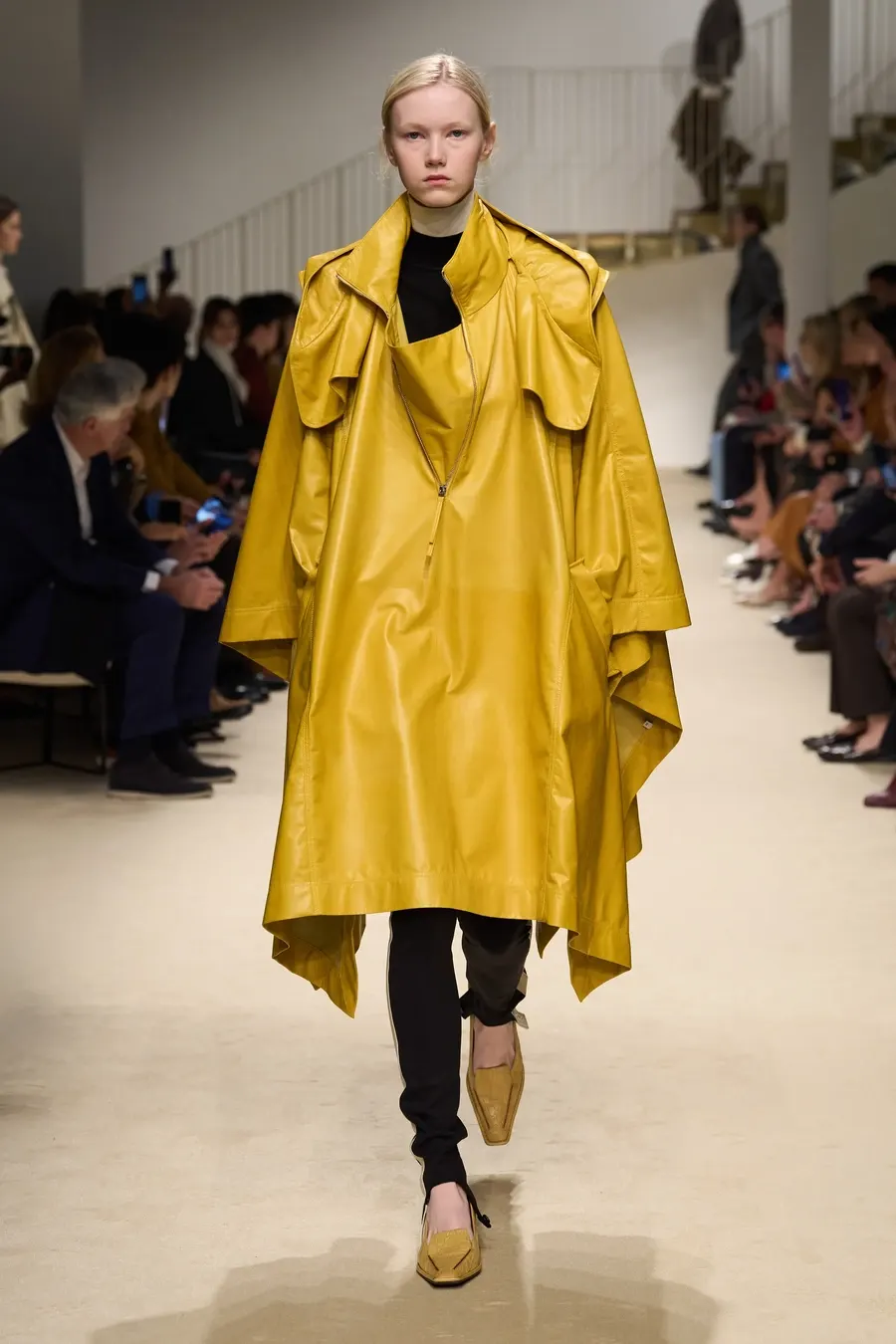
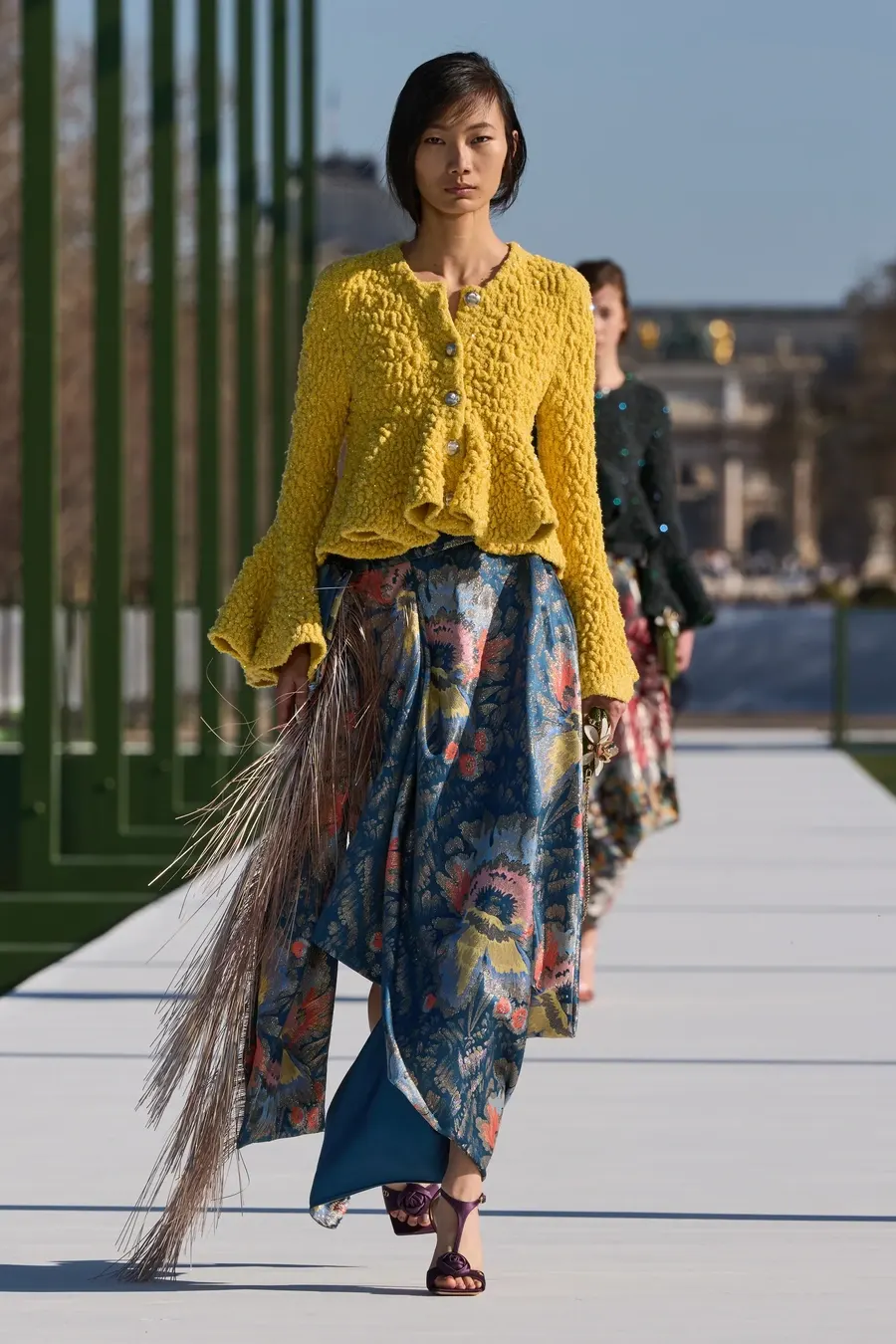
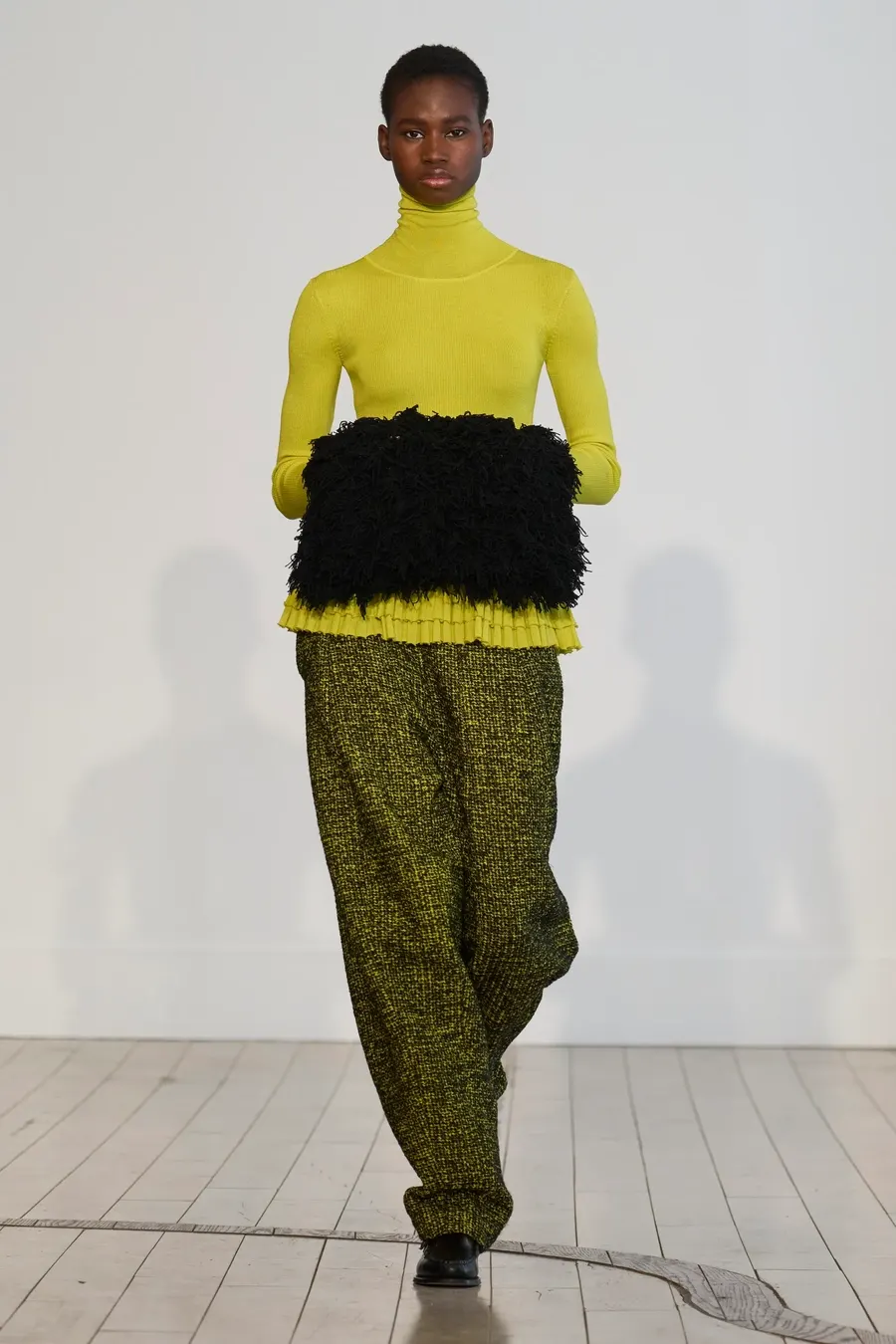
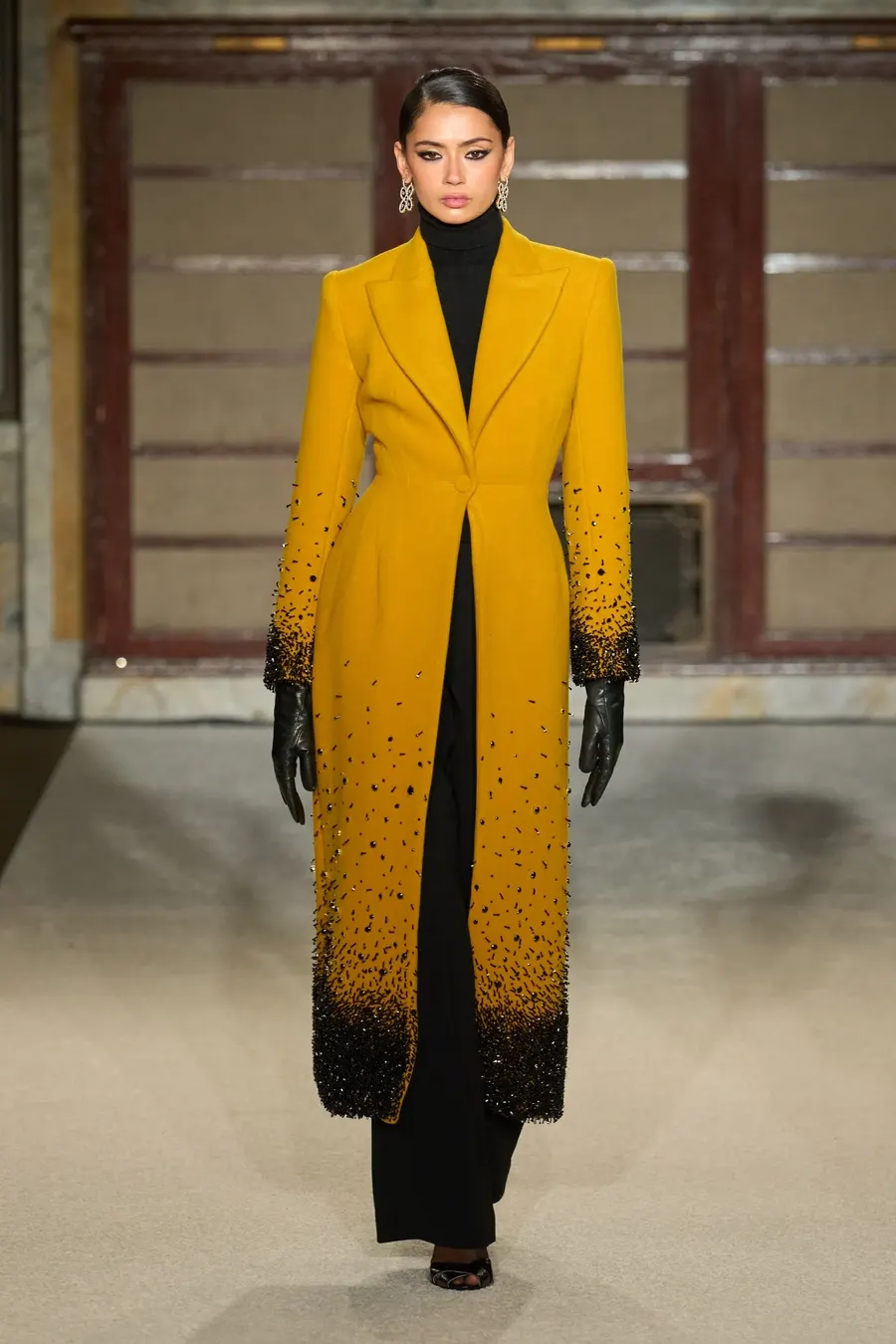
A conventional tonal look usually depends on shades gradually moving from light to dark. Mustard and acid yellow create a far more abrupt jump in saturation. One looks sun-baked; the other looks plugged into electricity. The shared yellow base prevents them from becoming random, while their difference in intensity keeps the outfit from settling into monochrome.
Fall 2026 makes the experiment particularly timely. Mustard has become one of the season's strongest alternatives to softer yellows, appearing across coats, tailoring and knitwear, while brighter yellow-green tones remain visible after their Spring 2026 surge. The runways have already placed both ends of yellow in the same seasonal vocabulary, even when designers have not necessarily combined them within one outfit.
The styling opportunity lies in finishing that sentence yourself.
One Color Leads, the Other Interrupts
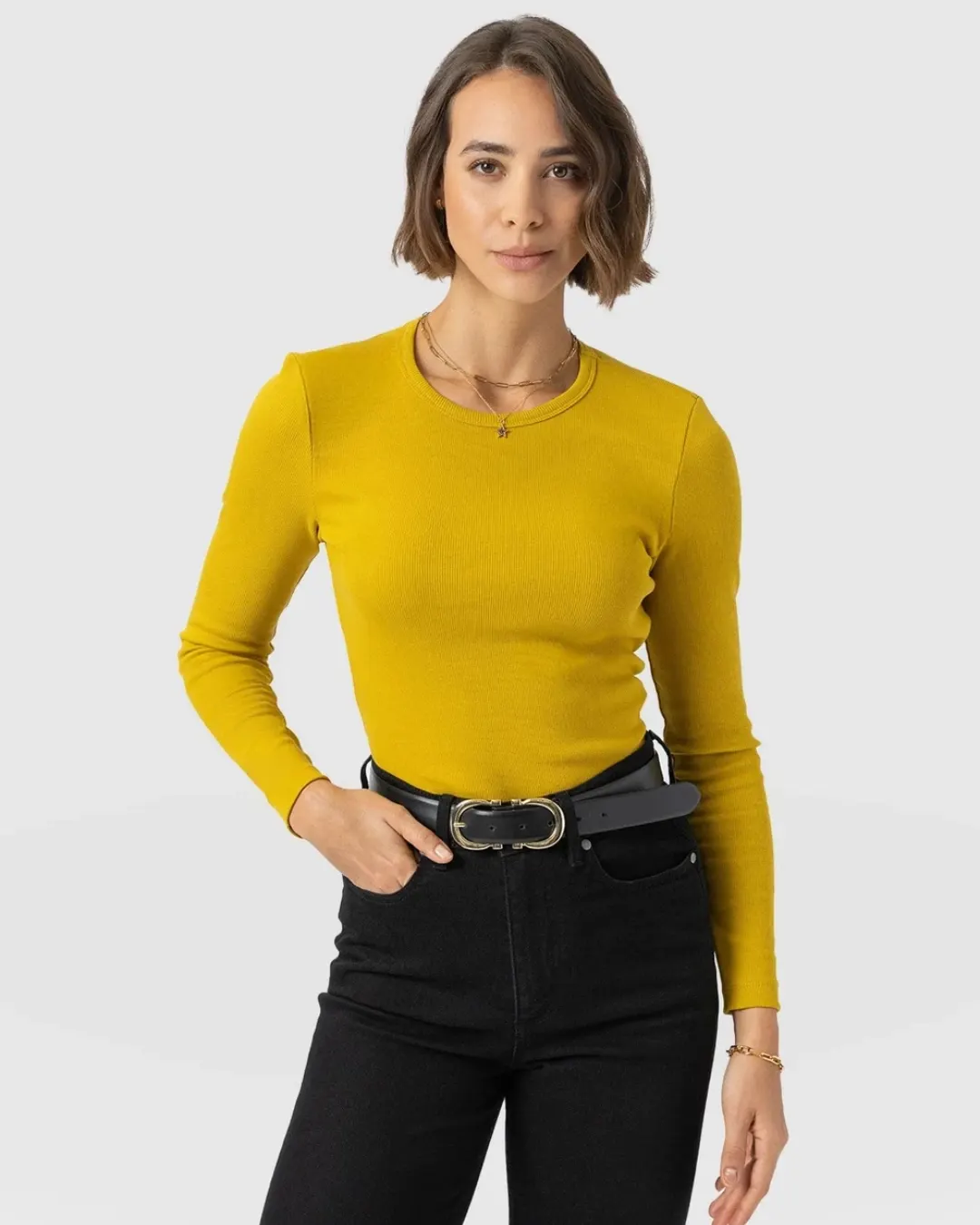
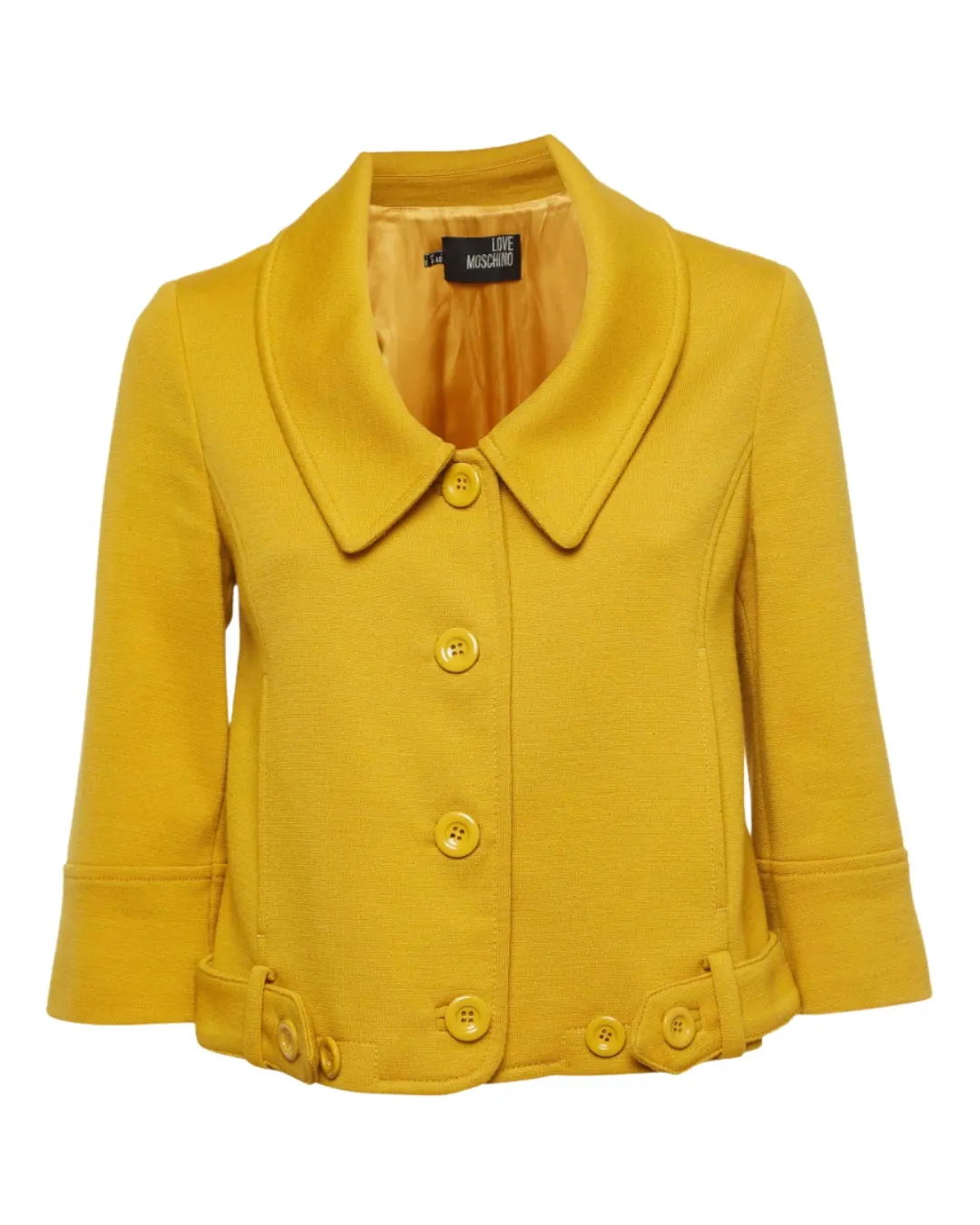
The combination intertwined when the two yellows are not competing for equal space. Mustard yellow has enough brown and ochre in its base to carry larger pieces without overwhelming the eye, which makes it especially convincing across coats, trousers, knitwear or skirts. Acid yellow can then arrive in smaller flashes, appearing at the neckline of a sweater, around the wrist, through a bag or in a narrow layer underneath.
Reverse the balance and the relationship changes immediately. An acid-yellow dress or pair of trousers can take over the silhouette, while mustard begins acting almost like a neutral. Its earthy undertone can ground a bright chartreuse skirt through a suede jacket, soften a neon knit with ochre trousers, or give a fluorescent dress more weight through a darker yellow coat. The important part is keeping the shapes relatively direct.
Once the color itself becomes this active, complicated construction or excessive accessories can make the pairing lose its clarity.
A third shade should stay quiet. Chocolate, charcoal, cream and dark olive can sit naturally beside both colors without creating another point of tension. Brown echoes the undertone already present in mustard, while grey cools the entire combination down. The strongest outfits stop before the palette becomes too busy. One yellow establishes the base, the other breaks it, and everything else simply gives them room to argue.
Make the Textures Disagree
Color becomes more interesting once fabric starts arguing with it.
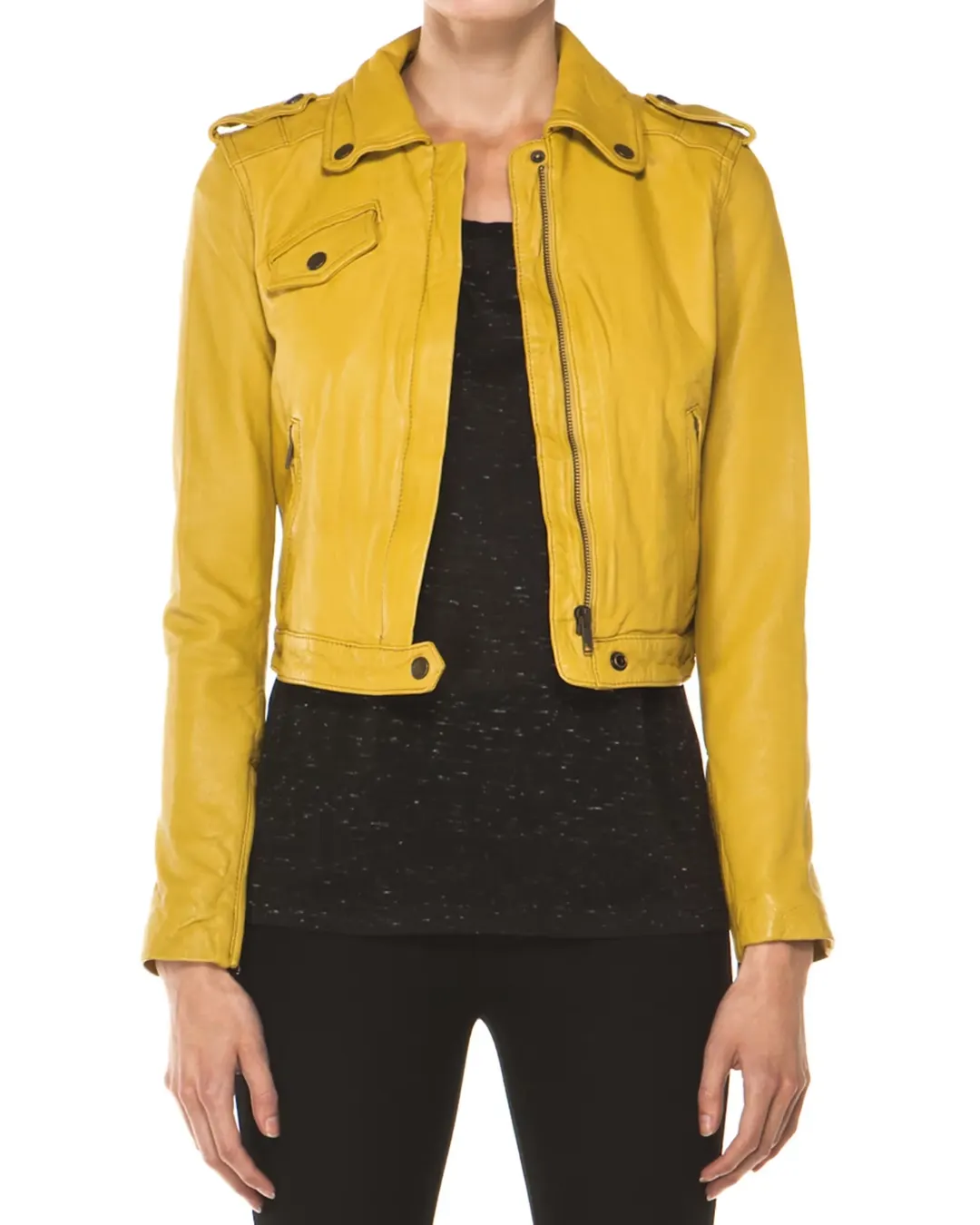
Mustard naturally suits matte surfaces. Brushed wool absorbs some of its saturation. Suede makes it browner. Corduroy introduces shadow between the ridges, turning a flat yellow into several darker variations at once.
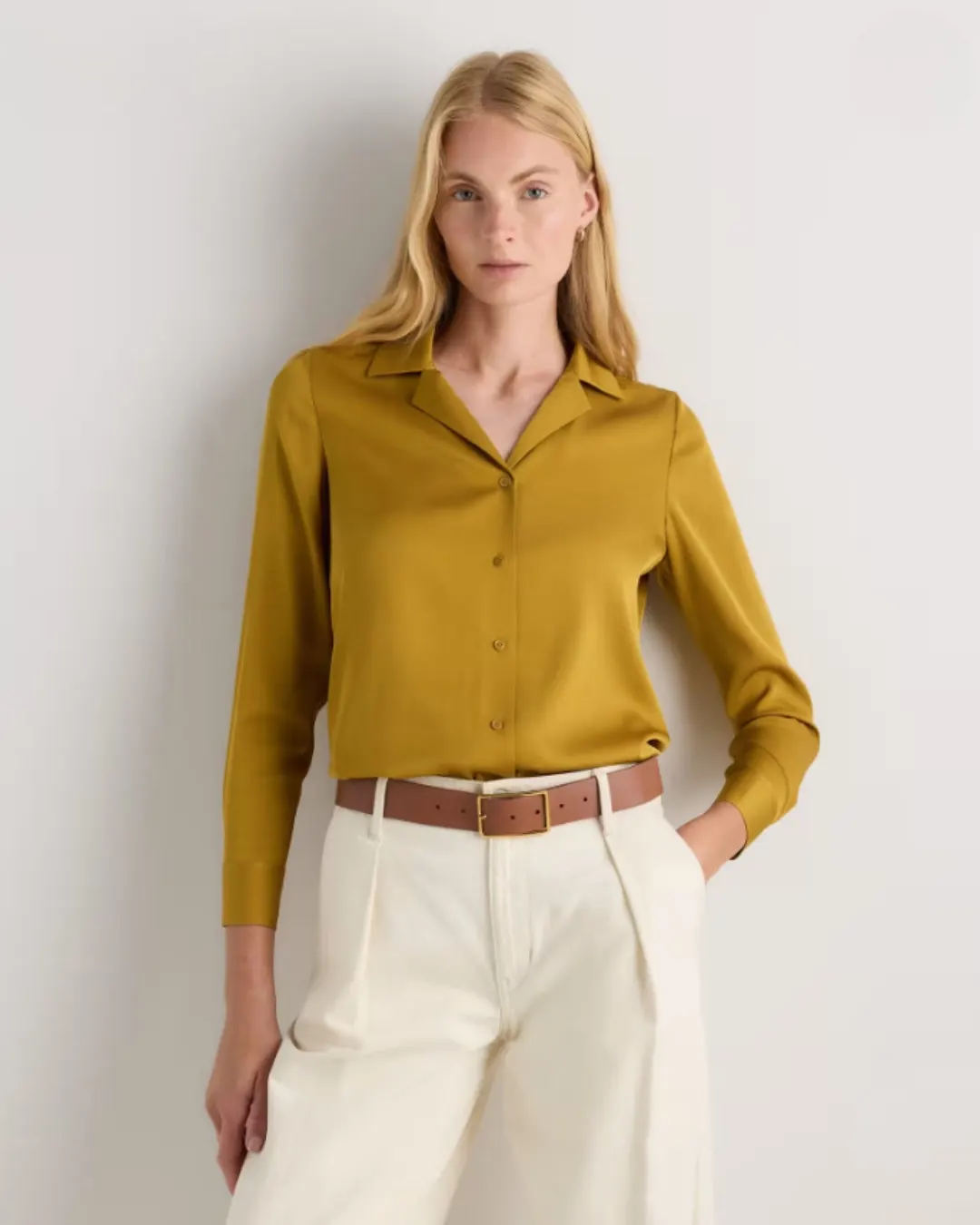
Acid yellow benefits from the opposite treatment. Satin reflects light back into an already bright hue. Nylon makes it look technical. Fine mesh can make the shade almost translucent. Patent leather intensifies its artificial quality.
Pairing matte mustard with glossy acid yellow therefore separates the colors before silhouette even enters the conversation.
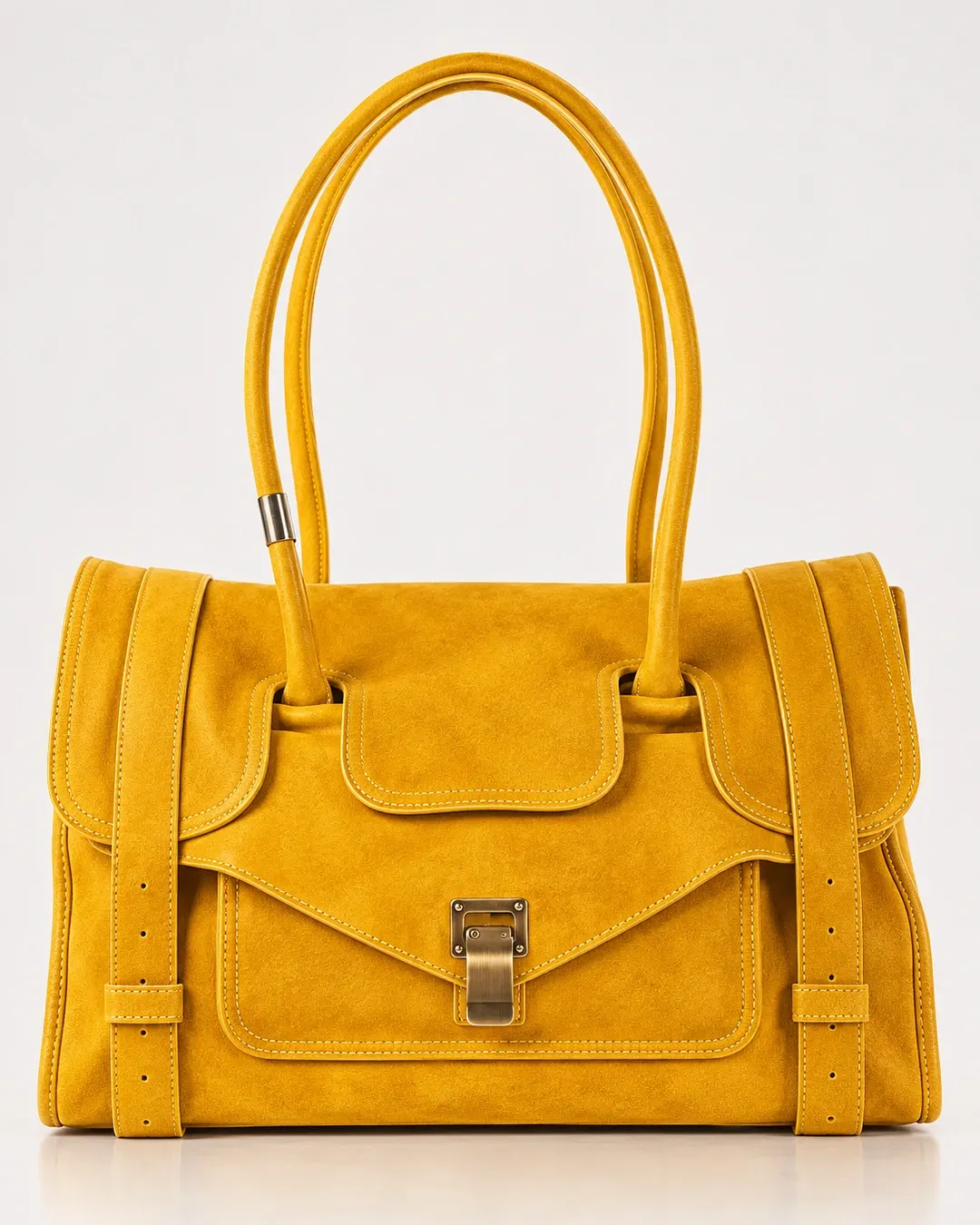
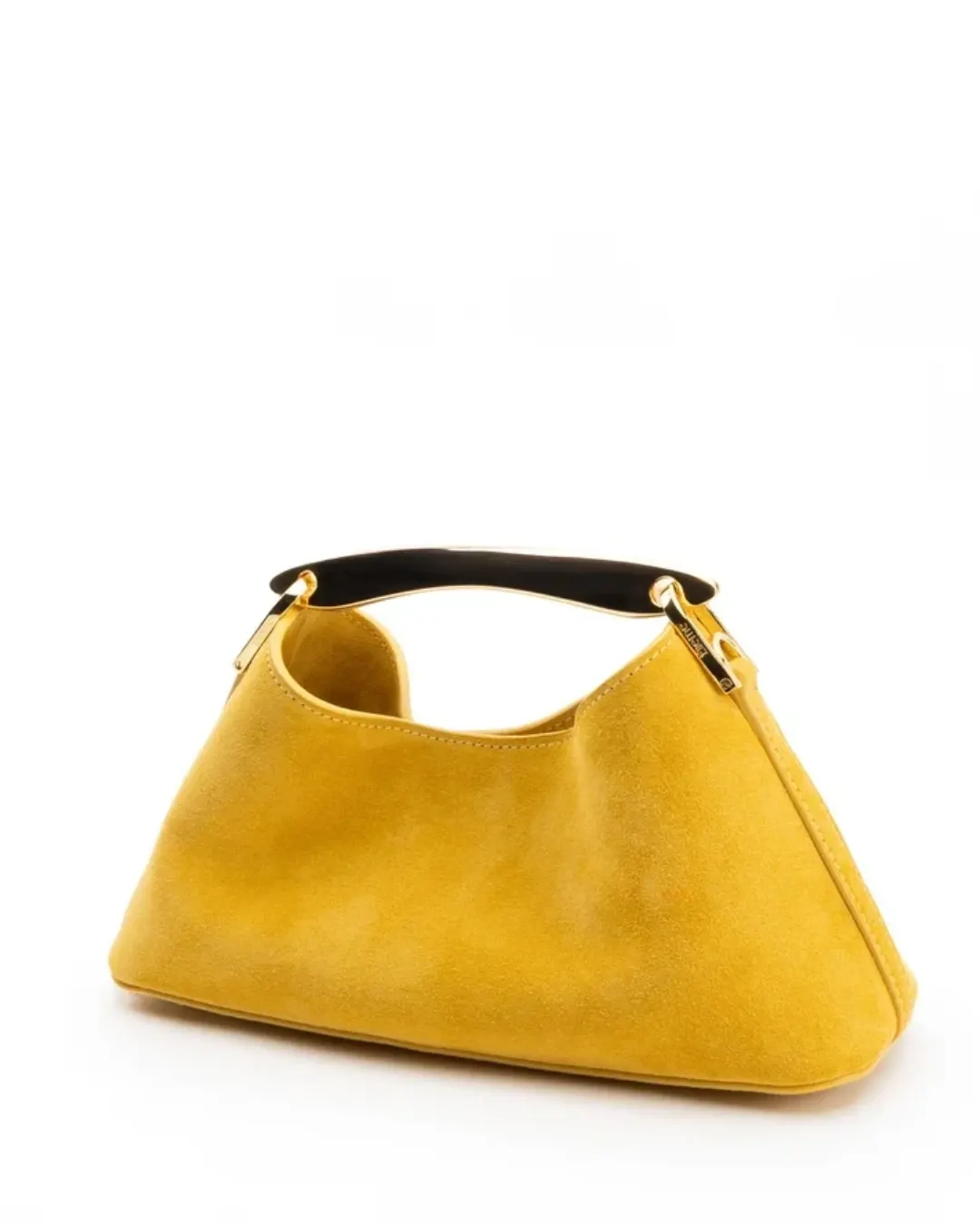
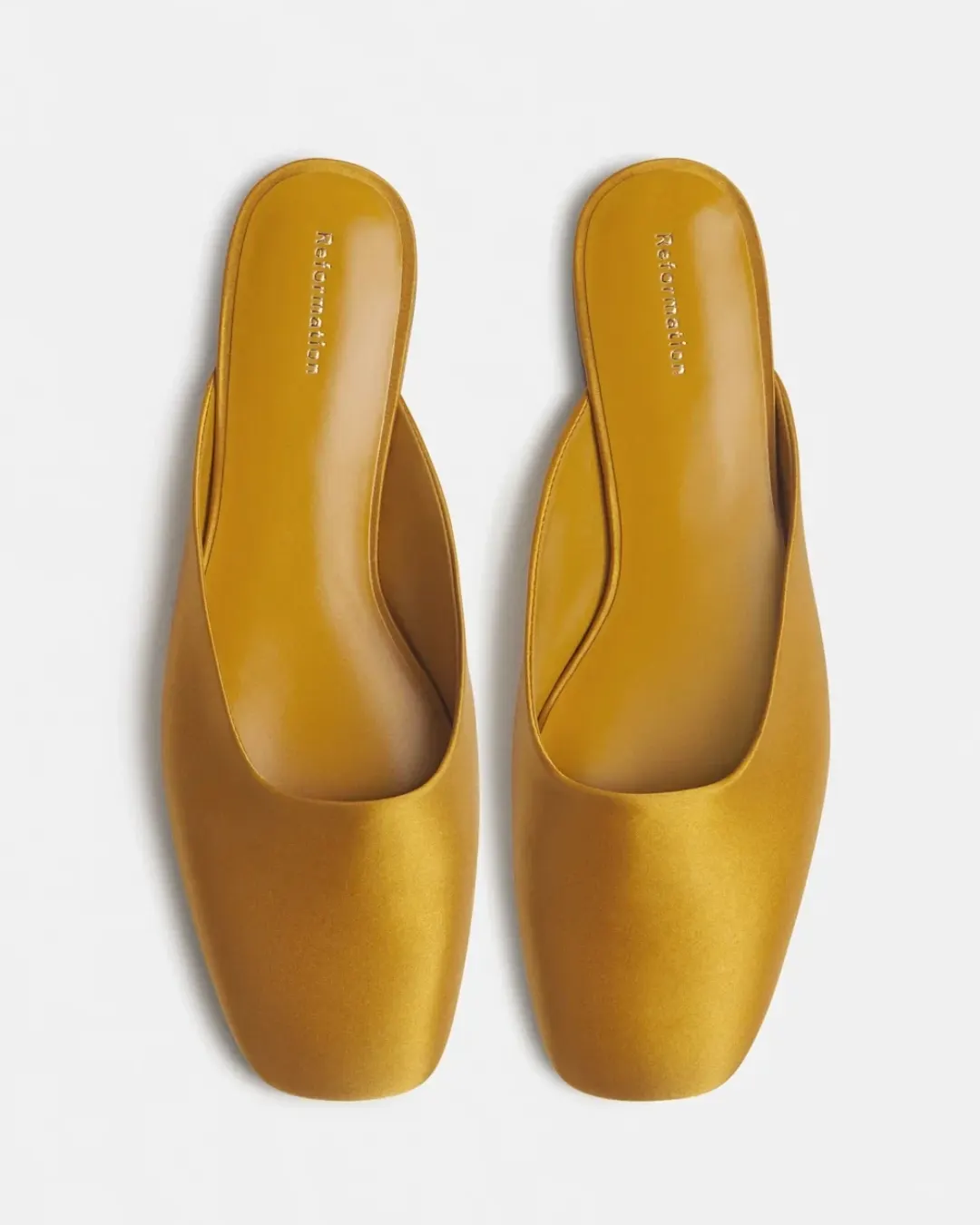
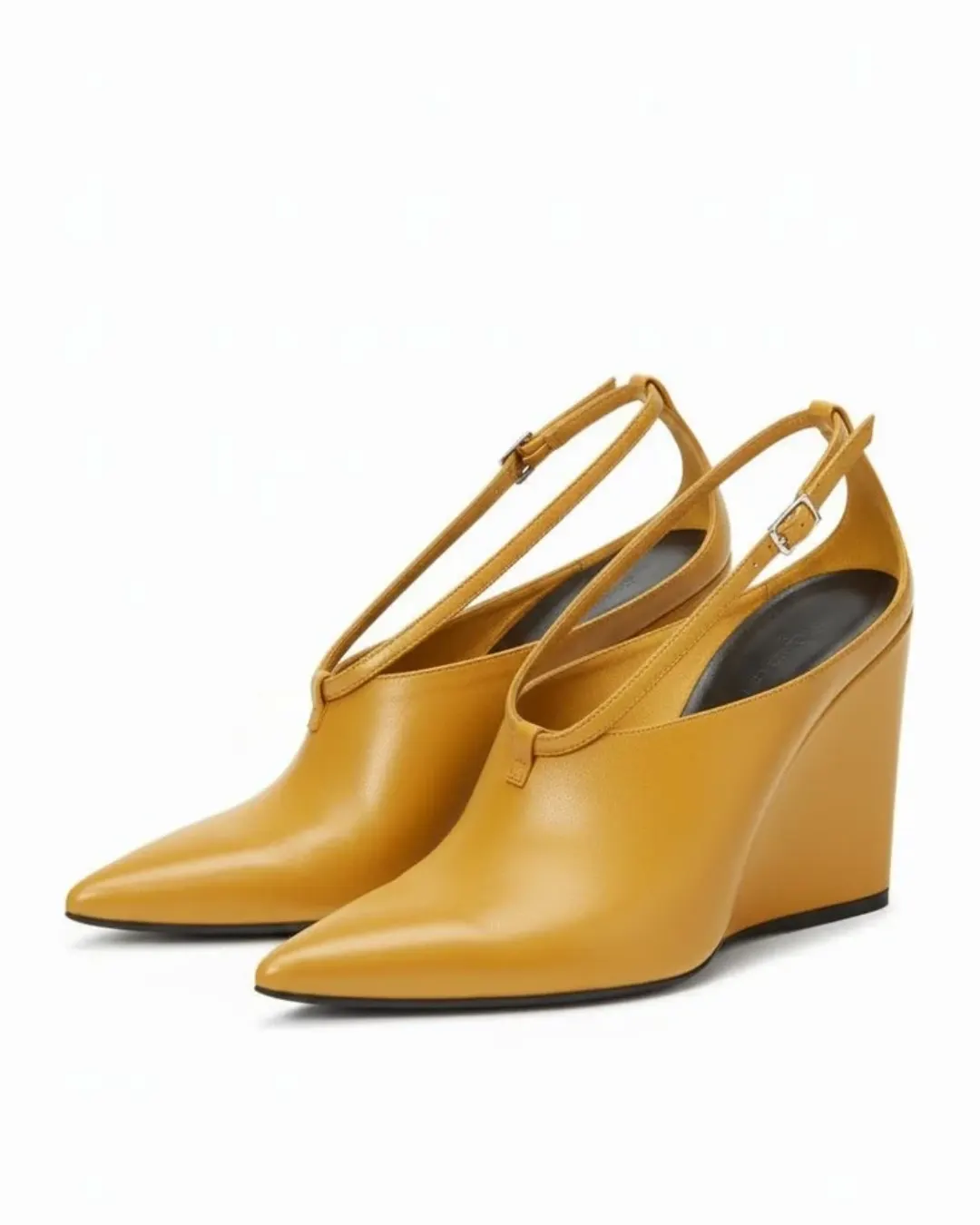
A fuzzy mustard cardigan beside an acid satin skirt has depth because the eye encounters two surfaces as well as two yellows. An ochre suede jacket over a chartreuse technical top produces a similar contrast. The combination starts to look intentional rather than like two slightly mismatched yellow garments pulled from the same wardrobe.
Matching colors can be predictable. Matching their textures as well would make them too polite.
Mustard yellow and acid yellow are hardly subtle company. Together, they look bright enough to allegedly generate their own heat, which is convenient when winter has already taken the temperature and everyone’s serotonin with it.
Mustard brings warmth; acid yellow turns up the voltage. Seasonal depression may still have plans, but this color combination is putting up a very loud fight.