




Once notorious for its sting, Morpheus8 Cool arrives with a chilling twist. Can cooling change the experience of skin rejuvenation without injectables?
Morpheus8 Cool Is Cooling Down the Needle
Once notorious for its sting, Morpheus8 Cool arrives with a chilling twist. Can cooling change the experience of skin rejuvenation without injectables?
November 23, 2026


Kim Kardashian has rarely been shy about revealing the less glamorous side of beauty maintenance. In August 2022, the reality star shared a photograph of her noticeably reddened abdomen after undergoing Morpheus8 Body at Beverly Hills plastic surgeon Dr. Ashkan Ghavami's practice. She described the treatment as “painful but worth it,” giving one of aesthetic medicine's increasingly popular procedures a rather intimidating celebrity endorsement.
Four years later, the company behind Morpheus8 has returned with a rather convenient proposition: what if the treatment could become considerably more comfortable? Introduced in September 2026, Morpheus8 Cool combines the familiar collagen-remodeling technology with an integrated cooling mechanism. For patients intrigued by facial rejuvenation yet reluctant to pursue Botox or dermal fillers, its arrival offers another possibility, alongside some important questions about pain, safety and realistic results.
From Morpheus8 to Morpheus8 Cool: The Reinvention
Behind the Morpheus8 name sits InMode, an Israeli-founded medical technology company established by Moshe Mizrahy and Dr. Michael Kreindel. The business developed a portfolio of radiofrequency-based aesthetic devices, gradually extending its technology into treatments for skin texture, laxity and body contouring.
The original Morpheus8 emerged as a radiofrequency microneedling treatment, combining two established principles. Microneedles create controlled microscopic injuries within the skin, while radiofrequency energy generates heat at selected tissue depths. The resulting repair response can encourage collagen remodeling, potentially improving skin texture and mild laxity over time.
As InMode expanded the platform, newer configurations introduced adjustable depths and energy-delivery patterns. The Morpheus8 Burst generation, for example, allowed radiofrequency pulses to be delivered at multiple programmed depths during a treatment cycle.
Yet the experience remained a significant consideration. Depending on the treatment area, needle depth and energy settings, sessions could involve substantial discomfort, even with topical anesthesia.
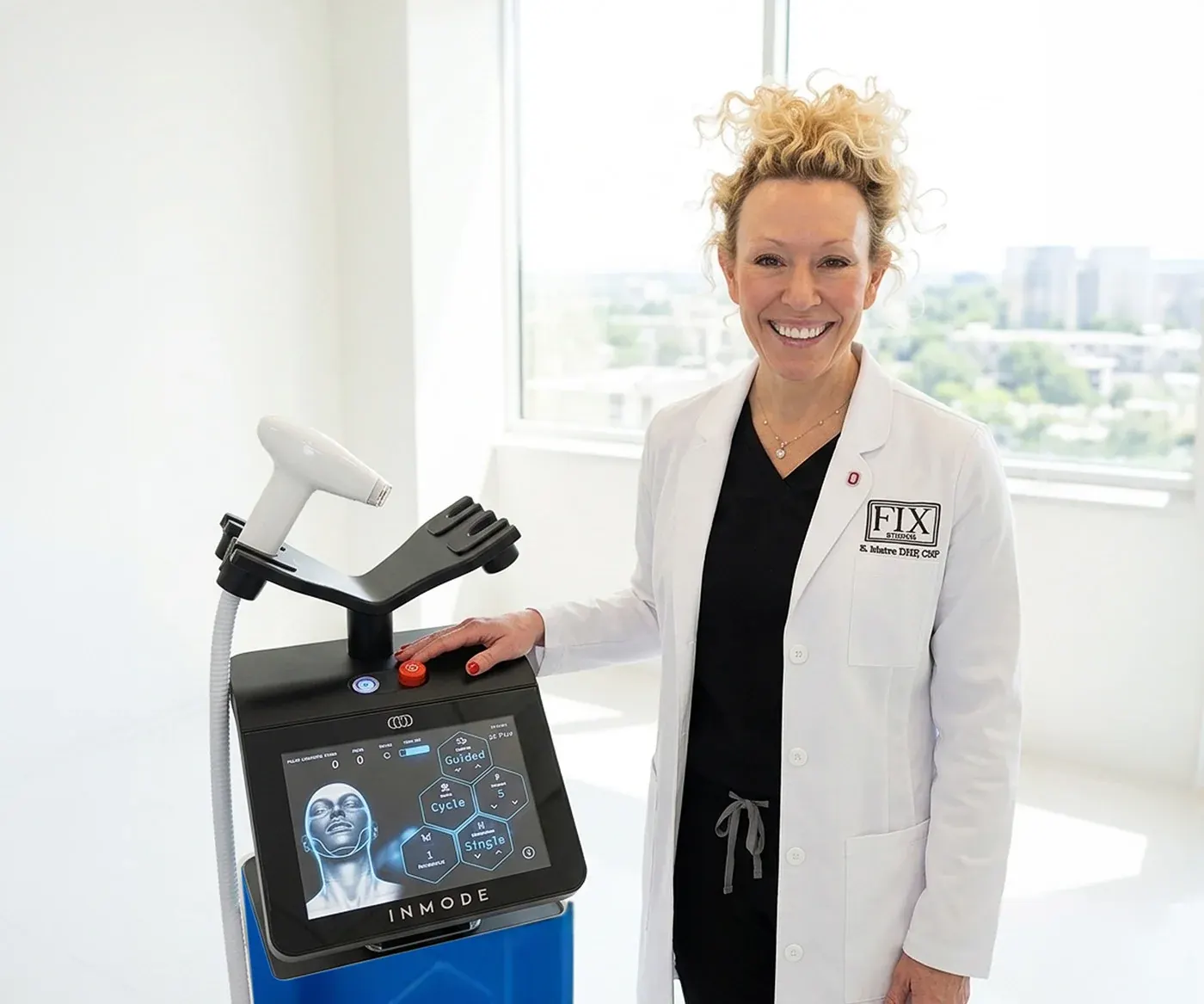
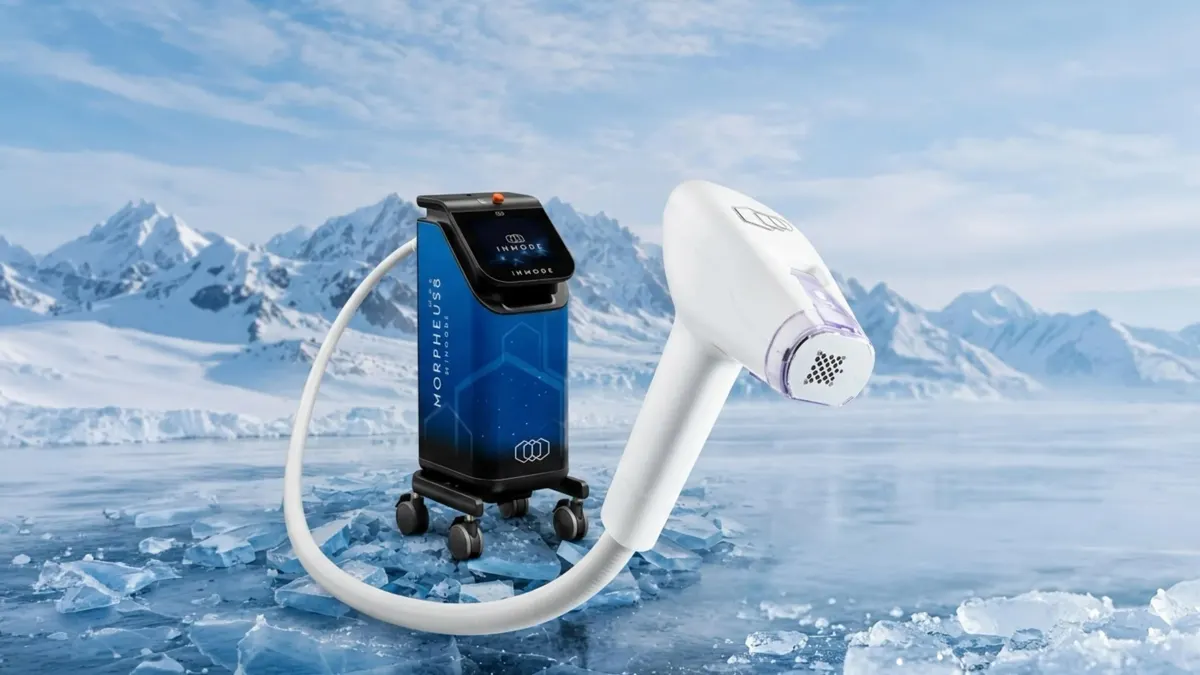
On September 9, 2026, InMode officially launched Morpheus8 Cool as part of its Morpheus8MAX platform. The new handpiece features a redesigned 24-pin tip and a technology the company calls Cool Comfort, designed to manage the skin's surface temperature during treatment.
The development represents an attempt to address a practical weakness in the patient experience while retaining the treatment's underlying mechanism. Cooling may improve tolerability, although independent studies have yet to establish how much comfort or safety improves across different patients.
How Morpheus8 Cool Actually Works
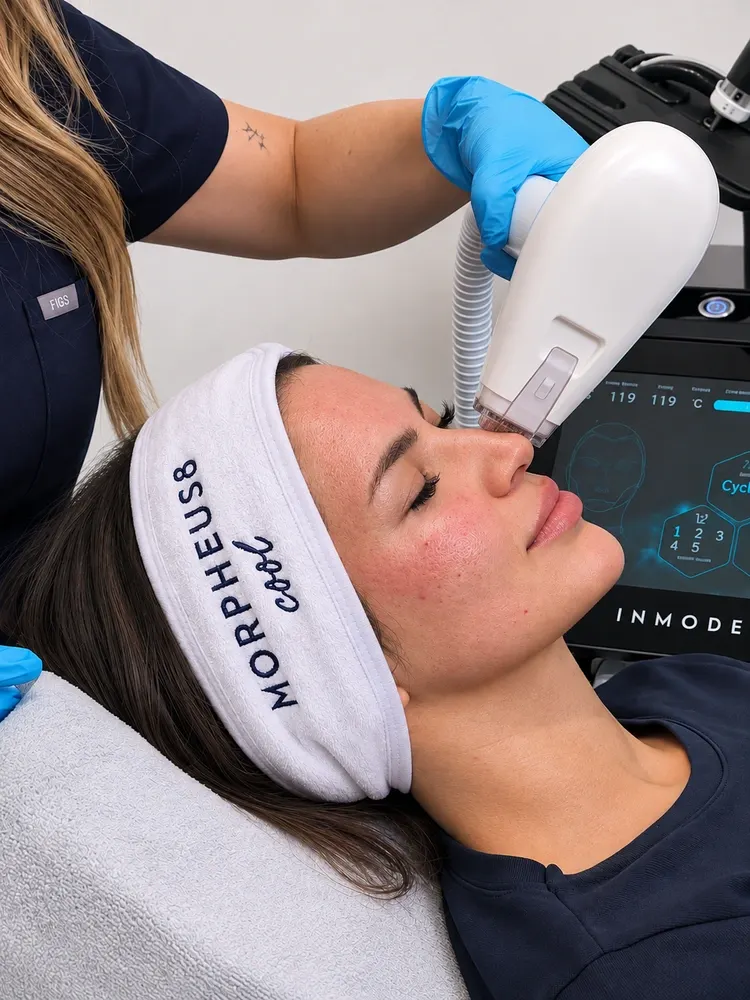
Imagine pressing a small instrument against the cheek and delivering carefully controlled energy through a grid of microscopic needles. That is essentially what happens during Morpheus8 Cool, although the precision of the procedure depends on several adjustable factors.
The treatment begins with a medical consultation. A qualified practitioner examines the patient's skin, assessing concerns such as fine lines, uneven texture, acne scarring or mild laxity. Facial fat distribution also matters because the selected needle depths and energy levels determine which tissues may be affected.
Following cleansing, topical anesthetic is commonly applied and allowed to take effect for approximately 30 to 60 minutes. The clinician then selects the appropriate needle depth, radiofrequency energy and treatment mode according to the area being treated.
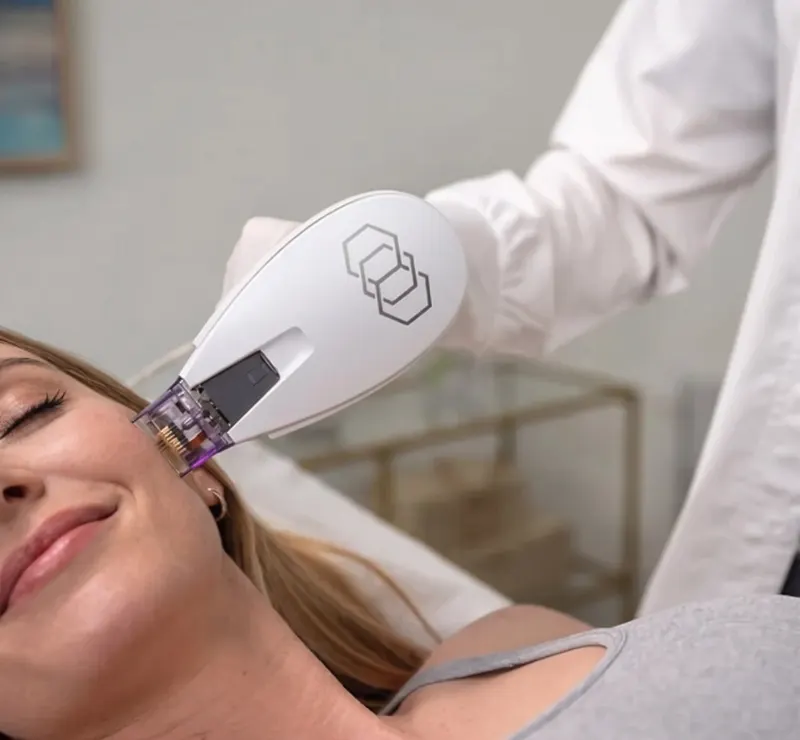
During the procedure, the Morpheus8 Cool handpiece places 24 fine needles into the skin. Radiofrequency energy passes through them, creating localized heating beneath the surface. The body's response to this controlled injury can lead to changes in collagen and other structural components during healing.
The cooling mechanism works at the skin's surface, helping manage its temperature as energy is delivered deeper within the tissue. The practitioner moves systematically between treatment areas, adjusting settings where necessary for thinner or more sensitive skin.
The important distinction is that Morpheus8 Cool still uses needles and heat. Its cooling technology is intended to make those sensations easier to tolerate.
Immediately afterward, patients may experience redness, swelling, tenderness or tiny pinpoint marks. Gentle cleansing, moisturizing and sun protection typically form part of aftercare, while stronger skincare actives and strenuous activities may need to be avoided temporarily.
A treatment plan may involve several appointments spaced weeks apart. Changes in skin texture can appear gradually, while collagen remodeling may continue for months. The outcome depends on individual anatomy, clinical settings and the concern being treated.
The Doctors Testing Morpheus8 Cool
An unusual experiment took place in El Paso, Texas, in October 2026. Board-certified plastic surgeon Dr. Frank Agullo decided to experience Morpheus8 Cool firsthand before introducing the treatment to patients at his practice.
He underwent a facial session without topical numbing cream, allowing him to assess the sensation directly. Agullo subsequently reported discomfort of approximately one or two out of ten, describing a substantial improvement over his experience with earlier Morpheus8 treatments.
He also noted the handpiece's vibration, which appeared to distract from the sensation of the needles and energy delivery. His experience offers an interesting glimpse into how physicians evaluate new aesthetic equipment, although a single self-experiment cannot establish universal pain levels or clinical outcomes.
In New York, board-certified dermatologist Dr. Michelle Henry provided another documented example of Morpheus8 Cool in practice. In November 2026, she treated beauty editor Andrea Stanley, who was interested in addressing facial skin concerns through a collagen-stimulating procedure.
Henry's approach emphasizes matching treatment settings to the patient's anatomy and goals. A person concerned about fine lines around the mouth may require a different protocol from someone seeking improved skin texture across the cheeks.
Cosmetic surgeon Dr. Talon Maningas has also demonstrated Morpheus8 Cool through InMode's professional education platform, explaining the selection of needle depths, energy settings and treatment patterns.
These early clinical accounts illustrate the treatment's flexibility. They also highlight how much responsibility remains with the practitioner: sophisticated equipment provides options, but the medical assessment determines how those options should be used.
Where Morpheus8 Cool Is Finding Its Patients
The new treatment has begun appearing in American aesthetic practices, particularly those already offering radiofrequency microneedling.
Dr. Agullo's Southwest Plastic Surgery practice in El Paso, Dr. Henry's Skin & Aesthetic Surgery of Manhattan and GaliDerm Aesthetics in Florida are among the providers publicly associated with Morpheus8 Cool during its early rollout.
At Southwest Plastic Surgery, published pricing in October 2026 placed a full-face session at approximately $700, while combined face-and-neck treatment was listed at $1,200. Costs vary according to location, treatment area and the recommended number of sessions.
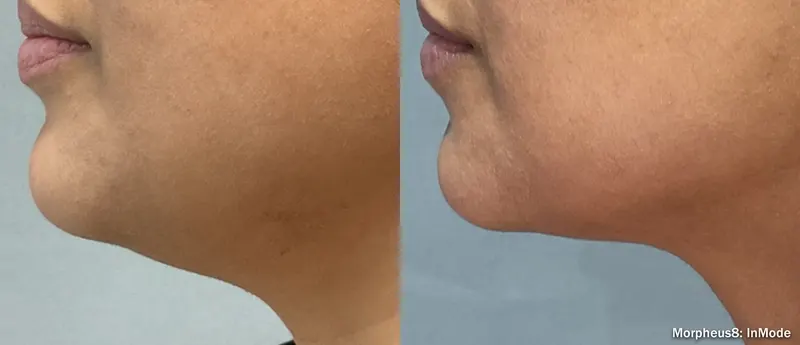
For patients considering Morpheus8 Cool, provider selection deserves considerable attention. Medical credentials, experience with radiofrequency procedures, knowledge of facial anatomy and familiarity with the new handpiece are meaningful considerations. Manufacturer verification helps establish device authenticity, but it does not guarantee a particular clinical outcome.
The commercial momentum is still developing. In November 2026, InMode reported a successful initial launch of the Morpheus8MAX platform, although public figures detailing Morpheus8 Cool treatment volumes or long-term patient satisfaction remain limited.
Can Morpheus8 Cool Replace Botox or Fillers?
The possibility of achieving refreshed skin without injecting cosmetic substances has obvious appeal. However, Morpheus8 Cool belongs to a different category of aesthetic medicine.
Botox and other neuromodulators temporarily reduce targeted muscle activity, making them particularly relevant for wrinkles associated with facial expressions. Dermal fillers add volume or alter contours by introducing material beneath the skin.
Morpheus8 Cool works through controlled tissue heating and remodeling. Its potential benefits concern skin quality, including texture, mild laxity and certain fine lines. It does not provide the muscle-relaxing effects of Botox or directly replace lost facial volume.
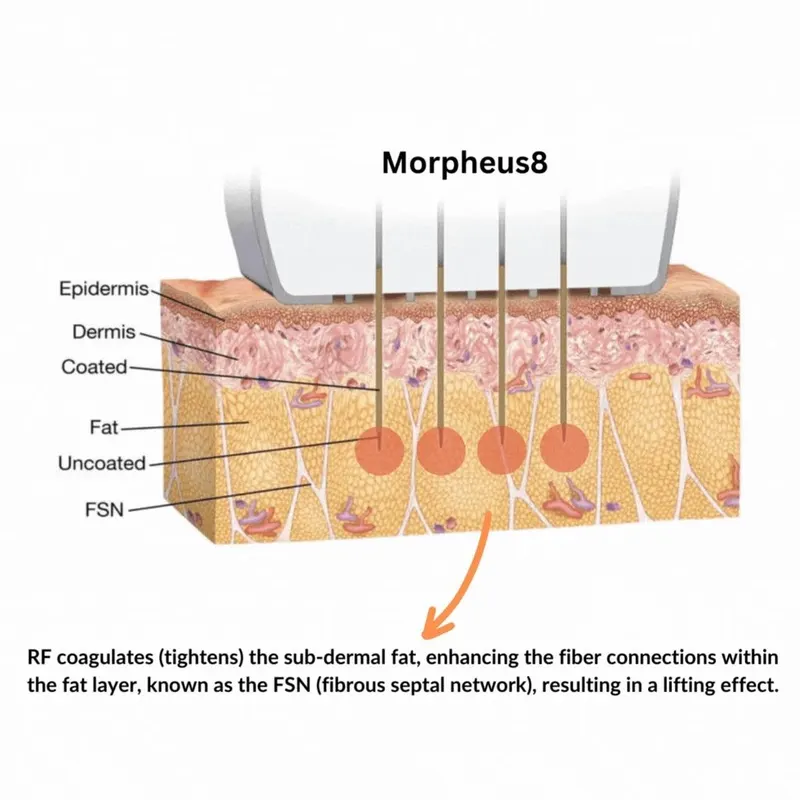
On October 15, 2025, the US Food and Drug Administration issued a safety communication concerning serious complications reported with certain uses of radiofrequency microneedling. These included burns, scarring, fat loss, disfigurement and nerve damage.
Unwanted fat loss is especially concerning around the face, where volume contributes to youthful contours. Treating tissue at inappropriate depths or with unsuitable energy settings can potentially affect structures beneath the skin. Surface cooling has not been proven to eliminate these hazards.
Morpheus8 Cool therefore presents an interesting development in aesthetic medicine rather than a universal solution for patients avoiding injectables. Its appeal depends on identifying the right concern, understanding the limitations and choosing a qualified practitioner capable of evaluating the risks.
The larger question concerns how far comfort technology can change the future of cosmetic treatments. For years, the aesthetic industry has invested heavily in improving visible results. Morpheus8 Cool suggests that the experience of achieving those results is becoming an important area of innovation in its own right.
For patients who once associated radiofrequency microneedling with Kim Kardashian's painful confession, Morpheus8 Cool offers a reason to reconsider the procedure. Whether its cooling innovation can produce a meaningful long-term change in patient confidence will depend on evidence that extends beyond an impressive first appointment.