MENU
Close





In 2026, the museum is no longer behaving like a quiet building with polite wall text and a gift shop at the exit. For those who see luxury art collecting as more than ownership, this map will take you where taste, capital, architecture, and history are moving next.
In 2026, the museum is no longer behaving like a quiet building with polite wall text and a gift shop at the exit. For those who see luxury art collecting as more than ownership, this map will take you where taste, capital, architecture, and history are moving next.
June 25, 2026


There was a time when a museum asked very little of the visitor beyond reverence. You entered, lowered your voice, followed a chronological route, admired the masterpieces, and emerged through the gift shop with a postcard that proved your sensitivity. In 2026, that old model feels almost quaint. The museum is becoming an architectural statement, a civic stage, a technology lab, a collector’s map, a tourism engine, and, in some cases, a very expensive argument about who gets to narrate culture.
This is why 2026 feels like a turning point. The year’s most anticipated openings are not simply adding square footage to the global art calendar. They are changing the way culture is consumed, financed, displayed, and travelled toward. For collectors, the rise of these new institutions speaks directly to luxury art collecting, where value is no longer determined only by the object on the wall, but by the geography, institution, archive, and cultural ecosystem around it.
For travellers, these are museum exhibitions worth travelling for because they are not passive destinations. They are active cultural signals. They tell us where power is shifting, which histories are being centered, and how museums are trying to remain necessary in an age when every screen already claims to be a gallery.
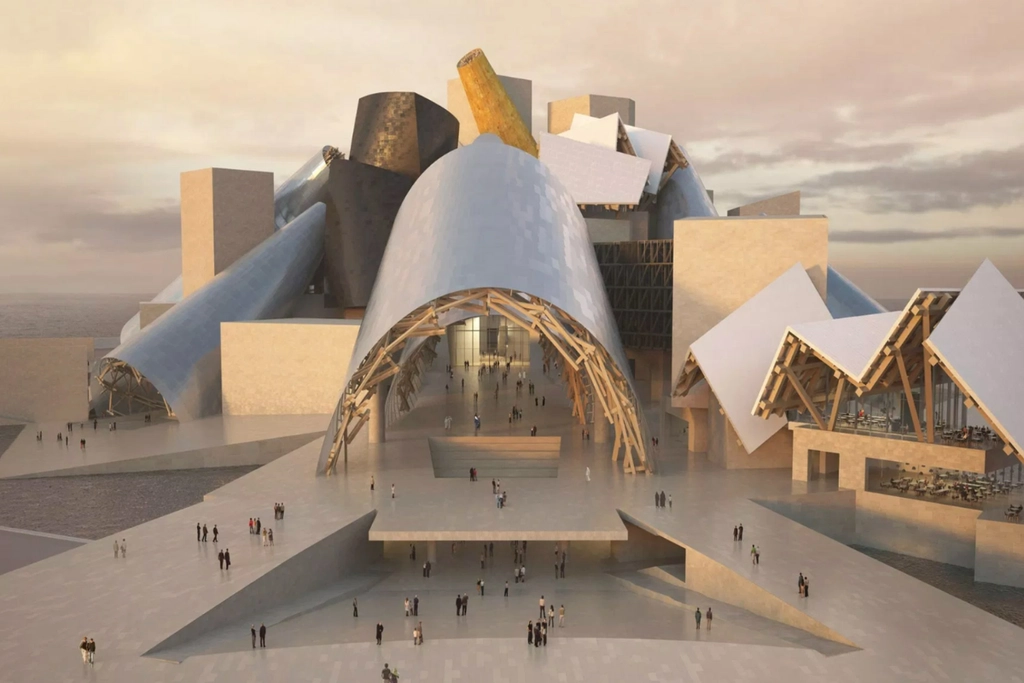
Finally, after 20 years, the long-awaited Guggenheim Abu Dhabi will soon to open to the public. Designed by Frank Gehry, Guggenheim Abu Dhabi is set to become the largest Guggenheim Museum in the world when it opens this year, bringing one of the most anticipated cultural landmarks to Saadiyat Island’s expanding museum district. Positioned alongside Louvre Abu Dhabi and Zayed National Museum, the institution will focus on modern and contemporary art from the 1960s to the present, with a particular emphasis on West Asia, North Africa, and South Asia.
Its sculptural forms, experimental materials, and regionally responsive design reflect Gehry’s ambition to create a building shaped by place rather than spectacle alone. Inside, the collection is expected to connect major American figures such as Jean-Michel Basquiat, Mark Rothko, and Andy Warhol with influential artists from the Middle East, including Monir Shahroudy Farmanfarmaian, Samia Halaby, and Hassan Sharif, framing the museum not as a Western outpost, but as a broader conversation between global modernisms.
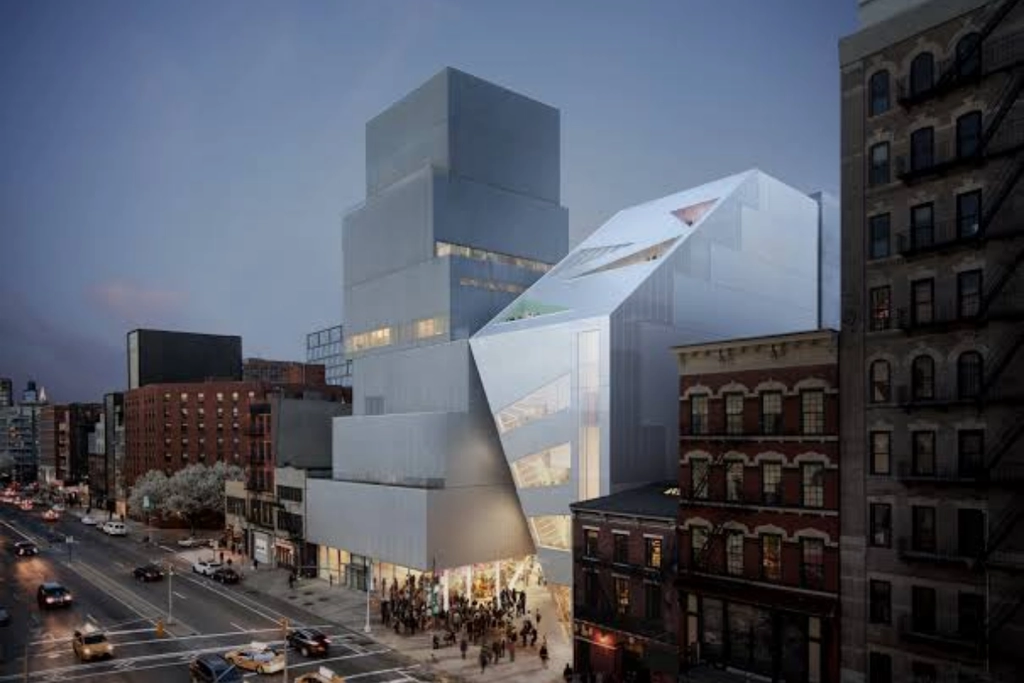
In New York, the New Museum's reopening in March 2026 is a major project by OMA’s Shohei Shigematsu and Rem Koolhaas. The expansion added 60,000 square feet and opened with “New Humans: Memories of the Future,” a museum-wide exhibition examining technology, bodies, memory, and the unstable definition of being human in the twentieth and twenty-first centuries.
This is one of the museum exhibitions worth travelling for because it captures the anxiety of the age so neatly it almost deserves its own therapy appointment. The show does not treat technology as a shiny accessory to art. It asks what happens when the human figure is redesigned by machines, surveillance, labor systems, artificial intelligence, and futurist fantasy. For collectors, it is also a reminder that technological art is no longer a niche category politely waiting at the edge of the market. It is moving into the center.
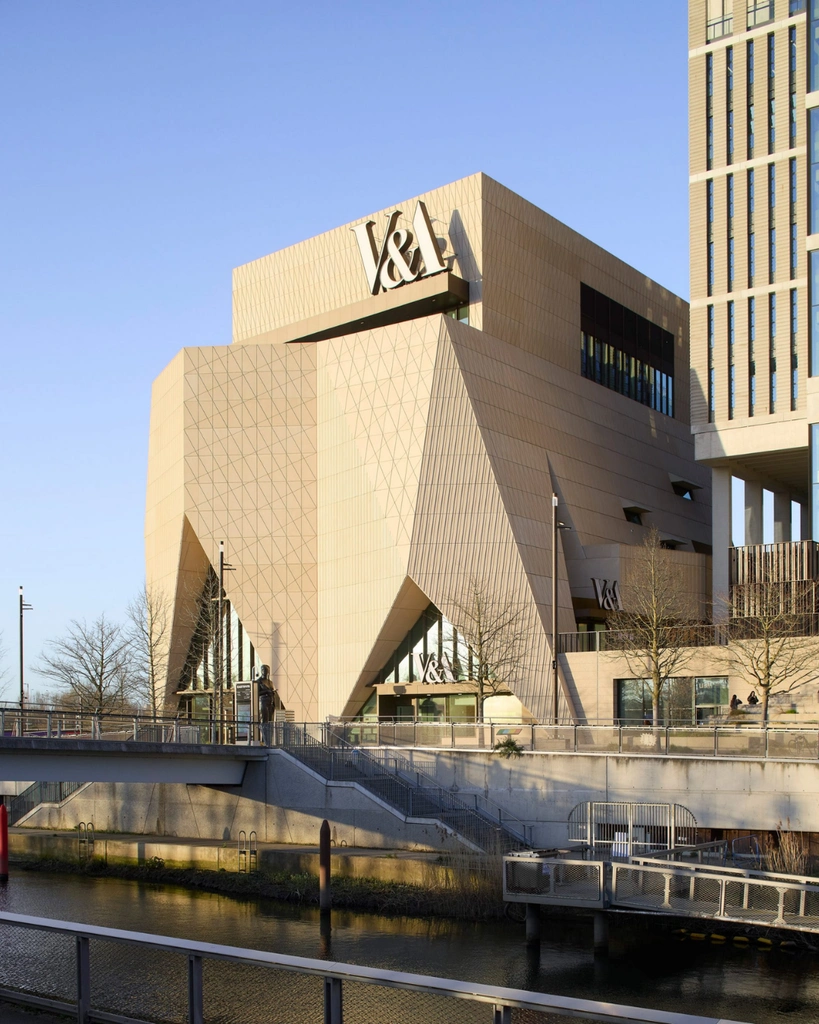
With a vast collection of over 2.8 million objects spanning 5,000 years of human creativity, the V&A East Museum opened in Stratford with “The Music Is Black: A British Story,” a landmark evnet tracing 125 years of Black music-making in Britain. The V&A describes the show as an immersive sound experience spanning four continents, with more than 120 tracks playing through headsets as visitors move through the exhibition.
Undoubtedly one of the museum exhibitions worth travelling for in 2026, this project is powerful because it does not place music beside culture; it treats music as culture’s engine. Through sound, fashion, photography, personal objects, and social history, the exhibition positions Black British music as a force that shaped British identity and global taste. It is also a useful correction to the old museum habit of treating living culture as secondary to dead objects. Here, the archive moves, sings, dresses, dances, and argues back.
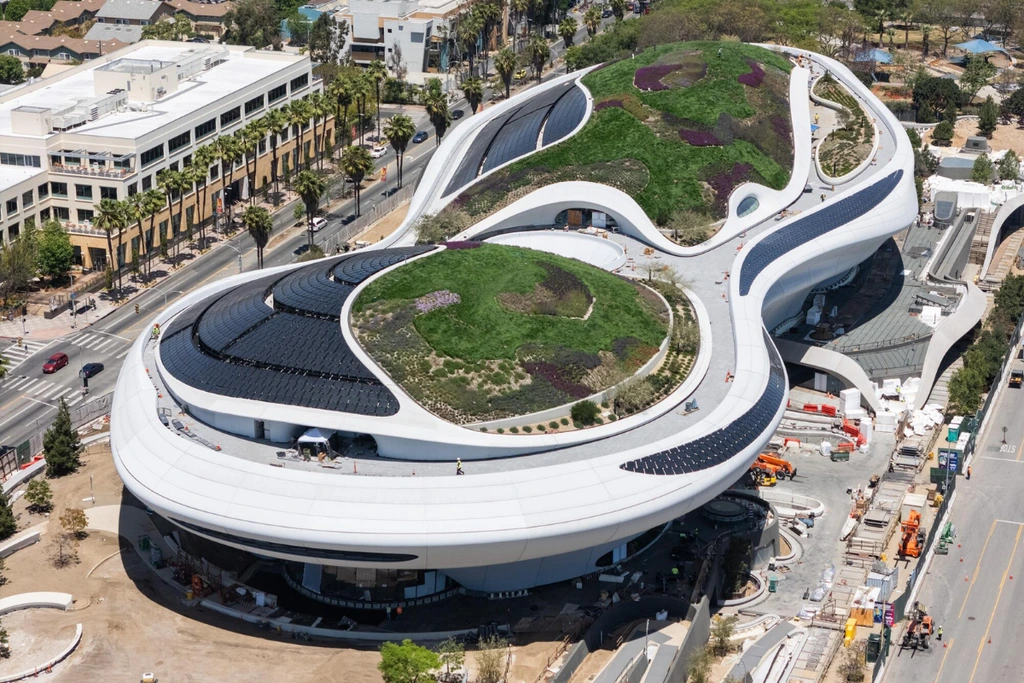
Opening to the public on September 22, 2026, the Lucas Museum of Narrative Art is co-founded by George Lucas and Mellody Hobson, designed by Ma Yansong of MAD Architects, and located in Exposition Park. The museum positions narrative art broadly, from illustration and painting to comics, photography, cinema, and popular visual storytelling.
This is where the museum world’s old hierarchy begins to look especially fragile. For years, illustration, comics, and cinematic design were often treated as lesser cousins of “serious” art, which mostly meant they were too popular to be trusted. The Lucas Museum challenges that prejudice directly with its collection of artifacts from George Lucas’ films, including props, costumes, and models from Star Wars and Indiana Jones, as well as works by celebrated American illustrators like Norman Rockwell, N.C. Wyeth, and Maxfield Parrish; paintings by artists such as Frida Kahlo, Ernie Barnes, and Jacob Lawrence, alongside works by renowned photographers like Gordon Parks and Dorothea Lange; and artifacts dating back to ancient Egyptian, Greek, and Roman periods, used to explore foundational myths and storytelling traditions.
For luxury art collecting, that shift matters because narrative, fandom, and visual memory are increasingly part of value.
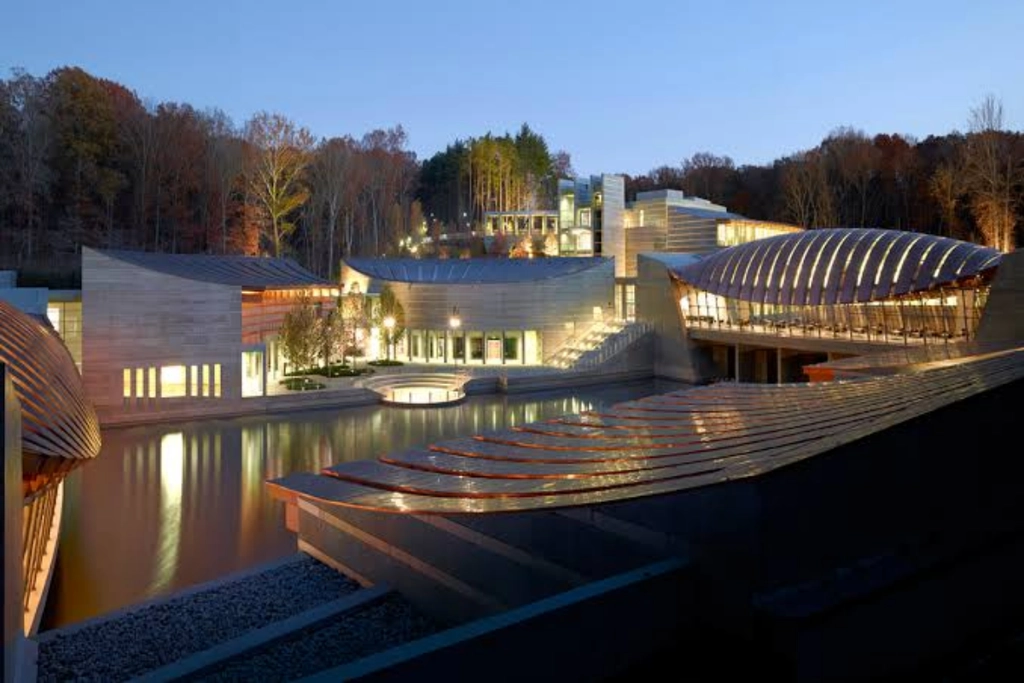
Founded by Walmart heiress and philanthropist Alice Walton, Crystal Bridges Museum Of American Art opened in 2011 as a major home for American art, with a Safdie Architects-designed campus set within the natural landscape of Bentonville. Its permanent collection spans five centuries, bringing together historic and contemporary works by leading American artists alongside a dynamic programme of rotating exhibitions.
In June 2026, the museum will enter a new chapter with a Safdie-designed expansion that increases gallery space by 50 percent and introduces a dedicated floor for community gatherings, digital art studios, ceramic studios, and maker spaces. The opening will also be marked by two major gifts: the Humphreys Collection, the largest donation in the museum’s history, comprising more than 200 works by over 100 artists including Mary Cassatt, Andy Warhol, and Robert Rauschenberg; and the Walton Collection, donated by Olivia and Tom Walton, which adds 18 significant works by women artists, including Yayoi Kusama and Alice Neel.
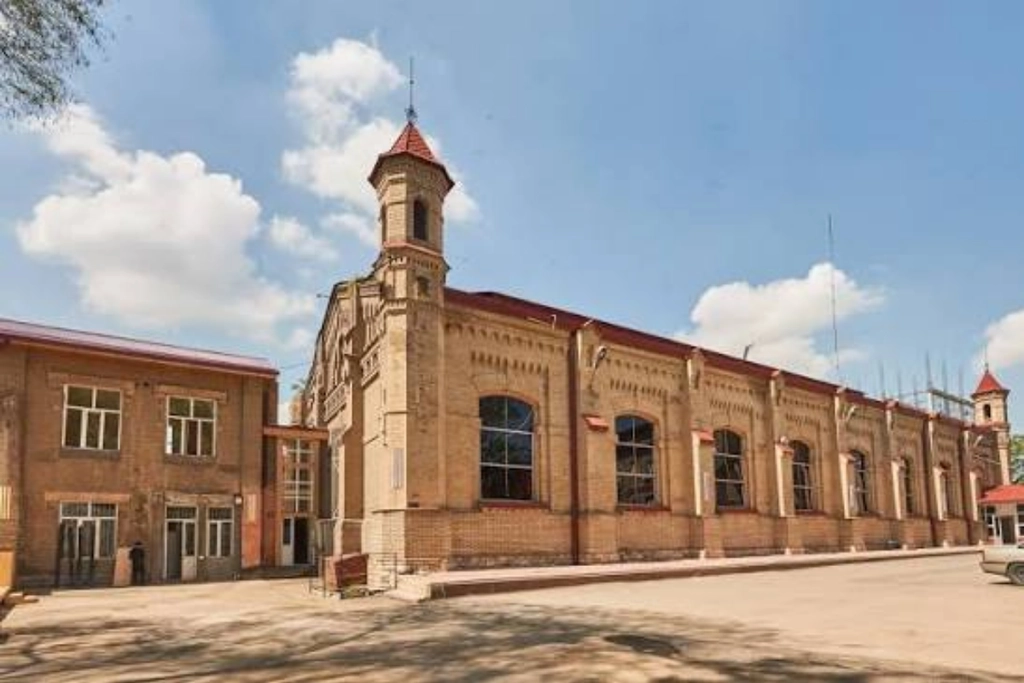
The Centre for Contemporary Arts Tashkent occupies a restored 1912 industrial building transformed by Studio KO. Its official programme lists “Hikmah” as the inaugural exhibition running from September 6, 2026, to January 31, 2027, while the centre’s broader 2026 programme positions it as a major new permanent platform for contemporary art in Uzbekistan.
CCA Tashkent is one of the most important museum exhibitions worth travelling for because it expands the geography of contemporary art conversation. Central Asia has too often been treated as a cultural corridor rather than a center. This project insists otherwise. By placing contemporary commissions within an industrial site layered with history, it allows architecture, memory, and regional identity to speak together.
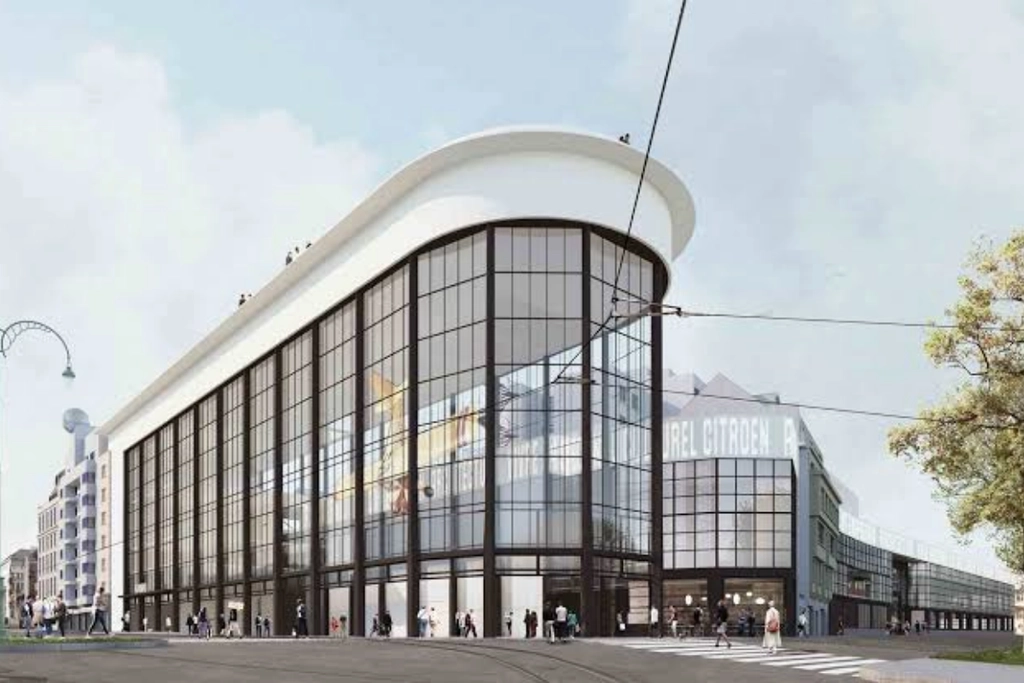
KANAL-Centre Pompidou will open to the public on November 28, 2026, inside the former Citroën garage in Brussels. Centre Pompidou notes that the opening programme will include ten exhibitions, including “A Truly Immense Journey,” bringing together more than 350 works from Centre Pompidou, KANAL, and Belgian collections.
This is the museum as urban repurposing. Instead of pretending culture requires a pristine white cube, KANAL embraces industrial memory, civic scale, and architectural reuse. It also reflects Brussels itself: complex, multilingual, bureaucratic, local, international, and slightly allergic to simple branding. The result may become one of Europe’s most interesting cultural hubs, precisely because it does not behave like a polished export product.
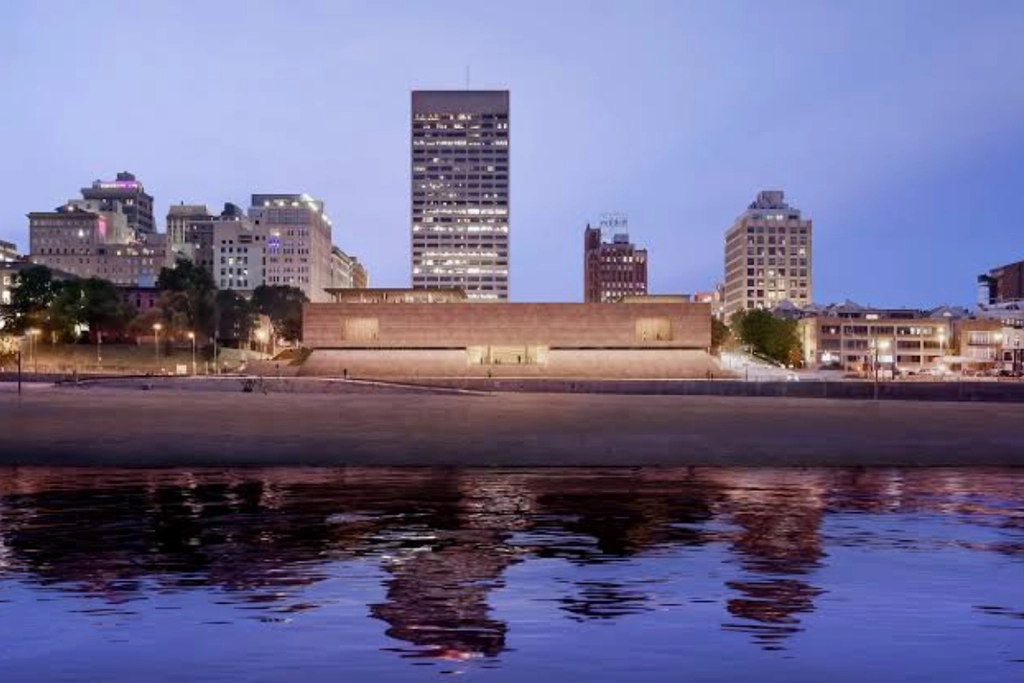
The Memphis Art Museum, formerly the Memphis Brooks Museum of Art, is preparing to open its new Herzog & de Meuron-designed riverfront building in December 2026. Architectural Record reports that the new galleries will be organized into 18 exhibitions designed to connect the collection across time, geography, and medium.
Its significance comes from the idea of the museum as a civic living room rather than a sealed temple. Moving to the Mississippi River is not just a change of address; it is a cultural repositioning. Memphis carries histories of music, migration, commerce, race, labor, and American myth. A museum on the riverfront has the chance to become not merely a container of objects, but a narrator of place.
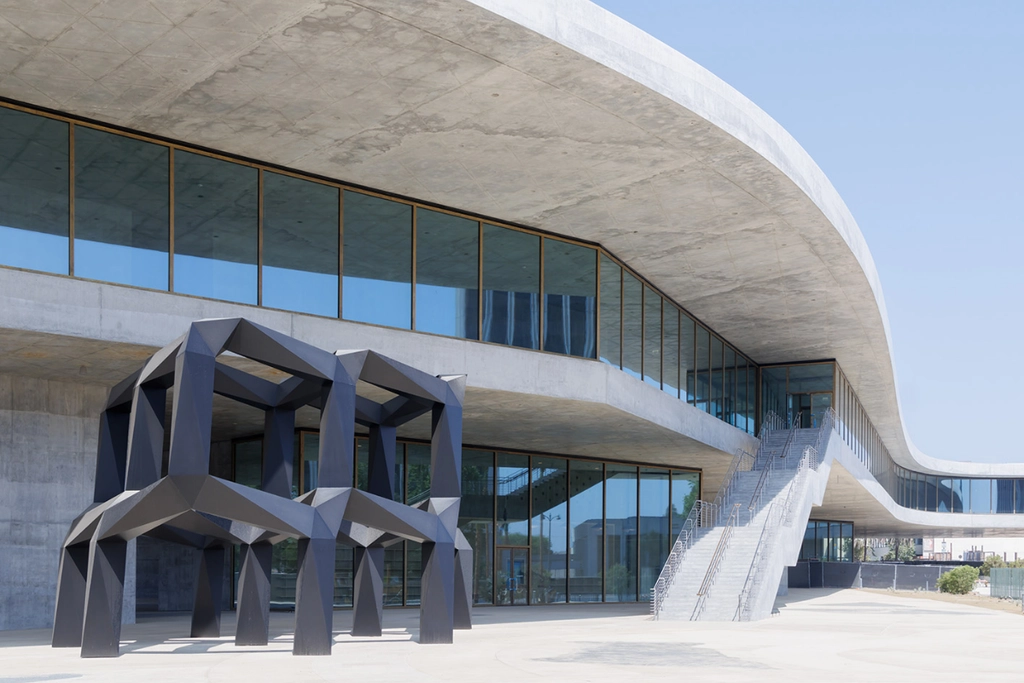
LACMA’s Peter Zumthor-designed David Geffen Galleries opened in 2026 as a radical rethinking of museum display. LACMA describes the elevated, 900-foot-long building as a single-level space spanning Wilshire Boulevard, designed to present art from all cultures and eras without hierarchy or prescribed pathways.
This is one of the year’s most debated museum transformations, and that debate is part of its relevance. The building resists the tidy march of chronology and instead asks visitors to move through relationships, collisions, and visual echoes. It is ambitious, controversial, expensive, and very Los Angeles. For collectors, LACMA’s new model reinforces a broader shift: categories are loosening, and cross-cultural dialogue is becoming a central luxury of knowledge.
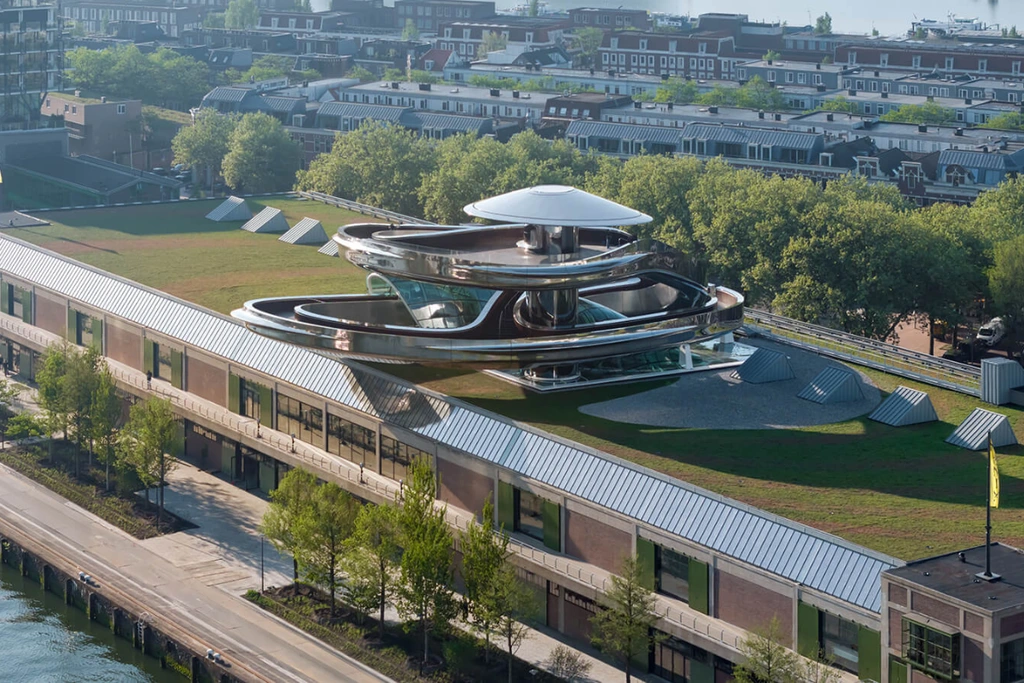
The Drift Museum will open in Amsterdam’s historic Van Gendt Hallen, dedicated to the experimental installations of Studio Drift, founded by Lonneke Gordijn and Ralph Nauta. The museum’s official site describes an 8,000-square-metre industrial space for experimental art installations and presents it as a place for children, adults, tourists, and locals alike.
Drift Museum reflects another future of the museum: sensory, kinetic, ecological, and experiential. Rather than asking the visitor to stand still in front of an object, it invites movement, atmosphere, and perception. In a world saturated with images, that physical encounter becomes precious. Luxury, after all, is increasingly defined by experiences that cannot be flattened into a feed.
The common thread across these openings is not size alone, though there is plenty of that. It is the collapse of the old museum formula. The future museum is not only a white cube. It is a data chamber, a sound archive, a civic room, an industrial ruin reborn, a collector’s signal, a tourist destination, and a political statement with climate control.
For travellers, these are museum exhibitions worth travelling for because they turn the journey into part of the meaning. To visit Guggenheim Abu Dhabi is to witness the Gulf’s cultural ambition. To enter V&A East is to hear British history through Black music. To stand inside DATALAND is to confront the uneasy seduction of machine creativity. To move through LACMA’s new galleries is to experience art history after hierarchy has started to crack.
For those watching luxury art collecting, 2026 is equally revealing. The collector of the future will need more than money and walls. They will need cultural literacy, geographic curiosity, technological fluency, and the humility to admit that the center of the art world keeps moving. The museum is no longer the final resting place of culture. It is becoming the place where culture negotiates its next identity.