MENU
Close





Mary Cassatt built a career out of looking closely at women’s lives and finding there an entire modern world. Born in Pennsylvania and formed in Paris, she became the only American to exhibit with the French Impressionist.

Mary Cassatt built a career out of looking closely at women’s lives and finding there an entire modern world. Born in Pennsylvania and formed in Paris, she became the only American to exhibit with the French Impressionist.
April 2, 2026


"Well-behaved women seldom make history" - Laurel Thatcher Ulrich
Mary Cassatt was a young woman in a big city in 1866. Her father declared, "I would almost rather see you dead" than have her become a professional artist. Despite the ultimatum, Mary Cassatt left home for Paris, where she gave the masculine-narrated scene of Impressionism another center of gravity entirely.
She painted women as thinking, feeling, and concentrated beings, treating domestic life as a profound site of intellect, ritual, and private power.
Cassatt’s style began inside the light-filled language of Impressionism, though she quickly made that language more structured, more psychological, and more exacting.
Long before modern innovators, Cassatt revolutionized the use of pastels. Her handling of pastel felt especially ahead of its time. Through a steaming technique that softened the surface, she layered color with a rich, painterly depth that carried the substance of oil paint while preserving pastel’s luminous, grainy delicacy. She also explored the medium’s ability to hold light, setting exposed areas of paper against dense passages of pigment so that her compositions gained both shimmer and compositional firmness.
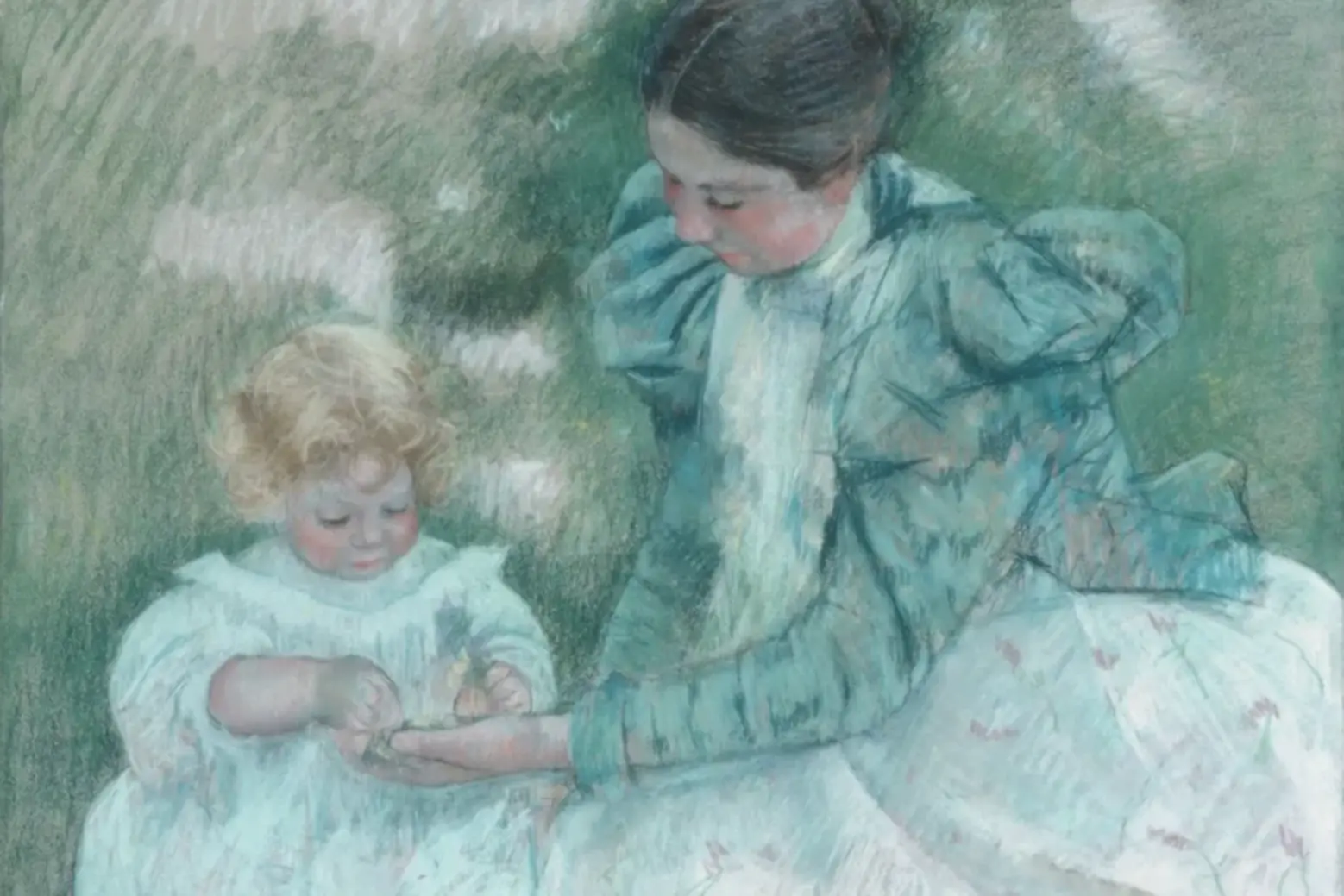
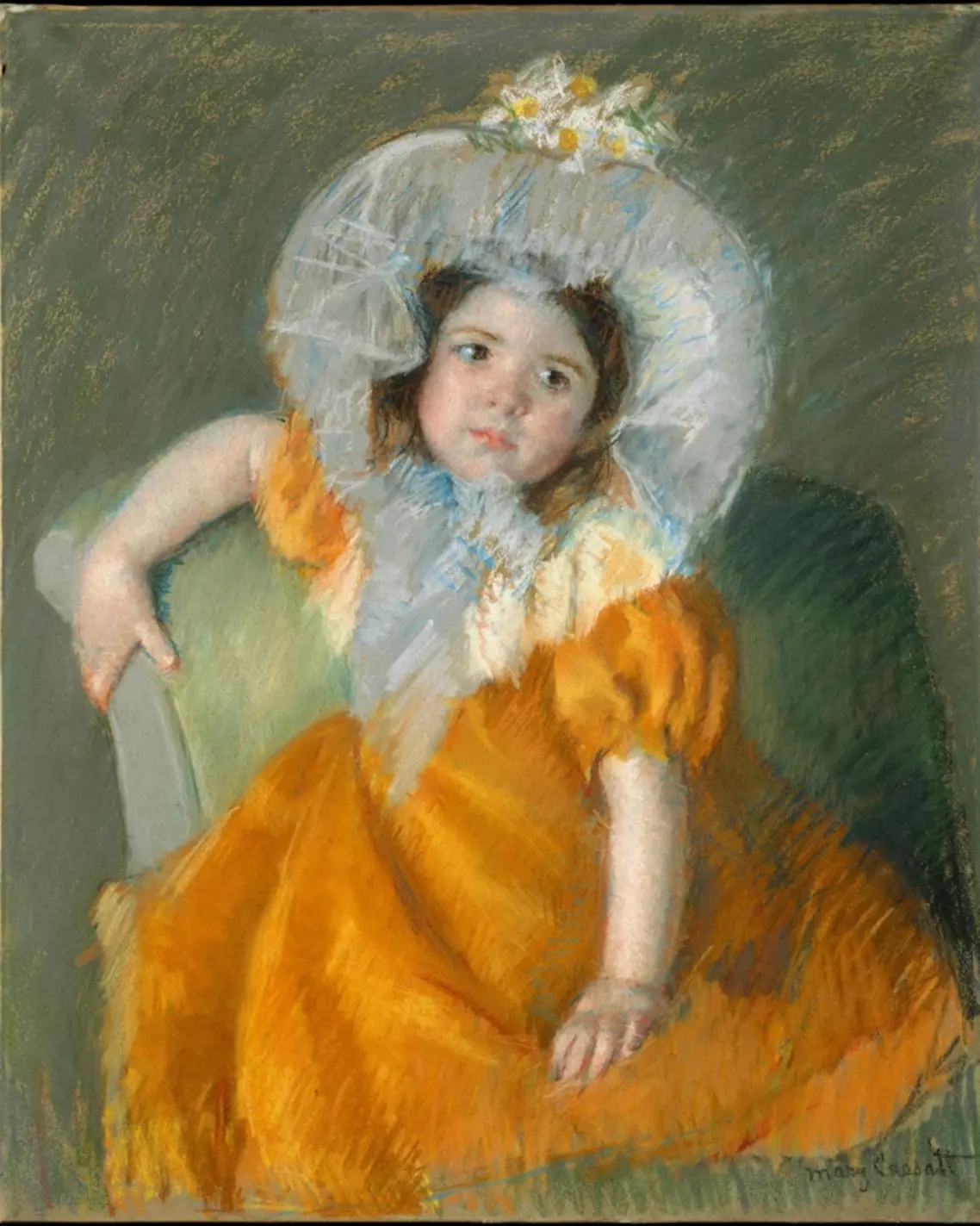
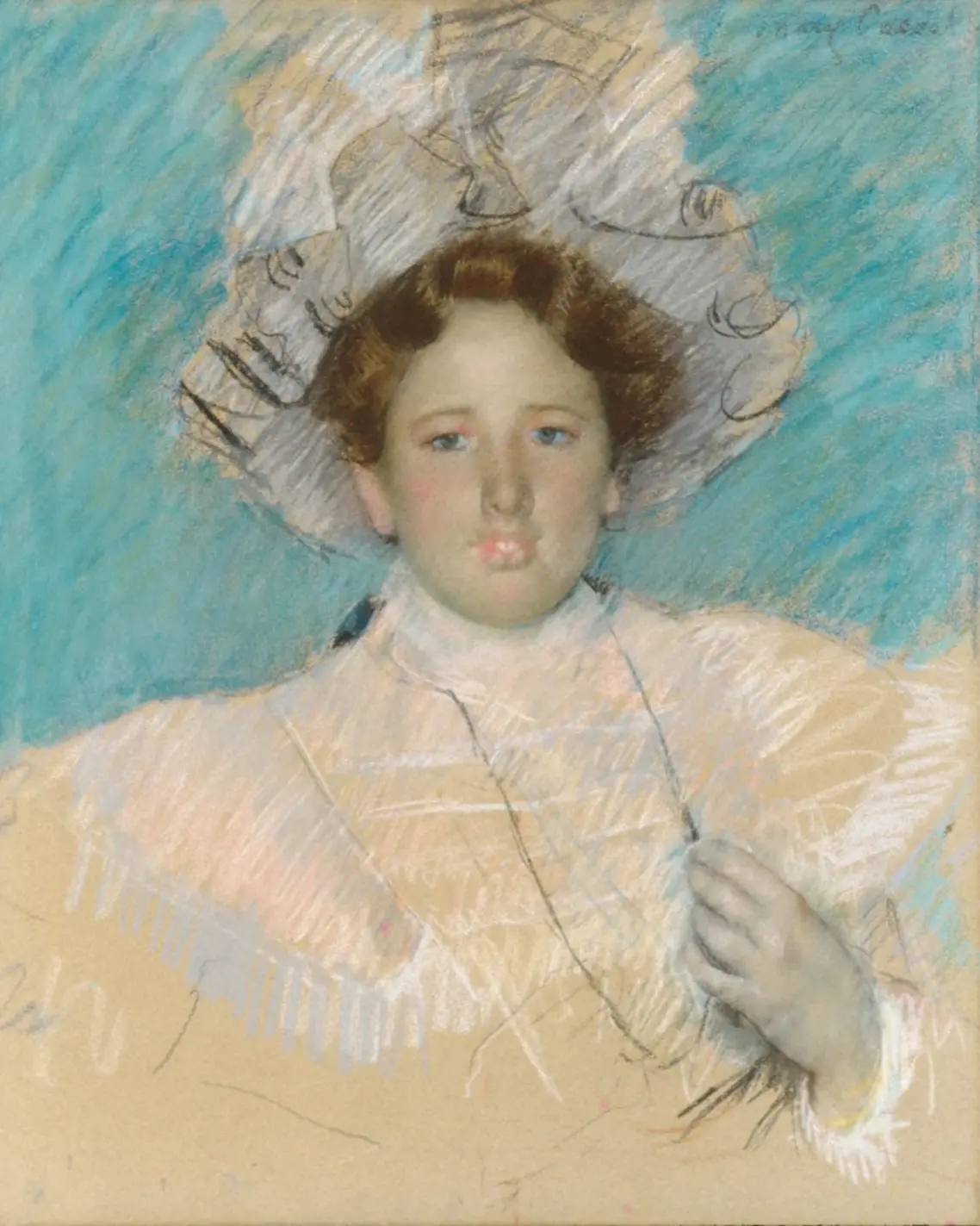
After encountering the great exhibition of Ukiyo-e prints in 1890, her visual language took on an even sharper geometry. Flattened planes, crisp outlines, unusual viewpoints, and bold asymmetrical balance entered her work with new confidence, most powerfully in her printmaking. In The Bath, one of the ten color prints she showed in Paris in 1891, Cassatt openly embraced the lessons of Japanese art, translating its clarity and compositional intelligence into a modern study of touch, closeness, and daily ritual. Using aquatint to create a matte, woodblock-like surface, she fused Western etching techniques with the spatial poetry of Ukiyo-e, producing a print series now regarded as one of the great achievements in the history of printmaking.
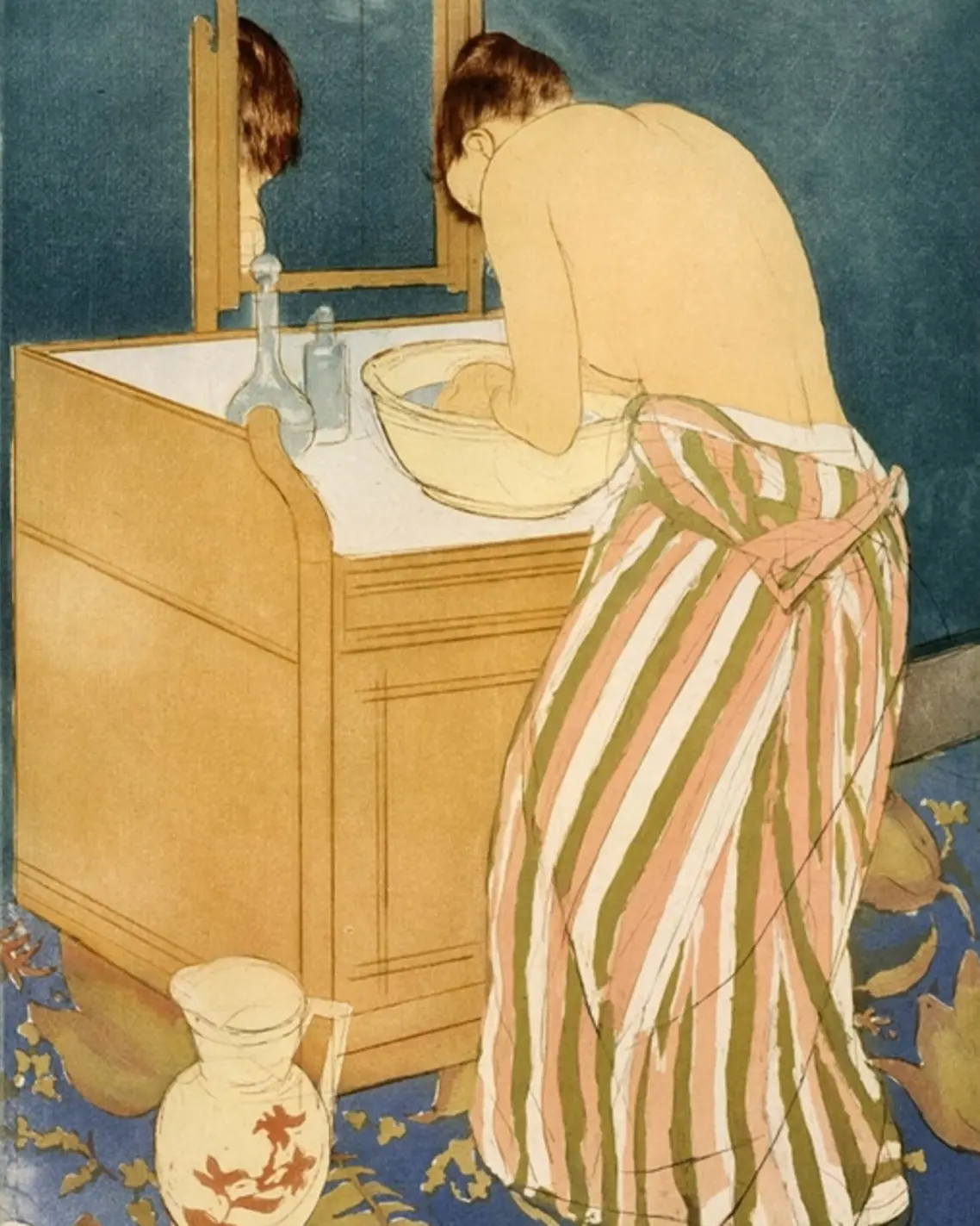
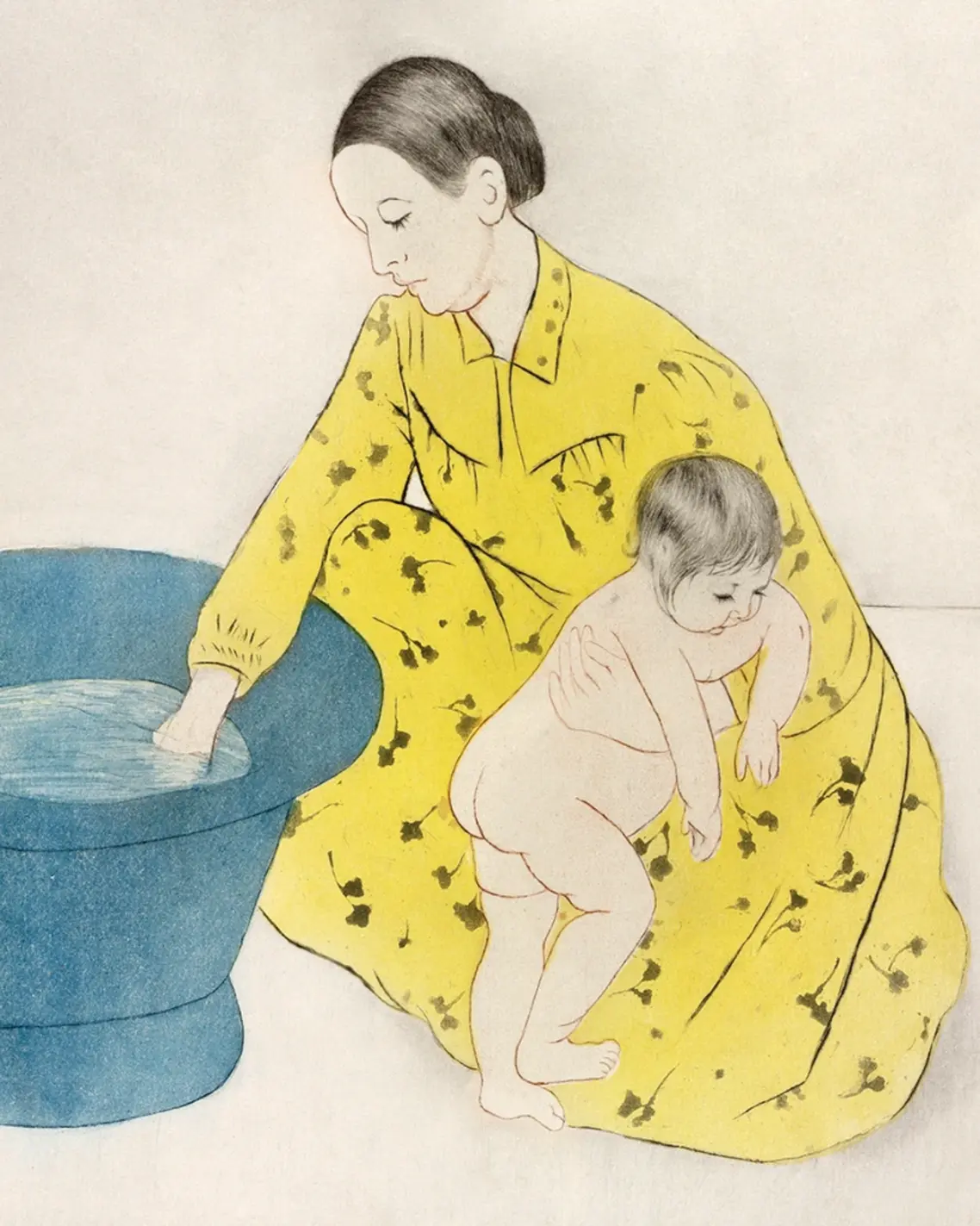
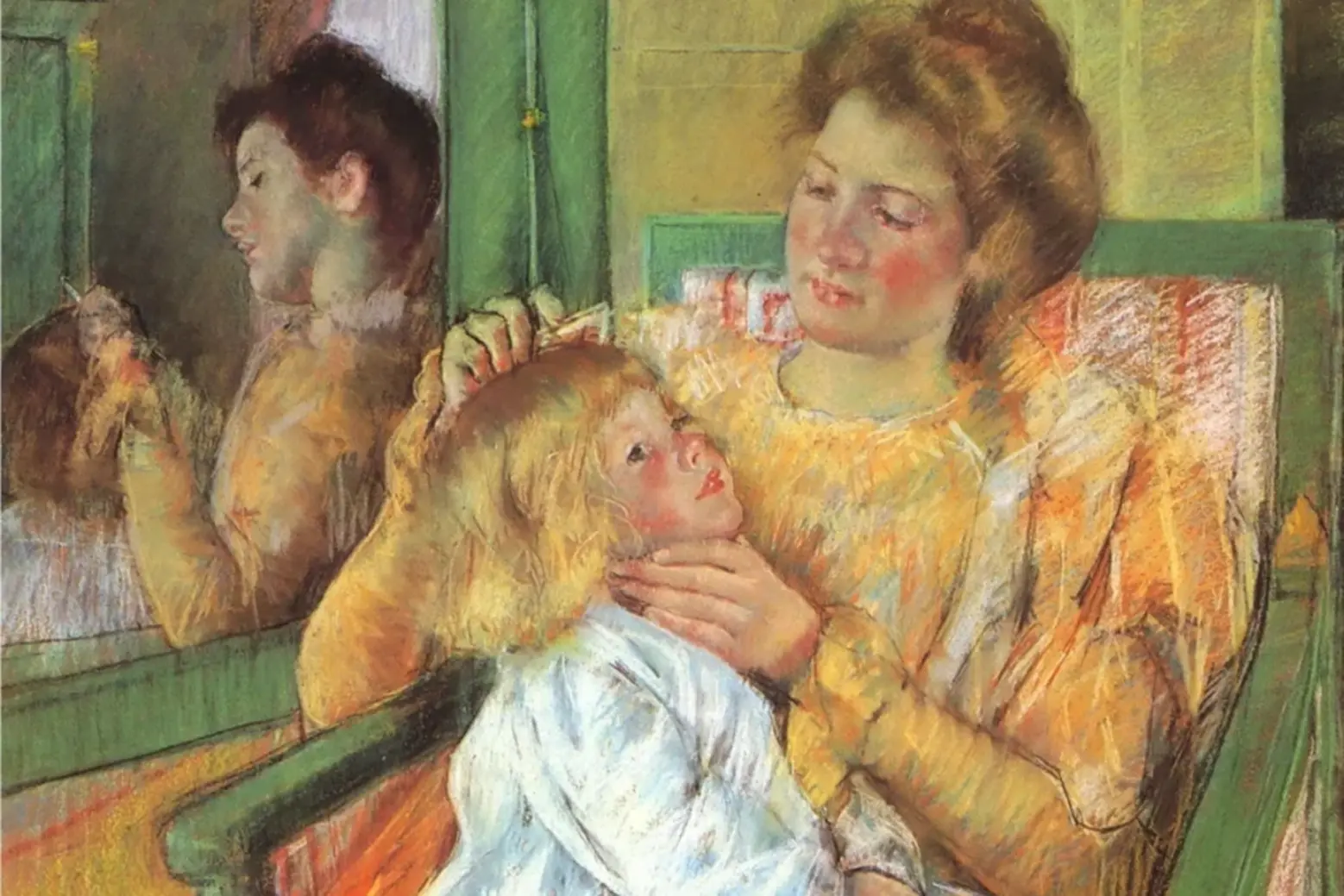
What sets Mary Cassatt apart from many of her contemporaries is the depth and seriousness of her attention to women. Her figures are never mere ornaments placed within a composition for visual pleasure alone. They read, sew, cradle, wash, watch, wait, and think, absorbed in the rhythms of their own lives. Even in her most tender scenes, feeling is held within a strong formal structure, which gives works such as The Child’s Bath their extraordinary balance of intimacy and restraint.
Mary Cassatt found dignity in closeness, intellect in habit, and emotional complexity in gestures that academic painting had long placed at the margins. That vision gave her work its modern force. She painted women from within the logic of lived experience, presenting them as active participants rather than decorative presences. In doing so, she challenged the macho hierarchy of subject matter and showed that the domestic sphere could hold immense emotional and intellectual labor, a perspective that later feminist artists would continue to expand.
Her ambition reached its grandest scale in Modern Woman, the monumental mural she created for the Woman’s Building at the 1893 Chicago World’s Fair, where women appeared as seekers of knowledge and possibility, plucking the fruits of learning in a vision of female aspiration. Though the mural was lost when the building was demolished, its spirit remains central to her legacy.
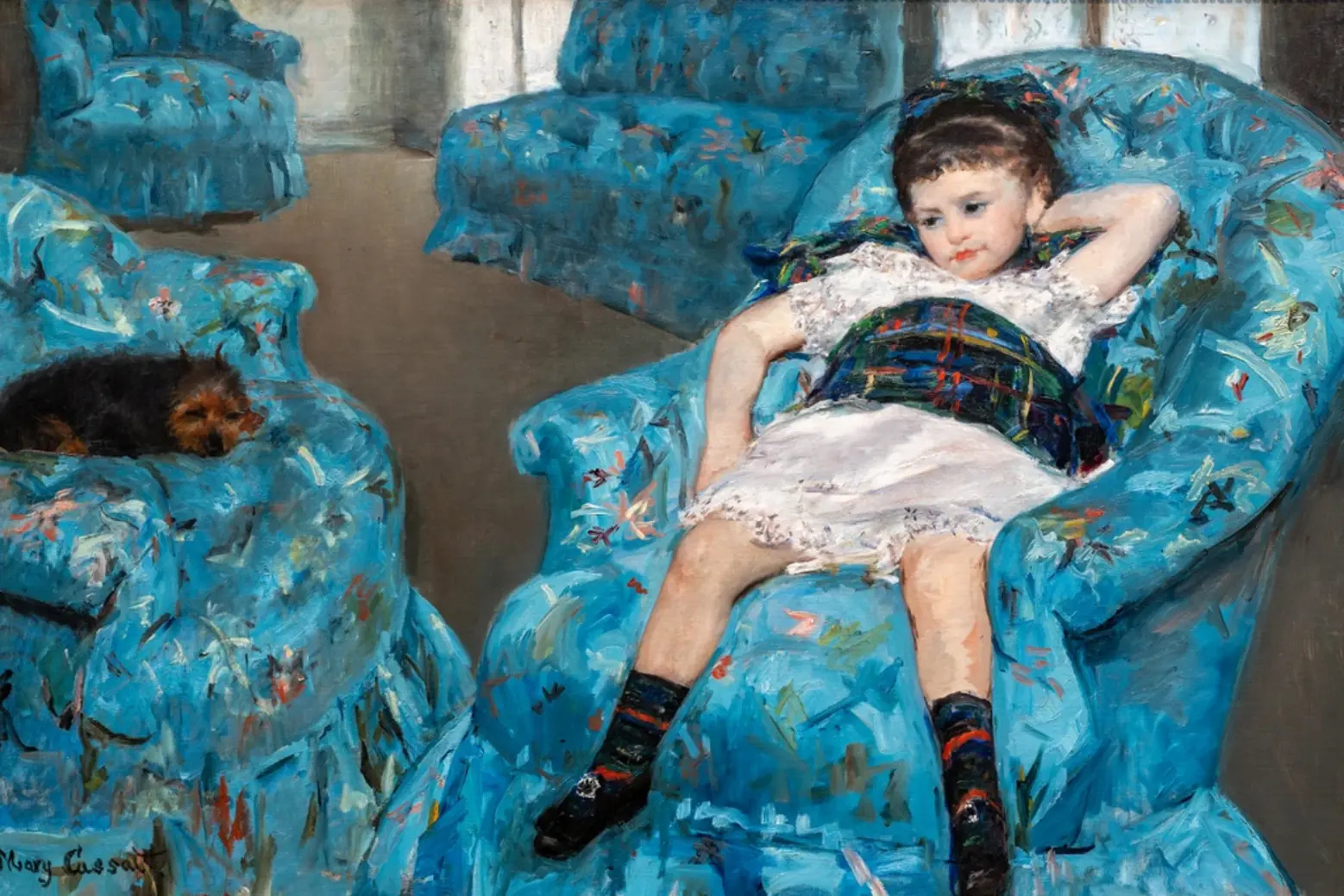
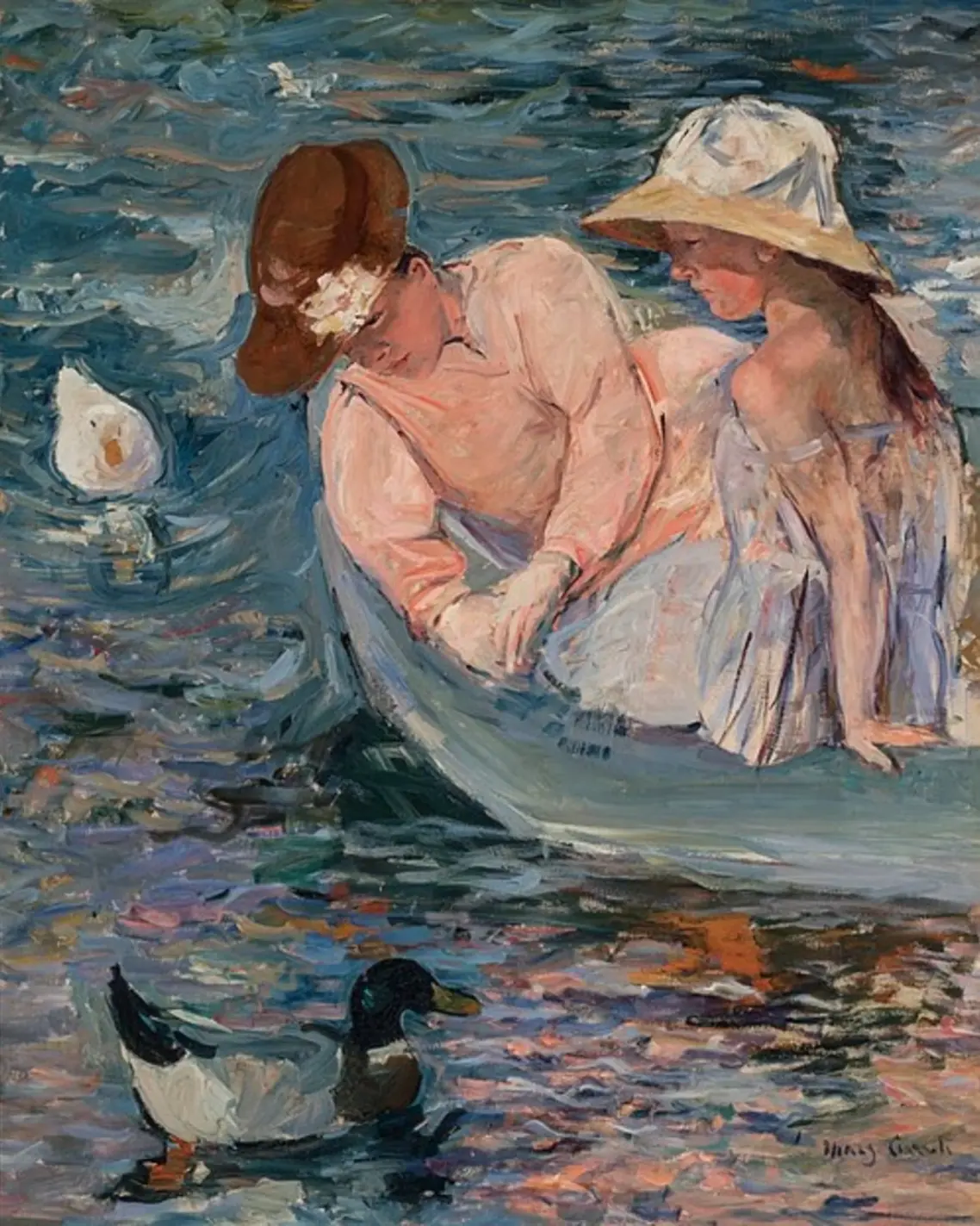
That same philosophy comes into focus across key works such as Little Girl in a Blue Armchair, where childhood gains a vivid sense of autonomy; The Child’s Bath, where care becomes pattern, touch, and ritual; and The Boating Party, where leisure is structured through bold color and Japanese-inflected design. Across them all, Cassatt enlarged the meaning of modern life, showing that its truest drama could be found as powerfully in private gestures and interior concentration as in the spectacle of boulevards and cafés.

Mary Cassatt’s career carries the drama of self-invention with unusual force. Born into a cultivated and affluent Pennsylvania family, she entered the Pennsylvania Academy of the Fine Arts at sixteen, then left for Europe six years later to pursue painting with full seriousness.
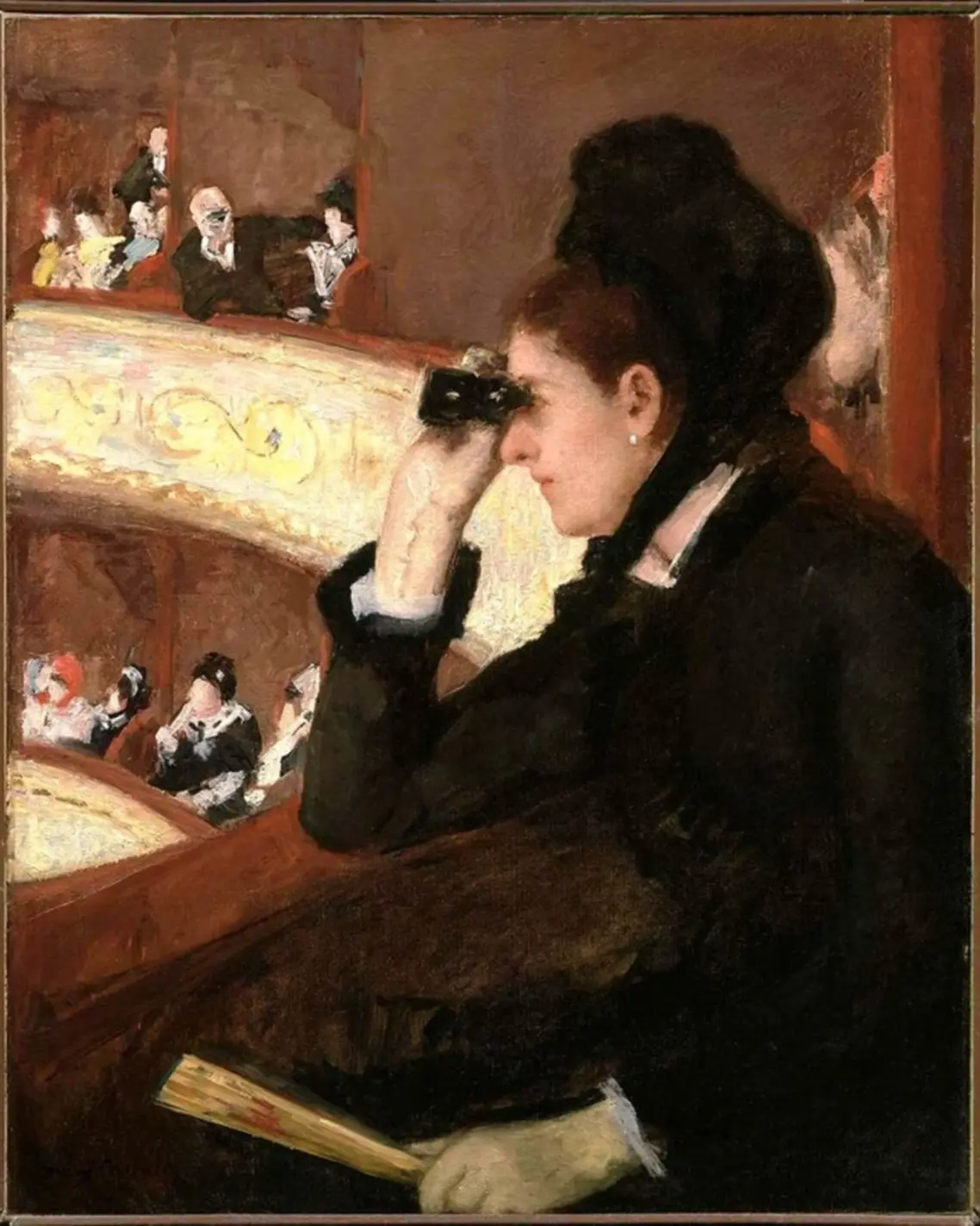
In Paris, her path unfolded through study, Salon ambition, rejection, revision, and reinvention until Edgar Degas drew her into the Impressionist circle, beginning one of the most fascinating artistic relationships of the nineteenth century. Their connection lasted roughly four decades, shaped by admiration, exchange, and an intimacy she later chose to protect by destroying nearly all of their correspondence. Degas is said to have recognized her sensibility at once, remarking of her work, “There is someone who feels as I do.”
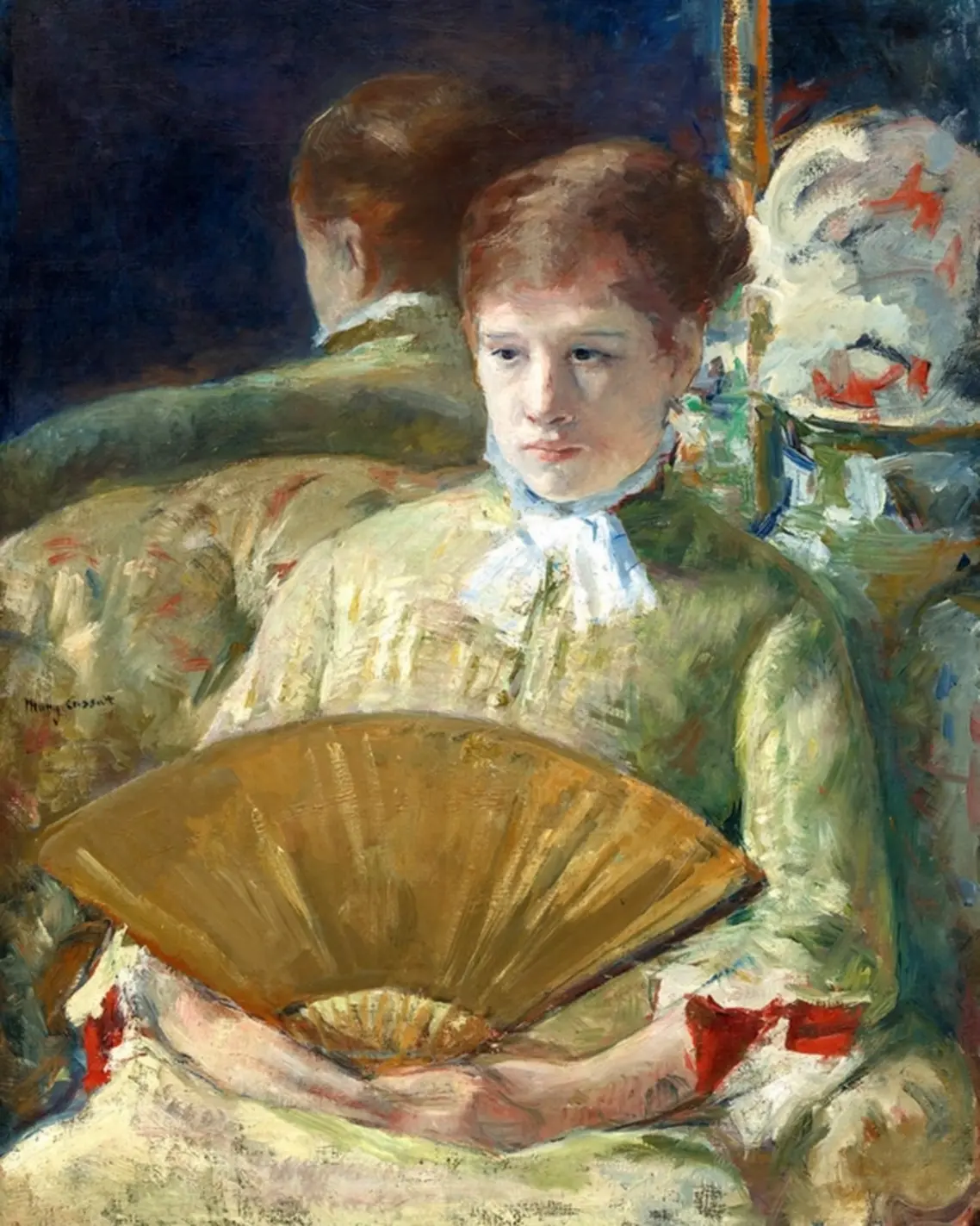
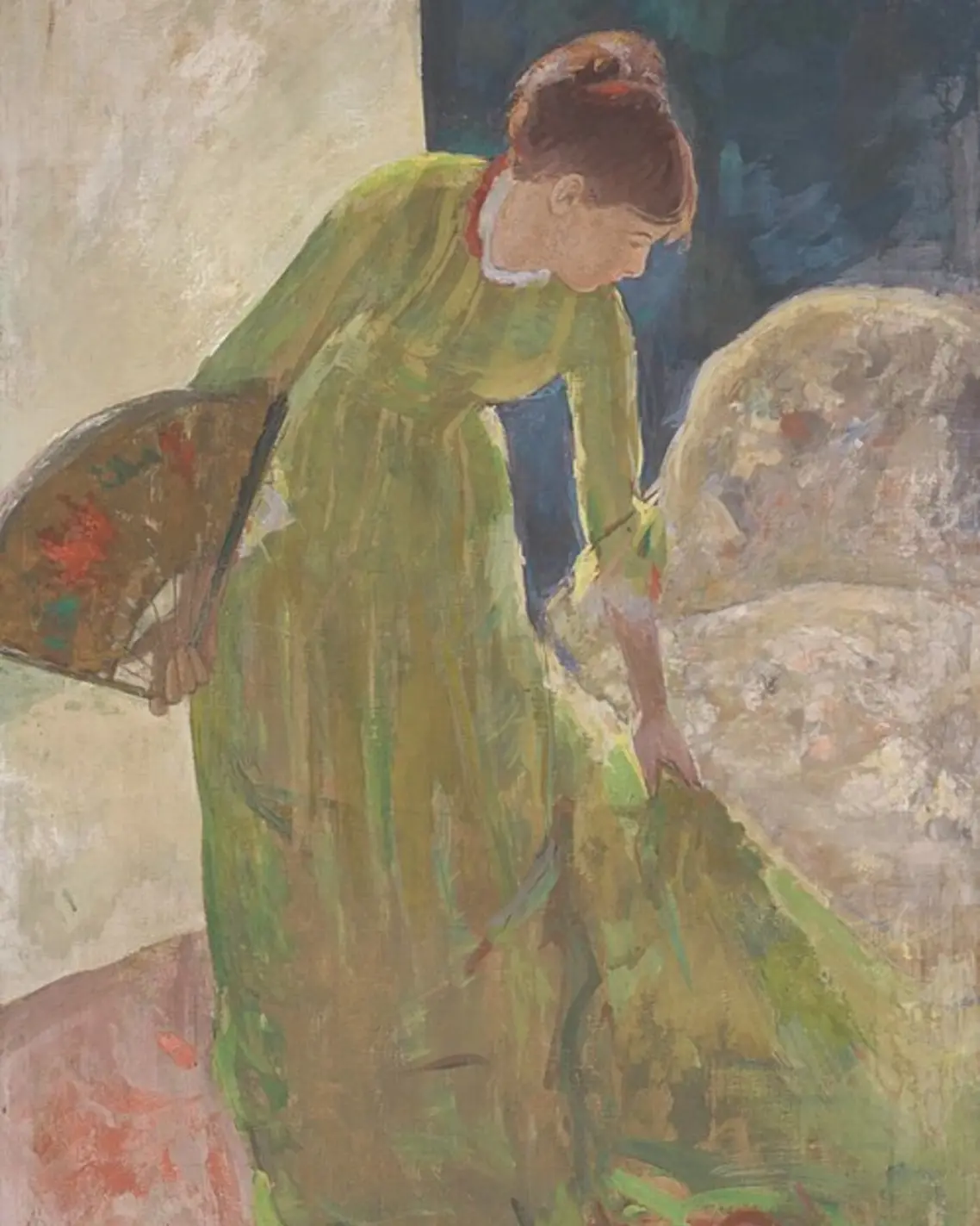
Mary Cassatt went on to exhibit with the Impressionists in 1879, 1880, 1881, and 1886, securing a place that was singular in every sense: She was one of only three women in the group, among Marie Bracquemond and Berthe Morisot, and the only American among them. Yet her influence extended far beyond the exhibitions themselves. Using her social standing and connoisseurship, she encouraged powerful American collectors, especially families such as the Havemeyers, to acquire Impressionist art, quietly shaping the future of museum collections in the United States. Through that role, she became more than an artist. She became a cultural bridge, carrying the radical visual language of Paris into a still-conservative America and helping define how the nation would eventually learn to see modern art.
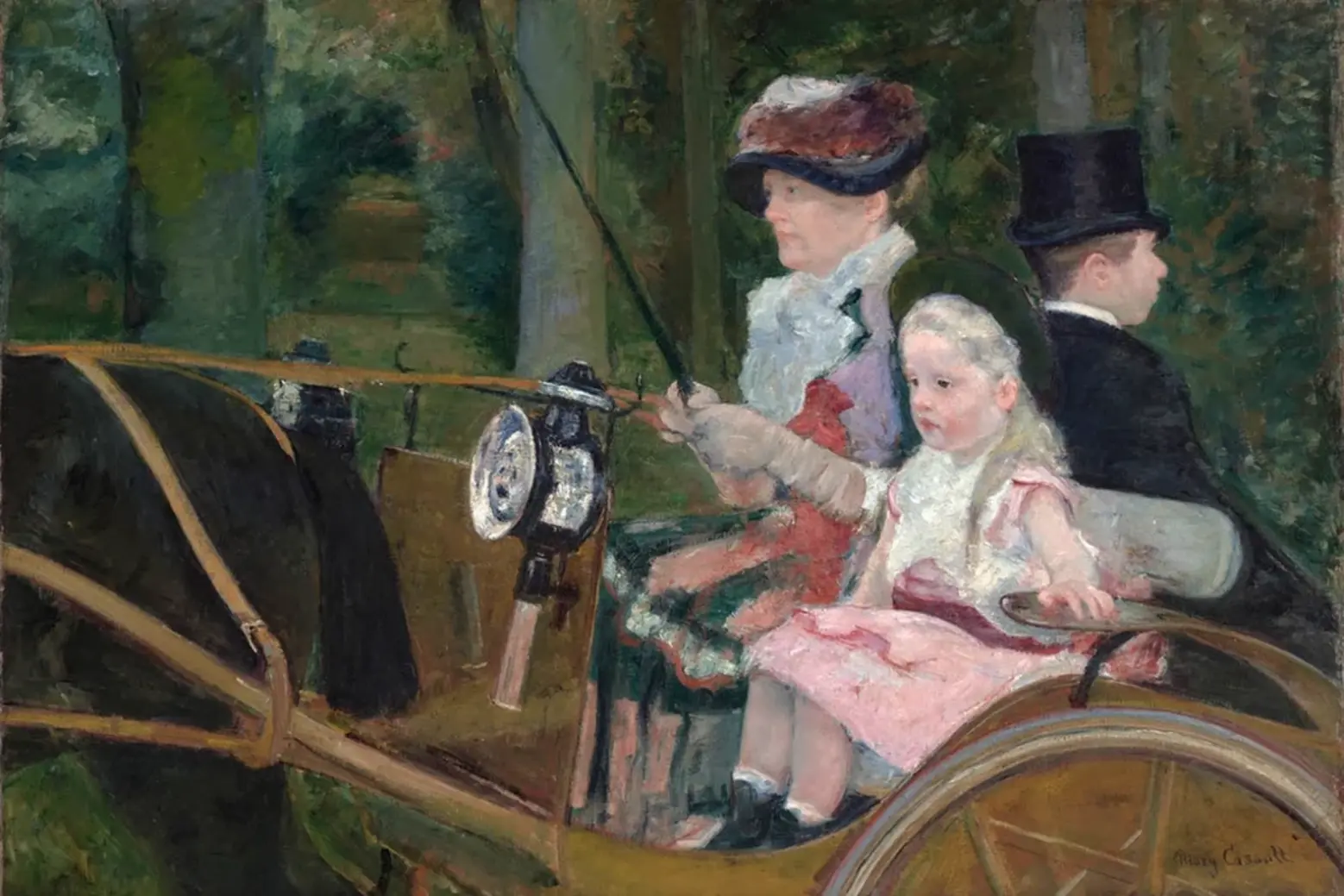
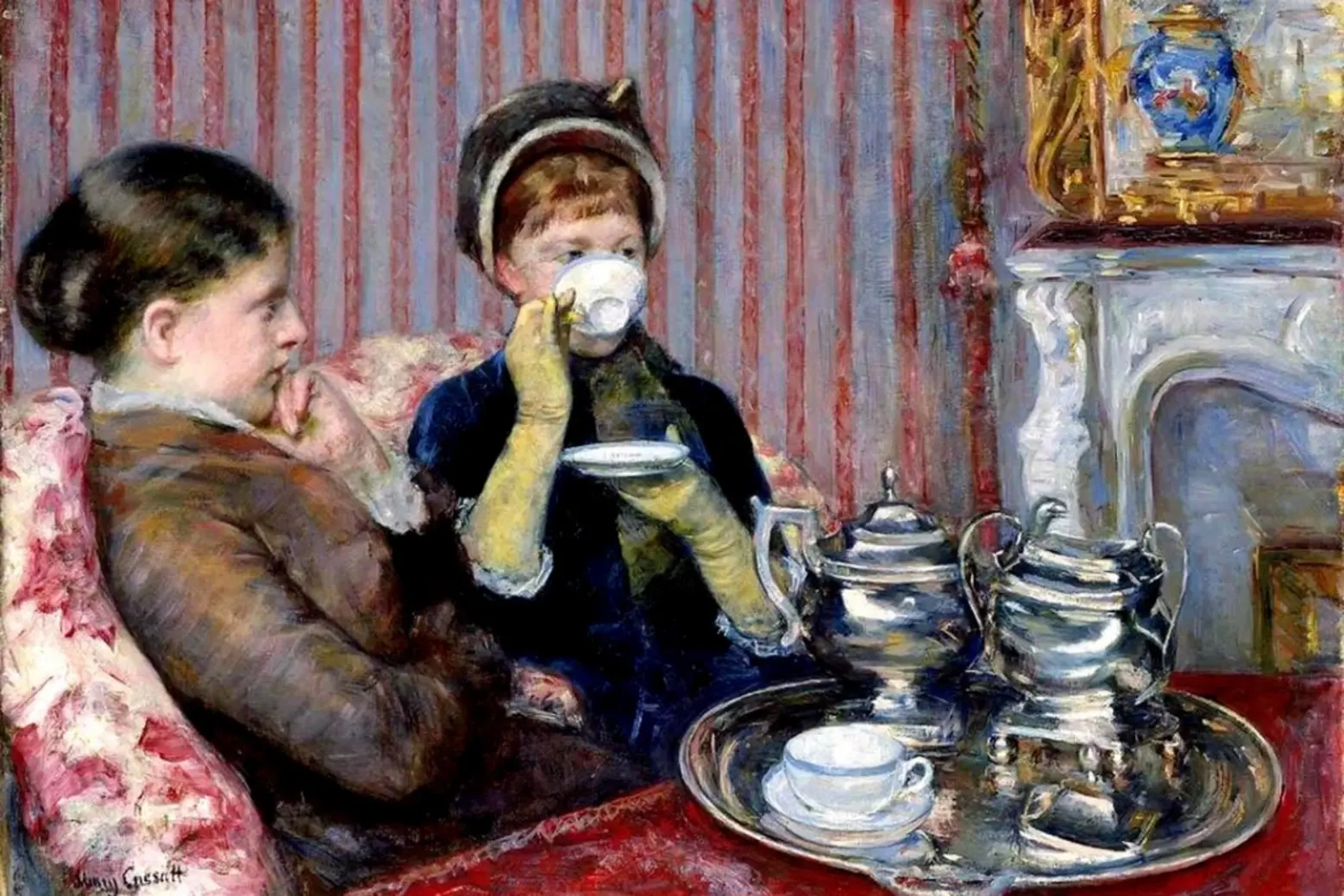
A landmark submission to the fourth Impressionist exhibition in 1879, Little Girl in a Blue Armchair represents a radical "fresh start" in the history of portraiture. This work is a rare and iconic collaboration; Edgar Degas actually assisted with the background, contributing to the painting’s daringly low viewpoint and skewed, asymmetrical composition. Visually, the four oversized blue armchairs dominate the canvas, effectively dwarfing the small subject to emphasize her scale within an adult world. However, the true revolution lies in Cassatt’s refusal to follow Victorian traditions of stiff, performative childhood. Instead, she captures a moment of genuine autonomy: the girl is sprawled, visibly bored, and slightly disheveled, mirroring the relaxed, unposed position of the dog in the adjacent chair. By prioritizing this naturalistic reality over formal decorum, Cassatt transformed the depiction of children into a masterful study of psychological and physical independence.
Created during the height of Mary Cassatt's fascination with Japanese woodblock prints, or Japonisme, The Child’s Bath stands as a definitive exploration of domestic intimacy. Technically, the work is characterized by a steep, overhead perspective that flattens the pictorial space, a hallmark of Eastern aesthetic influence. Cassatt generates a vibrant visual energy through the use of bold, contrasting patterns — specifically the sharp vertical stripes of the mother’s dress set against the intricate motifs of the rug and floral wallpaper. However, the heart of the painting lies in its portrayal of tactile connection; the mother’s firm yet gentle grip on the child’s foot, combined with the circular motion of the water in the basin, transforms a mundane chore into a focused, quiet ritual. By positioning the viewer to look down upon the subjects, Cassatt pulls us into their "curated isolation," effectively elevating the emotional and intellectual depth of domestic labor to a monumental scale.
In 2026, the Mary Cassatt market entered a period of robust growth, characterized by a 17% to 51% Year-Over-Year increase in average realized prices that reflects a broader "Printmaking Renaissance." This massive shift toward print-led sales has positioned her limited-edition drypoints and color aquatints, such as The Parrot, as the preferred entry point for new collectors, with rare states fetching price jumps of 27% above estimates. These figures are further bolstered by significant institutional tailwinds, specifically the landmark collaboration between the Philadelphia Museum of Art and PAFA, which has ignited a "homecoming" interest among East Coast buyers. With roughly 24% of her works currently selling above their estimates, the market demonstrates a rare level of pricing reliability and high buyer confidence, suggesting that Mary Cassatt’s "Modern Woman" perspective remains a blue-chip asset free from speculative froth.