MENU
Close





On July 8, 2016, Maria Grazia Chiuri joins Dior, entering a house that had spent nearly seven decades defining femininity without ever placing a woman at the creative head of its womenswear. What happens when the person holding the pen finally resembles the women Dior has been drawing for generations?
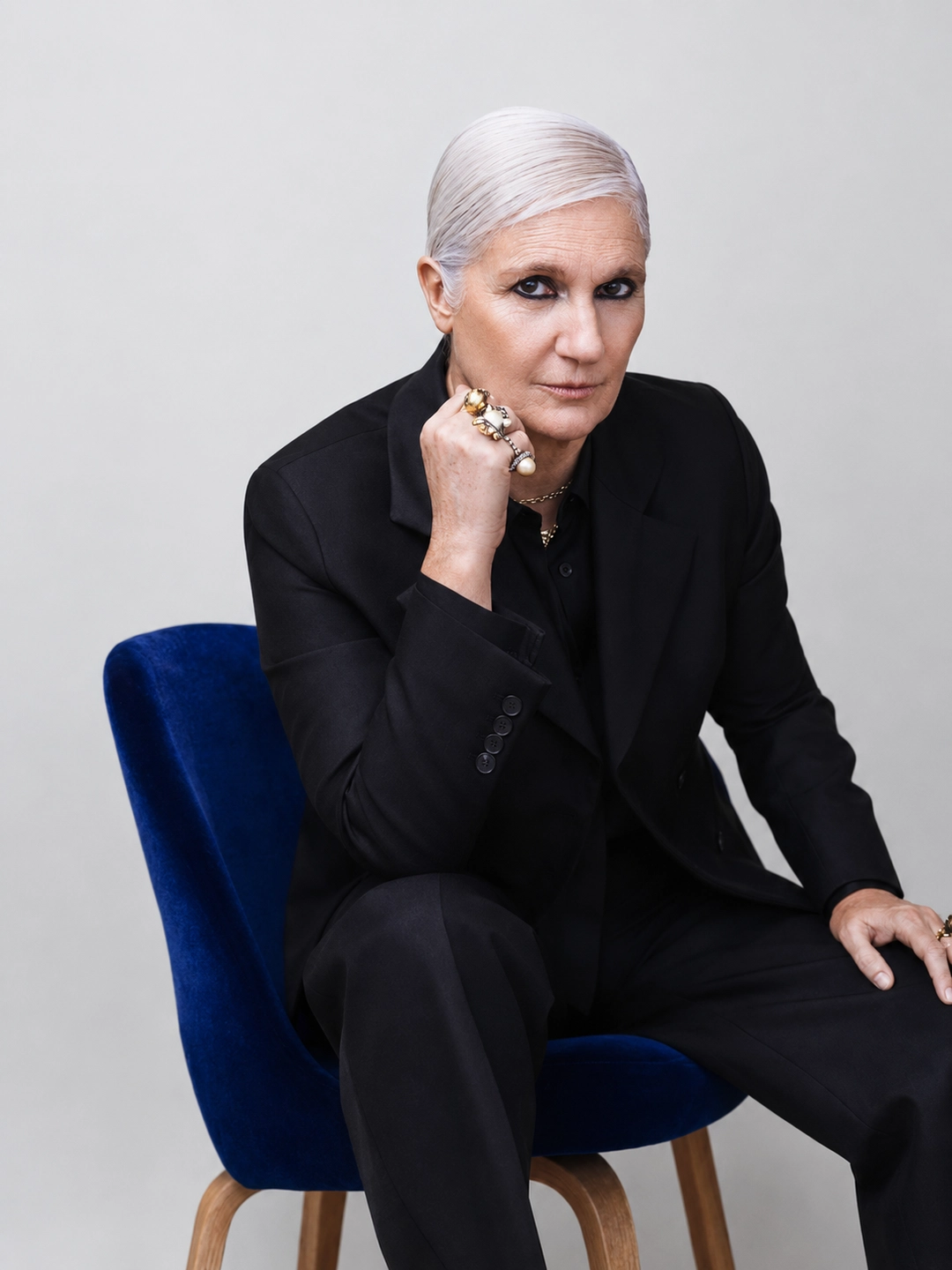
On July 8, 2016, Maria Grazia Chiuri joins Dior, entering a house that had spent nearly seven decades defining femininity without ever placing a woman at the creative head of its womenswear. What happens when the person holding the pen finally resembles the women Dior has been drawing for generations?
July 15, 2026


Maria Grazia Chiuri arrived carrying the fluency of Roman ateliers, accessories and couture craft developed through Fendi and Valentino. At Dior, however, her sharpest intervention began with perspective. The house’s woman could now be imagined from within her own experience, complete with ambition, contradiction and the desire to move freely through the world.
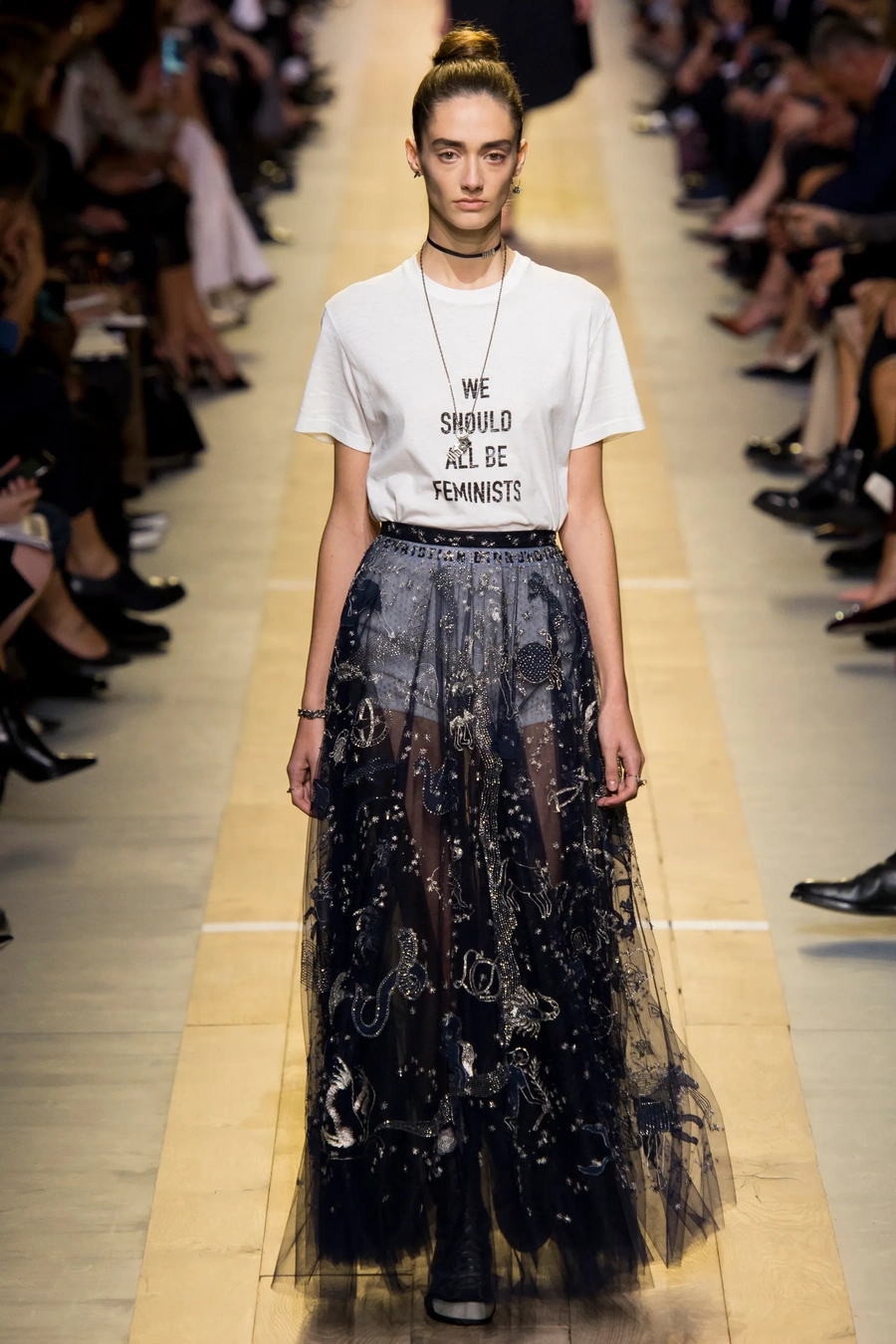
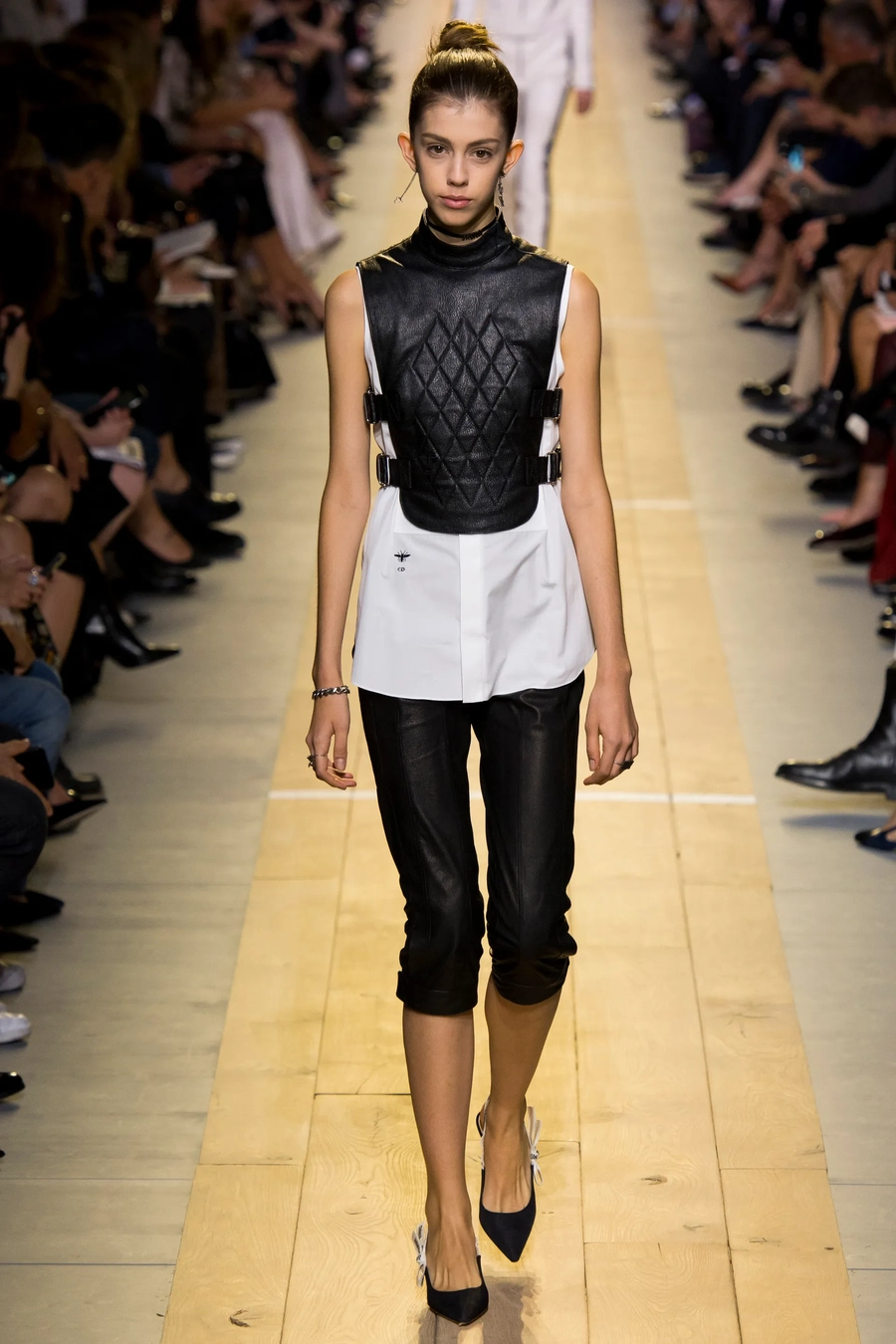
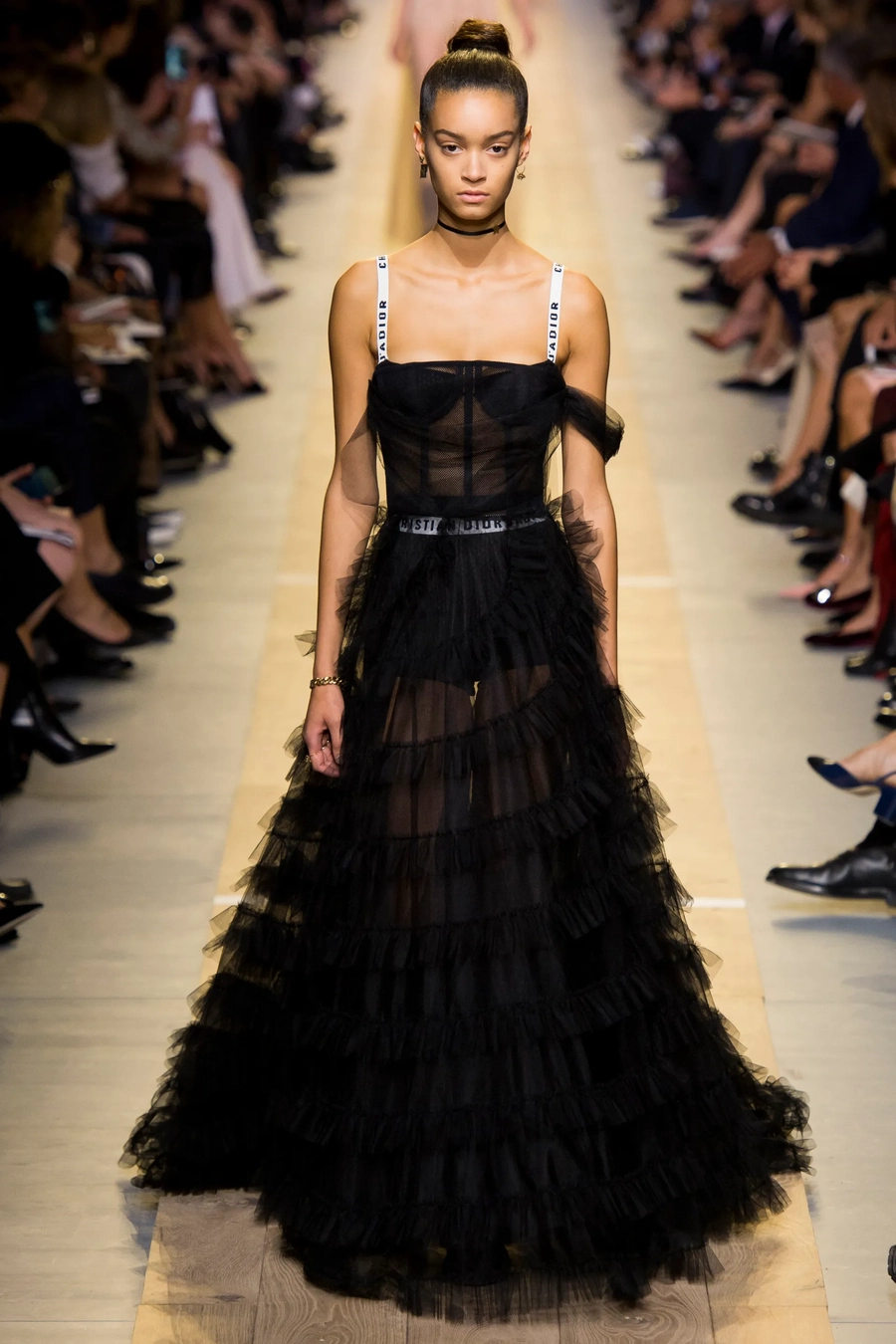
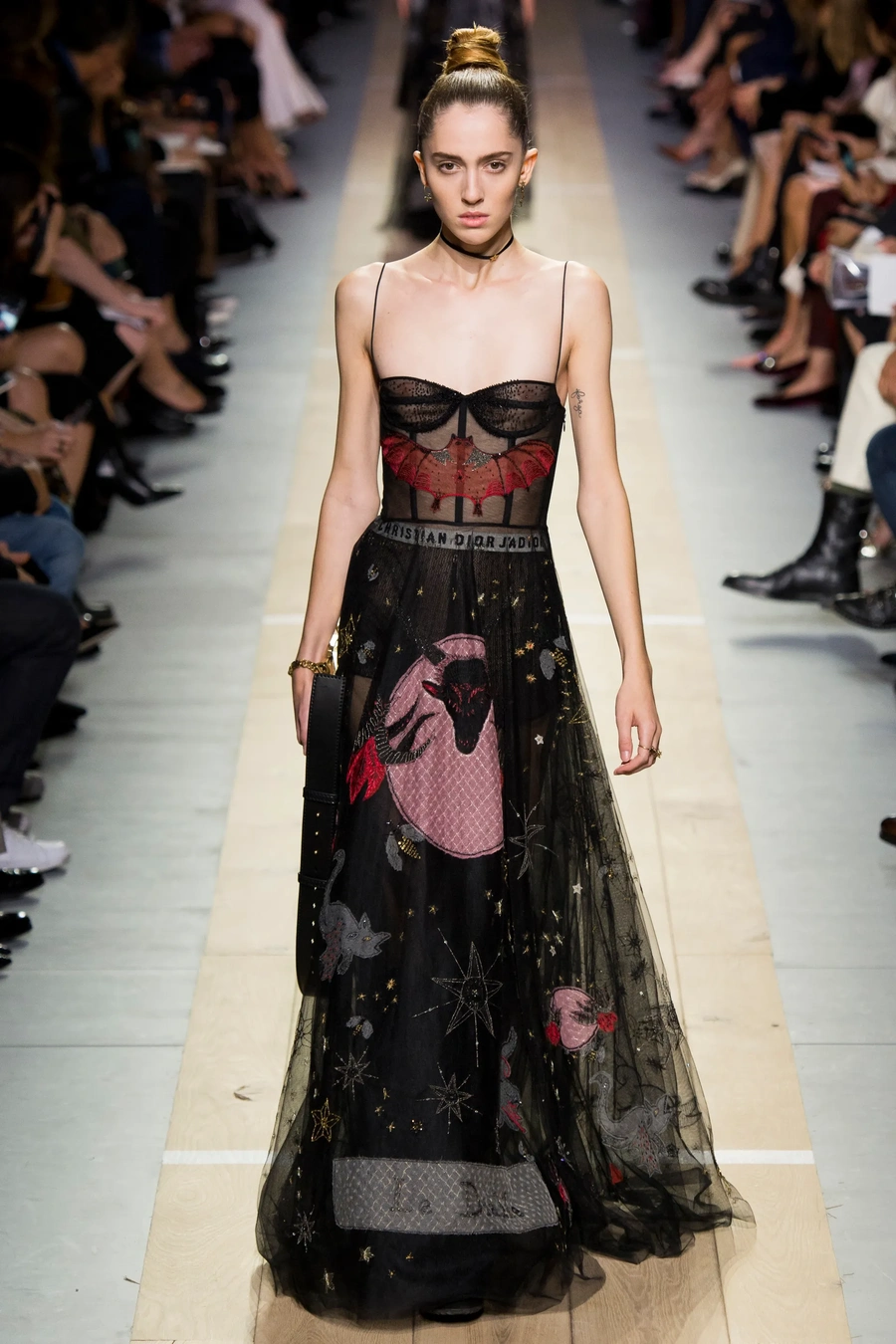
Her debut made that shift impossible to miss. The “We Should All Be Feminists” T-shirt brought the title of Chimamanda Ngozi Adichie’s essay onto a Dior runway, placing direct political language beside tulle skirts, fencing jackets and house codes. Its simplicity made it instantly legible, while its luxury context provoked questions about feminism, commerce and who gets to wear an idea.

Maria Grazia Chiuri continued opening Dior’s vast platform to women artists, writers, performers and artisans. Their work shaped sets, embroidery and the intellectual atmosphere around her collections, moving collaboration from the margins into the official story. Fashion remained glamorous, yet glamour now arrived with a named lineage of female thought and labour behind it.
The appointment changed the authorship at one of fashion’s most powerful institutions. Maria Grazia Chiuri joins Dior as the Dior first female artistic director, and femininity at the maison could never again appear separate from the identity of the person defining it.