MENU
Close





Where princesses, billionaires' daughters, and TikTok collide: inside Le Bal des Débutantes, the exclusive Paris ball transforming 21st-century girls into living fairy tales for one gilded night.
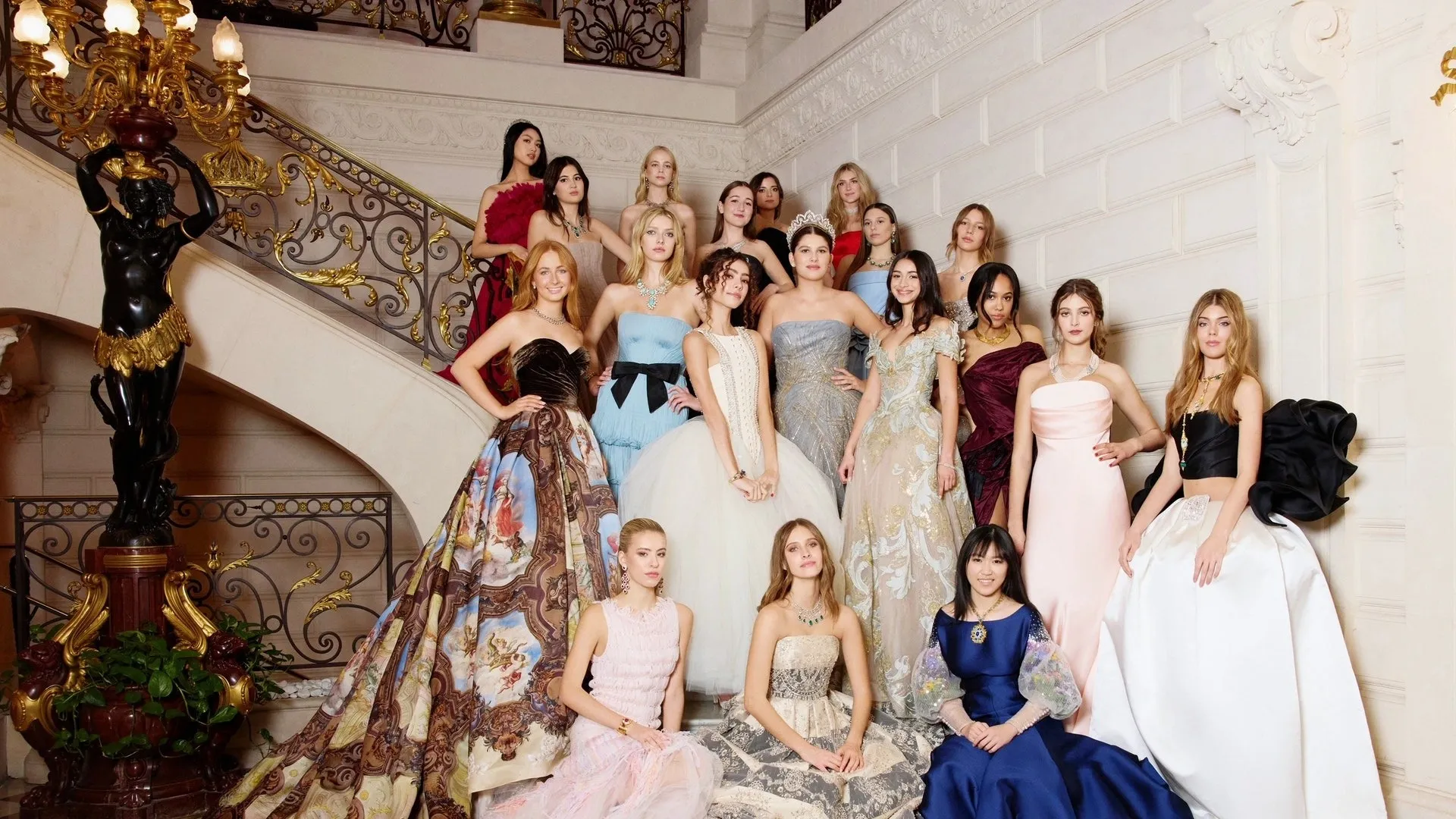
Where princesses, billionaires' daughters, and TikTok collide: inside Le Bal des Débutantes, the exclusive Paris ball transforming 21st-century girls into living fairy tales for one gilded night.
November 6, 2025
Advertisement
Advertisement
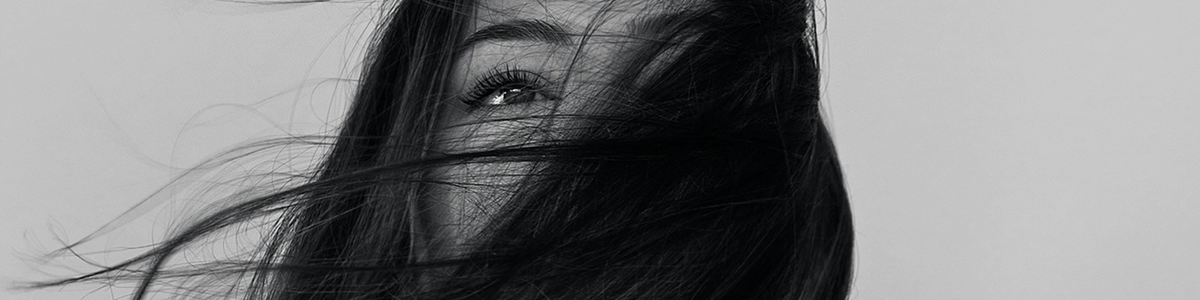


Twenty young women, each under 21, are personally selected by the ball’s formidable creator, Ophélie Renouard. They are a carefully curated crop of the global elite: literal princesses, heiresses to fossil-fuel fortunes and Silicon Valley empires, the daughters of Hollywood royalty, and prodigies like Olympic skier Eileen Gu. Their mission is to be presented to society. But in 2025, “society” is less a room of titled suitors than a TikTok feed hungry for opulence.

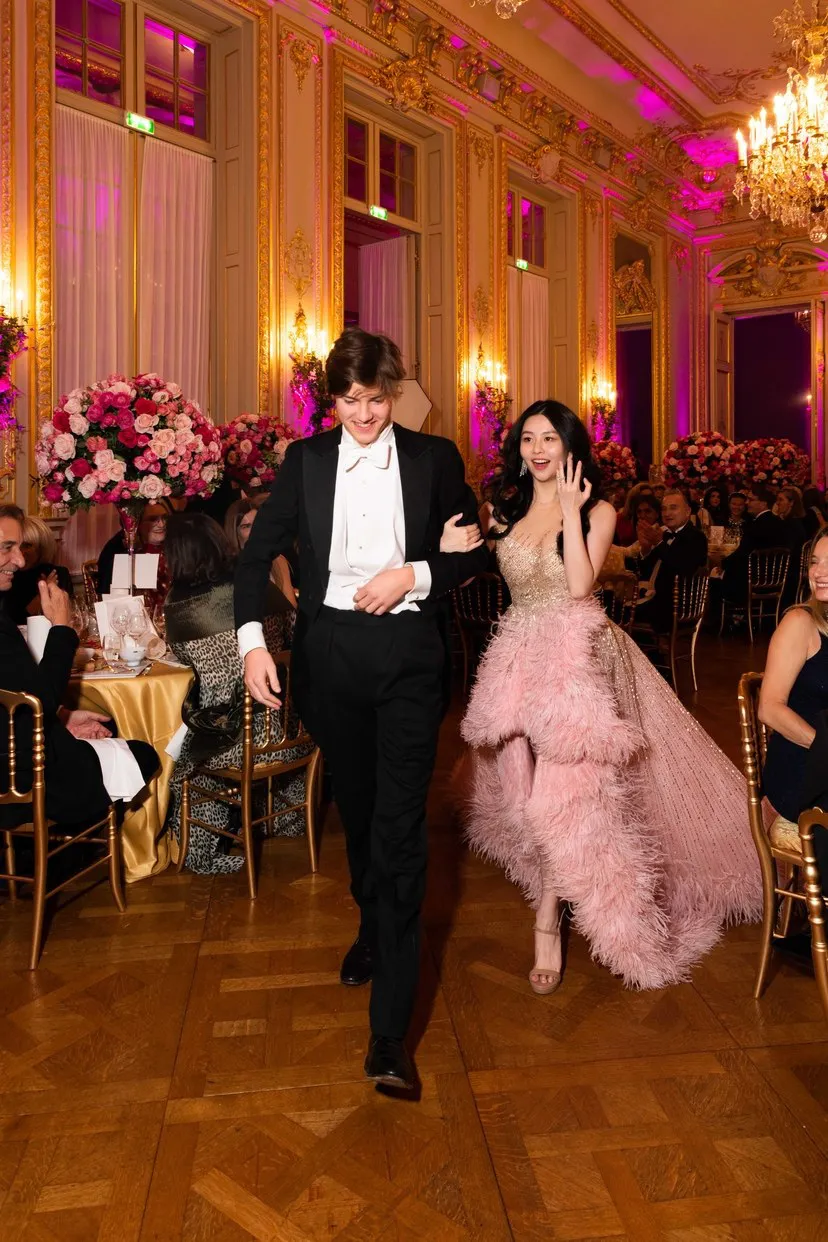
The spectacle is worthy of a Marie Antoinette fever dream. Held at the Shangri-La Paris-a former Bonaparte palace dripping with Baccarat chandeliers and gilded volutes-Le Bal is a waltzing paradox. It is a tradition steeped in the archaic ritual of the debutante ball, once a marriage market for the aristocratic brood, now reinvented as a celebration of autonomous, Instagram-ready femininity.
The young women wear custom haute couture and borrow historic jewels from collectors like Alex Fan of V Muse, requiring armed guards to patrol the champagne-sipping crowd. As Countess Lara Cosima Henckel von Donnersmarck, the German-American model who became a viral star of the 2023 ball, famously decreed: “Le Bal is the Met Gala for teenagers.”

And just like the Met Gala, its true audience is now global and online. The ball’s stratospheric rise in popularity coincides perfectly with the post-pandemic pivot in our collective idling: away from “quiet luxury” and toward a ravenous, scroll-fueled voyeurism into the lives of the über-rich. On TikTok, the #LeBal hashtag unlocks a portal to a universe of delicate wrist corsages, nervous father-daughter waltzes, and dizzying shots of tulle against the Eiffel Tower. It’s the 1 percent’s most enchanting PR campaign, and we, the captivated public, can’t look away.
The sorceress behind this modern myth is Ophélie Renouard, a Saigon-born, Sorbonne-educated event planner with the unflinching command of a four-star général. She took over a faltering traditional ball in 1994 and performed a radical makeover. She stripped away the event’s original raison d'être-to find a suitable husbandand rebuilt it around a new trinity: fashion, philanthropy, and female empowerment.
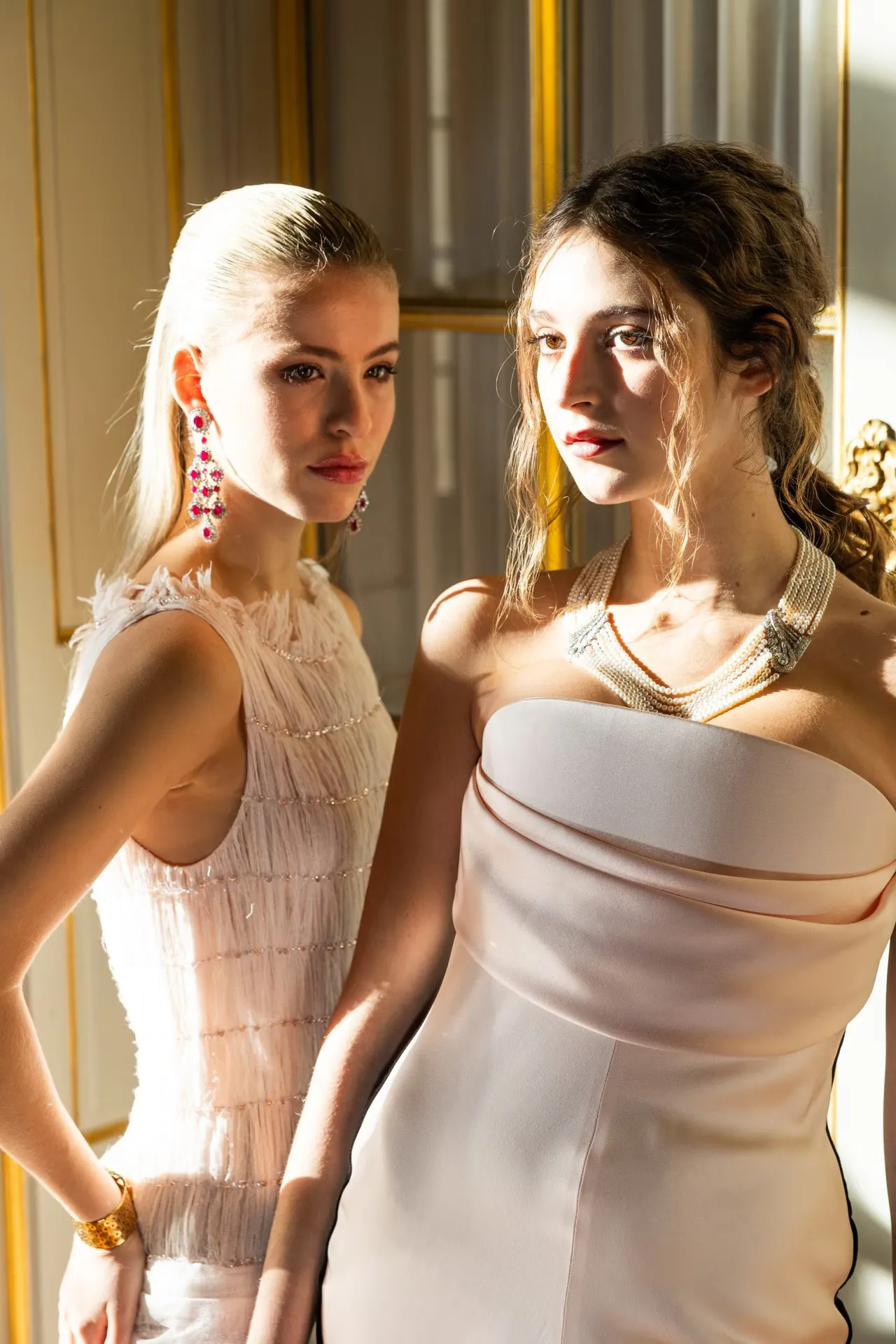
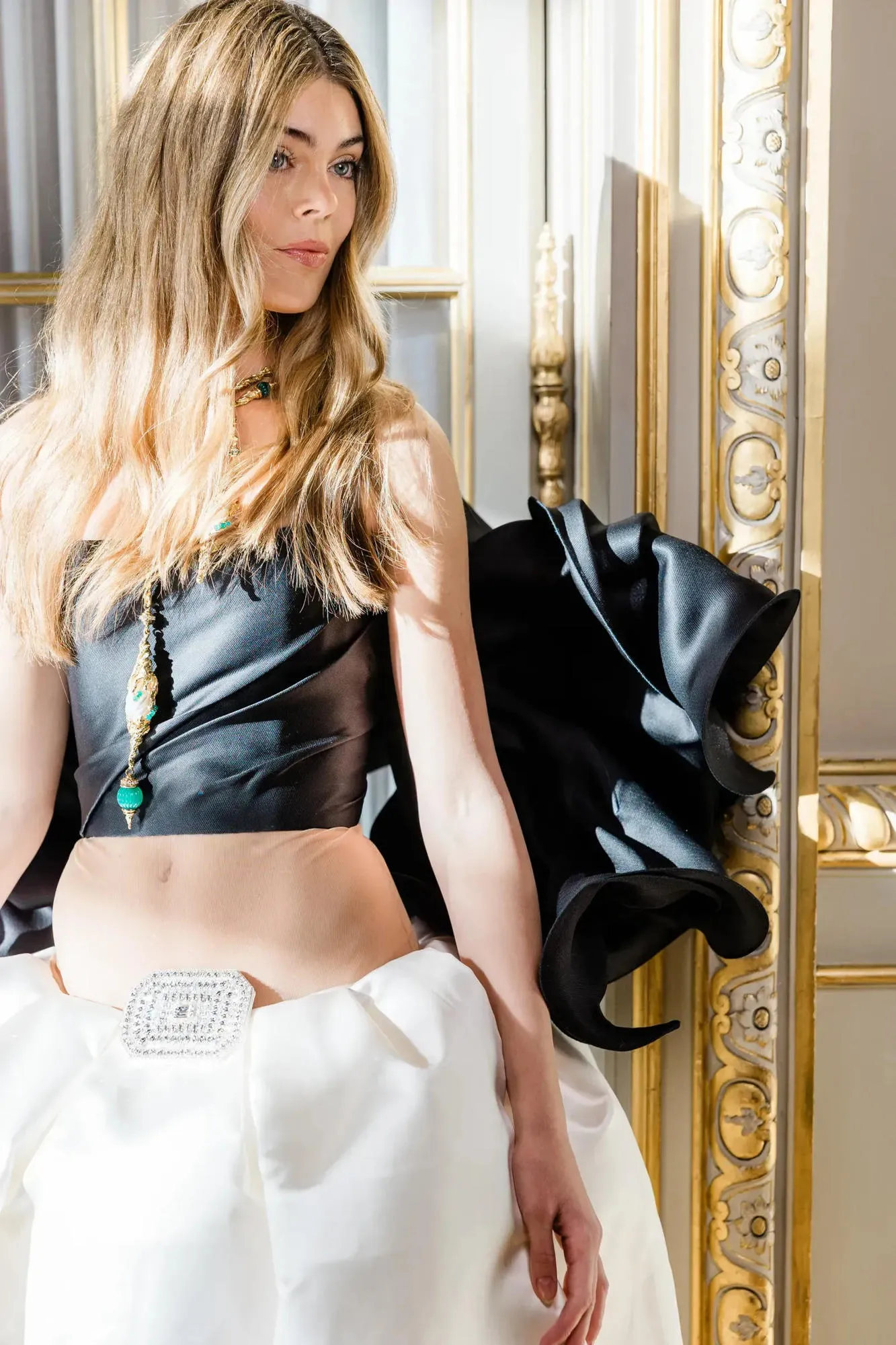
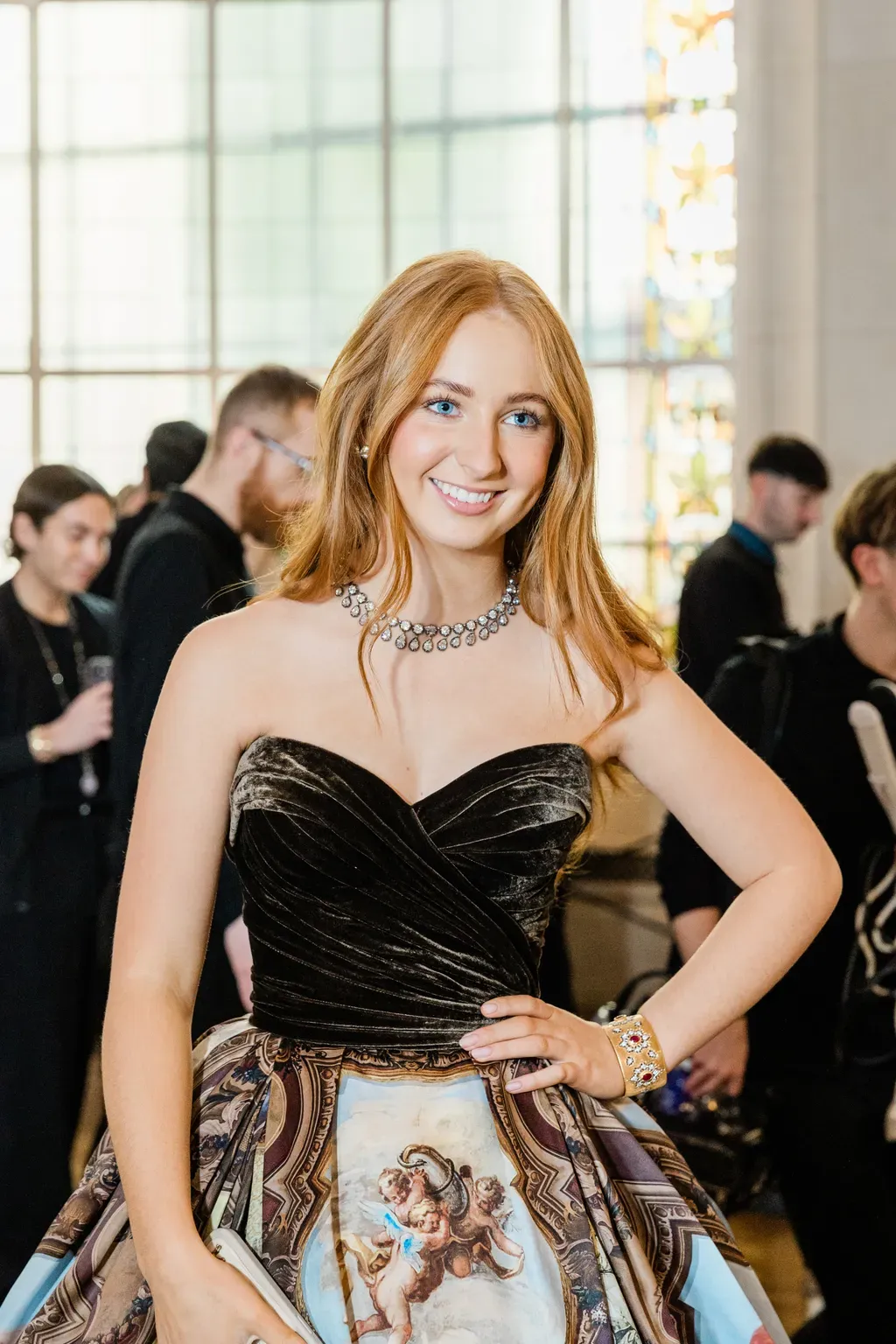
Renouard seeks a delicate global balance in her selection-an Italian princess here, a tech heiress there-always mindful that she has only twenty spots. The criteria extend beyond looks or lineage; the selected debutantes are often academically accomplished, internationally minded young women. The real magic, she insists, is the lifelong bond forged between disparate worlds on a Parisian dance floor.
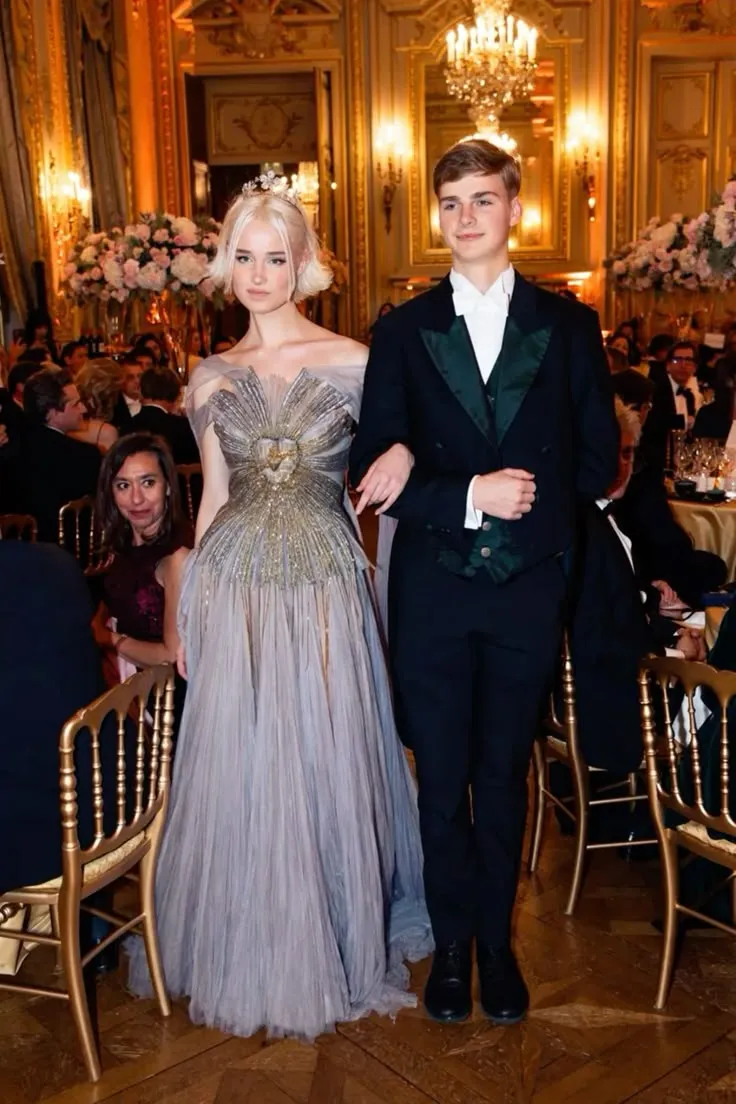
Philanthropy provides the ball’s moral ballast; recent beneficiaries have included pediatric cardiology units in Paris and New York. But let’s be clear: the engine of the night is The Dress. Renouard approves every sketch and attends major fittings. The rule is simple: no black, no white. Beyond that, imaginationand a couture house’s boundless budget-reigns. These are not prom dresses; they are career-making commissions for designers and heirloom artifacts for girls, most of which will never be worn again.
The preparation is an epic in miniature. Granddaughters of design legends and daughters of billionaires embark on months of fittings with creative directors at storied fashion houses, seeking silhouettes that honor heritage or embody a modern ideal.
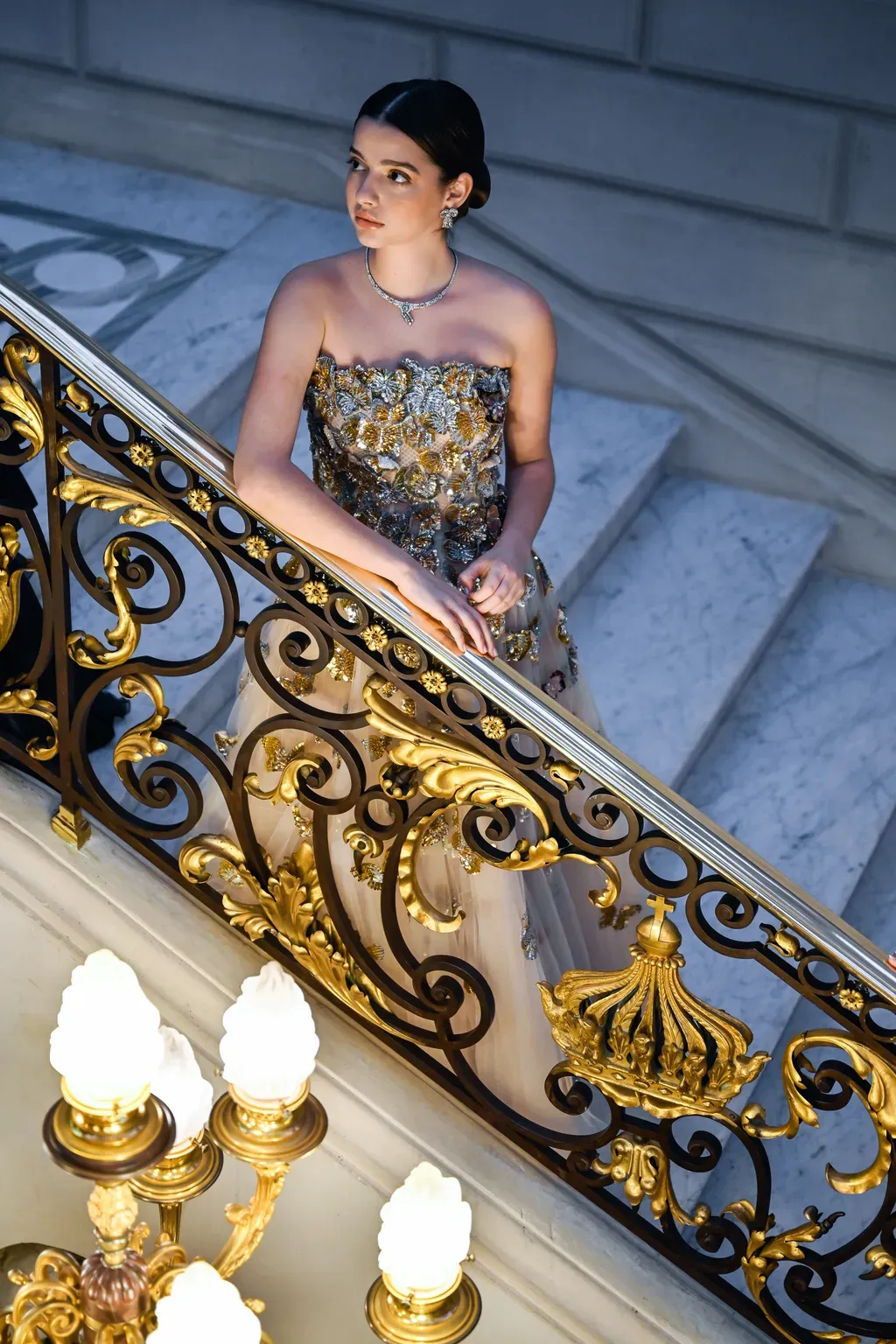
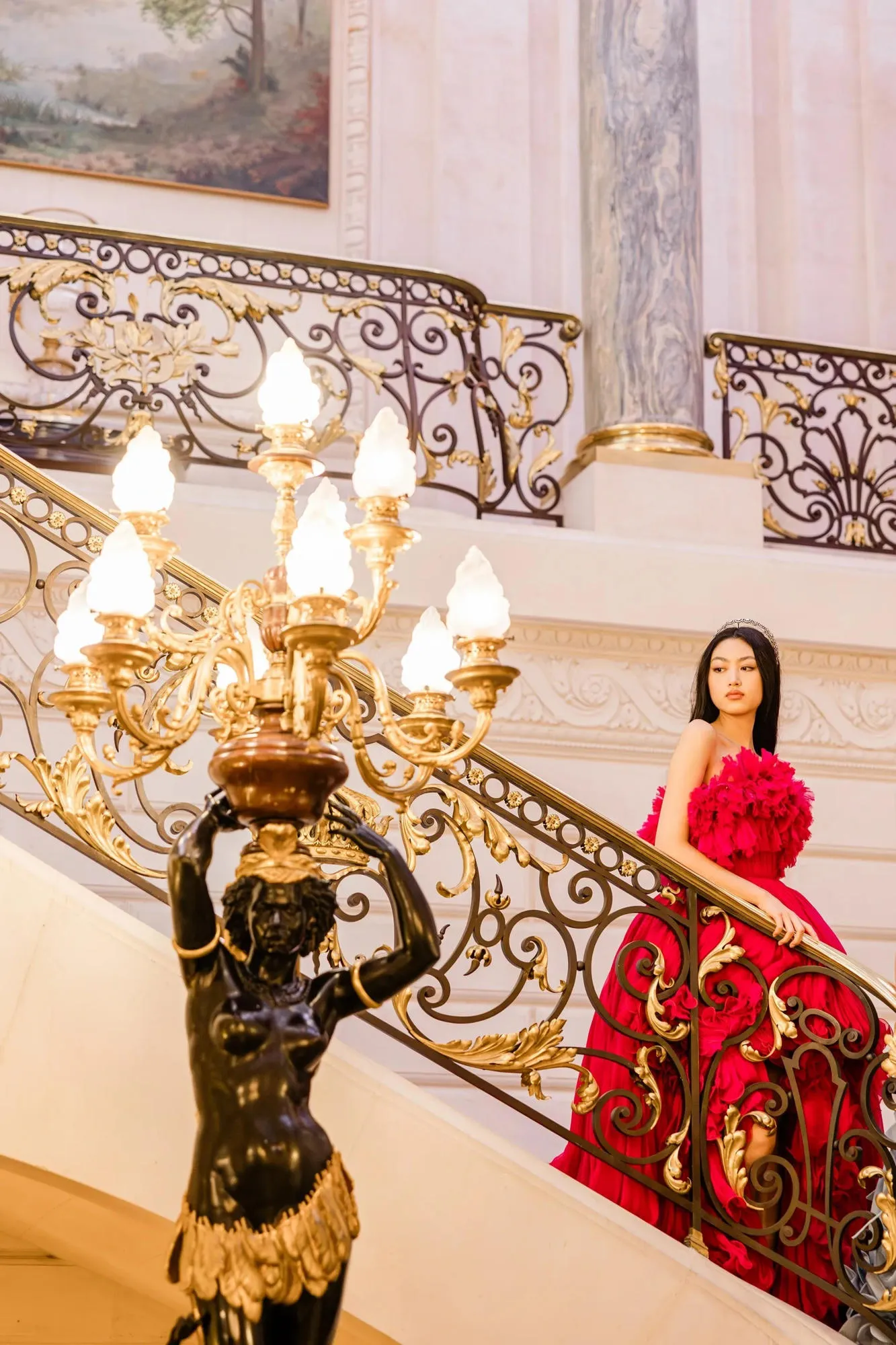
On the weekend of the ball, Renouard presides over a gently chaotic opera of last-minute stitches, slipping tiaras, and waltz rehearsals. The cavalier, that staple of deb lore, is deliberately rendered an afterthought-often supplied from a list of brothers and family friends. The focus remains firmly on young women.
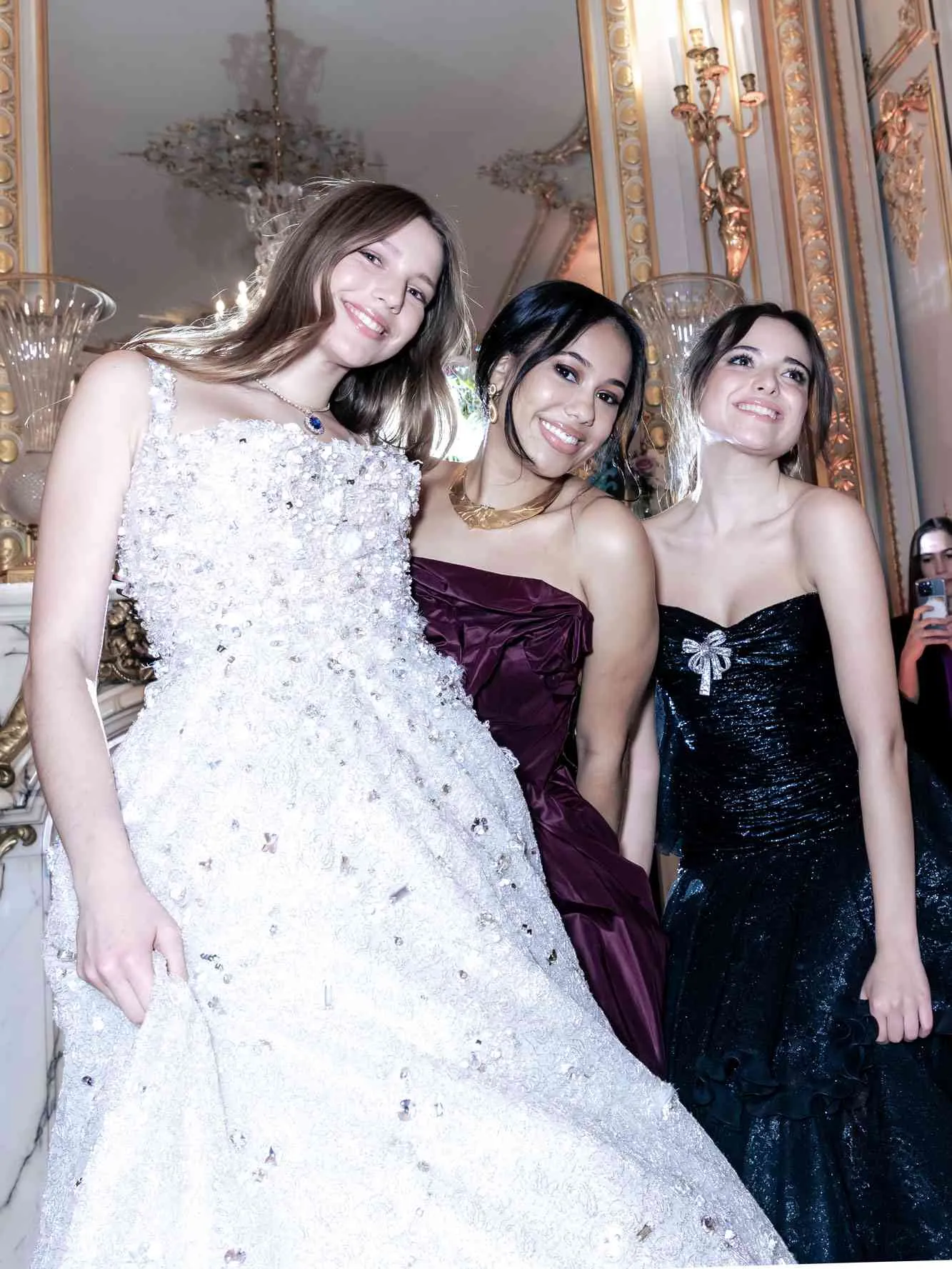
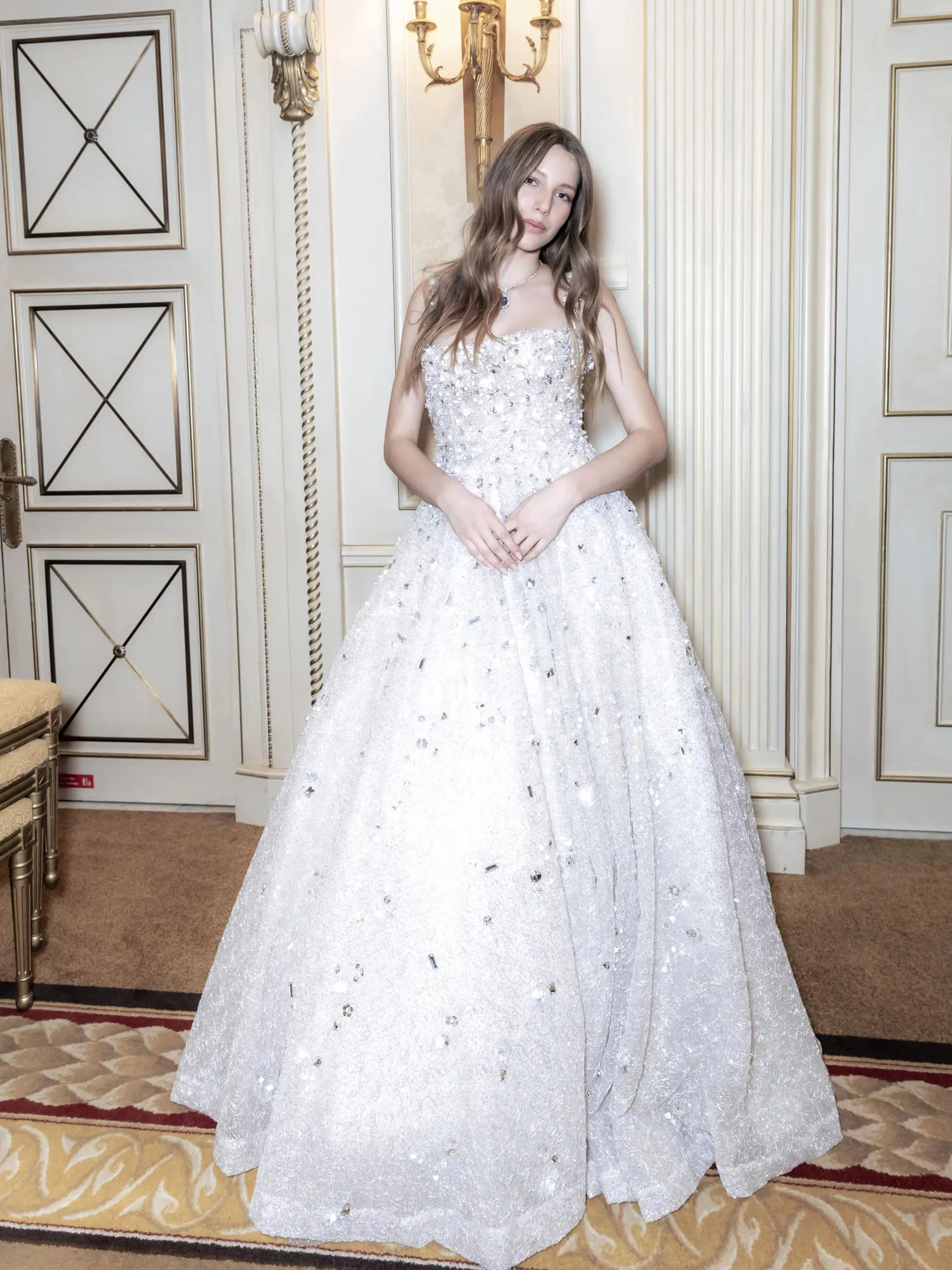
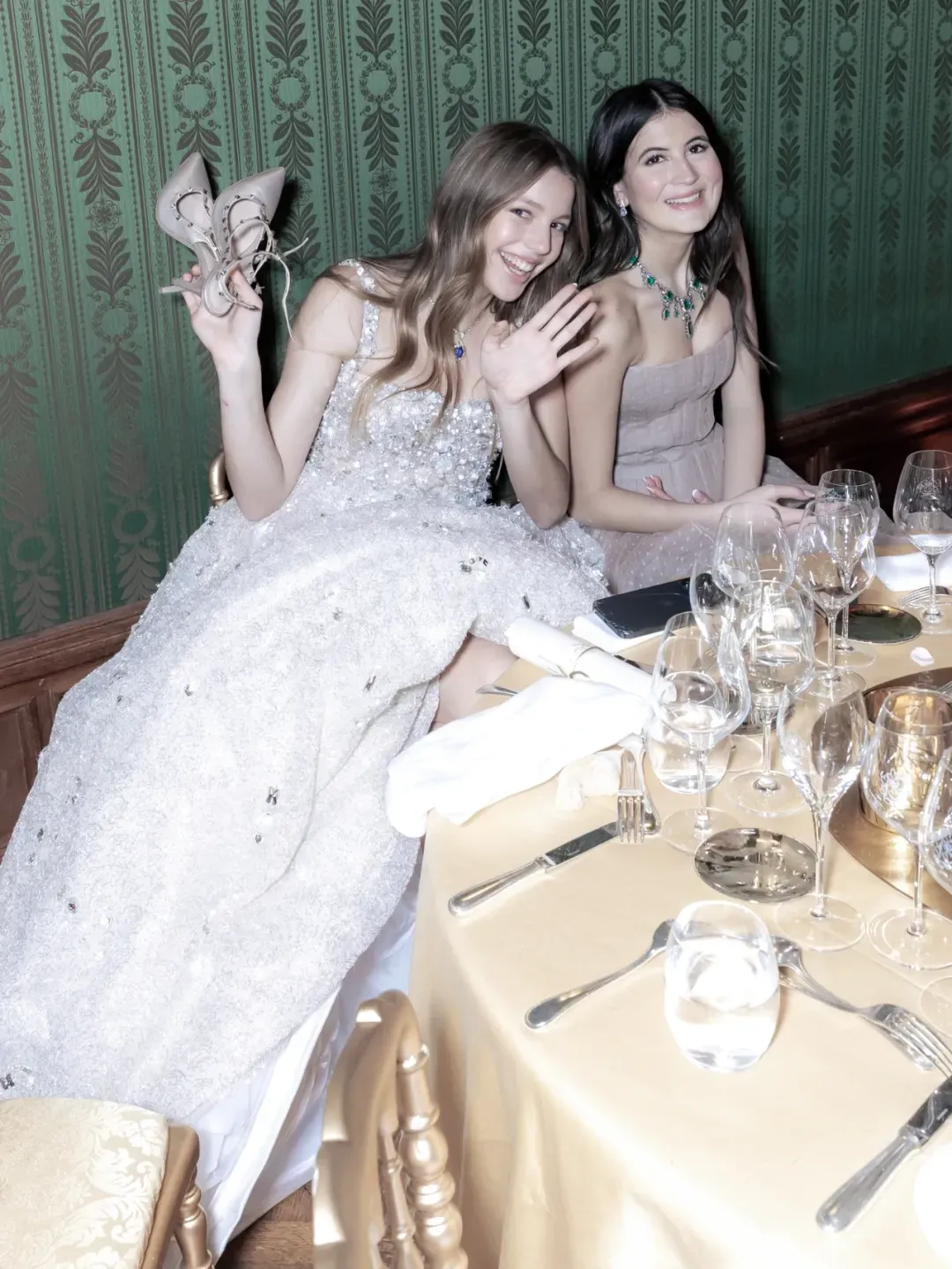
When the night finally arrives, the transformation is total. After a défilé where each girl’s accomplishments are announced, and a decadent dinner, the iconic father-daughter waltz begins. It’s a moment of startling tenderness amidst the grandeur. Then, the girls dance with their cavaliers and each other, the room a whirl of silk and newfound friendship.
Hours later, the spell breaks. Heels are swapped for sneakers, and the departed debs, shrouded in hoodies and jeans, look like any other group of tired, happy teenagers leaving a party.
Their dresses, however, will be archived in tissue and memory, relics of a fleeting, gilded adolescence. In the end, Le Bal’s most poignant offering may be this: in a world of perpetual digital performance, it grants a single, splendid night where the performance is so sublime, so physical, and so fiercely real, that it momentarily eclipses the algorithm. It is a last, glorious bastion of un-ironic enchantment. And as any courtier in Versailles or star on TikTok could tell you, enchantment is the most powerful currency of all.


Advertisement