MENU
Close






Sometimes, I just want to put on the simplest outfit and let my jewelry do the work. Shiny stones might be excessive, minimalist designs can be boring, I want whimsy and fun, with colors and jingle. On those days, I choose ceramic jewelry, and I would purchase a piece from one of these designers any day.
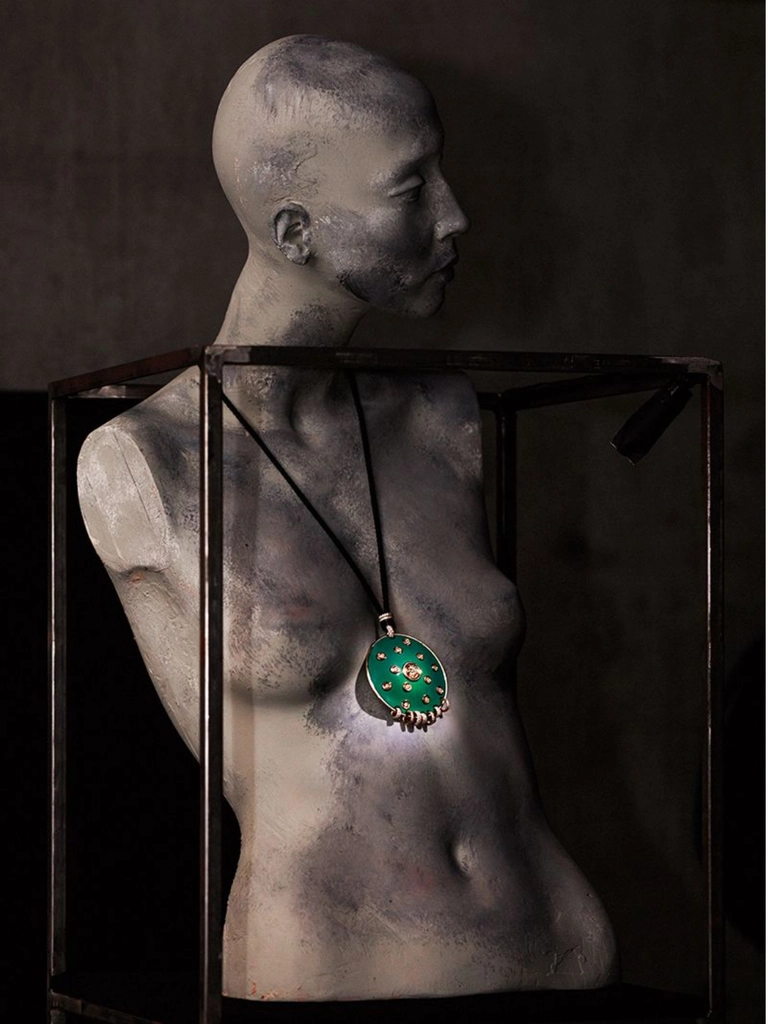
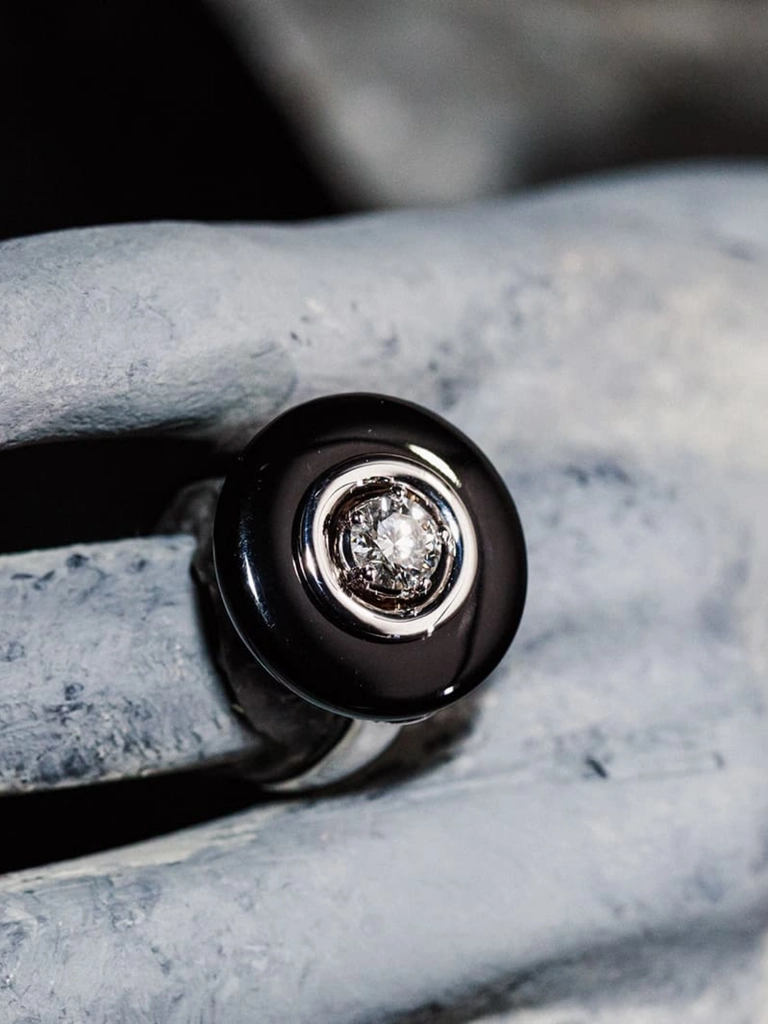
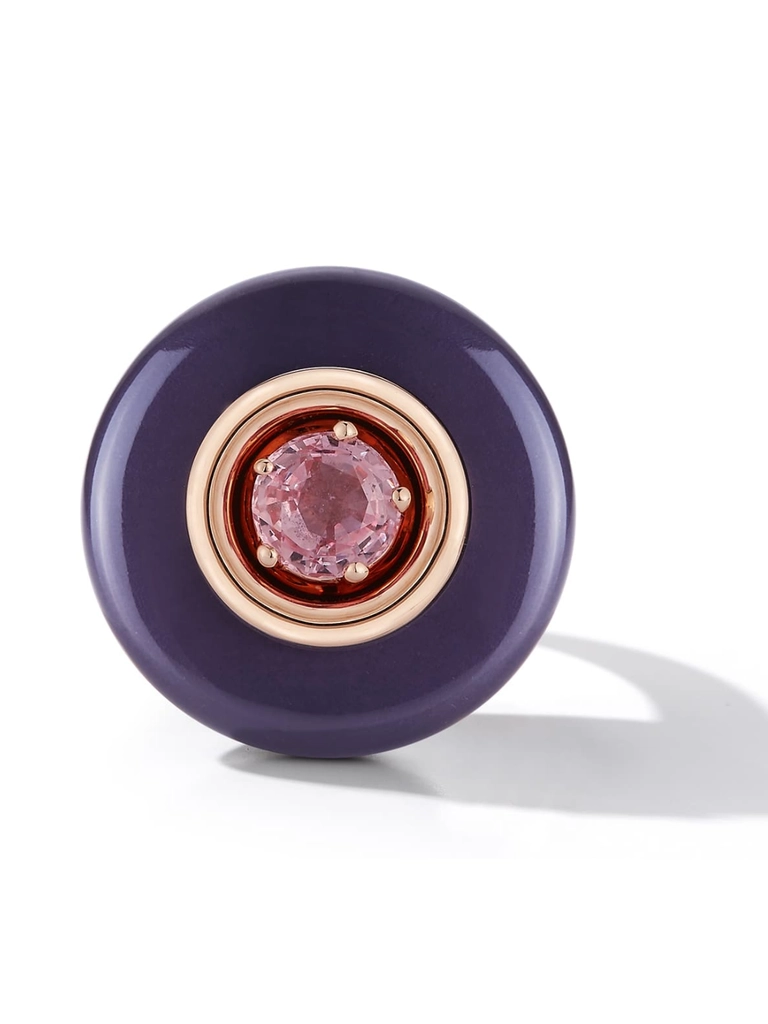
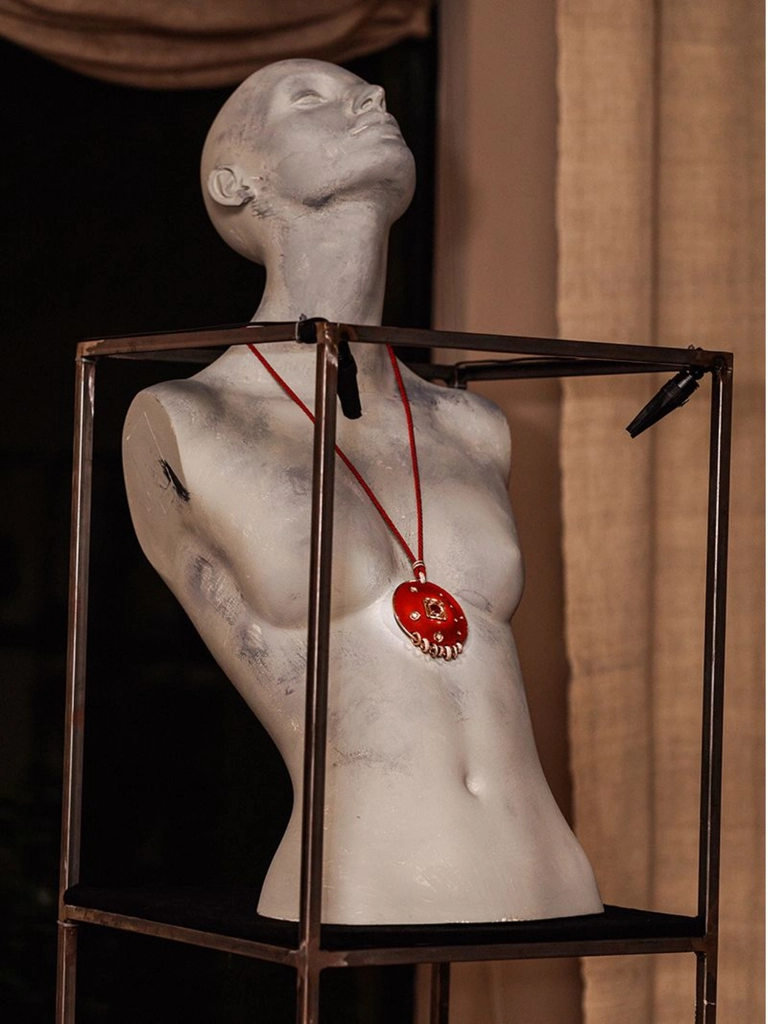
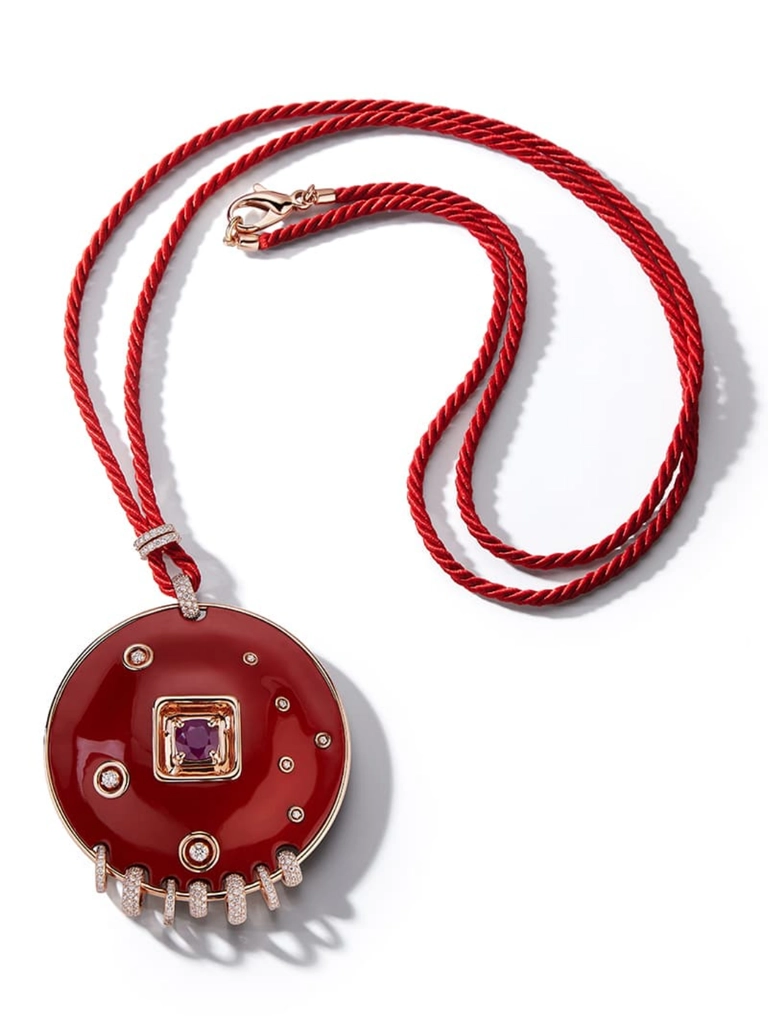
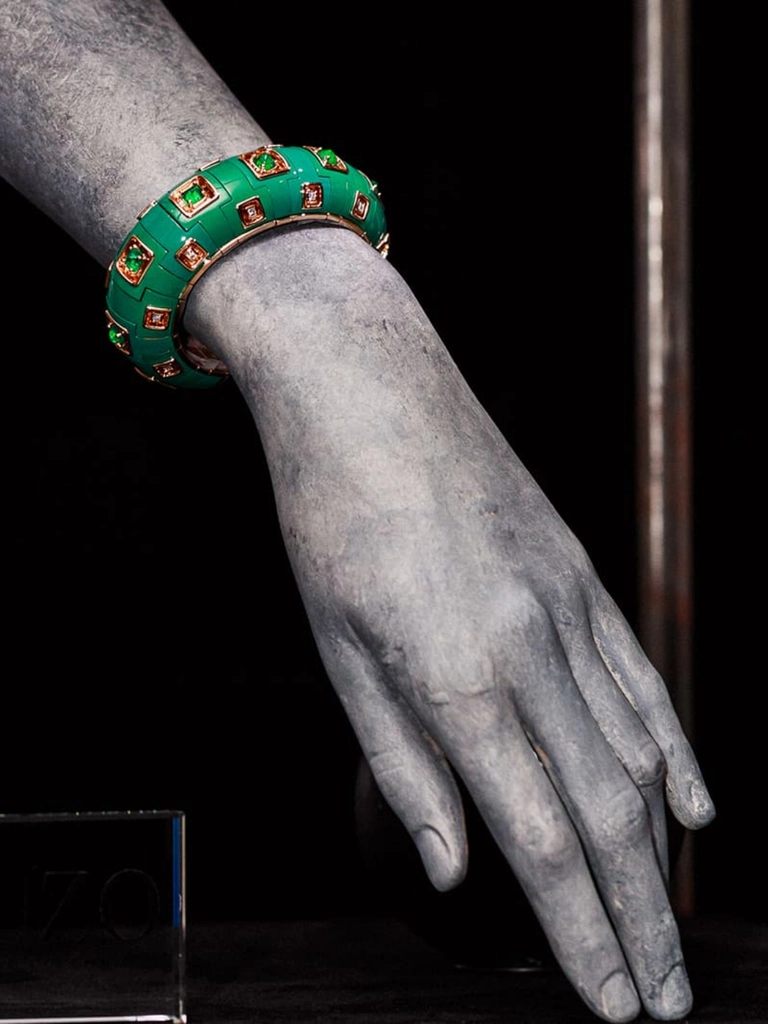
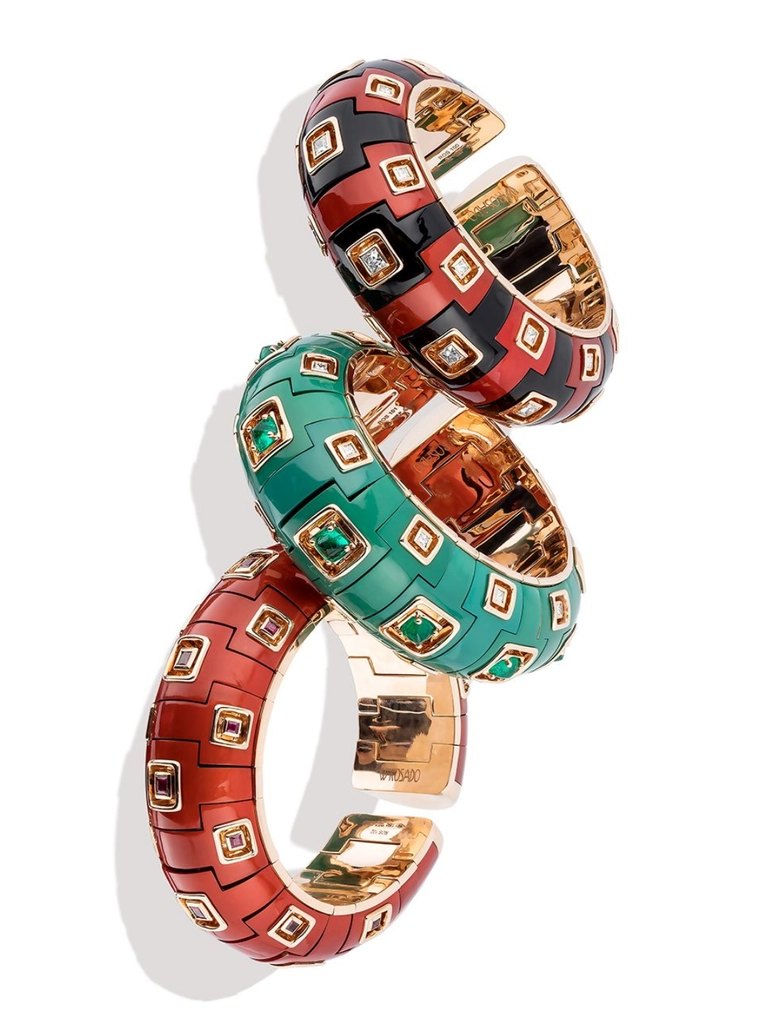
Rosado has been experimenting with nano-ceramic in fine jewellery since 2012, using the material as a way to introduce saturated colour with a smooth, lacquer-like finish. His Tribu collection brings this approach into 18k gold jewellery set with diamonds, cabochons, Muzo emeralds and padparadscha sapphires, surrounded by nano-ceramic in aubergine, green, red and black.
It’s always a goal of mine to create jewellery that is innovative and statement-making but also wearable. I believe this collection will speak to a new generation of collectors who love to wear their jewellery and refuse to keep it in a vault for special occasions. I design with the highest level of craftsmanship and technique because I believe my clients appreciate and expect that in every aspect of their lives. – Wilfredo Rosado
Across four earring designs, two pendants, two rings and three cuff bracelets, Rosado works with amplified scale, saturated colour and strong symmetry. Limited-edition designs range from around $28,000 to $84,000, placing the collection firmly within high jewellery while challenging the idea that visual drama must come with physical weight. Here, a shield-like earring can occupy space boldly and still move with ease.
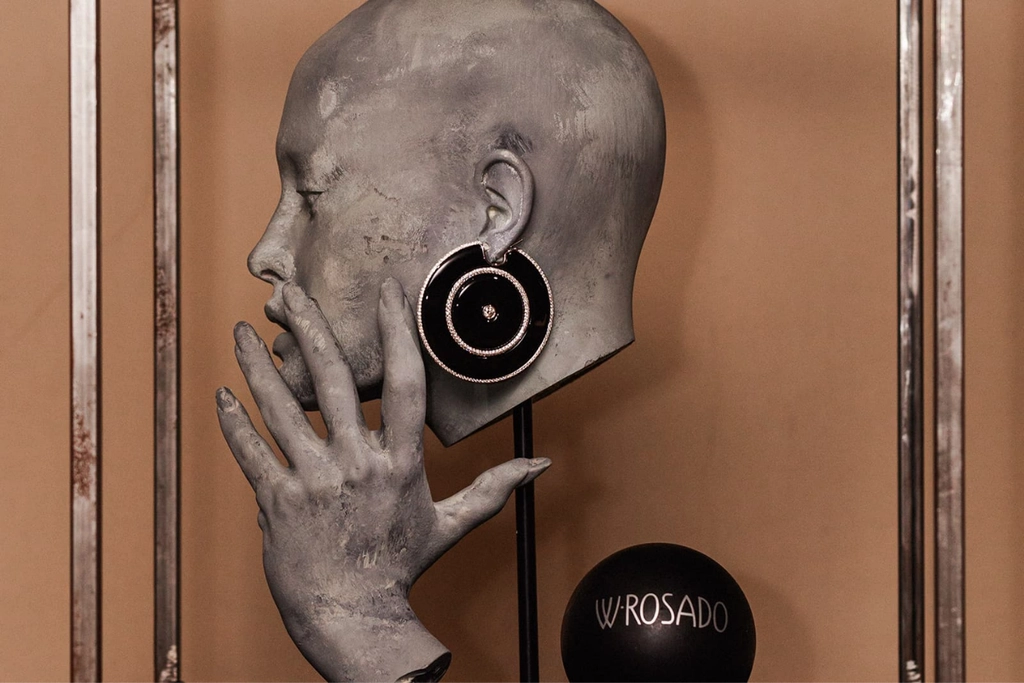
For Tribu, Rosado looked toward African visual culture, particularly the vivid palette and commanding scale of Maasai adornment, after seeing traditional references collide with contemporary street style at Brooklyn’s Afropunk festival. Oversized shields, rhythmic geometry and ceremonial colour were distilled into polished modern forms. Nano-ceramic technology became crucial to that translation, giving Rosado access to richer gloss, broader colour ranges and more nuanced finishes. My favorite Wilfredo Rosado pieces:
Rosado’s eye was shaped long before he entered the atelier. He worked as Fashion Director at Andy Warhol’s Interview magazine and later collaborated on projects with Giorgio Armani, experiences that sharpened his instinct for image, proportion and cultural tension. He launched his first high jewellery collection in 2011, followed by the Pearl ID line under W.Rosado in 2020. In January 2021, his name reached a much wider audience when Vice President Kamala Harris wore a bespoke W.Rosado necklace on Inauguration Day.
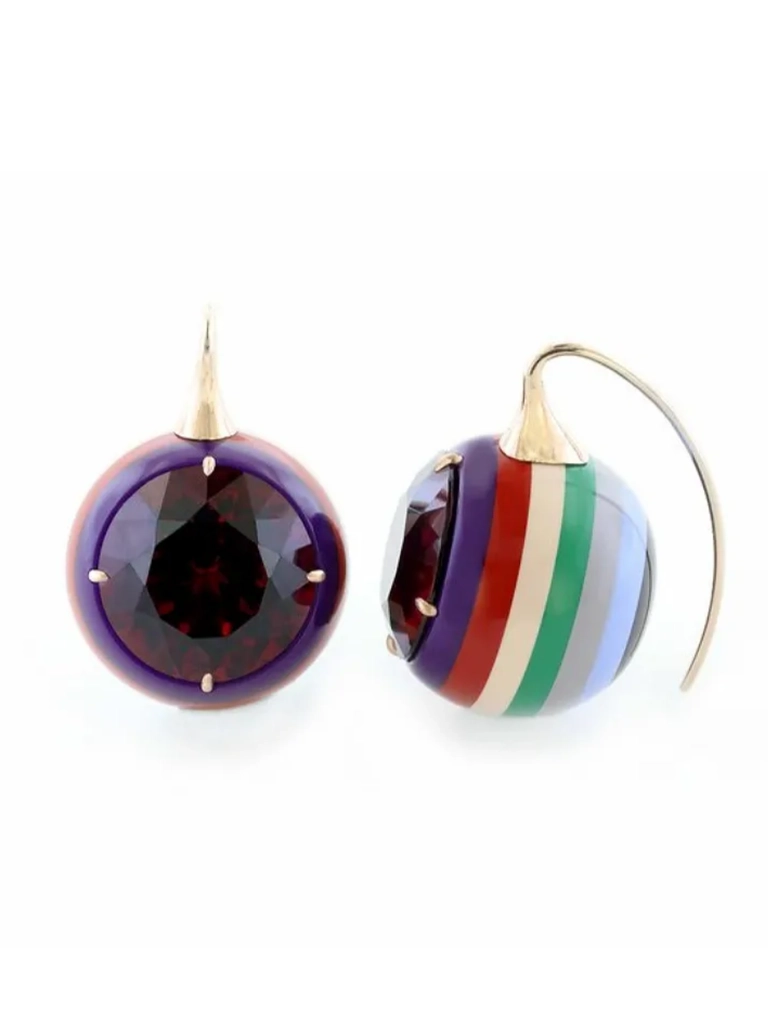
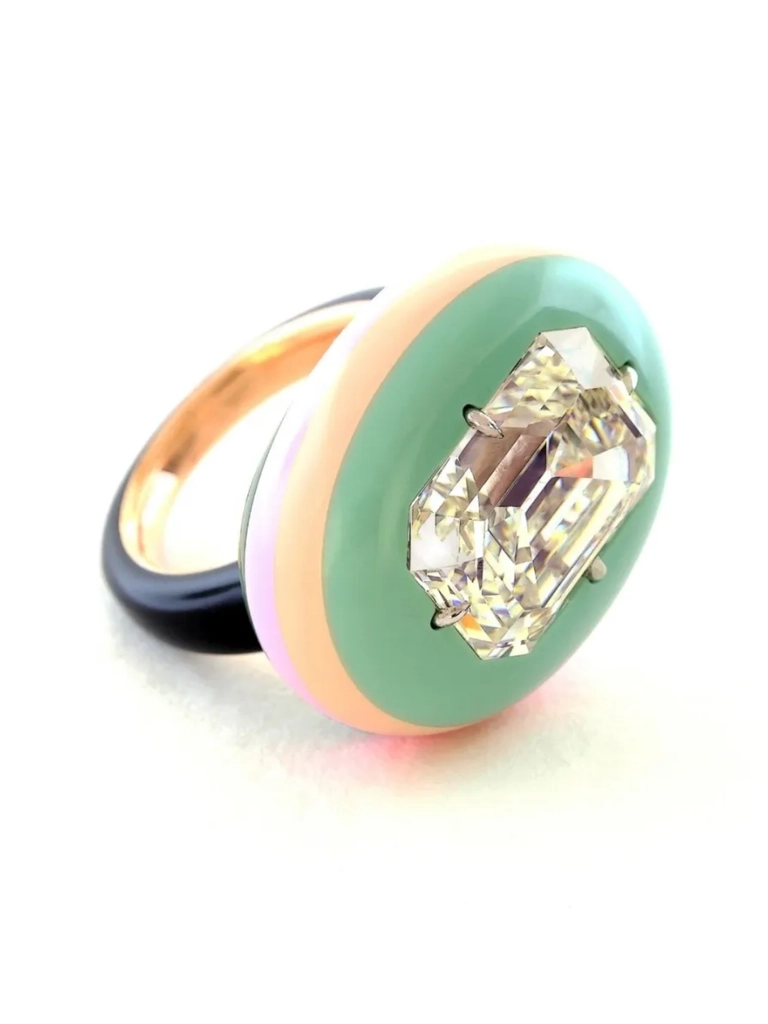
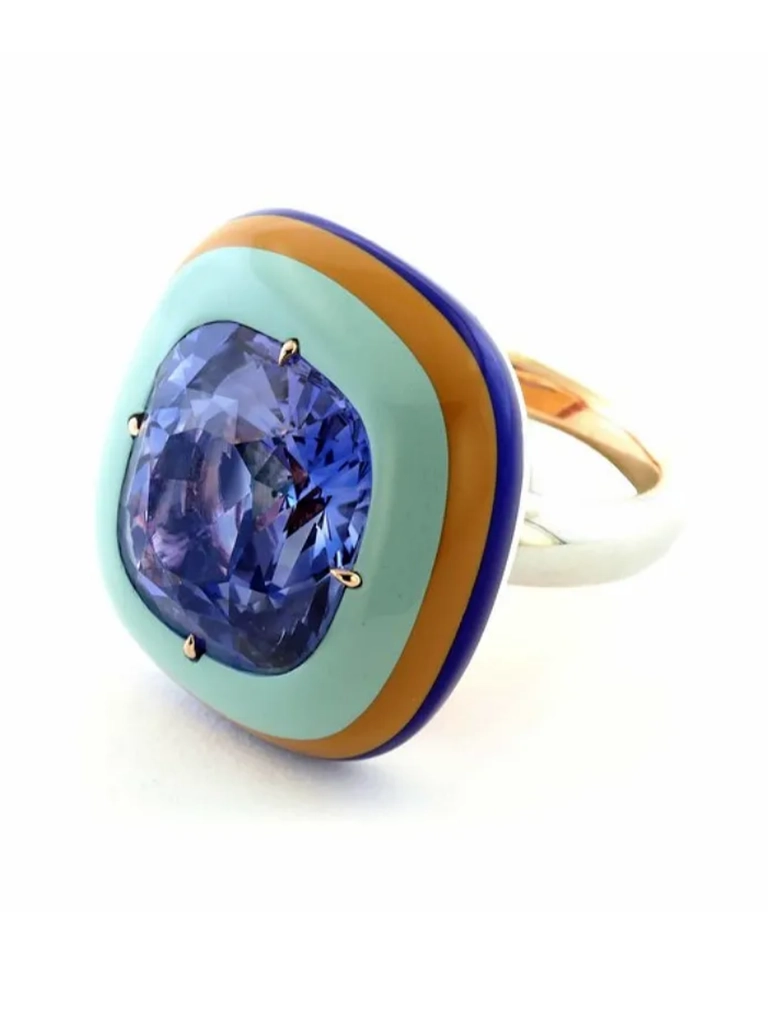
Under James de Givenchy, ceramic has become one of Taffin’s most recognisable signatures, prized for the way it can make colour look almost delicious. A rubellite framed by striped ceramic can resemble a piece of glazed confectionery, while orange, green or verdigris tones sit against diamonds and coloured stones with the richness of candied fruit, lacquer or icing.
“My jewellers were very angry when I came up with that idea,” de Givenchy laughs, recalling his introduction of ceramic to Taffin jewellery in 2006.
The frustration is understandable. Combining ceramic with precious stones demands enormous technical control, especially when several colours must be layered within a single jewel. Yet that difficulty is exactly where Taffin’s experimentation becomes most interesting. A design often begins with an exceptional gemstone, after which de Givenchy develops a ceramic shade specifically around it, adjusting the tone until the stone appears warmer, sharper, deeper or unexpectedly luminous. The resulting colour combinations can feel almost edible in their saturation, glossy and dense enough to evoke sweets, fruit skins or polished sugar.
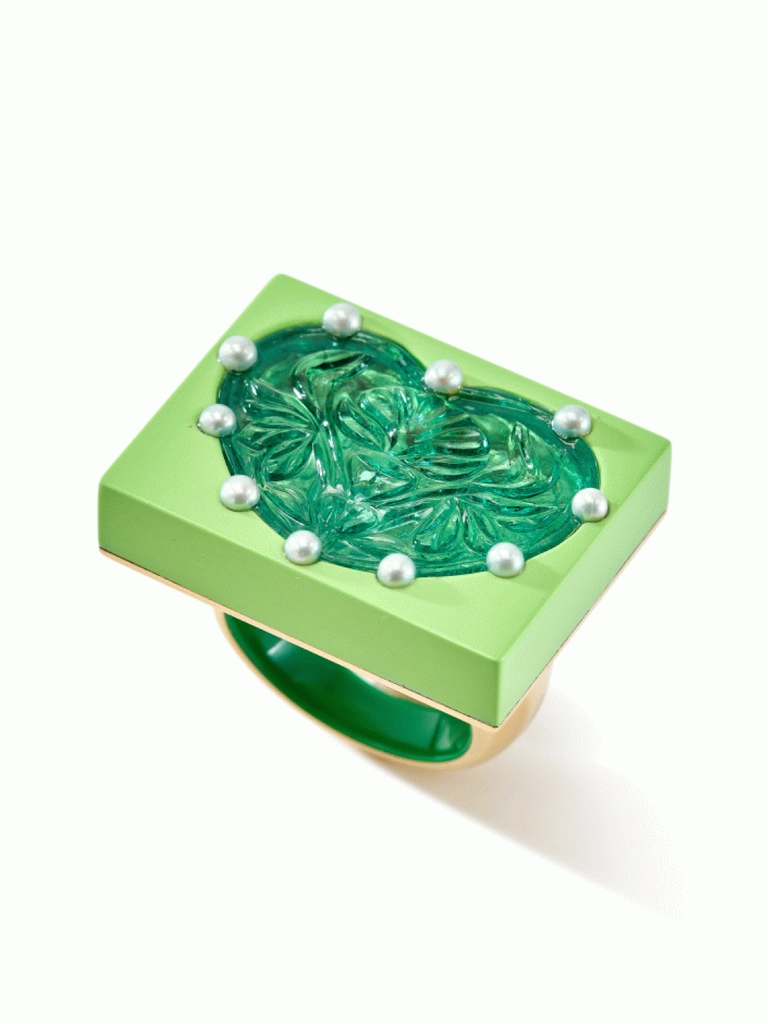
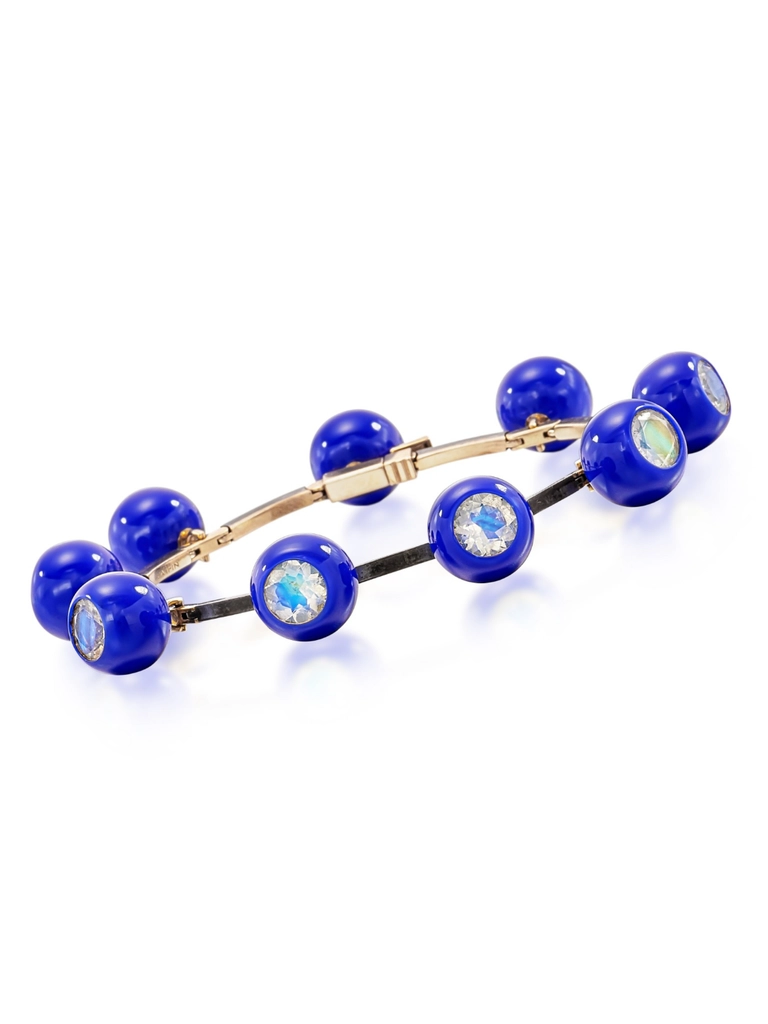
This dialogue between colour and material has become central to Taffin’s ceramic jewelry. As ceramics and enamel have become increasingly familiar across contemporary jewellery, de Givenchy continues to push toward more complicated surfaces, layered pigments and unconventional pairings. At Taffin, ceramic remains compelling because its possibilities still feel open, offering endless ways to make precious stones look richer, stranger and even more tempting.
My favorite de Givenchy pieces:
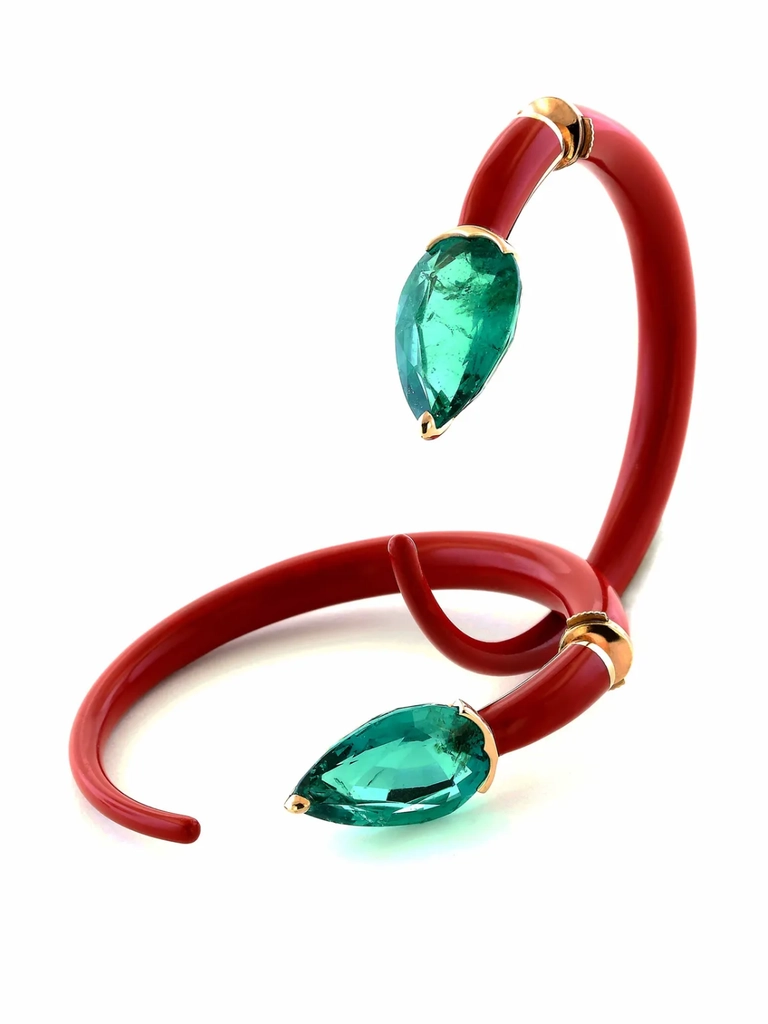
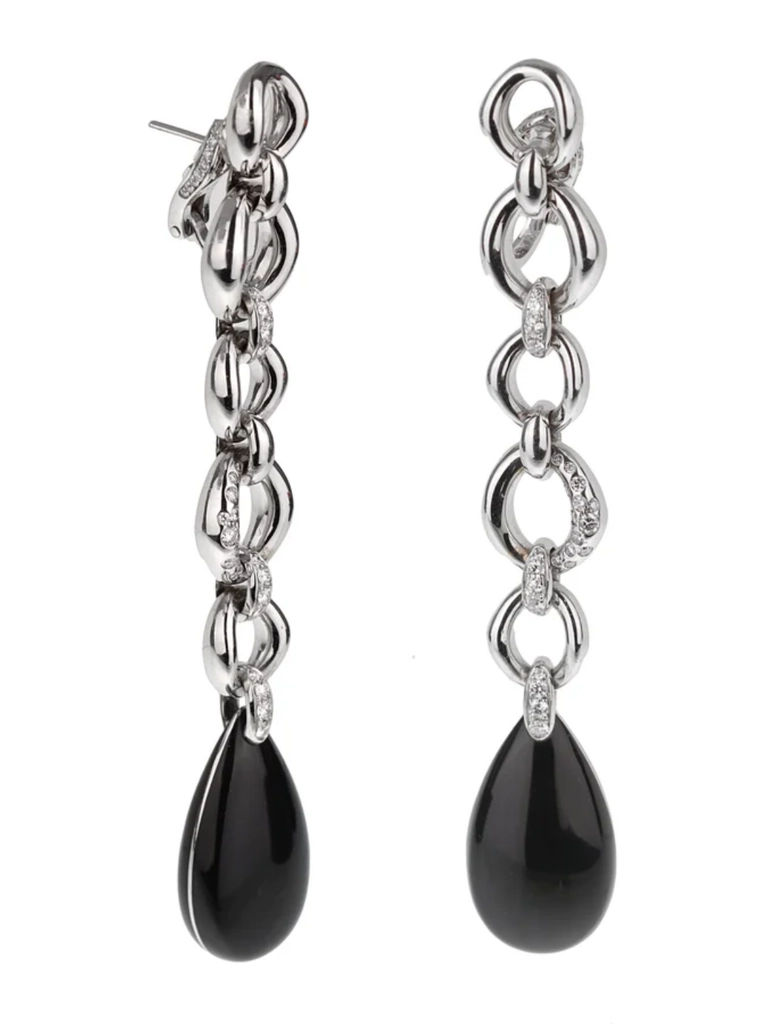
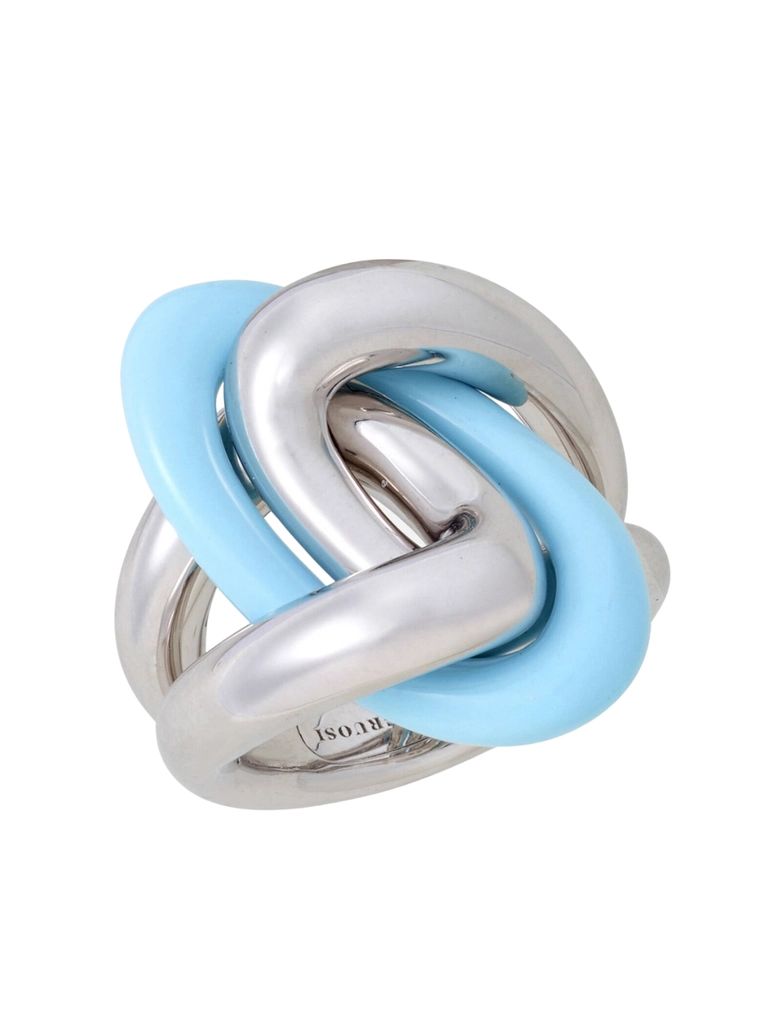
Fawaz Gruosi approaches high jewellery with the instincts of a colourist, composing pieces through combinations that can seem almost improbable until they settle against the skin. Emeralds, rubies and sapphires remain central to his visual language, yet Gruosi continually expands that palette with turquoise, onyx, amber and modern materials such as ceramic.
“Colour is my joy, emeralds my signature, accompanied by rubies, sapphires and extraordinary stones of every hue. I like to mix them with hard stones such as turquoise and onyx and modern materials like ceramic.” - Fawaz Gruosi.
That fascination appears in pairings rarely seen in traditional high jewellery, from emerald with turquoise to amber with emerald, creating chromatic relationships that feel lush, instinctive and slightly unexpected.
Each piece is designed personally by Gruosi and often begins with forms, curves, light and colours observed in everyday life. His jewellery is known for generous volume and saturated colour, with gemstones treated like pigment. Gruosi described the scale of his output as equally ambitious, noting that one collection reached nearly 500 unique high-jewellery pieces created over two years, while another period saw close to 360 designs produced within a single year. Supreme craftsmanship, sustainability and, as far as possible, a responsible supply chain is also important for him.
“I believe that when you have something exceptional, customers will come to you,” he says. “My clients are women who are confident, chic, innovators, not followers.”
My favorite Fawaz Gruosi pieces:
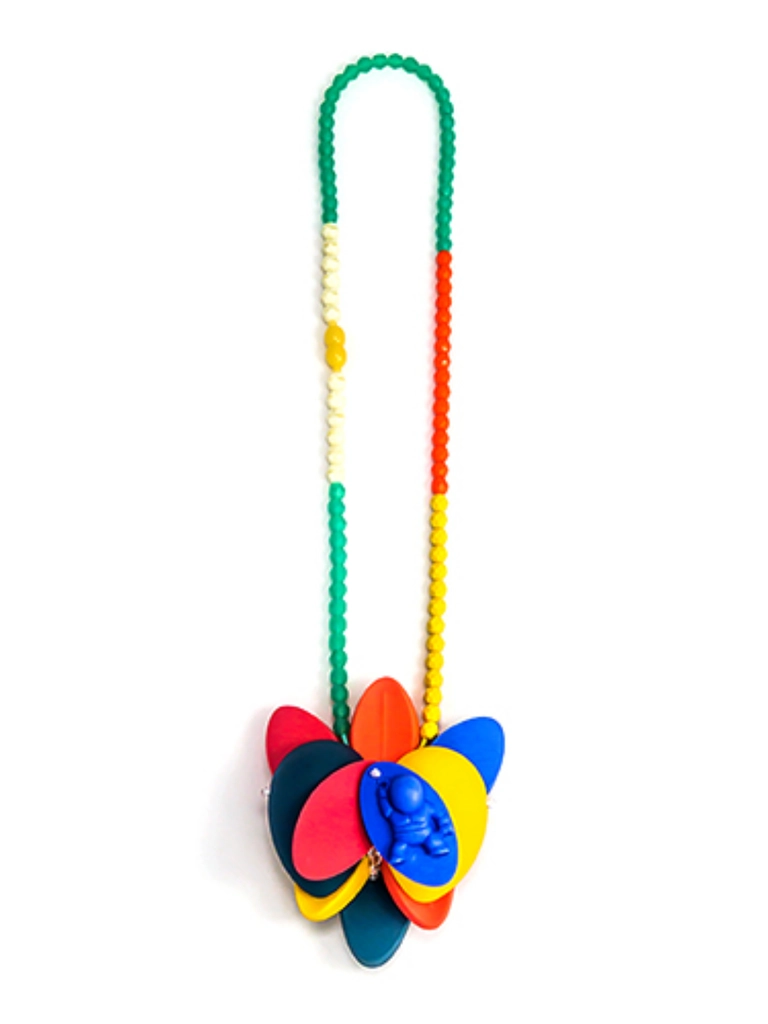
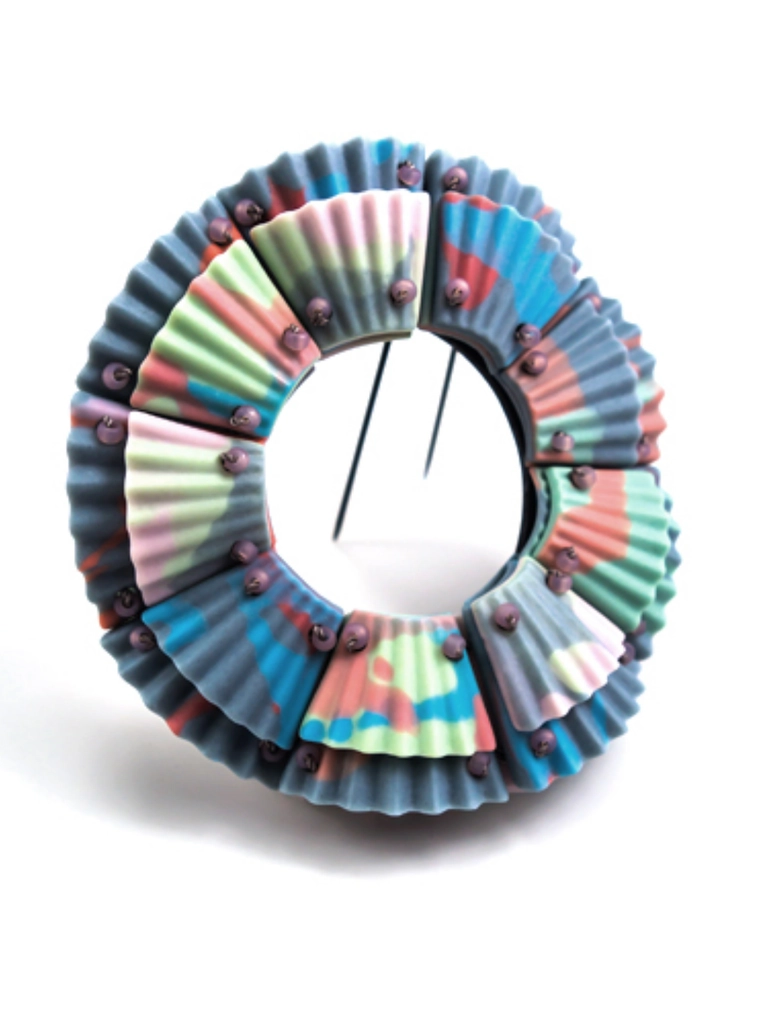
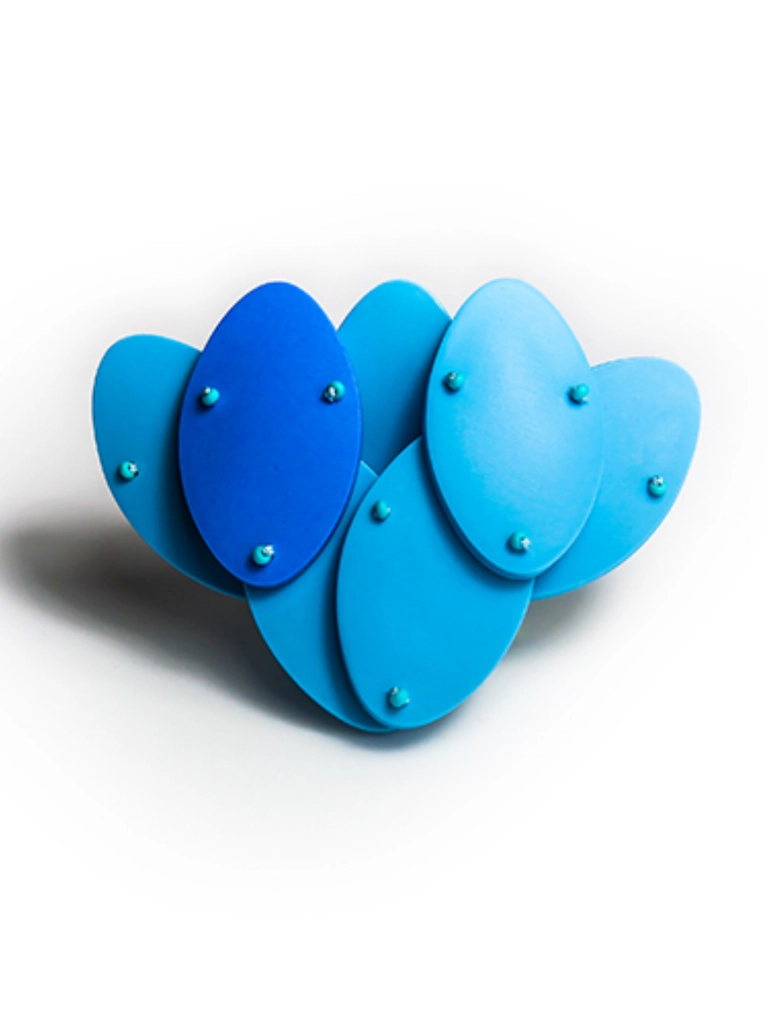
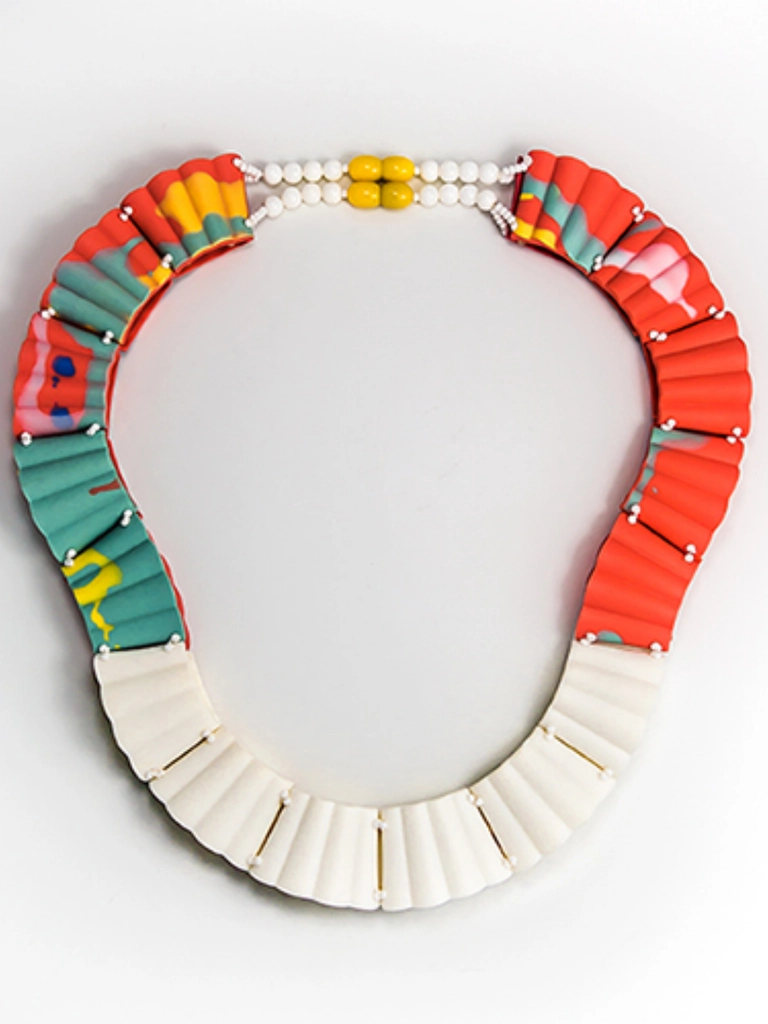
Here comes my personal favorite, Mia Kwon. Based in Berlin, Kwon approaches material with the mindset of an experimenter. Her practice investigates how porcelain can be manipulated beyond the familiar formats associated with tableware and traditional decorative craft. She uses slip casting to produce multiple delicate ceramic components before assembling them through sewing. This simple change in construction radically alters what porcelain can do. Individual pieces become parts of a larger flexible system. The finished jewelry can drape, shift and respond to the wearer rather than remaining a single solid unit.
"I aim to blur the borders between jewellery, porcelain, fabric and fashion and create an uncommon, contemporary perspective onto porcelain jewellery." - Mia Kwon
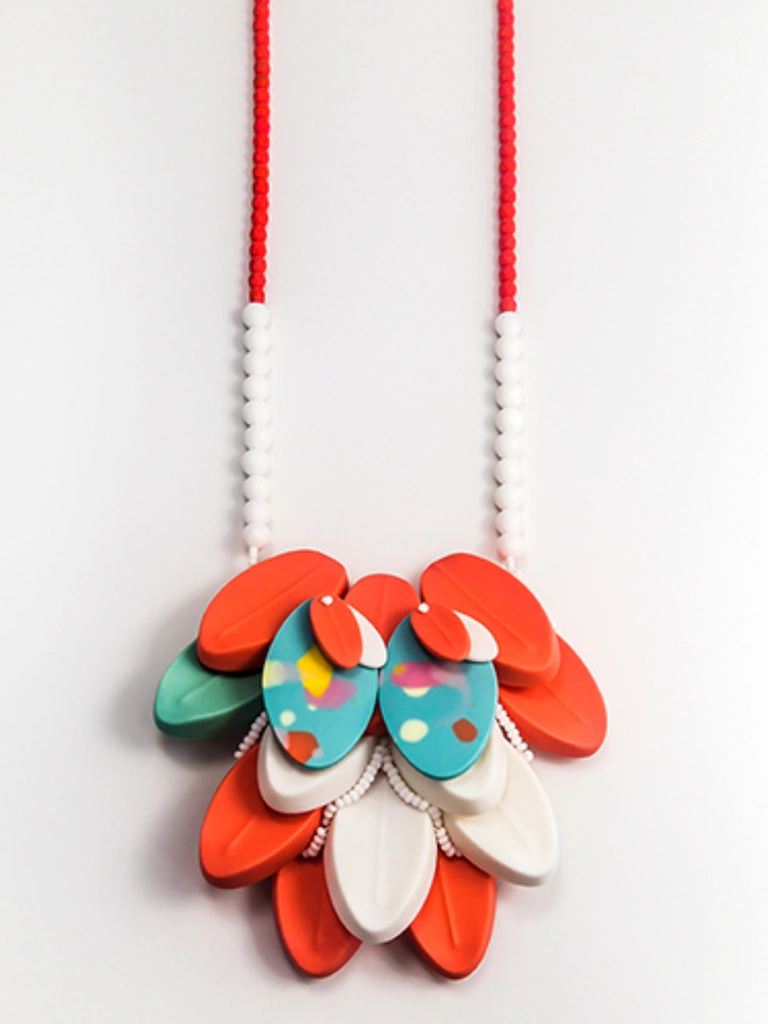
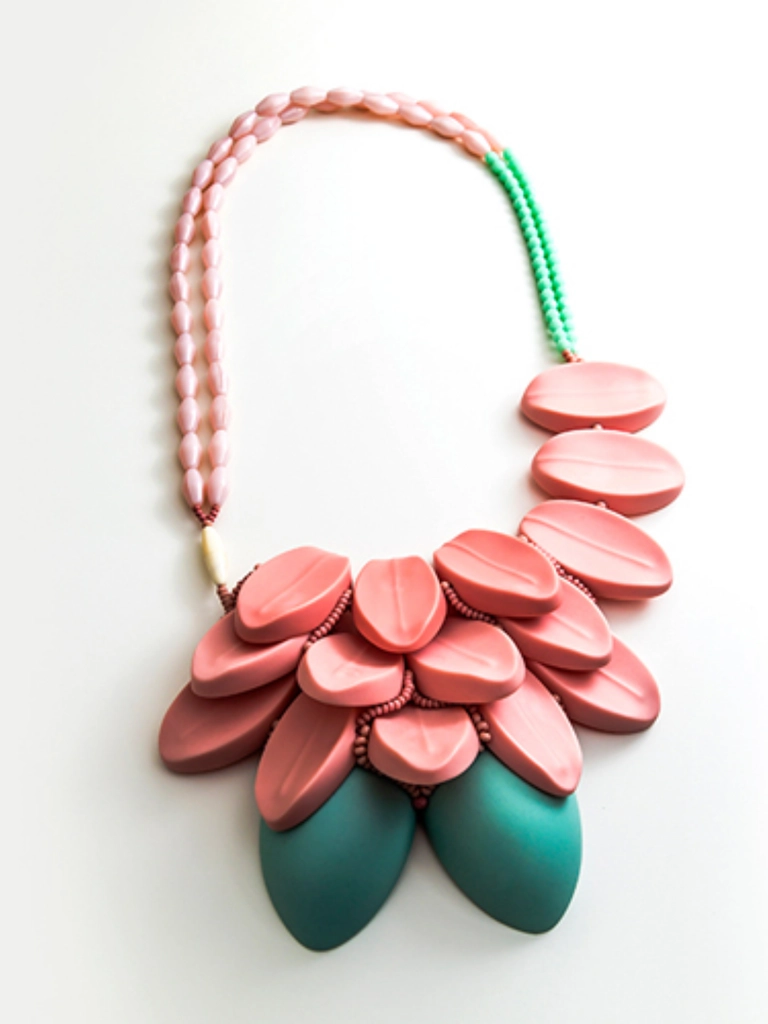
Her experience with metalsmithing further complicates the material language. Colored clays can be layered with an attention reminiscent of enamel work, while extensive polishing produces sleek surfaces that feel far removed from rustic pottery. Here, ceramic jewelry has become a research platform. The wearer participates in the experiment each time movement rearranges the object.
My favorite Mia Kwon pieces:
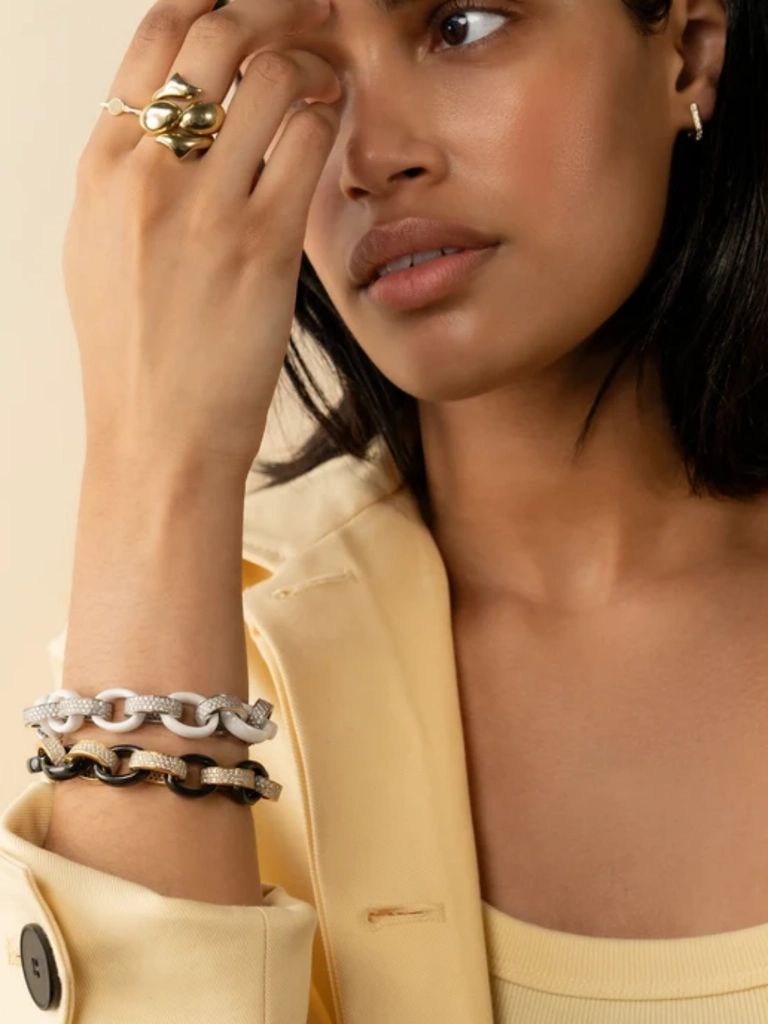
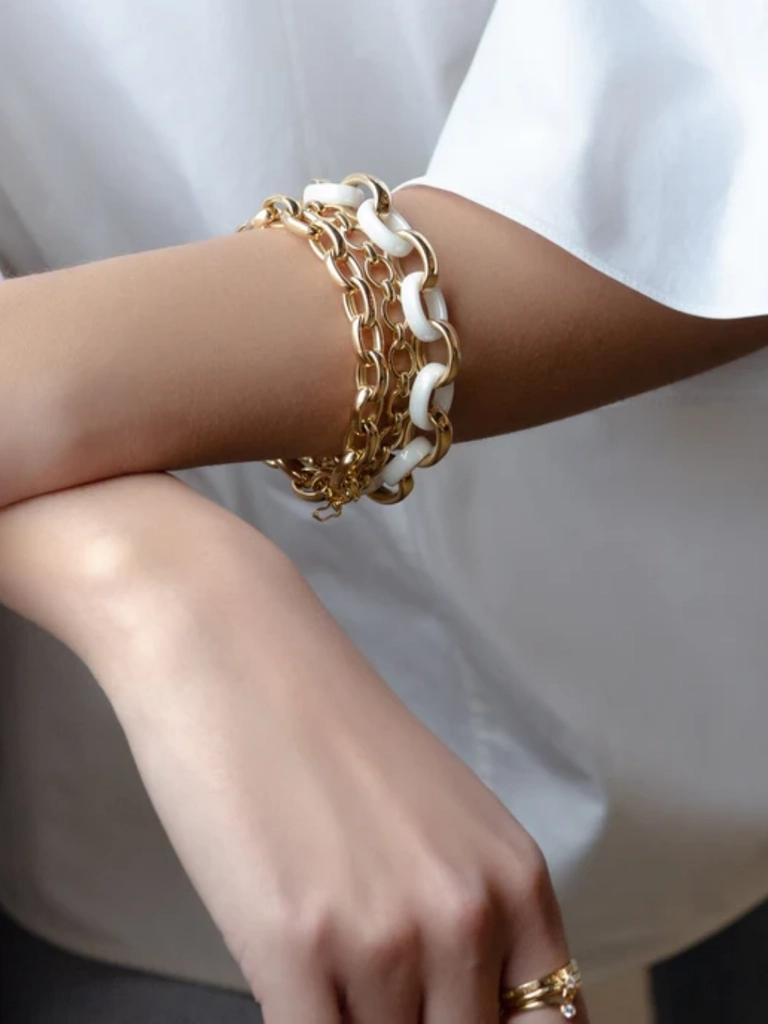
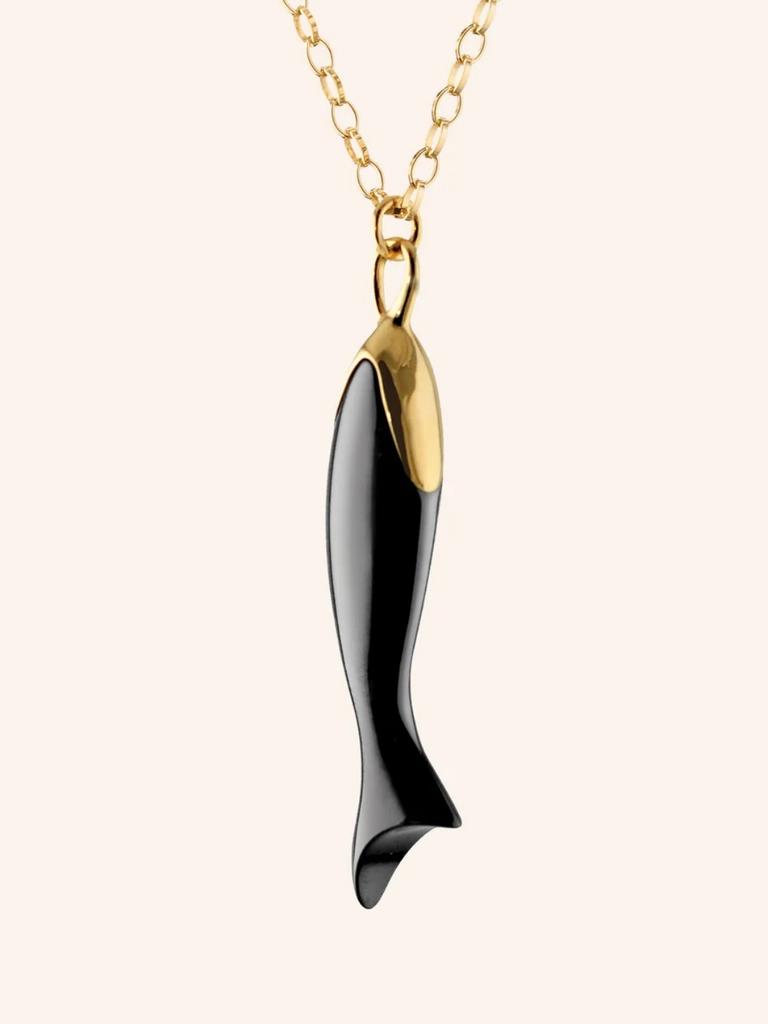
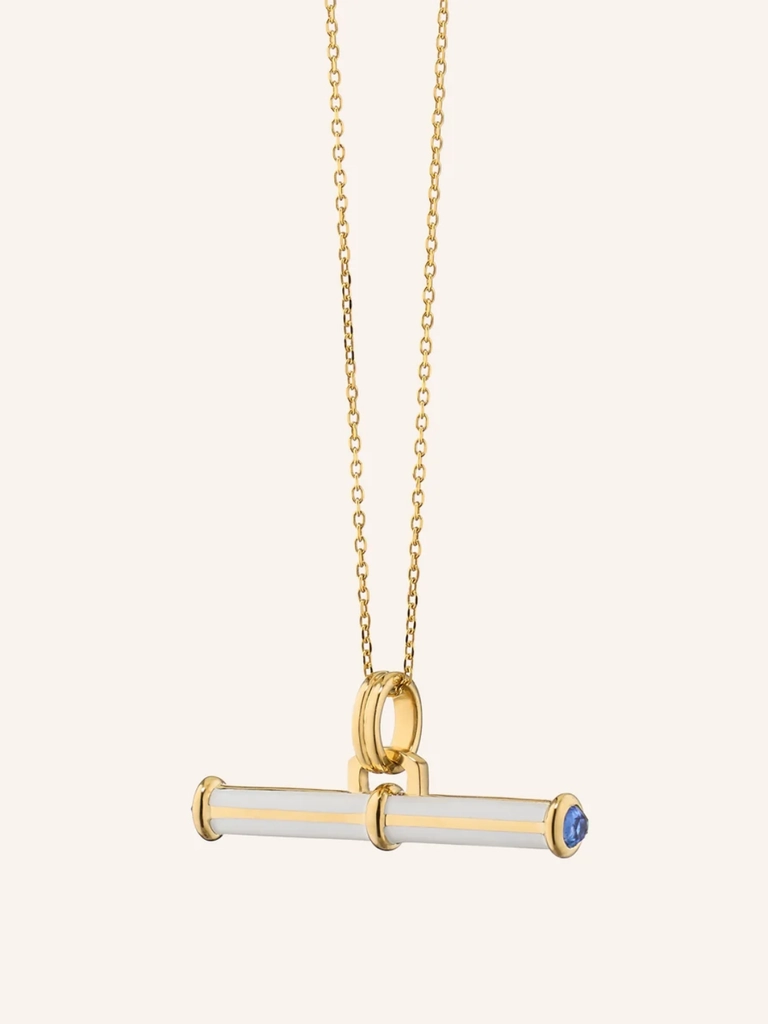
Monica Rich Kosann’s Ceramic Collection pairs high-durability black and white ceramic with 18k yellow gold, sterling silver, diamonds and coloured gemstones. The contrast between glossy and matte ceramic surfaces sharpen the warmth of gold, the brightness of silver and the sparkle of pavé, while the material’s scratch resistance supports the brand’s philosophy of jewellery designed to be worn every day.
This approach appears across several recognizable lines, including the Perseverance fish series, where black or white ceramic bodies are accented with precious-metal details and stones. The Marilyn link collections reinterpret classic chain and tennis-bracelet forms through oversized ceramic links joined by gold connectors and diamond-set stations.
Ceramic also appears in symbolic Strength and Poesy toggle designs, where functional closures become decorative focal points through gemstone detailing and gold chains.
My favorite Monica Rich Kosann pieces:
I would describe ceramics as fun but also down-to-earth (literally). Ceramic jewelry is the way I carry that earthly energy with me all the time.