MENU
Close





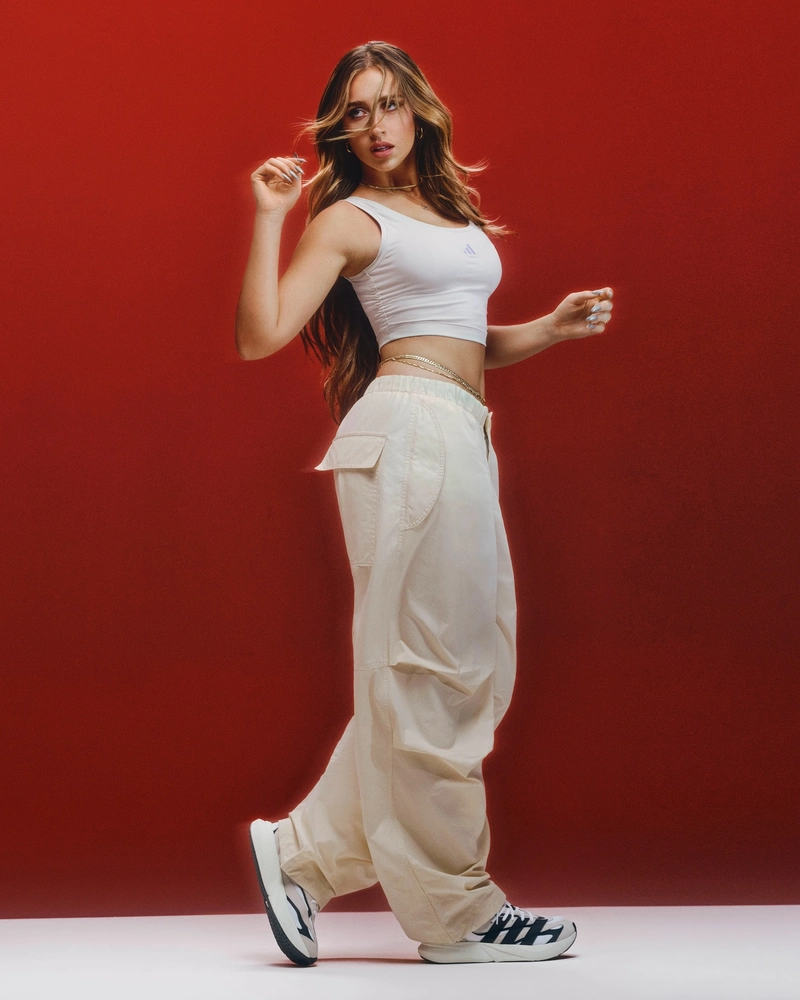
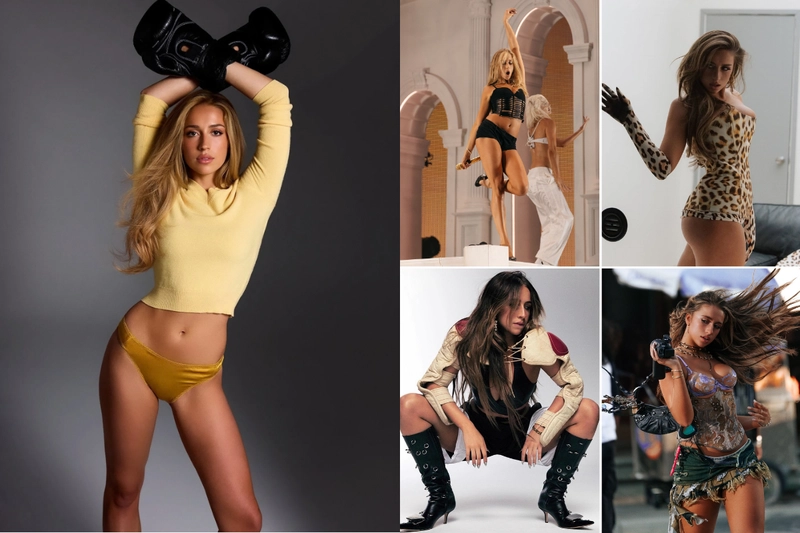
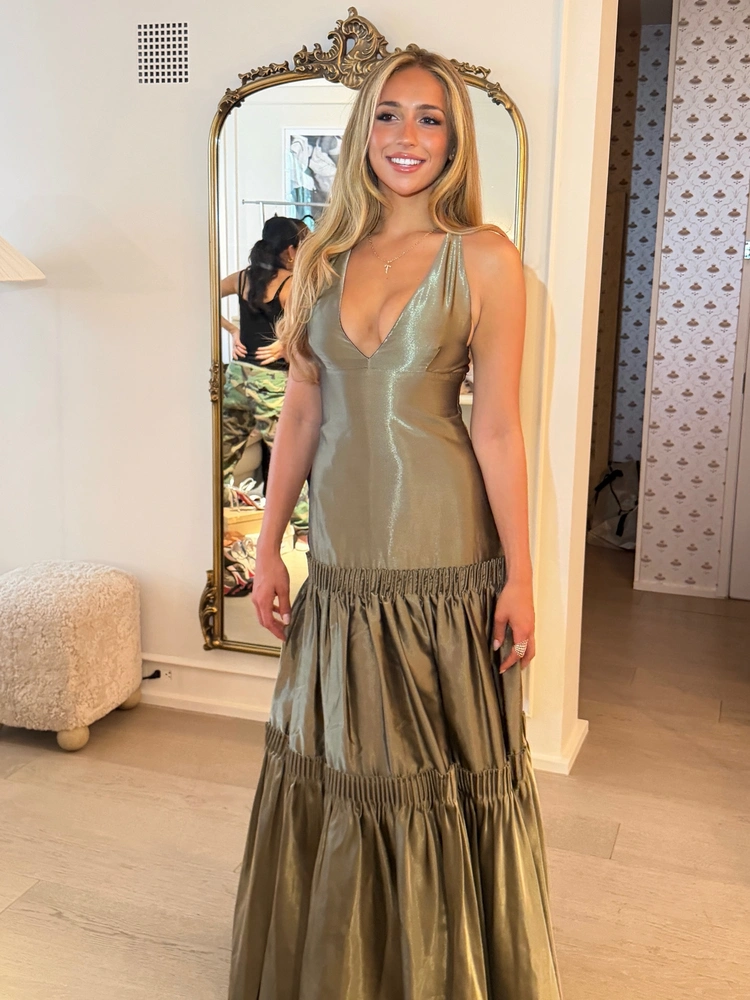
Tate McRae carries a particular kind of pop-star beauty that makes sense once you remember she spent years looking at herself in rehearsal mirrors. Her hair has become part of the movement: long, layered and usually blown into loose bends that whip around her shoulders during choreography. Highlights catch arena lighting while the length exaggerates every turn of the head. It is hair designed to move with her.
The makeup stays firmly inside the glossy language of late-1990s and early-2000s pop. Bronzed skin, softly sculpted cheeks, smoked brown eyes and shiny neutral lips give McRae the finish of an MTV-era performer updated through contemporary beauty technique. The colors stay close to skin, allowing the movement of her face and body to carry the drama.
That controlled sensuality makes her recent fascination with 1990s supermodels especially logical. McRae has cited images from the period as personal references, including the famous Calvin Klein imagery surrounding Kate Moss. By 2026, those references had come full circle when she became the face of Calvin Klein’s Fall denim campaign.
There is also something deliberately accessible about the beauty. Tate McRae can step onto a carpet with glossy hair and sharpened eyes, then perform under heavy lighting without transforming into an entirely different character. Her face stays young, athletic and slightly sun-kissed, closer to a dancer heading out after rehearsal than an old-school diva disappearing behind theatrical makeup.
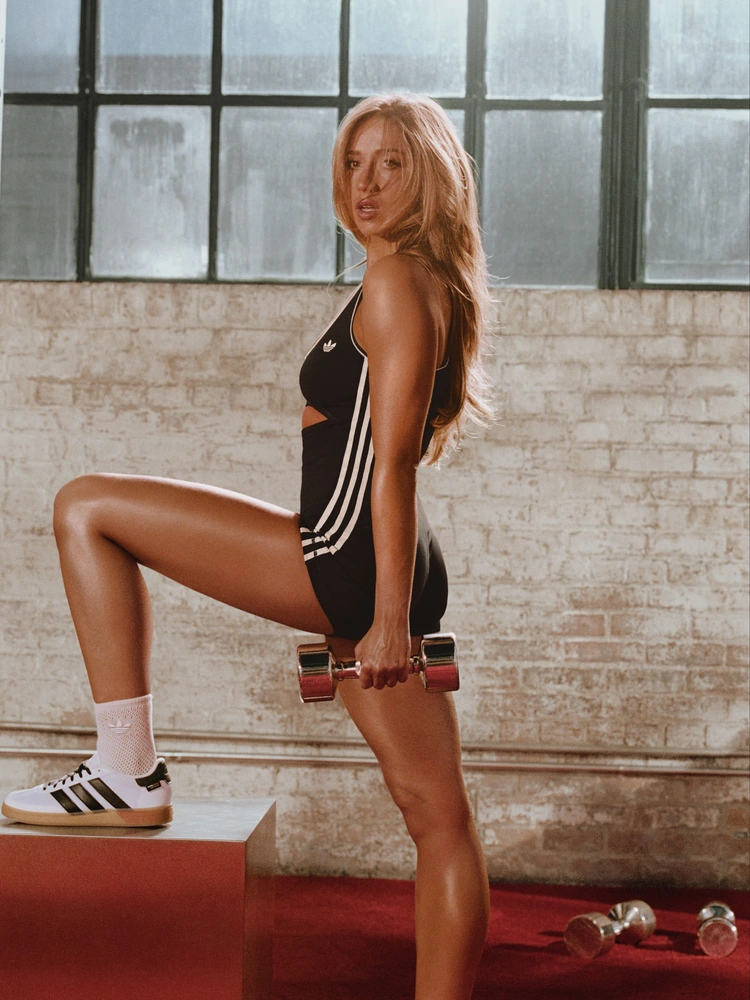
Tate McRae has described herself as naturally tomboyish, drawn to basketball shirts, boys’ shorts, high socks, oversized T-shirts and jerseys. As her pop image became more sensual, those athletic instincts stayed in place. The new formula simply exposed more of the body around them.
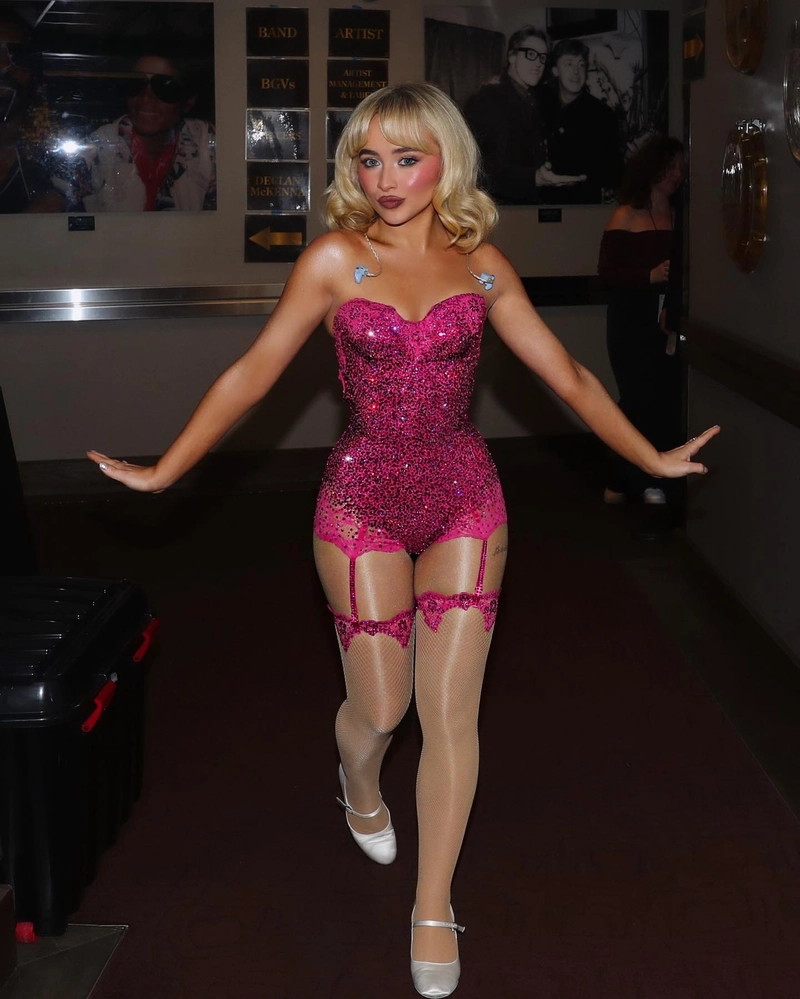
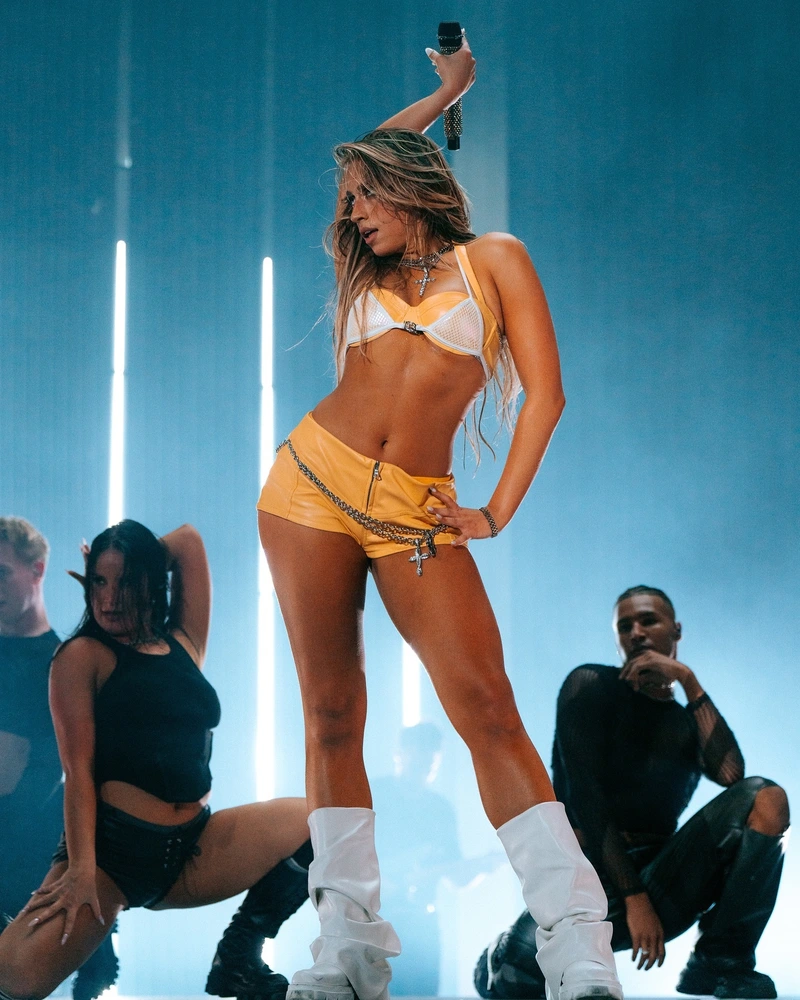
Hot pants, bodysuits, lingerie, micro shorts and low-rise bottoms dominate the stage because the legs need freedom. Oversized basketball shorts can hang around the hips while a jersey is sliced short enough to expose the stomach. Knee-high boots give the lower body visual weight while leaving the thigh completely open. In another performance, a single fitted bodysuit becomes almost the entire outfit.
The proportions are deeply Y2K: tiny top, visible waist, low hip line, long leg. Yet McRae’s competitive-dance background keeps the styling grounded in function. She has explained that she becomes extremely specific about clothes because choreography demands comfort and freedom. Even denim has to survive twisting, stretching and floorwork.
That requirement creates her sex appeal almost automatically. A stage costume hugs the torso because loose fabric interferes with choreography. Shorts rise because legs need range. Stretch becomes essential. Sports references appear because athletic clothing already understands the body in motion.
For 2026 festival performances at Lollapalooza and Osheaga, she worked directly with Ludovic de Saint Sernin on custom wardrobes developed around that combination of confidence, sensuality and movement. McRae praised his ability to make sexiness feel elegant, while the creative process started with shared references in Paris before the looks were developed for the stage.
Her “Sports Car” video pushed that transformation almost comically far. McRae and creative director Brett Alan Nelson fit 12 different looks in a single day, pulling from archival fashion, current collections and custom pieces. The wardrobe included Balmain motocross gear, Marine Serre, Versace and an archival Roberto Cavalli leopard corset that Tate McRae had saved on her Pinterest mood board for years. The Blonds created an imitation pony-hair look, while Alexander McQueen footwear pushed her into a more extreme fashion character.
The video matters because it revealed how much fashion territory she could cover while keeping the same physical presence. A motocross top makes her sporty. Leopard Cavalli turns her into a 2000s bombshell. Versace stretches the fantasy toward supermodel glamour. Wigs and seven-inch platforms briefly remove the familiar dancer uniform and place her inside something closer to fashion theatre.
Tate McRae admitted that the transformation created discomfort, especially when heels and unfamiliar wigs entered the choreography. That tension was useful. The former competitive dancer had spent years knowing precisely how her body behaved in sneakers and practical stagewear. Fashion asked her to relearn balance.
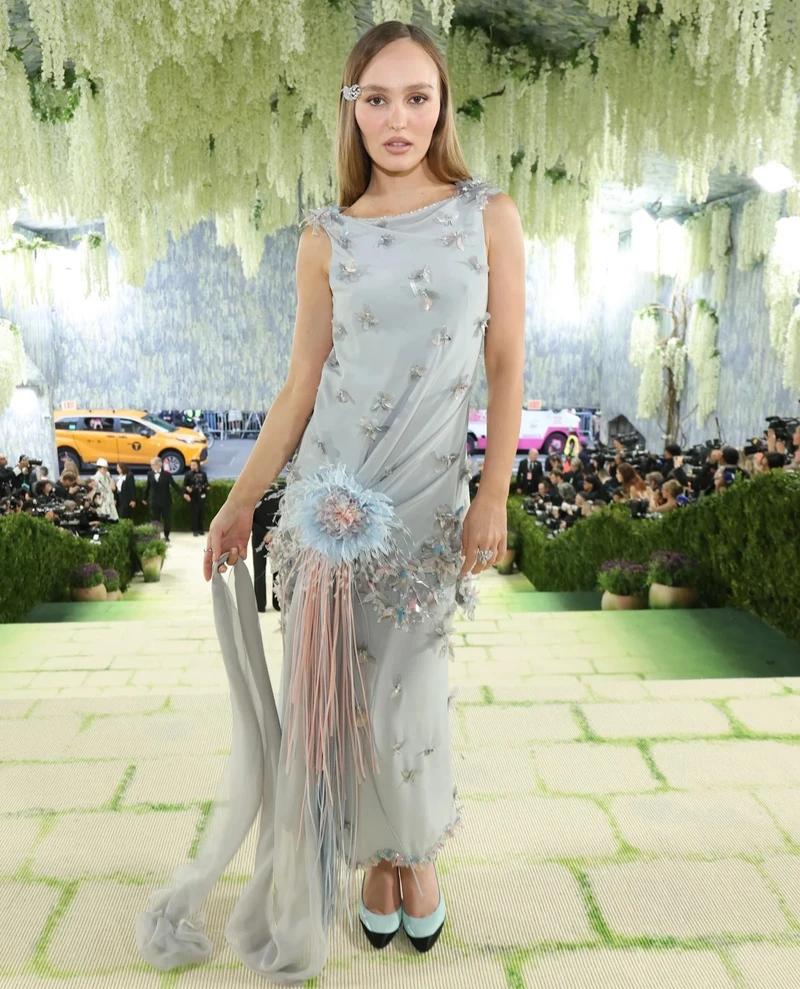
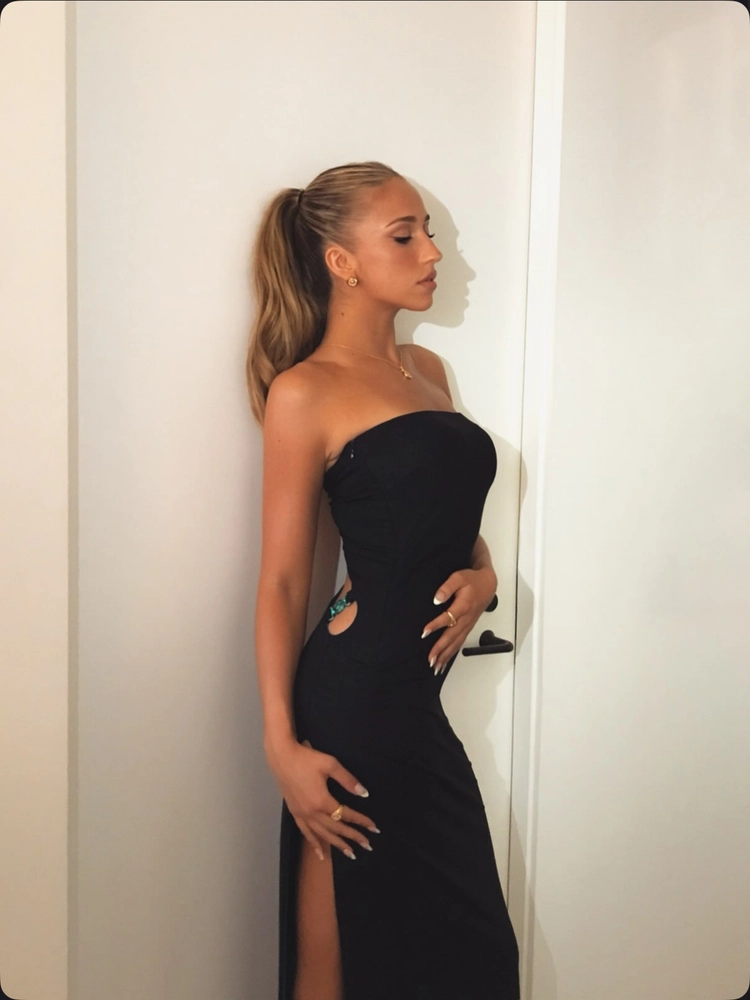
By 2026, the experiment had matured. At the Grammys, Pierpaolo Piccioli’s custom Balenciaga placed her in a structured black strapless gown with a dramatic train, petal-like embellishment and long gloves. The body that usually appears in hot pants suddenly occupied a much more formal silhouette, while the sense of physical control remained completely intact.
The strongest sign of Tate McRae’s growing fashion influence came when Calvin Klein built an entire campaign around something she had been doing all along: moving.
For Fall 2026, “Feel the Fit” placed McRae in denim and asked choreography to sell the clothes. Carlijn Jacobs photographed and directed; Sergio Reis choreographed; Deee-Lite’s “Groove Is in the Heart” supplied the soundtrack. Tate McRae reportedly learned the movement in around 20 minutes, then twisted and stretched through the campaign in low-rise baggy, high-rise loose and ’90s straight jeans. Calvin Klein even invited social creators to recreate the choreography online.
That may ultimately be what makes Tate McRae distinctive in the current pop landscape. Clothes on her rarely get the luxury of standing still. If an outfit cannot survive the choreography, it probably has no business becoming a Tate McRae outfit.