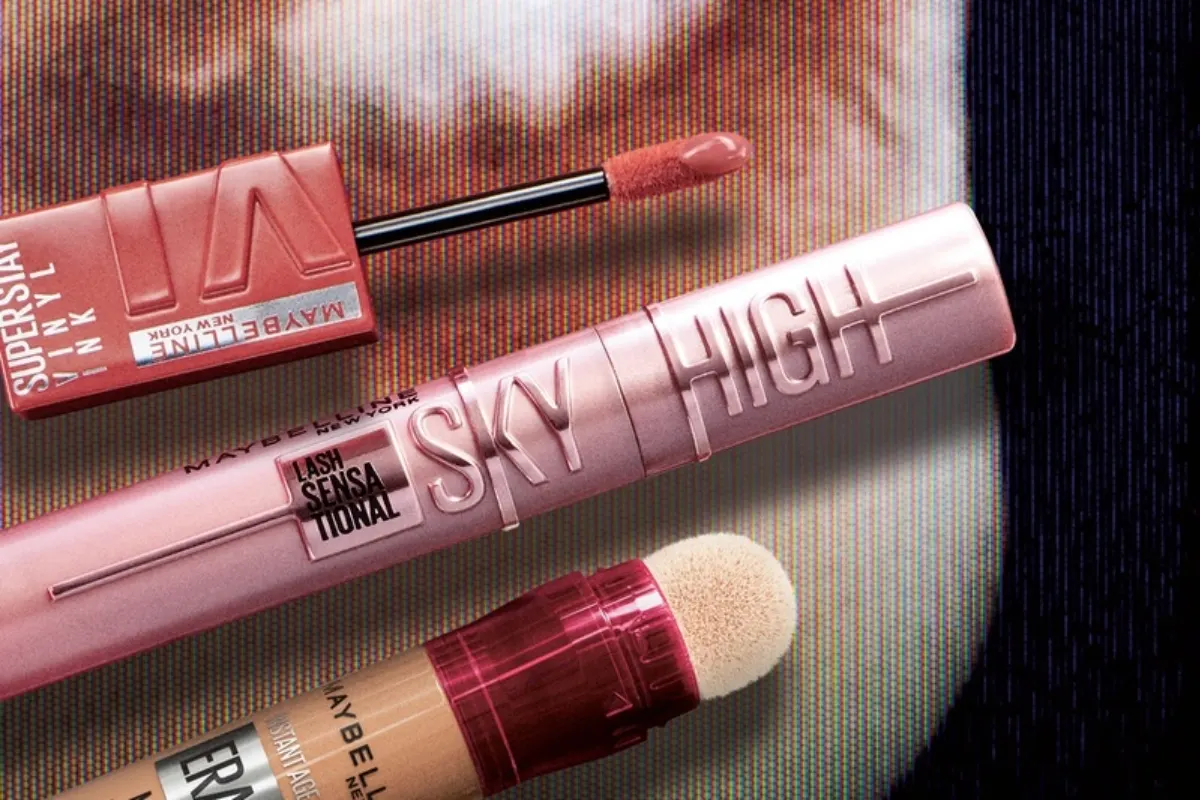
On November 10, 2026, Maybelline New York made its boldest statement in 35 years with just a few punctuation marks. Could changing a single pronoun and adding four full stops transform the way an entire generation understands beauty?
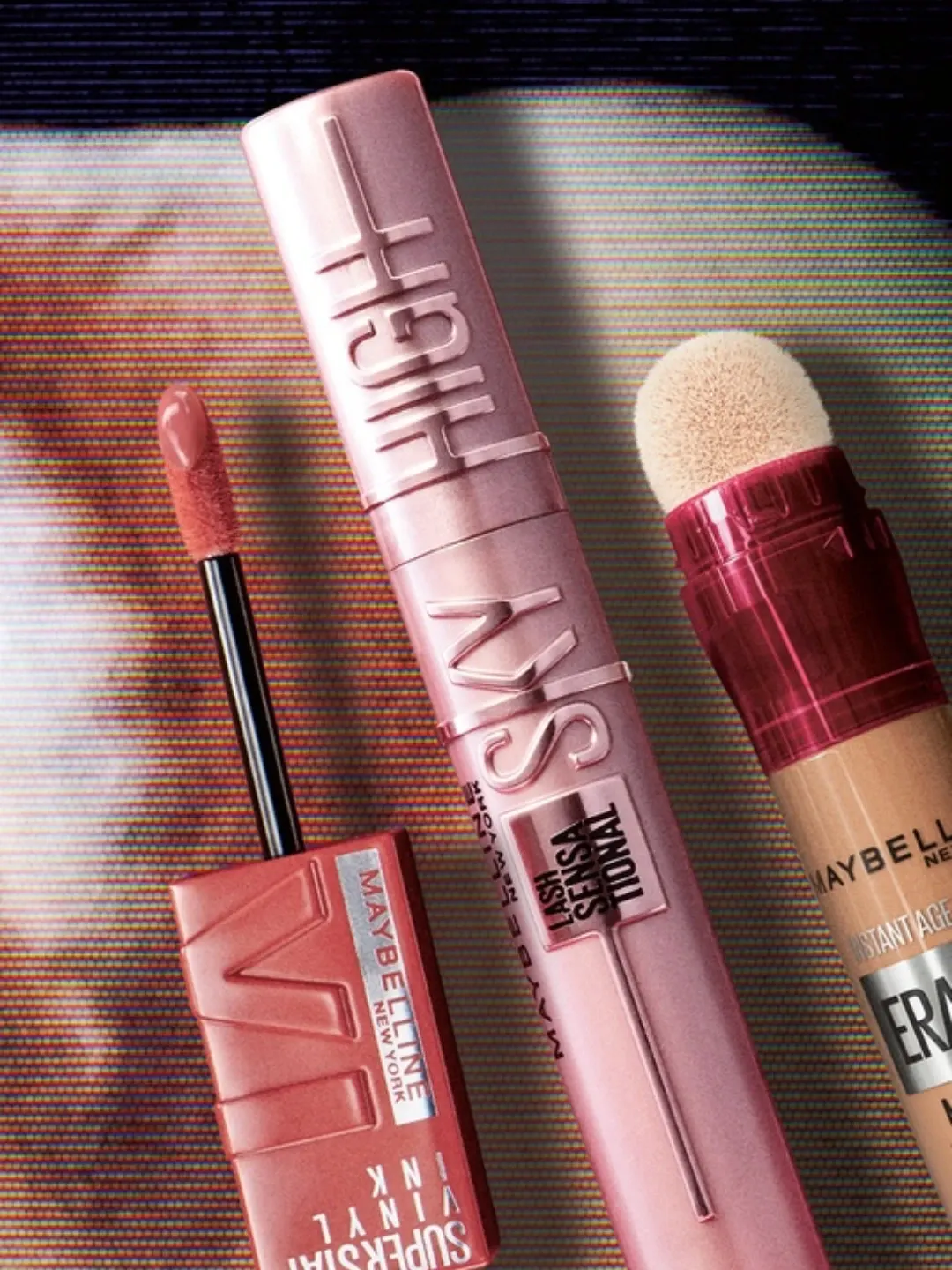
Maybelline New York Rewrites Its Iconic Maybe
On November 10, 2026, Maybelline New York made its boldest statement in 35 years with just a few punctuation marks. Could changing a single pronoun and adding four full stops transform the way an entire generation understands beauty?
November 10, 2026


After more than three decades, Maybelline New York has officially reimagined one of the beauty industry's most recognisable advertising slogans. The Maybelline slogan change marks a significant moment in the brand's advertising history. First introduced in 1991, the famous “Maybe she's born with it. Maybe it's Maybelline” has been permanently updated to “Maybe. We're born with it. Maybe. It's Maybelline.” The transformation adds another chapter to Maybelline's century-long history of making beauty accessible, a legacy that began with founder Thomas Lyle Williams and his early experiments in eye cosmetics. The transformation accompanies the launch of The Beauty of Infinite Possibility, a new global brand platform fronted by singer and actress Miley Cyrus.
The revision appears remarkably subtle, yet its implications extend beyond advertising language. By replacing “she's” with “we're”, Maybelline shifts the perspective from an external observation of an individual woman's appearance towards a collective declaration of confidence. This beauty brand repositioning seeks to preserve the recognition accumulated through decades of advertising while connecting Maybelline's message with women whose relationships with makeup increasingly centre on confidence, creativity and individuality.
For Sandrine Jolly, Global Brand President of Maybelline, the change reflects an evolving understanding of beauty and the role of cosmetics in personal expression. The brand seeks to preserve the recognition accumulated through decades of advertising while connecting its message with women whose relationships with makeup increasingly centre on confidence, creativity and individuality.
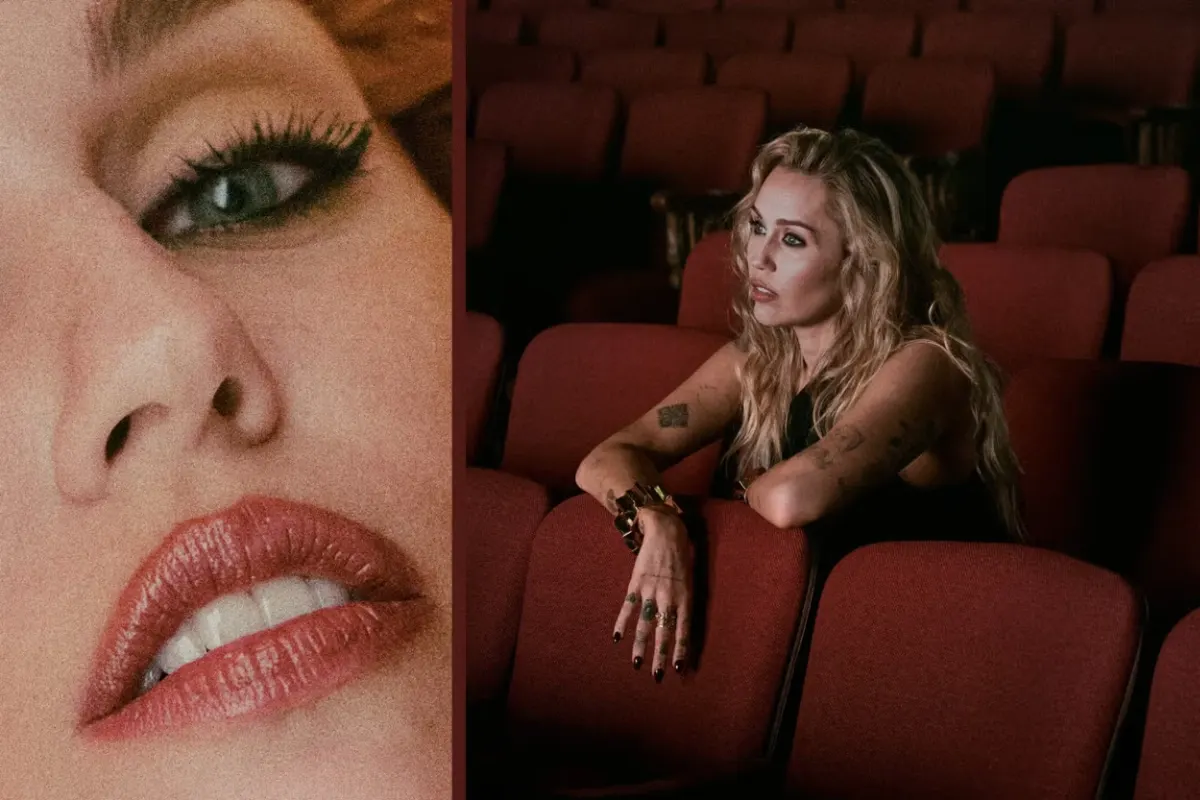
Miley Cyrus provides a fitting figure for this transition. Having joined Maybelline as a global ambassador in 2025 and recorded a contemporary interpretation of its famous jingle, the artist now leads the campaign introducing the revised message. As one of Maybelline's celebrity beauty ambassadors, Cyrus brings a distinctive history of self-reinvention to the campaign. Her career, shaped by successive musical transformations and dramatic changes in personal style, offers a familiar example of identity as something continually explored and redefined.
The new platform will roll out internationally throughout November, supported by digital campaigns, future product innovations and collaborations intended to encourage experimentation. According to research cited by Maybelline, more than half of global beauty consumers associate beauty with feeling confident, while approximately 26% connect it with attractiveness or maintaining a youthful appearance. These findings provide context for the brand's decision to reposition its longstanding message around personal agency.
Nevertheless, rewriting an iconic slogan carries considerable creative risk. The original phrase became embedded in popular culture partly because of its memorable rhythm and playful ambiguity. Its replacement preserves the recognisable words while introducing a deliberately different cadence, one that has already attracted criticism over its unusual punctuation.
The tension reveals an interesting challenge for heritage beauty brands. Decades of recognition represent an invaluable commercial asset, yet the cultural assumptions embedded within familiar advertising messages may gradually lose relevance. Maybelline's evolving beauty marketing strategy must therefore negotiate its history while establishing a contemporary identity capable of resonating with new generations.
For Maybelline New York, the real significance of this transformation may lie beyond the wording itself. The original slogan invited the audience to wonder whether beauty came naturally or from a cosmetic product. Its successor places greater emphasis on what women already possess and what they might become.
The question now is whether Maybelline can translate that promise into campaigns and products that genuinely expand the possibilities of self-expression. After all, a new definition of beauty requires more than a new way of saying it.