MENU
Close





Ceramic kintsugi serves as a grounding reminder to repair, heal, embrace the return-to-rhythm lifestyle instead of chasing the fast-paced grind. In a luxury home, a piece of ceramic kintsugi elevates the space with style and wisdom.
Ceramic kintsugi serves as a grounding reminder to repair, heal, embrace the return-to-rhythm lifestyle instead of chasing the fast-paced grind. In a luxury home, a piece of ceramic kintsugi elevates the space with style and wisdom.
August 7, 2026


Among the various branches of ceramic arts, kintsugi is easily one of the most recognizable practices. 6 centuries after the first golden joinery, kintsugi continues to inspire contemporary ceramic artists. They are either forging a new way to practice kintsugi, or preserving the traditional, pure form of the art. Their works, impressive in techniques and forms, make effective centerpieces for the home and excellent investment for the market.
A museum conservator learns to notice damage most people overlook. Hairline fractures, historic adhesives, slight losses in glaze and structural weaknesses all become part of an object's biography. Naoko Fukumaru spent more than two decades developing that kind of attention to detail before bringing it into her own fine-art practice.
Her career in ceramic conservation included work associated with institutions such as the Detroit Institute of Arts and the Metropolitan Museum of Art. That experience gave Fukumaru a rigorous understanding of restoration materials, historical ceramics and the ethics surrounding intervention.
When she applies kintsugi techniques within contemporary art, technical discipline remains visible. Natural urushi lacquer, 24k gold and pure silver become part of compositions that treat damage as both physical reality and emotional metaphor.
A fracture in Fukumaru's work can suggest trauma, memory or personal transformation. Repair does not erase what happened. The seam remains luminous, sometimes becoming the first element the eye encounters.
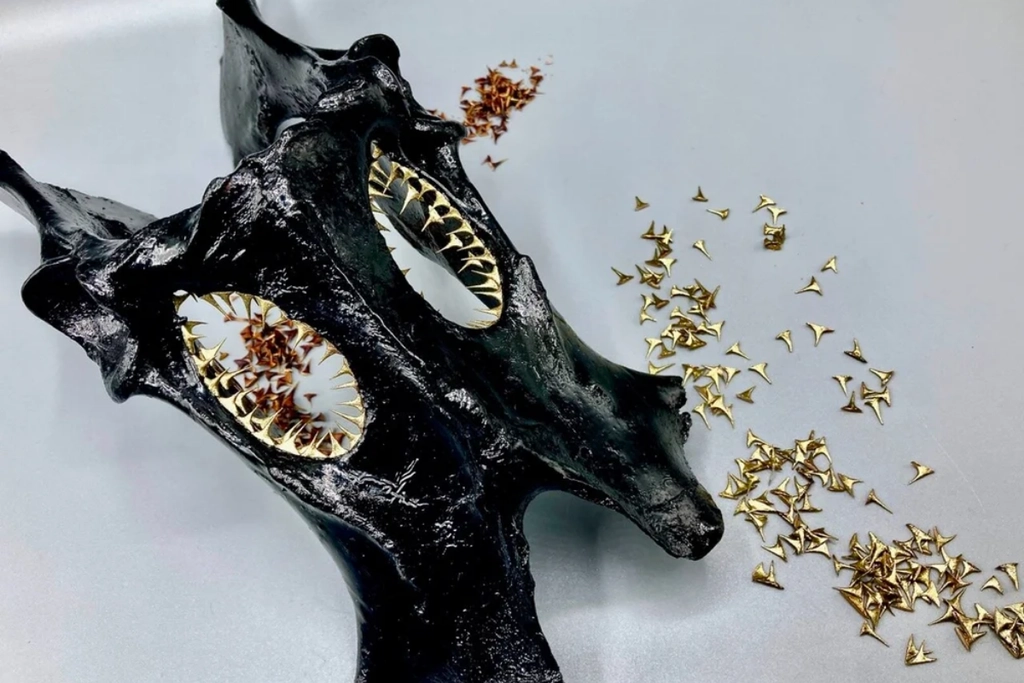
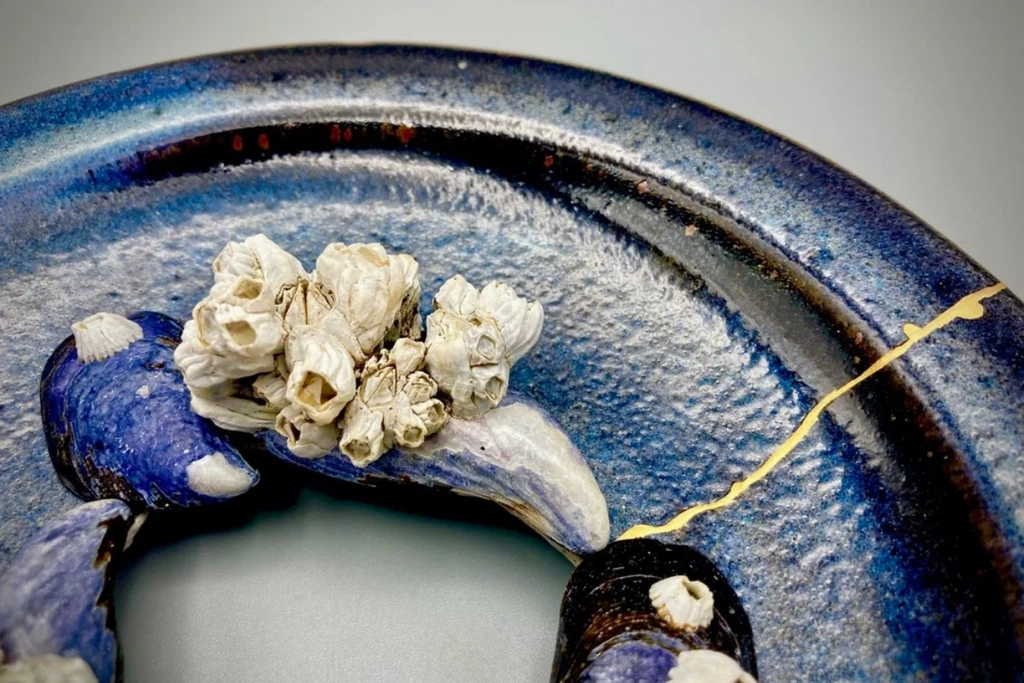
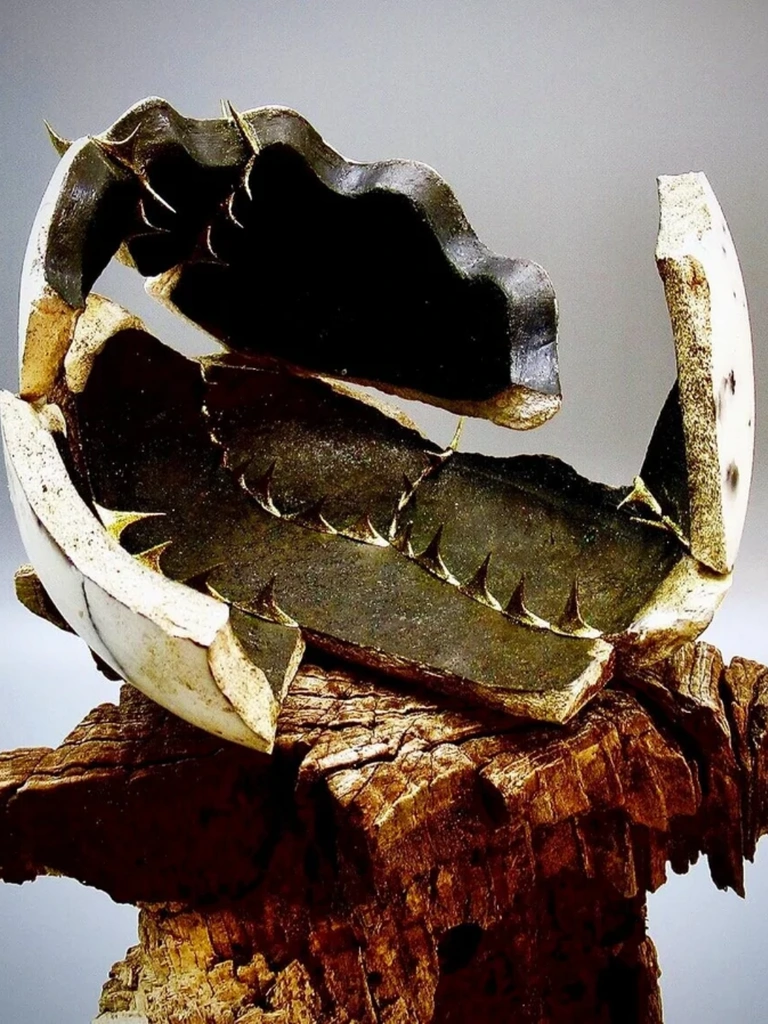
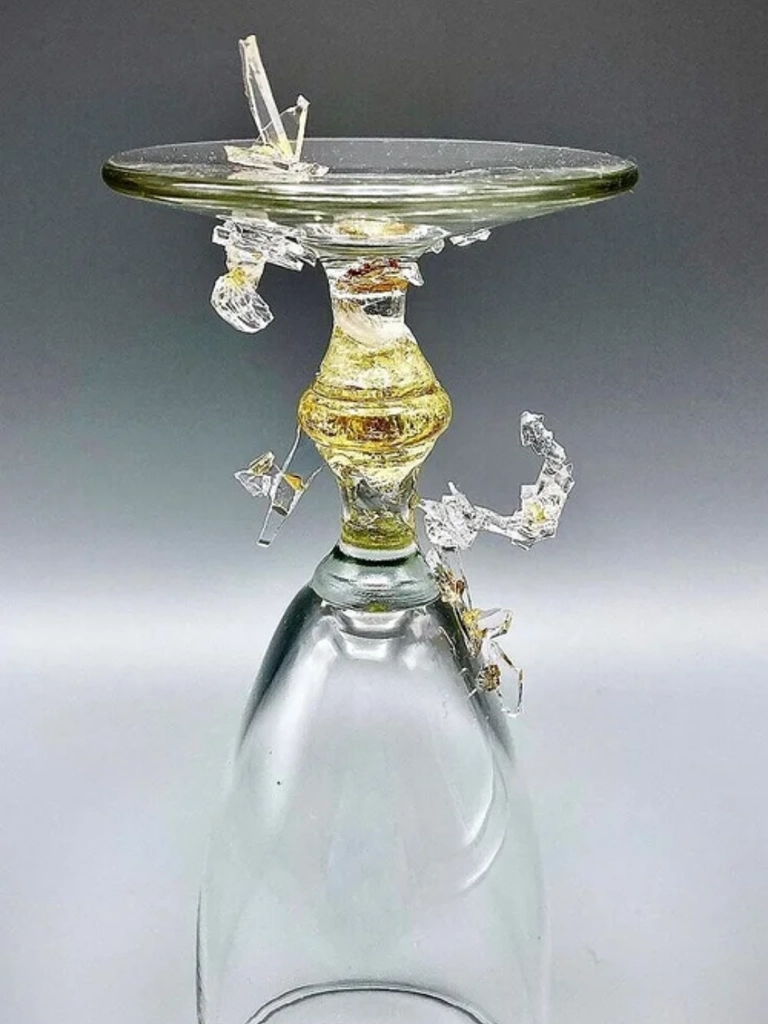
Fukumaru's works can immediately bring in that healing property in interiors where objects carry meaning over time. A repaired vessel beside contemporary furniture or antique wood can become a quiet meditation on permanence, reminding us that change is imminent, even when we practice the return-to-rhythm lifestyle. What's important is to embrace change as we go.
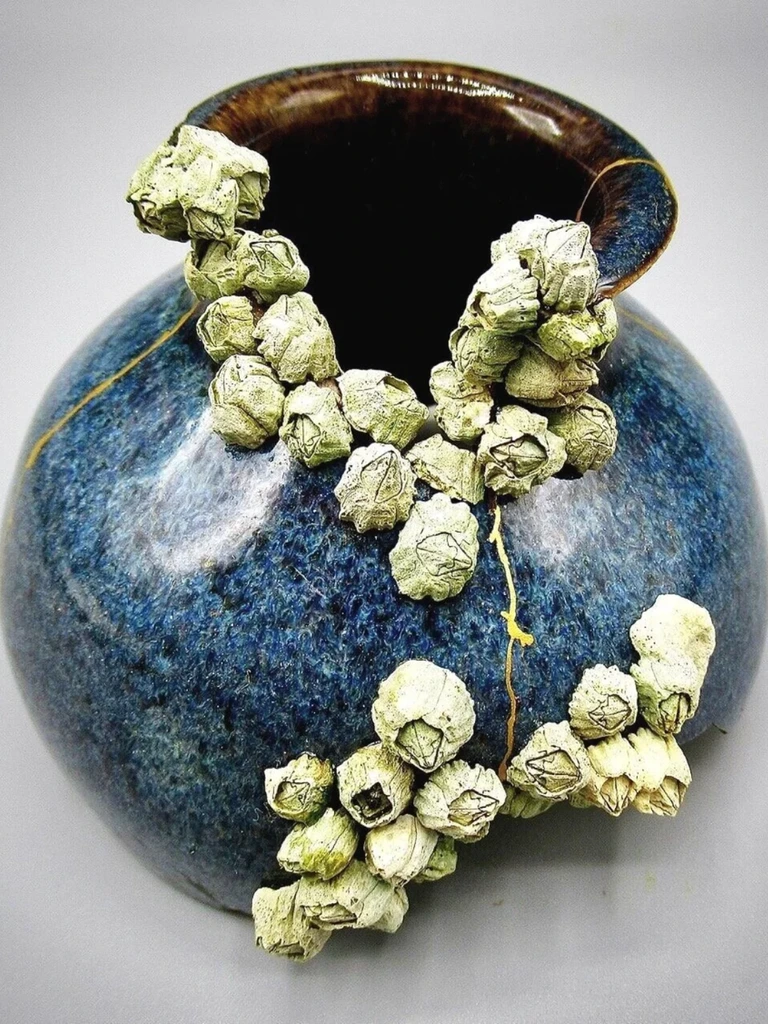
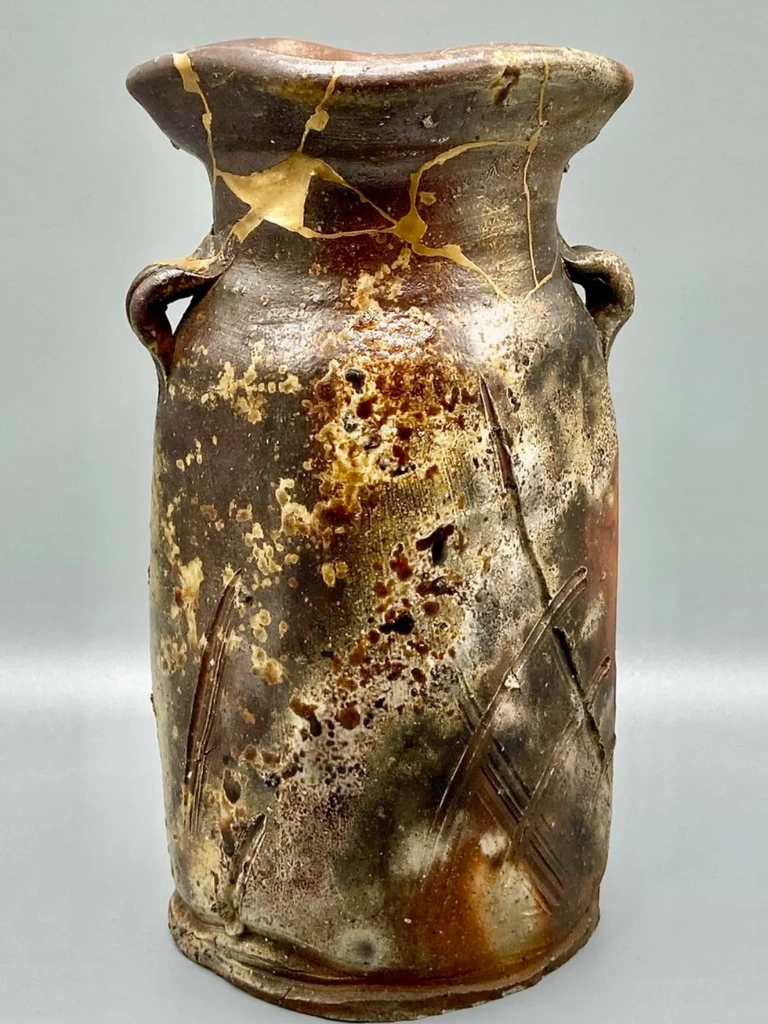
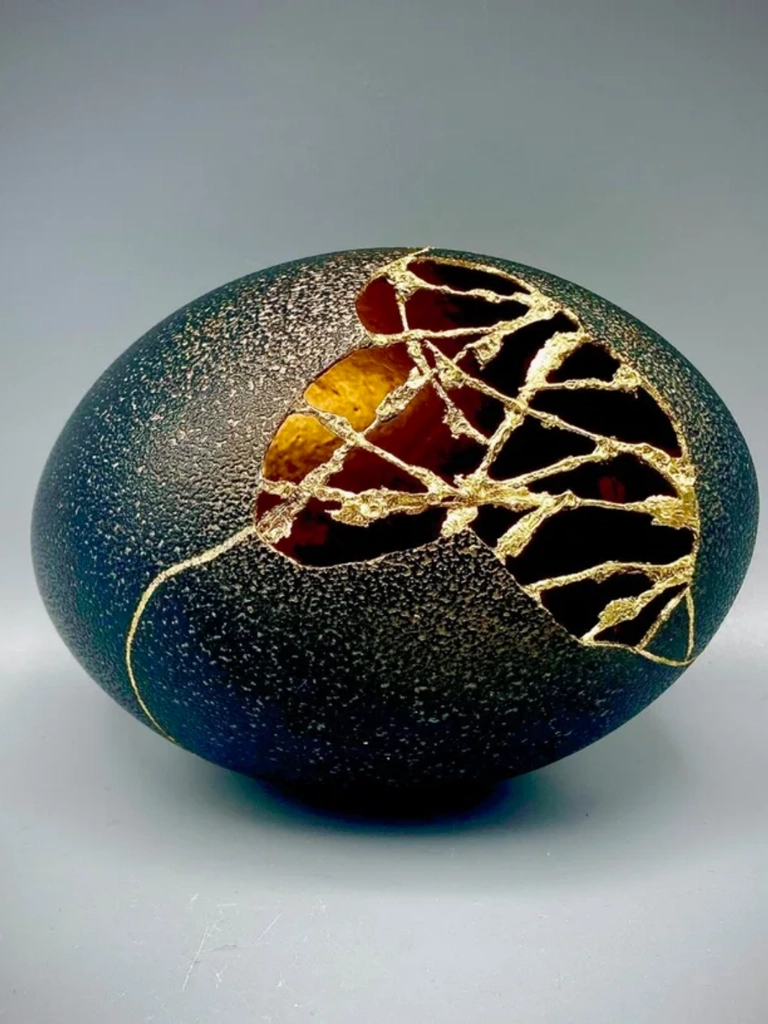
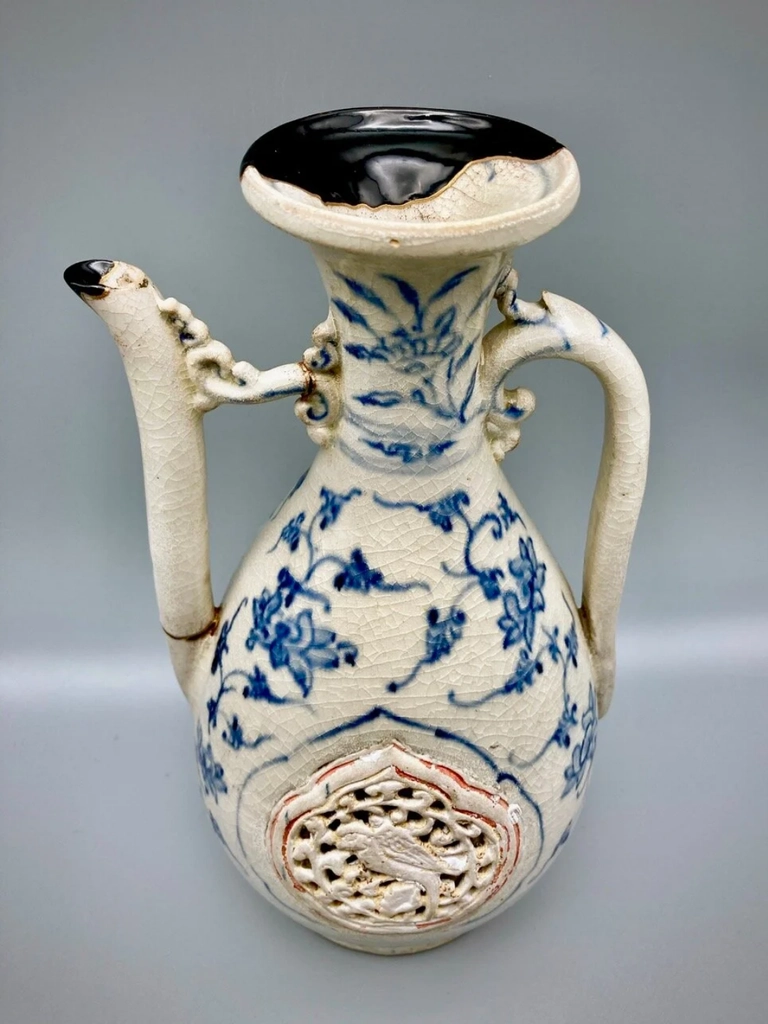
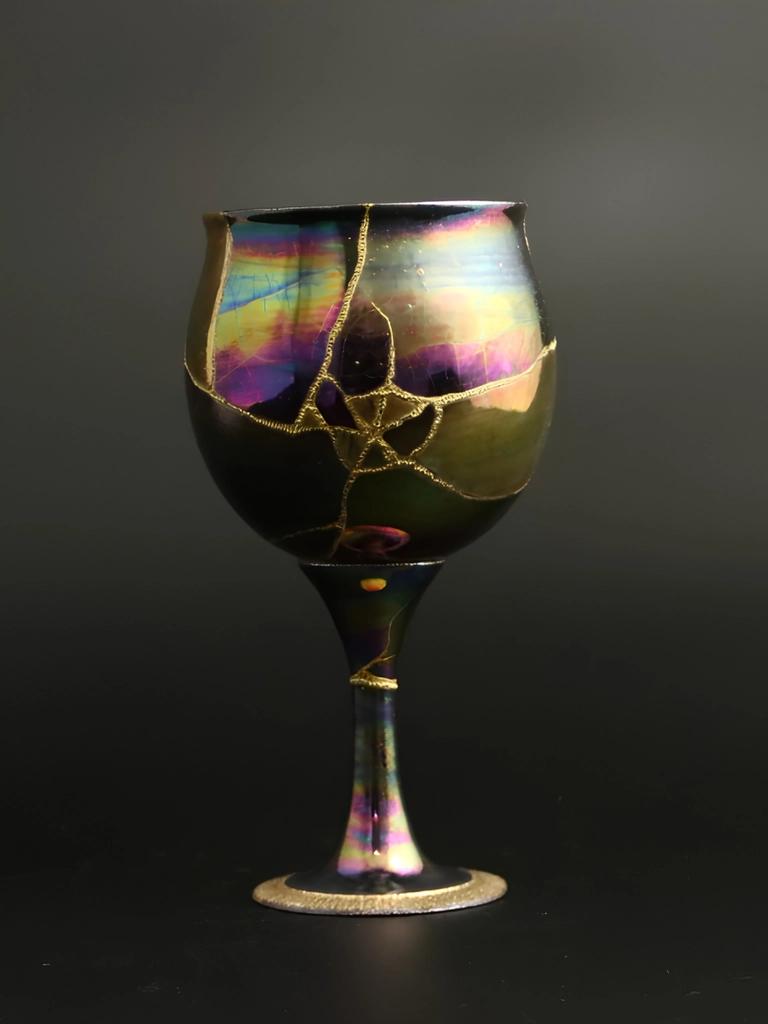
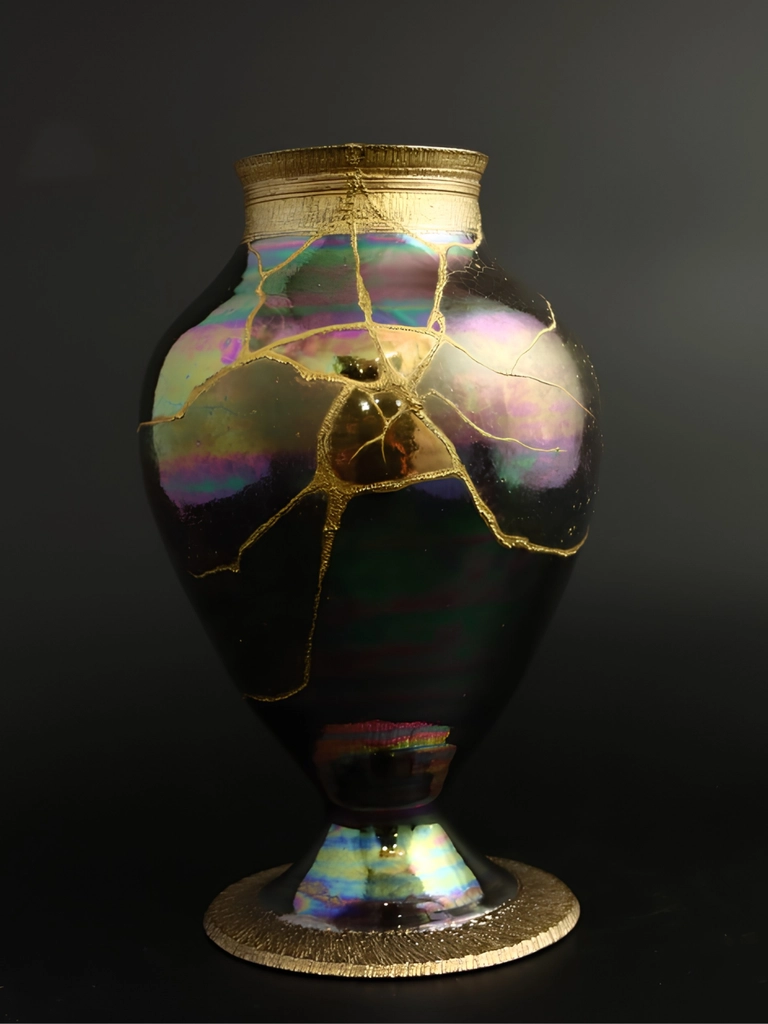
A meteorite fragment and a ceramic vessel seem to belong to completely different histories. Taku Nakano brings niche materials into ceramic kintsugi, treating repair as a creative method.
Working in Tokyo, Nakano draws from Japanese pottery traditions while experimenting with blown glass, precious metals and unconventional inclusions. Some sculptures are conceived from the outset as fragmented or hybrid forms, allowing their gold-lined joins to become integral to the composition.
Nakano's practice therefore expands the conceptual possibilities of kintsugi and moves modern kintsugi into broader cultural contexts, including private commissions and diplomatic exchanges. Such projects demonstrate how a centuries-old Japanese craft can function within contemporary design without losing its association with craftsmanship and ceremony.
When embracing the return-to-rhythm lifestyle, Nakano's vessels remind us that harmony does not require uniformity. His ceramic kintsugi works should be treated like centerpieces that can bring dynamics and contrasts into a simple interior space.
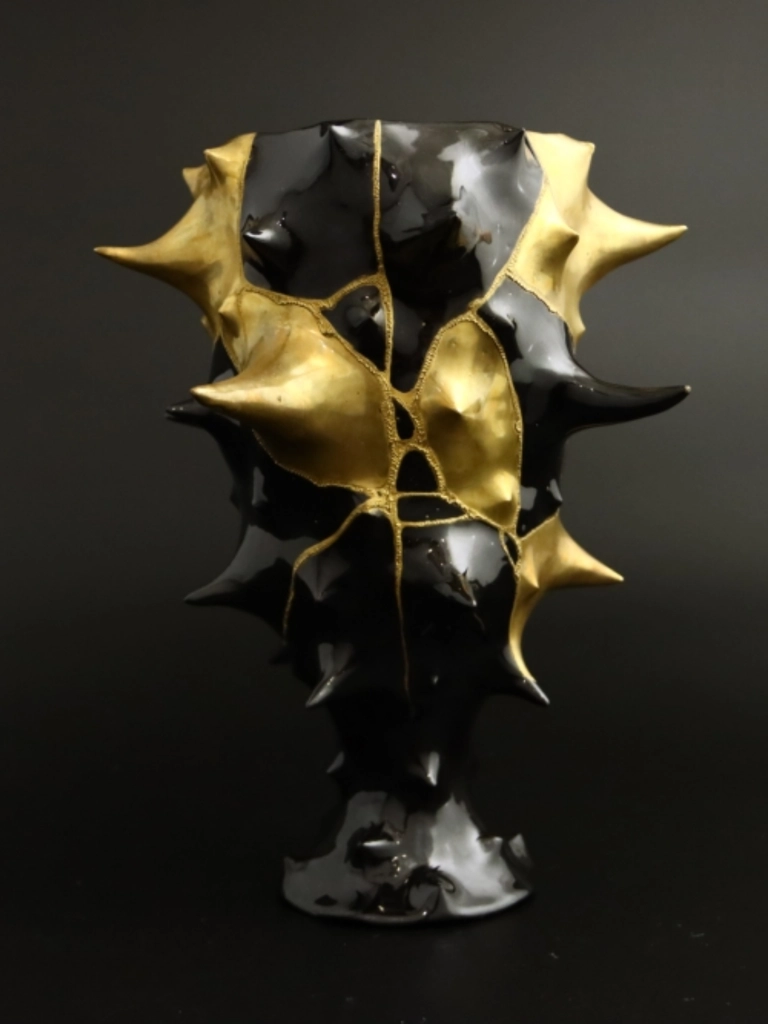
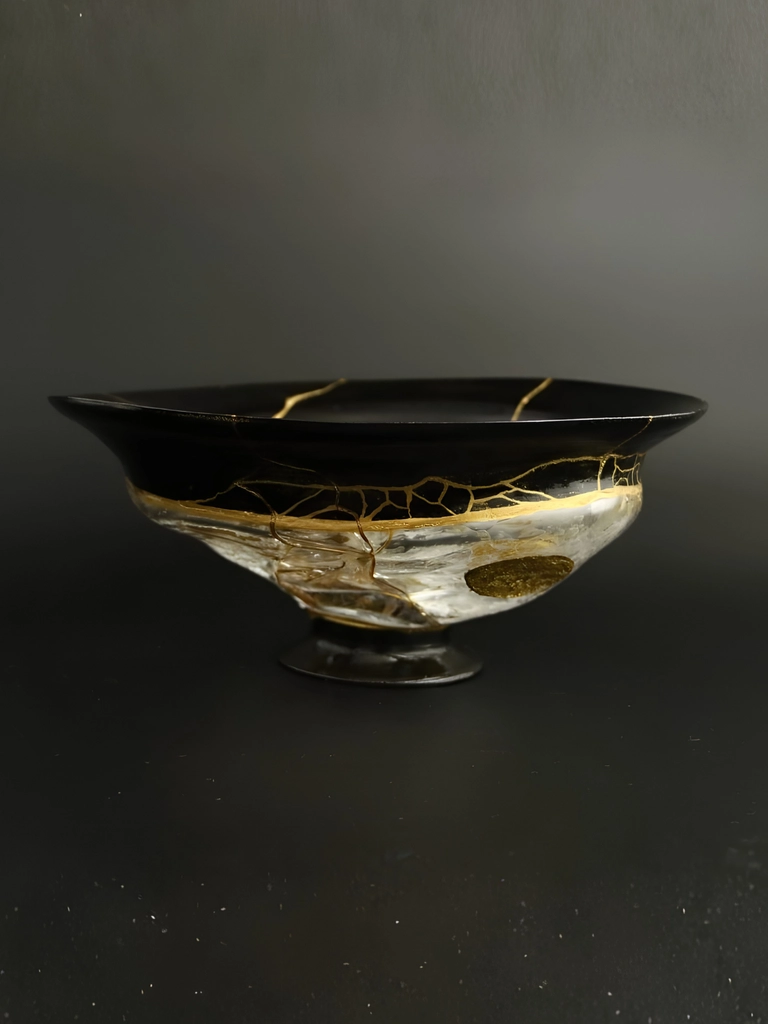
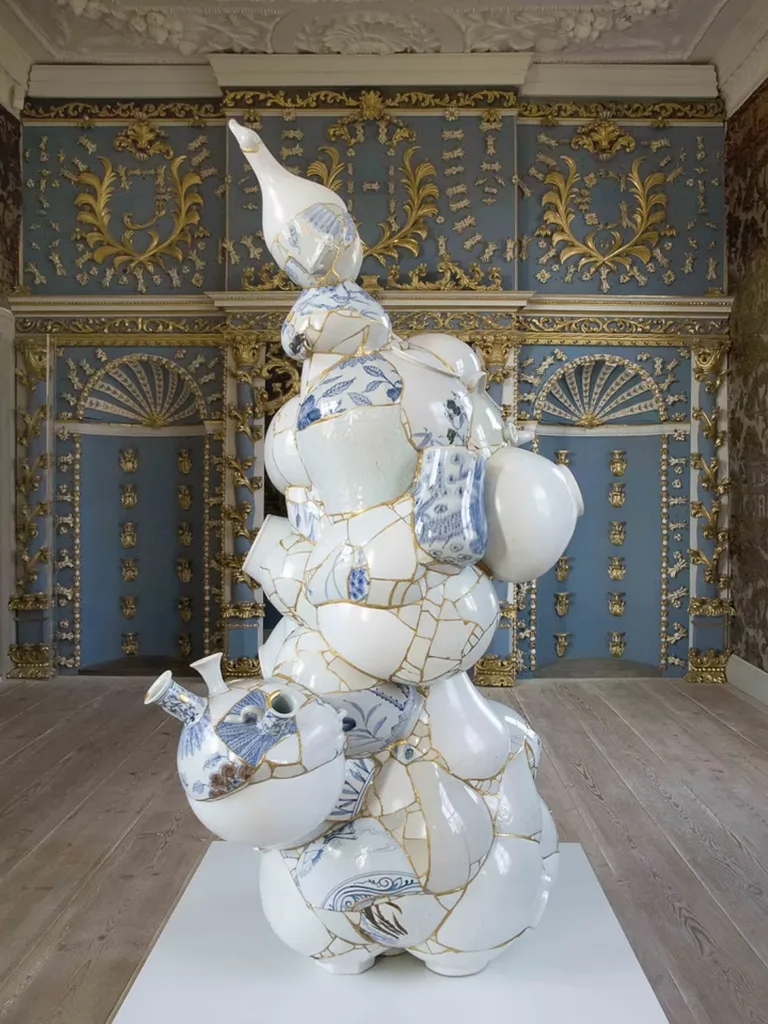
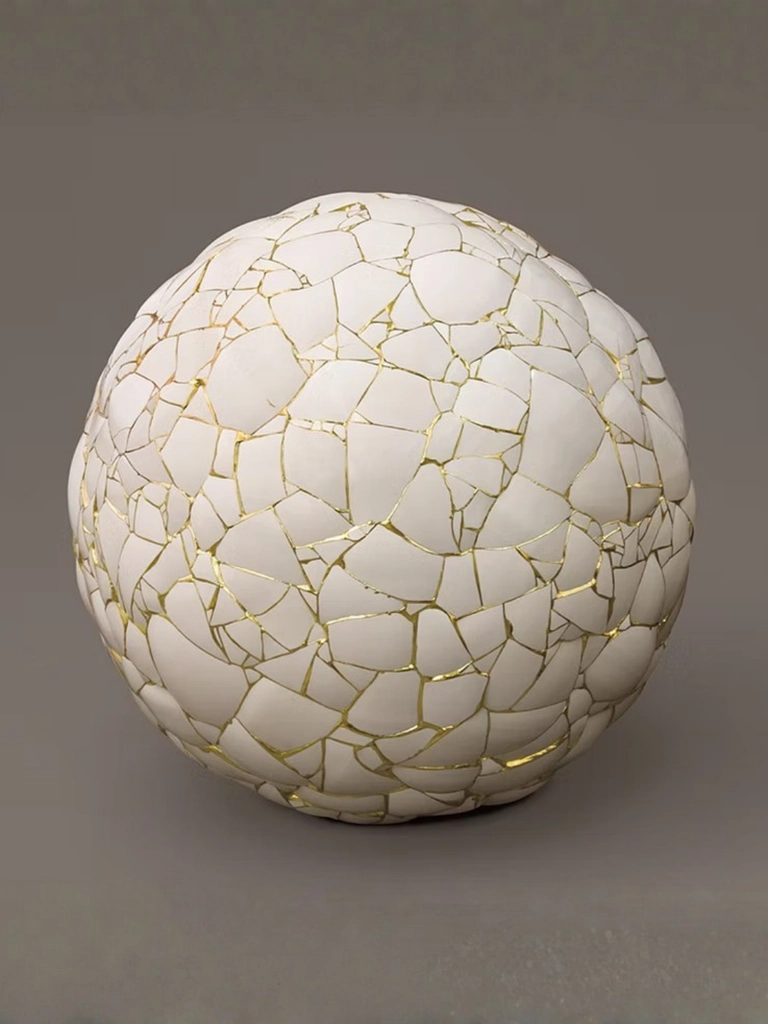
The South Korean artist Yeesookyung gathers pieces discarded by ceramic masters, including fragments of porcelain vessels rejected for failing to meet exacting standards. These rejected fragments once represented imperfection within a workshop system devoted to refinement. Yeesookyung gave them new lives in her Translated Vase series, where shards are assembled into entirely new sculptures, binding the fragments through surfaces highlighted with 24k gold leaf. The resulting forms expand far beyond conventional vessels, often becoming bulbous, asymmetric and physically imposing.
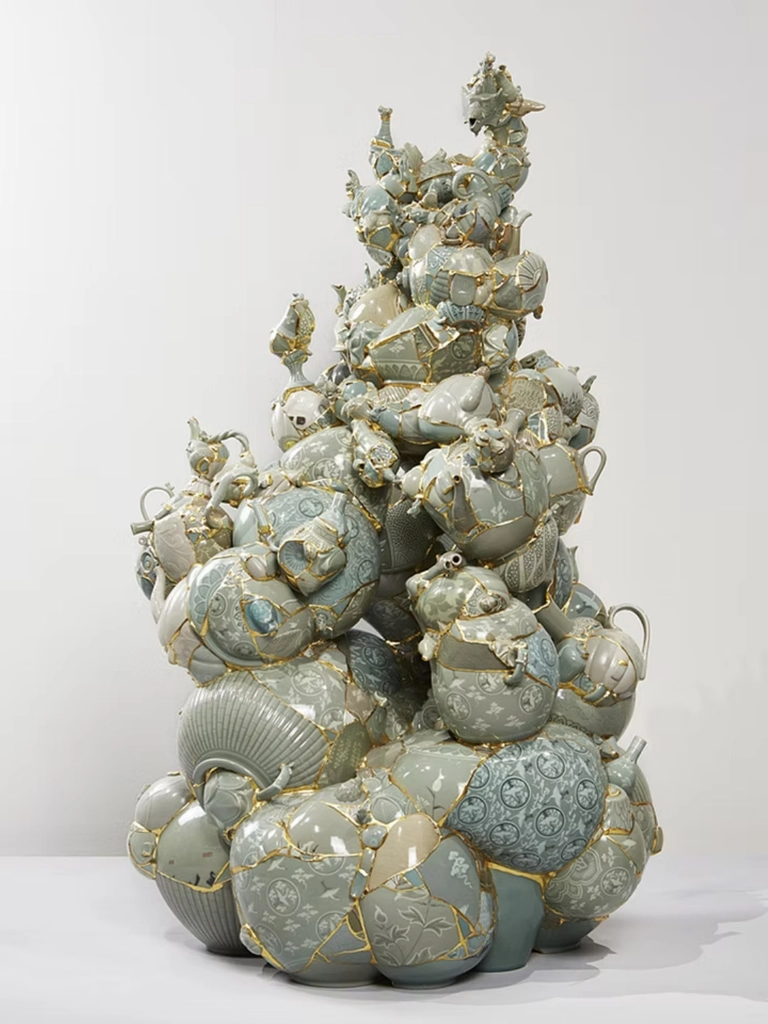
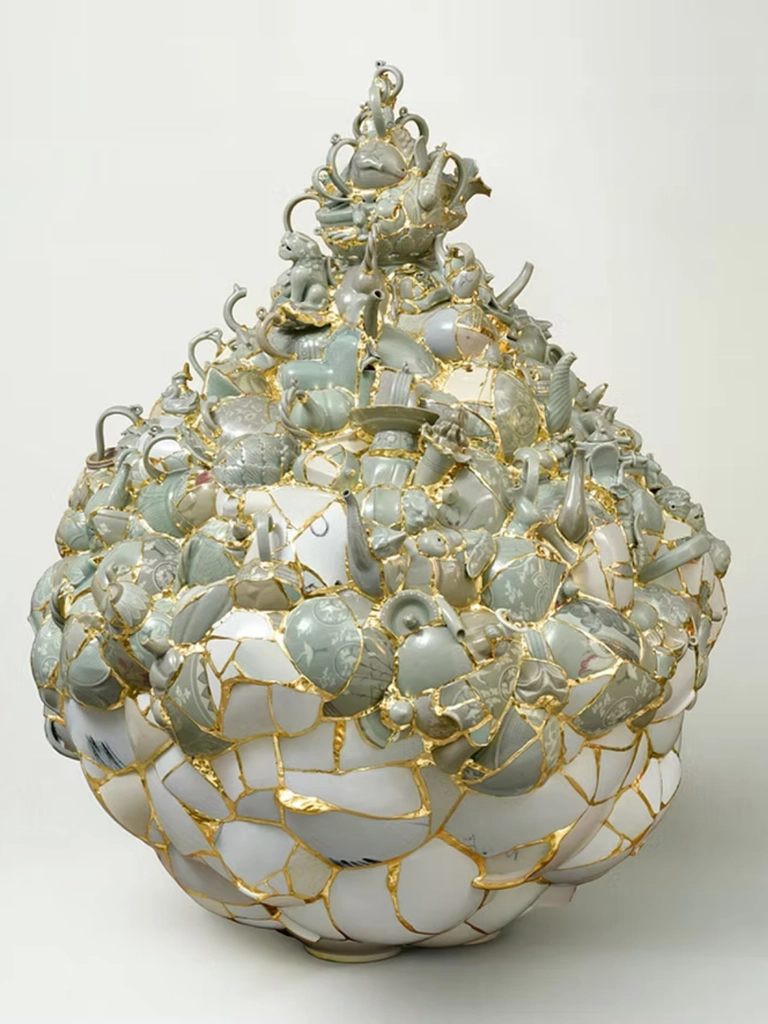
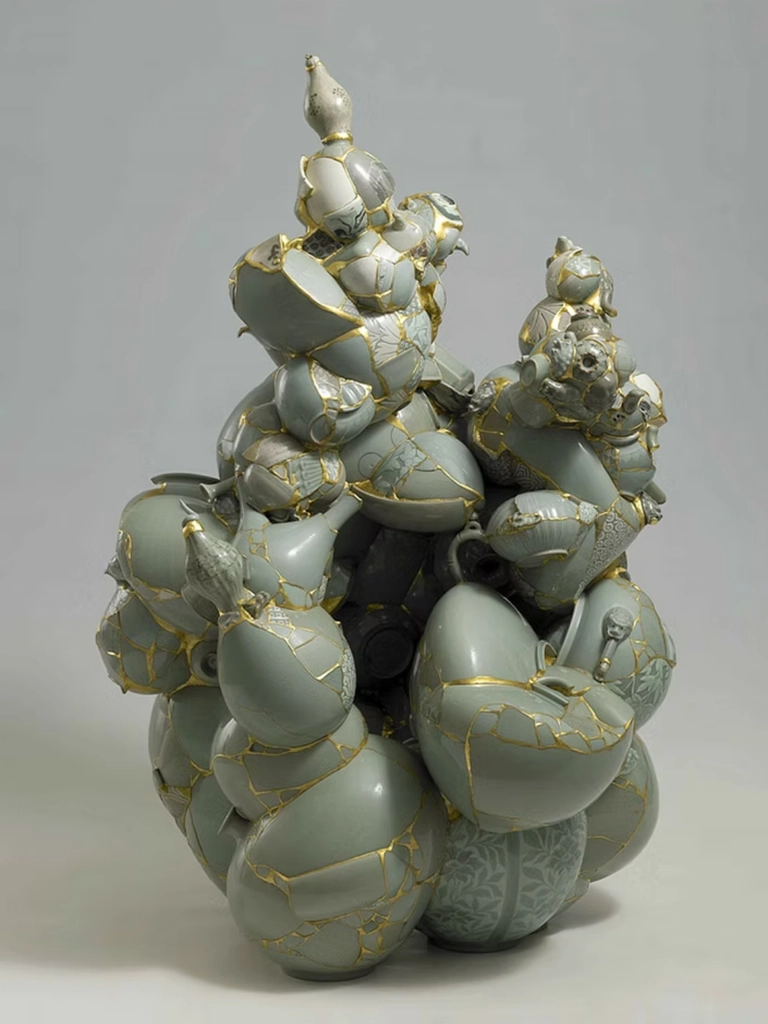
Her relationship to kintsugi is conceptual rather than a strict continuation of traditional urushi conservation. Yet the golden fracture remains central. Her Translated Vase sculptures have entered major international museum collections and the global auction market, where large works can command significant five and six-figure prices. Their financial value reflects a broader recognition of ceramics within contemporary fine art, while their conceptual power remains rooted in humble fragments once considered useless.
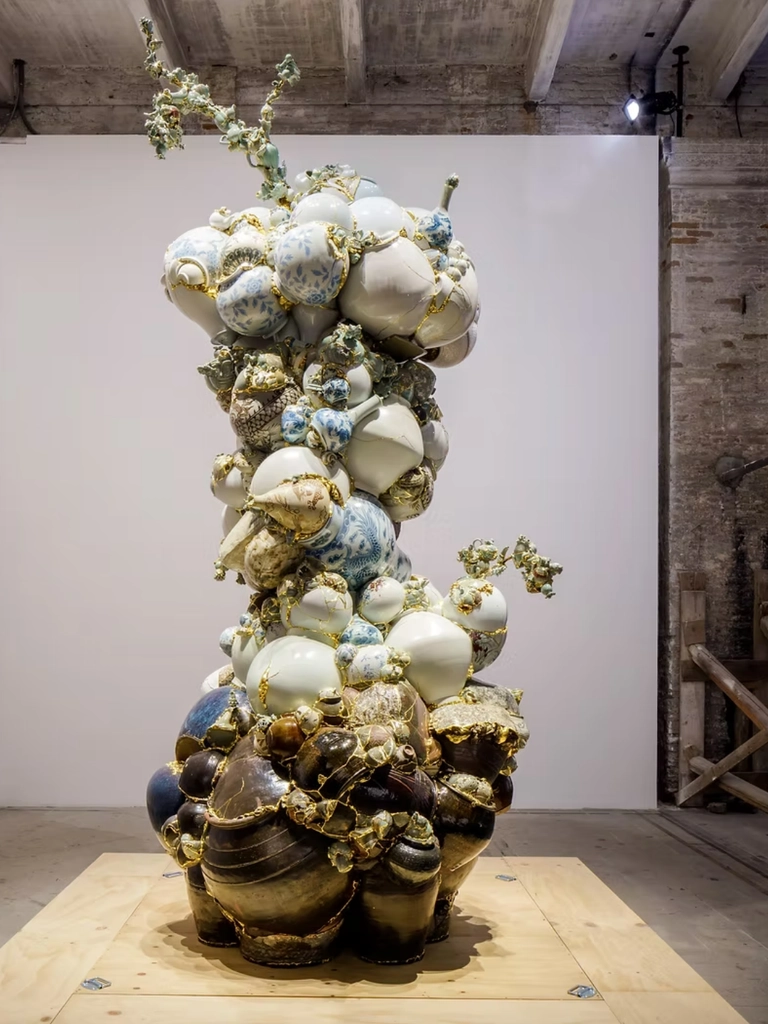
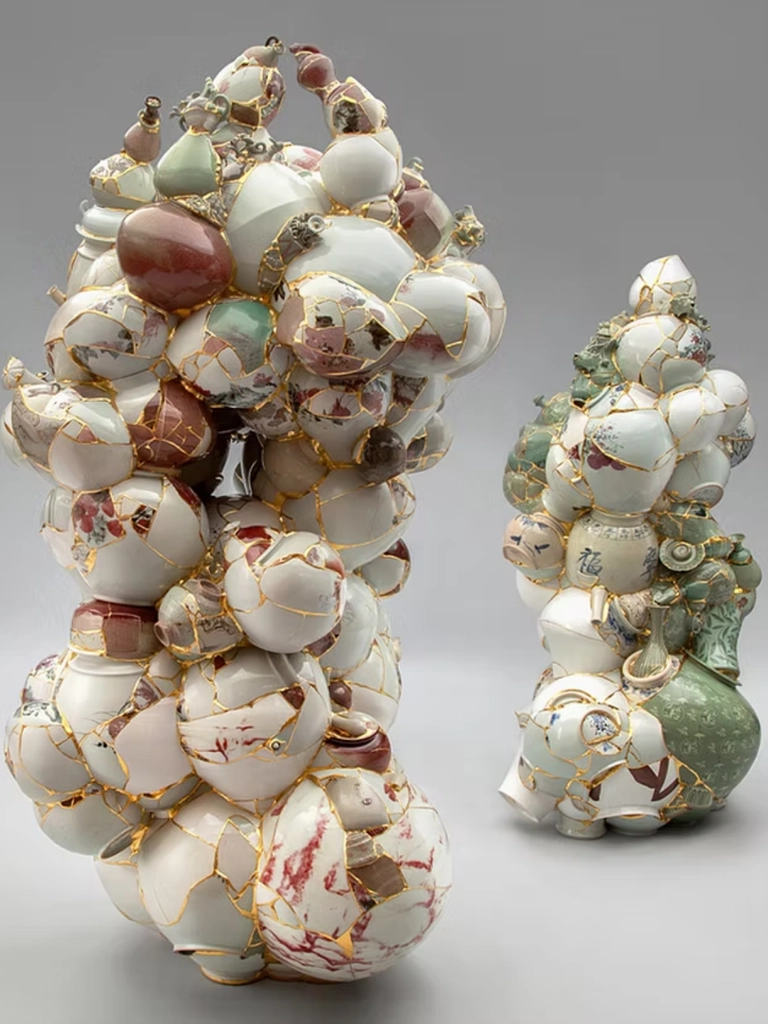
It is not easy to find beauty within the discarded and the rejected, but such an ability is necessary in the pursuit of the return-to-rhythm lifestyle.
Billie Bond brings the philosophy of kintsugi into figurative sculpture, using fracture as both material and metaphor. Born in Essex in 1965 and trained first as a nurse before turning to art, Bond has an unusually intimate understanding of the body, vulnerability and repair.
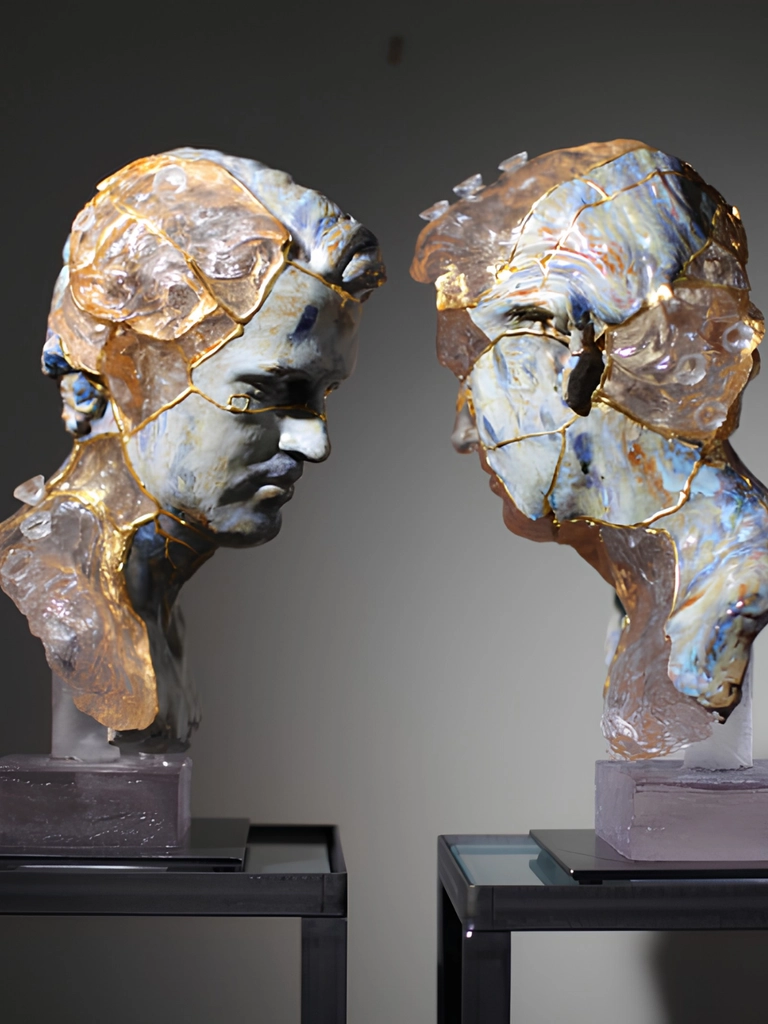
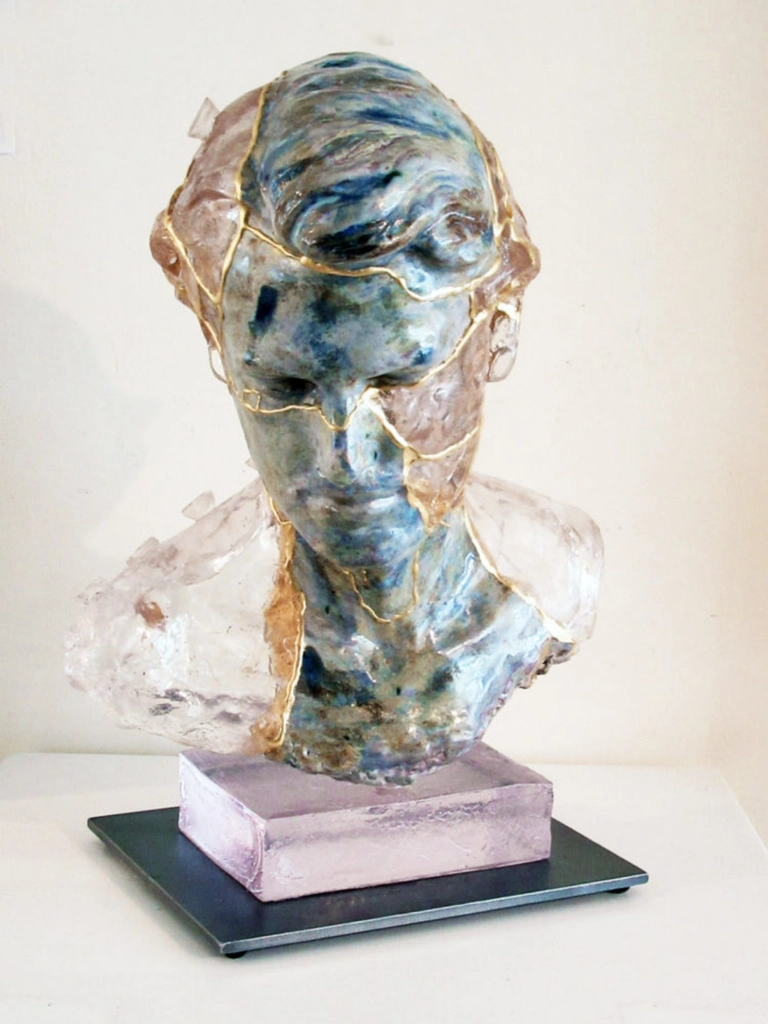
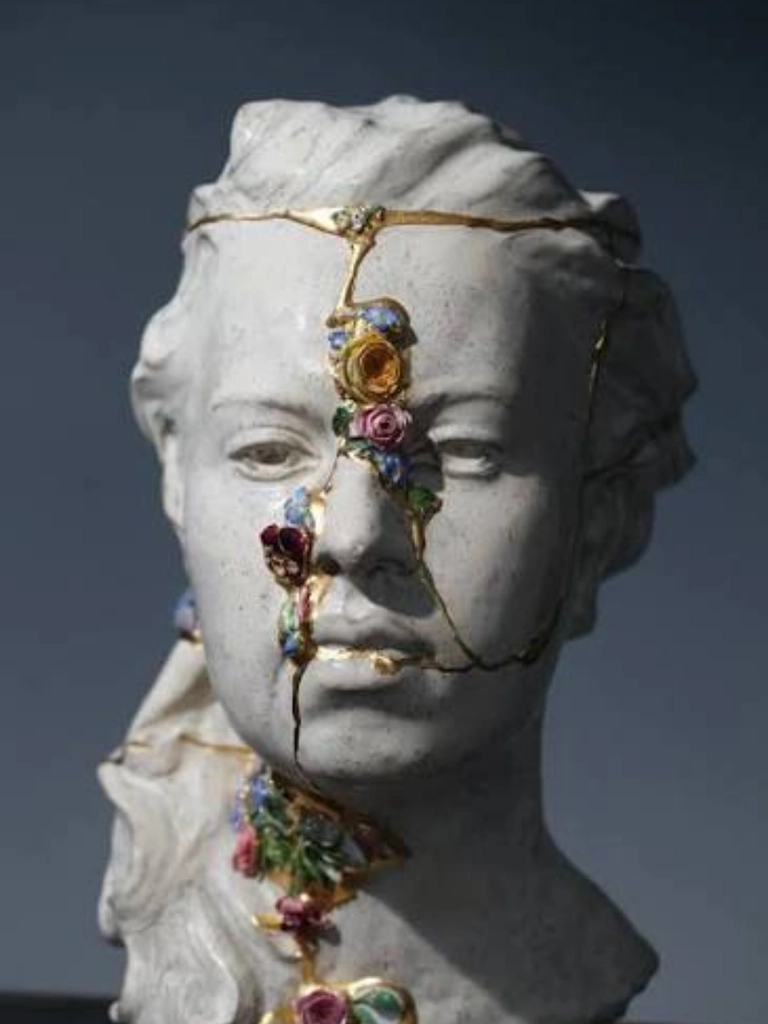
Since 2014, her portrait sculptures have explored trauma, grief, resilience and psychological healing through a process of making, breaking and rebuilding. In works such as Kintsugi Head I and Principles of Fortitude I, realistic ceramic heads are deliberately fractured, then reassembled with resin, gold leaf or 24-carat gold so that the scars remain visible.
The effect is quiet but unsettling: calm faces are crossed by luminous seams that turn damage into part of the work’s identity. Bond has said that realism is the craft, while “the art begins when I destroy it,” a statement that captures the emotional logic behind her practice.
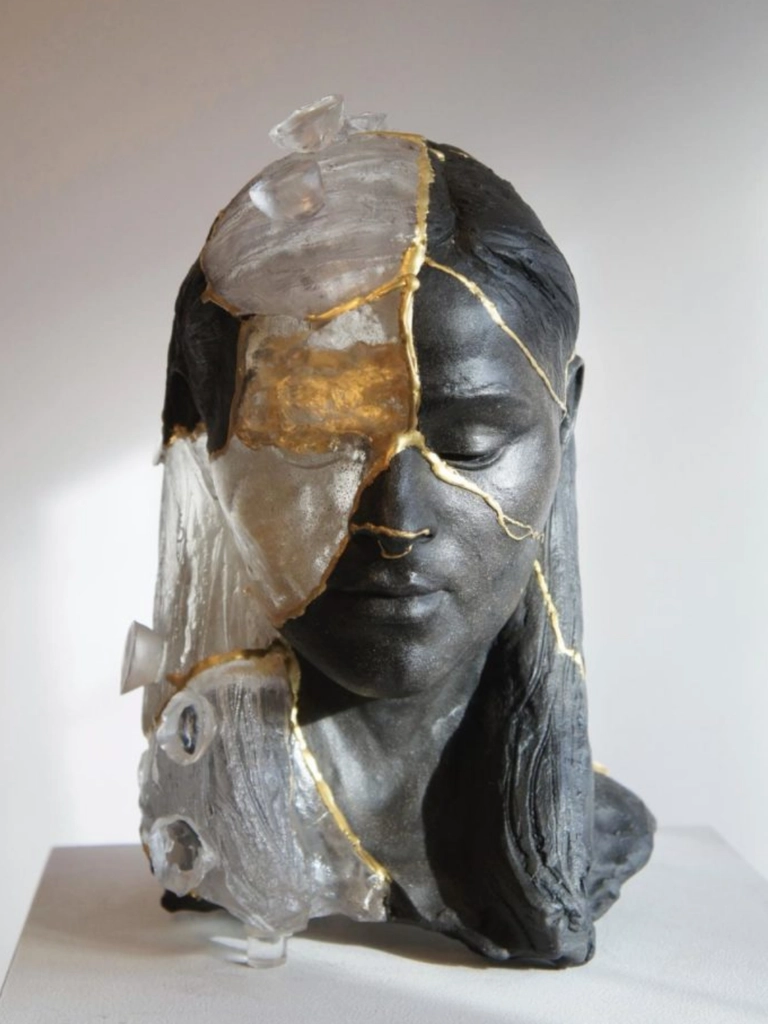
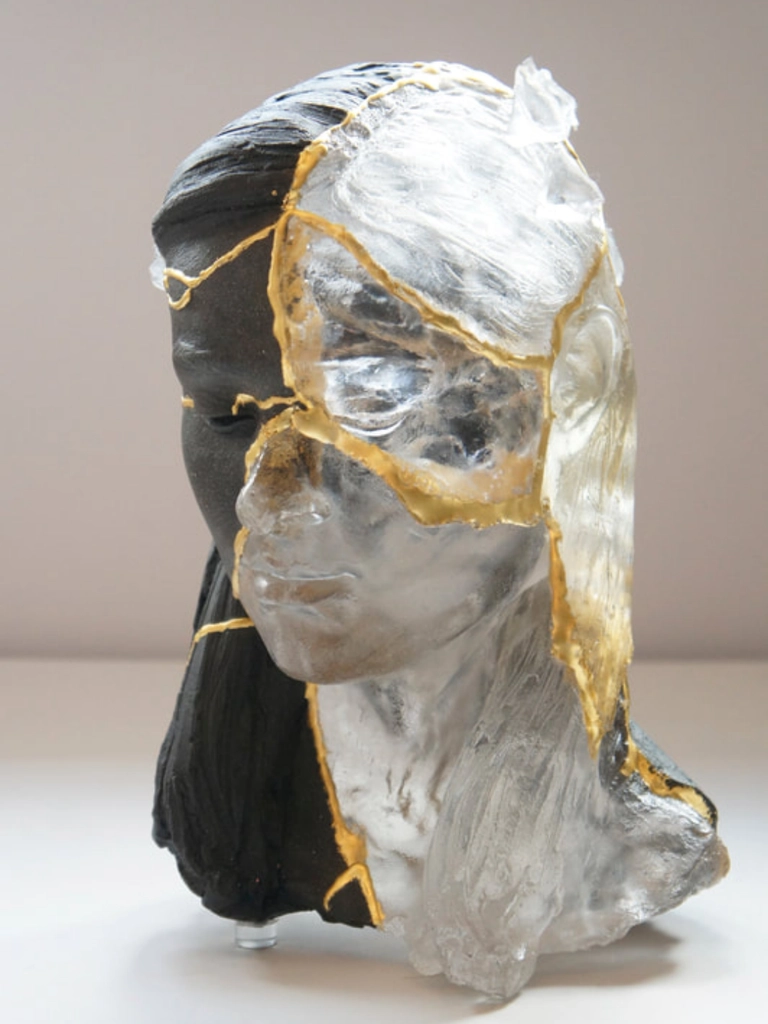
Her 2019 work Breathe extends that idea through bronze and illuminated resin, presenting psychological trauma as a physical journey from rupture toward healing. The cracks glow almost from within, suggesting that experience can leave a person altered yet enriched. Bond has also applied this language beyond the gallery.
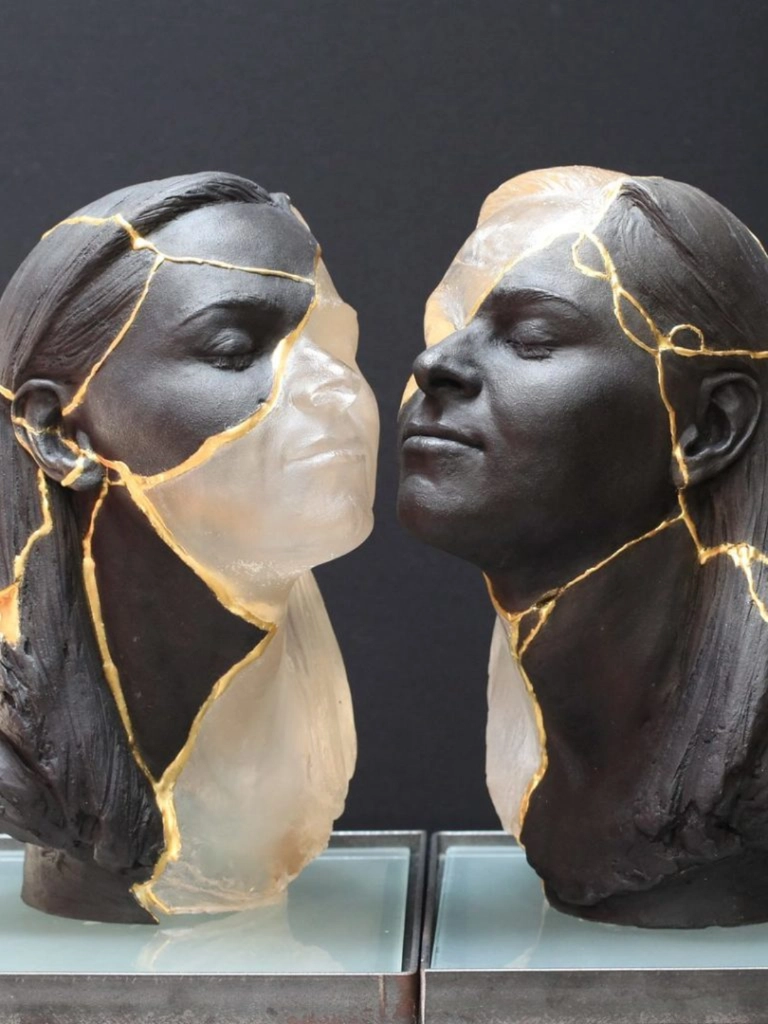
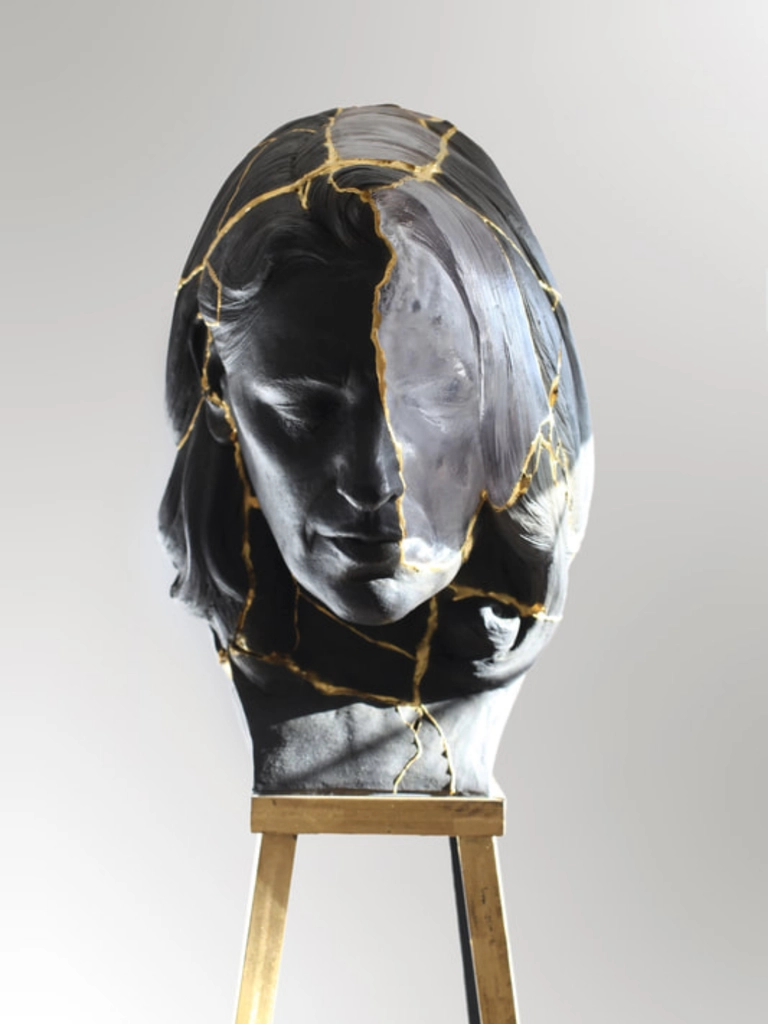
For the Breaking Depression project, commissioned with Janssen Pharmaceutical Companies and GAMIAN-Europe, she created five kintsugi ceramic objects representing experiences of major depressive disorder. Across these works, Bond turns the ancient Japanese practice of gold repair into a contemporary sculptural language where damage is recorded, honored and transformed into visible strength.
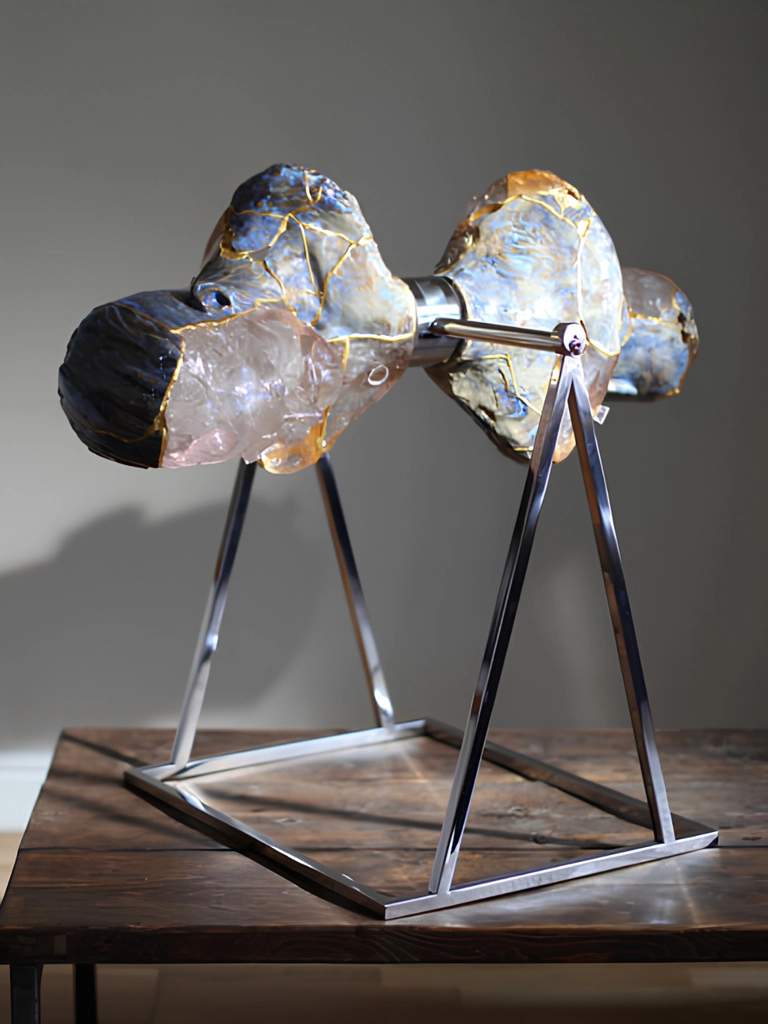
A piece of Limoges or Sèvres porcelain carries the cultural vocabulary of European courts, decorative arts and technical refinement. Myriam Greff introduces these traditions to Japanese kintsugi through an exacting restoration practice based in France.
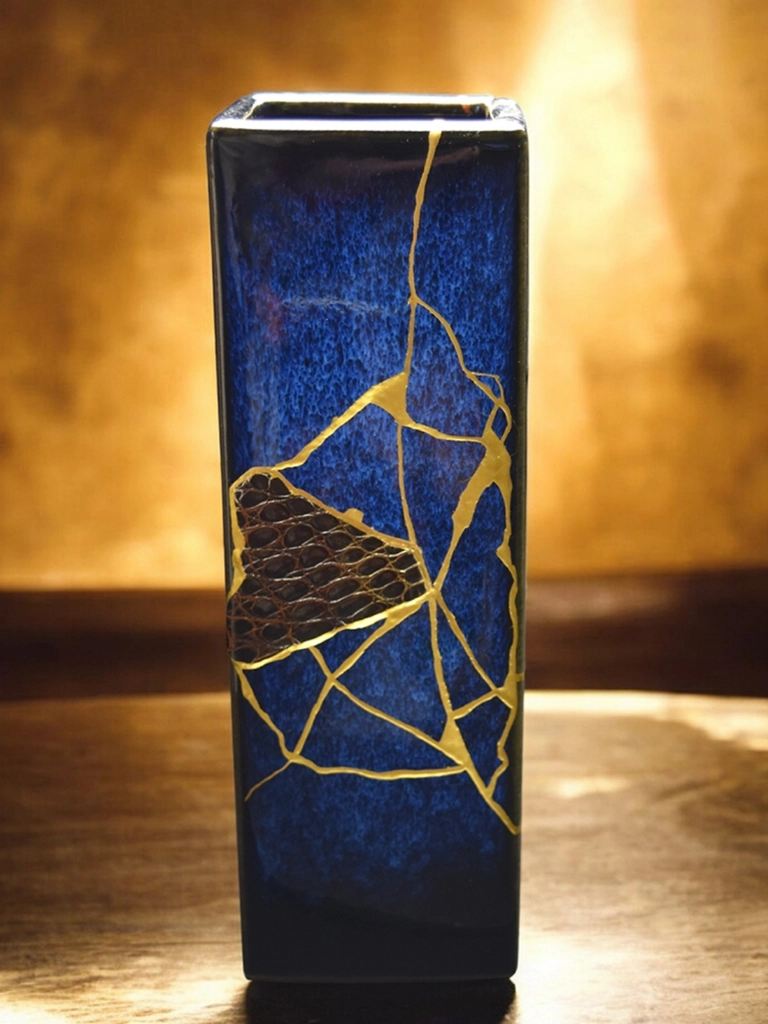
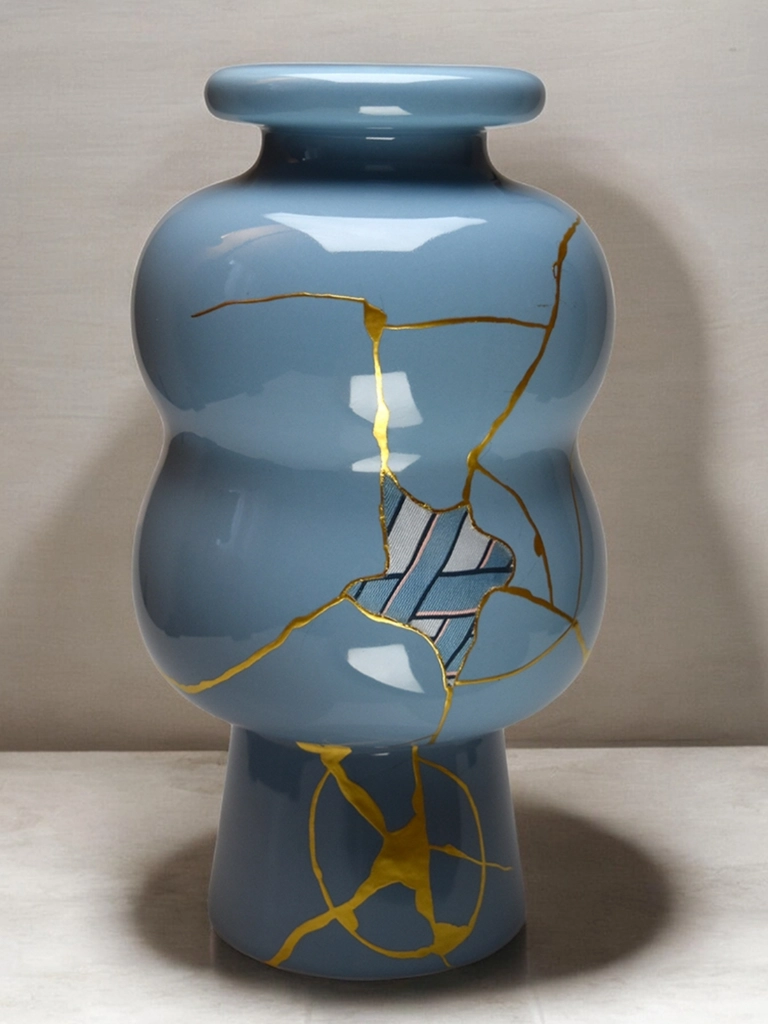
Trained in art heritage restoration in Paris, Greff works with authentic natural urushi lacquer and 24k gold. Her process follows the laborious stages associated with traditional kintsugi, demanding patience through preparation, bonding, curing and finishing.
The cultural dialogue becomes particularly interesting when European porcelain enters the process. A distinctly French ceramic object can acquire a repair language developed within Japanese craft traditions, creating a piece that holds two different histories at once.
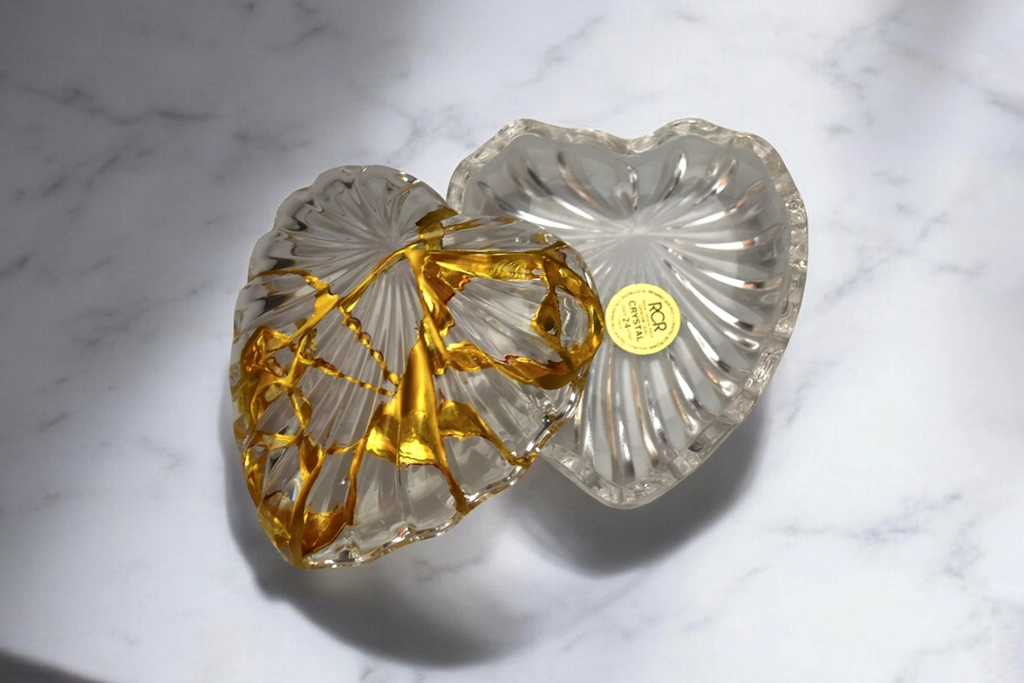
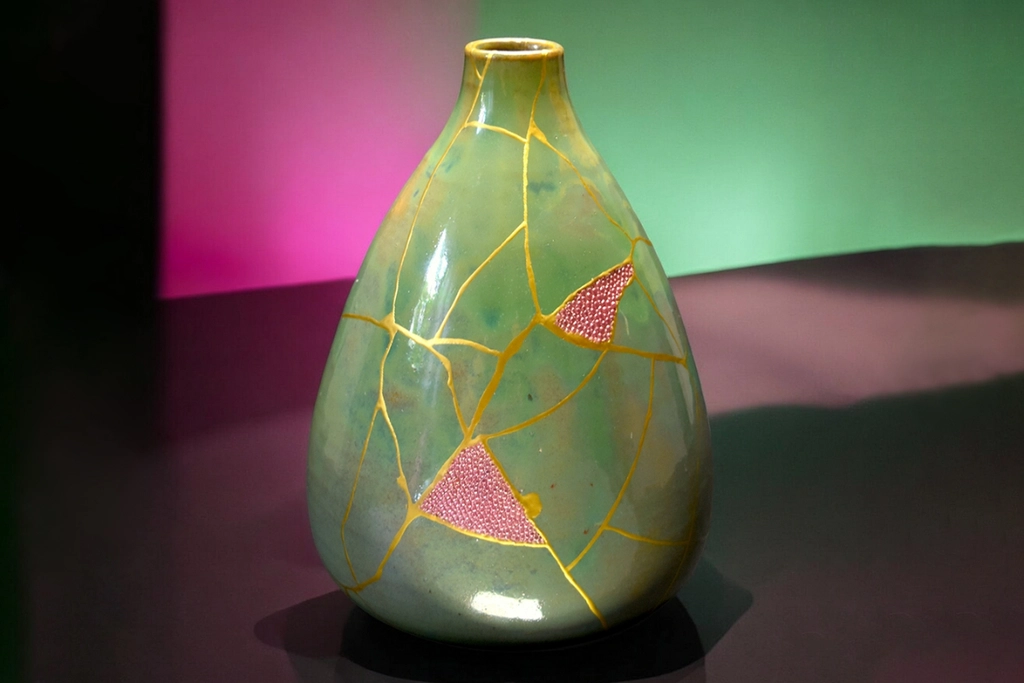
Greff also works with contemporary objects that may be deliberately fractured before reconstruction. Here, the break becomes part of the design process, allowing golden seams to reshape the visual identity of an otherwise pristine object.
Her work has helped position authentic kintsugi within European luxury interiors and collectible craft. The attraction extends beyond the decorative gleam of gold. True urushi work requires time, specialist knowledge and physical sensitivity to materials, qualities increasingly valued in an environment saturated with instantaneous production.
For ceramic kintsugi, Greff represents the importance of protocol. Reinvention can remain compatible with discipline.
A gold seam catches the eye quickly, but the real story of kintsugi unfolds slowly. Underneath that metallic line are repeated stages of preparation, curing and refinement that may remain invisible to anyone seeing the finished object.
Contemporary ceramic kintsugi artists are offering deeper layers of meaning to the act of repair. The golden line marks more than damage. It records a period of waiting, repair and renewed continuity. A vessel can break in a second. Its return may take months. Somewhere inside that imbalance lies the enduring beauty of kintsugi: the object finds its rhythm again without pretending the interruption never happened.
A return-to-rhythm lifestyle seeks this same quality in daily life. It favors routines that reconnect action with natural pace, value with longevity and beauty with attention. Kintsugi turns those ideas into an object that can be held, observed and admired in your living room.