MENU
Close





Caramel feels made for autumn, but these niche perfumes take it far beyond simple sweetness.
Caramel feels made for autumn, but these niche perfumes take it far beyond simple sweetness.
September 15, 2026
Advertisement

Advertisement



Caramel has become one of fragrance’s most interesting cold-weather materials because perfumers keep refusing to leave it inside the pastry case. It can smell scorched, milky, smoky, boozy, woody, salted, or almost bitter. On autumn skin, that cooked-sugar warmth gets even better: sleeves hold the trail, cool air sharpens the sweeter edges, and a few sprays can make an ordinary sweater feel strangely expensive.
These seven bottles take caramel somewhere worth following, from an Italian perfume that moved more than 200,000 units in a year to a cognac-barrel experiment whose raw material will eventually disappear.
Bianco Latte is what happens when an artisan perfume accidentally becomes an international phenomenon. Silvia Martinelli created it in Bibbiena, Tuscany, in 2015, working from sensations of tenderness, comfort, and the familiar smell of milk long before lactonic fragrances became a major trend. Caramel opens the composition before honey, coumarin, vanilla, and white musk turn it into a soft, enveloping trail.
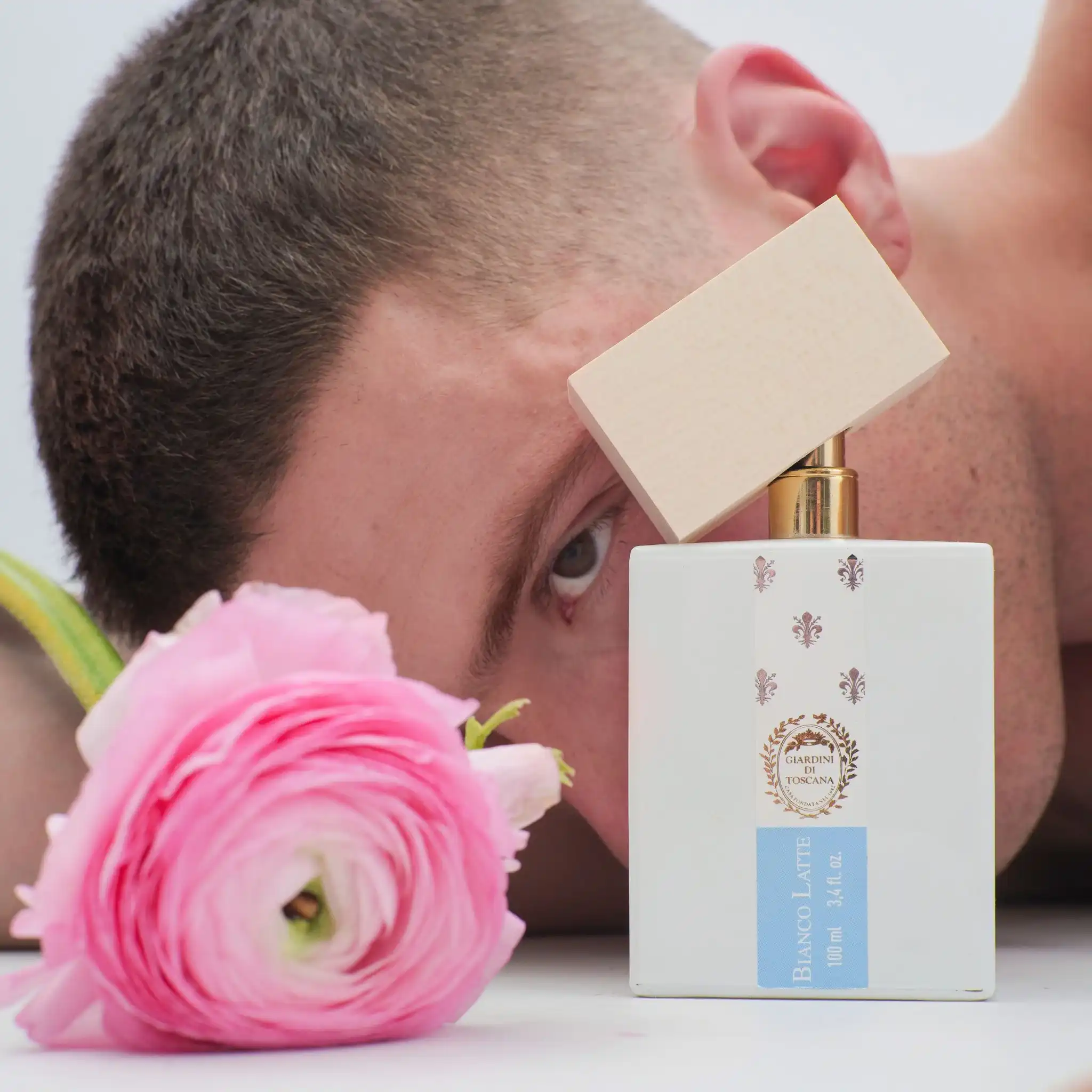
By 2025, Giardini di Toscana had sold around 215,000 bottles that year alone, including roughly 90,000 in Italy and 25,000 in the United States. The perfume is now sold in more than 40 countries, and demand pushed the company to increase both production and international distribution.
John Pegg gave caramel a soundtrack. Unknown Pleasures imagines walking through cold Manchester listening to Joy Division with a London Fog in hand: Earl Grey tea, honey, lemon, and bergamot lead into caramel, vanilla, tonka, and waffle cone.
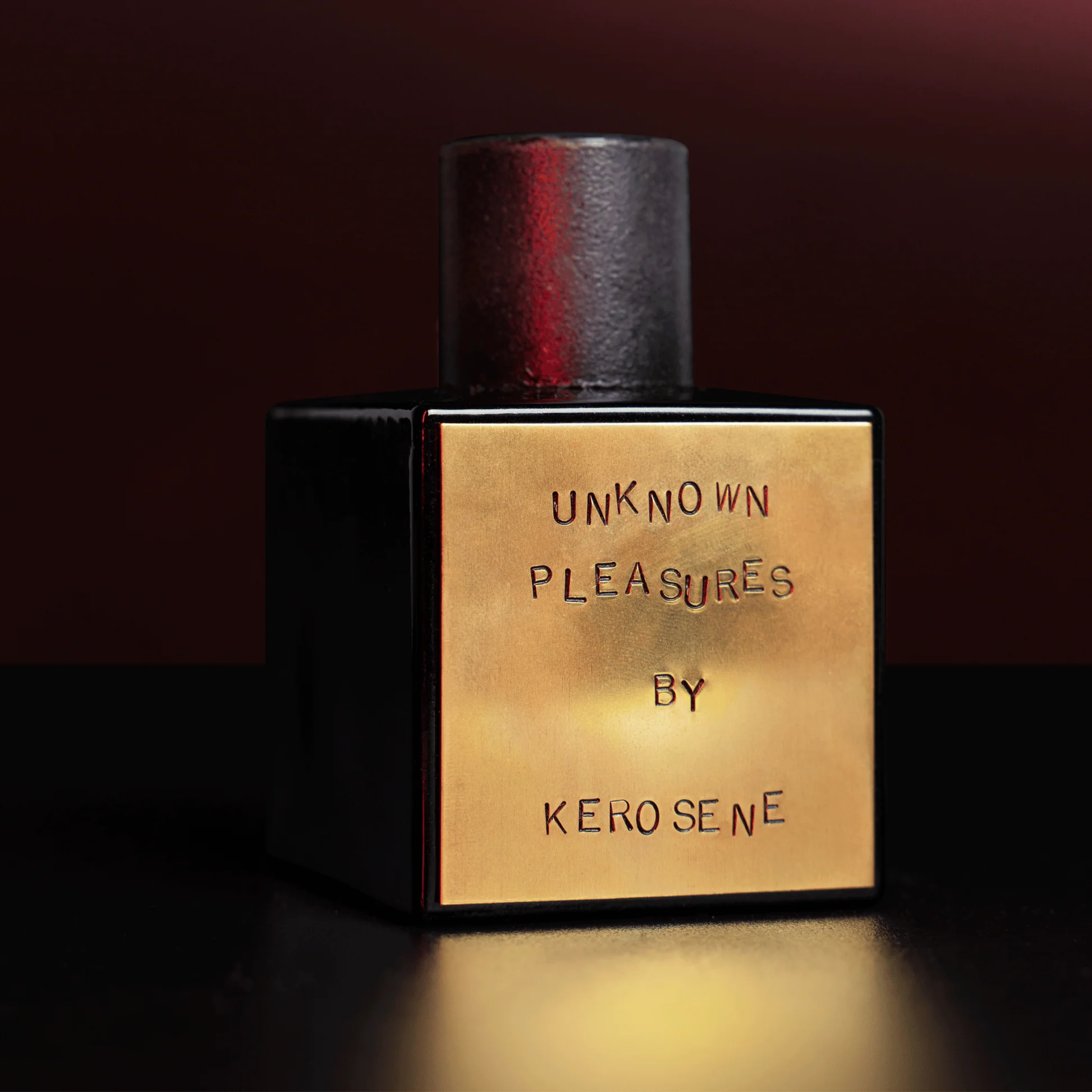
Pegg launched the fragrance in 2013, and its continued presence more than a decade later is part of its appeal. Kerosene remains a remarkably independent operation, with Pegg acting as founder and perfumer, and the perfume still sold in the brand’s characteristic industrial-looking bottle. The scent’s real trick lies in the tea and lemon: they slice through the caramel early, letting the warmer waffle-cone effect build gradually as the perfume dries. It feels made for the first properly cold evening of the season.
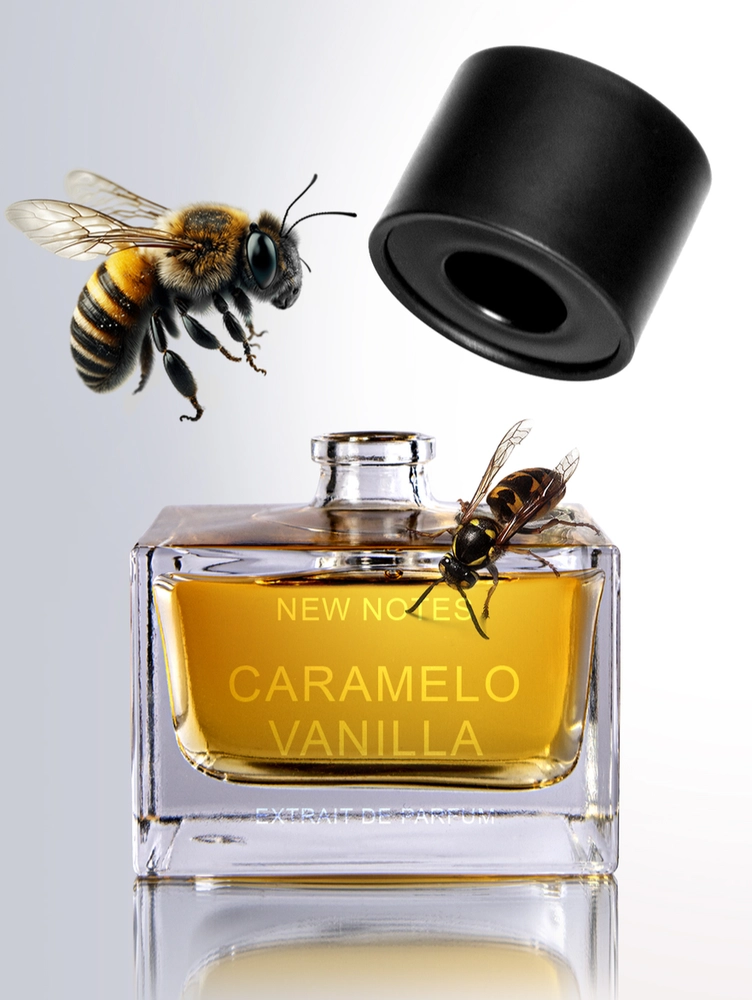
Caramelo Vanilla practically treats caramel as a texture study. Perfumer Cristian Calabrò built the 2022 extrait around caramel and vanilla flower before piling in dulce de leche, cotton candy, frangipani, white flowers, tonka and musk. When discussing the New Notes collection, Calabrò reduced this one to three words: “sweet, delightful, deep.”
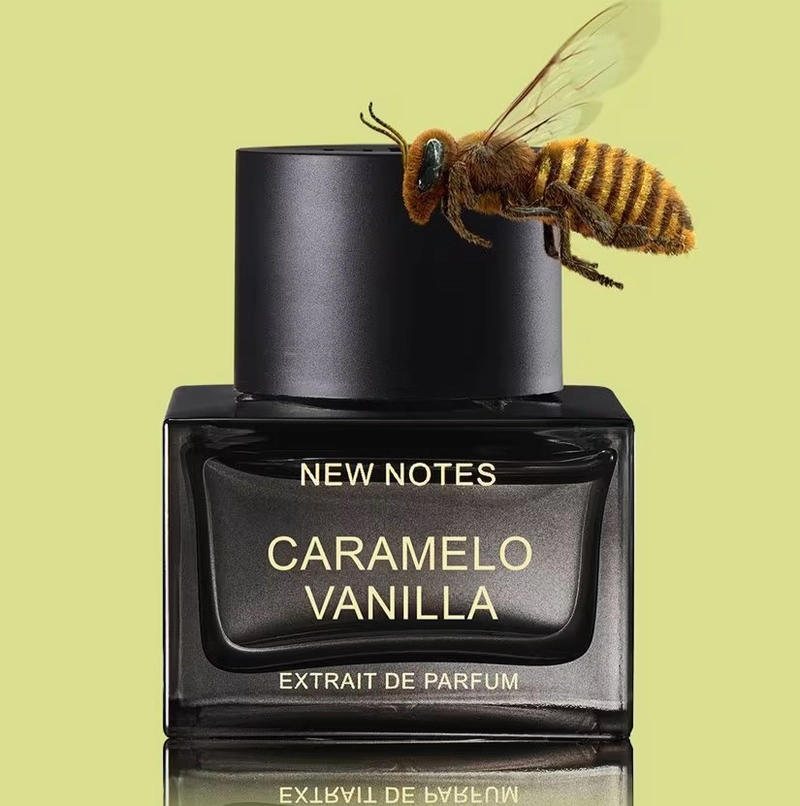
New Notes describes skin as the final ingredient, which suits a fragrance built around dense gourmand materials that warm and bloom once worn. For caramel lovers, this is the unapologetic one: silky, lactonic and designed with maximum deliciousness in mind.
The origin story of Minuit et Demi reads like a niche-fragrance time capsule. During the pandemic, fragrance creator Demi Rawling found herself stuck in Dubai, discovered Fragrance Du Bois, and eventually collaborated with the house on her ideal gourmand. Perfumer Stéphane Bengana translated that idea into cardamom, pimento, coffee, caramel, vanilla, tobacco, cinnamon, and woods.
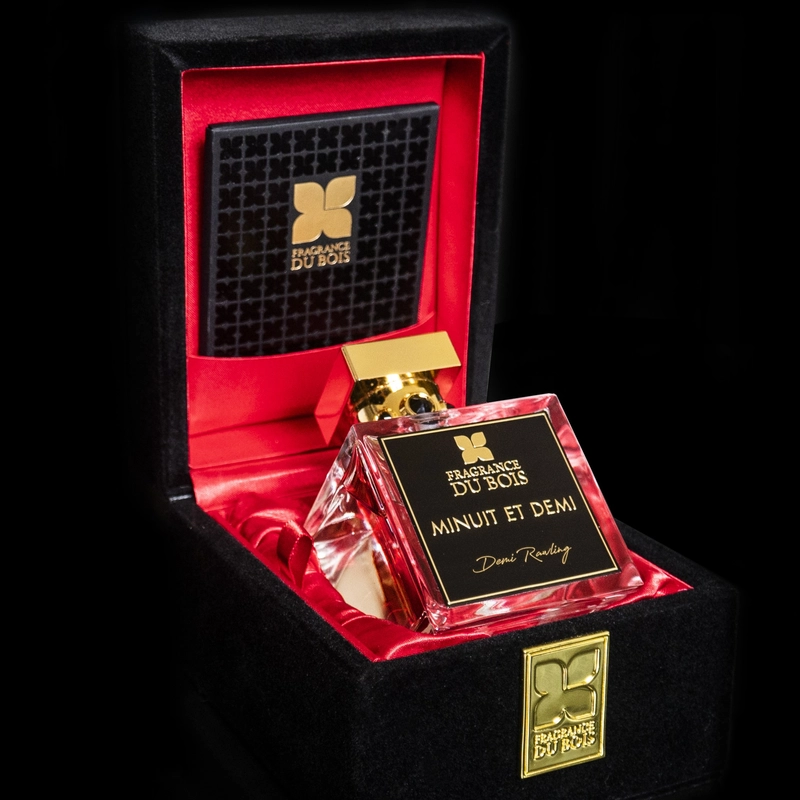
Then came the demand test: the original release consisted of just 500 bottles, and the first edition sold out in three days. Its success pushed the fragrance beyond the limited collaboration into the house’s continuing collection.
The name means “half past midnight,” and the perfume earns it. Coffee and caramel sit inside warm spices, tobacco, and liquor, creating the sort of gourmand that feels built for late dinners, dark bars, and coats carrying the scent home hours later.
Perfumer Cristian Calabrò took caramel to the cinema for What About Pop. Salted popcorn and caramel open the fragrance before whipped cream, Madagascar vanilla, night-blooming cereus, ebony, benzoin, and vetiver pull it into something richer.
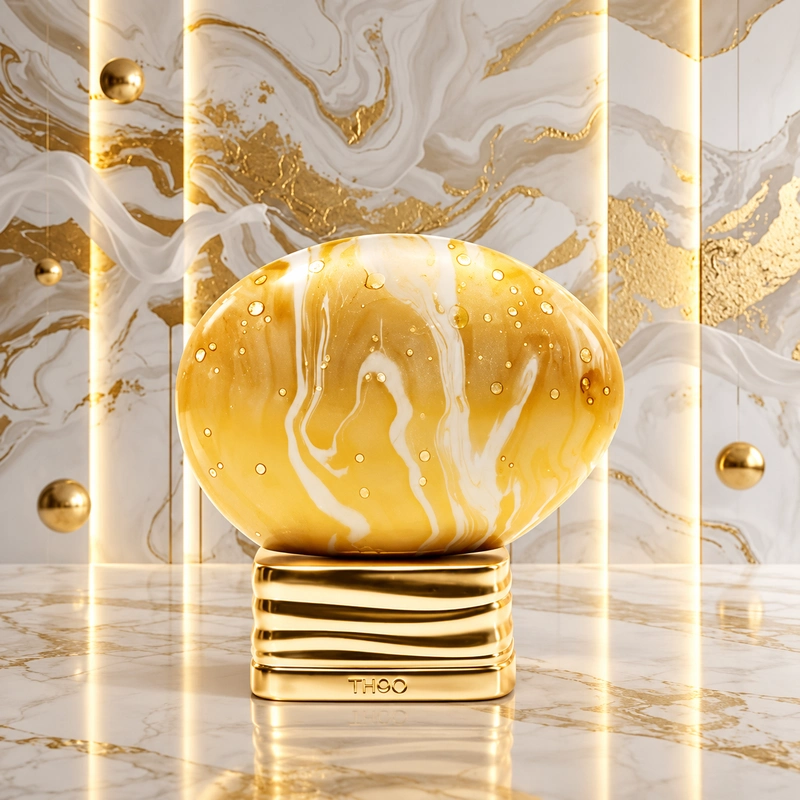
The House of Oud treats its egg-shaped flacons almost like collectible objects: they are hand-finished in Italy, with individual surface treatments that make each bottle visually unique. Some collectors reportedly buy two, one for use and another for display.
That extravagance makes the popcorn idea even funnier. One of perfumery’s most casual smells ends up housed inside an object that resembles decorative art. The caramel stays playful; the ebony, vetiver, and benzoin give it enough structure for autumn.
This is caramel after midnight with hidden fetish. French perfumer Amélie Bourgeois built Sin & Pleasure for Seoul-based BORNTOSTANDOUT using white flowers, ylang ylang, and almond before caramel falls into vanilla, oud, leather, patchouli, rum, oakmoss, and sandalwood.
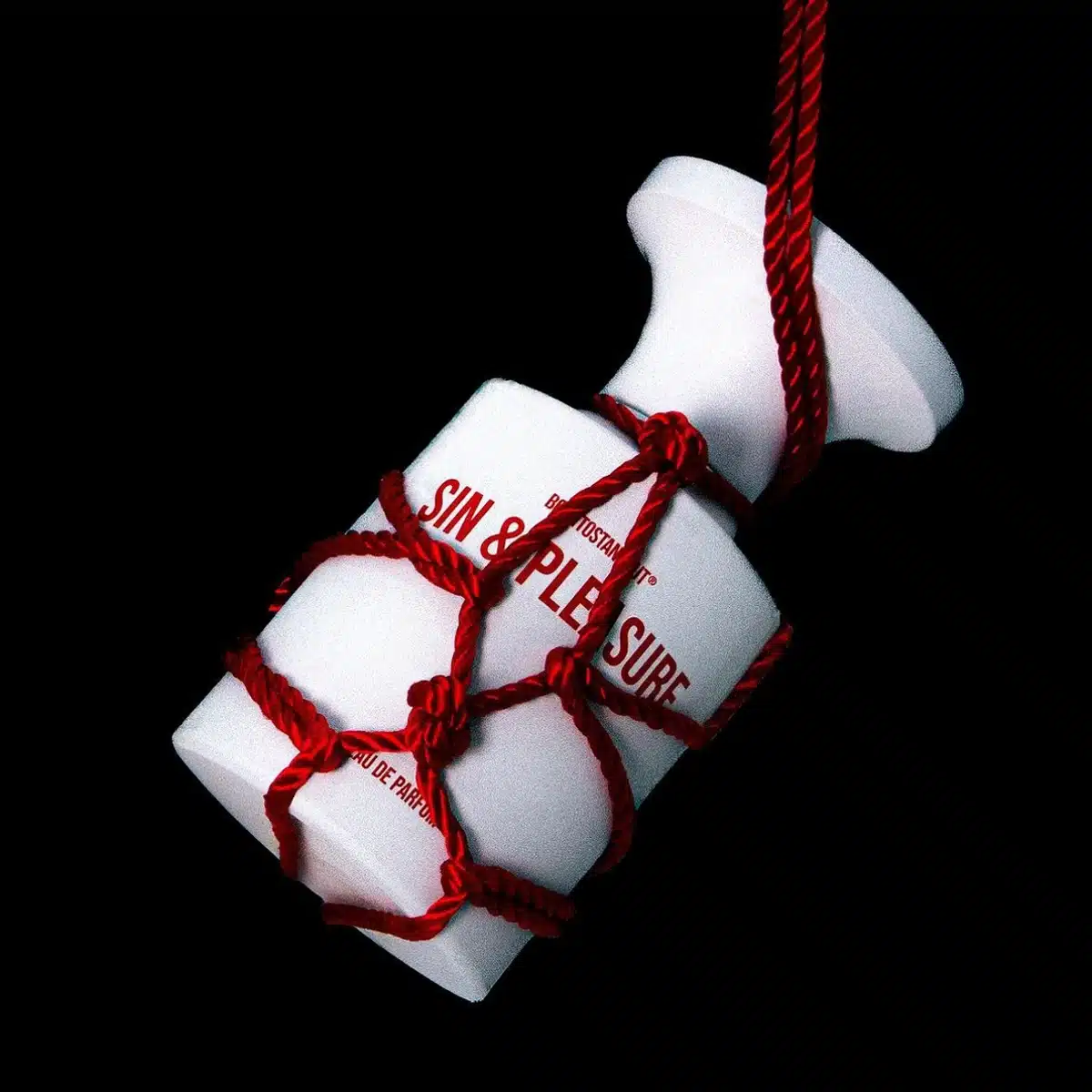
The concentration is serious: the house places its core eau de parfums at roughly 30–40% fragrance concentration, designed for an opulent, long-wearing presence. Demand has become equally noticeable.
Caramel provides the glossy sweetness here, then leather, oud, and rum drag it somewhere darker. This is the bottle for anyone who wants gourmand fragrance with a leather jacket hiding underneath.
Scents of Wood actually ages the alcohol used in its perfumes inside wooden barrels. Its original Plum in Cognac relied on a vintage cognac barrel, and vintage barrels eventually exhaust themselves after several cycles. Because the house could never source another barrel with exactly the same unknown history, it bought a different old French-oak cognac barrel and asked perfumer Pascal Gaurin to rebuild the fragrance around the new wood.
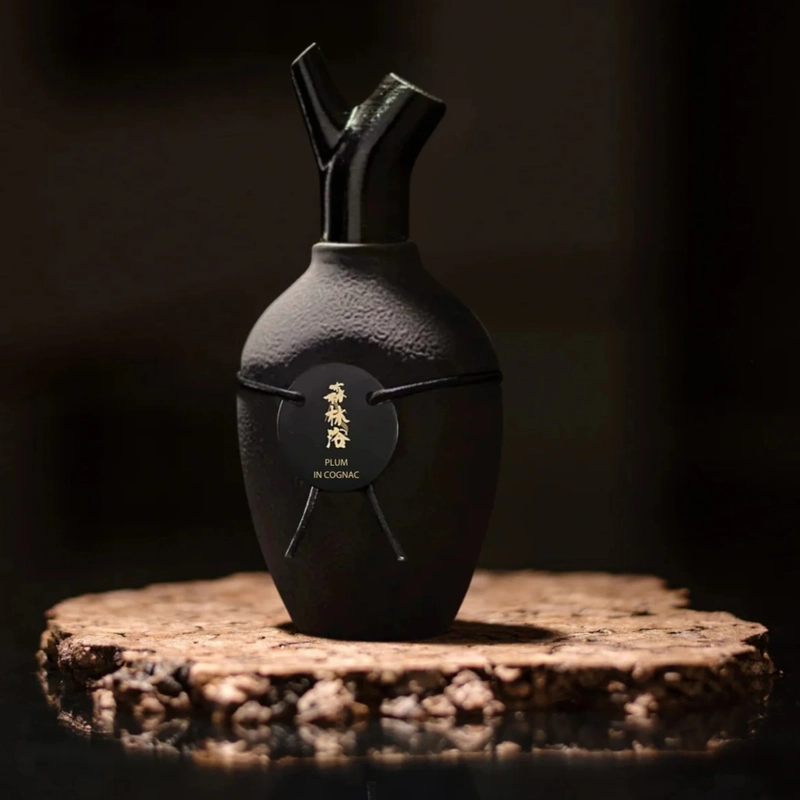
After months of trials, Plum in Cognac Vintage 24 emerged: plum, cinnamon, immortelle, osmanthus, balsam, vanilla and vetiver, with a sweeter gourmand direction shaped by the barrel itself.
The house says it has enough of this particular barrel-aged alcohol for roughly another one or two years. Once it is gone, that exact vintage goes with it.
Caramel fragrance rarely gets more literal about scarcity than that: here, time itself is part of the formula.
Advertisement