MENU
Close





The final days of Australian Fashion Week 2026 carried a strange after-hours energy, as if the week had saved its most intimate, unruly, and unforgettable thoughts for last.
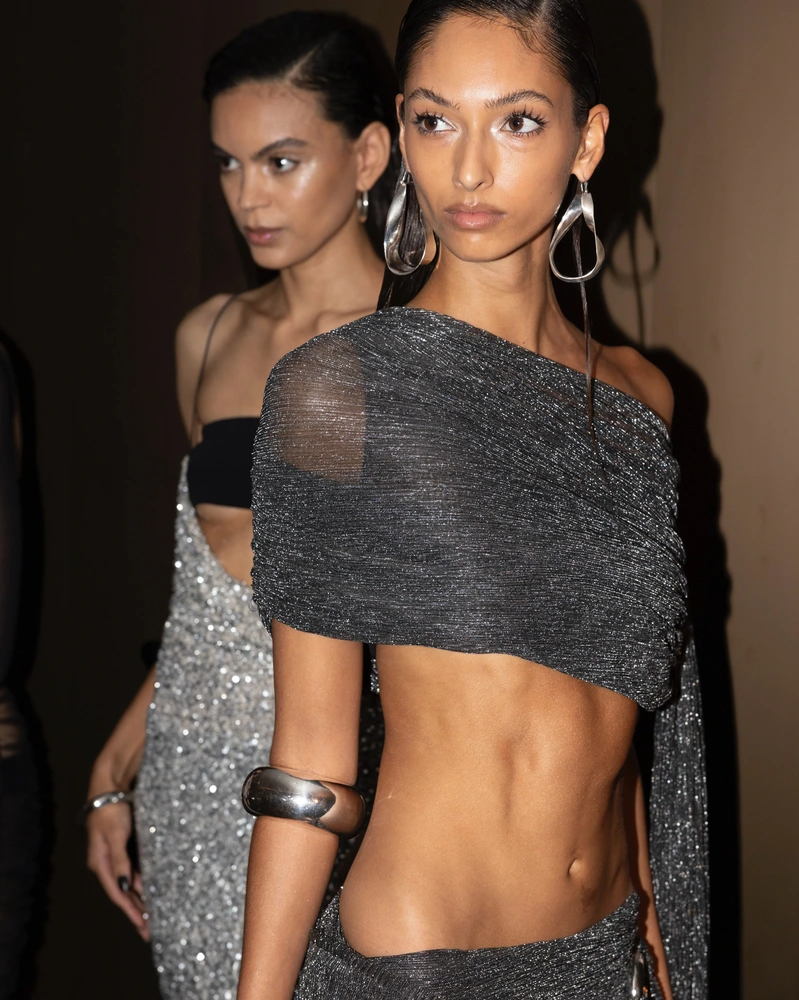
The final days of Australian Fashion Week 2026 carried a strange after-hours energy, as if the week had saved its most intimate, unruly, and unforgettable thoughts for last.
June 12, 2026
Advertisement
Advertisement


Across the week's latter half, designers treated the runway as a space for vulnerable storytelling, asking profound questions about heritage, queer identity, the intelligence of natural materials, and the enduring resilience of the human spirit. The resulting collections were less about chasing fleeting trends and more about anchoring us to intention, community, and craft.
Here is the analytical diary of the standout concepts, delicate tensions, and masterful construction from Australian Fashion Week 2026 Days Three, Four, and Five.
There is a specific, unbridled joy in watching designers unburdened by the immediate pressures of retail. FDS at TAFE NSW’s showcase, “The Innovators,” reminded us why this platform remains vital at Australian Fashion Week 2026. This year’s graduates, Luke Rubén, Oliver Parry, Attè, and Marko, demonstrated a collective, eccentric mastery of textiles.
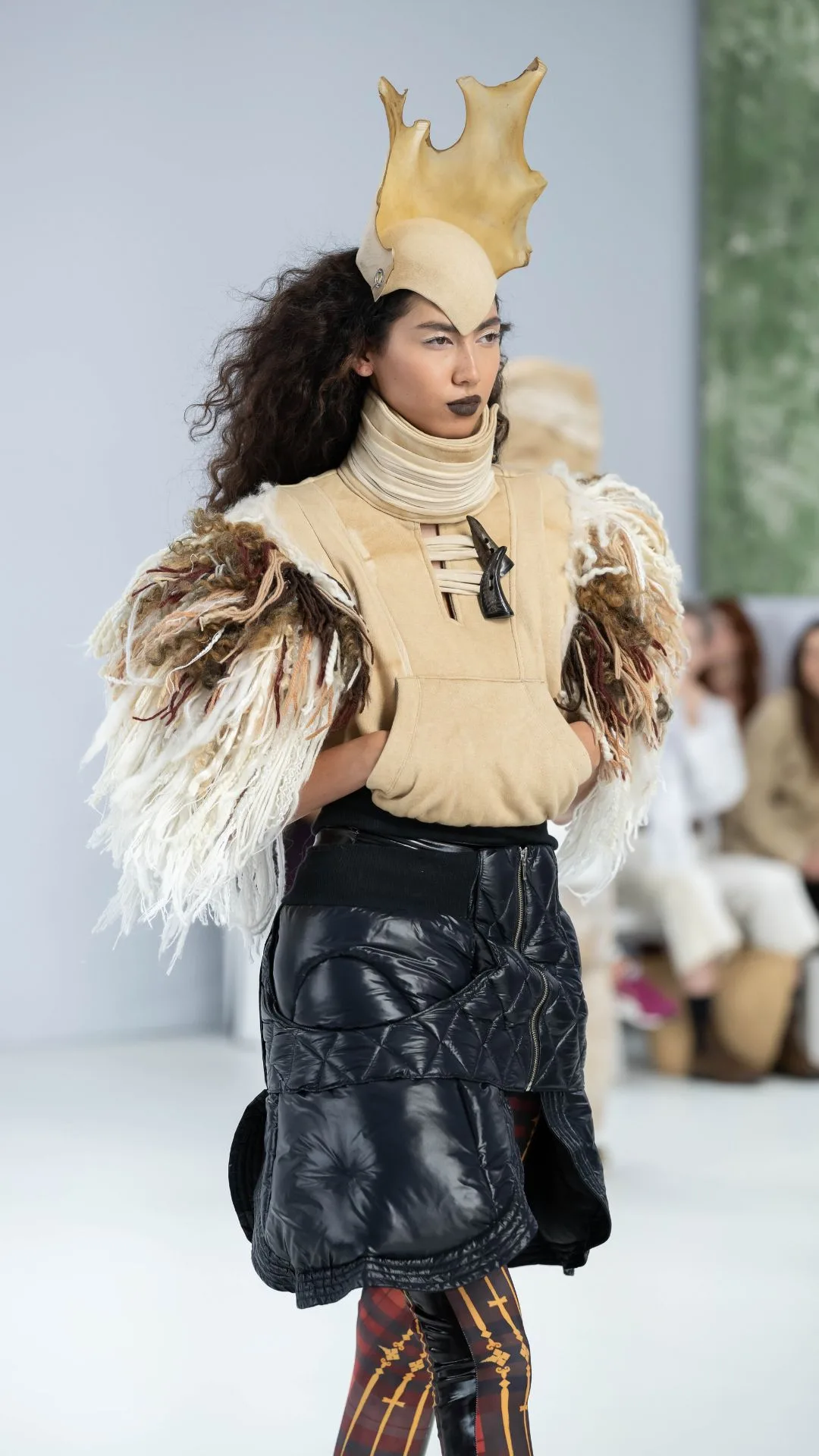
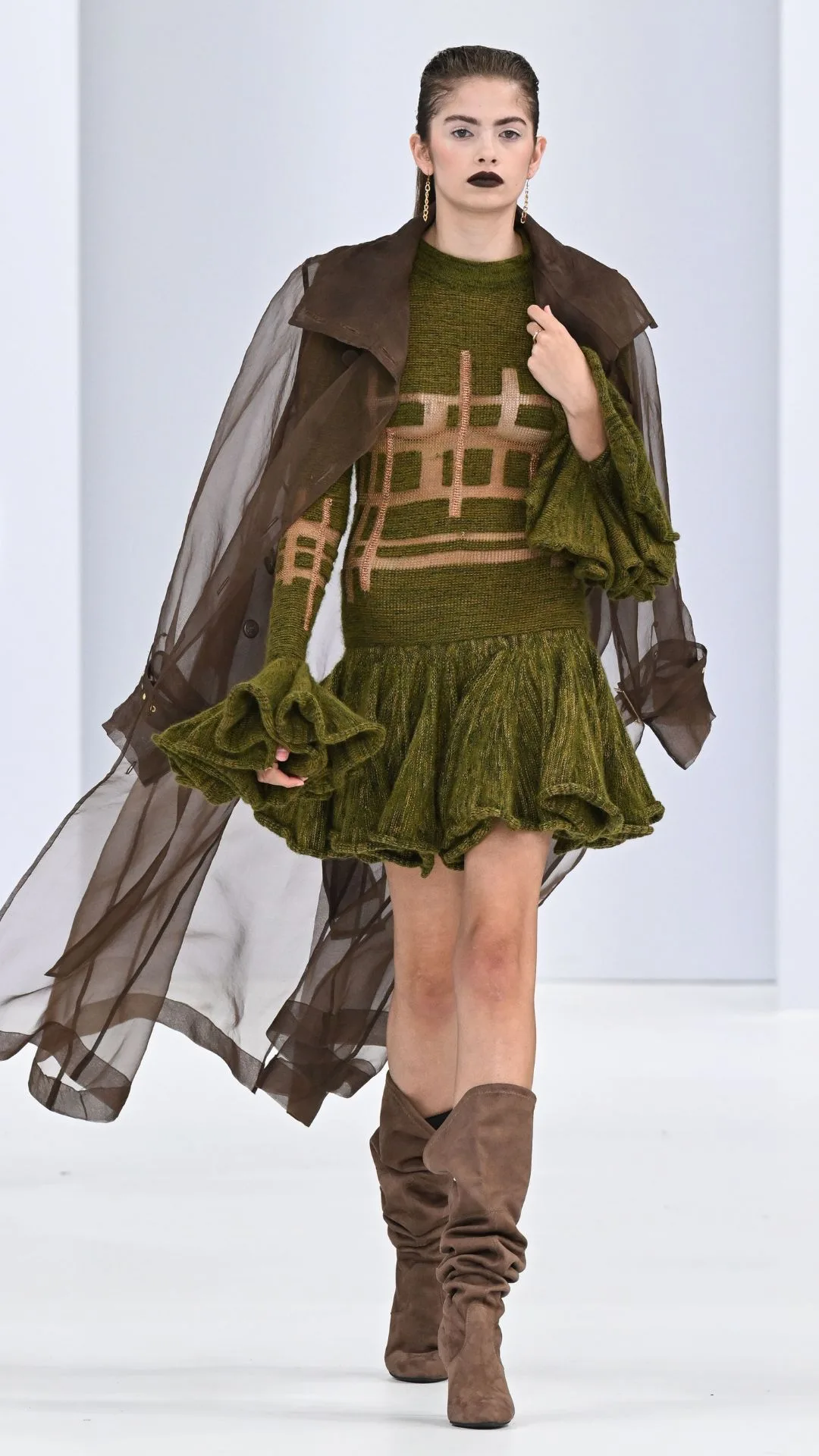
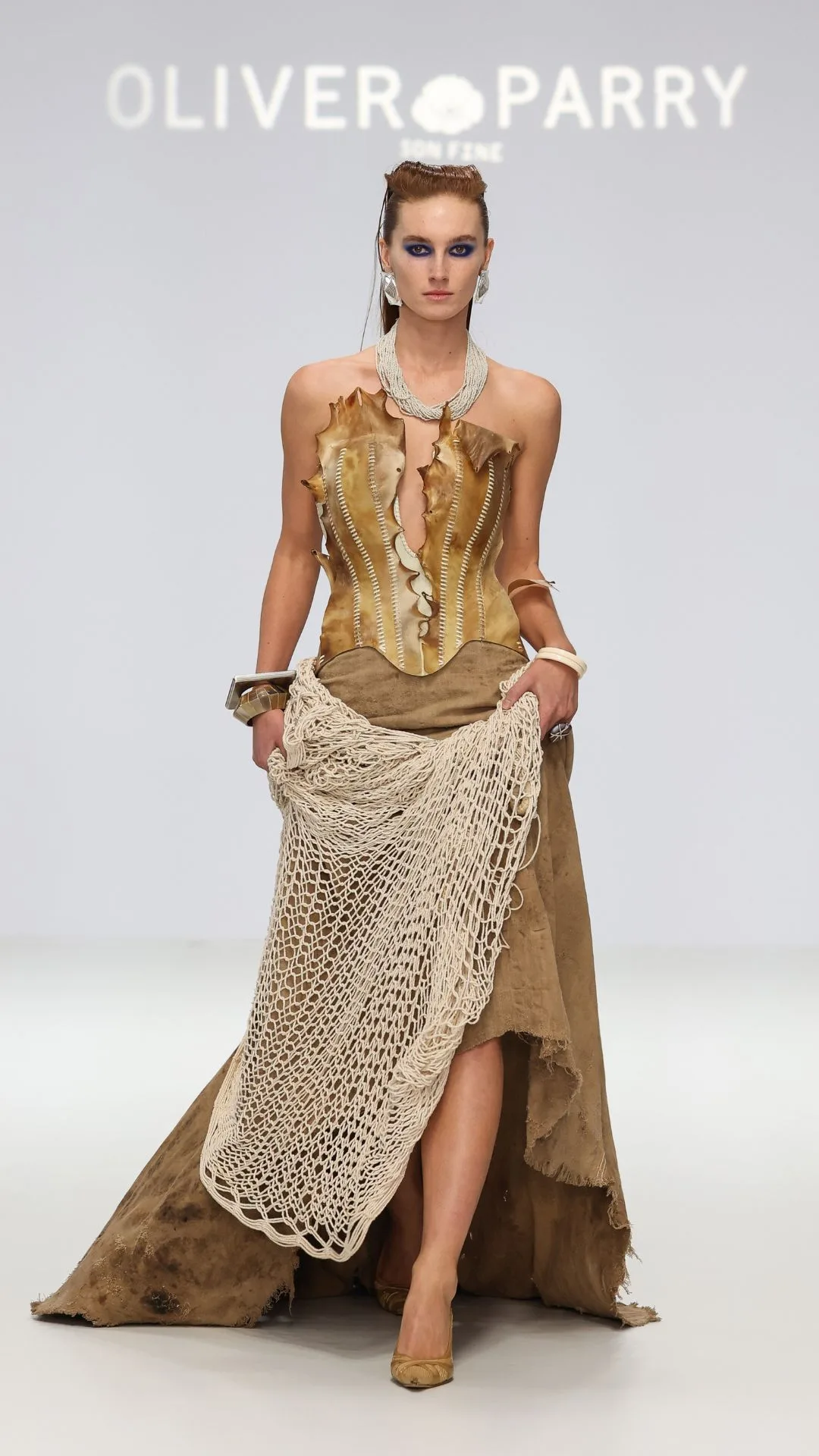
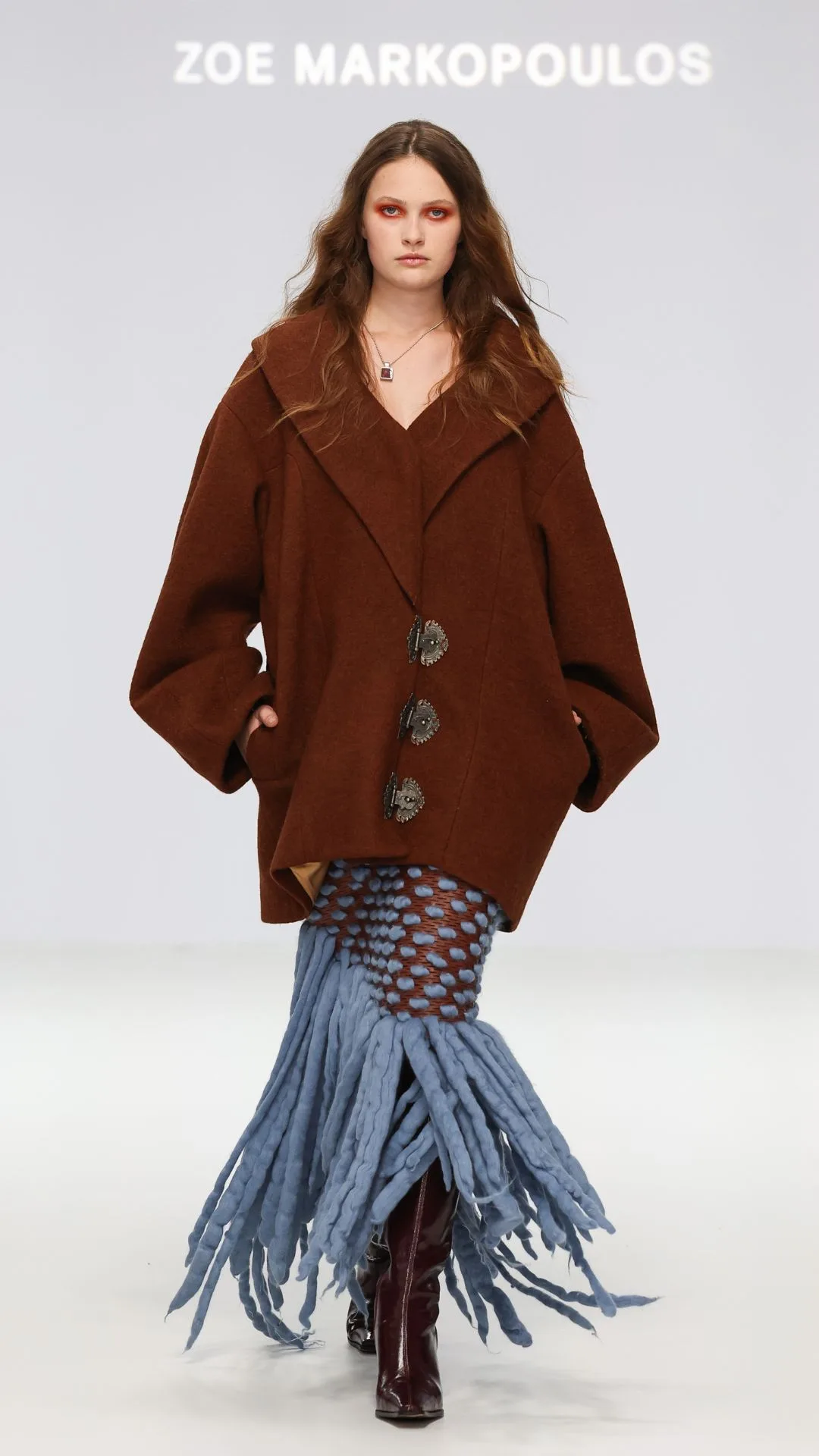
It was a triumphant reminder that Australian fashion's future is delightfully experimental and conceptually fearless.
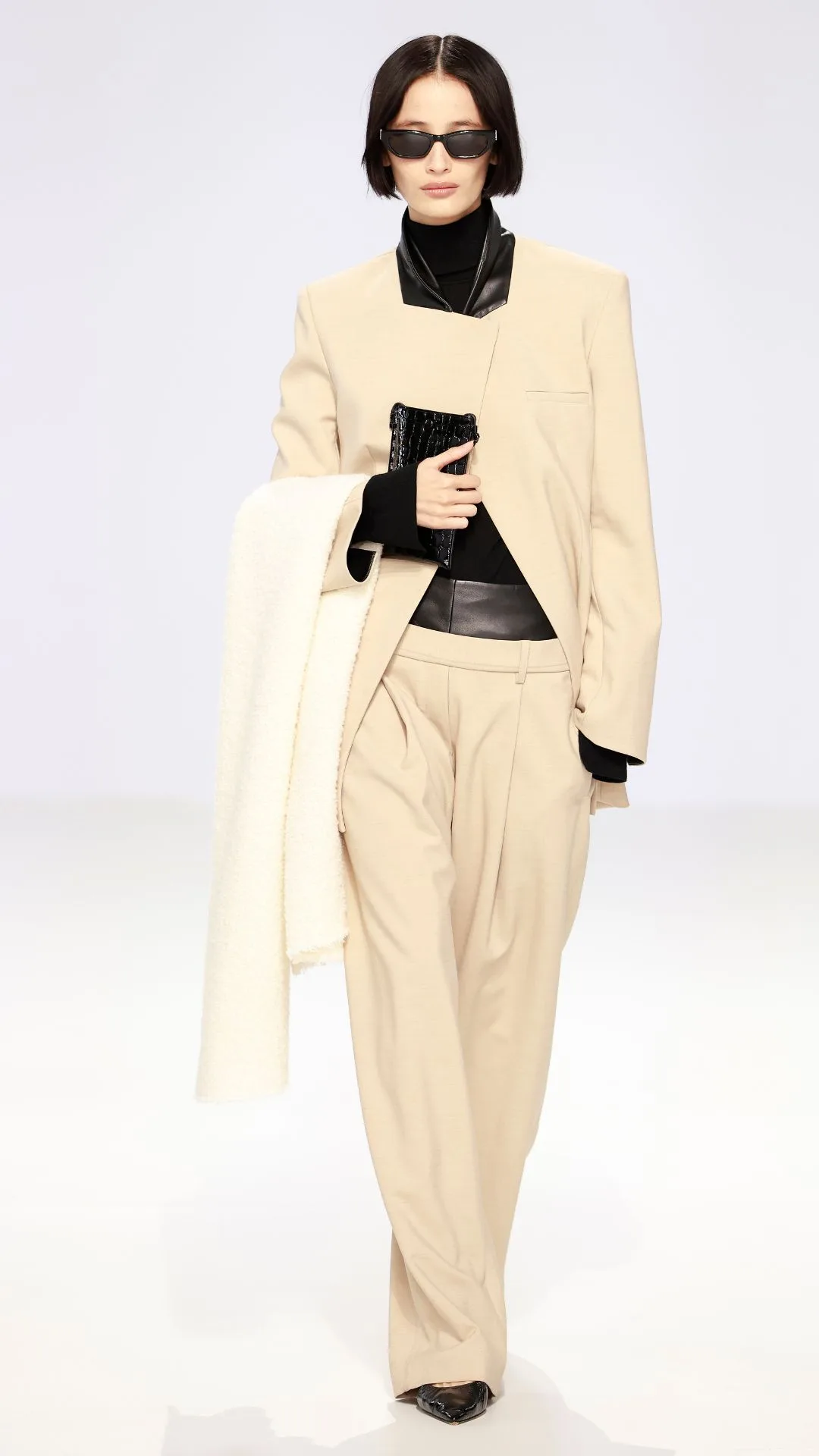
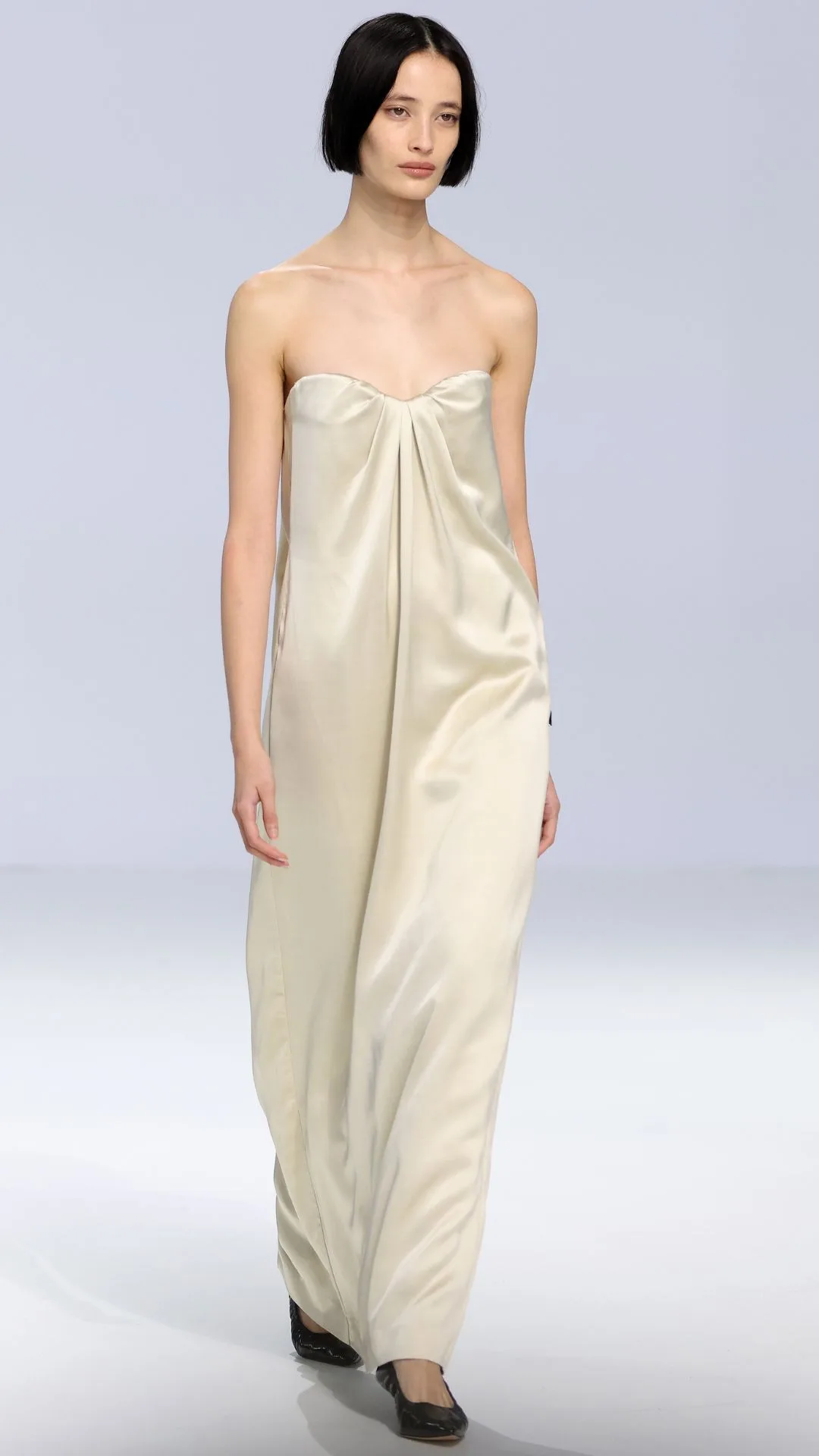
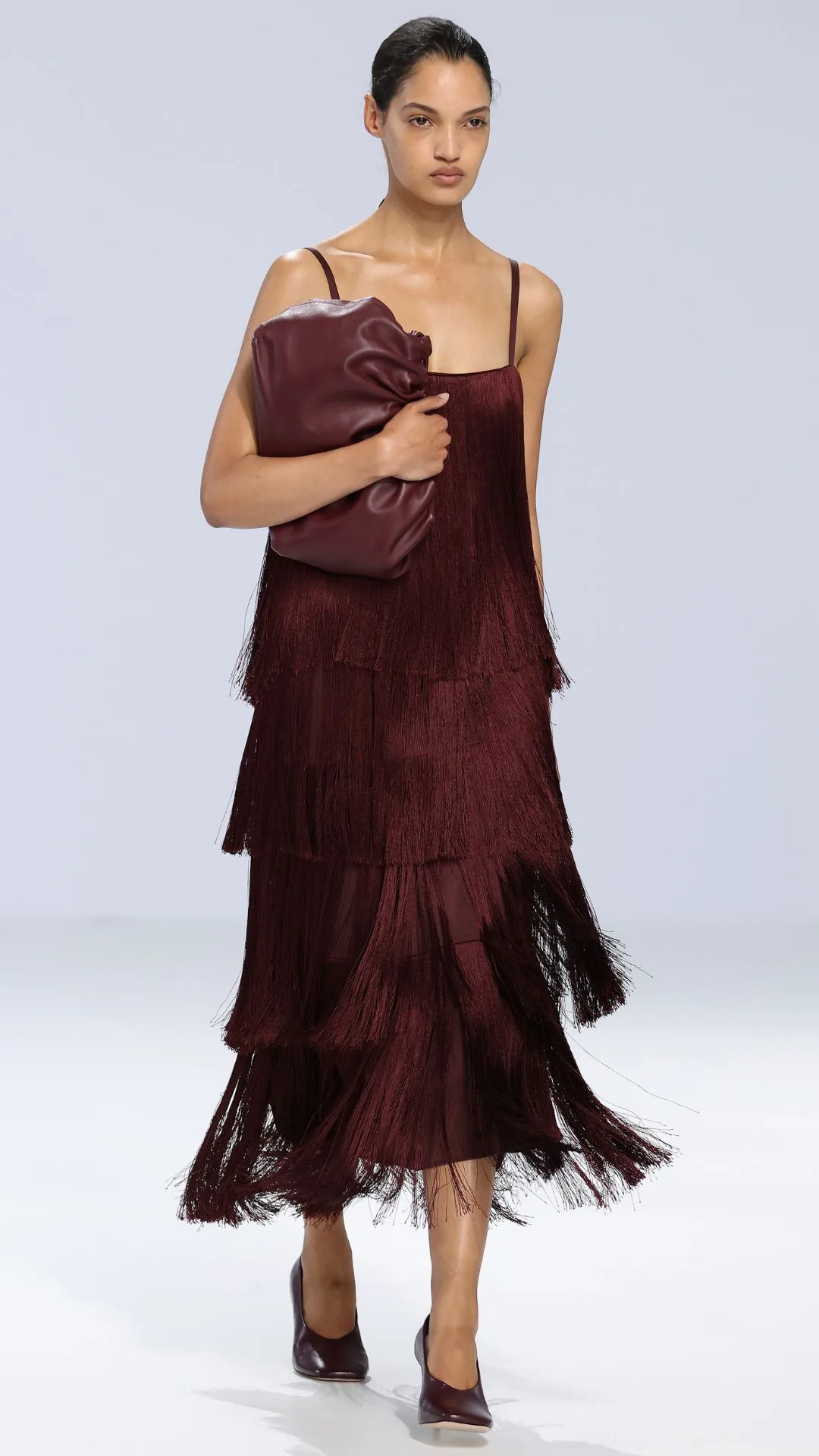
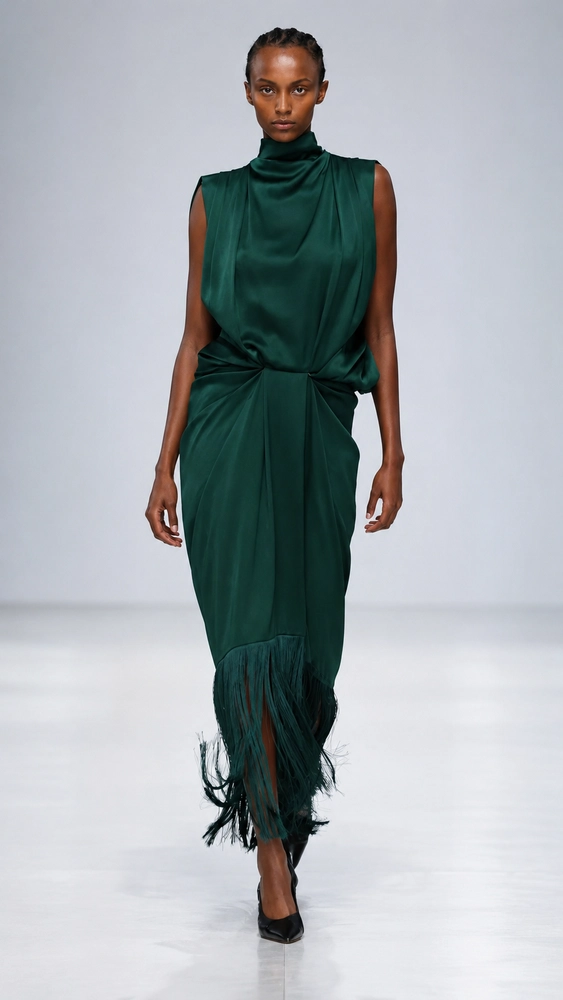
Charlotte Hicks continues to serve as an anchor for the modern, pragmatic woman. For ESSE's latest offering at Australian Fashion Week 2026, she actively rejected fashion’s frantic obsession with speed, turning instead to the quiet restraint of the dandy. It was a masterclass in elongated tailoring, where draped jersey created languid, approachable silhouettes rather than severe ones. We saw trend-adjacent elements like sequins and fringing, but deployed in highly measured doses. Ultimately, Hicks laid bare the inner mechanisms of a wardrobe, each piece a deeply considered, future staple.
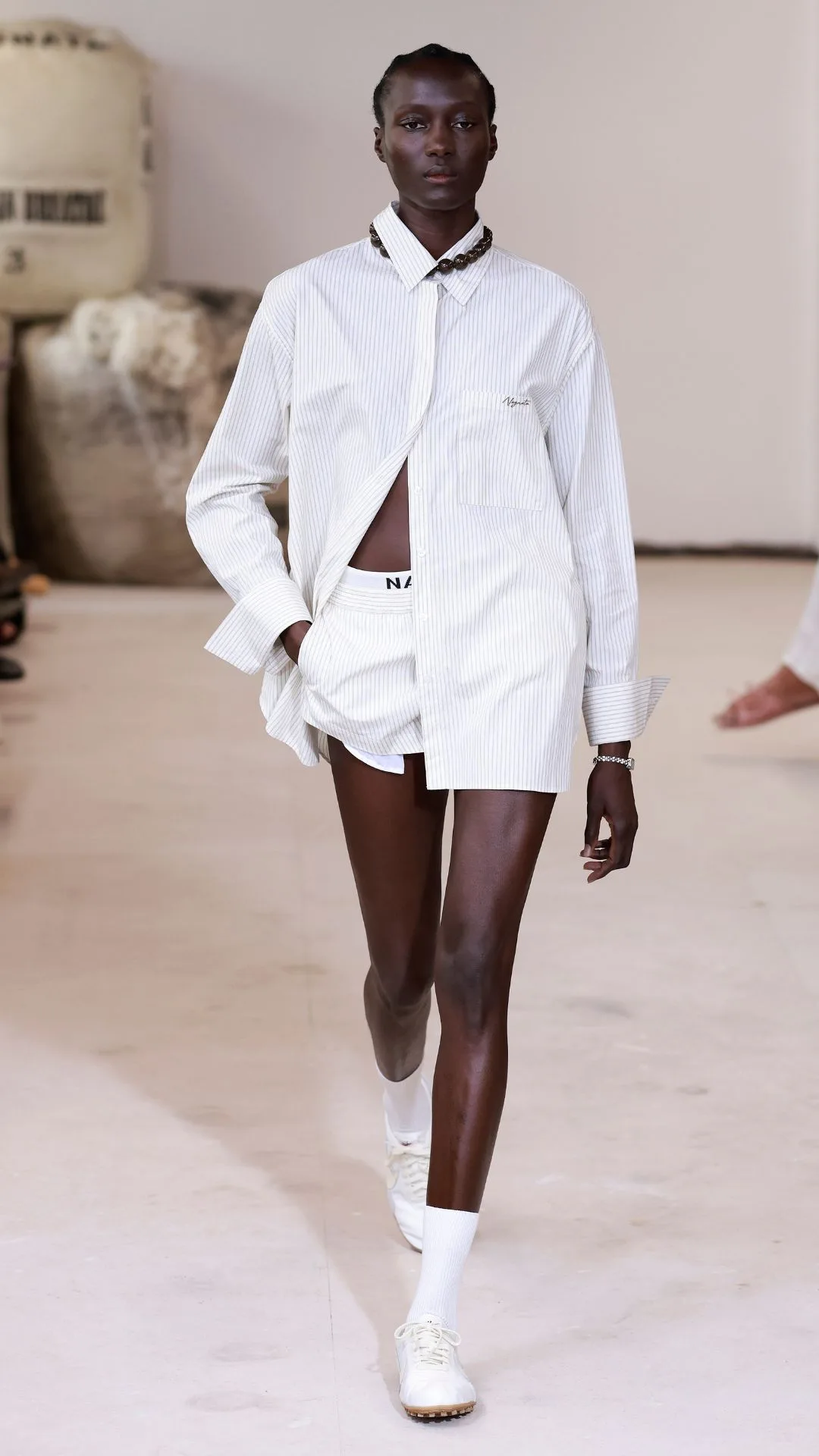
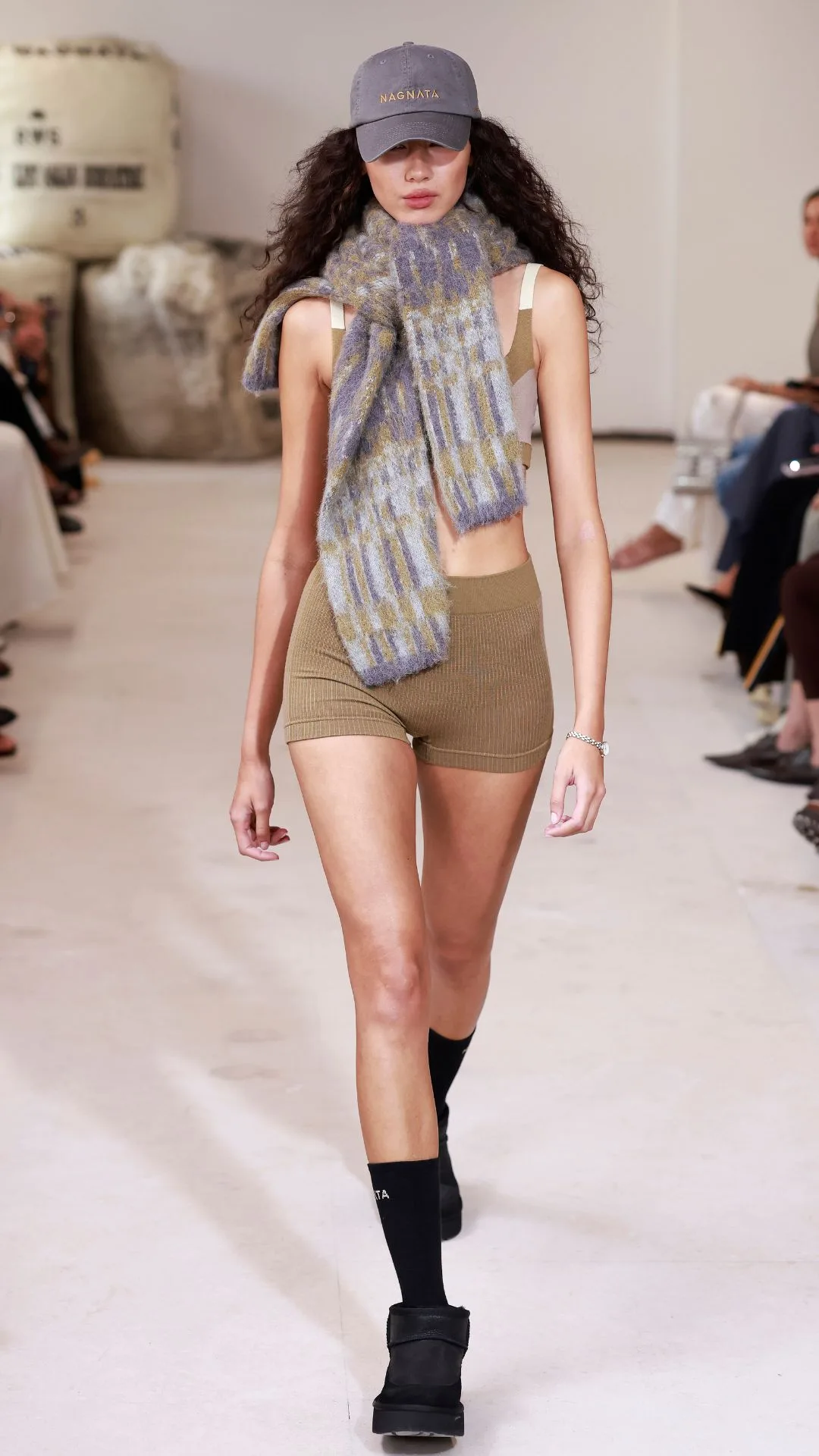
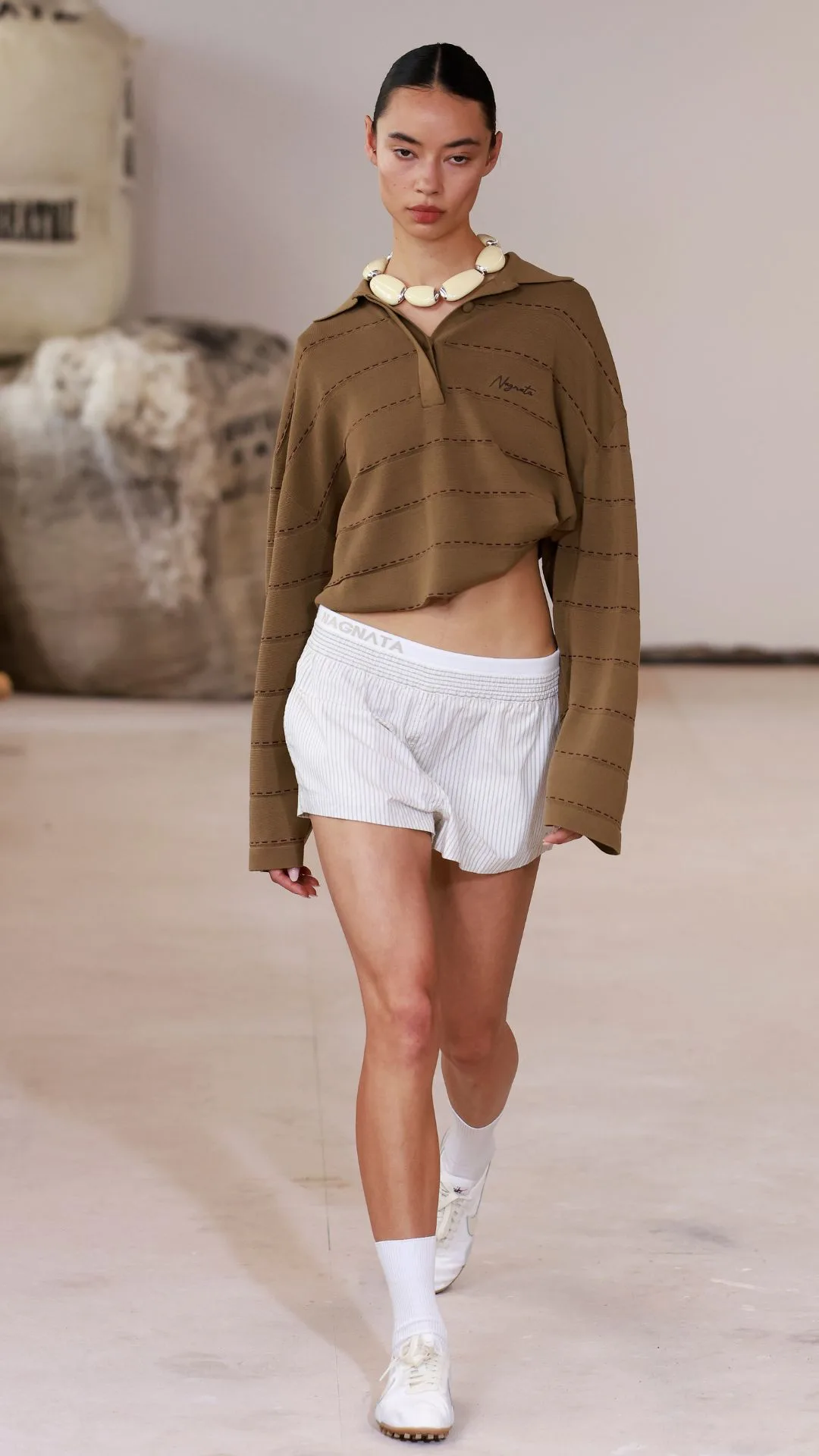
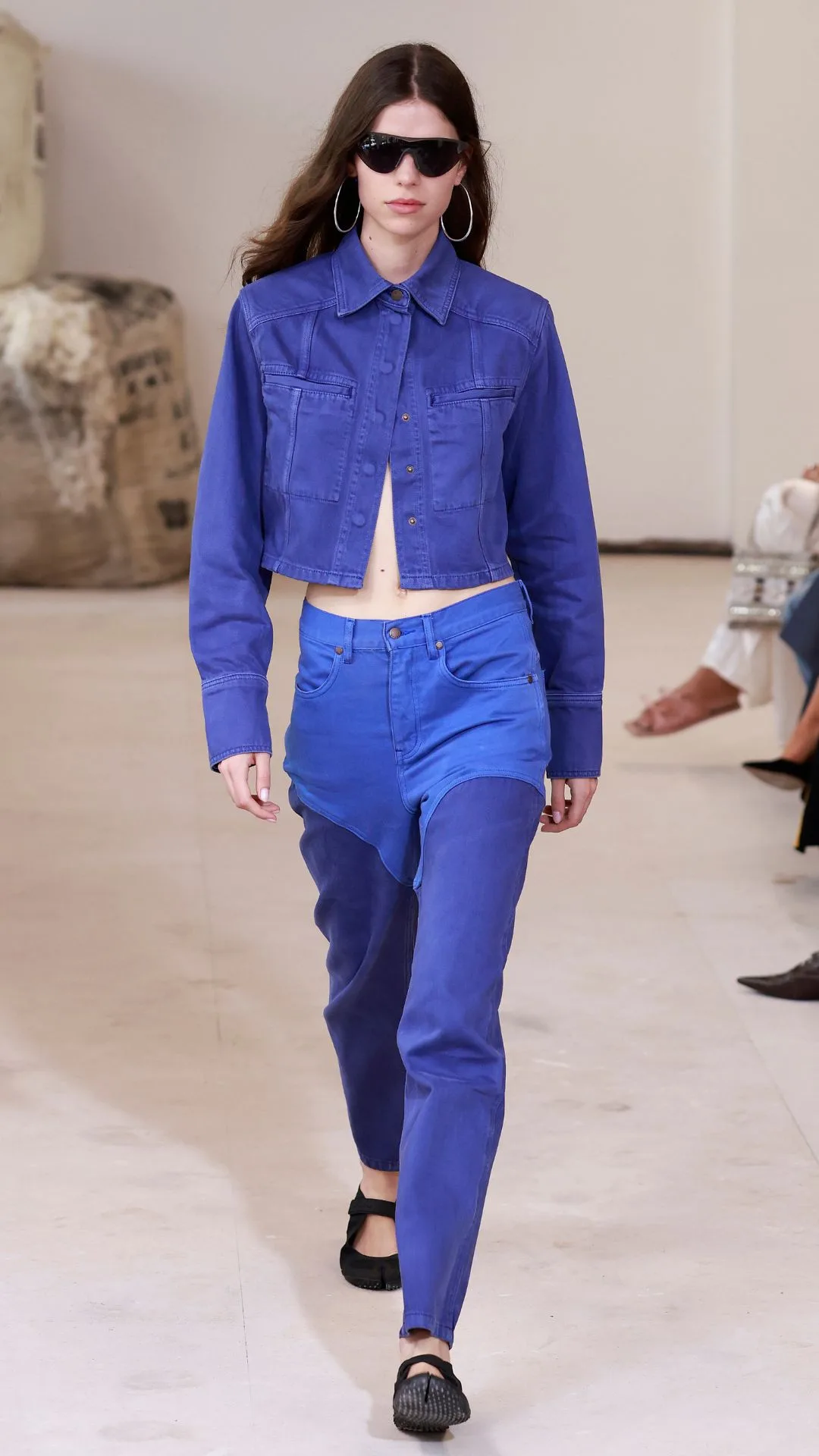
Co-founder Laura May Gibbs expanded her dialogue with the natural world through FUTURE = FIBRE. Opening with dancers moving to a pulsing beat in a sunlit Darlinghurst studio, the collection blurred the line between somatic ritual and sartorial expression. Nagnata’s studio-to-street evolution was evident as they introduced tailoring executed entirely in knit.
The true triumph was the textile innovation: Yves Klein Blue and aubergine denim sets were vegetable-dyed, resulting in a depth and tactility that felt as nourishing to the skin as it did to the eye.
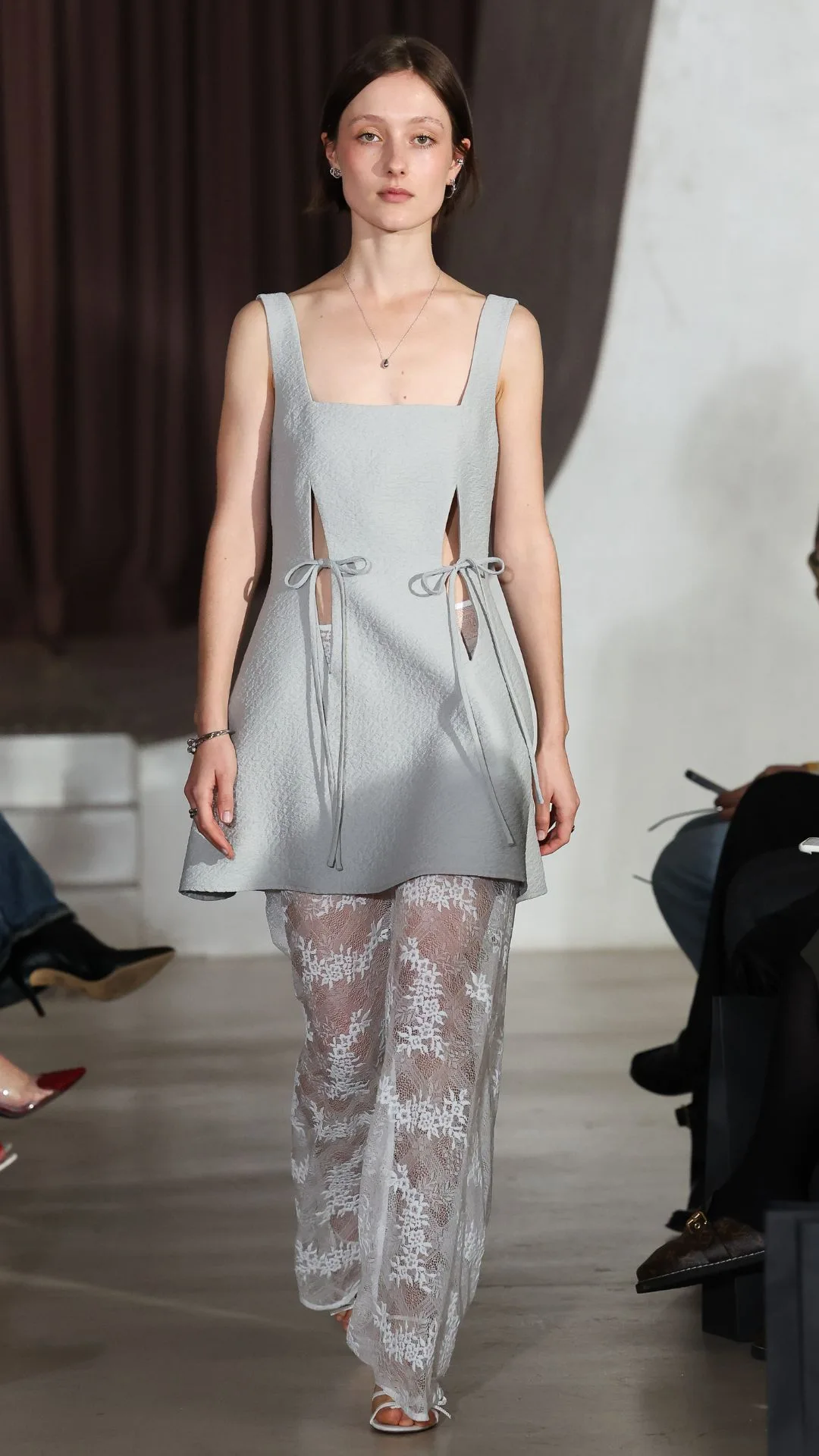
Staged in the cavernous, light-filled Saint Barnabas Chapel, Karla Špetić’s COMPOSE felt like a spiritual reckoning with her own archives. She took the crisp, familiar tailoring that has long shaped the brand's language and deliberately softened it. Sheer overlays, delicate lace, and inventive darts allowed panels to be tied or left undone, granting the wearer complete emotional agency over their silhouette.
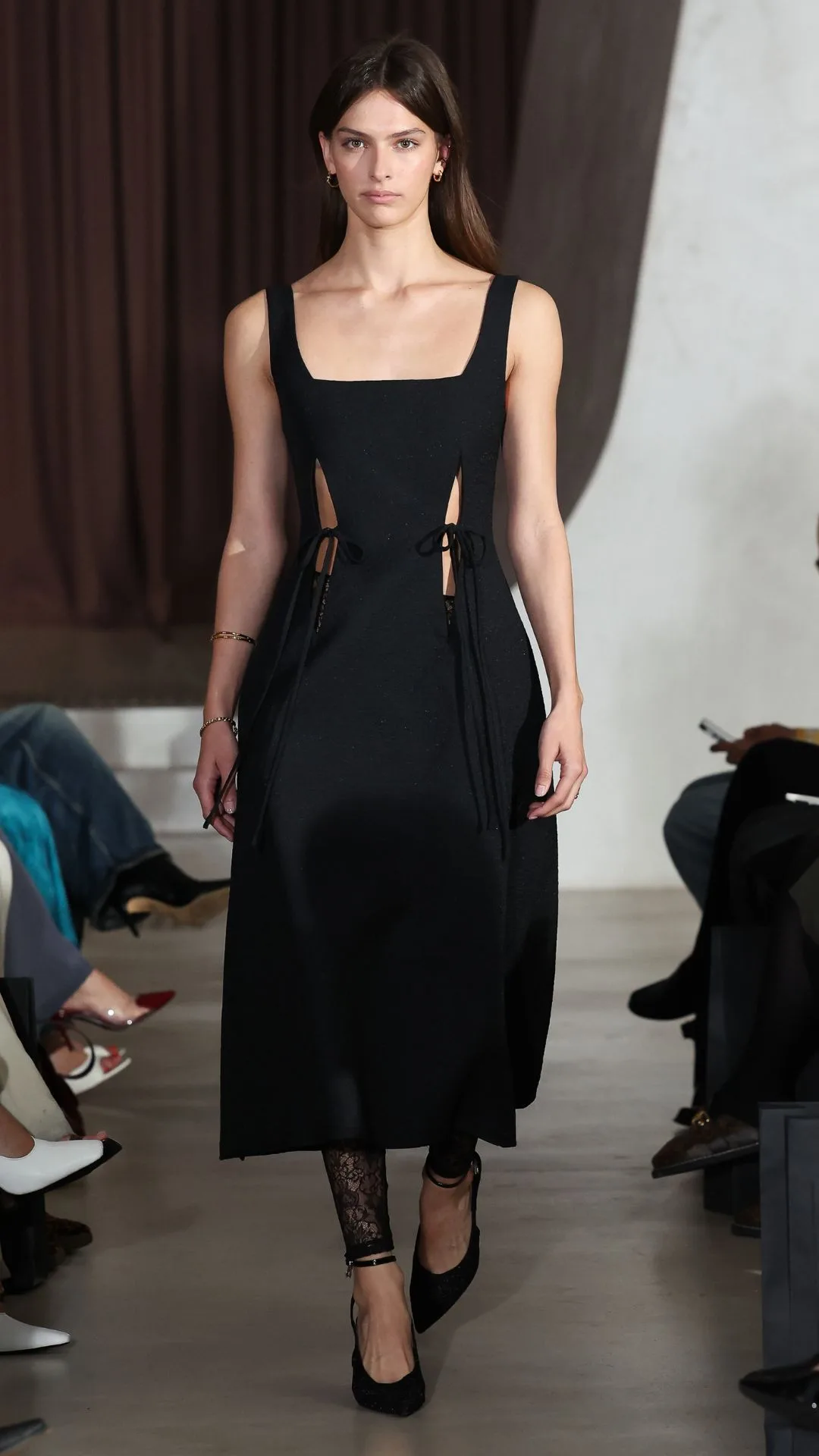
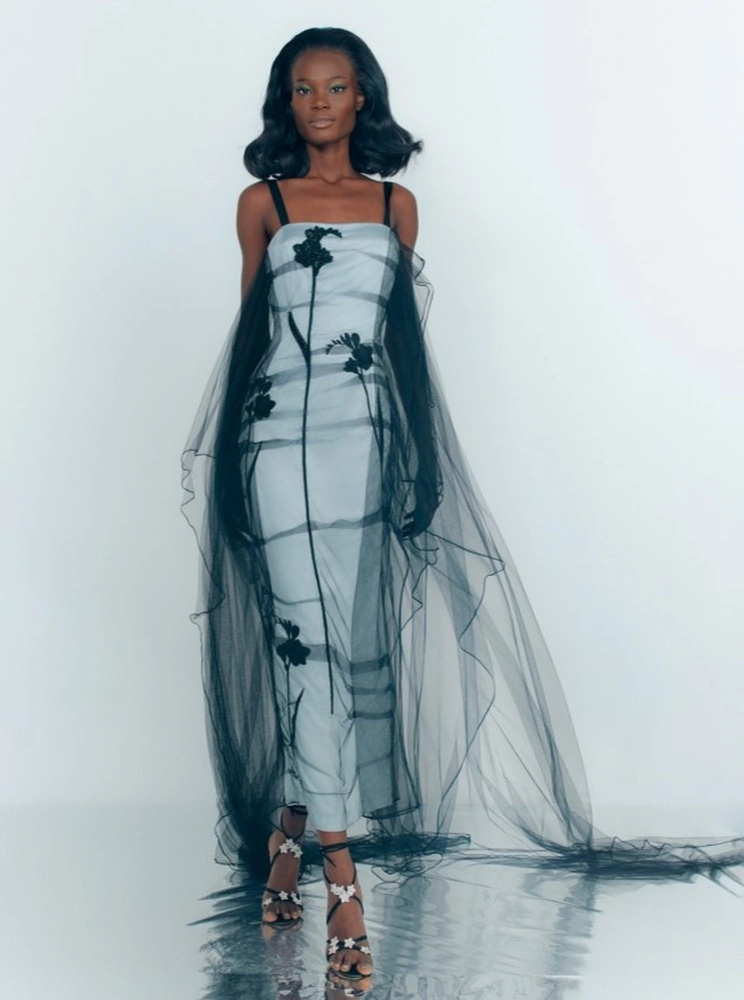
At the MCA, Mariam Seddiq’s ECHOES explored the fascinating liminal space between high-priestess power and liquid softness. The collection commanded the room with monochromatic palettes of smoked plum, dark chocolate, tobacco, and washed greys. Seddiq is a master of tension; here, she contrasted severe faux leathers with liquid-like drapery and metallic mesh. The result was a dramatic, commanding woman who remains beautifully fluid.
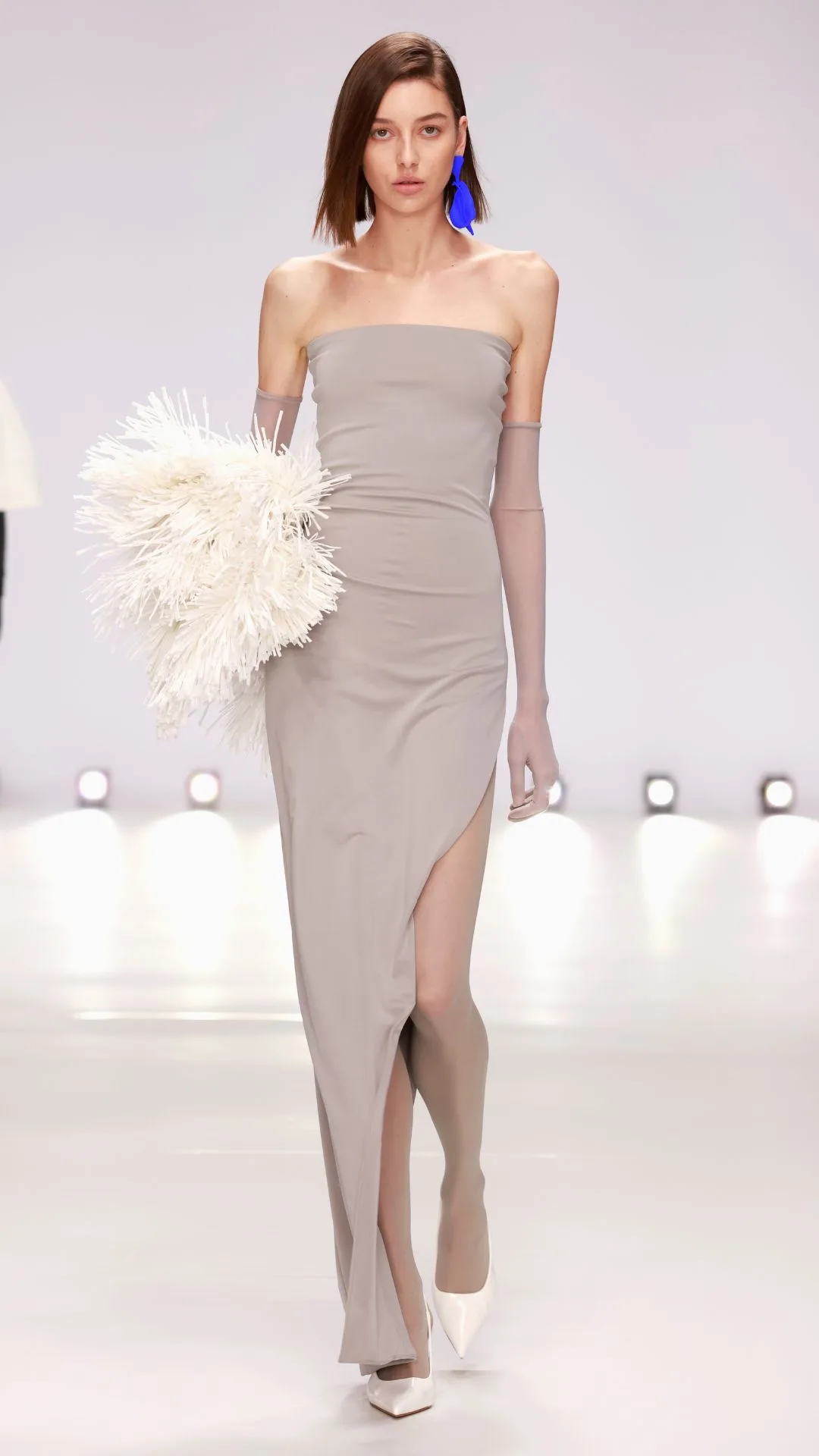
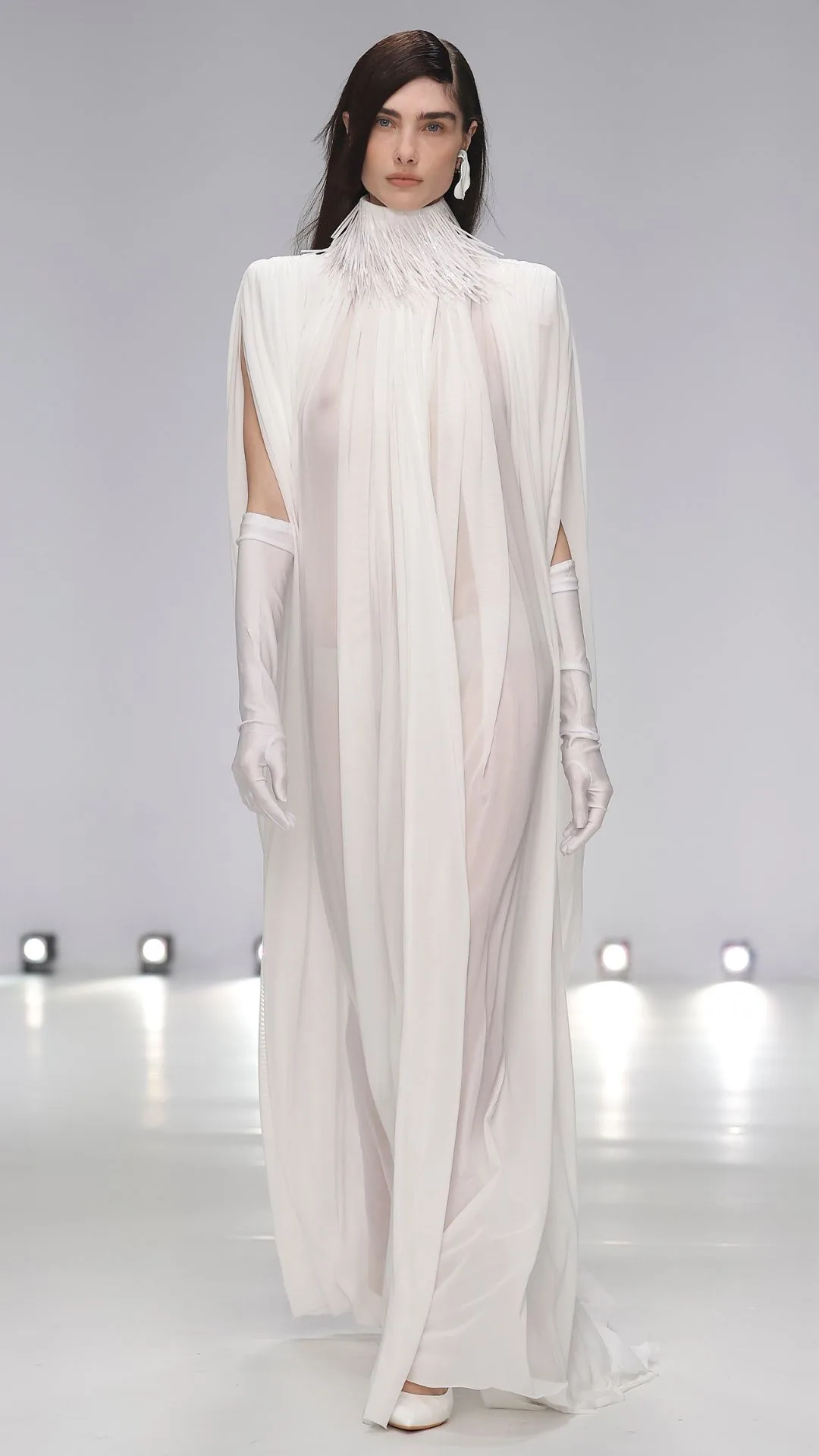
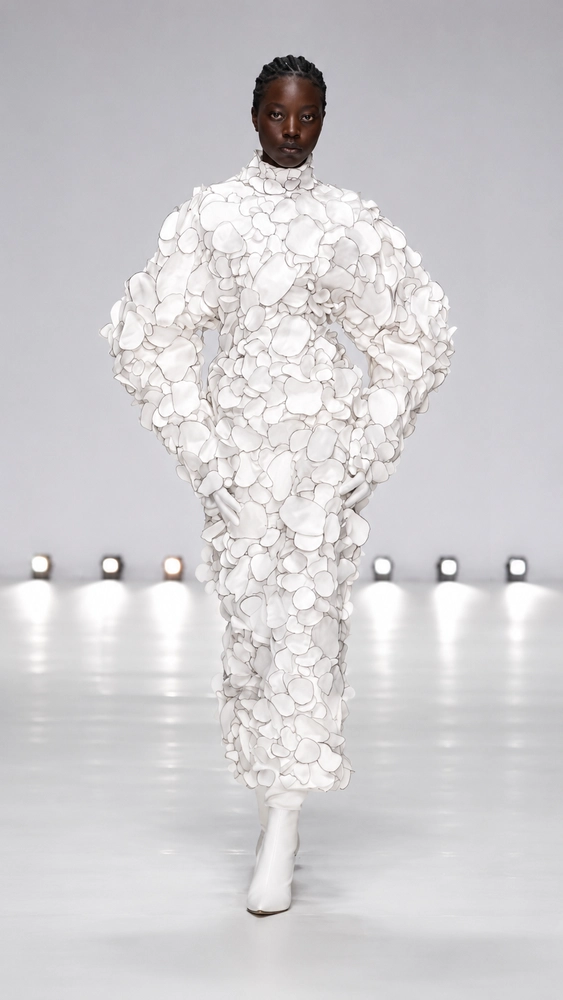
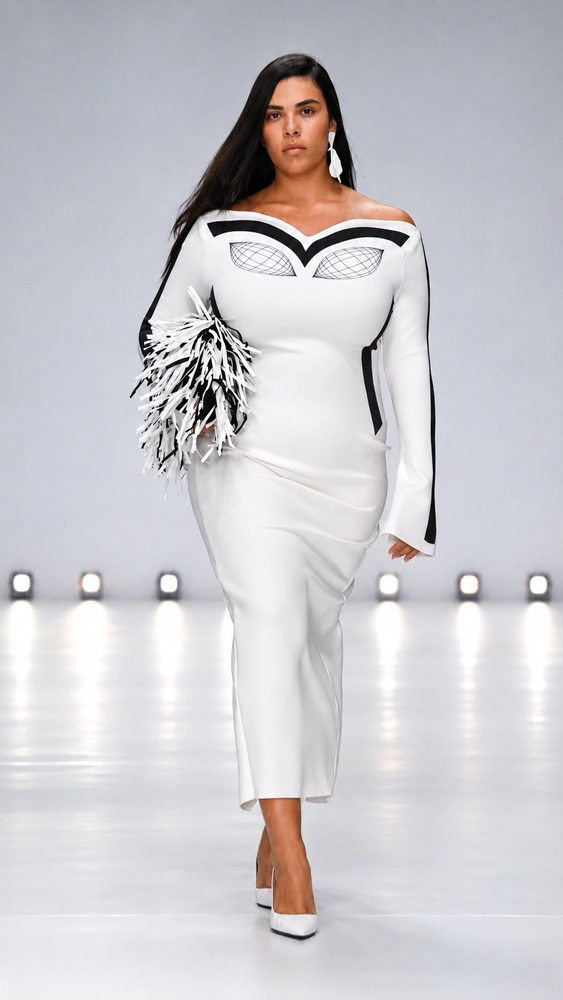
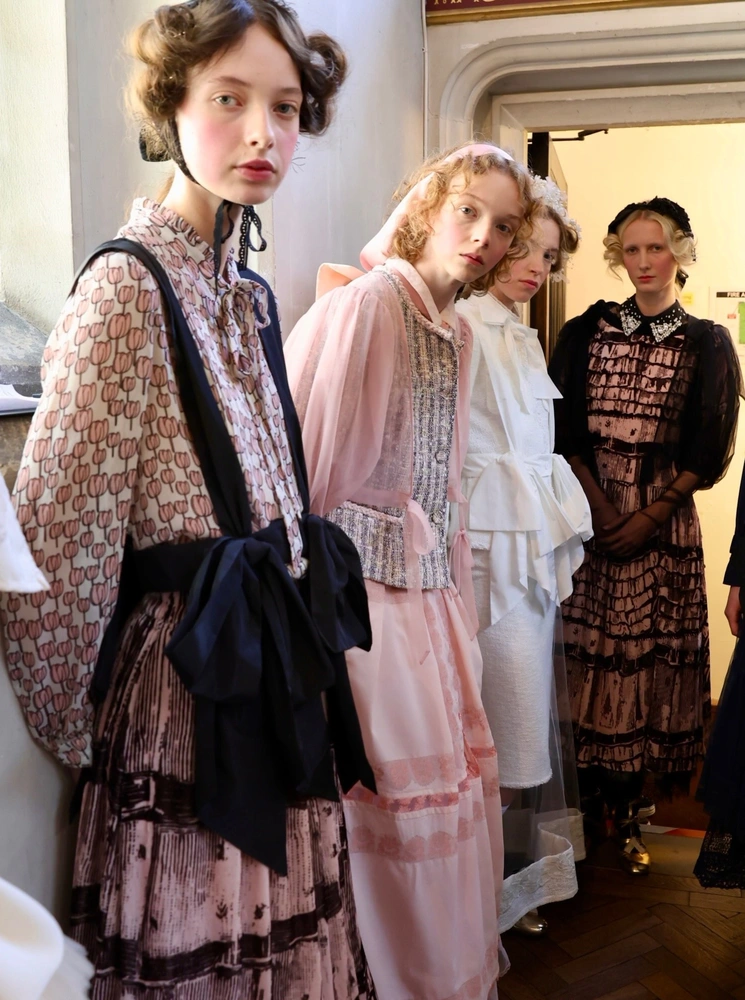
For five years, Lilian and Katie-Louise Nicol-Ford have delivered the intellectual anchor of AFW, and at Australian Fashion Week 2026, Feint was no exception. Staged at Elizabeth Bay House, the collection was a poignant homage to Adrian Feint, an Australian painter who navigated Sydney high society as a gay man when homosexuality was criminalized. Unfolding in four acts, the show moved brilliantly from the polished oil-painted dresses of society women to the surrealist ribbons of Feint’s private imagination. It was an achingly beautiful exploration of the language of flowers as queer code, and the quiet, conditional performances required to protect queer joy.
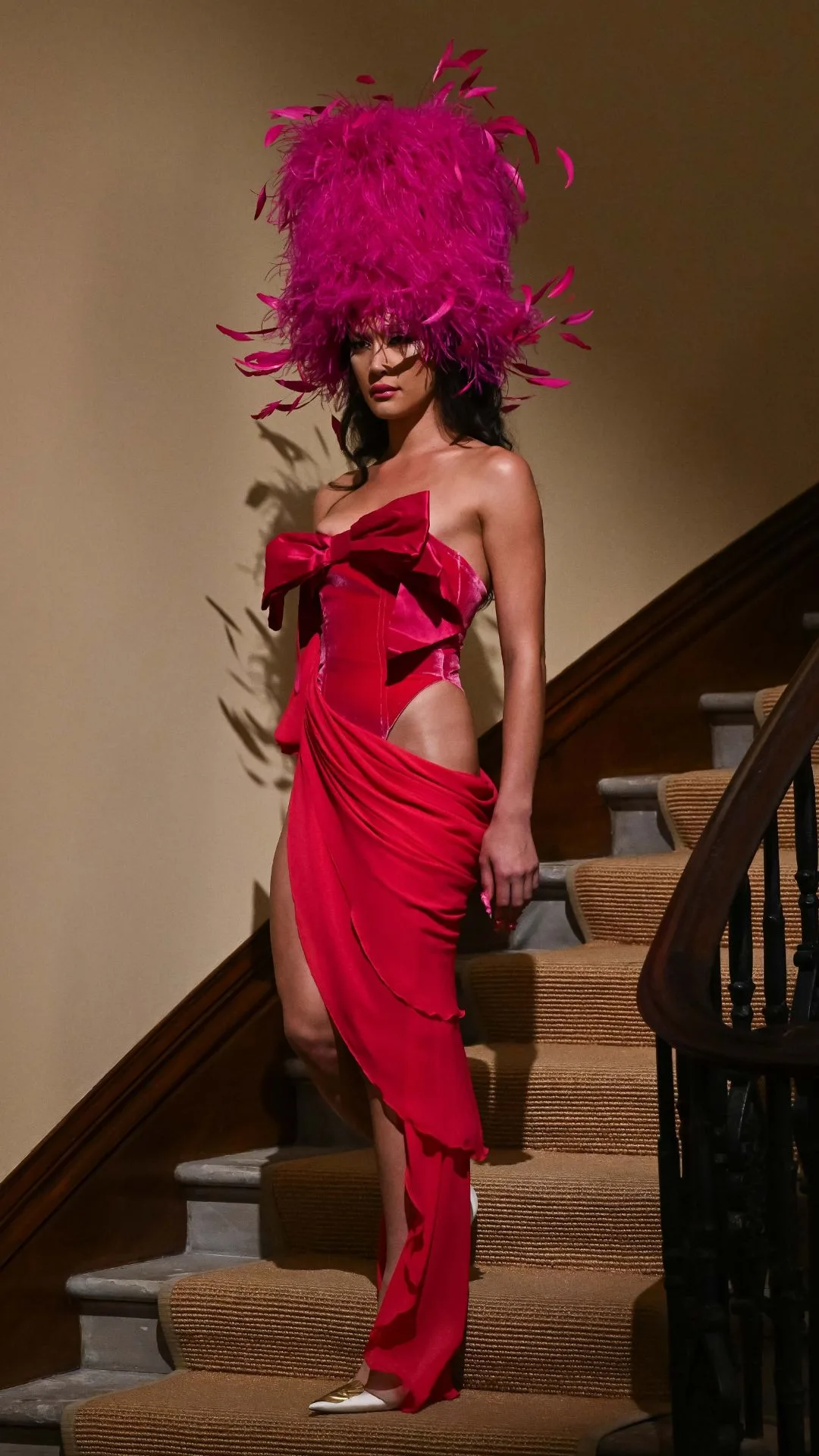
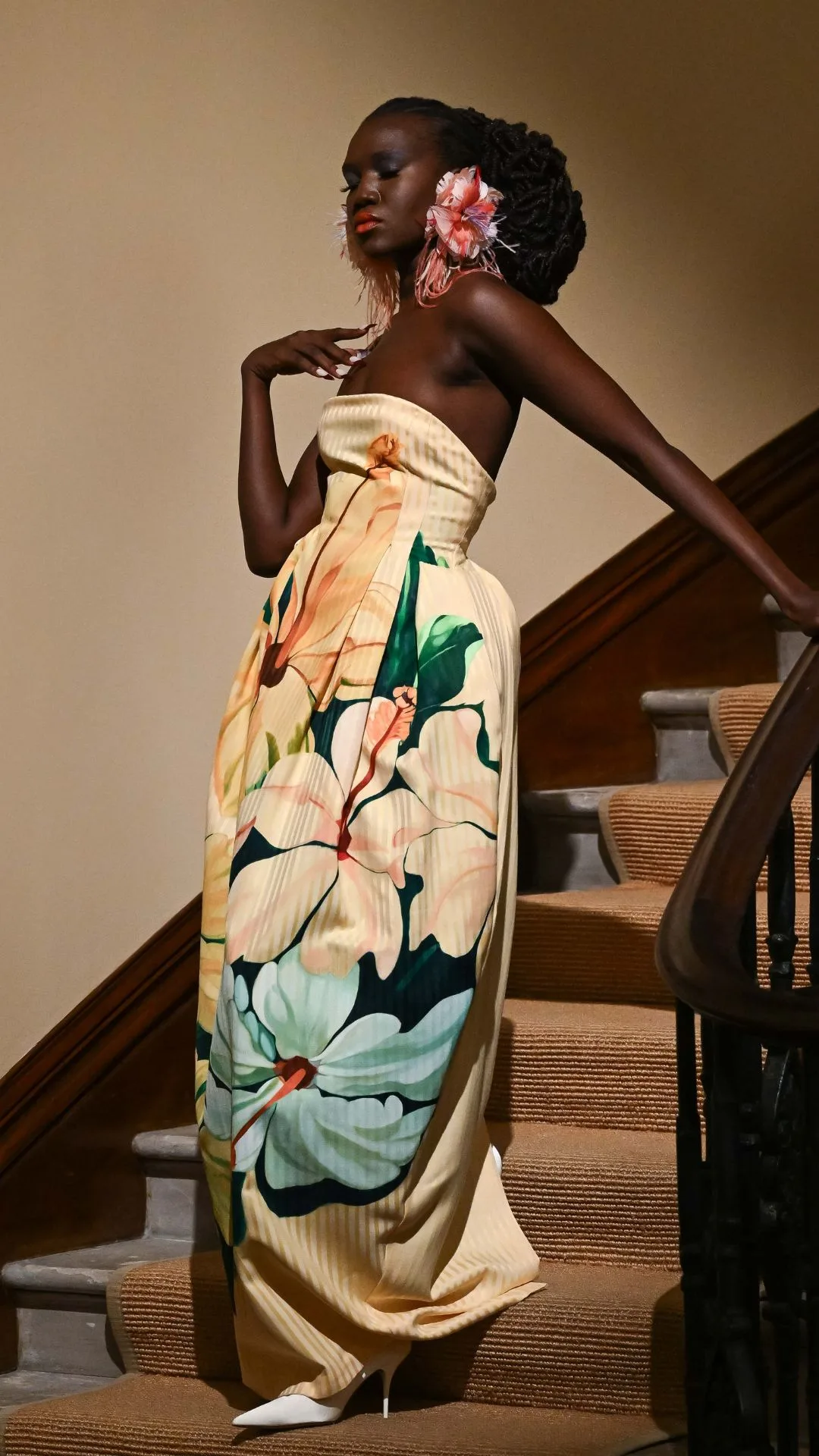
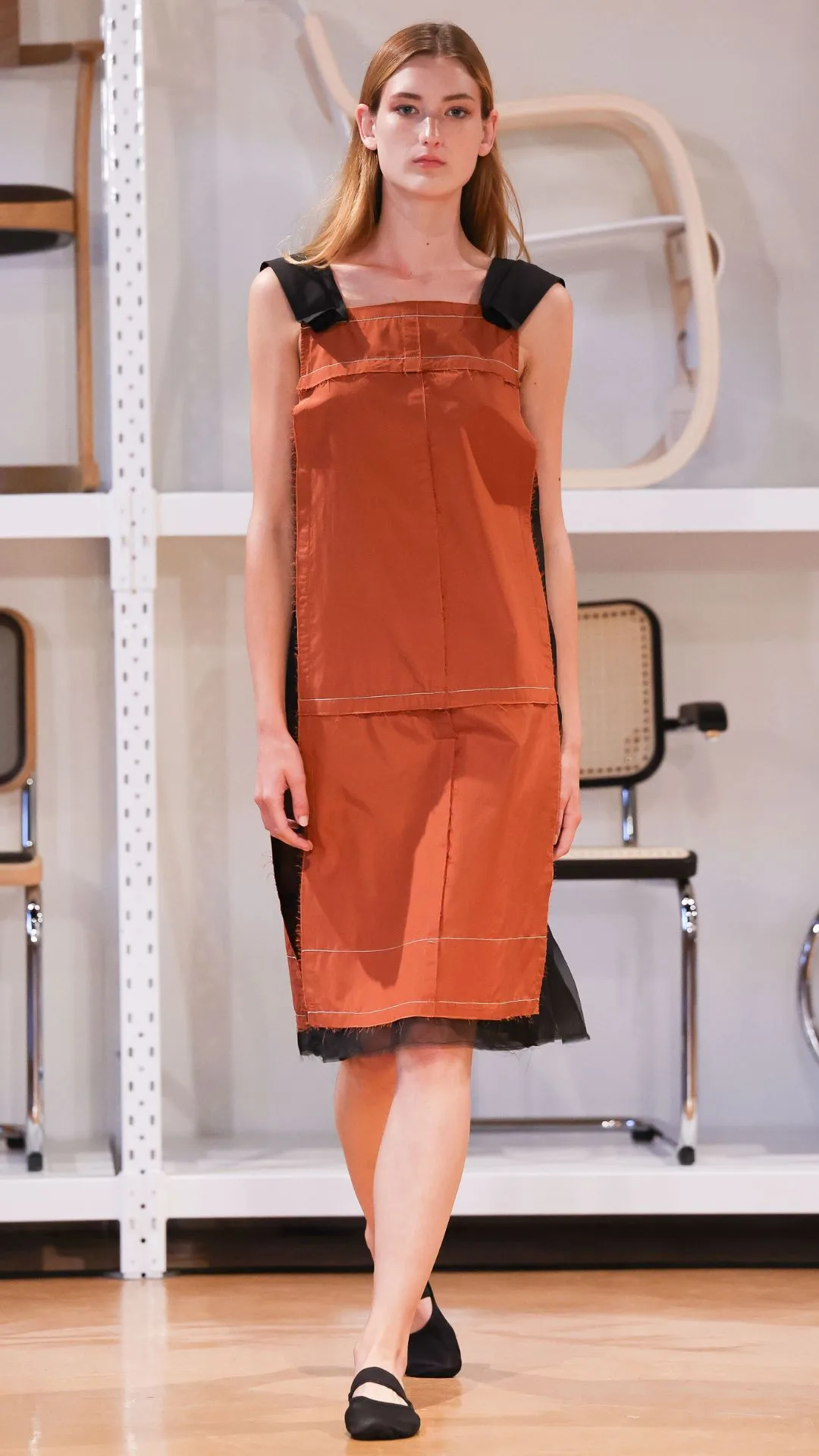
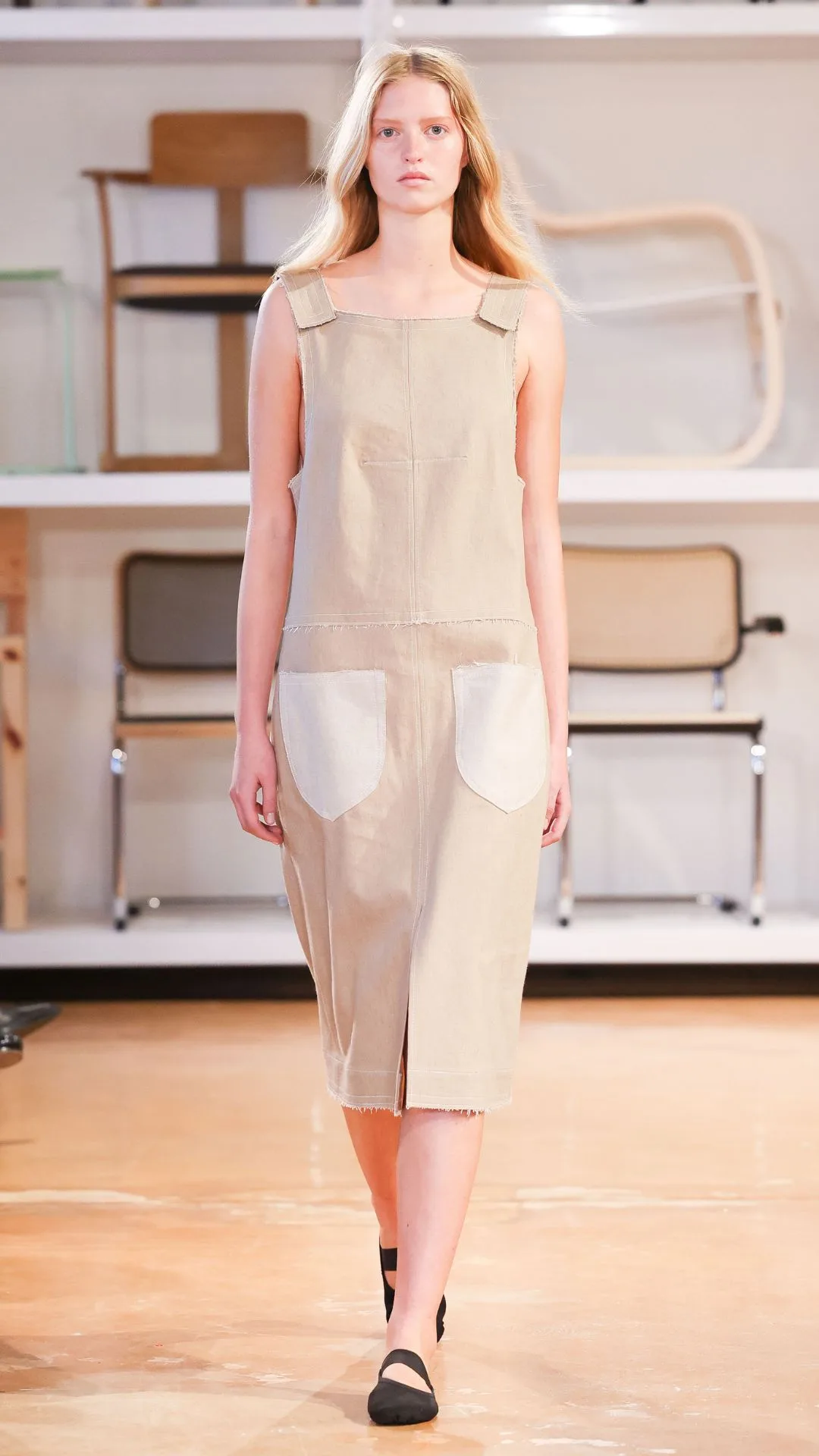
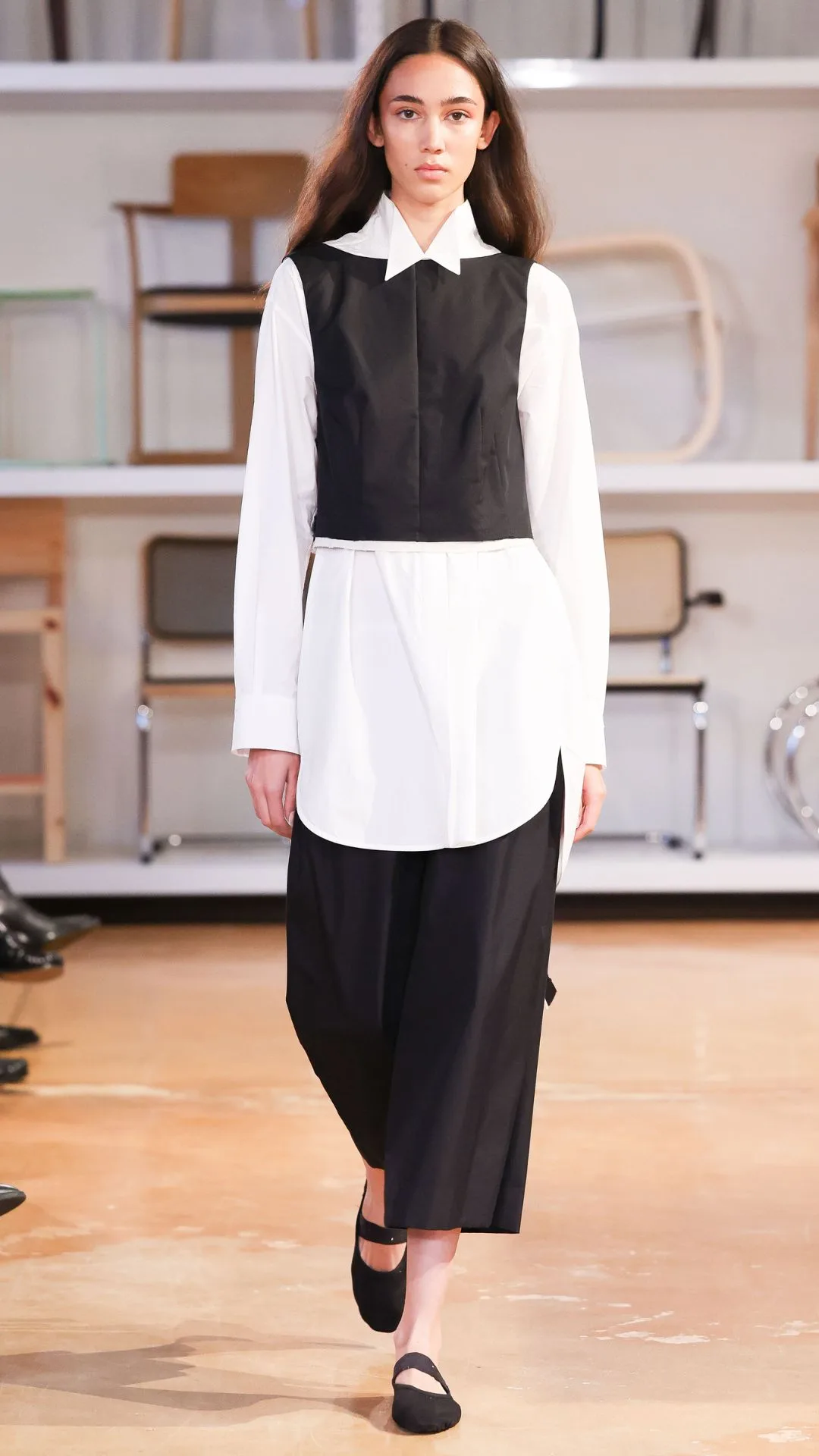
To celebrate 27 years in business, Lee Mathews eschewed a traditional retrospective in favor of a quiet, deliberate deconstruction. Working within a palette of warm, reassuring neutrals, Mathews played with sheer fabrics, layered cottons, and beautifully warped proportions. Denim and organza were shaped into homespun midi dresses and oversized shirts, all grounded by sensible Mary Janes. It was a gentle meditation on the intelligence of materials and the foundational signatures that have kept her creatively engaged for nearly three decades.
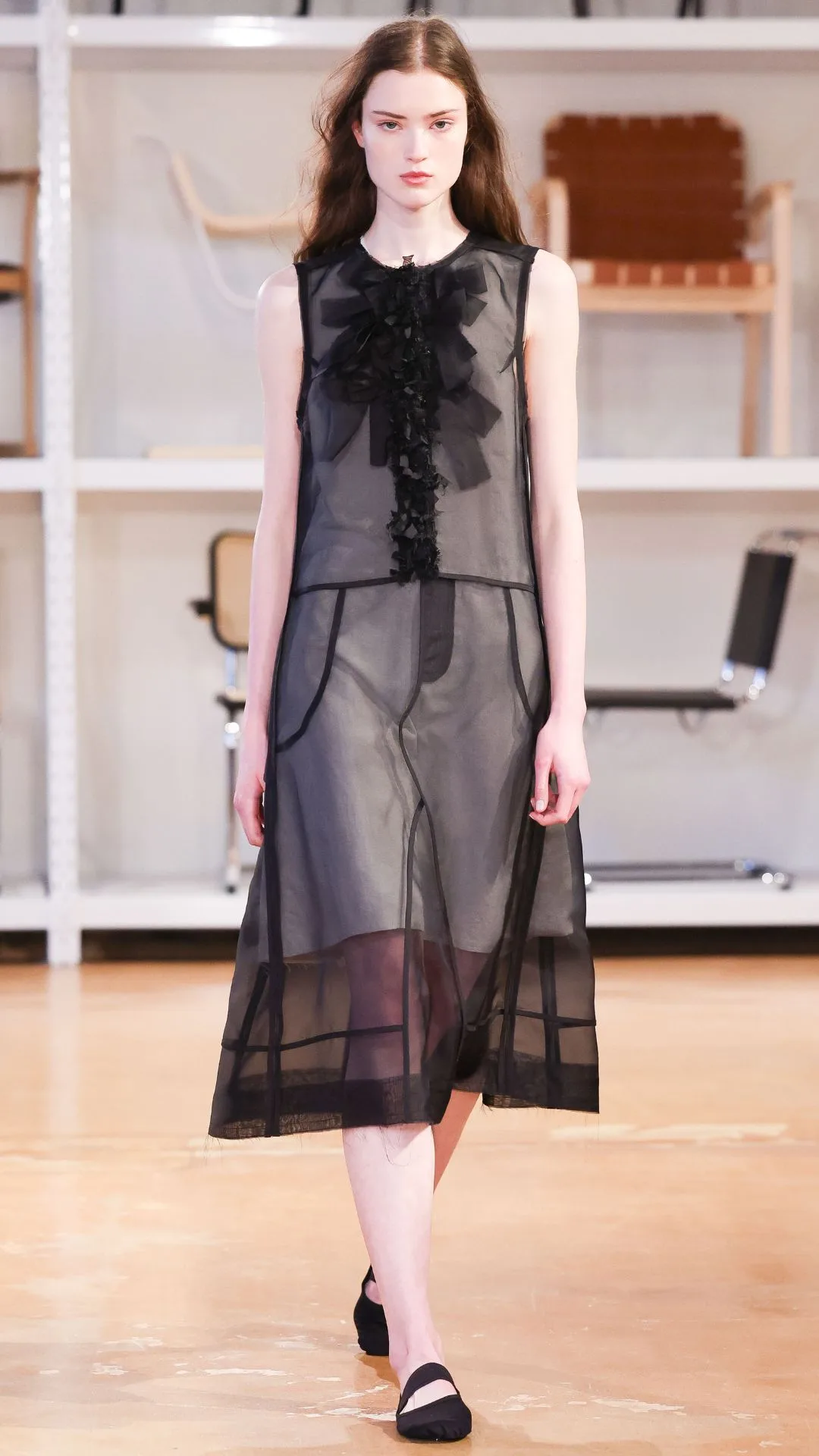
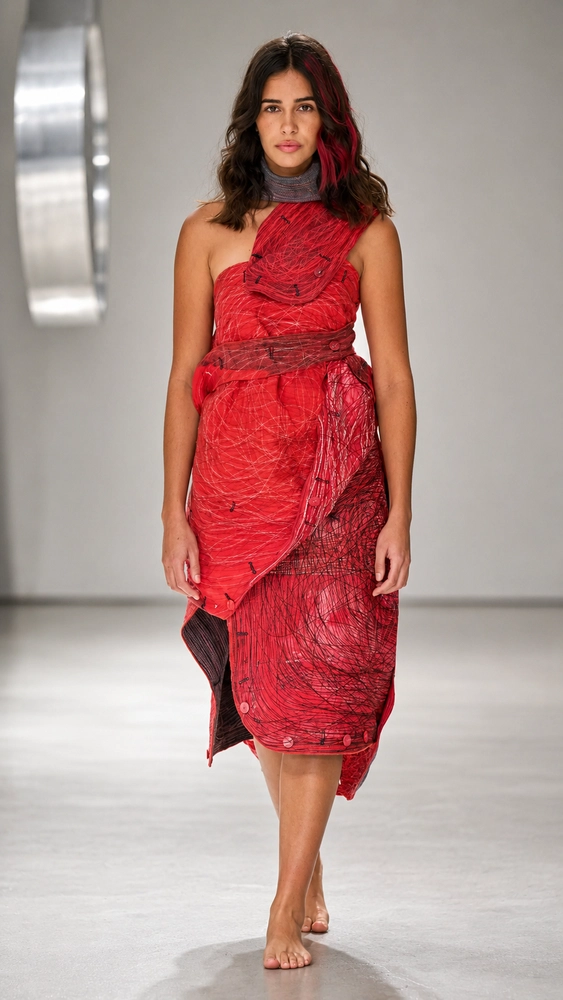
Jordan Gogos opened his sixth Australian Fashion Week 2026 presentation at UNSW Galleries with a beautifully absurd thesis: "What even is a button? A button is a void." The textile artist delivered the formal distortions and joyful surprises we have come to crave. From a model in a felt loincloth dragging his counterpart across the floor, to a procession of sculptural red blazers fastened together to deliberately distort the silhouette, Gogos proved once again that his runway is less about commercial clothing and more about dynamic, wearable art.
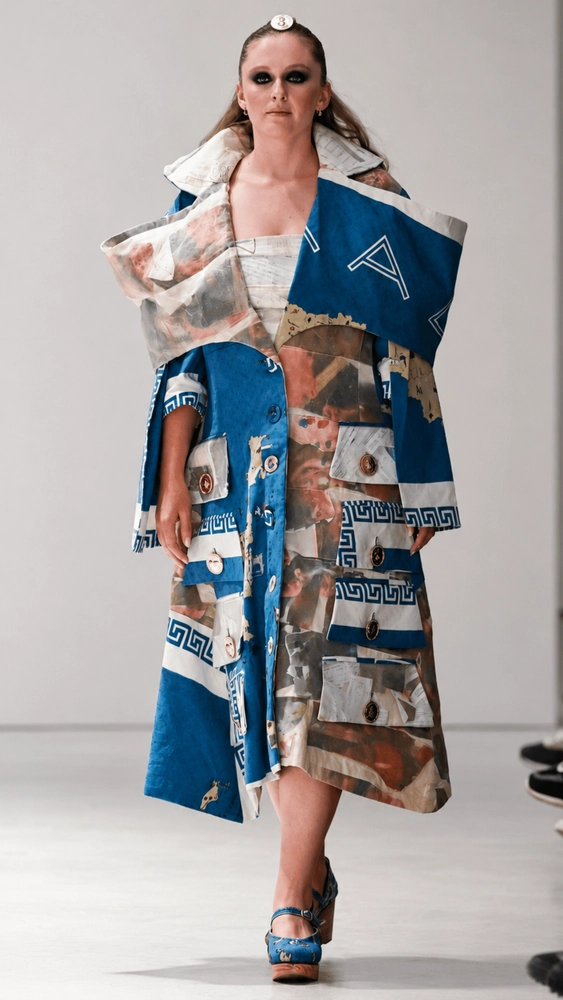
The New Generation showcase, presented by DHL, offered a vital pulse-check on emerging talent at Australian Fashion Week 2026.
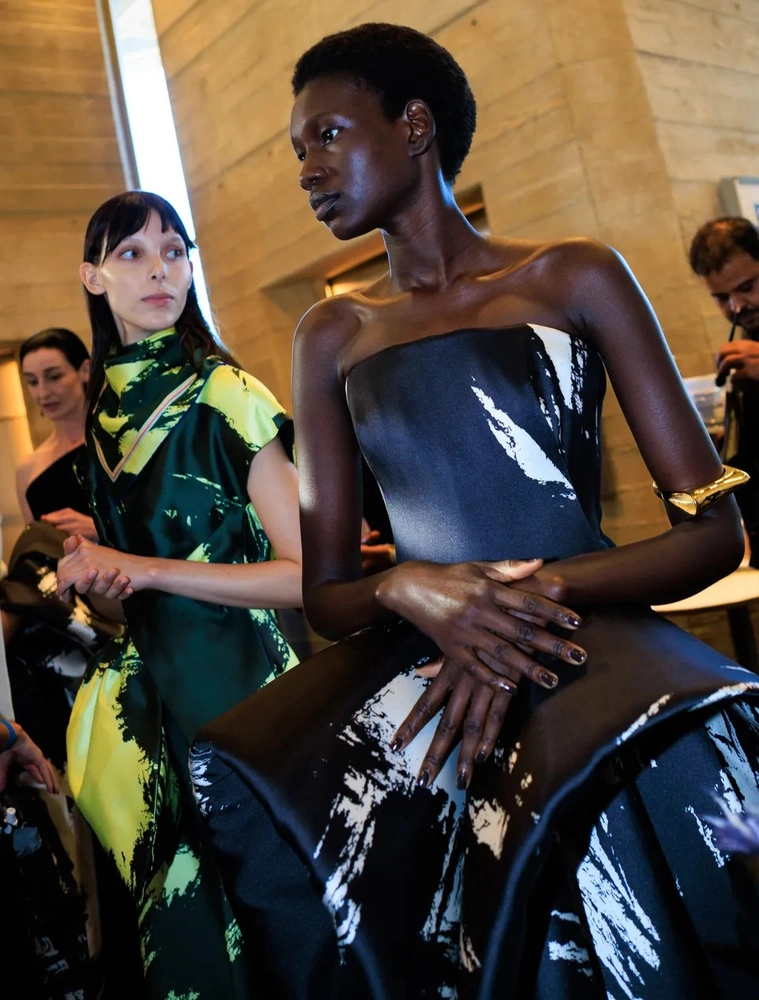
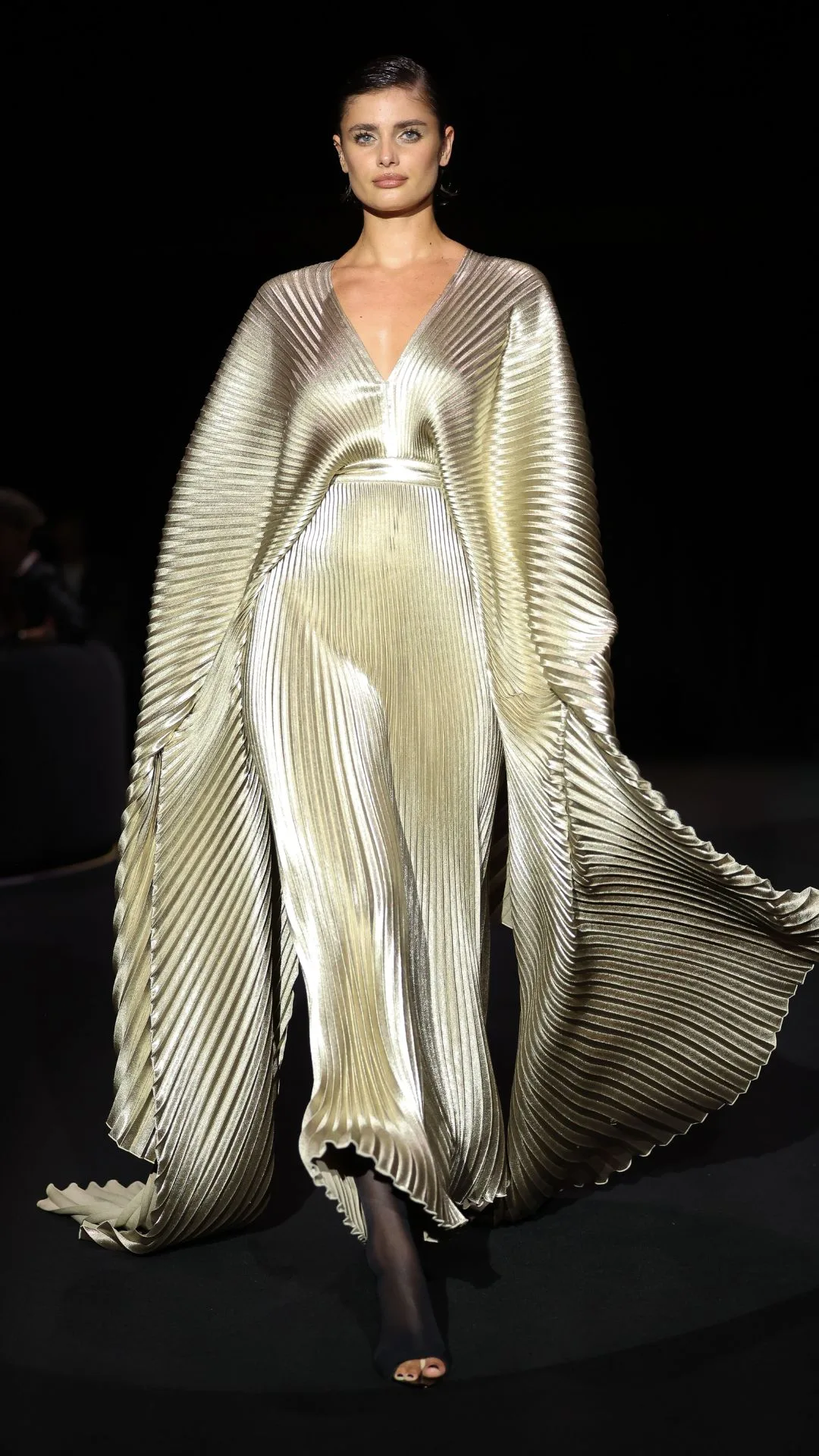
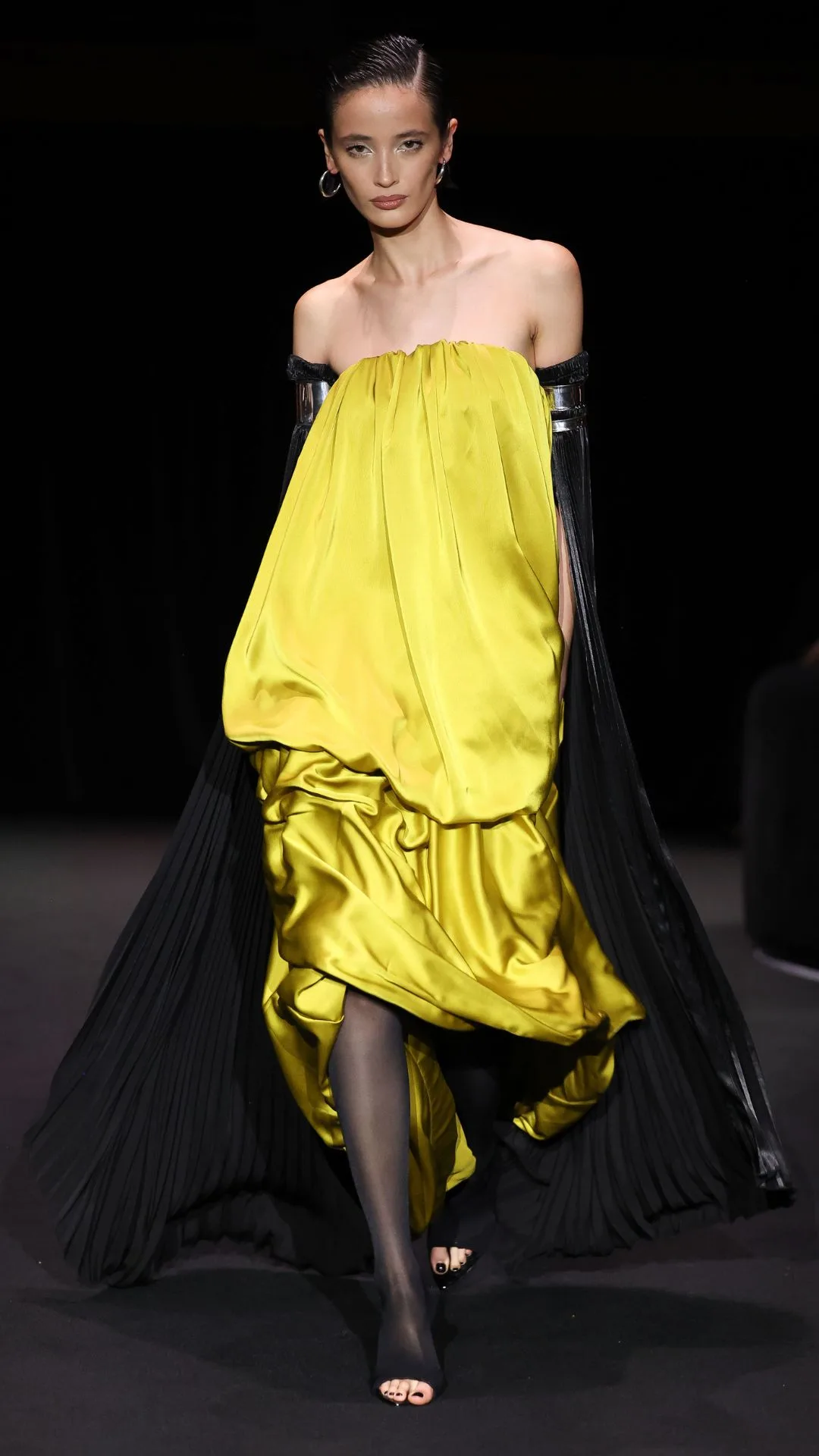
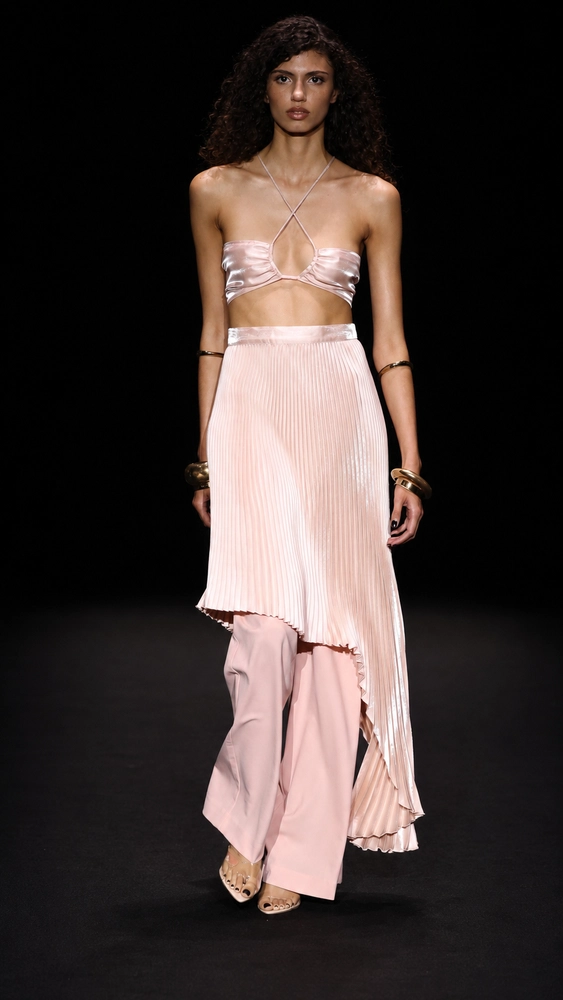
Breeana Smith commands light and texture with an almost hypnotic ease. Returning for her fourth year, and casting supermodels Taylor Hill, Shanina Shaik, and Gemma Ward, L’IDÉE leaned heavily into its signature liquid glass pleating. Emerging from the darkness in vivid chartreuse and deep plum, the collection was an arresting, tactile dream that cemented Smith's status as a master of eveningwear glamour.
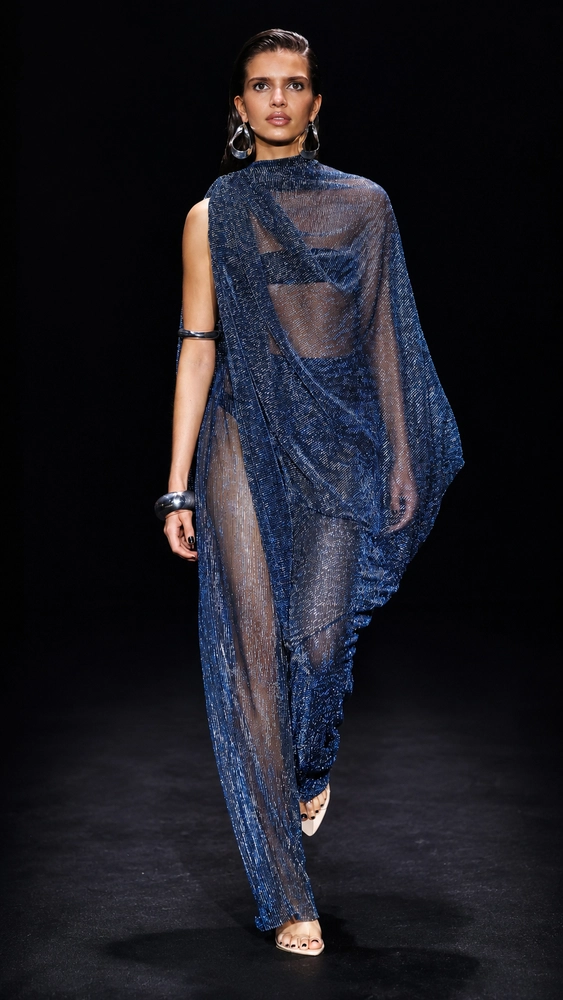
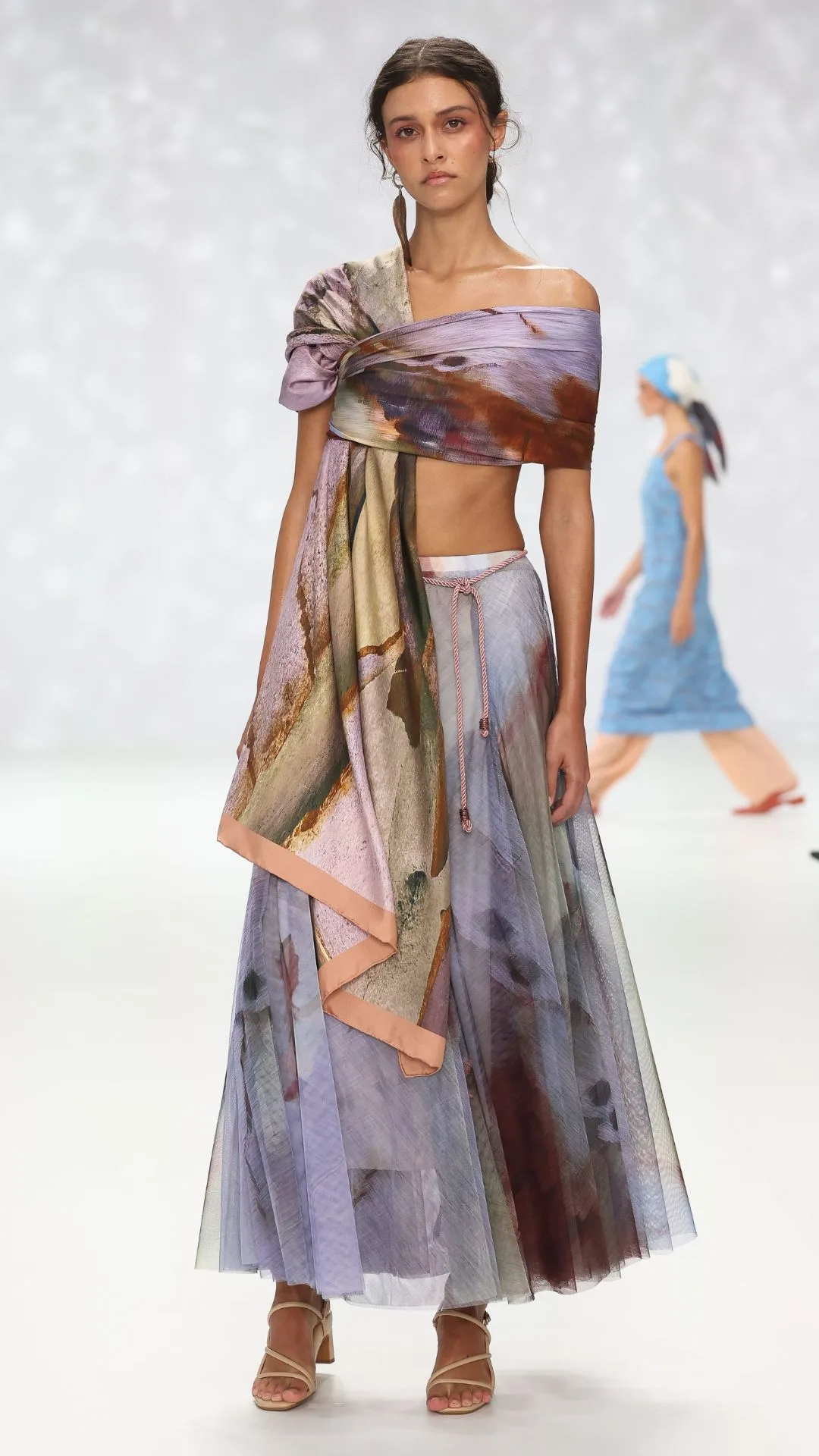
Taking over the MCA’s Foundation Hall, proud Wiradjuri designer Denni Francisco presented Wander with Wonder, a 24-piece capsule steeped in Yindayamarra, the philosophy of moving through the world with respect and intention. Opening with a Welcome to Country and yiḏaki, the collection was anchored by the brand’s signature silk scarf, styled in endlessly inventive ways to champion sustainability over consumption. Slouchy knits and liquid lilac shifts were elevated by prints reflecting the topography of the Australian landscape. The quiet addition of Bunjil (wedge-tailed eagle) pins served as a reverential nod to the creator spirit of the Kulin Nation.
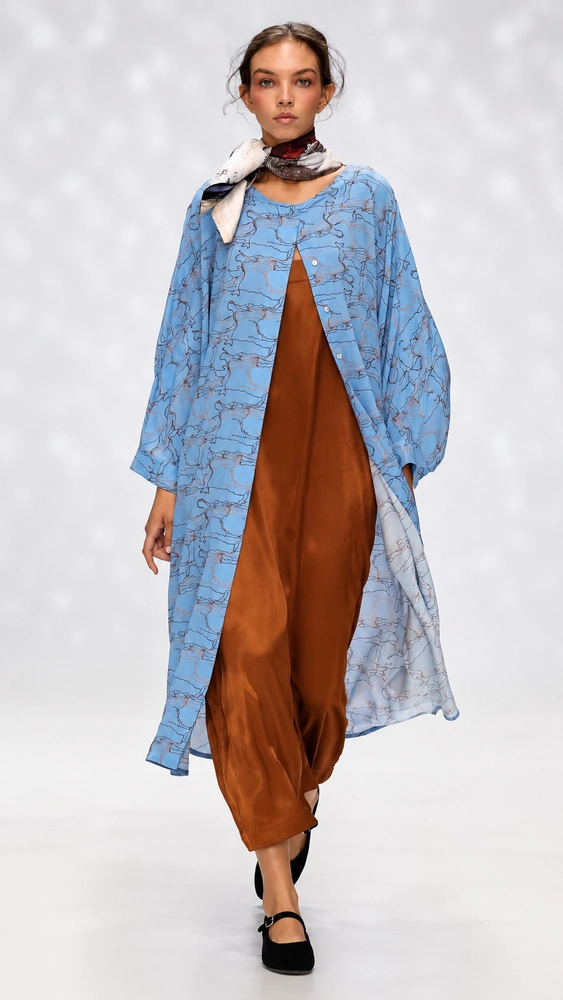
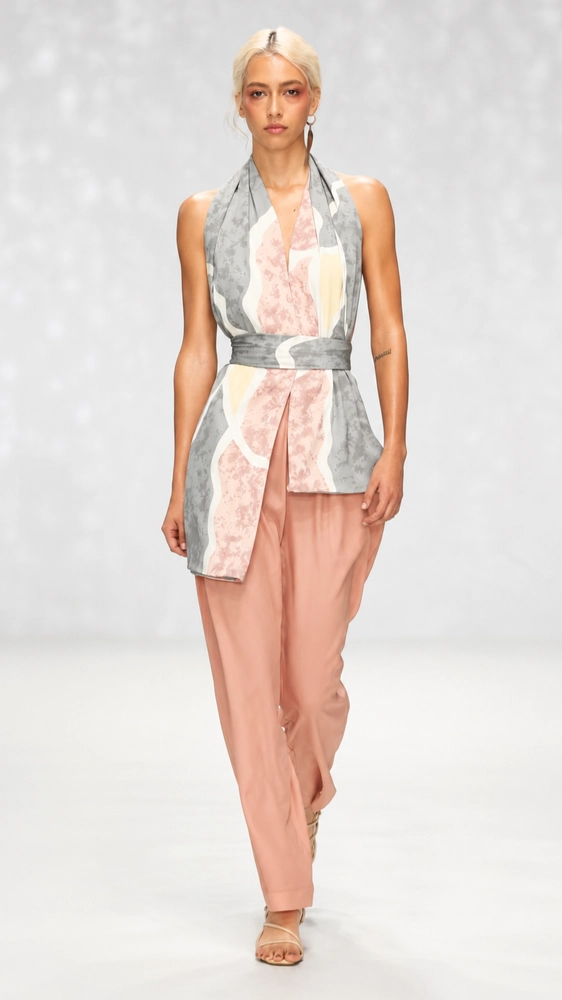
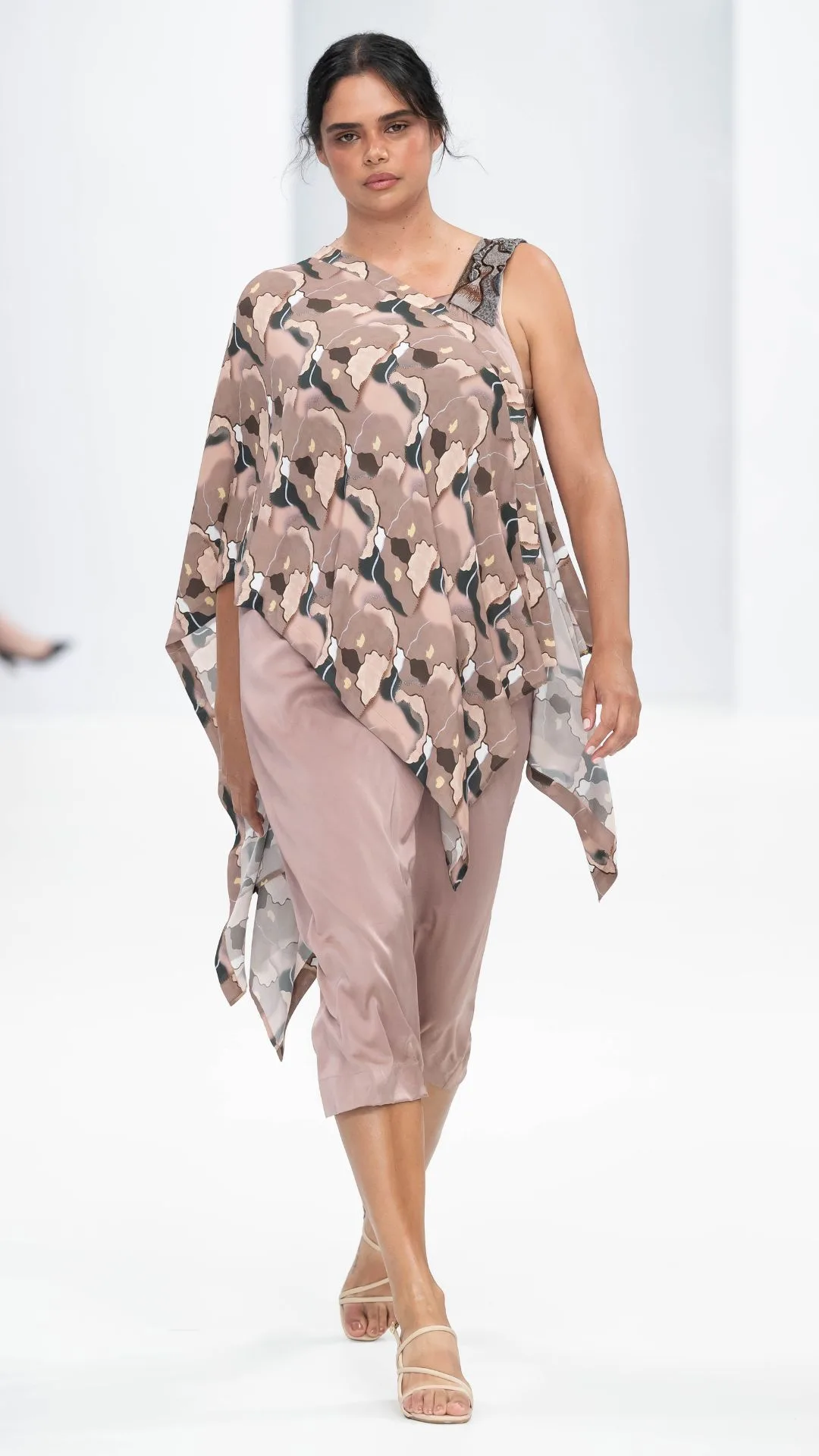
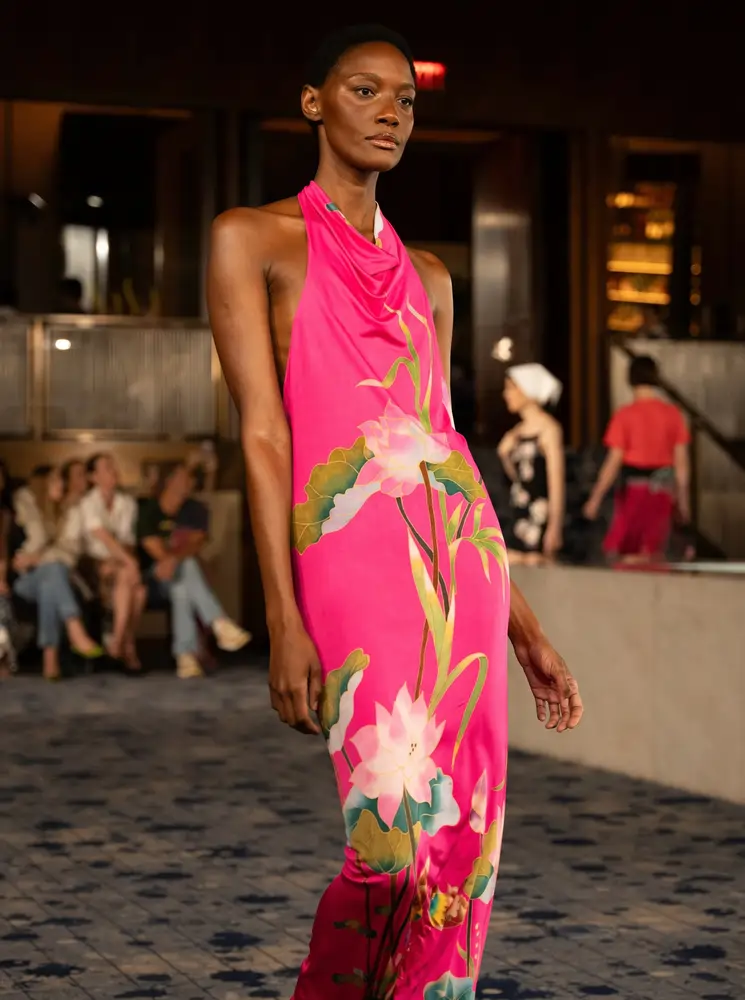
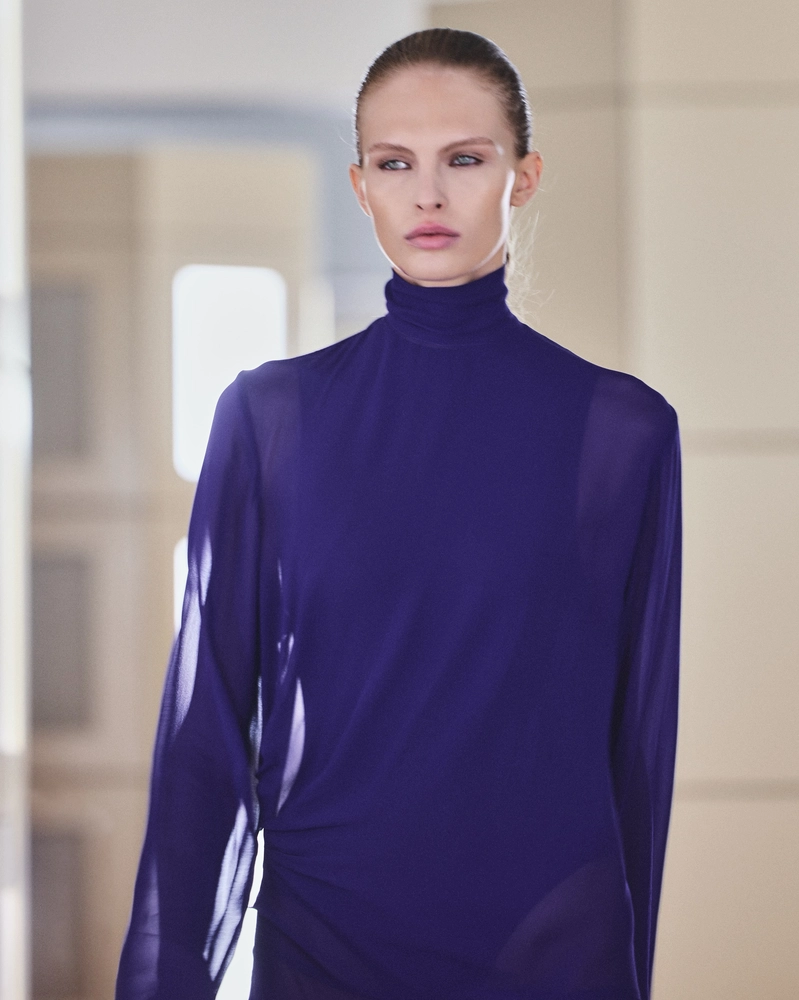
Gary Bigeni is celebrated for his vibrant playfulness, but Resort ’27 found the designer in a deeply reflective, solemn state of mind. Turning to sculptural silhouettes, Bigeni honored the extraordinary resilience of women navigating birth, loss, illness, and transformation.
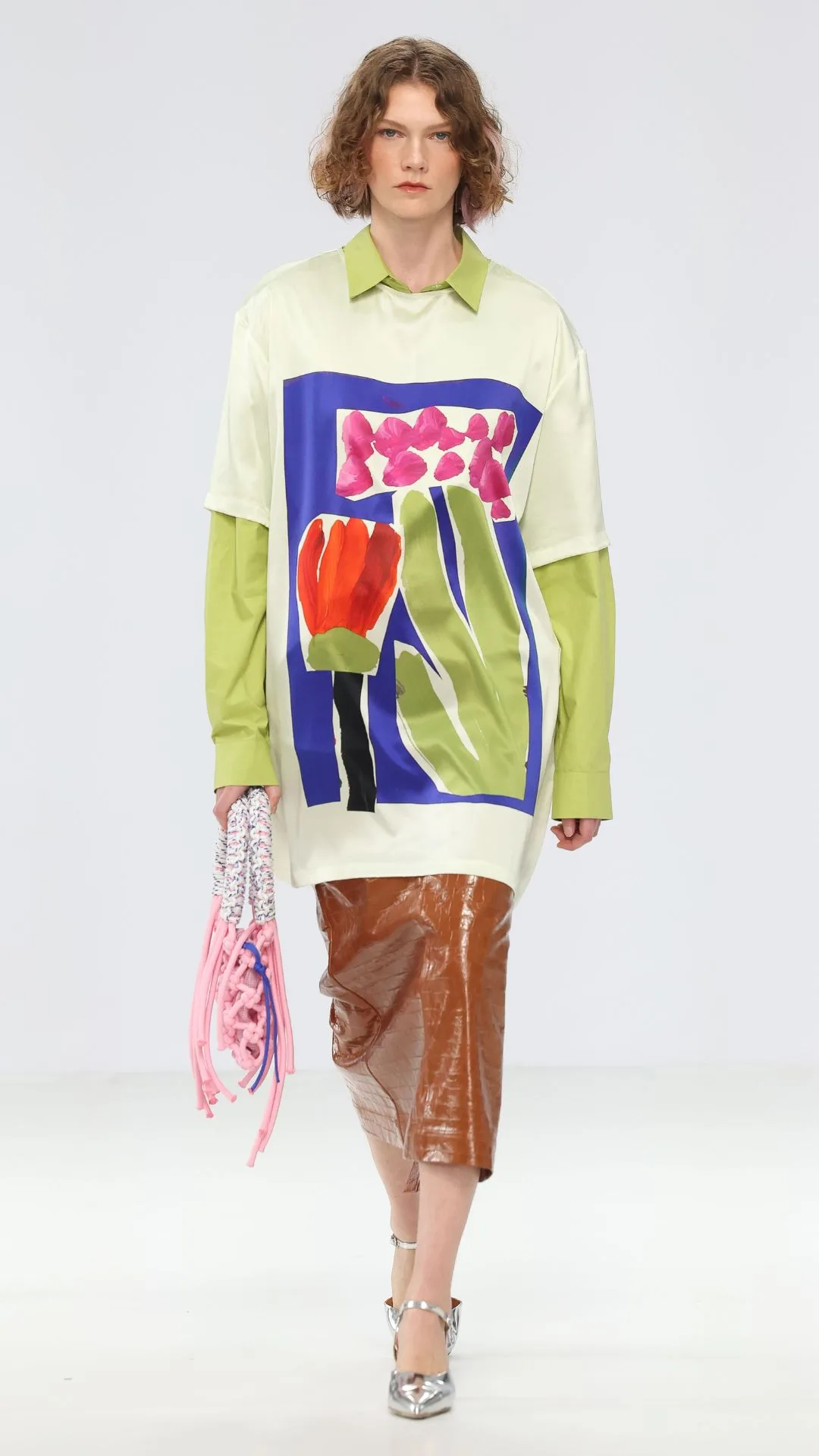
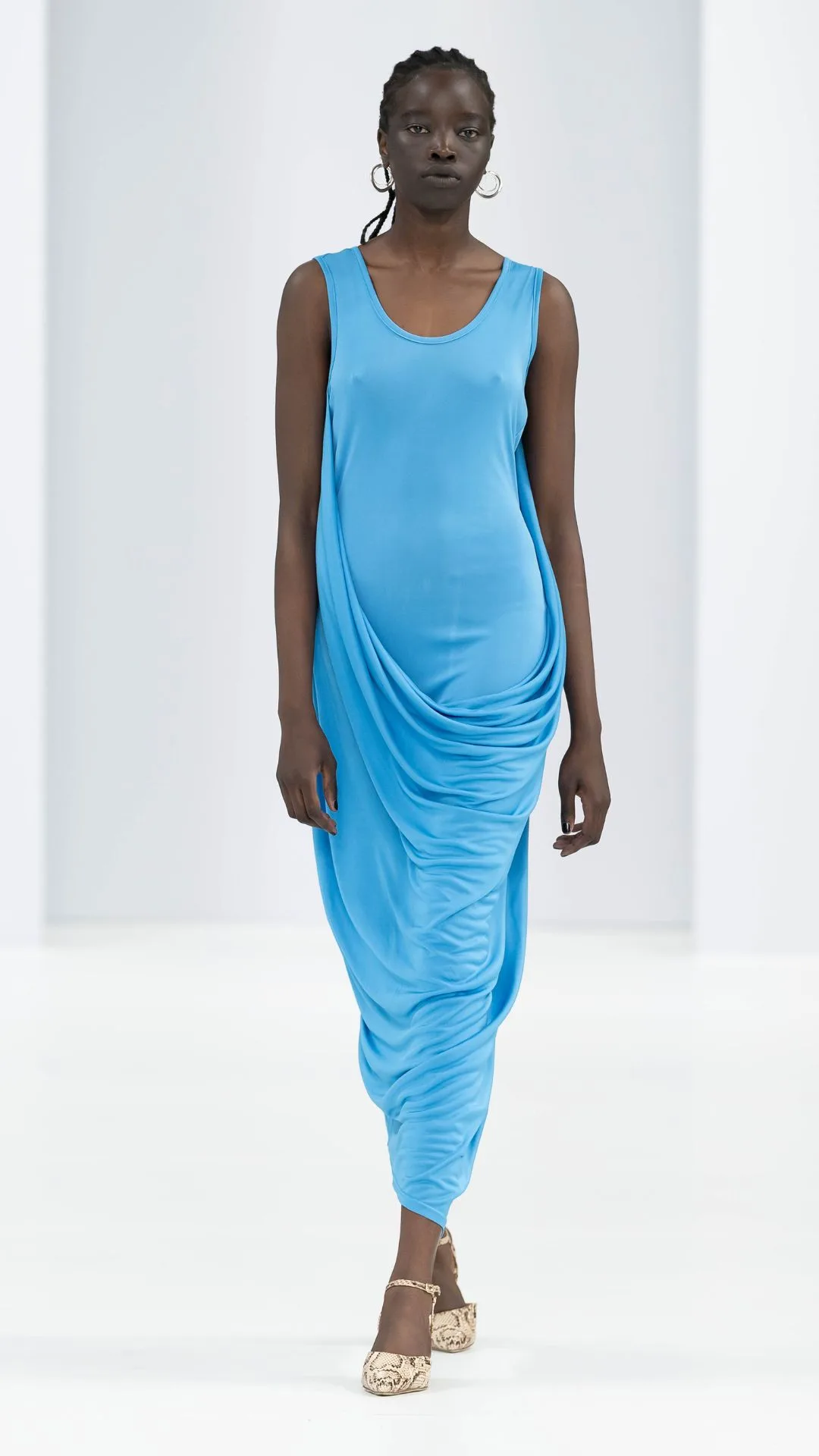
It was the perfect culmination of a 30th-anniversary Australian Fashion Week 2026, a raw, emotional synthesis of draping, art, and soft tailoring that proved fashion's greatest power lies in its deep, unrelenting humanity.
Advertisement