Nina Sayers: Anatomy of Ballet Innocence
Nina Sayers: Anatomy of Ballet Innocence

Natalie Portman’s portrayal of Nina Sayers in Black Swan (2010) remains one of cinema’s most compelling studies of innocence and obsession. Her wardrobe, conceived by costume designer Amy Westcott, reflects a ballerina whose existence revolves around perfection, discipline, and the delicate boundaries of self-control. Even during an ordinary walk through New York, her clothing expresses the fragile femininity that defines her character.
Soft pink, winter white, and muted gray dominate this particular ensemble, creating an aesthetic rooted in balletcore long before the term became fashionable. Beneath the romantic appearance lies a carefully composed winter wardrobe, where tailored outerwear meets practical rehearsal essentials. Each piece contributes to Nina Sayers’ unmistakable visual identity.
A fitted white turtleneck establishes the foundation of Nina’s winter outfit. Its high neckline creates a clean frame beneath the coat, while the close-fitting silhouette recalls the disciplined simplicity of classical ballet attire. The white color reinforces the character’s association with purity, an important visual motif throughout the film.
The Dorothee Schumacher White Ribbed Turtleneck offers a contemporary interpretation through a finely ribbed knit, long sleeves, and a streamlined silhouette. Its smooth texture allows comfortable layering beneath structured outerwear, preserving the restrained proportions of the original ensemble. The fitted construction also maintains an elegant appearance when the coat is removed.
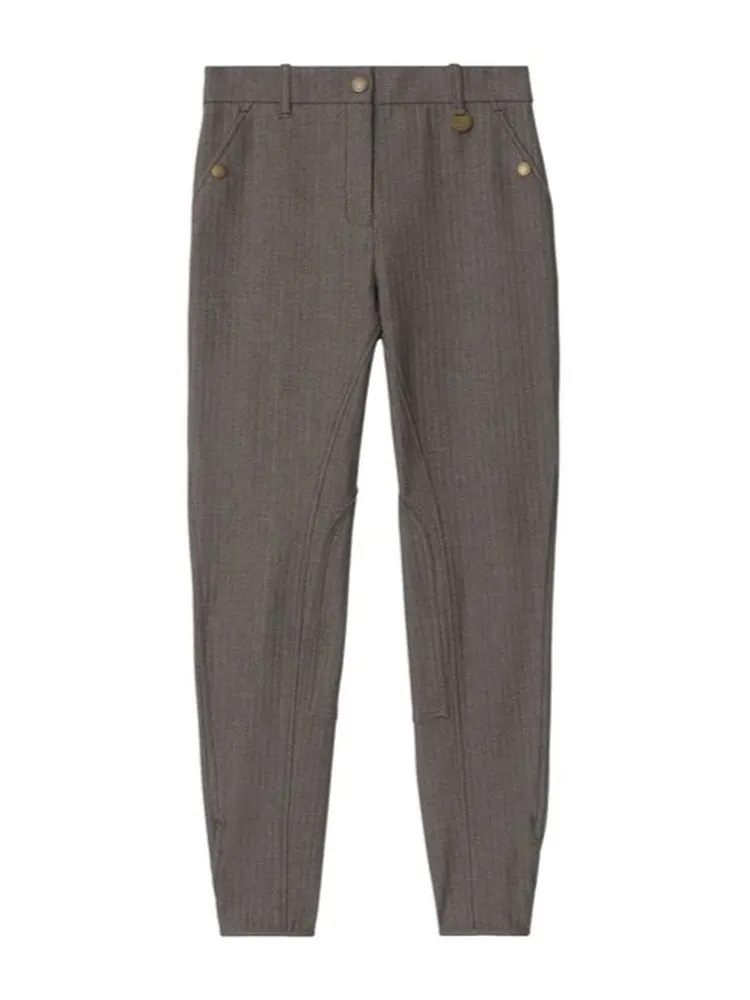
The gray trousers introduce a relaxed dimension to Nina Sayers’ otherwise delicate wardrobe. Their soft silhouette provides freedom of movement, while the muted coloring complements the pastel coat and gray boots. Slight gathering around the lower legs creates the casual appearance associated with dancers traveling between rehearsals.
The Burberry Gray Tapered Trousers provide an alternative with a structured waistband, subtle pocket detailing, and gently narrowing legs. Their understated tailoring introduces refinement while maintaining the practical character of the original. Tucking the hems into tall boots helps recreate the characteristic folds visible in the film.

Nina Sayers carries a generously proportioned gray shoulder bag, an accessory that reflects the practical demands of her profession. Its soft, gathered construction and relaxed shape suggest an everyday dance bag, providing sufficient space for rehearsal necessities.
The Monreau Paris Gray Patterned Tote Bag offers a contemporary alternative through its gray geometric pattern, spacious body, and elongated shoulder handles. Its structured surface introduces a polished interpretation of the original accessory, while the neutral color maintains harmony with the surrounding pieces. Carried over one shoulder, it preserves the effortless functionality associated with Nina’s everyday routine.
The pale pink coat forms the emotional centerpiece of Nina Sayers’ wardrobe. Costume designer Amy Westcott created the original double-breasted design with a rounded collar, fabric-covered buttons, fitted shoulders, and a gently flared silhouette. Its powdery coloring evokes the softness of ballet slippers, reinforcing the character’s youthful vulnerability.
The GRETHA MILANO Pastel Pink High-Neck Coat presents an alternative distinguished by its high protective collar and streamlined construction. Its clean surface and soft coloring capture the romantic atmosphere of the screen costume, even as its minimal fastenings offer a contemporary interpretation. Styled with the white turtleneck and gray trousers, the coat maintains the gentle color balance that makes Nina’s winter appearance instantly recognizable.


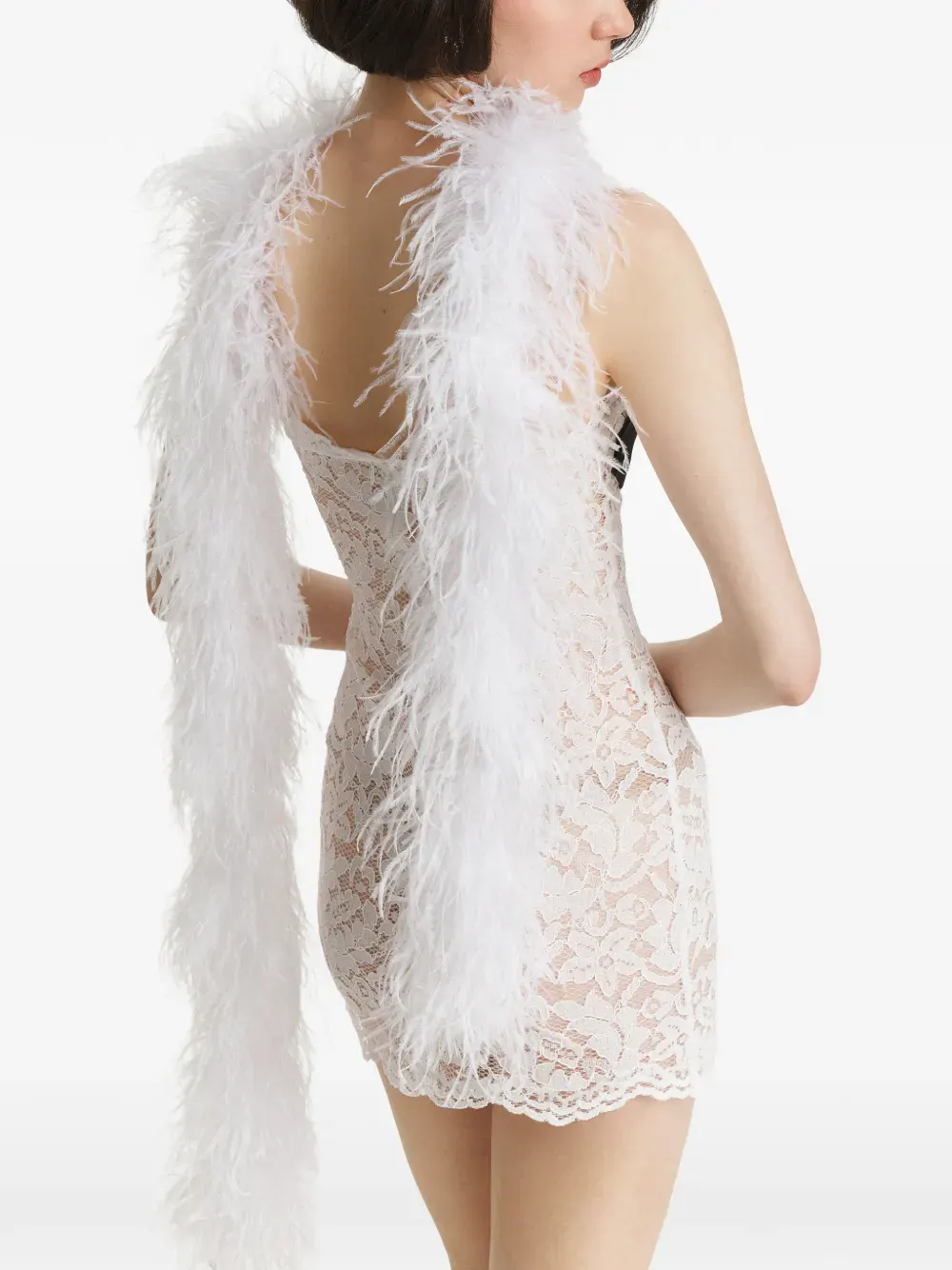
An extraordinary white scarf transforms an otherwise conventional winter outfit into something distinctly cinematic. Its elongated strands fall irregularly across the coat, creating an airy texture reminiscent of delicate plumage. This detail establishes a subtle visual connection to the swan imagery central to Black Swan.
The 2310 STUDIO White Feather Scarf offers an evocative substitute, featuring abundant wispy feathers that create movement and volume around the neckline. While the original possesses a loosely knitted, stringlike appearance, this alternative recreates its ethereal character. Allowing the scarf to hang freely down the front of the coat preserves its dramatic vertical movement and enhances the ensemble’s fragile femininity.
Allowing the scarf to hang freely down the front of the coat preserves its dramatic vertical movement and enhances the ensemble’s fragile femininity.
Tall gray boots complete Nina’s winter silhouette, introducing a practical element grounded in the everyday movements of a professional dancer. Their softly gathered shafts, rounded toes, and modest heels establish a relaxed appearance beneath the tailored coat.
The Pedro Garcia Gray Suede Knee-High Boots capture this understated aesthetic through their supple suede material, muted coloring, and gently structured silhouette. The relaxed shaft permits subtle folds around the calves, while the low heel supports the outfit’s functional character. Worn over the tapered trousers, the boots create a continuous gray line that visually anchors the pastel upper layers.

Through Nina Sayers, Westcott demonstrates how costume design communicates psychological complexity through apparently ordinary clothing. The soft colors and featherlike textures embody an idealized innocence, while the carefully controlled proportions suggest the pressure surrounding the character’s existence. Her wardrobe ultimately becomes an extension of her internal struggle, where even the gentlest expression of femininity carries the weight of perfection.