MENU
Close





London Gallery Weekend 2026 arrived like a citywide invitation: no velvet rope, no fair booth, no single destination claiming authority over the whole conversation. Across three days, London became a moving map of contemporary art, opening its galleries to collectors, students, tourists, curators, and anyone curious enough to step through the door.

London Gallery Weekend 2026 arrived like a citywide invitation: no velvet rope, no fair booth, no single destination claiming authority over the whole conversation. Across three days, London became a moving map of contemporary art, opening its galleries to collectors, students, tourists, curators, and anyone curious enough to step through the door.
June 9, 2026


London has always understood the theatre of arrival. A door in Mayfair, a staircase in Fitzrovia, a white wall behind an unmarked façade in the East End: the city’s gallery world often depends on the feeling that something is waiting just out of sight. London Gallery Weekend 2026 takes that old art-world mystique and breaks it open, transforming the private rhythm of gallery-going into a public ritual spread across the capital.
Now in its sixth edition, London Gallery Weekend 2026 ran from June 5 to 7, bringing together 126 galleries across the city. Its scale matters, but its structure matters even more. Instead of compressing the art market into a convention hall, the weekend lets London itself become the exhibition architecture. Visitors move through neighbourhoods, street corners, old commercial districts, emerging creative pockets, and polished blue-chip spaces, discovering contemporary art through the urban fabric that sustains it.
London Gallery Weekend is the world’s largest event of its kind, a free annual celebration that brings together the capital’s commercial galleries, artist-led spaces, and contemporary art programmes under one coordinated weekend. Its format feels simple on the surface: galleries open their doors, exhibitions are staged across London, and the public is invited to explore.
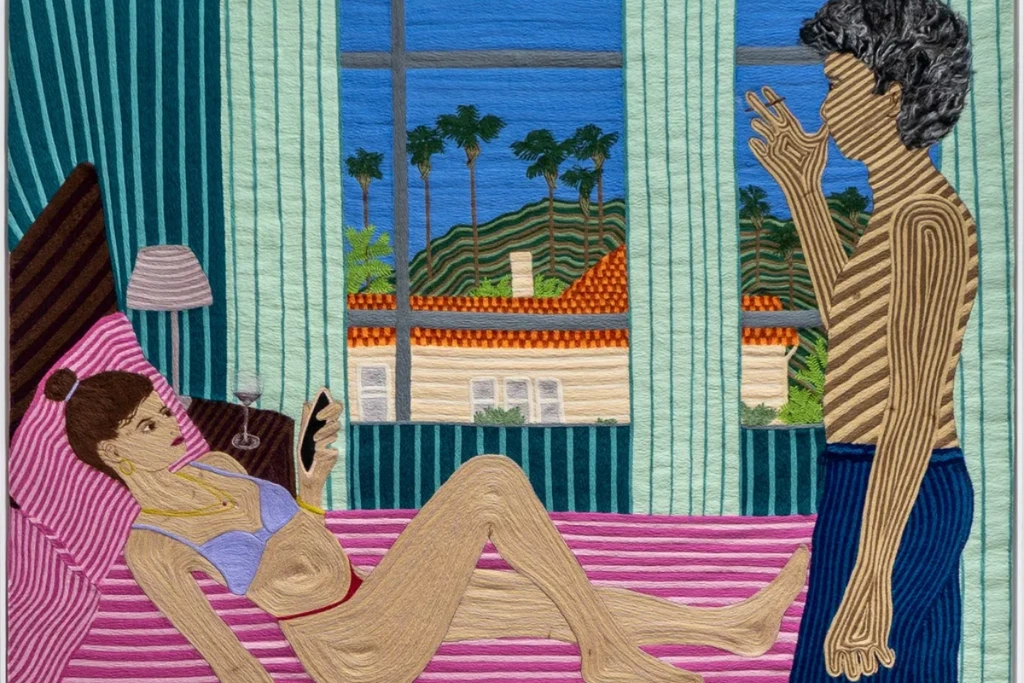
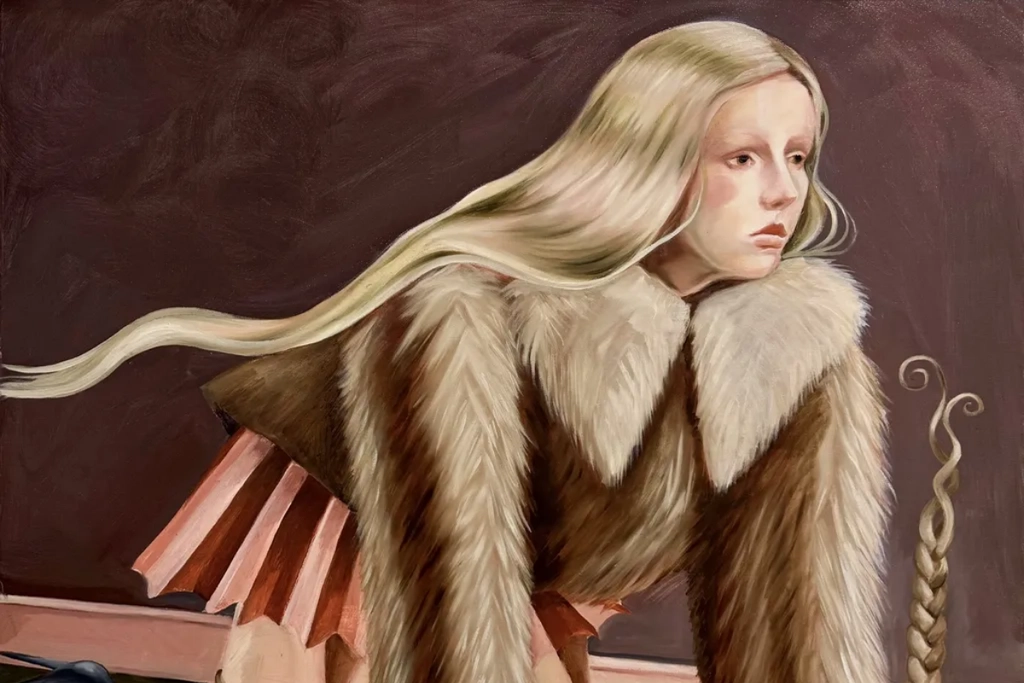
The event is free, with no tickets required for general gallery entry, and its programme includes tours, talks, artist-led walkthroughs, performances, studio visits, and curated routes. In that sense, LGW does more than display art. It teaches people how to move through the art world without asking them to master its private language first.
To make London’s gallery sprawl navigable, London Gallery Weekend 2026 organized its rhythm by geography. Friday focused on Central London, bringing attention to Mayfair, St James’s, Fitzrovia, Soho, and the city’s established high-end gallery circuit. This was the London of polished rooms, historic collecting districts, and international names, where blue-chip galleries sit close to fashion houses, auction houses, private clubs, and old-money architecture.
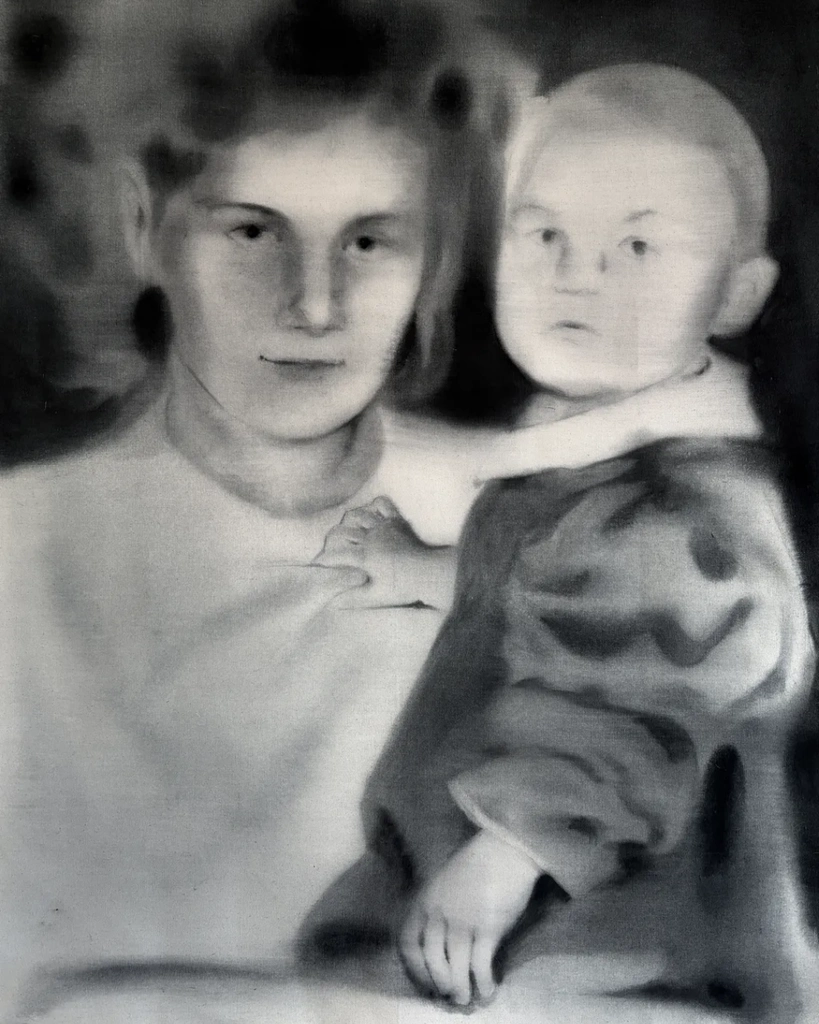
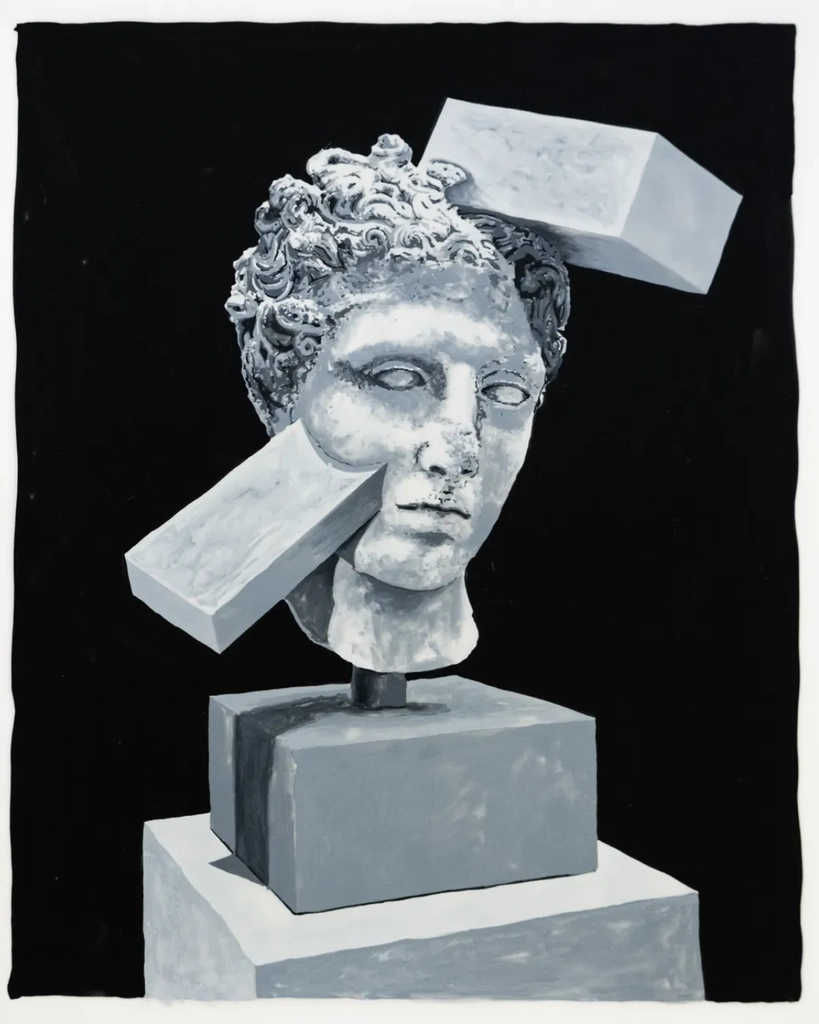
Saturday shifted the energy south of the river. South London’s programme offered a different texture: less ceremonial, more exploratory, shaped by galleries whose strength often lies in experimentation, local engagement, and a looser relationship to the city’s traditional art-market centre. Here, the weekend became less about arrival and more about discovery, encouraging visitors to cross the river and rethink where London’s contemporary art conversation actually lives.

Sunday turned east. The East End brought the weekend toward younger, sharper, more experimental spaces, where London’s gallery ecosystem feels especially alive as a network of risk, reinvention, and strange new languages. East London has long served as a pressure chamber for artists, curators, small galleries, studio culture, and alternative exhibition models. Ending the weekend there gave London Gallery Weekend 2026 a narrative arc: from establishment to expansion, from the grand door to the hidden room.
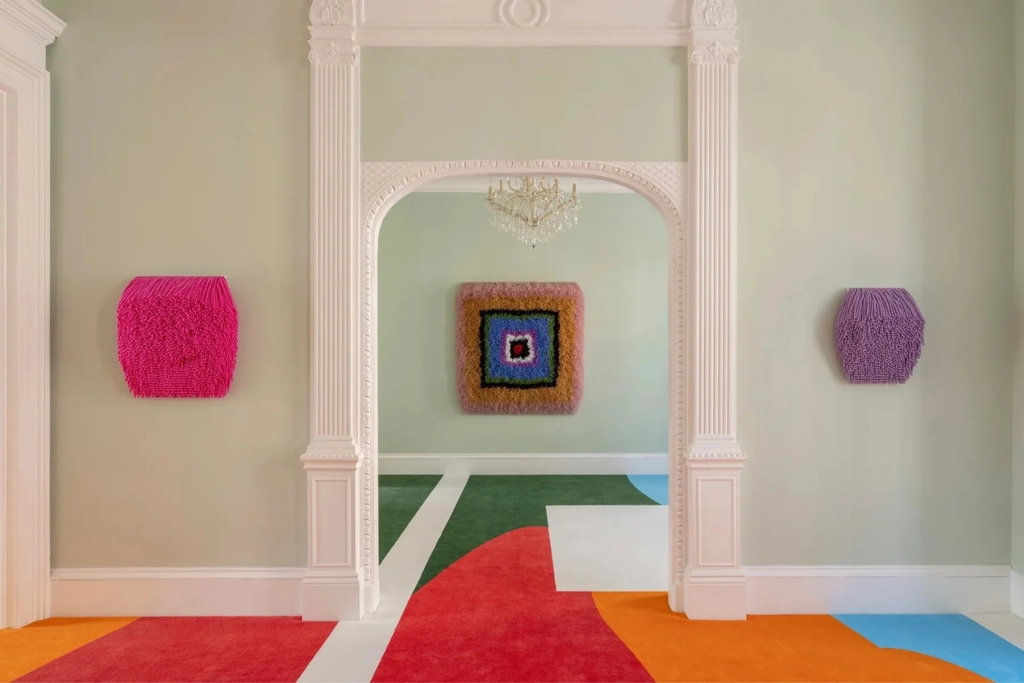
The 2026 programme carried a strong emotional weather system: grief, memory, masculinity, instability, mythology, hope, and transformation moved through many of the most discussed shows.
Lubaina Himid's Zanzibar, represented by Lisson Gallery provides a newly reimagined iteration of her landmark 1999–2022 project, showing a rare, strikingly abstract side of the Turner Prize winner.
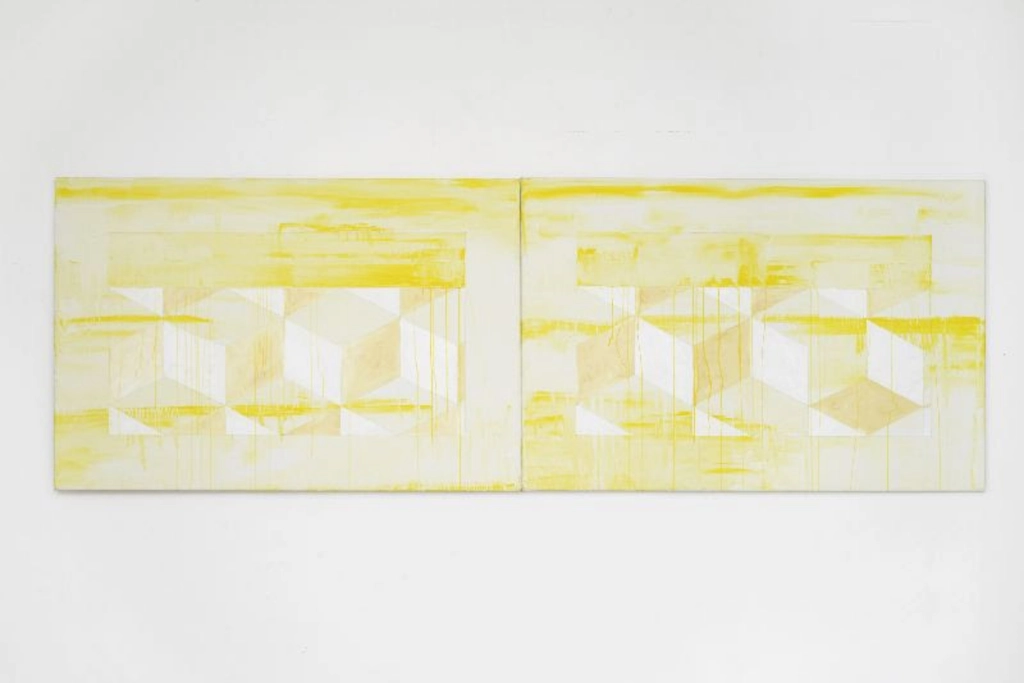
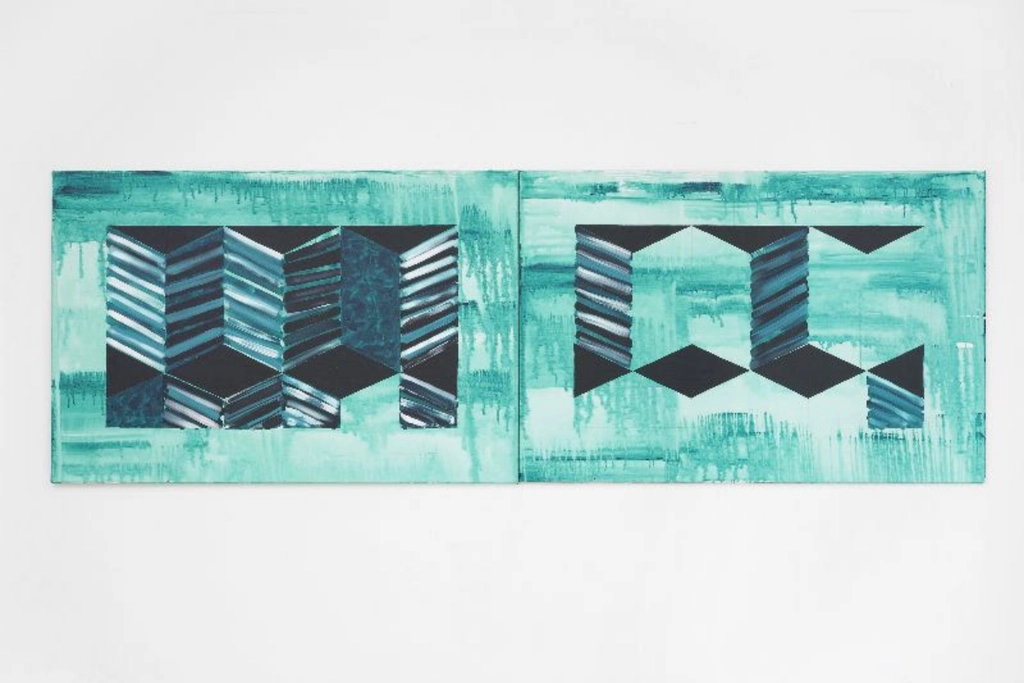
At Sprüth Magers, Anne Imhof’s Citizen created a dark, cinematic terrain through new paintings, sculpture, and film, extending her long fascination with control, vulnerability, performance, and bodies moving through hostile systems. The exhibition felt less like a room of objects than a psychological zone, charged by the atmosphere of a world both staged and collapsing.

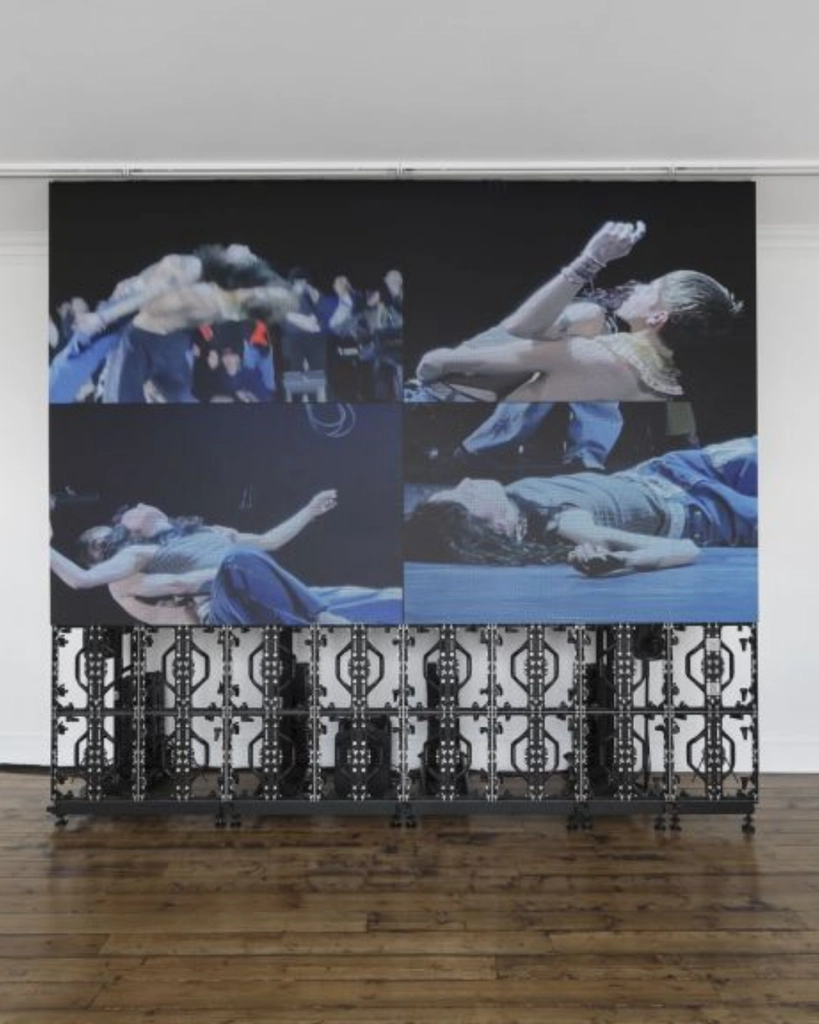
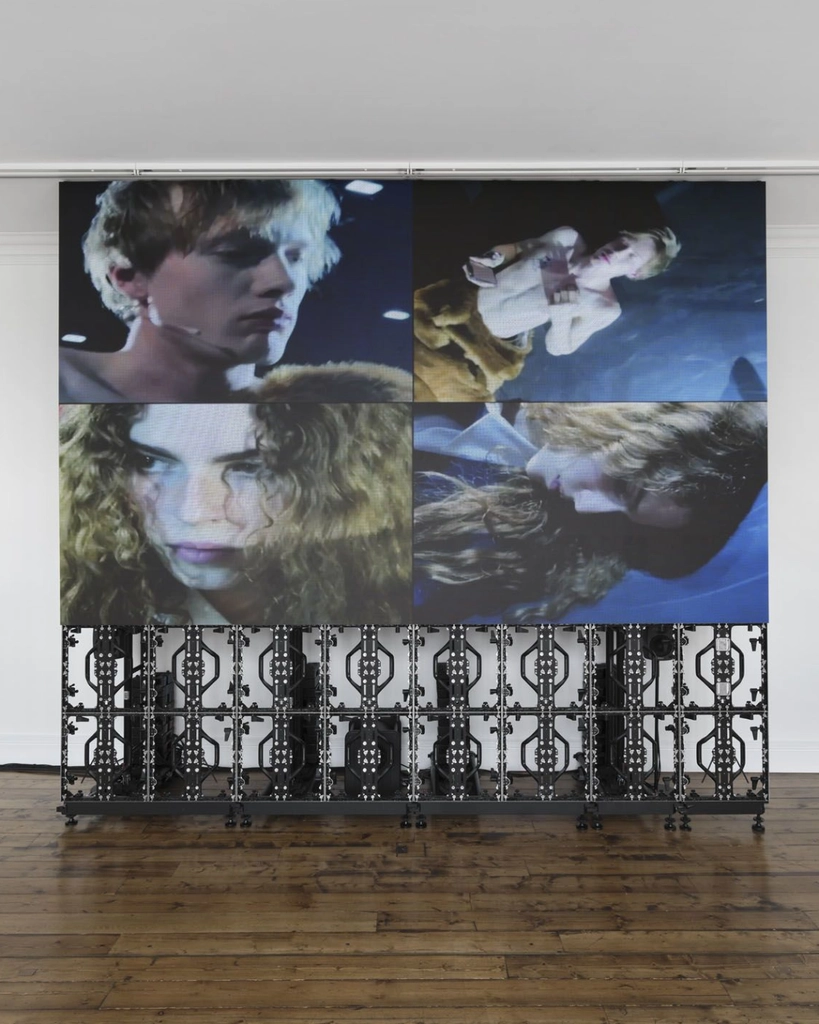
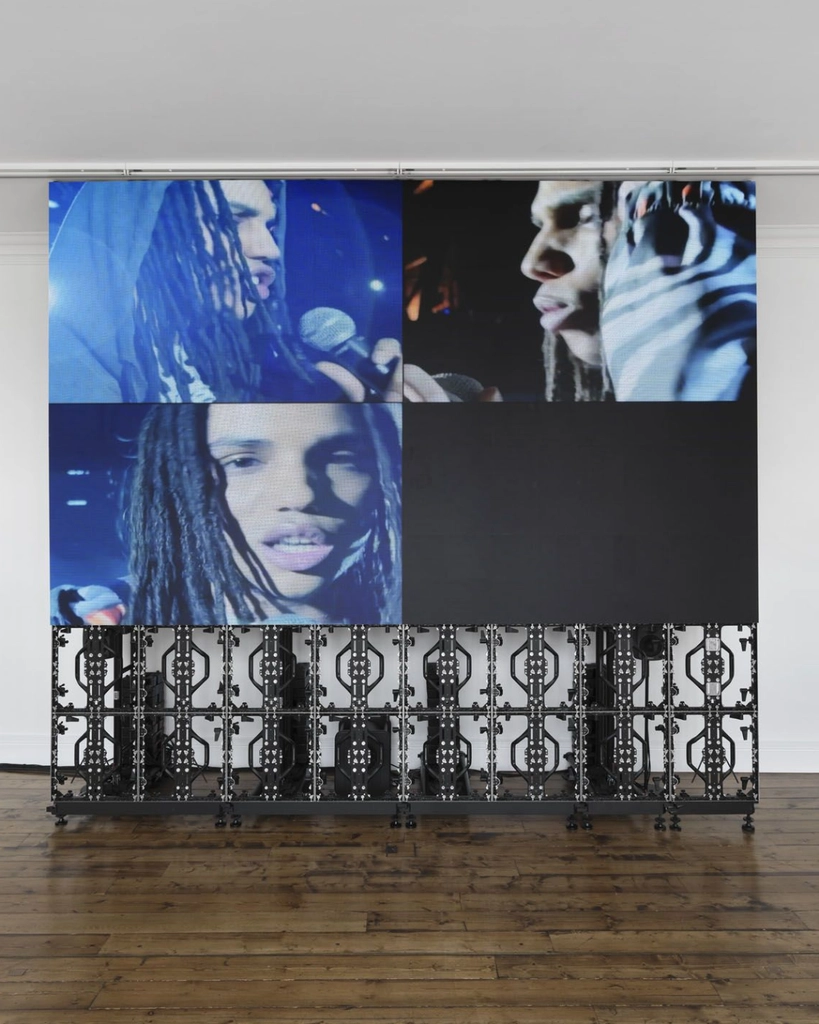
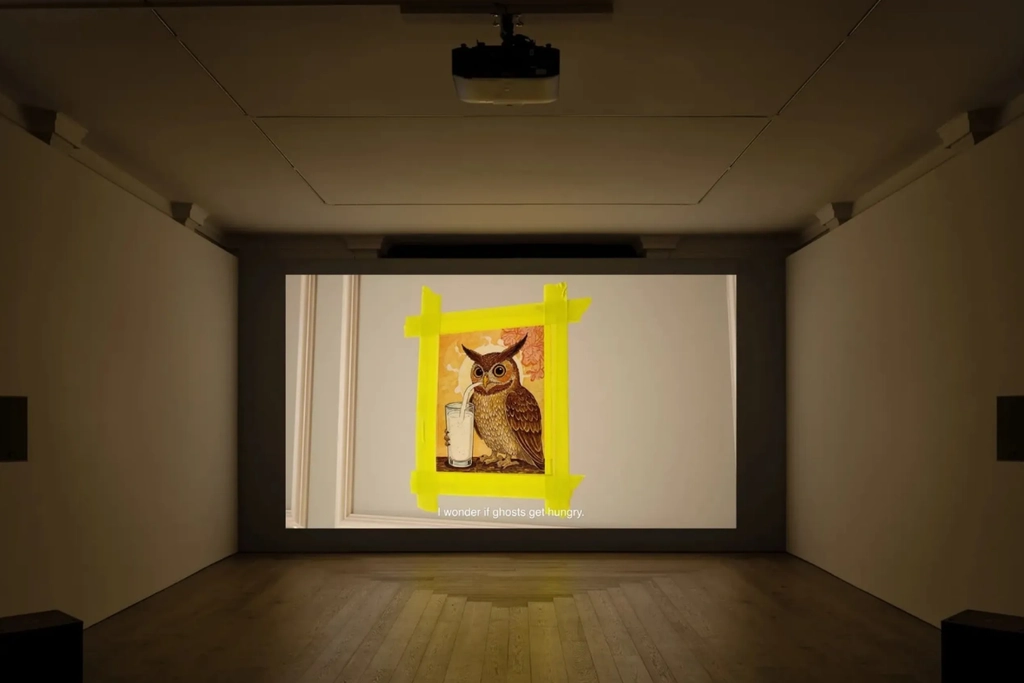
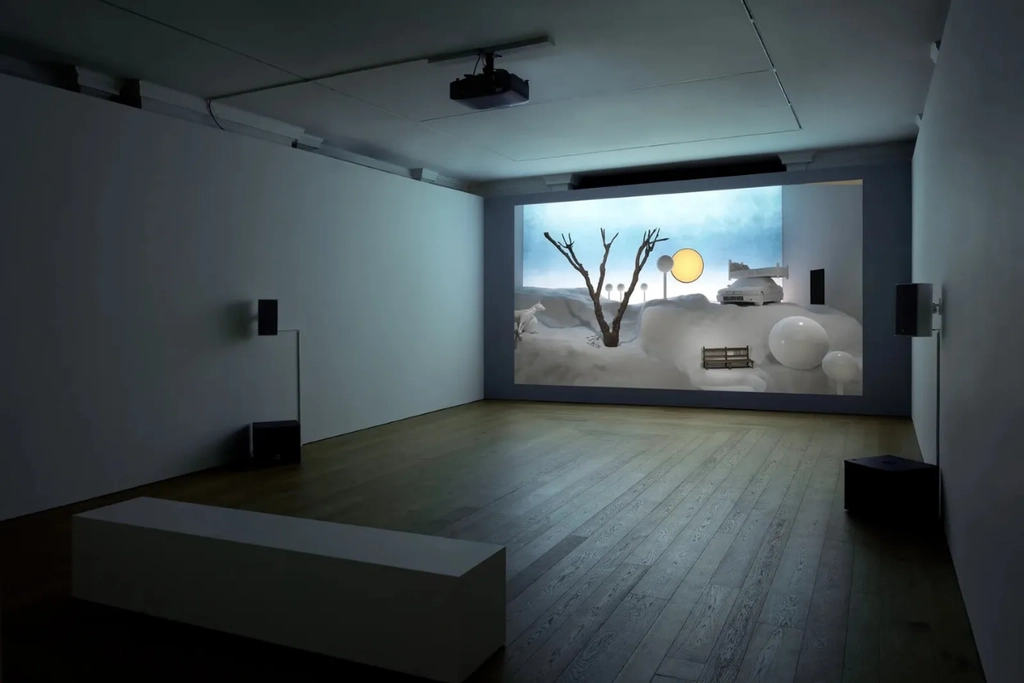
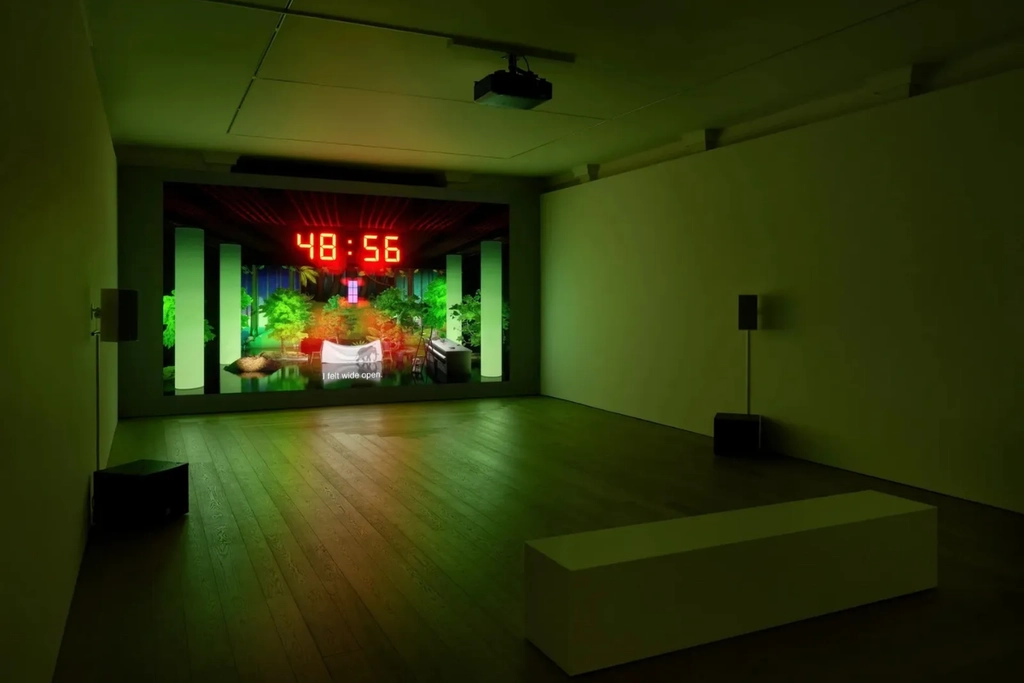
At Sadie Coles HQ, Helen Marten’s This Weather brought the viewer into a five-film installation connected to her wider performance universe. Marten’s work often operates like a puzzle built from language, childhood, memory, objects, and associative logic, and this exhibition turned that complexity into a layered viewing experience. It was cerebral, intimate, and unstable in the best way, making the screen feel like a place where thought itself could misbehave.

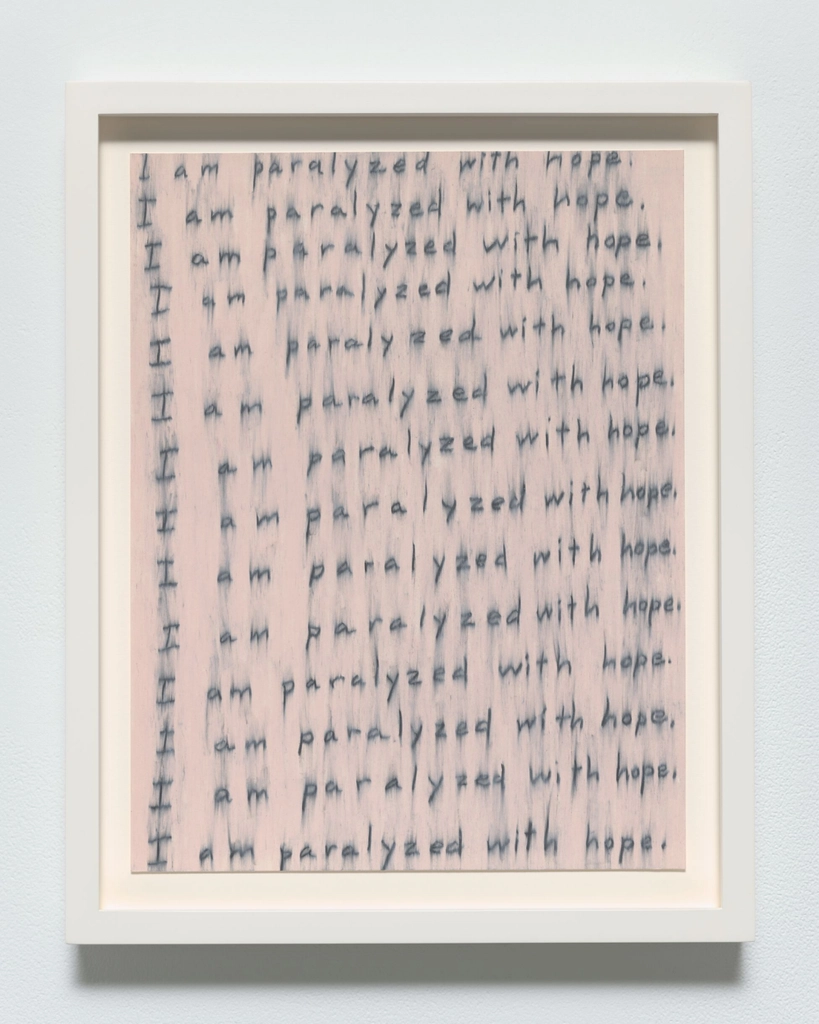
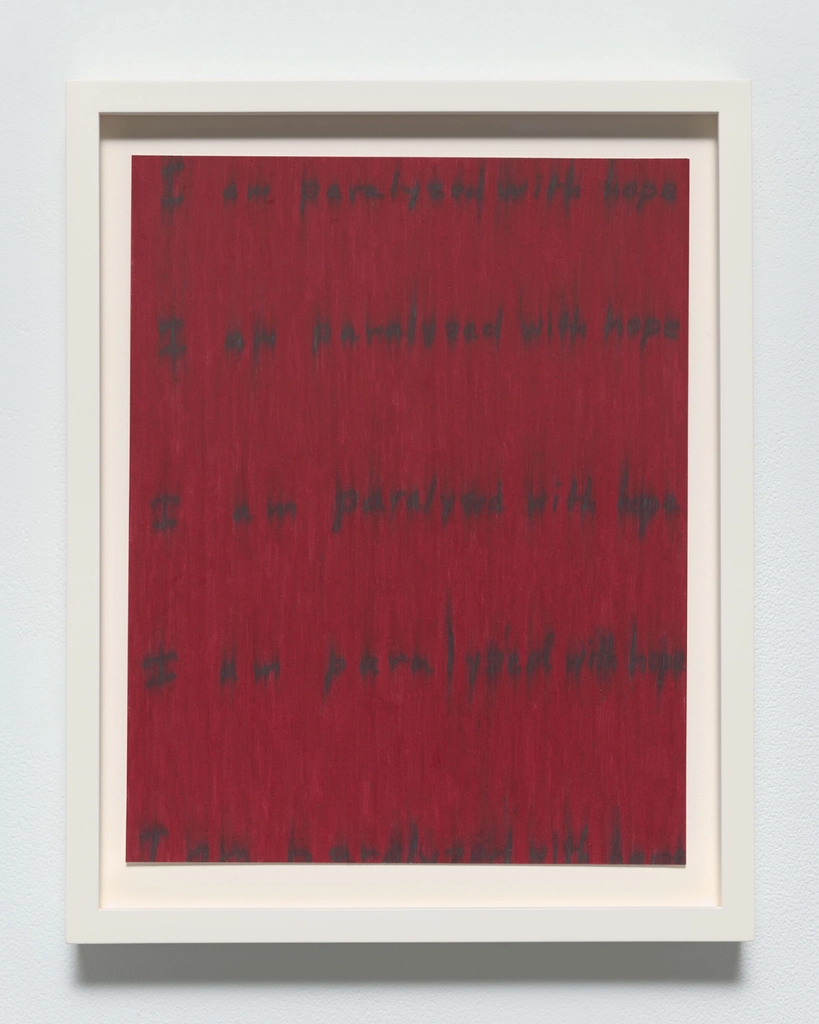
Hauser & Wirth presented Roni Horn’s Seizure of Hope, a deeply resonant exhibition built around repetition, text, and emotional suspension. Horn’s recurring phrase, “I am paralyzed with hope,” carried the strange tension of the moment: a statement that feels both wounded and luminous. In the context of London Gallery Weekend 2026, the show became one of the programme’s most haunting meditations on how language can hold fear and endurance at once.

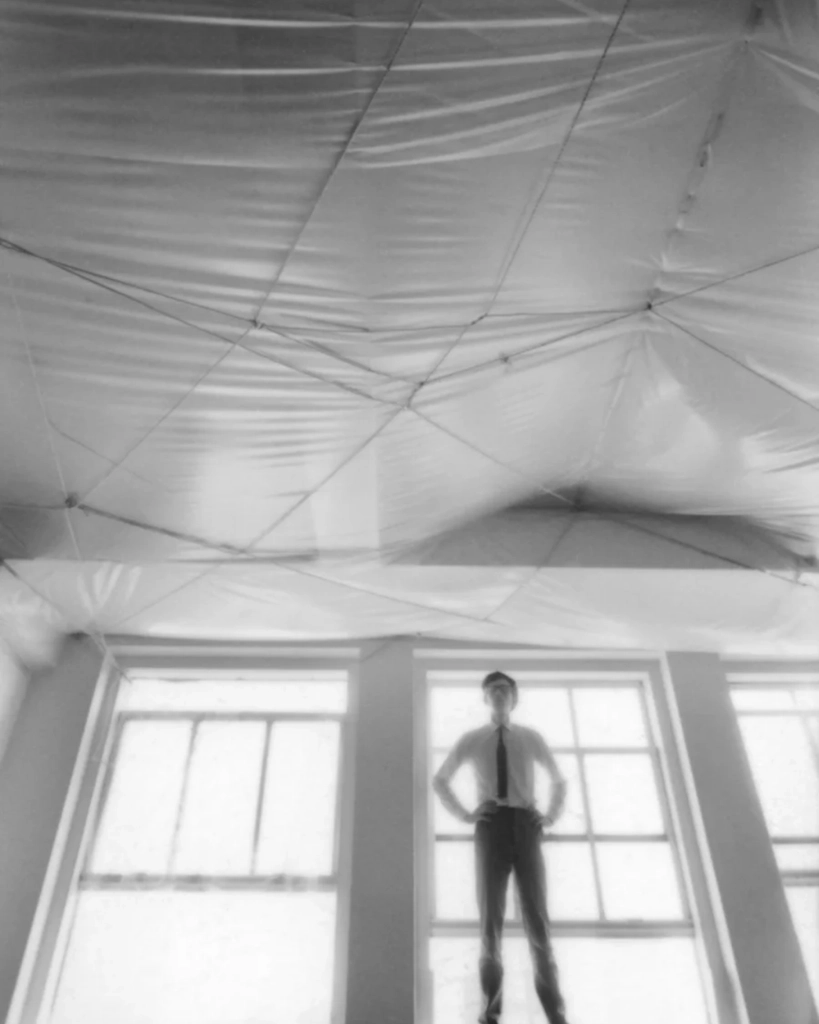
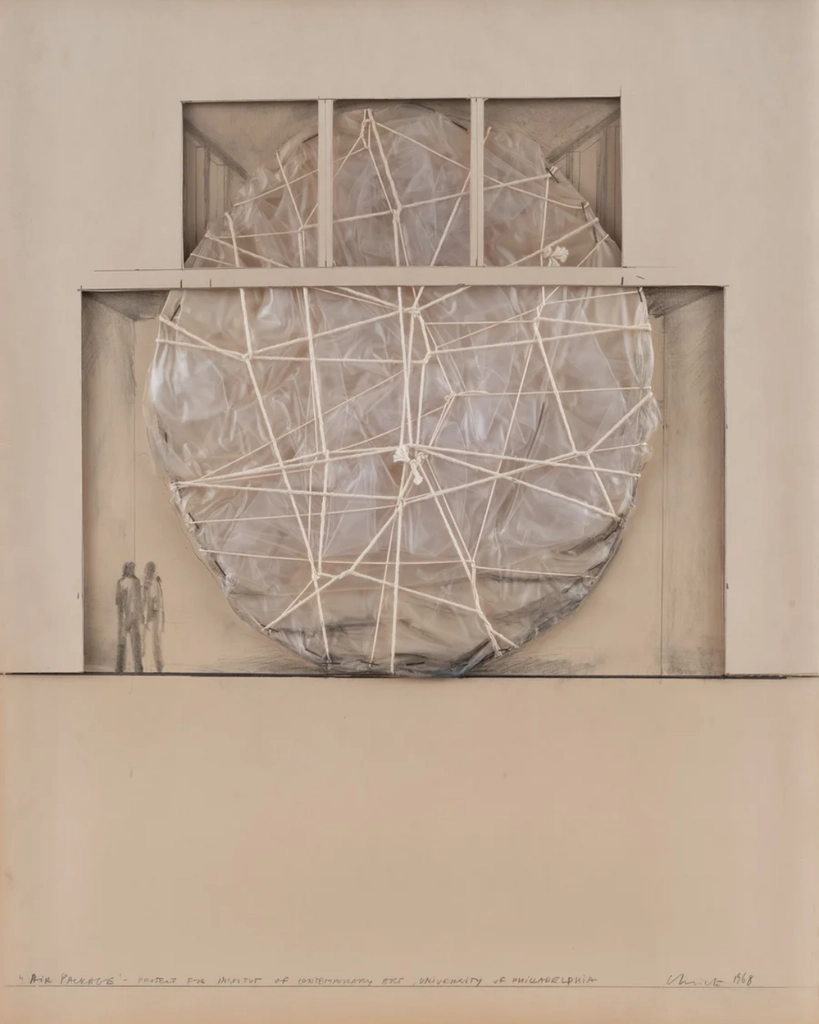
The big player Gagosian presents Air, by Christo and Jeanne-Claude, which explores the conceptual origins of their work, including the first-ever realization of Air Package on a Ceiling (conceived in 1968).
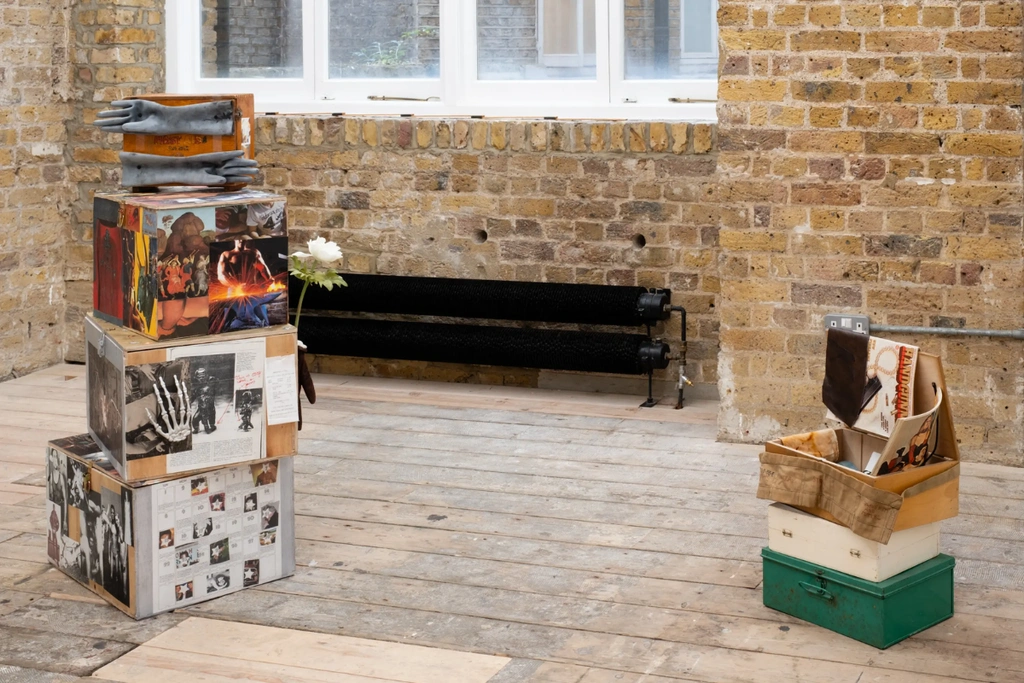
At Nicoletti, Gray Wielebinski’s Bring Me Men explored masculinity through sculpture, found objects, historical symbols, and cultural residue. Rather than treating masculinity as a stable identity, the show pulled it apart as performance, costume, mythology, and ruin. Its force came from the way it made power look constructed, theatrical, and strangely fragile.
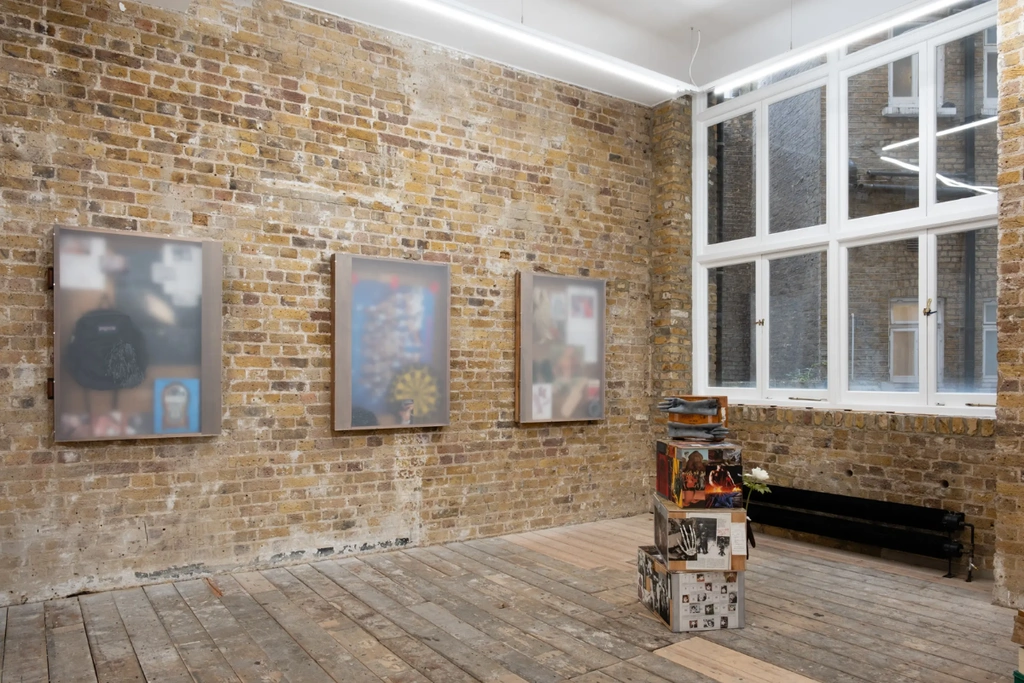

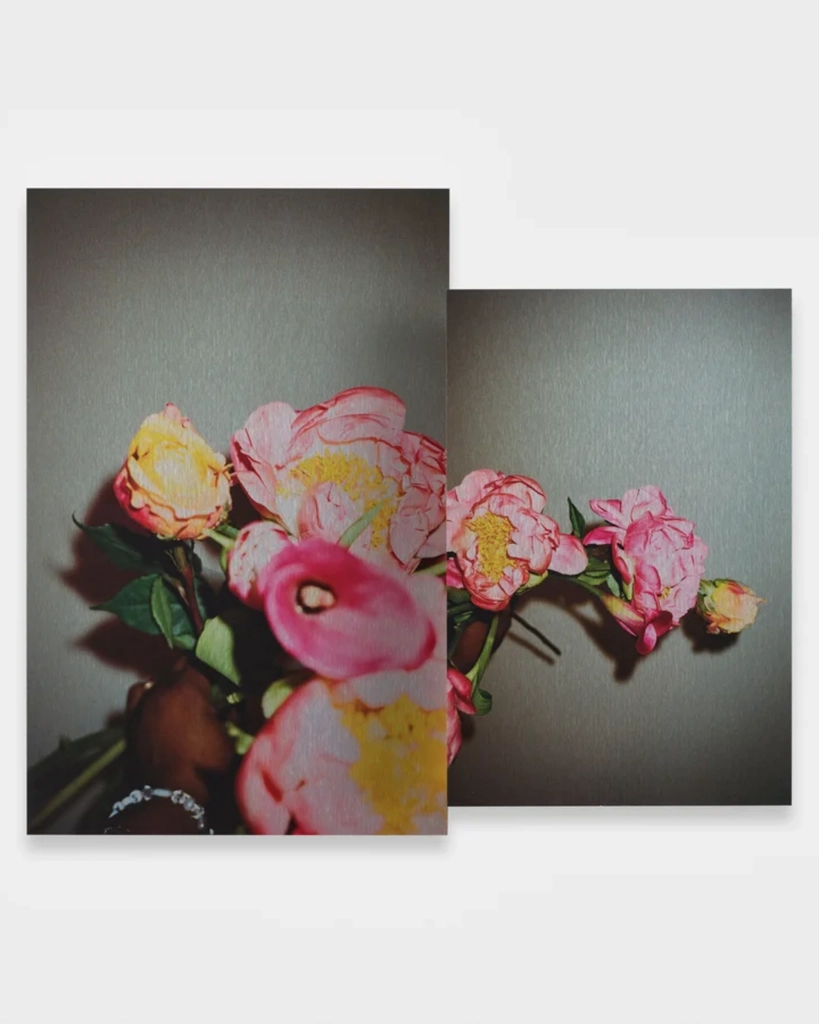
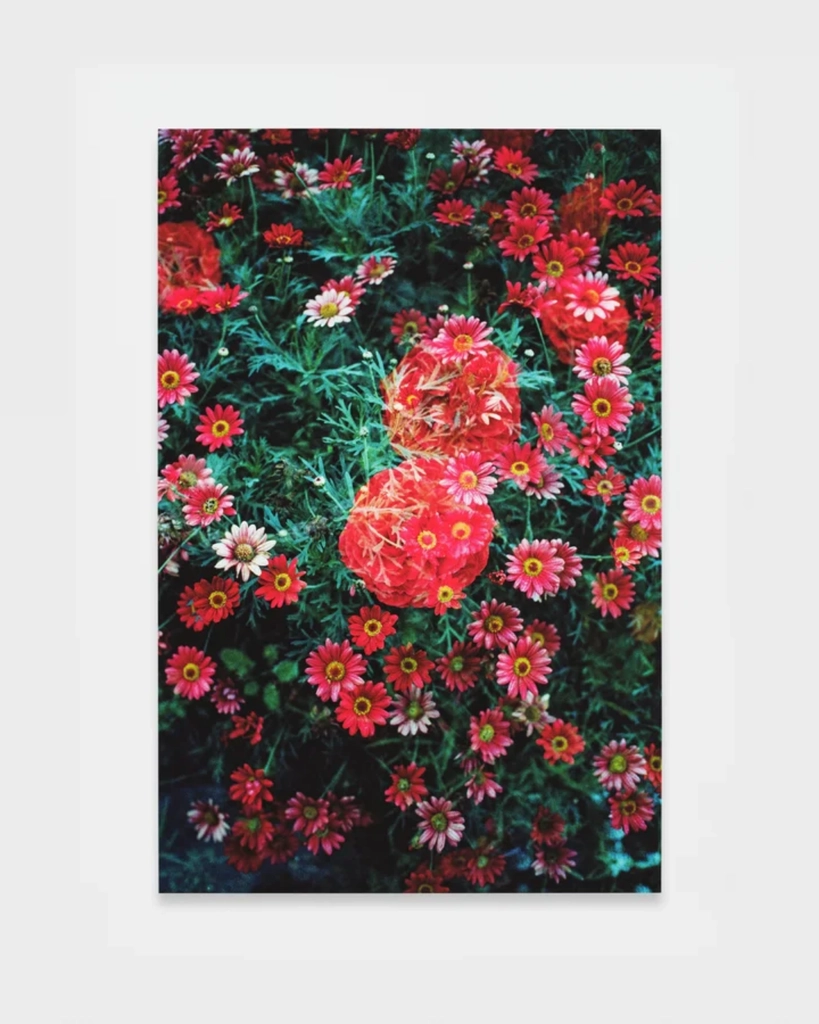
Public Gallery brought another emotional register through Shaniqwa Jarvis’s Only Love Will Break Your Heart, a floral photographic exploration of grief, resilience, and personal memory. Flowers, often flattened into easy symbols of beauty, became something more loaded here: offerings, witnesses, fragments of mourning, and proof that tenderness can still have structure.
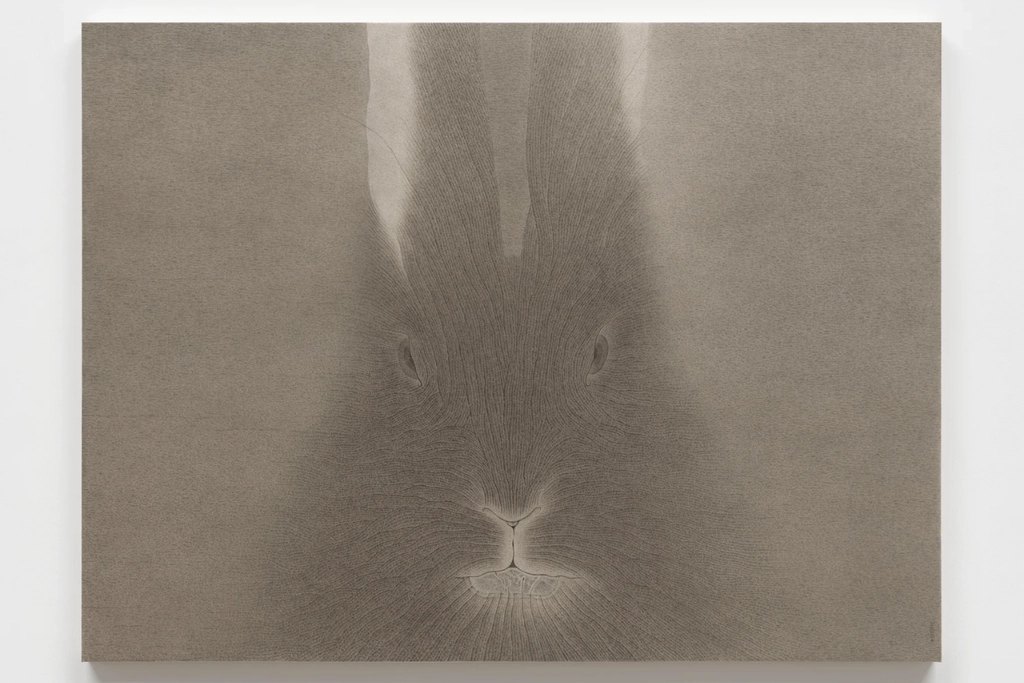
Shao Fan's Refrain is the artist's first UK solo show, focusing on meticulous ink-on-rice-paper paintings of organic forms like rabbits, mushrooms, and cabbages.
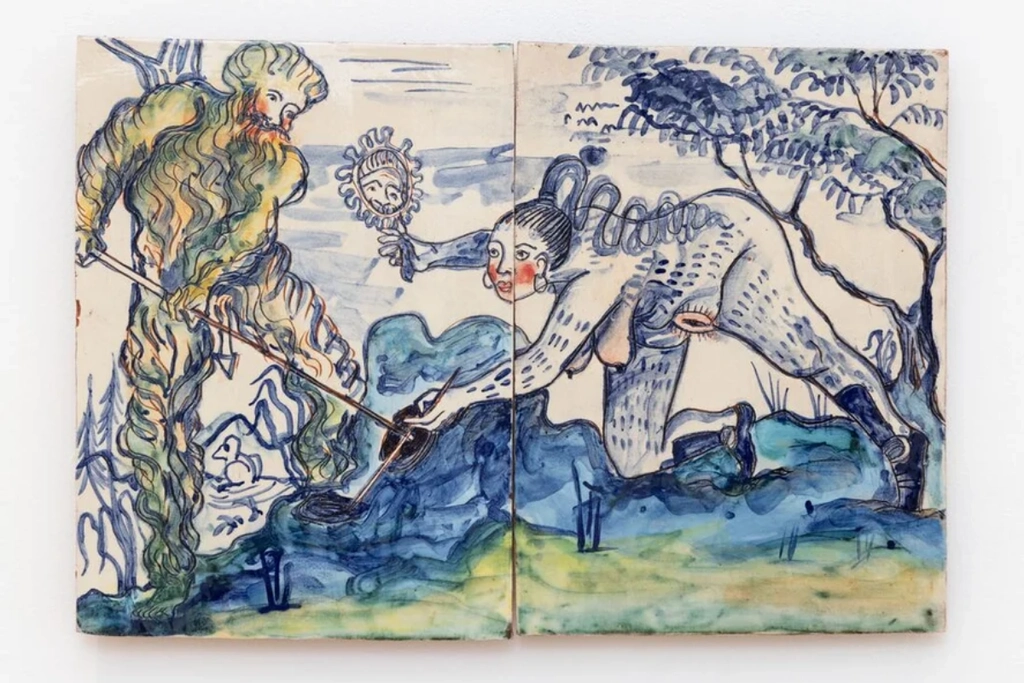
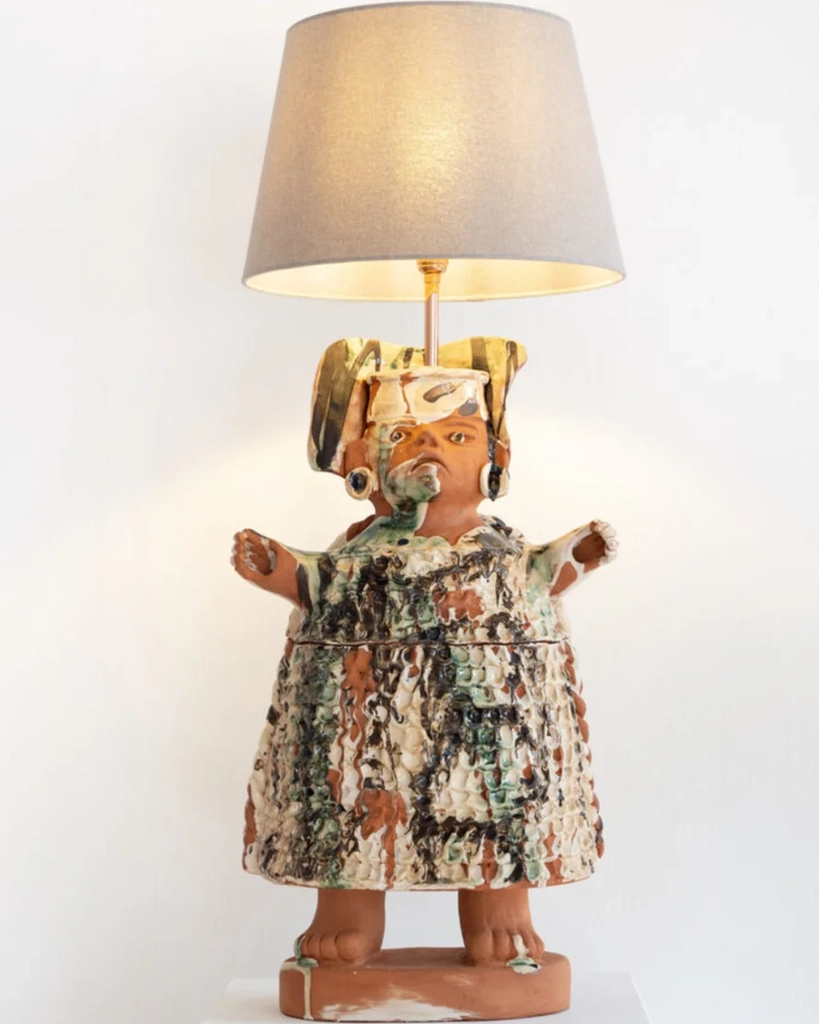
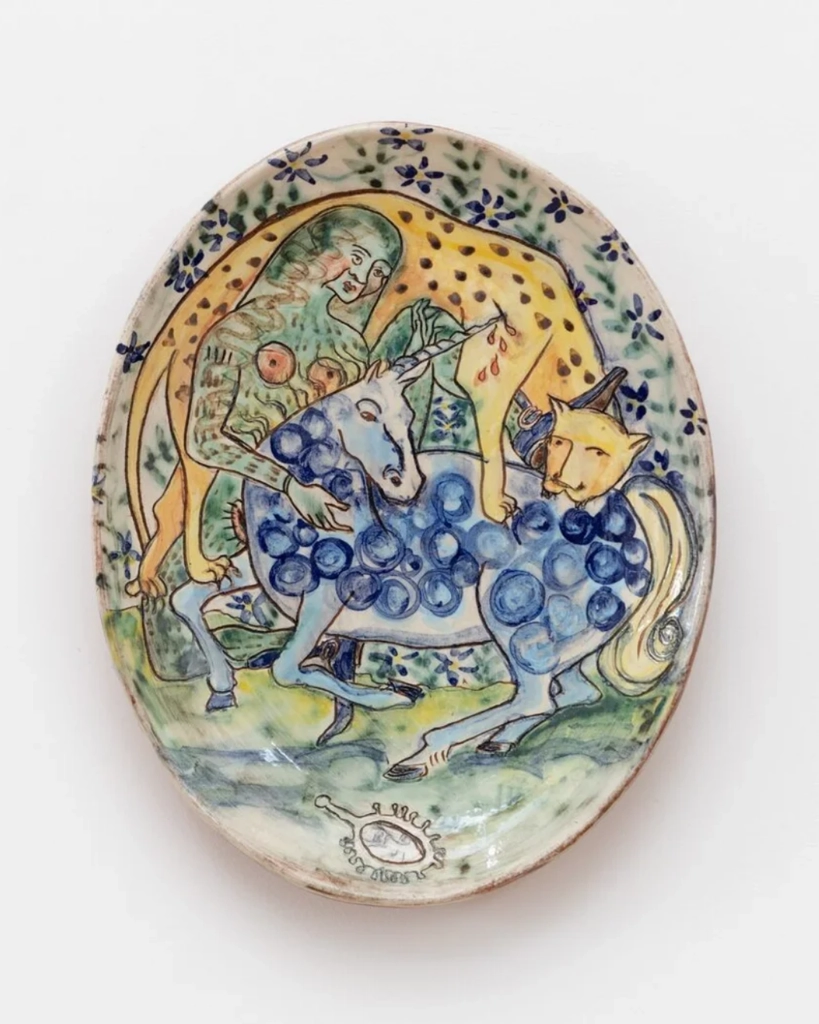
Last but not least, Cooke Latham presented Serena Korda's The Golem Rises, a powerful exploration of motherhood and folklore through feminist "world-building," framing maternal creation as a radical, political act.

The real brilliance of London Gallery Weekend 2026 is that it makes looking feel physical again. You walk. You cross districts. You misread a map. You enter a gallery by accident. You move from a major international name to a small room you had never heard of. You feel the difference between Mayfair’s ritual polish, South London’s open charge, and the East End’s experimental pulse.
That movement changes the art. A painting seen after ten minutes on a bus lands differently from a film installation discovered after turning down a narrow street. A sculpture in a commercial gallery begins to feel connected to the café outside, the train station nearby, the weather, the neighbourhood, the people walking in after you. London Gallery Weekend understands that art does not live only inside the frame or the object. It lives inside the routes we take to reach it.