MENU
Close





Exosome has entered beauty with the aura of a message sent directly between cells. Inside a serum bottle or across freshly treated skin, the promise feels almost impossibly advanced.
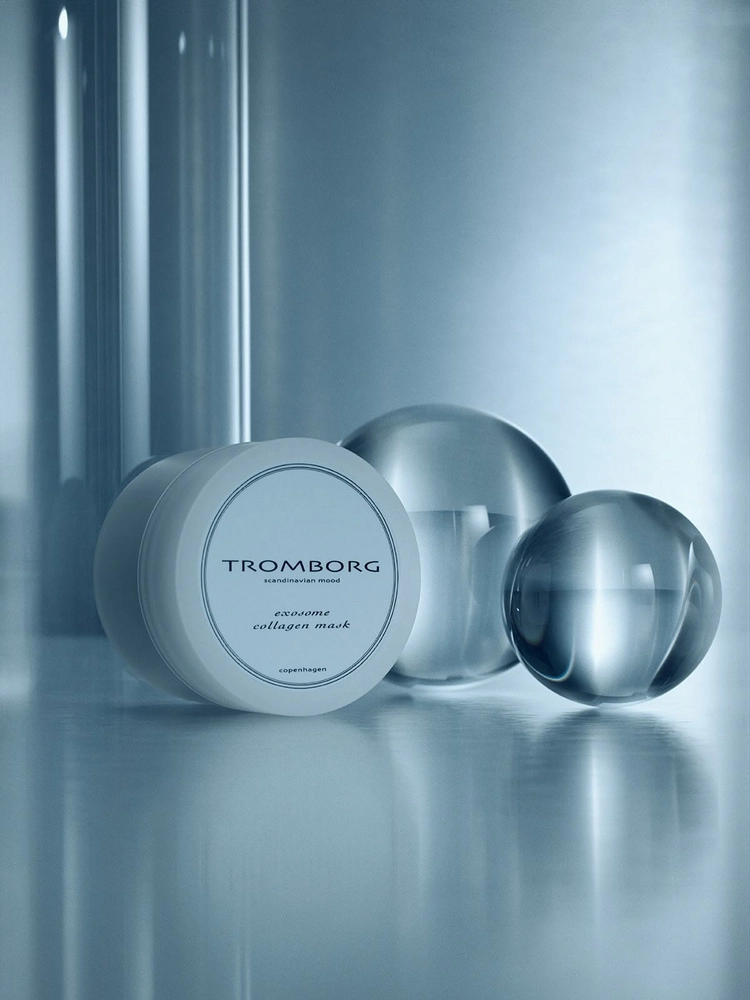
Exosome has entered beauty with the aura of a message sent directly between cells. Inside a serum bottle or across freshly treated skin, the promise feels almost impossibly advanced.
July 20, 2026
Advertisement

Advertisement



Consumers face two separate promises. One arrives inside a polished serum bottle designed for nightly application. The alternative appears in clinics, where practitioners apply exosomes following microneedling or fractional laser procedures.
Both formulations borrow the language of cellular communication and tissue regeneration, yet their biological sourcing, delivery routes, supporting evidence, and safety profiles vary enormously. Approach exosome beauty using this four-rule guide to foster curiosity, scientific rigor, and realistic expectations.
The term “exosome” encompasses several completely separate ingredient narratives. Authentic exosomes belong to the broader extracellular-vesicle family. These microscopic, membrane-bound parcels emerge from cells, carrying proteins, lipids, and RNA.

Cosmetic formulas feature vesicles sourced from platelets, cultured human stem cells, plants, or laboratory-engineered vesicle-mimicking systems. Each origin produces a unique molecular cargo and manufacturing protocol. Scientific consensus suggests using the broader term “extracellular vesicle” when brands are currently establishing the precise biological origin of their components.
Evaluate a label or brand website by asking four essential questions.
Introduce a single exosome product initially, allowing yourself to observe shifts in comfort, hydration, redness, and texture, ensuring clear observation of one active ingredient at a time.
Apply the solution exactly according to the manufacturer’s directions on freshly cleansed skin, following up with a basic moisturizer. Daily sunscreen protects the broader skin-renewal strategy from ultraviolet damage.
Storage demands special attention, as extracellular vesicles exist as complex biological materials. Certain brands mandate refrigeration, freeze-drying, single-use vials, or proprietary stabilization systems. Plated reports its Renewosome technology maintains vesicle integrity across variable temperatures. BENEV offers a lyophilized professional complex, designed specifically for immediate topical preparation. Treat every storage protocol as exclusively product-specific.
Consumers experiencing persistent burning, swelling, blistering, or an expanding rash must pause their regimen and seek immediate professional guidance.
Prioritize safety and practical evaluation when approaching clinical settings. A rigorous checklist built around traceability ensures a transparent experience.
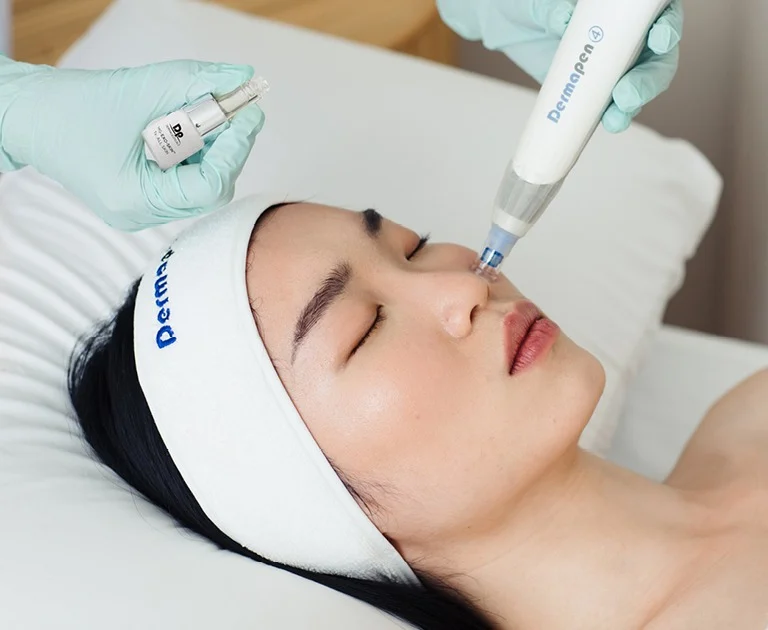
The United States FDA currently designates all exosome products as pending formal approval. The agency states that microneedling devices await clearance for simultaneous use alongside cosmetics, drugs, platelet-rich plasma, or other topical formulas. FDA-cleared microneedling devices target specific indications and require operation by trained healthcare providers.
Readers should pursue topical exosome applications performed by qualified dermatologists or appropriately licensed medical professionals. Claims involving injected, intravenous, or medical-treatment protocols occupy a higher-risk regulatory category. FDA warnings detail adverse events connected to emerging regenerative products marketed through certain clinics and online sellers.
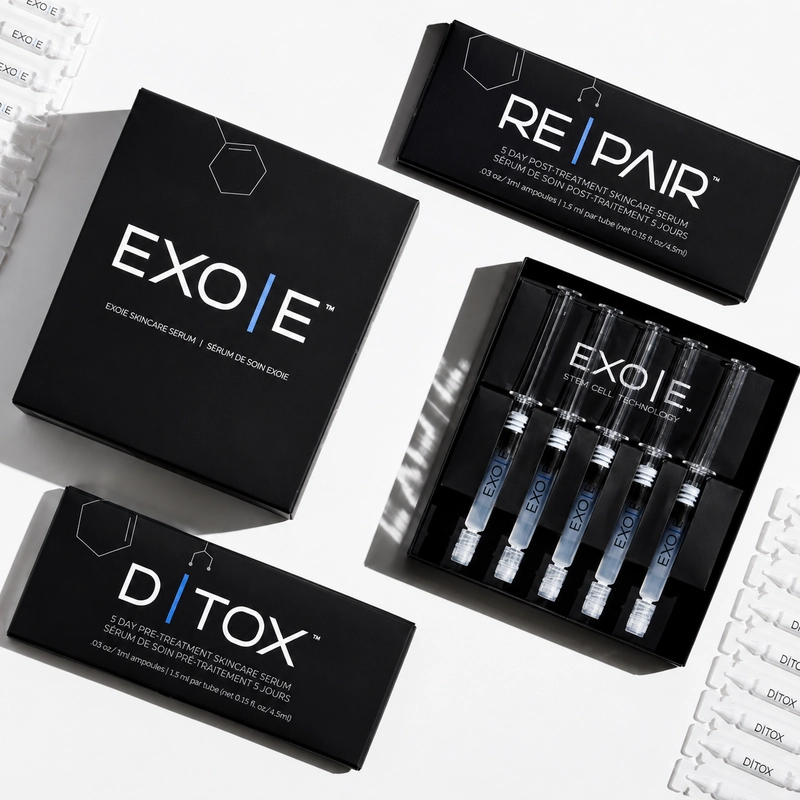
Post-procedure care demands careful attention. Microneedling commonly produces temporary redness, tightness, itching, peeling, or swelling. Gentle cleansing, diligent moisturizing, sun-exposure reduction, and the practitioner’s recovery instructions remain central during healing. Redness and swelling may persist for several days, recommending strict limits on sun exposure until the skin fully recovers.
Organizing the market into three separate tiers illuminates the vast variety of available options.
Accessible, mass-market formulations present another category. Affordable K-beauty serums often incorporate plant-derived vesicles, fermented ingredients, spicule delivery systems, or branded exosome-mimicking complexes. These function beautifully as hydrating or resurfacing cosmetics, though their biological mechanisms differ substantially from platelet-derived or mammalian-cell extracellular vesicles.
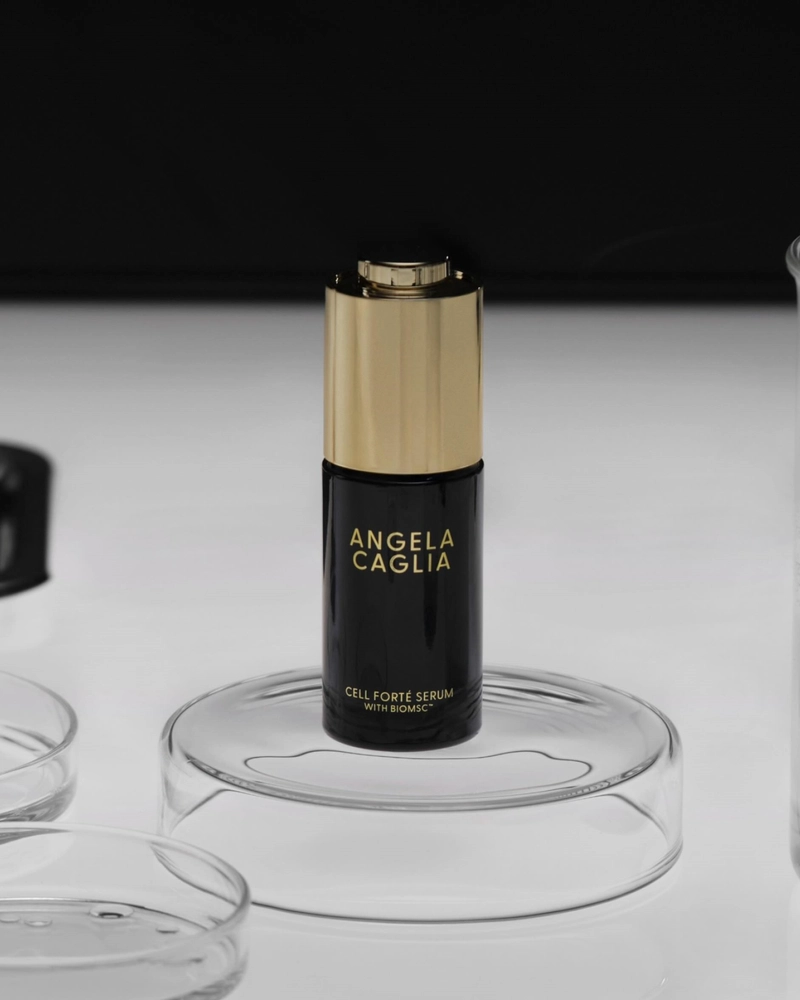
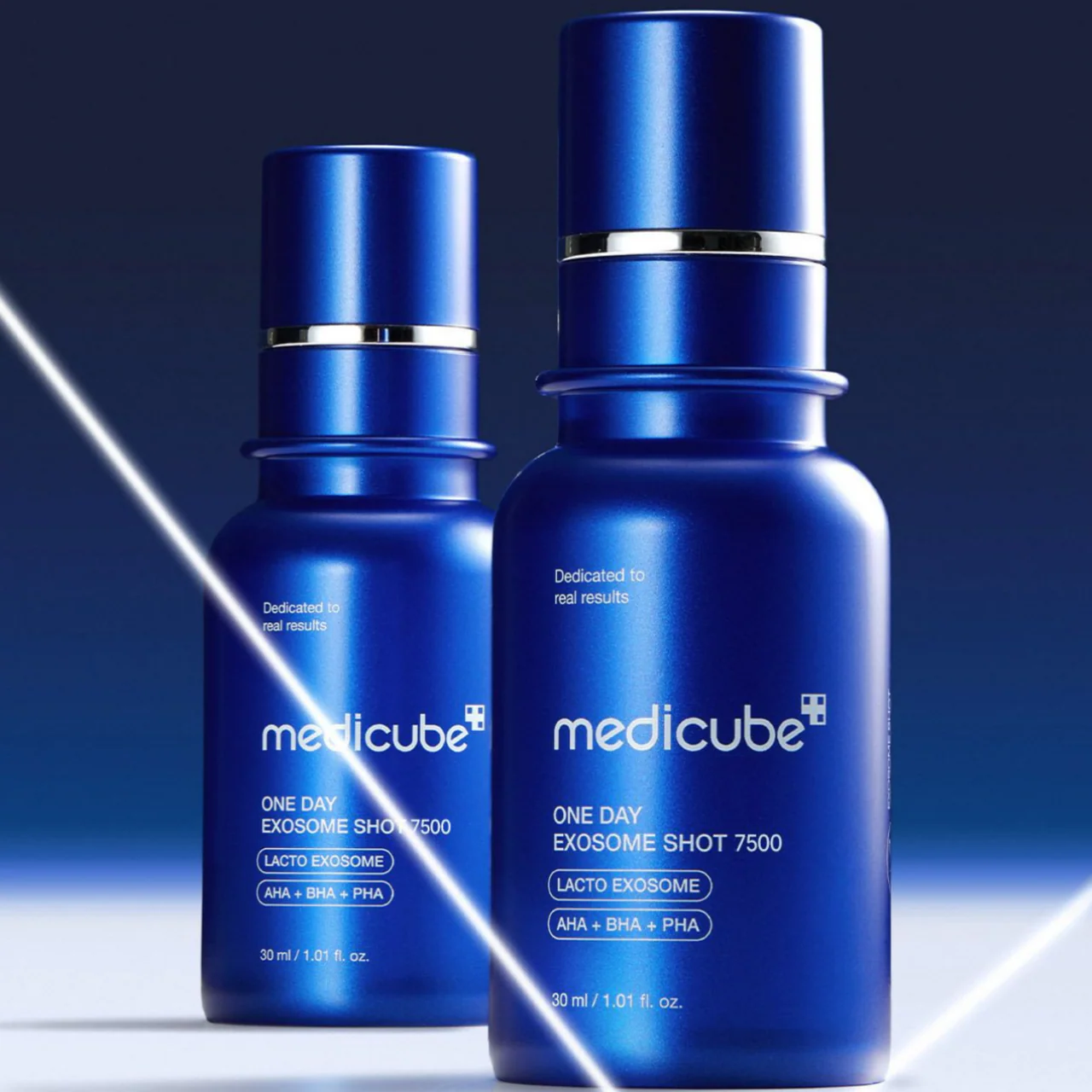
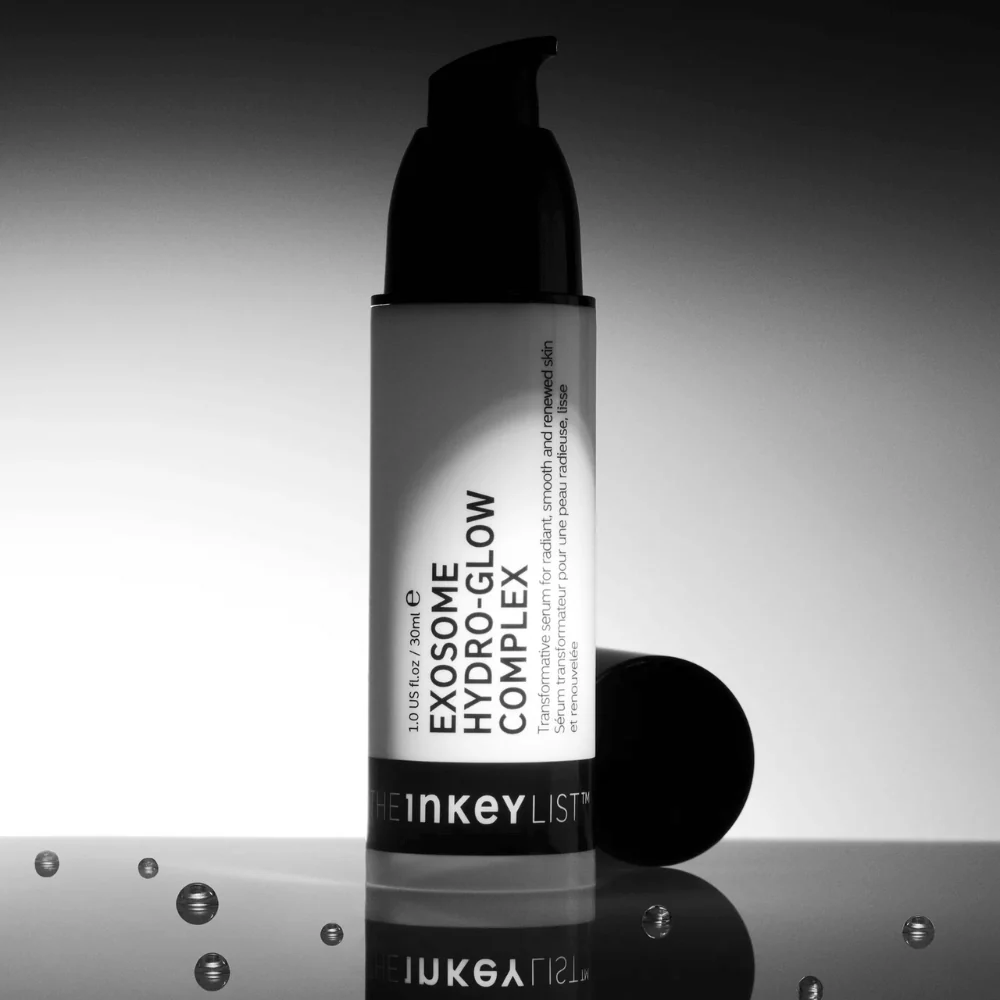
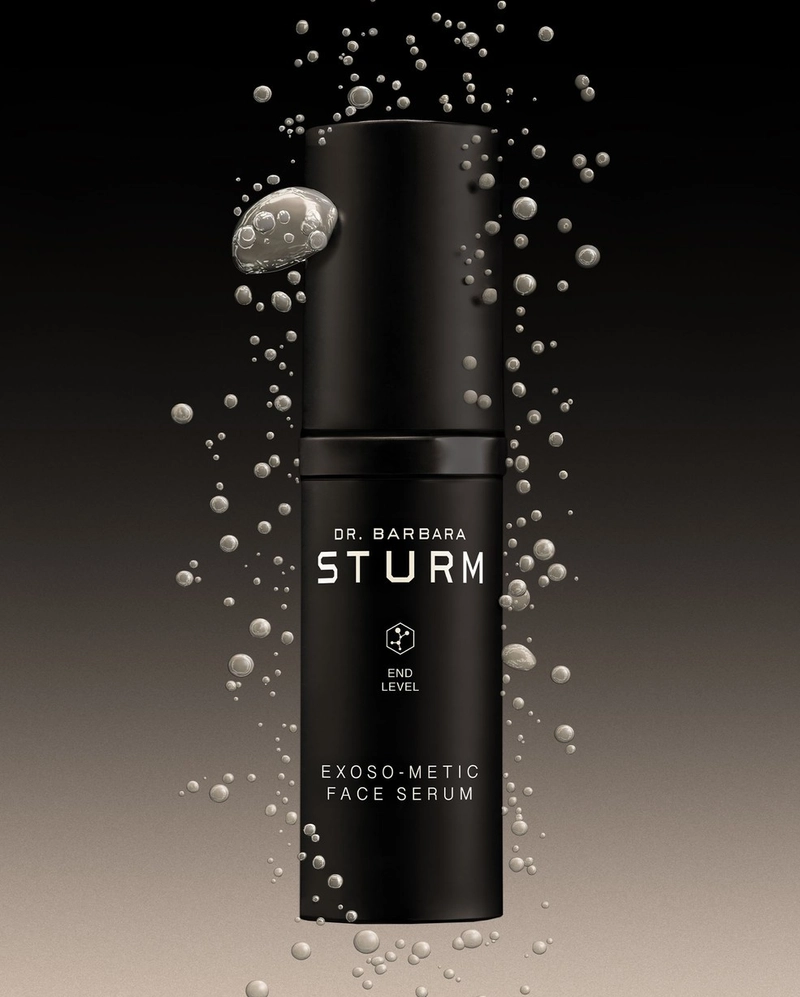
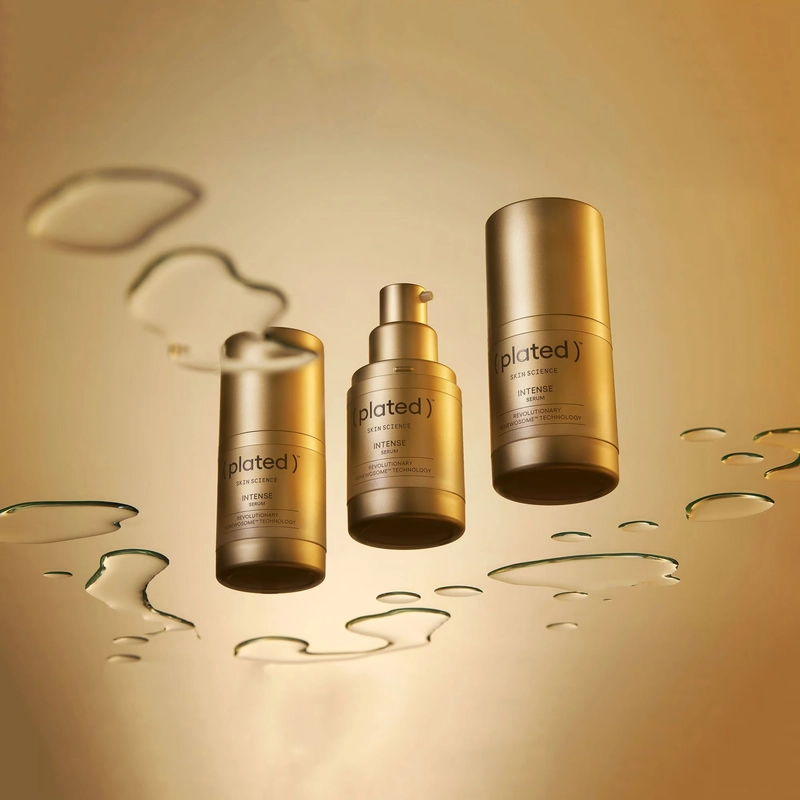
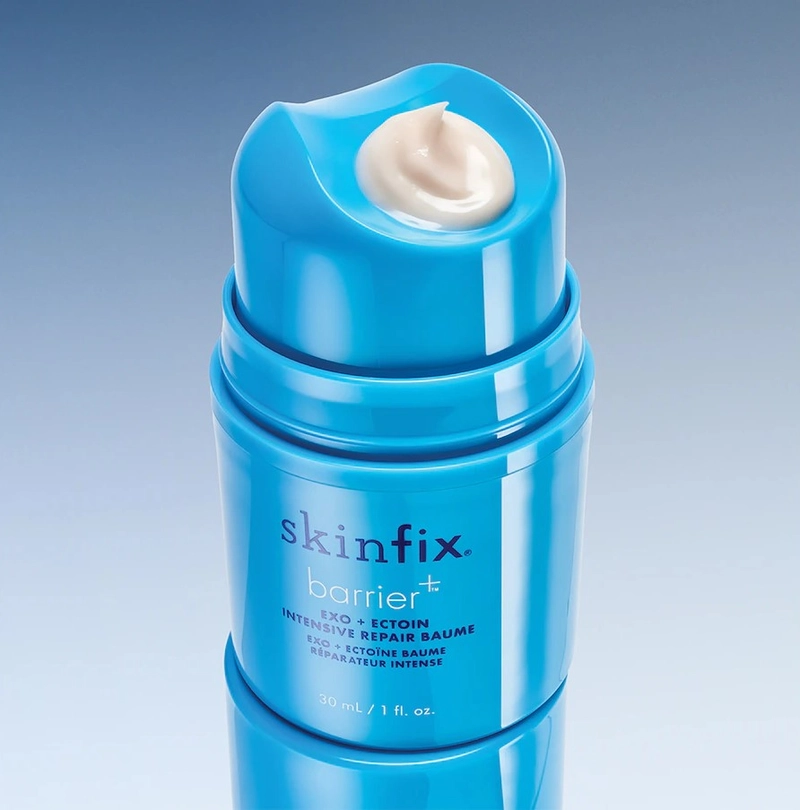
Assess every exosome recommendation using a consistent scoring matrix: source transparency, stability data, human testing, realistic claims, and clear usage instructions. A product achieving strong marks across all five criteria earns your attention far more than formulas relying solely on futuristic packaging and regenerative vocabulary.
Advertisement