From exosome serums, peptides and ceramides to sunscreen and post-treatment recovery, regenerative skincare is opening a new era in which the skin is cared for not only on the surface, but through repair, resilience and cellular communication.

From exosome serums, peptides and ceramides to sunscreen and post-treatment recovery, regenerative skincare is opening a new era in which the skin is cared for not only on the surface, but through repair, resilience and cellular communication.
July 7, 2026


There was a time when skincare was sold largely through the promise of visible surface transformation: brighter skin overnight, smoother texture after a few uses, a plumper complexion in a single jar. But as beauty moves closer to the language of longevity science, regenerative medicine and barrier health, the consumer question has begun to change. It is no longer only: Does this product make my skin look better? It is also: Can it help my skin function better, recover better and maintain its quality for longer?
That is why exosomes have become one of the most intriguing words in modern skincare.
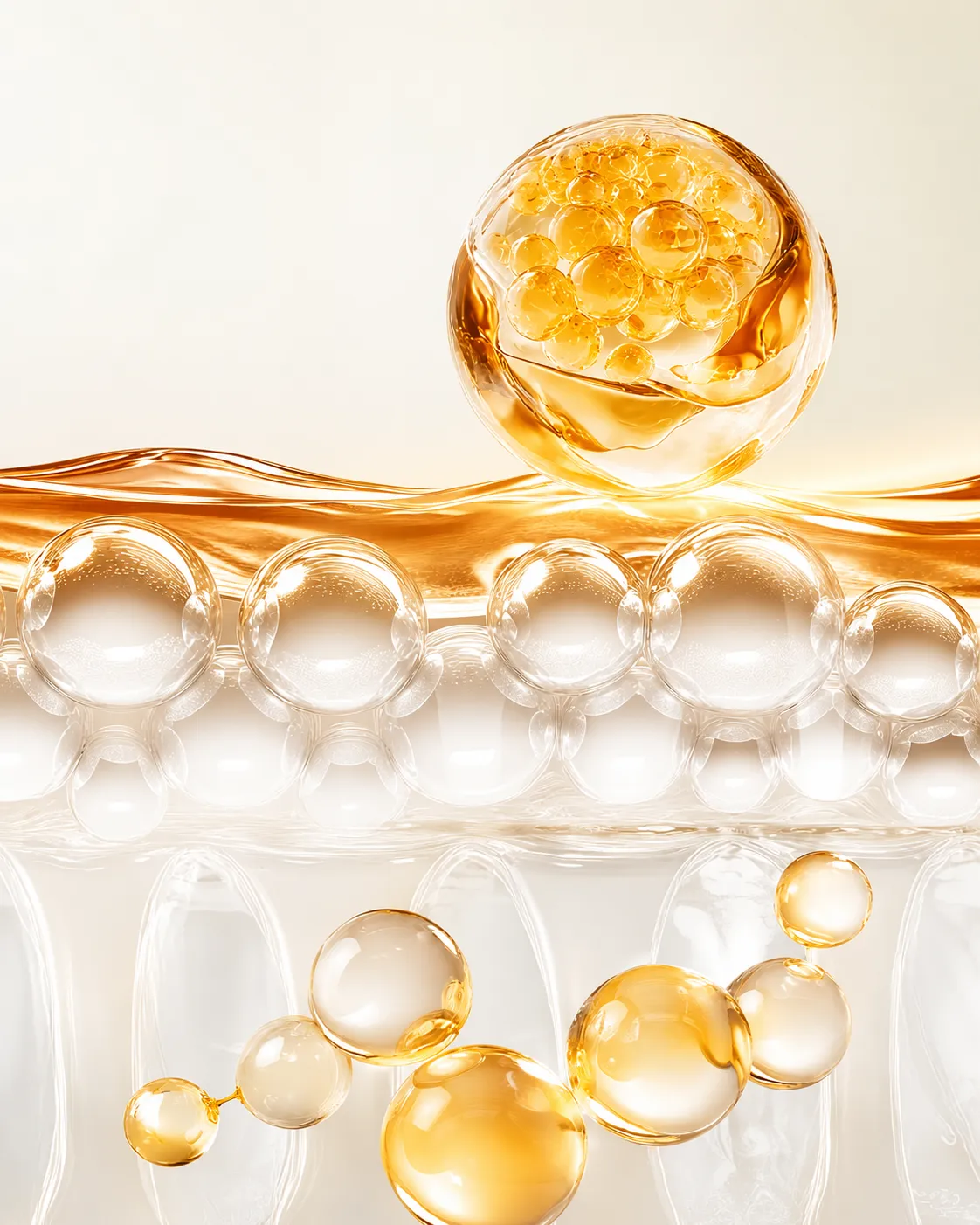
In recent years, exosomes have moved from aesthetic clinics to luxury beauty counters, from post-laser and microneedling recovery to serums, ampoules, leave-on treatments and everyday glow formulas. According to Grand View Research, the global aesthetic exosomes market was valued at approximately USD 39.7 million in 2025 and is projected to grow from USD 43.9 million in 2026 to USD 139.8 million by 2033, at a compound annual growth rate of 18.0 percent. The category remains small compared with the overall skincare market, but its growth rate suggests that exosomes are shifting from a niche clinical term into a category worth watching in high-performance beauty.
At the same time, the wider skincare market is expanding on the back of wellness, longevity and a growing appetite for more sustainable skin health. Grand View Research estimates that the global facial skincare market was valued at USD 110.3 billion in 2025 and is projected to grow from USD 116.8 billion in 2026 to USD 177.8 billion by 2033, at a CAGR of 6.2 percent. This places exosomes within a much broader context: consumers are not simply buying creams, serums or sunscreens; they are looking for formulas that feel smarter, more targeted and closer to the language of science.
So what exactly are exosomes? Exosomes are tiny extracellular vesicles naturally released by cells. Think of them as biological couriers carrying proteins, lipids, nucleic acids and signaling molecules that help cells communicate with one another. In the body, this form of cellular communication plays a role in repair, tissue regeneration and the regulation of cellular responses. In aesthetics, exosomes are attracting attention for their potential to support skin recovery and improve the appearance of texture, elasticity, pigmentation and visible signs of aging.
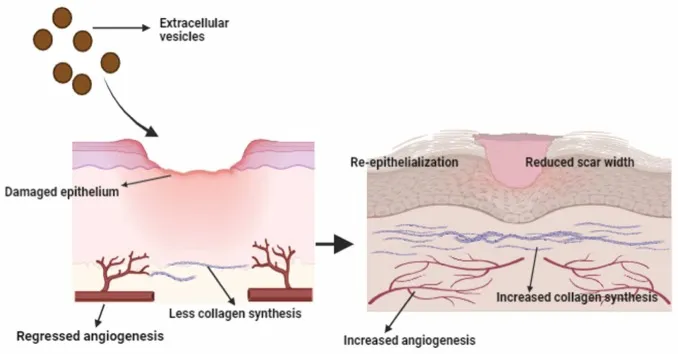
What makes exosomes compelling is not only their novelty. It is also the philosophy they represent. After years of skincare being dominated by strong treatments - acids, retinoids, peels, lasers and resurfacing - consumers are beginning to look for a softer approach: recovery rather than attack, reinforcement rather than erosion, regeneration rather than surface correction alone. Exosomes arrive at precisely this moment, as a symbol of regenerative beauty: a beauty model built around communication, repair and the skin’s own capacity to recover.
In clinics, exosomes are most often discussed in the context of microneedling, laser treatments or procedures that create controlled micro-injuries in the skin. When the surface barrier is temporarily opened, active ingredients may penetrate more effectively, while the recovery process itself can be supported. Reviews in cosmetic and aesthetic dermatology suggest that exosome-based therapies show potential in skin rejuvenation, pigmentation, hair restoration and post-treatment recovery, though larger, more standardized studies and longer-term follow-up are still needed to confirm efficacy and safety across different uses.

That distinction matters. Exosomes are a promising direction, but they should not be presented as a miracle already proven in every topical cosmetic product. Experts still raise questions about stability, penetration, exosome source, formulation standards and the strength of evidence behind retail skincare claims. In topical skincare especially, the market is moving quickly, and not all “exosome-powered” or “exosome-like” products are created equal. Allure has also noted that no exosome-based skincare products are currently FDA-approved, and that many products use different sources or exosome-like structures, making claims difficult to compare.
The most reasonable way to understand exosomes, then, is not as a single ingredient that can replace an entire routine. Instead, they should be seen as part of a wider repair ecosystem: peptides to support firmness, ceramides to strengthen the skin barrier, hyaluronic acid and polyglutamic acid for hydration, niacinamide and vitamin C for brightness, antioxidants to defend against environmental stress, and SPF to protect results every day.
In other words, regenerative skincare is not just a bottle of exosome serum. It is a strategy.
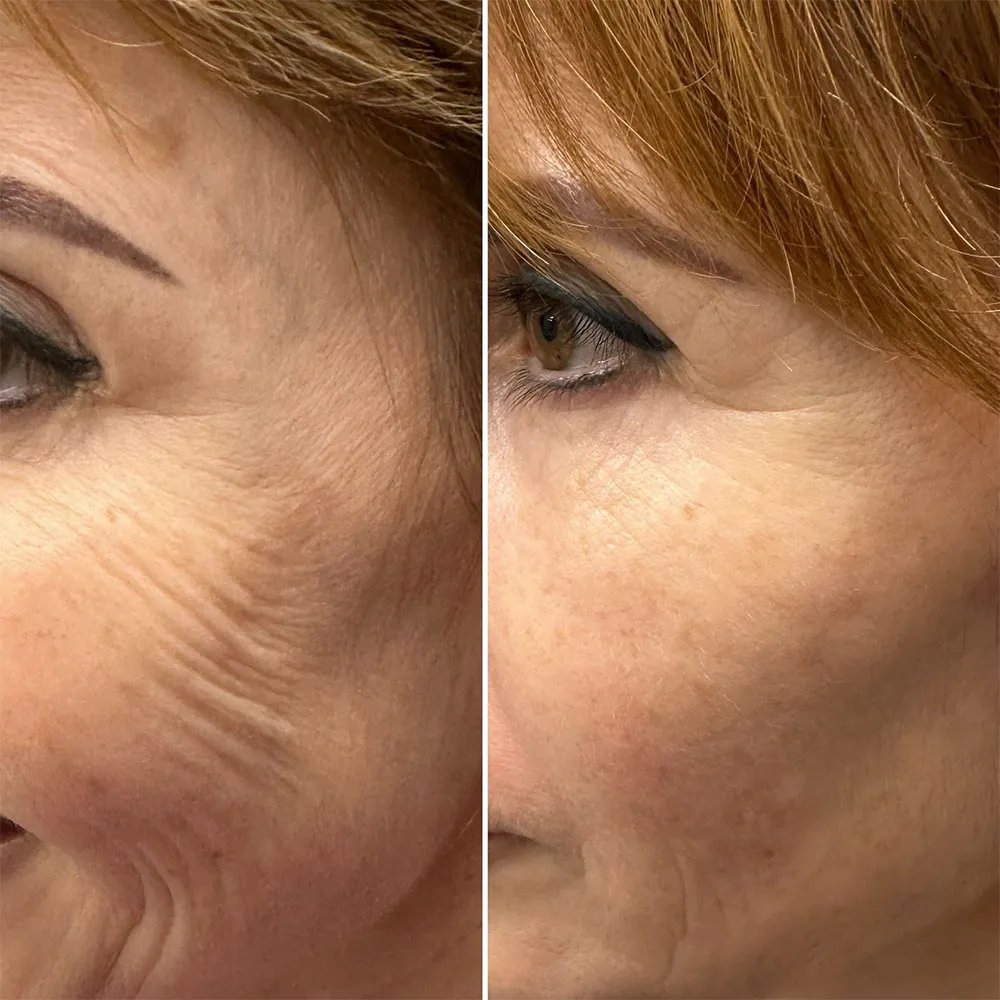
At the product level, exosomes are now appearing across several categories. The first is high-end leave-on treatments, often combining exosomes with enzymes or resurfacing ingredients to support renewal while smoothing the skin’s surface. The second is K-beauty ampoules and serums, focused on pores, texture and a healthier glass-skin effect. The third is more accessible glow serums, which translate exosome technology into formulas that can be layered under skincare or makeup. Beyond these, the regenerative skincare conversation also includes clinic-grade post-procedure products, peptide and ceramide recovery formulas, and a new generation of sunscreens that protect the foundation of any repair-focused routine.
Dermalogica’s phyto nature e² regenerating daily exosome leave-on treatment is an example of a premium product that places exosomes inside a daily skincare formula. It combines exfoliating enzymes with next-generation exosome technology to gently clear dull surface cells, smooth texture, support renewal and improve the appearance of fine lines.
What makes this product notable is that it does not speak only about instant glow. It places exosomes within a broader language of regeneration and surface rejuvenation. With a silky, lightweight texture designed for daily use, it reflects the new skincare mood: effective, refined and not overly complicated.
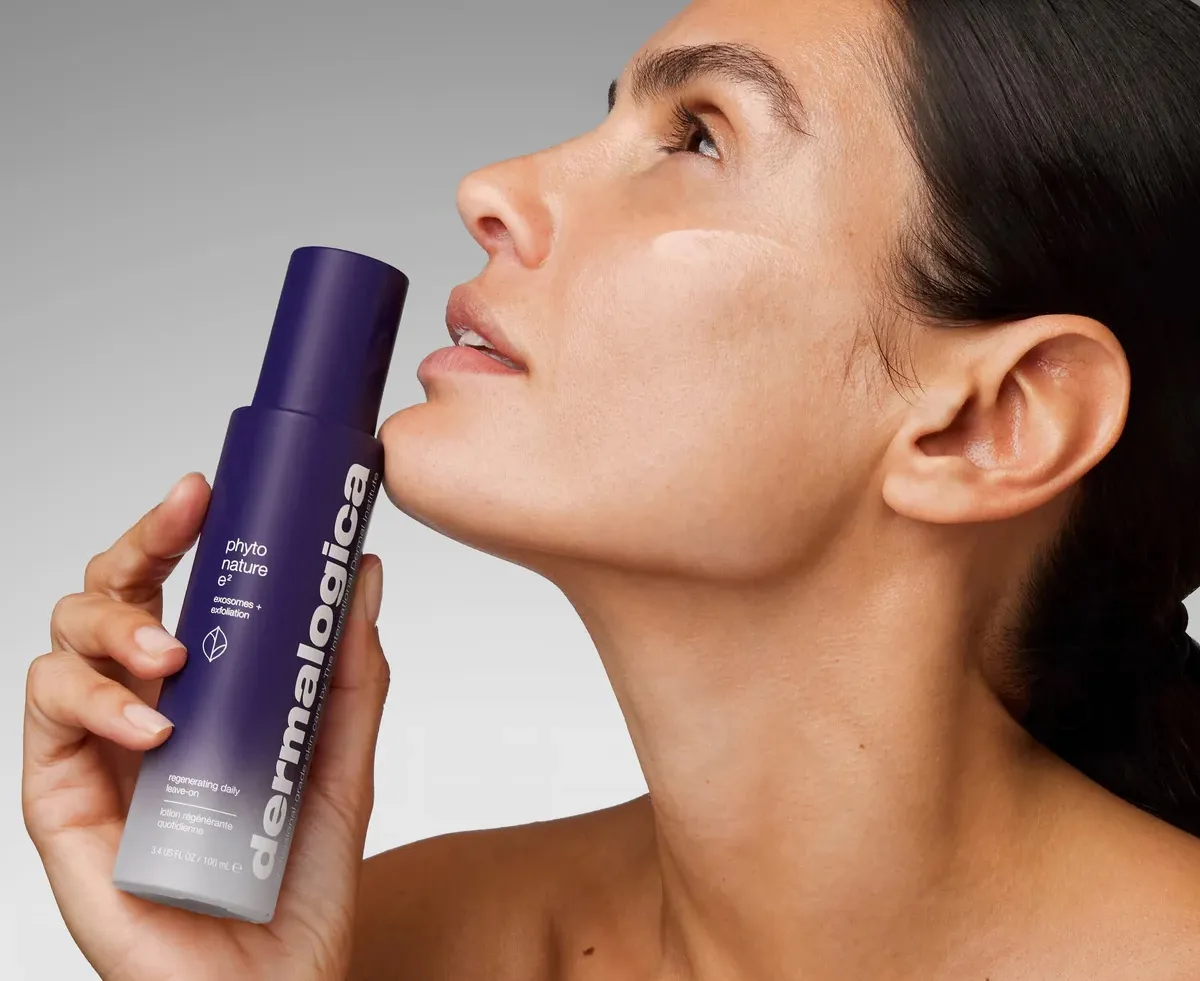
DERMALOGICA phyto nature e² regenerating daily exosome leave-on treatment, $229, available at Dermalogica.ca
From Korean skincare brand Medicube, One Day Exosome Shot Pore Ampoule 7500 represents another route for exosome beauty: the K-beauty focus on texture, pores and smooth-looking skin.
This high-performance ampoule is formulated with a potent concentration of exosomes to help refine skin texture, reduce the appearance of pores and leave the complexion looking healthier and smoother. At a more accessible price point, it shows how exosomes are no longer only a clinic or luxury skincare story. They are moving into broader high-performance skincare for everyday consumers.

MEDICUBE One Day Exosome Shot Pore Ampoule 7500, $35, available at Amazon.ca
The Inkey List Exosome Hydro-Glow Complex brings exosomes into a more approachable glow-serum format. With Cica Exosomes, the formula focuses on radiance, firmness and smoother-looking skin, while offering a lightweight, non-sticky texture that layers easily under skincare or makeup.
This is a clear example of how exosome technology is being translated into the language of the modern consumer: less clinical, easier to understand, but still carrying the appeal of biotech and regenerative skincare.
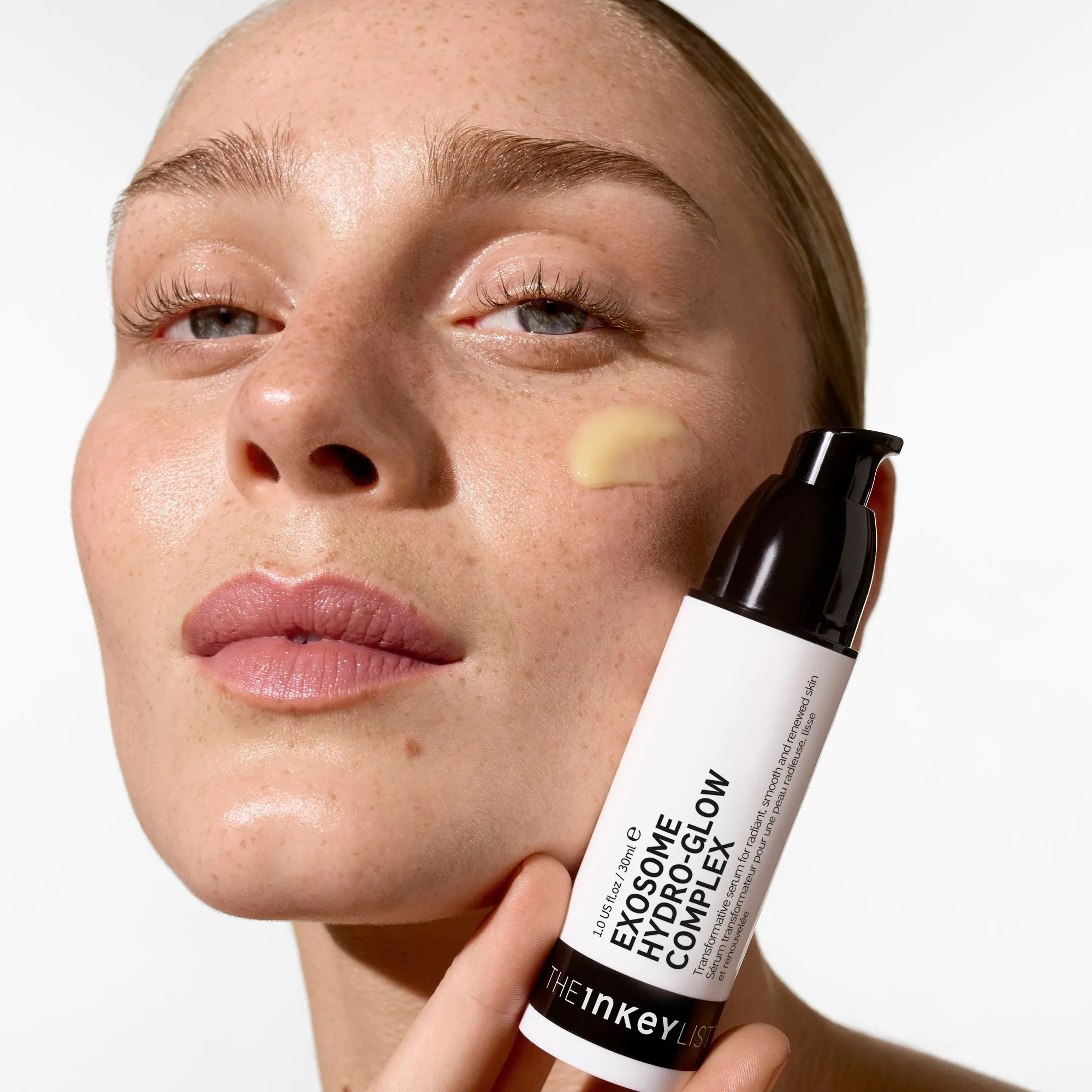
THE INKEY LIST Exosome Hydro-Glow Complex, $30, available at Sephora
If we expand the conversation beyond these three products, regenerative skincare also includes several important supporting categories. An exosome serum may be exciting, but if the skin barrier is compromised, the skin is dehydrated or sunscreen is ignored, the overall results will be difficult to sustain.
That is why barrier creams containing ceramides, cica, colloidal oatmeal or panthenol remain fundamental to any recovery-focused routine. They may not sound as futuristic as exosomes, but they help create a stable skin environment in which active ingredients can work more effectively.
Peptides also deserve to be placed alongside exosomes. If exosomes represent the idea of cellular communication, peptides act as smaller signals that support processes linked to collagen, elastin and firmness. The two categories often appear together in modern recovery and anti-aging formulas because they share a similar philosophy: support the skin over time rather than shock it into immediate change.

Hydrating ingredients such as hyaluronic acid, polyglutamic acid, glycerin and squalane are equally important. Dehydrated skin almost always looks more tired, more lined and less elastic. In regenerative skincare, hydration is not a secondary step; it is a condition for better recovery. Antioxidants such as vitamin C, niacinamide, resveratrol and botanical extracts also help defend the skin against oxidative stress, one of the factors that contributes to visible skin decline over time.

And finally, no conversation about regeneration is complete without SPF. If exosomes, peptides and ceramides help repair and reinforce, sunscreen helps prevent new damage from accumulating. In a longevity-focused routine, SPF is not an optional final step. It is the protective foundation for every skincare investment that comes before it.
The rise of exosomes also raises an important point: consumers need to read beauty claims more carefully. Words like “regenerative,” “cellular,” “clinic-grade,” “stem-cell derived” and “exosome-powered” are highly attractive, but not every product using these terms carries the same level of evidence.
In some markets, especially where exosomes are derived from human or stem-cell sources, there are also questions around regulation, ethics, biosafety and manufacturing standards. In the UK, for example, reporting has raised concerns about beauty clinics offering banned exosome treatments derived from human cells, highlighting how quickly the trend has moved - and how carefully it may need to be regulated.
The smartest approach is not to chase every product with the word exosome on the packaging. Consumers should look at the entire formula, the credibility of the brand, the intended use, their own skin condition and the transparency behind the product. For in-clinic treatments, it is essential to choose qualified professionals and understand the regulations in the market where the treatment is being offered. For topical skincare, exosomes should be seen as part of a recovery routine, not a replacement for the basics: gentle cleansing, hydration, barrier support and daily sunscreen.
What makes exosomes significant is not that they promise to erase aging. What makes them significant is that they change the central question of skincare. Instead of asking only, “How can skin look younger?”, regenerative beauty asks: “How can skin recover better, communicate better and maintain its quality for longer?”
That is an important shift. Beautiful skin is not only skin with fewer wrinkles. It is skin that can withstand stress better, recover faster, remain more stable and respond more intelligently to time, environment and lifestyle.

If the last era of skincare belonged to barrier health, the next may belong to cellular communication. In that story, exosomes are not the entire future. But they are certainly one of the clearest signs of where skincare is heading: from the surface to biology, from quick correction to long-term repair, and from louder promises to a deeper question: how healthy can the skin become when we learn to support it properly?